Chinese Business

Sri Lanka's deposed ex-leader returns from exile

Sri Lanka’s deposed former president Gotabaya Rajapaksa returned to the country Friday, an airport official said, seven weeks after he fled amid the island’s worst-ever economic crisis.

Rajapaksa was festooned with flowers by a welcoming party of ministers and politicians as he disembarked at the main international airport, the official added — in a sign of his enduring influence in the Indian Ocean nation critics say he led to ruin.

“There was a rush of government politicians to garland him as he came out of the aircraft,” the official told AFP.

Rajapaksa fled Sri Lanka under military escort in mid-July after unarmed crowds stormed his official residence, following months of angry demonstrations blaming him for the nation’s unprecedented economic crisis.

He sent in his resignation from Singapore before flying on to Thailand, from where he had petitioned his successor Ranil Wickremesinghe to facilitate his return.

The 73-year-old leader arrived from Bangkok via Singapore on a commercial flight, ending his 52-day self-imposed exile.

“He has been living in a Thai hotel as a virtual prisoner and was keen to return,” a defence official, who asked not to be named, told AFP.

“We have just created a new security division to protect him after his return,” the official added. 

“The unit comprises elements from the army and police commandos.”

Opposition politicians have accused Wickremesinghe of shielding the once-powerful Rajapaksa family.

Sri Lanka’s constitution guarantees bodyguards, a vehicle and housing for former presidents, including Gotabaya and his elder brother and fellow ex-president Mahinda.

Gotabaya Rajapaksa’s resignation ended his presidential immunity, and rights activists said they would press for his arrest on multiple charges, including his alleged role in the 2009 assassination of prominent newspaper editor Lasantha Wickrematunge.

“We welcome his decision to return so that we can bring him to justice for the crimes he has committed,” said Tharindu Jayawardhana, a spokesman for the Sri Lanka Young Journalists’ Association.

Rajapaksa also faces charges in a court in the US state of California over Wickrematunge’s murder and the torture of Tamil prisoners at the end of the island’s traumatic civil war in 2009. 

– Tight security –

Singapore declined to extend Rajapaksa’s short-term visa and he travelled to Thailand in August, but authorities in Bangkok instructed him not to step out of his hotel for his own safety.

Rajapaksa’s youngest brother, Basil, the former finance minister, met with Wickremesinghe last month and requested protection to allow the deposed leader to return.

On Friday police deployed plainclothes officers and armed guards outside a government residence allocated to Rajapaksa in Colombo ahead of his arrival. 

Security at his private home was also stepped up, officials said, adding that he was expected to first visit the family residence.

Sri Lanka has endured months of shortages of crucial goods including food, fuel and medicines, along with lengthy electricity blackouts and skyrocketing inflation after running out of foreign currency to finance essential imports. 

The coronavirus pandemic dealt a hammer blow to the island’s tourism industry and dried up remittances from Sri Lankans working abroad — both key foreign exchange earners.

Rajapaksa, who was elected in 2019 promising “vistas of prosperity and splendour”, saw his popularity nosedive as hardships multiplied for the country’s 22 million people. 

His government was accused of introducing unsustainable tax cuts that drove up government debt and exacerbated the crisis. 

Wickremesinghe was elected by parliament to see out the remainder of Rajapaksa’s term. He has since cracked down on street protests and arrested leading activists. 

The government defaulted on its $51 billion foreign debt in April and the central bank forecasts a record eight percent GDP contraction this year. 

After months of negotiations, the International Monetary Fund agreed on Thursday to a conditional $2.9 billion bailout package to repair Sri Lanka’s battered finances. 
G7 to implement Russian oil price cap 'urgently'

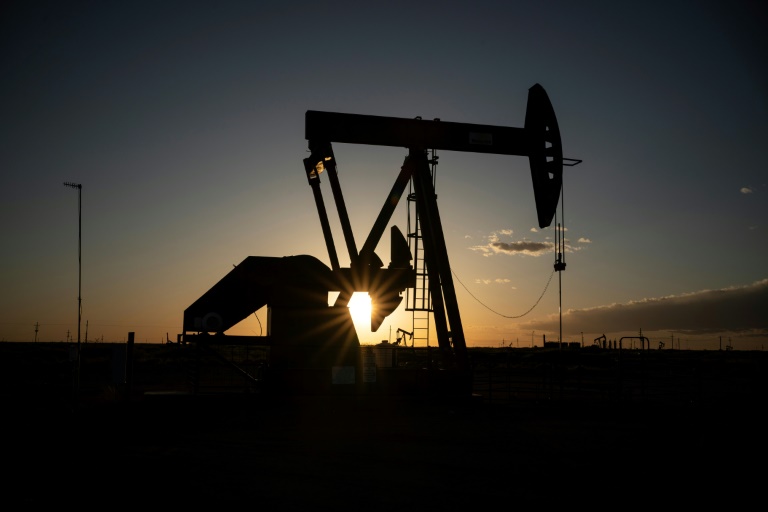
G7 industrialised powers vowed Friday to move urgently towards implementing a price cap on Russian oil imports in a bid to cut off a major source of funding for Moscow’s war in Ukraine.

The G7 said it was working towards a “broad coalition” of support for the measure but officials in France urged caution, saying a final decision could only be taken once all 27 members of the European Union had given their assent.

Households on the continent have borne the brunt of rising energy prices, with governments under pressure to alleviate the pain of the resulting high inflation.

“Russia is benefitting economically from the uncertainty on energy markets caused by the war and is making big profits from the export of oil and we want to counter that decisively,” German Finance Minister Christian Lindner said in a press conference after the move was announced.

The aim of the price cap on oil exports was to “stop an important source of financing for the war of aggression and contain the rise in global energy prices”, he added.

Ahead of Friday’s decision, Kremlin spokesman Dmitry Peskov sounded a clear warning.

The adoption of a price cap “will lead to a significant destabilisation of the oil markets,” and force American and European consumers to pay the price, he said.

And Russia’s Deputy Prime Minister Alexander Novak had warned on Thursday that Moscow would “simply not supply oil and petroleum products to companies or states that impose restrictions,” according to Russian news agencies.

– ‘Powerful tool’ –

At a summit in June, the G7 leaders agreed to work towards implementing the ceiling on crude sales.

In their statement, finance ministers from the G7 said they would “urgently work on the finalisation and implementation” of the long-considered measure, without specifying the cap level.

The price cap was “one of the most powerful tools we have to fight inflation and protect workers and businesses in the United States”, US Treasury Secretary Janet Yellen said in a statement Friday. 

She said the measure already was beginning to influence prices, with countries that have not yet committed to join the cap able to negotiate lower prices from Russia.

“We’re already seeing this initiative pay off because countries that are buying Russian oil are signing deals with Russia to sell oil at greatly discounted prices,” Yellen said on MSNBC.

She said the capped price “will be set at a level that will continue to make it profitable for Russia to produce,” rather than follow through on Moscow’s threat to shut-in their oil and keep it off world markets.

The G7 move would block Russia from getting any kind of service, including maritime insurance, on its petroleum shipments unless the product is sold at or below the cap, she explained.

And Yellen noted that G7 countries provide the vast majority of such services, including maritime insurance, 90 percent of which come from Britain and the EU. 

A senior US Treasury official told reporters that the cap would include three prices, one for crude oil and two for refined petroleum products.

The French finance ministry said technical work on the price cap was still in progress.

“It is clear that no final decision can be taken until we have consulted and obtained unanimous support from all 27 member states of the European Union,” it said.

“We support all measures that reduce the income that Russia derives from the sale of oil,” French Finance Minister Bruno Le Maire added.

EU Commissioner Paolo Gentiloni said the bloc aims to find a deal by December 5 for crude oil and February 5 for petroleum products.

– ‘Broad coalition’ –

The G7 also voiced ambition to extend the measure beyond the bloc, saying it was seeking to form a “broad coalition” of support for the oil price cap to “maximise” the effectiveness of the measure.

The ministers urged “all countries that still seek to import Russian oil and petroleum products to commit to doing so only at prices at or below the price cap”.

The push to get as many countries as possible to go along with the cap is expected to be a key topic for discussion by leaders at the G20 summit in Bali on November 15 and 16.

The initial cap would be set “at a level based on a range of technical inputs” the G7 ministers said, adding that its effectiveness would be “closely monitored”.

Analysts warned, however, that the cap may yet fuel another rise in prices.

The cap would introduce new risks for the oil market by “potentially disrupting Russian energy supplies”, Capital Economics analyst Liam Perch said in June. “This could push global energy prices up further.”

burs-sea/hmn/lth/hs/dw

Stock markets jump on US jobs data

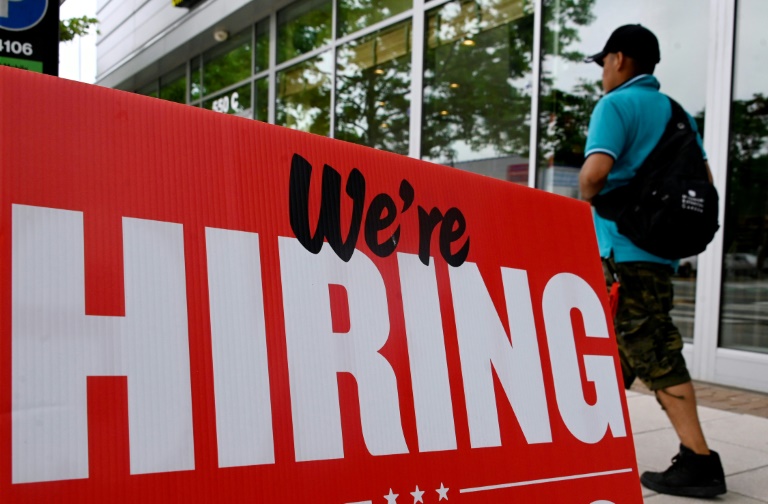
US and European stock markets shot higher on Friday following data that showed US job creation slowed but remained positive last month, belying fears of a recession induced by interest rates and inflation.

Labor Department data showed US employment increased by 315,000 jobs last month, which was in line with what economists were expecting but at a much slower pace than the 526,000 hires in July.

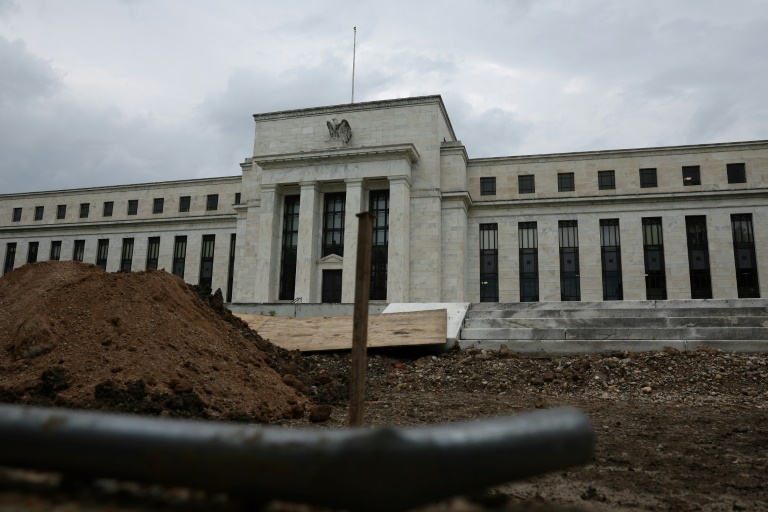
US Federal Reserve Chairman Jerome Powell signalled last week that the US central bank would continue to aggressively raise interest rates in order to bring surging inflation under control, even if it creates some short-term economic pain.

The latest jobs data show the Fed’s two 0.75-percentage-point interest rate hikes are having an impact on the US economy without completely derailing it.

“The key takeaway is that the labor market remains in pretty solid shape,” said market analyst Patrick O’Hare at Briefing.com.

“It didn’t function with the same zest it showed in August, but, objectively, it is running at a pace that is wholly inconsistent with an economy on the cusp of a recession,” he added.

Recent healthy readings on US factory activity, unemployment claims and private jobs creation have also indicated the world’s top economy remained strong despite rising interest rates and four-decade-high inflation.

“Traders believe that the jobs’ report is moving back to normal and the economy can handle some interest rate increases,” said Naeem Aslam, chief market analyst at Avatrade.

Wall Street’s main indices climbed, with the Dow up 1.1 percent in late morning trading, while both the S&P 500 and Nasdaq Composite rose 1.2 percent.

In Europe, Frankfurt soared 3.3 percent, while Paris jumped 2.2 percent and London climbed 1.9 percent.

– ‘Goldilocks scenario’ –

Analyst Craig Erlam at OANDA trading platform said “there are aspects of the report that will please the Fed and support the case for easing off the brake.”

Markets have been expecting a third 0.75-percentage-point hike later this month, but Avatrade’s Aslam also pointed to the unemployment creeping higher to 3.7 percent.

“This is a goldilocks scenario for traders who now know that the Fed is unlikely to increase the rate aggressively,” he said.

“This factor has pushed the dollar index lower and gold prices moved higher on the back of this,” he added.

The dollar had rallied this week to highs not seen for decades including against the pound, euro and yen on expectations that the Fed would continue to raise interest rates aggressively.

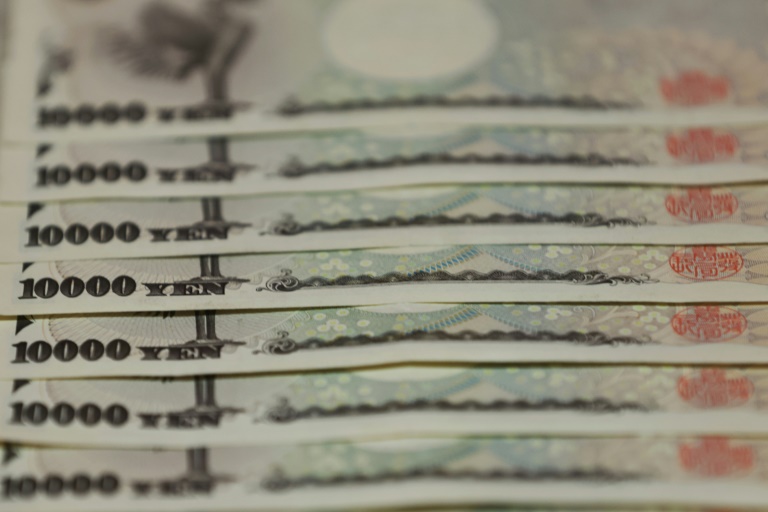
The yen hit a new 24-year low against the dollar on Friday.

Elsewhere on Friday, oil prices rallied on fading expectations for an Iran nuclear deal anytime soon, with the market shrugging off a declaration by G7 nations they intend to quickly impose a price cap on Russian oil exports as they tighten sanctions on the Kremlin over the invasion of Ukraine.

– Key figures at around 1530 GMT –

New York – Dow: UP 1.1 percent at 32,010.64 points

EURO STOXX 50: UP 2.5 percent at 3,544.38

London – FTSE 100: UP 1.9 percent at 7,281.19 (close)

Frankfurt – DAX: UP 3.3 percent at 13,050.27 (close)

Paris – CAC 40: UP 2.2 percent at 6,167.51 (close)

Tokyo – Nikkei 225: FLAT at 27,650.84 (close)

Hong Kong – Hang Seng Index: DOWN 0.7 percent at 19,452.09 (close)

Shanghai – Composite: UP 0.1 percent at 3,186.48 (close)

Dollar/yen: UP at 140.07 yen from 139.44 yen on Thursday

Euro/dollar: UP at $1.0031 from $0.9946

Pound/dollar: UP at $1.1577 from $1.1545

Euro/pound: UP at 86.63 pence from 86.14 pence

West Texas Intermediate: UP 1.9 percent at $88.27 per barrel

Brent North Sea crude: UP 1.9 percent at $94.10

burs-rl/lth

G7 to implement Russian oil price cap 'urgently'

G7 industrialised powers vowed Friday to “urgently” move towards implementing a price cap on Russian oil imports in a bid to cut a major source of funding for Moscow’s war in Ukraine.

The G7 said it was working towards a “broad coalition” of support for the measure but officials in France urged caution, saying a “final” decision could only be taken once all 27 members of the European Union had given their assent.

Households on the continent have borne the brunt of rising energy prices, with governments under pressure to alleviate the pain of the resulting high inflation.

“Russia is benefitting economically from the uncertainty on energy markets caused by the war and is making big profits from the export of oil and we want to counter that decisively,” German Finance Minister Christian Lindner said in a press conference after the move was announced.

The aim of the price cap on oil exports was to “stop an important source of financing for the war of aggression and contain the rise in global energy prices”, he added.

Ahead of Friday’s decision, Kremlin spokesman Dmitry Peskov sounded a clear warning.

The adoption of a price cap “will lead to a significant destabilisation of the oil markets,” he said.

Moscow would “simply not supply oil and petroleum products to companies or states that impose restrictions,” Russia’s Deputy Prime Minister Alexander Novak had warned on Thursday, according to Russian news agencies.

“Interference in the market mechanisms of such an important industry … will only destabilise the oil industry, the oil market. And for this, European and American consumers will be the first to pay,” he said.

– ‘Powerful tool’ –

At a summit in June, the G7 leaders agreed to work towards implementing the ceiling on crude sales.

In their statement, finance ministers from the G7 said they would “urgently work on the finalisation and implementation” of the long-considered measure, without specifying the cap level.

The price cap was “one of the most powerful tools we have to fight inflation and protect workers and businesses in the United States”, US Secretary of the Treasury Janet Yellen said in a statement Friday. 

However, the French finance ministry said technical work on the price cap was still “in progress”.

“It is clear that no final decision can be taken until we have consulted and obtained unanimous support from all 27 member states of the European Union,” it said.

“We support all measures that reduce the income that Russia derives from the sale of oil,” French Finance Minister Bruno Le Maire added.

EU Commissioner Paolo Gentiloni said the bloc aims to find a deal by December 5 for crude oil and February 5 for petroleum products.

– ‘Broad coalition’ –

The G7 also voiced ambition to extend the measure beyond the bloc, saying it was seeking to form a “broad coalition” of support for the oil price cap to “maximise” the effectiveness of the measure.

The ministers urged “all countries that still seek to import Russian oil and petroleum products to commit to doing so only at prices at or below the price cap”.

The push to get as many countries as possible to go along with the cap is expected to be a key topic for discussion by leaders at the G20 summit in Bali on November 15 and 16.

The initial cap would be set “at a level based on a range of technical inputs” the G7 ministers said, adding that its effectiveness would be “closely monitored”.

Analysts warned, however, that the cap may yet fuel another rise in prices.

The cap would introduce new risks for the oil market by “potentially disrupting Russian energy supplies”, Capital Economics analyst Liam Perch said in June. “This could push global energy prices up further.”

“The cap may also be effective at reducing the Russian government’s tax revenues,” he said, speculating that a cap just below $80 (80 euros) per barrel could “push Russia’s budget into a deficit”. 

burs-sea/hmn/lth

European equities stage rebound before US data

Europe’s stock markets rose Friday before key US jobs data, after diving the previous day on fears of an inflation-induced recession.

Frankfurt won 1.5 percent, London gained 0.7 percent and Paris added 0.6 percent after a subdued Asian session.

All three markets tanked Thursday as record-high eurozone inflation fuelled fears that the European Central Bank will ramp up interest rates again next week, even as the region faces rocketing winter energy prices over Russia’s war on Ukraine.

Elsewhere on Friday, oil prices rallied Friday on fading expectations for an Iran nuclear deal anytime soon, but remain under pressure from issues including the strong dollar, China’s renewed Covid lockdowns, and worries about a demand-sapping recession.

– Data ‘commands attention’ –

All eyes are now on a key US non-farm payrolls (NFP) report slated for publication later Friday, for clues on the Federal Reserve’s interest rate outlook.

“This economic reading commands the most attention,” noted AvaTrade analyst Naeem Aslam.

“As always, the Fed will watch this data very closely and it is highly likely to influence their monetary policy decision.”

With US rates expected to keep rising, the dollar has rallied to highs not seen for decades including against the pound and euro.

Bets are now increasing on a third successive 75-basis-point increase at the Fed’s September meeting. 

The dollar eased Friday but held above 140 yen — one day after breaching the key level for the first time since 1998.

“Profit-taking was the name of the game as euro/dollar climbed back above parity, although dollar/yen continued to press ahead,” noted City Index analyst Fawad Razaqzada.

Recent healthy readings on US factory activity, unemployment claims and private jobs creation indicated the world’s top economy remained strong despite rising interest rates and four-decade-high inflation.

Wall Street ended Thursday with a late rally, with the Dow and S&P 500 snapping a four-day retreat, though the Nasdaq extended its losing streak.

– Key figures at around 1100 GMT –

London – FTSE 100: UP 0.7 percent at 7,200.60 points

Frankfurt – DAX: UP 1.5 percent at 12,820.41

Paris – CAC 40: UP 0.6 percent at 6,071.24

EURO STOXX 50: UP 0.8 percent at 3,484.42

Tokyo – Nikkei 225: FLAT at 27,650.84 (close)

Hong Kong – Hang Seng Index: DOWN 0.7 percent at 19,452.09 (close)

Shanghai – Composite: UP 0.1 percent at 3,186.48 (close)

New York – Dow: UP 0.5 percent at 31,656.42 (close)

Dollar/yen: UP at 140.32 yen from 139.44 yen on Thursday

Euro/dollar: UP at $1.0008 from $0.9946

Pound/dollar: UP at $1.1564 from $1.1545

Euro/pound: UP at 86.51 pence from 86.14 pence

West Texas Intermediate: UP 2.3 percent at $88.62 per barrel

Brent North Sea crude: UP 2.1 percent at $94.27

burs-rfj/rl

Markets mixed as traders focus on US jobs data

Asian markets were mixed Friday and the dollar held gains as rate hike expectations grew, with traders now focusing on a key US jobs report later in the day.

Oil prices rose on fading expectations for an Iran nuclear deal anytime soon, but they remained under severe pressure from a range of issues including the strengthening dollar, Covid lockdowns in China and worries about a demand-sapping recession.

Healthy readings on US factory activity, unemployment claims and private jobs creation indicated the world’s top economy remained strong despite rising interest rates and four-decade-high inflation.

But analysts said the figures were a case of “good news in bad news” as they would give the US Federal Reserve more room to keep tightening monetary policy, with officials lining up to commit to beating inflation even if that causes a recession. 

Bets are increasing on a third successive 75-basis-point increase at its September meeting. 

OANDA’s Edward Moya warned Fed officials could even start considering rising into 2023, with inflation data later this month becoming increasingly important.

“If the economy remains resilient over the next few months, the Fed-funds futures market might believe the Fed won’t be done tightening at the end of year,” he wrote in a commentary.

“Markets might start pricing in a February rate hike as well, if pricing pressures don’t show further signs of easing with the September 13th inflation report.”

Wall Street ended with a late rally, with the Dow and S&P 500 snapping a four-day retreat, though the Nasdaq extended its losing streak.

European markets fell again after record inflation figures ramped up expectations the European Central Bank will announce a big increase in costs next Thursday.

Asia continued to struggle, though there were some positives.

Hong Kong, Sydney, Singapore, Seoul, Taipei and Bangkok fell, while Tokyo was marginally down. Shanghai, Wellington, Mumbai, Manila and Jakarta were up.

London, Paris and Frankfurt all rose Friday morning.

Michael Hewson, of CMC Markets, said: “Not only did we hear Fed chairman Jay Powell offer the unequivocal message that the Federal Reserve would continue to hike rates until the job is done, but every Fed official since then has offered the same message, along with the postscript that rates were unlikely to come down any time soon, and certainly not before 2024.

“This week’s economic data out of the US has merely served to bolster the message in respect of the Fed’s determination to raise rates and mitigate any concern their actions might have on the US economy.”


– Dollar strength –

With US rates expected to keep rising, the dollar has rallied to highs not seen for decades including against the pound and euro.

On Thursday, it broke 140 yen for the first time since 1998.

Expectations are that it could strengthen further as the Bank of Japan keeps rates ultra-low to kickstart the economy, while analysts said an intervention to prop up the yen was unlikely as the effects would be brief.

The dollar also hit a record against the Philippine peso, increasing pressure for a rate hike by the country’s central bank, which has signalled it wants to ease up on tightening.

The rising greenback was adding to downward pressure on oil, which is priced in dollars, while demand hopes were dealt a hefty blow Thursday by news that China had effectively locked down around 20 million people in Chengdu to fight a Covid outbreak.

The closure of the tech manufacturing hub follows a similar shutdown of Shanghai, which sent shockwaves through the economy, and has battered hopes for a recovery in the world’s number-two economy.

“Lockdowns/mass testing continues to impede stimulus efforts to revive the economy, with announced stimulus to date unlikely to gain much traction if the zero-Covid policy continues,” said National Australia Bank’s Tapas Strickland.

“Given Chengdu is also a production hub for high tech manufacturing,” global supply chains will likely continue to be disrupted, he added.

Crude, which has lost all the gains made in the aftermath of Russia’s February invasion of Ukraine, rose Friday after US officials said they had received a new response from Iran on reviving a nuclear deal but that it was not “constructive”.

– Key figures at around 0810 GMT –

Tokyo – Nikkei 225: FLAT at 27,650.84 (close)

Hong Kong – Hang Seng Index: DOWN 0.7 percent at 19,452.09 (close)

Shanghai – Composite: UP 0.1 percent at 3,186.48 (close)

London – FTSE 100: UP 0.5 percent at 7,182.14

Dollar/yen: UP at 140.28 yen from 140.20 yen on Thursday

Euro/dollar: UP at $0.9985 from $0.9947

Pound/dollar: UP at $1.1559 from $1.1542

Euro/pound: UP at 86.38 pence from 86.16 pence

West Texas Intermediate: UP 2.1 percent at $88.46 per barrel

Brent North Sea crude: UP 2.0 percent at $94.23 per barrel

New York – Dow: UP 0.5 percent at 31,656.42 (close)

Most Asian markets down as traders focus on US jobs data

Asian markets struggled again Friday and the dollar held gains as rate hike expectations grew, with traders now focusing on a key US jobs report later in the day.

Oil prices rose on fading expectations for an Iran nuclear deal anytime soon, but they remained under severe pressure from a range of issues including the strengthening dollar, Covid lockdowns in China, and worries about a demand-sapping recession.

Healthy readings on US factory activity, unemployment claims and private jobs creation indicated the world’s top economy remained strong despite rising interest rates and four-decade-high inflation.

But analysts said the figures were a case of “good news in bad news” as they would give the US Federal Reserve more room to keep tightening monetary policy, with officials lining up to commit to beating inflation even if that causes a recession. 

Bets are increasing on a third successive 75-basis-point increase at its September meeting. 

OANDA’s Edward Moya warned Fed officials could even start considering rising into 2023, with inflation data later this month becoming increasingly important.

“If the economy remains resilient over the next few months, the Fed-funds futures market might believe the Fed won’t be done tightening at the end of year,” he wrote in a commentary.

“Markets might start pricing in a February rate hike as well, if pricing pressures don’t show further signs of easing with the September 13th inflation report.”

Wall Street ended with a late rally, with the Dow and S&P 500 snapping a four-day retreat, though the Nasdaq extended its losing streak. European markets fell again after record inflation figures ramped up expectations the European Central Bank will announce a big increase in costs next Thursday.

Asia continued to wobble, though there were some positives.

Tokyo, Hong Kong, Sydney, Wellington and Taipei fell, while Shanghai, Seoul, Manila and Jakarta edged up.

Meera Pandit at JPMorgan Asset Management said the near-term outlook was not positive.

“We don’t have a lot of reasons to be bullish in this type of environment for the next couple of weeks and months,” she told Bloomberg Television.

– Dollar gains –

With US rates expected to keep rising, the dollar has rallied to highs not seen for decades including against the pound and euro,

On Thursday, it broke 140 yen for the first time since 1998.

Expectations are that it could strengthen further as the Bank of Japan keeps rates ultra-low to kickstart the economy, while analysts said an intervention to prop up the yen was unlikely as the effects would be brief.

The rising greenback was adding to downward pressure on oil, which is priced in dollars, while demand hopes were dealt a hefty blow Thursday by news that China had effectively locked down around 20 million people in Chengdu to fight a Covid outbreak.

The closure of the tech manufacturing hub follows a similar shutdown of Shanghai, which sent shockwaves through the economy, and has battered hopes for a recovery in the world’s number-two economy.

“Lockdowns/mass testing continues to impede stimulus efforts to revive the economy, with announced stimulus to date unlikely to gain much traction if the zero-Covid policy continues,” said National Australia Bank’s Tapas Strickland.

“Given Chengdu is also a production hub for high tech manufacturing,” global supply chains will likely continue to be disrupted, he added.

Crude, which has lost all the gains made in the aftermath of Russia’s February invasion of Ukraine, rose Friday after US officials said they had received a new response from Iran on reviving a nuclear deal but that it was not “constructive”.

– Key figures at around 0300 GMT –

Tokyo – Nikkei 225: DOWN 0.2 percent at 27,604.37 (break)

Hong Kong – Hang Seng Index: DOWN 0.7 percent at 19,461.46

Shanghai – Composite: UP 0.1 percent at 3,186.68

Dollar/yen: DOWN at 140.12 yen from 140.20 yen on Thursday

Euro/dollar: UP at $0.9960 from $0.9947

Pound/dollar: UP at $1.1546 from $1.1542

Euro/pound: UP at 86.26 pence from 86.16 pence

West Texas Intermediate: UP 1.3 percent at $87.72 per barrel

Brent North Sea crude: UP 1.2 percent at $93.43 per barrel

New York – Dow: UP 0.5 percent at 31,656.42 (close)

London – FTSE 100: DOWN 1.9 percent at 7,148.50 (close)

Most Asian markets down as traders focus on US jobs data

Asian markets struggled again Friday and the dollar held gains as rate hike expectations grew, with traders now focusing on a key US jobs report later in the day.

Oil prices rose on fading expectations for an Iran nuclear deal anytime soon, but they remained under severe pressure from a range of issues including the strengthening dollar, Covid lockdowns in China, and worries about a demand-sapping recession.

Healthy readings on US factory activity, unemployment claims and private jobs creation indicated the world’s top economy remained strong despite rising interest rates and four-decade-high inflation.

But analysts said the figures were a case of “good news in bad news” as they would give the US Federal Reserve more room to keep tightening monetary policy, with officials lining up to commit to beating inflation even if that causes a recession. 

Bets are increasing on a third successive 75-basis-point increase at its September meeting. 

OANDA’s Edward Moya warned Fed officials could even start considering rising into 2023, with inflation data later this month becoming increasingly important.

“If the economy remains resilient over the next few months, the Fed-funds futures market might believe the Fed won’t be done tightening at the end of year,” he wrote in a commentary.

“Markets might start pricing in a February rate hike as well, if pricing pressures don’t show further signs of easing with the September 13th inflation report.”

Wall Street ended with a late rally, with the Dow and S&P 500 snapping a four-day retreat, though the Nasdaq extended its losing streak. European markets fell again after record inflation figures ramped up expectations the European Central Bank will announce a big increase in costs next Thursday.

Asia continued to wobble, though there were some positives.

Tokyo, Hong Kong, Sydney, Wellington and Taipei fell, while Shanghai, Seoul, Manila and Jakarta edged up.

Meera Pandit at JPMorgan Asset Management said the near-term outlook was not positive.

“We don’t have a lot of reasons to be bullish in this type of environment for the next couple of weeks and months,” she told Bloomberg Television.

– xxxx –

With US rates expected to keep rising, the dollar has rallied to highs not seen for decades including against the pound and euro,

On Thursday, it broke 140 yen for the first time since 1998.

Expectations are that it could strengthen further as the Bank of Japan keeps rates ultra-low to kickstart the economy, while analysts said an intervention to prop up the yen was unlikely as the effects would be brief.

The rising greenback was adding to downward pressure on oil, which is priced in dollars, while demand hopes were dealt a hefty blow Thursday by news that China had effectively locked down around 20 million people in Chengdu to fight a Covid outbreak.

The closure of the tech manufacturing hub follows a similar shutdown of Shanghai, which sent shockwaves through the economy, and has battered hopes for a recovery in the world’s number-two economy.

“Lockdowns/mass testing continues to impede stimulus efforts to revive the economy, with announced stimulus to date unlikely to gain much traction if the zero-Covid policy continues,” said National Australia Bank’s Tapas Strickland.

“Given Chengdu is also a production hub for high tech manufacturing,” global supply chains will likely continue to be disrupted, he added.

Crude, which has lost all the gains made in the aftermath of Russia’s February invasion of Ukraine, rose Friday after US officials said they had received a new response from Iran on reviving a nuclear deal but that it was not “constructive”.

– Key figures at around 0300 GMT –

Tokyo – Nikkei 225: DOWN 0.2 percent at 27,604.37 (break)

Hong Kong – Hang Seng Index: DOWN 0.7 percent at 19,461.46

Shanghai – Composite: UP 0.1 percent at 3,186.68

Dollar/yen: DOWN at 140.12 yen from 140.20 yen on Thursday

Euro/dollar: UP at $0.9960 from $0.9947

Pound/dollar: UP at $1.1546 from $1.1542

Euro/pound: UP at 86.26 pence from 86.16 pence

West Texas Intermediate: UP 1.3 percent at $87.72 per barrel

Brent North Sea crude: UP 1.2 percent at $93.43 per barrel

New York – Dow: UP 0.5 percent at 31,656.42 (close)

London – FTSE 100: DOWN 1.9 percent at 7,148.50 (close)

Yen sinks to new 24-year low against dollar

The yen plunged to a new 24-year low against the dollar on Thursday as Japan sticks with its long-standing monetary easing policies in contrast to tightening by the US Federal Reserve.

One dollar was more worth more than 140 yen for the first time since 1998 in European afternoon deals, as the greenback also strengthened against other currencies.

The yen has been falling against the dollar from around 115 in March, prompting analysts to point to the possibility of government intervention.

The steep decline has mainly been driven by the differing approaches of the Bank of Japan and other central banks including the Fed, which have raised interest rates to tackle soaring inflation fuelled by the Ukraine war.

David Forrester, senior FX strategist at Credit Agricole CIB in Hong Kong, said breaching 140 yen per dollar marked an “important technical level”.

“Previously, if you look at when the Bank of Japan has intervened to buy the yen, it’s usually been around these levels,” he told AFP.

The Japanese currency fell 0.6 percent to hit 140.13 yen per dollar at around 1425 GMT.

Earlier on Thursday, Japan’s top government spokesman repeated comments about the importance of stability in forex markets, saying that “rapid changes are undesirable”.

But he did not give any indication that special measures, like the finance ministry instructing the BoJ to buy the yen against other currencies to bolster its value, were on the cards.

With volatility increasing, “the government plans to monitor the trend of the foreign exchange market carefully with a high sense of urgency,” Hirokazu Matsuno told reporters.

– Government intervention? –

Last week, Fed Chair Jerome Powell declared his commitment to aggressive rate hikes, eliminating hope that the US central bank may soften its position to avoid an economic slowdown.

But policymakers at the Bank of Japan have refused to abandon easy-money measures put in place a decade ago, aimed at generating growth in the world’s third-largest economy and sustained price rises of around two percent.

Also, “higher energy prices throughout the year have been a big weight on Japan’s trade balance and current account balance… but that has eased a little bit recently,” Forrester said.

Inflation in Japan is at its highest in seven years, and prices for items excluding fresh products rose 2.4 percent on-year in July — but the BoJ sees these increases as temporary, and says it is committed to its current policy.

“Inflation in Japan is not only accelerating but broadening out beyond just food and energy price inflation,” which is starting to indicate “that maybe the BoJ does have to shift its stance a little”, Forrester said. 

“If they’re stubborn on that front, then the ministry of finance may have to intervene, to reduce imported inflation due to the weaker yen,” he added.

Although it makes imported goods more expensive in Japan, a weaker yen can also inflate the profits of Japanese companies selling products overseas, including major firms such as Toyota and Nintendo.

On Wednesday, Prime Minister Fumio Kishida announced a further relaxation of the country’s strict border rules to allow tourists on package tours, but without a guide.

The decision was made partly “from the viewpoint of taking advantage of a cheap yen”, he told reporters.

js-kaf-hih-lth/rl

Global stocks selloff intensifies on recession fears

Global stock markets sank Thursday, propelled by rampant inflation and growing recession fears as another major Chinese city went into lockdown.

Frankfurt, London and Paris equities closed down between 1.5 and two percent as record-high eurozone inflation fuelled fears that borrowing costs are set to climb even higher even as the region faces rocketing winter energy costs due to Russia’s war on Ukraine.

The European Central Bank will announce its latest monetary policy decision next Thursday, after delivering its first rate hike in a decade in July.

“More pain is likely for investors as Europe’s energy crunch gets worse”, said City Index analyst Fawad Razaqzada.

Meanwhile the yen plunged to a new 24-year low against the dollar on Thursday as Japan sticks with its long-standing monetary easing policies in contrast to tightening by the US Federal Reserve.

One dollar was more worth more than 140 yen for the first time since 1998 in afternoon deals in Europe, as the greenback also strengthened against other currencies.

The greenback was also at its strongest level against the pound since the height of the pandemic in 2020, with sterling buying less than $1.16.

On Wall Street, the Dow was down 0.5 percent at 31,358.97 points in late morning trading.

– ‘Outlook is poor’ –

“Markets remain unable to snap their recent losing streak, with investors still positioning for tougher times ahead,” said Interactive Investor analyst Richard Hunter.

“Central to current concerns are recessionary fears in the US and a beleaguered China. 

“With the world’s two largest economies under pressure, the immediate outlook is poor.”

Asian equities weakened further Thursday as traders continued to digest shrinking factory activity in powerhouse economy China.

Shanghai also dropped after news that the Chinese city of Chengdu would effectively lock down around 16 million people in a bid to contain a Covid-19 outbreak, likely dealing another blow to a stuttering economy.

“With Covid outbreaks unlikely to diminish as we head into winter, the prospects for a China rebound this side of next year have virtually disappeared, raising concerns over a prolonged global slowdown”, said CMC Markets analyst Michael Hewson. 

Meanwhile on Wall Street the tech-heavy Nasdaq was down around two percent, with investors taking a fright over the fortunes of NVIDIA, a California-based maker of high-performance graphics cards popular with gamers.

Shares in the company were down 11.4 percent nearing midday trading.

“NVIDIA shares have slumped sharply on the open after the US government ordered the company to halt sales of its top AI chips to China and Russia, with the company saying it cost them up to $400m in the current quarter”, Hewson said.

“With Chengdu also going into lockdown and China being one of its biggest markets, the next quarter is likely to be a big headwind for the rest of the sector,” he added.

Oil prices slumped more than two percent on growth worries as well as concerns easing about a possible decision by OPEC+ members to cut production to support prices that Saudi officials had posited last month.

“I’m not sure Saudi Arabia expected markets to test their nerve so quickly but it seems the suggestion that a reduction next week won’t be considered has removed the production cut risk for now,” said analyst Craig Erlam at OANDA trading platform.

– Key figures at around 1530 GMT –

New York – Dow: DOWN 0.5 percent at 31,358.97 points

EURO STOXX 50: DOWN 1.7 percent at 3,456.70 

London – FTSE 100: DOWN 1.9 percent at 7,148.50 (close)

Frankfurt – DAX: DOWN 1.6 percent at 12,630.23 (close)

Paris – CAC 40: DOWN 1.5 percent at 6,034.31 (close)

Tokyo – Nikkei 225: DOWN 1.5 percent at 27,661.47 (close)

Hong Kong – Hang Seng Index: DOWN 1.8 percent at 19,597.31 (close)

Shanghai – Composite: DOWN 0.5 percent at 3,184.98 (close)

Euro/dollar: DOWN at $0.9940 from $1.0054 on Wednesday

Pound/dollar: DOWN at $1.1534 from $1.1622

Euro/pound: DOWN at 86.13 pence from 86.50 pence

Dollar/yen: UP at 139.95 yen from 138.96 yen

West Texas Intermediate: DOWN 2.7 percent at $87.14 per barrel

Brent North Sea crude: DOWN 2.5 percent at $93.12

burs-lcm/rl

Close Bitnami banner
Bitnami