Chinese Business

From war to peace: Vietnam's rubber sandals march on

Made from recycled military truck or aircraft tyres, Vietnam’s hand-made rubber sandals, the famously rugged footwear of the Viet Cong, have travelled vast distances over the decades.

In the bustling capital Hanoi, all kinds of shoes are on sale: from $1,000 Gucci heels to $2 plastic slippers.

But for those seeking a nod to yesteryear, the hard-soled rubber sandals — evocative of the communist state’s resourcefulness under fire — are available at markets and small stores alike.

– Uncle Ho’s sandals –

Dao Van Quang paid $8 for a standard pair at a shop outside a Hanoi museum devoted to the country’s revolutionary leader — and dedicated rubber sandal wearer — Ho Chi Minh.

“I wore rubber sandals when I was at school, in the 1980s,” the 47-year-old from central Quang Nam province told AFP.

“They are of historical value, easy to wear and look nice.”

At the museum, the well-worn pair belonging to the former North Vietnam president known affectionately as “Uncle Ho” are displayed in a glass box with his Chinese-style uniform.

Ho’s sandals have even been lauded in national songs praising his simple lifestyle.

“These sandals helped Uncle travel a long way, and with them, he overcame difficulties to build the country,” the lyrics of one song say.

The Vietnamese first began making rubber sandals in the late 1940s, during the First Indochina War against the French, using tyres from an ambushed army truck.

They found the sandals were cheap to make and survived well in wet, muddy and hilly conditions, as soldiers marched through thick jungle.

Later, during the Vietnam War, the simple but sturdy footwear became a symbol of the communist Viet Cong forces’ ingenuity in their fight against the United States’ military might.

Even in peacetime, the design remains popular for sustainability reasons, said Nguyen Duc Truong, who has spent his life crafting the shoes.

“I think there is still much potential for rubber sandals,” the 58-year-old said.

– Rising popularity –

Vietnam is one of the world’s top four countries for shoe manufacturing and its factories produce pairs for major brands such as Nike and Adidas.

The footwear export industry generated nearly $12 billion in the first half of this year, according to government figures.

While the humble rubber sandal does not quite generate the same revenue, it is high on heritage value and its popularity as a casual shoe is rising.

Vua Dep Lop, which started as a small business and became Vietnam’s rubber sandal leader, sells the footwear for around $10 a pair.

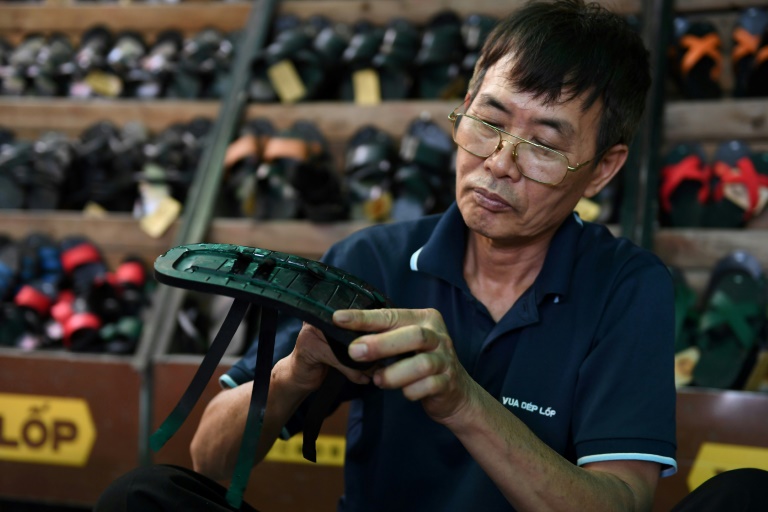
At its workshop in Hanoi, shoemakers use sharp knives and chisels to craft the sandals from huge tyres that are almost the same height as the workers.

While the traditional black models are bestsellers, a colourful modern twist is helping the sandal appeal to a younger demographic.

Nguyen Tien Cuong took over the business from his father-in-law in 2011, and has sold more than half a million pairs of rubber sandals since then.

“We tried to make them softer and more fashionable. After changing the style and format, we started having more customers,” he said. 
Cricket Australia sells India broadcast rights to Disney

Australian cricket chiefs said Sunday they had agreed to sell broadcasting rights in India to Disney Star in a seven-year deal reportedly worth hundreds of millions of dollars.

The Walt Disney-owned media group is believed to have forked out more than Aus$300 million (US$208 million) for the rights, with some Australian media giving an even higher figure for the total value of the contract.

The agreement, which comes into force from the 2023-24 season onwards, covers men’s and women’s international matches played in Australia as well as the Big Bash League and Women’s Big Bash League.

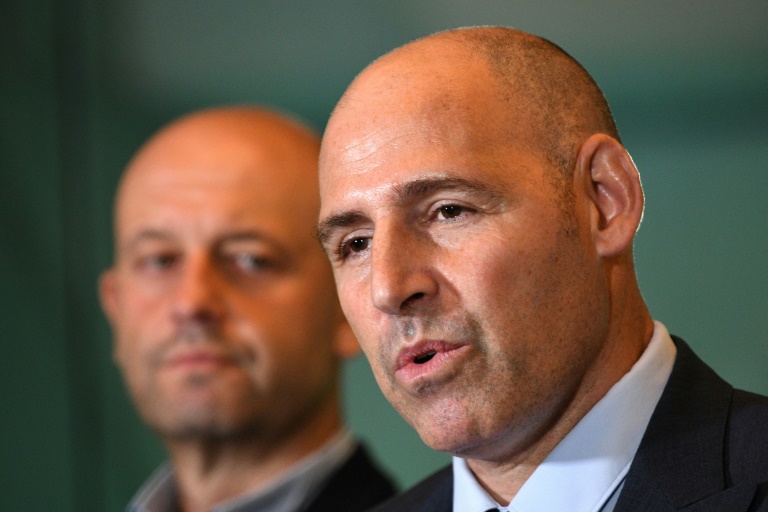
“Disney Star is synonymous with the game in India and we look forward to working with them to showcase the outstanding cricket played in Australia every summer,” Cricket Australia (CA) chief executive Nick Hockley said in a statement

CA did not provide financial details of the deal.

“The magnitude of this association is testament to the enduring rivalry and respect that exists between Australian and Indian teams, the excitement and popularity of WBBL and BBL, and the high regard of Australian cricket in India and global markets more broadly.”

Disney Star will have the rights to broadcast Australian cricket “throughout India and other territories across Asia”, the statement said.

Hockley said there had been “significant interest” in the rights, which are currently held by Sony in a contract running to the end of this season.

Philippine bakeries shrink 'poor man's bread' as inflation bites

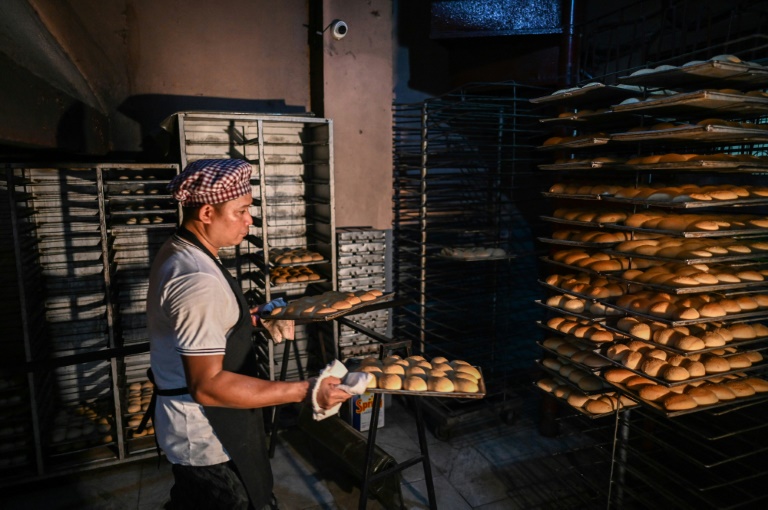
As the war in Ukraine pushes up wheat prices and a weaker peso raises the cost of imported edible oil, many Philippine bakers are shrinking the size of a popular breakfast roll to cope with higher inflation.

The slightly sweet and pillowy soft “pandesal”, which Filipinos often dunk in coffee or stuff with cheese, used to weigh 35 grams at Matimyas Bakery, a breadmaker in suburban Manila.

But as the cost of local and imported ingredients soared in recent months, co-owner Jam Mauleon gradually reduced the size of the roll — known as the “poor man’s bread” because it is cheap — to around 25 grams to avoid raising the 2.50 peso (about $0.04) price.

She feared that even a slight increase would send cash-strapped customers in her neighbourhood to a rival bakery five blocks away.

“We had to reduce the serving size to survive,” Mauleon told AFP, as children, workers and retirees arrived early to buy rolls baked in a brick oven that morning.

As the Philippines lifted Covid-19 restrictions and schoolchildren began returning to the classroom this year, Mauleon had hoped economic conditions for the bakery would improve. 

But since December, as wheat and fuel prices surged, the price of flour has increased by more than 30 percent, while sugar is up 25 percent and salt costs 40 percent more, she said.

The bakery survives day to day and does not make enough money to buy ingredients in bulk, leaving it vulnerable to changing prices in domestic and international markets.

After reducing the number of employees and absorbing higher costs, Mauleon was forced this week to raise the price of a pandesal by 20 percent to three pesos. 

Shrinking the size of the roll any further would affect its quality, she said.

“We will try it out if people will still buy it,” Mauleon said.

“Pandesal is very important in the lives of Filipinos.”

For mother-of-five Laarni Guarino, the price hike means her family now eats fewer rolls for breakfast.  

“We will have to redo our budget. From five pieces each, my children will have to eat just three to four,” Guarino, 35, told AFP. 

“Fifty centavos is a big thing for poor people like us.”

– ‘Shrinkflation’ – 

Lucito Chavez, president of an association representing local bakeries, said thousands of breadmakers were reeling from the higher cost for raw materials, most of which are imported. 

“All of us are struggling, not to make profit, but to survive,” Chavez told AFP. 

“We have to protect the pandesal industry.”

Inflation in the Philippines hit 6.1 percent in June, the highest level in nearly four years, as steep fuel price hikes pushed up food and transport costs. 

Lawmaker and economist Joey Salceda said bread would be hardest hit by “shrinkflation”, where the size of a product gets smaller but the price stays the same.

“Wheat prices have increased by 165 percent,” he told reporters recently, urging bakeries to fortify their products with vitamins and minerals.

Why is the world worried about China's property crisis?

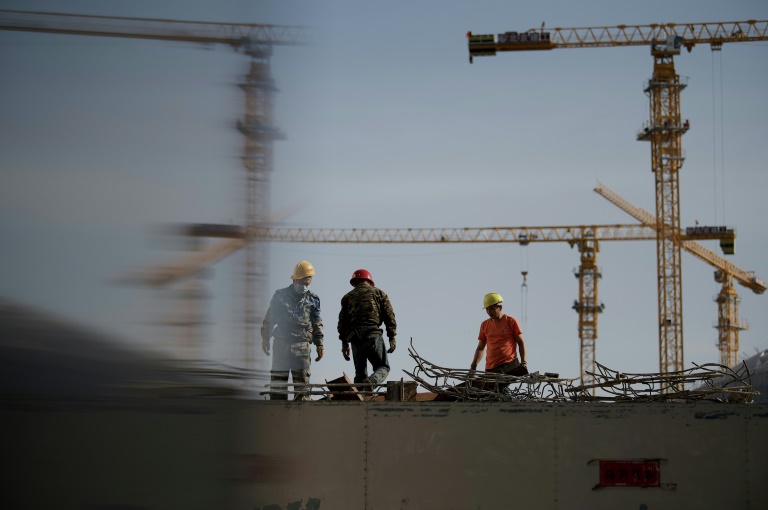
China’s troubled property sector suffered another blow this month when frustrated homebuyers stopped making mortgage payments on units in unfinished projects.

The boycott came with many developers struggling to manage mountains of debt, and fears swirling that the crisis could spread to the rest of the Chinese — and global — economy.

How big is China’s property sector?

Colossal. Property and related industries are estimated to contribute as much as a quarter of China’s Gross Domestic Product (GDP).

The sector took off after market reforms in 1998. There was a breathtaking construction boom on the back of demand from a growing middle class that saw property as a key family asset and status symbol.

The bonanza was fuelled by easy access to loans, with banks willing to lend as much as possible to both developers and buyers.

Mortgages make up almost 20 percent of all outstanding loans in China’s entire banking system, according to a report by ANZ Research this month.

Many developments rely on “pre-sales”, with buyers paying mortgages on units in projects yet to be built.

Unfinished homes in China amount to 225 million square metres (2.4 billion square feet) of space, Bloomberg News reported.

Why did it plunge into crisis?

As property developers flourished, housing prices also soared.

That worried the government, which was already concerned about the risk posed by debt-laden developers.

It launched a crackdown last year, with the central bank capping the proportion of outstanding property loans to total lending by banks to try to limit the threat to the entire financial system.

This squeezed sources of financing for developers already struggling to handle their debts.

A wave of defaults ensued, most notably by China’s biggest developer, Evergrande, which is drowning in liabilities of more than $300 billion.

On top of the regulatory clampdown, Chinese property firms were also hit by the Covid crisis — the economic uncertainty forced many would-be homebuyers to rethink their purchase plans.

How have homebuyers reacted?

Evergrande’s decline had sparked protests from homebuyers and contractors at its Shenzhen headquarters in September last year.

In June this year, a new form of protest emerged: the mortgage boycott.

People who had bought units in still-unfinished projects announced they would stop making payments until construction resumed.

Within a month, the boycott spread to homebuyers in more than 300 projects in 50 cities across China.

Many of the unfinished projects were concentrated in Henan province, where mass protests in response to rural bank fraud broke out and were suppressed.

Chinese lenders said last week that the affected mortgages account for less than 0.01 percent of outstanding residential mortgages, but analysts say the fear is how far the boycotts will spread.

Why is there global concern?

China is the world’s second-largest economy, with deep global trade and finance links.

If the property crisis spreads to China’s financial system, the shock would be felt far beyond its borders, analysts say.

“Should defaults escalate, there could be broad and serious economic and social implications,” Fitch Ratings wrote in a note on Monday.

This echoed a warning by the US Federal Reserve, which said in May that while China has managed to contain the fallout so far, a worsening property crisis could impact the country’s financial system too.

The crisis could spread and impact global trade and risk sentiment, the Fed said in its May 2022 Financial Stability Report.

What can China do to fix it?

A bailout or rescue fund for the entire property sector is unlikely, even as mortgage boycotts mount, analysts say, as those would mean the government is admitting to the scale of the crisis.

A major bailout may also encourage developers and home buyers to continue with risky decisions as they would see the government and banks taking on responsibility.

But pressure has been building on Chinese banks to help ease the situation. China’s banking regulator said Thursday that it would help ensure that projects are completed and units handed over to buyers.

Some intervention has happened at the local level in Henan province, where a bailout fund was set up in collaboration with a state-backed developer to help stressed projects.

Chen Shujin at Jefferies Hong Kong said local governments, developers and homeowners might also be able to negotiate interest waivers and suspension of mortgage payments for a certain period on a case-by-case basis.

Stocks mixed as traders eye weak data, euro drops

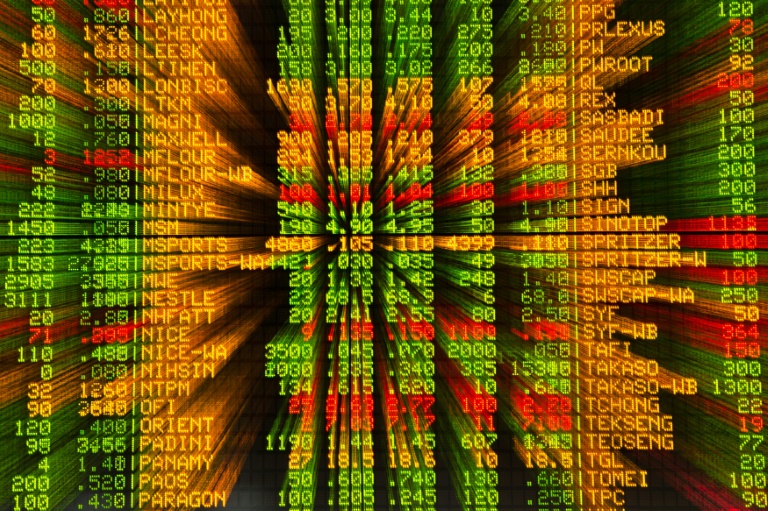
Equity markets in Asia and Europe were mixed Friday as traders struggled to track another Wall Street rally, with below-par US data easing expectations for a sharper pace of interest rate hikes but adding to recession worries.

The euro gave back most of the gains enjoyed after the European Central Bank ramped up borrowing costs more than forecast, with energy concerns and Italian political turmoil fuelling worries of a recession in the currency union.

Investors have had a rollercoaster week as they try to gauge the outlook with earnings so far relatively positive but economic data mixed and geopolitical events clouding sentiment.

All three main indexes in New York enjoyed strong days thanks to a bump in tech firms, while another bigger-than-expected rise in US jobless claims indicated that higher Federal Reserve rates and a spike in inflation could be kicking in.

The reading — along with a big miss on the closely watched Philadelphia Fed business survey — could allow the central bank to pull back from its campaign of monetary tightening sooner, giving some relief to the world’s top economy.

The figures also suggested, however, that recessionary threats were rising and showed that the Fed has a tough task of doing enough to bring inflation down from four-decade highs while also nurturing fragile growth.

Analyst Tapas Strickland said July data was considered volatile owing to seasonal adjustments, but that the higher jobless claims were “consistent with growing anecdotes of hiring freezes and layoffs at several multinational companies” such as Google, Apple and Microsoft.

“A loosening labour market is being sought after by the Fed to put downward pressure on inflation, but with inflation remaining high we shouldn’t expect any pivot from the Fed,” he added.

Tech firms had enjoyed a broadly positive reporting season, he said, but for those in the “non-tech and non-financial sectors guidance has been weak on the outlook and consistent with a slowing economy”.

Asian markets started brightly but lost some of their lustre as the day wore on.

Tokyo, Hong Kong, Mumbai, Taipei, Singapore, Manila and Jakarta all posted gains but were off their highs, while Sydney was flat, and Shanghai, Wellington and Seoul edged down.

London, Frankfurt and Paris fluctuated in early trade.

OANDA’s Jeffrey Halley warned the Fed’s meeting next week was a major event on the calendar.

“The statement will be crucial and, depending on how it plays out, could stop what I consider a bear market rally, in its tracks,” he said in a note.

“Inflation remains and will remain stubbornly high, geopolitical risk abounds, growth is slowing around the world, and recession risks are rising. I can’t see how that is a productive environment for equities, and that’s before the rest of big-tech reports quarterly earnings.”

The euro dropped after enjoying a bounce Thursday in response to the ECB’s decision to lift rates by 50 basis points, double what was expected, in a bid to rein in runaway inflation.

The move brings an end to the bank’s eight-year-old negative interest rate policy and is more in line with its global peers, particularly the hawkish Fed.

However, the single currency — which has recovered after hitting dollar parity last week — suffered fresh selling Friday as a fresh batch of figures showed eurozone economic activity contracted in July.

It will face further pressure with US borrowing costs likely to jump again after the Fed’s meeting next week.

Fresh political upheaval in Italy — with the downfall of Prime Minister Mario Draghi’s government — will provide another headache for the ECB, which also has to contend with the constant threat of an energy crisis.

While Russia on Thursday resumed gas flows to Europe after a 10-day maintenance shutdown, leaders fear Vladimir Putin could at any time switch off the Nord Stream 1 pipeline in retaliation for sanctions on Moscow related to the invasion of Ukraine.

– Key figures at around 0810 GMT –

Tokyo – Nikkei 225: UP 0.4 percent at 27,914.66 (close)

Hong Kong – Hang Seng Index: UP 0.2 percent at 20,609.14 (close)

Shanghai – Composite: DOWN 0.1 percent at 3,269.97 (close)

London – FTSE 100: FLAT at 7,271.85

Euro/dollar: DOWN at $1.0150 from $1.0232 on Thursday

Pound/dollar: DOWN at $1.1925 from $1.2002 

Euro/pound: DOWN at 84.99 pence from 85.22 pence

Dollar/yen: UP at 137.61 yen from 137.34 yen

West Texas Intermediate: DOWN 0.4 percent at $95.97 per barrel

Brent North Sea crude: DOWN 0.4 percent at $103.46 per barrel

New York – Dow: UP 0.5 percent at 32,036.90 (close)

Euro gets boost ECB supersizes rate hike, US stocks rise again

The euro advanced against the dollar on Thursday after Russia resumed gas supplies to Europe and the European Central Bank surprised markets with a 0.5-percentage-point rate hike.

The advance by the single currency came on a mixed day for European bourses but a good session on Wall Street, where equities advanced for a third straight day following strong Tesla results and the pullback in the dollar.

Quincy Krosby, chief global strategist at LPL Financial, said market sentiment has clearly improved some, but there were still several major earnings reports in the coming days that will be critical in determining what’s next for stocks.

“The question that I think hovers over the market is: Is the bear market over?,” she said. “Is this the end?”

While ECB policymakers had signaled they would hike rates at the meeting on Thursday to tame soaring inflation, analysts were divided about whether the traditionally cautious institution would proceed with a quarter-point or half-point move.

City Index analyst Fawad Razaqzada said the euro’s recent slump — it briefly fell under dollar parity last week — meant that the eurozone is now importing more inflation, which favored a bigger hike.

The jump in eurozone inflation to an annual rate of 8.6 percent in June also increased pressure on the ECB, as did the fact other central banks have moved more aggressively than markets had expected.

“The ECB had to surprise, otherwise the euro would have plunged -– and they couldn’t risk that,” Razaqzada said.

The ECB also introduced a new tool to counter spikes in the borrowing costs of some eurozone countries.

With the resignation of Prime Minister Mario Draghi increasing the political risk in Italy and sending Italian government bond yields climbing, the ECB may need to use its new tool.

The difference between Italian government bond yields and Germany’s, the eurozone benchmark, widened on Thursday.

The political crisis sent Milan’s FTSE MIB index down three percent, though it later pared those losses to close with a 0.7 percent decline.

Paris stocks managed a 0.3 percent gain, while Frankfurt’s DAX slid 0.3 percent despite the resumption of Russian gas flows.

Russia on Thursday restored critical gas supplies to Europe through Germany via the Nord Stream pipeline after 10 days of maintenance.

European officials had worried that Moscow would find a pretext to keep the gas shut off.

Uncertainty still lingers over whether the Kremlin might trigger an energy crisis on the continent this winter.

ECB President Christine Lagarde acknowledged that the fallout from Russia’s war in Ukraine and soaring inflation have darkened the eurozone’s economic outlook.

On commodities markets, oil prices extended their losses — with WTI below $100 — after data showed US stockpiles rose more than expected last week as pricey gasoline depressed demand for the fuel.

The figures come despite being at the height of the high-demand summer driving season.

– Key figures at around 2100 GMT –

New York – Dow: UP 0.5 percent at 32,036.90 (close)

New York – S&P 500: UP 1.0 percent at 3,999.10 (close)

New York – Nasdaq: UP 1.4 percent at 12,059.61 (close)

London – FTSE 100: UP 0.1 percent at 7,270.51 (close)

Frankfurt – DAX: DOWN 0.3 percent at 13,246.64 (close) 

Paris – CAC 40: UP 0.3 percent at 6,201.11 (close)

Milan – FTSE MIB: DOWN 0.7 percent at 21,196.59 (close)

EURO STOXX 50: UP 0.3 percent at 3,596.51 (close)

Tokyo – Nikkei 225: UP 0.4 percent at 27,803.00 (close)

Hong Kong – Hang Seng Index: DOWN 1.5 percent at 20,574.63 (close)

Shanghai – Composite: DOWN 1.0 percent at 3,272.00 (close)

Euro/dollar: UP at $1.0232 from $1.0180 on Wednesday

Pound/dollar: DOWN at $1.2002 from $1.1973 

Euro/pound: UP at 85.22 pence from 85.00 pence

Dollar/yen: DOWN at 137.34 yen from 138.21 yen

West Texas Intermediate: DOWN 3.7 percent at $96.14 per barrel

Brent North Sea crude: DOWN 2.9 percent at $103.87 per barrel

Mexico complains to China's SHEIN over Mayan motif

Mexico has demanded an explanation from Chinese fast-fashion online retailer SHEIN for using a design by Mayan artisans, the government said, in the latest case of alleged cultural appropriation.

The Latin American nation regularly denounces what it calls plagiarism by foreign companies of the motifs, embroidery and colors of its Indigenous communities.

The Mexican government has written to SHEIN asking for a public explanation of the commercialization of the floral design, the culture ministry said in a statement Wednesday.

The low-cost retailer made “use of cultural elements whose origin is fully documented,” it added.

“This type of action puts artisanal work at a disadvantage, faced with one that is mass produced,” the letter said.

Earlier the Mexican clothing brand YucaChulas shared pictures on social media of a SHEIN floral-print blouse, alleging that the “plagiarized design” was based on one of its own.

“It’s a major violation of intellectual property and above all culture,” the firm said.

Mexico has previously lodged similar complaints against major clothing brands including Zara and Mango.

It won an apology in 2020 from French designer Isabel Marant for the use of the traditional patterns from an Indigenous community in western Mexico.

Facebook removes Afghan media pages controlled by Taliban

Facebook has removed the accounts of at least two state-owned media outlets in Afghanistan, the company confirmed Thursday, saying it was complying with laws in the United States listing the Taliban as a “terrorist organisation”.

The Taliban have made liberal use of Facebook and Twitter since seizing power in August last year, and have a firm grip on state-owned media in the country — including radio and TV stations, and newspapers.

While Facebook parent Meta did not list the banned media outlets, state broadcaster National Radio Television Afghanistan (RTA) and the government-owned Bakhtar news agency both said that they had been blocked.

The Facebook pages of privately owned media houses seemed unaffected.

“The Taliban is sanctioned as a terrorist organisation under U.S. law and they are banned from using our services,” a Meta spokesperson told AFP in a statement.

“We remove accounts maintained by or on behalf of the Taliban and prohibit praise, support, and representation of them,” it added.

Government spokesman Zabihullah Mujahid criticised the blocking, saying it showed “impatience and intolerance” by the US firm.

“The slogan ‘Freedom of expression’ is used to deceive other nations,” he tweeted.

RTA director Ahmadullah Wasiq said in a video statement that the Pashto and Dari-language pages of the organisation on Facebook and Instagram had been closed “for unknown reasons”.

“RTA is a national institution — the voice of the nation,” he said.

Bakhtar also urged Facebook to reconsider, saying on Twitter: “The only goal of this news agency is to share accurate, timely and comprehensive information to its audiences.”

On Thursday, the hashtag “#BanTaliban” was trending on Twitter, with thousands of users calling for Taliban accounts on that platform to be blocked.

The Taliban have made prolific use of Twitter since seizing power.

While most accounts linked to the former Western-backed government have been dormant since the takeover, new “official” ones have proliferated — although none with Twitter’s blue tick of authenticity.

Mixed fortunes of celebrities who leapt on NFT craze

Sports, film and music stars have all flocked to the NFT market to buy pictures of apes, endorse corporate partners or even launch their own art collections.

Even as the crypto sector suffers a rout with sales and values plunging and scams proliferating, celebrities continue to sign up to the craze for so-called Non-Fungible Tokens.

– Gone Ape –

The Bored Ape Yacht Club is the ground zero of NFT “collectables”. 

It features cartoon images replicated thousands of times with algorithm-generated variations.

The initial collection of 10,000 computer generated images has been followed by several other generations and many millions of fakes.

To fans, they are a status symbol, a key to an exclusive club where ordinary folk can mix with the famous and wealthy.

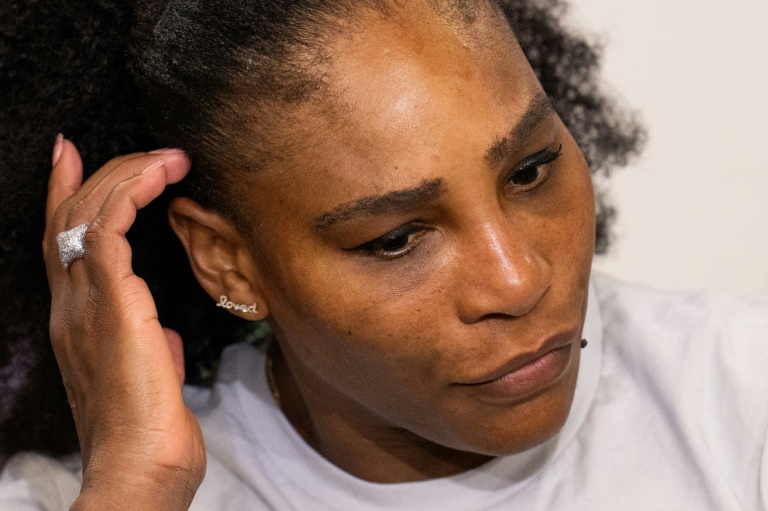
Brazilian footballer Neymar and tennis legend Serena Williams tweeted out their ape images on the same day in January.

US talk show host Jimmy Fallon and socialite Paris Hilton showed off their apes on TV.

Madonna declared on Instagram in March that she had “entered the MetaVerse” with a purchase of an ape, reportedly for more than $500,000.

She was following the likes of musicians Justin Bieber, Eminem and Snoop Dogg, basketball luminaries Shaquille O’Neal and Stephen Curry, and actors including Gwyneth Paltrow. 

To NFT critics, these apes symbolise all that is wrong in the crypto world — fundamentally worthless yet selling for vast sums with valuations based on hype.

And ultimately these celebrities don’t own the ape pictures in any traditional sense — anyone can download and use the images.

What they own is essentially a digital receipt linked to the picture.

But celebrity backing is vital.

The apes, along with cartoon collections like CryptoPunks, appear to be weathering the crash better than other parts of the crypto sector.

– Solo missions –

Celebrity NFT enthusiasts have gone a lot deeper into the industry than just buying ape images — plenty have created their own NFT collections, with mixed results.

US musician Grimes got in early, managing to bag almost $6 million for some fantasy-inspired art last year.

However, many of these NFTs are now all but worthless, selling for fractions of their original prices — when they sell at all.

Other collections have failed even to get off the ground. Wrestler John Cena sold just a handful of NFTs from a collection he put together last year with the WWE.

He admitted it was a “catastrophic failure”.

Skateboarder Tony Hawk has been more successful with sales, but at the cost of the admiration of some of his fans.

He announced on Twitter last year he would sell versions of his famous tricks as NFTs, prompting responses ranging from “Stop this Tony” to “Tony, no, not you too”.

Hawk has not mentioned the project on Twitter since, though he has continued to deal in NFTs.

– Just business –

One of the mainstays of the celebrity-NFT relationship is the old-fashioned brand endorsement. 

This week, French megastar footballer Kylian Mbappe became the latest star to sign on as an “ambassador” and invest in French start-up Sorare.

The firm runs a fantasy football game where players can buy sports-card style NFTs.

Serena Williams, along with footballers Gerard Pique and Rio Ferdinand, have already invested in the game.

And not to be outdone, the world’s most famous footballer, Cristiano Ronaldo, last week announced a partnership with Binance, the world’s biggest crypto firm.

The offerings will apparently include designs created in collaboration with Ronaldo, who said in a statement he looked forward to “bringing unprecedented experiences and access through this NFT platform”.

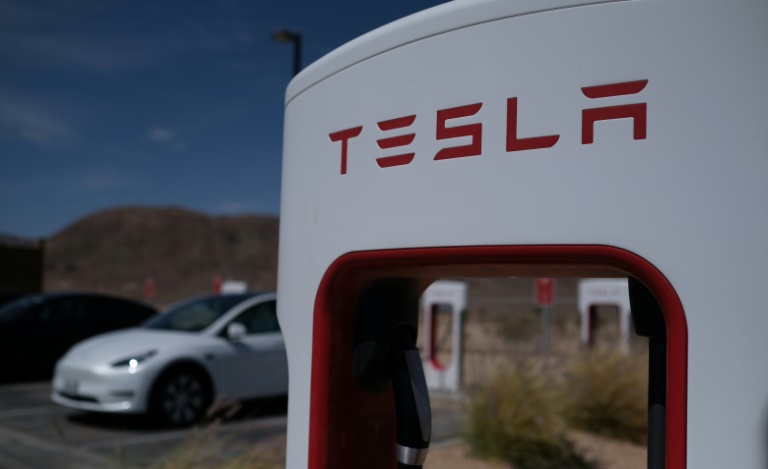
Tesla deliveries fall with temporary closure of China factory

Tesla’s deliveries of electric vehicles fell in the second quarter compared to the previous one due mainly to a weeks-long closure of its factory in China, the company said Saturday.

Elon Musk’s enterprise delivered 254,695 vehicles from April to June, it said in a statement.

That’s 27 percent more than the same period a year ago but down 18 percent from the January-to-March quarter of 2022 and the first such decline in more than two years.

This marks a disappointment for a company that says it is posting strong growth, touting the opening of two new factories this year, in Germany and Texas.

The drop in deliveries was bigger than that anticipated by analysts, who had expected 264,000 vehicles to be handed over to buyers, according to FactSet, a financial data and software company.

Tesla warned in April that supply chain snarls hitting the auto industry in general would keep disrupting the company’s production until the end of the year.

Still, it delivered a record number of cars in the first quarter of 2022.

But in the second quarter Tesla had to grapple with the closure of its Shanghai factory for several weeks because of strict lockdown measures in China due to a surge in Covid-19 cases.

In its statement Saturday the company said it produced 258,000 vehicles in the second quarter “despite ongoing supply chain challenges and factory shutdowns beyond our control.”

It also said June was the highest vehicle production month in Tesla’s history.

Elsewhere in the industry, General Motors and Toyota saw their second quarter sales in the United States drop by 15 percent and 23 percent respectively, compared to the same period in 2021.

Close Bitnami banner
Bitnami