US Business

Global stocks rally but oil prices tumble

US and European stock markets mostly picked up on Friday as investors fished for bargains and shrugged off losses elsewhere, but oil prices dropped over concerns on the world economy.

London stocks were lifted by official data showing UK retail sales rose in October, rebounding from a 1.5-percent slump in the prior month.

The news also boosted the pound, which fell the previous day on a harsh government budget and confirmation that Britain was in recession.

Major European indices closed in the green, with London’s FTSE 100 index up 0.5 percent and the Paris CAC 40 rising one percent.

But analysts cautioned that the UK remains gripped by a cost-of-living crisis.

“It is not the start of a promising trend,” said Craig Erlam, an analyst at trading platform OANDA.

Wall Street stocks mostly bounced as well on positive results from retailers including Gap and Foot Locker, while investors tried to shake off concerns over further interest rate hikes by the US Federal Reserve.

The retailers’ good news have “mitigated some of the weakness seen earlier this week,” following Target’s disappointing results, said Patrick O’Hare of Briefing.com.

But with worries about the world’s economy and rising coronavirus cases in China, the price of the main US crude oil contract, WTI, tumbled on Friday below $80 a barrel for the first time since the end of September.

The main international oil contract, Brent crude, also fell by nearly three percent Friday around 1630 GMT.

– Fears abound –

Asian equities experienced mixed fortunes however, as cautious investors tried to gauge the outlook for US interest rates.

While the week has been broadly positive for global markets following softer-than-expected US consumer and wholesale price inflation, a strong reading on retail sales and jobless claims showed resilience in the face of higher interest rates.

Investors also have been downbeat after a string of Fed officials stressed the message that more rate hikes will be needed to bring down surging inflation, feeding fears of a recession in the world’s biggest economy.

Boston Fed Bank President Susan Collins was the latest to do so Friday, although she said the central bank’s “intent is not a significant downturn.”

This came after St Louis Fed President James Bullard warned Thursday that US interest rates might need to go as high as seven percent.

Interactive Investor analyst Richard Hunter said: “Investors seem continually surprised by the Fed merely repeating its mantra.”

“Rates are likely to continue rising… and may well stay higher until such time as a sustained slowdown in inflation is evident,” he said.

– Key figures around 2135 GMT –

New York – Dow: UP 0.6 percent at 33,745.69 points (close)

New York – S&P 500: UP 0.5 percent at 3,965.34 (close)

New York – Nasdaq: FLAT at 11,146.06 (close)

EURO STOXX 50: UP 1.2 percent at 3,924.84 (close)

London – FTSE 100: UP 0.5 percent at 7,385.52 (close)

Paris – CAC 40: UP 1.0 percent at 6,644.46 (close)

Frankfurt – DAX: UP 1.2 percent at 14,431.86 (close)

Tokyo – Nikkei 225: DOWN 0.1 percent at 27,899.77 (close)

Hong Kong – Hang Seng Index: DOWN 0.3 percent at 17,992.54 (close)

Shanghai – Composite: DOWN 0.6 percent at 3,097.24 (close)

Pound/dollar: UP at $1.1883 from $1.1867 on Thursday

Euro/dollar: DOWN at $1.0321 from $1.0370

Dollar/yen: UP at 140.40 yen from 140.20 yen

Euro/pound: DOWN at 86.83 from 87.34 pence

Brent North Sea crude: DOWN 2.4 percent at $87.62 per barrel

West Texas Intermediate: DOWN 1.9 percent at $80.08 per barrel

burs-raz-bys/hs
Twitter fate in doubt as employees defy Musk ultimatum

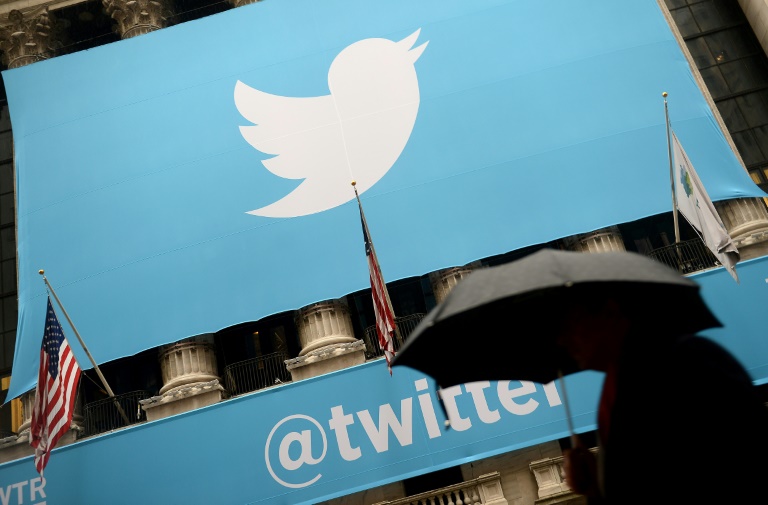
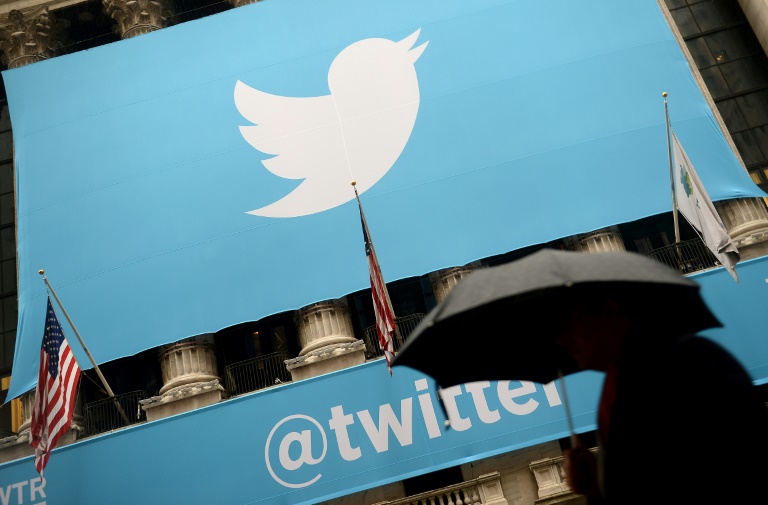
The future of Twitter seemed to hang in the balance Friday after its offices were locked down and key employees announced their departures in defiance of an ultimatum from new owner Elon Musk.

Fears grew that a fresh exodus would threaten the very existence of one of the world’s most influential internet platforms, which serves as a key communication tool for the world’s media, politicians, companies and celebrities.

According to ex-employees and US media, hundreds of employees chose “no” to Musk’s demand that they either be “extremely hardcore” or leave the company.

“So my friends are gone, the vision is murky, there is a storm coming and no financial upside. What would you do?” tweeted Peter Clowes, who refused Musk’s final warning.

Musk, also the CEO of Tesla and SpaceX, has come under fire for radical changes at the California-based firm, which he bought less than a month ago for $44 billion.

He had already fired half of Twitter’s 7,500 staff, scrapped a work-from-home policy and imposed long hours, all while his attempts to overhaul the company face backlash and delays.

His stumbling attempts to revamp user verification with a controversial subscription service led to a slew of fake accounts and pranks, and prompted major advertisers to step away from the platform.

On Friday, Musk appeared to be pressing on with his plans and reinstated previously banned accounts, including that of comedian Kathy Griffin, which had been taken down after she impersonated him on the site.

Musk however did not welcome back former US president Donald Trump, banned for inciting last year’s attack on the Capitol by a mob seeking to overturn the results of the 2020 election.

“(The) Trump decision has not yet been made,” he said.

– ‘Not super worried’ –

Fevered talk of the site’s imminent demise was driving record high engagement on Twitter, according to Musk.

In a tweet, the South African-born billionaire said: “Record numbers of users are logging in to see if Twitter is dead, ironically making it more alive than ever!”

Musk added that the “best people are staying, so I’m not super worried.”

Despite Musk’s assurances, entry to Twitter’s offices were temporarily closed until Monday, even with a badge, according to an internal message seen on US media.

In leaked emails reported in The New York Times, Musk asked engineers critical to the site’s functioning to make their way to Twitter’s headquarters in San Francisco on Friday to meet him in person.

Twitter did not respond to AFP requests for comment on the new measure.

In the ultimatum sent Wednesday, Musk had asked staff to follow a link to affirm their commitment to “the new Twitter” by 5:00 pm New York time (2200 GMT) on Thursday.

If they did not do so, they would have lost their jobs, receiving three months of severance pay.

Signs that government regulators were becoming impatient with Musk’s handling of Twitter also grew on Friday, especially over the platform’s ability to moderate content with a severely reduced headcount.

A group of US senators on Thursday said Musk’s plans for the site “undermined the integrity and safety of the platform… despite clear warnings those changes would be abused for fraud, scams, and dangerous impersonation.”

A top regulator for the European Union meanwhile said that Musk should be increasing the number of moderators in Europe, not reducing them.

Musk “knows perfectly well what the conditions are for Twitter to continue operating in Europe,” EU commissioner Thierry Breton told French radio.

A spokesman for German Chancellor Olaf Scholz said the government was watching developments at Twitter “with growing concern” and reviewing its presence on the platform.

Mexico weaves fashion policy to help Indigenous communities

Clothing designers inspired by traditional Mexican motifs, embroidery and colors are exhibiting their work at a fashion fair in Mexico City promoted by the government to support marginalized Indigenous communities.

Traditional blouses made by the Tzotzil people of Chiapas, embroidered patterns from Michoacan and shirts from Oaxaca were among the garments on show at the first of seven parades at the “Original” event.

“The creation of each product made in our community is a legacy of our ancestors,” said Carlos Alberto Delgado Martinez, one of around 500 exhibitors at the event, which runs until Sunday at the Los Pinos former presidential residence.

“It’s important that we artisans save our culture and defend it from plagiarism because each garment has a meaning. Each embroidery has an explanation,” he added.

As with the first edition in 2021, “Original” aims to fight what Mexico calls plagiarism of Indigenous textiles by foreign clothing brands, and to create a more equitable fashion industry.

“We’re not opposed to (the big fashion houses) using motifs of pre-Hispanic origin” as long as they recognize “the intellectual work and creativity” of Mexican artisans, President Andres Manuel Lopez Obrador said Friday.

“The government is pursuing a policy of rehabilitating the dignity of Indigenous peoples,” Lopez Obrador’s spokesman Jesus Ramirez Cuevas told AFP.

“Mexico would not be what it is without its Indigenous peoples,” he said, underlining the government’s social programs for impoverished such communities.

“It’s time for them to play a central role in the construction of the (country’s) identity. Today, we recognize their art,” he added.

Mexico has lodged several complaints against major clothing brands including Zara, Mango and SHEIN for alleged cultural appropriation.

Last month it won an apology from US fashion house Ralph Lauren after Lopez Obrador’s wife Beatriz Gutierrez accused it of plagiarizing Indigenous designs.

French designer Isabel Marant also apologized in 2020 for the use of the traditional patterns from an Indigenous community.

Mexico’s culture ministry has called for “ethical collaboration” between clothing brands and artisans.

“No to plagiarism. No to cultural appropriation. Yes to original creations and the communities behind them,” Culture Minister Alejandra Frausto said.

The government is also trying to retrieve pre-Hispanic archaeological pieces from abroad and stop foreign auctions of such items that Lopez Obrador has branded “immoral.”

“You want to buy Mexican art? Buy this one, which is alive,” Frausto said, pointing to models dressed in blouses, shirts and belts made by Indigenous artisans.

US says immunity for crown prince 'nothing to do' with Saudi ties

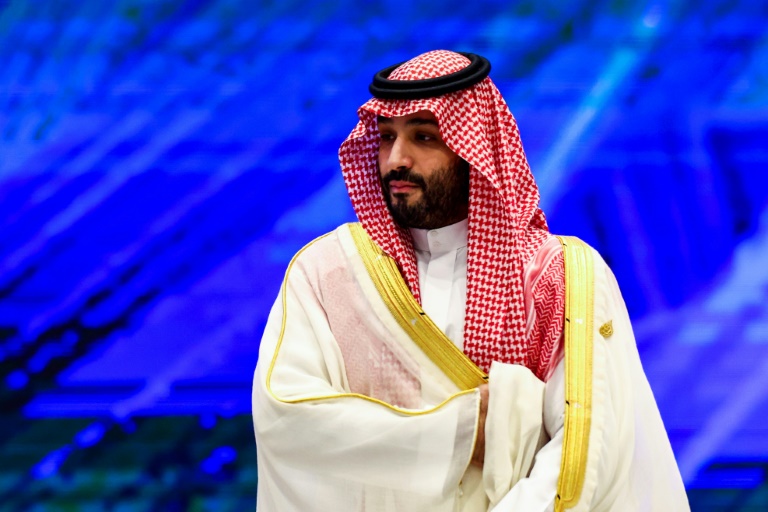
The White House denied Friday it was seeking to smooth over frayed bilateral ties with Riyadh when a recent US government court filing granted immunity to Saudi Crown Prince Mohammed bin Salman over journalist Jamal Khashoggi’s 2018 murder.

“This legal determination has absolutely nothing to do with the merits of the case itself,” said White House national security spokesman John Kirby, referring to the civil lawsuit against the crown prince and other Saudis by Khashoggi’s fiancee Hatice Cengiz.

Moreover, the determination “has absolutely nothing to do with the bilateral relationship with Saudi Arabia, which as you know, is tense right now,” he said, pointing to Riyadh’s recent support for the OPEC cartel’s decreased oil output, which angered Washington.

President Joe Biden “has been very, very clear, very vocally so, about the brutal and barbaric murder of Mr. Khashoggi,” Kirby said.

The White House reaction comes as Amnesty International blasted the Biden administration over granting immunity to the prince, calling the act “a deep betrayal.” 

The rights group also criticized Riyadh for naming Prince Mohammed prime minister in a royal decree, in a move that sparked suggestions he was looking to skirt exposure in the civil action filed by Khashoggi’s fiancee.

“The US government should hang its head in shame. This is nothing more than a sickening, total, deep betrayal, Amnesty’s Secretary General Agnes Callamard said in a statement.

“First the evidence of the Crown Prince’s involvement in Jamal Khashoggi’s murder was disregarded by President Trump, then President Biden’s fist bump — it all suggests shady deals made throughout.”

Callamard added that it was “beyond cynical” for the Saudi government to seek to extend immunity to Prince Salman by declaring him prime minister.

“It is disappointing that the US government has given effect to this legal ruse,” she said, adding it “sends a deplorable message that those in power…are free to operate above the law with total impunity.”

The publisher of the Washington Post, the US paper Khashoggi had contributed to, also slammed the decision.

Fred Ryan, the paper’s publisher and CEO, said in a statement that Biden was “granting a license to kill to one of the world’s most egregious human-rights abusers who is responsible for the cold-blooded murder of Jamal Khashoggi, a Washington Post Columnist.”

But White House spokesman Kirby said Biden “has worked to hold the regime accountable.”

Kirby also pointed to Biden’s order for a review of the US-Saudi relationship, which has been extremely close for decades.

Biden wants to make sure the relationship “is serving the interests of our national security and the American people,” he said.

The killing four years ago of Khashoggi, a Saudi insider-turned-critic, in the kingdom’s Istanbul consulate temporarily turned Prince Mohammed into a pariah in the West.

His lawyers previously argued he qualifies for the kind of immunity US courts afford foreign heads of state and other high-ranking officials.

The US government had until Thursday to offer an opinion on that matter, if it chose to offer one at all. Its recommendation is not binding on the court.

Ivory Coast, Ghana throw down gauntlet on cocoa price

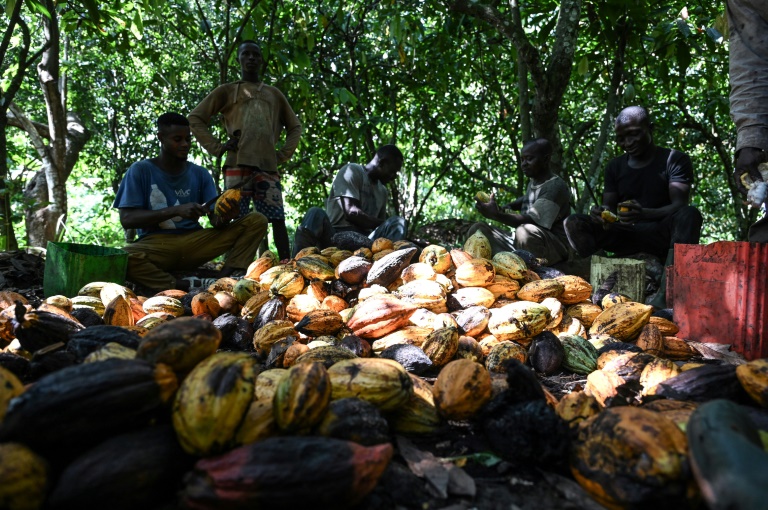
The world’s chocolate industry could be in for a turbulent ride as the two biggest cocoa producers set down demands for manufacturers to pay higher prices for their growers.

The quarrel focuses on the Living Income Differential (LID) — a policy that Ivory Coast and Ghana introduced in 2019 to fight poverty among cocoa farmers in the global $130-billion chocolate market.

Under it, Ivory Coast and Ghana vowed to charge a premium of $400 per tonne on all cocoa sales, starting with the 2020/21 harvest.

But trade boards in the countries — the Ivorian Coffee-Cocoa Council (CCC) and the Ghana Cocoa Board (Cocobod) — say the scheme is being undermined as cocoa traders depress the price of another premium that operates in parallel.

“We’ve introduced the Living Income Differential as a means of improving the farmer income,” said Fiifi Boafo, Cocobod’s spokesperson.

“You have these companies circumventing these processes to ensure that the Living Income Differential effect is not felt in (their) lives.” 

The two countries together account for 60 percent of the world’s cocoa but their farmers earn less than six percent of the industry’s global revenue.

They boycotted a bridge-building meeting in Brussels late last month and set November 20 as a deadline for bringing buyers into line.

They are threatening to punish corporations by barring them from visiting plantations to estimate harvests — a key factor in cocoa price forecasting.

They are also threatening to suspend sustainability programmes that chocolate giants use to enhance their image with fast-growing ethnic consumers.

“This boycott and also ultimatum is to draw attention to the fact that inasmuch as it is important for us to talk about deforestation, it is important to talk about child labour, it is equally important to talk about the farmer income,” said Boafo.

– Premium pressure –

The LID premium is being completed by a price stabilisation fund to help buffer the international price of cocoa in the event of big market fluctuations.

Some experts say the chocolate giants have factored the LID into their costs but claw back some of this by exerting pressure on another premium based on the quality of cocoa beans.

This premium, known as the origin differential, has plunged below zero in recent years, effectively cancelling out part of the LID.

Covid is being used as “a pretext not to pay,” CCC President Yves Brahima Kone told AFP. “The thing is, the multinationals have increased their profits — they are able to pay.”

The World Cocoa Foundation, an umbrella group of public entities and corporations aimed at supporting sustainability in the sector, declined to comment on the faceoff.

Among corporations, Nestle said it strongly backed efforts for growers to maintain a decent standard of living and had been paying the LID since its inception.

Some experts say that time may weigh against Ivory Coast and Ghana if the row escalates.

Virtually all of Ivory Coast’s crop is purchased by roughly half a dozen majors. Of this, around 80 percent heads to Europe, the wealthy market where sustainability factors — environmental and labour criteria — count most for consumers.

“Ivory Coast’s economy is heavily dependent on cocoa income,” said one specialist. “It needs to sell its beans.”

“Stopping sustainability programmes is difficult to explain to the general public, and Ivory Coast’s image could (also) suffer.” 

Taylor Swift hits out at 'excruciating' Ticketmaster tour chaos

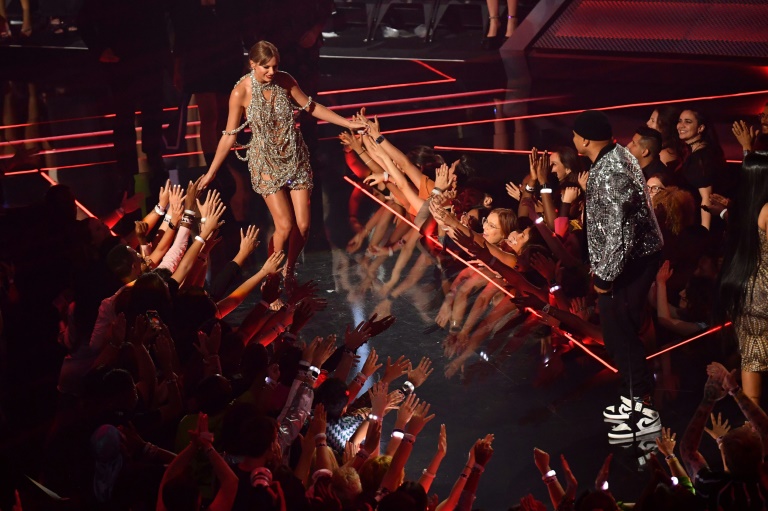
Taylor Swift on Friday lashed out at Ticketmaster over the botched sale of her upcoming tour, saying it was “excruciating” to learn that thousands of her fans had struggled to buy tickets.

The US pop mega-star’s “The Eras Tour” was due to go on public sale Friday. But after days of glitches and long waits for those attempting to buy early pre-sale tickets, the public sale was abruptly canceled on Thursday.

“It’s really difficult for me to trust an outside entity with these relationships and loyalties, and excruciating for me to just watch mistakes happen with no recourse,” Swift wrote on Instagram.

Without naming Ticketmaster directly, Swift said she and her team had asked “them, multiple times, if they could handle this kind of demand and we were assured they could.”

“It’s truly amazing that 2.4 million people got tickets, but it really pisses me off that a lot of them feel like they went through several bear attacks to get them.”

Ticketmaster, a dominating force in the ticketing industry, blamed “extraordinarily high demands on ticketing systems and insufficient remaining ticket inventory” for the public sale cancelation.

It cited a “staggering number of bot attacks” along with fans without pre-sale codes trying to purchase early tickets — meaning their site experienced 3.5 billion system requests, they said, four times the company’s previous peak.

It was not immediately clear whether the sale would be rescheduled, or how many unsold tickets remained. Ticketmaster did not respond to an AFP request for clarification.

Swift wrote Friday: “And to those who didn’t get tickets, all I can say is that my hope is to provide more opportunities for us to all get together and sing these songs.”

“The Eras Tour” marks Swift’s first time back on the road since 2018’s “Reputation” tour.

The multiple Grammy-winner has promised fans it will be “a journey through all of my musical eras of my career.”

The tour is set to kick off March 17, 2023, in Glendale, Arizona, with stops including Houston, Atlanta, Chicago and five final domestic shows in Los Angeles in early August.

International shows will be announced at a later date.

– ‘Unchecked monopoly’ –

The American ticketing industry, which the company Ticketmaster overwhelmingly dominates, has for years left concertgoers frustrated by hidden fees, soaring costs, rampant scalpers and limited tickets due to presales.

The havoc over Swift’s tour has spurred comment from a number of US lawmakers, including Alexandria Ocasio-Cortez and Richard Blumenthal, who urged an investigation into the “state of competition in the ticketing industry.”

In 2010, Ticketmaster merged with event promotion behemoth Live Nation, creating what Congressman David Cicilline this week dubbed “an unchecked monopoly.”

On Friday, the New York Times reported that the US Justice Department has opened an antitrust investigation into Ticketmaster’s parent company.

The probe, focused on whether Live Nation Entertainment has abused its power over the live music industry, predates the botched sale of Swift’s tour, two people with knowledge of the matter told the Times. The paper did not name them.

Neither the Justice Department nor Live Nation immediately responded to AFP requests for comment.

Live Nation recently has reported soaring demand after several pent-up pandemic years, saying ticket sales are up 37 percent compared to 2019.

Taylor Swift hits out at 'excruciating' Ticketmaster tour chaos

Taylor Swift on Friday lashed out at Ticketmaster over the botched sale of her upcoming tour, saying it was “excruciating” to learn that thousands of her fans had struggled to buy tickets.

The US pop mega-star’s “The Eras Tour” was due to go on public sale Friday. But after days of glitches and long waits for those attempting to buy early pre-sale tickets, the public sale was abruptly canceled on Thursday.

“It’s really difficult for me to trust an outside entity with these relationships and loyalties, and excruciating for me to just watch mistakes happen with no recourse,” Swift wrote on Instagram.

Without naming Ticketmaster directly, Swift said she and her team had asked “them, multiple times, if they could handle this kind of demand and we were assured they could.”

“It’s truly amazing that 2.4 million people got tickets, but it really pisses me off that a lot of them feel like they went through several bear attacks to get them.”

Ticketmaster, a dominating force in the ticketing industry, blamed “extraordinarily high demands on ticketing systems and insufficient remaining ticket inventory” for the public sale cancelation.

It cited a “staggering number of bot attacks” along with fans without pre-sale codes trying to purchase early tickets — meaning their site experienced 3.5 billion system requests, they said, four times the company’s previous peak.

It was not immediately clear whether the sale would be rescheduled, or how many unsold tickets remained. Ticketmaster did not respond to an AFP request for clarification.

Swift wrote Friday: “And to those who didn’t get tickets, all I can say is that my hope is to provide more opportunities for us to all get together and sing these songs.”

“The Eras Tour” marks Swift’s first time back on the road since 2018’s “Reputation” tour.

The multiple Grammy-winner has promised fans it will be “a journey through all of my musical eras of my career.”

The tour is set to kick off March 17, 2023, in Glendale, Arizona, with stops including Houston, Atlanta, Chicago and five final domestic shows in Los Angeles in early August.

International shows will be announced at a later date.

– ‘Unchecked monopoly’ –

The American ticketing industry, which the company Ticketmaster overwhelmingly dominates, has for years left concertgoers frustrated by hidden fees, soaring costs, rampant scalpers and limited tickets due to presales.

The havoc over Swift’s tour has spurred comment from a number of US lawmakers, including Alexandria Ocasio-Cortez and Richard Blumenthal, who urged an investigation into the “state of competition in the ticketing industry.”

In 2010, Ticketmaster merged with event promotion behemoth Live Nation, creating what Congressman David Cicilline this week dubbed “an unchecked monopoly.”

On Friday, the New York Times reported that the US Justice Department has opened an antitrust investigation into Ticketmaster’s parent company.

The probe, focused on whether Live Nation Entertainment has abused its power over the live music industry, predates the botched sale of Swift’s tour, two people with knowledge of the matter told the Times. The paper did not name them.

Neither the Justice Department nor Live Nation immediately responded to AFP requests for comment.

Live Nation recently has reported soaring demand after several pent-up pandemic years, saying ticket sales are up 37 percent compared to 2019.

Taylor Swift hits out at 'excruciating' Ticketmaster tour chaos

Taylor Swift on Friday lashed out at Ticketmaster over the botched sale of her upcoming tour, saying it was “excruciating” to learn that thousands of her fans had struggled to buy tickets.

The US pop mega-star’s “The Eras Tour” was due to go on public sale Friday. But after days of glitches and long waits for those attempting to buy early pre-sale tickets, the public sale was abruptly canceled on Thursday.

“It’s really difficult for me to trust an outside entity with these relationships and loyalties, and excruciating for me to just watch mistakes happen with no recourse,” Swift wrote on Instagram.

Without naming Ticketmaster directly, Swift said she and her team had asked “them, multiple times, if they could handle this kind of demand and we were assured they could.”

“It’s truly amazing that 2.4 million people got tickets, but it really pisses me off that a lot of them feel like they went through several bear attacks to get them.”

Ticketmaster, a dominating force in the ticketing industry, blamed “extraordinarily high demands on ticketing systems and insufficient remaining ticket inventory” for the public sale cancelation.

It cited a “staggering number of bot attacks” along with fans without pre-sale codes trying to purchase early tickets — meaning their site experienced 3.5 billion system requests, they said, four times the company’s previous peak.

It was not immediately clear whether the sale would be rescheduled, or how many unsold tickets remained. Ticketmaster did not respond to an AFP request for clarification.

Swift wrote Friday: “And to those who didn’t get tickets, all I can say is that my hope is to provide more opportunities for us to all get together and sing these songs.”

“The Eras Tour” marks Swift’s first time back on the road since 2018’s “Reputation” tour.

The multiple Grammy-winner has promised fans it will be “a journey through all of my musical eras of my career.”

The tour is set to kick off March 17, 2023, in Glendale, Arizona, with stops including Houston, Atlanta, Chicago and five final domestic shows in Los Angeles in early August.

International shows will be announced at a later date.

– ‘Unchecked monopoly’ –

The American ticketing industry, which the company Ticketmaster overwhelmingly dominates, has for years left concertgoers frustrated by hidden fees, soaring costs, rampant scalpers and limited tickets due to presales.

The havoc over Swift’s tour has spurred comment from a number of US lawmakers, including Alexandria Ocasio-Cortez and Richard Blumenthal, who urged an investigation into the “state of competition in the ticketing industry.”

In 2010, Ticketmaster merged with event promotion behemoth Live Nation, creating what Congressman David Cicilline this week dubbed “an unchecked monopoly.”

On Friday, the New York Times reported that the US Justice Department has opened an antitrust investigation into Ticketmaster’s parent company.

The probe, focused on whether Live Nation Entertainment has abused its power over the live music industry, predates the botched sale of Swift’s tour, two people with knowledge of the matter told the Times. The paper did not name them.

Neither the Justice Department nor Live Nation immediately responded to AFP requests for comment.

Live Nation recently has reported soaring demand after several pent-up pandemic years, saying ticket sales are up 37 percent compared to 2019.

Stocks rally but oil prices tumble

Stock markets in the United States and Europe rallied on Friday as investors fished for bargain shares and shrugged off losses elsewhere, but oil prices dropped as concerns over the global economy persist.

London stocks were lifted by official data showing UK retail sales rose 0.6 percent in October, rebounding from a 1.5-percent slump in September.

The news boosted the pound, which had fallen the previous day on a harsh government budget and confirmation Britain was in recession.

The main European indices closed in the green.

London was up 0.5 percent, while Frankfurt and Paris jumped 1.2 and 1.0 percent in value respectively.

The pound also rebounded after a sharp fall against the dollar on Thursday.

But others cautioned against getting too excited by the UK retail data since the country is in the grip of a worsening cost-of-living crisis.

“It is not the start of a promising trend,” said Craig Erlam at OANDA online trading platform.

The Dow Jones was also up 0.6 percent, buoyed by earnings reports from retail companies including Gap and Foot Locker.

“Their good news/better-than-feared news has mitigated some of the weakness seen earlier this week following Target’s (TGT) disappointment,” said Briefing.com analyst Patrick J O’Hare.

But with worries about the world’s economy and rising coronavirus cases in China, the price of the main US crude oil contract, WTI, tumbled on Friday below $80 per barrel for the first time since the end of September.

The main international oil contract, Brent crude, also fell by nearly three percent Friday around 1630 GMT.

– Fears abound –

Asian equities experienced mixed fortunes on Friday as cautious investors tried to gauge the outlook for Federal Reserve monetary policy, after several officials tempered optimism over signs that inflation is slowing in the world’s biggest economy.

While the week has been broadly positive for global equities following softer-than-expected US consumer and wholesale price figures, a strong reading on retail sales and jobless claims showed plenty of resilience to higher interest rates.

With that in mind, St Louis Fed President James Bullard warned more hikes were needed to bring inflation down from four-decade highs, adding that US interest rates might need to go as high as seven percent.

That was followed by Minneapolis Fed boss Neel Kaskari saying he had not witnessed much evidence that underlying demand was cooling and did not want to forecast when the tightening would end.

The comments came after a similar message from other policymakers, who have sought to calm markets, which soared in the wake of last Thursday’s consumer prices reading.

They also fuelled fears among traders that the sharp rate-hiking campaign — including four bumper 0.75-point increases in a row — would tip the US economy into recession.

“Investors seem continually surprised by the Fed merely repeating its mantra,” said Interactive Investor analyst Richard Hunter.

“Rates are likely to continue rising… and may well stay higher until such time as a sustained slowdown in inflation is evident.”

– Key figures around 1630 GMT –

New York – Dow: UP 0.6 percent at 33,746.54 points

EURO STOXX 50: UP 1.2 percent at 3,924.84

London – FTSE 100: UP 0.5 percent at 7,385.52 (close)

Paris – CAC 40: UP 1.0 percent at 6,644.46 (close)

Frankfurt – DAX: UP 1.2 percent at 14,431.86 (close)

Tokyo – Nikkei 225: DOWN 0.1 percent at 27,899.77 (close)

Hong Kong – Hang Seng Index: DOWN 0.3 percent at 17,992.54 (close)

Shanghai – Composite: DOWN 0.6 percent at 3,097.24 (close)

Pound/dollar: UP at $1.1931 from $1.1864 on Thursday

Euro/dollar: UP at $1.0368 from $1.0362

Dollar/yen: DOWN at 139.87 yen from 140.20 yen

Euro/pound: DOWN at 86.88 from 87.34 pence

Brent North Sea crude: DOWN 2.7 percent at $87.31 per barrel

West Texas Intermediate: DOWN 2.8 percent at $79.34 per barrel

burs-raz/gil

Twitter fate in doubt as employees defy Musk ultimatum

The future of Twitter seemed to hang in the balance Friday after its offices were locked down and key employees announced their departures in defiance of an ultimatum from new owner Elon Musk.

Fears grew that the fresh exodus would threaten the very existence of one of the world’s most influential internet platforms, which serves as a key communication tool for the world’s media, politicians, companies and celebrities.

Musk, also the CEO of Tesla and SpaceX, has come under fire for radical changes at the California-based firm, which he bought less than a month ago for $44 billion.

In an internal memo sent this week, Musk had told workers that they must choose to be “extremely hardcore” or lose their jobs.

He had already fired half of the company’s 7,500 staff, scrapped a work-from-home policy and imposed long hours, all while his attempts to overhaul Twitter face backlash and delays.

“I may be #exceptional, but gosh darn it, I’m just not #hardcore,” tweeted one former employee, Andrea Horst, whose LinkedIn profile still reads “Supply Chain & Capacity Management (Survivor) @Twitter.” 

His stumbling attempts to revamp user verification with a controversial subscription service have led to a slew of fake accounts and pranks, and prompted major advertisers to step away from the platform.

– ‘Not super worried’ –

Fevered talk of the site’s imminent demise was driving record high engagement on Twitter, according to Musk.

He noted the irony by posting the popular meme of an actor jokingly posing over a grave. Both the man and the tombstone were overlaid with Twitter’s logo. The post was “liked” by more than 1.3 million users.

In a later tweet, sent during Friday’s early hours on the West Coast, the South African-born billionaire said: “Record numbers of users are logging in to see if Twitter is dead, ironically making it more alive than ever!”.

Musk added that the “best people are staying, so I’m not super worried.”

Despite Musk’s assurances, entry to Twitter’s offices were temporarily closed until Monday, even with a badge, according to an internal message seen on US media.

In the internal memo sent Wednesday, Musk had asked staff to follow a link to affirm their commitment to “the new Twitter” by 5:00 pm New York time (2200 GMT) on Thursday.

If they did not do so, they would have lost their jobs, receiving three months of severance pay.

Twitter did not respond to AFP requests for comment on the new measure.

Signs that government regulators were becoming impatient with Musk’s handling of Twitter also grew on Friday, especially over the platform’s ability to moderate content with a severely reduced headcount.

A group of US senators on Thursday said Musk’s plans for the site “undermined the integrity and safety of the platform… despite clear warnings those changes would be abused for fraud, scams, and dangerous impersonation.”

A top regulator for the European Union meanwhile said that Musk should be increasing the number of moderators in Europe, not reducing them.

Musk “knows perfectly well what the conditions are for Twitter to continue operating in Europe,” EU commissioner Thierry Breton said.

A spokesman for German Chancellor Olaf Scholz said the government was watching developments at Twitter “with growing concern” and reviewing its presence on the platform.

Close Bitnami banner
Bitnami