US Business

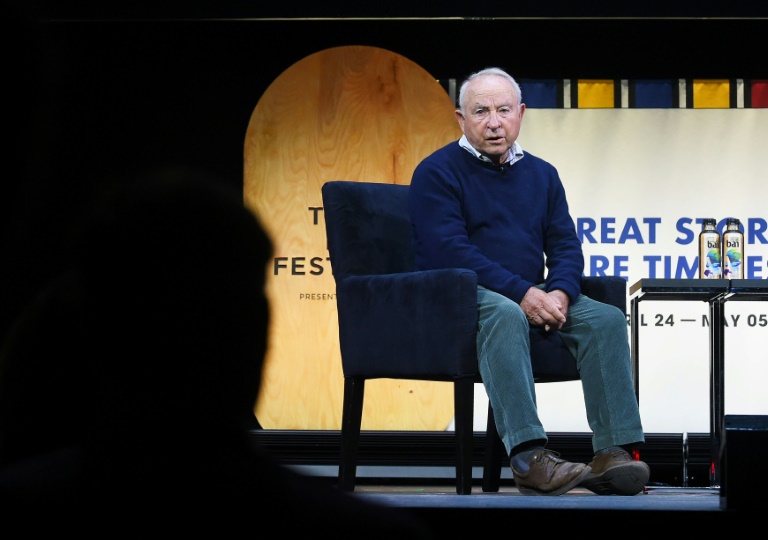
Patagonia founder Yvon Chouinard, the reluctant businessman

Yvon Chouinard built an empire with his outdoor gear brand Patagonia, but the nature enthusiast has never done business like anyone else. And now, aged 83, he’s just taken his most drastic step: he has decided to give away the company to fight climate change.

It’s an unusual move in the United States, a thoroughly capitalist society, but it’s completely on brand for the California resident.

“I’ve been a businessman for almost sixty years,” Chouinard wrote in a book in 2006. “It’s as difficult for me to say those words as it is for someone to admit being an alcoholic or a lawyer.”

“Yet business can produce food, cure disease, control population, employ people, and generally enrich our lives. And it can do these good things and make a profit without losing its soul.”

Chouinard has worked hard to make Patagonia a socially responsible enterprise.

The company has given the equivalent of one percent of its sales to environmental groups every year since 1985, and it was one of the first clothing brands to switch entirely to organic cotton in 1996.

Patagonia also became the first to adopt California’s public benefit corporation status in 2012, meaning it became a company structured for charitable purposes, not private gain. 

In 2018, Patagonia made saving the planet its official purpose.

And now, almost 50 years after launching the company, Chouinard agreed with his wife and their two children to transfer 100 percent of their stock shares to a trust dedicated to making sure their values are respected, and a nonprofit dedicated to fighting climate change and protecting nature.

The latter will receive all of Patagonia’s profits, which are currently valued at about $100 million per year.

“Earth is now our only shareholder,” Chouinard said in a letter posted on the Patagonia website.

– Unwavering vision –

Kristine McDivitt Tompkins, a member of Patagonia’s board of directors, has known Chouinard since he was 24. And since then, “his vision has never wavered,” she said in a statement announcing Patagonia’s next phase.

“While he is in good health now, he wanted to have a plan in place for the future of the company and the future of the planet.”

Chouinard was born in 1938 in the northeastern US state of Maine, to a French-Canadian father from Quebec and a mother he described as “adventurous.” He moved to California in 1946.

It was there, in a falcon-watching club, that a few years later he discovered his passion for rock climbing.

He began making his own pitons, metal anchors for climbing ropes, and learned some metalworking in the process. Other climbers began to want their own.

And so, his business began, even if it barely brought in enough money to live on in the first few years.

He created Chouinard Equipment in 1965 with a partner, which quickly became a reference group in the climbing world.

During a trip to Scotland, Chouinard bought a rugby jersey for climbing. The fabric was strong, and the shirt’s collar helped protect his neck from the ropes.

Back in the United States, others asked where they could get one. Sensing another opportunity, he began to sell rugby shirts, among other clothing items. Patagonia officially launched in 1973.

The group has since diversified, with subsidiaries in food, media, surfboards, investments in like-minded startups and recycling used clothes.

Forbes magazine recently put Chouinard’s net worth at $1.2 billion.

But the entrepreneur drives a beat-up old Subaru. He doesn’t own a computer or cell phone and splits his time between two modest houses in California and Wyoming, The New York Times reported.

Speaking about his latest decision, Chouinard told the paper: “Hopefully this will influence a new form of capitalism that doesn’t end up with a few rich people and a bunch of poor people.”

Biden administration seeks to tap into offshore wind

The Biden administration announced plans on Thursday to expand the use of wind energy by building floating offshore wind platforms.

The Interior Department said the objective is to deploy 15 gigawatts of floating offshore wind capacity by 2035, enough to power more than five million homes.

It seeks to reduce the cost of floating offshore wind energy by more than 70 percent by 2035.

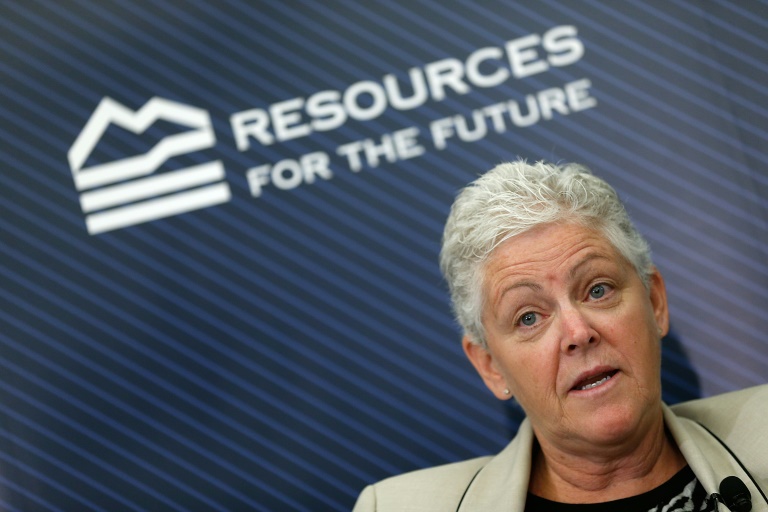
“We’re launching efforts to seize a new opportunity — floating offshore wind,” White House National Climate Advisor Gina McCarthy said at a briefing for reporters.

McCarthy said the technology “will let us build in deepwater areas where turbines can’t be secured directly to the seafloor, but where there are strong winds that we can now harness.”

The Biden administration has previously announced a goal of deploying 30 gigawatts of offshore wind energy by 2030.

Two-thirds of America’s offshore wind energy potential is in deep-water areas such as off the coast of California and Oregon that require floating platforms, officials said.

To kick off the program, the administration announced nearly $50 million in funding for research and development.

Energy Secretary Jennifer Granholm said her department will coordinate with the Interior Department “to ensure that floating offshore wind can coexist with wildlife and with fishing.”

Michael Jordan 'Last Dance' jersey sells for $10.1 mn

A jersey worn by basketball legend Michael Jordan during Game 1 of the 1998 NBA Finals, his last title victory, sold for a record $10.1 million Thursday, Sotheby’s said.

The iconic red Chicago Bulls jersey, with Jordan’s number 23 on the back, went for the highest amount of any game-worn sports memorabilia ever, the auction house said, and set a new record for a basketball jersey at auction.

The final sum was twice Sotheby’s high estimate, and the jersey drew a total of 20 bids.

The Jordan swag beat a record set in May for the most expensive sports memorabilia ever sold, which had been Diego Maradona’s “Hand of God” jersey.

The previous record for a game-worn basketball jersey was for one autographed by Kobe Bryant, who wore it in 1996-97. That piece of NBA memorabilia went for $3.7 million, according to Sotheby’s.

The Jordan jersey is only the second worn by the star during his six championships to be sold at auction.

Most of Jordan’s NBA Finals jerseys remain in private hands, according to Sotheby’s, although he has donated one to the Smithsonian National Museum of African American History and Culture.

Jordan, now 59, spent the bulk of his basketball career with the Bulls, with whom he won all six of his titles, but came out of retirement in 2001 to play two seasons with the Washington Wizards.

His final season with the Bulls was detailed in the hit ESPN/Netflix documentary “The Last Dance” released in 2020.

Brahm Wachter, head of streetwear and modern collectables at Sotheby’s, said in a statement that the sale “solidifies Michael Jordan as the undisputed GOAT, proving his name and incomparable legacy is just as relevant as it was nearly 25 years ago.”

The New York auction house, owned since 2019 by French-Israeli telecom magnate Patrick Drahi, previously sold a pair of Jordan’s sneakers for nearly $1.5 million.

The retired basketball star currently owns the Charlotte Hornets, located in his childhood home of North Carolina, and reportedly still earns millions in royalties each year from sales of Nike’s Air Jordan brand of sneakers.

Cardi B pleads guilty to two charges in strip club brawl case

Cardi B on Thursday pleaded guilty to two misdemeanor charges in New York court, avoiding jail time in a deal that closes a years-long case alleging her involvement in a strip club brawl.

On August 29, 2018, Cardi B was in the Angels Strip Club in Queens when her group reportedly lobbed bottles, chairs and a hookah pipe, which police said bruised a female employee’s legs.

Cardi B allegedly ordered an attack on two sisters working at the club because one of them slept with her husband, the rapper Offset.

The superstar rapper’s admission of guilt to assault and reckless endangerment allows the mother of two to avoid a trial and potential jail time. The 10 other charges she faced were dismissed.

The artist born Belcalis Almanzar strode into the courthouse in Queens in a fitted white dress with matching Louboutins and her signature extra-long nail extensions.

The two misdemeanors will be conditionally discharged as soon as Cardi B completes 15 days of community service. She must also pay court fees, and stay away from the two women who made the accusations for three years.

Returning to her luxury SUV following the proceedings, the rapper, asked how she was feeling, quipped to reporters that “I’m feeling like I look good.”

Later in the afternoon she posted upbeat Instagram stories from the annual Feast of San Gennaro festival in Manhattan’s Little Italy.

– ‘Move on’ –

The swift denouement followed four years of back-and-forth between her legal team and state prosecutors, proceedings drawn out, like so many court cases, by the pandemic.

She risked a far more serious fate.

Initially facing only misdemeanor charges, the Bronx rapper rejected an initial plea deal from the Queens district attorney’s office.

Then in June 2019 a grand jury indicted Cardi B on charges including two felonies. If convicted, she faced jail time.

The rapper invited Drew Findling — the so-called #BillionDollarLawyer who has made a name for himself representing hip-hop stars in Georgia, and more recently was hired by Donald Trump to represent him in an election interference probe — to join her legal team.

On Thursday Findling was all smiles, sporting his signature Wayfarer sunglasses as he let reporters know he was wearing an Armani suit with Versace shoes.

“She’ll be able to move on,” he said of Cardi. “There are too many things that she has planned for her family, for her career, and for the community, and she just felt quite honestly that a three-week jury trial was going to be a distraction from the things that we felt were most important.”

Asked about the lengthy legal process, his fellow attorney Jeff Kern told reporters “it’s like anything else in life.”

“Like doing your term paper in college, you get it done at the last minute,” he said. “Nature of the situation, nature of the beast.”

Cardi B must complete the community service by January 2023 or face jail time.

Raised in the Bronx by a Dominican father and Trinidadian mother, Cardi B’s meteoric rise began on social media during her days as a stripper, which she alludes to in her breakout smash “Bodak Yellow.”

World Bank warns recession risk rising amid higher interest rates

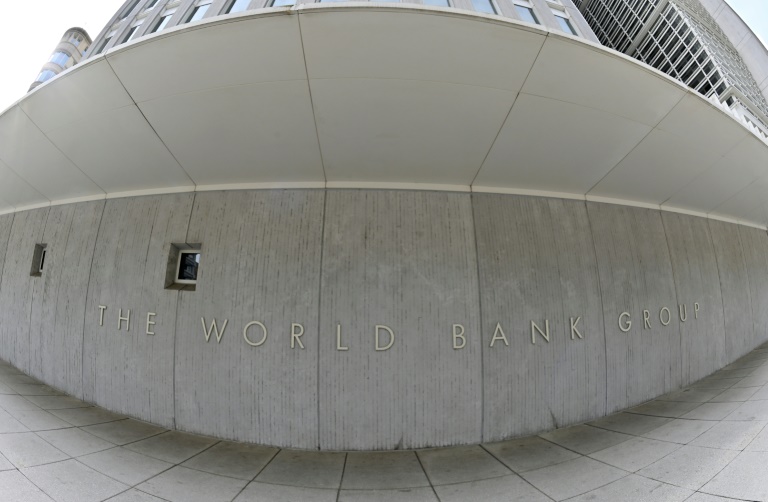
The threat of a global recession is growing as central banks focus on bringing down soaring inflation rates, the World Bank warned Thursday, calling on governments to help boost supply to ease the constraints behind rising prices.

Inflation worldwide has been rising at the fastest pace seen in decades, due to supply constraints amid high demand as countries emerged from the pandemic. It has been exacerbated this year by the Russian invasion of Ukraine and Covid lockdowns in China.

Major central banks have responded forcefully, raising borrowing costs to cool demand and douse red-hot inflation.

But in a new paper, World Bank economists warned that the actions may not be enough to bring high prices under control, leading to a need for more interest rate hikes, which in turn will put the brakes on growth.

Many countries will not be able to avoid a recession, but the worldwide slowdown and tightening monetary policy “could give rise to significant financial stress and trigger a global recession in 2023,” the paper said.

In that scenario, global GDP growth would slow to 0.5 percent in 2023 — a 0.4 percent contraction in per capita growth, meeting the technical definition of a global recession.

“Global growth is slowing sharply, with further slowing likely as more countries fall into recession,” World Bank President David Malpass said in a statement. 

“My deep concern is that these trends will persist, with long-lasting consequences that are devastating for people in emerging market and developing economies.”

He urged policymakers to “shift their focus from reducing consumption to boosting production.”

The World Bank in early June slashed its forecast for global growth to 2.9 percent, more than a full point lower than the estimate in January.

– Not all doom and gloom –

Indermit Gill, the newly installed chief economist at the Washington-based development lender, said his biggest concern is that because of the slowdown and pandemic crisis, “poverty reduction has stopped.”

But he expressed some optimism as well.

“It’s not an all doom and gloom story,” he told reporters, noting that because of work done to improve economic policies and management before the pandemic, countries are better able to protect the poor.

“I have the feeling that we will come out on the right side of this because the world has changed now and you know, there’s a lot more capability around,” he said.

The worst case scenario described in the paper Thursday would entail a recession in advanced economies and sharp declines in growth in emerging and developing economies.

“The global economy is now in its steepest slowdown following a post-recession recovery since 1970,” the World Bank said. 

“Under the circumstances, even a moderate hit to the global economy over the next year could tip it into recession.”

TikTok adds authenticity feature that mirrors BeReal

TikTok on Thursday added an authenticity feature that has been a winner for French app BeReal, taking a page from Meta’s playbook by copying a rival.

The social media giant described its TikTok Now feature as “a daily photo and video experience to share your most authentic moments” using a smartphone’s front and rear cameras simultaneously.

“You’ll receive a daily prompt to capture a 10-second video or a static photo to easily share what you’re up to,” TikTok said in a post.

TikTok said the Now feature was available on the app in the United States and will be rolled out worldwide in coming weeks.

People have been flocking to BeReal, a new social network app that calls on users to share true glimpses of their lives rather than cherry-picked moments.

Once a day, BeReal prompts users to take photos of what they are doing, giving them two minutes to post. 

The app uses front and rear facing cameras on phones, putting “selfies” into context.

The approach is a sharp contrast to the carefully curated images common on Instagram and Facebook.

“The ideal of BeReal is you are just in a moment — where are you and what are you doing right now,” said Jennifer Stromer-Galley, a professor at Syracuse University’s School of Information Studies in the United States.

“Our lived lives, not our best lives — maybe you are walking the dog or in your pajamas eating cereal.”

Launched two years ago by French entrepreneurs, BeReal has seen its popularity surge in recent months.

BeReal’s rise signals that people are tired of polished online images that don’t reflect actual life, Creative Strategies tech analyst Carolina Milanesi told AFP.

Stromer-Galley, however, questioned whether the authenticity factor alone would be enough to keep people loyal to BeReal, as other social networks vie for their attention.

Instagram told AFP it has worked internally on a BeReal-like prototype feature but is not testing it.

Instagram-parent Meta has a history of copying features such as ephemeral photos and live streaming video that proved hits with users of rival apps, bolstering the appeal of its platform while fending off competition.

Florida flies migrants to wealthy Martha's Vineyard

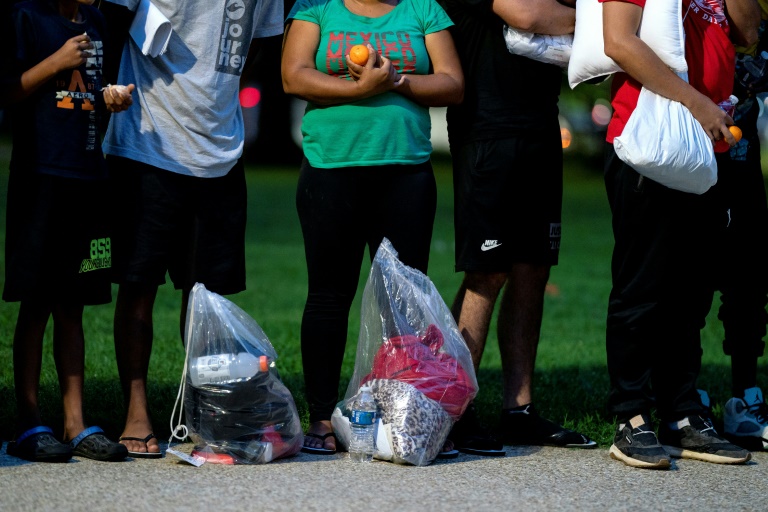
Florida Governor Ron DeSantis took credit Thursday for sending two planeloads of undocumented Venezuelans to wealthy Martha’s Vineyard, Massachusetts, as Republicans play up immigration issues before November mid-term elections.

Around 50 of the migrants, including children, landed Wednesday on the island, where Democratic presidents from John F. Kennedy to Bill Clinton and Barack Obama have summered.

According to Dylan Fernandes, a local state legislator, they were flown on chartered flights.

On Thursday two buses reportedly also from Texas deposited dozens of migrants in front of the Washington residence of Vice President Kamala Harris, the latest of such moves by Texas Republican Governor Greg Abbott.

“Immigrants are being dropped off on Martha’s Vineyard by chartered flights from Texas. Many don’t know where they are. They say they were told they would be given housing and jobs,” Fernandes wrote on Twitter.

“Republicans who call themselves Christians have been plotting for some time to use human lives — men, women, and children — as a political pawns. It is evil and inhumane,” he said.

– Anti-immigration politics –

The moves came as DeSantis and Abbott, two of the country’s most prominent and combative Republican governors, have sought to highlight the issue of tens of thousands of migrants trying to cross the southern border into the United States each month.

Abbott, whose state is the first destination for most of the migrants crossing from Mexico, has been sending buses of them northward, mainly to Washington, Chicago and New York, since April. 

Most of the migrants have been permitted to stay in the country by border officials after officially requesting asylum.

Some 10,000 have been bused across the country by Texas, and Abbott says the action is to provide relief to border communities.

The Texas governor, who is seeking relection in November, said Thursday that Vice President Harris claims the border is secure and denies the existence of an immigration crisis.

“We’re sending migrants to her backyard to call on the Biden administration to do its job & secure the border,” he tweeted.

DeSantis has supported Abbott, and his aides said he was behind the flight to Martha’s Vineyard.

While his state is not on the southwest border, it is a destination for many migrants entering the country legally and illegally.

DeSantis is also seeking reelection in the November midterm vote, and is also a top contender to run for president under the Republican banner in 2024.

“We are not a sanctuary state. . . We will help facilitate that transport for you to be able to go to greener pastures,” DeSantis said at an official event in Florida Thursday.

“In Florida, we take what is happening at the southern border seriously.”

Charlie Crist, the Democrat challenging DeSantis for the Florida governorship, said sending the migrants to Martha’s Vineyard was a wholly political move.

“Florida is spending $12 million to fly innocent migrant children out of our state when that money could be spent on fighting to help Floridians and lower costs,” Crist said on Twitter.

“Everything Ron DeSantis does is to score political points and feed red meat to his base in his thinly veiled attempt to run for president.”

US rail companies, unions reach 'tentative' deal to avert strike

A jubilant President Joe Biden announced a tentative deal Thursday to avoid a crippling strike by railroad unions following all-night talks as the clock ran down on threats to disrupt US supply chains in the run-up to midterm elections.

“It feels good!” Biden told a tired-looking group of negotiators invited into the Oval Office after their sleepless night. “They should be home in bed,” he said.

Biden, who was personally calling into the negotiations as late as 9:00 pm on Wednesday, issued a pre-dawn statement announcing the preliminary resolution, which allows for a 24 percent wage increase between 2020 and 2024, including an immediate payout.

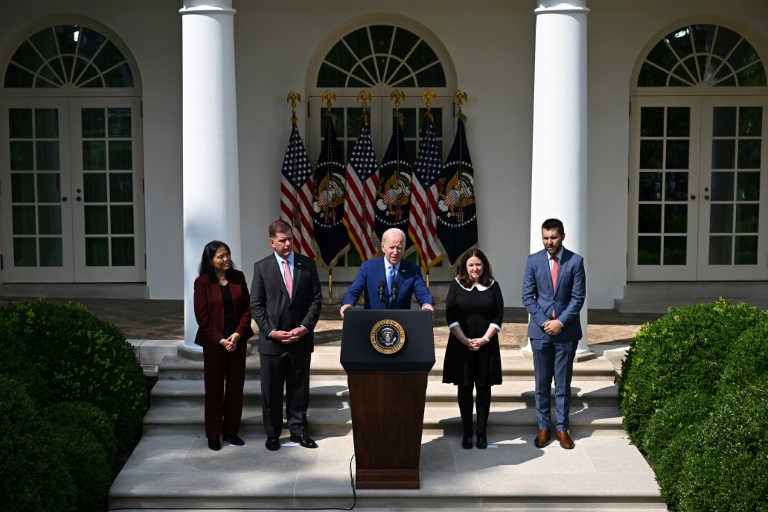
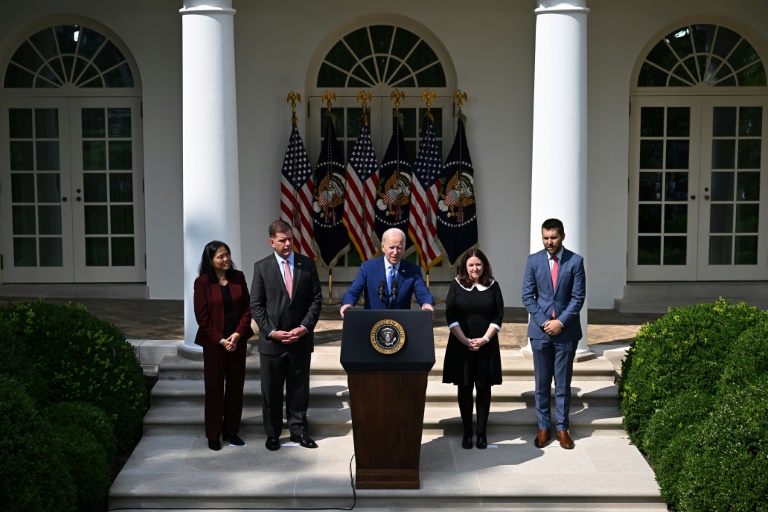
At a hastily organized celebration in the Rose Garden, Biden called the agreement “a big win for America” and said the “dignity” of railroad workers had been honored.

The deal was a relief after worries that a Friday deadline would trigger nationwide stoppages, snarling critical supplies to an economy in the midst of a jittery recovery from the Covid-era shutdown.

For Biden personally, a strike would have been politically damaging as he tries to steer his Democratic party’s uphill bid to hold on to Congress in November, with Republicans focusing heavily on high inflation.

Biden, in his initial statement, said “the hard work done to reach this tentative agreement means that our economy can avert the significant damage any shutdown would have brought.”

“These rail workers will get better pay, improved working conditions, and peace of mind around their health care costs: all hard-earned.”

The Association of American Railroads, which represents the nation’s freight railroads, welcomed the deal.

Major freight carrier Union Pacific said it “looks forward to the unions ratifying these agreements and working with employees as we focus on restoring supply chain fluidity.”

– All-nighter –

In the West Wing, exhausted staffers recounted an all-nighter which saw cabinet secretaries huddle with union leaders and rail executives at the Labor Department building.

“There were 20 plus hours in negotiations. At no point did anyone ever get to go home,” a senior official told reporters.

At 9:00 pm Wednesday, Biden called in and “his message was we have to get agreement — a shutdown is unacceptable — and that they need to respond in good faith to each other.”

Agriculture Secretary Tom Vilsack and Transport Secretary Pete Buttigieg made calls “throughout the day and night” and at 2:00 am, Labor Secretary Marty Walsh “called the White House and said it looks like a deal is coming together,” the official said.

Final details were ironed out, one of the union boards was woken at 3:00 am and two hours later the deal was announced.

“Failure was not an option,” the official said.

– Inflation fears –

Polls show voters are worried about soaring prices in the post-pandemic economy, where supply chain issues have been a constant scourge and annual inflation has surged to a 40-year high.

The Association of American Railroads had warned that a strike would bring 7,000 trains to a halt, costing $2 billion a day.

Farmers and retailers had warned that a strike would hit US supply chains already battered by the Covid-19 pandemic.

“There is no real substitute for moving agricultural goods,” warned American Farm Bureau Federation president Zippy Duvall.

Recognizing the danger, Biden had appointed an arbitration panel back in July to facilitate the negotiations. Asked by reporters in the Rose Garden what Americans should do about rapidly rising food prices and other inflation, he said the railroad deal would bring relief.

“Rail’s moving and (inflation) is not going to go up,” Biden said.

Amtrak, the US rail passenger operator, which had announced plans to cancel long-distance train services if freight workers went on strike, said it would immediately get trains rolling again.

“Amtrak is working to quickly restore canceled trains and reaching out to impacted customers to accommodate on first available departures,” it said in a statement.

US rail companies, unions reach 'tentative' deal to avert strike

A jubilant President Joe Biden announced a tentative deal Thursday to avoid a crippling strike by railroad unions following all-night talks as the clock ran down on threats to disrupt US supply chains in the run-up to midterm elections.

“It feels good!” Biden told a tired-looking group of negotiators invited into the Oval Office after their sleepless night. “They should be home in bed,” he said.

Biden, who was personally calling into the negotiations as late as 9:00 pm on Wednesday, issued a pre-dawn statement announcing the preliminary resolution, which allows for a 24 percent wage increase between 2020 and 2024, including an immediate payout.

At a hastily organized celebration in the Rose Garden, Biden called the agreement “a big win for America” and said the “dignity” of railroad workers had been honored.

The deal was a relief after worries that a Friday deadline would trigger nationwide stoppages, snarling critical supplies to an economy in the midst of a jittery recovery from the Covid-era shutdown.

For Biden personally, a strike would have been politically damaging as he tries to steer his Democratic party’s uphill bid to hold on to Congress in November, with Republicans focusing heavily on high inflation.

Biden, in his initial statement, said “the hard work done to reach this tentative agreement means that our economy can avert the significant damage any shutdown would have brought.”

“These rail workers will get better pay, improved working conditions, and peace of mind around their health care costs: all hard-earned.”

The Association of American Railroads, which represents the nation’s freight railroads, welcomed the deal.

Major freight carrier Union Pacific said it “looks forward to the unions ratifying these agreements and working with employees as we focus on restoring supply chain fluidity.”

– All-nighter –

In the West Wing, exhausted staffers recounted an all-nighter which saw cabinet secretaries huddle with union leaders and rail executives at the Labor Department building.

“There were 20 plus hours in negotiations. At no point did anyone ever get to go home,” a senior official told reporters.

At 9:00 pm Wednesday, Biden called in and “his message was we have to get agreement — a shutdown is unacceptable — and that they need to respond in good faith to each other.”

Agriculture Secretary Tom Vilsack and Transport Secretary Pete Buttigieg made calls “throughout the day and night” and at 2:00 am, Labor Secretary Marty Walsh “called the White House and said it looks like a deal is coming together,” the official said.

Final details were ironed out, one of the union boards was woken at 3:00 am and two hours later the deal was announced.

“Failure was not an option,” the official said.

– Inflation fears –

Polls show voters are worried about soaring prices in the post-pandemic economy, where supply chain issues have been a constant scourge and annual inflation has surged to a 40-year high.

The Association of American Railroads had warned that a strike would bring 7,000 trains to a halt, costing $2 billion a day.

Farmers and retailers had warned that a strike would hit US supply chains already battered by the Covid-19 pandemic.

“There is no real substitute for moving agricultural goods,” warned American Farm Bureau Federation president Zippy Duvall.

Recognizing the danger, Biden had appointed an arbitration panel back in July to facilitate the negotiations. Asked by reporters in the Rose Garden what Americans should do about rapidly rising food prices and other inflation, he said the railroad deal would bring relief.

“Rail’s moving and (inflation) is not going to go up,” Biden said.

Amtrak, the US rail passenger operator, which had announced plans to cancel long-distance train services if freight workers went on strike, said it would immediately get trains rolling again.

“Amtrak is working to quickly restore canceled trains and reaching out to impacted customers to accommodate on first available departures,” it said in a statement.

US blacklists Russian neo-Nazi fighters, children's rights head

The US Treasury placed top Russian finance officials, a neo-Nazi fighter group, and a children’s rights official who allegedly directs the removal of Ukrainian children to Russia on its sanctions blacklist Thursday.

Some 22 individuals and two entities were added to the Treasury’s blacklist, including justice officials in occupied Crimea and members of Chechen Republic leader Ramzan Kadyrov’s family.

In a parallel move, the Treasury and US Commerce Department banned the export of quantum computing services, hardware and software to Russia and Belarus in a move the Treasury said would degrade Moscow’s ability to rebuild its military after heavy losses in the continuing war with Ukraine.

“As Ukraine presses forward with defending its freedom, today we’re taking steps to further degrade Russia’s ability to rebuild its military, hold perpetrators of violence accountable, and further financially isolate (Russian President Vladimir) Putin,” said Treasury Secretary Janet Yellen in a statement.

The new sanctions took aim at the heads of key Russian financial institutions including NSPK, which runs the Mir payment card network; the National Settlement Depository; CCP NCC, which manages settlement for the Moscow stock exchange; and the Deposit Insurance Agency.

The Treasury blacklisted Maria Alexeyevna Lvova-Belova, the Presidential Commissioner for Children’s Rights. 

Working directly under Putin, the Treasury said, Lvova-Belova has overseen the deportation of “thousands” of Ukrainian children to Russia.

“Lvova-Belova’s efforts specifically include the forced adoption of Ukrainian children into Russian families, the so-called ‘patriotic education’ of Ukrainian children, legislative changes to expedite the provision of Russian Federation citizenship to Ukrainian children, and the deliberate removal of Ukrainian children by Russia’s forces,” it said.

The Treasury also put sanctions on Task Force Rusich, a neo-Nazi paramilitary group fighting in Ukraine associated with the Wagner mercenary army controlled by close Putin advisor Yevgeny Prigozhin.

US Treasury sanctions aim to freeze any assets those designated might have under US jurisdiction and forbid any US individuals or companies — including international banks with US operations — to do business with them, effectively limiting their access to global financial networks.

Close Bitnami banner
Bitnami