US Business

Ukraine warns only talks can end war as Russia cuts Finland gas

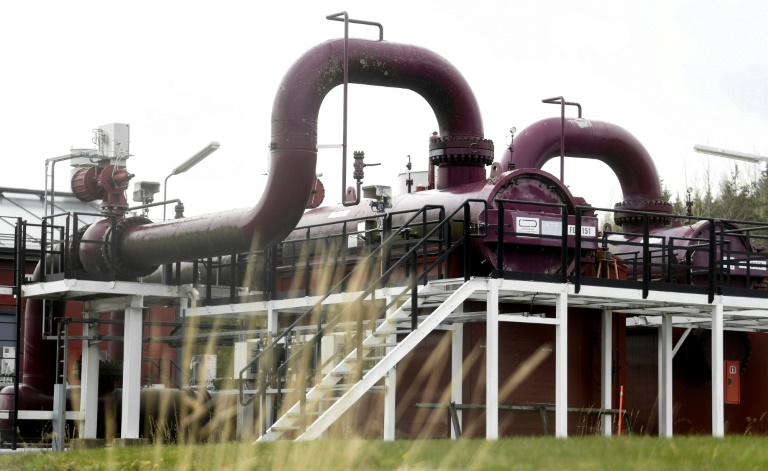
Ukraine’s President Volodymyr Zelensky warned Saturday that only a diplomatic breakthrough rather than an outright military victory could end Russia’s war on his country, as Moscow cut gas supplies to Finland.

“There are things that can only be reached at the negotiating table,” Zelensky said, just as Russia claimed its long-range missiles had destroyed a shipment of Western arms destined for Ukraine’s troops.

Zelensky also appealed for more military aid, even as US President Joe Biden formally signed off on a $40-billion package of aid for the Ukrainian war effort.  

And the Ukrainian leader insisted his war-ravaged country should be a full candidate to join the European Union, rejecting a suggestion from France’s President Emmanuel Macron and some other EU leaders that a sort of associated political community be created as a waiting zone for a membership bid.   

“We don’t need such compromises,” Zelensky said during a joint press conference with visiting Portuguese Prime Minister Antonio Costa. 

“Because, believe me, it will not be compromise with Ukraine in Europe, it will be another compromise between Europe and Russia. I am absolutely sure of that,” he warned.

After just over 12 weeks of fierce fighting, Ukrainian forces have halted Russian attempts to seize Kyiv and the northern city of Kharkiv, but are under renewed and intense pressure in the eastern Donbas region.

Moscow’s army have flattened and seized the southeastern port city of Mariupol and subjected Ukrainian troops and towns in the east to a remorseless ground and artillery attacks.

Zelensky’s Western allies have shipped modern weaponry to his forces and imposed sweeping sanctions on the Russian economy and President Vladimir Putin’s inner circle.  

But the Kremlin has responded by disrupting European energy supplies, and on Saturday cut off gas shipments to Finland, which angered Moscow by applying to join the NATO alliance. 

– ‘It will be bloody’ –

Against this backdrop, Zelensky told Ukrainian television the war would end “through diplomacy”.

The conflict, he warned, “will be bloody, there will be fighting but will only definitively end through diplomacy” — promising only that the result would be “fair” for Ukraine.

“Discussions between Ukraine and Russia will decidedly take place. Under what format I don’t know — with intermediaries, without them, in a broader group, at presidential level,” he said.

In order to side-step financial sanctions and force European energy clients to prop up his central bank, Putin has demanded that importers from “unfriendly countries” pay for gas in rubles.

Russian energy giant Gazprom said it had halted supplies to neighbouring Finland as it had not received ruble payments from Finland’s state-owned energy company Gasum by the end of Friday.

Gazprom supplied 1.49 billion cubic metres of natural gas to Finland in 2021, about two thirds of the country’s gas consumption but only eight percent of its total energy use. 

Gasum said it would make up for the shortfall from other sources, through the Balticconnector pipeline, which links Finland to Estonia, a fellow European Union member.

Moscow cut off gas to Poland and Bulgaria last month in a move the European Union described as “blackmail”, but importers in some other EU countries more dependent on Russian gas plan to open ruble accounts with Gazprom’s bank.

Finland and neighbouring Sweden this week broke their historical military non-alignment and applied to join NATO, after public support for the alliance soared following Russia’s invasion of Ukraine.

– ‘Grave mistake’ –

Moscow has warned Finland that joining NATO would be “a grave mistake with far-reaching consequences” and Defence Minister Sergei Shoigu said it would respond by building military bases in western Russia.

But both Finland and Sweden are now apparently on the fast track to join the military alliance, with US President Joe Biden this week offering “full, total, complete backing” to their bids.

All 30 existing NATO members must agree on any new entrants, and Turkey has condemned Sweden’s alleged tolerance for the presence of exiled Kurdistan Workers’ Party (PKK) militants, but diplomats are confident of avoiding a veto.

Turkish President Recep Tayyip Erdogan urged Swedish and Finnish leaders to abandon financial and political support for what he called “terrorist” groups.

Erdogan told Swedish Prime Minister Magdalena Andersson that “Sweden’s political, financial and weapon support to terrorist organisations must end,” his office said. 

Russia’s foreign ministry on Saturday imposed travel bans on 26 Canadians “in response to the latest anti-Russian sanctions announced by Canadian authorities”.

Among the new additions is Sophie Trudeau, the wife of Canada’s Prime Minister Justin Trudeau.

Moscow has now imposed travel bans on 963 people, according to a foreign ministry list released Saturday, including Biden and Hollywood actor Morgan Freeman.

On the ground in Ukraine, the fighting is fiercest in the eastern region of Donbas, a Russian-speaking area that has been partially controlled by pro-Kremlin separatists since 2014.

In Severodonetsk, a frontline city now at risk of encirclement, 12 people were killed and another 40 wounded by Russian shelling, the regional governor said.

And in the neighbouring Donetsk region, according to Ukraine’s interior ministry, Russian fire hit a church sheltering scores of civilians, including children and clergy. At least 60 people were rescued, and the final casualty toll was not immediately clear. 

– Dogged resistance –

The Russian defence ministry, meanwhile, claimed it had destroyed a large shipment of US and European weapons in a long-range missile strike targeting the Malin railway station west of Kyiv in the Zhytomyr region. 

There was no Ukrainian or independent confirmation of the success of the strike. 

On Friday, Moscow said the battle for the Azovstal steelworks in Mariupol — a symbol of Ukraine’s dogged resistance since Putin launched the invasion on February 24 — was now over.

Russian defence ministry spokesman Igor Konashenko said 2,439 Ukrainian personnel had surrendered at the steelworks since May 16, the final 500 on Friday.

Ukraine hopes to exchange the surrendering Azovstal soldiers for Russian prisoners. But in Donetsk, pro-Kremlin authorities are threatening to put some of them on trial. 

Biden has cast the Ukraine war as part of a US-led struggle pitting democracy against authoritarianism.

The US Congress this week approved a $40-billion (38-billion-euro) aid package, including funds to enhance Ukraine’s armoured vehicle fleet and air defence system — and Biden signed it into law on Saturday.

burs-dc/ah
Ukraine warns only talks can end war as Russia cuts Finland gas

Ukraine’s President Volodymyr Zelensky warned Saturday that only a diplomatic breakthrough rather than an outright military victory could end Russia’s war on his country, as Moscow cut gas supplies to Finland.

“There are things that can only be reached at the negotiating table,” Zelensky said, just as Russia claimed its long-range missiles had destroyed a shipment of Western arms destined for Ukraine’s troops.

Zelensky also appealed for more military aid, even as US President Joe Biden formally signed off on a $40-billion package of aid for the Ukrainian war effort.  

And the Ukrainian leader insisted his war-ravaged country should be a full candidate to join the European Union, rejecting a suggestion from France’s President Emmanuel Macron and some other EU leaders that a sort of associated political community be created as a waiting zone for a membership bid.   

“We don’t need such compromises,” Zelensky said during a joint press conference with visiting Portuguese Prime Minister Antonio Costa. 

“Because, believe me, it will not be compromise with Ukraine in Europe, it will be another compromise between Europe and Russia. I am absolutely sure of that,” he warned.

After just over 12 weeks of fierce fighting, Ukrainian forces have halted Russian attempts to seize Kyiv and the northern city of Kharkiv, but are under renewed and intense pressure in the eastern Donbas region.

Moscow’s army have flattened and seized the southeastern port city of Mariupol and subjected Ukrainian troops and towns in the east to a remorseless ground and artillery attacks.

Zelensky’s Western allies have shipped modern weaponry to his forces and imposed sweeping sanctions on the Russian economy and President Vladimir Putin’s inner circle.  

But the Kremlin has responded by disrupting European energy supplies, and on Saturday cut off gas shipments to Finland, which angered Moscow by applying to join the NATO alliance. 

– ‘It will be bloody’ –

Against this backdrop, Zelensky told Ukrainian television the war would end “through diplomacy”.

The conflict, he warned, “will be bloody, there will be fighting but will only definitively end through diplomacy” — promising only that the result would be “fair” for Ukraine.

“Discussions between Ukraine and Russia will decidedly take place. Under what format I don’t know — with intermediaries, without them, in a broader group, at presidential level,” he said.

In order to side-step financial sanctions and force European energy clients to prop up his central bank, Putin has demanded that importers from “unfriendly countries” pay for gas in rubles.

Russian energy giant Gazprom said it had halted supplies to neighbouring Finland as it had not received ruble payments from Finland’s state-owned energy company Gasum by the end of Friday.

Gazprom supplied 1.49 billion cubic metres of natural gas to Finland in 2021, about two thirds of the country’s gas consumption but only eight percent of its total energy use. 

Gasum said it would make up for the shortfall from other sources, through the Balticconnector pipeline, which links Finland to Estonia, a fellow European Union member.

Moscow cut off gas to Poland and Bulgaria last month in a move the European Union described as “blackmail”, but importers in some other EU countries more dependent on Russian gas plan to open ruble accounts with Gazprom’s bank.

Finland and neighbouring Sweden this week broke their historical military non-alignment and applied to join NATO, after public support for the alliance soared following Russia’s invasion of Ukraine.

– ‘Grave mistake’ –

Moscow has warned Finland that joining NATO would be “a grave mistake with far-reaching consequences” and Defence Minister Sergei Shoigu said it would respond by building military bases in western Russia.

But both Finland and Sweden are now apparently on the fast track to join the military alliance, with US President Joe Biden this week offering “full, total, complete backing” to their bids.

All 30 existing NATO members must agree on any new entrants, and Turkey has condemned Sweden’s alleged tolerance for the presence of exiled Kurdistan Workers’ Party (PKK) militants, but diplomats are confident of avoiding a veto.

Turkish President Recep Tayyip Erdogan urged Swedish and Finnish leaders to abandon financial and political support for what he called “terrorist” groups.

Erdogan told Swedish Prime Minister Magdalena Andersson that “Sweden’s political, financial and weapon support to terrorist organisations must end,” his office said. 

Russia’s foreign ministry on Saturday imposed travel bans on 26 Canadians “in response to the latest anti-Russian sanctions announced by Canadian authorities”.

Among the new additions is Sophie Trudeau, the wife of Canada’s Prime Minister Justin Trudeau.

Moscow has now imposed travel bans on 963 people, according to a foreign ministry list released Saturday, including Biden and Hollywood actor Morgan Freeman.

On the ground in Ukraine, the fighting is fiercest in the eastern region of Donbas, a Russian-speaking area that has been partially controlled by pro-Kremlin separatists since 2014.

In Severodonetsk, a frontline city now at risk of encirclement, 12 people were killed and another 40 wounded by Russian shelling, the regional governor said.

And in the neighbouring Donetsk region, according to Ukraine’s interior ministry, Russian fire hit a church sheltering scores of civilians, including children and clergy. At least 60 people were rescued, and the final casualty toll was not immediately clear. 

– Dogged resistance –

The Russian defence ministry, meanwhile, claimed it had destroyed a large shipment of US and European weapons in a long-range missile strike targeting the Malin railway station west of Kyiv in the Zhytomyr region. 

There was no Ukrainian or independent confirmation of the success of the strike. 

On Friday, Moscow said the battle for the Azovstal steelworks in Mariupol — a symbol of Ukraine’s dogged resistance since Putin launched the invasion on February 24 — was now over.

Russian defence ministry spokesman Igor Konashenko said 2,439 Ukrainian personnel had surrendered at the steelworks since May 16, the final 500 on Friday.

Ukraine hopes to exchange the surrendering Azovstal soldiers for Russian prisoners. But in Donetsk, pro-Kremlin authorities are threatening to put some of them on trial. 

Biden has cast the Ukraine war as part of a US-led struggle pitting democracy against authoritarianism.

The US Congress this week approved a $40-billion (38-billion-euro) aid package, including funds to enhance Ukraine’s armoured vehicle fleet and air defence system — and Biden signed it into law on Saturday.

burs-dc/ah
Ukraine warns only talks can end war as Russia cuts Finland gas

Ukraine’s President Volodymyr Zelensky warned Saturday that only a diplomatic breakthrough rather than an outright military victory could end Russia’s war on his country, as Moscow cut gas supplies to Finland.

“There are things that can only be reached at the negotiating table,” Zelensky said, just as Russia claimed its long-range missiles had destroyed a shipment of Western arms destined for Ukraine’s troops.

After just over 12 weeks of fierce fighting, Ukrainian forces have halted Russian attempts to seize Kyiv and the northern city of Kharkiv, but are under renewed and intense pressure in the eastern Donbas region.

Moscow’s army have flattened and seized the southeastern port city of Mariupol and subjected Ukrainian troops and towns in the east to a remorseless ground and artillery attack.

Zelensky’s Western allies have shipped modern weaponry to his forces and imposed sweeping sanctions on the Russian economy and President Vladimir Putin’s inner circle.  

But the Kremlin has responded by disrupting European energy supplies, and on Saturday cut off gas shipments to Finland, which angered Moscow by applying to join the NATO alliance. 

– ‘It will be bloody’ –

Against this backdrop, Zelensky told Ukrainian television the war would end “through diplomacy”.

The conflict, he warned, “will be bloody, there will be fighting but will only definitively end through diplomacy” — promising only that the result would be “fair” for Ukraine.

“Discussions between Ukraine and Russia will decidedly take place. Under what format I don’t know — with intermediaries, without them, in a broader group, at presidential level,” he said.

In order to side-step financial sanctions and force European energy clients to prop up his central bank, Putin has demanded that importers from “unfriendly countries” pay for gas in rubles.

Russian energy giant Gazprom said it had halted supplies to neighbouring Finland as it had not received ruble payments from Finland’s state-owned energy company Gasum by the end of Friday.

Gazprom supplied 1.49 billion cubic metres of natural gas to Finland in 2021, about two thirds of the country’s gas consumption but only eight percent of its total energy use. 

Gasum said it would make up for the shortfall from other sources, through the Balticconnector pipeline, which links Finland to Estonia, a fellow European Union member.

Moscow cut off gas to Poland and Bulgaria last month in a move the European Union described as “blackmail”, but importers in some other EU countries more dependent on Russian gas plan to open ruble accounts with Gazprom’s bank.

Finland and neighbouring Sweden this week broke their historical military non-alignment and applied to join NATO, after public support for the alliance soared following Russia’s invasion of Ukraine.

– ‘Grave mistake’ –

Moscow has warned Finland that joining NATO would be “a grave mistake with far-reaching consequences” and Defence Minister Sergei Shoigu said it would respond by building military bases in western Russia.

But both Finland and Sweden are now apparently on the fast track to join the military alliance, with US President Joe Biden this week offering “full, total, complete backing” to their bids.

All 30 existing NATO members must agree on any new entrants, and Turkey has condemned Sweden’s alleged toleration of Kurdish militants, but diplomats are confident of avoiding a veto.

On the ground in Ukraine, the fighting is fiercest in the eastern region of Donbas, a Russian-speaking area that has been partially controlled by pro-Kremlin separatists since 2014.

“They completely ruined Rubizhne, Vonokvakha, just as they did Mariupol,” Zelensky said Friday, adding that the Russians were “trying to do the same with Severodonetsk and many other cities”.

In Severodonetsk, a frontline city now at risk of encirclement, 12 people were killed and another 40 wounded by Russian shelling, the regional governor said.

– ‘End of the operation’ –

Zelensky described the bombardment of Severodonetsk as “brutal and absolutely pointless”, as residents cowering in basements described an unending ordeal of terror.

The city forms part of the last pocket of Ukrainian resistance in Lugansk, which along with the neighbouring region of Donetsk comprises the Donbas war zone.

The Russian defence ministry, meanwhile, claimed it had destroyed a large shipment of US and European weapons in a long-range missile strike targeting the Malin railway station west of Kyiv in the Zhytomyr region. 

There was no Ukrainian or independent confirmation of the success of the strike. 

On Friday, Moscow said the battle for the Azovstal steelworks in Mariupol — a symbol of Ukraine’s dogged resistance since Putin launched the invasion on February 24 — was now over.

Russian defence ministry spokesman Igor Konashenko said 2,439 Ukrainian personnel had surrendered at the steelworks since May 16, the final 500 on Friday.

Ukraine hopes to exchange the surrendering Azovstal soldiers for Russian prisoners. But in Donetsk, pro-Kremlin authorities are threatening to put some of them on trial. 

Biden has cast the Ukraine war as part of a US-led struggle pitting democracy against authoritarianism.

The US Congress this week approved a $40-billion (38-billion-euro) aid package, including funds to enhance Ukraine’s armoured vehicle fleet and air defence system.

And, meeting in Germany, G7 industrialised nations pledged $19.8 billion to shore up Ukraine’s shattered public finances.

– Underground living –

While the invasion has ebbed around the northeastern city of Kharkiv, it remains in Russian artillery range, and hundreds of people are refusing to leave the relative safety of its metro system.

“We’re tired. You can see what home comforts that we have,” said Kateryna Talpa, 35, pointing to mattresses and sheets on the ground, and some food in a cardboard box.

She and her husband Yuriy are doing their best to cope in the Soviet-era station called “Heroes of Labour”, alongside their cats Marek and Sima.

“They got used to it,” Talpa said.

burs-dc/ach 

Russia says Mariupol battle at end as Ukrainian defenders surrender

Russia has declared victory in its months-long operation to capture the strategic port of Mariupol after Ukraine ordered the last of its troops holed up in the city’s Azovstal steelworks to lay down their arms.

Moscow’s flattening of Mariupol has drawn multiple accusations of war crimes, including over a deadly attack on a maternity ward, and Ukraine has begun a legal reckoning for captured Russian troops.

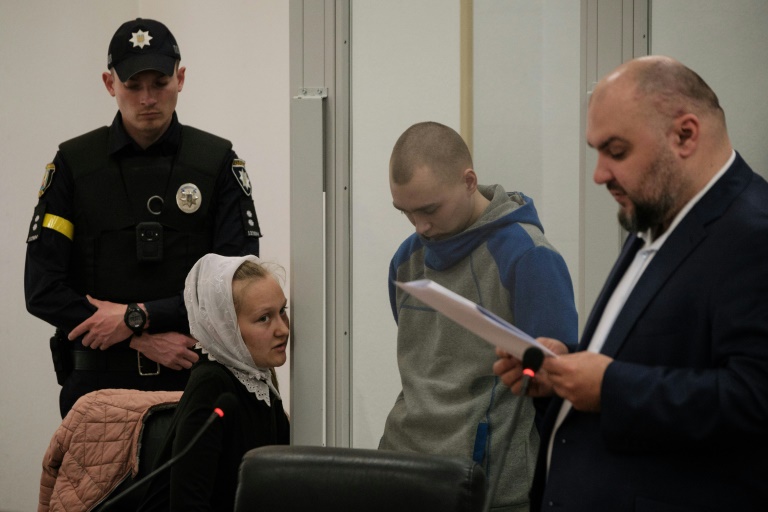
The first post-invasion trial of a Russian soldier for war crimes neared its climax in Kyiv on Friday, after 21-year-old sergeant Vadim Shishimarin admitted to killing an unarmed civilian early in the offensive. The verdict is due Monday.

Shishimarin told the court he was “truly sorry”. But his lawyer said in closing arguments that the young soldier was “not guilty” of premeditated murder and war crimes.

Since Ukrainian forces fended off the Russian offensive around Kyiv both eastern Ukraine and Mariupol in the south have borne the brunt of a remorseless ground and artillery attack.

The fighting is fiercest in the eastern region of Donbas, a Russian-speaking area that has been partially controlled by pro-Kremlin separatists since 2014.

“Attempts to attack Donbas continue. They completely ruined Rubizhne, Vonokvakha, just as Mariupol,” President Volodymyr Zelensky said in his nightly video address late Friday, adding the Russians were “trying to do the same with Severodonetsk and many other cities”.

In the eastern city of Severodonetsk, 12 people were killed and another 40 wounded by Russian shelling, the regional governor said.

– ‘End of the operation’ –

Zelensky described the bombardment of Severodonetsk as “brutal and absolutely pointless”, as residents cowering in basements described an unending ordeal of terror.

The city forms part of the last pocket of Ukrainian resistance in Lugansk, which along with the neighbouring region of Donetsk comprises the Donbas war zone.

Moscow on Friday said the battle for the Azovstal steelworks — a symbol of Ukraine’s dogged resistance since Russian President Vladimir Putin launched the invasion on February 24 — was now over.

Russian defence ministry spokesman Igor Konashenko said 2,439 Ukrainian personnel had surrendered at the steelworks since May 16, the final 500 on Friday.

Defence Minister Sergei Shoigu had informed Putin of “the end of the operation and the complete liberation of the (Azovstal) industrial complex and the city of Mariupol”, Konashenko added.

Ukraine hopes to exchange the surrendering Azovstal soldiers for Russian prisoners. But in Donetsk, pro-Kremlin authorities are threatening to put some of them on trial. 

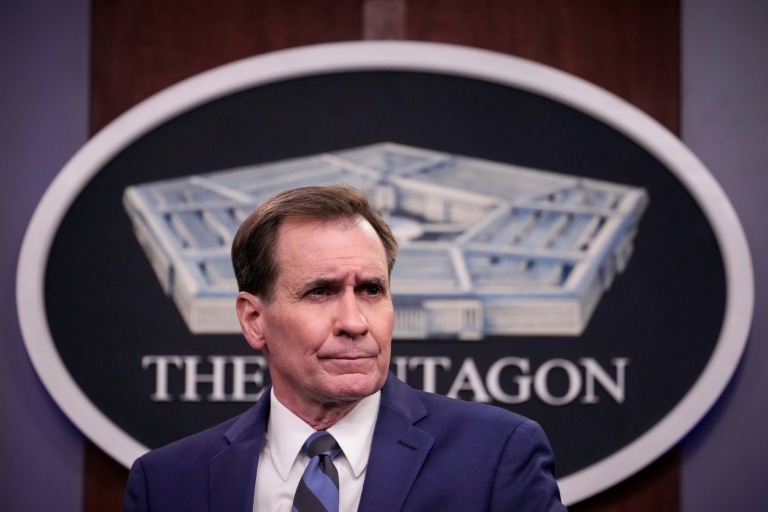
In Washington, Pentagon spokesman John Kirby said all prisoners of war should “be treated in accordance with the Geneva Convention and the law of war”.

President Joe Biden has cast the Ukraine war as part of a US-led struggle pitting democracy against authoritarianism.

The US Congress this week approved a $40-billion (38-billion-euro) aid package, including funds to enhance Ukraine’s armoured vehicle fleet and air defence system.

And meeting in Germany, G7 industrialised nations pledged $19.8 billion to shore up Ukraine’s shattered public finances.

– Finland’s price –

The war’s economic repercussions continued to expand on Saturday, as Russia cut off its supply of natural gas to neighbouring Finland.

“Natural gas supplies to Finland under Gasum’s supply contract have been cut off,” Finnish state energy company Gasum said in a statement, adding that gas would instead be supplied from other sources via the Balticconnector pipeline, which connects Finland to Estonia.

Gasum a day earlier revealed the tap would be turned off when its contract with Russia’s Gazprom ended at 7:00 am (0400 GMT) Saturday.

The move, which Russia has blamed on the Nordic country’s refusal to pay in rubles, comes days after Finland and Sweden submitted a joint application for NATO membership. 

Moscow has repeatedly warned historically non-aligned Finland that applying for membership would be “a grave mistake with far-reaching consequences.” 

Both Finland and Sweden are seemingly on the fast track to joining the defence alliance, with Biden offering “full, total, complete backing” to their bids.

But all 30 existing NATO members must agree on any new entrants, and Turkey has condemned the Nordic neighbours’ alleged toleration of Kurdish militants.

Shoigu has said the Kremlin would respond to any NATO expansion by creating more military bases in western Russia.

Saturday’s halt to gas shipments follows Moscow cutting off Poland and Bulgaria last month in a move the EU described as “blackmail”.

– Underground living –

While the invasion that sparked the potential NATO expansion has ebbed around the northeastern city of Kharkiv, it remains in Russian artillery range, and hundreds of people are refusing to leave the relative safety of its metro system.

“We’re tired. You can see what home comforts that we have,” said Kateryna Talpa, 35, pointing to mattresses and sheets on the ground, and some food in a cardboard box.

She and her husband Yuriy are doing their best to cope in the Soviet-era station called “Heroes of Labour”, alongside their cats Marek and Sima.

“They got used to it,” Talpa said.

In the town of Lozova, at least eight people, including a child, were wounded Friday when a powerful Russian missile strike gutted a newly repaired cultural centre, the largest in the region.

Kharkiv regional governor Oleg Sinegubov said all eight had been struck by shrapnel after three Russian missiles had been fired towards the 1,000-capacity building.

burs-jit/wd/bgs/cwl/mtp

Pentagon spokesman Kirby named to White House post

US Pentagon press secretary John Kirby will join the National Security Council as coordinator for strategic communications, the Biden administration announced on Friday. 

A retired admiral, Kirby’s new role will see him “coordinate interagency efforts to explain United States policy and (serve) as a senior administration voice on related matters,” a White House statement said. 

“John understands the complexities of US foreign and defense policy, and he will ably represent the Administration on important national security issues,” President Joe Biden said in the statement.

Kirby is a veteran public affairs official, having served in various roles at the Pentagon and US State department, notably as the latter’s spokesperson during the Obama administration.  

He worked as a military and diplomatic affairs analyst on CNN during the presidency of Donald Trump.

Kirby has gained prominence within the Biden administration since Russia’s invasion of Ukraine in February, mainly due to his daily press briefings, which were broadcast live.

“There is simply no other communicator like him, anywhere,” his now former boss, US Defense Secretary Lloyd Austin, said in a statement.

The National Security Council advises the American president on foreign policy.

Russia says Mariupol battle at end as Ukrainian defenders surrender

Russia has declared victory in its months-long operation to capture the strategic port of Mariupol after Ukraine ordered the last of its troops holed up in the city’s Azovstal steelworks to lay down their arms.

Moscow’s flattening of Mariupol has drawn multiple accusations of war crimes, including over a deadly attack on a maternity ward, and Ukraine has begun a legal reckoning for captured Russian troops.

The first post-invasion trial of a Russian soldier for war crimes neared its climax in Kyiv on Friday, after 21-year-old sergeant Vadim Shishimarin admitted to killing an unarmed civilian early in the offensive. The verdict is due Monday.

Shishimarin told the court he was “truly sorry”. But his lawyer said in closing arguments that the young soldier was “not guilty” of premeditated murder and war crimes.

Since Ukrainian forces fended off the Russian offensive around Kyiv both eastern Ukraine and Mariupol in the south have borne the brunt of a remorseless ground and artillery attack.

The fighting is fiercest in the eastern region of Donbas, a Russian-speaking area that has been partially controlled by pro-Kremlin separatists since 2014.

“Attempts to attack Donbas continue. They completely ruined Rubizhne, Vonokvakha, just as Mariupol,” President Volodymyr Zelensky said in his nightly video address late Friday, adding the Russians were “trying to do the same with Severodonetsk and many other cities”.

In the eastern city of Severodonetsk, 12 people were killed and another 40 wounded by Russian shelling, the regional governor said.

– ‘End of the operation’ –

Zelensky described the bombardment of Severodonetsk as “brutal and absolutely pointless”, as residents cowering in basements described an unending ordeal of terror.

The city forms part of the last pocket of Ukrainian resistance in Lugansk, which along with the neighbouring region of Donetsk comprises the Donbas war zone.

Moscow on Friday said the battle for the Azovstal steelworks — a symbol of Ukraine’s dogged resistance since Russian President Vladimir Putin launched the invasion on February 24 — was now over.

Russian defence ministry spokesman Igor Konashenko said 2,439 Ukrainian personnel had surrendered at the steelworks since May 16, the final 500 on Friday.

Defence Minister Sergei Shoigu had informed Putin of “the end of the operation and the complete liberation of the (Azovstal) industrial complex and the city of Mariupol”, Konashenko added.

Ukraine hopes to exchange the surrendering Azovstal soldiers for Russian prisoners. But in Donetsk, pro-Kremlin authorities are threatening to put some of them on trial. 

In Washington, Pentagon spokesman John Kirby said all prisoners of war should “be treated in accordance with the Geneva Convention and the law of war”.

President Joe Biden has cast the Ukraine war as part of a US-led struggle pitting democracy against authoritarianism.

The US Congress this week approved a $40-billion (38-billion-euro) aid package, including funds to enhance Ukraine’s armoured vehicle fleet and air defence system.

And meeting in Germany, G7 industrialised nations pledged $19.8 billion to shore up Ukraine’s shattered public finances.

– Finland’s price –

The war’s economic repercussions were set to expand Saturday, with Russia expected to cut off its supply of natural gas to Finland.

Finnish state energy firm Gasum said the taps would be turned off when its contract with Russia’s Gazprom ended at 7:00 am (0400 GMT).

The move, which Russia has blamed on the Nordic country’s refusal to pay in rubles, comes days after Finland and Sweden submitted a joint application for NATO membership. 

Moscow has repeatedly warned historically non-aligned Finland that applying for membership would be “a grave mistake with far-reaching consequences.” 

Both Finland and Sweden are seemingly on the fast track to joining the defence alliance, with Biden offering “full, total, complete backing” to their bids.

But all 30 existing NATO members must agree on any new entrants, and Turkey has condemned the Nordic neighbours’ alleged toleration of Kurdish militants.

Shoigu has said the Kremlin would respond to any NATO expansion by creating more military bases in western Russia.

Saturday’s expected halt to gas shipments follows Moscow cutting off Poland and Bulgaria last month in a move the EU described as “blackmail”.

– Underground living –

While the invasion that sparked the potential NATO expansion has ebbed around the northeastern city of Kharkiv, it remains in Russian artillery range, and hundreds of people are refusing to leave the relative safety of its metro system.

“We’re tired. You can see what home comforts that we have,” said Kateryna Talpa, 35, pointing to mattresses and sheets on the ground, and some food in a cardboard box.

She and her husband Yuriy are doing their best to cope in the Soviet-era station called “Heroes of Labour”, alongside their cats Marek and Sima.

“They got used to it,” Talpa said.

In the town of Lozova, at least eight people, including a child, were wounded Friday when a powerful Russian missile strike gutted a newly repaired cultural centre, the largest in the region.

Kharkiv regional governor Oleg Sinegubov said all eight had been struck by shrapnel after three Russian missiles had been fired towards the 1,000-capacity building.

burs-jit/wd/bgs/cwl/mtp

For desperate migrants, hope is in breach at US border wall

Gladys Martinez’s voice is almost lost in the crackling midday heat of Arizona as she steps onto US soil.

“We come seeking asylum,” she whispers as she thrusts forward pictures she says show her murdered daughter.

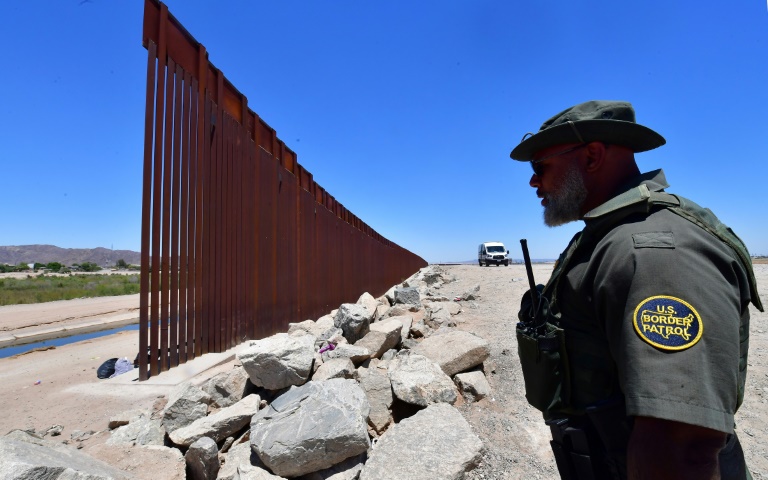
Martinez, a Honduran, is one of dozens of people who arrive daily in Yuma, a small city on the Mexican border where there are gaps in the wall that separate the two countries.

She has travelled more than 4,000 kilometers (2500 miles), some of it on foot, from her native Colon, fleeing violence and poverty, desperately hoping she will be given sanctuary in the world’s wealthiest country.

She has nothing but the clothes she stands up in and some documents in a small backpack.

“Here are the papers, look! look!” she says, pointing to some grisly photographs that show the lifeless face of a young woman.

“They killed my daughter, they choked her to death with a pillow and a bag,” she sobs.

– Wall –

The wall that separates the United States from Mexico crosses dunes and hills as it snakes its way from the Gulf of Mexico to the Pacific Ocean.

Despite the promises of politicians, it is not solid or insurmountable. 

In some places it is 30 feet (nine meters) high, but desperate migrants still climb it. 

Some of them fall. Some die.

In other places, like in Yuma, there are gaps large enough just to walk through.

US border officers say — off the record — a gate should have been built here to allow for official access but work was halted when President Joe Biden took office.

Most of the people who arrive at the wall have come from Central or Southern America.

Many fly to Mexico or Nicaragua and then continue overland, often paying a coyote — a human trafficker — to get them there.

The stories they tell of their journeys are all different, but all contain the same phrase: “It is very painful”. 

– ‘We don’t like questions’ –

On the Mexican side, a few meters from the opening, hardscrabble plants cling to life in shifting sand as the hot desert sun beats down.

Every few minutes, vehicles pull up on the roadside, and migrants spill out, most just carrying a small backpack.

They are guided through the blistering landscape by men and women who melt away as they near the wall.

“Everyone has their own routes here, and no one likes it when one gets in the way of the other,” says one man who has paused in the shade of a tree.

He and his companion say vaguely they work in “commerce”, but the conversation gets gradually less friendly as it becomes clear they are talking to a reporter.

“We don’t like people asking questions here,” the older man says.

“If I ask him to make you disappear, he makes you disappear,” he says, pointing to his snarling younger colleague.

– ‘Mommy, I want to go’ –

Back on the US side, border patrol officers offer water to the thirsty migrants, a moment of humanity for people who have seen little of it for weeks or months.

Miguel, from Peru, arrived with his daughters and his wife, who was bleeding from a head wound.

“Someone threw a rock at her, this is her blood,” he says, pointing to the bright red stain on her t-shirt as paramedics tend to the injury.

“Mommy, I want to go,” cries a young daughter, as she hugs one of the huge steel bars that make up the wall.

“They probably got in someone’s way,” says a police officer, who asks not to be identified because he is not authorized to speak to the media.

On the ground nearby lie discarded pieces of clothing, half-eaten packets of cookies, plastic bottles, torn airline tickets and scraps of paper with phone numbers for people identified only as “gringo (foreigner) whatsapp” or “cousin Luis.” 

“Those who are not discovered by the border patrol leave everything they can to continue traveling as light as possible,” says the same officer. 

Under a health rule imposed by then-president Donald Trump in March 2020, border patrol officers can ignore an application for asylum.

Title 42 allows for the immediate expulsion of anyone not holding a valid visa.

The rule, ostensibly instituted to prevent people with Covid-19 from getting into the country, was supposed to lapse on Monday, but on Friday a judge ruled that it should persist.

For Carlos Escalante Barrera, a 38-year-old Honduran who arrived with his family, the reasons and the rules are unimportant.

“What we want is security,” he says.

Border patrol agents don’t look at the pictures and the documents he offers.

Instead, they show him the way to a van that will take him for processing and likely expulsion.

A few hundred meters away on the Mexican side of the border, more car loads of migrants are already arriving.

Judge blocks Biden plan to lift border expulsion policy

A health rule imposed at the start of the Covid-19 pandemic that has blocked most asylum seekers at the US border with Mexico must stay in place, a judge ruled Friday.

Title 42, the colloquial name for an order that can effectively prevent anyone without a visa from entering the United States, even to claim asylum, was due to expire on Monday.

President Joe Biden’s administration said the rule was no longer needed, more than two years after it was imposed by then-president Donald Trump.

But Republican governors of more than 20 states went to court to demand that it remain in place, arguing relaxing it would spur an influx of migrants — a hot-button political issue in the United States.

On Friday, federal judge Robert Summerhays issued an injunction to that effect.

“The Plaintiff States contend that the Termination Order will result in a surge of border crossings, and that this surge will result in an increase in illegal immigrants residing in the states,” Summerhays’ ruling says.

“They also contend that the transition back to immigration enforcement… will result in an increase in immigration ‘parolees’ in the Plaintiff States.

“The court finds that the plaintiff states have satisfied each of the requirements for a preliminary injunction.” 

The White House said it would abide by the ruling, but would appeal.

“The Administration disagrees with the court’s ruling, and the Department of Justice has announced that it will appeal this decision,” a statement said.

“The authority to set public health policy nationally should rest with the Centers for Disease Control, not with a single district court.”

– ‘Nonsensical decision’ –

For migration reform campaigners, Title 42 has been a failure: an immigration policy dressed up as a health policy — and not fit for either purpose.

The rule allows for the immediate, without-cause removal of any foreigner or non-resident trying to enter the country without a visa.

There is no legal process, nor any formal deportation to country of origin, and a border agent can apply a Title 42 expulsion without the lengthy interview process usually required.

Campaigners seized on Friday’s ruling as further proof that the immigration system in the United States is broken.

“Today’s unfortunate decision says that the government can suspend asylum with no notice at all, but can’t restore normal immigration law without going through a lengthy and complicated process,” Aaron Reichlin-Melnick, senior policy adviser for the American Council on Migration, told AFP.

“This nonsensical decision will lead to continued harm for asylum seekers and will continue to create chaos at the border.”

More than 1.8 million expulsions have been carried out under Title 42. Some are thought to be the same person expelled multiple times.

With no legal penalty for anyone expelled under the rule, many who are deported return to try again, often in ever-more dangerous circumstances.

Campaigners point to the rocketing death toll for would-be migrants — 557 people died at the border in 2021, the deadliest year since records began in 1998.

The deaths occur as a result of dehydration and starvation during desert crossings, as well as when people drown in rivers and fall while climbing the border wall.

“Seeking asylum is a legal right, and yet this bedrock of the American legal system is quickly eroding at a time of unprecedented need,” said Krish O’Mara Vignarajah, President and CEO of Lutheran Immigration and Refugee Service.

“The (court’s) decision undermines the Biden administration’s efforts to implement what the vast majority of Americans support – a fair, humane, and orderly immigration system. 

“Instead, it maintains a status quo that has been wholly ineffective in establishing a secure border. Only the coyotes profiteering off of people seeking protection have reason to celebrate this ill-reasoned ruling.”

Tucker Carlson: Voice of white America's outrage and fears

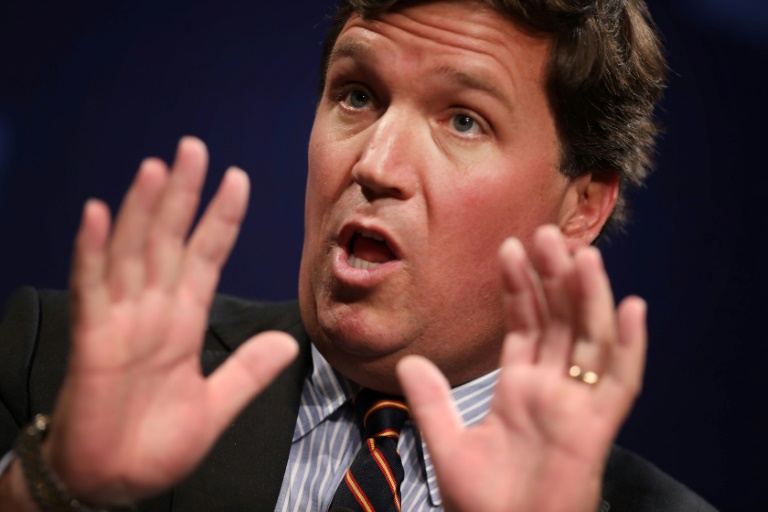
In the world of Tucker Carlson’s hit TV show, America is under assault — by Democrats, by health authorities, by immigrants, by Black Lives Matter protests — and white conservatives are in a fight for their very survival.

Anti-white racism is on the rise. Modern liberals hate Christianity. Migrants are invading. These are just a few of the claims made by the host of “Tucker Carlson Tonight.”

In broadcast after broadcast, the 53-year-old appeals to viewers’ outrage and plays on their fears, propelling his show to the heights of cable TV, making him millions of dollars, and providing ample fodder for conspiracy theorists and racists in the process.

Fox lawyers contended in court that Carlson presents opinions rather than facts on his show, which launched in 2016 and today draws millions of viewers per episode. But critics say the program could contribute to tragedies such as the racially motivated shooting that killed 10 people at a Buffalo, New York grocery store this month.

Blue eyes locked on viewers for an hour, five nights a week, Carlson discusses current events on a show billed as “the sworn enemy of lying,” and which promises to “ask the questions that you would ask — and demand answers.”

– ‘Great Replacement’ –

Carlson frames the issues he discusses as “they” versus “you” — “they want to control your thoughts,” or “they call you a racist.” 

His appeals to fear are effective, said Jennifer Mercieca, a historian of American political rhetoric who teaches at Texas A&M University.

“Tucker Carlson is very good at eliciting that fear response in his audience,” she told AFP. “He covers anything that he thinks will outrage his audience.”

And therein lies the danger.

Payton Gendron, a young white supremacist accused of trying to kill as many African Americans as possible in the Buffalo shooting, was influenced by the “Great Replacement” theory, a far-right belief that the white population will be replaced by immigrants.

Carlson has spread a similar notion — that Democratic politicians and other elites want to replace whites through immigration — during more than 400 episodes of his show, according to The New York Times.

Citing this figure, Senate Majority Leader Chuck Schumer said: “This is a poison that is being spread by one of the largest news organizations in our country.”

Contacted by AFP, Fox News referred to Carlson’s on-air statements in which he has defended himself against accusations that he bears responsibility for the killings.

“Gendron was mentally ill,” Carlson said Monday, dismissing the long manifesto by the suspect — which does not mention the show — as “not recognizably left-wing or right-wing, it’s not really political at all.”

– ‘Uniquely powerful’ –

Despite the criticism he engenders, Fox News backs Carlson at all costs.

The network’s lawyers argued in a 2020 slander lawsuit that viewers knew to treat material on his show with skepticism — something not borne out by the many people interacting with and spreading his content online.

The father of four seems impervious to criticism, saying in an appearance on “The Rubin Report” talk show: “You should only care about the opinions of people who care about you.”

It is a lesson learned from what he has called his “weird childhood,” marked by the departure of his artist mother when he was only six years old. She moved to France and never saw her children again.

Carlson was raised by his journalist father and followed in his footsteps after unsuccessfully trying to join the CIA.

The road to fame was long: Carlson previously worked at CNN and even found himself temporarily unemployed around his 40th birthday.

But Mercieca says he is now “uniquely powerful.”

In evidence of Carlson’s influence, Republican Ted Cruz willingly subjected himself to a dressing down on the Fox host’s show in January after being widely criticized by conservatives for describing the January 6, 2021 riot at the US Capitol as a “violent terrorist attack.”

Despite the political influence he wields, Carlson — who says he has never owned a television — lives far from the heart of the United States government, in a rural corner of Maine, where he usually records his show.

Will politics be the next step? For a time, there were rumors that he could parlay his fame into a 2024 run for the presidency.

Carlson dismissed the idea with a laugh on conservative podcast “Ruthless” in January.

“I’m a talk show host; I enjoy it,” he said.

Rio's urban gardens produce healthy food for the poor

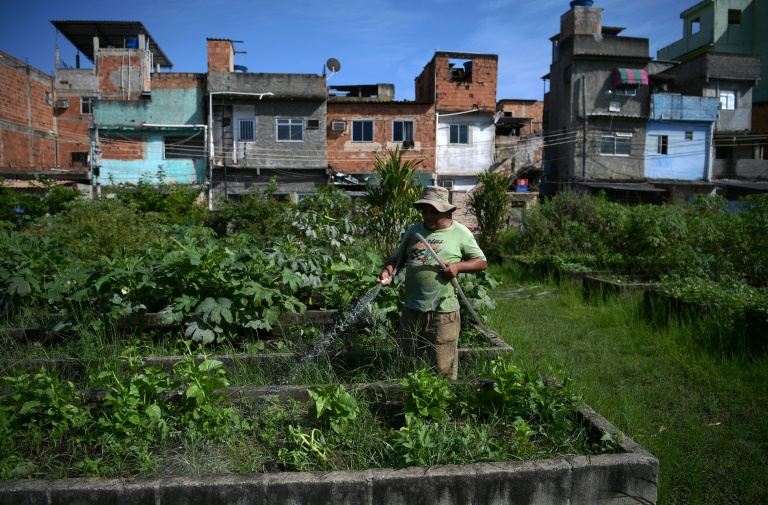
Gun-toting youths watch over a street in a Rio de Janeiro slum hit hard by drug trafficking, but walk a bit further and this rough area also boasts the largest urban vegetable garden in Latin America.

This success story is unfolding in a favela called Manguinhos in the north of Rio, and thrives as the rest of the country frets over rampant inflation and worries over Russian fertilizer, a major concern for Brazil’s powerful agriculture sector.

The first seed was planted in late 2013 on a parcel of land known then as “crackolandia” because it was home to so many drug addicts.

And little by little it has established itself and come to be respected in a neighborhood where drug traffickers are in charge.

These days the garden feeds some 800 families a month with produce that is pesticide free and affordable, two features that do not always go hand in hand.

“Why do poor people have to be doomed to eating poisoned food? My goal is to stop organic food from just being for the elite,” Julio Cesar Barros, one of the managers of the garden, told AFP, alluding to high priced fruit and vegetables sold in wealthy neighborhoods like Copacabana and Ipanema.

The Manguinhos garden is one of 56 in Rio that Barros launched with city authorities in 2006. And it has been praised by an international agreement called the Milan Urban Food Policy Pact as one of the best such systems in the world.

This particular garden is the size of four football fields and every month it produces 2.5 tons of yuca, carrots, onions, cabbage and other vegetables.

Half is sold to families for an average of two reales (40 US cents) per kilo and the rest is donated to orphanages and shelters.

– A way out of drugs and crime –

Wearing a cap to ward off the hot sun, Dione Enedina Da Silva, 73, crouches down and rips up weeds growing among the rows of vegetable plants.

“The garden changed everything for me: the way I lived, the way I ate,” this woman with 10 grandchildren and many great grandchildren said. “Before I barely had money to buy carrots and onions.”

Da Silva is one of 25 employees of the garden, who are paid with revenue from sales. She used to work cleaning hospitals, but other workers at the garden were involved in drugs and crime in the slum and had a grim future, said Barros.

That is the case of a 40 year old employee who prefers not to give his name or details of his past.

“Working here is therapy. I come every day, rain or shine. I am not leaving,” he said.

He is now proud of what he does and says his work means his 11 year old daughter eats good, healthy food.

– Obesity vs. education –

“Food education here is awful,” said Barros. Indeed, the rate of obesity among people over age 20 rose from 12.2 percent to 26.8 percent from 2002 to 2019, according to government statistics.

“What happens if a child arrives home with a vegetable they planted at school? Education changes and the child begins to influence the parents to eat better,” said Barros, whose projects also features gardens at schools.

“Eating healthy is important but food is not always affordable,” said Alesandra Almeira, 39, a slum resident who shops at the Manguinhos garden every week.

Barros said the quality of the produce from these gardens is drawing the attention of health-oriented restaurants in Rio, who have started buying at community projects.

“I have a problem: is the food no longer going to be for those who need it and go back to the rich? We have to figure out a way to resolve this.”

In the meantime, Barros’s project is going full steam ahead.

The Rio city government has announced plans to expand a garden in the Parque de Madureira area of the city to make it almost four times the size of Manguinhos. Officials said that would make it the world’s largest urban garden.

Close Bitnami banner
Bitnami