World

Millions locked down in China's Chengdu over Covid outbreak

Millions were stuck at home in China’s Chengdu on Friday after a handful of Covid-19 cases brought the megacity to a standstill.

Supermarket shelves were stripped bare this week as locals in the city — a powerhouse economic hub in China’s southwest that is home to 21 million people — feared a repeat of the months-long lockdown in the eastern megalopolis of Shanghai earlier this year.

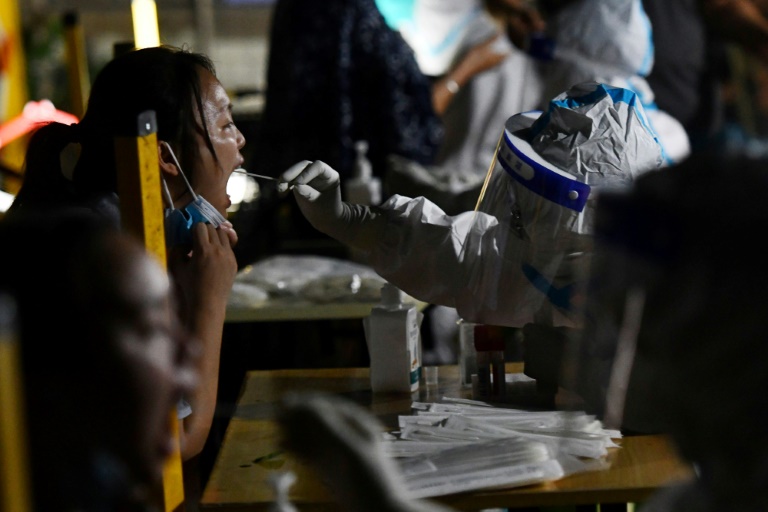
Long lines of residents queued for mandatory testing, while videos verified by AFP showed supermarket shelves cleared of produce.

One local, who asked to remain anonymous, told AFP he believed “everyone was crazily stocking up for goods” because of the experience of Shanghai, which was hit by food shortages during its lockdown.

The 25-year-old said he had been in the eastern city during its shutdown and had since been “habitually stocking up” before Chengdu’s latest measures were announced.

Under the rules, in force until Sunday, each household will be allowed to send one person out to buy groceries and essential goods per day, provided they have tested negative for Covid-19 in the previous 24 hours, an official notice said.

It added that all residents would be tested for the virus, urging them not to leave the city unless “absolutely necessary”.

The mood appeared calmer on social media Friday, with some residents saying they were able to order food to be delivered to their apartment gates and to go out to buy groceries.

Others said they had resorted to sleeping at their offices in order not to miss work.

Authorities had initially sought to quash talk of a looming lockdown, with police saying they had detained a man for “creating panic” after he warned that the city could shut down.

His case drew online attention Friday, with many on the Twitter-like Weibo platform questioning his punishment and calling him a “hero” for warning his fellow citizens.

Authorities have ordered multiple rounds of mass testing between Thursday and Sunday, with the city reporting 150 local Covid-19 infections on Friday, 47 of which displayed no symptoms.

China is the last major economy wedded to a zero-Covid policy, stamping out virus flare-ups with snap shutdowns, mass testing and lengthy quarantines.

That has proved increasingly challenging since the emergence of the fast-spreading Omicron strain, with all of China’s mainland provinces reporting local infections over the past ten days.

Five districts in the southern tech hub of Shenzhen closed bars and cinemas on Thursday, with rumours of a citywide lockdown prompting a run on online grocery apps.

Last month, travellers in the southern island province of Hainan protested after more than 80,000 tourists were stranded in a resort city because of a Covid-19 flare-up.
North Korea says UN human rights expert is 'US puppet'

Pyongyang on Friday accused the newly appointed UN special rapporteur on North Korean human rights of being a “puppet of the US” and making “unpardonable reckless remarks”.

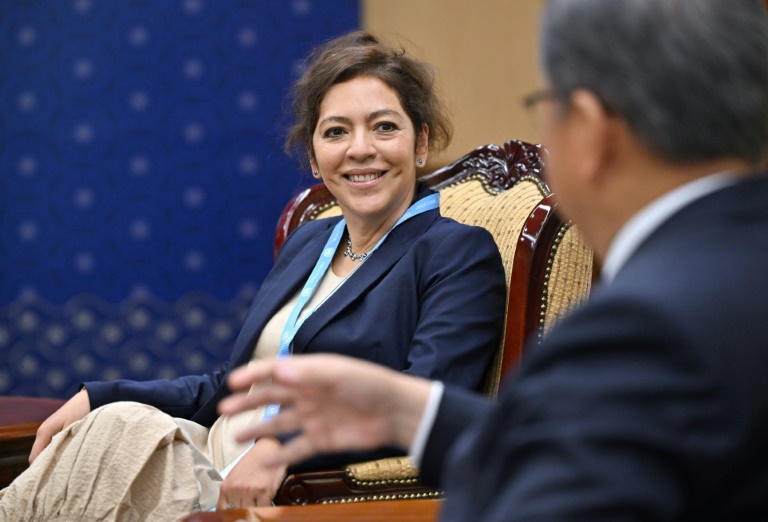
The accusations came as the new rapporteur, Elizabeth Salmon, visited Seoul on her first trip since being appointed to the role last month.

Salmon, a Peruvian professor of international law, arrived earlier this week and has held meetings with South Korean officials and civic group members, including female defectors from the North, to discuss the situation in the isolated, nuclear-armed country.

“We had already made clear our principled stand that we neither recognise nor deal with any ‘special rapporteur’ who is merely a puppet of the US,” said an unnamed spokesman for North Korea’s foreign ministry in an English statement carried by the official Korean Central News Agency (KCNA).

The spokesman said the rapporteur’s activities were cover for an American smear campaign, accusing Salmon of daring to make “unpardonable reckless remarks encroaching upon our inviolable system and sovereign rights”.

“The UN should no longer allow its name and mission to be misused for the US hostile policy towards the DPRK,” the spokesman added, using the acronym for North Korea’s official name.

The statement referred to Salmon as “he” in an apparent mistake of her gender.

Salmon said in a statement released Friday that she was “fully aware that the DPRK Government opposes country-specific human rights mandates including my mandate.”

“However, that does not mean that we should not try,” she said, adding that she hoped Pyongyang would reconsider and engage with her.

“We should not give up on engagement with the DPRK because what is at stake are the lives of the North Korean people and their human rights,” she added.

The UN established the special rapporteur on North Korean human rights in 2004 as international concerns grew over allegations of grave violations in the reclusive state.

None of the special envoys has been granted access to the country for a fact-finding mission. 

Bankrupt Sri Lanka's deposed president 'to return home'

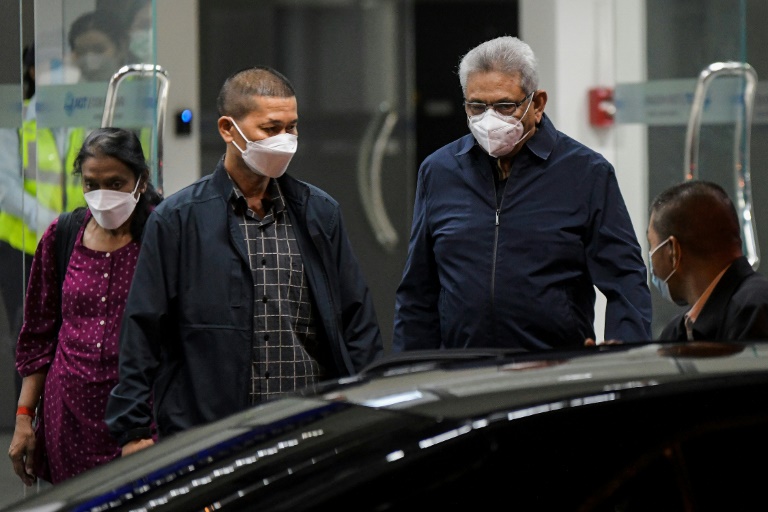
Bankrupt Sri Lanka’s deposed former president Gotabaya Rajapaksa is expected to end his self-imposed exile in Thailand and return home imminently, a top defence official told AFP on Friday.

The 73-year-old fled the island under military escort in July after unarmed crowds stormed his official residence, following months of angry demonstrations blaming him for the nation’s unprecedented economic crisis.

He issued his resignation from Singapore before flying onward to Bangkok, where he has been petitioning his successor to facilitate his return.

“He has been living in a Thai hotel as a virtual prisoner and was keen to return,” the defence official, who asked not to be named, told AFP. “We are told he will return very early on Saturday.”

“We have just created a new security division to protect him after his return on Saturday. The unit comprises elements from the army and police commandos.”

Sri Lanka’s constitution guarantees bodyguards, a vehicle and housing for former presidents.

Rights activists said they would press for Rajapaksa’s arrest over a series of crimes, including his alleged role in the 2009 assassination of prominent newspaper editor Lasantha Wickrematunge.

“We welcome his decision to return so that we can bring him to justice for the crimes he has committed,” said Tharindu Jayawardhana, a spokesman for the Sri Lanka Young Journalists’ Association.

Rajapaksa’s resignation ended his presidential immunity, which could see the revival of stalled criminal cases against the former leader. 

He also faces charges in a California court over Wickrematunge’s murder and the torture of Tamil prisoners at the end of the island’s traumatic civil war in 2009. 

Singapore declined to extend Rajapaksa’s short-term visa and he travelled to Thailand in August, but authorities in Bangkok instructed him not to step out of his hotel for his own safety. 

Rajapaksa’s youngest brother, Basil, the former finance minister, met with President Ranil Wickremesinghe last month and requested protection to allow for the deposed leader’s return.

Police deployed plainclothes officers and armed guards outside a government residence allocated to Rajapaksa in Colombo on Friday. Security at his private home was also stepped up, officials said.

– ‘Vistas of prosperity’ –

Sri Lanka has endured months of acute food, fuel and medicine shortages, lengthy blackouts and runaway inflation after running out of foreign currency to finance essential imports. 

The coronavirus pandemic was a hammer blow to the island’s tourism industry and dried up remittances from Sri Lankans working abroad — both key foreign exchange earners.

Rajapaksa, who was elected in 2019 promising “vistas of prosperity and splendour”, saw his popularity nosedive as hardships multiplied for the country’s 22 million people. 

His government was accused of introducing unsustainable tax cuts that drove up government debt and exacerbated the crisis. 

Wickremesinghe was elected by parliament to see out the remainder of Rajapaksa’s term. He has since cracked down on street protests and arrested leading activists. 

The government defaulted on its $51 billion foreign debt in April and the central bank forecasts a record eight percent GDP contraction this year. 

After months of negotiations, the International Monetary Fund agreed on Thursday to a conditional $2.9 billion bailout package to repair the nation’s battered finances. 

But the bailout still requires ratification from the lender’s board and a deal with creditors to restructure Sri Lanka’s debt. 

China — Sri Lanka’s biggest bilateral lender, accounting for more than 10 percent of borrowings — has so far not publicly shifted from its offer of issuing more loans instead of taking a haircut on outstanding debt.

Wickremesinghe’s administration has raised fuel and electricity prices more than threefold and removed energy subsidies to meet preconditions of the IMF bailout, with more tax hikes announced this week. 

Markets mixed as traders focus on US jobs data

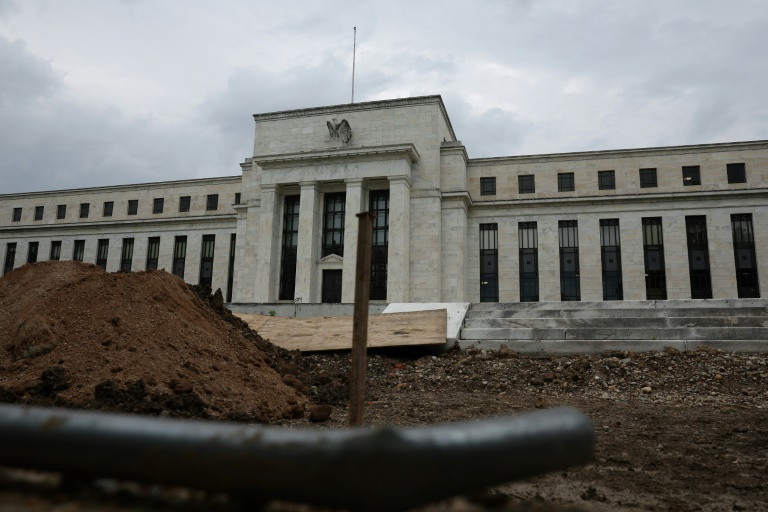
Asian markets were mixed Friday and the dollar held gains as rate hike expectations grew, with traders now focusing on a key US jobs report later in the day.

Oil prices rose on fading expectations for an Iran nuclear deal anytime soon, but they remained under severe pressure from a range of issues including the strengthening dollar, Covid lockdowns in China and worries about a demand-sapping recession.

Healthy readings on US factory activity, unemployment claims and private jobs creation indicated the world’s top economy remained strong despite rising interest rates and four-decade-high inflation.

But analysts said the figures were a case of “good news in bad news” as they would give the US Federal Reserve more room to keep tightening monetary policy, with officials lining up to commit to beating inflation even if that causes a recession. 

Bets are increasing on a third successive 75-basis-point increase at its September meeting. 

OANDA’s Edward Moya warned Fed officials could even start considering rising into 2023, with inflation data later this month becoming increasingly important.

“If the economy remains resilient over the next few months, the Fed-funds futures market might believe the Fed won’t be done tightening at the end of year,” he wrote in a commentary.

“Markets might start pricing in a February rate hike as well, if pricing pressures don’t show further signs of easing with the September 13th inflation report.”

Wall Street ended with a late rally, with the Dow and S&P 500 snapping a four-day retreat, though the Nasdaq extended its losing streak.

European markets fell again after record inflation figures ramped up expectations the European Central Bank will announce a big increase in costs next Thursday.

Asia continued to struggle, though there were some positives.

Hong Kong, Sydney, Singapore, Seoul, Taipei and Bangkok fell, while Tokyo was marginally down. Shanghai, Wellington, Mumbai, Manila and Jakarta were up.

London, Paris and Frankfurt all rose Friday morning.

Michael Hewson, of CMC Markets, said: “Not only did we hear Fed chairman Jay Powell offer the unequivocal message that the Federal Reserve would continue to hike rates until the job is done, but every Fed official since then has offered the same message, along with the postscript that rates were unlikely to come down any time soon, and certainly not before 2024.

“This week’s economic data out of the US has merely served to bolster the message in respect of the Fed’s determination to raise rates and mitigate any concern their actions might have on the US economy.”


– Dollar strength –

With US rates expected to keep rising, the dollar has rallied to highs not seen for decades including against the pound and euro.

On Thursday, it broke 140 yen for the first time since 1998.

Expectations are that it could strengthen further as the Bank of Japan keeps rates ultra-low to kickstart the economy, while analysts said an intervention to prop up the yen was unlikely as the effects would be brief.

The dollar also hit a record against the Philippine peso, increasing pressure for a rate hike by the country’s central bank, which has signalled it wants to ease up on tightening.

The rising greenback was adding to downward pressure on oil, which is priced in dollars, while demand hopes were dealt a hefty blow Thursday by news that China had effectively locked down around 20 million people in Chengdu to fight a Covid outbreak.

The closure of the tech manufacturing hub follows a similar shutdown of Shanghai, which sent shockwaves through the economy, and has battered hopes for a recovery in the world’s number-two economy.

“Lockdowns/mass testing continues to impede stimulus efforts to revive the economy, with announced stimulus to date unlikely to gain much traction if the zero-Covid policy continues,” said National Australia Bank’s Tapas Strickland.

“Given Chengdu is also a production hub for high tech manufacturing,” global supply chains will likely continue to be disrupted, he added.

Crude, which has lost all the gains made in the aftermath of Russia’s February invasion of Ukraine, rose Friday after US officials said they had received a new response from Iran on reviving a nuclear deal but that it was not “constructive”.

– Key figures at around 0810 GMT –

Tokyo – Nikkei 225: FLAT at 27,650.84 (close)

Hong Kong – Hang Seng Index: DOWN 0.7 percent at 19,452.09 (close)

Shanghai – Composite: UP 0.1 percent at 3,186.48 (close)

London – FTSE 100: UP 0.5 percent at 7,182.14

Dollar/yen: UP at 140.28 yen from 140.20 yen on Thursday

Euro/dollar: UP at $0.9985 from $0.9947

Pound/dollar: UP at $1.1559 from $1.1542

Euro/pound: UP at 86.38 pence from 86.16 pence

West Texas Intermediate: UP 2.1 percent at $88.46 per barrel

Brent North Sea crude: UP 2.0 percent at $94.23 per barrel

New York – Dow: UP 0.5 percent at 31,656.42 (close)

Myanmar's Suu Kyi sentenced to three years for electoral fraud: source

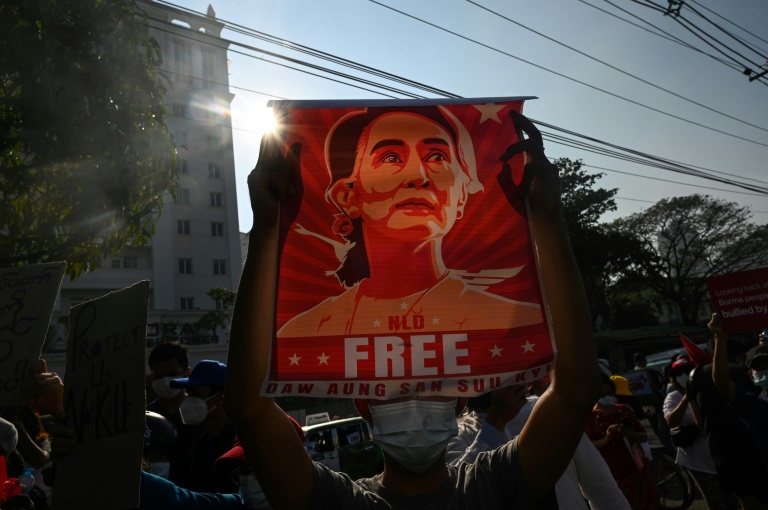
A Myanmar junta court jailed ousted leader Aung San Suu Kyi to three years in jail on Friday for electoral fraud in the 2020 polls, which her party won in a landslide.

The latest sentence handed down by the closed court takes the total jail time the Nobel laureate and democracy figurehead is facing to two decades. 

She was “sentenced to three years’ imprisonment with hard labour”, a source with knowledge of the case said, adding that Suu Kyi, 77, appeared to be in good health.

Detained since a putsch last year, Suu Kyi had already been convicted of corruption and a clutch of other charges by a closed junta court and sentenced to 17 years in prison.

Journalists have been barred from proceedings in the military-built capital Naypyidaw and her lawyers have been prevented from speaking to the press.

A junta spokesman did not respond to a request for comment.

The military alleged widespread voter fraud during the November 2020 election, won resoundingly by Suu Kyi’s National League for Democracy (NLD), although international observers said the poll was largely free and fair.

The military has since cancelled the result and said it uncovered more than 11 million instances of voter fraud.

Last month, junta chief Min Aung Hlaing said the military was being “lenient” on Suu Kyi and could have taken “more serious actions” against her.

Myanmar was plunged into crisis following the military’s power grab last year, with swathes of the country ravaged by fighting and the economy in freefall.

More than 2,200 people have been killed and over 15,000 arrested in the military’s crackdown on dissent since it seized power, according to a local monitoring group.

– ‘Eradicate for good’ –

“These closed door hearings make it difficult to see how any of the sentencing of Aung San Suu Kyi can be credible,” said Manny Maung, Myanmar researcher at Human Rights Watch.

“The ever mounting convictions… show just how depraved the Myanmar junta is.”

“I can’t see them sending to Suu Kyi to a labour camp,” said independent Myanmar analyst David Mathieson.

But he added: “No act of violence or torture is off limits, and Suu Kyi is the nemesis they (the military) want to humiliate and eradicate, for good.”

The junta declared a state of emergency after ousting Suu Kyi’s government, and has previously said elections would be held and the state of emergency lifted by August 2023.

In a speech broadcast last month, Min Aung Hlaing did not mention a date for fresh polls but said they could only be held when the country was “peaceful and stable”.

He also said “reform” to the electoral system was needed, including combining the first-past-the-post system — under which Suu Kyi’s NLD has won sweeping majorities — with proportional representation.

Last month, the junta-stacked Union Election Commission said the country’s 92 registered political parties would have to ask for permission if they wished to meet foreign organisations or individuals.

“Political parties need to respect the law,” the commission said.

“If they fail to do so their party’s registration will be dissolved.”

New Zealand winter warmest, wettest on record

New Zealand has experienced its warmest and wettest winter on record, scientists said Friday in the wake of widespread flooding last month on the South Island.

For the third year in a row, New Zealand recorded its warmest winter since temperature records began in 1909.

Researchers at the National Institute of Water and Atmospheric Research said the average temperature nationwide was 9.8 degrees Celsius (49.64 degrees Fahrenheit), which was 1.4 degrees Celsius warmer than average.

Institute scientist Nava Fedaeff said climate change “is strongly contributing to New Zealand’s temperature trend”.

For the first time, temperatures were more than 1.2 degrees Celsius higher than average in all three winter months.

Of New Zealand’s 10 warmest winters on record, six have occurred since 2013.

This winter was also the wettest since rainfall records started in 1971.

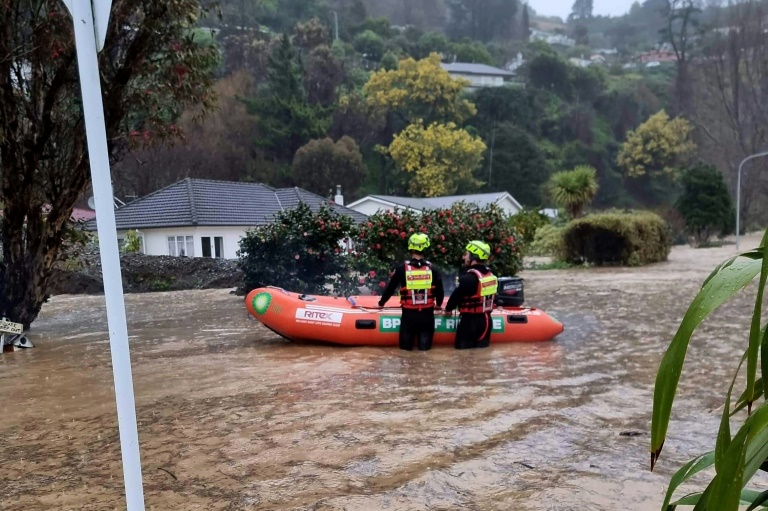
Wild weather battered New Zealand last month, especially on the South Island where widespread flooding led to hundreds of homes being temporarily evacuated.

A phenomenon from the tropics known as an atmospheric river of moisture was to blame for the downpours, which saw states of emergency declared in Nelson, Tasman, the West Coast, and Marlborough.

Fedaeff said New Zealand’s wettest winter is the culmination of numerous extreme rainfall events “which affected almost every part of the country at some point”.

Flood-born: Nothing but mud as mother, infant return to Pakistan home

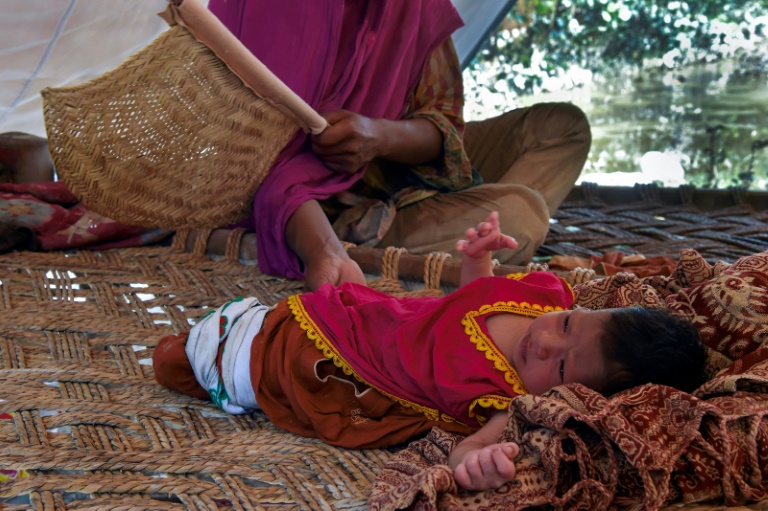
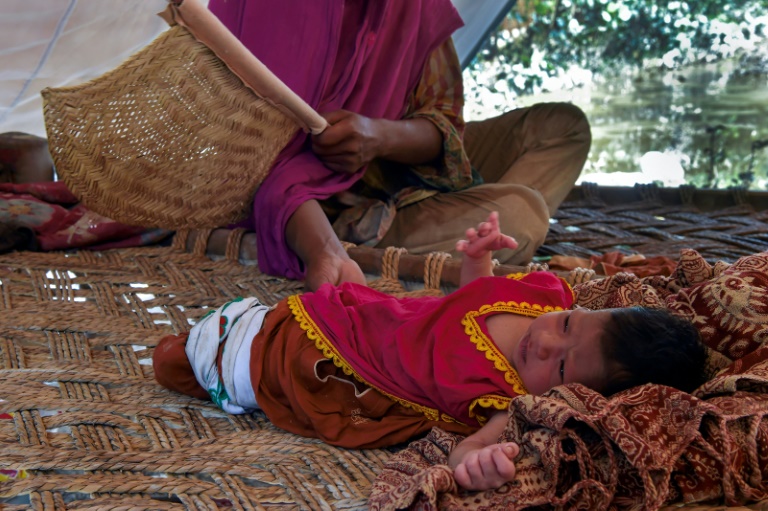
Swaddled tightly under the shelter of a donated tent, a newborn baby lays still amid the disorder all around. 

Her mother, Hajira Bibi, flits between checking on the 10-day-old girl — so young she’s yet to be named — and attempting to clean away the ankle-high mud left behind in her home by the floods that forced her family to shelter on the hard shoulder of a motorway. 

“I took her up on the motorway when she was only four days old… she was so small,” Bibi told AFP about their weekend evacuation.

“She was sick and her eyes were hurting, suffering from a fever too, my baby was in deep trouble because of the heat.”

Similar scenes are playing out across Pakistan following record monsoon rains that have flooded over a third of the country, affecting more than 33 million people.

UNICEF says 16 million children are impacted and 3.4 million are in need of humanitarian support.

Still recovering from the birth, Bibi had to be helped up the steep slope as warnings arrived that the Kabul River was about to burst its banks because of torrential rains further north. 

In this village near Charsadda in northwest Pakistan, the sun was scorching when they fled to A-frame tents handed out to families. 

– Sludge everywhere –

They slept there for days in the open air, with no fans, no running water and nothing to bat away the mosquitos.

When the shoulder-high floodwater receded, a dark brown sludge had coated everything in their three-room home, their feet sinking into it.

“We just want our house to be fixed. It’s painful to see the children laying here,” said Bibi, who hopes for a doctor to reach the extended family of around 15.

It is common in rural parts of Pakistan for birthdays to not be precisely recorded, but Bibi believes the baby was born about four days before the floods and is now around 10 days old.

She is unsure of her own exact age, putting herself at around 18 — quietly explaining that she was only around 12 when she gave birth to her first baby.

They have now moved their tents to drier ground outside their home, the children sharing wooden charpoy beds.

The environment is ripe for a breakout of infections. 

The water pump is broken, so the adults have not showered in clean water for nearly a week. 

Children swim in the small pools of floodwater where buffalo bathe and pass urine. 

“The flood has passed but the water was very dirty, very muddy, all these children have rashes and their health is getting worse and worse,” said Naveed Afzal, Bibi’s husband, who since the floods can no longer find work as a day labourer.

On their feet and shins, adults display sores they say have tripled in size in just a couple of days.

A young boy has watery red eyes, another has fever. 

The baby, at least, is washed in the few bottles of mineral water collected from donation points that the men spend hours walking to each day. 

Many link roads have been cut off by standing floodwater. 

“I haven’t yet lost hope but this baby girl is so small that it would be better to return home and settle down,” said Bibi, cradling the infant in her arms.  

sjd-zz-ecl-fox/smw

Flood-born: Nothing but mud as mother, infant return to Pakistan home

Swaddled tightly under the shelter of a donated tent, a newborn baby lays still amid the disorder all around. 

Her mother, Hajira Bibi, flits between checking on the 10-day-old girl — so young she’s yet to be named — and attempting to clean away the ankle-high mud left behind in her home by the floods that forced her family to shelter on the hard shoulder of a motorway. 

“I took her up on the motorway when she was only four days old… she was so small,” Bibi told AFP about their weekend evacuation.

“She was sick and her eyes were hurting, suffering from a fever too, my baby was in deep trouble because of the heat.”

Similar scenes are playing out across Pakistan following record monsoon rains that have flooded over a third of the country, affecting more than 33 million people.

UNICEF says 16 million children are impacted and 3.4 million are in need of humanitarian support.

Still recovering from the birth, Bibi had to be helped up the steep slope as warnings arrived that the Kabul River was about to burst its banks because of torrential rains further north. 

In this village near Charsadda in northwest Pakistan, the sun was scorching when they fled to A-frame tents handed out to families. 

– Sludge everywhere –

They slept there for days in the open air, with no fans, no running water and nothing to bat away the mosquitos.

When the shoulder-high floodwater receded, a dark brown sludge had coated everything in their three-room home, their feet sinking into it.

“We just want our house to be fixed. It’s painful to see the children laying here,” said Bibi, who hopes for a doctor to reach the extended family of around 15.

It is common in rural parts of Pakistan for birthdays to not be precisely recorded, but Bibi believes the baby was born about four days before the floods and is now around 10 days old.

She is unsure of her own exact age, putting herself at around 18 — quietly explaining that she was only around 12 when she gave birth to her first baby.

They have now moved their tents to drier ground outside their home, the children sharing wooden charpoy beds.

The environment is ripe for a breakout of infections. 

The water pump is broken, so the adults have not showered in clean water for nearly a week. 

Children swim in the small pools of floodwater where buffalo bathe and pass urine. 

“The flood has passed but the water was very dirty, very muddy, all these children have rashes and their health is getting worse and worse,” said Naveed Afzal, Bibi’s husband, who since the floods can no longer find work as a day labourer.

On their feet and shins, adults display sores they say have tripled in size in just a couple of days.

A young boy has watery red eyes, another has fever. 

The baby, at least, is washed in the few bottles of mineral water collected from donation points that the men spend hours walking to each day. 

Many link roads have been cut off by standing floodwater. 

“I haven’t yet lost hope but this baby girl is so small that it would be better to return home and settle down,” said Bibi, cradling the infant in her arms.  

sjd-zz-ecl-fox/smw

Flood-born: Nothing but mud as mother, infant return to Pakistan home

Swaddled tightly under the shelter of a donated tent, a newborn baby lays still amid the disorder all around. 

Her mother, Hajira Bibi, flits between checking on the 10-day-old girl — so young she’s yet to be named — and attempting to clean away the ankle-high mud left behind in her home by the floods that forced her family to shelter on the hard shoulder of a motorway. 

“I took her up on the motorway when she was only four days old… she was so small,” Bibi told AFP about their weekend evacuation.

“She was sick and her eyes were hurting, suffering from a fever too, my baby was in deep trouble because of the heat.”

Similar scenes are playing out across Pakistan following record monsoon rains that have flooded over a third of the country, affecting more than 33 million people.

UNICEF says 16 million children are impacted and 3.4 million are in need of humanitarian support.

Still recovering from the birth, Bibi had to be helped up the steep slope as warnings arrived that the Kabul River was about to burst its banks because of torrential rains further north. 

In this village near Charsadda in northwest Pakistan, the sun was scorching when they fled to A-frame tents handed out to families. 

– Sludge everywhere –

They slept there for days in the open air, with no fans, no running water and nothing to bat away the mosquitos.

When the shoulder-high floodwater receded, a dark brown sludge had coated everything in their three-room home, their feet sinking into it.

“We just want our house to be fixed. It’s painful to see the children laying here,” said Bibi, who hopes for a doctor to reach the extended family of around 15.

It is common in rural parts of Pakistan for birthdays to not be precisely recorded, but Bibi believes the baby was born about four days before the floods and is now around 10 days old.

She is unsure of her own exact age, putting herself at around 18 — quietly explaining that she was only around 12 when she gave birth to her first baby.

They have now moved their tents to drier ground outside their home, the children sharing wooden charpoy beds.

The environment is ripe for a breakout of infections. 

The water pump is broken, so the adults have not showered in clean water for nearly a week. 

Children swim in the small pools of floodwater where buffalo bathe and pass urine. 

“The flood has passed but the water was very dirty, very muddy, all these children have rashes and their health is getting worse and worse,” said Naveed Afzal, Bibi’s husband, who since the floods can no longer find work as a day labourer.

On their feet and shins, adults display sores they say have tripled in size in just a couple of days.

A young boy has watery red eyes, another has fever. 

The baby, at least, is washed in the few bottles of mineral water collected from donation points that the men spend hours walking to each day. 

Many link roads have been cut off by standing floodwater. 

“I haven’t yet lost hope but this baby girl is so small that it would be better to return home and settle down,” said Bibi, cradling the infant in her arms.  

sjd-zz-ecl-fox/smw

Flood-born: Nothing but mud as mother, infant return to Pakistan home

Swaddled tightly under the shelter of a donated tent, a newborn baby lays still amid the disorder all around. 

Her mother, Hajira Bibi, flits between checking on the 10-day-old girl — so young she’s yet to be named — and attempting to clean away the ankle-high mud left behind in her home by the floods that forced her family to shelter on the hard shoulder of a motorway. 

“I took her up on the motorway when she was only four days old… she was so small,” Bibi told AFP about their weekend evacuation.

“She was sick and her eyes were hurting, suffering from a fever too, my baby was in deep trouble because of the heat.”

Similar scenes are playing out across Pakistan following record monsoon rains that have flooded over a third of the country, affecting more than 33 million people.

UNICEF says 16 million children are impacted and 3.4 million are in need of humanitarian support.

Still recovering from the birth, Bibi had to be helped up the steep slope as warnings arrived that the Kabul River was about to burst its banks because of torrential rains further north. 

In this village near Charsadda in northwest Pakistan, the sun was scorching when they fled to A-frame tents handed out to families. 

– Sludge everywhere –

They slept there for days in the open air, with no fans, no running water and nothing to bat away the mosquitos.

When the shoulder-high floodwater receded, a dark brown sludge had coated everything in their three-room home, their feet sinking into it.

“We just want our house to be fixed. It’s painful to see the children laying here,” said Bibi, who hopes for a doctor to reach the extended family of around 15.

It is common in rural parts of Pakistan for birthdays to not be precisely recorded, but Bibi believes the baby was born about four days before the floods and is now around 10 days old.

She is unsure of her own exact age, putting herself at around 18 — quietly explaining that she was only around 12 when she gave birth to her first baby.

They have now moved their tents to drier ground outside their home, the children sharing wooden charpoy beds.

The environment is ripe for a breakout of infections. 

The water pump is broken, so the adults have not showered in clean water for nearly a week. 

Children swim in the small pools of floodwater where buffalo bathe and pass urine. 

“The flood has passed but the water was very dirty, very muddy, all these children have rashes and their health is getting worse and worse,” said Naveed Afzal, Bibi’s husband, who since the floods can no longer find work as a day labourer.

On their feet and shins, adults display sores they say have tripled in size in just a couple of days.

A young boy has watery red eyes, another has fever. 

The baby, at least, is washed in the few bottles of mineral water collected from donation points that the men spend hours walking to each day. 

Many link roads have been cut off by standing floodwater. 

“I haven’t yet lost hope but this baby girl is so small that it would be better to return home and settle down,” said Bibi, cradling the infant in her arms.  

sjd-zz-ecl-fox/smw

Close Bitnami banner
Bitnami