World

Most Asian markets down as traders eye key Powell speech

Asian markets were broadly lower Monday as the rally from June’s lows runs out of steam owing to renewed concerns about Federal Reserve plans to ramp up interest rates to combat runaway inflation.

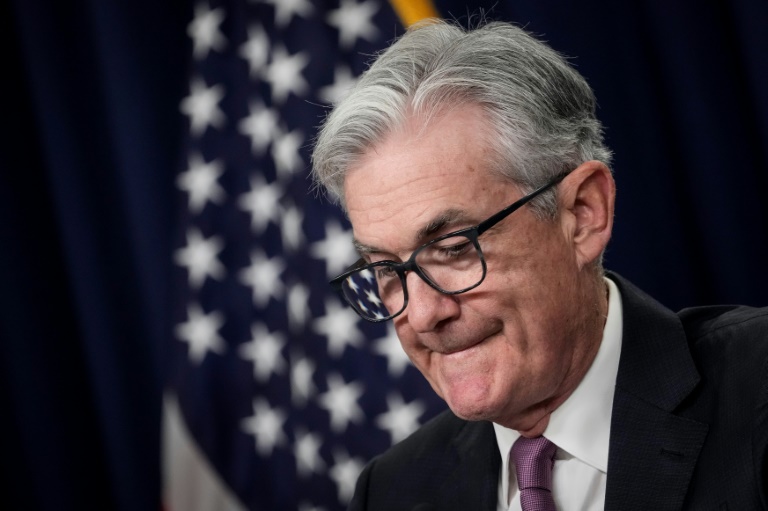
All eyes are on a symposium in Jackson Hole, Wyoming where Fed boss Jerome Powell will deliver a speech that will be followed for an idea about the bank’s next moves.

A dip in price rises and signs of economic slowdown had raised hopes policymakers would ease up — and possibly cut next year — after two successive, 75-basis-point hikes, helping equities rally globally.

But that optimism has slowly been eroded in recent weeks as Fed officials, including Powell, have warned that the battle against inflation was far from won, particularly as the jobs market remained resilient.

One of the latest was Richmond Fed boss Thomas Barkin, who reasserted his commitment to bringing inflation back to two percent from the four-decade high of around nine percent.

He said on Friday the policy board would “do what it takes to get there”, but warned: “There’s a path to getting inflation under control but a recession could happen in the process.”

Jonathan Millar of Barclays said it was unlikely Powell would signal a slowdown in rate hikes this week.

“It does seem like what we’ve heard from Powell so far suggests there’s quite a high bar for them to transition from aggressive hikes” to 25 basis points.

“One thing they definitely want to communicate is that they remain very much focused on issues with price stability and that they will react very cautiously to any signs of improvements in the inflation data.”

And National Australia Bank’s Rodrigo Catril added that the Fed chief will likely say that “while we may be close to the end of the beginning of the current tightening cycle, we are still a long way from the end”.

All three main indexes on Wall Street fell Friday and Asia followed suit in early trade.

Hong Kong, Tokyo, Sydney, Seoul, Taipei, Manila and Jakarta dropped.

However, Shanghai rose after China’s central bank cut prime loan rates as it tries to bolster the world’s second-biggest economy, which has been ravaged by lockdowns across the country as part of leaders’ zero-Covid strategy.

Singapore and Wellington also edged up.

The prospect of more US hikes to come has given another boost to the dollar, which rallied against the yen and is approaching the 140 yen mark for the first time in 24 years.

The stronger greenback was helping to keep oil prices down, while downward pressure was being enhanced by speculation rising about a possible Iran nuclear deal that could ease a supply crisis caused by Russia’s invasion of Ukraine.

“The global balance for the remainder of the year is not as tight as many were expecting, with Russian supply holding up well,” said Warren Patterson, of ING Groep NV.

“While it may take several months for Iran to get production back to pre-sanction levels in the event of a deal, in the short term, they should still be able to boost exports by relying on storage.”

– Key figures at around 0230 GMT –

Tokyo – Nikkei 225: DOWN 0.4 percent at 28,805.52 (break)

Hong Kong – Hang Seng Index: DOWN 0.1 percent at 19,755.48

Shanghai – Composite: UP 0.4 percent at 3,270.83

Euro/dollar: DOWN at $1.0032 from $1.0034 Friday

Pound/dollar: DOWN at $1.1822 from $1.1827

Euro/pound: UP at 84.86 pence from 84.81 pence

Dollar/yen: UP at 137.30 yen from 136.93 yen

West Texas Intermediate: DOWN 1.2 percent at $89.69 per barrel

Brent North Sea crude: DOWN 1.1 percent at $95.68 per barrel

New York – Dow: DOWN 0.9 percent at 33,706.74 points (close)

London – FTSE 100: UP 0.1 percent at 7,550.37 (close)

Europe huddles down for a winter without Russian gas

Woolly socks and thermostats turned down a notch: Europeans are preparing for a difficult winter without gas supplies from Russia, part of the fallout from the war in Ukraine.

Latvians have been adjusting since the end of July, when Russia stopped supplying gas to the Baltic former Soviet state.

They know what to expect in the coming months.

“Energy prices are so exorbitant that we already cut off the hot water from the city pipeline and installed our own hot water boiler,” said Juons Ratiniks, who lives in the city of Rezekne, near the Russian border.

“It is cheaper to use it when we actually need it than pay for constantly heated hot water,” supplied centrally, the retired border guard explained.

Politicians need to understand that people expected help when their energy bill started shooting up, said Ratiniks. 

With elections due in October, he warned, “they better support heating for us — otherwise we’ll give heat to them!”

Bulgaria, Denmark, Finland, the Netherlands and Poland have also already had their gas cut, while other countries have seen their supply reduced drastically.

Deliveries of Russian gas to Germany via the Nord Stream pipeline will be halted for several days at the end of this month, the second stoppage this summer. While ostensibly for maintenance, Berlin has accused Moscow of halting supplies over Western sanctions imposed over Russia’s invasion of Ukraine. 

Overall, supply was down in July by around 70 percent, year on year, according to several experts consulted by AFP.

– ‘Global energy crisis’ –

Governments around Europe are not relishing the prospect of cold radiators and factories forced to stop operating.

Many believe Russian President Vladimir Putin is using energy supplies as a strategic weapon to put pressure on nations that have applied sanctions against Moscow for its invasion of Ukraine.

The cut in supply has pushed the price of gas — and electricity — through the roof given that is what many power stations run on.

A surge in oil prices has further complicated matters, even if its value has fallen back somewhat recently.

“The world is experiencing the first truly global energy crisis in history,” Fatih Birol, executive director of the International Energy Agency, wrote last month. 

“The situation is especially perilous in Europe, which is at the epicentre of the energy market turmoil.”

Natural gas is so important to so many countries — particularly Germany, which needs it for its heavy industries — that it was exempted from European sanctions against Russia.

Coal, in contrast, is subject to a total embargo, while for oil, a progressive embargo applies.

– ‘Operation Thermostat’ –

The gas supply from Russia to Germany from the Nord Stream 1 pipeline has already been drastically cut back.

“We now assume that Russian gas flows to Europe via Nord Stream 1 will fluctuate between zero and 20 percent capacity in the coming months,” said Matt Oxenford of the Economist Intelligence Unit.

And that, he added, would lead to a recession in Europe in the winter of 2022-2023.

“Given current gas infrastructure, Germany cannot compensate for an 80 percent cut in Russian gas without a drastic reduction in demand, leading to a recession over the winter,” he added.

And with Germany a centre of industrial supply chains, that would have a knock-on effect across Europe, wrote Oxenford.

Businesses will suffer cuts before households, and the governments in France and Germany are already looking at who will have to suffer first.

But ordinary people are also being told they will have to adjust to the new reality.

The European Union has told its 27 member countries that they will have to cut their gas consumption by 15 percent.

Italy launched earlier this year what it called “Operation Thermostat” to try to lower heating and cut back on air conditioning in schools and public buildings. Spain and Germany have followed suit.

Germany’s summer campaign focussed on lowering the air conditioning on public transport and buying more water-efficient shower heads. Several cities have lowered the temperature in their swimming pools and made cuts in urban lighting.

– Coal and LNG –

France has frozen gas prices for individuals, but in Germany, the bills for householders will rise by several hundred euros a year.

Given what threatens to be a hard winter, the consumer advice centre in the state of North Rhine-Westphalia says it has never been so busy in its 40-year history.

Many people say they are worried they will be cut off because they cannot pay the bills, said spokesman Udo Sieverding.

Some were looking at replacing their oil or gas supply with solar panels, while others were turning to coal, he added.

Tenants needed to put money aside early and talk to their landlords, he advised.

“Nevertheless, there will be many households that cannot pay the rising energy prices.”

France, meanwhile, is reviving an anti-waste campaign first rolled out in the 1970s.

Shops that use air conditioning, for example, must keep their doors closed — or face a fine.

Here too there has been a rush towards coal despite the fact that it is highly polluting.

France’s government has reconsidered a decision to close down a coal-fired station, despite an outcry from environmental campaigners.

burs-jmi/jj/rl/smw

Europe huddles down for a winter without Russian gas

Woolly socks and thermostats turned down a notch: Europeans are preparing for a difficult winter without gas supplies from Russia, part of the fallout from the war in Ukraine.

Latvians have been adjusting since the end of July, when Russia stopped supplying gas to the Baltic former Soviet state.

They know what to expect in the coming months.

“Energy prices are so exorbitant that we already cut off the hot water from the city pipeline and installed our own hot water boiler,” said Juons Ratiniks, who lives in the city of Rezekne, near the Russian border.

“It is cheaper to use it when we actually need it than pay for constantly heated hot water,” supplied centrally, the retired border guard explained.

Politicians need to understand that people expected help when their energy bill started shooting up, said Ratiniks. 

With elections due in October, he warned, “they better support heating for us — otherwise we’ll give heat to them!”

Bulgaria, Denmark, Finland, the Netherlands and Poland have also already had their gas cut, while other countries have seen their supply reduced drastically.

Deliveries of Russian gas to Germany via the Nord Stream pipeline will be halted for several days at the end of this month, the second stoppage this summer. While ostensibly for maintenance, Berlin has accused Moscow of halting supplies over Western sanctions imposed over Russia’s invasion of Ukraine. 

Overall, supply was down in July by around 70 percent, year on year, according to several experts consulted by AFP.

– ‘Global energy crisis’ –

Governments around Europe are not relishing the prospect of cold radiators and factories forced to stop operating.

Many believe Russian President Vladimir Putin is using energy supplies as a strategic weapon to put pressure on nations that have applied sanctions against Moscow for its invasion of Ukraine.

The cut in supply has pushed the price of gas — and electricity — through the roof given that is what many power stations run on.

A surge in oil prices has further complicated matters, even if its value has fallen back somewhat recently.

“The world is experiencing the first truly global energy crisis in history,” Fatih Birol, executive director of the International Energy Agency, wrote last month. 

“The situation is especially perilous in Europe, which is at the epicentre of the energy market turmoil.”

Natural gas is so important to so many countries — particularly Germany, which needs it for its heavy industries — that it was exempted from European sanctions against Russia.

Coal, in contrast, is subject to a total embargo, while for oil, a progressive embargo applies.

– ‘Operation Thermostat’ –

The gas supply from Russia to Germany from the Nord Stream 1 pipeline has already been drastically cut back.

“We now assume that Russian gas flows to Europe via Nord Stream 1 will fluctuate between zero and 20 percent capacity in the coming months,” said Matt Oxenford of the Economist Intelligence Unit.

And that, he added, would lead to a recession in Europe in the winter of 2022-2023.

“Given current gas infrastructure, Germany cannot compensate for an 80 percent cut in Russian gas without a drastic reduction in demand, leading to a recession over the winter,” he added.

And with Germany a centre of industrial supply chains, that would have a knock-on effect across Europe, wrote Oxenford.

Businesses will suffer cuts before households, and the governments in France and Germany are already looking at who will have to suffer first.

But ordinary people are also being told they will have to adjust to the new reality.

The European Union has told its 27 member countries that they will have to cut their gas consumption by 15 percent.

Italy launched earlier this year what it called “Operation Thermostat” to try to lower heating and cut back on air conditioning in schools and public buildings. Spain and Germany have followed suit.

Germany’s summer campaign focussed on lowering the air conditioning on public transport and buying more water-efficient shower heads. Several cities have lowered the temperature in their swimming pools and made cuts in urban lighting.

– Coal and LNG –

France has frozen gas prices for individuals, but in Germany, the bills for householders will rise by several hundred euros a year.

Given what threatens to be a hard winter, the consumer advice centre in the state of North Rhine-Westphalia says it has never been so busy in its 40-year history.

Many people say they are worried they will be cut off because they cannot pay the bills, said spokesman Udo Sieverding.

Some were looking at replacing their oil or gas supply with solar panels, while others were turning to coal, he added.

Tenants needed to put money aside early and talk to their landlords, he advised.

“Nevertheless, there will be many households that cannot pay the rising energy prices.”

France, meanwhile, is reviving an anti-waste campaign first rolled out in the 1970s.

Shops that use air conditioning, for example, must keep their doors closed — or face a fine.

Here too there has been a rush towards coal despite the fact that it is highly polluting.

France’s government has reconsidered a decision to close down a coal-fired station, despite an outcry from environmental campaigners.

burs-jmi/jj/rl/smw

On Ukraine's front line, no end in sight

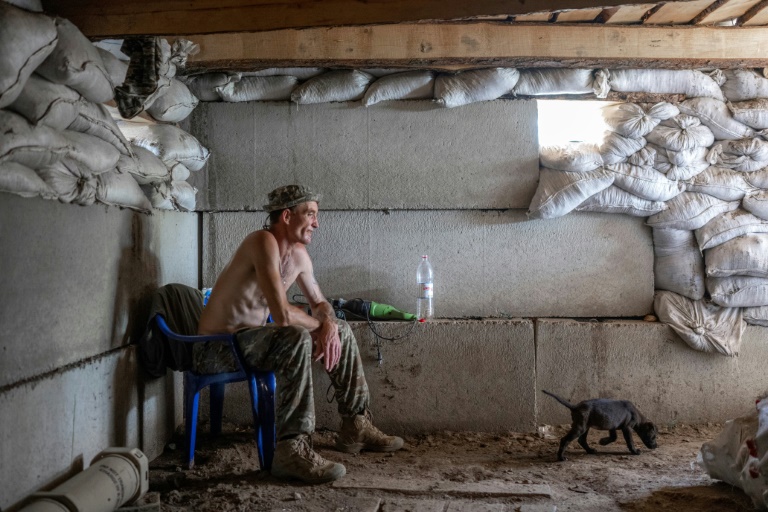
On the front line south of the Ukrainian city of Mykolaiv, a 40-year-old combat medic nicknamed “Doc” is preparing to mark the six month anniversary of Russia’s invasion in a trench.

“You need to be prepared for the fact that this could last a long time,” said Doc, whose owlish eyebrows poke out from under his camouflage helmet.

“There are lots of tears, lots of blood. You cry in your heart,” said the medic — a dental technician in civilian life.

“The history of generations is being destroyed.”

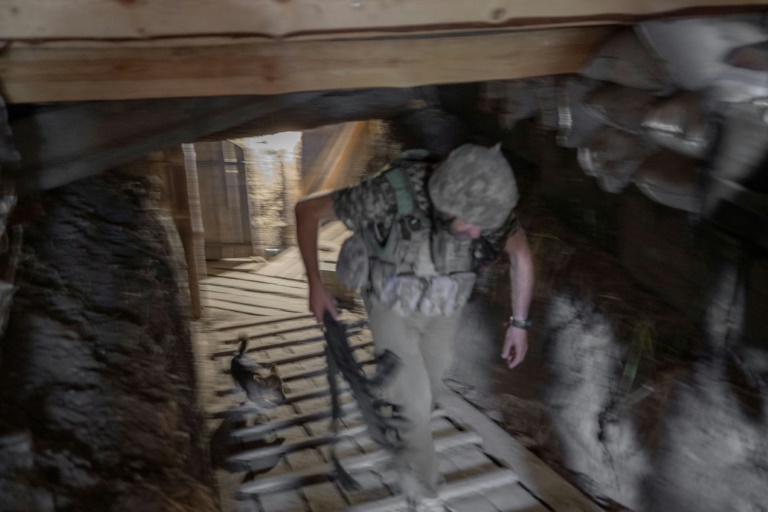
In a subterranean bunker complex, surrounded by rusted tank traps and thronging with stray cats and dogs, his comrades spoon down piping hot bowls of hearty soup.

At the head of the table sits a man with an arm tattoo reading “never give up” in cursive script.

“Six months of war is not only a great grief for the country, it is also a small grief for each person personally,” said 41-year-old soldier Mykola, sitting to his left.

The battalion’s deputy commander Artem, 30, said: “We’ve informed our soldiers that the conflict could drag on for years.”

Russia launched its assault on February 24, attempting to seize the Ukrainian capital in a lightning offensive.

Kyiv’s forces put up stiff resistance, forcing a Russian retreat before the war shifted to the eastern Donbas region.

In recent weeks the focus has moved to southern Ukraine, where Ukrainian forces say they are preparing a counter-offensive.

Asked during a visit to Odessa about hopes for the future, UN Secretary General Antonio Guterres closed his eyes, slowed his words, and spoke of a “very difficult situation, where the prospects for peace are not obvious”.

– A third front –

In Mykolaiv, the war now seems like nothing new.

Wartime billboards have been sodden in the winter, torn by the blusters of spring, and bleached in the savage summer heat.

Checkpoint sandbags have split their seams and sprouted weeds.

In the opening weeks of the war a Russian missile punched a hole in the regional government HQ, killing 37.

The gaping hole is now one of many scars in the port hub’s skyline as the city remains under incessant shelling.

The Petro Mohyla Black Sea State University was struck twice last week.

The front entrance was blown apart, ceiling panels torn down, and windows shattered into mosaic pieces of glass.

The facade’s collapse revealed classrooms within.

“They attack schools, hospitals, the port and the city’s infrastructure,” said rector Leonid Klymenko, inside a gutted study hall.

“It is clear that they want to completely destroy Ukraine’s education (system), destroy the Ukrainian spirit, destroy everything Ukrainian.”

– Path for peace? –

As the war approaches its seventh month, there are some scant signs of progress.

The UN and Turkey have brokered a landmark grain deal which is seeing Russia relax a blockade on Ukraine’s sourthern Black Sea ports, allowing grain shipments to sail and ease a global food price crisis.

On Friday, Guterres toured a port in the city of Odessa to hail the fresh pact.

But the visit was overshadowed by swirling concerns around the Zaporizhzhia nuclear power plant, elsewhere in Ukraine’s south, occupied by Russian troops and under fire by rockets.

“It will not be easy to find a path for peace in the short term,” Guterres told AFP. 

“But we must persist because peace is the most important good in the world.”

Royal rebel elevated to 'saint': Diana 25 years after death

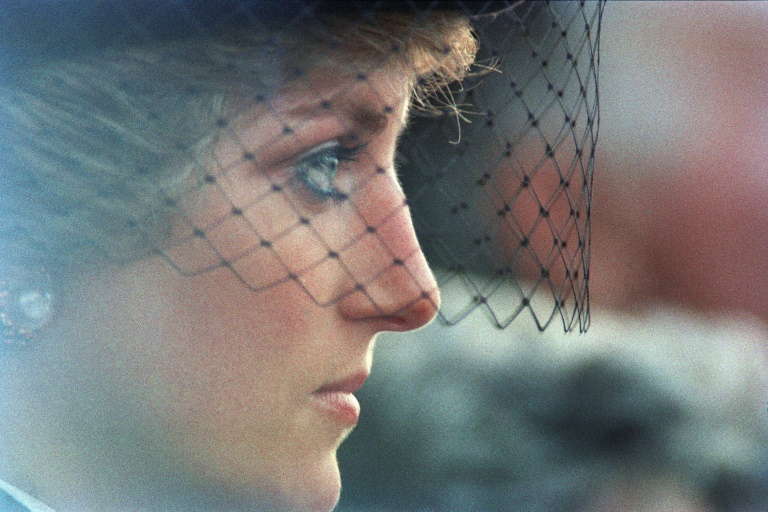
From her engagement to Prince Charles as a shy teenager to her roles as doting mother, humanitarian and global celebrity, Diana’s turbulent 36-year life still captivates people around the world.

Young, beautiful and fun, she seemed refreshingly informal when she married the heir to the throne in 1981 aged 20, after what the media portrayed as a fairytale romance.

But the acrimonious breakdown of her marriage to Charles, with salacious details filling the tabloids, tipped the monarchy into perpetual crisis while driving her to self-harm.

In an extraordinary 1995 interview, she spoke out candidly about her husband’s affair with Camilla Parker Bowles and her own infidelity.

Stripping the monarchy of its mystique and casting doubt on Charles’s ability to be king, the interview drew horror in parts of the British establishment.

In recent years, her image has shifted as her sons fiercely defend her memory and use her purported mistreatment by the press in their own battles with media outlets.

“Now she is the sainted figure and they have elevated her as such, because they have talked repeatedly of how she was hounded to her death by the media,” said royal historian and author Ed Owens.

A recent Hollywood film and popular Netflix series “The Crown” have presented fictionalised accounts sympathetic to Diana, reviving interest in her life and style.

“I think ‘The Crown’ is going to do much when it returns to our screens this autumn to embellish that idea of a human tragedy, again a saintly figure,” Owens added.

– Inner turmoil –

Born on July 1, 1961, Diana hailed from the aristocratic Spencer family with close ties to the monarchy: her father worked for king George VI and Queen Elizabeth II.

She grew up with three siblings, in a childhood marred by the bitter break-up of her parents.

She left school at 16 with no qualifications and went to finishing school in Switzerland, before getting a job in a nursery in London.

From the moment she was linked to Charles, however, her life changed.

The prince was under increasing pressure to find a bride, and proposed at the age of 32.

Diana said they only met 13 times before their wedding.

Heir to the throne Prince William was born the following year, followed by Prince Harry two years later.

Robert Hardman, a former royal reporter and author of “Queen of Our Times: The Life of Queen Elizabeth II”, described Diana as an “absolutely devoted mum”.

“She gave them both the same sort of support, attention, encouragement, indulgence,” he said.

Diana also possessed a strong empathy and sense of style, and rode a wave of popular enthusiasm for the monarchy.

She used her position to champion marginalised groups, shaking hands with patients with AIDS and leprosy, who were viewed as pariahs at the time.

But privately she was plagued by bulimia and fears her husband did not love her — and the rest of the royal family did not care.

– ‘Fear, paranoia and isolation’ –

Rumours the marriage was in trouble broke in 1992, after biographer Andrew Morton lifted the lid on Diana’s misery with a revelatory book, based on audio tapes made by the princess in response to his questions via a mutual friend.

That year ended with the bombshell announcement that the royal couple would separate.

The scandal deepened with further recriminations and allegations appearing in the media, before first Charles and then Diana admitted to being unfaithful.

In her controversial 1995 interview with the BBC’s “Panorama” programme, Diana admitted her affair with army officer James Hewitt, but also criticised the royals and questioned her husband’s ability to be king.

The BBC has since admitted the interview was obtained through deception, and has pledged not to air it in full again.

William has slammed the broadcaster’s methods for fuelling Diana’s “fear, paranoia and isolation” in her final years.

At the time, Queen Elizabeth publicly expressed her sadness and wrote to both Charles and Diana urging them to seek a divorce.

On August 28, 1996, the divorce was granted and Diana was stripped of the title “royal highness”. The fairytale was over.

– ‘Queen of people’s hearts’ –

Still bearing the title Diana, Princess of Wales, she remained in the public eye.

She had a summer fling with Dodi Fayed, son of Egyptian tycoon Mohamed Al-Fayed, who was killed in the same crash that took Diana’s life on August 31, 1997, as their car was pursued by paparazzi through Paris.

The outpouring of public grief was immense.

Tonnes of flowers were left outside her Kensington Palace home, and more than a million people lined the streets of London to pay their last respects at her funeral.

Much popular anger over her death was directed at the royal family, fuelled by the queen’s initial refusal to return from Scotland to greet the crowds, and there was a surge of republicanism.

A quarter-century later, public support for the monarchy appears renewed.

Charles has largely been rehabilitated, while Camilla is to become his Queen Consort.

But she is unlikely to ever match the popularity of Diana, the self-styled “queen of people’s hearts”.

After six months of war, what's next for Ukraine?

Six months after Russian forces launched what they hoped would be a blitzkrieg invasion of Ukraine, the conflict has turned into a grinding campaign of daily air strikes and battles with no clear endgame in sight.

Much of the country’s east and south are under Russia’s control, depriving Ukraine of the Black Sea ports vital for the grain exports that are the lifeblood of its economy.

Russia is also suffering under Western sanctions, though few expect President Vladimir Putin to end the slow but steady push deeper into Ukraine anytime soon — let alone give up the territories already occupied.

– How long could it last? –

Both sides have sustained punishing losses of lives and materiel, but neither appears willing to consider a ceasefire.

Ukrainians believe they are in an existential fight to defend a nationhood that Putin dismisses as a historical fallacy.

“In such circumstances, nobody can win,” said Konstantin Kalachev, a Moscow-based political analyst. “This ‘special military operation’ could go on for years.”

“Russia is hoping to win by wearing them down… Time is not on Ukraine’s side, and its economy could break,” he told AFP.

Marie Dumoulin, a director at the European Council on Foreign Relations, said the vigorous support from Western allies would also make it harder for either side to back down now.

“Each side thinks they can still press a military advantage, so it’s unlikely that this is going end soon,” she said.

Putin has also framed the conflict as part of Russia’s resistance to an expansionist NATO, making any suggestion of “defeat” unacceptable.

He could punish Ukraine’s desire for closer EU integration by pushing toward the key port of Odessa, effectively landlocking the country and throttling its exports.

Ukraine’s President Volodymyr Zelensky meanwhile might seek more tactical successes, like the sinking of the Moskva missile cruiser in April, or possibly even try a counter-offensive to retake some areas.

“That would allow him to remotivate Ukrainian troops and society and justify his requests for more aid from European partners,” Dumoulin said.

– Can Ukraine continue to resist? –

Military hardware and intelligence data from Europe and the US have allowed Ukrainian forces to slow — but not stall — Russian forces in the Donbas and along the Black Sea coast.

But that is also allowing Russia to consolidate its positions, having already built up its military presence on the Crimean peninsula over the past eight years since its annexation by Moscow.

And so far, Zelensky’s pleas for more advanced and powerful weapons have been unsuccessful.

“The Ukrainian people are united and support the government so far, but that stability also strongly relies on the idea that the West helps Ukraine in this war,” said Dimitri Minic, a research fellow at the French Institute of International Relations in Paris.

The arrival of cold weather will also test Ukrainians’ resolve if they face fuel shortages, power or heating cuts, and other hardships, especially if more people are driven from their homes by the fighting.

Dumoulin noted that 40 percent of Ukraine’s schools will remain closed when classes resume in September, which could take a heavy psychological toll.

“Much is going to depend on their capacity to endure the winter, especially for those behind the front lines… It’s going to be difficult,” she said.

– Will Russia’s economy hold out? –

Despite Moscow’s miscalculation of Ukraine’s capacity to resist, Russia appears ready to pay the costs of a long war of attrition.

Ukraine’s allies sought to strangle Russia’s economy by crimping its oil and gas sales, on which it depends, while imposing sanctions that restrict imports and forced many Western companies to quit the country.

But “export receipts, mostly from oil, gas, coal and other commodities, have not only held up but have exceeded expectations,” said Chris Weafer, a longtime Russia analyst at the Macro-Advisory consultancy.

Ordinary Russians have already endured sanctions since the Crimea seizure, and the government soon found new sources for industrial components and other materials from Turkey or Asia.

“The economy, industry and people have had eight years to adjust to sanctions so that today, the country and people are better prepared and with greater self-sufficiency, albeit at a basic level,” Weafer said.

However, the full effect of sanctions could begin to bite hard in the coming years, as Russia diverts funds from investment to the war effort, and foreign firms remain wary.

“We’re going to feel the full effect in around five years,” Kalachev said.

– What are potential outcomes? –

If the conflict sinks into a quagmire over the winter and into 2023, much will depend on whether the West’s support will hold up, especially if voters feel the costs — not least rising fuel and food prices — are becoming too high.

“Probably there will come a point when Putin will count on Western lassitude and will offer some openings… to push Western leaders to pressure Ukraine into ending the conflict on Russia’s terms,” Dumoulin said.

Barring a disastrous military miscalculation, Ukraine’s army is unlikely to collapse outright, and few expect Zelensky will accept any negotiations that do not see Ukraine recover all lost territory, including Crimea.

And if its allies continue to provide aid and weapons, Russia’s military advantage could steadily erode.

That could also threaten Putin’s public support at home, potentially catalysing opposition forces ahead of presidential elections set for March 2024.

“What could aggravate tensions between the Kremlin and what remains of civil society… is a declaration of war, martial law, or general mobilisation,” Minic said.

“This would be difficult to manage in large cities such as Moscow or Saint Petersburg, where the obsessive anti-Western narrative has less of a hold.”

Crises threaten UK monarchy's image 25 years after Diana's death

The royal family’s perceived botched response to Diana’s death sparked a gradual and largely successful shift in its image management, but recent crises have renewed questions about that modernisation effort.

The death of the princess of Wales on August 31, 1997, prompted an outpouring of national grief that senior royals, including Queen Elizabeth II and her son Prince Charles, initially seemed out of step with.

There was eventually an acknowledgement missteps were made and that the family needed to turn the page on a damaging decade of divorces, family infighting and scandals that had dented their public standing.

A quarter-century on, the monarchy now has a far more nimble PR operation, adept at social media and rapid-response while still able to stage grand events like June’s Platinum Jubilee celebrations with aplomb.

However, recent controversies — notably Prince Andrew’s links to billionaire paedophile Jeffrey Epstein, and Prince Harry and his wife Meghan Markle quitting frontline royal duties — have cast doubts on the monarchy’s remoulding.

“Diana’s death is this whirlwind moment, which requires the monarchy to reorientate its public image, to embrace a more modern, expressive kind of celebrity image as a way of appealing to audiences,” royal historian Ed Owens told AFP.

Noting “that story lives on through her sons”, he sees particular peril in Harry’s apparent estrangement, the queen’s recent handling of scandal-tarred Andrew and heir Charles’ looming reign.

“I think there are troubled times ahead,” Owens predicted.

– ‘Rehabilitated’ –

In the immediate aftermath of Diana’s death, the queen and Charles, whose divorce from Diana had been finalised the previous year, remained for days at Balmoral Castle, their remote Scottish residence, making no public statements.

Fuelled by other missteps, a media-driven narrative took hold that the family were out of touch at a moment of national significance.

Royal commentators disagree on how fair this criticism was, noting the family’s priorities were supporting William and Harry over the sudden loss of their mother as well as organising an elaborate funeral service. 

Nonetheless, Buckingham Palace’s press operation was gradually revamped, with more PR-savvy people brought in.

Robert Hardman, author of this year’s “Queen of Our Times: The Life of Elizabeth II”, argued it was a measured “evolution” as the 24-hour news cycle ramped up and then social media arrived.

“Monarchy is not like a brand of cereal, it doesn’t relaunch,” he cautioned. 

“It changes slowly, imperceptibly, but firmly for a reason (and) there was definitely a sense in those years that things needed to change. But you don’t suddenly tear the whole thing up.”

The shift offered a more “human” image of the queen, who had been reported as being more concerned about her dogs and horses than her subjects.

Charles, mocked as haughty and stiff, underwent an expensive image makeover, according to royal insiders.

William and Harry were key, emerging as Diana-esque “princes of feeling” supported by their father, said Owens.

“His image is very carefully rehabilitated around this idea that he is a loving father to two sons both touched by this tragedy of their mother’s death,” he added.

– ‘Great mistake’ –

Hardman said today, instead of a past palace strategy to “stick our heads down and see how this pans out”, it generally responds swiftly — and assertively — to unfolding controversies.

He pointed to its deftly-deployed line last year that “recollections may vary” following sensational claims from Meghan and Harry that she faced racism within the family.

But for other royal observers, the couple’s 2020 departure to America — dubbed “Megxit” — requires more than damage-limitation PR, with Harry leaving “a huge hole” in the institution, Owens said.

“Meghan also embodied some of the virtues that Diana had sought to project as well, in terms of emotion and being in touch… with the lives of people in the developing world,” he noted.

Meanwhile, the queen’s response to the scandal that has engulfed Andrew — rumoured to be her favourite son — has echoes of Diana-era errors, with Owens branding it the 96-year-old’s “great mistake” of recent decades.

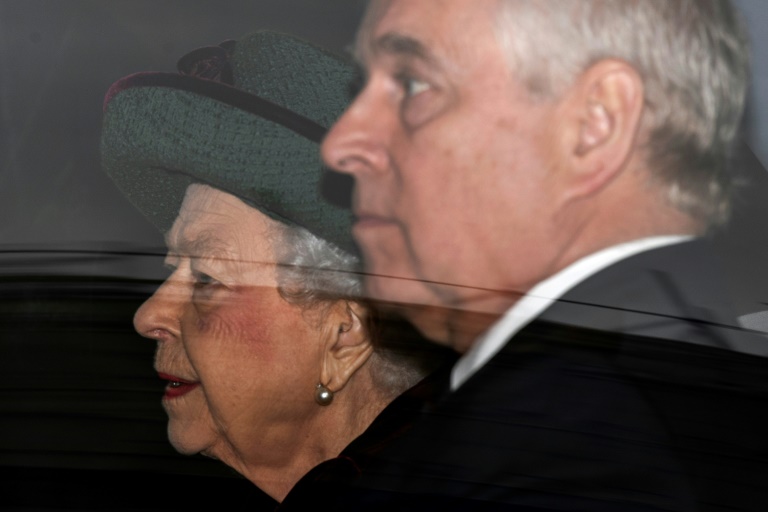
In February, Andrew settled a sexual abuse lawsuit in the US with an Epstein victim. A month later the queen drew widespread criticism after letting him accompany her to a very public thanksgiving service for late husband Prince Philip.

“The Andrew debacle would suggest that the queen possibly hasn’t learned from the late 1990s as well as she might have done,” said Owens.

“She should’ve been more responsive to public opinion in keeping Andrew out.”

The royal historian sees plenty of similar “pitfalls” ahead in the imminent reign of Charles, who has faced several scandals over fundraising for his charities in addition to longstanding concerns over political interventions. 

In contrast to the queen, Charles lacks “subtlety” said Owens. “So you’ve got problems here.”

Zelensky warns Russia against putting Ukraine soldiers on trial

Russia might take the provocative step of putting Ukrainian soldiers on trial as Kyiv marks 31 years of independence for the war-ravaged country next week, Ukraine’s President Volodymyr Zelensky warned Sunday.

Zelensky cited media reports that Russia was preparing to put Ukrainian fighters captured during the siege of Mariupol on a public trial to coincide with the independence anniversary Wednesday.

Ukraine’s Independence Day, August 24, will also mark six months since Russia invaded the former Soviet republic, in a devastating war that has cost thousands of lives.

“If this despicable court takes place, if our people are brought into these settings in violation of all agreements, all international rules, there will be abuse,” Zelensky warned in an evening address.

“This will be the line beyond which no negotiations are possible.”

The capital Kyiv has already announced a ban on public gatherings. Kharkiv too, declared a curfew around the holiday.

Zelensky was returning to a subject he had already raised in the previous night’s remarks.

“Russia could try to do something particularly disgusting, particularly cruel,” he warned late Saturday.

“One of the key objectives of the enemy is to humiliate us,” and “to sow despondency, fear and conflict”.

But he added: “We have to be strong enough to resist all provocation” and “make the occupiers pay for their terror”. 

– ‘Be vigilant’ –

A presidential adviser, Mykhaylo Podolyak, said Russia could intensify its bombing campaign.

“Russia is an archaic state that links its actions to certain dates, it’s an obsession of sorts,” the Interfax-Ukraine news agency quoted him as saying.

“They hate us and will try to increase… the number of bombings of our cities including Kyiv with cruise missiles,” Podolyak added.

Kyiv authorities on Sunday banned public gatherings from August 22 to August 25.

In the northeastern city of Kharkiv, the regional governor announced a curfew from the evening of August 23 to the morning of August 25.

“We will not allow any provocation by the enemy. Be as vigilant as possible during our independence holiday,” Oleg Synegubov wrote on Telegram.

Kharkiv has been under regular Russian bombardment for weeks and on Sunday emergency services said a woman was killed and two other civilians were wounded in overnight strikes.

Four civilians were reported killed by Russian fire in Donetsk, said the region’s pro-Kyiv governor, Pavlo Kyrylenko.

Five cruise missiles were fired at Odessa from the Black Sea, a regional administration spokesman said. Two were shot down by air defences and three hit a silo without causing injury.

UAE ambassador to return to Iran after six-year absence

The United Arab Emirates said Sunday that its ambassador to Tehran would resume duties within days, six years after ties were downgraded in support of Saudi Arabia.

Ambassador Saif Mohammed al-Zaabi “will resume his duties at the UAE embassy in the Islamic republic of Iran in the coming days to contribute to further advancing bilateral relations”, the Emirati foreign ministry said in a statement.

The move seeks to “achieve the common interests of the two countries and the wider region”, it added.

With Middle East political alignments shifting, UAE presidential adviser Anwar Gargash in mid-July called for an easing of regional tensions and signalled the ambassador’s possible return.

The UAE scaled back its ties with the Islamic republic in 2016, in solidarity with Saudi Arabia, after Iranian protesters attacked the kingdom’s diplomatic missions in Iran following Riyadh’s execution of Shiite Muslim cleric Nimr al-Nimr.

Other Arab Gulf countries including Kuwait made similar moves.

Iran said earlier this month that Kuwait had sent its first ambassador to Tehran since 2016.

In July, the Emirati and Iranian foreign ministers held a telephone conversation and discussed boosting ties, UAE state media reported at the time.

The oil-rich UAE has previously said that Arab Gulf states should take part in “collective diplomacy” to reach an agreement with Iran, which has been in talks with Western powers on reviving a 2015 nuclear deal.

On Tuesday the European Union and United States said they were studying Iran’s response to a “final” draft of such an agreement.

In 2020, the UAE established diplomatic relations with Israel, a move which Tehran condemned.

But Abu Dhabi has been pursuing a policy of rapprochement with former regional rivals including Qatar and Turkey as well as Iran, with which it had maintained strong economic ties despite the diplomatic downgrade. 

Five pilgrims killed in landslide at Iraq Muslim shrine

Rescue workers searched through the rubble of a Shiite Muslim shrine in central Iraq into Sunday night, after a landslide killed at least five people including a child.

After more than 24 hours of digging through collapsed rocks, wood and other debris, “we have found five bodies,” civil defence General Abdelrahman Jawdat told AFP. 

“That could be the final toll,” he added, while digging continued in case there were other victims.

It is the latest tragedy to befall oil-rich but poverty-stricken Iraq, which is trying to move past decades of war but is hobbled by political paralysis, endemic corruption and other challenges.

Civil defence spokesman Nawas Sabah Shaker said earlier that between six and eight pilgrims had been reported trapped under the debris of the shrine, known as Qattarat al-Imam Ali, near the city of Karbala. 

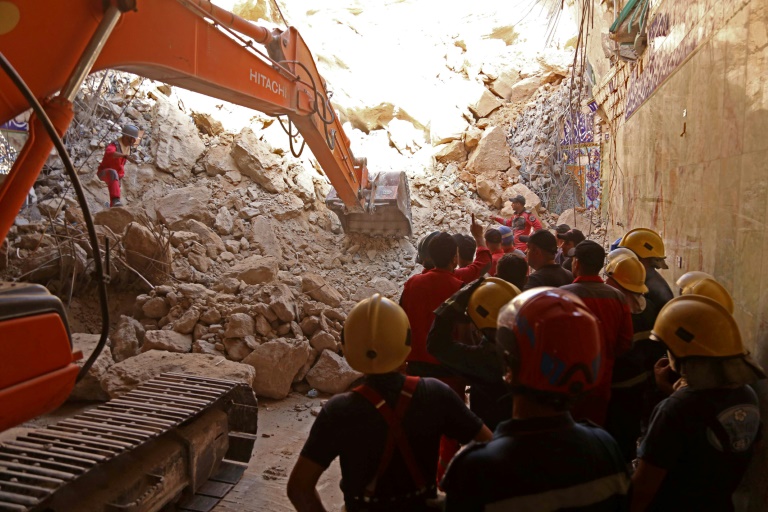
Rescuers drove a bulldozer through the shrine’s entrance, which resembles half a dome ornately decorated with blue tiles covered in Arabic script.

The sacred building, flanked by two minarets, sits at the base of high, bare rock walls. Part of its concrete roof had been torn apart.

Jawdat said rescuers had recovered the bodies of two women, a man and a child, and were working to free the corpse of the fifth victim, another woman whom they had located.

Armed security forces guarded the shrine entrance while rescuers worked inside and onlookers watched from behind a metal fence.

Three children were rescued earlier following the Saturday afternoon disaster, emergency services had said, adding that they were in “good condition” and being monitored in a hospital.

Rescue teams working through the night Saturday were able to provide supplies of oxygen, as well as food and water to some of those trapped through gaps in the rubble, state news agency INA said.

– ‘Mobilise all efforts’ –

Iraqi President Barham Saleh on Twitter called on the “heroic” rescue workers to “mobilise all efforts to save the trapped people”.

Caretaker Prime Minister Mustafa al-Kadhemi urged his interior minister to directly supervise the rescue on the ground and wished the injured a swift recovery.

Emergency responders had said earlier they were maintaining verbal contact with the victims “to reassure them”.

“We are working hard, with the utmost precision, to reach” those trapped, Jawdat, director of the civil defence media department, had said.

“Any mistake could lead to further collapses.”

One man at the scene, Bassem Khazali, said his nephew was among those buried. 

“I am afraid that all the efforts undertaken will be in vain… We want to know what happened, why it happened,” Khazali told AFP.

Civil defence spokesman Shaker told AFP that “sand dunes and rocks collapsed onto the shrine building”, blaming humidity.

The stricken shrine is dedicated to Imam Ali, the son-in-law of the Prophet Mohammed, who according to Shiite tradition stopped there with his army on his way to a battle in AD 657.

It is located in a natural depression about 25 kilometres (15 miles) west of Karbala, the Shiite holy city which is the burial place of Imam Hussein, grandson of the Prophet Mohammed.

Shiites view Hussein, who died in battle in AD 680, as the rightful successor to the Prophet Mohammed, the issue at the heart of a schism with Sunni Islam.

Close Bitnami banner
Bitnami