World

Fire and destruction at Europe's biggest sand dune

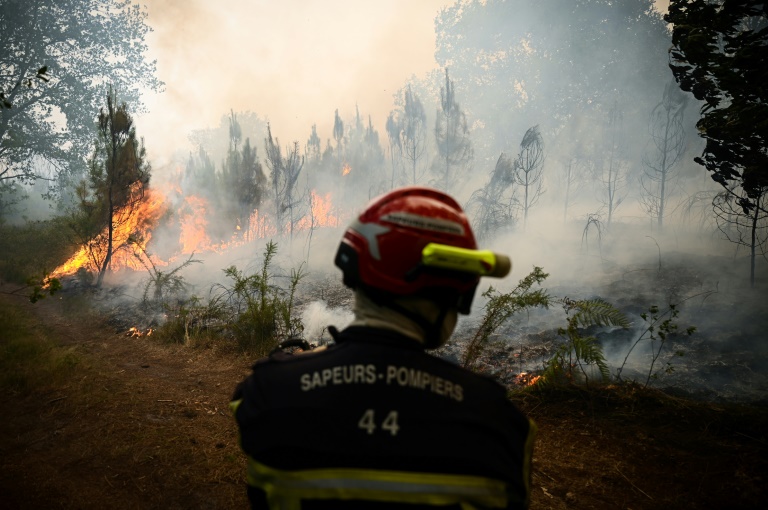
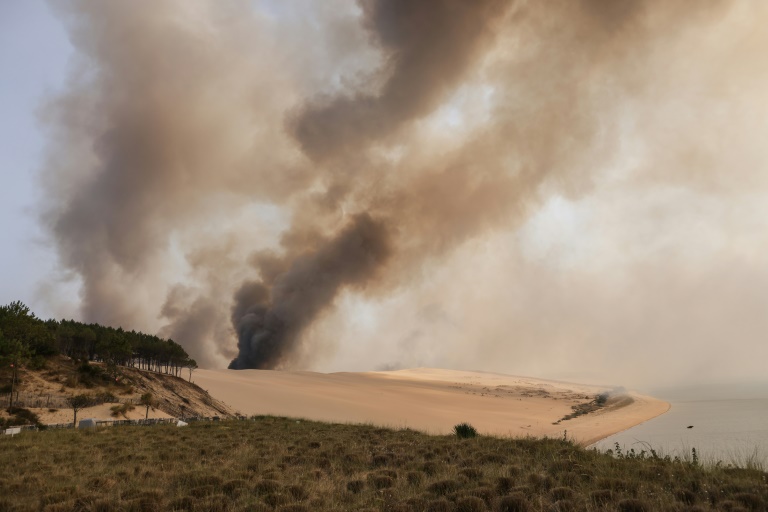
In a usual July on Europe’s biggest sand dune, holidaymakers clamber to its peak to admire the panoramic views of the Atlantic Ocean beyond. This year, its heights are deserted, shrouded in smoke, with fire service planes buzzing overhead.

The Dune du Pilat is a famous attraction on France’s west coast, with its sands rising abruptly out of thick pine forests that shade bustling camp sites and caravan parks in the summer months.  

This year, the forests are ablaze, sending up thick clouds of smoke that blot out the sun as they drift over the ocean or towards the city of Bordeaux, 60 kilometres (36 miles) to the north east.

Around 6,500 hectares (16,000 acres) of forest have burned so far near the dune — an area 12 km long and 7.0 km wide — with another 12,800 hectares lost to a separate and bigger fire further inland to the east.

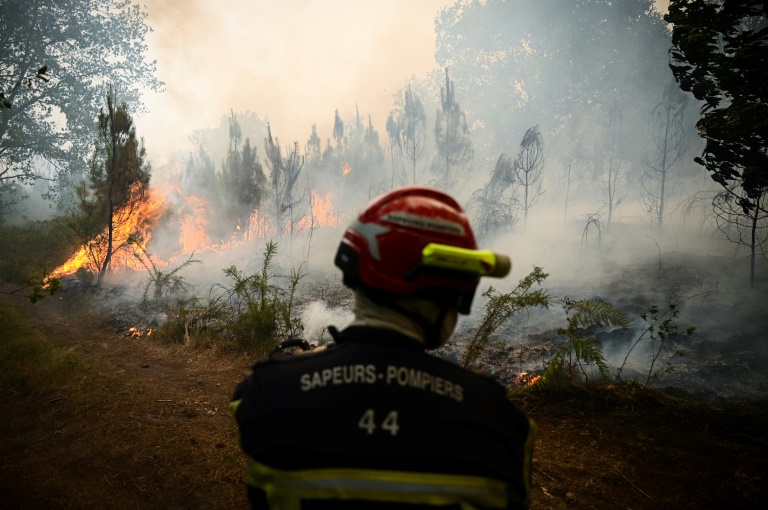
“We were faced with a wall of fire that was 40-50 metres high. It was a tinderbox,” fire service spokesman Matthieu Jomain told AFP on Tuesday from a blackened area next to the dune. 

“There were sparks being carried several hundred metres by the wind,” he added.

Around 2,000 firefighters are battling round the clock to bring the infernos under control, backed by helicopters and Canadair fire planes which swoop down into the ocean to fill their tanks.

Around 20,000 people have been evacuated near the dune, including residents in the tourist town of La Teste-de-Buch where the temperature hovered around 40 Celsius (104 degrees Fahrenheit) on Tuesday.

“The firemen rang the doorbell to tell us we had to evacuate right away and then the police arrived five minutes later and told us the same thing,” a pensioner told AFP as he left with his partner and pets in a car.

– ‘Amazing’ firefighters – 

At least five campsites have been destroyed by the flames, including one that featured in a popular recent series of French comedy films called “Camping”.

“I had a message from a fireman saying ‘we’re sorry’,” the director of the gutted “Camping de la Dune” site, Franck Couderc, told BFM television.

“They shouldn’t be sorry. It’s amazing what they did,” he said.

The local zoo has begun evacuating its animals, which were in danger of inhaling the smoke, with 363 out of 850 already sent in a special convoy to a facility near Bordeaux.

Around a dozen animals succumbed to the stress and heat, however, the national environment ministry said.

The whole area around the Dune du Pilat lives off tourists in the summer months, who are drawn to the nearby Bay of Arcachon, surfing beaches to the south, or the upmarket Cap Ferret area with its five-star hotels.

“It’s heartbreaking,” said Patrick Davet, the mayor of La Teste-de-Buch.

“Economically, it’s going to be very difficult for them and very difficult for the town because we are a tourist town, and we need the season,” he added.

burs-adp/jh/cdw
Fire and destruction at Europe's biggest sand dune

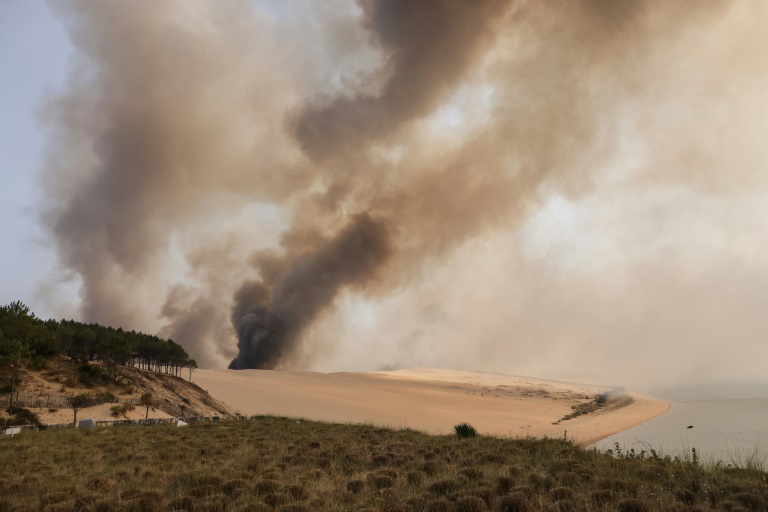
In a usual July on Europe’s biggest sand dune, holidaymakers clamber to its peak to admire the panoramic views of the Atlantic Ocean beyond. This year, its heights are deserted, shrouded in smoke, with fire service planes buzzing overhead.

The Dune du Pilat is a famous attraction on France’s west coast, with its sands rising abruptly out of thick pine forests that shade bustling camp sites and caravan parks in the summer months.  

This year, the forests are ablaze, sending up thick clouds of smoke that blot out the sun as they drift over the ocean or towards the city of Bordeaux, 60 kilometres (36 miles) to the north east.

Around 6,500 hectares (16,000 acres) of forest have burned so far near the dune — an area 12 km long and 7.0 km wide — with another 12,800 hectares lost to a separate and bigger fire further inland to the east.

“We were faced with a wall of fire that was 40-50 metres high. It was a tinderbox,” fire service spokesman Matthieu Jomain told AFP on Tuesday from a blackened area next to the dune. 

“There were sparks being carried several hundred metres by the wind,” he added.

Around 2,000 firefighters are battling round the clock to bring the infernos under control, backed by helicopters and Canadair fire planes which swoop down into the ocean to fill their tanks.

Around 20,000 people have been evacuated near the dune, including residents in the tourist town of La Teste-de-Buch where the temperature hovered around 40 Celsius (104 degrees Fahrenheit) on Tuesday.

“The firemen rang the doorbell to tell us we had to evacuate right away and then the police arrived five minutes later and told us the same thing,” a pensioner told AFP as he left with his partner and pets in a car.

– ‘Amazing’ firefighters – 

At least five campsites have been destroyed by the flames, including one that featured in a popular recent series of French comedy films called “Camping”.

“I had a message from a fireman saying ‘we’re sorry’,” the director of the gutted “Camping de la Dune” site, Franck Couderc, told BFM television.

“They shouldn’t be sorry. It’s amazing what they did,” he said.

The local zoo has begun evacuating its animals, which were in danger of inhaling the smoke, with 363 out of 850 already sent in a special convoy to a facility near Bordeaux.

Around a dozen animals succumbed to the stress and heat, however, the national environment ministry said.

The whole area around the Dune du Pilat lives off tourists in the summer months, who are drawn to the nearby Bay of Arcachon, surfing beaches to the south, or the upmarket Cap Ferret area with its five-star hotels.

“It’s heartbreaking,” said Patrick Davet, the mayor of La Teste-de-Buch.

“Economically, it’s going to be very difficult for them and very difficult for the town because we are a tourist town, and we need the season,” he added.

burs-adp/jh/cdw
Biden highlights decline in US gasoline prices

US gasoline prices have fallen from historic highs earlier in the summer, a retreat highlighted by a politically beset White House as a sign of moderating inflation.

President Joe Biden, who has seen his approval rating tumble amid the worst pricing pressures in decades, took to Twitter to point out that prices at the pump have fallen for more than a month, saving the average driver about $25 a month.

“I know those extra dollars and cents mean something. It’s breathing room,” Biden tweeted Monday night. “And we’re not done working to get prices even lower.”

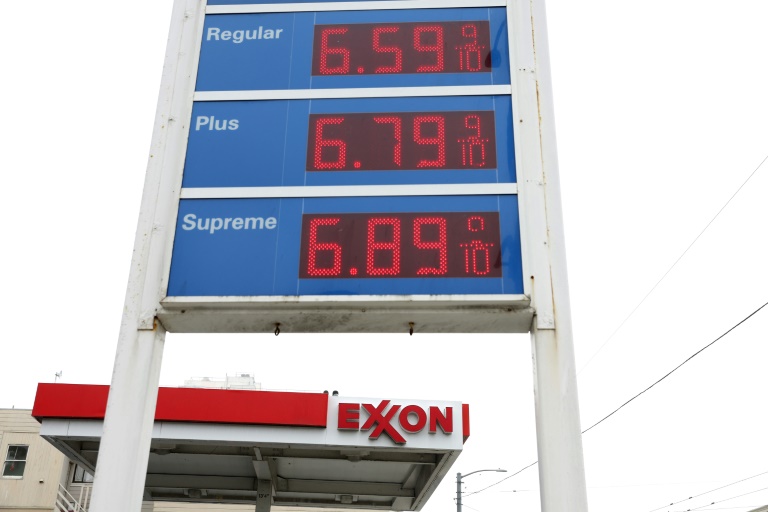
Since hitting an all-time high of $5.016 a gallon on June 14, prices have fallen the last 35 days amid rising worries over economic growth and an easing in the physical crude oil market.

Gasoline prices are now at a national average of $4.495 per gallon, down 10 percent from a month ago but up 42 percent from the year-ago level, according to the American Automobile Association.

The biggest factor in the pullback has been the drop in crude oil prices due to worries that a slowing economy or recession will dent energy demand. 

Crude prices rose to around $130 a barrel soon after the Russian invasion of Ukraine prompted fears of the loss of a major supply source at a time of rising demands.

Analysts say those fears were generally not realized and that most Russian crude oil has continued to flow to buyers in markets such as India and China.

Compared with March, US crude oil production has also risen about 400,000 barrels a day, according to US data.

The added US production, coupled with more Saudi oil added in the recent period, means the tightness of the crude market “has eased,” said Again Capital’s John Kilduff, who also cited as a factor unusually tepid gasoline consumption shown in the most recent weekly US energy report. 

Some of the drop in gasoline use likely is a response to price. But it also reflects shifting labor practices after the pandemic.

“Up until the pandemic, work from home was kind of considered an outlier,” said Bill O’Grady, chief market strategist of Confluence Investment Management.

Under today’s more flexible arrangements, “when the gasoline price goes up, instead of coming in five days a week, you may only come in three or two,” O’Grady said.

– Will prices keep falling? –

A White House memo predicted gasoline prices would continue to fall through the “near term,” highlighting Biden’s actions such as a historically large release of oil from the Strategic Petroleum Reserve — which analysts think had its primary impact as soon as it was announced in late March.  

The White House memo also noted that the decline in gasoline prices has gotten a fraction of the media coverage that the run-up in prices earlier in the spring received.

“Despite the data, you wouldn’t know gas prices are coming down from watching the evening news or reading the paper,” the memo said.

Kilduff also expects gasoline prices to fall further, noting a long-running seasonal trend that typically sees gasoline prices retreat after July 4.

“My forecast is for prices to continue to slide lower into the fall,” Kilduff said, adding that prices will remain high by historical standards.

While O’Grady thinks prices will continue to fall, he added that there is always a risk in late summer that Gulf of Mexico hurricanes could impair key refineries.

“That can send gasoline prices up significantly,” he said.

Rare twin giraffes born in Kenya

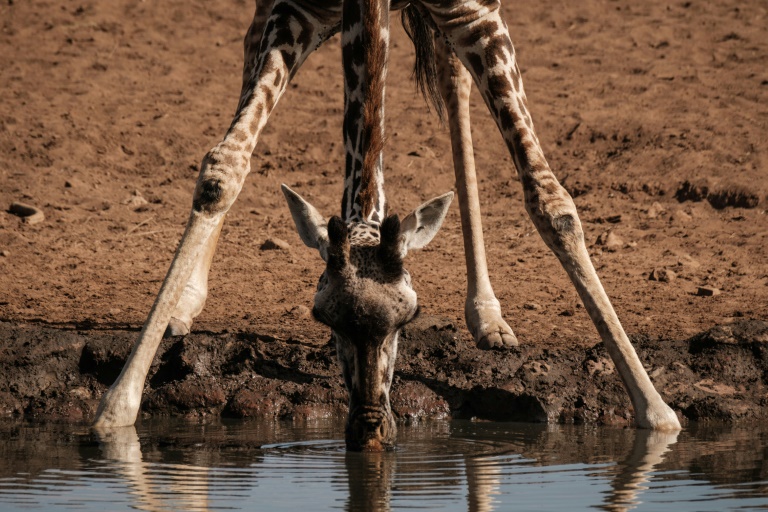
Rare twins have been born to a Maasai giraffe in Nairobi’s national park, the Kenyan wildlife minister said Tuesday.

“This is an extremely rare occurrence,” Najib Balala said on Twitter in a post accompanied by a picture of the mother watching over her offspring.

The world’s tallest species was listed as “vulnerable to extinction” on the International Union for Conservation of Nature’s 2016 Red List of threatened wildlife.

Only about 117,000 giraffe remain in the wild, according to the Giraffe Conservation Foundation. It said the numbers of the gentle long-necked giant in Africa have plummeted by 30 percent over the last 30 years, describing it as a “silent extinction”.

Kenya is home to three subspecies of giraffe, the Maasai, the reticulated and the Rothschild.

Nairobi National Park lies just seven kilometres (four miles) from the heart of the Kenyan capital, and is a tourist magnet for its wildlife including lions, leopards, rhinos and buffalos which graze against a backdrop of distant skyscrapers.

At 15 months, giraffes have one of the longest gestation periods for mammals. They give birth standing up, which means their calves drop just under two metres (six feet) to the ground. 

This startling introduction to life gets them up and running around in less than an hour. A newborn calf is bigger than the average adult human. 

Only a handful of twin births have been documented worldwide with most often not surviving. 

In the wild, giraffes can live up to 25 years, while in captivity they can survive more than 35 years.

Ukraine's reopening cinemas offer refuge from reality — and air raids

From the Hollywood blockbuster to the high-brow film noir, the silver screen offers a few hours’ peace in a darkened refuge from the mundane grind of the nine to five. 

But Ukraine’s filmgoers have begun seeking literal shelter in subterranean screenings offering protection from the ever-present threat of missiles from above.

After Russia’s invasion in February shuttered picture houses nationwide and production ground to a halt, the country’s resilient film industry is making a tentative comeback.

KINO42, in downtown Kyiv, is among around 20 of the city’s 50 or so cinemas that have reopened in recent weeks. As the capital’s only underground cinema, it is a unique offering for movie buffs wary of air raids.

The screen — which has 42 seats around four metres (13 feet) below street level — reopened in June, its program of upcoming screenings displayed on a backlit board above the newly added words “cinema shelter”. 

“It’s a literal cinema shelter since it’s located in a basement,” Ilko Gladshtein, a partner in the business, told AFP at the recent launch of its program of Ukrainian classics. 

The theatre, which first opened in 2019, has always been underground — but while this was once an unremarkable aspect of its architecture, Gladshtein says it has become a “unique selling point”. 

“KINO42 is the safest cinema in Kyiv right now. We don’t interrupt screenings during air raids,” he told AFP.

– Sold out –

The 37-year-old film festival manager and movie producer has been surprised by the size of the evening audiences, although the schedule has been bumped forward to accommodate an 11:00 pm wartime curfew.

“June is a tough month for film distribution, but I can see that people are hungry for films. We’ve held three charity screenings and sent around $1,000 to the Ukrainian army,” he said.

“It gives us the confidence to know not only that we are entertaining people, but also that we are doing something important for the troops on the front.”

Unlike multiplexes that screen the big Hollywood releases of the day, KINO42 has always prioritised Ukrainian cinema, and preserving the country’s cultural identity has become especially important since the invasion.

The venue has teamed up with the Dovzhenko Centre, the nation’s biggest film archive, and has expanded from one weekly screening to three, all sold out.

At a launch event on Thursday last week KINO42 put on “Odd, Bizarre and Fantastic,” a series of animated shorts from the 1980s and ’90s, with tickets all snapped up three days before the screening. 

Stanislav Bitiutskiy, a 38-year-old researcher at the Dovzhenko Centre, says every social or political cataclysm forces a nationwide reckoning over Ukrainian identity.

“It first happened during the Maidan revolution,” he told AFP, describing the aftermath of the deadly 2014 clashes between protesters and security forces that led to the overthrow of President Viktor Yanukovych.

“Now, once again, we need to redefine our identity by means of art.” 

– ‘Another reality’ –

A little further down the street, the much larger above-ground Zhovten picture house — which is nearly a century old — was among the first of Kyiv’s reopened venues.

The multi-screen playhouse sold out a 400-seat auditorium on the launch night of its Ukrainian classics program with a showing of Sergey Paradzhanov’s 1965 opus, “Shadows of Forgotten Ancestors.”

“We wanted to support the country’s economy as well as people’s psychological wellbeing,” said its director Yulia Antypova, 46.

“Psychologists say that this kind of mental decompression, and the opportunity to escape to another reality, are extremely important.”

Here, the possibility of missile strikes is a constant threat.

Zhovten interrupts screenings for 20 minutes when the sirens begin and asks audiences to get to a nearby shelter.

If the alert lasts longer, the screening is cancelled and the customers are asked to come back with their tickets another day.

The return to the silver screen has been gradual, with ticket sales about 30 percent of pre-war figures.

Attendance drops every time a Russian missile slams into a civilian area. 

“The human psyche is quite resilient though,” says Antypova. “In a few days, attendance recovers — until the next strike.”

War in Ukraine: Latest developments

Here are the latest developments in the war in Ukraine:

– Ukraine MPs back security purge –

In its largest political shake-up since Russia invaded, Ukraine’s lawmakers endorse President Volodymyr Zelensky’s shock decision to sack the country’s top prosecutor and security chief.

Zelensky had asked parliament to approve the dismissals less than 48 hours after announcing Sunday that he was suspending the two officials over what he called the treasonous acts of dozens of employees under their authority.

He said the authorities are investigating over 650 cases of suspected collusion between officials and Russian forces.

– Grain on menu at Putin-Erdogan meeting –

Russian President Vladimir Putin and Turkish President Recep Tayyip Erdogan are set to meet Tuesday in Tehran, with mechanisms to export grain from Ukraine top of the agenda.

The talks in the Iranian capital are seeking an agreement that would unblock Black Sea exports of Ukrainian grain.

NATO member Turkey has been using its good relations with both the Kremlin and Kyiv to try to broker an agreement on a safe way to get the grain out past a Russian blockade of Ukraine’s ports.

– Odessa hit –

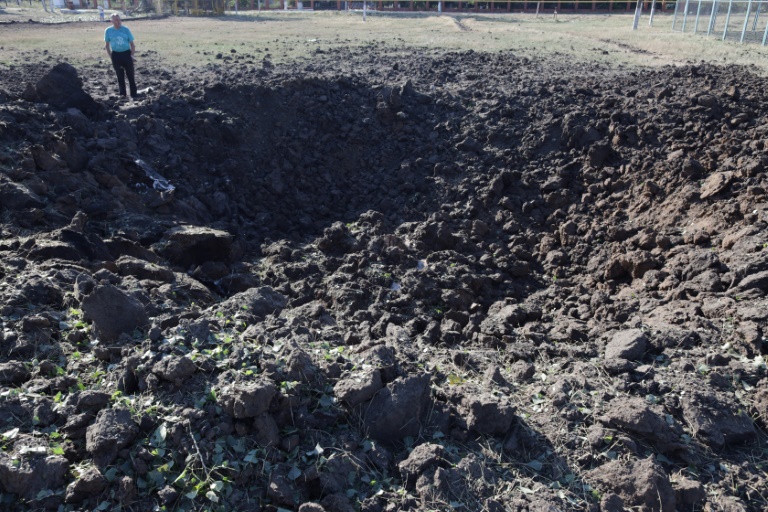
Kyiv says Russian forces have fired a barrage of cruise missiles at the area around the southern port of Odessa, wounding at least six people including a child. 

“One (missile) was shot down by air defences. Six hit a village. As a result, several residential buildings and other facilities were destroyed and caught fire,” the Ukraine presidency says.

The Russian defence ministry claims strikes on Odessa have destroyed a stockpile of Western-supplied weapons.

– Banned Russian channel back on air –

Blocked in March as part of the Kremlin’s crackdown on independent media outlets following the invasion of Ukraine, the Russian TV station Dozhd (Rain) is broadcasting again, from abroad.

The station began broadcasting at 1700 GMT on Monday via its YouTube channel with a news programme hosted by editor-in-chief and top presenter, Tikhon Dzyadko.

Dozhd had decided to suspend operations after authorities blocked its broadcasts which contained critical coverage of the conflict.

burs-eab/cb/bp

Stocks advance despite Apple report concerns

Stock markets mostly advanced on Tuesday despite fresh recession worries on a report tech titan Apple may scale back hiring and investment.

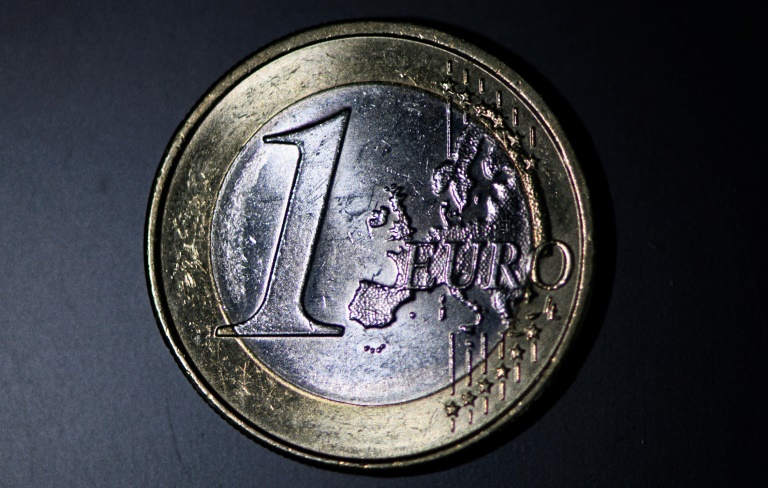
Meanwhile, the euro rallied against the dollar as traders looked ahead to a key European Central Bank meeting later this week, while oil gave up some of its strong gains on Monday.

European stocks were higher in afternoon trading, with London up 0.5 percent and both Frankfurt and Paris climbing 0.7 percent.

Wall Street opened higher, with the blue-chip Dow adding 0.7 percent, and the broader S&P 500 and tech-heavy Nasdaq Composite rising more than one percent.

Asian equity indices closed mixed after an overnight sell-off on Wall Street fuelled by fresh recession worries on the Bloomberg report on Apple’s plans.

“Apple put the cat among the pigeons following a media report that it plans to pull back hiring and growth spending next year in anticipation of the possible economic downturn,” noted Richard Hunter, head of markets at Interactive Investor.

Apple’s shares were 0.4 percent up shortly after trading began.

The euro meanwhile jumped around one percent against the dollar, as traders mulled whether the European Central Bank could hike interest rates more than expected to fight runaway inflation.

The ECB has signalled it would raise eurozone interest rates on Thursday for the first time in more than a decade but is under pressure to do more to tackle spiralling prices.

It intends to raise borrowing costs by a quarter point, the first such move since 2011. 

“In all likelihood, the ECB will raise interest rates by 25 basis points this week and follow this up with a 50-basis-point move in September,” noted Matthew Ryan, head of market strategy at financial firm Ebury.

“That said, we do not rule out a 50-basis-point rate hike at this week’s meeting. 

“We have already seen most major central banks deliver bumper rate increases in recent weeks in an attempt to control rampant price growth,” Ryan added.

The Federal Reserve’s aggressive rate tightening this year has sent the dollar soaring against most other currencies in recent weeks.

Last week, the euro fell below parity with the dollar for the first time in nearly 20 years, also on growing fears of a eurozone recession as high inflation hampers growth. 

On Tuesday, the dollar briefly hit a record high above 80 rupees, with the Indian unit hammered by massive outflows of capital as the economy struggles.

While some are predicting inflation may have reached its peak, oil prices — the key driver of soaring costs — remain elevated.

Both main contracts fell Tuesday after rocketing more than five percent Monday on expectations that Saudi Arabia would not open up the taps further, with a plea by US President Joe Biden seeming to have fallen on deaf ears.

Traders were keeping a nervous eye on Europe, where a 10-day maintenance shutdown of the Nord Stream 1 pipeline from Russia is due to end this week.

Many fear Vladimir Putin will keep it shut in retaliation for sanctions imposed on Moscow for invading Ukraine. 

That would deal another blow to the already creaking eurozone economy and could send crude prices soaring.

Supply fears are trumping worries about a demand hit in China from another possible lockdown in Shanghai as officials struggle to contain another Covid-19 outbreak.

– Key figures at around 1330 GMT –

London – FTSE 100: UP 0.5 percent at 7,258.68 points

Frankfurt – DAX: UP 0.7 percent at 13,050.89

Paris – CAC 40: UP 0.7 percent at 6,131.94

EURO STOXX 50: UP 0.7 percent at 3,537.00

New York – Dow: UP 0.7 percent at 31,293.30

Tokyo – Nikkei 225: UP 0.7 percent at 26,961.68 (close)

Hong Kong – Hang Seng Index: DOWN 0.9 percent at 20,661.06 (close)

Shanghai – Composite: FLAT percent at 3,279.43 (close)

Euro/dollar: UP at $1.0246 from $1.0146 on Monday

Pound/dollar: UP at $1.2019 from $1.1950 

Euro/pound: UP at 85.21 pence from 84.88 pence

Dollar/yen: DOWN at 137.49 yen from 138.13 yen

West Texas Intermediate: DOWN 1. percent at $101. per barrel

Brent North Sea crude: DOWN 1. percent at $105. per barrel

burs-rl/bp

Biden sets up sanctions in ramped-up effort on US detainees

President Joe Biden on Tuesday opened the way for sanctions against governments that unjustly imprison Americans and ordered more detailed travel warnings after a series of high-profile detentions.

Biden signed an executive order billed as expanding the set of tools for the US government in what Secretary of State Antony Blinken said was a “relentless” effort to free citizens overseas.

“When Americans are taken captive abroad, we must do everything in our power to secure their release,” Blinken said in a statement.

The move comes after wide media coverage of the detention in Russia on drug charges of basketball star Brittney Griner, whose wife initially said Biden was not doing enough.

The executive order authorizes government agencies to impose financial sanctions or travel bans on foreign officials or non-state actors involved in unjust detentions of Americans.

“Using sanctions may not always help secure someone’s release, so we will therefore be judicious and strategic in our use of this authority,” a US official told reporters on condition of anonymity.

“But the families of those held know their loved ones’ case(s) best, and we intend to hear from them, hear their good ideas and listen to their recommendations,” he said.

The State Department, in its travel advisories for Americans, will also begin to highlight in which nations there is an elevated risk of unjust detention.

The initial group of nations that will bear a “D” mark for detention risk will be China, Iran, Myanmar, North Korea, Russia and Venezuela, another official said.

Successive administrations have made the plight of prisoners and hostages a top priority. 

Despite soaring tensions over the Ukraine war, the Biden administration in April arranged with Russia to swap Trevor Reed, an ex-Marine jailed for allegedly attacking police while drunk, for a Russian pilot convicted of drug smuggling.

In Iran, the Biden administration has insisted it cannot revive a languishing nuclear deal without the release of jailed Americans.

One of them, Siamak Namazi, a businessman convicted on charges he denies of seeking to topple the clerical state, recently spoke out from prison and urged Biden to secure his freedom regardless of nuclear diplomacy.

At least 11 Americans are known to be held in Venezuela, although two others were freed in March after rare US contact with President Nicolas Maduro, a leftist leader considered illegitimate by Washington.

UK breaches 40C for first time as heatwave batters Europe

A fierce heatwave left western Europe sweltering on Tuesday, fuelling ferocious wildfires and stretching emergency services, as it swept north and pushed temperatures in Britain over 40 degrees Celsius (104 degrees Fahrenheit) for the first time.

After the UK’s warmest night on record, the Met Office said 40.2C had been provisionally recorded by lunchtime at Heathrow Airport, in west London, taking the country into uncharted territory.

Britain’s previous all-time temperature record of 38.7C, set in Cambridge in eastern England in 2019, had already been smashed earlier Tuesday.

“For the first time ever, 40 Celsius has provisionally been exceeded in the UK,” the Met Office meteorological agency said, warning “temperatures are still climbing in many places”.

Experts blame climate change for the latest heatwave and note the more frequent extreme weather will only worsen in years to come.

The high temperatures have triggered an unprecedented red alert for extreme heat in much of England, where some rail lines were closed as a precaution and schools shuttered in some areas.

All trains were cancelled from London’s usually busy Kings Cross station, leaving many travellers stranded. 

“It’s a little frustrating,” said American tourist Deborah Byrne, trying to reach Scotland.

But with road surfaces and runways melting and rails buckling, Transport Secretary Grant Shapps conceded much of Britain’s infrastructure “is just not built for this temperature”. 

Tim Wainwright, chief executive of the charity WaterAid, said the situation should be “the wake-up call the world needs to stop climate change from claiming any more lives”. 

– Wildfires –

In France, towns and cities in the country’s west registered their highest-ever temperatures Monday, the national weather office said.

The western region of Brittany — normally cool and often wet in summer — set new record highs Monday above 40C. 

Despite cooler air from the Atlantic offering some respite there Tuesday, dozens of departments remained on orange alert, with temperatures still expected to top 40C in the east and south and violent thunderstorms forecast locally.

The heatwave — the second to engulf parts of Europe in recent weeks — has contributed to deadly wildfires in France, Greece, Portugal and Spain, destroying vast tracts of land.

Firefighters in France’s southwest were still struggling to contain two massive fires that have caused widespread destruction and forced tens of thousands of people to leave their homes.

Nearly 1,700 firefighters from all over the country, supported by significant air resources, are battling the two blazes that have so far burned more than 19,000 hectares (42,000 acres) of forest.

“It’s heartbreaking,” said Patrick Davet, mayor of La Teste-de-Buch, the site of one inferno which has prompted mass evacuations.

“Economically, it’s going to be very difficult for them and very difficult for the town because we are a tourist town, and we need the (tourist) season.”

In Brittany’s Finistere region, hundreds of firefighters, specialised vehicles and waterbombing aircraft were tackling blazes.

– Deaths –

In Spain — nearly 10 days into the latest heatwave — more than a dozen fires continued to rage Tuesday, including in the northwest province of Zamora, which already experienced a huge fire last month.

Known as one of the largest wolf reserves in Europe, it saw nearly 30,000 hectares of land reduced to ashes during the June blaze.

Nearly 6,000 people had to be evacuated from there this week after flames destroyed several thousand hectares of meadows and forests, regional authorities said. 

Rail traffic between Madrid and Galicia, in the northwest, remained suspended after fires on either side of the tracks.

Several people have died in recent days due to the blazes while separately, an office worker in his 50s died from heatstroke in Madrid.

In Portugal, more than 1,400 firefighters were fighting fires in the centre and north of the country, despite a clear drop in temperatures in recent days.

A couple in their 70s died Monday after they ran off the road while trying to escape the flames in their car.

Almost the entire country has been on high alert for wildfires despite a slight drop in temperatures, which last Thursday hit 47C — a record for July.

The fires have already killed two other people, injured around 60 and destroyed between 12,000 and 15,000 hectares of land there.

– Heat –

Elsewhere, temperatures could locally exceed 40C in Belgium near the French border, prompting the Royal Meteorological Institute to issue its highest alert level.

Big state-run museums, primarily in Brussels, took the unusual step of offering free access Tuesday to over-65s to help them stay cool.

In Germany, temperatures were expected to reach up to 40C in the west.

On Monday, two firefighters were injured while beating back a forest fire in a mountainous area in Saxony state.

The hot summer so far has raised fears of drought, with the German Farmers’ Association president warning of “major losses” in food production.

Henning Christ, who grows wheat and other crops in Brandenburg state, told AFP his farm was 20 percent below its average annual yield.

“We’ve had almost no rain for months, coupled with high temperatures,” he said. 

“We have become used to drought and dry periods to some extent, but this year has been very unusual.”

burs-jj/phz/bp

UK breaches 40C for first time as heatwave batters Europe

A fierce heatwave left western Europe sweltering on Tuesday, fuelling ferocious wildfires and stretching emergency services, as it swept north and pushed temperatures in Britain over 40 degrees Celsius (104 degrees Fahrenheit) for the first time.

After the UK’s warmest night on record, the Met Office said 40.2C had been provisionally recorded by lunchtime at Heathrow Airport, in west London, taking the country into uncharted territory.

Britain’s previous all-time temperature record of 38.7C, set in Cambridge in eastern England in 2019, had already been smashed earlier Tuesday.

“For the first time ever, 40 Celsius has provisionally been exceeded in the UK,” the Met Office meteorological agency said, warning “temperatures are still climbing in many places”.

Experts blame climate change for the latest heatwave and note the more frequent extreme weather will only worsen in years to come.

The high temperatures have triggered an unprecedented red alert for extreme heat in much of England, where some rail lines were closed as a precaution and schools shuttered in some areas.

All trains were cancelled from London’s usually busy Kings Cross station, leaving many travellers stranded. 

“It’s a little frustrating,” said American tourist Deborah Byrne, trying to reach Scotland.

But with road surfaces and runways melting and rails buckling, Transport Secretary Grant Shapps conceded much of Britain’s infrastructure “is just not built for this temperature”. 

Tim Wainwright, chief executive of the charity WaterAid, said the situation should be “the wake-up call the world needs to stop climate change from claiming any more lives”. 

– Wildfires –

In France, towns and cities in the country’s west registered their highest-ever temperatures Monday, the national weather office said.

The western region of Brittany — normally cool and often wet in summer — set new record highs Monday above 40C. 

Despite cooler air from the Atlantic offering some respite there Tuesday, dozens of departments remained on orange alert, with temperatures still expected to top 40C in the east and south and violent thunderstorms forecast locally.

The heatwave — the second to engulf parts of Europe in recent weeks — has contributed to deadly wildfires in France, Greece, Portugal and Spain, destroying vast tracts of land.

Firefighters in France’s southwest were still struggling to contain two massive fires that have caused widespread destruction and forced tens of thousands of people to leave their homes.

Nearly 1,700 firefighters from all over the country, supported by significant air resources, are battling the two blazes that have so far burned more than 19,000 hectares (42,000 acres) of forest.

“It’s heartbreaking,” said Patrick Davet, mayor of La Teste-de-Buch, the site of one inferno which has prompted mass evacuations.

“Economically, it’s going to be very difficult for them and very difficult for the town because we are a tourist town, and we need the (tourist) season.”

In Brittany’s Finistere region, hundreds of firefighters, specialised vehicles and waterbombing aircraft were tackling blazes.

– Deaths –

In Spain — nearly 10 days into the latest heatwave — more than a dozen fires continued to rage Tuesday, including in the northwest province of Zamora, which already experienced a huge fire last month.

Known as one of the largest wolf reserves in Europe, it saw nearly 30,000 hectares of land reduced to ashes during the June blaze.

Nearly 6,000 people had to be evacuated from there this week after flames destroyed several thousand hectares of meadows and forests, regional authorities said. 

Rail traffic between Madrid and Galicia, in the northwest, remained suspended after fires on either side of the tracks.

Several people have died in recent days due to the blazes while separately, an office worker in his 50s died from heatstroke in Madrid.

In Portugal, more than 1,400 firefighters were fighting fires in the centre and north of the country, despite a clear drop in temperatures in recent days.

A couple in their 70s died Monday after they ran off the road while trying to escape the flames in their car.

Almost the entire country has been on high alert for wildfires despite a slight drop in temperatures, which last Thursday hit 47C — a record for July.

The fires have already killed two other people, injured around 60 and destroyed between 12,000 and 15,000 hectares of land there.

– Heat –

Elsewhere, temperatures could locally exceed 40C in Belgium near the French border, prompting the Royal Meteorological Institute to issue its highest alert level.

Big state-run museums, primarily in Brussels, took the unusual step of offering free access Tuesday to over-65s to help them stay cool.

In Germany, temperatures were expected to reach up to 40C in the west.

On Monday, two firefighters were injured while beating back a forest fire in a mountainous area in Saxony state.

The hot summer so far has raised fears of drought, with the German Farmers’ Association president warning of “major losses” in food production.

Henning Christ, who grows wheat and other crops in Brandenburg state, told AFP his farm was 20 percent below its average annual yield.

“We’ve had almost no rain for months, coupled with high temperatures,” he said. 

“We have become used to drought and dry periods to some extent, but this year has been very unusual.”

burs-jj/phz/bp

Close Bitnami banner
Bitnami