World

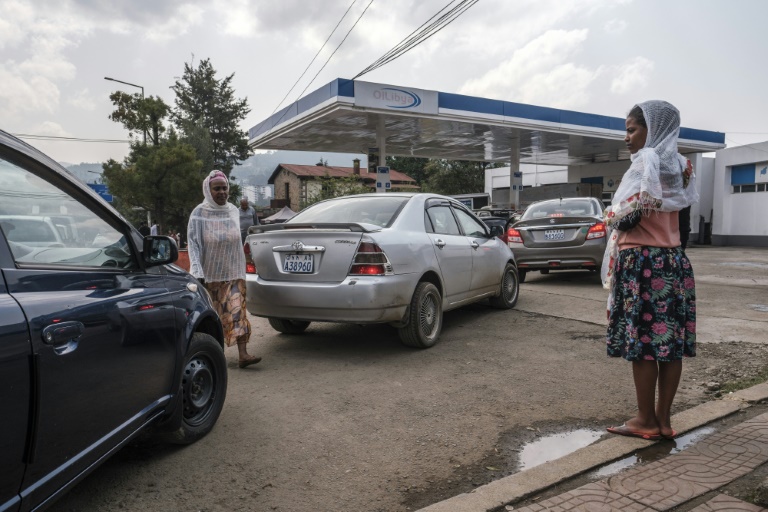
Fuel prices soar in Ethiopia as subsidies cut

Fuel prices soared in Ethiopia on Wednesday after the government reduced subsidies, adding to economic hardship for people already struggling with high inflation.

The price of petrol at the pump jumped almost 30 percent to 48.83 biir (about 94 US cents) while diesel went up almost 40 percent to 49.02 birr under the new price regime that will run to August 6, the trade ministry said.

The federal government plans to lift fuel subsidies progressively, according to the Addis Tribune business newspaper.

Prices of fuel, food and other basic goods have rocketed globally because of the Ukraine war, badly hitting vulnerable countries in Africa and elsewhere.

The trade ministry said the cost of fuel for Ethiopian consumers should be almost double if it was calculated on current global prices.

“But considering the state the country is in, the government is covering 75 percent of the (price) difference while it was decided that the remaining 25 percent would be transferred to consumers,” it said.

The country of more than 110 million people has seen inflation hovering at around 35 percent over the past six months, with food prices in particular registering a sharp rise.

Viva! Spain bull-running fiesta returns after pandemic pause

A red-and-white sea of revellers erupted in celebration Wednesday, dousing each other with wine in a packed Pamplona square as Spain’s most famous bull-running festival returned after a two-year absence due to the pandemic.

The launch of a firecracker known as the “chupinazo” from the balcony of the northern city’s town hall at noon (1000 GMT) marked the official start of the nine-day San Fermin fiesta, kicking off the bedlam.

Thousands of party-goers from around the world — most dressed in the traditional all-white outfit with a red scarf — responded ecstatically, screaming “Viva San Fermin!” and spraying each other with wine.

Despite a light rain falling, the throng cheered wildly as they waved their red scarves in the air and passed giant yellow inflatable balls over their heads as scores looked on from crowded apartment balconies. 

“The rain doesn’t matter. Seeing the square full again is terrific,” said Saioa Guembe Pena, 54-year-old civil servant whose white shirt was stained pink with wine.

The annual festival, made famous by Ernest Hemingway’s 1926 novel “The Sun Also Rises”, was last held in 2019.

Local officials called off the hugely popular event in 2020 and the following year because of the Covid-19 pandemic — the first time the festival was cancelled since Spain’s civil war in the 1930s.

Many revellers started drinking early, sitting at outdoor patios or wandering Pamplona’s narrow, cobbled streets with large bottles of sangria hours before the “chupinazo”.

The festival, which dates back to medieval times, features concerts, religious processions, folk dancing and round-the-clock drinking.

But the highlight is the bracing daily test of courage against a thundering pack of half-tonne, sharp-horned bulls.

Every day at 8:00 am, hundreds of daredevils race with six fighting bulls along an 850-metre (2,800-foot) course from a holding pen to Pamplona’s bull ring, which this year marks its 100th anniversary.

The bravest — or most foolhardy — run as close as possible to the bulls’ horns, preferably without being gored.

The first bull run, which traditionally draws the largest number of participants, is on Thursday.

Dozens of people are hurt every year, although most injuries are caused by runners falling or being trampled by the bulls. 

The last death was in 2009 when a bull gored a 27-year-old Spaniard in the neck, heart and lungs.

European stocks rebound, euro extends dollar slump

European stock markets rebounded on Wednesday, recovering some ground following sharp losses the previous session on fears of a global recession.

Oil prices recovered slightly, but WTI remained under $100 per barrel.

The euro hit a fresh 20-year low point under $1.02 — the European single currency fast closing in on parity as traders eye recession for the eurozone and aggressive interest-rate hikes in the United States to combat decades-high inflation.

“Worries about a big global slowdown are still gripping financial markets and that nervousness is unlikely to dissipate any time soon,” noted Susannah Streeter, senior analyst at Hargreaves Lansdown.

Crude futures had slumped nearly 10 percent Tuesday, while Europe’s main stock markets lost about three percent.

But on Wednesday, London’s benchmark FTSE 100 index was up 1.8 percent around midday — and the pound was mixed against main rivals — after UK Prime Minister Boris Johnson was rocked by the resignation of finance minister Rishi Sunak.

“Political risks do not seem to be having a major impact on UK assets,” noted Markets.com analyst Neil Wilson.

“There are far too many bigger things on our minds right now — inflation, the economy slowing down, strikes.”

Britain is in the midst of nationwide strikes — affecting in particular the transport sector — as wages are eroded by the rocketing inflation.

Britain’s health secretary, Sajid Javid, joined Sunak in resigning Tuesday, with both ministers saying they could no longer tolerate the culture of scandal that has stalked Johnson for months.

The embattled prime minister moved quickly to replace them, picking Iraqi-born Nadhim Zahawi as his new chancellor of the exchequer, who steps up from his role as education minister.

Elsewhere Wednesday, Asian equity markets closed mostly lower amid a fresh flare-up of coronavirus cases in parts of China that has seen some cities locked down as part of officials’ zero-Covid policy.

Investors are meanwhile growing increasingly concerned that sharp interest rate hikes could trigger a global recession.

Sentiment was slightly boosted by speculation that US President Joe Biden could remove some tariffs on Chinese goods.

– Key figures at around 1100 GMT –

London – FTSE 100: UP 1.8 percent at 7,149.18 points

Frankfurt – DAX: UP 1.5 percent at 12,589.97

Paris – CAC 40: UP 1.6 percent at 5,890.19

EURO STOXX 50: UP 1.6 percent at 3,413.27

Tokyo – Nikkei 225: DOWN 1.2 percent at 26,107.65 (close)

Hong Kong – Hang Seng Index: DOWN 1.2 percent at 21,586.66 (close)

Shanghai – Composite: DOWN 1.4 percent at 3,355.35 (close)

New York – Dow: DOWN 0.4 percent 30.967,82 (close)

Euro/dollar: DOWN at $1.0199 from $1.0266 on Tuesday

Euro/pound: DOWN at 85.55 pence from 85.85 pence

Dollar/yen: DOWN at 135.41 yen from 135.87 yen

Pound/dollar: DOWN at $1.1921 from $1.1956

Brent North Sea crude: UP 1.1 percent at $103.91 per barrel

West Texas Intermediate: UP 0.3 percent at $99.76 per barrel

S.Africa honours 21 youngsters killed in tavern tragedy

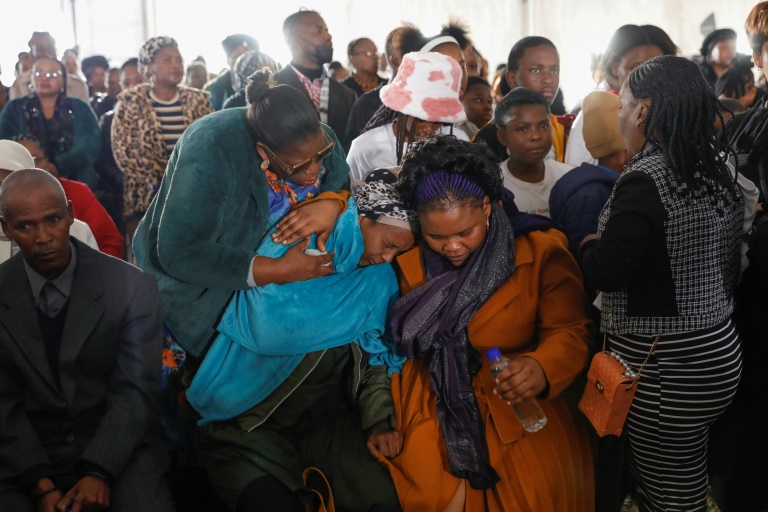
South Africa bade an emotional farewell on Wednesday to 21 people, mostly teens, who died in unclear circumstances at a township tavern last month, in an incident that deeply shook the nation.

President Cyril Ramaphosa joined more than a thousand people at a memorial service at a stadium in Scenery Park, a township in the coastal city of East London, where empty coffins were laid out to symbolise the loss.

Eleven days after the bodies were discovered in the Enyobeni tavern, the cause of the deaths remains a riddle. 

The police are yet to wrap up their investigation, although officials have ruled out a stampede, and autopsy results are still to be made public. 

“Somebody, somewhere must answer” for the tragedy, Police Minister Bheki Cele declared at the memorial service

Scores of mourners filled a large marquee where 19 coffins were laid out, and hundreds more people gathered outside to follow the ceremony. 

Some broke down in tears, while others chanted prayers as a police band played the national anthem. 

Undertakers said the caskets were empty. One family expected to bury their child after the service and the others would be buried later this week. Two of the victims had already been laid to rest, according to local media. 

The youngsters died in what survivors have described as a battle to escape the jam-packed venue, with one reporting a suffocating smell. 

The grim discovery of their bodies was made on June 26.

The youngest was just 14 years and the oldest 20, according to birthdates listed on the memorial official programme distributed on Wednesday.

Cele had previously said the youngest was 13 and the oldest 17.

The fatalities bore no visible signs of injury and officials have ruled out a stampede as the cause of death. 

– ‘Hope of our nation’ –

“As a nation we are hurt by what happened,” Oscar Mabuyane, the head of the Eastern Cape province where East London is located, said in an address. 

“(The) young people we are here to bury were the hope of their families and by extension the hope of our nation.” 

Drinking in South Africa is permitted for over-18s.

But in township taverns, which are often located close to family homes, safety regulations and drinking-age laws are not always enforced.

The tragedy has sparked calls for change. 

“Alcohol… should never be a form of entertainment for our kids,” Lucky Ntimane, national convenor of the National Liquor Traders Association told the memorial service. 

Nolitha Tsangani, a Scenery Park resident who lives near the Enyobeni tavern, said blame for the tragedy should be shared.

“We are all wrong… the parent is wrong, the child who is dead, I am sorry to say, is wrong,” she told AFP, as she also pointed the finger of blame at the tavern owner and the police.

Pakistan climbing season reaches new heights

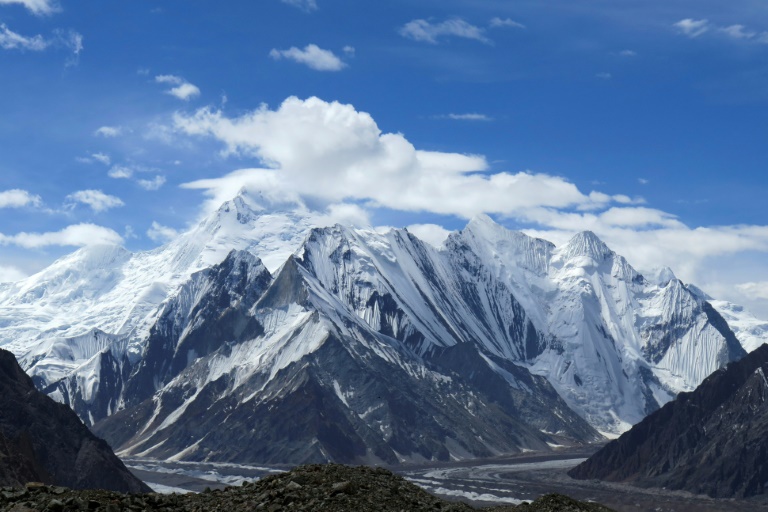
Pakistan is enjoying a bumper climbing season with around 1,400 foreign mountaineers bidding to scale its lofty peaks — including hundreds on the 8,611-metre (28,251-feet) K2, the world’s second highest.

“It is a record number,” Raja Nasir Ali Khan, tourism minister of Gilgit-Baltistan region, told AFP.

The country is home to five of the world’s 14 mountains higher than 8,000 metres, and climbing them all is considered the ultimate achievement of any mountaineer.

Karrar Haidri, secretary of the Alpine Club of Pakistan, told AFP there were 57 expeditions planned for 23 Pakistan peaks this season — with 370 climbers having a crack at K2, known as “the savage mountain”.

Besides being far more technically difficult to climb than Everest, weather conditions are notoriously fickle on K2, which has only being scaled by 425 people since 1954.

More than 6,000 people have climbed Everest since Edmund Hillary and Tenzing Norgay first reached the top in 1953 — some of them multiple times.

Haidri said climbers this year include 90 women — including at least two Pakistanis aiming to become the country’s first to scale K2.

Russian Oxana Morneva is leading a team on the mountain, having failed in her own attempt in 2012 when she was forced back after injuring her knee.

“My rope was broken by falling rocks,” she told AFP.

She said she had no apprehension about returning.

“When we go to the mountain we have to be peaceful inside, and we have to know what we are doing,” she added.

Around 200 climbers will attempt to scale the 8,051-metre Broad Peak, while similar numbers will try Gasherbrum-I (8,080 metres) and Gasherbrum-II (8,035 metres).

A 36-year-old Norwegian climber, Kristin Harila, is also aiming to reach the world’s 14 highest mountain summits in record time.

Having already climbed seven peaks of over 8,000 metres, Harila hopes to match, if not beat, Nepali adventurer Nirmal Purja’s ambitious six months and six days record.

The summer climbing season that started in early June lasts until late August.

Fresh Covid outbreaks put millions under lockdown in China

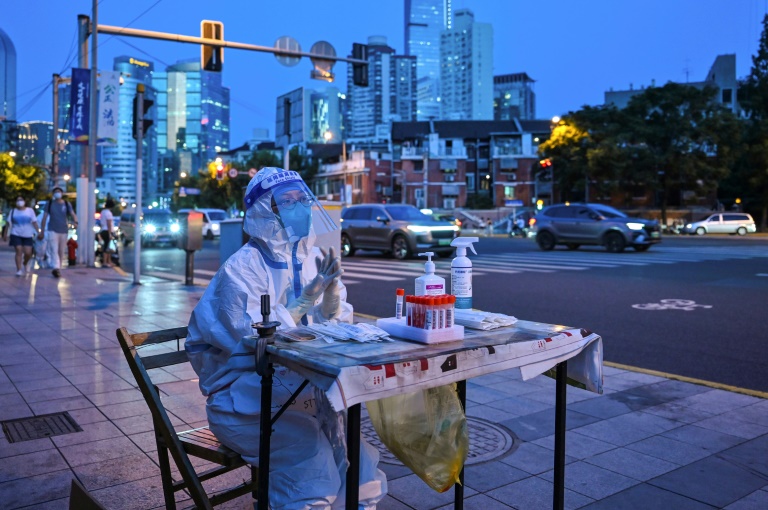
Tens of millions of people were under lockdown across China on Wednesday and businesses in a major tourist city were forced to close as fresh Covid-19 clusters sparked fears of wider restrictions.

Chinese health authorities have reported more than 300 infections in the historic northern city of Xi’an — home to the Terracotta Army — with new clusters found in Shanghai, Beijing and elsewhere.

The outbreaks and official response have dashed hopes that China would move away from the strict virus curbs seen earlier this year, when its hardline zero-Covid policy saw tens of millions forced to stay home for weeks.

In Shanghai, some social media users reported receiving government food rations — a throwback to the months-long confinement forced on the city’s residents earlier this year.

“I’m so nervous, the epidemic has destroyed my youth,” posted a Shanghai-based user on Weibo.

Officials launched a new round of mass testing in more than half of the city’s districts after a rebound in cases since the weekend. All karaoke bars were closed Wednesday after some infections were linked to six venues.

“I think this is unnecessary, and I don’t really want to do it,” Shanghai resident Alice Chan told AFP.

She said she took part in the latest testing round over fears that her smartphone-stored health code, which is used to access public spaces, might otherwise flag her as a Covid risk.

“I think the situation won’t improve in the short term,” said another resident, who gave his name as Yao.

“People now aren’t really scared of Covid anymore, they’re scared of being locked down in their homes.”

– ‘Temporary control’ –

Japanese bank Nomura has estimated that at least 114 million people were under full or partial lockdowns nationwide as of Monday, a sharp jump from last week’s 66.7 million.

The recent resurgences pose a fresh challenge for President Xi Jinping, who last week reaffirmed his commitment to the zero-Covid strategy despite the mounting economic cost.

In Xi’an — a city of 13 million that endured a month-long lockdown last year — the population was placed under “temporary control measures” after 29 infections were found since Saturday, mostly among recycling workers.

The city government said it will close entertainment venues including pubs, internet cafes and karaoke bars from midnight on Wednesday.

State media showed Xi’an residents queuing up for tests past midnight Tuesday but said the city was not under lockdown.

Officials have blamed the outbreak on a subvariant of Omicron, which is more transmissible and immune evasive.

“The positive infections are all the BA.5.2 branch of the Omicron variant, and epidemiological tracing work is still in full swing,” Xi’an health official Ma Chaofeng said at a briefing.

In Beijing, officials said Wednesday that the BA.5.2 branch has also been detected in the capital, but stressed the outbreak remains “controllable”.

But the city will tighten vaccination requirements from July 11, health official Li Ang told reporters.

Visitors to places including museums, sports centres, libraries and cinemas must be vaccinated unless exempt, Li said.

The city is also pushing to get more retirees vaccinated, saying those who visit centres for the elderly must be jabbed as soon as possible.

China’s biggest cluster is in the central province of Anhui, where more than 1,000 infections have been reported since last week.

Dozens of cases have also been recorded in Jiangsu province, neighbouring Shanghai, threatening the Yangtze Delta manufacturing region.

“A resurgence of Omicron is not an issue in most other countries, but it remains a predominant issue for the Chinese economy,” warned Ting Lu, Chief China Economist at Nomura.

OPEC secretary general Barkindo dies unexpectedly at 63

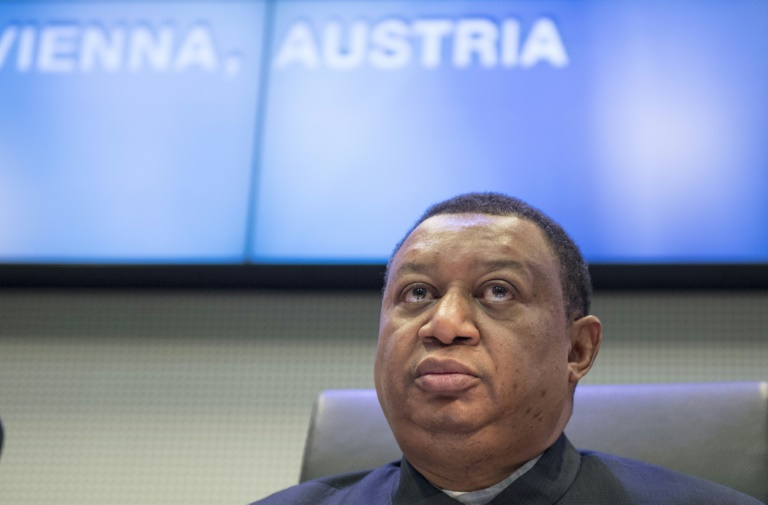
OPEC Secretary General, Nigeria’s Mohammad Barkindo, has died unexpectedly at the age of 63, it was announced on Wednesday, leaving the oil cartel without a head at a tumultuous time for the markets.

Barkindo had headed the Organization of the Petroleum Exporting Countries since 2016 and was scheduled to be replaced by Kuwait’s Haitham Al-Ghais next month. 

Under his stewardship, the cartel forged ties with 10 other oil-producing countries, such as Russia, to form a wider group known as OPEC+ in a bid to better tame global oil prices, rocked by the challenges of the coronavirus pandemic and more recently the war in Ukraine.  

“We lost our esteemed Dr (Mohammad) Sanusi Barkindo. He died at about 11:00 pm yesterday 5th July 2022,” the Nigerian National Petroleum Corporation’s chief executive Mele Kyari tweeted, without providing any further details about the circumstances of Barkindo’s death.

“Certainly a great loss to his immediate family, the NNPC, our country Nigeria, the OPEC and the global energy community. Burial arrangements will be announced shortly,” Kyari wrote.

“This tragedy is a shock to the OPEC Family,” Vienna-based OPEC tweeted.

“We express our sorrow and deep gratitude for the over 40 years of selfless service that… Barkindo gave to OPEC. His dedication and leadership will inspire OPEC for many years to come.”

Only a few hours earlier, Barkindo — who had not shown any sign of being ill — had met Nigerian president Muhammadu Buhari in Abuja, where Buhari praised Barkindo’s “distinguished achievements at OPEC. 

– ‘Trailblazer’ –

“You were able to successfully navigate the organisation through turbulent challenges,” Buhari had said.

In a statement, OPEC expressed its “immense sorrow and sadness” at the news, describing Barkindo as “a trailblazer widely admired and respected throughout the globe. A dear friend to many.”

Born on April 20, 1959, Barkindo graduated in political science and completed his studies in Oxford and Washington. 

He became Nigeria’s representative at OPEC in 1986. Starting from 1992 he occupied a number of positions within NNPC, and took over as the oil major’s chief executive in 2009/10. 

The OPEC secretary general does not wield any executive power, but is the cartel’s public face and frequently has to act as a diplomat to bring together the different, sometimes conflicting interests of the various member countries.  

For analysts, Barkindo’s death will not have an impact on OPEC’s strategy in the long-term.

“But in the short-to-medium run, it will increase uncertainty about OPEC’s next steps and add to the price volatility as he was a figure of unity for OPEC,” said Swissquote analyst, Ipek Ozkardeskaya. 

Spi Asset Management analyst, Stephen Innes, described Barkindo as “a very important figurehead and a stabilising force behind OPEC. 

“But his death is unlikely to change OPEC direction despite more outside politics entering the picture,” the expert said, predicting that his successor, Haitham Al-Ghais “augurs for the status quo given Kuwait close ties with Saudi Arabia, which wields the most influence” within the group.

OPEC secretary general Barkindo dies unexpectedly at 63

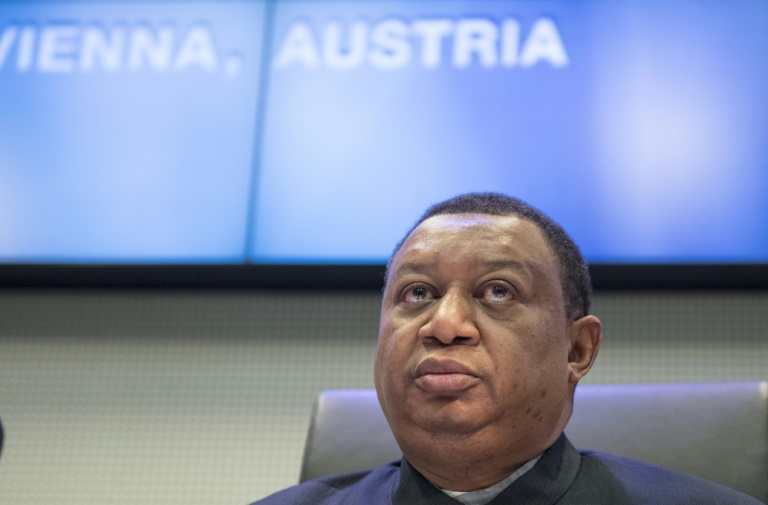
OPEC Secretary General, Nigeria’s Mohammad Barkindo, has died unexpectedly at the age of 63, it was announced on Wednesday, leaving the oil cartel without a head at a tumultuous time for the markets.

Barkindo had headed the Organization of the Petroleum Exporting Countries since 2016 and was scheduled to be replaced by Kuwait’s Haitham Al-Ghais next month. 

Under his stewardship, the cartel forged ties with 10 other oil-producing countries, such as Russia, to form a wider group known as OPEC+ in a bid to better tame global oil prices, rocked by the challenges of the coronavirus pandemic and more recently the war in Ukraine.  

“We lost our esteemed Dr (Mohammad) Sanusi Barkindo. He died at about 11:00 pm yesterday 5th July 2022,” the Nigerian National Petroleum Corporation’s chief executive Mele Kyari tweeted, without providing any further details about the circumstances of Barkindo’s death.

“Certainly a great loss to his immediate family, the NNPC, our country Nigeria, the OPEC and the global energy community. Burial arrangements will be announced shortly,” Kyari wrote.

“This tragedy is a shock to the OPEC Family,” Vienna-based OPEC tweeted.

“We express our sorrow and deep gratitude for the over 40 years of selfless service that… Barkindo gave to OPEC. His dedication and leadership will inspire OPEC for many years to come.”

Only a few hours earlier, Barkindo — who had not shown any sign of being ill — had met Nigerian president Muhammadu Buhari in Abuja, where Buhari praised Barkindo’s “distinguished achievements at OPEC. 

– ‘Trailblazer’ –

“You were able to successfully navigate the organisation through turbulent challenges,” Buhari had said.

In a statement, OPEC expressed its “immense sorrow and sadness” at the news, describing Barkindo as “a trailblazer widely admired and respected throughout the globe. A dear friend to many.”

Born on April 20, 1959, Barkindo graduated in political science and completed his studies in Oxford and Washington. 

He became Nigeria’s representative at OPEC in 1986. Starting from 1992 he occupied a number of positions within NNPC, and took over as the oil major’s chief executive in 2009/10. 

The OPEC secretary general does not wield any executive power, but is the cartel’s public face and frequently has to act as a diplomat to bring together the different, sometimes conflicting interests of the various member countries.  

For analysts, Barkindo’s death will not have an impact on OPEC’s strategy in the long-term.

“But in the short-to-medium run, it will increase uncertainty about OPEC’s next steps and add to the price volatility as he was a figure of unity for OPEC,” said Swissquote analyst, Ipek Ozkardeskaya. 

Spi Asset Management analyst, Stephen Innes, described Barkindo as “a very important figurehead and a stabilising force behind OPEC. 

“But his death is unlikely to change OPEC direction despite more outside politics entering the picture,” the expert said, predicting that his successor, Haitham Al-Ghais “augurs for the status quo given Kuwait close ties with Saudi Arabia, which wields the most influence” within the group.

Monsoon rains kill 77 in Pakistan

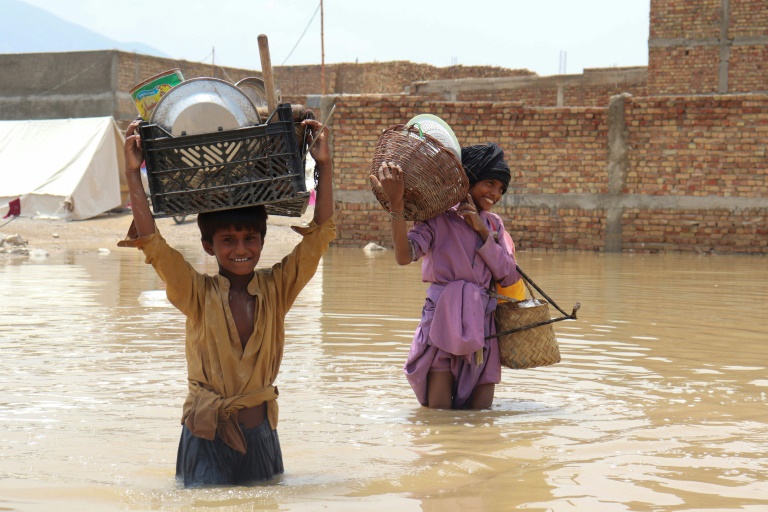
At least 77 people have died in monsoon rains lashing Pakistan, the country’s climate change minister said Wednesday, warning more heavier-than-usual downpours lay ahead.

“For me, it’s a national tragedy,” Sherry Rehman told a news conference in the capital, adding the toll was taken from June 14, when the monsoon started.

“When people die like that, it’s not a small thing… It is just the beginning. We have to prepare for it.”

Most of the deaths were in the southwestern province of Balochistan, where 39 people drowned or were electrocuted by downed power lines.

The monsoon, which usually lasts from June to September, is essential for irrigating crops and replenishing lakes and dams across the Indian subcontinent, but each year also brings a wave of destruction.

Poorly built homes across Pakistan — particularly in rural areas — are prone to collapse in floods, which also destroy huge tracts of prime farmland.

The worst floods of recent times were in 2010 — covering almost a fifth of the country’s landmass — killing nearly 2,000 people and displacing 20 million.

Pakistan is the eighth most vulnerable country to extreme weather caused by climate change, according to the Global Climate Risk Index compiled by environmental NGO Germanwatch.

“One day you have drought and next morning you are expecting flash flood… so you can see how serious the situation is in Pakistan”, Rehman said.

Monsoon rains kill 77 in Pakistan

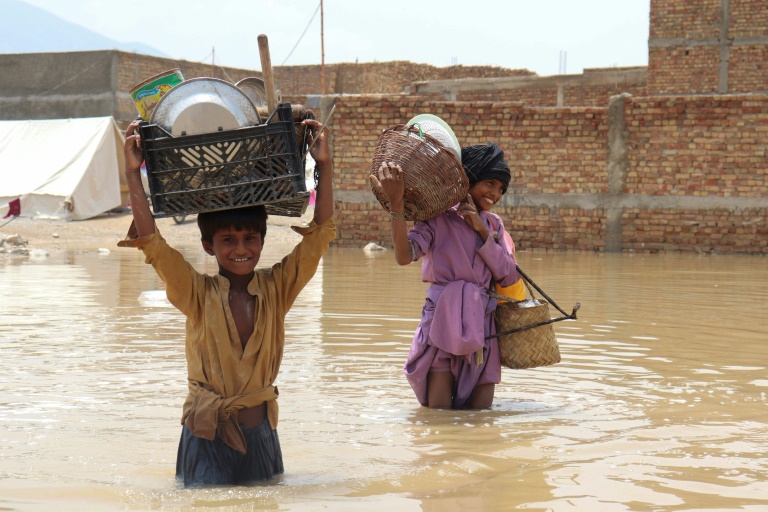
At least 77 people have died in monsoon rains lashing Pakistan, the country’s climate change minister said Wednesday, warning more heavier-than-usual downpours lay ahead.

“For me, it’s a national tragedy,” Sherry Rehman told a news conference in the capital, adding the toll was taken from June 14, when the monsoon started.

“When people die like that, it’s not a small thing… It is just the beginning. We have to prepare for it.”

Most of the deaths were in the southwestern province of Balochistan, where 39 people drowned or were electrocuted by downed power lines.

The monsoon, which usually lasts from June to September, is essential for irrigating crops and replenishing lakes and dams across the Indian subcontinent, but each year also brings a wave of destruction.

Poorly built homes across Pakistan — particularly in rural areas — are prone to collapse in floods, which also destroy huge tracts of prime farmland.

The worst floods of recent times were in 2010 — covering almost a fifth of the country’s landmass — killing nearly 2,000 people and displacing 20 million.

Pakistan is the eighth most vulnerable country to extreme weather caused by climate change, according to the Global Climate Risk Index compiled by environmental NGO Germanwatch.

“One day you have drought and next morning you are expecting flash flood… so you can see how serious the situation is in Pakistan”, Rehman said.

Close Bitnami banner
Bitnami