World

Store workers vote to form first US Apple union

A majority of employees at a US Apple store have voted to form the tech giant’s first union, in the wake of similar unionization drives at Starbucks and Amazon locations.

Of the 110 employees at the Towson, Maryland shop, 65 voted in favor and 33 against, according to a live count broadcast Saturday by the federal agency overseeing the vote.

The vote comes after a group of employees called AppleCORE (Coalition of Organized Retail Employees) campaigned for unionization, demanding a say in deciding on wages, hours and safety measures. 

“We did it Towson! We won our union vote! Thanks to all who worked so hard and all who supported! Now we celebrate… Tomorrow we keep organizing,” AppleCORE tweeted.

Saturday’s result means that the shop’s employees, who have been voting since Wednesday, should form their own branch of the International Association of Machinists and Aerospace Workers (IAM) union, once the agency has certified the results. 

Saturday’s vote result follows several symbolic victories — including among workers for giants such as Amazon and Starbucks — by the country’s unions, on the decline for decades, to which President Joe Biden has lent his support. 

It was not the first time employees at an Apple store have tried to unionize, but it was the first attempt that resulted in a vote. 

Apple’s director of distribution and human resources, Deirdre O’Brien, visited the shop in May to address employees.

“I want to start out by saying it’s your right to join a union, but it’s equally your right not to join a union,” O’Brien said, according to audio published by Vice. 

“If you’re faced with that decision, I want to encourage you to consult a wide range of people and sources to understand what it could be like to work at Apple under a collective bargaining agreement.” 

The presence of an intermediary would complicate relations between Apple and its employees, she said.

“I’m worried about what it would mean to put another organization in the middle of our relationship, an organization that does not have a deep understanding of Apple or our business,” O’Brien said. 

“And most importantly, one that I do not believe shares our commitment to you.”

– ‘Courage’ –

The vote comes in wake of a broader unionization push at some of the United States’ biggest companies. 

After a union was formed at two Starbucks coffee shops in December in the northern city of Buffalo, employees at more than 160 of the chain’s locations have filed for similar votes. 

At Amazon, employees at a New York warehouse surprised everyone in early April by voting overwhelmingly to form a union, a first for the online retail colossus in the United States.

But the company has asked for the result to be cancelled and a second vote to be held. 

Apple declined to comment on the news when reached by AFP.

The IAM union slammed the Silicon Valley giant’s efforts to discourage employees from voting yes. 

A video from the group, released by pro-union media outlet More Perfect Union, shows AppleCORE supporters in Maryland accusing the company of “union-busting” tactics, including “intimidation,” which the employees called “disgusting.”

IAM International President Robert Martinez Jr said he applauded the workers’ “courage.”

“They made a huge sacrifice for thousands of Apple employees across the nation who had all eyes on this election,” he said in a statement. “I ask Apple CEO Tim Cook to respect the election results and fast-track a first contract for the dedicated IAM CORE Apple employees in Towson.”

“This victory shows the growing demand for unions at Apple stores and different industries across our nation.”


The battle to build a child-friendly metaverse

As a young woman straps on her vest and headset and becomes immersed in a virtual world, Mainak Chaudhuri talks excitedly about the potential of the technology.

“This is the first step towards the metaverse,” Chaudhuri of French start-up Actronika told AFP at this week’s VivaTech trade show in Paris.

The vest can give users the sensation of being buffeted by the wind or even feel a monster’s breath on their back, and it can be used to enhance movie watching, education or gaming.

It is a family-friendly vision of the 3D immersive internet, now widely known as the metaverse, and sits well with some interactive experiences already widely available for children — like virtual trips to museums.

But campaigners and experts are increasingly warning that the wider ecosystem needs to start acting on child safety to ensure the benign vision is realised.

“The biggest challenge is kids are getting exposed to content that is not intended for them,” said Kavya Pearlman, whose NGO XR Safety Initiative campaigns to ensure immersive technology will be safe for everyone.

The problems she envisages range from children being exposed to sexual and violent material, to worries over young people being used as content creators or having inappropriate contact with adults.

Even though the metaverse has not yet been widely adopted and the technology is still in development, early users have already brought to light serious issues.

One woman’s allegation that her avatar was sexually assaulted in the metaverse sparked global outrage.

Worries about the future of the technology have only grown as the economic opportunities have become clearer.

– ‘Colossal’ money –

Metaverse-linked investments topped $50 billion last year, according to research firm McKinsey, which predicts the figure could more than double this year. 

“We’re talking about absolutely colossal amounts of money, that’s three times more than the investment in artificial intelligence in 2017,” McKinsey partner Eric Hazan told AFP. 

Chief among the investors is tech giant Meta, which owns the likes of Instagram, Facebook and WhatsApp.

The firm has already rolled out measures to give parents more control over the content their children interact with while using VR headsets.

Meta and many of its competitors market immersive products with a lower age limit of 13 — though it is widely accepted that younger children will use the tech.

Pearlman raises a broader concern that very little is known about the possible effects on young people’s development.

“Organisations have not yet validated these experiences from a scientific perspective,” she said.

“Yet they are allowing kids to be exposed to these new technologies, practically experimenting on children’s developing brains.”

The metaverse has shifted the paradigm, according to Valentino Megale, a neuropharmacologist who researches the issue.

While the public has so far merely consumed what others have created, in the metaverse “we are going to be part of the digital content”, he said.

“This makes everything that we experience in that world more compelling,” he told the RightsCon digital rights conference last week, adding that it was particularly true for children. 

Experts worry that the industry needs scrutiny before the rot sets in.

– ‘Ethical basis’ –

The solution, they argue, is to make sure the builders of these new virtual worlds instil child protection measures into the ethos of their work.

In other words, each piece of software and hardware should be constructed on the understanding that children might use it and will need safeguarding.

“We are potentially going to have a huge impact on their behaviour, their identity, their emotions, their psychology in the exact moment when they are forming their personality,” said Megale. 

“You need to provide an ethical basis and safety by design from the beginning.”

One of the most controversial areas of product design is the kind of suit that will allow users to feel all sorts of sensations — even pain.

Such suits are already being manufactured, simulating pain through electric shocks.

The products are intended for military or other professional training.

Chaudhuri said the products developed by his firm Actronika use vibrations rather than electric shocks and were perfectly safe for anyone to use.

“We’re about engaging the audience and not necessarily doing a real-time firefighting scenario or a battlefield scenario,” he said.

“We don’t cause pain.”

The battle to build a child-friendly metaverse

As a young woman straps on her vest and headset and becomes immersed in a virtual world, Mainak Chaudhuri talks excitedly about the potential of the technology.

“This is the first step towards the metaverse,” Chaudhuri of French start-up Actronika told AFP at this week’s VivaTech trade show in Paris.

The vest can give users the sensation of being buffeted by the wind or even feel a monster’s breath on their back, and it can be used to enhance movie watching, education or gaming.

It is a family-friendly vision of the 3D immersive internet, now widely known as the metaverse, and sits well with some interactive experiences already widely available for children — like virtual trips to museums.

But campaigners and experts are increasingly warning that the wider ecosystem needs to start acting on child safety to ensure the benign vision is realised.

“The biggest challenge is kids are getting exposed to content that is not intended for them,” said Kavya Pearlman, whose NGO XR Safety Initiative campaigns to ensure immersive technology will be safe for everyone.

The problems she envisages range from children being exposed to sexual and violent material, to worries over young people being used as content creators or having inappropriate contact with adults.

Even though the metaverse has not yet been widely adopted and the technology is still in development, early users have already brought to light serious issues.

One woman’s allegation that her avatar was sexually assaulted in the metaverse sparked global outrage.

Worries about the future of the technology have only grown as the economic opportunities have become clearer.

– ‘Colossal’ money –

Metaverse-linked investments topped $50 billion last year, according to research firm McKinsey, which predicts the figure could more than double this year. 

“We’re talking about absolutely colossal amounts of money, that’s three times more than the investment in artificial intelligence in 2017,” McKinsey partner Eric Hazan told AFP. 

Chief among the investors is tech giant Meta, which owns the likes of Instagram, Facebook and WhatsApp.

The firm has already rolled out measures to give parents more control over the content their children interact with while using VR headsets.

Meta and many of its competitors market immersive products with a lower age limit of 13 — though it is widely accepted that younger children will use the tech.

Pearlman raises a broader concern that very little is known about the possible effects on young people’s development.

“Organisations have not yet validated these experiences from a scientific perspective,” she said.

“Yet they are allowing kids to be exposed to these new technologies, practically experimenting on children’s developing brains.”

The metaverse has shifted the paradigm, according to Valentino Megale, a neuropharmacologist who researches the issue.

While the public has so far merely consumed what others have created, in the metaverse “we are going to be part of the digital content”, he said.

“This makes everything that we experience in that world more compelling,” he told the RightsCon digital rights conference last week, adding that it was particularly true for children. 

Experts worry that the industry needs scrutiny before the rot sets in.

– ‘Ethical basis’ –

The solution, they argue, is to make sure the builders of these new virtual worlds instil child protection measures into the ethos of their work.

In other words, each piece of software and hardware should be constructed on the understanding that children might use it and will need safeguarding.

“We are potentially going to have a huge impact on their behaviour, their identity, their emotions, their psychology in the exact moment when they are forming their personality,” said Megale. 

“You need to provide an ethical basis and safety by design from the beginning.”

One of the most controversial areas of product design is the kind of suit that will allow users to feel all sorts of sensations — even pain.

Such suits are already being manufactured, simulating pain through electric shocks.

The products are intended for military or other professional training.

Chaudhuri said the products developed by his firm Actronika use vibrations rather than electric shocks and were perfectly safe for anyone to use.

“We’re about engaging the audience and not necessarily doing a real-time firefighting scenario or a battlefield scenario,” he said.

“We don’t cause pain.”

Europe swelters in record-breaking June heatwave

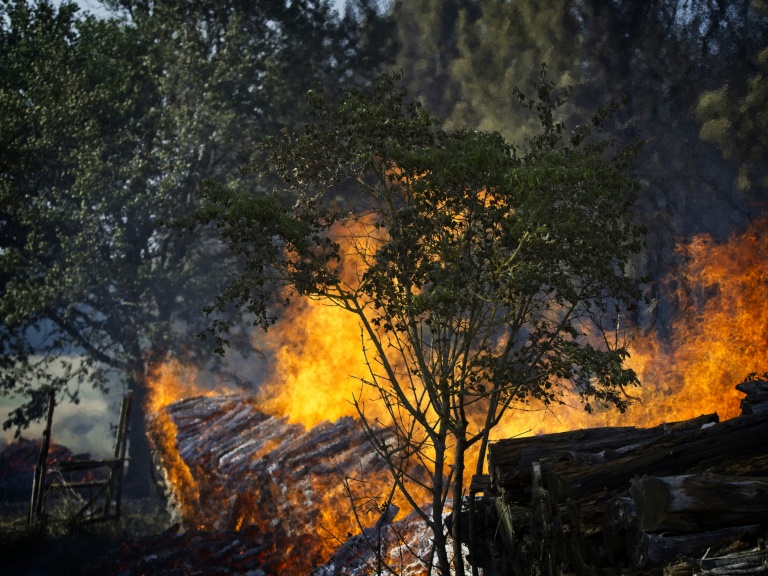
Spain, France and other western European nations sweltered over the weekend under a blistering June heatwave that has sparked forest fires and concerns such early summer blasts of hot weather will now become the norm.

The weekend’s soaring temperatures were the peak of a June heatwave in line with scientists’ predictions that such phenomena will now strike earlier in the year thanks to global warming.

The popular French southwestern seaside resort of Biarritz saw its highest all-time temperature Saturday afternoon of 42.9 degrees Celsius (109.2 degrees Fahrenheit) state forecaster Meteo France said as authorities urged vigilance from the central western coast down to the Spanish border.

Many parts of the region surpassed 40C, although storms were expected on the Atlantic coast on Sunday evening — the first signs that the stifling temperatures will “gradually regress to concern only the eastern part of the country,” the weather service reported.  

The baking heat failed to put off heavy metal aficionados attending the Hellfest festival at Clisson on the outskirts of the western city of Nantes, where temperatures soared beyond 40C.

Those who found the energy to headbang to the music were grateful for several water fountains on hand which sprayed them periodically.

Queues of hundreds of people and traffic jams formed outside aquatic leisure parks in France, with people seeing water as the only refuge from the devastating heat.

With the River Seine off limits to bathing, scorched Parisians took refuge in the city’s fountains.   

And at Vincennes Zoo in the capital’s outskirts, shaggy-haired lions licked and pawed at frozen blood fed to them by zookeepers, who monitored the enclosure’s animals for signs of dehydration under the scorching sun.

“This is the earliest heatwave ever recorded in France” since 1947, said Matthieu Sorel, a climatologist at Meteo France, as June records fell in a dozen areas, leading him to call the weather a “marker of climate change”.

– Forest fires rage –

In a major incident in France, a fire triggered by the firing of an artillery shell in military training in the Var region of southern France was burning some 200 hectares (495 acres) of vegetation, local authorities said.

“There is no threat to anyone except 2,500 sheep who are being evacuated and taken to safety,” said local fire brigade chief Olivier Pecot.

The fire came from the Canjeurs military camp, the biggest such training site in Western Europe.

Fire services’ work was impeded by the presence of non-exploded munitions in the deserted area, but four Canadair planes were deployed to water bomb the fires.

Farmers in the country are having to adapt.

Daniel Toffaloni, a 60-year-old farmer near the southern city of Perpignan, now only works from “daybreak until 11:30 am” and in the evening, as temperatures in his tomato greenhouses reach a sizzling 55C. 

Forest fires in Spain on Saturday had burned nearly 20,000 hectares (50,000 acres) of land in the northwest Sierra de la Culebra region.

The flames forced several hundred people from their homes, and 14 villages were evacuated.

Some residents were able to return on Saturday morning, but regional authorities warned the fire “remains active”.

Firefighters were still battling blazes in several other regions, including woodlands in Catalonia. 

Temperatures above 40C were forecast in parts of the country on Saturday — with highs of 43C expected in the northeastern city of Zaragoza.

There have also been fires in Germany, where temperatures were forecast to go as high as 40C on Saturday but only reached 36C. A blaze in the Brandenburg region around Berlin had spread over about 60 hectares by Friday evening.

– Foretaste of future –

The UK recorded its hottest day of the year on Friday, with temperatures reaching over 30C in the early afternoon, meteorologists said. 

“I think at the moment people are just enjoying it being hot but if it gets any hotter than this, which I think it is meant to, then that’s a concern,” said Claire Moran, an editor in London.

Several towns in northern Italy have announced water rationing and the Lombardy region may declare a state of emergency as a record drought threatens harvests.

Italy’s dairy cows were putting out 10 percent less milk, the main agricultural association, Coldiretti, said Saturday. 

With temperatures far above the cows’ “ideal climate” of 22-24C, animals were drinking up to 140 litres of water per day, double their normal intake, and producing less due to stress, it said.

Experts warned the high temperatures were caused by worrying climate change trends.  

“As a result of climate change, heatwaves are starting earlier,” said Clare Nullis, a spokeswoman for the World Meteorological Organization in Geneva.

“What we’re witnessing today is unfortunately a foretaste of the future” if concentrations of greenhouse gases in the atmosphere continue to rise and push global warming towards 2C from pre-industrial levels, she added.

Inflation, subsidy reform hit stomachs in isolated Iran

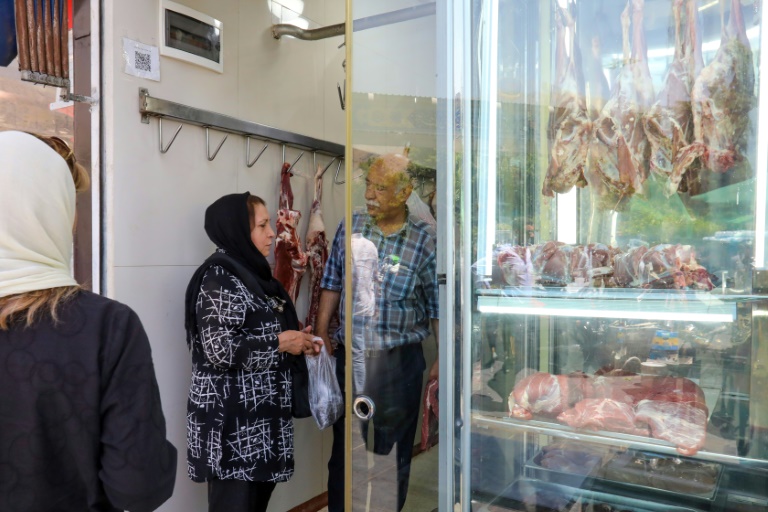
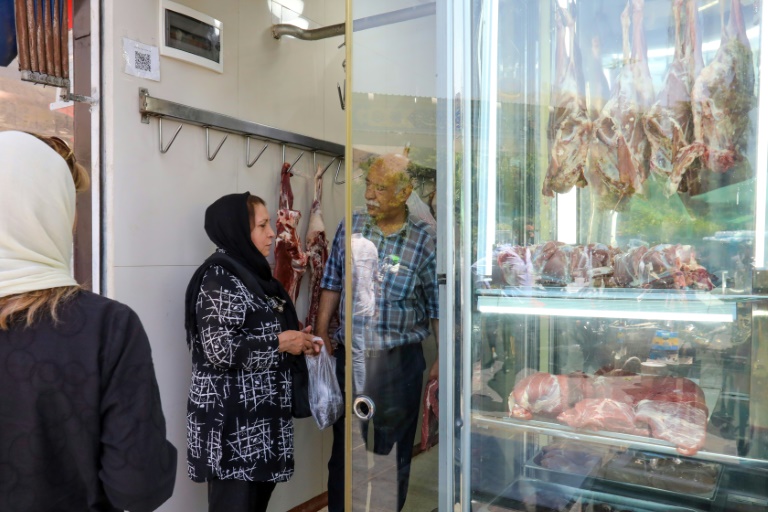
Outside his butchery in the south of Iran’s capital, Ali cuts up a sheep carcass for customers who, like him, have seen inflation and subsidy reform devour their purchasing power.

“My sales have fallen significantly — almost by half,” Ali, 50, told AFP.

“What can I say? I am a butcher and you may not believe me, but sometimes I don’t eat meat for a week,” he added. “Everything has gone up in price.”

Inflation is making an unwelcome comeback globally — stoked by high energy and food prices, driven largely by Russia’s invasion of Ukraine, a major wheat producer, and by related sanctions on Moscow.

But Iran has been wrestling with rampant price growth for years, exceeding 30 percent annually every year since 2018, according to the International Monetary Fund.

That was the year US president Donald Trump yanked Washington out of a nuclear deal between Iran and world powers and began reimposing biting sanctions, sending the currency into a tailspin even before he unilaterally banned Iran’s oil exports.

Negotiations over the last year or so have sought to bring the US — under Trump’s successor Joe Biden — back inside the deal and convince Tehran to re-adhere to nuclear commitments it has progressively walked away from.

But those ever-delicate efforts have been deadlocked since March, and an escalating spat between Iran and the UN’s nuclear watchdog could reduce chances of reviving the agreement.

– Subsidy cuts compound misery –

After dividing the cuts of meat, Ali hands Asghar, a retired government employee, a plastic bag containing enough for him and his wife.

“The price of everything has gone up, including meat,” lamented Asghar, 63.

“We used to buy more. Now everyone is buying less — everyone is under pressure.”

Economic analyst Saeed Laylaz believes price growth in Iran has exceeded 40 percent annually since 2018 — higher than that calculated by the IMF.

It has lately been fuelled further, he says, by “the sharp increase in global inflation” driven by fallout from the war in Ukraine and by Iran’s cash-strapped government in mid-May enacting the “radical reform” of slashing subsidies.

The expert, who has in the past advised Iranian presidents, said the main policy shift by the government of President Ebrahim Raisi was to abolish a subsidised exchange rate for imports of household essentials — wheat, cooking oil and medicine.

Introduced in mid-2018, this “preferential” rate was fixed at 42,000 rials to the dollar, cushioning citizens from the savage black market depreciation of the local currency that stemmed from the US withdrawing from the nuclear deal.

But with the exchange rate on the black market exceeding 300,000 rials to the greenback and global food prices soaring, the arrangement became unaffordable.

“It is estimated that if Iran wanted to continue reckless spending of hard currencies this year like the previous years, the country would have needed $22 billion dollars at the preferential rate,” he said.

“Even in the event of reviving the nuclear agreement… the government had no choice but to cancel the preferential rate,” he added.

Red meat prices have risen 50 percent, chicken and milk prices have doubled, spaghetti has tripled and cooking oil prices have quadrupled since early May, according to figures published by Iranian media.

– Protests over prices –

Hundreds of Iranians have taken to the streets of several cities to protest against the spiralling prices, on top of months-long demonstrations by professionals and pensioners demanding wages and pensions be adjusted for inflation.

On Tuesday, Labour Minister Hojjatollah Abdolmaleki stepped down in the hope of “strengthening cooperation within the government and improving the provision of services to the people,” according to government spokesman Ali Bahadori-Jahromi.

But reformist newspaper Etemad linked his resignation to “heavy criticism” from the protesting pensioners.

In Tehran’s marketplaces, attention is focused on the consequences and effects of inflation, rather than its causes.

President Raisi, an ultra-conservative who took office last August, pledged from the outset that the painful subsidy reform would not affect bread, fuel and medicine prices.

Demand for bread is therefore increasing.

“The queues at the bakeries have become longer because the price of rice has risen, and people are resorting to bread,” Shadi, a housewife wearing the Islamic chador told AFP near a traditional bakery in southern Tehran.

Inside, the baker Mujtaba agrees.

“People… are no longer able to buy rice, cooking oil, spaghetti and tomato paste,” said the 29-year-old, his face drenched in sweat as he took a break from preparing dough.

The subsidy reform has so far done little to steady the black market exchange rate, which slipped to an all-time low of more than 330,000 to the dollar on June 12, and hopes for a restoration of the nuclear deal have receded.

Inflation, subsidy reform hit stomachs in isolated Iran

Outside his butchery in the south of Iran’s capital, Ali cuts up a sheep carcass for customers who, like him, have seen inflation and subsidy reform devour their purchasing power.

“My sales have fallen significantly — almost by half,” Ali, 50, told AFP.

“What can I say? I am a butcher and you may not believe me, but sometimes I don’t eat meat for a week,” he added. “Everything has gone up in price.”

Inflation is making an unwelcome comeback globally — stoked by high energy and food prices, driven largely by Russia’s invasion of Ukraine, a major wheat producer, and by related sanctions on Moscow.

But Iran has been wrestling with rampant price growth for years, exceeding 30 percent annually every year since 2018, according to the International Monetary Fund.

That was the year US president Donald Trump yanked Washington out of a nuclear deal between Iran and world powers and began reimposing biting sanctions, sending the currency into a tailspin even before he unilaterally banned Iran’s oil exports.

Negotiations over the last year or so have sought to bring the US — under Trump’s successor Joe Biden — back inside the deal and convince Tehran to re-adhere to nuclear commitments it has progressively walked away from.

But those ever-delicate efforts have been deadlocked since March, and an escalating spat between Iran and the UN’s nuclear watchdog could reduce chances of reviving the agreement.

– Subsidy cuts compound misery –

After dividing the cuts of meat, Ali hands Asghar, a retired government employee, a plastic bag containing enough for him and his wife.

“The price of everything has gone up, including meat,” lamented Asghar, 63.

“We used to buy more. Now everyone is buying less — everyone is under pressure.”

Economic analyst Saeed Laylaz believes price growth in Iran has exceeded 40 percent annually since 2018 — higher than that calculated by the IMF.

It has lately been fuelled further, he says, by “the sharp increase in global inflation” driven by fallout from the war in Ukraine and by Iran’s cash-strapped government in mid-May enacting the “radical reform” of slashing subsidies.

The expert, who has in the past advised Iranian presidents, said the main policy shift by the government of President Ebrahim Raisi was to abolish a subsidised exchange rate for imports of household essentials — wheat, cooking oil and medicine.

Introduced in mid-2018, this “preferential” rate was fixed at 42,000 rials to the dollar, cushioning citizens from the savage black market depreciation of the local currency that stemmed from the US withdrawing from the nuclear deal.

But with the exchange rate on the black market exceeding 300,000 rials to the greenback and global food prices soaring, the arrangement became unaffordable.

“It is estimated that if Iran wanted to continue reckless spending of hard currencies this year like the previous years, the country would have needed $22 billion dollars at the preferential rate,” he said.

“Even in the event of reviving the nuclear agreement… the government had no choice but to cancel the preferential rate,” he added.

Red meat prices have risen 50 percent, chicken and milk prices have doubled, spaghetti has tripled and cooking oil prices have quadrupled since early May, according to figures published by Iranian media.

– Protests over prices –

Hundreds of Iranians have taken to the streets of several cities to protest against the spiralling prices, on top of months-long demonstrations by professionals and pensioners demanding wages and pensions be adjusted for inflation.

On Tuesday, Labour Minister Hojjatollah Abdolmaleki stepped down in the hope of “strengthening cooperation within the government and improving the provision of services to the people,” according to government spokesman Ali Bahadori-Jahromi.

But reformist newspaper Etemad linked his resignation to “heavy criticism” from the protesting pensioners.

In Tehran’s marketplaces, attention is focused on the consequences and effects of inflation, rather than its causes.

President Raisi, an ultra-conservative who took office last August, pledged from the outset that the painful subsidy reform would not affect bread, fuel and medicine prices.

Demand for bread is therefore increasing.

“The queues at the bakeries have become longer because the price of rice has risen, and people are resorting to bread,” Shadi, a housewife wearing the Islamic chador told AFP near a traditional bakery in southern Tehran.

Inside, the baker Mujtaba agrees.

“People… are no longer able to buy rice, cooking oil, spaghetti and tomato paste,” said the 29-year-old, his face drenched in sweat as he took a break from preparing dough.

The subsidy reform has so far done little to steady the black market exchange rate, which slipped to an all-time low of more than 330,000 to the dollar on June 12, and hopes for a restoration of the nuclear deal have receded.

Warehouse business catches fire, boosted by pandemic, e-commerce

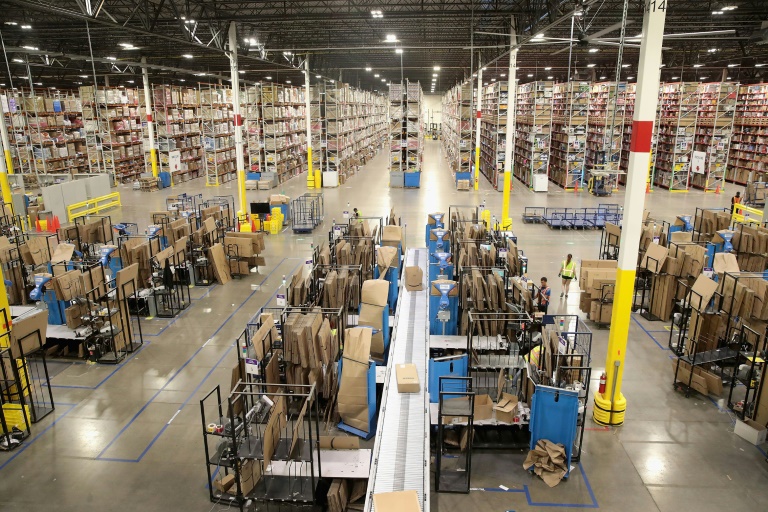
The rise of e-commerce and the logistical nightmare created by the Covid-19 pandemic have caused a surge in demand for warehouse space in the United States, and big investment funds have taken note.

“It’s been a tremendous struggle to find the appropriate location for clients,” said Michael Schipper of Blau & Berg, a commercial real estate specialist in New Jersey and New York.

Available space has been dwindling steadily for a year and a half, and the vacancy rate is now 3.4 percent, although developers delivered 90 million square feet of new warehouse space in the first three months of the year, according to commercial real estate firm Jones Lang LaSalle.

Demand is so strong that purchase prices have tripled or quadrupled in just six years in northern New Jersey. 

Nationally, average rental costs have jumped 22 percent in two years, according to analytics firm Beroe. 

“Demand for space from logistics and distribution activities driven by e-commerce industry” is the major factor in the US market, according to Beroe, which notes that demand has exceeded supply for 18 months. 

In addition, unlike traditional storage sites, fulfilling online orders requires technologically advanced warehouses, said Mark Manduca, chief investment officer at GXO, a supply chain management company.

Beroe said this equipment, which requires massive investments, allows firms “to improve warehouse efficiency and to speed up warehouse activities to meet the same-day delivery demands.” 

Pioneered by Amazon, other retailers were obliged to scramble to catch up to the new standard of immediate delivery set by the Seattle-based online sales giant.

In recent years, a lot of those companies have been rapidly ramping up their own e-commerce efforts, Manduca said. 

“Those are the people that are really driving that demand for last mile warehousing,” he said.

The demands of instant delivery have forced many sellers to acquire multiple storage locations to get closer to customers, especially in urban areas where real estate was already expensive.

The coronavirus pandemic accelerated that trend, as e-commerce sales surged by 56 percent between early 2020 and early 2022.

– A correction coming?-

Another pandemic effect was the logistical mess caused by Covid-lockdowns and health restrictions. 

That revealed storage capacity “in the wrong place, supply chain issues, and more recently, inventory rebuilds that have kind of almost overshot to a certain degree,” Manduca said.

To address those issues, he says, many companies are “now looking at facilities closer to home, which is naturally increasing the demand for warehousing,” he said. 

Amid the rise in demand, private equity firm Blackstone has invested heavily in the sector, and currently owns $170 billion worth of warehouses. It now rivals Prologis, the world’s number one.

“We’re also now seeing a surge in corporations increasing inventory holdings to mitigate supply chain issues” and are therefore looking for additional storage space, Blackstone President Jon Gray said in April. 

Other private equity giants, such as KKR, Carlyle, Apollo or Sweden’s EQT have all bought sites to ride the wave. 

But Schipper cautions that while the warehousing industry “has a long term positive trajectory, … I think that there needs to be a pause.” 

“You cannot run up in parabolic fashion forever,” he said, noting that the current tightening of credit conditions also could play a role. 

One sign of a possible correction coming: Amazon’s decision to sublet or renegotiate the rent for 30 million square feet of warehouse space. 

“You’re going to see demand for space go down and rental rates will stop going up at the pace that they’re going up. There’s just not any way around it,” Ward Fitzgerald, chief executive of EQT Exeter Property Group, warned in the Wall Street Journal.

“They’ll continue their trajectory maybe 12 months from now, but … there’s going to be a correction.”

While demand could keep rising for some time, Schipper said, “The question really is how much? And for how long?  

“I don’t think anybody knows the answer.”

French parliamentary election: what's at stake?

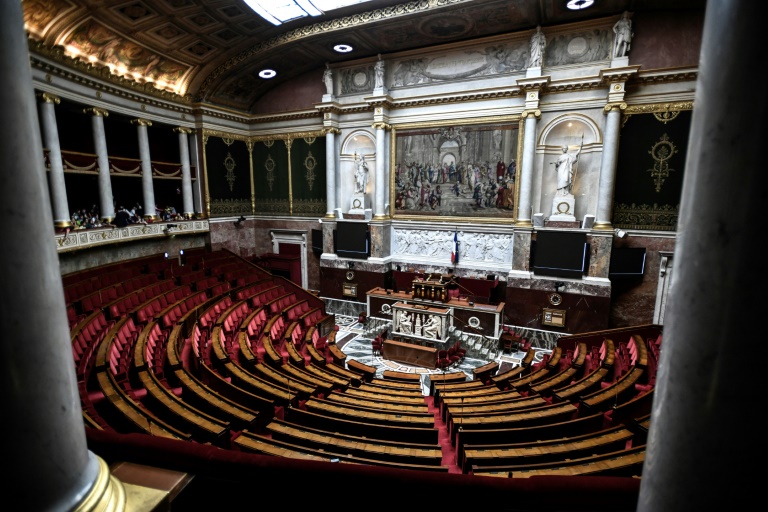
France votes on Sunday in the final round of parliamentary elections which are crucial for centrist President Emmanuel Macron’s plans for his second term.

Macron’s “Ensemble” (Together) coalition of centrist and centre-right parties is facing a challenge from a new left-wing alliance called NUPES.

In the first round of voting last Sunday, the two sides were neck-and-neck with around 26 percent.

In the second round, the initial field of candidates in almost all of the 577 constituencies has been whittled down to two contestants who go head-to-head.

Here are the possible outcomes:

– A majority for Macron? – 

Macron’s Together coalition is seen as the most likely of all the political movements to secure an outright majority of 289 seats.

Parties loyal to the former investment banker enjoyed a landslide victory in the last polls in 2017, but few expect them to get near the 350 seats secured then. 

Polls have been remarkably stable and indicated that Together is on course for between 255-310 MPs.

Only a performance at the upper end of that range would give Macron a majority and enable him to push through legislation almost without resistance. 

“There’s a feeling among some people that there’ll be a jump in support for us next Sunday,” one minister told AFP this week. “I don’t believe it.” 

– Slightly short? –

Many political analysts expect Macron’s Together coalition to fall short of a majority despite pleas to voters to give him a free hand.

If Together ends up only slightly below the crucial 289 seats, a handful of opposition MPs or independents could be tempted to join the ruling parties.

Macron has a history of siphoning off centre-left and centre-right MPs from the country’s traditional parties, the Socialists and the Republicans.

If the gap is larger, formal tie-ups would have to be concluded with opposition groups such as the rightwing Republicans or the centre-right UDI.

This would require Macron and allies to compromise, hammer out an agreement on policy, and possibly offer cabinet jobs to their new partners.

Alternatively, the 44-year-old president could end up having to rely on vote-by-vote support from rival parties for each piece of legislation.

That would make for a messy and unstable legislature.

– Left surge? –

Seen as unlikely but not impossible, NUPES could outperform current expectations which see it winning from 150-220 seats.

Their leader, hard-left figurehead Jean-Luc Melenchon, 70, harbours hopes of forming the biggest group in parliament and then being named prime minister.

“Projections in terms of seats make no sense at this point, other than maintaining an illusion,” he said last Sunday. 

Forecasting the parliamentary elections and its 577 constituencies is a challenging task and polling firms have a mixed record.

The left performed better than expected in 1997 and 2007. 

NUPES candidates will need working-class and young people to head to the polls in large numbers to stand any chance.

“We’ve confounded predictions. Now the challenge is to prove the projections wrong,” Julien Bayou, whose EELV green party is a member of NUPES, said last Sunday.

– Far-right gains? –

French far-right leader Marine Le Pen achieved a historic high score in the presidential elections in April and is hoping to translate this support into seats in parliament.

The last polls on Friday suggested her anti-immigration National Rally (RN) party was on course for 20-45 seats, an increase from the eight it currently holds. 

“They are the only political group that keeps progressing, almost at every election,” Jean Daniel Levy from the Harris Interactive said on Friday.

Le Pen has spoken of “dozens” of new MPs, while the head of her party Jordan Bardella has raised the possibility of 35-40.

More than 15 would enable the RN to create a formal parliamentary group, giving it significantly more visibility as well as resources. 

– Other things to watch –

The futures of several cabinet members are on the line, notably high-profile Europe Minister Clement Beaune and Environment Minister Amelie de Montchalin.

They both face tricky contests and would be expected to resign from the government if they fail to win, under a convention that Macron has promised to uphold.

Elsewhere, the prospects of a 53-year-old baker who went on hunger strike last year to prevent the deportation of his African apprentice are being closely followed.

Sudan wheat harvest waits to rot as hunger crisis looms

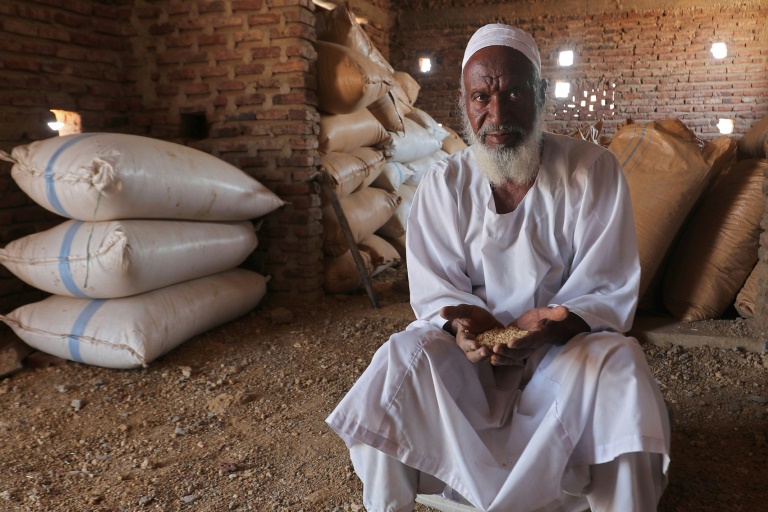
Looking at the sacks of wheat stacked in Imad Abdullah’s small home, no one would guess that Sudan’s food security is hanging by a thread after an October coup and Russia’s invasion of Ukraine.

But the wheat farmer fears that the grain will soon rot, after his country’s cash-strapped government backed out of promises to purchase it at incentivising prices.

“It has been two months since I harvested the wheat and I can’t store it in the house anymore,” said Abdullah, pointing to the large sacks filled with ripened wheat crammed into his small house in Al-Laota, in Gezira state, south of Sudan’s capital.

He is one of thousands of farmers who have cultivated the grain as part of Sudan’s largest agricultural scheme, named Al-Gezira.

When Abdullah harvested in March, he was promised 43,000 Sudanese pounds ($75) per sack –- a price set by the government to encourage farmers to cultivate the grain.

“We used to sell the government our entire harvest. We never had to bring it home. We don’t even have adequate storage places.”

Sudanese officials have however declared in recent weeks that they will not be able to buy this season’s entire harvest due to lack of funds.

Impoverished Sudan has for years been grappling with a grinding economic crisis, which deepened after last year’s military coup prompted Western governments to cut crucial aid.

The October coup derailed a fragile transition put in place following the 2019 ouster of president Omar al-Bashir.

Over 18 million people, nearly half the Sudanese population, are expected to be pushed into extreme hunger by September, according to United Nations estimates.

Russia’s invasion of Ukraine, both key grain suppliers, threatens to compound Sudan’s existing food security troubles.

Wheat imports from both nations make up between 70 and 80 percent of Sudan’s local market needs, according to a 2021 UN report.

– Empty coffers –

Last month, dozens of wheat farmers from Sudan’s Northern State staged a protest outside the agricultural bank after it refused to take their harvest.

“I grew 16 acres of wheat this season, filling some 120 sacks amounting to a total of 12 tonnes,” farmer Modawi Ahmed told AFP.

He said the bank only agreed to buy less than half of his harvest, and he now fears the rest will spoil.

Farmers working the fields as part of the Al-Gezira scheme have over the years contributed only a small portion of Sudan’s annual wheat needs of 2.2 million tonnes.

This year, local wheat production was forecast to cover only a quarter of the country’s needs, according to the UN’s Food and Agriculture Organisation (FAO).

The finance ministry earlier this month said it was committed to building a strategic wheat reserve of up to 300,000 tonnes. 

But the government “does not have the money to buy the harvest”, said an official with Sudan’s agricultural bank, which procures the wheat from farmers.

“We have asked the finance ministry and the central bank for funds but we got no response,” the official told AFP on condition of anonymity.

An official with Sudan’s finance ministry, who also spoke on condition of anonymity, confirmed the lack of funds.

Properly stored wheat can last up to a year and a half in silos with controlled temperature and humidity levels, according to agricultural expert Abdulkarim Omar.

But it “could spoil within as little as three months” in inadequate storage, he said.

Traders have offered to buy the farmers’ wheat, but at far lower prices that barely cover the cost of production, according to Omar Marzouk, the governor of the Al-Gezira scheme.

As a result, he predicted that “farmers will opt against cultivating the grain next season”.

– Risk to food security –

Now, as the new growing season starts, many frustrated farmers are leaving their lands untilled and unprepared.

Kamal Sari, leader of the farmers’ association, fears that reluctance to prepare for the new season could affect “food provision for the Sudanese people”.

Last week, two children in Sudan’s Darfur region died “due to hunger-related causes”, UK-based aid group Save the Children said, warning it was “an ominous sign of what is to come”.

Sudanese households have come under increasing pressure in recent months due to spiralling fuel and electricity prices.

Prices of staple food items have also skyrocketed, with inflation recently surpassing 200 percent.

Rising bread prices due to slashed wheat subsidies sparked the political turmoil and mass rallies that led to the ouster of Bashir in 2019.

Given the economic crisis and the ongoing war in Ukraine, economist Mohamed al-Nayer said “the government should buy the wheat from farmers at any price”.

Otherwise, he warned, “it complicates the situation in Sudan far more than it already is.”

Sudan wheat harvest waits to rot as hunger crisis looms

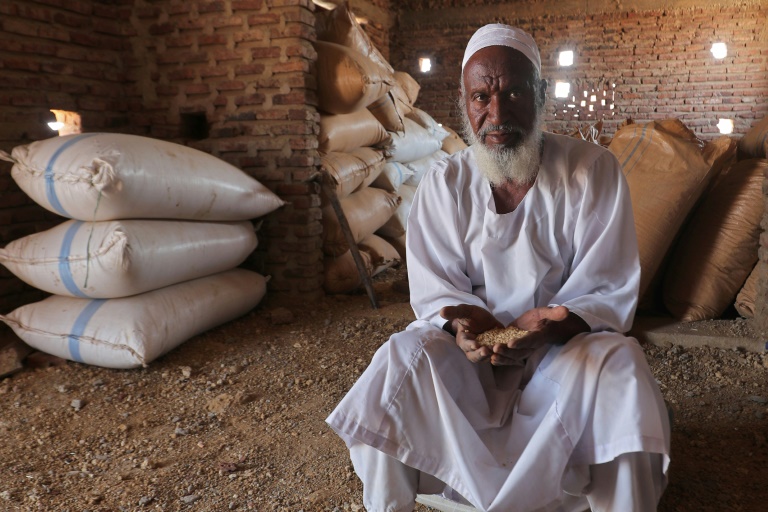
Looking at the sacks of wheat stacked in Imad Abdullah’s small home, no one would guess that Sudan’s food security is hanging by a thread after an October coup and Russia’s invasion of Ukraine.

But the wheat farmer fears that the grain will soon rot, after his country’s cash-strapped government backed out of promises to purchase it at incentivising prices.

“It has been two months since I harvested the wheat and I can’t store it in the house anymore,” said Abdullah, pointing to the large sacks filled with ripened wheat crammed into his small house in Al-Laota, in Gezira state, south of Sudan’s capital.

He is one of thousands of farmers who have cultivated the grain as part of Sudan’s largest agricultural scheme, named Al-Gezira.

When Abdullah harvested in March, he was promised 43,000 Sudanese pounds ($75) per sack –- a price set by the government to encourage farmers to cultivate the grain.

“We used to sell the government our entire harvest. We never had to bring it home. We don’t even have adequate storage places.”

Sudanese officials have however declared in recent weeks that they will not be able to buy this season’s entire harvest due to lack of funds.

Impoverished Sudan has for years been grappling with a grinding economic crisis, which deepened after last year’s military coup prompted Western governments to cut crucial aid.

The October coup derailed a fragile transition put in place following the 2019 ouster of president Omar al-Bashir.

Over 18 million people, nearly half the Sudanese population, are expected to be pushed into extreme hunger by September, according to United Nations estimates.

Russia’s invasion of Ukraine, both key grain suppliers, threatens to compound Sudan’s existing food security troubles.

Wheat imports from both nations make up between 70 and 80 percent of Sudan’s local market needs, according to a 2021 UN report.

– Empty coffers –

Last month, dozens of wheat farmers from Sudan’s Northern State staged a protest outside the agricultural bank after it refused to take their harvest.

“I grew 16 acres of wheat this season, filling some 120 sacks amounting to a total of 12 tonnes,” farmer Modawi Ahmed told AFP.

He said the bank only agreed to buy less than half of his harvest, and he now fears the rest will spoil.

Farmers working the fields as part of the Al-Gezira scheme have over the years contributed only a small portion of Sudan’s annual wheat needs of 2.2 million tonnes.

This year, local wheat production was forecast to cover only a quarter of the country’s needs, according to the UN’s Food and Agriculture Organisation (FAO).

The finance ministry earlier this month said it was committed to building a strategic wheat reserve of up to 300,000 tonnes. 

But the government “does not have the money to buy the harvest”, said an official with Sudan’s agricultural bank, which procures the wheat from farmers.

“We have asked the finance ministry and the central bank for funds but we got no response,” the official told AFP on condition of anonymity.

An official with Sudan’s finance ministry, who also spoke on condition of anonymity, confirmed the lack of funds.

Properly stored wheat can last up to a year and a half in silos with controlled temperature and humidity levels, according to agricultural expert Abdulkarim Omar.

But it “could spoil within as little as three months” in inadequate storage, he said.

Traders have offered to buy the farmers’ wheat, but at far lower prices that barely cover the cost of production, according to Omar Marzouk, the governor of the Al-Gezira scheme.

As a result, he predicted that “farmers will opt against cultivating the grain next season”.

– Risk to food security –

Now, as the new growing season starts, many frustrated farmers are leaving their lands untilled and unprepared.

Kamal Sari, leader of the farmers’ association, fears that reluctance to prepare for the new season could affect “food provision for the Sudanese people”.

Last week, two children in Sudan’s Darfur region died “due to hunger-related causes”, UK-based aid group Save the Children said, warning it was “an ominous sign of what is to come”.

Sudanese households have come under increasing pressure in recent months due to spiralling fuel and electricity prices.

Prices of staple food items have also skyrocketed, with inflation recently surpassing 200 percent.

Rising bread prices due to slashed wheat subsidies sparked the political turmoil and mass rallies that led to the ouster of Bashir in 2019.

Given the economic crisis and the ongoing war in Ukraine, economist Mohamed al-Nayer said “the government should buy the wheat from farmers at any price”.

Otherwise, he warned, “it complicates the situation in Sudan far more than it already is.”

Close Bitnami banner
Bitnami