World

Ethiopia PM moots possibility of peace talks with Tigray rebels

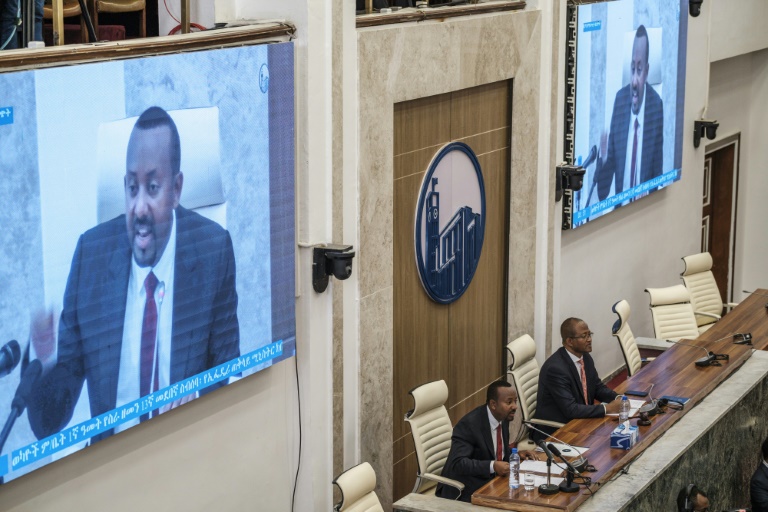
Ethiopia’s Prime Minister Abiy Ahmed on Tuesday spoke for the first time about the possibility of peace negotiations with Tigrayan rebels, who have been locked in a 19-month war with federal forces. 

Dispelling speculation that secret talks were already under way with the Tigray People’s Liberation Front (TPLF), Abiy said the government had instituted a committee to examine the possibility of holding negotiations.

“It is not so simple to conduct negotiations. There is a lot of work to be done (before) and a committee has been set up” to look into the issue, Abiy told Ethiopian MPs. 

The committee will be headed by Deputy Prime Minister Demeke Mekonen, who also serves as foreign minister, and will draft a report detailing the preconditions for negotiations, he said.

The comments follow the government’s declaration of an “indefinite humanitarian truce” in March, paving the way for humanitarian aid to reach the northernmost region of Tigray for the first time since mid-December.

The conflict has driven hundreds of thousands of people to the brink of famine, displaced more than two million and left more than nine million in need of food aid, according to the United Nations.

“Peace isn’t something you hide,” Abiy told lawmakers in response to rumoured talks with the rebels.

“We are saying we want peace; doesn’t mean we are going to do secret negotiations. Secret negotiations have no substance,” he added.

– ‘Non-negotiable’ –

The thorny question of western Tigray — a contested region claimed by both Amharas and Tigrayans — is among the issues expected to come up in any negotiations.

The TPLF has repeatedly said that western Tigray, which has been occupied by Amhara forces since the war erupted in November 2020, is a “non-negotiable” part of Tigray.

“Any lasting solution of the current crisis must be predicated on the re-establishment of the prewar status quo ante,” the TPLF said last week, calling for “the complete and verified withdrawal of all invading forces from every square inch of Tigrayan territory”.

The TPLF has already asked the UN Security Council to ensure the withdrawal of Amhara forces and Eritrean troops from the region.

The conflict began in November 2020 when the government sent federal troops into Tigray to topple the TPLF, the region’s former ruling party, saying it was in response to rebel attacks on army camps.

After the TPLF mounted a shock comeback in June, retaking Tigray and then expanding into the neighbouring regions of Afar and Amhara, fighting intensified in the second half of 2021, before reaching a stalemate. 

Accounts have emerged of mass rapes and massacres during the conflict, with both sides accused of human rights violations.
Spain roasts in early heatwave

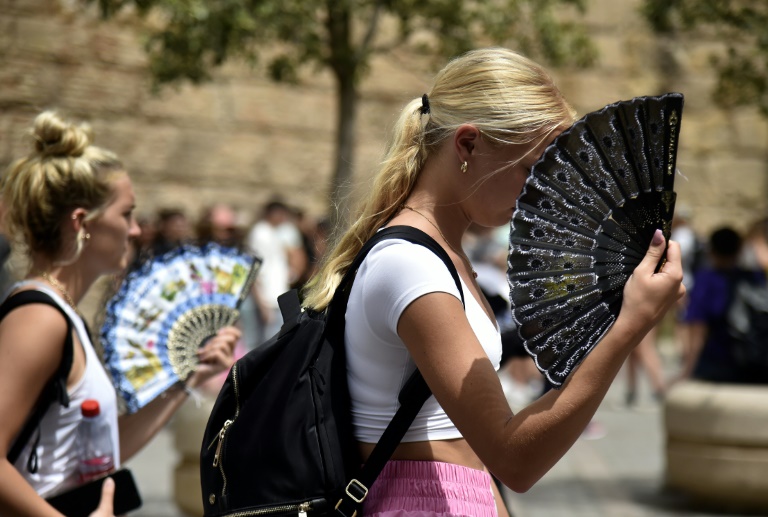
Spain was grappling Tuesday with a second unusually early heatwave in less than a month as temperatures hit levels normally seen in July and August, while France began preparing for similar conditions.

Temperatures passed 40 degrees Celsius (104 Fahrenheit) in large parts of Spain, significantly higher than normal for this time of year.

Officials advised people to drink plenty of fluids and stay indoors or in the shade as much as possible.

“This early, record-breaking heatwave, coming on top of another heatwave less than a month ago… is extraordinarily worrying,” said Spain’s minister for ecological transition, Teresa Ribera.

Temperatures were expected to hit 43C in Cordoba in the south, 41C in Badajoz in the west and 40C in Toledo in the centre, according to meteorological agency AEMET.

On Monday the highest temperature recorded was 42.9C in the southern town of Montoro, near Cordoba.

AEMET described the risk of wildfires as “extreme” across Spain except for the northern region of Asturias and the Canary Islands in the Atlantic.

The heatwave began at the weekend and is expected to persist until at least Saturday, with temperatures between 7C and 12C higher than the average for this time of the year, said AEMET.

“It is not normal to have such an extreme heatwave at this time of the year,” AEMET spokesman Ruben del Campo said.

The extreme weather, which arrived on a wave of hot air from north Africa, is headed for southwest France.

National forecaster Meteo France has warned of peak temperatures of more than 40C in the south-west between Thursday and Saturday, with the whole country set to experience a hotter-than-usual spell.

French government spokesperson Olivia Gregoire called for vigilance, warning that the elderly, people living alone and the homeless were particularly at risk.

Spain grappled with a heatwave at the end of May, with temperatures up to 15C above the seasonal average.

Last month was Spain’s hottest May since the beginning of the century.

Heatwaves have become more likely due to climate change, scientists say, and are predicted to become more intense and widespread as global temperatures rise.

Macron urges solid parliament majority amid 'troubled times'

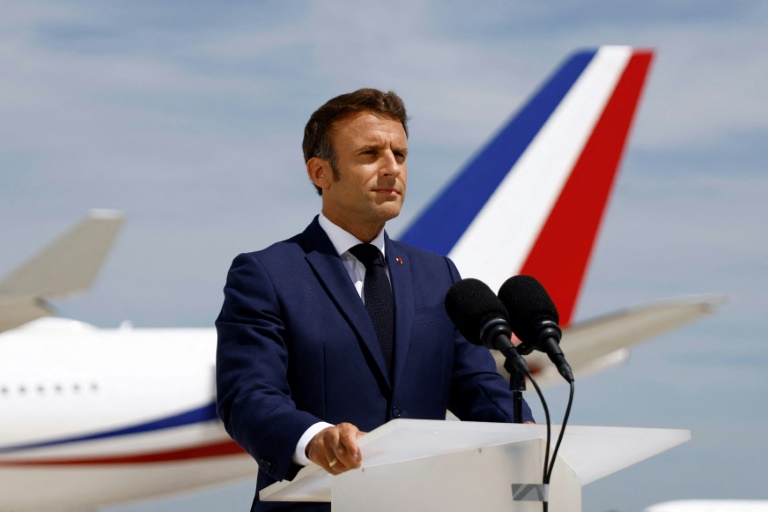
French President Emmanuel Macron appealed to voters Tuesday to give him a “solid majority” in Sunday’s parliamentary polls, warning against adding “French disorder to global disorder.”

Speaking as he departed from Paris to visit French troops dispatched to Romania in response to Russia’s invasion of Ukraine, Macron said “the months ahead will be difficult” but called for people to back him in the name of “the higher national interest” and “common sense.”

Macron’s visit this week to Romania and neighbouring Moldova has come under fire at home, landing ahead of the second round of crucial parliamentary elections in which his centrist majority is at risk.

“Emmanuel Macron has planned a trip abroad for three days… after anaesthetising the campaign by refusing any debate, he saw the second round as a done deal,” Jean-Luc Melenchon, leader of the left-wing NUPES alliance, told Le Parisien daily.

The incumbent had already been charged by opponents with sitting out April’s presidential vote, bringing home a solid but unspectacular win against far-right chief Marine Le Pen.

Appearing to bet on a similar strategy in this month’s parliamentary poll, his Ensemble (Together) alliance suffered in Sunday’s first round while NUPES and the far right made gains.

Projections suggest voters could hand Ensemble 255-295 seats in the second round — uncomfortably low compared with the threshold for an absolute majority of 289.

– Petrol and purchasing power –

Macron’s Elysee Palace office said that in Romania the president would send “a clear message of our commitment to our NATO allies and European partners” following Russia’s invasion of neighbouring Ukraine — highlighted by France’s 500-strong deployment in the country.

There have even been press reports, unconfirmed so far, that Macron could make his first visit to the Ukrainian capital Kyiv since the assault began in February, alongside German Chancellor Olaf Scholz and Italian Prime Minister Mario Draghi.

But “people (in France) are really worried about petrol, purchasing power, not about him going to visit French soldiers abroad,” one anonymous parliamentary candidate for Ensemble complained to Le Parisien.

Macron acknowledged on Tuesday the “disorder in our everyday lives,” telling voters “you’re already paying more for your gas, your petrol, your groceries, and the months ahead will be difficult.”

“In these troubled times, the choice you have to make this Sunday is more crucial than ever,” he added, calling on both people who voted for other candidates and non-voters to rally behind him.

While the campaign has been dominated by inflation and other economic impacts of the Ukraine war, the left is also trying to make it a referendum on Macron’s plans to raise the minimum retirement age to 65 as part of a pensions overhaul.

But all sides have struggled to get voters excited about the poll, with just 47.5 percent turning out on Sunday, the lowest ever in a first-round parliament election.

Since reforms to the electoral calendar in the early 2000s, interest in the legislative vote — which follows on the heels of the presidential poll — has dwindled, as it has always given the head of state a handy majority.

Musk to face Twitter employees at meeting

Billionaire Elon Musk will address Twitter employees at a meeting this week, the company confirmed Tuesday, in a first since launching his troubled $44 billion bid for the social media platform.

The meeting is set for Thursday and comes as Musk is in a standoff with Twitter’s leadership over the service’s user numbers that have put the buyout in doubt.

Twitter, referring to the gathering, said “We can confirm this is true and happening.”

Since Musk’s takeover move became public in April, Twitter has been roiled by uncertainty over its future but also by concerns about being led by the mercurial Tesla chief.

Musk has advocated a less restrictive approach to what users can post on Twitter and is on record saying he would lift the ban the platform slapped on former US president Donald Trump — a highly polarizing decision.

The idea of Musk taking over Twitter has also stoked protest from critics who warn his stewardship will embolden hate groups and disinformation campaigns.

Musk has threatened to withdraw his bid, accusing Twitter of failing to provide data on fake accounts, but the company has since reportedly agreed to provide him access.

Some observers have seen Musk’s questioning of Twitter bots as a means to end the takeover process, or to pressure Twitter into lowering the price.

Top Indigenous leader arrested in Ecuador after protests

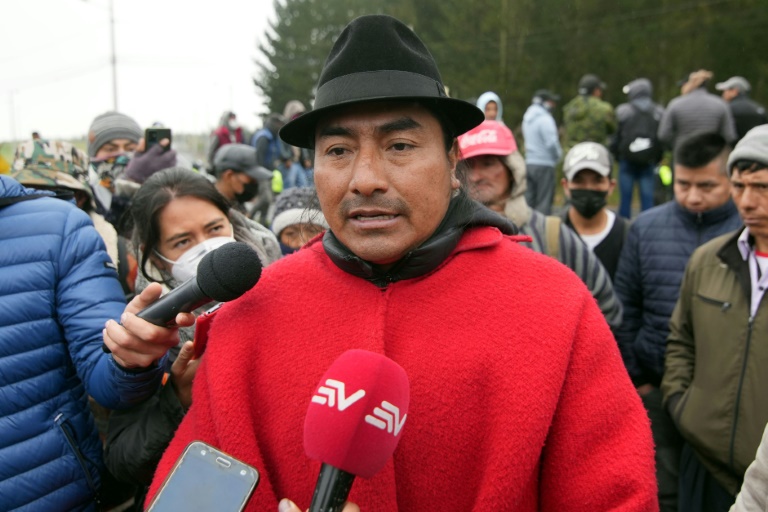
Ecuadoran police Tuesday announced the arrest of a top Indigenous leader, Leonidas Iza, who has spearheaded a nationwide protest movement against high fuel prices. 

The police force tweeted that Iza had been arrested in Pastocalle, about 20 kilometers (12 miles) south of Quito, on suspicion of unspecified “offenses.”

Pastocalle has been a flash point of protests called by the powerful Confederation of Indigenous Nationalities of Ecuador (Conaie) against rising fuel prices and living costs, which saw protesters block roads across the country on Monday.

Iza, who heads Conaie, is in custody awaiting a hearing, the police added.

Conaie confirmed Iza’s arrest, condemning it as “arbitrary and illegal” and calling for a “radicalization” of the demonstrations in response.

In 2019, Conaie-led protests resulted in 11 deaths and forced then-president Lenin Moreno to abandon plans to eliminate fuel subsidies. The group is also credited with helping topple three presidents between 1997 and 2005.

Oil-producer Ecuador has been hit by rising inflation, unemployment and poverty, strains exacerbated by the coronavirus pandemic.

President Guillermo Lasso warned late Sunday that the government would not allow roads or Ecuador’s oil installations to be taken over by protesters.

But Iza insisted the demonstrations would continue for as long as was necessary.

On Monday, a nationwide demonstration saw roads blocked with burning tires and barricades of sand, rocks and tree branches in at least 10 of Ecuador’s 24 provinces, authorities said, with access to the capital Quito partly cut off.

Fuel prices have risen sharply since 2020, almost doubling for diesel from $1 to $1.90 per gallon (about 3.78 liters) and rising from $1.75 to $2.55 for gasoline.

Lasso froze prices at this level last October after a round of protests led by Conaie that saw dozens arrested and several people, including police, injured in clashes.

But the freeze failed to assuage simmering anger in a country that exports crude oil but imports much of the fuel it consumes.

Conaie wants the fuel price lowered to $1.50 per gallon for diesel and $2.10 for gasoline.

The protesters are also demanding the government address price controls on agricultural products that hurt farmers and mining concessions granted in Indigenous territories.

Indigenous peoples make up over a million of Ecuador’s 17.7 million inhabitants.

UK airport chaos due to Brexit 'shambles': Ryanair boss

Air travel chaos in Britain is purely down to Brexit “shambles” by hobbling recruitment at airports, Ryanair boss Michael O’Leary said on Tuesday.

The CEO of Europe’s biggest airline also dismissed threats of summer strike action by what he called “Mickey Mouse” unions in Belgium and Spain covering some Ryanair workers.

And he said his company has dropped a controversial pre-boarding questionnaire for South African passport holders requiring them to answer questions in Afrikaans — a language commonly used by just 12 percent of South Africans, many of them white.

O’Leary told AFP that “100 percent” of the woes experienced by air passengers in the UK — including massively long lines and cancelled flights — was because “Brexit has been a shambles”.

“It was delivered by a government led by Boris Johnson that is also a shambles. It was inevitable that Brexit would constrain the labour market, you see,” he said.

O’Leary said Britain’s decision to pursue a hardline departure from the European Union that put a halt to EU workers filling jobs is largely why it was difficult to quickly ramp up recruitment for ground and security staff at UK passports.

Airports and airlines in several countries, including in the EU and the US, have struggled to cope with surging numbers of travellers, many of them keen to fly after months or years of being grounded because of Covid restrictions.

O’Leary said that unlike European rivals Air France and Lufthansa, low-cost Ryanair had fully bounced back from the pandemic and was flying 115 percent of the passenger loads recorded before the coronavirus hit.

Rising inflation was only pushing more passengers into Ryanair seats, he argued, while acknowledging that the airline was raising ticket prices by around 9 percent.

He said the company’s hedging on fuel prices through to March next year was keeping it competitive.

– Strike threats –

But unions in Belgium and Spain are threatening to clip Ryanair’s peak summer revenues with strikes later this month to demand better pay and conditions.

O’Leary shrugged off the walk-out warnings.

“We think there will be very few strikes, if any, and those strikes will be meaningless and won’t be noticed by anybody,” he said.

“We operate two and half thousand flights every day. Most of those flights will continue to operate even if there is a strike in Spain by some Mickey Mouse union or if the Belgian cabin crew unions want to go on strike over here,” he added in a media conference.

O’Leary said that, in Belgium, the airline had “reached agreement with the unions representing over 90 percent of our pilots and cabin crew” and was continuing negotiations.

On the controversial Afrikaans test, the Ryanair boss said the company had tried to respond to a rise in detection of false South African passports.

“We suffer a fine of 2,000 euros for every passenger who arrives in Dublin from Bodrum (in Turkey) with a false South African passport,” he said.

He added that, while the airline had been asking South African passport holders to answer local general knowledge and geographical questions in Afrikaans, it got rid of the questionnaire.

“We didn’t think it was appropriate either. So we have ended the Afrikaans test, because it doesn’t make any sense,” he said, adding that “South Africa needs to fix its problems”.

South Africa’s government had called the test “backward profiling”. 

Afrikaans is just one of 11 official languages in South Africa, and it played a role in the oppression of black citizens during apartheid.

WTO floats fund to help net sustainable fishing deal

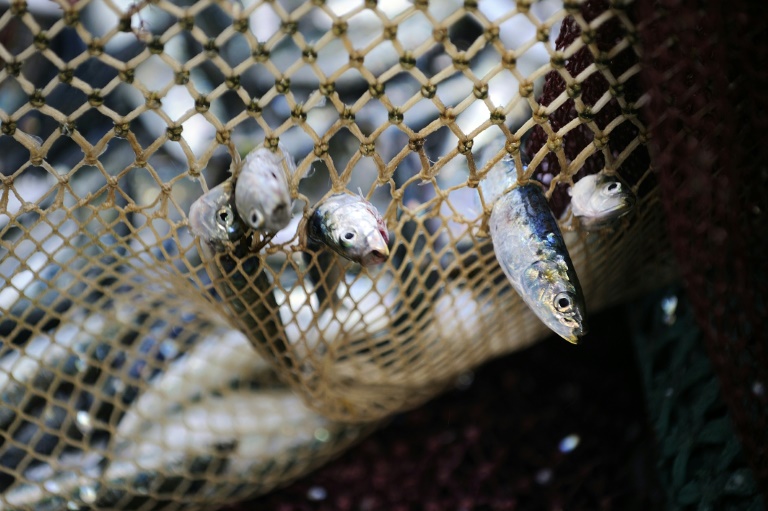
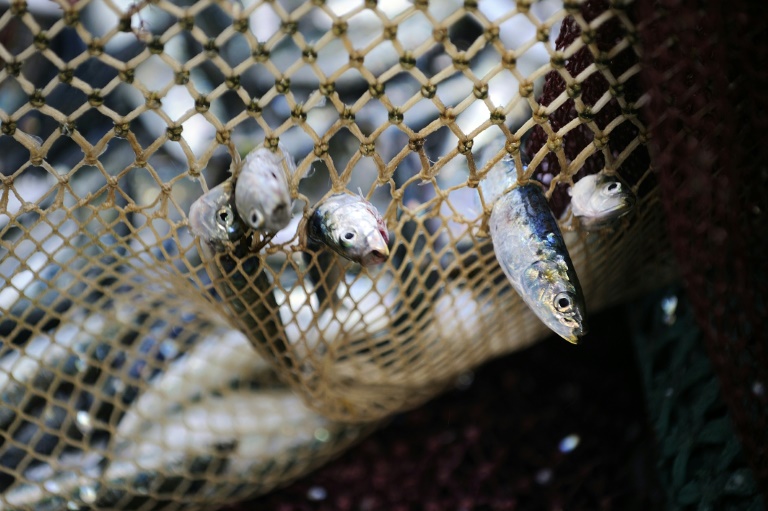
The WTO tried to net a long-sought deal on curbing harmful fishing subsidies by promising Tuesday an implementation fund it hopes will reel in wavering developing countries.

Negotiations have been going on at the World Trade Organization for more than 20 years towards banning subsidies that threaten the sustainability of the planet’s fish stocks by encouraging overfishing.

The global trade body’s leader, Ngozi Okonjo-Iweala, wants to pull off a major coup by finally concluding a deal at the WTO’s first ministerial conference in nearly five years, being held in Geneva this week.

There are hopes that a financing fund to help developing countries implement the new rules may help soothe lingering concerns.

“We’ve been discussing and progressively refining this idea with a sizable group of members on both sides — both potential donors and potential beneficiaries,” Okonjo-Iweala explained.

The idea is to provide members with the means to build up their capacities to integrate the new rules, involving adopting systems to manage their fisheries and provide catch data.

The fund is targeting around $20 million in contributions, with a starting amount of around $10 million — of which $5 million has already been pledged.

– ‘Historic opportunity’ –

“While work is continuing on the last remaining issues, we have never been so close to concluding,” said Colombia’s WTO ambassador Santiago Wills, who chairs the fisheries negotiations at the organisation.

However, a Geneva-based diplomat said the financing mechanism was helpful but was not a major issue in the negotiations, which still revolve around the carve-outs for certain developing countries and whether they would apply to China and India.

“It’s a nice thing to have and will help in the implementation of the agreement but it’s not going to make the deal — sadly,” the diplomat said.

“That would be an extraordinary deliverable for this week if we could actually get there,” but “right now, people aren’t sure we’re going to”.

Special treatment for the poorest countries is widely accepted, but demands from some self-identified developing countries for exemption from subsidy constraints, including large fishing nations like India, have met resistance.

New Zealand’s trade minister Damien O’Connor is facilitating the fisheries talks in Geneva.

He told his counterparts that there was an “historic opportunity for the WTO to do something that will massively benefit the world for many generations to come, and that we simply cannot, and must not, miss this opportunity,” WTO spokesman Daniel Pruzin told reporters.

– Indian intransigence –

Besides fisheries, the WTO is trying to strike deals on e-commerce, agriculture, food security, Covid-19 vaccine patents and WTO reform.

Okonjo-Iweala warned countries against trying to do trade-offs between the different tracks.

Agreements at the WTO are reached by consensus, meaning objections from any one of the 164 members can stymie talks towards a deal.

Okonjo-Iweala — who turned 68 on Monday — took over as WTO director-general in March 2021, and has staked her reputation on breathing new life into the crippled organisation.

“We all have dreams and sometimes not all of those dreams can be fulfilled,” she said Tuesday.

“My own dream for my birthday is to get a successful ministerial.

“One or two packages passed… I think that would do.”

But several diplomats have indicated that India is proving the main obstacle in securing any agreements at the conference.

“India is being obstructive across the piece,” said one Geneva-based diplomat.

“In no negotiation are they playing a constructive part.”

WTO floats fund to help net sustainable fishing deal

The WTO tried to net a long-sought deal on curbing harmful fishing subsidies by promising Tuesday an implementation fund it hopes will reel in wavering developing countries.

Negotiations have been going on at the World Trade Organization for more than 20 years towards banning subsidies that threaten the sustainability of the planet’s fish stocks by encouraging overfishing.

The global trade body’s leader, Ngozi Okonjo-Iweala, wants to pull off a major coup by finally concluding a deal at the WTO’s first ministerial conference in nearly five years, being held in Geneva this week.

There are hopes that a financing fund to help developing countries implement the new rules may help soothe lingering concerns.

“We’ve been discussing and progressively refining this idea with a sizable group of members on both sides — both potential donors and potential beneficiaries,” Okonjo-Iweala explained.

The idea is to provide members with the means to build up their capacities to integrate the new rules, involving adopting systems to manage their fisheries and provide catch data.

The fund is targeting around $20 million in contributions, with a starting amount of around $10 million — of which $5 million has already been pledged.

– ‘Historic opportunity’ –

“While work is continuing on the last remaining issues, we have never been so close to concluding,” said Colombia’s WTO ambassador Santiago Wills, who chairs the fisheries negotiations at the organisation.

However, a Geneva-based diplomat said the financing mechanism was helpful but was not a major issue in the negotiations, which still revolve around the carve-outs for certain developing countries and whether they would apply to China and India.

“It’s a nice thing to have and will help in the implementation of the agreement but it’s not going to make the deal — sadly,” the diplomat said.

“That would be an extraordinary deliverable for this week if we could actually get there,” but “right now, people aren’t sure we’re going to”.

Special treatment for the poorest countries is widely accepted, but demands from some self-identified developing countries for exemption from subsidy constraints, including large fishing nations like India, have met resistance.

New Zealand’s trade minister Damien O’Connor is facilitating the fisheries talks in Geneva.

He told his counterparts that there was an “historic opportunity for the WTO to do something that will massively benefit the world for many generations to come, and that we simply cannot, and must not, miss this opportunity,” WTO spokesman Daniel Pruzin told reporters.

– Indian intransigence –

Besides fisheries, the WTO is trying to strike deals on e-commerce, agriculture, food security, Covid-19 vaccine patents and WTO reform.

Okonjo-Iweala warned countries against trying to do trade-offs between the different tracks.

Agreements at the WTO are reached by consensus, meaning objections from any one of the 164 members can stymie talks towards a deal.

Okonjo-Iweala — who turned 68 on Monday — took over as WTO director-general in March 2021, and has staked her reputation on breathing new life into the crippled organisation.

“We all have dreams and sometimes not all of those dreams can be fulfilled,” she said Tuesday.

“My own dream for my birthday is to get a successful ministerial.

“One or two packages passed… I think that would do.”

But several diplomats have indicated that India is proving the main obstacle in securing any agreements at the conference.

“India is being obstructive across the piece,” said one Geneva-based diplomat.

“In no negotiation are they playing a constructive part.”

Burkina mourns 79 dead in jihadist massacre

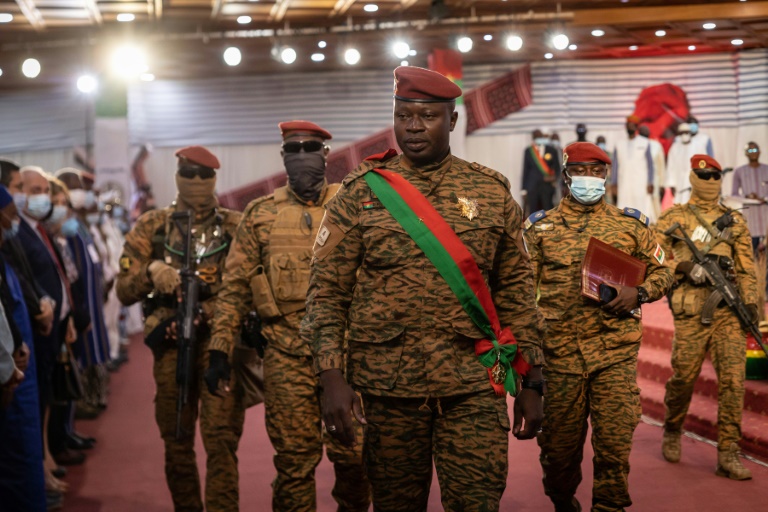
Burkina Faso on Tuesday began three days of mourning after 79 people died in one of the bloodiest massacres in a nearly seven-year-old insurgency by armed Islamists.

The government issued a new toll from the weekend attack at the village of Seytenga in northern Burkina, revising it sharply upwards from the earlier figure of at least 50 dead.

The head of the country’s ruling junta, Lieutenant-Colonel Paul-Henri Sandaogo, decreed three days of mourning, which took effect at midnight on Monday.

In a statement, the government said 29 more bodies had been found, bringing the provisional death toll to 79. 

The search for still more victims is being hampered by fear of booby-trapped devices planted “by terrorists to mine the site”, it said.

“The terrorists came into the town on Saturday, market day,” a survivor told AFP by phone.

“They opened fire as soon as they entered,” which was at around four pm or five pm, he said.

“They only aimed at men. They went from shop to shop, sometimes  torching it. They opened fire on anyone who tried to run away. They stayed in the town all night,” said the man, who had fled to Dori, the nearest large town.

“As soon as the shooting broke out on Saturday evening, I fled into the bush with my family,” said another survivor. 

“We stayed there all night before reaching Dori on Sunday morning. We didn’t take anything and we learned that they set fire to homes, so we have lost everything.”

Condemning the attack, the European Union estimated the final toll could reach some 100 civilians.

– Bloodshed –

The massacre is the second worst in the history of Burkina’s insurgency, which started in 2015 when jihadists launched cross-border raids from Mali.

Attacks mainly by groups affiliated with Al-Qaeda and the Islamic State have since claimed thousands of lives, while nearly two million have fled their homes.

The toll at Seytenga is surpassed only by an attack at Solhan in the northeast of the country last June that left 132 dead, according to an official toll. Local sources say 160 died.

The Soltan attack — and a raid at Inata that killed 57 gendarmes five months later — were key factors behind a military coup in January.

Disgruntled colonels ousted  elected civilian president Roch Marc Christian Kabore, battling a wave of unpopularity for his handling of the insurgency.

The new strongman, Lieutenant Colonel Paul-Henri Sandaogo Damiba, named security his key priority.

But after a lull, attacks have resumed. Several hundred civilians and members of the security forces have died in the past three months.

– ‘Miracle’ needed –

The latest massacre sparked grief and hand-wringing but also calls for stronger commitment in the fight against the jihadists and an appeal for civilians to be armed.

“Where is Burkina going?” the privately-owned daily Le Pays asked in an editorial, deploring the “unparalleled barbarism” of the attack.

“We are witnessing a humanitarian catastrophe in Burkina Faso. Our generation is awaiting a miracle,” said Yeli Monique Kam, a presidential candidate in 2020.

Arouna Loure, a doctor in the transitional legislative assembly, suggested it was “time to formally arm the public, especially those living in areas facing major security challenges.

“It is better to die defending one’s lands, weapon in hand, than to be a victim of this barbarism in absolute impotence,” said Loure.

Seytenga had been struck on June 9 in an attack that claimed the lives of 11 gendarmerie police officers. 

The army then announced that it had killed around 40 jihadists following that raid.

The massacre was “retaliation for the actions of the army which caused bloodshed” within jihadist ranks, government spokesman Lionel Bilgo said on Monday.

In early April, community leaders and fighters from local armed groups began talks with the government’s backing, mainly in the north and east of the country.

War-stricken pets await new life at Kyiv shelter

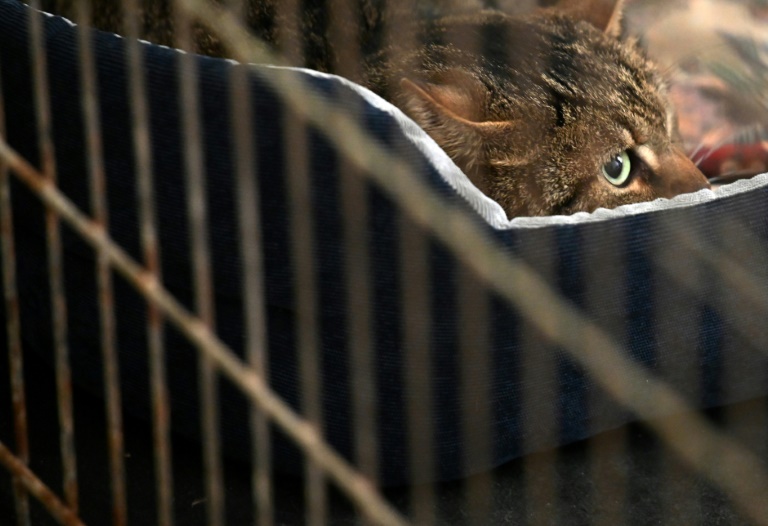
Ukrainian vet Nataliya Mazur cradles Murzik, a big green-eyed tabby, in her arms at a makeshift animal rescue shelter in Kyiv.

The three-year-old cat comes from Bucha, a suburb of the Ukrainian capital now synonymous with alleged Russian war crimes since Moscow launched its invasion of Ukraine nearly four months ago.

“His owner in Bucha survived shelling and the occupation,” Mazur explains. “But eventually she died. She couldn’t endure the situation.”

Murzik’s fate is shared by animals across the country, who have suffered alongside humans since Russia invaded on February 24 despite great lengths to save them.

Footage of Ukrainian civilians evacuating their devastated homes with their beloved dogs and cats in their arms went viral at the start of the conflict. 

But like people who stayed behind, animals have been killed or wounded by Russian shelling. Many have lost their homes or owners.

Other pets have been lucky. Rescued by civilians or soldiers and brought to shelters like Mazur’s to be fed and cared for, they have a chance of a new life and potentially new owners.

– New homes –

Since Mazur set up her temporary shelter at the end of March in southern Kyiv, 132 animals from the region around the capital and the east — the current epicentre of the fighting — have lived here.

Ninety-seven of them have already found new owners, a sign perhaps of the human need for positivity and kindness to offset the bleakness of war.

There are currently 19 dogs and nine cats in the sanctuary, some jumping about and barking, others curled up in their enclosures.

A dark dog lies peacefully on a rug.

The paper card attached to his wooden door says his name is Kai.

He is seven and he arrived on April 19 from Borodianka — a northwest suburb of Kyiv where Ukrainian President Volodymyr Zelensky accused the Russians of atrocities “much more horrific” even than Bucha.

Kai has been de-flead and has a good appetite. 

– Need for care –

“When the war began, the number of homeless pets shot up,” says Mazur, who also heads Kyiv’s animal hospital.

“We set up this shelter with the help of the Kyiv authorities and volunteers, to look after pets and help find them new families.” 

It is housed in one of the pavilions of a open-air exhibition centre.

Volunteers come and go, inspecting the animals, feeding them and taking them for walks around the grassy grounds.

“If the pet has lost its owner and remained in a place where there’s fighting and explosions, then first of all it needs socialisation,” Mazur explains.

“They’re used to being with humans, so they need tenderness and care. They need someone to sit and talk to them.”

Animals have also helped the war effort, some famous in Ukraine for their unusual abilities.

– ‘Love animals’ –

A Jack Russell called Patron rose to nationwide renown for helping sappers demine areas recaptured from Russian forces.

Patron, who has more than 290,000 followers on Instagram, received a medal for Dedicated Service from Zelensky in May and was awarded a special prize at the Cannes Film Festival the same month.

In the Kyiv shelter, volunteers shower the animals with affection. 

“My wife and I love animals very much,” Dmytro Popov tells AFP, after walking a small dog with a fluffy tail across the park.

“We want a dog, but we’re not allowed to have one in our rented apartment. So, we decided to come here and help as much as we can,” the 28-year-old botanist smiles.

Earlier in the day, another two dogs were picked up by their new owners.

“I’ve been friends with dogs since I was a child,” 31-year-old volunteer Yuriy Manko says. 

“I don’t know what will happen tomorrow, but I want to keep coming here.”

Close Bitnami banner
Bitnami