World

Spain searches for wounded bear and cub after brutal attack

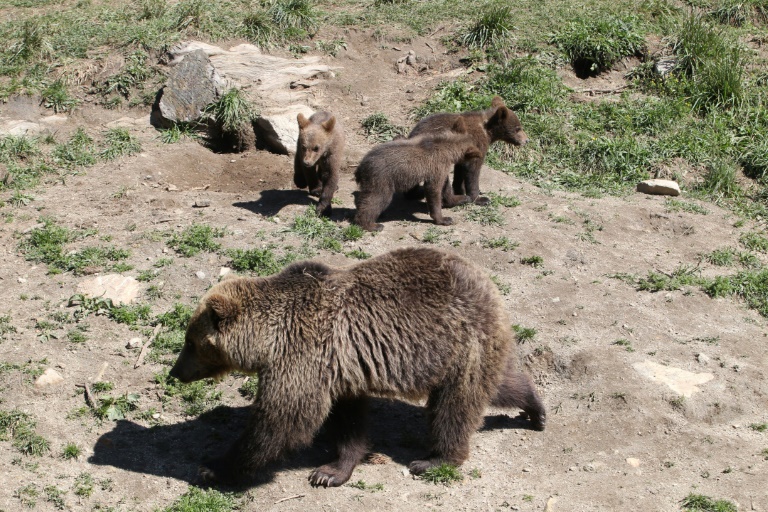
Spanish authorities are trying to find a brown bear and her cub which were separated after a brutal attack by a male bear that was caught on camera by two onlookers. 

The assault took place on a rocky mountainside in the northern Castilla y Leon region.

Although the mother bear managed to fight off her assailant, she was wounded and separated from her cub, footage released late on Tuesday showed. 

“We know that the mother bear is wounded and we don’t know anything else, the investigation is still open,” a source in the regional environment ministry told AFP.

In the footage, which runs for two-and-a-half minutes, the two adult bears fight for about 40 seconds before falling over the edge and crashing down the rocky hillside. 

The male bear, which was much larger than the female, died of injuries sustained in the fall, officials said, while the injured mother eventually got up and tried to find her cub, although it was not immediately clear whether they were reunited. 

In a post on Twitter, the regional environment ministry said  during the current season “mother bears often have to defend their cubs from attack by adult males”. 

During mating season, male bears often enter a frenzy of lust-fuelled cub killing with the aim of triggering oestrus — a period of sexual receptivity — in females who would otherwise only come on heat after raising their cubs to independence.

The behaviour is called sexually selected infanticide, and has also been observed in birds, bats, primates and big cats.

The mother “which was seen with two cubs several weeks ago, had already lost one of them, presumably after being attacked by this male or another,” the ministry said. 

Among the team searching for the wounded mother bear and her cub were vets, environmental wardens, bear conservation specialists and members of the Guardia Civil police. 

“As happens with other animals, male bears have have an instinct to kill cubs with the aim of mating again. They look for female bears with cubs that they can kill,” the head of the Brown Bear Foundation Guillermo Palomero told AFP. 

“The female enters an oestrus period two or three days after (the cub has been killed) so the male bear can copulate with her,” he said, describing such attacks as “very violent”. 

According to the foundation, 330 brown bears roam the Cantabrian mountains and another 70 are in the Pyrenees on the border between Spain and France. 
Twitter to share data at heart of Musk deal dispute: report

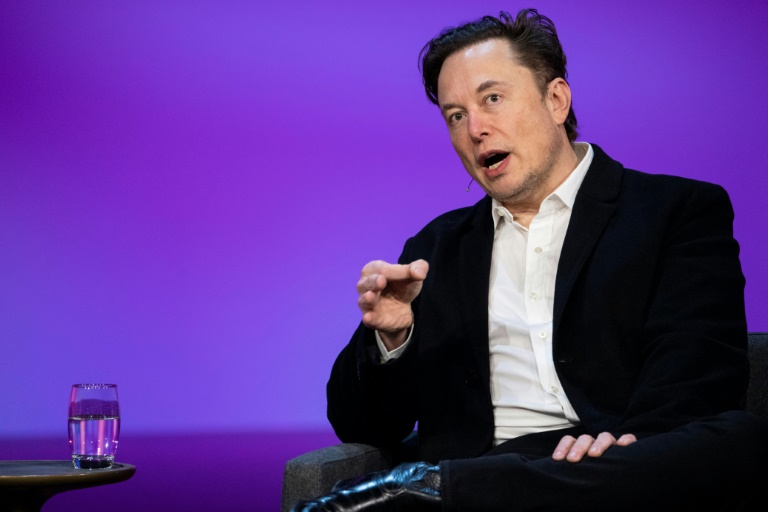
Twitter will yield to Elon Musk’s demand for internal data central to a standoff over his troubled $44 billion bid to buy the platform, US media reported on Wednesday.

The news comes just days after the Tesla chief threatened to back out of his deal to purchase Twitter, accusing it of failing to provide data on fake accounts.

The Washington Post, New York Times and website Axios cited unnamed sources familiar with the negotiations as saying Twitter’s board decided to let Musk access its full “firehose” of internal data associated with the hundreds of millions of tweets posted daily at the service.

“This would end the major standoff between Musk and the board on this hot button issue which has paused the deal,” Wedbush analyst Dan Ives said in a tweet.

Twitter chief executive Parag Agrawal has said that fewer than five percent of accounts active on any given day at Twitter are bots, but that analysis cannot be replicated externally due to the need to keep user data private.

About two dozen companies already pay to access the massive trove of internal Twitter data, which includes records of tweets along with information about accounts and devices used to fire them off, according to the Post.

Twitter declined to comment on the reports but has defended its responsiveness to Musk’s requests, and vowed to complete the deal on the original terms.

The mercurial Musk agreed to buy Twitter in a $44 billion deal in late April.

Twitter’s top legal officer has told employees that a special shareholder vote whether to approve the buyout deal could be held in late July or early August, according to Bloomberg.

Musk began making significant noise about fake accounts in mid-May, saying on Twitter he could walk away from the transaction if his concerns were not addressed.

Some observers have seen Musk’s questioning of Twitter bots as a means to end the takeover process, or to pressure Twitter into lowering the price.

The potential for Musk to take Twitter private has stoked protest from critics who warn his stewardship will embolden hate groups and disinformation campaigns.

US securities regulators have also pressed Musk for an explanation of an apparent delay in reporting his Twitter stock buys.

Twitter shares finished the official trading day slightly above $40, significantly lower than the $54.20 Musk agreed to pay when he inked the purchase deal.

US, European stocks fall on worries over inflation, central bank moves

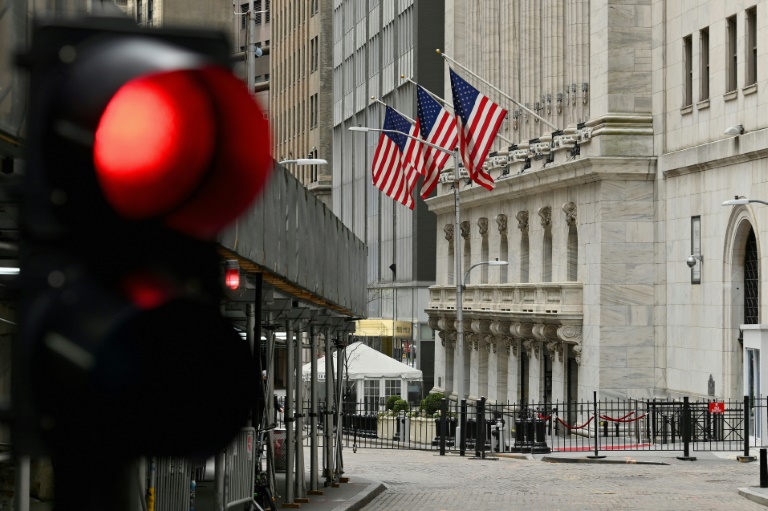
Wall Street stocks tumbled Wednesday, giving back the prior session’s gains on festering inflation worries and joining European equities lower ahead of a key European Central Bank decision.

US equities, which forged higher on Tuesday despite a downcast forecast from the World Bank, were back in the red as oil prices jumped and the White House warned of another gloomy consumer price report later this week.

White House Press Secretary Karine Jean-Pierre told reporters the Biden administration expects Friday’s consumer price index to be “elevated,” boosting expectations for more Federal Reserve monetary tightening.

“The Combination of higher crude prices and yields ticking up again has people concerned,” said Art Hogan, strategist at National Securities.

Major US indices fell about one percent, while bourses in Paris and Frankfurt also retreated, with a market note from Charles Schwab describing investors as “appearing a bit skittish” ahead of Thursday’s ECB decision.

The ECB is on Thursday expected to signal an end to its bond-buying, paving the way for an interest rate increase further down the line.

“The reality for the economy and probably the stock markets is that aggressive central bank rate hikes are likely to take a sharp bite out of household consumption,” said SPI Asset Management’s Stephen Innes.

The Paris-based Organization for Economic Co-operation and Development predicted that the world economy would grow by three percent this year — much slower than its previous estimate of 4.5 percent in December.

Earlier in Asia, stock prices had rallied as China eased Covid lockdown restrictions and is forecast to lift its crackdown on the tech sector.

China’s approval of dozens of new video game releases sent shares of some of its biggest tech firms soaring Wednesday.

Japan’s Nikkei also piled on about one percent as the falling yen gave support to exporters. 

The dollar climbed to a two-decade high against the Japanese currency, which has been weighed down by the Bank of Japan’s hands-off approach to inflation compared with other central banks.

– Key figures at around 2030 GMT –

New York – Dow: DOWN 0.8 percent to 32,910.90 (close)

New York – S&P 500: DOWN 1.1 percent at 4,115.77 (close)

New York – Nasdaq: DOWN 0.7 percent at 12,086.27 (close)

London – FTSE 100: DOWN 0.1 percent at 7,593.00 (close)

Frankfurt – DAX: DOWN 0.8 percent at 14,445.99 (close)

Paris – CAC 40: DOWN 0.8 percent at 6,448.63 (close)

EURO STOXX 50: DOWN 0.5 percent at 3,788.93 (close)

Tokyo – Nikkei 225: UP 1.0 percent at 28,234.29 (close)

Hong Kong – Hang Seng Index: UP 2.2 percent at 22,014.59 (close)

Shanghai – Composite: UP 0.7 percent at 3,263.79 (close)

Dollar/yen: UP at 134.29 yen from 132.59 yen late Tuesday

Euro/dollar: UP at $1.0720 from $1.0703 

Pound/dollar: DOWN at $1.2535 from $1.2592

Euro/pound: UP at 85.54 pence from 85.00 pence

Brent North Sea crude: UP 2.5 percent at $123.58 per barrel

West Texas Intermediate: UP 2.3 percent at $122.11 per barrel

burs-jmb/to

Car ploughs into school trip teenagers killing teacher in Berlin

A German-Armenian man drove into a crowd in a busy shopping district in Berlin on Wednesday, mowing down a group of teenagers and killing their teacher before crashing through a shop window.

The incident happened at around 10:30 am (0830 GMT) just across from Breitscheidplatz, where an Islamic State group sympathiser deliberately ploughed a truck into a Christmas market in 2016, killing 12.

At least a dozen people were injured including six who remain in a life-threatening condition, emergency services said. 

It was not clear whether the crash was intentional. The driver, 29, was being questioned, police told AFP. 

The silver Renault Clio with a Berlin licence plate first mounted the sidewalk on the corner of Tauentzienstrasse and Rankestrasse, hitting the group of secondary school students on a class trip, before returning to the road.

It then rammed into the shop front on Marburger Strasse about 150 to 200 metres (165 to 220 yards) away.

A female teacher with the group from a school in Bad Arolsen, a small town in the central German state of Hesse, was killed. A male teacher was seriously injured, the Hesse state government said in a statement. 

– ‘Happened so fast’ –

The driver was briefly detained by passers-by before being handed over to police after the car smashed through the shop front, according to police.

Berlin police chief Barbara Slowik said the driver was in hospital and “at this time, we do not have conclusive evidence of a political act”.

Later Wednesday, however, Berlin interior minister Iris Spranger said on Twitter that “according to latest information” the attack seemed to have been “committed by someone suffering from psychological problems”.

Spranger earlier denied media reports a letter of confession was found in the car, but said there were “posters with remarks about Turkey”.

However, security sources told AFP the car did not belong to the driver and cautioned that the contents of the vehicle may not be his.

Frank Vittchen, a witness at the scene, told AFP he was sitting at a fountain nearby when he “heard a big crash and then also saw a person fly through the air”. 

The vehicle drove “at high speed onto the pavement and didn’t brake”, he said, with its windows shattering from the impact.

“It all happened so fast,” he said.

Another witness who would only be named as F. Kacan said the driver had ploughed his car into the perfume store, and “then he suddenly took off running on the street and we were able to stop him”.

– ‘Concerned and shocked’ –

The German government is “very concerned and shocked” by the “terrible incident in Berlin”, said a spokeswoman, adding that their thoughts were with the victims and their loved ones. 

Germany has been on high alert for car ramming attacks since the deadly 2016 Christmas market assault, with most carried out by people who were found to have psychological issues.

In December 2020, a German man ploughed his car through a pedestrian shopping street in the southwestern city of Trier, killing four adults and a baby.

Earlier the same year, a German man rammed his car through a carnival procession in the central town of Volkmarsen, injuring dozens of bystanders, including children. He was sentenced to life in jail last year.

In January 2019, another German man injured eight people when he drove into crowds on New Year’s Eve in the western cities of Bottrop and Essen. He was later taken into psychiatric care.

In April 2018, a German crashed his van into people seated outside a restaurant in the city of Muenster, killing five before shooting himself dead. Investigators later said he had mental health problems.

During the football World Cup in Germany in 2006, a German man rammed his car into crowds gathered to watch a match at the Brandenburg Gate in Berlin, injuring some 20 people. The driver was later committed to a psychiatric hospital.  

Canada unveils carbon emissions offset market

Canada unveiled Wednesday a national carbon emissions market to help it meet its climate goals by allowing cities, farmers and others to sell credits for CO2 reductions to heavier polluters.

Under the system, registered participants can generate one credit for each tonne of emissions they reduce or remove from the atmosphere.

Credits can then be sold to others in Canada to help them meet compliance obligations or emissions reductions goals.

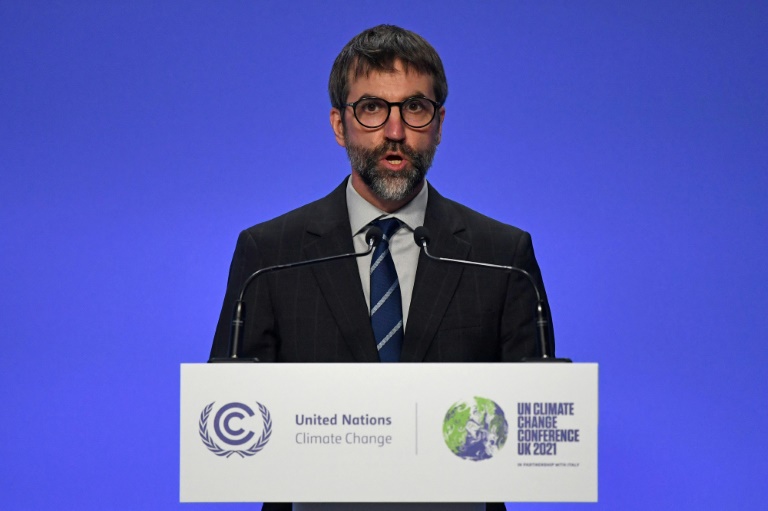
“This system gives foresters, farmers, Indigenous communities, municipalities and others an opportunity to earn revenues by cutting pollution,” Environment Minister Stephen Guilbeault told a news conference.

Some environmental groups, however, called it a step backwards in the fight against climate change.

“Offsets don’t stop carbon from entering the atmosphere and warming the planet, but on paper they make the big polluters look good,” Greenpeace’s Salome Sane said in a statement.

Ottawa has pledged to reduce Canada’s carbon emissions by up to 45 percent below 2005 levels by 2030. 

But several independent reports have said the government is not doing enough to reach that target, and is lagging behind its G7 counterparts in slashing emissions.

Its new offset credit system, which allows credits to be generated from projects started after January 1, 2017, would allow landfills to sell credits for captured methane, for example.

Farmers could generate credits by sequestering more carbon in their soil by alternating fields in which they plant crops, or using feed for livestock that produces less burped gasses, while forestry firms could do the same by thinning diseased trees and managing brush to reduce wildfires.

“You can’t just go out and plant a tree in your front yard and get a credit,” an official told a briefing.

The emissions cuts must be new, verifiable, and permanent to qualify under the program, which will also include direct carbon capture from the air once those details are hammered out.

The federal system also prohibits trading of duplicate credits. The province of Quebec, for example, is already part of the US state of California’s cap and trade system known as the Western Climate Initiative.

US regulator favors revamp of stock market trading system

Citing equity market trading defects revealed in last year’s GameStop saga, a top US securities regulator on Wednesday endorsed a broad revamp of the stock market trading system. 

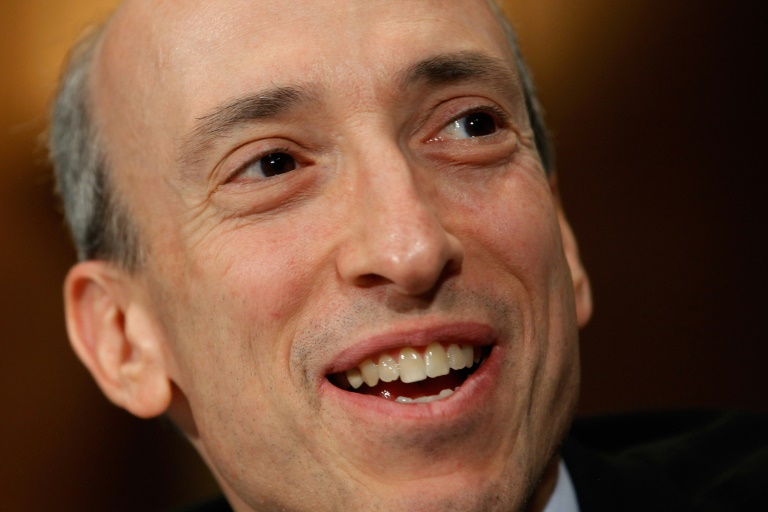
In a speech billed as a first step towards a possible update in the rules likely to rile financial firms, Gary Gensler, chair of the Securities and Exchange Commission, said he favored restructuring the system in order to better protect retail investors.

“It’s not clear… that our current national market system is as fair and competitive as possible for investors,” Gensler said in a virtual address at a conference hosted by Piper Sandler.

The speech marks the SEC’s latest action in response to frenzied trading in early 2021 during which extreme volatility in GameStop, AMC Entertainment and a handful of other equities rocked the market and led brokerages to implement sudden trading restrictions that angered investors and spurred congressional probes.

Gensler said the current system routes “the vast majority” of stock trades orders to electronic trading wholesalers such as Citadel Securities and Virtu Financial. 

In some cases, these firms pay the brokerages, an arrangement known as “payment for order flow” that can allow brokerages such as Robinhood Markets to offer commission-free trades to individual investors.

But Gensler is skeptical that this arrangement protects retail investors and believes the payment for order flow system creates conflicts of interests and encourages “gamification” on online platforms to increase trading volumes.

Gensler has asked SEC staff to consider steps to “enhance order-by-order competition,” potentially through auctions. He has also asked staff for recommendations to mitigate the risks with payment for order flow and to provide more transparency.

The SEC head described the speech as a starting point towards possible regulation that will include extensive public comment and discussion with other SEC commissioners.

Doug Cifu, chief executive of Virtu, disputed Gensler’s characterizations, telling CNBC that most of the broker dealers with which his firm trades do not accept payment for order flow.

“The chair with all due respect is conflating the issue of payment for order flow with the ecosystem that has evolved in this country for retail trading, which has really enabled retail investors to have instantaneous execution and essentially zero commission on 8000 listed names,” Cifu said.

“You know, the cliche that markets have never been better is actually factually correct.”

Algeria suspends Spain co-operation over W.Sahara dispute

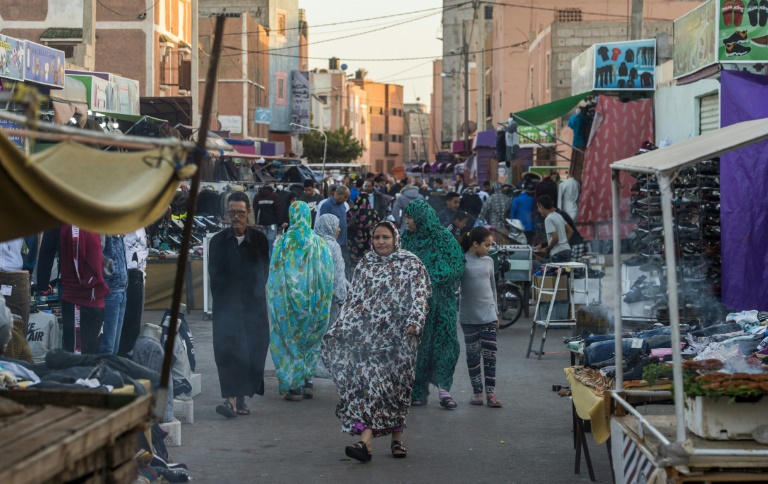
Algeria said Wednesday it was suspending a decades-old co-operation treaty with Spain, after Madrid backed the position of the North African country’s arch-rival Morocco on the disputed Western Sahara.

“Algeria has decided to immediately suspend the treaty of friendship, good neighbourliness and co-operation,” the Algerian presidency said in a statement.

Madrid and Algiers had signed the deal in 2002 to promote dialogue and cooperation on political, economic, financial, education and defence issues.

A Spanish diplomatic source told AFP that the government of Pedro Sanchez “regrets the Algerian decision”.

Algeria’s move came in retaliation after Spain in March publicly recognised Morocco’s autonomy plan for the disputed territory, helping end a year-long diplomatic spat between the two kingdoms.

But Algeria said Wednesday that Spain’s move had been “in violation of its legal, moral and political obligations” towards the territory, a former Spanish colony.

That reflects the complex challenge Madrid faces in balancing its ties with both states, bitter rivals.

Algeria, which backs the Polisario movement seeking independence in the Western Sahara, had in August last year broke off diplomatic ties with Rabat over “hostile acts”.

Morocco controls 80 percent of the Western Sahara.

The rest is held by the Polisario, which fought a 15-year war with Morocco after Spanish forces withdrew in 1975 and demands a referendum on independence.

– ‘Illegitimate formula’ –

Morocco has offered limited autonomy but insists the phosphate and fisheries-rich enclave must remain under its sovereignty.

Spain officially endorsed that position in March to help resolve a year-long diplomatic dispute sparked by a visit by Polisario leader Brahim Ghali to Spain for treatment for Covid-19.

Weeks after his hospitalisation, Moroccan border forces looked the other way as more than 10,000 migrants surged into Spain’s tiny North African enclave of Ceuta, an incident seen as meant to pressure Madrid.

In April Sanchez made an official visit to Morocco to patch up ties after his government backed Rabat’s 2007 autonomy plan.

Algiers said Wednesday that Madrid had thereby “given its full support to an illegal and illegitimate formula… advocated by the occupying power”.

Spain’s position is complicated because while it shares borders and strong economic ties with Morocco, it also depends partly on Algeria for natural gas.

That dependence that has become more acute as energy prices exploded following Russia’s invasion of Ukraine, but also because Algeria in October last year stopped pumping gas to Spain through a pipeline traversing Morocco.

And in a veiled warning to Morocco, Sanchez said Wednesday that “Spain will not tolerate any use of the tragedy of illegal immigration as a means of pressure.”

“The best way is international cooperation,” he said.

Algeria and Morocco have seen months of tensions since Morocco re-established ties with Israel in December 2020 in exchange for Washington also recognising Rabat’s sovereignty over the Western Sahara.

That came just weeks after the Polisario had declared a 1991 ceasefire null and void, stepping up attacks on Moroccan forces.

Twitter to share data at heart of Musk deal dispute: report

Twitter will yield to Elon Musk’s demand for internal data central to a standoff over his troubled $44 billion bid to buy the social media platform, the  Washington Post reported on Wednesday.

The news comes just days after the Tesla chief threatened to back out of his deal to purchase Twitter, accusing it of failing to provide data on fake accounts.

The Post cited an unnamed source familiar with the negotiations as saying Twitter’s board decided to let Musk access its full “firehose” of internal data associated with the hundreds of millions of tweets posted daily at the service.

“This would end the major standoff between Musk and the board on this hot button issue which has paused the deal,” Wedbush analyst Dan Ives said in a tweet.

Twitter chief executive Parag Agrawal has said that fewer than five percent of accounts active on any given day at Twitter are bots, but that analysis cannot be replicated externally due to the need to keep user data private.

About two dozen companies already pay to access the massive trove of internal Twitter data, which includes records of tweets along with information about accounts and devices used to fire them off, according to the Post.

Twitter declined to comment on the Washington Post report but has defended its responsiveness to Musk’s requests, and vowed to complete the deal on the original terms.

The mercurial Musk agreed to buy Twitter in a $44 billion deal in late April.

He began making significant noise about fake accounts in mid-May, saying on Twitter he could walk away from the transaction if his concerns were not addressed.

Some observers have seen Musk’s questioning of Twitter bots as a means to end the takeover process, or to pressure Twitter into lowering the price.

The potential for Musk to take Twitter private has stoked protest from critics who warn his stewardship will embolden hate groups and disinformation campaigns.

US securities regulators have also pressed Musk for an explanation of an apparent delay in reporting his Twitter stock buys.

Amazon's indigenous leaders make plea at Americas summit

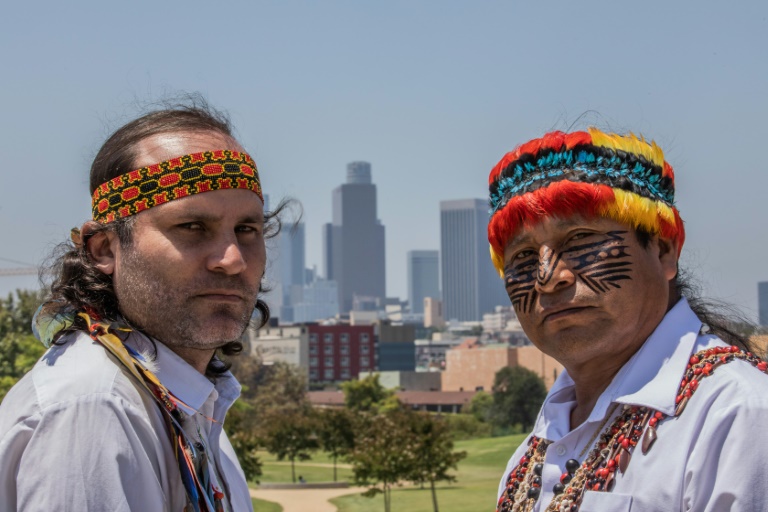
The custodians of the primal forests that stretch across eight Latin American countries said national leaders gathering in Los Angeles this week had to listen to them if they wanted to save the Amazon.

Indigenous leaders from across South America are in the United States for the Summit of the Americas, a semi-regular gathering of heads of state from the Western Hemisphere.

But, they say, many are not being allowed into the meetings where the land their people have called home for centuries is being discussed.

“In these important events, where there are governments in power, we should be hearing from indigenous people from different countries,” said Domingo Peas, from the Achuar community in the Ecuadorian Amazon.

Peas, a member of the Confederation of Indigenous Nations of the Ecuadoran Amazon, traveled by boat, car, bus and plane over more than two days to get from his remote community of some 100 families to Los Angeles.

But when he arrived, he was told he would not be able to participate in the event, despite its having climate change as a major topic.

“Indigenous voices are not being heard at the summit, indigenous delegates are being denied entry,” said Atossa Soltani, founder and president of the NGO Amazon Watch.

Not hearing what they have to say would be a huge mistake, she told AFP.

“Indigenous peoples not only have the solutions to our climate and  biodiversity crisis, they are the original inhabitants. 

“The reason we have these incredibly intact forests in Latin America, is because indigenous peoples for centuries and millennia have been taking care of the forests.

“They need to be at the table. They have something to teach the modern world.”

The Summit of the Americas is being held in the United States for the first time since its inaugural edition in 1994.

The gathering, which was intended to showcase US President Joe Biden’s engagement with the vast continent to the south, has floundered because a number of significant figures are not here.

Most conspicuously, Mexico’s President Andres Manuel Lopez Obrador, whose co-operation is key if the Biden administration wants to get a handle on immigration, said he would stay away because leaders from Venezuela, Nicaragua and Cuba had not been invited.

Brazil’s President Jair Bolsonaro, however, is expected to attend. 

Soltani said Bolsonaro, whose country contains the lion’s share of the Amazon needs to rein in the rampant commercial exploitation of the forest.

“The fate of the Amazon is in the hands of these world leaders who are gathering here this week. That is the fate of all of us. This is the future for our children, it’s the future for life on this planet,” she said.

Amazon's indigenous leaders make plea at Americas summit

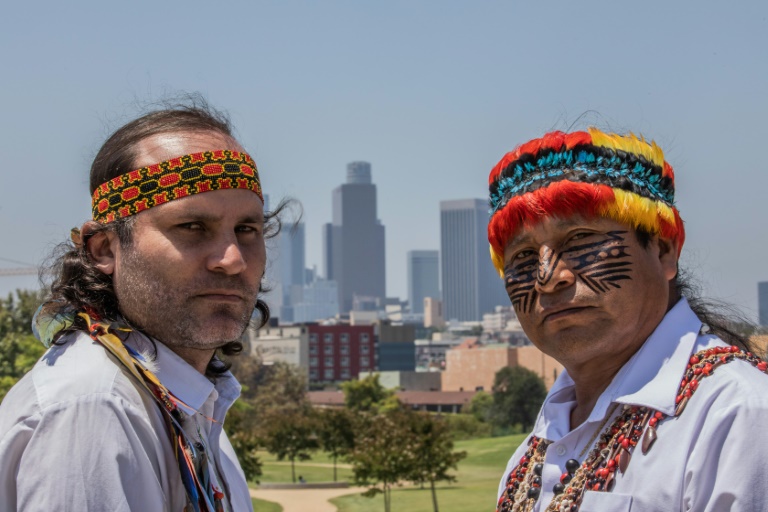
The custodians of the primal forests that stretch across eight Latin American countries said national leaders gathering in Los Angeles this week had to listen to them if they wanted to save the Amazon.

Indigenous leaders from across South America are in the United States for the Summit of the Americas, a semi-regular gathering of heads of state from the Western Hemisphere.

But, they say, many are not being allowed into the meetings where the land their people have called home for centuries is being discussed.

“In these important events, where there are governments in power, we should be hearing from indigenous people from different countries,” said Domingo Peas, from the Achuar community in the Ecuadorian Amazon.

Peas, a member of the Confederation of Indigenous Nations of the Ecuadoran Amazon, traveled by boat, car, bus and plane over more than two days to get from his remote community of some 100 families to Los Angeles.

But when he arrived, he was told he would not be able to participate in the event, despite its having climate change as a major topic.

“Indigenous voices are not being heard at the summit, indigenous delegates are being denied entry,” said Atossa Soltani, founder and president of the NGO Amazon Watch.

Not hearing what they have to say would be a huge mistake, she told AFP.

“Indigenous peoples not only have the solutions to our climate and  biodiversity crisis, they are the original inhabitants. 

“The reason we have these incredibly intact forests in Latin America, is because indigenous peoples for centuries and millennia have been taking care of the forests.

“They need to be at the table. They have something to teach the modern world.”

The Summit of the Americas is being held in the United States for the first time since its inaugural edition in 1994.

The gathering, which was intended to showcase US President Joe Biden’s engagement with the vast continent to the south, has floundered because a number of significant figures are not here.

Most conspicuously, Mexico’s President Andres Manuel Lopez Obrador, whose co-operation is key if the Biden administration wants to get a handle on immigration, said he would stay away because leaders from Venezuela, Nicaragua and Cuba had not been invited.

Brazil’s President Jair Bolsonaro, however, is expected to attend. 

Soltani said Bolsonaro, whose country contains the lion’s share of the Amazon needs to rein in the rampant commercial exploitation of the forest.

“The fate of the Amazon is in the hands of these world leaders who are gathering here this week. That is the fate of all of us. This is the future for our children, it’s the future for life on this planet,” she said.

Close Bitnami banner
Bitnami