World

Kyiv seeks evacuation of Azovstal fighters, first war crimes trial begins

Ukraine was seeking to evacuate the last soldiers holed up at the Azovstal steelworks in Mariupol on Wednesday, its president said, as the first war crimes trial of a Russian soldier since the invasion began was set to get under way in Kyiv.

On the international stage, Finland and Sweden were expected to formally submit a joint application to join the NATO military alliance, a historic reversal of their traditional policy of non-alignment.

As the war nears its third month, Azovstal has become emblematic of the fierce Ukrainian resistance that has repelled the Russian invasion far more effectively than most initially expected, and forced President Vladimir Putin to recalibrate his military aims from taking the capital Kyiv to focussing on the east of the country.

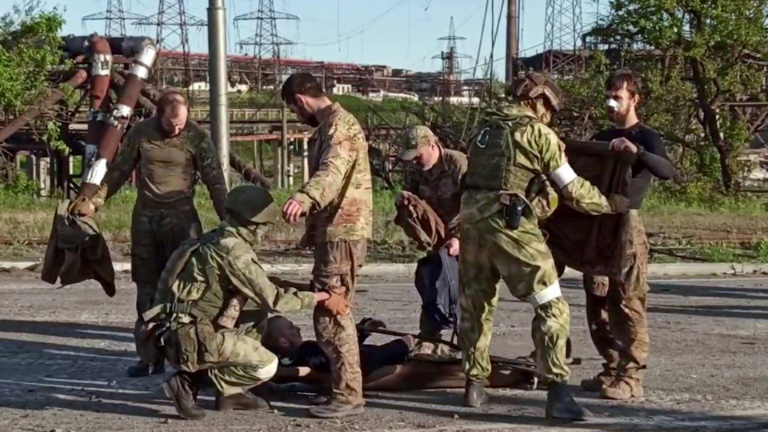
A unit of soldiers had been holding out in the Mariupol plant’s underground maze of tunnels, stalling Russia’s progress through surrounding territory, but on Tuesday Moscow said more than 260 had now surrendered.

Kyiv’s defence ministry said it would do “everything necessary” to rescue the undisclosed number of personnel still in the steelworks, but admitted there was no military option available.

“The evacuation mission continues, it is overseen by our military and intelligence,” Ukrainian President Volodymyr Zelensky said in his nightly address. “The most influential international mediators are involved.”

His adviser Oleksiy Arestovich said they would not comment further while the operation was ongoing, in an interview with local television.

“Everything is too fragile there and one careless word can destroy everything,” he said. 

Those who have left Azovstal were taken into Russian captivity, including 51 who were heavily wounded, the Russian defence ministry said.

The ministry, which published images showing soldiers on stretchers, said the injured were transported to a hospital in the eastern Donetsk region controlled by pro-Kremlin rebels.

The defence ministry in Kyiv said it was hoping for an “exchange procedure… to repatriate these Ukrainian heroes as quickly as possible”.

But their fate was unclear, with Kremlin spokesman Dmitry Peskov refusing to say whether they would be treated as criminals or prisoners of war.

Putin “guaranteed that they would be treated according to the relevant international laws,” Peskov said.

– First war crimes trial –

However, Russian forces have been accused of committing a multitude of war crimes since the invasion began. 

On Wednesday a 21-year-old soldier will go on trial in Kyiv in the first attempt to prosecute the alleged abuses.

Vadim Shishimarin, from Irkutsk in Siberia, is accused of shooting an unarmed civilian and faces a possible life sentence.

Prosecutors said Shishimarin was commanding a unit in a tank division when his convoy came under attack.

He and four other soldiers stole a car and were travelling through the Sumy region when they encountered a 62-year-old man on a bicycle.

Ordered by one of his companions to kill the cyclist, Shishimarin fired a Kalashnikov assault rifle from the window of the vehicle and “the man died instantly, a few dozen metres from his home”, the statement said.

The trial, expected to be followed by several others, will test the Ukrainian justice system at a time when international institutions are also conducting their own investigations into alleged war crimes.

The International Criminal Court said Tuesday it was deploying its largest-ever field team to Ukraine, with 42 investigators, forensic experts and support staff being sent into the field to gather evidence of alleged atrocities.

The US State Department also announced it was creating a special unit to research, document and publicise Russian war crimes.

The Conflict Observatory will “capture, analyse, and make widely available evidence of Russia-perpetrated war crimes and other atrocities in Ukraine,” the department said Tuesday.

– NATO membership –

The investigations are just one aspect of how a broad coalition of Western nations has been galvanised in support of Ukraine.

In a phone call Tuesday, French President Emmanuel Macron told Zelensky that arms deliveries from Paris would “increase in intensity” in the coming weeks, adding to the weapons support already provided by Europe and the United States.

Zelensky said the two leaders also discussed fuel supplies to Ukraine, ways to export Ukrainian agricultural products and Kyiv’s application to join the European Union, which Macron has said could take decades.

The invasion has also prompted a reversal of Finland and Sweden’s historic policy of military non-alignment.

The two countries will on Wednesday formally submit a joint application to become members of NATO, the US-led western military alliance established to hold back Soviet Russia.

Although both countries have long cooperated with NATO, they have spent decades formally unaligned.

The application comes after lawmakers in Finland — which shares a 1,300-kilometre (800-mile) border with Russia — voted overwhelmingly in favour of joining the bloc.

The war has increased public support for membership, which would guarantee an overwhelming military response from NATO members if Finland is attacked.

The two bids must be unanimously approved by the alliance’s 30 nations, but Turkish President Recep Tayyip Erdogan has objected, accusing the Nordic nations of harbouring terror groups sympathetic to Kurdish separatists.

US Secretary of State Antony Blinken has voiced confidence the bids will succeed and is due to meet Turkey’s foreign minister in Washington Wednesday.

US eases some sanctions on Venezuela: official

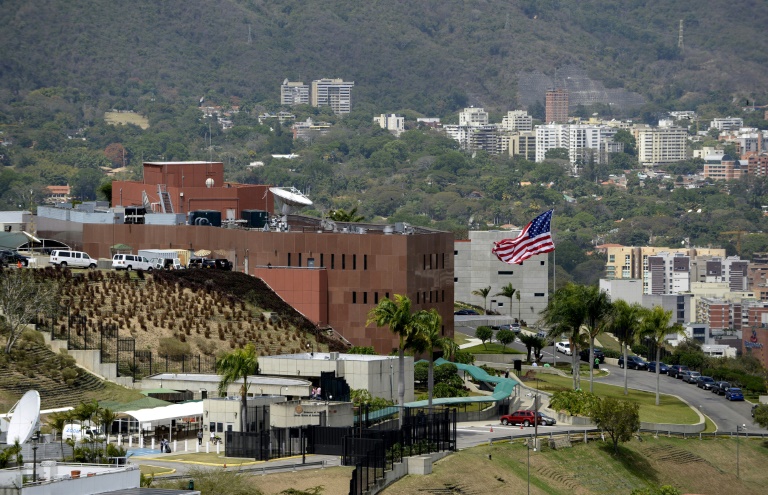
The United States is easing some of its tough sanctions on Venezuela to encourage dialogue between President Nicolas Maduro’s regime and its opponents, a senior official said Tuesday.

“The United States is undertaking a number of measures at the request of the Venezuelan interim government and the Unity platform of opposition parties negotiating with the Venezuelan regime, to support their decision to return to the negotiating table in Mexico City,” the US official said.

One action permits US oil firm Chevron to negotiate with the state oil company PDVSA on the terms of any future activities in Venezuela, the official added.

Venezuela’s Vice-President Delcy Rodriguez said on Twitter that the decision “has authorized American and European oil companies to negotiate and restart operations in Venezuela.”

But she added that the South American country’s ultimate goal is for this move to “begin the path towards the complete lifting of these illegal sanctions that affect our entire population.”

The US official said another step to ease sanctions would be announced imminently.

After a political stalemate of three years that has seen economic and social conditions in Venezuela drastically deteriorate, Washington wants to encourage Maduro’s regime to negotiate with his opponents.

They include opposition parties and the “interim government” led by Juan Guaido, which has been recognized by nearly 60 countries, including the United States, as the legitimate government since 2019.

Despite international support, Guaido’s side has not been able to oust Maduro.

The US official, who spoke on condition of anonymity, said the easing of sanctions was underway at the request of the Guaido-led interim government and was directly tied to an agreement of both sides to return to talks.

“The United States supports a peaceful and negotiated outcome to the Venezuelan political and economic and humanitarian crisis,” the official said.

The two Venezuelan sides met to discuss “future plans” in the wake of the announcement later Tuesday.

The heads of both delegations — Jorge Rodriguez representing Maduro and head of the opposition team Gerardo Blyde — both tweeted a photo of them shaking hands accompanied by the same message: “In a working meeting for future plans. To revive the spirit of Mexico.”

– Tentative overture –

Venezuelan talks had been stalled since October, when the United States took into custody Colombian businessman Alex Saab, who was accused of laundering money for Maduro’s regime.

But in March two US officials visited Venezuela and shortly afterward Caracas released two detained Americans, raising hopes of a thaw in relations between the two sides and a resumption of domestic political talks.

The US official stressed that the easing of sanctions would not permit Chevron to actually reach an agreement with PDVSA or undertake work inside or on behalf of Venezuela, where the oil sector has been hampered by international sanctions.

“Very clearly, none of these alleviations of pressure would lead to an increase in revenue for the regime,” the official said.

“We are going to calibrate our sanctions policy accordingly to increase pressure or alleviate pressure on the basis of ambitious concrete and irreversible outcomes that empower the Venezuelan people to determine the future of their country through democratic elections,” the official added.

Democratic US Senator Bob Menendez, chairman of the Senate Foreign Relations Committee, strongly criticized the overture to Caracas.

“Giving Maduro a handful of undeserved handouts just so his regime will promise to sit down at a negotiating table is a strategy destined to fail,” Menendez said in a statement.

US concessions “ignore the cold, hard facts about the Maduro regime and its history of abusing negotiations to strengthen its political position,” he added.

Asian markets mixed after US retail data boosts Wall Street

Asian stocks were mixed Wednesday following a strong start in some markets, which took the lead from Wall Street where traders were cheered by brisk US retail sales data.

The US Federal Reserve’s tightening of monetary policy to contain surging inflation has sent jolts through global markets, deepening the apprehensions of investors already roiled by China’s Covid lockdowns and the Russian invasion of Ukraine.

But there was some good news out of the United States Tuesday, with data showing increased spending by Americans in April. Retail sales rose 0.9 percent — partly boosted by a rebound in auto purchases.

“The economy is slowing but the consumer still looks good and that means the economy is still positioned to avoid a recession,” said Edward Moya of OANDA. 

Industrial production also rose in April — “another sign the economy isn’t falling apart just yet”, he added.

Wall Street closed with gains, with the tech-rich Nasdaq jumping nearly three percent.

Tokyo, Sydney and Singapore rose in Wednesday trade, thanks to the bounce in New York.

By mid-morning, however, Hong Kong and Shanghai dipped into negative territory after a positive start.

The US consumer data added to the boost from China earlier this week, where authorities said Shanghai — the economic engine of the world’s second-largest economy — will “gradually reopen” businesses.

Most of the city’s 25 million people were placed under lockdown for weeks as authorities battled a major Covid outbreak.

Millions were still confined to their homes Wednesday as confusion abounded over official statements about achieving zero Covid cases.

But just the indication of an easing was enough to boost markets, which have been concerned about the impact of China’s lockdowns on the global economy — especially supply chains.

– Fed inflation plans –

Central banks around the world are concerned about skyrocketing prices, and on Tuesday Fed chair Jerome Powell said it needs to see “clear” evidence that inflation is coming down before pulling back on efforts to cool the economy.

He acknowledged that it may be a “bumpy” ride that would inflict some pain.

His comments were in line with market expectations, said Stephen Innes of SPI Asset Management. 

“Still, the debate is evolving among the active trading community from recessionary capitulation mode to one that is short and not a particularly deep recession,” he said. 

“So while this is a tacit acceptance that the Fed is in catch-up mode and is prepared to constrain demand to get inflation down, they are unlikely to do it in a jackhammer fashion.”

– Key figures at around 0245 GMT –

Hong Kong – Hang Seng Index: DOWN 0.7 percent at 20,455.05 

Shanghai – Composite: DOWN 0.4 percent at 3,081.19 

Tokyo – Nikkei 225: UP 0.7 percent at 26,851.15 (break)

Brent North Sea crude: UP 0.5 percent at $112.50 per barrel

West Texas Intermediate: UP 1.1 percent at $113.50 per barrel

Euro/dollar: DOWN at $1.0533 from $1.0550 at 2030 GMT Tuesday

Pound/dollar: DOWN at $1.2476 from $1.2486

Euro/pound: DOWN at 84.43 pence from 84.47 pence 

Dollar/yen: DOWN at 129.18 yen from 129.37 yen

New York – Dow: UP 1.3 percent at 32,654.59 (close)

London – FTSE 100: UP 0.7 percent at 7,518.35 (close)

Pakistan and IMF to meet over release of funds as economy falters

The International Monetary Fund will begin talks with Pakistani officials on Wednesday over the release of crucial funds, a process slowed by concerns about the pace of economic reforms in the South Asian country.

Pakistan has repeatedly sought international support for its economy, which has been hit by crippling national debt, galloping inflation and a plummeting rupee.

The talks will be held in the Qatari capital Doha, Pakistan’s finance ministry said, and are expected to continue into next week. 

A major sticking point is likely to be over costly subsidies — notably for fuel and electricity — and Finance Minister Miftah Ismail said he wants the two sides to “find a middle ground”.

“The government will try to convince the IMF that for political stability purposes it is important to keep at least some of the subsidies,” said economist Shahrukh Wani. 

“The IMF will possibly, rightly, say that these are unsustainable and they should be rolled back to make the trade and budget deficit manageable,” he added.

A six billion dollar IMF bailout package signed by former prime minister Imran Khan in 2019 has never been fully implemented because his government reneged on agreements to cut or end some subsidies and to improve revenue and tax collection.

Islamabad has so far received $3 billion, with the programme due to end later this year.

Officials are seeking an extension to the programme through to June 2023, as well as the release of the next tranche of $1 billion.

Pakistani Prime Minister Shehbaz Sharif, who took power with a coalition that removed Khan in a no-confidence vote last month, has vowed to jumpstart the moribund economy, but analysts say his fragile government has failed to take tough decisions. 

“It’s an administration that has refused to take hard political steps to bring eventual economic relief — but that’s exactly the sacrifice it must make by going to the IMF,” said Michael Kugelman, deputy South Asia director at the Wilson Center in Washington.

Pakistan and IMF to meet over release of funds as economy falters

The International Monetary Fund will begin talks with Pakistani officials on Wednesday over the release of crucial funds, a process slowed by concerns about the pace of economic reforms in the South Asian country.

Pakistan has repeatedly sought international support for its economy, which has been hit by crippling national debt, galloping inflation and a plummeting rupee.

The talks will be held in the Qatari capital Doha, Pakistan’s finance ministry said, and are expected to continue into next week. 

A major sticking point is likely to be over costly subsidies — notably for fuel and electricity — and Finance Minister Miftah Ismail said he wants the two sides to “find a middle ground”.

“The government will try to convince the IMF that for political stability purposes it is important to keep at least some of the subsidies,” said economist Shahrukh Wani. 

“The IMF will possibly, rightly, say that these are unsustainable and they should be rolled back to make the trade and budget deficit manageable,” he added.

A six billion dollar IMF bailout package signed by former prime minister Imran Khan in 2019 has never been fully implemented because his government reneged on agreements to cut or end some subsidies and to improve revenue and tax collection.

Islamabad has so far received $3 billion, with the programme due to end later this year.

Officials are seeking an extension to the programme through to June 2023, as well as the release of the next tranche of $1 billion.

Pakistani Prime Minister Shehbaz Sharif, who took power with a coalition that removed Khan in a no-confidence vote last month, has vowed to jumpstart the moribund economy, but analysts say his fragile government has failed to take tough decisions. 

“It’s an administration that has refused to take hard political steps to bring eventual economic relief — but that’s exactly the sacrifice it must make by going to the IMF,” said Michael Kugelman, deputy South Asia director at the Wilson Center in Washington.

Kosovo veterans face witness intimidation case verdict

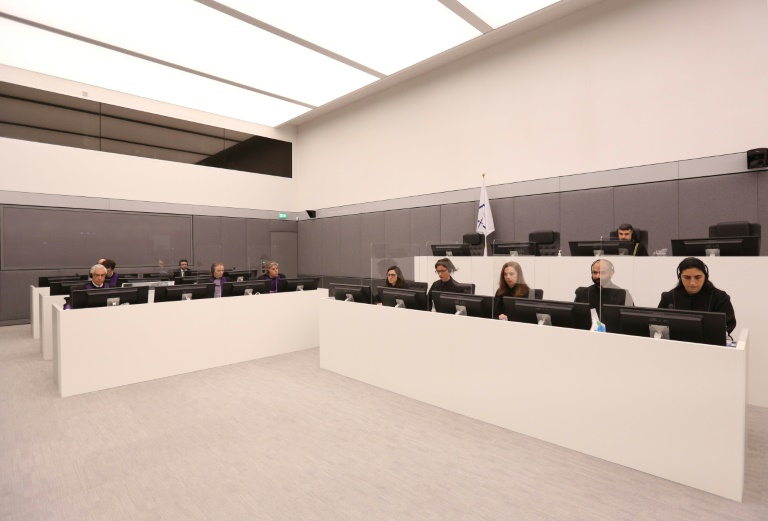
A war crimes court in The Hague will on Wednesday deliver its verdict on two former separatist fighters from Kosovo’s 1990s independence war against Serbia, who are accused of intimidating witnesses.

Hysni Gucati and Nasim Haradinaj, the head and the deputy head of a group of Kosovan veterans of the conflict, are accused of releasing details from classified files that they said they had received from the court.

Gucati and Haradinaj were arrested by heavily armed EU police in a raid on the veterans’ headquarters Pristina in September 2020, and sent to the Kosovo Specialist Chambers in the Netherlands for trial.

Both have pleaded not guilty in the trial, which started in October last year.

The court has issued war crimes charges against several senior members of the Kosovo Liberation Army (KLA), an ethnic Albanian guerrilla group that waged a 1998-99 independence struggle against Serbia.

They include Kosovo’s former president Hashim Thaci, who resigned after being indicted.

The court says Gucati and Haradinaj revealed protected information from the court, including details that could identify witnesses, during three press conferences between September 7 and 25, 2020.

They are charged with two counts of obstructing officials and four other counts of “intimidation during criminal proceedings, retaliation and violating the secrecy of proceedings,” the court said in a statement.

– ‘Criminally responsible’ –

The veterans association said it had received anonymous packages of the court’s confidential files including information about protected witnesses and upcoming indictments.

The Kosovo Specialist Chambers operates under Kosovo law but is based in the Netherlands to shield witnesses from intimidation in Kosovo, where former KLA commanders have long dominated political life.

The court is investigating claims that the Kosovo rebels waged a campaign of revenge attacks on Serbs, Roma and ethnic Albanian rivals during and after the war.

Thaci — the rebels’ former political chief — was accused by prosecutors of being “criminally responsible for nearly 100 murders”.

He pleaded not guilty when he appeared in court in November 2020.

Another former commander, Salih Mustafa, compared the court to Nazi Germany’s Gestapo secret police when he appeared in the dock in September last year.

Many KLA veterans fiercely oppose the tribunal’s mandate, defending their “just” liberation war against Belgrade’s oppression of Kosovo’s ethnic Albanian population.

The conflict left 13,000 people dead, mainly ethnic Albanians, and saw several top Serbian politicians and generals later jailed for war crimes.

Tensions between Belgrade and Pristina have remained high.

Serbia as well as its powerful allies China and Russia still do not recognise Kosovo’s 2008 independence declaration, which has been recognised by more than 100 countries.

Robot hives in Israel kibbutz hope to keep bees buzzing

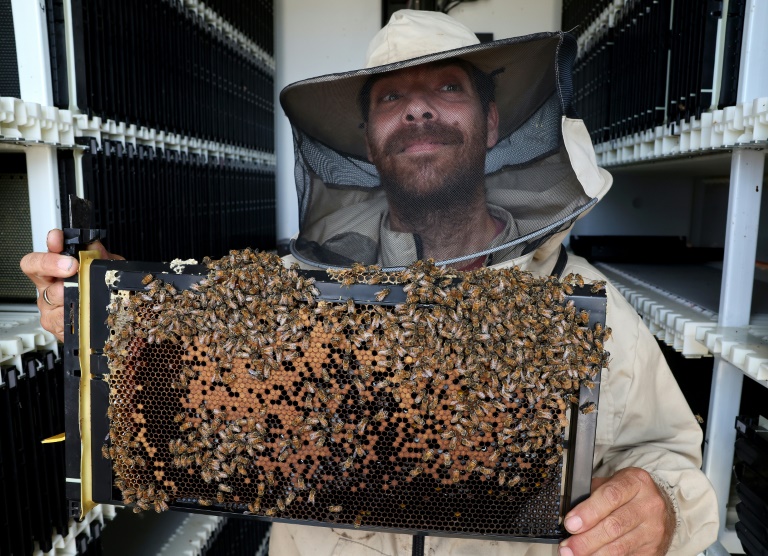
They function as normal hives, but apiaries built at a kibbutz in Israel’s Galilee are decked out with high-tech artificial intelligence systems set to ensure longevity for these vital pollinators.

“There are two million bees here,” said Shlomki Frankin as he walks into a 12-square-metre container in Kibbutz Beit Haemek in northern Israel.

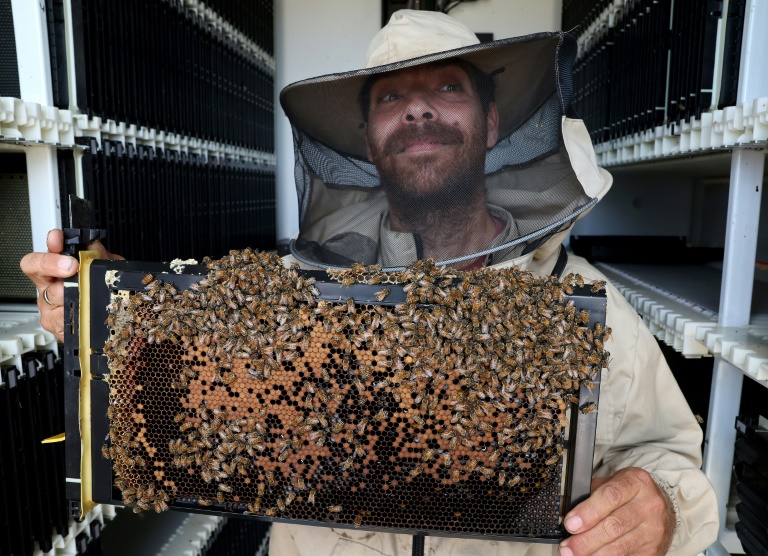
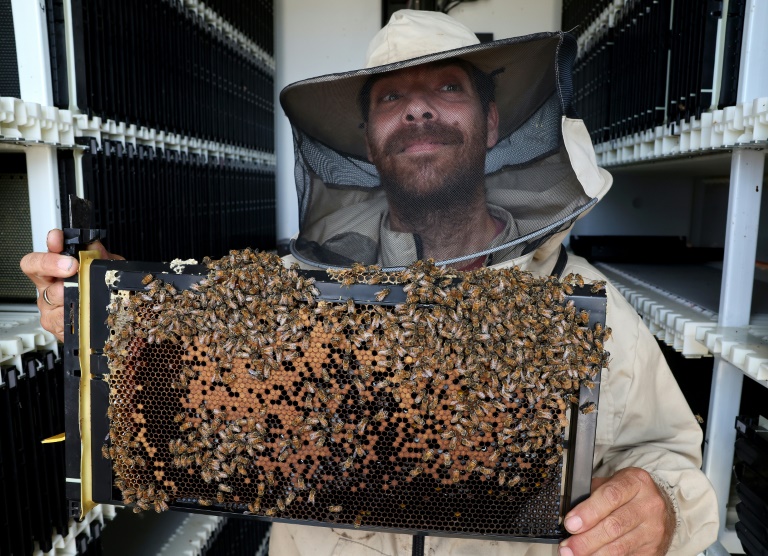
Dubbed “Beehome”, the project is the brainchild of an Israeli startup and houses up to 24 hives, explained Frankin, clad in a hat and veil to protect himself from stings.

The 41-year-old told AFP that the hives feature a multi-purpose robot that does everything from monitor the bees to adjust the habitat and provide them with care.

Startup Beewise came up with the idea in an effort to reduce mortality rates in a species that has in the past years seen sharp rates of decline due to environmental threats.

– Artificial intelligence –

“The robot is equipped with sensors that allow it to know what is happening in the hive frames,” said Netaly Harari, director of operations at Beewise.

“Thanks to artificial intelligence, our software knows what the bees need,” she explained in the workshop where the hives are assembled.

The robots can automatically dispense sugar, water and medication.

If a problem comes up, the beekeeper is alerted through an application, allowing for intervention remotely via computer, or in person if necessary.

The hives operate on solar energy, have adjustable temperatures, eliminate pests and can even extract honey automatically using an integrated centrifuge, Harari said.

By the end of May, the startup hopes to be producing its own honey for the first time — the “first honey in the world made with artificial intelligence”, she enthused.

For Frankin, “the robot is a tool for beekeepers, but doesn’t replace them”.

They “save a lot of time”, he continued, because they allow him to “do a lot of simple things remotely”.

About a hundred of these high-tech hives are already functional in Israel, with a dozen others sent to the United States.

Beewise is eyeing a foothold in the European market in two years.

Launched in 2018, the startup has 100 employees and by April had raised about $80 million to develop its exports.

– World Bee Day – 

According to professor Sharoni Shafir, who heads the bee research centre at the Hebrew University of Jerusalem’s Rehovot campus, the technology can help protect increasingly threatened bee colonies.

“Sometimes, a beekeeper takes several months to realise there is a problem,” he told AFP, adding that “with the robot, beekeepers can deal with the problem in real-time, reducing the bees’ mortality rates”.

One in every six species of bees have gone regionally extinct somewhere in the world, with the main drivers thought to be habitat loss and pesticide use, according to a 2019 study. 

Shafir points in particular to the “decline in fields of flowers due to construction, which has reduced the sources and diversity of food for bees”.

Added to that are diseases and pests, such as the varroa destructor, a mite that has a devastating effect on honeybees, the professor added.

“In Israel, between 20 and 30 percent of hives disappear every year,” the entomologist said.

He noted that a significant portion of foods consumed by people are the result of cross-pollination by bees and other insects.

More than 70 percent of crops, including almost all fruits, vegetables, oilseeds, spices, coffee and cocoa are dependent on pollinators.

The United Nations’ Food and Agriculture Organization on May 20 celebrates World Bee Day, which aims to underline the importance of preserving bee species.

“Bees and other pollinators have thrived for millions of years, ensuring food security and nutrition, and maintaining biodiversity and vibrant ecosystems,” FAO has said.

“We depend on bees,” Shafir emphasised.

Robot hives in Israel kibbutz hope to keep bees buzzing

They function as normal hives, but apiaries built at a kibbutz in Israel’s Galilee are decked out with high-tech artificial intelligence systems set to ensure longevity for these vital pollinators.

“There are two million bees here,” said Shlomki Frankin as he walks into a 12-square-metre container in Kibbutz Beit Haemek in northern Israel.

Dubbed “Beehome”, the project is the brainchild of an Israeli startup and houses up to 24 hives, explained Frankin, clad in a hat and veil to protect himself from stings.

The 41-year-old told AFP that the hives feature a multi-purpose robot that does everything from monitor the bees to adjust the habitat and provide them with care.

Startup Beewise came up with the idea in an effort to reduce mortality rates in a species that has in the past years seen sharp rates of decline due to environmental threats.

– Artificial intelligence –

“The robot is equipped with sensors that allow it to know what is happening in the hive frames,” said Netaly Harari, director of operations at Beewise.

“Thanks to artificial intelligence, our software knows what the bees need,” she explained in the workshop where the hives are assembled.

The robots can automatically dispense sugar, water and medication.

If a problem comes up, the beekeeper is alerted through an application, allowing for intervention remotely via computer, or in person if necessary.

The hives operate on solar energy, have adjustable temperatures, eliminate pests and can even extract honey automatically using an integrated centrifuge, Harari said.

By the end of May, the startup hopes to be producing its own honey for the first time — the “first honey in the world made with artificial intelligence”, she enthused.

For Frankin, “the robot is a tool for beekeepers, but doesn’t replace them”.

They “save a lot of time”, he continued, because they allow him to “do a lot of simple things remotely”.

About a hundred of these high-tech hives are already functional in Israel, with a dozen others sent to the United States.

Beewise is eyeing a foothold in the European market in two years.

Launched in 2018, the startup has 100 employees and by April had raised about $80 million to develop its exports.

– World Bee Day – 

According to professor Sharoni Shafir, who heads the bee research centre at the Hebrew University of Jerusalem’s Rehovot campus, the technology can help protect increasingly threatened bee colonies.

“Sometimes, a beekeeper takes several months to realise there is a problem,” he told AFP, adding that “with the robot, beekeepers can deal with the problem in real-time, reducing the bees’ mortality rates”.

One in every six species of bees have gone regionally extinct somewhere in the world, with the main drivers thought to be habitat loss and pesticide use, according to a 2019 study. 

Shafir points in particular to the “decline in fields of flowers due to construction, which has reduced the sources and diversity of food for bees”.

Added to that are diseases and pests, such as the varroa destructor, a mite that has a devastating effect on honeybees, the professor added.

“In Israel, between 20 and 30 percent of hives disappear every year,” the entomologist said.

He noted that a significant portion of foods consumed by people are the result of cross-pollination by bees and other insects.

More than 70 percent of crops, including almost all fruits, vegetables, oilseeds, spices, coffee and cocoa are dependent on pollinators.

The United Nations’ Food and Agriculture Organization on May 20 celebrates World Bee Day, which aims to underline the importance of preserving bee species.

“Bees and other pollinators have thrived for millions of years, ensuring food security and nutrition, and maintaining biodiversity and vibrant ecosystems,” FAO has said.

“We depend on bees,” Shafir emphasised.

Robot hives in Israel kibbutz hope to keep bees buzzing

They function as normal hives, but apiaries built at a kibbutz in Israel’s Galilee are decked out with high-tech artificial intelligence systems set to ensure longevity for these vital pollinators.

“There are two million bees here,” said Shlomki Frankin as he walks into a 12-square-metre container in Kibbutz Beit Haemek in northern Israel.

Dubbed “Beehome”, the project is the brainchild of an Israeli startup and houses up to 24 hives, explained Frankin, clad in a hat and veil to protect himself from stings.

The 41-year-old told AFP that the hives feature a multi-purpose robot that does everything from monitor the bees to adjust the habitat and provide them with care.

Startup Beewise came up with the idea in an effort to reduce mortality rates in a species that has in the past years seen sharp rates of decline due to environmental threats.

– Artificial intelligence –

“The robot is equipped with sensors that allow it to know what is happening in the hive frames,” said Netaly Harari, director of operations at Beewise.

“Thanks to artificial intelligence, our software knows what the bees need,” she explained in the workshop where the hives are assembled.

The robots can automatically dispense sugar, water and medication.

If a problem comes up, the beekeeper is alerted through an application, allowing for intervention remotely via computer, or in person if necessary.

The hives operate on solar energy, have adjustable temperatures, eliminate pests and can even extract honey automatically using an integrated centrifuge, Harari said.

By the end of May, the startup hopes to be producing its own honey for the first time — the “first honey in the world made with artificial intelligence”, she enthused.

For Frankin, “the robot is a tool for beekeepers, but doesn’t replace them”.

They “save a lot of time”, he continued, because they allow him to “do a lot of simple things remotely”.

About a hundred of these high-tech hives are already functional in Israel, with a dozen others sent to the United States.

Beewise is eyeing a foothold in the European market in two years.

Launched in 2018, the startup has 100 employees and by April had raised about $80 million to develop its exports.

– World Bee Day – 

According to professor Sharoni Shafir, who heads the bee research centre at the Hebrew University of Jerusalem’s Rehovot campus, the technology can help protect increasingly threatened bee colonies.

“Sometimes, a beekeeper takes several months to realise there is a problem,” he told AFP, adding that “with the robot, beekeepers can deal with the problem in real-time, reducing the bees’ mortality rates”.

One in every six species of bees have gone regionally extinct somewhere in the world, with the main drivers thought to be habitat loss and pesticide use, according to a 2019 study. 

Shafir points in particular to the “decline in fields of flowers due to construction, which has reduced the sources and diversity of food for bees”.

Added to that are diseases and pests, such as the varroa destructor, a mite that has a devastating effect on honeybees, the professor added.

“In Israel, between 20 and 30 percent of hives disappear every year,” the entomologist said.

He noted that a significant portion of foods consumed by people are the result of cross-pollination by bees and other insects.

More than 70 percent of crops, including almost all fruits, vegetables, oilseeds, spices, coffee and cocoa are dependent on pollinators.

The United Nations’ Food and Agriculture Organization on May 20 celebrates World Bee Day, which aims to underline the importance of preserving bee species.

“Bees and other pollinators have thrived for millions of years, ensuring food security and nutrition, and maintaining biodiversity and vibrant ecosystems,” FAO has said.

“We depend on bees,” Shafir emphasised.

Kim slams negligent officials over spiralling N. Korea Covid outbreak

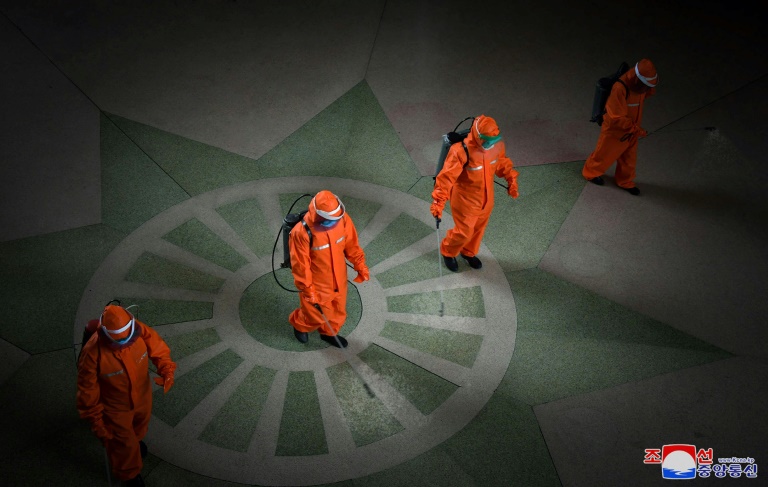
North Korean leader Kim Jong Un said the negligence and laziness of state officials worsened the country’s Covid outbreak, state media reported Wednesday, as the number of known cases crossed 1.7 million.

The nuclear-armed country reported its first coronavirus cases last week, and the Omicron variant-fuelled outbreak has since ballooned — marking the failure of a two-year blockade maintained since the start of the pandemic.

Chairing a meeting of the ruling party’s Politburo on Tuesday, Kim said there was “immaturity in the state capacity for coping with the crisis” and slammed the “non-positive attitude, slackness and non-activity of state leading officials”, the official Korean Central News Agency (KCNA) reported.

North Korea recorded 232,880 new cases of “fever” as of Tuesday evening, bringing the total number to 1.72 million with 62 deaths, KCNA said.

State media reports do not specify how many of the cases and deaths have tested positive for the coronavirus, but experts say the country would struggle to test and diagnose on this scale.

At the Tuesday meeting, Kim promised to “arouse the whole Party like an active volcano” to counter the spread of the virus. 

North Korea’s leader has put himself front and centre of his country’s Covid response, saying the outbreak is causing “great upheaval” nationwide.

Medicines donated by the Kim family were distributed to North Koreans in South Hwanghae province, state media said, in a bid to highlight his personal role in fighting the outbreak. 

Nearly 3,000 military medics are taking part in a “24-hour service system to carry out the delivery and supply of medicines”, state media said Wednesday.

North Korea has one of the world’s worst healthcare systems, with poorly equipped hospitals, few intensive care units, and no Covid treatment drugs or mass testing ability, experts say.

The World Health Organization is “deeply concerned at the risk of further spread of Covid-19 in the country particularly because the population is unvaccinated and many have underlying conditions putting them at risk of severe disease and death,” the UN body’s chief Tedros Adhanom Ghebreyesus told reporters.

Close Bitnami banner
Bitnami