World

Yellen acknowledges 'some global fallout' from any Russia sanctions

US Treasury Secretary Janet Yellen says “some global fallout” would result if the West moves ahead with the punishing, coordinated sanctions threatened against Russia, should it attack Ukraine.

If the penalties are imposed, “of course, we want the largest cost to fall on Russia,” Yellen said in an interview.

“But we recognize that there will be some global fallout from sanctions,” she told AFP.

Her comments echoed President Joe Biden’s warning on Tuesday that an escalation of the conflict would not be “painless” for Americans.

With Russian troops massed on the border with Ukraine, Biden continues to work with US allies on a diplomatic solution to the crisis, but has repeatedly warned Moscow of the dire consequences it will face if it moves against its neighbor.

Biden and German Chancellor Olaf Scholz on Wednesday urged Moscow to take real steps to defuse tensions. 

The president “has made clear that we intend to impose very significant costs on Russia, if they invade Ukraine,” Yellen said.

Treasury is crafting a set of financial sanctions together with European allies that could target Russian “individuals or companies” and “certainly could involve export controls,” she said.

Yellen described them as a “very substantial package of sanctions that will have severe consequences for the Russian economy.”

But she acknowledged worries about the “potential impacts on energy markets, given the importance of Russia’s role as a supplier of oil to the world market and of natural gas to Europe.”

Washington is “working with our European allies to try to, as best as possible, shield them from undue impact,” by ensuring that “supplies that are available, that come from other parts of the world” and to “try to make sure that oil and natural gas continue to flow to Europe.”

European Union officials said Wednesday they have secured alternate sources of natural gas and could survive a supply squeeze by Russia.

Amid the prospects of armed conflict, and threats Russia could cut off energy supplies, oil prices have risen sharply in recent weeks, hitting $96 a barrel on Wednesday, the highest level since 2014. 

Natural gas prices have been more volatile, but also increased in the past week after dipping earlier in the month.

Kuwait army allows women in combat roles, but without guns

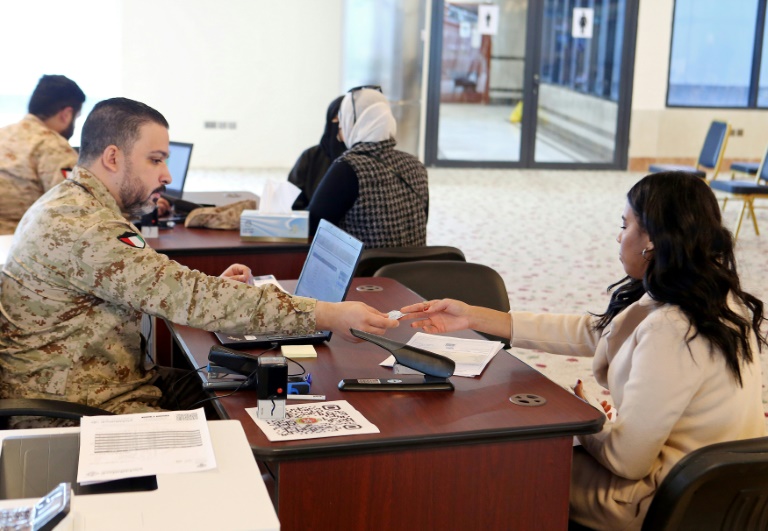
Kuwaiti women are angry after the military, having allowed female soldiers in combat roles, decided they need the permission of a male guardian and banned them from carrying weapons.

Activists have decried the policy as “one step forward, two steps back” after the defence ministry also decided that women in the armed forces, unlike civilians, must wear head coverings.

The moves have sparked an online backlash in Kuwait, usually regarded as one of the most open societies in the Gulf.

“I don’t know why there are these restrictions to join the army,” Ghadeer al-Khashti, a sports teacher and member of Kuwait Football Association’s women committee, told AFP.

“We have all kinds of women working in all fields, including the police force.”

She said her mother had helped the resistance when Iraqi dictator Saddam Hussein in 1990 invaded Kuwait and occupied it for seven months before being pushed out by a US-led international coalition.

“My mum during the Iraqi invasion used to hide weapons under her abaya and transport them to members of Kuwait’s resistance, and my father encouraged it,” said Khashti.

“I don’t understand on what basis they see women as weak.”

The ministry decided in October to allow women in combat roles but then imposed the restrictions after the defence minister was questioned by conservative lawmaker Hamdan al-Azmi.

Azmi, emboldened by an Islamic religious edict, or fatwa, had argued that having women in combat roles “does not fit with a woman’s nature”.

– ‘Women martyrs’ –

Lulwa Saleh al-Mulla, head of the Kuwaiti Women’s Cultural and Social Society, said the ministry’s restrictions are discriminatory and unconstitutional and vowed legal action by the organisation.

“We have women martyrs who defended their country of their own volition,” she told AFP. “No one ordered them to do that but the love for their country.

“We are a Muslim country, that is true, but we demand the laws not be subject to fatwas. Personal freedom is guaranteed in the constitution, on which the country’s laws are based.”

Kuwaiti women earned the right to vote in 2005 and have been active both in cabinet and parliament, though they are poorly represented in both.

Unlike most Gulf countries, Kuwait is known to have an active political scene, with MPs regularly challenging the authorities.

Earlier this month, dozens of Kuwaiti women staged a protest against the suspension of a women’s yoga retreat deemed “indecent” by conservatives.

One of them was Azmi who, in Twitter posts, denounced the retreat as “dangerous” and “alien to our conservative society”.

Women protesters carried placards denouncing the “exploitation of women’s issues” in politics, as well as the “regime of fatwas” and “guardianship of women”.

The debate about the army’s new rules for women has taken an irrational turn, said Ibtihal al-Khatib, an English-language professor at Kuwait University.

“The army needs to integrate both women and men without discrimination,” the feminist academic told AFP.

“Danger does not differentiate between men and women, and neither does death during battle.”

Australia's largest coal-fired power plant to close

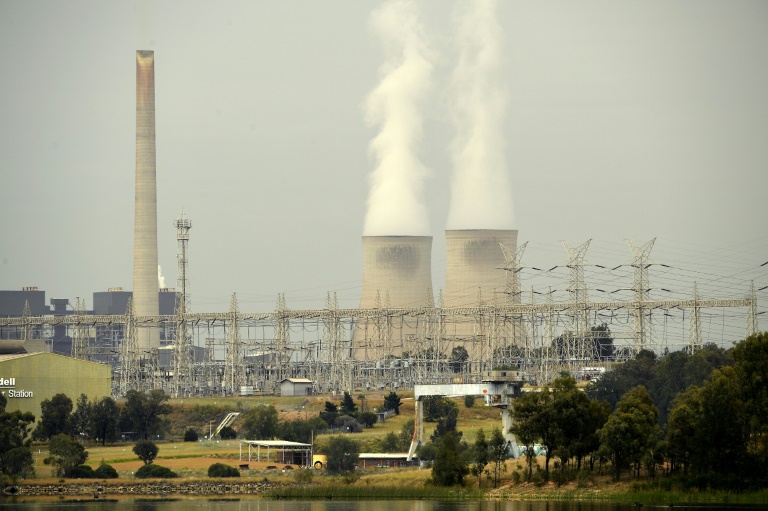
Australia’s largest coal-fired power plant will shut in 2025 — several years sooner than planned — operators announced Thursday, saying the facility is no longer viable given the low cost of renewables.

Origin Energy told investors the “influx of renewables” was “undermining the economics” of the vast decades-old Eraring plant just north of Sydney.

Australia is one of the world’s largest coal producers and the climate polluting fuel is an important source of export revenue, with the current administration backing more such plants.

“Today we have signalled the potential to accelerate Eraring’s closure to mid-2025,” Origin Energy CEO Frank Calabria said, acknowledging the move would be “challenging” for hundreds of staff.

The plant has been operational for almost 40 years and was due to be decommissioned in 2032.

“The reality is the economics of coal-fired power stations are being put under increasing, unsustainable pressure by cleaner and lower-cost generation, including solar, wind and batteries,” Calabria said.

The plant currently includes four 720-megawatt coal-fired generators and one 42-megawatt diesel generator, supplying Australia’s most populous state New South Wales with around a quarter of its electricity.

The company has an Aus$240 (US$173) million plan to repurpose the plant and install a large 700-megawatt battery.

Origin is the latest Australian energy producer to announce the early closure of coal assets, despite the conservative administration’s insistence on backing new coal projects.

Several coal mines and plants are also located in fiercely contested electoral seats, meaning both the government and the opposition Labor party have tried to avoid irking coal-backing voters.

The Mining and Energy Union said Eraring workers had been “blindsided” by the decision.

“For the many Lake Macquarie and Hunter Valley families that rely on the Eraring power station for their livelihoods, today’s announcement creates uncertainty for the future,” said union representative Robin Williams.

– ‘A dying industry’ –

Pro-coal government coalition MP Matt Canavan said the closure is “going to be a disaster,” predicting high energy prices.

Energy minister Angus Taylor, who has backed taxpayer investment in new coal plants, vowed to ensure there was a “like-for-like replacement” for the plant.

The move “puts affordability & reliability at risk”, he tweeted.

Monash University energy expert Ariel Liebman said while Origin Energy’s decision was made on commercial grounds, it pointed to a broader shift in how Australians get their energy.

“Everything is aligning to continually accelerate the energy transition to renewables,” he said.

Any price spike resulting from the closure will probably be shortlived, he added.

“Higher energy prices are not likely to last long as this announcement will bring forward several large wind and solar projects. It may even finally kick off an Australian off-shore wind revolution.”

Environmental groups cheered the news, but other experts warned it underscored the need for Canberra to face the reality that coal-fired plants will soon be a thing of the past.

“These decisions are entirely economic and the closures inevitable,” said Richie Merzian, a climate and energy expert at the left-leaning Australia Institute think tank.

“There are thousands of workers in Australian coal-fired power stations. They deserve certainty,” he said.

“Australian policymakers need to be planning to look after communities and workers in coal power regions, rather than selling false hope by trying to prop up a dying industry.”

Despair, solidarity for Brazil storm victims

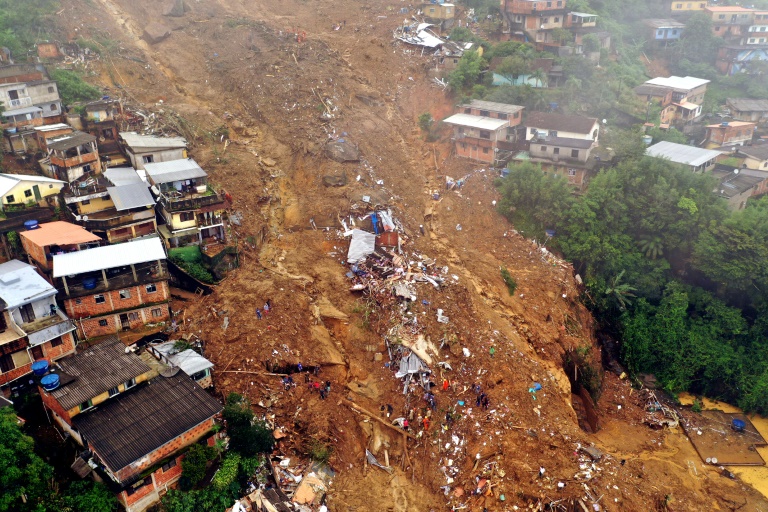
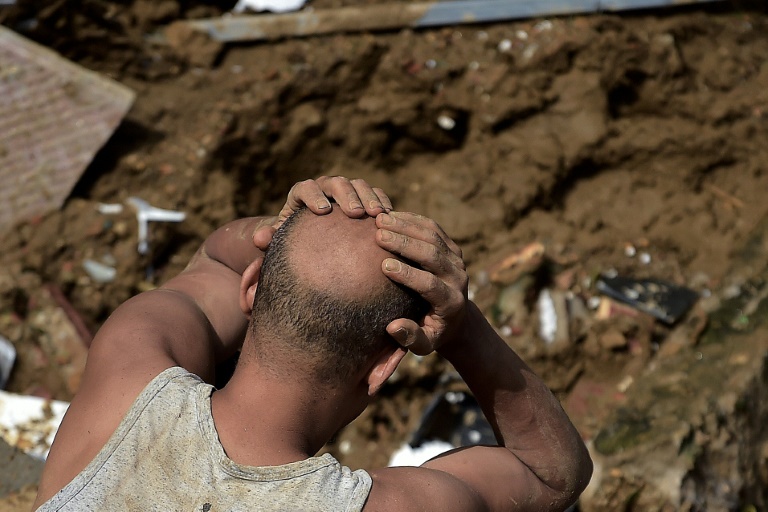
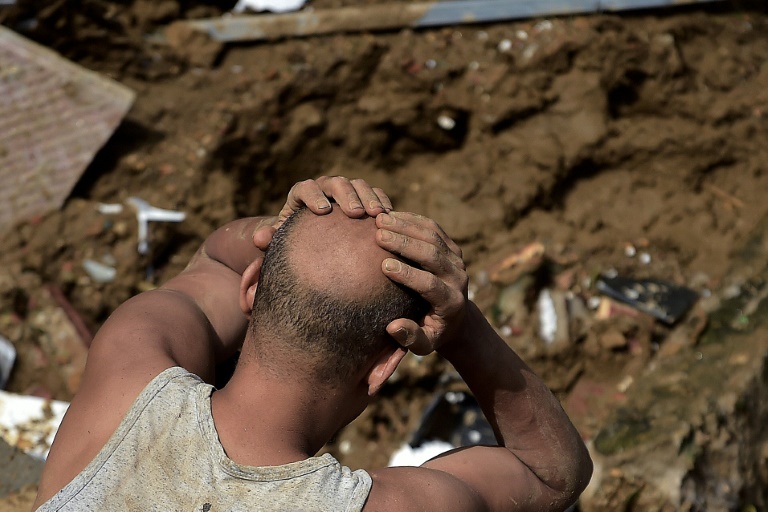
Holding the few possessions they are able to carry, families stream down the slopes of the hillside neighborhood of Alto da Serra, many in tears, fleeing the devastation left by deadly landslides in the Brazilian city of Petropolis.

Their modest neighborhood was one of the hardest hit by Tuesday’s storms, which dumped a month’s worth of rain on this scenic tourist town in a matter of hours, triggering flash floods and torrents of mud that gushed violently through the city.

“It’s devastating. We never could have imagined something like this,” says one fleeing resident, Elisabeth Lourenco, clutching two bags in which she stuffed some clothing when emergency officials ordered everyone in the neighborhood to evacuate.

“When the rain was falling hardest, a huge amount of mud came pouring down the hillside, and some tree branches fell on my house,” says the 32-year-old manicurist, on the verge of tears.

Nearby is a scene of total chaos. A giant swathe of hillside is covered in mud and strewn with the remains of shattered houses.

Authorities say the disaster killed at least 94 people across the city. There are fears the death toll, which rose steadily Wednesday, could climb further still as rescue workers continue digging through the mud and ruins.

Watching the rescue operation in disbelief, residents shudder with each deafening pass of the helicopters hovering overhead.

“I was eating dinner when the storm started. My brother came in and said, ‘We need to get out of here, the hillside is collapsing,'” says Jeronimo Leonardo, 47, whose home sits at the edge of the area wiped out by the landslide.

– ‘Up to our waists’ –

Residents of Alto da Serra have been evacuated to a church that sits atop another hill nearby.

From the square outside the small blue building, they can see the disaster zone through the mist.

Dozens of families swarm the church, carting their belongings in bags.

Outside, volunteers unload a truck of bottled water, as others sort through donated clothing.

“Can I have some shoes?” asks a little boy standing barefoot, his clothes stained with mud.

Inside, mattresses line the floor.

“We started taking people in as soon as the tragedy started Tuesday evening. We’re hosting around 150 to 200 people, including a lot of children,” says Father Celestino, a parish priest.

Yasmin Kennia Narciso, a 26-year-old teacher’s assistant, is sitting on a mattress nursing her nine-month-old baby.

“I didn’t sleep all night,” she says.

She tells the story of how she fled with her two daughters around 11:00 pm.

“We tried to leave earlier, but there were boulders strewn across the path and everything was flooded. We were in water up to our waists. We had no choice but to wait until it went down,” she says.

She adds that she is still waiting for news on several neighbors.

“An older lady and her three grandchildren who lived just above us were buried in the mud.”

Survivors know they likely face a long wait to learn if and when they can return home — for those who still have homes left.

EU summit looks to boost strained ties with Africa

EU and African leaders meet for a two-day summit on Thursday, seeking to reboot ties with pledges of major investment in the face of competition from China and Russia.

Relations between the two continents have been hampered by a raft of problems: from disputes over coronavirus vaccines, to curbing illegal migration, a wave of coups in Africa, and the growing clout of Russian mercenaries on the continent.

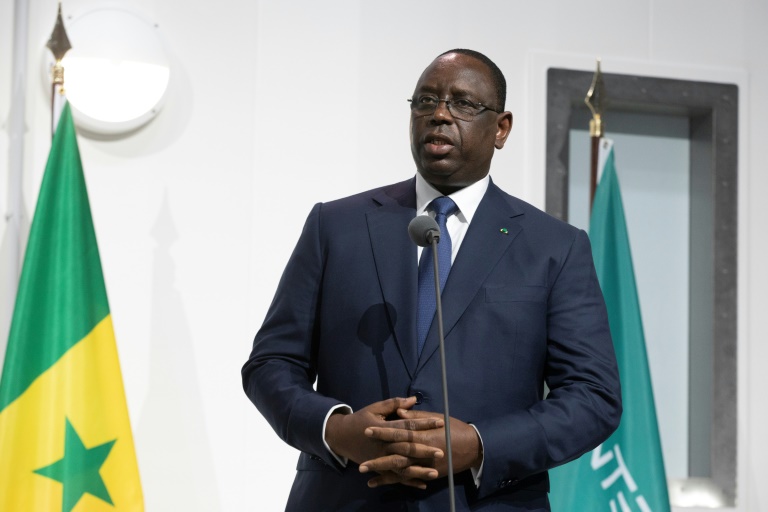
“Our common ambition, Africans and Europeans, for this summit, is to achieve a renewed, modernised and more action-oriented partnership,” said Senegal’s President Macky Sall, who currently chairs the African Union.

President Emmanuel Macron of France, whose country holds the European Union’s rotating presidency, hopes the first joint summit since 2017 can burnish his grand ambition of forging an “economic and financial New Deal with Africa”.

The EU is aiming to convince the 40 African leaders in Brussels that Europe is their “most reliable partner” by fleshing out an investment initiative that aims to mobilise 150 billion euros ($170 billion) of public and private funds over the next seven years.

The scheme is the first regional part of the EU’s Global Gateway — a $300-billion-euro ($340-billion) worldwide investment blueprint meant to rival China’s Belt and Road initiative.

The EU is eyeing a dozen ambitious projects to bolster internet access, transport links and renewable energy as it seeks to provide an alternative to cheap loans from Beijing.

But details on funding remain vague, and the projects are still to be agreed on with the African side.

African leaders are instead pushing for a far more concrete step of getting EU nations to allow the International Monetary Fund to allocate tens of billions of dollars in further aid. 

– Coups, mercenaries, Mali –

The summit — which will involve a series of roundtable discussions — comes at a worrying time for Africa after a wave of military coups and as regional powerhouse Ethiopia is wracked by conflict.  

Burkina Faso last month joined Guinea, Mali and Sudan as the fourth country frozen out by the AU after disgruntled soldiers toppled the elected president.

Those four will not be represented in Brussels. 

As Europe grapples with a feared Russian invasion of Ukraine, it is also unsettled by the rising clout of Russian mercenaries in some of Africa’s most volatile hotspots.

Shadowy paramilitary outfit Wagner, alleged to have close ties to the Kremlin, is accused of bolstering Moscow’s geopolitical ambitions. 

Western nations have condemned the reported arrival of its mercenaries in Mali’s capital Bamako to help protect a junta that seized power last year. Mali’s rulers deny hiring Wagner. 

Macron is looking to redeploy France’s forces in Mali to elsewhere in the Sahel amid the breakdown in ties, ending a nine-year mission there battling jihadists.

European governments fear turmoil among the region’s rulers risks leaving a vacuum that movements tied to Al-Qaeda and the Islamic State group could exploit.

An EU official said the bloc would “remain engaged” in Mali, but there are still major questions over its military training mission there. 

The official said that in a bid to bolster broader stability, the EU planned to increase funding for African Union peacekeeping missions across the continent. 

– Vaccines –

The fight against the Covid-19 pandemic is also expected be a major topic.

Africa has been angered by what it sees as the unfair distribution of coronavirus vaccines worldwide that has left it lagging woefully behind.  

South Africa’s Cyril Ramaphosa has accused the West of giving his continent only the “crumbs from their table” as the EU has rebuffed a push for a temporary patent waiver to allow the generic production of vaccines.

The EU — the world’s biggest vaccine exporter — points to over 400 million jabs it has contributed to the global Covax vaccine-sharing initiative and is promising to give Africa 450 million doses by mid-2022.

It says it will increase funding to help health systems on the continent get jabs into arms, and has pledged one billion euros (around $1 billion) to bolster future vaccine production in Africa. 

Rescuers scour for survivors after Brazil floods, landslides kill 94

Rescue workers raced against the clock Wednesday searching for any remaining survivors among mud and wreckage after devastating flash floods and landslides hit the picturesque Brazilian city of Petropolis, killing at least 94 people.

Streets were turned into torrential rivers and houses swept away Tuesday when heavy storms dumped a month’s worth of rain in three hours on the scenic tourist town in the hills north of Rio de Janeiro.

With 35 people still reported missing, fears that the death toll could climb further sent firefighters and volunteers scrambling through the remains of houses washed away in torrents of mud, many of them in impoverished hillside slums.

It is the latest in a series of deadly storms to hit Brazil in the past three months, which experts say are being made worse by climate change.

The state government said at least 24 people had been rescued alive, as it reported the latest death toll Wednesday evening.

Using dogs, excavators and helicopters, rescue workers were urgently searching for more before it was too late, with the Rio Public Prosecutor’s office reporting that the 35 missing people had been registered on its missing persons list.

Around 300 people were being housed in shelters, mostly in schools, officials said. Charities called for donations of mattresses, food, water, clothing and face masks for victims.

Wendel Pio Lourenco, a 24-year-old resident, was walking through the street with a television in his arms, heading to a local church in search of shelter.

He said he was trying to save a few possessions, after spending a sleepless night helping search for victims.

“I found a girl who was buried alive,” he said.

“Everyone is saying it looks like a war zone.”

Governor Claudio Castro said much the same after visiting the scene.

“It looks like a scene from a war. It’s incredible,” he said, adding that it was the worst rain since 1932.

He praised rescue workers for managing “to save a large number of people before it was too late.”

Videos posted on social media from Tuesday’s rains showed streets in Petropolis, the 19th-century summer capital of the Brazilian empire, fill with violent floods that swept away cars, trees and nearly everything else in their paths.

Many shops were completely inundated by the rising water, which gushed down the streets of the historic city center, leaving jumbled piles of overturned cars in its wake.

Officials said more than 180 firefighters and other rescue workers were responding to the emergency, aided by 400 soldiers sent in as reinforcements.

City hall declared a “state of disaster” in the city of 300,000 people, which sits 68 kilometers (42 miles) north of Rio.

The city council declared three days of mourning for victims.

– ‘Tragedy’ –

Petropolis is a popular destination for tourists fleeing the summer heat of Rio.

The area is known for its leafy streets, stately homes, imperial palace — today a museum — and the natural beauty of the surrounding mountains.

Tuesday’s storms dumped 258 millimeters (10 inches) of rain on the city in three hours, nearly equal to all the rainfall from the previous month, the mayor’s office said.

The heaviest downpour had passed, but more moderate rain was expected to continue on and off for several days, authorities said.

President Jair Bolsonaro, on an official trip to Russia, said on Twitter he was keeping abreast of the “tragedy.”

“Thank you for your words of solidarity with the people of Petropolis,” he told President Vladimir Putin after meeting the Russian leader.

“May God comfort (the victims’) families.”

Brazil has been swept by heavy rains since December that have caused a series of deadly floods and landslides.

Experts say rainy season downpours are being augmented by La Nina — the cyclical cooling of the Pacific Ocean — and by the impact of climate change.

Because a warmer atmosphere holds more water, global warming increases the risk and intensity of flooding from extreme rainfall.

Last month, torrential rain triggered floods and landslides that killed at least 28 people in southeastern Brazil, mostly in Sao Paulo state.

There have also been heavy rains in the northeastern state of Bahia, where 24 people died in December.

Petropolis and the surrounding region were previously hit by severe storms in January 2011, when more than 900 people died in flooding and landslides.

Rescuers scour for survivors after Brazil floods, landslides kill 94

Rescue workers raced against the clock Wednesday searching for any remaining survivors among mud and wreckage after devastating flash floods and landslides hit the picturesque Brazilian city of Petropolis, killing at least 94 people.

Streets were turned into torrential rivers and houses swept away Tuesday when heavy storms dumped a month’s worth of rain in three hours on the scenic tourist town in the hills north of Rio de Janeiro.

With 35 people still reported missing, fears that the death toll could climb further sent firefighters and volunteers scrambling through the remains of houses washed away in torrents of mud, many of them in impoverished hillside slums.

It is the latest in a series of deadly storms to hit Brazil in the past three months, which experts say are being made worse by climate change.

The state government said at least 24 people had been rescued alive, as it reported the latest death toll Wednesday evening.

Using dogs, excavators and helicopters, rescue workers were urgently searching for more before it was too late, with the Rio Public Prosecutor’s office reporting that the 35 missing people had been registered on its missing persons list.

Around 300 people were being housed in shelters, mostly in schools, officials said. Charities called for donations of mattresses, food, water, clothing and face masks for victims.

Wendel Pio Lourenco, a 24-year-old resident, was walking through the street with a television in his arms, heading to a local church in search of shelter.

He said he was trying to save a few possessions, after spending a sleepless night helping search for victims.

“I found a girl who was buried alive,” he said.

“Everyone is saying it looks like a war zone.”

Governor Claudio Castro said much the same after visiting the scene.

“It looks like a scene from a war. It’s incredible,” he said, adding that it was the worst rain since 1932.

He praised rescue workers for managing “to save a large number of people before it was too late.”

Videos posted on social media from Tuesday’s rains showed streets in Petropolis, the 19th-century summer capital of the Brazilian empire, fill with violent floods that swept away cars, trees and nearly everything else in their paths.

Many shops were completely inundated by the rising water, which gushed down the streets of the historic city center, leaving jumbled piles of overturned cars in its wake.

Officials said more than 180 firefighters and other rescue workers were responding to the emergency, aided by 400 soldiers sent in as reinforcements.

City hall declared a “state of disaster” in the city of 300,000 people, which sits 68 kilometers (42 miles) north of Rio.

The city council declared three days of mourning for victims.

– ‘Tragedy’ –

Petropolis is a popular destination for tourists fleeing the summer heat of Rio.

The area is known for its leafy streets, stately homes, imperial palace — today a museum — and the natural beauty of the surrounding mountains.

Tuesday’s storms dumped 258 millimeters (10 inches) of rain on the city in three hours, nearly equal to all the rainfall from the previous month, the mayor’s office said.

The heaviest downpour had passed, but more moderate rain was expected to continue on and off for several days, authorities said.

President Jair Bolsonaro, on an official trip to Russia, said on Twitter he was keeping abreast of the “tragedy.”

“Thank you for your words of solidarity with the people of Petropolis,” he told President Vladimir Putin after meeting the Russian leader.

“May God comfort (the victims’) families.”

Brazil has been swept by heavy rains since December that have caused a series of deadly floods and landslides.

Experts say rainy season downpours are being augmented by La Nina — the cyclical cooling of the Pacific Ocean — and by the impact of climate change.

Because a warmer atmosphere holds more water, global warming increases the risk and intensity of flooding from extreme rainfall.

Last month, torrential rain triggered floods and landslides that killed at least 28 people in southeastern Brazil, mostly in Sao Paulo state.

There have also been heavy rains in the northeastern state of Bahia, where 24 people died in December.

Petropolis and the surrounding region were previously hit by severe storms in January 2011, when more than 900 people died in flooding and landslides.

Kuwait army allows women in combat roles, but without guns

Kuwaiti women are angry after the military, having allowed female soldiers in combat roles, decided they need the permission of a male guardian and banned them from carrying weapons.

Activists have decried the policy as “one step forward, two steps back” after the defence ministry also decided that women in the armed forces, unlike civilians, must wear head coverings.

The moves have sparked an online backlash in Kuwait, usually regarded as one of the most open societies in the Gulf.

“I don’t know why there are these restrictions to join the army,” Ghadeer al-Khashti, a sports teacher and member of Kuwait Football Association’s women committee, told AFP.

“We have all kinds of women working in all fields, including the police force.”

She said her mother had helped the resistance when Iraqi dictator Saddam Hussein in 1990 invaded Kuwait and occupied it for seven months before being pushed out by a US-led international coalition.

“My mum during the Iraqi invasion used to hide weapons under her abaya and transport them to members of Kuwait’s resistance, and my father encouraged it,” said Khashti.

“I don’t understand on what basis they see women as weak.”

The ministry decided in October to allow women in combat roles but then imposed the restrictions after the defence minister was questioned by conservative lawmaker Hamdan al-Azmi.

Azmi, emboldened by an Islamic religious edict, or fatwa, had argued that having women in combat roles “does not fit with a woman’s nature”.

– ‘Women martyrs’ –

Lulwa Saleh al-Mulla, head of the Kuwaiti Women’s Cultural and Social Society, said the ministry’s restrictions are discriminatory and unconstitutional and vowed legal action by the organisation.

“We have women martyrs who defended their country of their own volition,” she told AFP. “No one ordered them to do that but the love for their country.

“We are a Muslim country, that is true, but we demand the laws not be subject to fatwas. Personal freedom is guaranteed in the constitution, on which the country’s laws are based.”

Kuwaiti women earned the right to vote in 2005 and have been active both in cabinet and parliament, though they are poorly represented in both.

Unlike most Gulf countries, Kuwait is known to have an active political scene, with MPs regularly challenging the authorities.

Earlier this month, dozens of Kuwaiti women staged a protest against the suspension of a women’s yoga retreat deemed “indecent” by conservatives.

One of them was Azmi who, in Twitter posts, denounced the retreat as “dangerous” and “alien to our conservative society”.

Women protesters carried placards denouncing the “exploitation of women’s issues” in politics, as well as the “regime of fatwas” and “guardianship of women”.

The debate about the army’s new rules for women has taken an irrational turn, said Ibtihal al-Khatib, an English-language professor at Kuwait University.

“The army needs to integrate both women and men without discrimination,” the feminist academic told AFP.

“Danger does not differentiate between men and women, and neither does death during battle.”

'Battlefield mode': Hong Kong hospitals buckle under Omicron wave

Huddled under blankets and thermal shields, dozens of elderly patients shivered on gurneys outside a hospital serving one of Hong Kong’s poorest communities — a grim tableau for the city as its health system buckles under an Omicron-fuelled coronavirus wave.

“We call this the fever zone,” a nurse in full-body protective gear told AFP, declining to be named. “Don’t get too close.”

Hong Kong is in the throes of its worst coronavirus outbreak, and record new daily infections have pushed hospitals in the finance hub to the breaking point. 

On Monday, Caritas Medical Centre in Sham Shui Po district started setting up isolation tents outside its facilities — initially limiting one Covid patient per tent.

But by nightfall Wednesday, entire families were crammed into the tents, while about 50 others languished in the February chill on hospital beds wheeled outside. 

“Some of my colleagues say we are now in battlefield mode,” said David Chan, an emergency room nurse at Caritas who is also the acting president of Hong Kong’s Hospital Authority Employees Alliance.

“We are worried that the patients’ conditions will worsen later this week,” he told AFP, calling the situation “very undesirable”. 

One of Chan’s big concerns was the forecast for wet weather.

Later that evening, rain began to fall.

– Unvaccinated elderly –

Like mainland China, Hong Kong has adhered to a zero-Covid strategy, which has largely kept the virus out but left the business hub cut off from the world.

Until the most recent outbreak, all patients were treated in dedicated Covid isolation wards, and close contacts were sent to a quarantine camp.

But the extremely contagious Omicron virus variant has left authorities scrambling and exposed shortcomings in plans to deal with a major outbreak.

On Wednesday, the daily caseload hit a record 4,285 confirmed infections with a further 7,000 preliminary positives in the densely packed city of 7.5 million.

Before the latest wave, Hong Kong had recorded just over 12,000 cases since the beginning of the pandemic.

Health experts say the daily case numbers could rise to 28,000 by March.

Especially vulnerable are Hong Kong’s vaccine-hesitant elderly.

Despite ample supplies, only 43 percent of those aged 70-79 and 26 percent of over-80s opted to get jabbed.

Last week, the government said people with mild cases could isolate at home but by Wednesday, there were still 12,000 people waiting to be hospitalised.

– ‘No plan’ –

At Caritas, the wave of patients has left staff “exhausted, stressed out and helpless”, Chan said.

“It’s so painful that we have been working non-stop but we still cannot take care of every patient properly,” he told AFP, adding that the current crisis outpaced what they faced at the beginning of the pandemic. 

“Back then, we did not know the virus well and we were short of equipment,” he said. 

“Two years on, we expected the Hospital Authority to have better plans — but there turned out to be none.”

City leader Carrie Lam ruled out a hard, China-style lockdown on Tuesday.

But the following day, Beijing-controlled newspapers carried an order from President Xi Jinping telling Hong Kong authorities to take “all necessary measures” to control the outbreak.

Yet it remains unclear whether Hong Kong could ever make it back to zero Covid cases, given the rapidly increasing number of infections in the territory.

– ‘Sandcastles in a tsunami’ –

The government has opened temporary Covid clinics and plans to build a makeshift mega-hospital.

It also plans to requisition 3,000 unoccupied public housing apartments and is looking into whether hotels can house some cases.

But whether those measures will come in time remains to be seen.

In the Caritas parking area past the “fever zone”, a worried mother cradled her two-year-old — trying to keep the toddler comfortable as they waited in the 15 degree Celsius (59 degrees Fahrenheit) chill. 

“I kept calling the (government Covid) hotlines but none of them connected,” the woman, who provided just her surname Chau, told AFP, adding that her daughter was running a high fever.

When they arrived two hours prior, nurses instructed her to get tested — which could take hours as she joined some 120 people waiting outside Caritas.

“They have no wards for you, so you have no choice but to go home,” Chau said.

Healthcare professionals have long warned that Hong Kong’s public hospitals were underfunded and unprepared for a coronavirus surge.

Even during previous flu outbreaks, hospitals had “buckled”, said Siddharth Sridhar — a microbiologist at the University of Hong Kong — in a tweet Wednesday.

“Now, with a disease that is more transmissible/severe than flu, and requires exposed staff to quarantine, HK’s hospitals are sandcastles in a tsunami.”


Eleven years since revolt, Libya transition grinds on

Libyans on Thursday mark 11 years since the revolt that toppled dictator Moamer Kadhafi, but the democracy many hoped for seems as elusive as ever, and many fear a return to conflict.

The anniversary comes as the country, for years plagued by divisions between east and west, finds itself with two rival prime ministers based in the capital Tripoli.

Just weeks after national elections planned for December 24 were indefinitely postponed, the east-based parliament voted to appoint influential former interior minister Fathi Bashagha to replace the interim unity government.

Incumbent Prime Minister Abdulhamid Dbeibah, appointed as part of a United Nations-driven peace process, has insisted he will only hand over power to an elected government.

The resulting showdown has sparked fears of another conflict — not between east and west, but within Tripoli itself.

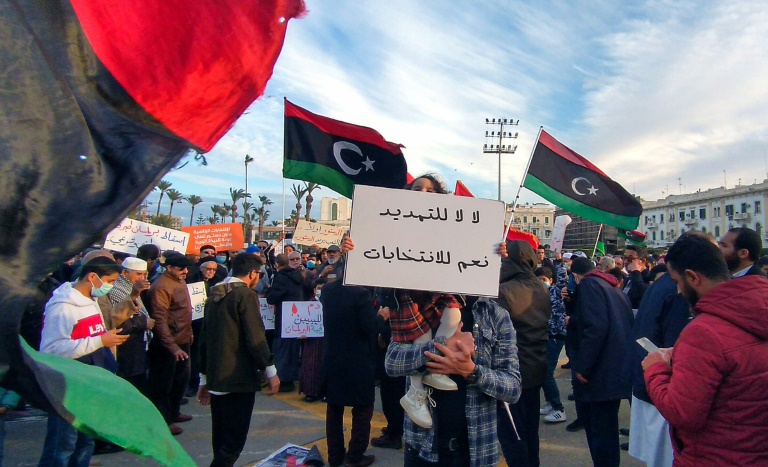
As the anniversary approached, the streets of the capital were lined with the red, black and green flags adopted after Kadhafi’s fall.

Concerts and fireworks are planned for Friday — a day late due to bad weather — in Tripoli’s Martyrs’ Square, where Kadhafi once gave a famous, desperate speech before the “February 17 revolution” swept him from power.

– Oil and poverty –

The political void that followed the NATO-backed uprising sparked a bitter power struggle, fuelled by regional and tribal rivalries, as well as the involvement of outside groups.

And despite the country’s vast oil wealth — the biggest-proven reserves in Africa — many Libyans are living in poverty.

“The situation even got worse,” said Ihad Doghman, 26.

A civil servant by day and a grocer by night, he holds down two jobs, like many of his compatriots, as “it’s the only way to get by”.

Since Kadhafi’s fall, Libya has had no fewer than nine governments and two full-scale civil wars — but has yet to organise a presidential election.

Following the parliament’s latest move, pro-Bashagha armed groups in Misrata — both his and Dbeibah’s hometown — converged on Tripoli in a show of force.

– Relative peace –

The uptick in tensions could threaten what has been a long period of relative peace, since a landmark ceasefire in October 2020 formally ended eastern military chief Khalifa Haftar’s ruinous year-long bid to seize the capital.

That laid the way for UN-led peace efforts which saw Dbeibah appointed, a year ago this month, at the head of a new unity government with a mandate to lead the country to December 24 elections.

But bitter wrangling over the legal basis of the polls and the presence of divisive candidates — including Dbeibah as well as Bashagha — led to them being indefinitely postponed.

Despite the failures, Libya expert Jalel Harchaoui said the country had seen progress on many fronts.

“Libya hasn’t seen a major exchange of fire since June 2020,” he said.

“Among the elites, many mortal enemies two years ago are talking to each other and in some cases making alliances. That represents the start of a reconciliation.”

In December, just days before the elections, Bashagha had headed to Benghazi to meet Haftar — another controversial presidential candidate — in what he said was a gesture of national reconciliation.

Haftar’s forces have since backed Bashagha’s appointment as prime minister.

And now that he has won the backing of the Tripoli-based High State Council, a body that has often opposed the east-based parliament, Bashagha has until February 24 to form a government.

Given the country’s tumultuous recent history, the next question will be whether Dbeibah will go peacefully.

Close Bitnami banner
Bitnami