World

Germany cuts the ribbon on first LNG terminal

Germany on Saturday inaugurated its first liquefied natural gas (LNG) terminal, built in record time, as the country scrambles to adapt to life without Russian energy.

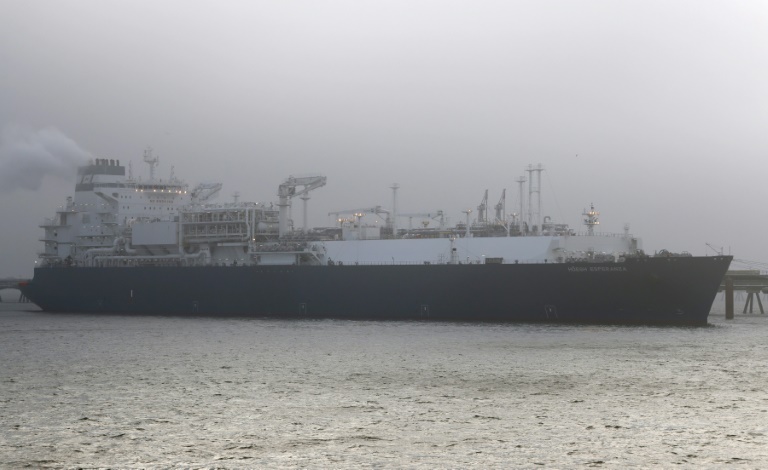
The rig in the North Sea port of Wilhelmshaven was opened by Chancellor Olaf Scholz at a ceremony on board a specialist vessel known as an FSRU, named the Hoegh Esperanza.

“It’s a good day for our country and a sign to the whole world that the German economy will be able to remain strong,” Scholz said from the boat.

The Hoegh Esperanza sounded its horn as the chancellor, dressed in a high visibility jacket, approached.

The ship has already been stocked with gas from Nigeria that could supply 50,000 homes for a year, and the terminal is set to begin deliveries on December 22.

Germany plans to open four more government-funded LNG terminals over the next few months as well as a private terminal in the port of Lubmin.

Together, the terminals could deliver 30 billion cubic metres of gas a year from next year, or a third of Germany’s total gas needs — if Berlin can find enough LNG to service them.

LNG terminals allow for the import by sea of natural gas which has been chilled and turned into a liquid to make it easier to transport.

The FRSU stocks the LNG, then turns it back into a ready-to-use gas.

Until now, Germany had no LNG terminals and relied on cheap gas delivered through pipelines from Russia for 55 percent of its supply.

– Supply worries –

But since Russia’s invasion of Ukraine, gas supplies to Germany have been throttled and Berlin has been forced to rely on LNG processed by Belgian, French and Dutch ports, paying a premium for transport costs.

The government decided to invest in building its own LNG terminals as quickly as possible and has spent billions of euros (dollars) on hiring FSRUs to service them.

However, Germany has not yet signed a single major long-term contract to begin filling the terminals from January.

“The import capacity is there. But what worries me are the deliveries,” Johan Lilliestam, a researcher at the University of Potsdam, told AFP.

A contract has been signed with Qatar for LNG to supply the Wilhelmshaven terminal but deliveries are not set to begin until 2026.

Suppliers want long-term contracts, while the German government is not keen to be locked into multi-year gas deals as it wants the country to become climate-neutral by 2045. 

“Companies need to know that the purchasing side in Germany will eventually diminish if we want to meet climate protection targets,” economy minister Robert Habeck has said.

Environmental campaigners have criticised the LNG project, with the DUH association announcing it will take legal action. A handful of protestors turned out in Wilhelmshaven with placards demanding an “End to gas”.

– Cold winter –

Germany could initially be forced to buy LNG from the expensive spot markets, which would lead to higher prices for consumers.

The market could also be squeezed next year by renewed demand in China as it emerges from strict Covid-19 curbs, Andreas Schroeder, an expert at the ICIS energy research institute, told AFP. 

“If Europe has been able to receive so much LNG in recent months, it is because Chinese demand was low,” Schroeder said. 

China recently signed a deal to buy gas from Qatar for 27 years — the longest such deal in history, according to Doha.

Germany has also had a cold winter so far, meaning the gas tanks have been emptying faster than expected.

“Gas consumption is increasing. This is a risk, especially if the cold spell continues,” said Klaus Mueller, the head of the country’s Federal Network Agency regulatory body, in a recent interview.

As a result, there is a real risk that Germany could experience temporary supply disruptions next winter, according to Schroeder.

Gas usage is currently down 13 percent compared to last year but the government wants that figure to be closer to 20 percent.

In Europe, the gap between supply and demand could reach 27 billion cubic metres (950 billion cubic feet) in 2023, according to an IEA report — equivalent to 6.5 percent of the European Union’s annual consumption.
Germany cuts the ribbon on first LNG terminal

Germany on Saturday inaugurated its first liquefied natural gas (LNG) terminal, built in record time, as the country scrambles to adapt to life without Russian energy.

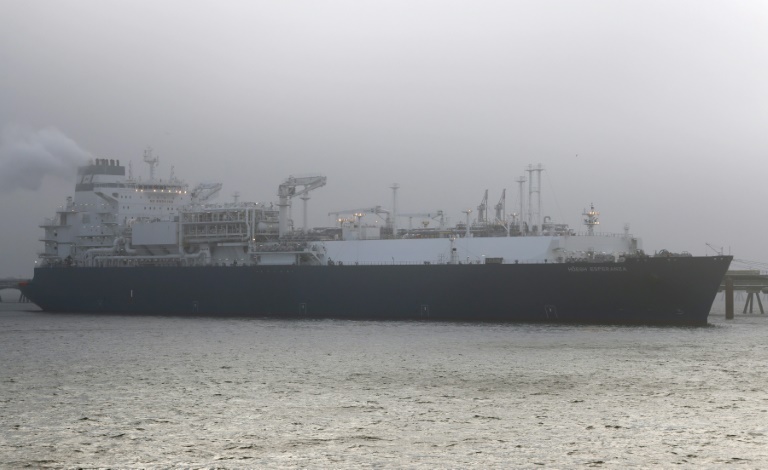
The rig in the North Sea port of Wilhelmshaven was opened by Chancellor Olaf Scholz at a ceremony on board a specialist vessel known as an FSRU, named the Hoegh Esperanza.

“It’s a good day for our country and a sign to the whole world that the German economy will be able to remain strong,” Scholz said from the boat.

The Hoegh Esperanza sounded its horn as the chancellor, dressed in a high visibility jacket, approached.

The ship has already been stocked with gas from Nigeria that could supply 50,000 homes for a year, and the terminal is set to begin deliveries on December 22.

Germany plans to open four more government-funded LNG terminals over the next few months as well as a private terminal in the port of Lubmin.

Together, the terminals could deliver 30 billion cubic metres of gas a year from next year, or a third of Germany’s total gas needs — if Berlin can find enough LNG to service them.

LNG terminals allow for the import by sea of natural gas which has been chilled and turned into a liquid to make it easier to transport.

The FRSU stocks the LNG, then turns it back into a ready-to-use gas.

Until now, Germany had no LNG terminals and relied on cheap gas delivered through pipelines from Russia for 55 percent of its supply.

– Supply worries –

But since Russia’s invasion of Ukraine, gas supplies to Germany have been throttled and Berlin has been forced to rely on LNG processed by Belgian, French and Dutch ports, paying a premium for transport costs.

The government decided to invest in building its own LNG terminals as quickly as possible and has spent billions of euros (dollars) on hiring FSRUs to service them.

However, Germany has not yet signed a single major long-term contract to begin filling the terminals from January.

“The import capacity is there. But what worries me are the deliveries,” Johan Lilliestam, a researcher at the University of Potsdam, told AFP.

A contract has been signed with Qatar for LNG to supply the Wilhelmshaven terminal but deliveries are not set to begin until 2026.

Suppliers want long-term contracts, while the German government is not keen to be locked into multi-year gas deals as it wants the country to become climate-neutral by 2045. 

“Companies need to know that the purchasing side in Germany will eventually diminish if we want to meet climate protection targets,” economy minister Robert Habeck has said.

Environmental campaigners have criticised the LNG project, with the DUH association announcing it will take legal action. A handful of protestors turned out in Wilhelmshaven with placards demanding an “End to gas”.

– Cold winter –

Germany could initially be forced to buy LNG from the expensive spot markets, which would lead to higher prices for consumers.

The market could also be squeezed next year by renewed demand in China as it emerges from strict Covid-19 curbs, Andreas Schroeder, an expert at the ICIS energy research institute, told AFP. 

“If Europe has been able to receive so much LNG in recent months, it is because Chinese demand was low,” Schroeder said. 

China recently signed a deal to buy gas from Qatar for 27 years — the longest such deal in history, according to Doha.

Germany has also had a cold winter so far, meaning the gas tanks have been emptying faster than expected.

“Gas consumption is increasing. This is a risk, especially if the cold spell continues,” said Klaus Mueller, the head of the country’s Federal Network Agency regulatory body, in a recent interview.

As a result, there is a real risk that Germany could experience temporary supply disruptions next winter, according to Schroeder.

Gas usage is currently down 13 percent compared to last year but the government wants that figure to be closer to 20 percent.

In Europe, the gap between supply and demand could reach 27 billion cubic metres (950 billion cubic feet) in 2023, according to an IEA report — equivalent to 6.5 percent of the European Union’s annual consumption.
Malaysia landslide death toll rises to 24

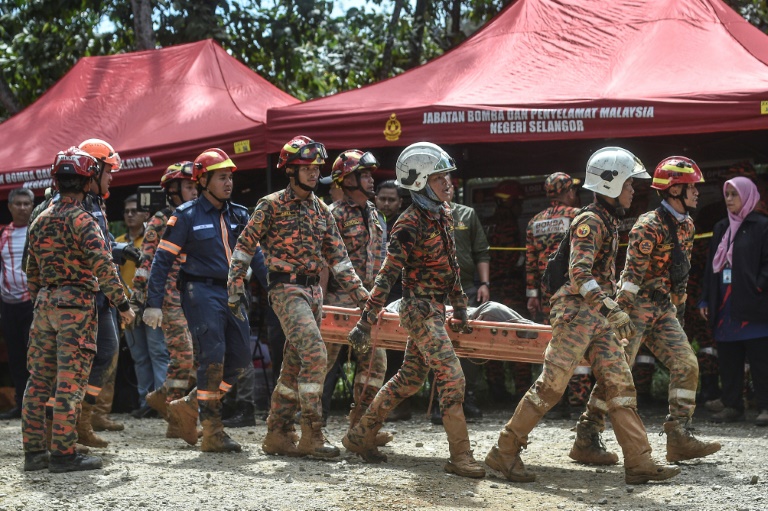
Rescue workers scoured muddy terrain for survivors and bodies on Saturday as the death toll from a landslide at an unauthorised campsite in Malaysia rose to 24, including seven children, authorities said.

Nine people were still missing after a predawn landslide hit the site located at an organic farm near the town of Batang Kali just outside the capital Kuala Lumpur on Friday.

Selangor state fire and rescue director Norazam Khamis said the chances of finding survivors in the mud and debris a day after the disaster were “slim.”

Officials said there had been more than 90 people, most of them asleep, at the campsite near a mountain casino resort when the landslide struck.

Authorities said 61 people had been found safe or rescued.

Two of the victims were “believed to be a mother and her child in a state of embrace buried under the earth”, Norazam told reporters on Friday.

The farm did not have a licence to run a campsite and its operators would be punished if they were found to have broken the law, authorities said.

Prime Minister Anwar Ibrahim visited the area late Friday and said financial aid would be given to the families of those killed or injured in the disaster.

Selangor state chief minister Amirudin Shari tweeted that all picnic and camping sites in the state would be closed for a week.

– ‘Unprecedented’ –

Landslides are common in Malaysia after heavy rains, which are regular at the end of the year.

However, no heavy rains were recorded in the area on the night of the disaster.

Nor Shahidah Mohd Nazer, a geology expert from the National University of Malaysia, described the landslide as “unprecedented” under the circumstances — involving a gentler slope and not following typical heavy rain. 

She said the slope could have been partly affected by monsoon rain from days or even weeks ago.

“Since the soil mass was initially wet and saturated, it behaved as a semi-liquid,” she told AFP. 

In March, four people were killed after a massive landslide triggered by heavy rains buried their homes in a Kuala Lumpur suburb.

In one of the deadliest such incidents, a huge mudslide in 1993 brought on by heavy rain caused a 12-storey residential building outside the capital to collapse, killing 48 people.

Ireland's Varadkar becomes premier for second time

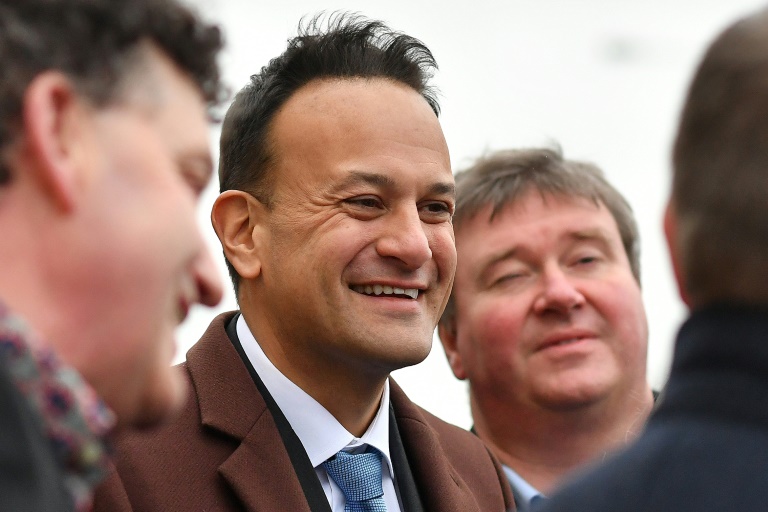
Ireland’s Leo Varadkar on Saturday took over as premier for the second time in a handover of power in line with a coalition deal struck in 2020.

Varadkar replaced Micheal Martin as Taoiseach (premier) in a rotation between his Fine Gael and Martin’s Fianna Fail parties that is unprecedented in Irish history.

The centre-right parties, the two main political partners in a three-party governing coalition, were forged from opposing sides in the Irish Civil War in the early 20th century.

They agreed to the rotating premiership as part of a coalition with Ireland’s Greens following 2020 elections.

Varadkar, who is mixed race and openly gay, is stepping up from deputy premier.

At 43, he is still one of Ireland’s youngest ever leaders, even in his second stint in the role.

Speaking at a special sitting of the Irish parliament in Dublin, Varadkar paid tribute to his predecessor Martin who had provided “reassurance and hope in difficult times”.

“I accept this nomination with humility and resolve and a burning desire… to provide new hope and new opportunities for all our citizens,” he said.

In a video posted on social media, Martin earlier said it had been “the honour of a lifetime to serve” as Taoiseach.

Varadkar’s rise to the top of Irish politics was remarkable in a country dominated by a strict, conservative Catholic morality well into the latter half of the last century.

He became the country’s youngest Taoiseach at the age of 38 as well as its first openly gay head of government and first of Indian heritage.

Varadkar was born in Dublin to an Irish mother who worked as a nurse and an Indian immigrant father, who was a qualified doctor.

After gaining a medical degree from Trinity College Dublin, he went into general practice but stayed involved in politics, and in 2007 secured election for Fine Gael in Dublin West.

In 2015, before Ireland’s referendum legalising same-sex marriage, Varadkar came out publicly as gay. 

His tenure as Taoiseach, however, was overshadowed by Brexit and the pandemic during which he re-registered as a doctor and returned to work once a week while continuing to lead the country.

Musk restores some suspended Twitter accounts of journalists

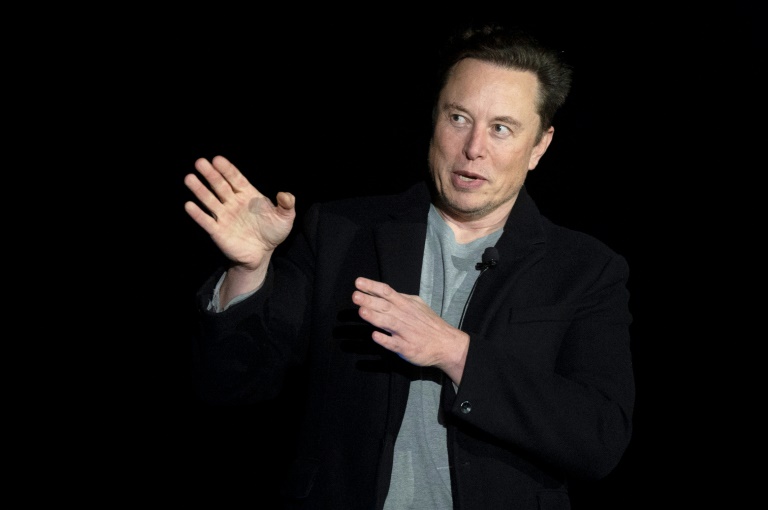
Elon Musk has reinstated the Twitter accounts of several journalists who were suspended after he accused them of endangering his family, with some of those targeted tweeting Saturday they were back on the platform.

Musk had drawn anger and warnings from the EU and United Nations after suspending the accounts of more than half a dozen prominent journalists from the New York Times, CNN and the Washington Post.

“The people have spoken. Accounts who doxxed my location will have their suspension lifted now,” the Twitter owner tweeted late Friday.

Musk carried out a Twitter poll asking whether he should restore the suspended accounts now or in a week’s time. Nearly 59 percent of the 3.69 million who took part said he should restore the accounts now.

Some of the suspended accounts appeared to have been reactivated, with former Vox journalist Aaron Rupar tweeting again.

“I was pretty bummed about getting suspended initially but quickly realized it’d be fine because I’m blessed to have an amazing online community,” Rupar posted, thanking people for their support.

Later on MSNBC Rupar warned that Twitter’s crackdown, even if temporary, would have a “chilling effect on coverage of Elon Musk” and make reporters think twice about running afoul of the company’s new owner.

The accounts of some other journalists remained suspended early Saturday, including those of Business Insider’s Linette Lopez and former MSNBC anchor Keith Olbermann.

The latest controversy began Wednesday when Musk suspended @elonjet, an account that tracked flights of his private plane.

Musk said the move was necessary after a car in Los Angeles carrying one of his children was followed by “a crazy stalker” and seemed to blame the jet tracking for the incident.

Some of the journalists had reported on the affair, including tweets linking to the suspended @elonjet account, which Musk said amounted to offering “assassination coordinates” against him and his family.

In a chat hosted live on Twitter, Musk provided no evidence for his claim but told suspended reporters that on Twitter “everyone’s going to be treated the same… they’re not special because you’re a journalist.”

Pressed further on his allegations, Musk ended the conversation. Twitter Spaces, the feature where the chat took place, was then suspended. The live audio service was back up Friday, with Musk saying they had been fixing a bug.

Musk’s suspensions had drawn sharp criticism from media organizations, the European Union and the United Nations.

UN rights chief Volker Turk welcomed Musk’s decision to reinstate the accounts, “but serious concerns remain,” he posted on Twitter.

He also urged Musk to “commit to making decisions based on publicly-available policies that respect rights, including free speech. Nothing less.”

Earlier the spokesman for UN chief Antonio Guterres called it a “dangerous precedent at a time when journalists all over the world are facing censorship, physical threats and even worse.”

The EU had warned Twitter could face fines through European laws.

“News about arbitrary suspension of journalists on Twitter is worrying,” EU commissioner Vera Jourova tweeted after the move.

– Controversies –

Twitter has lurched from one controversy to the next since Musk took control after paying $44 billion, mainly by selling shares in Tesla, his successful electric car company. 

The billionaire’s talk of unfettered speech — and the instability surrounding the company — has scared off major advertisers and caught the attention of regulators.

Musk has reinstated the account of former US president Donald Trump and lashed out against the outgoing key advisor for the US Covid-19 response, Anthony Fauci, a frequent target of vitriol in right-wing media.

CNN has reported that Twitter’s former head of trust and safety fled his home after baseless attacks on Twitter content moderation, endorsed by Musk.

Meanwhile, a purge initiated by Musk at Twitter left more than half of its 7,500 employees out of work, and now many of them are taking the SpaceX and Tesla tycoon to court.

Market tracker Insider Intelligence forecast that Twitter would experience an exodus of users.

“There won’t be one catastrophic event that ends Twitter,” said Insider Intelligence analyst Jasmine Enberg.

“Instead, users will start to leave the platform next year as they grow frustrated with technical issues and the proliferation of hateful or other unsavory content.”

Musk restores some suspended Twitter accounts of journalists

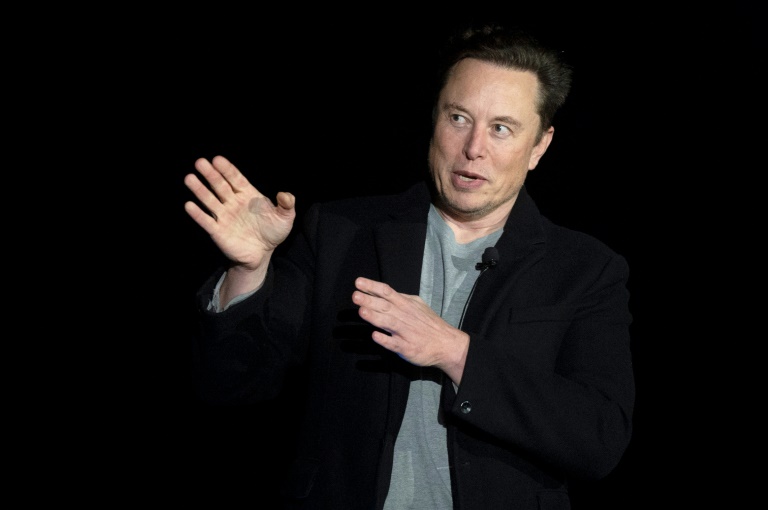
Elon Musk has reinstated the Twitter accounts of several journalists who were suspended after he accused them of endangering his family, with some of those targeted tweeting Saturday they were back on the platform.

Musk had drawn anger and warnings from the EU and United Nations after suspending the accounts of more than half a dozen prominent journalists from the New York Times, CNN and the Washington Post.

“The people have spoken. Accounts who doxxed my location will have their suspension lifted now,” the Twitter owner tweeted late Friday.

Musk carried out a Twitter poll asking whether he should restore the suspended accounts now or in a week’s time. Nearly 59 percent of the 3.69 million who took part said he should restore the accounts now.

Some of the suspended accounts appeared to have been reactivated, with former Vox journalist Aaron Rupar tweeting again.

“I was pretty bummed about getting suspended initially but quickly realized it’d be fine because I’m blessed to have an amazing online community,” Rupar posted, thanking people for their support.

Later on MSNBC Rupar warned that Twitter’s crackdown, even if temporary, would have a “chilling effect on coverage of Elon Musk” and make reporters think twice about running afoul of the company’s new owner.

The accounts of some other journalists remained suspended early Saturday, including those of Business Insider’s Linette Lopez and former MSNBC anchor Keith Olbermann.

The latest controversy began Wednesday when Musk suspended @elonjet, an account that tracked flights of his private plane.

Musk said the move was necessary after a car in Los Angeles carrying one of his children was followed by “a crazy stalker” and seemed to blame the jet tracking for the incident.

Some of the journalists had reported on the affair, including tweets linking to the suspended @elonjet account, which Musk said amounted to offering “assassination coordinates” against him and his family.

In a chat hosted live on Twitter, Musk provided no evidence for his claim but told suspended reporters that on Twitter “everyone’s going to be treated the same… they’re not special because you’re a journalist.”

Pressed further on his allegations, Musk ended the conversation. Twitter Spaces, the feature where the chat took place, was then suspended. The live audio service was back up Friday, with Musk saying they had been fixing a bug.

Musk’s suspensions had drawn sharp criticism from media organizations, the European Union and the United Nations.

UN rights chief Volker Turk welcomed Musk’s decision to reinstate the accounts, “but serious concerns remain,” he posted on Twitter.

He also urged Musk to “commit to making decisions based on publicly-available policies that respect rights, including free speech. Nothing less.”

Earlier the spokesman for UN chief Antonio Guterres called it a “dangerous precedent at a time when journalists all over the world are facing censorship, physical threats and even worse.”

The EU had warned Twitter could face fines through European laws.

“News about arbitrary suspension of journalists on Twitter is worrying,” EU commissioner Vera Jourova tweeted after the move.

– Controversies –

Twitter has lurched from one controversy to the next since Musk took control after paying $44 billion, mainly by selling shares in Tesla, his successful electric car company. 

The billionaire’s talk of unfettered speech — and the instability surrounding the company — has scared off major advertisers and caught the attention of regulators.

Musk has reinstated the account of former US president Donald Trump and lashed out against the outgoing key advisor for the US Covid-19 response, Anthony Fauci, a frequent target of vitriol in right-wing media.

CNN has reported that Twitter’s former head of trust and safety fled his home after baseless attacks on Twitter content moderation, endorsed by Musk.

Meanwhile, a purge initiated by Musk at Twitter left more than half of its 7,500 employees out of work, and now many of them are taking the SpaceX and Tesla tycoon to court.

Market tracker Insider Intelligence forecast that Twitter would experience an exodus of users.

“There won’t be one catastrophic event that ends Twitter,” said Insider Intelligence analyst Jasmine Enberg.

“Instead, users will start to leave the platform next year as they grow frustrated with technical issues and the proliferation of hateful or other unsavory content.”

Tunisians vote for neutered parliament in poll shunned by opposition

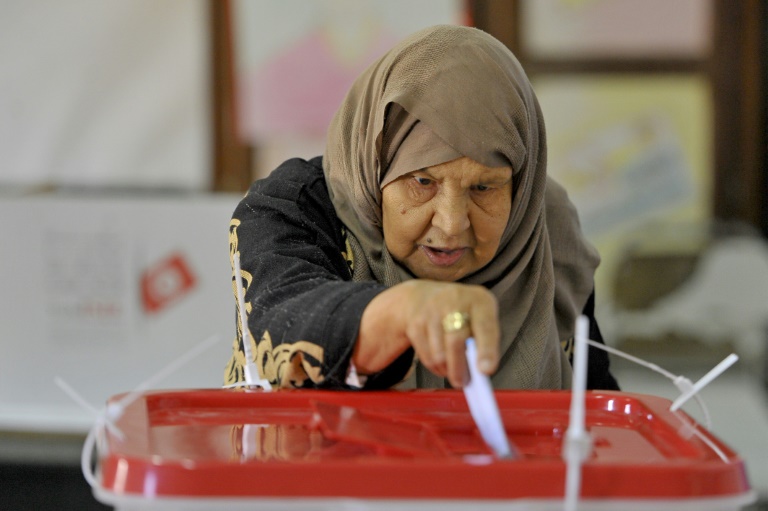
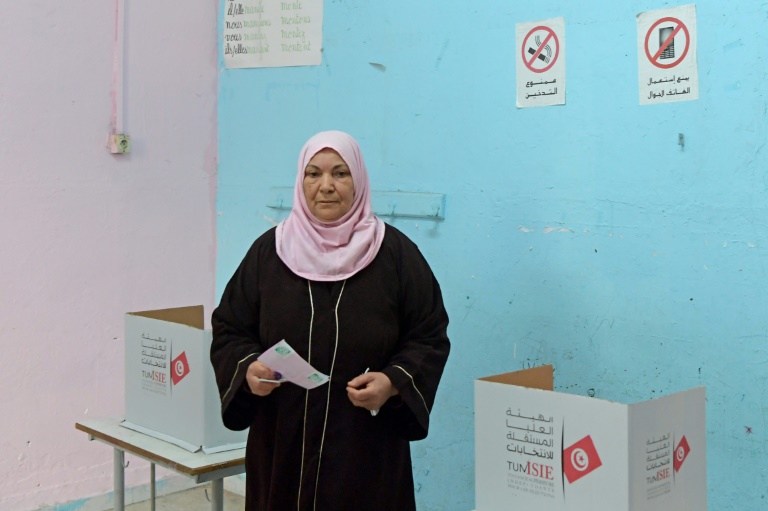
Uninspired Tunisians voted on Saturday for a parliament which will have virtually no power, marking the culmination of a power grab by President Kais Saied in the birthplace of the Arab Spring.

Opposition political groups in the North African country are boycotting the election. They say the poll is part of a “coup” against the only democracy to have emerged from the 2011 wave of uprisings across the region.

The ballot follows three weeks of barely noticeable campaigning, with few posters in the streets and no serious debate among a public preoccupied with day-to-day economic survival.

Last year, after months of political deadlock and economic crisis exacerbated by the coronavirus pandemic, Saied suspended parliament and sent military vehicles to surround it.

His assumption of executive power came more than a decade after a popular revolution unseated dictator Zine El Abidine Ben Ali.

The spark for that revolt came exactly 12 years before this election — on December 17, 2010 — when Mohamed Bouazizi burned himself to death to protest police harassment and unemployment.

Saied, a former law professor, has pushed through a new constitution giving the presidency almost unrestrained powers and laying the ground for a 161-seat rubber-stamp legislature in the country of around 12 million people.

On Saturday, he told voters that the country was “breaking with those who destroyed the country”.

“Those who are elected today should remember that they are being watched by their voters, and that if they’re not up to the job their mandate will be taken away,” he said in front of a polling station in a comfortable district of Tunis.

The head of the electoral board, Farouk Bouasker, told state television that more than 270,000 people had cast votes by 10:00 am. He called it “a significant number”.

But Noureddine Jouini, the head of a central Tunis polling station, sounded a different note.

“We knew that it wouldn’t be the normal turnout, but it’s even less than we predicted,” he said.

– Boycotting ‘farce’ –

In the streets of Tunis, many expressed indifference about the vote.

“I’m not taking part in this farce,” said Ridha, a 59-year-old engineer who declined to give his full name. 

“This president has disappointed us and he’s dragging us towards the abyss.”

Saied’s moves against an unpopular political system were initially supported by many Tunisians tired of the messy and corrupt democratic system in the post-Ben Ali era.

But almost a year and half on, the country’s economic woes have gone from bad to worse. Inflation is around 10 percent. Frequent shortages of milk, sugar and petrol are fuelling a growing wave of emigration.

The previous legislature had far-reaching powers in the mixed presidential-parliamentary system enshrined in Tunisia’s post-revolution constitution.

But the new chamber “won’t be able to appoint a government or censure it, except under draconian conditions that are almost impossible to meet,” said political scientist Hamadi Redissi.

Candidates in Saturday’s poll are standing as individuals, in a system that neuters political parties including Saied’s nemesis, the once-powerful Islamist-leaning Ennahdha party.

Another analyst, Hamza Meddeb, told AFP the election was a “non-event” and predicted that few Tunisians would vote for largely unknown candidates.

“This election is a formality to complete the political system imposed by Kais Saied and concentrate power in his hands,” said Meddeb, a fellow at the Carnegie Middle East Center.

– It ‘will change nothing’ –

Almost all of Tunisia’s political parties, including Ennahdha, said they would boycott the vote.

The powerful UGTT trade union federation has called the poll meaningless.

Student Salima Bahri, 21, said she wasn’t voting because it “will change nothing”.

“All the candidates represent Kais Saied, not the Tunisian people,” she said.

But others were determined to take part.

“It’s a duty to vote, whatever the process is,” said lawyer Ali Bejaoui, 48, after casting his ballot.

The vote comes with Tunisia in the final stages of negotiating a nearly $2-billion bailout package from the International Monetary Fund (IMF) to rescue its crisis-hit public finances.

The IMF’s top committee was set to approve next week the country’s fourth loan in 10 years, but has postponed its decision until early January at the request of the Tunisian government, a source close to the talks told AFP.

Ukraine works to restore power after Russian missiles batter grid

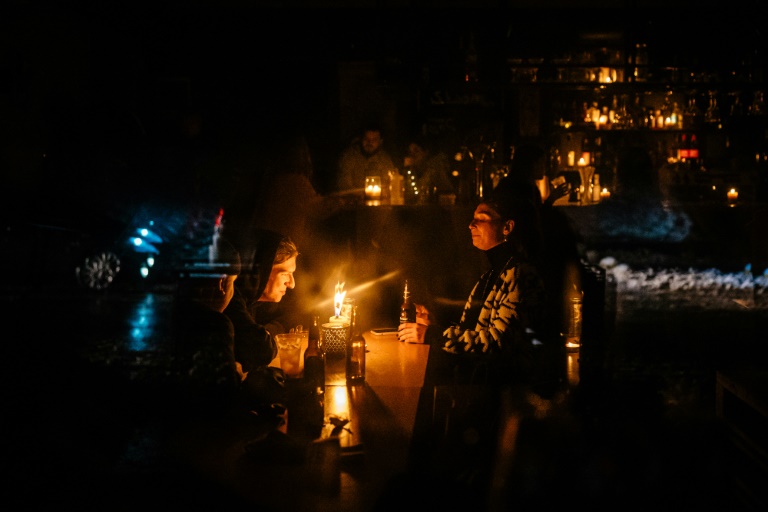
Ukraine worked Saturday to restore electricity and water supplies after Russia’s latest wave of attacks pitched multiple cities into darkness and forced people to endure sub-zero temperatures without heating or running water.

The volley of missiles unleashed Friday came as President Vladimir Putin held extensive meetings with the military top brass overseeing Russia’s invasion of Ukraine, where Moscow has stepped up bombardments. 

In the capital Kyiv, the metro had stopped running so that people wrapped in winter coats could take shelter at underground stations after air raid sirens rang out on Friday morning.

Kyiv mayor Vitali Klitschko said the metro service was relaunched early Saturday and water supply had been restored.

However, a third of Kyiv residents were still without power, Klitschko added. 

Power was also restored throughout the eastern city of Kharkiv on Saturday, regional governor Oleg Sinegubov said, after the strikes left Ukraine’s second city without electricity.

Ukraine’s national energy provider imposed emergency blackouts, saying on Saturday that the energy system “continues to recover”. 

Ukrenergo had warned the extent of the damage in the north, south and centre of the country meant it could take longer to restore supplies than after previous attacks.

During a visit to the army staff Friday, Putin sought out proposals from his military commanders on how Russia should proceed with the Ukraine offensive, according to the Kremlin.

The Kremlin released footage of Putin presiding over a round-table meeting with Defence Minister Sergei Shoigu and Chief of General Staff Valery Gerasimov among other top brass.

– ‘Inhumane attacks’ –

After a series of humiliating battlefield defeats, Russia since October has pursued an aerial onslaught against what Moscow says are military-linked facilities.

But France and the European Union have said the suffering inflicted on freezing civilians constitutes war crimes, with the bloc’s foreign policy chief calling the bombings “barbaric”.

Russia fired 74 missiles — mainly cruise missiles — on Friday, 60 of which were shot down by anti-aircraft defences, according to the Ukrainian army.

Kyiv withstood one of the biggest missile attacks since the start of the invasion. Regional officials said their air defence forces had shot down 37 out of 40 missiles.

Ukrainian President Volodymyr Zelensky said the strikes left hit power and water supplies in Kyiv and 14 regions.

In the central city of Kryvyi Rig, where Zelensky was born, the air strikes hit a residential building.

A 64-year-old woman and a young couple with a little son died, governor Valentyn Reznichenko said Saturday, adding that 13 others had been wounded.

In the south, fresh Russian shelling in Kherson, recently recaptured by Ukraine, killed a 36-year-old man and injured a 70-year-old woman, governor Yaroslav Yanushevich said.

Kherson has been subjected to persistent Russian shelling since Moscow’s forces retreated in November, and power was cut in the city earlier this week.

– Protracted war –

Moscow has said the strikes on Ukrainian infrastructure are a response to an explosion on the Kerch bridge connecting the Russian mainland to the Crimean peninsula, annexed from Ukraine in 2014.

Ukrainian defence officials said this week that their forces had downed over a dozen Iranian-made attack drones launched at Kyiv, a sign that Western-supplied systems are having an impact.

Ukrainian military leaders have warned Moscow is preparing for a major winter offensive, including a fresh attempt to take Kyiv.

Aiming to push Moscow to the negotiating table, the EU on Friday imposed further sanctions, adding restrictions on the export of drone engines to Russia or countries like Iran looking to supply Moscow with weapons. 

NATO chief Jens Stoltenberg told AFP that Russia was readying for a protracted war. 

“We see that they are mobilising more forces, that they are willing to suffer also a lot of casualties, that they are trying to get access to more weapons and ammunition,” he said.

Fiji vote tight with count in final stretch

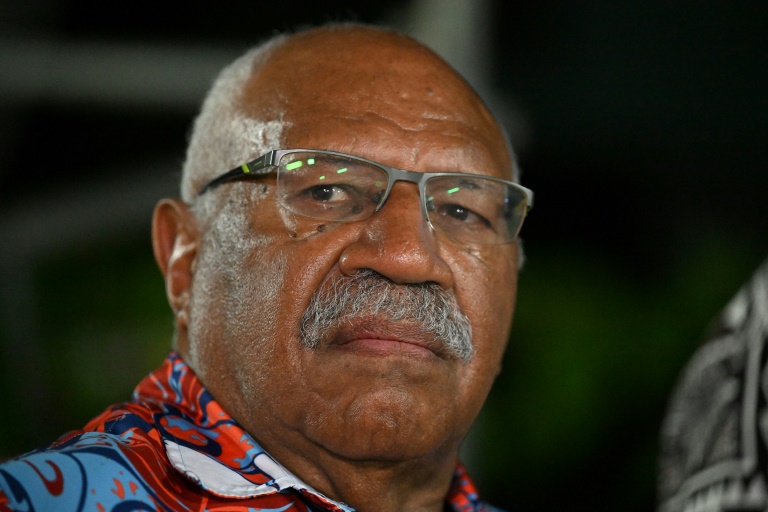
Fiji’s tumultuous election was too close to call Saturday heading into the final stretch of counting, with a thin margin separating incumbent Prime Minister Frank Bainimarama from bitter rival Sitiveni Rabuka. 

Two-time coup leader and former prime minister Rabuka, 74, is challenging Bainimarama, 68, an ex-navy commodore who has won two elections since first seizing control of the island nation in a 2006 putsch. 

Rabuka’s People’s Alliance party and its coalition partner held a 45 to 42 percent lead over Bainimarama’s Fiji First on Saturday evening, with more than half the country’s 2,071 polling stations having submitted their results. 

But Bainimarama — who has been silent since votes were cast Wednesday — is widely expected to gain ground when booths in urbanised areas submit their tallies, with a final result anticipated by Sunday. 

Police summoned Rabuka for questioning late Friday after he repeatedly complained about “anomalies” in the results and asked the military to step in. 

People’s Alliance general-secretary Sakiasi Ditoka was also questioned.

Rabuka said Saturday he believed he had been summoned because of his request to the military, which has “overall” responsibility for maintaining stability under Fiji’s 2013 constitution. 

“They tried to paint a picture of a person, a high-profile person, making a statement like that — and how that would impact on the people,” he told reporters. 

Analyst Lucy Albiston from the Australian Strategic Policy Institute said all options were on the table for both sides as the final result loomed. 

“Depending on the results on Sunday, we may still see more calls questioning the electoral process or utilising the legal system in an attempt to hold on to a chance of power,” she told AFP. 

– Election ‘anomaly’ –

The aftermath of Wednesday’s poll has grown increasingly tense since an election night “anomaly” knocked results offline for four hours. 

Opposition parties led by Rabuka have said the incident cast doubt on the entire election process and that counting should be stopped immediately. 

“In view of the substantial breach of counting, we demand an immediate cessation of the current electoral process and to be replaced with a fresh manual count of all votes,” Rabuka told the country’s election supervisor in a letter written Thursday and released on Saturday. 

Rabuka’s hopes of stopping the count faded on Friday, however, when military commander Jone Kalouniwai rebuffed his plea for the army to get involved. 

The answer was “no”, Rabuka said, “he will not be drawn into it”.

Fiji Labour Party leader Mahendra Chaudhry — a former prime minister — on Saturday repeated claims that the election had been undermined by voter fraud. 

Election supervisor Mohammed Saneem hit back, saying Chaudhry had provided no evidence.

“Mr Chaudhry has made a grand claim about voter fraud,” he told reporters at the national vote centre.

“This is serious ladies and gentlemen. Step up with the evidence.”

International observers have expressed no concerns about the conduct or counting of the vote. 

Rebekha Sharkie, an election observer and Australian member of parliament, said no “significant irregularities or issues” had been recorded during pre-polling, postal voting or the casting of ballots on election day.

While the vote is seen as a test of Fiji’s often-fragile democracy, there is a regional significance as well — Bainimarama has been close to China, while Rabuka is likely to distance himself from Beijing. 

Four Fijian prime ministers have been toppled by coups in the past 35 years. 

Tunisians vote for toothless parliament in poll shunned by opposition

Tunisians voted in a lacklustre election Saturday for a parliament with virtually no power, the final pillar in President Kais Saied’s political overhaul in the birthplace of the Arab Spring.

Opposition political groups in the North African country have called for a boycott. They say the poll is part of a “coup” against the only democracy to have emerged from the 2011 wave of uprisings across the region.

At a polling booth in central Tunis as the polls opened, around 20 journalists looked on as two voters waited to cast their ballots.

The election follows three weeks of barely noticeable campaigning, with few posters in the streets and no serious debate among a public largely preoccupied with pressing financial concerns.

Last year, after months of political deadlock and economic crisis exacerbated by the coronavirus pandemic, Saied suspended parliament and sent military vehicles to surround it in a dramatic power grab more than a decade after a popular revolution unseated dictator Zine El Abidine Ben Ali.

The spark for that revolt came exactly 12 years before this election — on December 17, 2010 — when Mohamed Bouazizi burned himself to death to protest police harassment and unemployment.

Saied, a former law professor, has pushed through a new constitution giving the presidency almost unrestrained powers and laying the ground for a 161-seat rubber-stamp legislature.

On Saturday, he told voters that the country was “breaking with those who destroyed the country”.

“Those who are elected today should remember that they are being watched by their voters, and that if they’re not up to the job their mandate will be taken away,” he said in front of a polling station in Ennasr, a comfortable district of Tunis.

– ‘Non-event’ –

Saied’s moves against an unpopular political system were initially supported by many Tunisians tired of the messy and corrupt democratic system in the post-Ben Ali era.

But almost a year and half on, the country’s economic woes have gone from bad to worse, with 10 percent inflation. Frequent shortages of milk, sugar and petrol fuel a growing wave of emigration.

The previous legislature had far-reaching powers in the mixed presidential-parliamentary system enshrined in Tunisia’s post-revolution constitution.

But candidates in Saturday’s poll are standing as individuals under a system that neuters political parties including Saied’s nemesis, the once powerful Islamist-leaning Ennahdha party.

The new chamber “won’t be able to appoint a government or censure it, except under draconian conditions that are almost impossible to meet,” said political scientist Hamadi Redissi.

Another analyst, Hamza Meddeb, told AFP the election was a “non-event” and predicted that few Tunisians would vote.

“This election is a formality to complete the political system imposed by Kais Saied and concentrate power in his hands,” said Meddeb, a fellow at the Carnegie Middle East Center.

Meddeb added that most of the candidates are “political newcomers” unable to mobilise a public struggling with “extremely difficult” economic conditions.

The non-governmental Tunisian Observatory for Democratic Transition said around half the candidates are either teachers or mid-level civil servants.

In contrast with the previous parliament where gender equality was mandatory, women represent less than 15 percent of all candidates for the new legislature, according to the election board’s official list.

– IMF bailout ‘easier’ –

Almost all of Tunisia’s political parties, including Ennahdha, have said they will boycott the vote.

The powerful UGTT trade union federation has called the poll meaningless.

Al Bawsala, a civil society group that has monitored Tunisia’s parliamentary politics since 2014, said it would discontinue that role because the new “puppet parliament” would simply “back the president’s programme”.

The vote would “serve primarily as a tool for President Kais Saied to legitimise his grip on power”, said Hamish Kinnear, of risk intelligence firm Verisk Maplecroft.

Tunisia is in the final stages of negotiating a nearly $2-billion bailout package from the International Monetary Fund (IMF) to rescue its crisis-hit public finances.

Kinnear said the vote meant “securing financial assistance… will be easier now that greater political predictability is returning, even if the democratic legitimacy of the (constitutional) referendum and upcoming legislative elections is weak.”

The IMF’s top committee was set to approve next week the country’s fourth loan in 10 years, but has postponed its decision until early January at the request of the Tunisian government, a source close to the talks told AFP.

Close Bitnami banner
Bitnami