World

S.Africa's Ramaphosa dodges cash-in-sofa scandal impeachment process

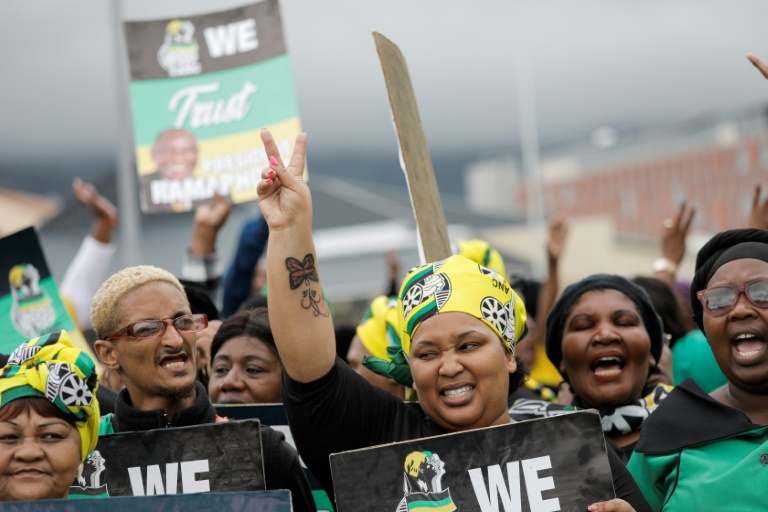
South Africa’s scandal-engulfed President Cyril Ramaphosa will not face an impeachment inquiry after easily surviving Tuesday a vote in parliament that could have initiated proceedings to remove him from office.

His ruling African National Congress (ANC) party defeated the motion by 214 votes to 148, with two abstentions through open voting.

Lawmakers voted after debating the findings of an independent panel which said Ramaphosa may be guilty of serious violations and misconduct over allegations he concealed a huge cash theft at his farm.

The vote prevented a procedure that some feared could have politically destabilised Africa’s most industrialised country.

In a terse response, his office said it had noted the National Assembly’s decision. “President Ramaphosa consistently stated his commitment to due process,” his spokesman said in a text message to AFP.

Ramaphosa — championed as a graft-busting saviour after corruption-stained predecessor Jacob Zuma — survived thanks to the support of a majority of ANC MPs.

The 70-year-old president had last week secured the backing of the ANC, which holds 230 of the National Assembly’s 400 seats, after mounting a legal bid to have the damning report annulled. Some MPs were absent.

Justice Minister Ronald Lamola trashed the report saying “there is not sufficient evidence to impeach the president”.

– ‘Constitutional delinquent’ –

Ramaphosa’s escape comes just days ahead of a crucial ANC meeting to elect the new leadership.

Although the ANC, which has governed since the end of apartheid, has shot down any attempt to force Ramaphosa from office, he is not yet out of the woods.

His “leadership will be tested again at the party’s national conference”, Aleix Montana, analyst at risk intelligence firm Verisk Maplecroft, said in a note. 

He will likely be re-elected as leader because “there is no viable alternative candidate in the ANC,” said Montana.

That will position him for a second term as head of state, if the ANC wins the 2024 national election.

The ANC’s decision to back Ramaphosa upset some in the divided party.

A few ANC lawmakers, including Nkosazana Dlamini-Zuma — Ramaphosa’s rival, a cabinet minister and Zuma’s ex-wife — defied the party command.

“As a disciplined member of the ANC, I vote yes,” she said drawing cheers and loud applause from some opposition MPs. 

She walked out of parliament saying that if Ramaphosa wants to fire her, “it’s his democratic right. I won’t hold it against him”.

Ramaphosa’s graft-tainted predecessor Zuma survived several no-confidence motions during his tenure before his own party forced him to resign in 2018.

Opposition parties presented a largely united front on the scandal.

“Today South Africans were left in no doubt that the presidency of… Ramaphosa is no different to the presidency of… Zuma,” said John Steenhuisen, leader of the largest opposition Democratic Alliance, accusing both of weakening parliament “to evade scrutiny and the law”.

Julius Malema, the fiery leader of the second largest opposition Economic Freedom Fighters party, expressed “deepest disappointment” in Ramaphosa who was once a “celebrated… architect” of South Africa’s constitution. 

He said Ramaphosa was now “peeing” on that document, calling him a “constitutional delinquent”.

The ANC vote defended “corruption”, said the EFF.

– Sudanese element –

Ramaphosa was at his home during the vote, said his spokesman.

The president, who was a wealthy businessman before entering politics, found himself in hot water in June when a controversial ex-spy boss filed a complaint against him to the police.

Arthur Fraser alleged Ramaphosa had concealed the theft of several million dollars from his farm in 2020.

He accused the president of having the burglars kidnapped and bribed into silence instead of reporting the matter to the authorities. 

Ramaphosa has not been charged with any crime and has denied wrongdoing.

The findings of the three-person special probe, issued last week, revealed details that have left South Africa agog.

Ramaphosa acknowledged the theft of $580,000 in cash that was stashed under sofa cushions at his farm — a safer place, his employees said, than the office safe.

He said the money was payment for buffaloes bought by a Sudanese businessman, who recently confirmed the transaction in interviews with British media.
French court jails suspects in 2016 Nice terror attack

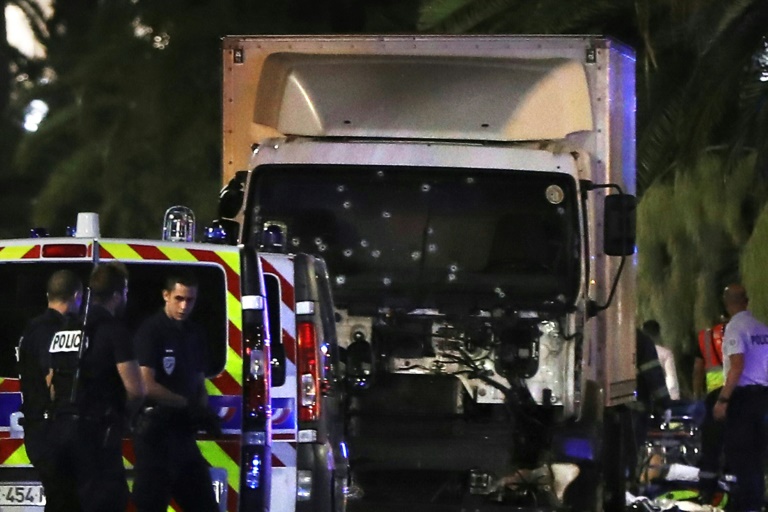
French judges on Tuesday ordered prison terms for eight suspects charged in the harrowing 2016 terror attack in Nice, where a suspected Islamist attacker rammed his truck into a night-time crowd celebrating the July 14 national holiday.

Two men were sentenced to 18 years for helping Mohamed Lahouaiej-Bouhlel, a 31-year-old Tunisian, prepare the attack that killed 86 people and injured over 450 during a four-minute rampage on a seafront embankment in the southern city before being shot dead by police.

Judges determined that Mohamed Ghraieb and Chokri Chafroud had to have known about the attacker’s turn to Islamist radicalism and his potential to carry out a terror attack, based on records of phone calls and text messages among the three in the days ahead of the massacre. 

Ghraieb, a 47-year-old from the same Tunisian town as Lahouaiej-Bouhlel, and Chafroud, a 43-year-old Tunisian, are also accused of helping to rent the delivery truck. They denied the charges.

“The court is strongly convinced that the author of the attack… was associated as much with Mohamed Ghraieb as with Chokri Chafroud in his determination and in carrying out his criminal act,” presiding judge Laurent Raviot said.

Ramzi Arefa, 28 — who admitted to selling Lahouaiej-Bouhlel the semi-automatic pistol he fired at police, without hitting anyone — was handed a 12-year term.

But he was not accused of criminal association with a terrorist or of being aware of Lahouaiej-Bouhlel’s potential for launching an attack.

The Islamic State group later claimed him as one of its followers, though Raviot confirmed that investigators had not found any concrete links between the attacker and the jihadists who at the time controlled swaths of Iraq and Syria.

The five other suspects, a Tunisian and four Albanians, were sentenced to prison terms of two to eight years on charges of weapons trafficking or criminal conspiracy, but without any terrorism link.

Brahim Tritrou was the only suspect tried in absentia after fleeing judicial supervision to Tunisia, where he is now believed to be under arrest.

– Night of horror –

Some 30,000 people had gathered on the Nice seafront to watch a fireworks display celebrating France’s annual Bastille Day holiday on July 14 when Lahouaiej-Bouhlel unleashed his rampage.

According to French and Tunisian press reports, his body was repatriated to Tunisia in 2017 and buried in his hometown of M’saken, south of Tunis. This has never been confirmed by the Tunisian authorities.

France has been buffeted by a wave of Islamist terror attacks since the killings at the satirical Charlie Hebdo newspaper and a Jewish supermarket in Paris in January 2015, often by “lone wolf” attackers acting in the name of IS or other jihadist groups.

In October, a Paris appeals court upheld the life sentence of Ali Riza Polat, accused of helping to find the weapons for the Charlie Hebdo attackers.

The Nice trial took place at the historic Palais de Justice in Paris, in the same purpose-built courtroom that hosted the hearings over the November 2015 terror attacks in Paris that left 130 people dead.

A special venue was also set up in Nice to allow victims to follow proceedings via a live broadcast.

For many of the victims, the sentences sought by prosecutors failed to match the scope of the suffering. 

During the trial, many of the survivors gasped in horror when prosecutors showed grisly video footage, never seen publicly, of the vehicle as Lahouaiej-Bouhlel swerved through the crowd, trying to mow down as many people as possible.

Laurence Bray, one of the attack victims who attended the sentencing, said she was “very happy” that Ghraieb and Chafroud were sentenced to 18 years, more than the 15 years prosecutors had requested.

“But then again, for everyone who lost a loved one, 18 years is nothing,” she told AFP.

As unrest roils Peru, detained ex-president vows to 'never give up'

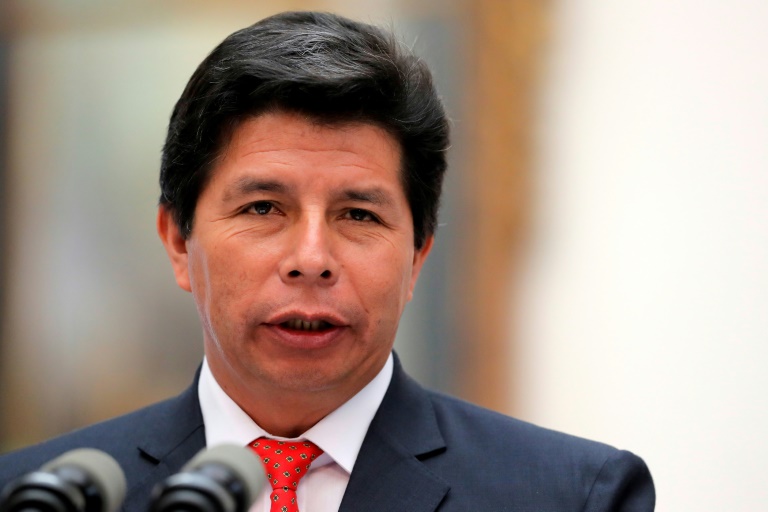
Former Peruvian president Pedro Castillo, who was removed from office and arrested last week on charges of rebellion and conspiracy, insisted Tuesday he would “never give up” his cause.

Castillo also called on police and the military to “stop killing” protesters who continue to demand his release and reinstatement, after violent clashes between security forces and demonstrators left seven people dead in recent days.

Castillo was arrested last Wednesday after he attempted to dissolve congress and rule by decree just hours before the legislature was due to hold a third impeachment vote against him. Castillo and his family were being investigated for alleged corruption.

Congress went ahead with its vote and overwhelmingly decided to impeach him for “moral incapacity.”

He was provisionally detained for seven days as prosecutors accused him of rebellion and conspiracy.

Within a matter of hours his vice-president Dina Boluarte, a former prosecutor, was sworn in as Castillo’s successor.

“I will never give up and abandon this popular cause that brought me here,” the leftist Castillo said during a court hearing that began soon after 9:00 am (1400 GMT).

“From here I would like to urge the armed forces and national police to lay down their arms and stop killing these people thirsty for justice.

He said his arrest was unjust and arbitrary.

“I am not a thief, a rapist, corrupt or a thug,” he added during the virtual hearing into his appeal against provisional detention.

He was interrupted by the judge who asked him to keep to legal arguments.

The judge then suspended the hearing and is due to make a ruling at 3:30 pm.

– Seven dead –

Castillo’s supporters began protesting almost immediately after his arrest, with matters escalating on Sunday when two people were killed in clashes between demonstrators and the security forces.

Another five people died on Monday in more violent clashes.

His supporters are demanding that Castillo be freed, that Boluarte resign and parliament be dissolved.

Six of the seven dead have been in Apurimac region, where Boluarte was born.

The other death happened in Peru’s second largest city Arequipa as police cleared hundreds of protesters from the runway at the city’s airport where they had set up barricades of burning tires, logs and rocks.

Boluarte tried to calm tensions on Sunday by vowing to bring forward elections from 2026 to 2024 and declaring a state of emergency in flashpoint areas.

On Monday, the government fired the 26 regional prefects who had been appointed by Castillo, accusing them of “inciting protests.”

The country’s right-leaning Congress convened an emergency session on Sunday afternoon to discuss the crisis, but it had to be suspended after fighting broke out.

Mexico’s leftist President Andres Manuel Lopez Obrador gave Castillo his backing on Tuesday, insisting his country still recognizes him as president.

A day earlier, the leftist governments of Mexico, Argentina, Colombia and Bolivia released a joint statement saying Castillo had been “the victim of antidemocratic harassment” since his election.

– Machu Picchu train suspended –

Protests continued on Tuesday with roadblocks in 13 of the country’s 24 regions, according to police.

The worst hit areas are in the north and the south, including the region of Cusco, a hotspot for tourism in the country as it is home to the Machu Picchu Inca citadel, and Arequipa.

Indigenous and agrarian organizations have also called an indefinite strike to begin on Tuesday.

That forced the train service between the city of Cusco and Machu Picchu to be suspended, the rail operator said.

Cusco airport was also shut overnight due to attempts by protesters to get inside.

The situation in Lima was calm on Tuesday morning following clashes on Monday night in which police used tear gas to disperse hundreds of protesters trying to reach the congress building.

With his background as a rural teacher and union leader, and with little contact with the nation’s elites, Castillo has always drawn his strongest support from Andean regions, while struggling to find backing in coastal Lima.

Peru is now on its sixth president since 2016.

Castillo’s 17-month rule was overshadowed by six investigations against him and his family, mass protests demanding his removal, and a power struggle with the opposition-backed Congress.

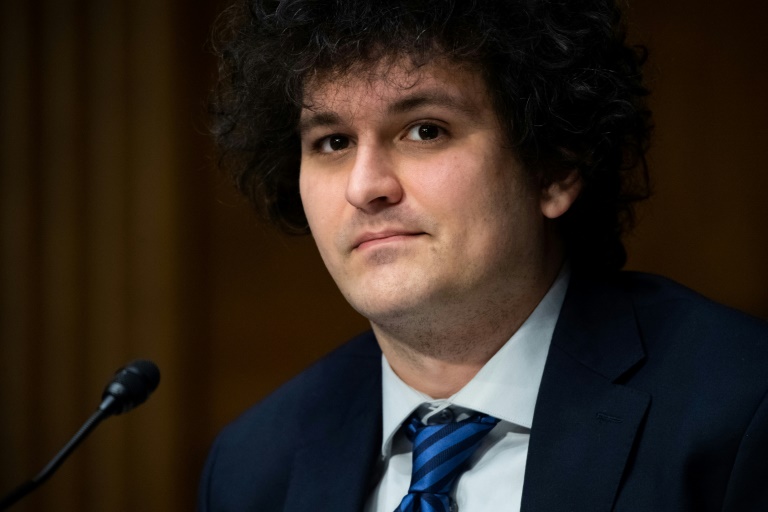
Sam Bankman-Fried: crypto rock star facing life in jail

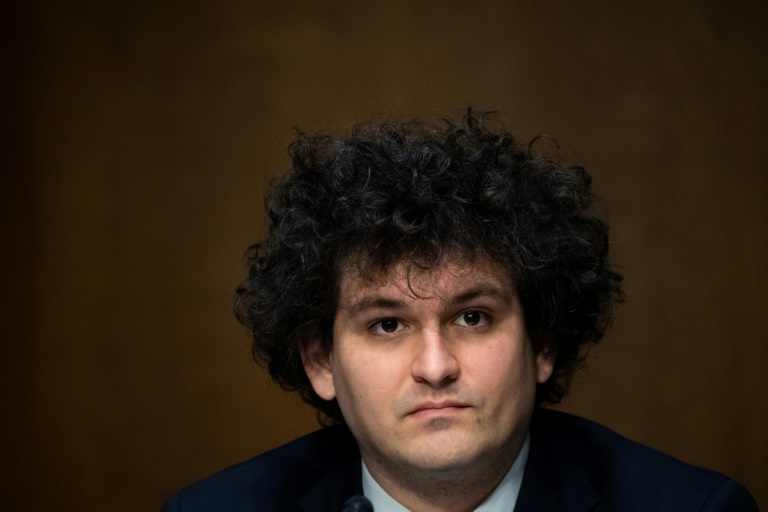
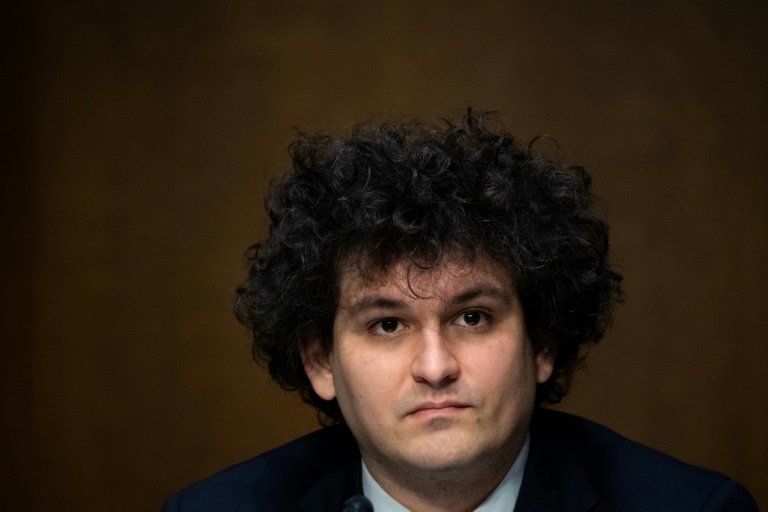
Sam Bankman-Fried has had a dizzying fall from top of the heap in the world of cryptocurrencies to staring down a hefty jail sentence on a raft of fraud charges.

The 30-year-old billionaire founder of the FTX crypto exchange once partnered with celebrities and rubbed shoulders with politicians as he tried to legitimize cryptocurrency as more than just a shady get-rich-quick scheme.

However, his company, valued at $32 billion earlier this year, suddenly imploded in November after filing for bankruptcy protection, inviting scrutiny from regulators, prosecutors and furious clients. 

To authorities, it was a rotten, billion-dollar house of cards that had come crashing down.

Bankman-Fried is a vegan who reportedly sleeps four hours a night, and usually dresses in a hoodie and dark T-shirt. He has said he maintains a spartan lifestyle, and has donated millions of dollars to causes such as animal welfare, reducing global warming, and combating neglected tropical diseases.

His personal fortune was once at nearly $25 billion, according to Forbes magazine. 

– Prestigious partnerships –

The son of Stanford Law School professors and a graduate of the elite Massachusetts Institute of Technology (MIT), Bankman-Fried worked as a broker on Wall Street before turning to cryptocurrencies in 2017. 

He created a cryptocurrency investment fund, Alameda Research, moved to Hong Kong and then launched FTX.

Bankman-Fried, known on social media as SBF, was a vocal advocate for smoother access to the crypto market for the general public, particularly in the United States. 

The success of FTX enabled the platform to forge prestigious partnerships, including with the newly retired American football legend Tom Brady and his wife, the Brazilian ex-model Gisele Bundchen. 

Bankman-Fried moved the company to the Bahamas, where taxes are almost nonexistent, saying the Caribbean nation is one of the few countries that has a comprehensive licensing regime for cryptocurrencies.

As his star rose, Fortune magazine wondered if he would be the new Warren Buffet.

However, things quickly went sour.

– Fall from grace – 

FTX’s implosion was swift following a November 2 report on the cryptocurrency news site CoinDesk on ties between FTX and Alameda.

The report exposed that Alameda’s balance sheet was heavily built on the FTT currency — a token created by FTX and with no independent value. 

The price of FTT plunged in early November, roiling both Alameda and FTX, where Alameda had large trading positions.

Reeling from customer withdrawals and short some $8 billion, FTX and some 100 related entities filed for bankruptcy protection on November 11.

Among the revelations, FTX propped up Alameda with billions of dollars in customer funds that are now likely lost forever. 

Questions also linger over whether Bankman-Fried engaged in market manipulation, or illegally provided inside information to Alameda.

Despite the questions hanging over his company’s activities, Bankman-Fried defied legal advice and kept appearing on talk shows and conference panels, offering his version of his company’s sudden failure, usually by video link from the Bahamas.

Then came his arrest on Monday in the idyllic archipelago, at the request of the United States, and charges of money laundering, wire fraud, and violating campaign finance laws.

The US Securities and Exchange Commission said the onetime crypto wunderkind was “responsible for fraudulently raising billions of dollars from investors in FTX and misusing funds belonging to FTX’s trading customers.”

Bankman-Fried has acknowledged poor corporate controls and mistakes, however, denies any criminal wrongdoing.

“I didn’t ever try to commit fraud on anyone,” Bankman-Fried told a New York Times conference on November 30. “Clearly I made a lot of mistakes or things I would be able to give anything to be able to do over again.”

Instead of boosting investor confidence in cryptocurrency, Bankman-Fried’s downfall sent major cryptocurrencies plunging, only raising further doubt over the young and turbulent sector.

US researchers announce historic nuclear fusion breakthrough

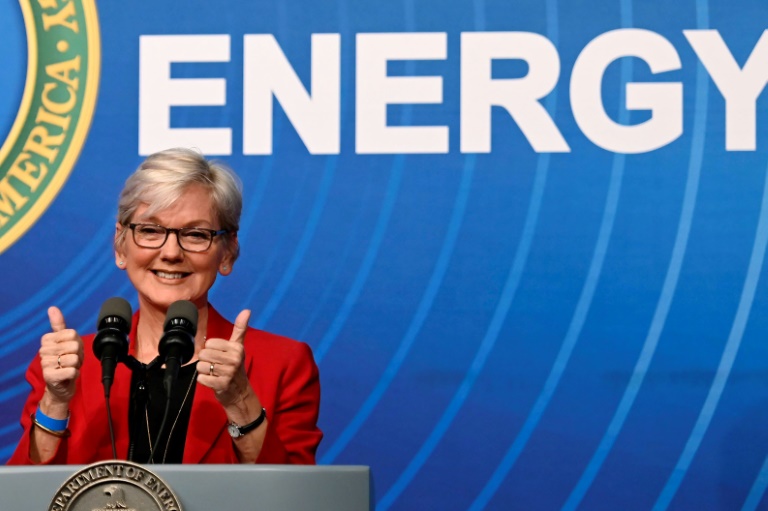
US researchers announced a historic nuclear fusion breakthrough on Tuesday, hailing a “landmark achievement” in the quest for a source of unlimited, clean power and an end to reliance on fossil fuels.

The Lawrence Livermore National Laboratory (LLNL) said it had used the world’s largest laser to create, for the first time, a fusion reaction that replicated the process that powers the sun and generated more energy than it took to produce -– a goal pursued by scientists for decades.

Nuclear fusion has been touted by its supporters as a clean, abundant and safe source of energy that could eventually allow humanity to break its dependence on coal, crude oil, natural gas and other hydrocarbons driving a global climate crisis.

The US Department of Energy described the achievement of fusion ignition as a “major scientific breakthrough” that will lead to “advancements in national defense and the future of clean power.”

However, there is still a long way to go before fusion is viable on an industrial scale, providing power to homes and businesses.

“There are very significant hurdles, not just in the science but in technology,” Kim Budil, the LLNL director, said at a press conference.

“A few decades of research on the underlying technologies could put us in a position to build a power plant,” she said.

The LLNL, which is based in California, said a team at its National Ignition Facility had achieved what is known as “net energy gain” in an experiment this month, producing more energy from fusion than the laser energy used to drive it.

“They shot a bunch of lasers at a pellet of fuel and more energy was released from that fusion ignition than the energy of the lasers,” explained White House science advisor Arati Prabhakar.

– More developments needed –

For the experiment, researchers at LLNL used 192 ultra-powerful lasers to deliver 2.05 megajoules of energy to a tiny capsule smaller than a pea containing isotopes of hydrogen.

It produced 3.15 megajoules of fusion energy output.

While the result was a net energy gain, 300 megajoules of energy was needed from the electrical grid to power the lasers.

“Our calculations suggest that it’s possible with a laser system at scale to achieve hundreds of megajoules of yield,” Budil said.

“So there is a pathway to a target that produces enough yield, but we’re very distant from that right now.”

Nuclear power plants around the world currently use fission — the splitting of a heavy atom’s nucleus — to produce energy.

Fusion on the other hand combines two light hydrogen atoms to form one heavier helium atom, releasing a large amount of energy in the process.

That’s the process that occurs inside stars, including our sun.

On Earth, fusion reactions can be provoked by heating hydrogen to extreme temperatures inside specialized devices.

Like fission, fusion is carbon-free during operation, but has many more advantages: it poses no risk of nuclear disaster and produces much less radioactive waste.

Other nuclear fusion projects are also in development around the world, including the major international project known as ITER, which is currently under construction in France.

Instead of lasers, ITER will use a technique known as magnetic confinement, containing a swirling mass of fusing hydrogen plasma within a massive donut-shaped chamber.

US researchers announce historic nuclear fusion breakthrough

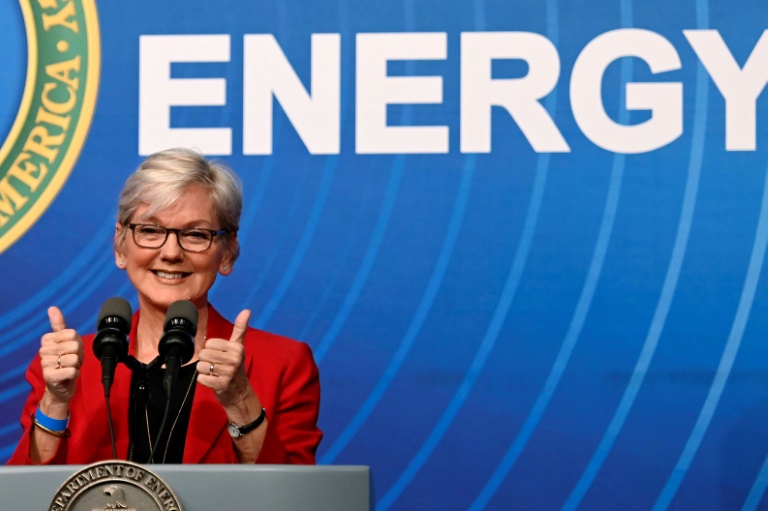
US researchers announced a historic nuclear fusion breakthrough on Tuesday, hailing a “landmark achievement” in the quest for a source of unlimited, clean power and an end to reliance on fossil fuels.

The Lawrence Livermore National Laboratory (LLNL) said it had used the world’s largest laser to create, for the first time, a fusion reaction that replicated the process that powers the sun and generated more energy than it took to produce -– a goal pursued by scientists for decades.

Nuclear fusion has been touted by its supporters as a clean, abundant and safe source of energy that could eventually allow humanity to break its dependence on coal, crude oil, natural gas and other hydrocarbons driving a global climate crisis.

The US Department of Energy described the achievement of fusion ignition as a “major scientific breakthrough” that will lead to “advancements in national defense and the future of clean power.”

However, there is still a long way to go before fusion is viable on an industrial scale, providing power to homes and businesses.

“There are very significant hurdles, not just in the science but in technology,” Kim Budil, the LLNL director, said at a press conference.

“A few decades of research on the underlying technologies could put us in a position to build a power plant,” she said.

The LLNL, which is based in California, said a team at its National Ignition Facility had achieved what is known as “net energy gain” in an experiment this month, producing more energy from fusion than the laser energy used to drive it.

“They shot a bunch of lasers at a pellet of fuel and more energy was released from that fusion ignition than the energy of the lasers,” explained White House science advisor Arati Prabhakar.

– More developments needed –

For the experiment, researchers at LLNL used 192 ultra-powerful lasers to deliver 2.05 megajoules of energy to a tiny capsule smaller than a pea containing isotopes of hydrogen.

It produced 3.15 megajoules of fusion energy output.

While the result was a net energy gain, 300 megajoules of energy was needed from the electrical grid to power the lasers.

“Our calculations suggest that it’s possible with a laser system at scale to achieve hundreds of megajoules of yield,” Budil said.

“So there is a pathway to a target that produces enough yield, but we’re very distant from that right now.”

Nuclear power plants around the world currently use fission — the splitting of a heavy atom’s nucleus — to produce energy.

Fusion on the other hand combines two light hydrogen atoms to form one heavier helium atom, releasing a large amount of energy in the process.

That’s the process that occurs inside stars, including our sun.

On Earth, fusion reactions can be provoked by heating hydrogen to extreme temperatures inside specialized devices.

Like fission, fusion is carbon-free during operation, but has many more advantages: it poses no risk of nuclear disaster and produces much less radioactive waste.

Other nuclear fusion projects are also in development around the world, including the major international project known as ITER, which is currently under construction in France.

Instead of lasers, ITER will use a technique known as magnetic confinement, containing a swirling mass of fusing hydrogen plasma within a massive donut-shaped chamber.

US researchers announce historic nuclear fusion breakthrough

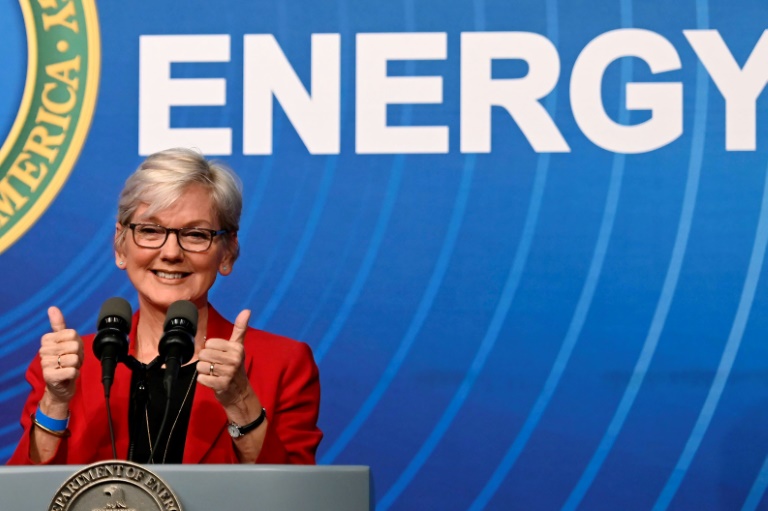
US researchers announced a historic nuclear fusion breakthrough on Tuesday, hailing a “landmark achievement” in the quest for a source of unlimited, clean power and an end to reliance on fossil fuels.

The Lawrence Livermore National Laboratory (LLNL) said it had used the world’s largest laser to create, for the first time, a fusion reaction that replicated the process that powers the sun and generated more energy than it took to produce -– a goal pursued by scientists for decades.

Nuclear fusion has been touted by its supporters as a clean, abundant and safe source of energy that could eventually allow humanity to break its dependence on coal, crude oil, natural gas and other hydrocarbons driving a global climate crisis.

The US Department of Energy described the achievement of fusion ignition as a “major scientific breakthrough” that will lead to “advancements in national defense and the future of clean power.”

However, there is still a long way to go before fusion is viable on an industrial scale, providing power to homes and businesses.

“There are very significant hurdles, not just in the science but in technology,” Kim Budil, the LLNL director, said at a press conference.

“A few decades of research on the underlying technologies could put us in a position to build a power plant,” she said.

The LLNL, which is based in California, said a team at its National Ignition Facility had achieved what is known as “net energy gain” in an experiment this month, producing more energy from fusion than the laser energy used to drive it.

“They shot a bunch of lasers at a pellet of fuel and more energy was released from that fusion ignition than the energy of the lasers,” explained White House science advisor Arati Prabhakar.

– More developments needed –

For the experiment, researchers at LLNL used 192 ultra-powerful lasers to deliver 2.05 megajoules of energy to a tiny capsule smaller than a pea containing isotopes of hydrogen.

It produced 3.15 megajoules of fusion energy output.

While the result was a net energy gain, 300 megajoules of energy was needed from the electrical grid to power the lasers.

“Our calculations suggest that it’s possible with a laser system at scale to achieve hundreds of megajoules of yield,” Budil said.

“So there is a pathway to a target that produces enough yield, but we’re very distant from that right now.”

Nuclear power plants around the world currently use fission — the splitting of a heavy atom’s nucleus — to produce energy.

Fusion on the other hand combines two light hydrogen atoms to form one heavier helium atom, releasing a large amount of energy in the process.

That’s the process that occurs inside stars, including our sun.

On Earth, fusion reactions can be provoked by heating hydrogen to extreme temperatures inside specialized devices.

Like fission, fusion is carbon-free during operation, but has many more advantages: it poses no risk of nuclear disaster and produces much less radioactive waste.

Other nuclear fusion projects are also in development around the world, including the major international project known as ITER, which is currently under construction in France.

Instead of lasers, ITER will use a technique known as magnetic confinement, containing a swirling mass of fusing hydrogen plasma within a massive donut-shaped chamber.

US charges crypto tycoon Bankman-Fried with 'massive' fraud

US prosecutors slapped disgraced cryptocurrency tycoon Sam Bankman-Fried with multiple criminal charges on Tuesday for massive fraud as he built his FTX crypto empire.

The charge sheet landed as Bankman-Fried appeared in a Bahamas court and indicated that he would fight an extradition request by the United States and asked to be released on bail pending a hearing.

The founder of the FTX platform, who was arrested in the Bahamas Monday at the request of the United States, is facing a raft of accusations, including from US market regulators who say that the investor knowingly built a fraudulent house of cards.

In a Nassau courtroom, attended by US embassy officials and Bankman-Fried’s parents, Bahamian prosecutors argued that the suspect was a flight risk and should be denied bail pending an extradition hearing, the New York Times reported.

The criminal charges, made by federal prosecutors in New York, posed the greatest threat to Bankman-Fried who risks a long jail sentence given the billions of dollars involved.

“Mr. Bankman-Fried is reviewing the charges with his legal team and considering all of his legal options,” his lawyer Mark Cohen said in a statement.

– ‘Massive fraud’ –

In their indictment, US prosecutors said Bankman Fried also carried out money laundering, violated campaign finance laws and committed wire fraud since the start of his company in 2019.

Bankman-Fried “was orchestrating a massive, years-long fraud, diverting billions of dollars of the trading platform’s customer funds for his own personal benefit and to help grow his crypto empire,” prosecutors said.

The legal hammer fell after the 30-year-old spent weeks defying legal advice and made multiple media appearances defending his actions, usually by video link from the Bahamas, where his company is headquartered.

Bankman-Fried had embodied the emergence of cryptocurrency as an above-board investment rather than a dodgy get-rich-quick scheme for high-risk investors.

His FTX platform was plugged by celebrities in advertising campaigns and he became a regular presence in Washington, where he donated tens of millions of dollars in political contributions, mainly to the Democratic Party.

But after reaching a valuation of $32 billion, FTX’s implosion was swift following a November 2 media report on ties between FTX and Alameda, a trading company also controlled by Bankman-Fried.

The report exposed that Alameda’s balance sheet was heavily built on the FTT currency — a token created by FTX with no independent value — and exposed Bankman-Fried’s companies as being dangerously interlinked.

– ‘Grossly inexperienced’ –

Reeling from customer withdrawals and short some $8 billion, FTX and around 100 related entities filed for bankruptcy protection on November 11, inviting scrutiny from regulators, prosecutors and furious clients. 

“If convicted he could be facing the rest of his life in prison, given the dollar amount of the fraud,” Jacob S. Frenkel, a former federal criminal prosecutor at Dickinson Wright, told AFP.

“We would not see an indictment if prosecutors were not absolutely convinced that they will win a conviction.”

In his media interviews, Bankman-Fried has admitted to mistakes, but has denied intent to defraud his customers.

FTX CEO John Ray, who came to the company after the debacle, told Congress on Tuesday that the problems arose because control was “in the hands of a very small group of grossly inexperienced and unsophisticated individuals.”

“Never in my career have I seen such an utter failure of corporate controls at every level of an organization, from the lack of financial statements to a complete failure of any internal controls or governance whatsoever,” Ray said.

The fall of FTX has caused major doubts about the long term viability of cryptocurrency and heaped stress on other platforms and entities that rode the success of Bitcoin and other currencies.

US charges crypto tycoon Bankman-Fried with 'massive' fraud

US prosecutors slapped disgraced cryptocurrency tycoon Sam Bankman-Fried with multiple criminal charges on Tuesday for massive fraud as he built his FTX crypto empire.

The charge sheet landed as Bankman-Fried appeared in a Bahamas court and indicated that he would fight an extradition request by the United States and asked to be released on bail pending a hearing.

The founder of the FTX platform, who was arrested in the Bahamas Monday at the request of the United States, is facing a raft of accusations, including from US market regulators who say that the investor knowingly built a fraudulent house of cards.

In a Nassau courtroom, attended by US embassy officials and Bankman-Fried’s parents, Bahamian prosecutors argued that the suspect was a flight risk and should be denied bail pending an extradition hearing, the New York Times reported.

The criminal charges, made by federal prosecutors in New York, posed the greatest threat to Bankman-Fried who risks a long jail sentence given the billions of dollars involved.

“Mr. Bankman-Fried is reviewing the charges with his legal team and considering all of his legal options,” his lawyer Mark Cohen said in a statement.

– ‘Massive fraud’ –

In their indictment, US prosecutors said Bankman Fried also carried out money laundering, violated campaign finance laws and committed wire fraud since the start of his company in 2019.

Bankman-Fried “was orchestrating a massive, years-long fraud, diverting billions of dollars of the trading platform’s customer funds for his own personal benefit and to help grow his crypto empire,” prosecutors said.

The legal hammer fell after the 30-year-old spent weeks defying legal advice and made multiple media appearances defending his actions, usually by video link from the Bahamas, where his company is headquartered.

Bankman-Fried had embodied the emergence of cryptocurrency as an above-board investment rather than a dodgy get-rich-quick scheme for high-risk investors.

His FTX platform was plugged by celebrities in advertising campaigns and he became a regular presence in Washington, where he donated tens of millions of dollars in political contributions, mainly to the Democratic Party.

But after reaching a valuation of $32 billion, FTX’s implosion was swift following a November 2 media report on ties between FTX and Alameda, a trading company also controlled by Bankman-Fried.

The report exposed that Alameda’s balance sheet was heavily built on the FTT currency — a token created by FTX with no independent value — and exposed Bankman-Fried’s companies as being dangerously interlinked.

– ‘Grossly inexperienced’ –

Reeling from customer withdrawals and short some $8 billion, FTX and around 100 related entities filed for bankruptcy protection on November 11, inviting scrutiny from regulators, prosecutors and furious clients. 

“If convicted he could be facing the rest of his life in prison, given the dollar amount of the fraud,” Jacob S. Frenkel, a former federal criminal prosecutor at Dickinson Wright, told AFP.

“We would not see an indictment if prosecutors were not absolutely convinced that they will win a conviction.”

In his media interviews, Bankman-Fried has admitted to mistakes, but has denied intent to defraud his customers.

FTX CEO John Ray, who came to the company after the debacle, told Congress on Tuesday that the problems arose because control was “in the hands of a very small group of grossly inexperienced and unsophisticated individuals.”

“Never in my career have I seen such an utter failure of corporate controls at every level of an organization, from the lack of financial statements to a complete failure of any internal controls or governance whatsoever,” Ray said.

The fall of FTX has caused major doubts about the long term viability of cryptocurrency and heaped stress on other platforms and entities that rode the success of Bitcoin and other currencies.

Ukraine secures 1 bn euros in aid 'to get through winter'

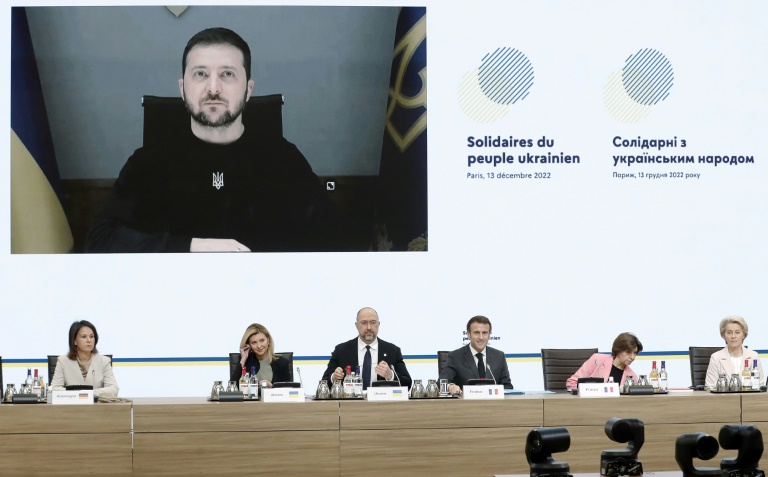
Ukraine’s Western allies pledged an additional one billion euros ($1.1 billion) in emergency winter aid on Tuesday, responding to pleas from President Volodymyr Zelensky to help the country withstand Russia’s onslaught against its energy grid.

Around seventy countries and international organisations gathered in Paris for a meeting aimed at enabling Ukrainians “to get through this winter”, said French President Emmanuel Macron.

In a video message, Zelensky said Ukraine needed assistance worth around 800 million euros in the short term for its battered energy sector.

“Of course it is a very high amount, but the cost is less than the cost of a potential blackout,” Zelensky told the conference via video link.

Pledges for the energy sector comprised 400 million euros of the funds raised on Tuesday, France’s Foreign Minister Catherine Colonna said. 

Ukraine needs spare parts for repairs, high-capacity generators, extra gas as well as increased electricity imports, Zelensky said.

“Generators have become as necessary as armoured vehicles and bullet-proof jackets,” he said.

Ukrainian Prime Minister Denys Shmygal said 40 to 50 percent of the country’s grid was out of action because of Russia’s strikes.

Many areas of the country have power for only a few hours a day.

Another 1.5 million people were left without power in southern Odessa over the weekend after Russian drone attacks. 

“They want to put us into darkness and it will fail, thanks to our partners all over the world,” Shmygal told delegates.

– Bridge attack –

On the battlefield Tuesday, local authorities in the Russian-occupied city of Melitopol said pro-Kyiv forces had used explosives to damage a strategic bridge.

Melitopol is an important transport hub for Russia forces in the region of Zaporizhzhia and is key for Ukraine’s hopes of liberating the south of the country.

The bridge in the eastern suburbs “was damaged by terrorists,” Vladimir Rogov, a Moscow-installed regional official, said on the Telegram messaging app.

He did not specify the extent of the damage, but images on his social media accounts showed that a middle section of the bridge had collapsed.

Elsewhere on Tuesday, Belarus held a surprise inspection of its armed forces, raising fears of a possible escalation in the conflict.

Belarus is a close ally of Moscow, but Belarusian leader Alexander Lukashenko has repeatedly said he does not plan to send Belarusian troops to Ukraine.

Ukrainian PM Shmygal also said Tuesday that the UN nuclear watchdog IAEA had agreed to dispatch permanent teams to monitor the country’s nuclear plants.

They are expected to take up positions in the Russian-controlled Zaporizhzhia plant, a hotspot of fighting, which has been a source of global concern in recent months.

A deal to de-militarise the site, which would see both sides withdraw forces, has proved impossible so far despite international diplomatic efforts.

– Aid mechanism – 

Tuesday’s conference in Paris, titled “Standing with the Ukraine People,” also saw the launch of a new so-called Paris Mechanism to coordinate civilian aid to Ukraine.

The digital platform, announced by G7 leaders on Monday, will enable Ukraine to list its requirements and allow international donors to coordinate their responses in real-time.

“A large number of countries will use this mechanism — all the members to the European Union, but it will go beyond to other partners, including non-European partners,” Colonna told reporters.

She underlined that Bahrein, Cambodia, India, Indonesia and Qatar were represented at Tuesday’s meeting– “countries that you rarely see at international conferences for Ukraine,” she said. 

A similar platform exists for military aid, which is coordinated via meetings of Ukraine’s Western allies at the US-run Ramstein military base in Germany.

– ‘War crimes’ –

Macron hosted Tuesday’s conference alongside Zelensky’s wife Olena, giving the French leader an opportunity to reaffirm his support for Kyiv.

He has riled some of his allies in Kyiv in the past, most notably in June when he said “we must not humiliate Russia”.

On December 3, he also called for Russia to be offered “security guarantees” at the end of the war, drawing criticism from some Ukrainian and eastern European politicians.

Although a diplomatic settlement to the war is seen as a likely conclusion, critics believe the focus should remain solely on pushing back Russia’s forces militarily. 

Macron condemned Russia’s “cynical” and “cowardly” attacks on Ukrainian civilian infrastructure. 

“These strikes… which Russia openly admits are designed to break the resistance of the Ukrainian people, are war crimes,” he said in his opening address.

“They violate without any doubt the most basic principals of humanitarian law. These acts are intolerable and will not go unpunished,” he said.

In Russia, the Kremlin has announced that Putin will not hold his annual end-of-year press conference this year, a break with tradition.

Kremlin spokesman Dmitry Peskov gave no reason for not holding the event that Putin has hosted almost every year he has been in power since 2000.

Close Bitnami banner
Bitnami