World

US inflation slows in November in smallest spike in year

US consumer inflation eased in November, according to government data released Tuesday, bringing some relief to policymakers with the smallest annual increase in nearly a year.

Officials are closely eying the monthly inflation report for signs that painfully high consumer prices are definitively moderating at last, as surging costs of living force households to dip into their savings.

The consumer price index (CPI), a closely-watched measure of inflation, jumped 7.1 percent from a year ago, down from 7.7 percent in October, according to Labor Department figures.

But the overall number is still about three times the pre-pandemic pace.

Prices ticked up 0.1 percent from October to November, a smaller-than-expected increase after a prior 0.4 percent jump, the latest data showed.

Meanwhile, core prices, which exclude the volatile food and energy segments, rose 0.2 percent in November, down from a 0.3 percent pick-up in October.

“The index for shelter was by far the largest contributor to the monthly all items increase, more than offsetting decreases in energy indexes,” the Labor Department said in a statement.

Food inflation nudged up as well, underscoring the financial squeeze that households are still experiencing.

While an improvement from before, the data likely reinforces official views that costs remain far too high, and US central bankers are poised to push on in their quest to cool the world’s biggest economy.

The Federal Reserve has raised the benchmark lending rate six times this year in hopes of lowering demand, walking a fine line between reining in prices and triggering a recession.

The lower inflation figure is likely to fuel optimism for easing in the Fed’s aggressive campaign as its policy-setting committee starts a two-day meeting Tuesday that is widely expected to culminate in a smaller rate hike.

– Right direction –

Consumer inflation remains much higher than the Fed’s longer-term goal of two percent, even as prices are “moving in the right direction,” said economist Rubeela Farooqi of High Frequency Economics Tuesday.

But “further sustained improvement” over the coming months could allow the Fed to slow its pace of rate hikes more, she added.

While goods prices are decelerating, they still contribute heavily to CPI changes and a reversal of the trend will take time, she warned in an earlier analysis.

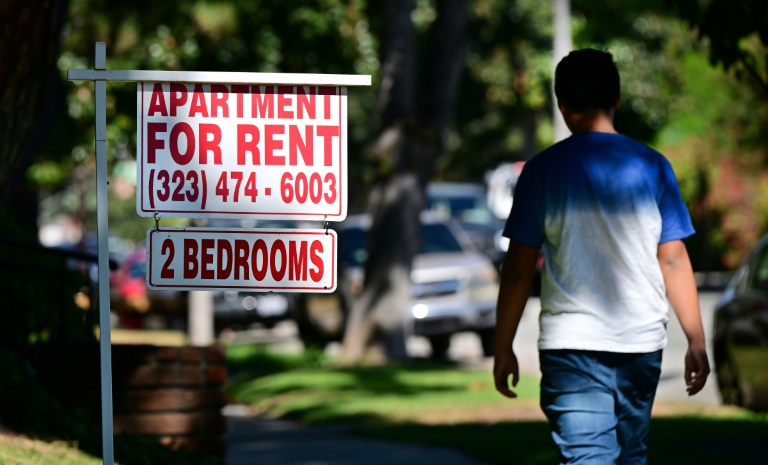
Shelter inflation remains a key factor behind inflation, and James Knightley of ING told AFP that while the asking price for rents appears to be falling in many cities, most people are still paying “considerably more” than last year.

Analysts have also been watching price increases in services, given that quickly rising wages feed into this segment and “continue to run hot,” he noted.

“This is clearly an area of concern for the Fed,” he said.
US inflation slows in November in smallest spike in year

US consumer inflation eased in November, according to government data released Tuesday, bringing some relief to policymakers with the smallest annual increase over the past year.

Officials are closely eying the monthly inflation report for signs that painfully high consumer prices are definitively moderating at last, as surging costs of living force households to dip into their savings.

The consumer price index (CPI), a closely-watched measure of inflation, jumped 7.1 percent from a year ago, down from 7.7 percent in October, according to Labor Department figures.

But the overall number is still about three times the pre-pandemic pace.

Prices ticked up 0.1 percent from October to November, a smaller-than-expected increase after a prior 0.4 percent jump, the latest data showed.

Meanwhile, core prices, which exclude the volatile food and energy segments, rose 0.2 percent in November, down from a 0.3 percent pick-up in October.

“The index for shelter was by far the largest contributor to the monthly all items increase, more than offsetting decreases in energy indexes,” the Labor Department said in a statement.

Food inflation nudged up as well, underscoring the financial squeeze that households are still experiencing.

While an improvement from before, the data likely reinforces official views that costs remain far too high, and US central bankers are poised to push on in their quest to cool the world’s biggest economy.

The Federal Reserve has raised the benchmark lending rate six times this year in hopes of lowering demand, walking a fine line between reining in prices and triggering a recession.

The lower inflation figure is likely to fuel optimism for easing in the Fed’s aggressive campaign as its policy-setting committee starts a two-day meeting Tuesday that is widely expected to culminate in a smaller rate hike.

– Right direction –

Consumer inflation remains much higher than the Fed’s longer-term goal of two percent, even as prices are “moving in the right direction,” said economist Rubeela Farooqi of High Frequency Economics Tuesday.

But “further sustained improvement” over the coming months could allow the Fed to slow its pace of rate hikes more, she added.

While goods prices are decelerating, they still contribute heavily to CPI changes and a reversal of the trend will take time, she warned in an earlier analysis.

Shelter inflation remains a key factor behind inflation, and James Knightley of ING told AFP that while the asking price for rents appears to be falling in many cities, most people are still paying “considerably more” than last year.

Analysts have also been watching price increases in services, given that quickly rising wages feed into this segment and “continue to run hot,” he noted.

“This is clearly an area of concern for the Fed,” he said.
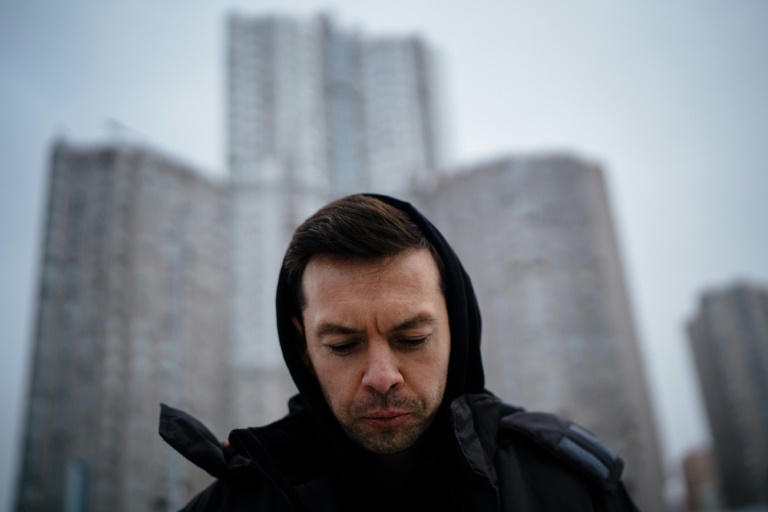
Footballer union 'sickened' as Iranian player risks death sentence

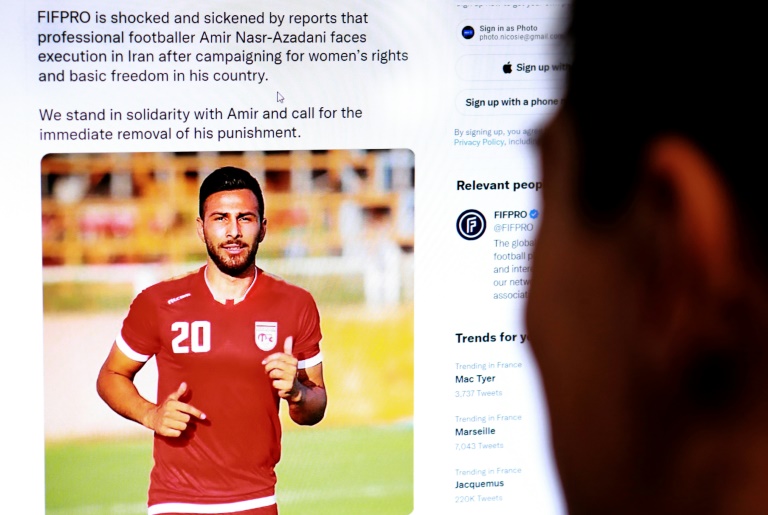
The world union of professional footballers FIFPRO said it was “shocked and sickened” by the risk of Iranian footballer Amir Nasr-Azadani being sentenced to death in connection with protests which have shaken the country for three months.

Nasr-Azadani was arrested in the city of Isfahan two days after allegedly taking part in an “armed riot” in which three security agents were killed on September 16, Isfahan’s judiciary chief Abdullah Jafari said, quoted Sunday by Iran’s ISNA news agency.

Jafari said the 26-year-old had been accused of “rebellion, membership in illegal gangs, collusion to undermine security and therefore assisting in moharabeh” — or “emnity against God” — a capital crime in the Islamic republic.

“FIFPRO is shocked and sickened by reports that professional footballer Amir Nasr-Azadani faces execution in Iran after campaigning for women’s rights and basic freedom in his country,” the union wrote on its Twitter page late Monday.

“We stand in solidarity with Amir and call for the immediate removal of his punishment.”

The alarm comes after a global outcry following the execution by Iran in the past days of two young men arrested over the protests.

Nasr-Azadani, who played at Under-16 level for the national team, began his football career with Tehran team Rah-Ahan, with whom he played for the first time in Iran’s top flight league.

The defender briefly played for Tractor SC under former Wales coach John Toshack and is currently at FC Iranjavan Bushehr.

Former Iranian international star Ali Karimi, a strong supporter of the protests, backed the footballer in a tweet, saying “Do not execute Amir”.

The Iranian national team took part in the World Cup in Qatar and staged their own protest by refusing to sing the national anthem in their opening match against England.

However, they rolled back to sing the anthem for subsequent matches against Wales and the USA.

Iran is facing protests sparked by the September 16 death of Mahsa Amini, a 22-year-old Iranian Kurd who died after she was arrested by morality police for allegedly violating the Islamic republic’s strict dress code for women.

According to Amnesty International, 11 people have been confirmed to have been sentenced to death over the protests and at least another nine, including Nasr-Azadani, risk being sentenced to death.

Iran calls the protests “riots” and says they have been encouraged by its foreign foes.

Prominent former international star Voria Ghafouri was arrested in Iran last month after he backed the protests and condemned the crackdown but was later released on bail.

A 27-storey walk home: Ukraine power cuts bring lifts to a halt

When Viktor Dergai moved into his 27th floor flat more than a year ago, he and his family were excited for the picturesque views of Kyiv their new home promised.

But that was before the war and frequent power outages would upend their lives.

For his family and other residents of the sea of tower blocks fanning out from the Dnipro river to Kyiv’s suburbs, disruptions to lifts stemming from Russian attacks on Ukraine’s electrical grid has only brought more hardship.

Calls for rescue from stalled lifts have boomed, people have even started leaving small survival kits for the stranded, and there is the suffering of endless flights of stairs.

“Walking isn’t a problem for me, but there are elderly and disabled people and mothers who carry children in pushchairs living in our building,” says Dergai, a 46-year-old civil servant.

The situation has been particularly hard on his 68-year-old father-in-law who was injured early in the war and can’t make the gruelling trip on foot to and from the apartment during outages. 

“Electricity shortages are incredibly difficult for people like him,” Dergai notes, saying it took them nearly an hour to get him down the stairs recently for a hospital visit during a blackout.  

His father-in-law Viktor Lazarenko’s right leg was mangled during the Russian scorched-earth assault on the southern city of Mariupol in March, resulting in the loss of seven centimetres (2.5 inches) of bone. 

The little walking he manages now is aided by crutches and a brace. But ascending the 27-flights of stairs is out of the question.

“If there had been no war, none of this would have happened,” he says through tears.

– ‘Who started it?’ –

Nearly 10 months into the war, hardship from the fighting has compounded as winter sets in and Moscow vows to keep hitting Ukraine’s energy infrastructure.

The strikes follow a string of setbacks on the battlefield for the Kremlin, with major Russian retreats in the northeast and south.

To blunt Kyiv’s momentum, Russia has launched a series of large-scale missile barrages — along with smaller, localised attacks — targeting substations, transformers and electrical nodes across Ukraine.

The strikes have been crippling — resulting in the periodic loss of electricity, heating, water and phone service across swaths of the country.

“It is slowly attritioning Ukraine’s ability to replace the infrastructure and components of the electricity grid they need to keep the country going,” Michael Kofman, a Russian military expert at the US-based CNA research institute recently told the War on the Rocks podcast. 

“It will increase refugee flows. It will prevent the return of investment. It will make it much harder for Ukraine to sustain the war.”

Last week, President Vladimir Putin was unrepentant, arguing the strikes were in retaliation for the attack in October on the Kerch bridge connecting Crimea to Russia. 

“Yes, we do that,” Putin said of the onslaught against Ukraine’s grid. “But who started it?”

– ‘We will survive’-

For over a century, lifts have served as vital connective tissue in urban landscapes, allowing cities to grow vertically and for more people to inhabit less land.

“We take them for granted, but elevators are a critical part of the transportation system in modern cities,” Robert Bryce, the author of “A Question of Power: Electricity and the Wealth of Nations” tells AFP.

“Without electricity, modern tall cities simply don’t work anymore.”

Despite frequent power cuts, people regularly play elevator roulette before the next outage. Sometimes they lose. 

That means maintenance crews are working around the clock to rescue people stranded in stuck elevators across Kyiv, where residents can wait for hours in the cold and dark for reprieve.

To cope, people in apartment blocks have begun assembling survival kits placed in elevators, which often include boxes filled with water, snacks, flashlights, sedative pills and plastic bags for toilet emergencies.

Dmytro Sukhoruchko — a 42-year-old manager at the elevator maintenance company UKRLIFT — says calls for rescues from trapped lifts have increased by 10 to 15 fold since the attacks on the energy grid began.  

“It’s hard for an engineer to walk 25 floors up to get a person out of the elevator, then to come down, move to another building, and do the same all over again,” Sukhoruchko tells AFP.  

His colleague Kostiantyn Krul, 36, admits the work is relentless, with an average work day including around a dozen calls.

During a recent outing, Krul climbed 12 flights of stairs to rescue 71-year-old Mykola Bezruchenko.

“It was like sitting in a submarine,” Bezruchenko tells AFP after spending an hour stuck in the elevator. Following the ordeal, he says he will likely refrain from taking the lift in the future.

But for Bezruchenko these power outages have done little to temper his resolve in the fight against Russia.

“We will survive,” he says. “December ends soon, the January holidays will pass, and then spring will come. And in the spring we cannot be beaten.”

S.Africa's Ramaphosa faces crunch impeachment debate

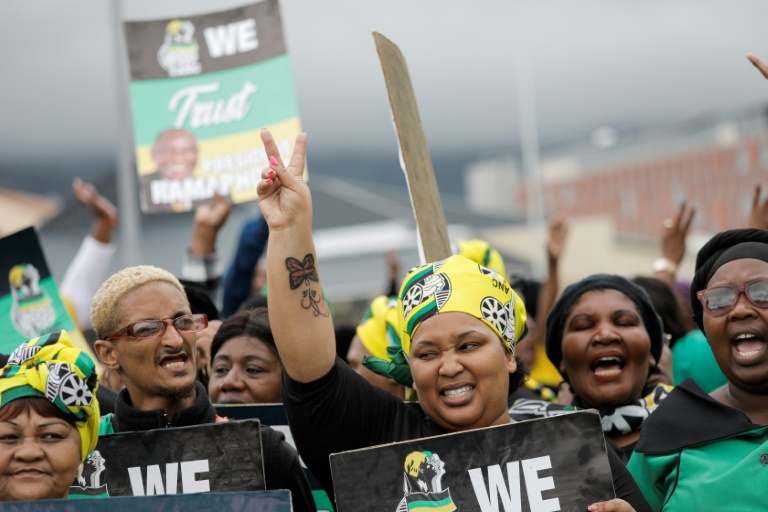
South African MPs on Tuesday started debating whether to initiate proceedings that could force out President Cyril Ramaphosa over allegations he concealed a huge cash theft at his farm.

Ramaphosa — championed as a graft-busting saviour after corruption-stained predecessor Jacob Zuma — is counting on support from the ruling African National Congress (ANC) party, which has been further divided by the scandal.

An extraordinary parliamentary session opened noisily in Cape Town to discuss the findings of an independent panel which said Ramaphosa may be guilty of serious violations and misconduct.

Lawmakers are called to decide in an open vote, by simple majority, whether to launch an impeachment investigation against Ramaphosa — a lengthy probe that could lead to his removal from office.

But opposition lawmakers kicked off the session demanding secret balloting, some speaking about threats from “the underworld” over their votes.

“Thula, thula,” National Assembly speaker Nosiviwe Mapisa-Nqakula shouted in Zulu, ordering lawmakers to “shut up” as they objected to the voting method.

She said the atmosphere in parliament was “so highly charged” that it would prevent lawmakers from exercising their right to vote with “their conscience” through open voting.

The 70-year-old president seems likely to survive the day.

Last week, he secured the renewed backing of the ANC, which holds 230 of the National Assembly’s 400 seats, after mounting a legal bid to have the damning report annulled. 

“We are going to use our numbers as ANC… because we cannot be dictated to by a panel that has not been objective,” Communications Minister Khumbudzo Ntshavheni told reporters before entering parliament.

“We are not going to be bullied by anyone,” she said.


– Toe the line? –

Yet others believe there might be room for surprises, as the scandal has deepened rifts within the factionalised ANC.

Its national executive vowed last week to shoot down any attempt to force Ramaphosa from office. 

That decision upset some, who said the executive had forced their hand. 

Ramaphosa’s graft-tainted predecessor Zuma survived several no-confidence motions during his tenure, before his own party forced him to resign in 2018.

Opposition parties are presenting a largely united front on the issue. 

John Steenhuisen, leader of the largest opposition party, the Democratic Alliance, said the ANC cannot be allowed to use “the tyranny of their majority to protect a president from scrutiny”. 

– Scrutiny –

Ramaphosa kicked off his day in the capital Pretoria, attending under pouring rain a police graduation ceremony.

If the opposition has its way, Ramaphosa would face the prospect of having the affair further scrutinised by parliament in a year that leads to general elections in 2024.

An impeachment vote itself would need the support of a two-thirds majority of MPs to succeed.

The president, who was a wealthy businessman before entering politics, found himself in hot water in June when South Africa’s former spy boss filed a complaint against him to the police.

Arthur Fraser alleged Ramaphosa had concealed the theft of several million dollars from his farm in 2020.

He accused the president of having the burglars kidnapped and bribed into silence instead of reporting the matter to the authorities. 

Ramaphosa has not been charged with any crime and has denied wrongdoing. 

The findings of the three-person special probe, issued last week, brought forward details that have left South Africa agog.

Ramaphosa acknowledged the theft of $580,000 in cash that was stashed under sofa cushions at his farm — a safer place, his employees said, than the office safe.

He said the money was payment for buffaloes bought by a Sudanese businessman, who recently confirmed the transaction in interviews with British media.

BoE to test 'shadow banking' after markets chaos

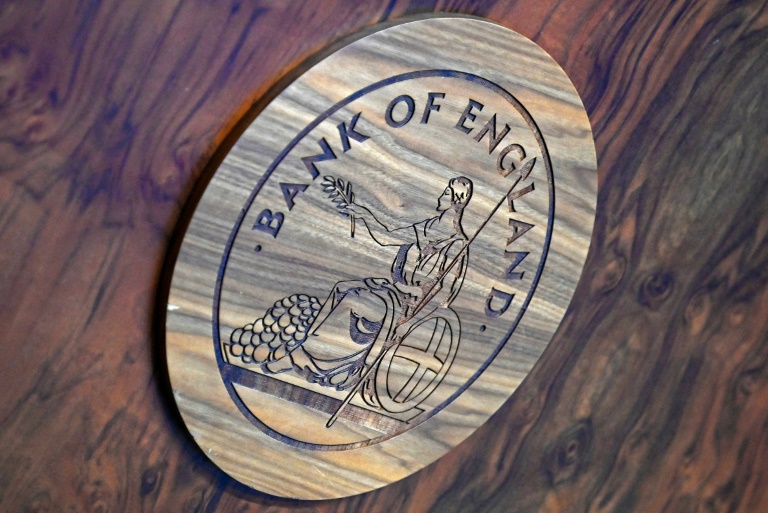
The Bank of England will test so-called shadow banking institutions such as pension funds, that played a key role in recent UK bond market chaos, it said Tuesday.

The BoE was forced to buy UK debt in September in an emergency intervention to avert financial catastrophe, after a controversial tax-slashing budget by the government caused bond yields to soar and sparked panic.

The crisis, which sparked the downfall of former Conservative prime minister Liz Truss, threw the spotlight on non-banking financial institutions (NBFIs) and their risk to stability, the BoE noted Tuesday. 

“There is a need to develop stress-testing approaches to understand better the resilience of NBFIs to shocks” and their links with commercial lenders and markets, it added in a report.

“The bank will run, for the first time, an exploratory scenario exercise focused on NBFI risks, to inform understanding of these risks and future policy approaches,” it revealed.

September’s turmoil, centred on the exposure of pension funds to UK debt market volatility, highlighted a “material risk” to stability, the BoE warned.

Some pension funds use Liability Driven Investments (LDIs), which are linked to financial derivatives and intended to help ensure that the income generated by the assets covers their long-term commitments.

However, the chaos caused the value of assets, notably government bonds, to tumble.

That forced pension funds to sell the bonds, known as gilts, to swiftly access liquidity, sending yields rocketing.

“The rapid and unprecedented increase in yields exposed vulnerabilities associated with LDI funds, in which many defined benefit pension schemes invest,” the BoE said.

“This led to a vicious spiral of collateral calls and forced gilt sales that risked leading to further market dysfunction, creating a material risk to UK financial stability.”

The BoE itself does not regulate LDIs, but wants pension fund watchdogs to ensure institutions have sufficient collateral in LDI funds to withstand further shocks.

Truss quit in October, replaced by Rishi Sunak and the new Conservative prime minister has reversed her unfunded budget that also sent the pound slumping to a record low against the dollar.

Ghana reaches $3 billion IMF deal

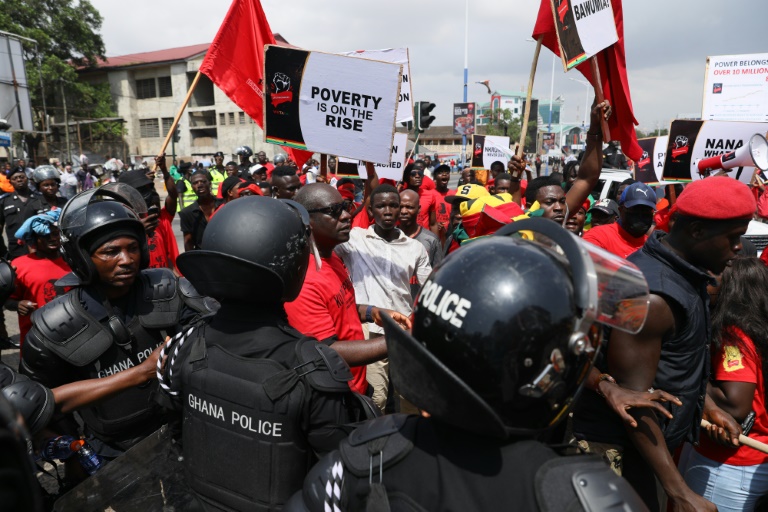
Ghana on Tuesday agreed on a $3 billion credit deal with the International Monetary Fund (IMF) as part of the country’s battle to end its worst economic crisis in decades.

The West African state is facing more than 40 percent inflation, a risky debt burden and a sharp decline in its cedi currency since the start of the year.

The IMF said Ghana’s government had committed to “a wide-ranging economic reform program” that will restore stability and debt sustainability.

“These are really grave times and in a really difficult economic environment,” Finance Minister Kenneth Ofori-Atta told reporters in Accra. 

“But this now today paves the way for the IMF management and executive board to approve Ghana’s programme request early, hopefully, next year.”

The three-year IMF loan agreement has yet to be approved by the fund’s board.

The programme also aims to reduce inflation, strengthen the economy’s resilience to external shocks and improve market confidence in the country, the IMF said. 

A top cocoa and gold producer, Ghana also has oil and gas reserves, but its debt has soared and like the rest of sub-Saharan Africa it has been hit hard by fallout from the Covid pandemic and the Ukraine war.

The crisis forced President Nana Akufo-Addo’s government to reverse its position earlier this year and seek IMF help as economists warned of a default on debt payments.

The government has already announced a domestic debt swap as part of the programme to ease a crunch in payments and is soon expected to release details about restructuring foreign debt.

– ‘Good news’ –

IMF mission chief Stephane Roudet said IMF board approval for the deal would come after Ghana’s creditors give assurances and the debt exchange programme is shown to be sufficient.

“What is very important for the IMF is that the government strategy as a whole be sufficient to put debt on a sustainable path and to bring debt sustainability over the medium term,” he said.

The government has already increased VAT by 2.5 percent and frozen state-sector hiring to help trim spending and boost domestic revenues. 

Officials say vulnerable groups will be protected, but critics are concerned the government programme will lead to more austerity.

“Ghana having reached a staff level deal with the IMF is quite good news, although we have yet to get the full details. But on the whole, it will facilitate the final approval,” Ghanaian economist Daniel Anim Amarteye said.

“The government really needs the bailout to bring about macroeconomic stability and credibility.”

Debt payments currently gobble up more than half of government revenues. A 50 percent slide in the cedi against the dollar has also increased Ghana’s debt values by $6 billion this year.

Major credit ratings agencies have downgraded their outlook on Ghana, reflecting market worries that the country risked missing debt payments.

The IMF negotiations came after a new tax on electronic transactions, known as the E-levy, faced resistence and failed to generate expected revenue levels for the government.

Stocks climb before US inflation data

Stock markets mostly climbed Tuesday before the release of key US inflation data later in the session.

The November consumer price index (CPI) figures follow Friday’s forecast-beating print on US wholesale inflation, which dented hopes the Federal Reserve would scale back the size of its next interest rate hikes.

The central bank is widely expected to lift interest rates 50 basis points Wednesday — a slowdown from the previous four 75-point hikes — but its post-meeting statement and comments from boss Jerome Powell will be closely followed.

While the general view is that policymakers will stop increasing borrowing costs next year, there is debate about how high they will peak and when they will start to come down.

“I think CPI will be important but not necessarily for this meeting, for which a 50 basis-point hike is well flagged, but rather it will help determine the extent of further tightening,” said Mitul Kotecha, of TD Securities.

“Don’t expect clearcut signals from the Fed… on what they expect to be doing at early 2023 meetings,” said National Australia Bank’s Ray Attrill.

Elsewhere, China’s shift away from its economically damaging zero-Covid policy continued to support sentiment as the world’s number two economy opens up.

Top Chinese officials are meeting this week to draw up their economic blueprint for re-emerging from Covid, with observers predicting more stimulus measures and pledges of support for the troubled property sector.

But there is also a worry among investors that the quick relaxation of containment measures such as mass testing and lockdowns might lead to a massive surge in infections that could overwhelm the healthcare system and weigh on the economy.

Still, the expected pick-up in demand in China boosted oil prices further, with both main contracts extending Monday’s strong gains.

“China’s reopening is coming, it won’t happen overnight, but it will provide a major boost to demand in the outlook next quarter,” said OANDA’s Edward Moya. 

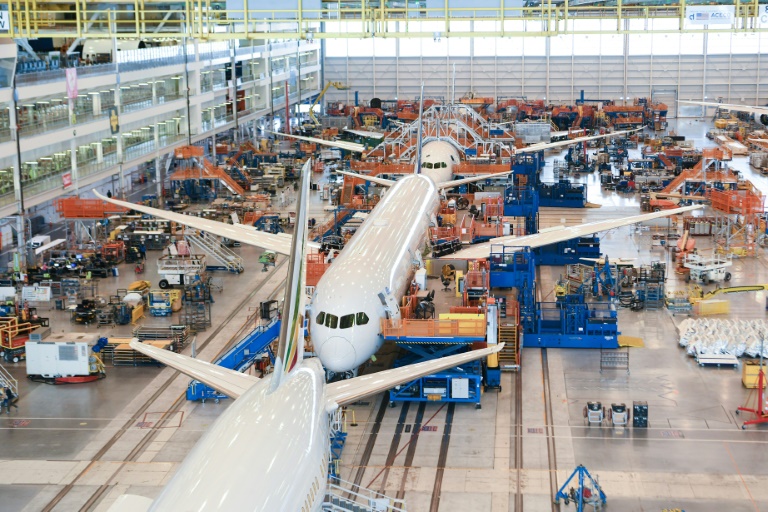
Ahead of the Wall Street open, United Airlines unveiled an order of 100 new Boeing 787 Dreamliners with options for an additional 100 jets.

And the US Securities and Exchange Commission charged disgraced cryptocurrency tycoon Sam Bankman-Fried with defrauding customers of billions of dollars.

– Key figures around 1215 GMT –

London – FTSE 100: UP 0.4 percent at 7,475.26 points

Frankfurt – DAX: UP 0.8 percent at 14,421.53

Paris – CAC 40: UP 0.7 percent at 6,697.02

EURO STOXX 50: UP 1.0 percent at 3,959.22

Tokyo – Nikkei 225: UP 0.4 percent at 27,954.85 (close)

Hong Kong – Hang Seng Index: UP 0.7 percent at 19,596.20 (close)

Shanghai – Composite: DOWN 0.1 percent at 3,176.33 (close)

New York – Dow: UP 1.6 percent at 34,005.04 (close)

Euro/dollar: UP at $1.0541 from $1.0539 on Monday

Dollar/yen: DOWN at 137.41 yen from 137.66 yen

Pound/dollar: UP at $1.2290 from $1.2268

Euro/pound: UP at 85.96 pence from 85.78 pence

Brent North Sea crude: UP 0.6 percent at $78.47 per barrel

West Texas Intermediate: UP 0.4 percent at $73.49 per barrel

United Airlines announces huge Boeing 787 order

Betting on robust demand for international travel, United Airlines on Tuesday unveiled an order of 100 new Boeing 787 Dreamliners with options for an additional 100 jets.

The huge order, the largest by an American carrier for this class of aircraft, marks a victory for Boeing, which has targeted mid-decade as the period it expects to return to its pre-pandemic financial health after the 737 MAX scandal and other woes.

United Chief Executive Scott Kirby, who also announced a giant Boeing and Airbus order in June 2021 ahead of rivals, predicted the airline’s ambitious 787 plan would pay off for the carrier during a capacity-constrained period.

“United is really uniquely positioned to grow in a way that’s going to be a huge challenge for others,” Kirby told reporters.

United expects deliveries of the jets to take place between 2024 and 2032, aiming the new aircraft as a replacement for the 767 fleet that will be removed from service by 2030. 

The Dreamliner saves 25 percent of the carbon emission compared with the jets being retired.

United executives did not offer an estimate as to the total potential cost of the contracts, but projected that capital spending would rise to $9 billion in 2023 and $11 billion in 2024.

United said it also exercised options for an additional 44 737 MAX planes between 2024 and 2026, and ordered 56 more MAX jets for 2027 and 2028.

– Production ramp-up –

After the 737 MAX, the 787 Dreamliner — which flies transatlantic journeys as well as other international itineraries — has been Boeing’s other leading source of orders and deliveries.

United officials said beefing up the fleet of 787s made sense at a time when the carrier already flies the jet, making it an easy transition for pilots and helping the company add capacity quickly.

But United officials praised the A350, the rival widebody offering from European aerospace giant Airbus, and said they still plan to take delivery of 45 of the Airbus jets from 2030.

For Boeing, the United order signals a victory for the 787, for which production was slowed to a trickle while the company halted deliveries of new jets for more than a year while addressing production problems.

Boeing resumed 787 deliveries in August after getting the green light from the Federal Aviation Administration, which has heavily scrutinized Boeing processes in the aftermath of the 737 MAX crisis.

“This is an opportunity for Boeing to ramp up at Charleston, perhaps with two production shifts,” said Michel Merluzeau, director of aerospace and defense analysis at AIR consultancy.

In October 2020, Boeing consolidated manufacturing of the 787 to Charleston, ending production of the wide-body jet in Washington state in an efficiency move as it battled financial losses during the Covid-19 downturn.

At its investor day in November, Boeing officials outlined a plan to restore 787 production to 10 passenger jets per month. 

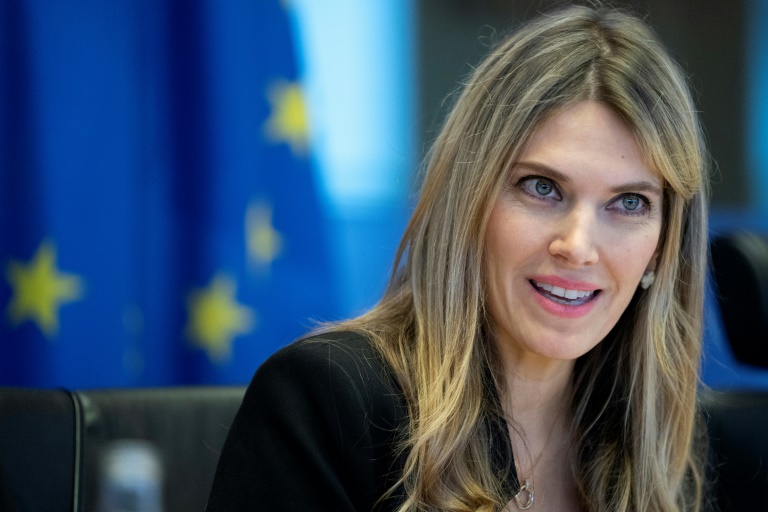
EU parliament sacks vice president charged in Qatar bribe probe

The European Parliament on Tuesday sacked one of its own vice presidents amid corruption accusations allegedly linked to World Cup host Qatar, as the institution tries to contain the scandal.

The assembly’s MEPs voted 625 to one to strip Greek socialist MEP Eva Kaili of her vice presidential role, despite her lawyer declaring that she was innocent and “has nothing to do with Qatar’s bribes”.

As the 44-year-old former TV news presenter sat in a Brussels jail cell, her colleagues in the Strasbourg parliament are scrambling to distance themselves from the taint of scandal.

The parliament’s president, Maltese conservative Roberta Metsola, called the vote after reaching agreement with the leaders of the parliament’s political groupings, amid fears the scandal will spread.

On Wednesday, a Belgian judge will decide whether to maintain Kaili and three co-accused in custody pending trial. 

She was arrested last week during a series of raids by Belgian graft investigators on the homes and offices of several MEPs and their assistants or associates.

– Bags of cash-

Belgian prosecutors said 600,000 euros ($630,000) were found at the home of one suspect, 150,000 euros at the flat of an MEP and several hundred thousand euros in a suitcase in a hotel room. 

Some of these “bags of cash” were found in Kaili’s home, a judicial source said, leading a judge to conclude that, as she had apparently been caught red-handed, her parliamentary immunity from prosecution would not apply.

A Belgian judicial source told AFP that investigators believe that figures representing Gulf monarchy Qatar had been paying off European politicians to burnish the country’s image.

Qatar is a key energy supplier to Europe, and plays an important intermediary role in several diplomatic tangles, but it has also been criticised for the alleged mistreatment of migrant workers, most notoriously those who built the World Cup stadiums. 

Kaili visited Qatar just before the competition and called it a “front-runner in labour rights”, to the consternation of activists and some of her colleagues. She has also defended Qatar’s quest to win EU visa waivers for its citizens.

Qatar has denied any involvement in European corruption. “Any claims of misconduct by the State of Qatar are gravely misinformed,” an official told AFP.

Kaili’s lawyer Michalis Dimitrakopoulos told private Greek television channel Open TV: “Her position is she is innocent. She has nothing to do with Qatar’s bribes.”

Asked if any cash was found at Kaili’s home, Dimitrakopoulos said: “I am not confirming or denying. There is confidentiality. I have no idea if money was found or how much was found.”

But Brussels has been rocked by the claims, and Metsola, defending the integrity of the parliament, has sought to portray the alleged bribes as an assault on democracy.

Some MEPs braced for more revelations. “I’m fearful that what we’re seeing here is just the tip of the iceberg,” warned German social democrat Rene Repasi. 

Metsola also promised Qatar’s EU visa waiver bid would be sent back to a parliamentary committee for further scrutiny, delaying or derailing the measure.

– Further allegations –

Kaili was one of six people arrested in the Belgian police raids. Four have been charged with “criminal organisation, corruption and money laundering” and two released.

One of those released was Luca Visentini, the general secretary of the International Trade Union Confederation, a global labour body that has pushed Qatar on labour rights. 

“Should any further allegations be made, I look forward to the opportunity to refute them, as I am innocent of any wrongdoing,” he said in an ITUC statement.

The European Parliament is also expected to approve a second text calling for more transparency to deter corruption in European institutions, which will go to a vote on Thursday. 

Close Bitnami banner
Bitnami