World

Russia denounces oil price cap agreed by EU, G7

Russia on Saturday denounced a $60 price cap on its oil agreed by the EU, G7 and Australia, even as Ukraine suggested it was not tough enough and might have to be revisited.

“We will not accept this price cap,” Kremlin spokesman Dmitry Peskov told domestic news agencies, adding that Russia, the world’s second-largest crude exporter, was “analysing” the move.

The $60 oil price cap will come into effect on Monday or soon after, alongside an EU embargo on maritime deliveries of Russian crude oil.

The embargo will prevent seaborne shipments of Russian crude to the European Union, which account for two thirds of the bloc’s oil imports from Russia, potentially depriving Russia’s war chest of billions of euros.

But while Kyiv welcomed the price cap earlier Saturday, Ukraine President Volodymyr Zelensky said in his evening address that the level set was not “serious” as it would not do enough damage to the Russian economy.

“Russia has already caused huge losses to all countries of the world by deliberately destabilizing the energy market,” he argued in his nightly address, describing the decision on the price cap as “a weak position”.

It is “only a matter of time when stronger tools will have to be used”, Zelensky added.

The G7 nations — Canada, France, Germany, Italy, Japan, the United Kingdom and the United States — along with Australia have already said they are prepared to adjust the price ceiling if necessary.

The cap stops countries paying more than $60 a barrel for Russian oil deliveries by tanker vessel and is designed to make it harder for Russia to bypass EU sanctions by selling beyond the European Union at market prices.

– Limit funds for the ‘war machine’ –

Zelensky, in his speech, appeared to be backing the position that Poland had tried to hold out for before agreeing to the $60 ceiling late Friday. Warsaw and the Baltic states had argued for a $30 cap.

The market price of a barrel of Russian Urals crude is currently around $65 dollars, just slightly higher than the $60 cap agreed, suggesting the measure may have only a limited impact in the short term.

The G7 said it was delivering on its vow “to prevent Russia from profiting from its war of aggression against Ukraine, to support stability in global energy markets and to minimise negative economic spillovers of Russia’s war of aggression”.

The White House described the cap as “welcome news” that would help limit Russian President Vladimir Putin’s ability to fund the Kremlin’s “war machine”.

Russia has threatened to stop deliveries to countries adopting the measure.

Russia has earned 67 billion euros ($71 billion) from the sale of oil to the European Union since the start of the war in February.

Its annual military budget amounts to around 60 billion, said Phuc-Vinh Nguyen, an energy expert at the Institut Jacques-Delors in Paris.

The EU embargo on seaborne deliveries follows a decision by Germany and Poland to stop taking Russian oil via pipeline by the end of 2022.

In all, more than 90 percent of Russian deliveries to the European Union will be hit, according to the bloc. 

– ‘Endure’ power cuts –

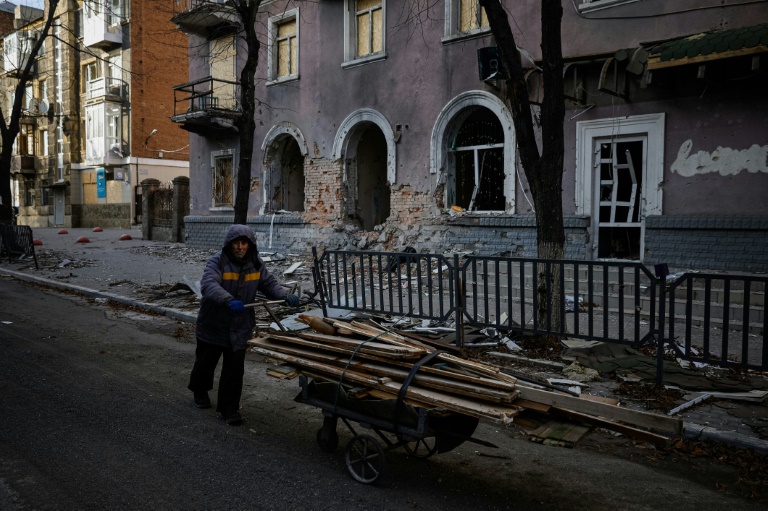
On the ground, Russian forces carried out strikes in the east of Ukraine on Saturday, hitting a “civilian infrastructure facility” in the eastern city of Kramatorsk, the Ukrainian army said.

After suffering humiliating defeats during what has become the largest armed conflict in Europe since World War II, Russia began targeting Ukrainian energy infrastructure in October.

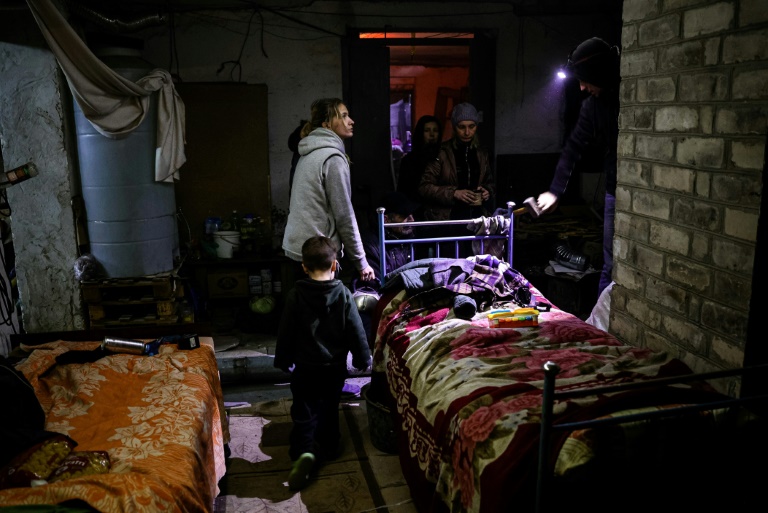
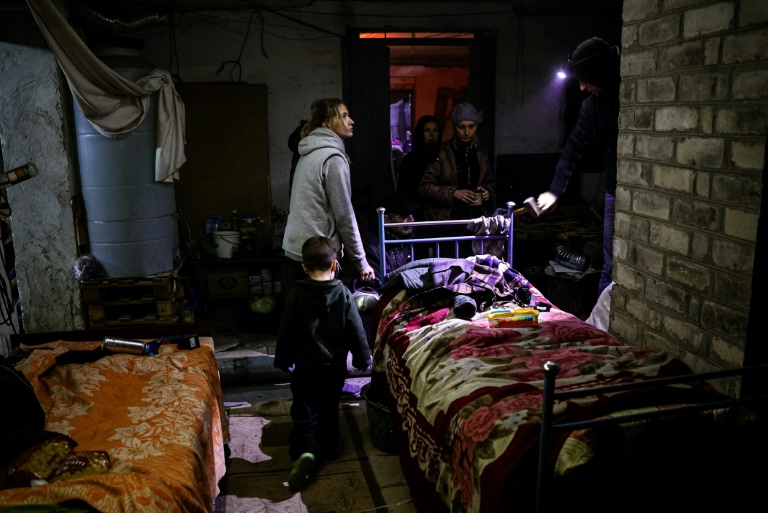
The strikes have caused sweeping blackouts, and cut off water supplies and heating to civilians at a time when the temperature in some regions has dropped to minus five degrees Celsius (41 degrees Fahrenheit).

The authorities have introduced scheduled power cuts several times a day to keep essential infrastructure working.

In eastern Ukraine, where the fighting is still raging, the governor of Lugansk region, Sergei Gaidai, said the conflict was heavy, “because the Russians had time to prepare”. Ukraine’s forces were nevertheless slowly moving forward, he added.

Ukraine’s presidency said the situation was also difficult in Bakhmut, in the neighbouring Donetsk region, which Russian forces have been trying to capture since summer.

On Saturday, the governor of the southern region of Mykolaiv, Vitaly Kim, urged citizens to “endure” the electricity shortages.

Putin on Friday told Germany’s Chancellor Olaf Scholz the Russian strikes, which have destroyed close to half of the Ukrainian energy system, were an “inevitable response to Kyiv’s provocative attacks on Russia’s civilian infrastructure”.

He was referring in particular to the October attack on a bridge linking Moscow-annexed Crimea to the Russian mainland.

Putin accused the West of carrying out “destructive” policies in Ukraine, the Kremlin said, stressing that Western political and financial aid meant Kyiv “completely rejects the idea of any negotiations”.

Ukrainian President Volodymyr Zelensky has ruled out talks with Russia while Putin is in power after the Kremlin claimed to have annexed several Ukrainian regions.

The Kremlin also said Saturday that Putin would “in due time” visit the Donbas region of eastern Ukraine, which he claims to have annexed. But Peskov gave no indication of when this could happen.

burs-jj/pvh
Russia rejects oil price cap agreed by EU, G7

Russia on Saturday rejected a $60 price cap on its oil agreed by the EU, G7 and Australia, which Ukraine said would contribute to the destruction of Russia’s economy.

“We will not accept this price cap,” Kremlin spokesman Dmitry Peskov told domestic news agencies. Russia, the world’s second-largest crude exporter, was “analysing” the move, he added.

The $60 oil price cap will come into effect on Monday or soon after, alongside an EU embargo on maritime deliveries of Russian crude oil.

The embargo will prevent seaborne shipments of Russian crude to the European Union, which account for two thirds of the bloc’s oil imports from Russia, potentially depriving Russia’s war chest of billions of euros.

Kyiv welcomed the price cap, which stops countries paying more than $60 a barrel for Russian oil deliveries by tanker vessel and is designed to make it harder for Russia to bypass EU sanctions by selling beyond the European Union at market prices.

“We always achieve our goal and the economy of Russia will be destroyed, and Russia itself will pay and be responsible for all crimes,” Ukraine’s presidential chief of staff Andriy Yermak said Saturday.

– Limit funds for the ‘war machine’ –

Poland, which initially refused to back the price cap over concerns the $60 ceiling was too high, eventually confirmed its agreement on Friday evening.

Yermak noted a cap of “$30 would have destroyed it (the Russian economy) more quickly”.

The market price of a barrel of Russian Urals crude is currently around $65 dollars, just slightly higher than the $60 cap, suggesting the measure may have only a limited impact in the short term.

The G7 said it was delivering on its vow “to prevent Russia from profiting from its war of aggression against Ukraine, to support stability in global energy markets and to minimise negative economic spillovers of Russia’s war of aggression”.

The White House described the cap as “welcome news” that would help limit Russian President Vladimir Putin’s ability to fund the Kremlin’s “war machine”.

Russia has threatened not to deliver to countries that adopt the measure.

The G7 and Australia said they were prepared to adjust the price ceiling if necessary.

Russia has earned 67 billion euros ($71 billion) from the sale of oil to the European Union since the start of the war in February.

Its annual military budget amounts to around 60 billion, said Phuc-Vinh Nguyen, an energy expert at the Institut Jacques-Delors in Paris.

The EU embargo on seaborne deliveries follows a decision by Germany and Poland to stop taking Russian oil via pipeline by the end of 2022.

In all, more than 90 percent of Russian deliveries to the European Union will be hit, according to the bloc. 

– ‘Endure’ power cuts –

On the ground, Russian forces carried out strikes in the east of Ukraine on Saturday, hitting a “civilian infrastructure facility” in the eastern city of Kramatorsk, the Ukrainian army said.

After suffering humiliating defeats during what has become the largest armed conflict in Europe since World War II, Russia began targeting Ukrainian energy infrastructure in October.

The strikes have caused sweeping blackouts, and cut off water supplies and heating to civilians at a time when the temperature in some regions has dropped to minus five degrees Celsius (41 degrees Fahrenheit).

The authorities have introduced scheduled power cuts several times a day to keep essential infrastructure working.

On Saturday, the governor of the southern region of Mykolaiv, Vitaly Kim, urged citizens to “endure” the electricity shortages.

Putin on Friday told Germany’s Chancellor Olaf Scholz the Russian strikes, which have destroyed close to half of the Ukrainian energy system, were an “inevitable response to Kyiv’s provocative attacks on Russia’s civilian infrastructure”.

He was referring in particular to the October attack on a bridge linking Moscow-annexed Crimea to the Russian mainland.

Scholz “urged the Russian president to come as quickly as possible to a diplomatic solution, including the withdrawal of Russian troops”, according to his spokesman.

But Putin accused the West of carrying out “destructive” policies in Ukraine, the Kremlin said, stressing that Western political and financial aid meant Kyiv “completely rejects the idea of any negotiations”.

Ukrainian President Volodymyr Zelensky has ruled out talks with Russia while Putin is in power after the Kremlin claimed to have annexed several Ukrainian regions.

The Kremlin also said Saturday that Putin would “in due time” visit the Donbas region of eastern Ukraine, which he claims to have annexed. But Peskov gave no indication of when this could happen.

burs-ah/jj

Russia rejects oil price cap agreed by EU, G7

Russia on Saturday rejected a $60 price cap on its oil agreed by the EU, G7 and Australia, which Ukraine said would contribute to the destruction of Russia’s economy.

“We will not accept this price cap,” Kremlin spokesman Dmitry Peskov told domestic news agencies. Russia, the world’s second-largest crude exporter, was “analysing” the move, he added.

The $60 oil price cap will come into effect on Monday or soon after, alongside an EU embargo on maritime deliveries of Russian crude oil.

The embargo will prevent seaborne shipments of Russian crude to the European Union, which account for two thirds of the bloc’s oil imports from Russia, potentially depriving Russia’s war chest of billions of euros.

Kyiv welcomed the price cap, which stops countries paying more than $60 a barrel for Russian oil deliveries by tanker vessel and is designed to make it harder for Russia to bypass EU sanctions by selling beyond the European Union at market prices.

“We always achieve our goal and the economy of Russia will be destroyed, and Russia itself will pay and be responsible for all crimes,” Ukraine’s presidential chief of staff Andriy Yermak said Saturday.

– Limit funds for the ‘war machine’ –

Poland, which initially refused to back the price cap over concerns the $60 ceiling was too high, eventually confirmed its agreement on Friday evening.

Yermak noted a cap of “$30 would have destroyed it (the Russian economy) more quickly”.

The market price of a barrel of Russian Urals crude is currently around $65 dollars, just slightly higher than the $60 cap, suggesting the measure may have only a limited impact in the short term.

The G7 said it was delivering on its vow “to prevent Russia from profiting from its war of aggression against Ukraine, to support stability in global energy markets and to minimise negative economic spillovers of Russia’s war of aggression”.

The White House described the cap as “welcome news” that would help limit Russian President Vladimir Putin’s ability to fund the Kremlin’s “war machine”.

Russia has threatened not to deliver to countries that adopt the measure.

The G7 and Australia said they were prepared to adjust the price ceiling if necessary.

Russia has earned 67 billion euros ($71 billion) from the sale of oil to the European Union since the start of the war in February.

Its annual military budget amounts to around 60 billion, said Phuc-Vinh Nguyen, an energy expert at the Institut Jacques-Delors in Paris.

The EU embargo on seaborne deliveries follows a decision by Germany and Poland to stop taking Russian oil via pipeline by the end of 2022.

In all, more than 90 percent of Russian deliveries to the European Union will be hit, according to the bloc. 

– ‘Endure’ power cuts –

On the ground, Russian forces carried out strikes in the east of Ukraine on Saturday, hitting a “civilian infrastructure facility” in the eastern city of Kramatorsk, the Ukrainian army said.

After suffering humiliating defeats during what has become the largest armed conflict in Europe since World War II, Russia began targeting Ukrainian energy infrastructure in October.

The strikes have caused sweeping blackouts, and cut off water supplies and heating to civilians at a time when the temperature in some regions has dropped to minus five degrees Celsius (41 degrees Fahrenheit).

The authorities have introduced scheduled power cuts several times a day to keep essential infrastructure working.

On Saturday, the governor of the southern region of Mykolaiv, Vitaly Kim, urged citizens to “endure” the electricity shortages.

Putin on Friday told Germany’s Chancellor Olaf Scholz the Russian strikes, which have destroyed close to half of the Ukrainian energy system, were an “inevitable response to Kyiv’s provocative attacks on Russia’s civilian infrastructure”.

He was referring in particular to the October attack on a bridge linking Moscow-annexed Crimea to the Russian mainland.

Scholz “urged the Russian president to come as quickly as possible to a diplomatic solution, including the withdrawal of Russian troops”, according to his spokesman.

But Putin accused the West of carrying out “destructive” policies in Ukraine, the Kremlin said, stressing that Western political and financial aid meant Kyiv “completely rejects the idea of any negotiations”.

Ukrainian President Volodymyr Zelensky has ruled out talks with Russia while Putin is in power after the Kremlin claimed to have annexed several Ukrainian regions.

The Kremlin also said Saturday that Putin would “in due time” visit the Donbas region of eastern Ukraine, which he claims to have annexed. But Peskov gave no indication of when this could happen.

burs-ah/jj

S. Africa's scandal-hit president 'not resigning': spokesman

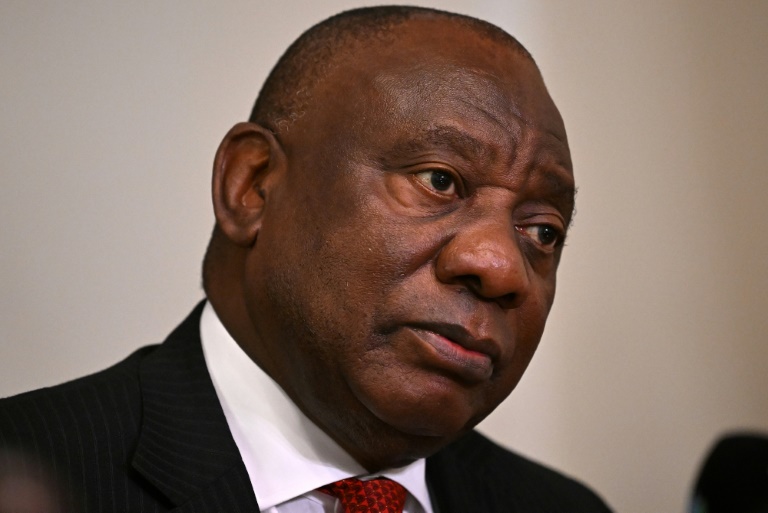
South Africa’s President Cyril Ramaphosa, embroiled in scandal and under threat of impeachment, has no intention of resigning and will fight both politically and judicially, his spokesman said Saturday.

Pressure mounted this week for Ramaphosa to quit or be forced from office over the burglary of more than half a million dollars in cash from his farm, which he allegedly covered up.

On Wednesday, a three-member parliamentary panel, including a former chief justice of the country’s highest court, said Ramaphosa “may have committed” acts contrary to the law and the constitution, paving the way for impeachment proceedings.

“President Ramaphosa is not resigning based on a flawed report, neither is he stepping aside,” his spokesman Vincent Magwenya said.

Ramaphosa has been under fire since June, when a former spy boss filed a complaint with the police alleging that the president had hidden a February 2020 burglary at his farm in northeastern South Africa from the authorities.

He allegedly organised for the burglars to be kidnapped and bribed into silence.

Ramaphosa, who is head of the African National Congress (ANC) ruling party, has denied any wrongdoing.

The president has not been charged with anything at this point, and the police inquiry is ongoing.

But the scandal, complete with details of more than half a million dollars in cash being hidden under sofa cushions, comes at the worst possible moment for the president.

On December 16, Ramaphosa contests elections for the ANC presidency — a position that also holds the key to staying on as national president.

– ‘Continue being of service’ –

“The president has taken to heart the unequivocal message coming from the branches of the governing party who have nominated him to avail himself for a second term of the leadership of the ANC,” Magwenya said.

Ramaphosa understood that “to mean he must continue with both the state and economic reforms”, he added.

“The president has with humility and with great care and commitment accepted that call to continue being of service to his organisation the ANC and to the people of South Africa.”

The ANC leadership met briefly in Johannesburg on Friday, before telling journalists it would look more closely at the facts of the case against the president.

The party said earlier on Saturday its National Executive Committee would hold a special session on Monday morning.

Magwenya also said the president would challenge the parliamentary report in court.

“It is in the long-term interest… of our constitutional democracy, well beyond the Ramaphosa presidency, that such a clearly flawed report is challenged, especially when it’s being used as a point of reference to remove a sitting head of state,” he said. 

Even the head of the South African Anglican Church warned that, if Ramaphosa resigns, the country would be in danger of falling “into anarchy”.

– Buffaloes –

Ramaphosa said the vast sum of cash stashed at the farm was payment for buffaloes bought by a Sudanese businessman.

But the incriminating report questioned why the identity of Mustafa Mohamed Ibrahim Hazim, said to have bought the cattle, could not be verified, and why the buffaloes remained on Ramaphosa’s Phala Phala estate, a two-hour drive from Pretoria.

“There are serious doubts as to whether the stolen foreign currency actually came from their sale,” the report concluded.

The scandal has cast a shadow over Ramaphosa’s bid to portray himself as graft-free after the corruption-stained era of his predecessor, Jacob Zuma.

The report will be examined by parliament on Tuesday.

That debate could open the way to a vote on impeaching Ramaphosa — a term that in South Africa means removal from office.

The South African press remained confident on Saturday that Ramaphosa would remain in office. The president is popular with the public — more so than the ANC.

The party of national hero Nelson Mandela, in power for 28 years since the end of apartheid, is experiencing dwindling support.

Ramaphosa took office at the helm of Africa’s most industrialised economy in 2018, vowing to root out corruption from state institutions.

Cuba's 'Nueva Trova' music movement named as part of cultural heritage

Cuban cultural authorities have declared the musical movement known as Nueva Trova, a folk-music genre melding poetry and progressive politics, to be part of the nation’s cultural heritage, the official newspaper Granma reported Saturday.

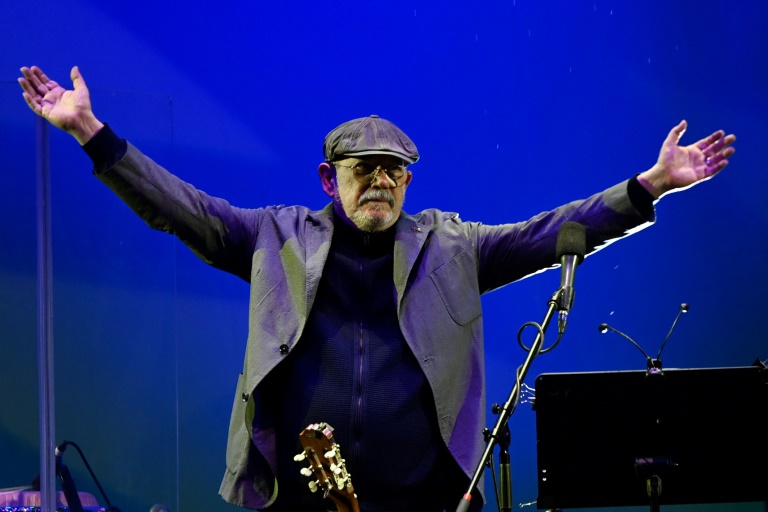
The decision was announced Friday at the park in the city of Manzanillo where 50 years earlier, at a gathering of “young troubadours,” the movement was sparked by singer-songwriter Silvio Rodriguez and guitarist and singer Pablo Milanes, who died recently.

Deputy culture minister Fernando Leon said Nueva Trova is being recognized “in order to contribute to the sustainability, viability and visibility of this important cultural expression.”

Drawing inspiration from US folk and protest musicians like Bob Dylan and Joan Baez, Nueva Trova drew on the themes of the Castro revolution and its lyrics were often critical of US policies.

Nueva Trova was also related to the politically tinged Nueva Cancion music popular in parts of South America in the 1960s and 1970s.

Rodriguez, 76, is now one of the movement’s few original proponents still living.

Salvadoran troops surround a major city in crackdown on gangs

Around 10,000 Salvadoran army troops and police officers surrounded the populous city of Soyapango, on the outskirts of capital San Salvador, as the government stepped up its fight against criminal gangs, President Nayib Bukele announced Saturday.

The operation was part of a state of emergency declared by Bukele earlier this spring following a surge in gang violence.

“As of this moment, the municipality of Soyapango is totally surrounded,” Bukele said on Twitter, adding that 8,500 soldiers and 1,500 agents have been deployed.

The president had announced last month a plan to use troops to surround cities while house-by-house searches are conducted for gang members. Soyapango is the first city subjected to that approach.

Early Saturday, soldiers and police took up positions on all of the city’s access roads, allowing no one in or out without first being searched.

Bukele said uniformed officers would be “removing, one by one, all the gang members who are still there.”

Since Bukele declared the state of emergency in March, more than 58,000 suspected gang members have been arrested, though humanitarian groups have questioned what they say can be heavy-handed tactics.

Soyapango, one of the country’s largest cities, has long been considered unsafe due to gang activity. A few months ago the authorities began removing the graffiti that gangs use to mark their territory.

Soyapango Mayor Nercy Montano said earlier this week that government actions in the city had brought “an enormous improvement” in safety. 

The nationwide state of emergency, which allows detention without court order, followed a surge in violence that claimed 87 lives between March 25 and 27.

Despite opposition from humanitarian groups, the emergency regime was extended by Congress to mid-December.

– On the hunt for gangs –

An AFP journalist witnessed a heavy presence of soldiers and policemen in Soyapango neighborhoods. Carrying assault rifles, they searched deliberately for gang members, while army vehicles and police cars cruised slowly through the streets.

Police also deployed drones to spot suspicious movements from the air. 

“It has been a surprise,” 53-year-old neighborhood resident Guadalupe Perez told AFP. “They search you and ask for your identity papers to verify where you live, but that’s fine — it’s all for our safety.”

Police also boarded city buses to search passengers.

“Ordinary citizens have nothing to fear and can go on leading their lives normally,” Bukele said. “This is an operation against criminals, not honest citizens.”

– Public support –

“The measures being taken are providing noticeable results,” said criminologist Ricardo Sosa. “So it’s not surprising that the people affected by the gangs — which is the vast majority — agree with what is being done.”

A survey by the Central American University (UCA) published in October found that 75.9 percent of Salvadorans approved of the state of emergency, and nine in 10 credited Bukele’s policies with reducing crime.

Prior to the state of emergency in March, Salvadoran jails held some 16,000 gang members, most of them members of the MS-13 or Barrio 18 gangs.  

UK, Greece in 'secret talks' on Parthenon Marbles: report

The British Museum and the Greek prime minister are in the “advanced stage” of “secret talks” over the “possible return” of the Parthenon Marbles, local media reported on Saturday.

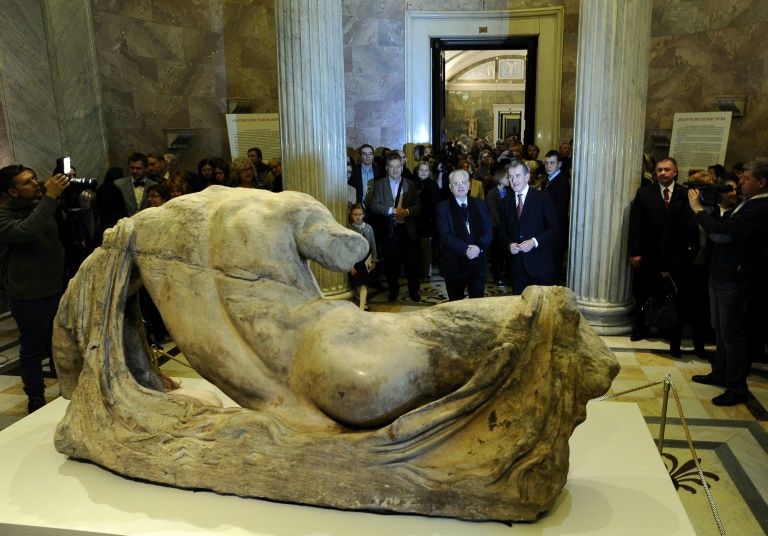
The ancient sculptures, also known as the Elgin Marbles, were taken from the Parthenon temple in Athens in the early 19th century by British diplomat Lord Elgin and have been held by the British Museum ever since. Greece wants them returned.

The behind-the-scenes talks between British Museum chair George Osborne and Greek Prime Minister Kyriakos Mitsotakis “have been taking place in London since November 2021”, daily newspaper Ta Nea reported.

It said the latest discussions took place at a hotel this week, while Mitsotakis was in the British capital to promote Greek business interests.  

The “delicate” negotiations between Osborne, a former British finance minister, and the Greek leader were at “an advanced stage” but Greek officials cautioned they could still “hit a stalemate at the eleventh hour”, the paper said.

“It is possible that a mutually beneficial solution can be found. The Parthenon Sculptures can be reunited and at the same time the concerns of the British Museum can be taken into account,” ANA-MPA news agency reported Mitsotakis as saying on Monday.

“I understand that there is momentum. I am consciously talking about ‘reunification’ of the Sculptures and not about a ‘return’.”

The British Museum issued a statement on Saturday saying it wanted “a new Parthenon partnership with Greece” and was prepared to talk to Athens about that.

“(But) we operate within the law and we’re not going to dismantle our great collection, as it tells a unique story of our common humanity,” it stressed.

The Greek prime minister’s office did not reply to AFP requests for comment.

– ‘Sculptures belong in Athens’ –

The Parthenon temple was built on the Acropolis in the 5th century BCE to honour Athena, the patron goddess of Athens.

In the early 19th century, workmen stripped entire friezes from the monument on the orders of the British ambassador to the Ottoman Empire, Lord Elgin.

Elgin sold the marbles to the British government, which in 1817 passed them on to the British Museum, where they remain one of its most prized exhibits.

Athens insists the sculptures were stolen.

Successive Greek governments have failed to make significant headway in the dispute.

In March 2021, the then UK prime minister Boris Johnson told Ta Nea he understood the “strength of feeling of the Greek people” on the issue.

But repeating Britain’s longstanding position, he insisted that the sculptures “were legally acquired by Lord Elgin, in accordance with the laws in force at the time”.

In January, the Times newspaper, a long-standing supporter of the British Museum on the issue, changed its position. 

“Time and circumstances are changing. The sculptures belong in Athens. They must now return there,” the daily said. 

Russia rejects oil price cap agreed by EU, G7

Russia on Saturday rejected a $60 price cap on its oil agreed by the EU, G7 and Australia, which Ukraine said would contribute to the destruction of Russia’s economy.

“We will not accept this price cap,” Kremlin spokesman Dmitry Peskov told domestic news agencies, adding that Russia, the world’s second largest crude exporter, was “analysing” the move.

The $60 oil price cap will come into effect on Monday or soon after, alongside an EU embargo on maritime deliveries of Russian crude oil.

The embargo will prevent seaborne shipments of Russian crude to the European Union, which account for two thirds of the bloc’s oil imports, potentially depriving Russia’s war chest of billions of euros.

Kyiv welcomed the price cap, which stops countries paying more than $60 a barrel for Russian oil deliveries by tanker vessel and is designed to make it harder for Russia to bypass EU sanctions by selling beyond the European Union at market prices.

“We always achieve our goal and the economy of Russia will be destroyed, and Russia itself will pay and be responsible for all crimes,” Ukraine’s presidential chief of staff Andriy Yermak said on Saturday.

The Kremlin also said Russian President Vladimir Putin would “in due time” visit the Donbas region of eastern Ukraine, which he claims to have annexed. But Peskov gave no indication of when this could happen.

– Limit funds for the ‘war machine’ –

Poland had earlier refused to back the price cap over concerns the $60 ceiling was too high but confirmed its agreement on Friday evening.

Yermak noted a cap of “$30 would have destroyed it (the Russian economy) more quickly”.

The market price of a barrel of Russian Urals crude is currently around $65 dollars, just slightly higher than the $60 cap, indicating the measure may have only a limited impact in the short term.

The G7 said it was delivering on its vow “to prevent Russia from profiting from its war of aggression against Ukraine, to support stability in global energy markets and to minimise negative economic spillovers of Russia’s war of aggression”.

The White House described the cap as “welcome news” that would help limit Putin’s ability to fund the Kremlin’s “war machine”.

Russia has threatened not to deliver to countries that adopted the measure.

The G7 and Australia said they were prepared to ajust the price ceiling if necessary.

Russia has earned 67 billion euros ($71 billion) from the sale of oil to the European Union since the start of the war in February.

Its annual military budget amounts to around 60 billion, noted Phuc-Vinh Nguyen, an energy expert at the Institut Jacques-Delors in Paris.

The EU embargo on seaborne deliveries follows a decision by Germany and Poland to stop taking Russian oil via pipeline by the end of 2022.

In all, more than 90 percent of Russian deliveries to the European Union will be affected, according to the bloc.  

– ‘Endure’ power cuts –

After suffering humiliating defeats during what has become the largest armed conflict in Europe since World War II, Russia began targeting Ukrainian energy infrastructure in October.

The strikes have caused sweeping blackouts, and cut off water supplies and heating to civilians at a time when the temperature in some regions has dropped to minus five degrees Celsius (41 degrees Farenheit).

The authorities have introduced scheduled power cuts several times a day to keep essential infrastructure working.

On Saturday, the governor of the southern region of Mykolaiv, Vitaly Kim, urged citizens to “endure” the electricity shortages.

Putin on Friday told Germany’s Chancellor Olaf Scholz the Russian strikes, which have destroyed close to half of the Ukrainian energy system, were an “inevitable response to Kyiv’s provocative attacks on Russia’s civilian infrastructure”.

He was referring in particular to the October attack on a bridge linking Moscow-annexed Crimea to the Russian mainland.

Scholz “urged the Russian president to come as quickly as possible to a diplomatic solution, including the withdrawal of Russian troops”, according to his spokesman.

But Putin accused the West of carrying out “destructive” policies in Ukraine, the Kremlin said, stressing that Western political and financial aid meant Kyiv “completely rejects the idea of any negotiations”.

Ukrainian President Volodymyr Zelensky has ruled out talks with Russia while Putin is in power after the Kremlin claimed to have annexed several Ukrainian regions.

– Talks off the table – 

The Kremlin also indicated Moscow was in no mood for talks, after US President Joe Biden said he would be willing to sit down with Putin if the latter truly wanted to end the fighting.

“What did President Biden say in fact? He said that negotiations are possible only after Putin leaves Ukraine,” Peskov told reporters, adding Moscow was “certainly” not ready to accept those conditions.

The White House on Friday downplayed the idea too, saying Biden currently has “no intention” of holding talks with Putin.

Top US general Mark Milley last month said more than 100,000 Russian military personnel have been killed or wounded in Ukraine, with Kyiv’s forces likely suffering similar casualties. 

burs-gil/ah

Russia rejects oil price cap agreed by EU, G7

Russia on Saturday rejected a $60 price cap on its oil agreed by the EU, G7 and Australia, which Ukraine said would contribute to the destruction of Russia’s economy.

“We will not accept this price cap,” Kremlin spokesman Dmitry Peskov told domestic news agencies, adding that Russia, the world’s second largest crude exporter, was “analysing” the move.

The $60 oil price cap will come into effect on Monday or soon after, alongside an EU embargo on maritime deliveries of Russian crude oil.

The embargo will prevent seaborne shipments of Russian crude to the European Union, which account for two thirds of the bloc’s oil imports, potentially depriving Russia’s war chest of billions of euros.

Kyiv welcomed the price cap, which stops countries paying more than $60 a barrel for Russian oil deliveries by tanker vessel and is designed to make it harder for Russia to bypass EU sanctions by selling beyond the European Union at market prices.

“We always achieve our goal and the economy of Russia will be destroyed, and Russia itself will pay and be responsible for all crimes,” Ukraine’s presidential chief of staff Andriy Yermak said on Saturday.

The Kremlin also said Russian President Vladimir Putin would “in due time” visit the Donbas region of eastern Ukraine, which he claims to have annexed. But Peskov gave no indication of when this could happen.

– Limit funds for the ‘war machine’ –

Poland had earlier refused to back the price cap over concerns the $60 ceiling was too high but confirmed its agreement on Friday evening.

Yermak noted a cap of “$30 would have destroyed it (the Russian economy) more quickly”.

The market price of a barrel of Russian Urals crude is currently around $65 dollars, just slightly higher than the $60 cap, indicating the measure may have only a limited impact in the short term.

The G7 said it was delivering on its vow “to prevent Russia from profiting from its war of aggression against Ukraine, to support stability in global energy markets and to minimise negative economic spillovers of Russia’s war of aggression”.

The White House described the cap as “welcome news” that would help limit Putin’s ability to fund the Kremlin’s “war machine”.

Russia has threatened not to deliver to countries that adopted the measure.

The G7 and Australia said they were prepared to ajust the price ceiling if necessary.

Russia has earned 67 billion euros ($71 billion) from the sale of oil to the European Union since the start of the war in February.

Its annual military budget amounts to around 60 billion, noted Phuc-Vinh Nguyen, an energy expert at the Institut Jacques-Delors in Paris.

The EU embargo on seaborne deliveries follows a decision by Germany and Poland to stop taking Russian oil via pipeline by the end of 2022.

In all, more than 90 percent of Russian deliveries to the European Union will be affected, according to the bloc.  

– ‘Endure’ power cuts –

After suffering humiliating defeats during what has become the largest armed conflict in Europe since World War II, Russia began targeting Ukrainian energy infrastructure in October.

The strikes have caused sweeping blackouts, and cut off water supplies and heating to civilians at a time when the temperature in some regions has dropped to minus five degrees Celsius (41 degrees Farenheit).

The authorities have introduced scheduled power cuts several times a day to keep essential infrastructure working.

On Saturday, the governor of the southern region of Mykolaiv, Vitaly Kim, urged citizens to “endure” the electricity shortages.

Putin on Friday told Germany’s Chancellor Olaf Scholz the Russian strikes, which have destroyed close to half of the Ukrainian energy system, were an “inevitable response to Kyiv’s provocative attacks on Russia’s civilian infrastructure”.

He was referring in particular to the October attack on a bridge linking Moscow-annexed Crimea to the Russian mainland.

Scholz “urged the Russian president to come as quickly as possible to a diplomatic solution, including the withdrawal of Russian troops”, according to his spokesman.

But Putin accused the West of carrying out “destructive” policies in Ukraine, the Kremlin said, stressing that Western political and financial aid meant Kyiv “completely rejects the idea of any negotiations”.

Ukrainian President Volodymyr Zelensky has ruled out talks with Russia while Putin is in power after the Kremlin claimed to have annexed several Ukrainian regions.

– Talks off the table – 

The Kremlin also indicated Moscow was in no mood for talks, after US President Joe Biden said he would be willing to sit down with Putin if the latter truly wanted to end the fighting.

“What did President Biden say in fact? He said that negotiations are possible only after Putin leaves Ukraine,” Peskov told reporters, adding Moscow was “certainly” not ready to accept those conditions.

The White House on Friday downplayed the idea too, saying Biden currently has “no intention” of holding talks with Putin.

Top US general Mark Milley last month said more than 100,000 Russian military personnel have been killed or wounded in Ukraine, with Kyiv’s forces likely suffering similar casualties. 

burs-gil/ah

S.Africa ruling party to discuss Ramaphosa's future Monday: political sources

South Africa’s ruling party is set to resume talks on Monday on the future of President Cyril Ramaphosa, who is embroiled in a scandal that has put his presidency at risk, it said.

Pressure mounted this week for Ramaphosa to quit or be forced from office over a cash burglary at his farm which he allegedly covered up.

The African National Congress (ANC) initially said on Saturday morning it would hold a “special session of its National Executive Committee” on Sunday. It then said the meeting had been postponed to Monday morning.

The party leadership met briefly in Johannesburg on Friday before telling journalists it would look more closely at the facts of the case against the president.

Ramaphosa has been under fire since June, when a former spy boss filed a complaint with the police alleging that he had hidden a February 2020 burglary at his farm in northeastern South Africa from the authorities.

He allegedly organised for the robbers to be kidnapped and bribed into silence.

Ramaphosa said a vast sum of cash stashed at the farm was payment for buffaloes bought by a Sudanese businessman.

The scandal has cast a shadow over Ramaphosa’s bid to portray himself as graft-free after the corruption-stained era of his predecessor, Jacob Zuma.

A report submitted to parliament this week concluded Ramaphosa “may have committed” serious violations and misconduct.

It will be examined by parliament on Tuesday.

That debate could open the way to a vote on impeaching Ramaphosa — a term that in South Africa means removal from office.

Ramaphosa has denied any wrongdoing.

The president has not been charged with anything at this point, and the police inquiry is ongoing.

But the scandal, complete with details of more than half a million dollars in cash hidden under sofa cushions, has come at the worst possible moment for him.

On December 16, he contests elections for the ANC presidency — a position that also holds the key to staying on as national president.

The South African press remained confident on Saturday that Ramaphosa would remain in office. The president is popular with the public — more so than the ANC.

Close Bitnami banner
Bitnami