World

Talks kick off on global plastic trash treaty

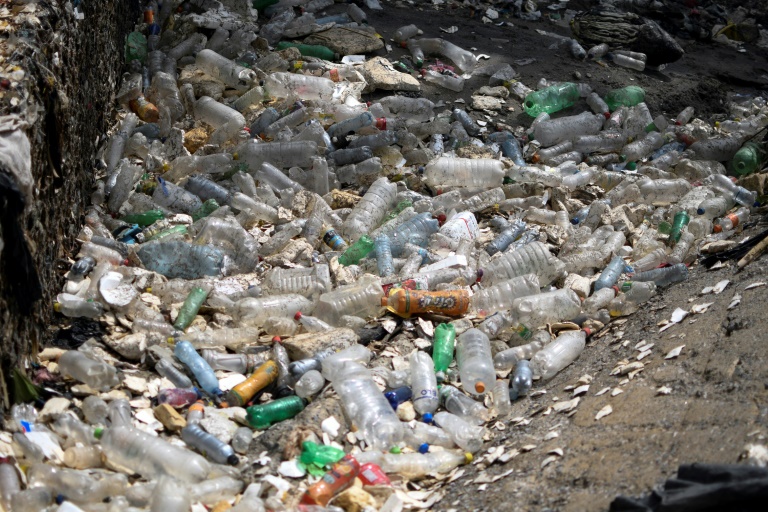
Despite decades of effort, plastic pollution is only getting worse — a gloomy fact that representatives of almost 200 nations meeting in Uruguay Monday are determined to change.

Delegates in the seaside city of Punta Del Este began charting a path to the first global treaty to combat plastic pollution.

“We know that the world has a significant addiction to plastic,” said Inger Andersen, Executive Director of the Nairobi-based United Nations Environment Programme, at the start of the talks.

“A plastic crisis is also a climate crisis. Plastic has a heavy carbon footprint and a heavy chemical footprint,” she said.

The Uruguay meeting comes after the parties at the UN Environment Assembly in Nairobi in March agreed to create an intergovernmental committee to negotiate and finalize a legally binding plastics treaty by 2024.

The decision was seen as the biggest environmental advance since the Paris Agreement to curb global warming was signed in 2015.

By some estimates, a garbage truck’s worth of plastic is dumped into the sea every minute. The amount of plastic entering the oceans is forecast to triple by 2040.

At the same time, microplastics have been found in human blood, lung, spleen, and kidney tissue, and even in fetal tissue.

Experts believe it is only an international, legally binding agreement that could truly begin to halt one of the worst environmental scourges on the planet — if there is enough political will.

The meeting in Uruguay will last for five days, and is only a first step in the negotiations process. Another four global meetings are planned to carry the process forward.

Technical matters, such as how to structure the two years of talks, or even what should be included in the treaty, are up for discussion.

“It is ambitious to end plastic pollution, but it is entirely doable,” said Andersen.

She said the delegates would work together to “transform the entire life cycle of plastic,” from the production of polymers, to the way brands and retailers use plastic, to the waste that emerges.

“That means working with the private sector, that means working with environmentalists, that means working with communities, that means strong political leadership,” said Andersen.

According to the World Wide Fund for Nature (WWF) the total plastic in the ocean has increased 50 percent in the past five years. This is despite a 60 percent increase in policies to fight plastic pollution on the country level.

“The unique potential of a global treaty is to hold all signatories to a high common standard of action,” the WWF said in a report on the treaty published this month.
Britain U-turns over energy-saving publicity drive

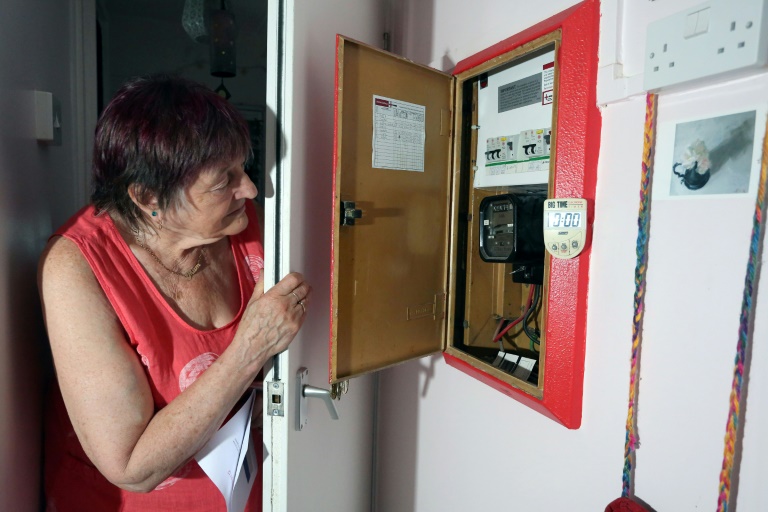
Britain on Monday unveiled an energy-saving campaign to encourage lower consumption this winter — a policy U-turn — and increased financial help for home insulation.

Prime Minister Rishi Sunak’s Conservative government announced the publicity blitz just two months after his short-lived predecessor, Liz Truss, ruled out such a move and ran into immediate criticism from opposition politicians and the green lobby.

The government is already partially subsidising rocketing electricity and gas bills after prices soared following the invasion of Ukraine by key fossil fuel producer Russia.

The publicity drive, costing £18 million ($22 million), will “demonstrate how consumers can make significant savings”, the Department for Business, Energy and Industrial Strategy said.

Advice will include measures such as lowering the temperature on boiler water heating systems, turning down radiators in unoccupied rooms and installing draught proofing on windows and doors.

“Our new public information campaign will also give people the tools they need to reduce their energy use while keeping warm this winter,” added Business and Energy Secretary Grant Shapps.

The government pledged another £1.0 billion in funds to help with home insulation. That will be on top of its existing £6.6-billion insulation help scheme.

The main opposition Labour party however criticised Monday’s news as a “reheated announcement with no new resources” that was “far too little, too late”.

Greenpeace UK energy campaigner Georgia Whitaker also warned the funding was not nearly enough.

“This is a drop in the ocean compared to what people actually need to stay warm and well this winter and in the winters to come,” Whitaker said.

Seven million households in Britain are currently in fuel poverty and unable to adequately heat their homes, according to the green pressure group.

Greenpeace also estimates that 19 million homes in England and Wales are poorly insulated.

Truss’s administration had insisted it would not give instructions on saving energy because she wanted to avoid accusations of running a “nanny state”.

Energy regulator Ofgem, however, has urged consumers to curb their energy usage as the colder northern hemisphere winter approaches, amid lingering fears of possible blackouts.

Austrian trains grind to halt as rail workers strike

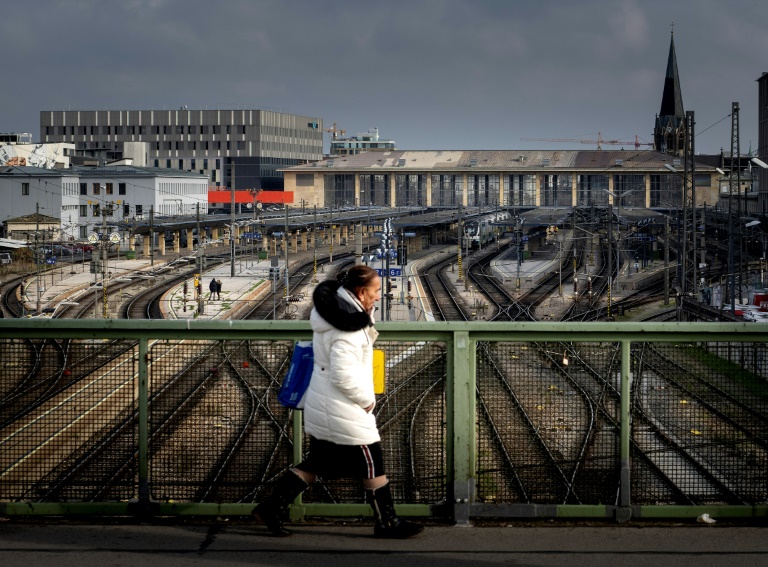
Trains across Austria ground to a halt Monday as rail workers went on a 24-hour strike to demand higher pay.

Usually bustling train stations were left deserted with about a million travellers left stranded. 

“The railway union vida is on strike today from 00:00 to 24:00. For this reason, no trains can run all day throughout Austria and across borders,” rail operator OeBB wrote on its website.

Vida said that negotiations to increase the salary of 50,000 railway workers had failed, accusing employers of “mocking” employees with a “bogus offer”.

Vida wants salaries to increase by 400 euros ($415) — instead of the 208 euros offered — to cushion the effects of surging inflation, which stood at 11 percent year on year in October.

Night train workers earn from 1,356 euros net per month, according to the union.

Strikes are rare in Austria. 

Wage increases are usually set by collective bargaining between the Austrian Economic Chambers and unions representing different branches.

In rail transport, the last strike lasting several days dates back to 2003.

Barclays bank says CEO has cancer, to remain in post

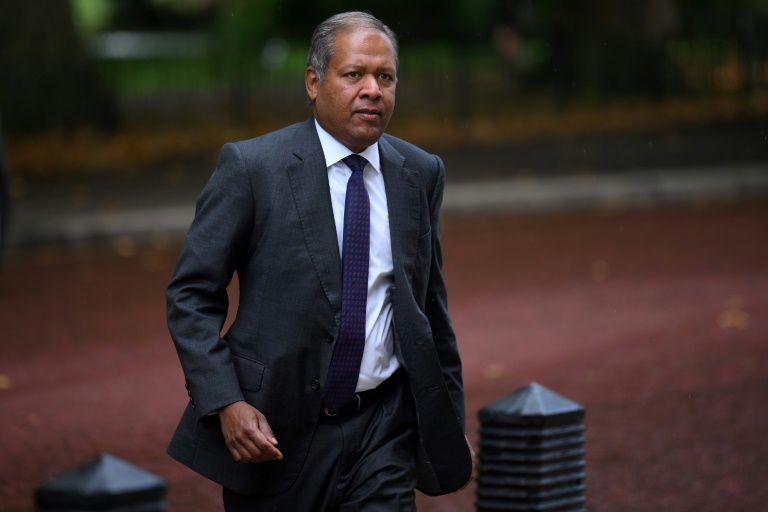
British bank Barclays on Monday said its chief executive C.S. Venkatakrishnan is suffering from cancer and will remain in the top post while undergoing treatment.

The lender announced the news in a brief statement alongside a letter by Venkatakrishnan to staff that presented an upbeat prognosis for his non-Hodgkin lymphoma, a cancer affecting the lymph system.

“The good news is that the matter has been detected early, with scans and biopsies confirming it to be very localised,” he wrote.

“The doctors have advised that my prognosis is excellent, and my condition is curable with their prescribed regimen.”

Venkatakrishnan said his treatment, at Memorial Sloan Kettering Cancer Center in New York, would likely last 12 to 16 weeks.

“During this period, the company will run normally, and I will continue to be actively engaged in managing it,” he added.

Barclays last month announced a 10-percent lift in net profit for the third quarter but also revealed rising impairment charges owing to an uncertain economic environment.

Italy landslide death toll rises to 8, warnings 'ignored'

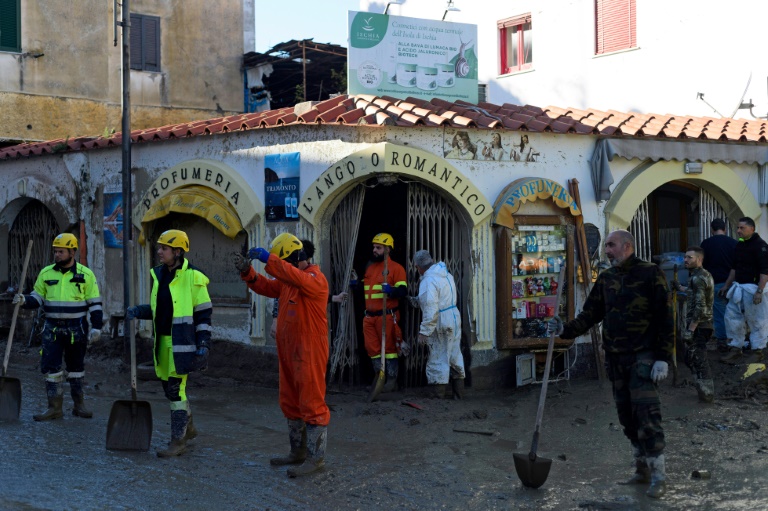
Search parties on Monday recovered the body of an eighth victim of a landslide on the small Italian island of Ischia, as a former mayor said his calls for an evacuation had been ignored.

A wave of earth and debris crashed through the small town of Casamicciola Terme amid heavy rains on Saturday, destroying houses and sweeping cars down to the sea.

The latest body to be recovered was a 15-year-old boy, killed along with his younger brother and sister. Four people are still missing, authorities said.

As the island mourned its dead, including a 21-day-old baby, it emerged Monday that former mayor Giuseppe Conte had called four days earlier for at-risk areas to be evacuated.

He sent 23 emails to authorities, but “nobody answered me,” he told the Corriere della Sera.

Geologist Aniello Di Iorio told the Corriere della Sera daily there were “high risks” of further landslides on parts of Ischia, a lush island near Capri that is thronged with tourists in summer.

Experts said the disaster was caused by a fatal mix of deforestation, overdevelopment, and a lack of mitigation strategies.

National Council of Architects head Francesco Miceli said it was “a tragedy foretold”.

“This is not an isolated case, the risk areas are numerous and affect many regions of our country,” he said.

Italy needs to “quickly define more incisive territorial control strategies (and) concrete intervention programmes, and disburse adequate resources”, he said.

The devastation in Ischia comes just weeks after 11 people died in heavy rain and flooding in the central Italian region of Marche.

Belarus Nobel winner facing long jail term for 'smuggling': NGO

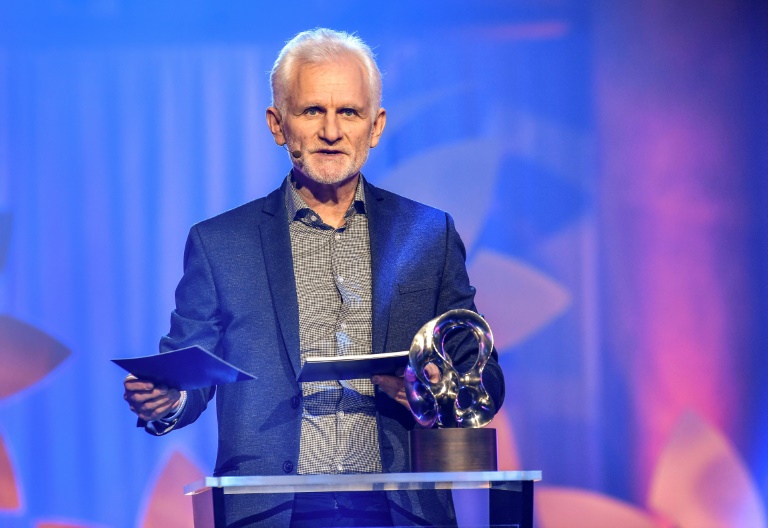
Jailed Belarusian activist Ales Bialiatski, who was co-awarded this year’s Nobel Peace Prize, faces up to 12 years in prison on smuggling charges, the Viasna rights centre said Monday.

Sixty-year-old Bialiatski, who founded Viasna, and several other political activists are accused of smuggling a “large amount of cash” into Belarus to allegedly fund opposition activities, his rights group said in a statement.

Bialiatski, his deputy Valentin Stefanovich and another activist, Vladimir Labkovich, have been in detention since July, 2021. They were initially accused of tax evasion.

“They face between seven and 12 years of imprisonment,” Viasna said. 

The rights group said that the criminal case went to court but the date of the beginning of the trial had yet to be set.

Bialiatski’s organisation, which means “Spring” and was founded in 1996, is Belarus’s most prominent rights group.

Supporters see the jailing of Bialiatski and his associates as a thinly veiled tactic to silence their work.

Citing prosecutors, Viasna said the rights activists are accused of smuggling into Belarus at least 201,000 euros and $54,000. The money has been used to help activists pay off their fines, among other purposes, the statement said.

Bialiatski and his associates were jailed after large-scale demonstrations against the regime in 2020, when authoritarian President Alexander Lukashenko claimed victory in elections the international community deemed fraudulent.

Bialiatski has battled against repression for a quarter of a century and spent years in jail for his efforts.

He spent his 60th birthday in prison on September 25, as he did his 50th.

Six years after bombings, Belgium readies for biggest trial

Belgium’s worst peacetime massacre left 32 dead and hundreds marked for life. Now, six and a half years later, Brussels will host its biggest ever criminal trial.

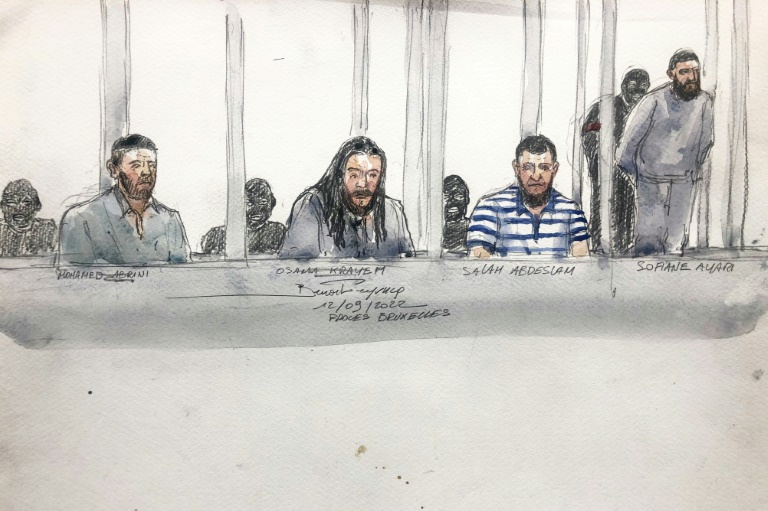
Jury selection begins on Wednesday ahead of hearings into the charges against the nine alleged jihadists accused of taking part in the March 2016 suicide bombings.

The case will be heard in the former headquarters of the NATO military alliance, temporarily converted into a huge high-security court complex.

Hundreds of witnesses and victims will testify in the months to come, some still hopeful that telling their story will offer them a measure of closure.

The case will not be the first for 33-year-old Salah Abdeslam, who was convicted in France as a ringleader in the November 13, 2015 Paris attacks that left 130 dead.

He is serving life without parole in France but faces further charges in Belgium.

Both sets of attacks were claimed by the Islamic State group and investigators believe they were carried out by the same Belgium-based cell, including Abdeslam. 

The group was planning more violence, allegedly including attacks on the Euro 2016 football cup in France, but acted quickly after Abdeslam was arrested on March 18.

Four days later on March 22, two bombers blew themselves up in Brussels airport and another in a city centre metro station near the headquarters of the European Union.

Alongside those killed, hundreds of travellers and transport staff were maimed and six years on many victims, relatives and rescuers remain traumatised.

Five of the nine defendants to appear in the dock have already been convicted in the French trial. A tenth will be tried in absentia because he is believed to have been killed in Syria.

– Traumatised victims –

According to the federal prosecutor’s office, more than 1,000 people have registered as civil plaintiffs to receive a hearing as alleged victims of the crime.

This makes this trial, scheduled until June 2023 at the former NATO headquarters, the largest ever organised before a Belgian court of assizes. 

“I don’t really expect a lot of answers,” said Sandrine Couturier, who was on the Maelbeek metro platform and plans to come to face the defendants. 

“But I want to confront myself with what human beings are capable of doing. I have to accept that not everyone is good,” the PTSD survivor told AFP. 

Like many of those who have spoken to reporters, she suffers from memory loss and concentration problems. Many seek treatment for depression.

Sebastien Bellin, a former professional basketball player who was due to fly to New York on the morning of March 22, lost the use of a leg in the attack. 

He says today that he feels no hatred. “It would suck the energy I need to rebuild myself,” he says.

Jury selection in the case is expected to be arduous. 

The court has summoned 1,000 citizens in order to choose among them 12 main jurors with 24 understudies on standby and able to follow daily evidence hearings for months.

The trial should have begun in October, but there was controversy over the dock, in which the accused were to have been held in individual glass-walled boxes.

The defendants’ areas were rebuilt as a single, shared space and after Wednesday’s one-day hearing for jury selection testimony will begin on December 5.    

Equities, oil prices slide on China unrest

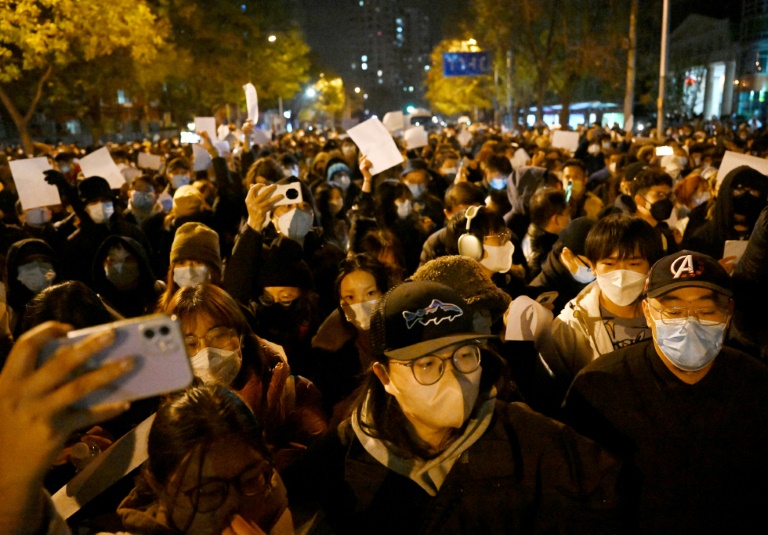
Stocks and oil prices fell Monday on concerns about protests across China calling for political freedoms and an end to the government’s hardline zero-Covid policy, fuelling uncertainty in the world’s number-two economy.

Hundreds of people took to the streets in China at the weekend in the country’s biggest demonstrations since pro-democracy rallies in 1989 were crushed.

“Unrest in major cities in China has destabilised risk-on markets including oil which is under pressure, pushing BP and Shell towards the bottom of the UK index,” noted Victoria Scholar, head of investment at Interactive Investor.

China-linked stocks took the brunt of selling in Asia, with Hong Kong’s Hang Seng Index closing down more than one percent and Shanghai off 0.8 percent. The yuan slipped by around one percent.

Paris, London and Frankfurt all ended in the red Monday while Wall Street also lost ground.

“Sentiment has turned sour as unrest across China grows,” said SPI Asset Management’s Stephen Innes. 

“Risk of the situation escalating from here and short-term volatility remains high.”

A deadly fire in the Xinjiang region Thursday served as the catalyst for the public anger in China, with many blaming virus lockdowns for hampering rescue efforts.

People have taken to the streets in Beijing, Shanghai, Guangzhou and Chengdu calling for an end to lockdowns, after an easing of some measures had fuelled hopes of a lighter pandemic approach.

Some demonstrators were even demanding the resignation of China’s President Xi Jinping, who was recently re-appointed to a precedent-breaking third term as the country’s leader.

The latest targeted containment measures have been introduced as the country sees record-high Covid infections.

China’s “zero covid policy means the threat of more growth-choking lockdowns are there. This is going to hold back the yuan and Chinese stocks, and potentially risk assets outside of China – not least crude oil, as we have seen”, City Index analyst Fawad Razaqzada said in a note.

The prospect of a hit to demand in the world’s biggest crude importer hammered oil prices.

The price of the Brent crude, the main international oil contract, was down 0.4 percent later Monday.

– Eyes on Fed boss –

The weakness “isn’t just about China. The reports out of China have also become a good excuse to take some money off the table following a big run by the market”, Briefing.com analyst Patrick J O’Hare said in a note.

The selling has taken a bit out of recent gains across markets sparked by hopes of a slowdown in the Federal Reserve’s interest rate hikes, with inflation finally showing signs of softening.

However, some observers said the protests could provide long-term benefits as they could force President Xi to shift away from his strict, economically damaging measures sooner.

Investors were also looking ahead to the release of US jobs data at the end of the week, which could provide clues about the Fed’s next moves, while speeches by central bank boss Jerome Powell and other key policymakers will also be pored over.

– Key figures around 1700 GMT –

New York – Dow: DOWN 0.7 percent at 34,096.43 points

London – FTSE 100: DOWN 0.2 percent at 7,474.02 (close)

Frankfurt – DAX: DOWN 1.1 percent at 14,383.36 (close)

Paris – CAC 40: DOWN 0.7 percent at 6,665.20 (close)

EURO STOXX 50: DOWN 0.7 percent at 3,935.51

Tokyo – Nikkei 225: DOWN 0.4 percent at 28,162.83 (close)

Hong Kong – Hang Seng Index: DOWN 1.6 percent at 17,297.94 (close)

Shanghai – Composite: DOWN 0.8 percent at 3,078.55 (close)

Euro/dollar: DOWN at $1.0377 from $1.0403 on Friday

Dollar/yen: DOWN at 138.82 yen from 139.03 yen

Pound/dollar: DOWN at $1.2020 from $1.2087

Euro/pound: UP at 86.32 pence from 86.03 pence

West Texas Intermediate: UP 0.7 percent at $76.84 per barrel

Brent North Sea crude: DOWN 0.4 percent at $83.31 per barrel

Argentina revives special 'soy dollar' to boost reserves

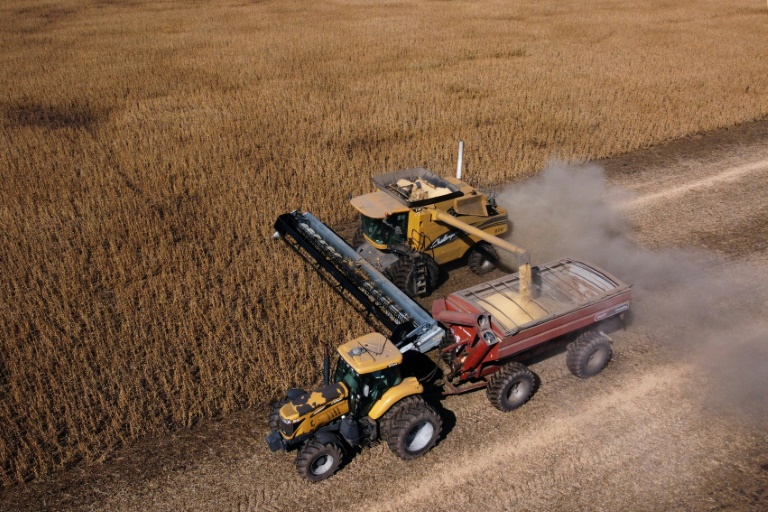
Argentinian soy farmers will be able to sell their product at a preferential exchange rate, as the country seeks to shore up its central bank reserves, according to a decree published Monday.

Argentina is one of the world’s largest exporters of soybeans and soy oil. However, with year-on-year inflation of 88 percent and constant fears of currency devaluation, farmers often hoard their supplies waiting for a better rate.

The plan is to “increase reserves so that the economy reaches the end of the year with $10 billion available,” Secretary of Industry Jose de Mendiguren told Futurok radio.

The incentive kicks off Monday and will last until December 30.

Instead of selling soy products for the tightly-controlled official rate of around 166 pesos per dollar, producers will receive a much higher 230 pesos.

A similar preferential soy rate was applied in September, when soybean sales earned the country almost $8 billion.

Argentina imposed a raft of exchange controls in 2019 in its constant battle to keep dollars in the country and fight low foreign exchange reserves.

These include blocking citizens from buying more than $200 in greenbacks per month.

This has led to a multitude of dollar exchange rates. Demand for scarce dollars is so high that they are exchanged for over 300 pesos at the “Blue Dollar” rate on the streets of Buenos Aires.

The “Qatar Dollar” imposes higher taxes on those using their credit cards abroad — such as those spending valuable dollars at the World Cup in Doha.

Meanwhile, the “Coldplay Dollar” was the name given to the higher rate applied to entrance tickets to international shows.

“Nobody wants various exchange rates, the economy must be normalized and stabilized. But it is a solution, a tool for the exceptional circumstances Argentina is experiencing,” De Mendiguren said.

Argentines have so little faith in their currency that many exchange it into dollars as fast as they can and store it in safes or under their mattresses.

Under an International Monetary Fund deal to refinance debt of more than $44 billion, Argentina must boost its international reserves and reduce its fiscal deficit.

Argentina revives special 'soy dollar' to boost reserves

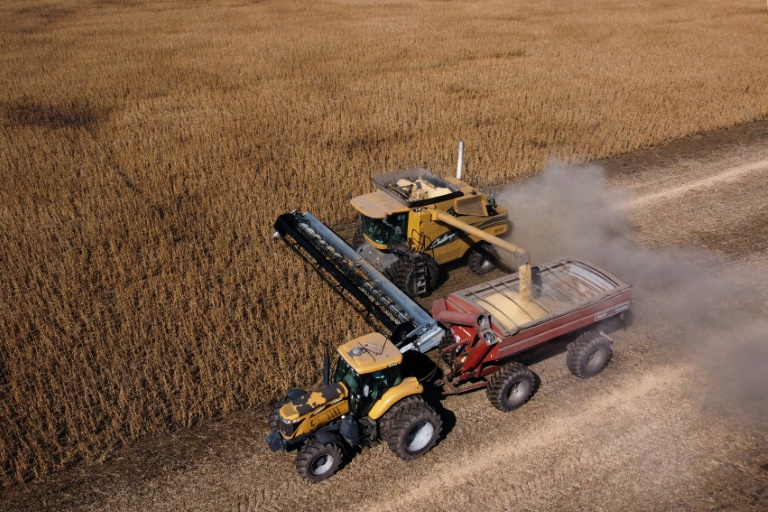
Argentinian soy farmers will be able to sell their product at a preferential exchange rate, as the country seeks to shore up its central bank reserves, according to a decree published Monday.

Argentina is one of the world’s largest exporters of soybeans and soy oil. However, with year-on-year inflation of 88 percent and constant fears of currency devaluation, farmers often hoard their supplies waiting for a better rate.

The plan is to “increase reserves so that the economy reaches the end of the year with $10 billion available,” Secretary of Industry Jose de Mendiguren told Futurok radio.

The incentive kicks off Monday and will last until December 30.

Instead of selling soy products for the tightly-controlled official rate of around 166 pesos per dollar, producers will receive a much higher 230 pesos.

A similar preferential soy rate was applied in September, when soybean sales earned the country almost $8 billion.

Argentina imposed a raft of exchange controls in 2019 in its constant battle to keep dollars in the country and fight low foreign exchange reserves.

These include blocking citizens from buying more than $200 in greenbacks per month.

This has led to a multitude of dollar exchange rates. Demand for scarce dollars is so high that they are exchanged for over 300 pesos at the “Blue Dollar” rate on the streets of Buenos Aires.

The “Qatar Dollar” imposes higher taxes on those using their credit cards abroad — such as those spending valuable dollars at the World Cup in Doha.

Meanwhile, the “Coldplay Dollar” was the name given to the higher rate applied to entrance tickets to international shows.

“Nobody wants various exchange rates, the economy must be normalized and stabilized. But it is a solution, a tool for the exceptional circumstances Argentina is experiencing,” De Mendiguren said.

Argentines have so little faith in their currency that many exchange it into dollars as fast as they can and store it in safes or under their mattresses.

Under an International Monetary Fund deal to refinance debt of more than $44 billion, Argentina must boost its international reserves and reduce its fiscal deficit.

Close Bitnami banner
Bitnami