World

Monkeypox to be renamed mpox: WHO

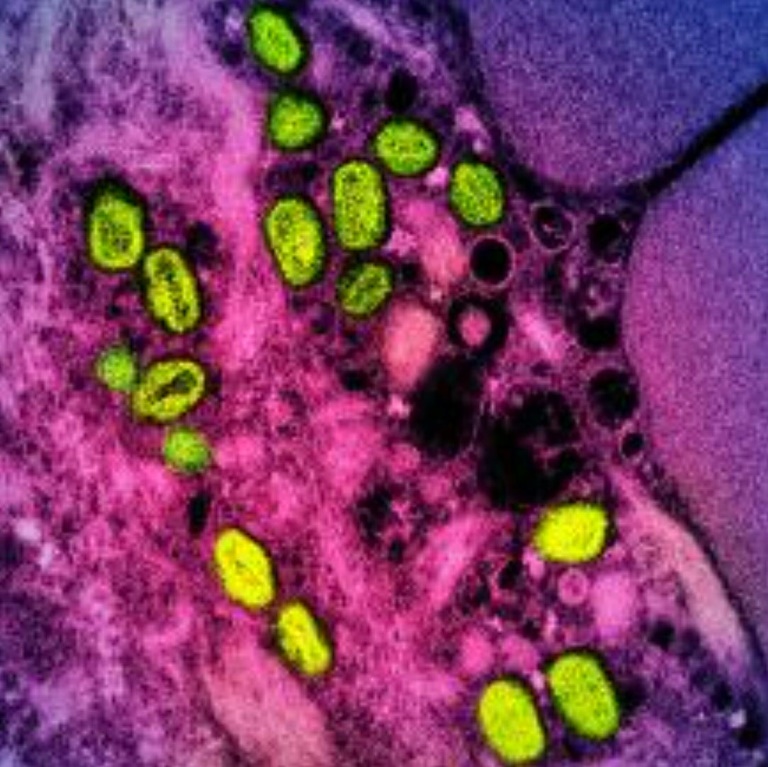
Monkeypox is to be renamed mpox, the World Health Organization announced Monday, in a bid to avoid stigmatisation stemming from the existing name.

Monkeypox received its name because the virus was originally identified in monkeys kept for research in Denmark in 1958, but the disease is found in a number of animals, and most frequently in rodents.

A surge in monkeypox infections has been reported since early May among men who have sex with men, outside the African countries where it has long been endemic.

“When the outbreak of monkeypox expanded earlier this year, racist and stigmatising language online, in other settings and in some communities was observed and reported to WHO,” the UN health agency said in a statement.

“Following a series of consultations with global experts, WHO will begin using a new preferred term ‘mpox’ as a synonym for monkeypox. Both names will be used simultaneously for one year while ‘monkeypox’ is phased out.”

The disease was first discovered in humans in 1970 in the Democratic Republic of Congo, with the spread among humans since then mainly limited to certain West and Central African nations.

But in May, cases of the disease, which causes fever, muscular aches and large boil-like skin lesions, began spreading rapidly around the world.

The WHO triggered its highest level of alarm on July 24, classifying it as a public health emergency of international concern, alongside Covid-19.

– More than 80,000 cases –

Some 81,107 confirmed cases and 55 deaths have been reported to the WHO this year, from 110 countries.

Where the given dataset was known, 97 percent were men, with a median age of 34 years old; 85 percent identified as men who had sex with men, according to the WHO’s case dashboard.

The 10 most affected countries globally are: the United States (29,001), Brazil (9,905), Spain (7,405), France (4,107), Colombia (3,803), Britain (3,720), Germany (3,672), Peru (3,444), Mexico (3,292), and Canada (1,449). They account for 86 percent of the global number of cases.

A total of 588 cases were reported last week. Over the past four weeks, 92 percent of cases were reported from the Americas and six percent from Europe.

Seventy-one countries have reported no new cases in the past 21 days.

It is down to the WHO to assign names to diseases, as it did with Covid-19.

The WHO announced in August it was looking for a new name for the virus, seeking suggestions from experts, countries and the public.

According to WHO best practices in disease naming adopted in 2015, names should aim to minimise unnecessary negative impact.

Considerations include scientific appropriateness, pronounceability, and usability in different languages.

“WHO will adopt the term mpox in its communications, and encourages others to follow these recommendations, to minimise any ongoing negative impact of the current name,” it said.

The one-year transition is to avoid confusion caused by changing the name in the midst of a global outbreak.
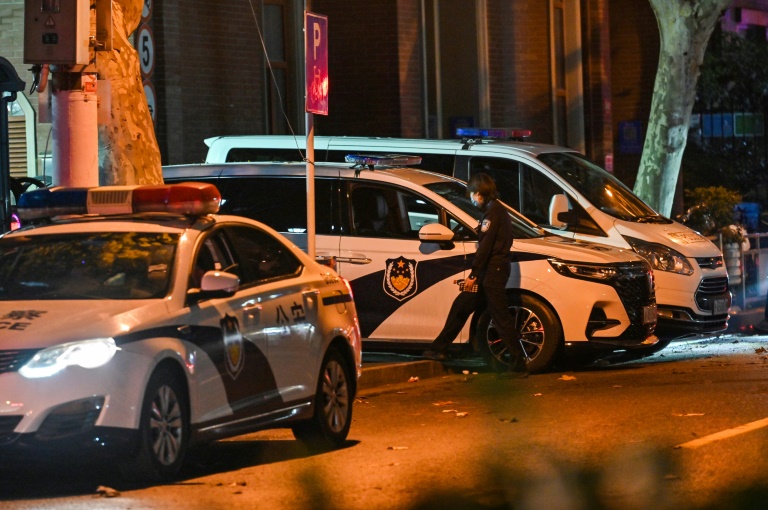
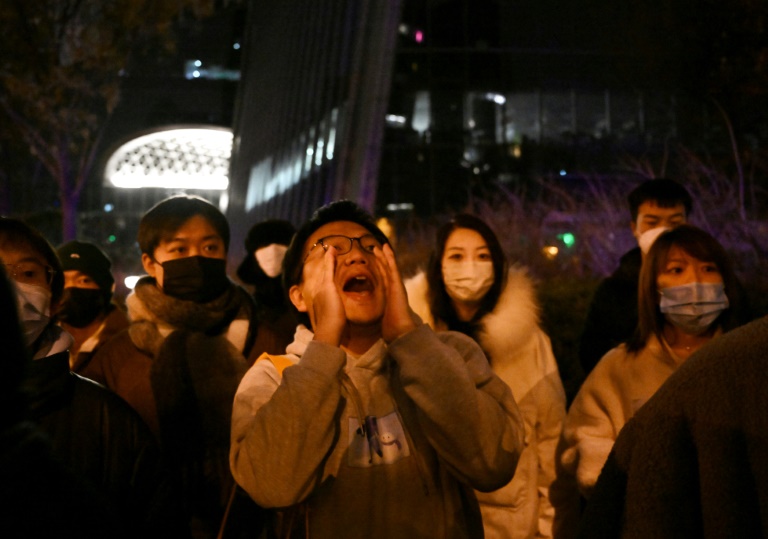
Shanghai blanketed by heavy police presence after weekend protests

The flashing lights from lines of police cars blanketed the streets of Shanghai Monday night, as hundreds of officers patrolled city landmarks and the site of a weekend anti-lockdown protest that called for greater political freedoms.

A deadly fire in the northwestern city of Urumqi has catalysed public anger across China, with many blaming Covid measures for hampering rescue efforts. 

Large crowds congregated in downtown Shanghai on Sunday where police clashed with protesters as they tried to stop groups converging at Wulumuqi street — named after the Mandarin for Urumqi.

On Monday there was a heavy police presence in the area again, and throughout the day AFP witnessed officers detaining four people, later releasing one. 

“The atmosphere tonight is nervy. There are so many police around,” a man in his early 30s told AFP as evening fell.

Giving the pseudonym “Taku”, he said he had lost his job at an international airline because of the pandemic and that he thought the protests were justified. 

“The rest of the world has opened up, but only China is stuck with the zero-Covid policy… This city at the moment just feels crazy.”

Police were seen stopping people, with one young man telling AFP he was specifically asked if he had downloaded any foreign apps on his phone — a phenomenon widely reported by others on social media. 

Taku said he didn’t think a protest would break out on Wulumuqi street Monday night, but was “looking forward to something happening”.

He added he would not actively join in but would try to photograph arrests if they happened.

– ‘Normal checks’ – 

An AFP reporter counted 12 police cars within 100 metres along Wulumuqi street. 

On Monday, roads that had been closed the evening before were opened again, but filled with police officers. 

For several blocks along and around Wulumuqi street, roads were covered with blue metal barriers, which AFP had seen being erected overnight.

A woman of about 30 who worked in a shop nearby said the barriers had affected her business. 

“I think the atmosphere is strange, but I don’t feel unsafe,” she said. “I don’t expect any violence to occur.”

Ten minutes’ drive away, the vast People’s Square appeared closed off in the evening

Bars in the vicinity told AFP they had been ordered to close at 10:00 pm (1400 GMT) for “disease control”. 

Small clusters of officers in high-vis jackets stood outside each metro exit.

Overall the atmosphere was calm, but AFP saw a group of four policemen surrounding two young men, appearing to search through their bags and check their cameras and phones before they were allowed to move on after five minutes. 

When asked, police said their actions were part of a “normal check” and that officers were “regularly” present in such numbers there. 

There was a heightened security presence around the city government building near the square, with dozens of police vans and mobile units parked along the road. 

– Detentions –

Throughout the day, AFP saw officers in the Wulumuqi street area pulling people aside and ordering them to delete photos from their phones.  

A young woman of about 20 who was stopped and ordered to delete photos argued: “I’m Chinese. I love my homeland dearly. Why can’t I take a photo of my country’s streets?” 

Eventually, she appeared to delete the shots and was allowed to move on.

When asked why one of the people AFP saw detained on Monday had been taken away, an officer said it was “because he didn’t obey our arrangements” and then referred the reporter to local police authorities.

The young man who was released told AFP he had been led away for filming the intersection where the protests had previously occurred.

He was taken to a police van before being promptly let go. 

“As a Shanghai citizen, I have the freedom to record this,” he said. “This is Shanghai now. There’s no freedom.”

AFP journalists saw several people detained on Sunday evening as well, and multiple witnesses saw people taken away in earlier protests too.

Shanghai police had not responded on Monday to repeated enquiries about how many people had been detained. 

Equities, oil prices slide on China unrest

Stocks and oil prices fell Monday on concerns about protests across China calling for political freedoms and an end to the government’s hardline zero-Covid policy, fuelling uncertainty in the world’s number-two economy.

Hundreds of people took to the streets in China at the weekend in the country’s biggest demonstrations since pro-democracy rallies in 1989 were crushed.

“Unrest in major cities in China has destabilised risk-on markets including oil which is under pressure, pushing BP and Shell towards the bottom of the UK index,” noted Victoria Scholar, head of investment at Interactive Investor.

China-linked stocks took the brunt of selling in Asia, with Hong Kong’s Hang Seng Index closing down more than one percent and Shanghai off 0.8 percent. The yuan slipped by around one percent.

The unrest also left Wall Street and European markets in a sea of red.

“Sentiment has turned sour as unrest across China grows,” said SPI Asset Management’s Stephen Innes. 

“Risk of the situation escalating from here and short-term volatility remains high.”

A deadly fire in the Xinjiang region Thursday served as the catalyst for the public anger in China, with many blaming virus lockdowns for hampering rescue efforts.

People have taken to the streets in Beijing, Shanghai, Guangzhou and Chengdu calling for an end to lockdowns, after an easing of some measures had fuelled hopes of a lighter pandemic approach.

Some demonstrators were even demanding the resignation of China’s President Xi Jinping, who was recently re-appointed to a precedent-breaking third term as the country’s leader.

The latest targeted containment measures have been introduced as the country sees record-high Covid infections.

China’s “zero covid policy means the threat of more growth-choking lockdowns are there. This is going to hold back the yuan and Chinese stocks, and potentially risk assets outside of China – not least crude oil, as we have seen”, City Index analyst Fawad Razaqzada said in a note.

The prospect of a hit to demand in the world’s biggest crude importer hammered oil prices, with both main contracts down more than two percent.

– Eyes on Fed boss –

The weakness “isn’t just about China. The reports out of China have also become a good excuse to take some money off the table following a big run by the market”, Briefing.com analyst Patrick J O’Hare said in a note.

The selling has taken a bit out of recent gains across markets sparked by hopes of a slowdown in the Federal Reserve’s interest rate hikes, with inflation finally showing signs of softening.

However, some observers said the protests could provide long-term benefits as they could force President Xi to shift away from his strict, economically damaging measures sooner.

Investors were also looking ahead to the release of US jobs data at the end of the week, which could provide clues about the Fed’s next moves, while speeches by central bank boss Jerome Powell and other key policymakers will also be pored over.

– Key figures around 1430 GMT –

London – FTSE 100: DOWN 0.3 percent at 7,467.53 points

Frankfurt – DAX: DOWN 0.8 percent at 14,424.03

Paris – CAC 40: DOWN 0.7 percent at 6,666.43

EURO STOXX 50: DOWN 0.6 percent at 3,938.64

New York – Dow: DOWN 0.2 percent at 34,272.70

Tokyo – Nikkei 225: DOWN 0.4 percent at 28,162.83 (close)

Hong Kong – Hang Seng Index: DOWN 1.6 percent at 17,297.94 (close)

Shanghai – Composite: DOWN 0.8 percent at 3,078.55 (close)

Euro/dollar: UP at $1.0443 from $1.0403 on Friday

Dollar/yen: DOWN at 138.59 yen from 139.03 yen

Pound/dollar: DOWN at $1.2046 from $1.2087

Euro/pound: UP at 86.66 pence from 86.03 pence

West Texas Intermediate: DOWN 2.3 percent at $74.50 per barrel

Brent North Sea crude: DOWN 2.7 percent at $81.35 per barrel

Nobel Peace laureate calls for weapons to free Ukraine

In an unusual move for a Nobel Peace laureate, the head of one of this year’s prizewinning organisations on Monday called for weapons to help Ukraine defend itself and stop the atrocities.

“When somebody asks me how to stop these long-lasting crimes in occupied territories, I can only answer: ‘Provide Ukraine with weapons to liberate these territories’,” Ukrainian Oleksandra Matviichuk, a human rights lawyer who heads the Kyiv-based Center for Civil Liberties, told AFP in Stockholm.

“It’s a weird situation for me, and a clear sign (that) something (is) wrong with the whole international system when a human rights lawyer asks (for) air defence systems.”

But, she said, “we need to prevent new damage to critical civil infrastructure”. 

“We need air defence systems. We need other kinds of military facilities which would help us to protect our sky.”

Matviichuk said international law — her usual weapon for defending human rights — was no longer effective.

“Now I have no legal instrument which can stop Russian atrocities because Russia publicly ignores international law and all decisions of international organisations,” the 39-year-old said.

Ukraine also needs urgent humanitarian assistance to “endure this very hard winter”, she said, noting that she had just experienced more than three days without power or heat in her Kyiv home.

The Center for Civil Liberties was awarded the Nobel Peace Prize along with Belarusian human rights advocate Ales Bialiatski and the Russian human rights organisation Memorial for their “outstanding effort to document war crimes, human right abuses and the abuse of power”.

– For whom? –

Matviichuk said her organisation, which was founded in 2007, now pursues an “ambitious goal to document each war crime” committed across Ukraine.

“Now we have a database which includes more than 24,000 episodes of war crimes,” she said.

The work is taxing, she said, both in terms of the effort required to collect information in the war-ravaged country and the toll it takes on staff.

“We document human pain and it’s very hard,” Matviichuk explained. 

She also lamented what she called an “accountability gap”, with the national legal system overloaded and the International Criminal Court only investigating “select cases”.

“A question which I ask myself (is) ‘For whom do we document all these war crimes?’,” Matviichuk said.

“Who will provide a chance for justice for hundreds of thousands of victims of war crimes?” she said, stressing that her question wasn’t rhetorical.

Matviichuk said “the war turned people into numbers” as the scale of atrocities became overwhelming.

“We need to return people their names, and only justice can do it,” Matviichuk said.

The Peace Prize will be presented at a formal ceremony in Oslo on December 10, the anniversary of the 1896 death of the prizes’ creator, Swedish inventor and philanthropist Alfred Nobel.

Cocaine 'super-cartel' busted in Europe, Dubai: Europol

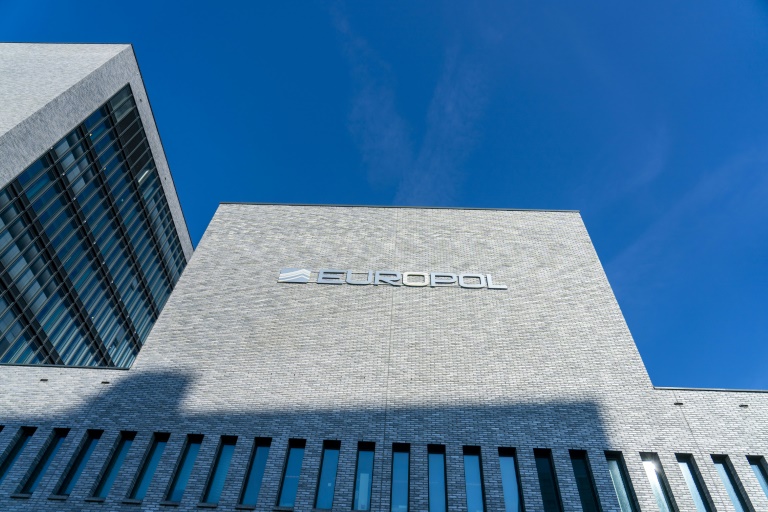
Police have smashed a huge drugs “super-cartel” that controlled around a third of Europe’s cocaine trade, arresting 49 people in various countries, including six chief suspects in Dubai, Europol said on Monday.

The international operation codenamed “Desert Light” seized 30 tonnes of the drug and led to arrests in Belgium, France, the Netherlands and Spain, the European Union’s police agency said in a statement.

The crackdown in Dubai netted a “big fish” from the Netherlands, who reportedly had links to alleged Dutch crime boss Ridouan Taghi, himself seized in the Gulf emirate in 2019.

“The drugpins, considered as high-value targets by Europol, had come together to form what was known as a ‘super cartel’ which controlled around one third of the cocaine trade in Europe,” Europol said.

“The scale of cocaine importation into Europe under the suspects’ control and command was massive and over 30 tonnes of drugs were seized by law enforcement over the course of the investigations.”

The Dutch suspect had allegedly formed an alliance in Dubai with the leaders of Irish and Italian drug gangs who had also been arrested, Dutch public broadcaster NOS said.

A video released by Europol showed agents including some from the US Drug Enforcement Administration and Spanish Guardia Civil arresting suspects and seizing luxury cars and hidden stashes of cash.

– ‘Extremely big fish’ –

Europol said Dubai had arrested two “high-value” suspects who are linked to France, two connected to the Netherlands and another two linked to Spain.

Ten people were arrested in Belgium, six in France and 13 in Spain. Another 14 people were arrested in 2021 in the Netherlands as part of the same operation, the Hague-based organisation said.

“One of the Dutch suspects is an extremely big fish,” a Europol source told AFP on condition of anonymity. 

“He was just as important as Taghi, if not more important.”

The arrests from November 8 to 19 were the latest in a series around Europe that followed a police hack of sophisticated encrypted telephones used by organised crime networks last year, Europol said.

Police secretly used the SKY ECC phone platform to listen in on what were supposed to be secure communications between drug traffickers.

Most of the drugs targeted cocaine coming from South America through the ports of Rotterdam and Antwerp, although some had passed through South Africa. 

Dutch prosecutors said they would request the extradition of the two suspects from the United Arab Emirates.

One was a 40-year-old dual Dutch-Bosnian national, suspected of smuggling 1.8 tonnes of cocaine via the German port of Hamburg in 2020, and of preparing to import 8 tonnes of raw materials for producing amphetamines via Antwerp in Belgium.

Dutch media named him as Edin G. and said he was wanted by the US DEA for his links to alleged drug kingpin Ridouan Taghi.

Moroccan-born Taghi was arrested in Dubai in 2019. He is now on trial in the Netherlands on charges of murder and running a huge Amsterdam-based cocaine smuggling group.

– ‘Serious criminal offences’ –

The other suspect is a 37-year-old dual Dutch and Moroccan national, whom Dutch media named as Zouhair B. and said had allegedly smuggled three tonnes of cocaine to the Netherlands worth more than 200 million euros.

He was also suspected of money laundering and firearms possession.

The investigation into both men was launched on the basis of decrypted messages from SKY phones, the Dutch prosecution service said in a statement.

“These are serious criminal offences pertaining to international drug trafficking, mainly from South America via the ports of Antwerp and Rotterdam,” it said.

Spain’s Guardia Civil said a total of 13 people had been arrested in Barcelona, Madrid and Malaga on November 8 after 698 kilograms (1,539 pounds) of cocaine were found in a container in the port of Valencia.

The head of the smuggling operation, a British national, fled to Dubai after an attempted arrest in Spain and was continuing to direct operations from there, it said in a statement.

The cocaine was imported from Panama in central America and his supplier, a Panamanian, also lived in Dubai, it said.

Hawaii volcano, world's largest, erupts for first time in decades

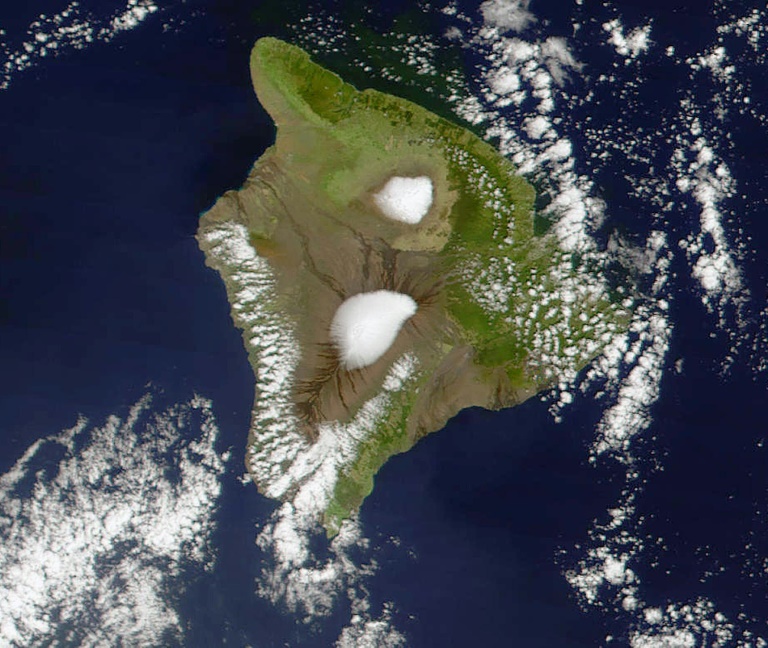
Hawaii’s Mauna Loa, the largest active volcano in the world, has erupted for the first time in nearly 40 years, US authorities said, as emergency crews went on alert early Monday.

Flows of lava remained “contained” within the summit caldera of Mauna Loa, but the eruption could pose a threat to nearby residents should conditions change, the United States Geological Survey (USGS) reported at 11:45 pm local time Sunday (9:45 GMT Monday) some 15 minutes after the eruption inside Hawaii Volcanoes National Park.

“At this time, lava flows are contained within the summit area and are not threatening downslope communities,” the USGS said on its website, noting that residents of the area should review preparedness procedures.

While the eruption on the main island of the remote US state in the Pacific remains confined within the basin at the top of the volcano, called the caldera, “if the eruptive vents migrate outside its walls, lava flows may move rapidly downslope,” according to the USGS.

Hours later on Monday morning the USGS volcano monitoring office tweeted: “Lava does seem to have flowed outside the caldera, but for now the eruptive vents remain confined to the caldera.”

The agency said the Hawaiian Volcano Observatory was in consultation with emergency management personnel and its staff would conduct an aerial reconnaissance over the 13,674-foot (4,168-meter) volcano as soon as possible.

Hawaii authorities said no evacuation orders have been given, although the summit area and several roads in the region were closed.

A USGS webcam on Mauna Loa summit’s north rim showed long bright eruptive fissures within the volcanic crater, contrasted against the dark of night.

The Hawaiian islands are home to six active volcanoes. Mauna Loa, the largest on Earth, has erupted 33 times since 1843, according to USGS. 

The most recent eruption, in 1984, lasted 22 days and produced lava flows which reached to within about seven kilometers (four miles) of Hilo, a city which is home to about 44,000 people today.

Saudi unveils plan for massive new airport in capital

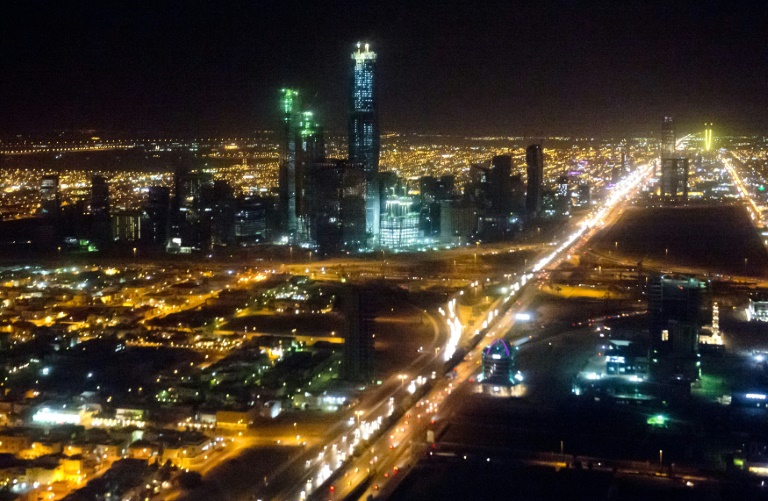
Saudi Arabia on Monday announced plans for a new airport in Riyadh intended to spur rapid growth in the capital while advancing the kingdom’s ambitious aviation goals. 

The airport, set to accommodate 120 million travellers by 2030 and 185 million travellers by 2050, will be named after 86-year-old King Salman and was announced by his son, 37-year-old de facto ruler Crown Prince Mohammed bin Salman, according to the official Saudi Press Agency. 

“The airport project is in line with Saudi Arabia’s vision to transform Riyadh to be among the top ten city economies in the world and to support the growth of Riyadh’s population to 15–20 million people by 2030,” SPA said. 

The city’s current population is fewer than eight million. 

Saudi Arabia’s aviation goals, part of Prince Mohammed’s wide-ranging “Vision 2030” reforms, include more than tripling annual traffic to 330 million passengers by the end of the decade. 

It also wants to draw $100 billion in investments to the sector by 2030, establish a new national flag carrier and move up to five million tonnes of cargo each year. 

The new airport is expected to be able to process 3.5 million tons of cargo by 2050, SPA said. 

It “will boost Riyadh’s position as a global logistics hub, stimulate transport, trade and tourism, and act as a bridge linking the East with the West,” SPA said. 

The announcement did not provide information about the cost of the project, which has been designed to cover 57 square kilometres. 

“With sustainability at its core, the new airport will achieve LEED Platinum certification by incorporating cutting edge green initiatives into its design and will be powered by renewable energy,” SPA said, referring to the green building certification programme. 

The kingdom’s busiest international airport is currently in the Red Sea coastal city of Jeddah, the self-avowed “Gateway to Mecca” for millions of Muslims performing the hajj and umrah pilgrimages. 

But officials have in recent years tried to position Riyadh, in central Saudi Arabia, as a rival to business hub Dubai in the United Arab Emirates.

As Palestinian flags fly at World Cup, Israeli symbols hidden

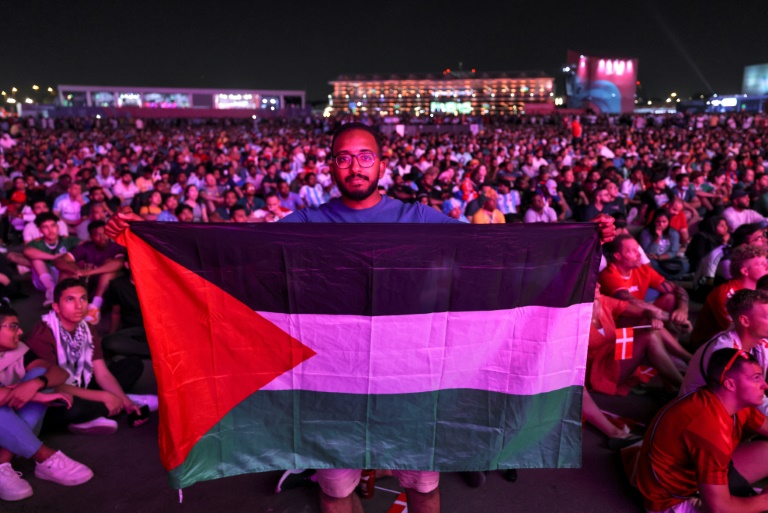
Palestinian flags are flying everywhere in Qatar but Israeli fans are staying low-key as the Israeli-Palestinian conflict makes its presence felt at the first World Cup on Arab soil.

Despite moves by some Arab countries, not including Qatar, to normalise relations with Israel, the Palestinian cause is being embraced by many Arab fans and some officials.

Terse interactions between Arab supporters and Israeli media have gone viral, including footage shot by an AFP journalist of a Saudi fan berating an Israeli TV reporter that has been viewed more than 5.2 million times on Twitter.

“There is only Palestine, there is no Israel… you are not welcome here,” the fan shouts at Moav Vardi, a reporter for Israel’s public broadcaster Kan.

The Arab fans flooding Qatar have been refusing to speak with Israel media, while some yell “Long Live Palestine” in front of Israeli television cameras.

“We find it very difficult to work here,” Vardi told AFP, adding that he understood the Arab anger.

Many Qataris have put the Palestinian flag next to their own national emblem, hanging from the windows of their luxury cars.

Some Qataris sitting in a stadium VIP section have worn armbands showing the Palestinian keffiyeh head-dress, while the Palestinian song “Ali Al-Keffiyeh” (Raise Your Keffiyeh) is regularly played in fan zones.

“Some foreigners do not know the Palestinian flag and ask us about it,” said Yahya Abu Hantash, a 33-year-old Palestinian living in Doha.

“This is a golden opportunity to introduce our cause,” said Hantash, who wore a Qatar football shirt while holding a Palestinian flag.

Qatar has no relations with Israel and remains a supporter of the decades-long Palestinian cause for statehood. 

Doha supports Hamas, the Palestinian Islamist group that rules the Gaza Strip, and provides vital financial aid to residents of the coastal enclave blockaded by Israel since 2007.

Qatar criticised moves by other Arab nations — including the United Arab Emirates, Bahrain and Morocco — to normalise relations in 2020.

While Palestinian symbols are ubiquitous, an Israeli fan, who gave his name as Haim, said Qatar was his fourth World Cup but the first where he has not brought the national flag.

“I feel like I’m watching the World Cup in disguise. The atmosphere towards us is hostile,” said Haim, who has also taken off the silver Star of David that normally hangs around his neck.

The Israeli government advised football fans to hide Jewish “symbols” as part of its “Safe World Cup” campaign.

Haim, 57, came with his two sons on a charter flight from Tel Aviv airport operated by a Cypriot low-cost carrier.

– Direct flights –

About 10,000 Israelis are expected in Qatar for the football tournament, according to diplomat Alon Levy who was in Doha to organise consular coverage.

FIFA hailed a deal allowing Palestinians and Israelis to travel to the Gulf emirate on special charter flights from Tel Aviv as a platform “to improve relations across the Middle East”.

Qatar insisted that Palestinians be allowed to travel with Israelis as a condition for allowing the direct flights, which will stop after the December 18 World Cup final.

Travel officials indicated there were no Palestinians on the first two direct flights, although some were expected on the third, flying on Tuesday.

A Palestinian official, who requested anonymity, said “no one” spoke about the flights agreement with the Palestinian Authority, which is based in the Israeli-occupied West Bank. “We learned the news from television.”

Israel has occupied the Palestinian territories of east Jerusalem and the West Bank since the 1967 Six-Day War fought with Arab nations.

Most Palestinians get to Qatar through Jordan or Egypt, as Israel severely restricts access to Tel Aviv airport, the official said.

About 250,000 Palestinians live in Qatar which has a population of around 2.9 million, most of them foreigners.

Together with fans who number in the tens of thousands, at least, from other Arab countries including World Cup participants Saudi Arabia, Tunisia and Morocco, pro-Palestinian support is strong.

Suhaib Al-Issa, a 16-year-old Jordanian, said flying the flag was a sign of “peaceful resistance to express our rejection of normalisation with a country that occupies Palestine”.

The Qatar government did not comment on the handling of Israeli nationals during the World Cup.

Australia falls short in Great Barrier Reef efforts: experts

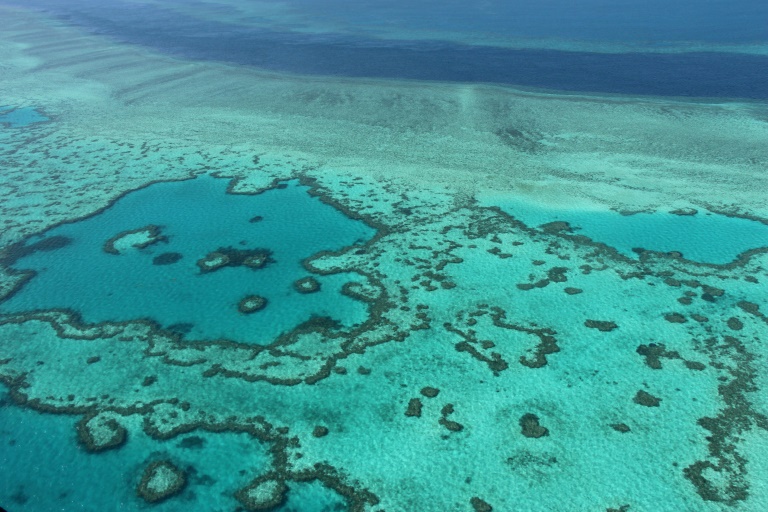
Despite warnings, Australia’s efforts to save the Great Barrier Reef still fall short of protecting the world’s largest coral reef system from pollution and climate change, experts said Monday.

Australia had taken unprecedented steps towards the protection of the Great Barrier Reef, which the United Nations has designated a world heritage site, but more was needed to avoid the site being declared “in danger” by UNESCO, the UN agency which compiles and manages a list of heritage sites.

Such a designation puts a government on notice that a site could be removed from the World Heritage list altogether, a very rare event.

“Despite the unparalleled science and management efforts” made by Australia over recent years, the Great Barrier Reef is  “significantly impacted by climate change factors”, Eleanor Carter at the International Union for Conservation of Nature (IUCN) and UNESCO representative Hans Thulstrup said in a report based on a mission to the Reef.

“The resilience of the property to recover from climate change impacts is substantially compromised,” they said.

Carter and Thulstrup recommended that the reef should be added to the “World Heritage in Danger” list.

The Australian government in January announced a billion-dollar package to protect the reef, seven years after its “Reef 2050” plan, already a response to a UN downgrade threat.

The Climate Council pressure group said this latest package of funding was like putting “a Band-Aid on a broken leg”.

Monday’s report echoed that assessment, saying the reef’s ability to recover from climate change impacts was “substantially compromised”.

In particular, Australian strategies were “lacking clear climate change targets”, while some measures were not fully implemented, especially concerning “water quality and fisheries activities”, it said.

Australia reported in May that 91 percent of the reef’s coral had been damaged by bleaching after a prolonged summer heatwave, a process that increases the mortality rates of the affected corals.

After intense lobbying, Australia narrowly avoided the Reef being placed on UNESCO’s “in danger” list in the summer of 2021.

The then-government of conservative prime minister Scott Morrison was voted out this year in favour of a centre-left government under Anthony Albanese who has promised greener policies.

A UNESCO spokesperson told AFP that “a constructive dialogue is ongoing with the current government”.

A source close to the matter called Monday’s report “a roadmap submitted to the Australian government which should say what it intends to do with it and produce results”.

The source added: “The path to saving the Great Barrier Reef is narrow, but it exists. Strong and rapid action can produce results.”.

To be included on UNESCO’s world heritage list, a site must have “outstanding universal value”.

An spot on the list usually means boosted tourism, and improved access to funds and to scientific expertise. 

Those benefits are threatened when a site is declared “in danger” — which is currently the case of about 50 sites worldwide.

Only three sites have ever been dropped from the heritage list completely.

Australia falls short in Great Barrier Reef efforts: experts

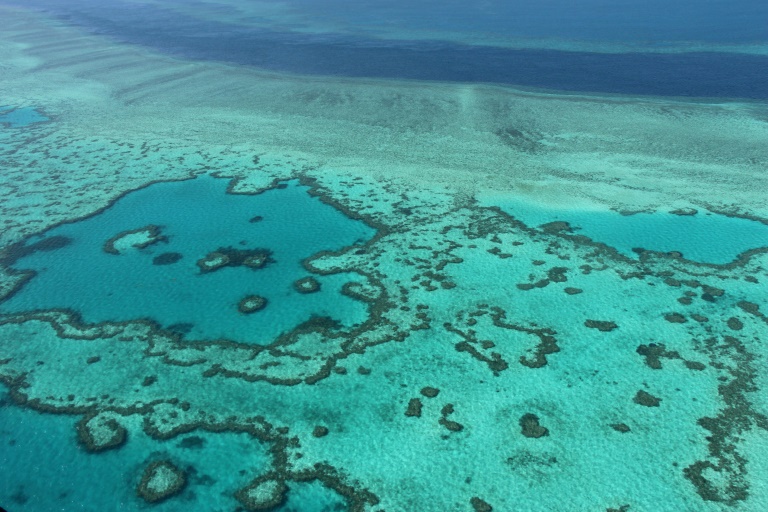
Despite warnings, Australia’s efforts to save the Great Barrier Reef still fall short of protecting the world’s largest coral reef system from pollution and climate change, experts said Monday.

Australia had taken unprecedented steps towards the protection of the Great Barrier Reef, which the United Nations has designated a world heritage site, but more was needed to avoid the site being declared “in danger” by UNESCO, the UN agency which compiles and manages a list of heritage sites.

Such a designation puts a government on notice that a site could be removed from the World Heritage list altogether, a very rare event.

“Despite the unparalleled science and management efforts” made by Australia over recent years, the Great Barrier Reef is  “significantly impacted by climate change factors”, Eleanor Carter at the International Union for Conservation of Nature (IUCN) and UNESCO representative Hans Thulstrup said in a report based on a mission to the Reef.

“The resilience of the property to recover from climate change impacts is substantially compromised,” they said.

Carter and Thulstrup recommended that the reef should be added to the “World Heritage in Danger” list.

The Australian government in January announced a billion-dollar package to protect the reef, seven years after its “Reef 2050” plan, already a response to a UN downgrade threat.

The Climate Council pressure group said this latest package of funding was like putting “a Band-Aid on a broken leg”.

Monday’s report echoed that assessment, saying the reef’s ability to recover from climate change impacts was “substantially compromised”.

In particular, Australian strategies were “lacking clear climate change targets”, while some measures were not fully implemented, especially concerning “water quality and fisheries activities”, it said.

Australia reported in May that 91 percent of the reef’s coral had been damaged by bleaching after a prolonged summer heatwave, a process that increases the mortality rates of the affected corals.

After intense lobbying, Australia narrowly avoided the Reef being placed on UNESCO’s “in danger” list in the summer of 2021.

The then-government of conservative prime minister Scott Morrison was voted out this year in favour of a centre-left government under Anthony Albanese who has promised greener policies.

A UNESCO spokesperson told AFP that “a constructive dialogue is ongoing with the current government”.

A source close to the matter called Monday’s report “a roadmap submitted to the Australian government which should say what it intends to do with it and produce results”.

The source added: “The path to saving the Great Barrier Reef is narrow, but it exists. Strong and rapid action can produce results.”.

To be included on UNESCO’s world heritage list, a site must have “outstanding universal value”.

An spot on the list usually means boosted tourism, and improved access to funds and to scientific expertise. 

Those benefits are threatened when a site is declared “in danger” — which is currently the case of about 50 sites worldwide.

Only three sites have ever been dropped from the heritage list completely.

Close Bitnami banner
Bitnami