World

China's 'iPhone city' tightens Covid rules after violent protests

China has ordered six million people into lockdown in a city where violent protests broke out at an iPhone factory over Covid isolation policies and working conditions.

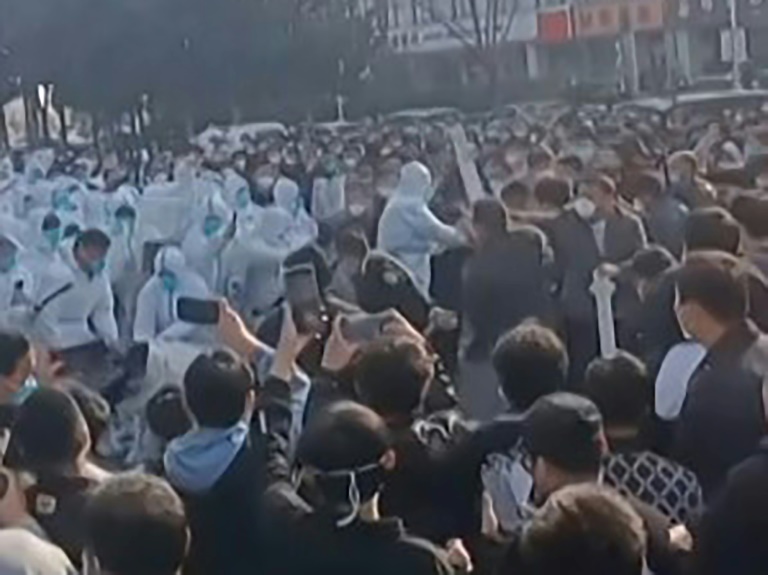
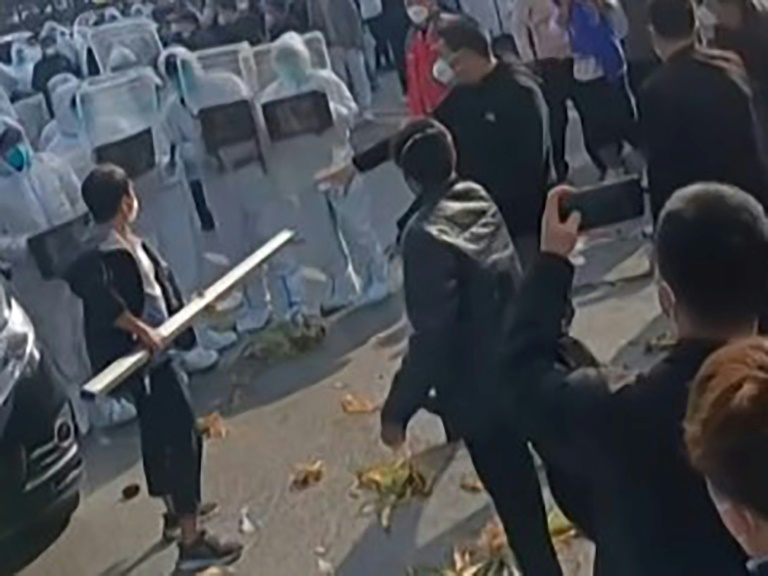
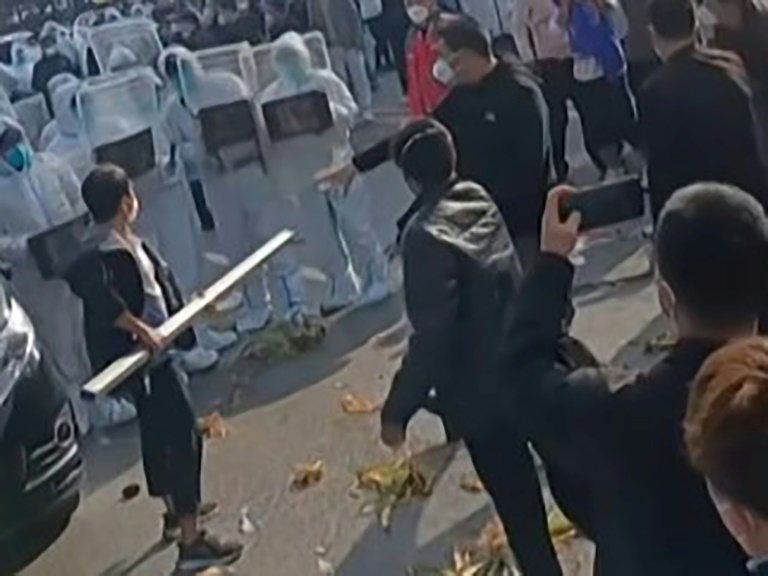
Hundreds of workers took to the streets around the vast iPhone factory in Zhengzhou on Wednesday, confronting hazmat-clad personnel wielding batons in a rare display of public anger in China.

In the wake of the unrest, Zhengzhou authorities ordered mass testing and an effective lockdown for several districts in the central Chinese city starting Friday.

City centre residents cannot leave the area unless they have a negative Covid test and permission from local authorities, and are advised not to leave their homes “unless necessary”.

The restrictions will affect more than six million people but do not cover the iPhone factory, where workers have already been under Covid restrictions for weeks.

One worker told AFP the protests had begun over a dispute over promised bonuses at the factory, run by Taiwanese tech giant Foxconn.

Many workers were also incensed by “chaotic” living conditions, said the worker, who wished to remain anonymous.

Foxconn on Thursday issued an apology, blaming a “technical error” in its payment systems for the salary issues and saying it “fully understands” the concerns of employees.

“The company will also try its best to actively solve the concerns and reasonable demands of employees,” it said.

Apple told AFP it had representatives on the ground at the factory and was “reviewing the situation and working closely with Foxconn to ensure their employees’ concerns are addressed”.

– Zero-Covid fatigue –

The curbs in Zhengzhou are part of China’s national zero-tolerance approach to Covid, which involves gruelling lockdowns, travel restrictions and mass testing.

However, nearly three years into the pandemic, Covid cases are now higher than they have ever been in China.

There were 31,444 domestic infections on Wednesday, the National Health Commission reported, the highest since the pandemic began.

The numbers are relatively small when compared with China’s vast population of 1.4 billion or global caseloads at the height of the pandemic.

But under the zero-Covid policy, even small outbreaks can shut down entire cities and land the contacts of infected patients in strict quarantine.

The unrelenting zero-Covid push has given rise to fatigue and resentment among swathes of the population, sparking sporadic protests and hitting productivity in the world’s second-largest economy.

The Foxconn protests have been among the highest-profile bouts of unrest.

Several cities including Beijing, Shanghai, Guangzhou and Chongqing have tightened Covid restrictions as cases have climbed.

The capital now requires a negative PCR test result within 48 hours for those seeking to enter public places such as shopping malls, hotels and government buildings. Schools across the city have moved to online classes.

The southern manufacturing hub of Guangzhou — where nearly a third of the latest Covid cases were found — has built thousands of temporary hospital rooms to accommodate patients.

A series of new rules announced by the central government this month appeared to signal a shift away from zero-Covid, easing quarantine requirements for entering the country and simplifying a system for designating high-risk areas.

But China has yet to approve more effective mRNA vaccines for public use and only 85 percent of adults over 60 had received two doses of domestic vaccines by mid-August, according to health authorities.

Shijiazhuang, a city near Beijing that was seen as a pilot for testing reopening strategies, reversed most of its easing measures this week.

“The path to reopening may be slow, costly and bumpy,” Ting Lu, chief China economist at Nomura, said in a note.
China iPhone factory workers take the money and leave after protests

Employees are leaving a vast Foxconn iPhone factory in central China over working conditions and Covid restrictions, relieved to be taking pay-offs home after angry protests at the Taiwanese tech giant’s plant.

The workers are leaving the plant in Zhengzhou in the wake of bloody clashes with police, in which more than a dozen protesters were hurt, furious about Foxconn’s failure to deliver promised bonuses, employees  told AFP. 

“The contract suddenly changed and everyone was unhappy, in addition the previous incidents at Foxconn made everyone lose trust, so the protests happened,” one female worker who wished to remain anonymous told AFP.

Foxconn has been desperate to keep operations ticking along at the factory, the world’s biggest manufacturer of iPhones, after a handful of Covid cases forced it to lock down the facility.

Now the firm is offering payouts to those that leave, with employees taking to social media Thursday to show they had received bonuses of 10,000 yuan ($1,400) in return for terminating their contracts.

Several coaches are parked outside dormitories in the background of several videos, supposedly there to take staff home. 

“Everyone’s got their money and are about to leave,” the female worker said.

“I’m pretty satisfied, workers who still want this or that should not be too greedy,” she said.

Foxconn also appears keen to placate those who were beaten by police, with another worker telling AFP that injured colleagues received an additional 500 yuan on top of their leaving bonus.

Foxconn did not respond to an AFP request for comment.

However, screenshots of a company notice circulating online Thursday show that new employees who wished to leave would be offered 10,000 yuan to cover lost salary, quarantine and transport costs. 

The notice said employees who registered to end their contracts would be paid 8,000 yuan and given another 2,000 yuan upon boarding buses arranged by the company back to their hometowns.

– Protesters beaten –

Footage of the protests shared with AFP and captured by a factory worker showed one person lying motionless on the ground next to a man in a blood-spattered jacket having his head bound in an effort to staunch a wound.

Another clip shows dozens of hazmat-clad personnel wielding batons and chasing employees, one of whom is knocked to the ground before appearing to be kicked in the head.

The worker who shared the videos and who was present at the protests estimated that around 20 people were wounded in the clashes, some of whom were taken to hospital. He requested anonymity to protect his safety.

He told AFP the confrontations broke out after new employees who signed an agreement with the factory to work at least 30 days in return for a one-time payment of 3,000 yuan ($420) suddenly saw the figure slashed to just 30 yuan.

Foxconn has blamed a “technical error” in its payment systems for the non-payment, and promised employees that all salaries would be paid in line with company policies.

The unrest now seems to have cooled down, one worker told AFP.

“The new recruits should have all left, now everything is normal,” the worker said.

One video published Thursday on the short-video platform Kuaishou shows hundreds of workers waiting to leave the dormitory quarters carrying suitcases.

“Get money and return home,” read the caption, punctuated with a smiley emoji.

China iPhone factory workers take the money and leave after protests

Employees are leaving a vast Foxconn iPhone factory in central China over working conditions and Covid restrictions, relieved to be taking pay-offs home after angry protests at the Taiwanese tech giant’s plant.

The workers are leaving the plant in Zhengzhou in the wake of bloody clashes with police, in which more than a dozen protesters were hurt, furious about Foxconn’s failure to deliver promised bonuses, employees  told AFP. 

“The contract suddenly changed and everyone was unhappy, in addition the previous incidents at Foxconn made everyone lose trust, so the protests happened,” one female worker who wished to remain anonymous told AFP.

Foxconn has been desperate to keep operations ticking along at the factory, the world’s biggest manufacturer of iPhones, after a handful of Covid cases forced it to lock down the facility.

Now the firm is offering payouts to those that leave, with employees taking to social media Thursday to show they had received bonuses of 10,000 yuan ($1,400) in return for terminating their contracts.

Several coaches are parked outside dormitories in the background of several videos, supposedly there to take staff home. 

“Everyone’s got their money and are about to leave,” the female worker said.

“I’m pretty satisfied, workers who still want this or that should not be too greedy,” she said.

Foxconn also appears keen to placate those who were beaten by police, with another worker telling AFP that injured colleagues received an additional 500 yuan on top of their leaving bonus.

Foxconn did not respond to an AFP request for comment.

However, screenshots of a company notice circulating online Thursday show that new employees who wished to leave would be offered 10,000 yuan to cover lost salary, quarantine and transport costs. 

The notice said employees who registered to end their contracts would be paid 8,000 yuan and given another 2,000 yuan upon boarding buses arranged by the company back to their hometowns.

– Protesters beaten –

Footage of the protests shared with AFP and captured by a factory worker showed one person lying motionless on the ground next to a man in a blood-spattered jacket having his head bound in an effort to staunch a wound.

Another clip shows dozens of hazmat-clad personnel wielding batons and chasing employees, one of whom is knocked to the ground before appearing to be kicked in the head.

The worker who shared the videos and who was present at the protests estimated that around 20 people were wounded in the clashes, some of whom were taken to hospital. He requested anonymity to protect his safety.

He told AFP the confrontations broke out after new employees who signed an agreement with the factory to work at least 30 days in return for a one-time payment of 3,000 yuan ($420) suddenly saw the figure slashed to just 30 yuan.

Foxconn has blamed a “technical error” in its payment systems for the non-payment, and promised employees that all salaries would be paid in line with company policies.

The unrest now seems to have cooled down, one worker told AFP.

“The new recruits should have all left, now everything is normal,” the worker said.

One video published Thursday on the short-video platform Kuaishou shows hundreds of workers waiting to leave the dormitory quarters carrying suitcases.

“Get money and return home,” read the caption, punctuated with a smiley emoji.

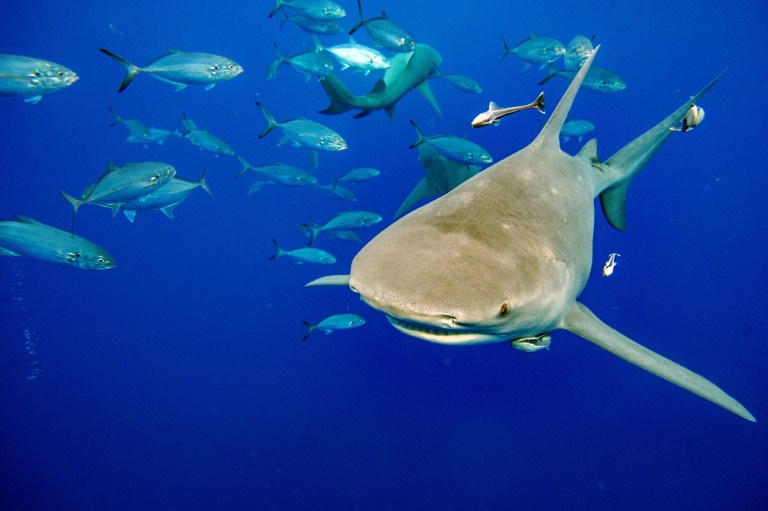
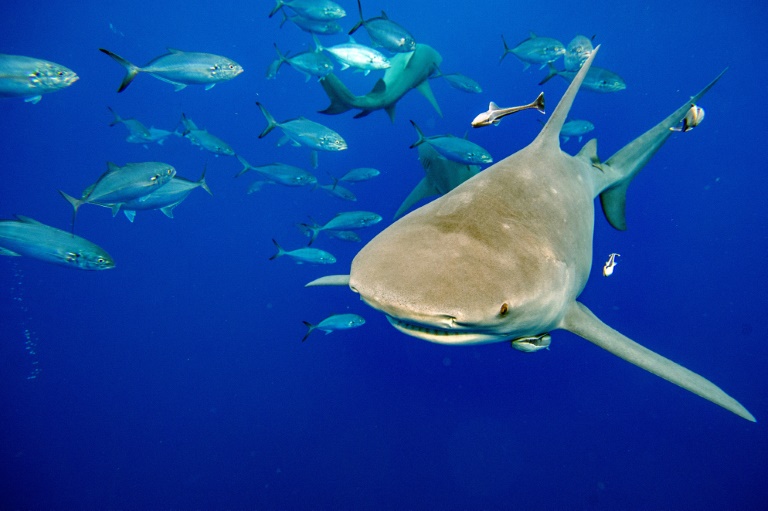
Wildlife summit to vote on 'historic' shark protections

A summit on the international trade in endangered species will decide Thursday whether to ratify a “historic” proposal to protect sharks, a move that would drastically restrict the lucrative global shark fin trade.

The proposal would place dozens of species of the requiem shark and the hammerhead shark families on Appendix II of the Convention on International Trade in Endangered Species (CITES).

That appendix lists species that may not yet be threatened with extinction but may become so unless their trade is closely controlled.  

The initiative was one of the most discussed at this year’s CITES summit in Panama, with the proposal co-sponsored by the European Union and 15 countries. The meeting began on November 14, and ends on Friday.

If Thursday’s plenary meeting gives the green light, “it would be a historic decision, since for the first time CITES would be handling a very large number of shark species, which would be approximately 90 percent of the market,” Panamanian delegate Shirley Binder told AFP.

Shark fins — which represent a market of about $500 million per year — can sell for about $1,000 a kilogram in East Asia for use in shark fin soup, a delicacy.

The vote follows a hectic debate that lasted nearly three hours, with Japan and Peru seeking to reduce the number of shark species that would be protected. 

“We hope that all of this will (now) be adopted in plenary,” said Binder.

The plenary will also vote on ratifying a proposal to protect guitarfish, a species of ray.

– Heated debate –

Several delegations, including hosts Panama, displayed stuffed toy sharks on their tables during the earlier Committee I debate.

After the heated debate, the request to protect requiem sharks went to a vote, garnering above the needed threshold and calming the waters for the subsequent hammerhead shark debate.

Delegates and directors of conservation organizations, who are observers at the summit, are confident that both proposals will be ratified. 

“We hope that nothing extraordinary happens and that these entire families of sharks are ratified for inclusion in Annex II,” Chilean delegate Ricardo Saez told AFP. 

– ‘Extinction crisis’ –

The world is currently in the middle of a major shark extinction crisis, Luke Warwick, director of shark protection for the NGO Wildlife Conservation Society (WCS), told AFP at the beginning of the summit. 

During the committee debate, Japan had proposed that the trade restriction be reduced to 19 species of requiem sharks and Peru called for the blue shark to be removed from the list. 

However, both suggestions were rejected.

Participants at the summit considered 52 proposals to change species protection levels.

CITES, which came into force in 1975, has set international trade rules for more than 36,000 wild species. 

Its signatories include 183 countries and the European Union. 

Wildlife summit to vote on 'historic' shark protections

A summit on the international trade in endangered species will decide Thursday whether to ratify a “historic” proposal to protect sharks, a move that would drastically restrict the lucrative global shark fin trade.

The proposal would place dozens of species of the requiem shark and the hammerhead shark families on Appendix II of the Convention on International Trade in Endangered Species (CITES).

That appendix lists species that may not yet be threatened with extinction but may become so unless their trade is closely controlled.  

The initiative was one of the most discussed at this year’s CITES summit in Panama, with the proposal co-sponsored by the European Union and 15 countries. The meeting began on November 14, and ends on Friday.

If Thursday’s plenary meeting gives the green light, “it would be a historic decision, since for the first time CITES would be handling a very large number of shark species, which would be approximately 90 percent of the market,” Panamanian delegate Shirley Binder told AFP.

Shark fins — which represent a market of about $500 million per year — can sell for about $1,000 a kilogram in East Asia for use in shark fin soup, a delicacy.

The vote follows a hectic debate that lasted nearly three hours, with Japan and Peru seeking to reduce the number of shark species that would be protected. 

“We hope that all of this will (now) be adopted in plenary,” said Binder.

The plenary will also vote on ratifying a proposal to protect guitarfish, a species of ray.

– Heated debate –

Several delegations, including hosts Panama, displayed stuffed toy sharks on their tables during the earlier Committee I debate.

After the heated debate, the request to protect requiem sharks went to a vote, garnering above the needed threshold and calming the waters for the subsequent hammerhead shark debate.

Delegates and directors of conservation organizations, who are observers at the summit, are confident that both proposals will be ratified. 

“We hope that nothing extraordinary happens and that these entire families of sharks are ratified for inclusion in Annex II,” Chilean delegate Ricardo Saez told AFP. 

– ‘Extinction crisis’ –

The world is currently in the middle of a major shark extinction crisis, Luke Warwick, director of shark protection for the NGO Wildlife Conservation Society (WCS), told AFP at the beginning of the summit. 

During the committee debate, Japan had proposed that the trade restriction be reduced to 19 species of requiem sharks and Peru called for the blue shark to be removed from the list. 

However, both suggestions were rejected.

Participants at the summit considered 52 proposals to change species protection levels.

CITES, which came into force in 1975, has set international trade rules for more than 36,000 wild species. 

Its signatories include 183 countries and the European Union. 

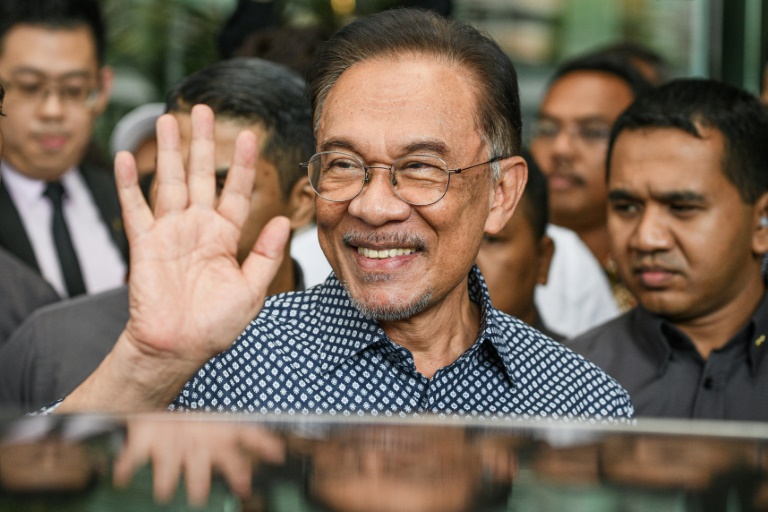
Anwar Ibrahim sworn in as Malaysia's prime minister

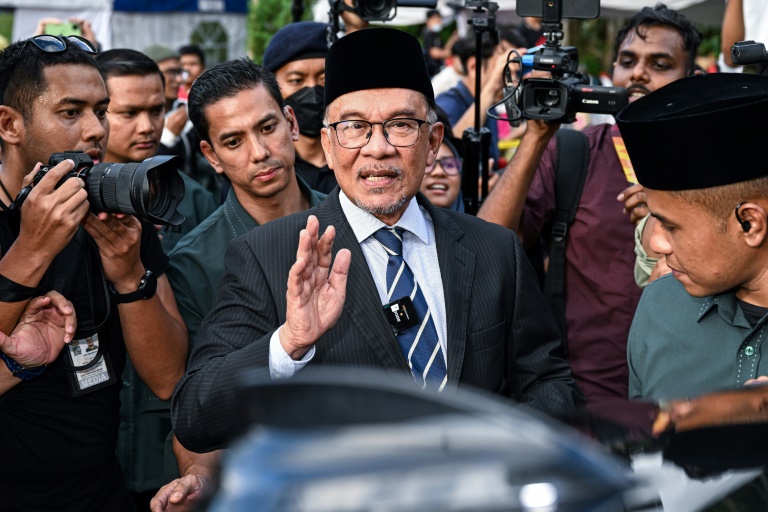
Malaysia’s perennial opposition leader Anwar Ibrahim was sworn in as prime minister before the king in Kuala Lumpur Thursday, ending a five-day political impasse after inconclusive polls.

The ceremony at the palace closes the chapter on one of the most dramatic elections in Malaysia’s history, after no party managed to secure a majority to form a parliament for the first time since independence in 1957.

Anwar’s ascension to the premiership caps a turbulent political life, which has not only propelled him into the corridors of power but also landed him inside a jail cell.

“I, Anwar Ibrahim, after being appointed to hold the position of prime minister, solemnly swear that I will honestly fulfil that duty with all my efforts and that I will devote my true loyalty to Malaysia,” the 75-year-old said while dressed in traditional Malaysian clothing. 

In the capital Kuala Lumpur, Anwar’s supporters were in a celebratory mood.

“I got goosebumps, seriously,” said 36-year-old Norhafitzah Ashruff Hassan. “He fought hard to be given the chance to be PM. I hope he performs well and proves his worth.”

Muhammad Taufiq Zamri, a 37-year-old product manager said: “I cannot express in words the ecstatic feeling I have.”

Campaigning on an anti-graft message, Anwar’s multi-ethnic Pakatan Harapan coalition won the most seats in the weekend’s election with 82.

But it still fell short of the 112 required for a majority.

In an attempt to break the deadlock, the king had summoned Anwar and former prime minister Muhyiddin Yassin, whose Perikatan Nasional bloc came in second place with 73 seats. But no deal could be struck.

The king held a special meeting with other royals earlier Thursday before the palace announced Anwar as the new premier.

– Rollercoaster journey-

For Anwar, the premiership is the culmination of a 25-year rollercoaster.

The firebrand former student activist was first poised to take the reins in the late 1990s, after serving as finance chief and deputy prime minister under Malaysia’s political patriarch Mahathir Mohamad.

But the two had a bitter falling-out over how to handle the 1997-98 Asian financial crisis.

Mahathir sacked his former protege, who was also expelled from their then-party the United Malays National Organisation (UMNO), and charged with corruption and sodomy — charges Anwar said were politically motivated. 

Anwar was sentenced to six years in jail for corruption in 1999, and given an additional nine on a sodomy charge the following year.

Street protests erupted and evolved into a movement for democratic reforms, with Anwar stringing together an opposition coalition from behind bars. 

The Mahathir-Anwar tussle has dominated and shaped Malaysian politics over the past four decades, “alternately bringing despair and hope, progress and regress to the country’s polity”, according to Oh Ei Sun of the Pacific Research Center of Malaysia.

The Malaysian Supreme Court overturned Anwar’s sodomy conviction in 2004 and ordered him freed. 

-‘Long time coming’-

Anwar re-aligned with Mahathir during the 2018 elections, when his erstwhile foe came out of retirement to challenge incumbent Najib Razak, who was mired in the billion-dollar 1MDB financial scandal.

Their detente scored a historic victory against UMNO and Najib, who is now serving a 12-year jail term for corruption.

Mahathir became prime minister for the second time, with an agreement to eventually hand the premiership to Anwar.

He never fulfilled that pact, and their alliance collapsed after 22 months.

In his most recent bid to lead Southeast Asia’s third-largest economy, Anwar once again pledged to end corruption and cultivate multi-ethnic harmony.

“This is a long time coming for Anwar Ibrahim,” Asrul Hadi Abdullah Sani, deputy managing director at strategic advisory firm Bower Group Asia, told AFP.

“One of his agendas is to ensure he is able to fulfil his reform agenda as he looks to stabilise a loosely cobbled federal coalition.”

James Chin, a professor of Asian studies at the University of Tasmania, told AFP the announcement “will be welcomed internationally since Anwar is known as a Muslim democrat worldwide”. 

“His biggest challenge will be to lead Malaysia out of the economic malaise following the pandemic.” 

Gas price cap divides EU energy ministers' meeting

EU energy ministers met Thursday to debate measures to mitigate the energy crunch in Europe but were divided over a gas price cap proposal slammed by many as a “joke”.

They were to discuss a proposal by the European Commission, unveiled just two days earlier, that would set a cap on gas prices at 275 euros per megawatt hour.

But many members complained that the plan comes with such conditions attached that it was designed never to be used.

“The gas price cap, which is in the document, currently it doesn’t satisfy any single country,” Polish Climate Minister Anna Moskwa said as she arrived at the meeting.

“It’s a kind of joke for us after so many amounts of discussions and proposals” to arrive at the price cap put forward, she said.

France, Spain and Greece have also come out criticising the commission proposal.

The price cap plan — which the commission was never keen on — was seen as neutered under pressure from members including Germany and the Netherlands, which had feared it could divert gas supplies to more lucrative markets, especially Asia.

Yet at least 15 EU countries — more than half the bloc — want some form of workable ceiling on wholesale gas prices to tackle a crunch in supply forced by Russia’s war in Ukraine.

While the European Union hasn’t banned Russian gas, the Kremlin has been turning off the taps in retaliation for sanctions imposed by Brussels in the wake of Moscow’s invasion. 

Before the war, Russian gas supplies accounted for more than 40 percent of all imported gas into the European Union, with export powerhouse Germany particularly needy.

Now, that has dropped to less than 10 percent. 

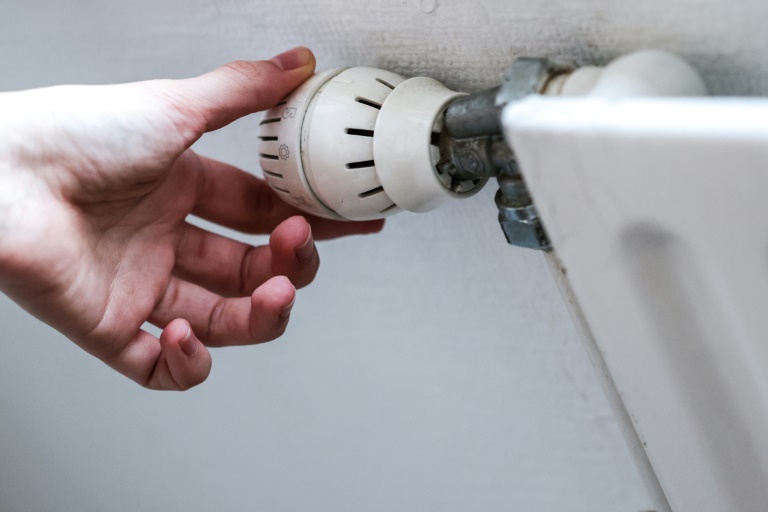
But alternative sources — such as liquefied natural gas (LNG) shipped from the United States and the Gulf — cannot make up the shortfall, and Europe faces a pricey heating bill for winter.

– Ministers can ‘calibrate’ cap –

Asked if the ministers would agree a full package of energy support measures including the proposed gas price cap, Belgium’s energy minister, Tinne Van der Straeten, said: “I don’t think it’s achievable today.”

EU energy commissioner Kadri Simson acknowledged the divisions over the price cap and noted that the ministers have “a right to calibrate the different parameters” if they wished.

Czech Industry Minister Jozef Sikela, chairing the meeting under his country’s current presidency of the EU, said: “I am ready to convene as many extraordinary councils as needed in order to reach the agreement.”

The commission’s proposed cap of 275 euros per megawatt hour would only kick in when that threshold is breached for two weeks running for future contracts, and only if the LNG price went above 58 euros for 10 days within that same two-week period.

The price of wholesale gas in Europe on Thursday was around 124 euros, according to the main TTF benchmark.

The only time it has gone above the 275-euro limit was for one week in August, when the market impact of the war and EU demand to fill gas storage were at their peak. 

The price cap plan, if adopted, would start in January. It would run alongside a voluntary initiative for EU member states to cut natural gas use by 15 percent over the northern hemisphere winter.

Malaysia's new PM Anwar: from prison to power, a dream fulfilled

It has been a bumpy road to the pinnacle of power for Anwar Ibrahim, who on Thursday achieved his dream of the Malaysian premiership.

In his decades-long quest for the top job, the 75-year-old has tasted political triumph and defeat, led street protests for democratic reforms and strung together a multi-ethnic opposition coalition while behind bars.

He was named prime minister by Malaysia’s king after days of political deadlock resulting from an inconclusive election.

– Impatient firebrand –

Anwar was born into a political family in August 1947.

His father, Ibrahim Abdul Rahman, was a former member of parliament and his mother, Che Yan Hussein, was a political organiser in the northern state of Penang, in what was then part of the British empire.

A firebrand youth activist during his student days, Anwar has spoken of his admiration for Philippine revolutionary hero Jose Rizal, describing him as “a true Asian renaissance man”.

In 1982, Anwar was recruited into the United Malays National Organisation (UMNO), the party then in the middle of its 60-year domination of Malaysian politics.

His star rose, and the suave young politician became finance minister and then deputy prime minister in the early 1990s under then-premier Mahathir Mohamad, bringing a youthful counterbalance to the wily political veteran.

They were considered one of the most dynamic duos in Southeast Asian politics, but their relationship soured over how to handle the 1997-98 Asian financial crisis.

Some observers say Anwar had been too impatient to become prime minister, slighting his patron.

Mahathir sacked Anwar, who was also expelled from UMNO and charged with corruption and sodomy.

He was sentenced to six years in jail for corruption in 1999, with a nine-year prison term added for the sodomy charge the following year, the two sentences to run consecutively.

As Anwar claimed political persecution, street protests erupted and coalesced into a multi-ethnic opposition movement calling for democratic reforms.

Photos of Anwar with a black eye, inflicted in prison by Malaysia’s then-police chief, were published in newspapers around the world, turning him into a symbol for a struggle that adopted the battle cry of “Reformasi!”, or reforms.

-Despair and hope-

The Malaysian Supreme Court overturned Anwar’s sodomy conviction in 2004 and ordered him freed.

He took a brief hiatus from politics to go into academia, but returned to lead an opposition coalition in the 2013 general election.

His alliance won 50.87 percent of the popular vote but failed to muster a parliamentary majority.

Controversy continued to hound the married father of six.

He was again jailed for sodomy in 2015, this time for five years.

He has maintained his innocence and received a full pardon from the Malaysian king three years into his sentence. Anwar returned to parliament months later in a by-election.

-Fragile alliance-

The 2018 election brought a new alliance with his erstwhile rival Mahathir, the pair making an unlikely reunion to take on their former party UMNO, led by prime minister Najib Razak, then mired in the billion-dollar 1MDB financial scandal.

They scored a historic victory against UMNO and Najib, who is now serving a 12-year jail term for corruption.

Mahathir became prime minister for the second time, with an agreement to hand over the premiership to Anwar later.

He never fulfilled that pact, and their alliance collapsed after 22 months.

“I sense the people’s strong desire for change and to see Malaysia progress in a new direction,” Anwar said before last week’s polls.

After his swearing-in Thursday, Anwar will finally get to set that direction.

UK-led police operation busts phone scammers who targeted millions

UK police on Thursday said their biggest ever counter-fraud operation had disrupted an international criminal network targeting hundreds of thousands of victims in millions of spam phone calls.

The Metropolitan Police spearheaded the 18-month global probe into the iSpoof.cc website, working with Europol, the FBI and other law enforcement agencies worldwide.

A total of 142 people have been arrested, including one of its alleged London-based administrators. Suspects were nabbed in Australia, France, Ireland and the Netherlands, while servers were shuttered in the Netherlands and Ukraine.

UK police believe organised crime groups are linked to the website and its tens of thousands of users. The site enables users to access software tools to illicitly obtain victims’ bank account funds and commit other fraud.

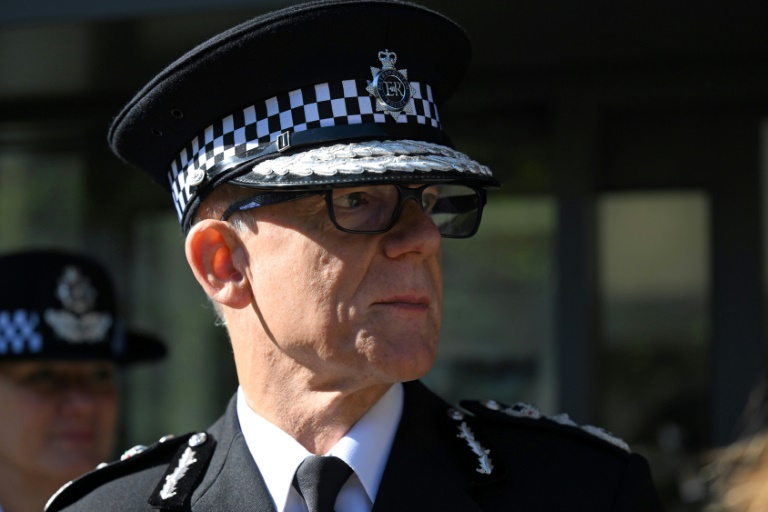
Met Commissioner Mark Rowley said the investigation signalled “a different approach” to criminals exploiting technology.

“This is about starting from the organised criminals that actually drive and create the fraud that we see in the world around us,” he told reporters.

– Industrialised fraud –

The London force — the UK’s largest — said in the year to August, suspects paid to access the website and make more than 10 million fraudulent calls worldwide.

Around 40 percent were in the United States. More than a third were in the UK, targeting 200,000 potential victims there alone.

Fraud detection agencies have so far recorded £48 million ($58 million) in losses in the UK alone. Victims lost an average £10,000. The largest single theft was worth three million pounds.

Losses to victims worldwide are estimated at over £100 million.

“Because fraud is vastly under-reported, the full amount is believed to be much higher,” the Met said.

Those behind the site earned almost £3.2 million from it, the force added.

Only around 5,000 British victims have so far been identified.

However, the Met’s investigation has yielded the phone numbers of more than 70,000 potential victims, who have yet to be contacted.

The force will attempt to reach them over the next two days, sending text messages directing those contacted to its website, where details can be safely logged.   

“What we’re doing here is trying to industrialise our response to the organised criminals’ industrialisation of the problem,” Rowley added.

– ‘Operation Elaborate’ –

The iSpoof website — described as “an international one-stop spoofing shop” — was created in December 2020 and at its peak had 59,000 users paying between £150 and £5,000 for its services, according to the Met.

It enabled subscribers, who could pay in Bitcoin, to access so-called spoofing tools which made their phone numbers appear as if they were calling from banks, tax offices and other official bodies.

The mostly commonly imitated organisations include some of the UK’s biggest consumer banks — including Barclays, Halifax, HSBC, Lloyds and Santander. 

Combined with customers’ bank and login details, illegally obtained elsewhere online, the criminals were then able to defraud their victims.

“They would worry them (about) fraudulent activity on their bank accounts and tricked them,” explained Detective Superintendent Helen Rance, who leads on cyber crime for the Met.

She noted that people contacted would typically be instructed to share six-digit banking passcodes allowing their accounts to be emptied. 

The Met launched “Operation Elaborate” in June 2021, partnering with Dutch police, who had already started their own probe after an iSpoof server was based there.

A subsequent server operating in Kyiv was shuttered in September and the site was permanently disabled on November 8.

The previous day the Met had charged Teejai Fletcher, 34, of east London, with fraud and organised crime group offences.

He remains in custody and will next appear in a London court on December 6.

“It’s fair to say that he was living a lavish lifestyle,” Rance said, noting that the investigation remained ongoing.

“Instead of just taking down the website and arresting the administrator, we have gone after the users of iSpoof,” she added. 

Two other suspected administrators outside the UK remain at large, the Met noted. 

UK-led police operation busts phone scammers who targeted millions

UK police on Thursday said their biggest ever counter-fraud operation had disrupted an international criminal network targeting hundreds of thousands of victims in millions of spam phone calls.

The Metropolitan Police spearheaded the 18-month global probe into the iSpoof.cc website, working with Europol, the FBI and other law enforcement agencies worldwide.

A total of 142 people have been arrested, including one of its alleged London-based administrators. Suspects were nabbed in Australia, France, Ireland and the Netherlands, while servers were shuttered in the Netherlands and Ukraine.

UK police believe organised crime groups are linked to the website and its tens of thousands of users. The site enables users to access software tools to illicitly obtain victims’ bank account funds and commit other fraud.

Met Commissioner Mark Rowley said the investigation signalled “a different approach” to criminals exploiting technology.

“This is about starting from the organised criminals that actually drive and create the fraud that we see in the world around us,” he told reporters.

– Industrialised fraud –

The London force — the UK’s largest — said in the year to August, suspects paid to access the website and make more than 10 million fraudulent calls worldwide.

Around 40 percent were in the United States. More than a third were in the UK, targeting 200,000 potential victims there alone.

Fraud detection agencies have so far recorded £48 million ($58 million) in losses in the UK alone. Victims lost an average £10,000. The largest single theft was worth three million pounds.

Losses to victims worldwide are estimated at over £100 million.

“Because fraud is vastly under-reported, the full amount is believed to be much higher,” the Met said.

Those behind the site earned almost £3.2 million from it, the force added.

Only around 5,000 British victims have so far been identified.

However, the Met’s investigation has yielded the phone numbers of more than 70,000 potential victims, who have yet to be contacted.

The force will attempt to reach them over the next two days, sending text messages directing those contacted to its website, where details can be safely logged.   

“What we’re doing here is trying to industrialise our response to the organised criminals’ industrialisation of the problem,” Rowley added.

– ‘Operation Elaborate’ –

The iSpoof website — described as “an international one-stop spoofing shop” — was created in December 2020 and at its peak had 59,000 users paying between £150 and £5,000 for its services, according to the Met.

It enabled subscribers, who could pay in Bitcoin, to access so-called spoofing tools which made their phone numbers appear as if they were calling from banks, tax offices and other official bodies.

The mostly commonly imitated organisations include some of the UK’s biggest consumer banks — including Barclays, Halifax, HSBC, Lloyds and Santander. 

Combined with customers’ bank and login details, illegally obtained elsewhere online, the criminals were then able to defraud their victims.

“They would worry them (about) fraudulent activity on their bank accounts and tricked them,” explained Detective Superintendent Helen Rance, who leads on cyber crime for the Met.

She noted that people contacted would typically be instructed to share six-digit banking passcodes allowing their accounts to be emptied. 

The Met launched “Operation Elaborate” in June 2021, partnering with Dutch police, who had already started their own probe after an iSpoof server was based there.

A subsequent server operating in Kyiv was shuttered in September and the site was permanently disabled on November 8.

The previous day the Met had charged Teejai Fletcher, 34, of east London, with fraud and organised crime group offences.

He remains in custody and will next appear in a London court on December 6.

“It’s fair to say that he was living a lavish lifestyle,” Rance said, noting that the investigation remained ongoing.

“Instead of just taking down the website and arresting the administrator, we have gone after the users of iSpoof,” she added. 

Two other suspected administrators outside the UK remain at large, the Met noted. 

Close Bitnami banner
Bitnami