World

COP27 summit strikes historic deal to fund climate damages

A fraught UN COP27 summit wrapped up Sunday with a landmark deal on funding to help vulnerable countries cope with devastating climate impacts — and deep disappointment over a failure to push further ambition on cutting emissions.

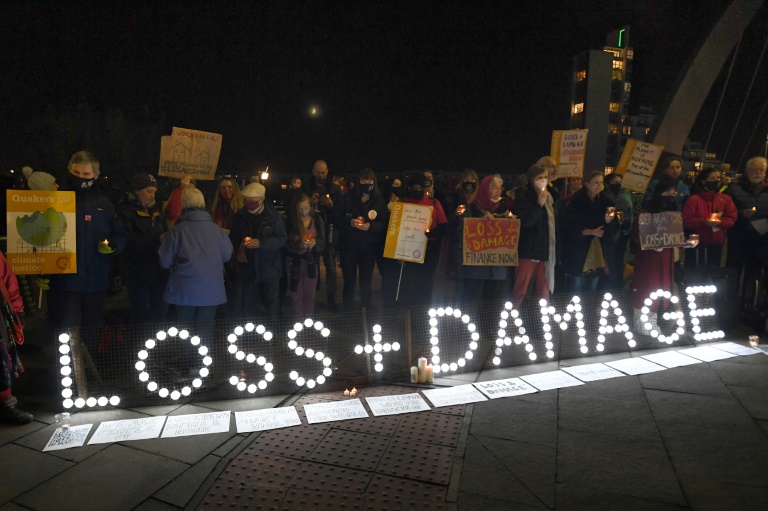
The two-week talks, which at times appeared to teeter on the brink of collapse, delivered a major breakthrough on a fund for climate “loss and damage”.

Pakistani climate minister Sherry Rehman said COP27 “responded to the voices of the vulnerable, the damaged and the lost of the whole world”.

“We have struggled for 30 years on this path, and today in Sharm el-Sheikh this journey has achieved its first positive milestone,” she said.

Tired delegates applauded when the loss and damage fund was adopted as the sun came up Sunday following days of marathon negotiations over the proposal.

But jubilation over that achievement was countered by stern warnings.

UN chief Antonio Guterres said the UN climate talks had “taken an important step towards justice” with the loss and damage fund, but fallen short in pushing for the urgent carbon-cutting needed to tackle global warming.

“Our planet is still in the emergency room. We need to drastically reduce emissions now and this is an issue this COP did not address,” Guterres said.

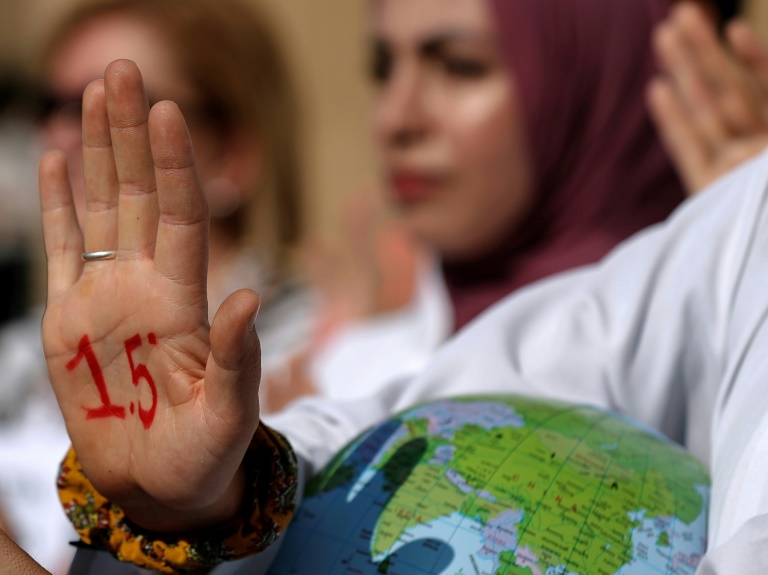
A final COP27 statement covering the broad array of the world’s efforts to grapple with a warming planet held the line on the aspirational goal of limiting global warming to 1.5 degrees Celsius from pre-industrial levels.

It also included language on renewable energy for the first time, while reiterating previous calls to accelerate “efforts towards the phasedown of unabated coal power and phase-out of inefficient fossil fuel subsidies”.

But that failed to go much further than a similar decision from last year’s meeting in Glasgow on key issues around cutting planet-heating pollution.

In a scolding intervention as the talks went into Sunday morning, European Commission Vice President Frans Timmermans said the EU was “disappointed” with a lack of ambition on reducing emissions.

“What we have in front of us is not enough of a step forward for people and planet,” he said. 

“It doesn’t bring enough added efforts from major emitters to increase and accelerate their emission cuts.”

– ‘Historic’ deal –

The deal on loss and damage — which barely made it onto the negotiation agenda — gathered critical momentum during the talks.

Developing nations relentlessly pushed for the fund during the summit, finally succeeding in getting the backing of wealthy polluters long fearful of open-ended liability.

A statement from the Alliance of Small Island States, comprised of islands whose very existence is threatened by sea level rise, said loss and damage deal was a “historic” deal 30 years in the making.

“The agreements made at COP27 are a win for our entire world,” said Molwyn Joseph, of Antigua and Barbuda and chair of AOSIS.

“We have shown those who have felt neglected that we hear you, we see you, and we are giving you the respect and care you deserve.”

With around 1.2C of warming so far, the world has seen a cascade of climate-driven extremes in recent months, shining a spotlight on the plight of developing countries faced with escalating disasters, as well as an energy and food price crisis and ballooning debt.

The World Bank estimated that devastating floods in Pakistan this year caused $30 billion in damage and economic loss.

The fund will be geared towards developing nations “that are particularly vulnerable to the adverse effects of climate change” — language that had been requested by the EU.

– ‘On the brink’ –

The Europeans had also wanted to broaden the funder base to cough up cash — code for China and other better-off emerging countries. 

The final loss and damage text left many of the thornier questions to be dealt with by a transitional committee, which will report to next year’s climate meeting in Dubai to get the funding operational.

On Saturday morning, with the talks already in overtime, the European Union said it was prepared to have “no result” rather than a bad one over concerns around ambition on emissions cuts.

Scientists say limiting warming to 1.5C is a far safer guardrail against catastrophic climate impacts, with the world currently far off track and heading for around 2.5C under current commitments and plans.

“The historic outcome on loss and damage at COP27 shows international cooperation is possible,” said Mary Robinson, former president of Ireland and Chair of The Elders.

“Equally, the renewed commitment on the 1.5C global warming limit was a source of relief. However, none of this changes the fact that the world remains on the brink of climate catastrophe.”  
Trump Twitter account reappears after Musk poll

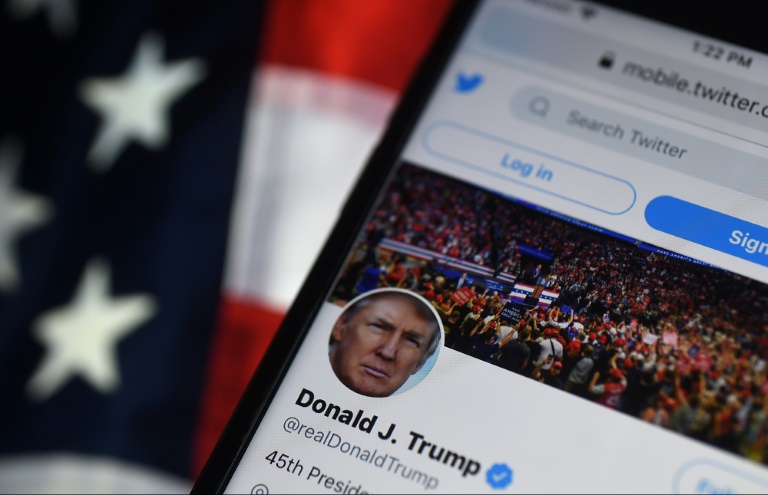
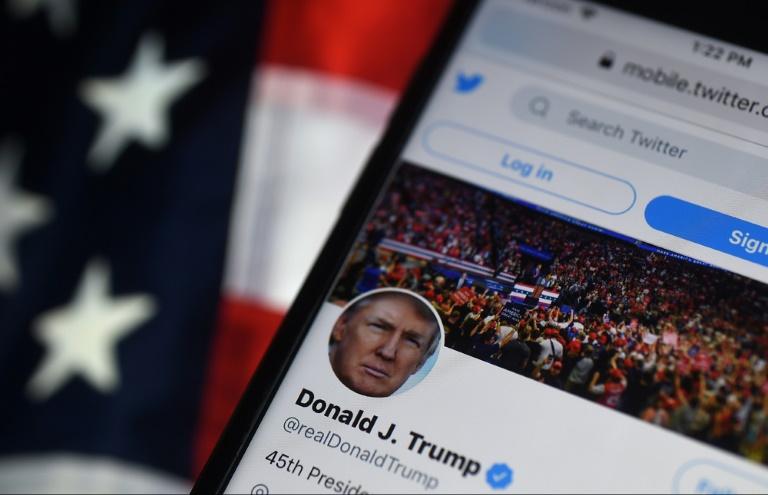
Donald Trump’s Twitter account was reinstated Saturday after the platform’s new owner Elon Musk ran a poll in which a narrow majority of voters supported the move, days after the former US president announced another White House bid.

Trump was banned from the platform early last year for his role in the January 6 attack on the US Capitol by a mob of his supporters seeking to overturn the results of the 2020 election.

“The people have spoken. Trump will be reinstated,” Musk tweeted, shortly after the 24-hour poll ended.

“Vox Populi, Vox Dei,” he added, repeating a Latin adage he posted Friday meaning “the voice of the people is the voice of God.”

More than 15 million people — out of 237 million daily Twitter users — voted on whether to reinstate the controversial profile, with 51.8 percent in favor and 48.2 percent against.

Trump, who had more than 88 million users when his account was suspended, reveled in using Twitter as a mouthpiece during his presidency, posting policy announcements, attacking political rivals and communicating with supporters.

Musk’s poll asked for a simple “yes” or “no” response to the statement “Reinstate former President Trump,” which the billionaire Twitter boss posted Friday.

“Fascinating to watch Twitter Trump poll!” Musk mused Saturday morning in a blast of tweets from the controversial and hard-charging new owner of the one-to-many messaging platform.

He has posed similar polls in the past, asking followers last year if he should sell stock in his electric car company Tesla. Following that poll, he sold more than $1 billion in shares.

– ‘I have Truth Social’

Trump said Saturday he would not return to the popular platform but instead remain on his own network, Truth Social, launched after he was banned from Twitter.

Appearing via video at a gathering of the Republican Jewish Coalition in Las Vegas, Trump said he welcomed the poll and was a fan of Musk, but appeared to reject any return.

“He did put up a poll and it was very overwhelming… but I have something called… Truth Social.”

As to whether he would return to the platform, he said: “I don’t see it because I don’t see any reason for it.”

Trump had not posted to Twitter by late Saturday, though he did share a series of unrelated messages on his Truth Social account, including opinion articles criticizing the US Justice Department’s appointment of a special counsel this week to investigate his role in the Capitol attack. 

But several of his political allies were highlighting his return.

“Welcome back, @realdonaldtrump!” tweeted House Republican Paul Gosar.

Prominent Trump-backer Congresswoman Marjorie Taylor Greene, whose personal account is also suspended, re-tweeted several of his previous posts from her official government account, including some tweets that were still marked with fact-checking badges refuting his claims about 2020 election fraud. 

“Anyone who thinks President Trump isn’t going to win the 2024 primary is fooling themselves,” she tweeted.

Anti-Trump Republican Liz Cheney, co-chair of the congressional committee investigating the Capitol attack who lost her re-election bid, responded to the news by directing Twitter users to a link with a video of one of the committee’s hearings.

“With Trump back on Twitter, it’s a good time to watch this Jan 6 hearing,” she tweeted. 

“It covers each of Trump’s tweets that day, including those that have been deleted, and features multiple Trump WH staff describing his inexcusable conduct during the violence.”

Musk has reinstated other banned accounts, including that of comedian Kathy Griffin, which had been taken down after she impersonated him on the site.

– Twitter chaos –

Musk, also the CEO of Tesla and SpaceX, has come under fire for radical changes at California-based Twitter, which he bought less than a month ago for $44 billion.

Since then, he has fired half of Twitter’s 7,500 staff and scrapped a work-from-home policy, all while his attempts to overhaul the company faced backlash and delays.

Hundreds of employees quit rather than yield to Musk’s demands that they resign themselves to working long, grueling days at the new Twitter.

His stumbling attempts to revamp user verification with a controversial subscription service led to a slew of fake accounts and pranks, and prompted major advertisers to step away from the platform.

Trump Twitter account reappears after Musk poll

Donald Trump’s Twitter account was reinstated Saturday after the platform’s new owner Elon Musk ran a poll in which a narrow majority of voters supported the move, days after the former US president announced another White House bid.

Trump was banned from the platform early last year for his role in the January 6 attack on the US Capitol by a mob of his supporters seeking to overturn the results of the 2020 election.

“The people have spoken. Trump will be reinstated,” Musk tweeted, shortly after the 24-hour poll ended.

“Vox Populi, Vox Dei,” he added, repeating a Latin adage he posted Friday meaning “the voice of the people is the voice of God.”

More than 15 million people — out of 237 million daily Twitter users — voted on whether to reinstate the controversial profile, with 51.8 percent in favor and 48.2 percent against.

Trump, who had more than 88 million users when his account was suspended, reveled in using Twitter as a mouthpiece during his presidency, posting policy announcements, attacking political rivals and communicating with supporters.

Musk’s poll asked for a simple “yes” or “no” response to the statement “Reinstate former President Trump,” which the billionaire Twitter boss posted Friday.

“Fascinating to watch Twitter Trump poll!” Musk mused Saturday morning in a blast of tweets from the controversial and hard-charging new owner of the one-to-many messaging platform.

He has posed similar polls in the past, asking followers last year if he should sell stock in his electric car company Tesla. Following that poll, he sold more than $1 billion in shares.

– ‘I have Truth Social’

Trump said Saturday he would not return to the popular platform but instead remain on his own network, Truth Social, launched after he was banned from Twitter.

Appearing via video at a gathering of the Republican Jewish Coalition in Las Vegas, Trump said he welcomed the poll and was a fan of Musk, but appeared to reject any return.

“He did put up a poll and it was very overwhelming… but I have something called… Truth Social.”

As to whether he would return to the platform, he said: “I don’t see it because I don’t see any reason for it.”

Trump had not posted to Twitter by late Saturday, though he did share a series of unrelated messages on his Truth Social account, including opinion articles criticizing the US Justice Department’s appointment of a special counsel this week to investigate his role in the Capitol attack. 

But several of his political allies were highlighting his return.

“Welcome back, @realdonaldtrump!” tweeted House Republican Paul Gosar.

Prominent Trump-backer Congresswoman Marjorie Taylor Greene, whose personal account is also suspended, re-tweeted several of his previous posts from her official government account, including some tweets that were still marked with fact-checking badges refuting his claims about 2020 election fraud. 

“Anyone who thinks President Trump isn’t going to win the 2024 primary is fooling themselves,” she tweeted.

Anti-Trump Republican Liz Cheney, co-chair of the congressional committee investigating the Capitol attack who lost her re-election bid, responded to the news by directing Twitter users to a link with a video of one of the committee’s hearings.

“With Trump back on Twitter, it’s a good time to watch this Jan 6 hearing,” she tweeted. 

“It covers each of Trump’s tweets that day, including those that have been deleted, and features multiple Trump WH staff describing his inexcusable conduct during the violence.”

Musk has reinstated other banned accounts, including that of comedian Kathy Griffin, which had been taken down after she impersonated him on the site.

– Twitter chaos –

Musk, also the CEO of Tesla and SpaceX, has come under fire for radical changes at California-based Twitter, which he bought less than a month ago for $44 billion.

Since then, he has fired half of Twitter’s 7,500 staff and scrapped a work-from-home policy, all while his attempts to overhaul the company faced backlash and delays.

Hundreds of employees quit rather than yield to Musk’s demands that they resign themselves to working long, grueling days at the new Twitter.

His stumbling attempts to revamp user verification with a controversial subscription service led to a slew of fake accounts and pranks, and prompted major advertisers to step away from the platform.

Rival blocs claim majority in Malaysian election stalemate

Rival blocs claimed on Sunday they had secured the support they needed to form a government after Malaysia’s hotly contested poll saw no party emerge with a clear majority of parliamentary seats.

Veteran opposition leader Anwar Ibrahim said his coalition had enough seats to form the country’s next government, which would allow him to become prime minister.

Former premier Muhyiddin Yassin — who heads the rival Perikatan Nasional (National Alliance) grouping — also said he was in talks to form the next government after Saturday’s election.

The stalemate comes in a country that has seen three governments change in as many years.

Home to 33 million people, Malaysia will need a ruling coalition with a strong mandate to tackle soaring food prices and an economy reeling from the Covid-19 pandemic.

While both leading political blocs claimed victory, neither offered details on the alliances they would make to form the government. 

“We have now the majority to form a government,” Anwar said at a dawn news conference after hours of frenzied horse-trading negotiations through the night.

When pressed about who would enter into an alliance with him, Anwar did not name names, but said commitments had been made in writing and would be submitted to the king for endorsement.

At the end of vote-counting, Anwar’s Pakatan Harapan (Alliance of Hope) coalition won 82 seats and Muhyiddin’s Perikatan Nasional grabbed 73, official results showed.

– Islamist party gains –

The once mighty Barisan Nasional — dominated by jailed ex-leader Najib Razak’s United Malays National Organisation (UMNO) party — trailed far behind the rest with only 30 seats, its worst performance since Malaysia won independence in 1957.

The graft-tainted bloc said it accepted the results and that it was a “big signal from the citizens towards us.”

The election also saw the rise of an Islamist party allied with Muhyiddin’s group. The Malaysian Islamic Party, or PAS, backs a hardline interpretation of Islamic law.

Ethnic Malay parties have campaigned on a platform that claims that members of Malaysia’s majority ethnicity would lose their rights if non-Malays — such as Anwar’s multi-ethnic bloc — are elected.

Oh Ei Sun of the Pacific Research Centre of Malaysia said if Muhyiddin gets to form the government, the country is “likely to see a conservative theocratic coalition that will focus on religious and racial supremacy at the expense of effective economic management”.

“Perikatan Nasional’s strong message of clean government was able to make inroads into UMNO’s vote bank and captured key UMNO seats,” said Asrul Hadi Abdullah Sani, deputy managing director at BowerGroupAsia.

One of the highest profile losses in the election was former prime minister Mahathir Mohamad, 97, who was roundly defeated in his constituency.

– Anwar’s last chance –

Anwar campaigned on a promise to fight corruption, after Najib’s ruling party was tainted by a spate of graft cases, including one that sent the former prime minister to jail for 12 years.

A perennial runner-up in Malaysian politics, Anwar endured two prison terms and had been on the cusp of power several times in his political career.

Voter turnout in Sunday’s election was high — two hours before polling closed, it was already at 70 percent — and those who spoke to AFP said they hoped for political stability and economic improvement.

The results represented the latest electoral humiliation for UMNO, after it suffered a stunning defeat in the 2018 general election due to anger over the 1MDB scandal.

Najib was at the centre of that storm and was jailed over his role in it.

Because of infighting in the two successive governments since 2018, UMNO crept back into power last year, despite lingering corruption allegations, and had sought a stronger mandate from this election.

Corruption was a key issue during the campaign, with opposition parties repeatedly warning that if UMNO won, Najib could walk free and graft charges against other party leaders could be dropped.

The 1MDB scandal — in which billions of dollars in state funds were diverted to Beverly Hills properties, a superyacht, a Hollywood film and Najib’s own bank account — sparked investigations in Singapore, Switzerland and the United States.

Charles III welcomes S.Africa president as hosts first state visit of reign

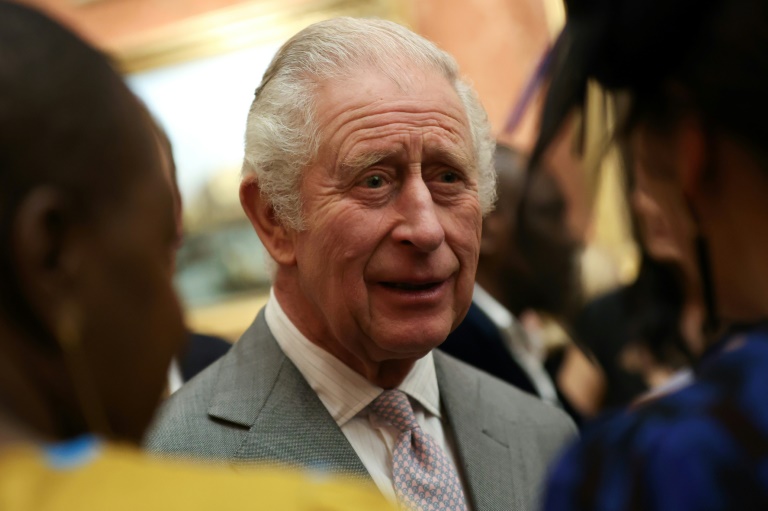
King Charles III next week hosts his first state visit as monarch, welcoming South African President Cyril Ramaphosa and his wife to Buckingham Palace.

The last state visit to the UK came in June 2019, when queen Elizabeth II hosted US president Donald Trump and his wife Melania.

Charles has yet to announce where he will go on his first overseas visit as king, and this was the first invitation he extended since succeeding his late mother in September.

The pomp of the major diplomatic event will be clouded by events in South Africa, where Ramaphosa risks impeachment for allegedly covering up a crime.

Christopher Vandome, a senior research fellow at the Chatham House international affairs institute in London, said “setting the right tone will be crucial”.

He said London — a former colonial power in South Africa — needed to avoid lecturing about Pretoria’s UN voting record on Ukraine while South Africans are still sore about lack of Western support during the Covid crisis.

Climate change, trade and Charles’s vision for the Commonwealth will also likely be high on the agenda, Vandome said.

Ramaphosa was last in London for the state funeral of the queen at Westminster Abbey in September.

His state visit comes more than a decade after the last by a South African leader, when Jacob Zuma came to the UK in 2010.

Ramaphosa arrives on Monday before an official programme starts on Tuesday, including a state banquet at Buckingham Palace.

Charles and Queen Consort Camilla will be in charge of welcoming Ramaphosa and First Lady Tshepo Motsepe but will also see the visiting couple meet other senior royals.

Heir to the throne Prince William and his wife Kate, Princess of Wales, will take him to join Charles and Camilla for a ceremonial military welcome.

Charles’s youngest brother Prince Edward has also been recruited to accompany Ramaphosa to London’s Kew Gardens and a biomedical research centre.

Also on the agenda is an address to lawmakers from both houses of parliament and a meeting with Prime Minister Rishi Sunak in Downing Street.

– Impeachment cloud –

A protege of Nelson Mandela — who was on first name terms with Charles’s mother — Ramaphosa stood alongside the anti-apartheid icon when he walked out of jail in 1990.

In a symbolic moment, the South African leader on Tuesday will view a memorial stone for Mandela, installed in Westminster Abbey in 2018 on the centenary of his birth.

After leaving politics to become one of Africa’s wealthiest businessmen, Ramaphosa returned to become Zuma’s deputy in 2014 and gained the presidency in 2018.

He is now fighting for his political life and facing calls to resign as the deeply divided ruling party African National Congress (ANC) is to hold a vote on its leadership in December.

A scandal in which Ramaphosa is accused of concealing a multi-million dollar cash theft has piled pressure on him.

He denies any wrongdoing.

He faces an accusation that he failed to report a heist at his luxury cattle farmhouse in which robbers took $4 million in cash and instead organised for the robbers to be kidnapped and bribed into silence.

The president has acknowledged a burglary but denies kidnapping and bribery, saying he reported the break-in to the police. 

A panel appointed by South Africa’s parliament is set to determine whether to impeach him.

South Africans are also deeply frustrated by the economic situation, with an official unemployment rate of 33 percent and constant power outages.

Given the problems at home, some South Africans have berated Ramaphosa for jetting off to the UK.

Charles has visited South Africa on a number of occasions and attended Mandela’s funeral in 2013.

It was from South Africa that his mother pledged her life to the service of the Commonwealth in a speech as a 21-year-old princess.

Since becoming king, Charles has met several African leaders, including Nigeria’s President Muhammadu Buhari and Nana Akufo-Addo of Ghana.

Negotiating with Moscow would be capitulation: Ukraine presidency

The West’s attempts to persuade Ukraine to negotiate with Moscow, after a series of major military victories by Kiev, are “bizarre” and amount to asking for its capitulation, a key adviser to the Ukrainian presidency told AFP.

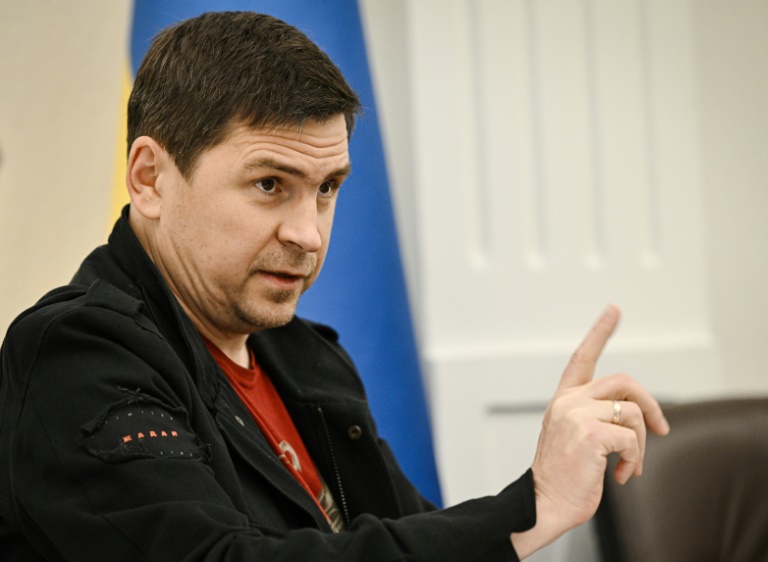
“When you have the initiative on the battlefield, it’s slightly bizarre to receive proposals like: ‘you will not be able to do everything by military means anyway, you need to negotiate,” said Ukrainian President Volodymyr Zelensky’s adviser Mykhaylo Podolyak.

This would mean that the country “that recovers its territories, must capitulate to the country that is losing,” he added, during an interview with AFP at his office in the presidency building in Kyiv.

US media recently reported that some senior officials were beginning to encourage Ukraine to consider talks, which Zelensky has so far rejected without a prior withdrawal of Russian forces from all Ukrainian territory.

“There has to be a mutual recognition that military victory is probably in the true sense of the word maybe not achievable through military means,” top US General Mark Milley said earlier this month, estimating that there is “a window of opportunity for negotiation”.

According to Podolyak, Moscow has not made “any direct proposal” to Kiev for peace talks, preferring to transmit them through intermediaries and even raising the possibility of a ceasefire.

– Negotiating ‘makes no sense’ –

Kiev sees such talk as mere manoeuvring by the Kremlin to win some respite on the ground and prepare a new offensive.

“Russia doesn’t want negotiations. Russia is conducting a communication campaign called ‘negotiations’,” the Ukraine presidential adviser said.

“It will simply stall for time. In the meantime, it will train its mobilised forces, find additional weapons” and fortify its positions,” he warned.

Despite Russia’s heavy military defeats in recent weeks, including Ukraine retaking the key southern city of Kherson, President Vladimir Putin still thinks “he can destroy Ukraine, this is his obsession” and negotiating with him “makes no sense”, Podolyak argued. 

The West cannot pressurise Ukraine into negotiations, he insisted.

“Our partners still think that it is possible to return to the pre-war era when Russia is a reliable partner”. 

Following massive Russian withdrawals from the Kyiv region in March, then from the Kharkiv region in the northeast in September, the liberation of Kherson this month marked a “fundamental” turning point in the conflict, according to Podolyak.

Spurred on by its string of military victories, Ukraine can “afford no pause” in its counter-offensive, despite the arrival of winter cold and snow that make the situation on the ground more difficult. 

“Today, even a little pause just adds to the losses suffered by Ukraine,” said the official.

– Longer range missiles –

Moscow has been shelling the country’s energy infrastructure for weeks, plunging millions of homes into darkness. 

The regions of Zaporizhzhia in southern Ukraine and Lugansk in the east are now the “key directions” for the army, Podolyak said, while refusing to speculate on the possibility of a military operation to retake the Crimean peninsula, which Moscow annexed back in 2014. 

Ukrainian authorities are calling for an increase in Western arms deliveries, which is “very important” in winter,” he added.

British Prime Minister Rishi Sunak used his first visit to Kyiv on Saturday to offer a major new air defence package, including 125 anti-aircraft guns.

“We still need 150 to 200 tanks, about 300 armoured vehicles,” a hundred artillery systems, 50-70 multiple rocket launcher systems, including the formidable American HIMARS, of which Ukraine already has several units, as well as “10 to 15 anti-aircraft defence systems to close the sky,” said Podolyak. 

He also cited US ATACMS missiles, which have a range of 300 kilometres (185 miles). The range of the weapons currently available to Ukraine barely exceeds 80 kilometres. 

For Podolyak, such missiles would “bring the end of the war closer” by allowing Ukraine to “destroy large Russian military depots” located deep in occupied areas which are currently inaccessible.

Kyiv “doesn’t need” to attack military targets inside Russia, the adviser said. 

“The war will end when we regain control of our borders and when Russia is afraid of Ukraine.” 

UN climate summit adopts 'loss and damage' fund

The UN’s COP27 climate summit approved on Sunday the creation of a special fund to cover the damages suffered by vulnerable nations battered by the impacts of global warming.

The two-week talks have whiplashed between fears the process could collapse, to hopes of a major breakthrough on a fund for climate “loss and damage”.

Delegates applauded after the fund was adopted in the middle of the night following days of marathon negotiations over the proposal.

Collins Nzovu, Zambia’s minister of green economy and environment, said he was “excited. Very, very excited.”

“This is a very positive result from 1.3 billion Africans,” he told AFP.

“Very exciting because for us, success in Egypt was going to be based on what we get from loss and damage.”

The plenary, however, still has to approve a range of decisions and the final COP27 statement covering a host of other contentious issues, including a call for a “rapid” reduction in emissions in order to meet the aspirational goal of limiting global warming to 1.5 degrees Celsius from pre-industrial levels.

The session took a break as Switzerland requested more time to review the text.

An informal coalition of “high ambition” countries called for strong language on cutting emissions, moving away from planet-heating fossil fuels and to reaffirm the 1.5C goal.

The European Union even threatened Saturday to walk out rather than having a “bad” decision.

An adviser to Papua New Guinea, Kevin Conrad, said late Saturday that the “usual suspects” were attempting to remove all reference to fossil fuels. In the past, Saudi Arabia in particular has sought to block such language.

The latest draft calls for “accelerating efforts towards the phasedown of unabated coal power and phase-out of inefficient fossil fuel subsidies”.

– ‘Historic’ deal –

Conversely the deal on loss and damage — which barely made it onto the negotiation agenda — gathered critical momentum during the talks.

Developing nations relentlessly pushed for the fund during the summit, finally succeeding in getting the backing of wealthy polluters long fearful of open-ended liability.

With around 1.2C of warming so far, the world has seen a cascade of climate-driven extremes in recent months, shining a spotlight on the plight of developing countries faced with escalating disasters, as well as an energy and food price crisis and ballooning debt. 

The World Bank estimated that devastating floods in Pakistan this year caused $30 billion in damage and economic loss. 

Pakistan’s Climate Minister Sherry Rehman said prior to the fund’s approval that its creation would be “a historic reminder to vulnerable people all over the world that they have a voice and that if they unite… we can actually start breaking down barriers that we thought were impossible”.

The fund will be geared towards developing nations “that are particularly vulnerable to the adverse effects of climate change” — language that had been requested by the EU.

The EU demanded the wording with the aim of ensuring that wealthier developing countries such as China, which has grown into the world’s second biggest economy, are not beneficiaries of the fund.

The Europeans had also wanted a broad funder base to cough up cash — code for China and other better-off emerging countries. 

The final decision text left many of the thornier questions to be dealt with by a transitional committee, which will report to next year’s climate meeting in Dubai to get the funding operational.

– ‘Keep 1.5C alive’ –

Now attention turns on whether the summit will agree on the final statement.

Scientists say limiting warming to 1.5C is a far safer guardrail against catastrophic climate impacts, with the world currently far off track and heading for around 2.5C under current commitments and plans.

Earlier, Colombian Environment Minister Susana Muhamad said to be “viable” the climate talks would need both a loss and damage fund and a commitment to 1.5C.  

European Commission Vice President Frans Timmermans warned that if not enough was done to slash emissions and keep 1.5C alive, “there is no amount of money on this planet that will be able to address the misery that will occur through natural disasters, etc. that we’re already seeing”.

Frustrated foodies gobble up South Korean grocery unicorn

When Sophie Kim moved home to South Korea after 15 years in the United States, she couldn’t find anywhere to buy kale for her green juice. So she found a farmer, then built an app to help others seek out top-quality produce.

The next-day grocery delivery service Market Kurly that 38-year-old Kim founded is now one of South Korea’s most important startup unicorns, last valued at $3 billion and set for an initial public offering by February.

Kim, a self-professed “foodie”, came up with the idea after she got tired of endlessly going from shop to shop to find the high-quality groceries she wanted in Seoul’s supermarkets.

But she knew the products were out there and began driving to South Korea’s agricultural heartlands to find them, for example visiting the famous meat market in Majang-dong to procure half a cow’s worth of beef, which she would then split with her co-workers.

“While I was trying to figure out why it was so difficult to have access to great quality, fresh food in Korea, I got to know some farmers and fishermen, and they had exactly the same issue of not being able to find customers,” she told AFP.

Korean farmers “are proud of the fact that they can produce such nice quality products, but it is extremely difficult for them to get to the consumer”, she said.

At first, Kim said she thought about setting up a farmers market, before abandoning the idea as too unwieldy and — more importantly — unhelpful for producers, who don’t have the time to travel to Seoul.

– Lightbulb moment –

It was a lightbulb moment when Kim realised “if we can make this work for both consumers and producers, it would probably be a breakthrough for the entire industry”.

Kurly customers — initially urban working women but now a diverse cross section of society — can order rare beef, hand-made bread, or pick one of more than a dozen varieties of local, hard-to-find apples by 11pm and be guaranteed delivery by 7am the next morning.

As with companies from Amazon to Uber Eats, the rapid-fast shipments rely largely on gig economy drivers, and Kurly has not been immune to the global industry-wide complaints of overwork and poor conditions.

But consumer convenience has proved key to the app’s success — even though Kim says she’s most proud of how the complex data-driven logistics network she’s built supports South Korea’s beleaguered farmers.

Kim launched Market Kurly with 30 products, including her beloved kale, which was supplied by farmer Hwang Han-soo, who has been growing organic vegetables for 30 years at his farm in Gyeonggi province.

Hwang told AFP that his kale was originally popular only with cancer patients for its perceived health benefits. He sold so little of it he considered switching crops, but the pleas of one of his terminally-ill customers in Busan convinced him to keep going.

Farming is tough in South Korea, Hwang said, owing to thin profit margins and a reliance on hard-to-find overseas workers amid dwindling interest in the industry from young South Koreans.

But working with Kurly has helped.

“In the early days of Kurly, we sold around 20 to 30 bags each day (but now) our average daily sales is around 800 bags” of kale, he said.

Part of the growth can be attributed to changing consumer trends, with kale now popular with young women who see it as a trendy health food, Hwang said, but Kurly’s next-day cold-chain logistics network also plays a key role.

– Social costs –

“It takes less than a day to go from harvesting to the consumer’s doorstep,” he said, adding that before Kurly came along it would take two or three days for his kale to make it to stores.

Next-day delivery services are “very helpful because it is a system that goes directly from the farm to the consumers”, while Kurly also handled all the promotion and marketing, he said.

“I can focus on farming,” he added.

Hwang also said reading reviews of his products on Kurly’s app allowed him to feel more connected to the people who eat what he grows.

South Korea’s next-day delivery apps including Kurly and rival Coupang Fresh have been criticised for the strain they put on delivery drivers, with local media reporting on occasional deaths from extreme overwork, as workers make scores of deliveries each night.

The rise of such services has also sucked gig workers from other crucial sectors including city taxis, where the supply crunch is so severe that the Seoul government recently hiked basic fares in a bid to entice more drivers to provide late-night services.

It is important for South Korea’s unicorns like Market Kurly to take into account the social costs of their business models, said Minister for Small and Medium Enterprises and Start-ups Lee Young.

“It’s very possible for these platform companies to contribute to society,” she said.

“Market Kurly is a very good example because it has created a very innovative idea and they have gone through multiple struggles until they achieved current success.”

Joy at 'historic' climate damages deal

Vulnerable nations least responsible for planet-heating emissions have been battling for three decades for wealthy polluters to cough up the cash for climate damages.

Their final push took barely two weeks.

The “loss and damage” inflicted by climate-induced disasters was not even officially up for discussion when UN talks in Egypt began.

But a concerted effort among developing countries to make it the defining issue of the conference melted the resistance of wealthy polluters long fearful of open-ended liability, and gathered unstoppable momentum as the talks progressed.

In the end a decision to create a loss and damage fund was the first item confirmed on Sunday morning after fraught negotiations went overnight with nations clashing over a range of issues around curbing planet-heating emissions.

“At the beginning of these talks loss and damage was not even on the agenda and now we are making history,” said Mohamed Adow, executive director of Power Shift Africa.  

“It just shows that this UN process can achieve results, and that the world can recognise the plight of the vulnerable must not be treated as a political football.”

Loss and damage covers a broad sweep of climate impacts, from bridges and homes washed away in flash flooding, to the threatened disappearance of cultures and whole island nations to the creeping rise of sea levels.

Observers say that the failure of rich polluters both to curb emissions and to meet their promise of funding to help countries boost climate resilience means that losses and damages are inevitably growing as the planet warms.

Event attribution science now makes it possible to measure how much global warming increases the likelihood or intensity of an individual cyclone, heat wave, drought or heavy rain event.

This year, an onslaught of climate-induced disasters — from catastrophic floods in Pakistan to severe drought threatening famine in Somalia — battered countries already struggling with the economic effects of the Covid-19 pandemic and soaring food and energy costs. 

“Everyone also now realises that things have gone way beyond our control,” said Harjeet Singh, head of global political strategy at Climate Action Network International.

– Who pays? –

The agreement was a high-wire balancing act, over seemingly unbridgeable differences. 

On the one hand the G77 and China bloc of 134 developing countries called for the immediate creation of a fund at COP27, with operational details to be agreed later.

Richer nations like the United States and European Union accepted that countries in the crosshairs of climate-driven disasters need money, but favoured a “mosaic” of funding arrangements.

They also wanted money to be focused on the most climate-vulnerable countries and for there to be a broader set of donors.

That is code for countries including China and Saudi Arabia that have become wealthier since they were listed as developing nations in 1992.

After last minute tussles over wording, the final loss and damage document decided to create a fund, as part of a broad array of funding arrangements for developing countries “that are particularly vulnerable to the adverse effects of climate change”.

Other key points of contention were left ambiguous, or put into the remit of a new transitional committee that will be tasked with coming up with a plan for making the decisions a reality for the 2023 UN climate summit in Dubai. 

A reference to expanding sources of funding, “is vague enough to pass”, said Ines Benomar, researcher at think tank E3G.

But she said debates about whether China — the world’s biggest emitter — among others should maintain its status as “developing” was likely to reemerge next year. 

“The discussion is postponed, but now there is more attention to it,” she said. 

For his part, China’s envoy Xie Zhenhua told reporters Saturday that the fund should be for all developing countries. 

However, he added: “I hope that it could be provided to the fragile countries first.”

– ‘Empty bucket’ –

Singh said other innovative sources of finance — like levies on fossil fuel extraction or air passengers — could raise “hundreds of billions of dollars”. 

Pledges for loss and damage so far are miniscule in comparison to the scale of the damages. 

They include $50 million from Austria, $13 million from Denmark and $8 million from Scotland. 

Some $200 million has also been pledged — mainly from Germany — to the “Global Shield” project, launched by G7 economies and climate vulnerable nations.   

The World Bank has estimated the Pakistan floods alone caused $30 billion in damages and economic loss.

Depending on how deeply the world slashes carbon pollution, loss and damage from climate change could cost developing countries $290 to 580 billion a year by 2030, reaching $1 trillion to 1.8 trillion in 2050, according to 2018 research.

Adow said that a loss and damage fund was just the first step.  

“What we have is an empty bucket,” he said. 

“Now we need to fill it so that support can flow to the most impacted people who are suffering right now at the hands of the climate crisis.”

Twitter turmoil, staff exodus aggravate security concerns

Twitter’s owner Elon Musk has pledged the platform will not become a “hellscape,” but experts fear a staff exodus following mass layoffs may have devastated its ability to combat misinformation, impersonation and data theft.

Twitter devolved into what campaigners described as a cesspit of falsehoods and hate speech after recent layoffs cut half the company’s 7,500 staff and fake accounts proliferated following its botched rollout of a paid verification system.

Further throwing the influential platform into disarray -– and raising doubt about its very existence -– reports said hundreds of employees chose to depart the company Thursday in defiance of an ultimatum from Musk.

“The huge number of layoffs and resignations raises serious questions about content moderation and the security of user data,” Cheyenne Hunt-Majer, from the nonprofit Public Citizen, told AFP. 

“It is imperative that (US regulators) act with urgency as users could have their sensitive data exploited or even stolen given the lack of sufficient staff that remain to adequately protect it.”

The hashtag #RIPTwitter gained huge traction on the site after resignations poured in from employees who chose “no” to Musk’s demand that they either be “extremely hardcore” or exit the company.

Twitter has plunged into turmoil as Musk, a self-professed free speech absolutist, seeks to shake up the money-losing company after his blockbuster $44 billion buyout late last month.

– ‘Debacle’ –

The site’s content moderation teams -– largely outsourced contractors that combat misinformation –- have been axed and a number of engineers fired after openly criticizing Musk on Twitter or on an internal messaging board, according to reports and tweets.

Wary brands have paused or slowed down ad spending -– Twitter’s biggest revenue source -– after a spike in racist and antisemitic trolling on the platform.

“Misinformation super spreaders” –- or untrustworthy accounts peddling falsehoods — saw a 57 percent jump in engagement in the week after Musk’s acquisition of Twitter, according to a survey by the nonprofit watchdog group NewsGuard.

“Elon Musk has swiftly decimated Twitter’s ability to maintain the platform’s integrity, health and safety,” said Jessica Gonzalez, co-chief executive officer at the nonpartisan group Free Press.

“If there is one lesson that all social-media platforms must take away from this debacle, it’s that without protecting users from hate and lies you have no company at all.”

In a response to critics, Musk on Friday indicated a new direction for content moderation on the site.

While not being totally removed from the site, Musk said that “negative/hate tweets” will be “max deboosted (and) demonetized, so no ads or other revenue to Twitter.”

“You won’t find the tweet unless you specifically seek it out, which is no different from rest of Internet,” he added.

But his plan fell on skeptical ears.

– ‘Significant blow’ –

“We could certainly see a spike in misinformation, hate speech, and other objectionable content because of Musk’s latest moves,” Zeve Sanderson, executive director of the New York University’s Center for Social Media and Politics, told AFP.

“Content moderation is a lot harder to do without people around to actually do content moderation.”

Potentially adding to the pressure: Musk on Saturday restored the Twitter account of Donald Trump, 22 months after the then-president was suspended over the US Capitol riot by his supporters seeking to overturn the 2020 election result.

In a letter to the Federal Trade Commission, a regulatory agency, a group of Democratic senators blamed Musk for introducing “alarming” new features that undermined safety despite warnings that they would be “abused for fraud, scams and dangerous impersonation.”

“Users are already facing the serious repercussions of this growth-at-all-costs strategy,” they wrote in the letter published Thursday, noting the recent spike in fake accounts impersonating companies, politicians and celebrities.

Among the victims was drugmaker Eli Lilly, whose stock price nosedived — erasing billions in market capitalization — after a parody account stamped with a verification tag purchased for $8 tweeted that insulin was being made available for free.

Last week, Twitter disabled sign-ups for the contentious feature known as Twitter Blue, with reports saying it had been temporarily disabled to help address impersonation issues — but not before several brands took a hit.

Given the apparent vulnerabilities, digital experts have warned activists, particularly in autocratic countries, of the increased risk of identity theft or their private messages falling into the hands of hackers. 

“Around the world, Twitter is used to organize against oppression,” said Hunt-Majer.

“If Musk’s mismanagement kills it, that would be a significant blow to freedom of information and, frankly, human rights in general on a global scale.”

Close Bitnami banner
Bitnami