World

US sports stars named in lawsuit over FTX's deceptive practices

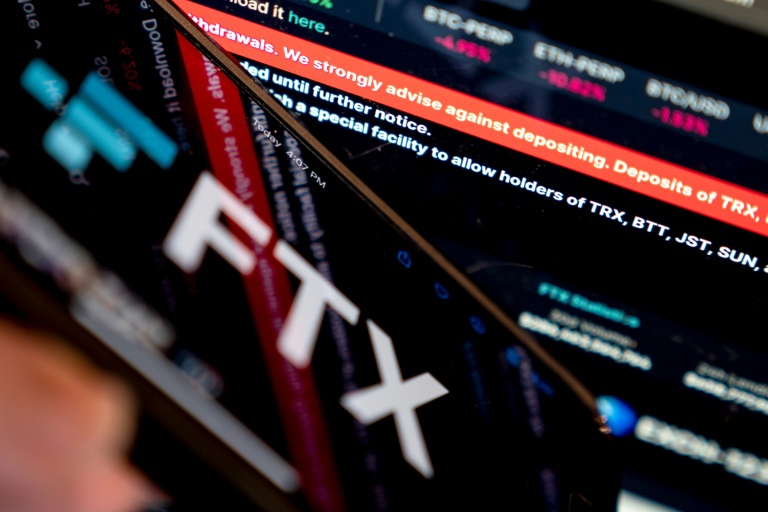
High-profile US sports stars and personalities have been named in a lawsuit over deceptive practices targeting investors who became victims of the stunning collapse of cryptocurrency exchange FTX.

The celebrities helped promote the exchange, which declared bankruptcy in the United States last week in a meltdown that has reverberated across the digital currency landscape and drawn scrutiny from authorities in multiple countries.

Treasury Secretary Janet Yellen on Wednesday was the latest official to call for more oversight of the crypto industry.

American football star Tom Brady and his supermodel ex-wife Gisele Bundchen, retired basketball great Shaquille O’Neal, tennis Grand Slam champion Naomi Osaka, actor/comedian Larry David, and Shark Tank investor Kevin O’Leary were among those named alongside FTX founder Sam Bankman-Fried in the suit filed in Miami federal court on Tuesday.

Investor Edwin Garrison, of Oklahoma, filed the suit in a Miami court on behalf of other investors, seeking to recover damages from losses suffered in the FTX implosion, accusing the company of “misrepresentations and omissions.”

“FTX’s fraudulent scheme was designed to take advantage of unsophisticated investors from across the country,” the lawsuit alleges.

“Some of the biggest names in sports and entertainment have either invested in FTX or been brand ambassadors for the company” and hyped the exchange in ads and on social media, the document said.

David appeared in a television commercial during this year’s American football Super Bowl championship game, a coveted and costly promotional spot.

The exchange “needed celebrities … to continue funneling investors into the FTX Ponzi scheme, and to promote and substantially assist in the sale” of the accounts “which are unregistered securities,” the court documents said.

– ‘Regulatory gaps’ –

The turmoil at FTX, which until recently had been valued at $32 billion, came after Binance, the world’s biggest cryptocurrency platform, backed out of a buyout deal amid reports about mismanagement of client funds and potential investigations by regulators.

“The recent failure of a major cryptocurrency exchange and the unfortunate impact that has resulted for holders and investors of crypto assets demonstrate the need for more effective oversight of cryptocurrency markets,” Treasury’s Yellen said in a statement.

US agencies have highlighted the risks involved in the crypto industry, which could eventually spill over into the traditional financial system, and she called on Congress “to move quickly to fill the regulatory gaps the Biden Administration has identified.”

Meanwhile, the House Financial Services Committee earlier Wednesday announced it would hold a hearing next month to investigate the company’s collapse.

“The fall of FTX has posed tremendous harm to over one million users, many of whom were everyday people who invested their hard-earned savings into the FTX cryptocurrency exchange, only to watch it all disappear within a matter of seconds,” committee Chair Maxine Waters said in a statement.

“Unfortunately, this event is just one out of many examples of cryptocurrency platforms that have collapsed just this past year.”

The lawsuit alleges the company used money from new investors to “pay interest to the old ones and to attempt to maintain the appearance of liquidity.”

The collapse came amid rising doubts over the financial stability of FTX. Attention had focused on the relationship between the exchange and Alameda Research, a trading house also owned by Bankman-Fried, and reports he shifted funds out of the exchange, even as he tried to fill a $7 billion gap.

It was a spectacular reversal of fortune for the founder and one-time cryptocurrency wunderkind Bankman-Fried.

The disgraced executive apologized on Twitter and resigned, but after the company filed for bankruptcy it said it was the victim of “unauthorized transactions.”
'Hardcore' or bust: Musk gives ultimatum to Twitter staff

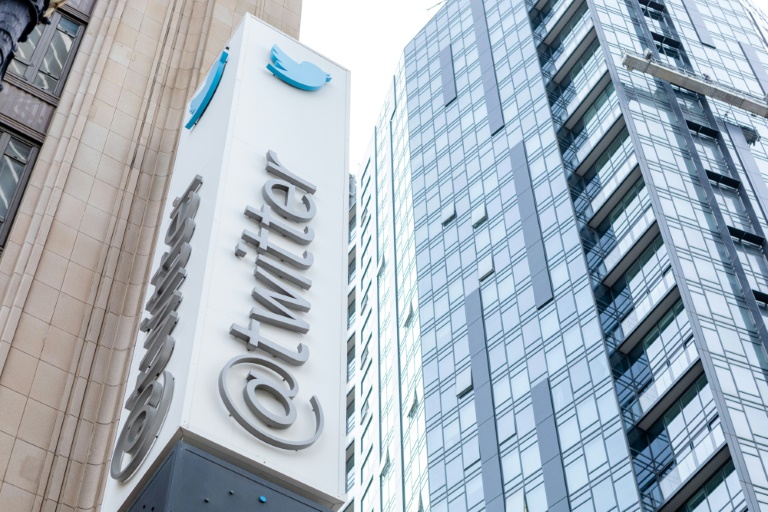
Twitter’s new boss Elon Musk has asked staff to choose by Thursday between being “extremely hardcore” and working intense, long hours, or losing their jobs, according to an internal memo seen by AFP.

The Tesla tycoon has come under fire for radical changes at the social media company, which he bought for $44 billion late last month.

He has fired half of the company’s 7,500 staff, scrapped a work-from-home policy, and imposed long hours, all while his attempts to overhaul Twitter have faced chaos and delays.

“Going forward, to build a breakthrough Twitter 2.0 and succeed in an increasingly competitive world, we will need to be extremely hardcore,” Musk wrote in the internal memo. 

“This will mean working long hours at high intensity. Only exceptional performance will constitute a passing grade,” he added.

Staff have been asked to follow a link to affirm their commitment to “the new Twitter” by 5:00 pm New York time (2200 GMT) on Thursday.

If they do not do so, they will lose their jobs, receiving three months of severance pay.

Twitter did not respond to AFP requests for comment on the new measure.

Since Musk took over Twitter, his stumbling attempts to revamp user verification with a controversial subscription service have led to a slew of fake accounts and pranks, and prompted major advertisers to step away from the platform.

On Tuesday, Musk postponed the relaunch of Twitter’s paid subscription service, Blue Verified.

Musk wants users to pay $8 for the coveted blue tick, which has until now been granted free to verified accounts, lending authority to public figures and media using Twitter. 

However, the system was suspended as accounts impersonating others — including Musk — proliferated.

The relaunch is now set for November 29.

-‘Somebody else’ –

Musk on Wednesday said his overhaul of the company’s “organization structure” would be done this week.

After “an initial burst of activity” to reorganize the company, “I expect to reduce my time at Twitter and find somebody else to run Twitter over time,” he said.

Musk was speaking in a court hearing linked to his $50 billion pay package at Tesla, the electric car giant.

A shareholder has accused the South African multi-billionaire of being a part-time CEO for Tesla, saying that the board of directors did not sufficiently scrutinize the compensation.

Musk has warned Twitter’s employees that the company risks bankruptcy if it is not quickly fixed.

In recent days, Musk has carried out more firings, sacking one engineer in a tweet after he openly criticized decisions under the new leadership.

“I would like to apologize for firing these geniuses. Their immense talent will no doubt be of great use elsewhere,” Musk tweeted.

'Hardcore' or bust: Musk gives ultimatum to Twitter staff

Twitter’s new boss Elon Musk has asked staff to choose by Thursday between being “extremely hardcore” and working intense, long hours, or losing their jobs, according to an internal memo seen by AFP.

The Tesla tycoon has come under fire for radical changes at the social media company, which he bought for $44 billion late last month.

He has fired half of the company’s 7,500 staff, scrapped a work-from-home policy, and imposed long hours, all while his attempts to overhaul Twitter have faced chaos and delays.

“Going forward, to build a breakthrough Twitter 2.0 and succeed in an increasingly competitive world, we will need to be extremely hardcore,” Musk wrote in the internal memo. 

“This will mean working long hours at high intensity. Only exceptional performance will constitute a passing grade,” he added.

Staff have been asked to follow a link to affirm their commitment to “the new Twitter” by 5:00 pm New York time (2200 GMT) on Thursday.

If they do not do so, they will lose their jobs, receiving three months of severance pay.

Twitter did not respond to AFP requests for comment on the new measure.

Since Musk took over Twitter, his stumbling attempts to revamp user verification with a controversial subscription service have led to a slew of fake accounts and pranks, and prompted major advertisers to step away from the platform.

On Tuesday, Musk postponed the relaunch of Twitter’s paid subscription service, Blue Verified.

Musk wants users to pay $8 for the coveted blue tick, which has until now been granted free to verified accounts, lending authority to public figures and media using Twitter. 

However, the system was suspended as accounts impersonating others — including Musk — proliferated.

The relaunch is now set for November 29.

-‘Somebody else’ –

Musk on Wednesday said his overhaul of the company’s “organization structure” would be done this week.

After “an initial burst of activity” to reorganize the company, “I expect to reduce my time at Twitter and find somebody else to run Twitter over time,” he said.

Musk was speaking in a court hearing linked to his $50 billion pay package at Tesla, the electric car giant.

A shareholder has accused the South African multi-billionaire of being a part-time CEO for Tesla, saying that the board of directors did not sufficiently scrutinize the compensation.

Musk has warned Twitter’s employees that the company risks bankruptcy if it is not quickly fixed.

In recent days, Musk has carried out more firings, sacking one engineer in a tweet after he openly criticized decisions under the new leadership.

“I would like to apologize for firing these geniuses. Their immense talent will no doubt be of great use elsewhere,” Musk tweeted.

Iran protests enter third month with deadly clashes

Iran issued a series of death sentences as women-led protests over Mahsa Amini’s death in custody entered a third month Wednesday, with clashes reportedly claiming at least seven lives in two days.

That toll did not include six people authorities said were killed by gunmen who attacked protesters and police later Wednesday in the southwestern province of Khuzestan. 

Street violence raged across Iran as protests sparked by the September 16 death of Amini intensified on the anniversary of a lethal 2019 crackdown.

Amini, a 22-year-old Iranian woman of Kurdish origin, died in the custody of the notorious morality police after her arrest for an alleged breach of Iran’s strict dress code for women.

“We’ll fight! We’ll die! We’ll take back Iran!” a crowd of protesters could be heard chanting on a Tehran street, in a video published by the 1500tasvir social media monitor.

In a widely shared video verified by AFP, security forces appear to open fire on dozens of commuters at a Tehran metro station, causing them to scramble and fall over each other on the platform.

Another verified video showed members of the security forces, including plainclothes officers, attacking women without hijab headscarves on an underground train.

Organisers of the protests have called for three days of actions to commemorate hundreds killed in the “Bloody Aban” — or Bloody November — demonstrations that erupted on November 15, 2019, after a shock decision to hike fuel prices.

The anniversary gave new momentum to the Amini protests, which have seen women burn their headscarves and confront security forces on the streets.

– ‘Guards killed’ –

State media said “rioters” — a term Iranian officials use to describe protesters — killed two members of the Revolutionary Guards and a member of its Basij paramilitary force on Tuesday.

One guard was shot dead in Bukan, a city in Amini’s home province of Kurdistan, and another was gunned down in Kamyaran, a Kurdish-majority city in West Azerbaijan province, the official IRNA news agency reported.

The Basij member died after being hit by a Molotov cocktail in the southern city of Shiraz, it added.

A protester was killed on Wednesday in front of the house of one of three demonstrators shot dead the day before by the security forces in Kurdistan province, Oslo-based rights group Hengaw said.

The death of Burhan Karmi occurred in Kamyaran, where tensions were high for the funeral of mobile phone repair shop owner Fuad Mohammadi, the rights group said.

“Brother Fuad is a hero, the martyr of Kurdistan,” crowds of mourners chanted, in videos posted on social media.

Special forces also opened fire on students Wednesday after entering Kurdistan University in the flashpoint western city of Sanandaj, Hengaw said.

Security forces have killed at least 342 people, including 43 children and 26 women, in the crackdown since Amini’s death, according to the latest toll released by Iran Human Rights (IHR) on Wednesday.

The rights group also said at least 15,000 people have been arrested — a figure the Iranian authorities deny.

Later on Wednesday, “armed and terrorist elements” on two motorcycles opened fire on protesters and security forces at a central market in the city of Izeh in Khuzestan, IRNA said. It said five people were killed and at least 10 wounded, adding later another victim had died in hospital.

Valiollah Hayati, the deputy governor of Khuzestan, said the fatalities included three men, a woman and a girl, while some of the wounded were in serious condition.

There was no immediate claim of responsibility for the attack. IRNA reported three people tied to the “incidents and riots” in Izeh had been arrested. 

On October 26, at least 13 people were killed in an armed attack claimed by the Islamic State group on the Shah Cheragh mausoleum in Shiraz.

– ‘Kidnap or kill plots’ –

The judiciary said Wednesday that a revolutionary court handed down three more death sentences over the “riots”.

One was convicted of attacking police with his car, killing one, the second had stabbed a security officer and the third tried to block traffic and spread “terror”, its website said.

Another death sentence had been issued Tuesday, after a court on Sunday handed down the first death sentence in connection with the protests.

IHR director Mahmood Amiry-Moghaddam strongly condemned the death sentences, alleging that torture was used to extract confessions and warning of the possibility of mass executions.

Iran accuses Western nations that host Persian-language media, including Britain, of fomenting the unrest.

Britain’s domestic spy agency MI5 said Wednesday that Iran wanted to kidnap or kill UK-based individuals it deems “enemies of the regime”, with at least 10 plots uncovered so far this year.

Republicans take control of US House, Congress split: projections

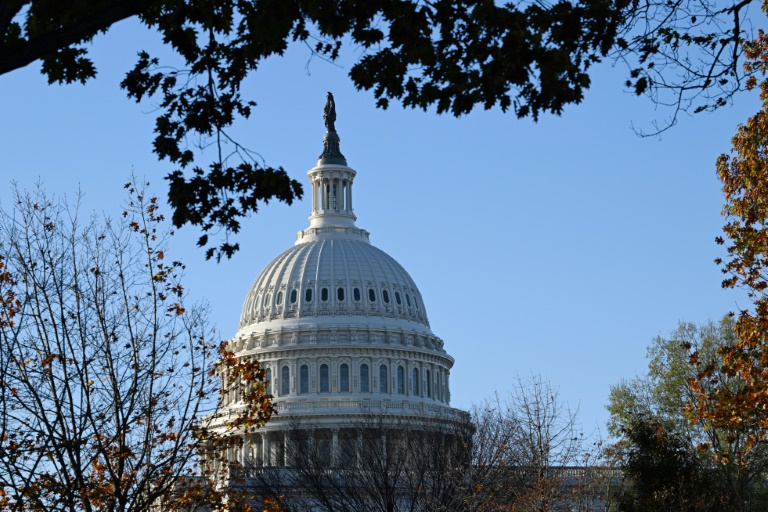
Republicans on Wednesday took control of the US House of Representatives from Democrats, networks said, narrowly securing a legislative base to oppose President Joe Biden’s agenda for the final two years of his term –- and leaving power in Congress split.

The slim Republican majority in the lower house of the US legislature will be far smaller than the party had been banking on, and Republicans also failed to take control of the Senate in a historically weak performance in the November 8 midterm elections.

NBC and CNN projected the victory for Republicans with at least 218 seats in the 435-member House of Representatives — the magic number needed to take control. This came a week after millions of Americans went to the polls for the midterms, which typically deliver a rejection of the party in the White House.

Biden congratulated top House Republican Kevin McCarthy “on Republicans winning the House majority” and added that he was “ready to work with House Republicans to deliver results for working families.”

Last week’s vote, he said, was “a strong rejection of election deniers, political violence and intimidation” and demonstrated “the strength and resilience of American democracy.”

Tweeting soon after the projection was called, McCarthy said that “Americans are ready for a new direction, and House Republicans are ready to deliver.”

The news came one day after former president Donald Trump — who loomed large during the election cycle, and whose endorsement appears to have doomed some of his party’s candidates — announced a new run for the White House.

With inflation surging and Biden’s popularity ratings cratering, Republicans had hoped to see a “red wave” wash over America, giving them control of both houses and hence an effective block over most of Biden’s legislative plans.

But instead, Democratic voters — galvanized by the Supreme Court’s overturning of abortion rights and wary of Trump-endorsed candidates who openly rejected the result of the 2020 presidential election — turned out in force. 

And Republicans lost ground with candidates rejected by moderate voters as too extreme.

– ‘Officially flipped’ –

Biden’s party flipped a key Senate seat in Pennsylvania and held onto two more in battleground states Arizona and Nevada, giving them an unassailable majority in the upper chamber with 50 seats plus Vice President Kamala Harris’ tie-breaking vote.

A Senate runoff election in Georgia set for next month could see the Democrats ultimately improve their majority in the upper house.

The Senate oversees the confirmation of federal judges and cabinet members, and having the 100-seat body in his corner will be a major boon for Biden.

Meanwhile on Tuesday McCarthy won his party’s leadership vote by secret ballot, putting him in prime position to be the next speaker, replacing Democrat Nancy Pelosi.

The 57-year-old congressman from California, a senior member of House Republican leadership since 2014, fended off a challenge from Andy Biggs, a member of the influential far-right Freedom Caucus.

But potential far-right defections could yet complicate his path when the full chamber votes in January.

McCarthy now begins what is expected to be a grueling campaign to win the consequential floor vote on January 3, when the House of Representatives’ 435 newly elected members — Democrats and Republicans — choose their speaker, the third most important US political position after president and vice president.

UK budget set to deliver more economic pain

Britain is set Thursday to unveil hefty tax rises and spending cuts at the risk of worsening a cost-of-living crisis for millions in the recession-bound economy.

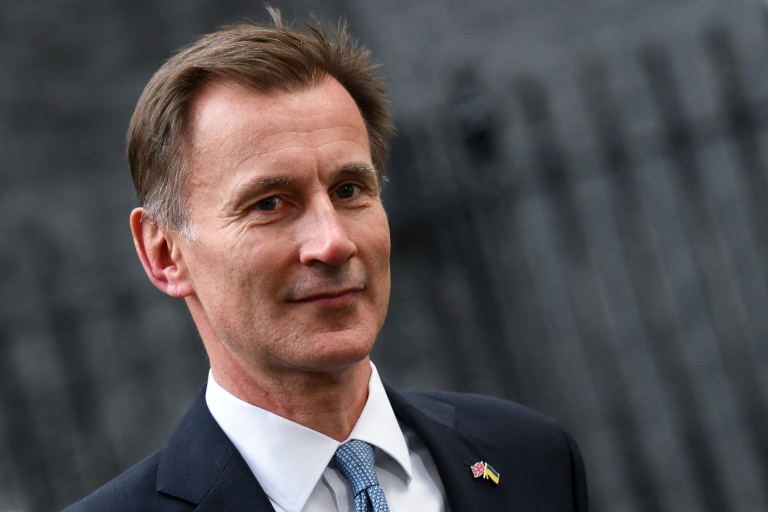
A day after official data showed UK inflation rocketing to a 41-year high above 11 percent, finance minister Jeremy Hunt will trigger a fresh era of austerity after the calamitous and short-lived tenure of prime minister Liz Truss.

The chancellor of the exchequer will insist his strategy “protects our long-term economic growth” while being “compassionate” towards the most vulnerable.

“We aren’t immune to these global headwinds, but with this plan for stability, growth and public services, we will face into the storm,” he is expected to tell parliament, according to the Treasury.

Hunt and Prime Minister Rishi Sunak insist tough action is needed after Truss unleashed a package of unfunded tax cuts that caused panic on financial markets.

– Scrooge –

“Tackling inflation is my absolute priority and that guides the difficult decisions on tax and spending we will make on Thursday,” Hunt said, as Britain’s Press Association quoted the Treasury as saying the package would be worth £54 billion ($64 billion).

Hunt at the weekend likened himself to the penny-pinching miser Ebenezer Scrooge in Charles Dickens’ festive favourite “A Christmas Carol”, but argued that his plan will “make sure Christmas is never cancelled”.

It comes as UK workers across various sectors have gone on strike this year to demand pay rises to compensate for surging inflation.

State-employed nurses and firefighters could be the latest groups to carry out industrial action, joining further walkouts this winter by rail workers and postal staff.

Bank of England governor Andrew Bailey on Wednesday told MPs he would not take a pay rise this year.

“I would politely decline as I have done before,” said the central bank boss, who earns around £575,000 per year.

The BoE says that Britain is probably already in recession after its economy shrank in the third quarter and is set to do so again in the final three months of the year.

The bank, which is raising interest rates to combat sky-high inflation, has warned the UK economy may experience a record-long recession until mid-2024.

Alongside the tax and spend plans, the government will Thursday update its forecasts for UK growth and inflation, which are expected to underline the dismal outlook ahead.

– Brexit slowdown –

Hunt has already set about reversing Truss’s much-criticised budget by curtailing a freeze in domestic fuel bills, which have surged largely owing to the invasion of Ukraine by major energy producer Russia. 

Helping to stabilise markets, he also reversed her plan to cut tax on company profits. 

Reports suggest the chancellor will go further Thursday by freezing income tax-rate thresholds, meaning more people are dragged into higher brackets.

Hunt has hinted at raising municipal taxes and cutting budgets across government departments.

To help the poorest with rocketing energy bills, the government is expected to ramp up a windfall tax on oil and gas giants, whose profits have surged on fallout from the Ukraine war.

Hunt is also said to be preparing a windfall tax on firms generating electricity, whose earnings have also soared this year. 

The Ukraine war has massively contributed to worldwide inflation hitting the highest levels in decades. Prices are also up on pandemic-fuelled supply constraints.

Britain’s economy is additionally being impacted by Brexit, Bailey and fellow BoE rate-setter Swati Dhingra said Wednesday.

“It’s undeniable now that we’re seeing a much bigger slowdown in trade in the UK compared to the rest of the world,” Dhingra told the Treasury committee of the House of Commons.

European equities slip on Ukraine fears, US markets slump

Global markets slid Wednesday with investors in Europe spooked by a deadly missile blast in Poland, while US markets fretted over a major retailer’s warnings about a weak holiday season.

London slid 0.3 percent, weighed down by news UK inflation spiked to a 41-year peak in October amid rocketing energy bills and food prices.

Frankfurt fell 1.0 percent and Paris stocks sank 0.5 percent after Asia closed mostly in the red.

US stocks closed lower as well, with the broad-based S&P 500 shedding 0.8 percent.

The dollar rose against the yen, but slid against the euro and pound.

“Reports of missile strikes in Poland on Tuesday naturally caused a shudder in the markets,” said Craig Erlam, senior market analyst at trading platform OANDA.

“The prospect of a sudden and unexpected escalation in the war in Ukraine, particularly involving a NATO state, doesn’t bear thinking about but we were almost forced to,” he added.

Two people were killed on Tuesday when at least one missile hit a village in NATO member Poland near the Ukrainian border during a mass Russian bombardment.

While there were fears the incident could mark a fresh conflict escalation, Poland has since announced that the projectile likely originated from Ukraine’s own air defenses — a theory endorsed by Washington and helping to calm market jitters.

– ‘Reeling’ –

In Britain, official data showed UK inflation surged in October to 11.1 percent, the highest level since 1981 in a worsening cost-of-living crisis.

The grim news came on the eve of a gloomy UK government budget likely to ramp up taxes and slash spending.

“The UK is reeling from yet another super-hot inflation reading as soaring food and energy prices take their toll on household budgets,” said Hargreaves Lansdown analyst Susannah Streeter.

Russia’s invasion of Ukraine this year has sent food and energy prices soaring worldwide, adding to earlier pandemic-fueled supply constraints.

Rocketing consumer prices has forced central banks to hike interest rates steeply, risking a global recession.

Given some relief from recent data indicating US inflation was easing and the economy slowing, Federal Reserve Governor Christopher Waller said he was “comfortable” considering a less aggressive pace of interest rate hikes, although more increases are still needed.

US data showed retail sales jumped more than expected in October, pointing to resilience in consumer spending, but major chain Target reported weaker-than-expected results, warning of a weak holiday shopping season.

Target CEO Brian Cornell said “sales and profit trends softened meaningfully, with guests’ shopping behavior increasingly impacted by inflation, rising interest rates and economic uncertainty.”

Target shares tumbled 13.1 percent.

– Key figures around 2145 GMT –

New York – Dow: DOWN 0.1 percent at 33,553.83 points (close)

New York – S&P 500: DOWN 0.8 percent at 3,958.79 (close)

New York – Nasdaq: DOWN 1.5 percent at 11,183.66 (close)

EURO STOXX 50: DOWN 0.8 percent at 3,882.78 (close)

London – FTSE 100: DOWN 0.3 percent at 7,351.19 (close) 

Frankfurt – DAX: DOWN 1.0 percent at 14,234.03 (close)

Paris – CAC 40: DOWN 0.5 percent at 6,607.22 (close)

Tokyo – Nikkei 225: UP 0.1 percent at 28,028.30 (close)

Hong Kong – Hang Seng Index: DOWN 0.5 percent at 18,256.48 (close)

Shanghai – Composite: DOWN 0.5 percent at 3,119.98 (close)

Euro/dollar: UP at $1.0395 from $1.0354 on Tuesday

Pound/dollar: UP at $1.1914 from $1.1871 

Dollar/yen: UP at 139.54 yen from 139.16 yen

Euro/pound: UP at 87.21 pence from 87.18 pence

Brent North Sea crude: DOWN 1.1 percent at $92.86 per barrel

West Texas Intermediate: DOWN 1.5 percent at $85.59 per barrel

burs-rl-bys/hs

US Fed official open to slower rate hike in December

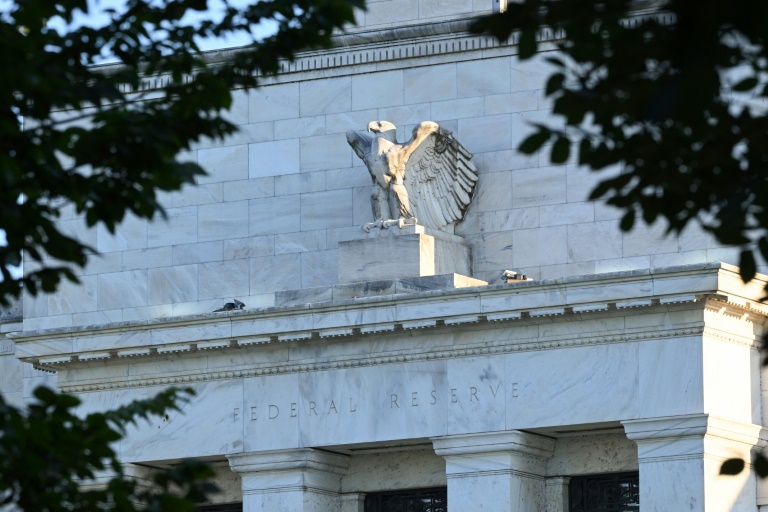
Recent signs of easing inflation pressures and a slowing US economy could allow the central bank to dial back the pace of interest rate hikes, Federal Reserve Governor Christopher Waller said on Wednesday.

The Fed has embarked on an aggressive campaign to rein in surging prices this year, raising its benchmark lending rate six times, including four consecutive mammoth moves of 0.75 percentage points.

But positive developments in the latest data “have made me more comfortable considering stepping down to a 50-basis-point hike” in December, Waller said in a speech, although he stressed that more rate increases are still needed to bring inflation down.

His comments came after reports showing inflation eased in October, with the consumer price index logging its lowest annual pace since January — fueling hopes that soaring costs will start to pull back.

Russia’s war in Ukraine this year has sent food and fuel prices soaring, and the US annual inflation rate reached a harsh 9.1 percent in June, its highest in four decades.

Waller noted that the pullback in prices was “widespread,” involving a deceleration in services costs and the first drop since March in core goods prices, which strip out the volatile food and energy segments.

But he cautioned that “one report does not make a trend,” adding that it remains too early to conclude that prices are heading sustainably down.

“More interest rate hikes are needed to get inflation down,” he said in the speech prepared for delivery to a conference in Phoenix, Arizona.

– Still ‘significant’ –

While inflation remains well above the Fed’s two percent target, there has been a growing number of voices advocating for smaller steps in the coming months.

Fed Vice Chair Lael Brainard said Monday it would likely be “appropriate soon” for the US central bank to slow the pace of interest rate increases, but she agreed more moves will be needed in the fight against inflation.

She noted that it will take time for the Fed’s policy moves to flow through to the economy, adding that moving at a more “deliberate” pace would allow officials to assess the data.

Fed officials walk a tightrope to try and tamp down prices while avoiding an economic downturn.

The central bank’s actions have rippled through the economy, with the interest-sensitive housing sector slowing most significantly.

Further rate hikes are expected to dampen consumer and business spending, making it more attractive to save rather than spend.

And Waller said even if the policy-setting Federal Open Market Committee shifted to a half-point step at the December meeting, “this would still be a very significant tightening action,” and the final path will depend on how the economy behaves.

Russia turns to 'terror' campaign after Ukraine failures: top US general

Russia has resorted to a “campaign of terror” targeting Ukraine’s civilian population after failing to achieve the strategic, operational and tactical objectives of its invasion, the top US general said Wednesday.

It is however unlikely that Ukraine can militarily force Russia out of all of the territory it occupies, but a winter slowdown in fighting could create an opening for a political solution, General Mark Milley told a news conference.

Russia is “imposing a campaign of terror, a campaign of maximum suffering on the Ukrainian civilian population in order to defeat Ukrainian morale,” he said.

Many of the recent Russian strikes — including a barrage of dozens of missiles across Ukraine on Tuesday that Milley said may have been the heaviest of the war — have targeted the country’s energy infrastructure.

“The deliberate targeting of the civilian power grid, causing excessive collateral damage and unnecessary suffering on the civilian population, is a war crime,” Milley said.

Moscow’s attacks on infrastructure, which Milley said are likely to make for a tougher winter in Ukraine, came after a string of Russian failures to achieve its military objectives in the country.

“The Ukrainians have achieved success after success after success. And the Russians have failed every single time. They’ve lost strategically, they’ve lost operationally, and I repeat, they lost tactically,” the general said.

Russia failed in its objective to overthrow President Volodymyr Zelensky and his government, as well as more limited goals such as seizing the Donbass region, Milley said.

“The strategic reframing of their objectives, of the illegal invasion, have all failed — every single one of them,” he said.

– Opening for talks? –

At the same time, Moscow controls some 20 percent of Ukraine, and it is unlikely that Kyiv’s troops will force the Russians to quit the country soon.

“The probability of a Ukrainian military victory, defined as kicking the Russians out of all of Ukraine… the probability of that happening anytime soon is not high,” Milley said.

But there is a tendency for fighting to slow down in the winter months, and this could present an opening for talks.

“If there’s a slowdown in the actual tactical fighting, if that happens, then that may become a window… for a political solution, or at least the beginnings of talks to initiate a political solution,” Milley said.

“The Russian military is really hurting bad. So you want to negotiate at a time when you’re at your strength, and your opponent is at weakness,” he added.

US Defense Secretary Lloyd Austin, speaking alongside Milley, said assistance provided by Ukraine’s allies will likely give Kyiv’s troops an edge in the coming winter.

“We pushed… enormous amounts of winter gear into Ukraine, thanks to countries like Canada and others who have really been very, very generous,” Austin said.

Russia is meanwhile fighting in a foreign country and is facing attacks on its supply lines, meaning it will be difficult for it to bring in gear needed by its troops.

“I think the Ukrainians will have the upper hand in this fight, as they have right now” and “that they’ll continue to maintain that upper hand going into the winter,” Austin said.

Taylor Swift tour chaos spurs calls to probe ticketing industry

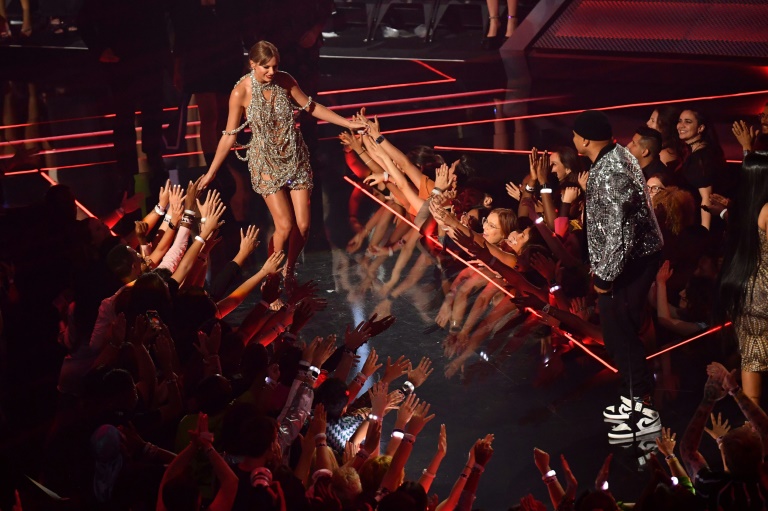
When Taylor Swift announced her first tour in five years, Jacob Landry couldn’t wait to jump in line to see his favorite artist take the stage.

But after diligently registering for and receiving a presale code, the 20-year-old jazzed for his first concert ever was confronted with a massive queue, site glitches and soaring costs.

Landry’s experience was far from unique: thousands of social media users reported similar experiences, including 19-year-old Kathryn Berry, who told AFP the process that ultimately left her with nosebleed seats in Nashville turned into a “thirteen-hour ordeal.”

Berry said she’s “happy I got tickets, but definitely holding a grudge against Ticketmaster for a while.”

For many music fans that grudge is longstanding.

The American ticketing industry, which the company Ticketmaster overwhelmingly dominates, has for years left concertgoers frustrated by hidden fees, soaring costs, rampant scalpers and limited tickets due to presales.

Swifties flooding ticketing sites linked to by Ticketmaster described crashes, outages, and other snafus, and many who were granted presale codes ultimately couldn’t nab tickets.

Cody Rhodes said his cousin received a code granting access to buy seats for Swift’s May show in Philadelphia, but after waiting five hours they were booted out of the queue. 

By the time they got back through the line, there were no tickets left.

“I was FLOORED,” the 23-year-old told AFP. “It was kind of funny at first like wow haha Taylor is so popular everyone wants to see her! Queen!”

“But every passing hour I was realizing the seriousness of it.”

Rhodes said he’ll try again when the general sale opens on Friday, saying his loose budget is $400 per ticket.

“That is a lot of money for us really, but we are huge fans and have waited so long,” Rhodes said, but added he’s already seeing resale tickets in the $2,000 to $9,000 range for the kinds of seats they were hoping for.

“Ticketmaster is a money-hungry service with little to no regard to real fans. I think they will allow price gauging since it allows them to take advantage of situations like this,” he said.

– ‘Unchecked monopoly’ –

Ticketmaster did not immediately respond to an AFP interview request, but in a statement Tuesday the company said waiting fans should “please hang tight,” citing “historically unprecedented demand” from millions.

The company also delayed one of the presales a full day.

The havoc spurred comment from a number of lawmakers, including Alexandria Ocasio-Cortez and Richard Blumenthal, who urged an investigation into the “state of competition in the ticketing industry.”

In 2010, Ticketmaster and the event promotion company behemoth Live Nation merged, which Congressman David Cicilline on Tuesday dubbed “an unchecked monopoly.”

He and other legislators in 2021 called for a Justice Department probe into “Live Nation’s efforts to jack up prices and strangle competition.”

Swift fans have an enormous online presence and a zeal that leaves them well-positioned to call attention to their plight, but Krista Brown — an analyst at the  American Economic Liberties Project, which has urged unwinding the merger — said the chaos “is just the latest example.”

“This isn’t about one artist’s concert or one website crashing,” Brown told AFP.

“Ticketmaster and its parent company Live Nation Entertainment have a monopoly over the industry that lets it regularly abuse its power, leaving customers, artists and venues at its mercy.”

Live Nation recently has reported soaring demand after several pent-up pandemic years, saying ticket sales are up 37 percent compared to 2019.

But while fans have complained of skyrocketing costs — Bruce Springsteen show prices in the thousands of dollars triggered uproar earlier this year — Ticketmaster responded to a recent query from Representative Bill Pascrell by blaming the resale ticketing market, and saying that “promoters and artist representatives set pricing strategy and price range parameters.”

“As the resale ticketing market has grown to more than a $10 billion industry over the past few years, artists and teams have lost that revenue to resellers,” Ticketmaster said, saying event organizers were trying to “recapture that lost revenue” via “market-based pricing.”

Landry said he was originally willing to pay around $300 to see Swift, but with fees the final price landed at a $569.

He dipped into his savings to afford a spot.

Landry said he’s feeling “relieved” now and that while the “process was ridiculous,” it was worth it to see Swift’s Arlington, Texas show: “I literally adore her.”

And as Rhodes anxiously awaits the general sale’s opening, he’s hoping for a “crackdown” on Ticketmaster.

“Using another ticketing service is hardly an option,” he said.

Close Bitnami banner
Bitnami