World

ASEAN leaders struggle for answers to Myanmar crisis

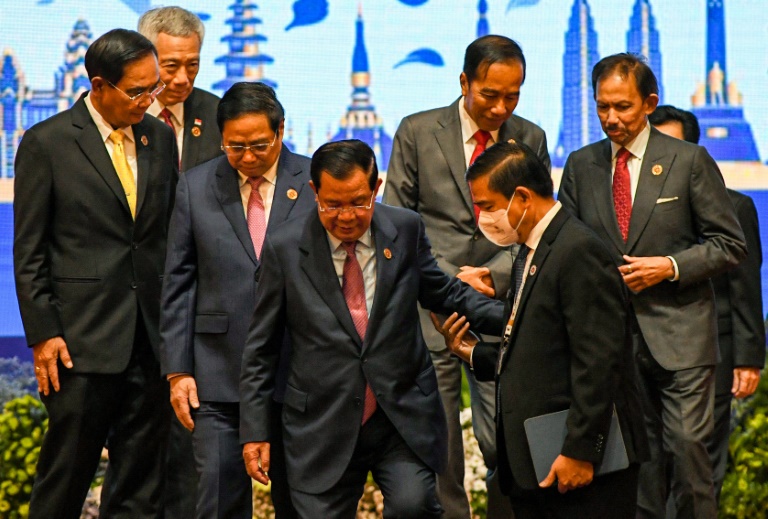
The escalating crisis in Myanmar was set to dominate summit talks Friday between Southeast Asian leaders struggling to find a way to calm the bloodshed in the junta-ruled country.

Leaders from the Association of Southeast Asian Nations (ASEAN) regional bloc will discuss ways to implement a peace plan agreed with Myanmar last year which the junta has so far ignored.

Myanmar has spiralled into bloody conflict since the military ousted Aung San Suu Kyi’s civilian government in February last year, with thousands killed in clashes since.

There is growing frustration among the other nine ASEAN countries at the generals’ foot-dragging on the so-called “five-point consensus” but so far no concrete plan to enforce it. 

President Ferdinand Marcos Jr of the Philippines called for “patience” in resolving the crisis at talks with Cambodian premier Hun Sen, the summit host.

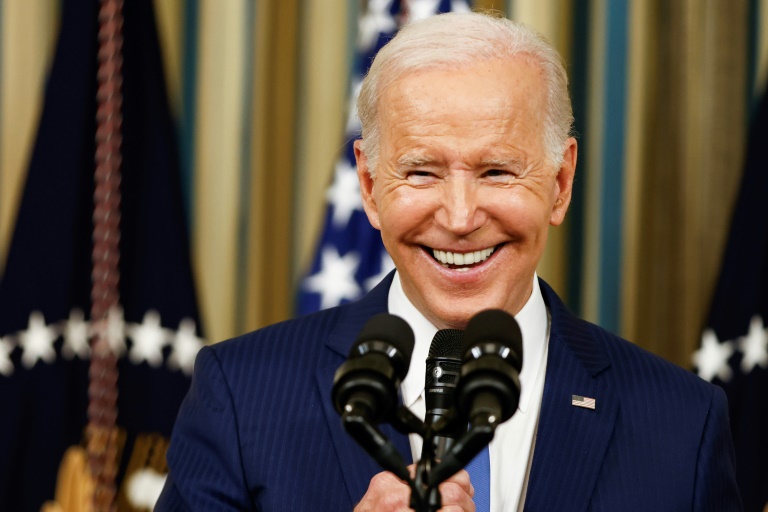
ASEAN has blocked junta chief Min Aung Hlaing from attending the gathering in Phnom Penh, which US President Joe Biden will join on Saturday.

Biden will then go on to hold a high-stakes meeting with his Chinese counterpart Xi Jinping on the sidelines of the G20 summit in Indonesia on Monday.

China, ASEAN’s biggest trading partner, has historically had good ties with the Myanmar junta, though it has voiced some unease at the ongoing chaos in the country.

Chinese Premier Li Keqiang will hold talks with ASEAN leaders on Friday afternoon, before joining Biden and other regional leaders for an East Asia Summit in Phnom Penh on Sunday.

– US pressure –

Western powers have heaped sanctions on the junta and the United States has urged ASEAN to take a “forceful” stance to squeeze the junta to reduce the violence, which escalated in recent weeks with deadly military air strikes on civilian targets including a school and concert.

Daniel Kritenbrink, the top US diplomat for East Asia, said Myanmar would be a top subject when Biden meets ASEAN leaders on Saturday.

Within the bloc, Indonesia, Malaysia and Singapore have led a push for tougher action.

Indonesian President Joko Widodo met Singapore Prime Minister Lee Hsien Loong on the sidelines of ASEAN late Thursday to discuss their concerns about the situation in Myanmar.

“Both leaders expressed disappointment with the absence of commitment of the Myanmar military junta in implementing the five-point consensus,” Indonesian Foreign Minister Retno Marsudi said in a statement.

Earlier this month Singapore’s Foreign Minister Vivian Balakrishnan warned that the Myanmar military had “a very high tolerance for pain, very high tolerance for isolation” and the crisis could take decades to resolve.

– Junta defiance –

ASEAN foreign ministers held emergency talks on Myanmar last week and said afterwards they were “even more determined” to find a solution.

Myanmar state media have slammed ASEAN’s involvement, accusing the bloc of being a “lapdog for the US” while the junta warned against imposing a timeline on the peace process, saying it could lead to “negative implications”.

An early draft of a leaders’ statement seen by AFP tasks ASEAN officials with drawing up an “implementation plan”, but gives no details of what this would involve.

Ahead of the meeting, a senior ASEAN diplomat told AFP that expelling Myanmar from the bloc was not under consideration.

But the diplomat and the draft statement both suggest ASEAN could take up official contact with Myanmar’s National Unity Government (NUG).

The NUG is a self-declared parallel body dominated by former lawmakers from Suu Kyi’s party which considers itself to be Myanmar’s legitimate government.

The Myanmar junta regards the NUG as “terrorists”, and engaging with the group would be a significant step for ASEAN.

On the eve of the summit, rights campaign group Amnesty International called on the leaders to agree a complete embargo on the transfer of arms and aviation fuel to Myanmar.
Turkish journalist on Erdogan's wishlist worries about future in Sweden

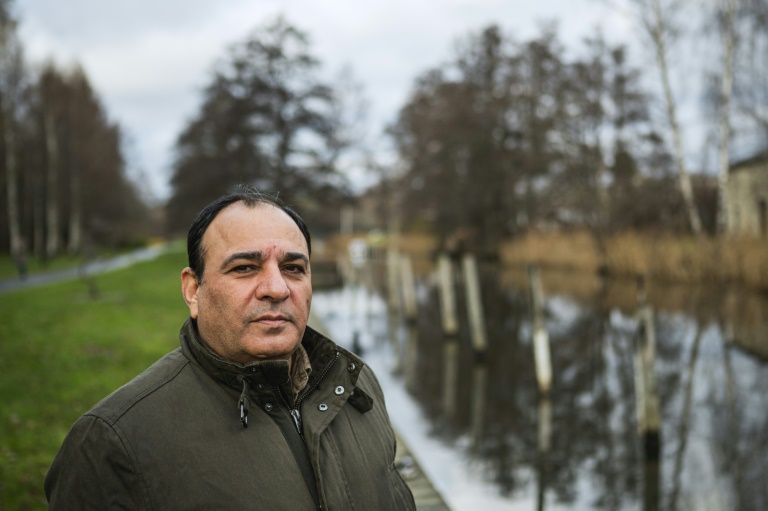
A Turkish journalist exiled in Stockholm is increasingly worried he will be used as a bartering chip after Turkey’s president singled out his extradition as key to approving Sweden’s NATO bid.

Bulent Kenes, the former editor-in-chief of the Zaman daily, is the only person President Recep Tayyip Erdogan has identified by name among the dozens Ankara wants extradited in exchange for approving Sweden’s membership bid.

Kenes told AFP he was having dinner on Tuesday with his wife and son, watching an Erdogan press conference on his mobile phone, when he heard the Turkish leader speak his name.

Erdogan told reporters, when pressed about the “terrorists” he wants extradited from Sweden, that Kenes was on the list.

“And it’s only my name. Not a list of other people, just my name”, says the 53-year-old former columnist on Ankara’s blacklist for his support of a movement founded by Fethullah Gulen, the US-based preacher wanted over a failed 2016 coup in Turkey.

While Kenes was aware of Ankara’s extradition request for him, hearing his name spoken like that “came as a surprise to me (and) it had a shocking effect for my wife. She couldn’t say anything for minutes”.

Ankara has blocked Sweden’s membership process, with the extradition of Kurdish refugees and other Turkish dissidents the main sticking point.

Stockholm has repeatedly stressed that its judiciary is independent and has the final say in extraditions.

– ‘I trust Sweden, but not sure’ –

Ankara has over time increased the number of people it wants extradited: first 33, then 45, then 73, in unofficial lists published by media close to the Turkish government.

Kenes believes Erdogan mentioned his name “because he has known me for decades” due to his long career as a journalist, and because it was the first name he came up with off the top of his head.

“The other explanation is much more pessimistic and serious and that’s that he really hates me… and that was the opportunity to express his hate once more”.

Kenes has lived since 2017 in Sweden, where he has political asylum.

The country’s Supreme Court is expected to rule on his extradition before the end of the year.

Is he worried about the ruling?

“If you had asked me this question six or seven months ago, I would have said that I have no concerns.

“But the Nato membership application is a big game changer, a paradigm change for Sweden … so I am not 100 percent sure about the result.”

He said he still had “trust in the Swedish legal system and the rule of law to protect my rights”, and said his extradition would be “a huge, illegal scandal”.

Kenes fled Turkey in 2016 several days after a failed coup that Ankara blamed on the Gulen movement.

“I have nothing to do with terrorism, I have nothing to do with violence, I have nothing to do with a coup,” he said.

“I do my journalism and just because of that Erdogan and his regime followed me, prosecuted me and chased me.”

– From pro- to anti-Erdogan –

As for the Gulen movement, “I respect what the Gulen movement does … . This is a humanitarian movement in my eyes”, he said.

But, he noted, he also “wrote a 90-page report about my criticism towards the movement”.

Kenes recalled that he was also initially positive to Erdogan and his AKP party during his first two mandates in the early 2000s.

But in 2011, they went “from democratic to anti-democratic to build a kind of despot, a one-man rule, first in Turkey then in a greater region”, at which point he became “highly critical”.

“They felt that I betrayed their cause”, he said. 

Kenes’ columns increasingly angered Ankara and the court cases piled up, to the point where he had to resign as editor-in-chief at the end of 2015.

In Sweden, he now works for the Stockholm Center for Freedom, an association founded by other Turkish dissidents in exile whose names also appear on some of the lists in Turkish media, such as Abdullah Bozkurt and Levent Kenez.

Kenes thinks Stockholm was wrong to launch negotiations directly with Turkey, and says it would have been smarter to let NATO’s superpowers, such as the US, lead the talks.

“Swedish authorities made a big mistake by sitting at the bargaining table with a despot to protect itself against the aggression of another despot, Vladimir Putin,” he said. 

Direct Israel-Qatar flights open to Palestinians for World Cup: FIFA

Qatar has agreed to allow special direct flights from Israel that will be open to both Israeli and Palestinian fans for the World Cup, FIFA announced on Thursday.

But the accord gave few details on how decades of hostility would be overcome so that Palestinians and Israelis can travel on the same charter jets to the first World Cup in an Arab nation.

“Today’s historic announcement provides a platform to improve relations across the Middle East,” said Gianni Infantino, president of FIFA, world football’s governing body. 

“With this deal, Israelis and Palestinians will be able to fly together and enjoy football together.” 

A FIFA statement said the flights would be subject to “Israel’s security requirements and operational capabilities” and comments made by Israel and Qatar, which do not have diplomatic relations, made clear their divisions.

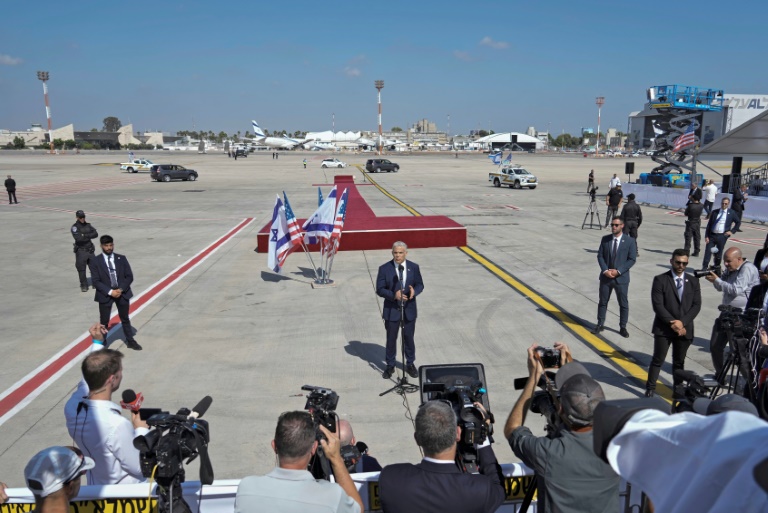
Israel’s outgoing Prime Minister Yair Lapid welcomed the deal without mentioning Palestinian access to the tournament that starts November 20.

A Qatari government official told AFP: “Qatar conveyed to the Israelis that any escalation in Jerusalem, Gaza, or the West Bank during this time will risk the cancelation of the agreement including the direct flights.”

US Secretary of State Antony Blinken called the flights a “historic step” that promises “to bolster people-to-people ties”.

Diplomatic sources said more than 10,000 Palestinian and Israeli fans have secured tickets for the 29-day tournament.

Under its World Cup hosting deal Qatar cannot refuse fans from any nation.

Diplomatic sources said it had taken months of “hard bargaining” for FIFA to broker the deal allowing direct flights from Israel’s main Ben Gurion Airport for the event.

– Restricted access –

Israel severely restricts access to Ben Gurion for residents of the Palestinian territories. West Bank Palestinians normally travel through Jordan and it is virtually impossible for Gazans to enter Ben Gurion.

The FIFA statement said flights would be operated “by an airline with existing landing rights in Qatar for the duration of the FIFA World Cup, subject to Israel’s security requirements and operational capabilities.”

All fans on the flights must have a match ticket and Qatar’s special fan pass, the Hayya card, it added, promising more details “in due course”.

The conditions outlined by FIFA would rule out an Israeli airline for the flights. Sources close to the talks said Royal Jordanian Airlines and European operator TUI were under consideration.

Consular services for Israelis will be handled by “a designated privately-operated international travel company based in Doha,” said FIFA.

“Palestinians will have access to consular services at the Palestinian embassy in Doha.”

Lapid welcomed the accord without mentioning Palestinian fans.

“After hard work over the course of many months, we have arranged for Israeli citizens to be able to fly to the World Cup in Qatar on direct flights, and the opening of an Israeli office in Qatar to provide services to fans,” he said.

Qatar’s Gulf neighbours the United Arab Emirates and Bahrain established diplomatic relations with Israel in 2020. Saudi Arabia — which does not recognise Israel — opened its airspace to Israeli planes in July. 

Qatar established trade relations with Israel in 1996, the first Gulf state to do so. But in 2000, Israel’s trade office in Qatar was closed down by authorities and relations between the two countries were permanently severed in 2009 over an Israeli military operation in Gaza.

Doha supports Hamas, the Palestinian Islamist group that controls the Gaza Strip and has fought four wars with Israel since 2008. Israel, which maintains a blockade of Gaza, engages with Doha to grant permissions for the distribution of Qatari aid in the Palestinian coastal enclave, but details on such contacts are rarely publicly confirmed.

The killing this year of a Palestinian-American journalist for Qatari-based channel Al Jazeera strained ties.

Israel’s army conceded that one of its troops had likely shot Shireen Abu Akleh but said the soldier had mistaken her for a militant.

Qatar insisted that its stance on Israel is unaltered.

“This is part of Qatar’s commitment to FIFA’s hosting requirements and it should not be politicised,” the Qatari government official said of the accord.

“We have always said that anyone with a World Cup match ticket will be allowed to enter Qatar. Because of this agreement, Palestinians will now be able to enjoy the first World Cup in the Arab and Muslim world.

“Our stance on normalisation has not changed. Qatar’s position remains firmly linked to resolving the Palestinian issue, including a two state solution in accordance with the relevant Security Council resolutions and the Arab Peace Initiative,” the official told AFP.

Banned from education, 'idle' Afghan girls are married off

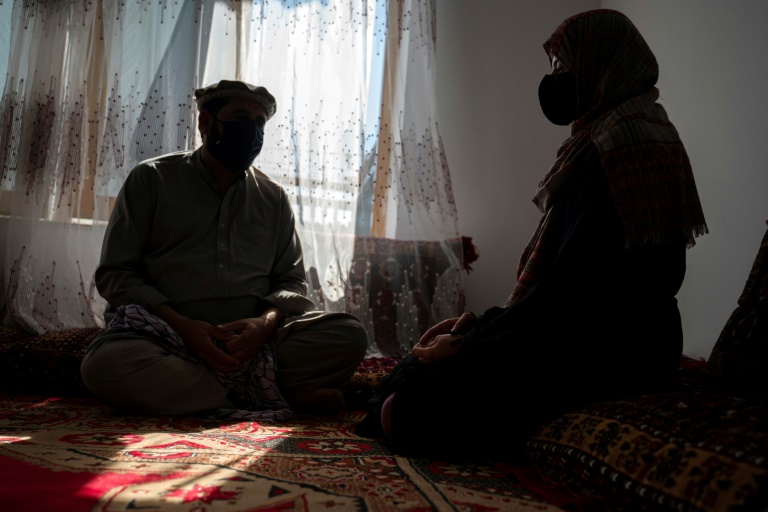
Thirteen-year-old Zainab should have been shopping for a new school uniform this autumn but, with no prospect of girls’ schools reopening in Afghanistan, she was instead forced to pick out a wedding dress.

Since the Taliban seized power in Kabul and banned teenage girls from education, many have been married off — often to much older men of their father’s choice.

“I cried a lot and kept telling my father that the Taliban would reopen girls’ schools,” Zainab said.

“But he said that’s not going to happen, and it’s better that I get married rather than sit idle at home.”

Her wedding date was fixed within hours of the would-be groom arriving with an offer of a few sheep, goats, and four sacks of rice as a bride price -– a centuries-old custom for many in rural Afghanistan.

As is traditional, Zainab moved in with her new in-laws and husband –- who is 17 years older than her. 

“Nobody asked for my opinion,” she said.

Afghanistan is the only country in the world where girls are banned from going to secondary school.

Together with economic crisis and deep-rooted patriarchal values, many parents have accelerated the marriage of teenage daughters who have been mostly confined to their homes since the Taliban stopped their education.

“At my parent’s house, I used to wake up late… here, everybody scolds me,” Zainab told AFP from the Taliban’s power base of Kandahar. 

“They say, ‘We have spent so much on you and you don’t know how to do anything’.”

Parents increasingly feel there is no future for girls in Afghanistan, said Mohammad Mashal, the head of a teachers’ association in the western city of Herat.

“They feel it is better girls get married and start a new life,” he said.

When the Taliban took back control of the country in August last year, there was brief hope they would allow more freedoms for women compared to their brutal, austere rule of the 1990s.

But a planned reopening of girls’ schools in March by the ministry of education was axed by the secretive supreme leader Hibatullah Akhundzada.

Officials claim the ban is temporary but have wheeled out a litany of excuses for the closures.

For many girls, it is already too late. 

– ‘Now I wash dishes’ –

A team of AFP journalists interviewed several girls who have either married or become engaged in recent months.

Their real names are withheld for their safety. 

“Never did I think I would have to stop studying and instead become a housewife,” said 16-year-old Maryam.

“My parents have always supported me, but in this situation, even my mother could not oppose my marriage.”

She studied to grade six in a village, after which her father moved the family to the nearby town of Charikar, just north of Kabul, where his children could pursue higher education.

“Instead of studying, I now wash dishes, wash clothes and mop the floor. All this is so hard,” she said as she served breakfast to her father Abdul Qadir, 45.

Qadir had intended to let Maryam and her sisters study for degrees before searching for suitors. 

“I wanted them to complete university education because I had worked hard for it and already spent so much money on them,” he told AFP.

Living in a rented apartment, Qadir — whose salary from a government job has been almost halved under Taliban rule — has had to sell some household items to feed his family. 

“In Afghanistan, girls do not get many opportunities, and proposals for marriage stop coming after a time,” he said. 

“My previous experience of the Taliban tells me they will not reverse their decision.”

Even if a reversal of policy was to come, it would be meaningless to Maryam. 

“The first person to oppose my education will be my husband. He will be physically violent with me,” she told AFP.

Early marriage can often lead to a lifetime of suffering for girls and women.

Such marriages are particularly common in rural areas of Afghanistan where dowries given to brides’ families are a vital source of income.

Experts say education is pivotal in delaying the weddings of girls, and with it childbearing that comes with a higher rate of infant mortality and maternal deaths at a young age. 

– A girl is a ‘burden’ –

The Taliban have imposed severe restrictions on women, forcing them to comply with the group’s austere vision of Islam.

Women have been told to cover up with the hijab or preferably with an all-encompassing burqa when in public or, better still, to leave home only if absolutely necessary. 

Afghanistan’s aid-dependent economy has collapsed since the exit of foreign forces, leaving hundreds of thousands without jobs and half its 38 million people facing hunger, aid agencies say.

In a twisted sense of sacrifice, some young women are offering themselves up for marriage to help alleviate the financial load.

“(My father) did not force me, but the situation was such that I accepted a proposal and got engaged,” said 15-year-old Sumayya in the capital, Kabul.

Sisters Sara, 20, and Fatima, 19, had been months away from sitting university entrance exams when their high school was closed, leaving them unable to graduate.

With the family in crisis after their father died from Covid-19, they declared one after the other that the search for husbands should begin.

“My conscience tells me that it’s better to marry than be a burden on my family,” Fatima said.

Asian shares surge as investors cheer slower US inflation

Asian markets surged on Friday after a bumper session on Wall Street as lower US inflation dimmed expectations of more aggressive Federal Reserve rate hikes.

Hong Kong stocks rocketed six percent at the open while Tokyo’s key Nikkei index jumped more than three percent, although both had retreated slightly by mid-morning.

The gains extended global rallies after the US consumer price index (CPI) showed that the annual pace of inflation was a lower-than-expected 7.7 percent in October, down from 8.2 percent in September.

As US residents reel from sky-high costs, the central bank has moved forcefully to lower demand by raising the benchmark lending rate six times this year.

The latest inflation data should be welcome news to Fed policymakers, because prices are “finally showing some response” to the steep rate hikes, said Rubeela Farooqi of High Frequency Economics.

“Inflation has finally started to drop like a rock in the US and this is the best news that anyone can expect,” added AvaTrade analyst Naeem Aslam.

The dollar slumped against rival currencies following the data release, and shares rallied as investors cheered the prospect of less hawkish moves by the central bank.

The Dow was up 3.7 at the close and the tech-heavy Nasdaq index soared 7.4 percent, while European markets also ended higher.

Most Asian markets matched the upbeat mood.

Taipei jumped 3.5 percent, Seoul was up 2.8 percent and Sydney climbed 2.6 percent.

Singapore rose 1.4 percent, Shanghai was up 1.1 percent and Wellington put on 2.0 percent, but Bangkok lost 0.2 percent.

“As expected, buying in Asia tech is standing out this morning,” Stephen Innes of SPI Asset Management said.

“But with investors still looking over their shoulders at the crypto schism and rising Covid cases in China, that tide that was lifting all boats is starting to recede in places,” he cautioned.

Trade may also be “dominated by profit-taking and position squaring” after the rallies overnight and ahead of a US market holiday on Friday.

The crypto world has meanwhile been rocked by a surprise decision from Binance, the world’s biggest cryptocurrency platform, to scrap a possible acquisition of rival FTX.com — plunging bitcoin to a two-year low.

– Key figures around 0230 GMT –

Tokyo – Nikkei 225: UP 2.7 percent at 28,200.75 (break)

Hong Kong – Hang Seng Index: UP 5.2 percent at 16,925.56

Shanghai – Composite: UP 1.1 percent at 3,071.43

Pound/dollar: UP at $1.1678 from $1.1642 on Thursday

Euro/dollar: DOWN at $1.0188 from $1.0131

Dollar/yen: DOWN at 142.13 yen from 143.15 yen

Euro/pound: UP at 87.26 pence from 87.20 pence

West Texas Intermediate: UP 0.3 percent at $86.75 per barrel

Brent North Sea crude: UP 0.3 percent at $93.95 per barrel

New York – Dow: UP 3.7 percent at 33,715.37 points (close)

London – FTSE 100: UP 1.1 percent at 7,375.34 (close)

Qatar robo-jockey camel races hope to draw World Cup crowd

Sitting in a white all-terrain truck, Nasser al-Marri watched his remote-controlled camel race across the Qatar desert and insisted that his sport makes football pale in comparison.  

But with Qatar bracing for the arrival of more than one million fans for the World Cup, the camel race track at Al-Shahaniya hopes to get a boost on the back of the world’s most popular pastime.

“Camels are a part of us — they’re our greatest passion,” said the 23-year-old Marri, sitting in a vehicle with three other “mudammer” camel trainers by the track, 40 kilometres (25 miles) east of the capital Doha. 

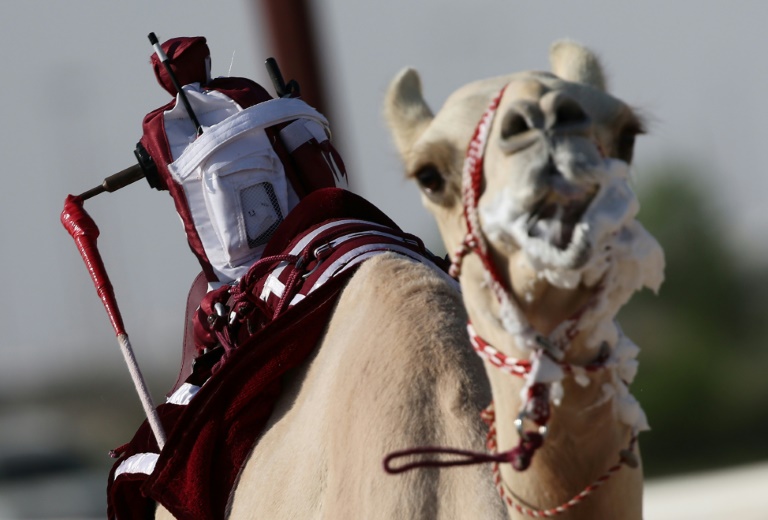
Driving parallel to the track, they control small robot jockeys on the camels’ backs and make them pick up speed — a modern innovation to replace the child jockeys who used to perform the dangerous job.

“It’s the number one sport in the Gulf,” Marri said, even as the four young men — like much of the country — eagerly await the World Cup which kicks off on November 20.

Abdallah Hafiz, 21 — who said he will be rooting for the Netherlands — hopes many of the football fans will make it to the track “to discover the sport of our ancestors”.

– ‘My whole life’ –

In the back seat of Marri’s car, Ahmad Ali, 18, showed a video on his phone of Brazilian superstar Neymar visiting Al-Shahaniya with his Paris Saint-Germain team in 2019 for a special race in their honour.

“I hope Neymar comes back with the rest of his Brazilian teammates, and that other teams come to Al-Shahaniya to discover our national sport and its festive atmosphere,” Ali said.

At a small cafe near the track, Ali al-Marri, 66, sipping traditional Arabic coffee, told AFP he went into camel racing “before Doha became what it is today”.

He recalled bygone times when there were no race tracks, and competitions were not divided up into categories of size, age and gender. 

Jockeys would simply race in gardens and parks near Doha.

His father passed this passion on to him, Marri said, and “now I’m retired” too.

Apart from training the animals, the “mudammer” are also responsible for ensuring the camels’ health and well-being.

“It’s an expensive sport, but the camels are my whole life,” Marri said.

When the race ended, Abu Hussein, a 35-year-old Sudanese man, and other foreign workers took the robot jockeys off the camels and guided the animals back to one of the many stables at Al-Shahaniya.

– ‘Million dollars’ –

Estate owner Abdallah Hafiz, 52, said that camel racing requires money, effort and perseverance.

The price for a camel starts at around $10,000, and training and care cost at least $1,500 a month, he explained. 

But for a winning camel, “there’s no limit to his price, which can go over one million dollars”. 

Bets are forbidden in the Islamic country, but jockeys play for valuable prizes usually offered by the ruling family who sponsor this traditional sport.

A $100,000 luxury car is a common prize, but for some national or regional races, it can be “several dozen to 200 vehicles, or even more”, Hafiz said.

Up until two decades ago, young children brought in from poor countries were the jockeys. The thinner and lighter they were, the better their chances.

But Gulf states banned that practice, ceding to international pressure, following deadly accidents and abuse by some parents who would deprive their children of food so they did not gain weight.

Now the robots apply the cracks of the whip.

Hafiz’s nephew, Mohamed, 27, a former football player who joined his uncle at Al-Shahaniya, said both sports demand rigorous training and “great attention”.

Unlike some of the trainers, the retired Marri said “football doesn’t interest me”.

“The only sport for me is racing, and when I’m by my camel I feel like the whole world is mine.”

Twitter chaos deepens as key executives quit

Elon Musk’s ownership of Twitter descended ever deeper into chaos on Thursday as key security executives resigned from the platform, drawing a sharp warning from US regulators.

The walkouts came a day after the turbulent launch of new features introduced by Tesla and SpaceX owner Musk following his $44 billion buyout of the influential messaging app.

Musk on Thursday warned employees that the site was burning dangerously through cash, raising the specter of bankruptcy if the situation was not turned around.

“I’ve made the hard decision to leave Twitter,” tweeted chief security officer Lea Kissner, who reportedly stepped down with other key privacy or security executives.

In the most extraordinary exit, US media reported that Yoel Roth, the site’s head of trust and safety stepped down just a day after staunchly defending Musk’s content moderation policy to advertisers.

The convulsions followed the unveiling of the site’s long-awaited Twitter Blue subscription service, which allows users to pay $7.99 per month for a coveted blue tick, as well as a separate gray “official” badge for some high-profile accounts.

But the release descended into tumult on Wednesday when Musk scrapped the new gray label almost immediately, overshadowing the launch of the pay service, which is currently only available on the mobile app on iPhones and in the United States.

The launch also saw the emergence of a flurry of fake accounts as users used the opportunity to impersonate celebrities and politicians such as NBA star LeBron James or former British prime minister Tony Blair.

Early media reports also said Robin Wheeler, who held a key role linking Twitter with advertisers and was considered a key Musk ally inside the company, was leaving but late Thursday she tweeted: “I’m still here.”

– ‘Deep concern’ –

The chaos drew a rare warning from the Federal Trade Commission, the US authority that oversees consumer safety which had put Twitter under watch for past security and privacy breaches.

“We are tracking recent developments at Twitter with deep concern,” a spokesperson for the FTC said in a statement.

“No CEO or company is above the law, and companies must follow our consent decrees,” the spokesperson added, referring to past commitments by Twitter to obey US privacy rules.

Violating FTC decisions could cost Twitter millions of dollars in fines.

The 51-year-old entrepreneur fired half of the 7,500 employees of the California company a week ago, 10 days after buying the site and becoming its sole owner.

For the first time since the layoffs, Musk on Thursday addressed his remaining employees and urged them to help the site reach one billion users, according to employee text messages seen by AFP.

Musk also warned that the company was bleeding cash and expressed fear about the effects of the poor economy on his newly bought business.

“You may have noticed I sold a bunch of Tesla stock. The reason I did that is to save Twitter,” he is reported to have said.

Wedbush analyst Dan Ives meanwhile warned that the Twitter episode could have serious repercussions for electric car manufacturer Tesla.

“Brand destruction is our biggest worry with this Twitter circus show. It’s that simple and I can’t ignore it for Tesla stock,” Ives wrote on the site.

Twitter is also crippled by the decision of advertisers to stay away from the platform, concerned about Musk’s plans.

The tycoon announced he was ending work-from-home policies at Twitter, which had been a widespread practice at the San Francisco-based company.

“If you don’t show up at the office, resignation accepted,” he told employees.

Twitter chaos deepens as key executives quit

Elon Musk’s ownership of Twitter descended ever deeper into chaos on Thursday as key security executives resigned from the platform, drawing a sharp warning from US regulators.

The walkouts came a day after the turbulent launch of new features introduced by Tesla and SpaceX owner Musk following his $44 billion buyout of the influential messaging app.

Musk on Thursday warned employees that the site was burning dangerously through cash, raising the specter of bankruptcy if the situation was not turned around.

“I’ve made the hard decision to leave Twitter,” tweeted chief security officer Lea Kissner, who reportedly stepped down with other key privacy or security executives.

In the most extraordinary exit, US media reported that Yoel Roth, the site’s head of trust and safety stepped down just a day after staunchly defending Musk’s content moderation policy to advertisers.

The convulsions followed the unveiling of the site’s long-awaited Twitter Blue subscription service, which allows users to pay $7.99 per month for a coveted blue tick, as well as a separate gray “official” badge for some high-profile accounts.

But the release descended into tumult on Wednesday when Musk scrapped the new gray label almost immediately, overshadowing the launch of the pay service, which is currently only available on the mobile app on iPhones and in the United States.

The launch also saw the emergence of a flurry of fake accounts as users used the opportunity to impersonate celebrities and politicians such as NBA star LeBron James or former British prime minister Tony Blair.

Early media reports also said Robin Wheeler, who held a key role linking Twitter with advertisers and was considered a key Musk ally inside the company, was leaving but late Thursday she tweeted: “I’m still here.”

– ‘Deep concern’ –

The chaos drew a rare warning from the Federal Trade Commission, the US authority that oversees consumer safety which had put Twitter under watch for past security and privacy breaches.

“We are tracking recent developments at Twitter with deep concern,” a spokesperson for the FTC said in a statement.

“No CEO or company is above the law, and companies must follow our consent decrees,” the spokesperson added, referring to past commitments by Twitter to obey US privacy rules.

Violating FTC decisions could cost Twitter millions of dollars in fines.

The 51-year-old entrepreneur fired half of the 7,500 employees of the California company a week ago, 10 days after buying the site and becoming its sole owner.

For the first time since the layoffs, Musk on Thursday addressed his remaining employees and urged them to help the site reach one billion users, according to employee text messages seen by AFP.

Musk also warned that the company was bleeding cash and expressed fear about the effects of the poor economy on his newly bought business.

“You may have noticed I sold a bunch of Tesla stock. The reason I did that is to save Twitter,” he is reported to have said.

Wedbush analyst Dan Ives meanwhile warned that the Twitter episode could have serious repercussions for electric car manufacturer Tesla.

“Brand destruction is our biggest worry with this Twitter circus show. It’s that simple and I can’t ignore it for Tesla stock,” Ives wrote on the site.

Twitter is also crippled by the decision of advertisers to stay away from the platform, concerned about Musk’s plans.

The tycoon announced he was ending work-from-home policies at Twitter, which had been a widespread practice at the San Francisco-based company.

“If you don’t show up at the office, resignation accepted,” he told employees.

Biden faces high expectations at UN climate talks

US President Joe Biden flies into UN climate talks in Egypt on Friday armed with major domestic achievements against global warming but under pressure to do more for countries reeling from natural disasters.

Biden will only spend a few hours at COP27 in the Red Sea resort of Sharm el-Sheikh, three days after US midterm elections that have raised questions about what the result could mean for US climate policy.

The US leader’s climate agenda was given a major boost this year when Congress passed a landmark spending bill, the Inflation Reduction Act, which includes $369 billion for clean energy and climate initiatives.

But at COP27, talk has been dominated by the need for wealthy nations to stop stalling on helping developing countries green their economies and prepare for future impacts — as well as calls to provide financial help for the damage already being caused by climate-induced catastrophes.

“The world needs the United States to be a climate leader in our fight for climate justice,” prominent Ugandan climate activist Vanessa Nakate told AFP.

“The message is for President Biden to stand with the people on the planet and the coming generations,” said the 25-year-old Goodwill Ambassador for UNICEF.

Biden is attending COP27 three days after 100 other world leaders addressed the summit.

A senior US official said Biden was heading to Egypt “with historic momentum” on the back of the spending bill and his goal to cut greenhouse gas emissions by up to 52 percent by 2030 from 2005 levels.

So far at the Egypt talks, US climate envoy John Kerry has presented a public-private partnership aimed at supporting the transition to renewable energy in developing nations and based on a carbon credit system.

The plan has been panned by activists wary of firms using these to “offset” their carbon emissions.

– Climate-sceptic Republicans –

Biden also may have a chance to revive cooperation with China when he meets President Xi Jinping during G20 talks next week, with another US official saying he would seek to discuss how to “advance our work together on climate change”.

Beijing cut off climate talks with Washington after US House Speaker Nancy Pelosi visited Taiwan in August.

Cooperation between the world’s two biggest polluters has been crucial to global efforts to limit global warming to 1.5 degrees Celsius.

But with Republicans apparently poised to retake the House of Representatives, part of Biden’s climate agenda could take a hit. Democrats have a chance to retain the Senate.

Biden pledged to contribute $11.4 billion to a $100 billion per year scheme through which rich countries will help developing ones transition to renewable energies and build resilience against climate change.

But Democrats would have to rush it through Congress before climate-sceptic Republicans take office in January.

“We’re going to be pressing for passage of the appropriations bills,” US lawmaker Kathy Castor, who chairs a special climate crisis committee in the House, told AFP.

“Hopefully Republicans in the Congress will not block it,” she said.

– ‘Loss and damage’ –

The United States has also for years resisted attempts to establish a “loss and damage” fund in which rich polluters would compensate developing nations for the destruction from climate-related disasters.

Emerging countries successfully put the issue on the official COP27 agenda and fraught negotiations are likely before the talks end on November 18.

Biden will also use the trip to meet with Egyptian President Abdel Fattah al-Sisi and discuss the human rights situation in the country, where the case of jailed dissident Alaa Abdel Fattah was raised by other leaders earlier this week.

Ahead of his trip, the White House expressed “deep concern” for the jailed British-Egyptian activist, who is on a hunger strike.

After COP27, Biden will head to an ASEAN regional summit in Cambodia at the weekend before travelling to Indonesia for G20 talks.

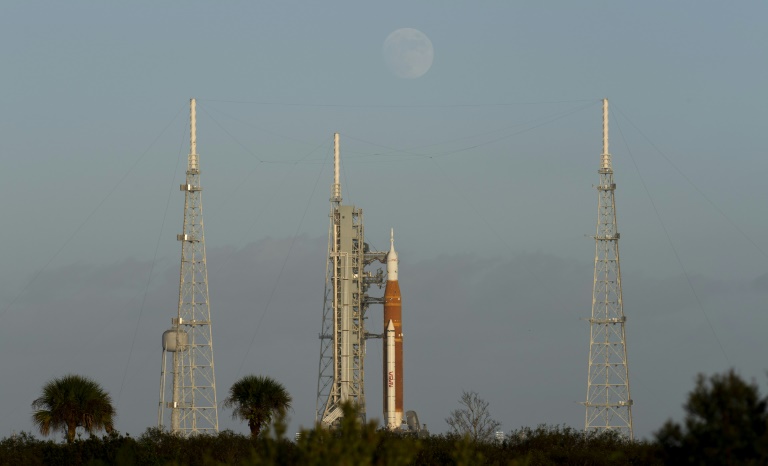
Hurricane causes only minor damage to Artemis rocket

After initial visual inspections, NASA said on Thursday that its new mega moon rocket apparently suffered no major damage after Hurricane Nicole hit Florida.

But employees must conduct further checks on site as soon as possible to confirm the initial assessment, said Jim Free, associate administrator at the US space agency.

Free said that NASA teams employing cameras at the launch pad at Kennedy Space Center found “very minor damage such as loose caulk and tears in weather coverings.”

Nicole made landfall Wednesday night on Florida’s Atlantic Coast as a Category 1 hurricane.

Free said wind sensors detected gusts up to 82 miles (132 kilometers) per hour along the rocket’s body, which is “within the rocket’s capability” to withstand.

The uncrewed Artemis 1 mission, slated now to blast off on November 16, will mark the very first flight of a highly-anticipated US program of returning to the moon. NASA hopes to use an Artemis rocket to send astronauts to the lunar surface as soon as 2025, assuming the program goes to plan.

Such a feat would mark the first time humans walk on the Moon since Apollo 17 in 1972.

Close Bitnami banner
Bitnami