World

UK's Ocado announces tie-up with S.Korea's Lotte

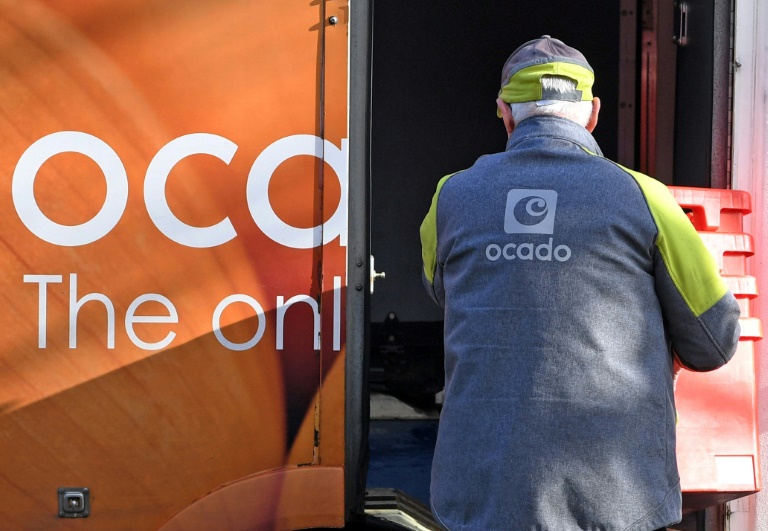
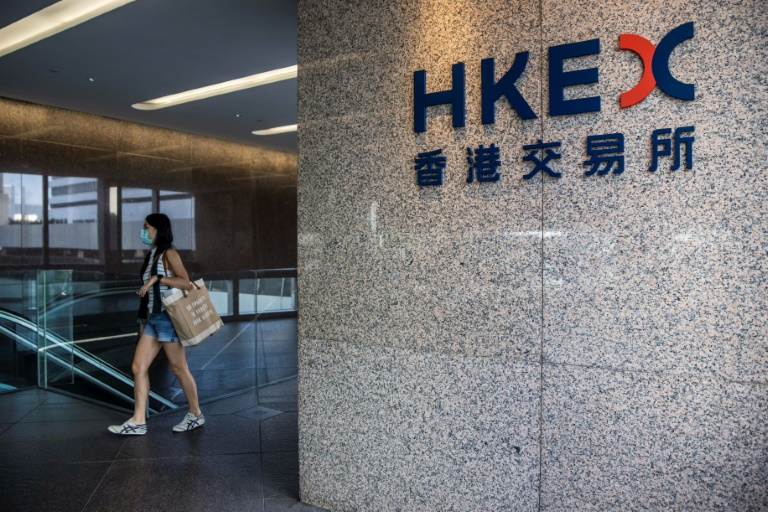
British grocery delivery platform Ocado on Tuesday announced a tie-up with South Korean giant Lotte Shopping, sending its shares soaring in London.

Ocado’s stock surged more than 30 percent in morning trade on the London Stock Exchange after the announcement.

The two firms said in a joint statement that they would work together to develop Lotte’s online business in South Korea.

That includes creating a network of order processing centres across the country, with the first to open in 2025.

Ocado will also set up order points in stores operated by Lotte from 2024.

“Lotte will pay Ocado Solutions certain fees upfront and during the development phase, then ongoing fees linked to both sales achieved and installed capacity”, the statement read.

No further financial details were given.

Ocado said it expected the deal to create “significant long-term value to the business”, as well as give it another foothold in Asia Pacific.

“The impact of this transaction should be negligible on earnings in the current financial year as no cash fees will be recognised in revenue until operations commence,” it added.

Lotte Group is South Korea’s fifth-biggest conglomerate and operates in the food, retail, chemical and hotel sectors.

Its biggest affiliate, Lotte Shopping has more than 1,000 stores, hypermarkets, supermarkets across the country, and is also present online.

In 2021, its annual revenue was 15.6 trillion won ($11 billion).

The announcement comes after Lotte’s biggest partner, US supermarket giant Kroger, signed a deal to buy its competitor Albertsons.

Ocado announced at the end of July a £212.5-million loss and a slump in first-quarter revenue compared to the same time last year, when it saw sales boosted by coronavirus lockdown restrictions.

Lufthansa to raise salaries for German cabin crew

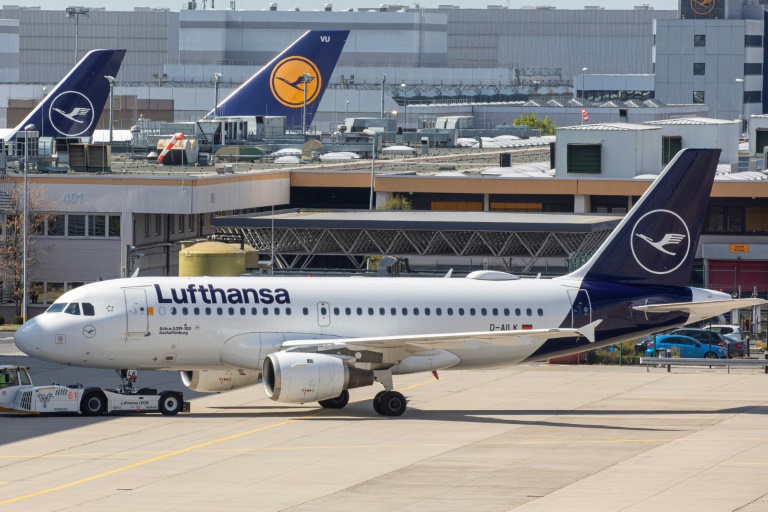
Lufthansa said Tuesday it had agreed a pay rise for 19,000 cabin crew members in Germany to help compensate for soaring inflation.

Germany’s flagship carrier said it had reached a one-year deal with flight attendants’ union UFO to increase basic monthly salaries by 250 euros ($248) from January 2023, and by an extra 2.5 percent from July.

Starting salaries for in-flight personnel will jump by 17 percent as a result, Lufthansa said, while those in the highest salary bracket will see a nine-percent increase.

“With this, we are paying due and full regard to our social responsibilities, while also ensuring our attractiveness as an employer,” said Lufthansa personnel chief Michael Niggemann.

Cabin staff in the lower and mid-range salary groups “will particularly benefit” from the new agreement, he added.

Lufthansa already agreed to raise the salaries of pilots and ground staff in Germany earlier this year after they staged walkouts to press their demands for better pay.

High inflation, running at a record 10.4 percent in Germany in October, has fuelled calls for pay hikes across a range of sectors in Europe’s biggest economy.

The airline industry is at the same time grappling with a shortage of workers after many jobs were cut during the coronavirus pandemic.

Lufthansa, which was saved from bankruptcy by a government bailout during the pandemic, last week reported a robust third-quarter net profit of 809 million euros.

The group’s CEO, Carsten Spohr, said Lufthansa had “left the pandemic behind” and was expecting strong travel demand in the months ahead.

Lufthansa to raise salaries for German cabin crew

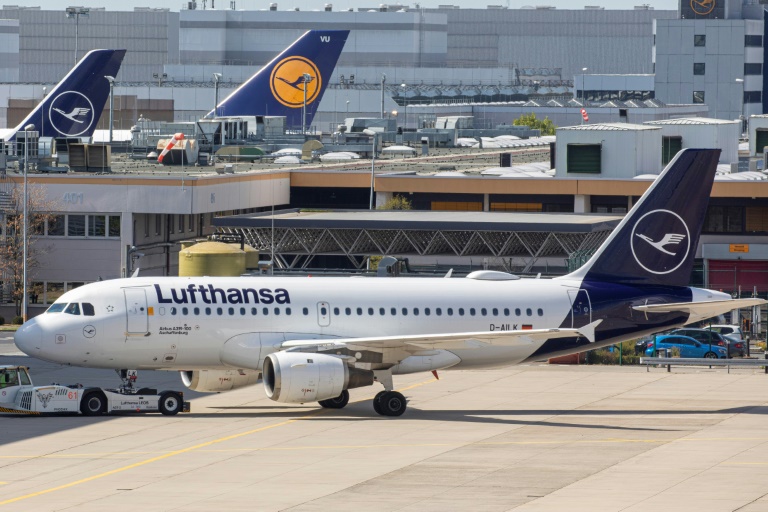
Lufthansa said Tuesday it had agreed a pay rise for 19,000 cabin crew members in Germany to help compensate for soaring inflation.

Germany’s flagship carrier said it had reached a one-year deal with flight attendants’ union UFO to increase basic monthly salaries by 250 euros ($248) from January 2023, and by an extra 2.5 percent from July.

Starting salaries for in-flight personnel will jump by 17 percent as a result, Lufthansa said, while those in the highest salary bracket will see a nine-percent increase.

“With this, we are paying due and full regard to our social responsibilities, while also ensuring our attractiveness as an employer,” said Lufthansa personnel chief Michael Niggemann.

Cabin staff in the lower and mid-range salary groups “will particularly benefit” from the new agreement, he added.

Lufthansa already agreed to raise the salaries of pilots and ground staff in Germany earlier this year after they staged walkouts to press their demands for better pay.

High inflation, running at a record 10.4 percent in Germany in October, has fuelled calls for pay hikes across a range of sectors in Europe’s biggest economy.

The airline industry is at the same time grappling with a shortage of workers after many jobs were cut during the coronavirus pandemic.

Lufthansa, which was saved from bankruptcy by a government bailout during the pandemic, last week reported a robust third-quarter net profit of 809 million euros.

The group’s CEO, Carsten Spohr, said Lufthansa had “left the pandemic behind” and was expecting strong travel demand in the months ahead.

'Huge step forward': Tokyo recognises same-sex relationships

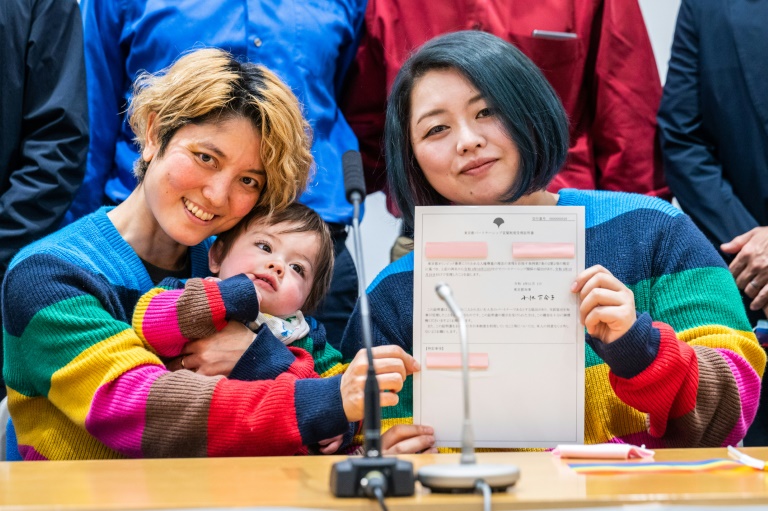
Tokyo began issuing partnership certificates to same-sex couples who live and work in the capital on Tuesday, a long-awaited move in a country without marriage equality.

The certificates allow LGBTQ partners to be treated as married couples for a range of public services in areas such as housing, medicine and welfare.

More than 200 smaller local authorities in Japan have already made moves to recognise same-sex partnerships since Tokyo’s Shibuya district pioneered the system in 2015.

While the status does not carry the same legal rights as marriage, it represents a welcome change for couples like Miki and Katie, who have long had no official proof of their relationship.

“My biggest fear has been that we would be treated as strangers in an emergency,” Miki told AFP at home in Tokyo, where photos of the Japanese 36-year-old with her American girlfriend Katie, 31, adorn the fridge.

Without a partnership certificate, the couple, who asked to be referred to by their first names, used to tuck a note inside their wallets with the other’s contact details.

“But these were insubstantial, and we felt official documents certified by the local government would be more effective,” Miki said as their grey-and-white cat frolicked in a rainbow necktie.

At least 137 couples have applied, and hopes are high that the certificates, which cover both residents and commuters, will help fight anti-LGBTQ discrimination in Japan.

“Through this Tokyo partnership system, I sincerely hope we can accelerate efforts to create a society where the rights of sexual minorities can be protected, and made more equal,” campaigner Soyoka Yamamoto told reporters.

Yamamoto and her partner Yoriko, who have lived together for more than a decade, received their certificate on Tuesday morning, with Yoriko calling the move a “huge step forward”.

Dozens of people gathered to celebrate and take photos in front of the towering Tokyo Metropolitan Government building, which was lit up in rainbow colours after sundown.

“It’s like Tokyo is cheering us on,” 39-year-old Masato told AFP, while his partner Chris said he saw a “bright future” ahead of the couple.

Although the change has been widely hailed by LGBTQ rights activists, many stress that it isn’t the finish line.

“Same-sex marriage is something completely different. That should still be legalised,” said Setsuko Yuragi, 22, who asked to be identified by her stage name.

– ‘More flexible’ –

Recent years have seen Japan — run by a conservative ruling party that espouses traditional family values — take small steps towards embracing sexual diversity.

More firms are now proclaiming support for same-sex marriage, and gay characters feature in TV shows with greater openness.

A 2021 survey by public broadcaster NHK showed 57 percent of the public was in favour of gay marriage, versus 37 percent against.

But hurdles remain, with a court in Osaka ruling in June that the country’s failure to recognise same-sex unions was constitutional.

That marked a setback for campaigners in the wake of last year’s landmark verdict by a Sapporo court, which said the current situation violated Japan’s constitutionally guaranteed right to equality.

Prime Minister Fumio Kishida has been cautious about the possibility of legislative changes that would recognise same-sex partnerships on a national level.

Meanwhile, Noboru Watanabe, a local assemblyman for Kishida’s ruling Liberal Democratic Party, came under fire last month for calling same-sex marriage “disgusting”.

“Some politicians have made really negative comments, like that we are mentally ill,” Katie told AFP.

But “families are not always made up of a mother, a father and two kids. We should be more flexible,” she said.

Miki and Katie threw a wedding party last month, but despite their joy at the introduction of the new system, they acknowledge its limitations.

The right to inheritance in the event of a partner’s death is still not guaranteed, while Katie’s lack of spousal visa status makes her ability to stay in Japan less stable.

“I feel that Japanese people’s level of understanding towards same-sex marriage is now high enough”, Miki said.

“All that’s left is for policymakers to be serious about it, and make changes”.

Markets rally before Fed, China zero-Covid hopes boost Hong Kong

Asian and European stock markets rose further Tuesday, as traders looked ahead to the Federal Reserve’s policy decision, hoping it will signal a more dovish approach to fighting inflation.

The Fed is widely expected Wednesday to announce a fourth straight 75-basis-point rate hike as it tries to rein in runaway prices, which has led to worries it will tip the world’s top economy into recession, sending stocks tumbling.

But a recent report suggesting officials are looking to dial down the pace of increases has sparked a rally in risk assets over the past week — helped by signs other central banks are also trying to take a step back.

– Waiting game –

“The waiting game for the Fed is still on, with investors largely in the dark until the US central bank illuminates the path ahead for interest rate rises tomorrow,” said Hargreaves Lansdown analyst Susannah Streeter.

“In the interim they have been feeling their way to a more optimistic attitude, hopeful that economic indicators hinting that inflationary pressures are beginning to subside could lead to a softening in monetary policy.”

In Asia, Hong Kong led the rally following unconfirmed posts on Chinese social media saying officials were putting together a committee to discuss how to move the country away from its economically damaging zero-Covid policy.

Shares jumped more than five percent after the appearance of the unverified document, which ramped up hopes that the world’s number two economy could begin opening up again in the new year and ease the strict containment measures that have hammered productivity and markets.

However, neither Chinese state media nor government officials have suggested that the meeting actually took place, or that such a committee was established, raising questions about the veracity of the statement.

Nonetheless, Shanghai climbed more than two percent, while the yuan also rallied after recently falling to record lows against the dollar.

Sydney was also well up after the Australian central bank lifted rates by 0.25 percentage points to a near-decade high but brushed off calls for a bigger raise, surging despite inflation.

– Key figures around 1000 GMT –

London – FTSE 100: UP 1.4 percent at 7,196.72 points

Frankfurt – DAX: UP 1.0 percent at 13,383.85

Paris – CAC 40: UP 1.6 percent at 6,368.85

EURO STOXX 50: UP 1.4 percent at 3,666.35

Tokyo – Nikkei 225: UP 0.3 percent at 27,678.92 (close)

Hong Kong – Hang Seng Index: UP 5.2 percent at 15,455.27 (close)

Shanghai – Composite: UP 2.6 percent at 2,969.20 (close)

New York – Dow: DOWN 0.4 percent at 32,732.95 (close)

Euro/dollar: UP at $0.9934 from $0.9885 on Monday

Pound/dollar: UP at $1.1536 from $1.1465

Dollar/yen: DOWN at 147.41 yen from 148.72 yen

Euro/pound: DOWN at 86.12 pence from 86.20 pence

West Texas Intermediate: UP 1.3 percent at $87.65 per barrel

Brent North Sea crude: UP 1.4 percent at $94.13 per barrel

South Korea police admit crowd surge response was 'insufficient'

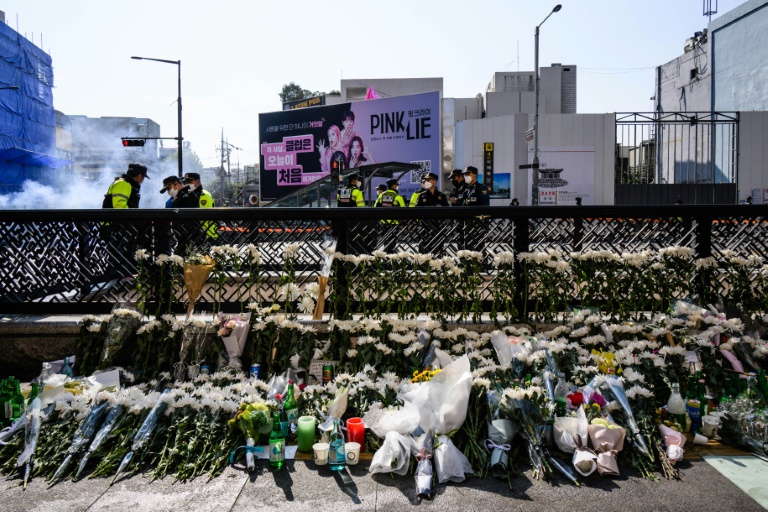
South Korean police admitted Tuesday their emergency response to a deadly Halloween crush had been “insufficient”, with top officials saying crowd management failures had likely contributed to the disaster. 

At least 156 mostly young people were killed, and scores more injured, in a deadly crowd surge late Saturday at the first post-pandemic Halloween party in Seoul’s popular Itaewon nightlife district.

An estimated 100,000 people had flocked to the area, but because it was not an “official” event with a designated organiser, neither the police nor local authorities were actively managing the crowd.

“There were multiple reports to the police indicating the seriousness at the site just before the accident occurred,” national police chief Yoon Hee-keun said.

Police knew “a large crowd had gathered even before the accident occurred, urgently indicating the danger,” he said, acknowledging the way this information was handled had been “insufficient”.

Transcripts of emergency calls reported by South Korean news agency News1 documented how desperate members of the public had flagged dangerous overcrowding hours before disaster struck at around 10:00 pm local time (1300 GMT) Saturday.

At 8:09 pm one caller told police: “There are too many people here being pushed, trampled, hurt. It’s chaotic. You need to control this.”

Seoul’s interior minister, who had been criticised for earlier comments in which he claimed deploying more police would not have prevented the crush, apologised Tuesday for the disaster.

Lee Sang-min expressed his “sincere apologies to the public as the minister in charge of the people’s safety for this accident”, before bowing his head before lawmakers and cameras.

He promised to investigate what had caused the crowd crush and to ensure a disaster of this scale could never happen again.

Seoul Mayor Oh Se-hoon also made a public apology, weeping as he said he felt “infinitely responsible for this accident”.

Prime Minister Han Duck-soo said Tuesday that a lack of a proper crowd management system may have caused the incident, adding that a full review was ongoing.

– No crowd control –

South Korea is typically strong on crowd control, with protest rallies often so heavily policed that officers can outnumber participants.

But police deployed only 137 officers to Itaewon for Halloween, while 6,500 officers were present at a protest across town attended by about 25,000 people, local reports said.

South Korean President Yoon Suk-yeol said Tuesday the country needed to urgently improve its system for managing large crowds in the wake of the disaster.

“The safety of the people is important, whether or not there is an event organiser,” he told a cabinet meeting.

He called for the country to develop “cutting-edge digital capabilities” to improve crowd management — but critics claim such tools already exist and were not deployed in Itaewon.

Seoul’s City Hall has a real-time monitoring system that uses mobile phone data to predict crowd size, but it was not employed Saturday night, local media reported.

Itaewon’s district authorities also did not deploy any safety patrols, with officials saying the Halloween event was considered “a phenomenon” rather than “a festival”, which would have required an official plan for crowd control.

On the night, tens of thousands of people thronged a narrow alleyway, with eyewitnesses describing how, with no police or crowd control in sight, confused partygoers pushed and shoved, crushing those trapped in the lane.

– Easy to prevent –

Crowd management experts told AFP that the disaster was easily avoidable, even with only a small number of police officers.

“Good, safe crowd management is not about the ratio, but about the crowd strategy — for safe crowd capacity, flow, density,” said G. Keith Still, a crowd science professor at the University of Suffolk.

South Korean expert Lee Young-ju said that if local police knew they would be short-handed, they could have sought help from local authorities or even residents or shop owners.

“It’s not just the numbers,” Lee, a professor from the Department of Fire and Disaster at the University of Seoul, told AFP. 

“The question is, how did they manage with the limited number (of police) and what kind of measures did they take to make up for it.”

BP quarterly profit surges on high energy prices

BP said Tuesday that underlying third-quarter profit more than doubled on high commodity prices after key energy producer Russia’s invasion of Ukraine but logged a net loss on accounting charges.

Replacement cost profit soared to $8.2 billion in the three months to September, the British energy major announced.

That compared with $3.3 billion a year earlier and outstripped market expectations of $6.1 billion.

Yet profits were weaker than the second quarter due to a dip in oil prices.

London-listed BP, flush with cash, also revealed a $2.5-billion share buyback but its stock slid in morning deals.

Energy markets remain elevated due to Russia’s war in Ukraine, which has sent British household fuel bills rocketing — but helped generate massive profits across the industry.

Energy prices also leapt on strong demand after nations lifted Covid pandemic lockdowns.

– Windfall tax –

Runaway profits have heightened calls for Britain to massively enlarge its windfall tax to help cushion the impact of a cost-of-living crisis largely sparked by sky-high electricity and gas bills.

Tuesday’s bumper earnings — after vast profits at Chevron, Shell and TotalEnergies — will not diminish those calls, according to analysts.

“This isn’t going to ease calls for windfall taxes at a time when governments are facing fiscal black holes requiring difficult decisions on taxation and spending,” said Oanda analyst Craig Erlam.

“Finding the right balance between taxing ‘excess profits’ as a result of the war in Ukraine without deterring investment won’t be easy.”

BP added Tuesday that it will pay about $2.5 billion in taxes this year for its North Sea business, including $800 million related to the levy.

New British Prime Minister Rishi Sunak unveiled the windfall tax on the profits of UK energy companies earlier this year when he was finance minister in Boris Johnson’s government.

Sunak has so far resisted calls to increase the tax, deemed far too small by activists.

– Energy transition –

“With the economy sinking, energy bills soaring and the climate crisis deepening, Rishi Sunak must surely act on the excessive profits that fossil fuel firms like BP are raking in,” said Sana Yusuf, a campaigner at Friends of the Earth.

BP says it is seeking to pivot towards cleaner energy and away from fossil fuels, sparking deep scepticism from environmental groups who accuse it of greenwashing.

“This quarter’s results reflect us continuing to perform while transforming,” said Chief Executive Bernard Looney.

“We are providing the oil and gas the world needs today — while at the same time investing to accelerate the energy transition.”

BP agreed this month to buy US renewable gas producer Archaea for $4.1 billion.

The group added Tuesday that it faced a net loss of $2.2 billion in the third quarter on large accounting charges. That followed a loss after tax of $2.5 billion last time around.

BP’s share price slid 0.7 percent to 476.25 pence in morning deals on London’s rising stock market.

'Serious blow': Ukraine commander fears loss of Starlink

Few took Elon Musk’s tweeted threat to stop funding Starlink in Ukraine as seriously as the commander in charge of communications along much of the southern front.

The world’s richest man last month took to his favourite social media platform — which he has since bought — to wonder why he should keep providing Ukraine with free satellite internet service.

The temperamental mega-billionaire appeared to change his mind a few days later.

“The hell with it,” Musk wrote after his initial threat created a geopolitical furore and underscored the Pentagon’s growing dependence on private space technology.

“Even though Starlink is still losing money and other companies are getting billions of taxpayer dollars, we’ll just keep funding the Ukrainian government for free.”

Major Roman Omelchenko is still not sure if Musk’s second tweet was ironic or if he really did intend to keep paying for the Ukrainian army’s main line of communication.

He just knows that Starlink’s loss would leave him scrambling during the brewing battle for Kherson.

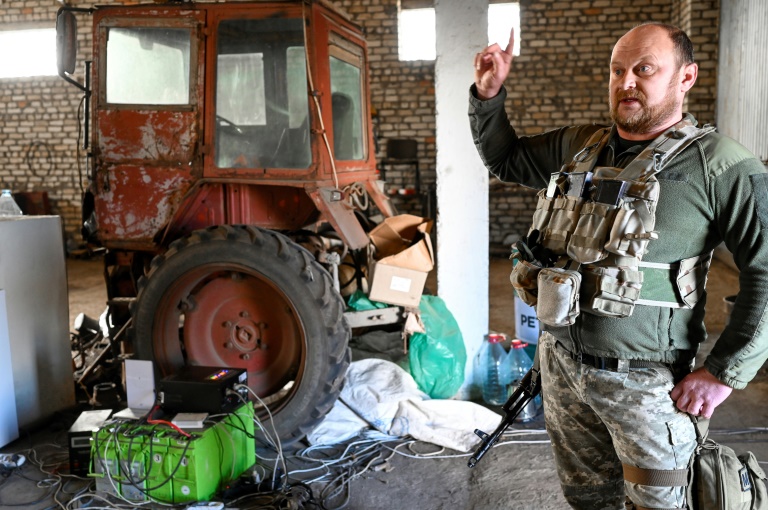
“If we lose it, it will be a serious blow to our means of communication,” the 59th brigade’s communications chief said in an interview conducted at a secret location along the southern front.

“It would be very difficult without it.”

– Cult status –

Musk gained cult status in Ukraine by sending in thousands of Starlink terminals in the first days of Russia’s invasion.

Ukraine now has 20,000 of the little white dishes hidden away across the war zone.

Their role became even more important when Russia began to target Ukraine’s key infrastructure with long-range missile strikes.

A loss of power usually shuts down most cell phone service and complicates even basic communications on the ground.

The only other alternatives for soldiers are walkie-talkies and older types of satellites dishes that take much more time and effort to set up.

“We still have those in reserve,” Omelchenko said of the older technology.

“But you have to keep tuning it constantly. Starlink tunes itself. You don’t have to do it manually. It is very simple and very powerful.”

– Undetectable –

The terminals’ dishes link up to Musk’s constellation of satellites by feeds that Omelchenko said are almost impossible for the Russians to detect.

The dishes are then wired up to basic routers that create small wifi spots.

Therein lies the danger.

Omelchenko said the Russians can spot the wifi signal and use it to target their strikes.

The hotspots thus need to be set up in covered locations than can mask the wifi signals.

But the entire system is uniquely simple to use.

Omelchenko said soldiers can set up a functioning satellite feed on the battlefield within minutes.

This then helps connect everyone from remote drone operators to soldiers and commanders across the war zone.

– ‘Thank you’ –

Many interpreted Musk’s tweets as an effort to put pressure on the Pentagon to foot at least a part of the Starlink bill.

CNN reported that Musk sent a private letter to the Pentagon in September requesting that it take over funding for Ukraine’s use of his terminals.

Musk’s SpaceX venture put the cost of operating the system in Ukraine over the coming 12 months at $400 million.

Omelchenko said he would prefer not to guess Musk’s real intentions.

“It is up to him to decide if he keeps paying for it or not,” said the 45-year-old career soldier.

“In either case, I just want to say thank you. I am still grateful because he helped us a great deal in the war against the Russian aggressor.”

Israelis vote as Netanyahu seeks return to power

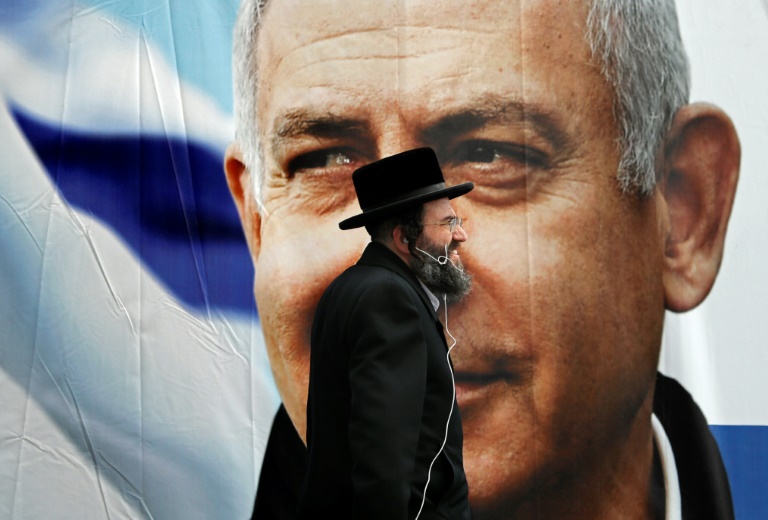
Israelis were voting Tuesday in their fifth election in less than four years, with the hawkish ex-premier Benjamin Netanyahu campaigning for a comeback alongside far-right allies.

The latest ballot follows the collapse of the so-called “change” coalition, which united eight disparate parties who succeeded in ousting Netanyahu last year after a record run as prime minister, but ultimately failed to bring political stability.

“I hope we will finish the day with a smile, but it’s up to the people,” Netanyahu, who is on trial for corruption and breach of trust, said after casting his ballot.

Caretaker Prime Minister Yair Lapid, whose centrist Yesh Atid party is lagging slightly behind Netanyahu’s right-wing Likud in the polls, urged people to vote “for the future of our children, for the future of our country”.

In a political system where a shift in just one of the 120 Knesset seats up for grabs could cement a ruling coalition — or lead to further deadlock and possible new elections — the outcome remains uncertain once more.

At a polling station in Tel Aviv, voter Amy Segal aired her frustration.

“Each year there’s a new election, there’s no political stability and it obstructs a lot of things,” the 26-year-old told AFP.

“I feel like it doesn’t matter who you vote for, nothing will change.”

Israelis have until 2000 GMT to cast their ballots, after which complex bargaining to build a coalition will get underway.

– Spike in violence –

Whoever is tapped to form a government will need the backing of multiple smaller parties to stand a chance of clinching the 61 seats necessary for a majority.

The extreme-right leader Itamar Ben-Gvir may be key to helping Netanyahu return to the premiership, as his Religious Zionism bloc has gained momentum in recent weeks and could come third in the election.

Ben-Gvir, who has faced dozens of charges of hate speech against Arabs, vowed Tuesday there will be a “full right-wing government” led by Netanyahu.

Those backing Netanyahu despite his ongoing corruption trial include Lee Lanes, 29, who works in hi-tech.

“We live in a bubble in Tel Aviv but outside of this bubble there are terrorist attacks, and for this reason I think that we need more firmness,” she said.

The election is being held against a backdrop of soaring violence across Israeli-annexed east Jerusalem and the occupied West Bank.

At least 29 Palestinians and three Israelis were killed across the two territories in October, according to an AFP tally.

The Israeli military said it would shut checkpoints leading to the West Bank and close the crossing with the blockaded Gaza Strip throughout election day.

While many candidates have cited security as a concern, none have campaigned on a platform of reviving moribund peace talks with the Palestinians.

– Divisions and despondency –

The cost of living has been a hot issue this election as Israelis, having long endured high prices, are feeling the pinch even more amid global economic turmoil linked to Russia’s invasion of Ukraine.

But in repeated rounds of elections since April 2019, few voters have significantly shifted their allegiances.

The pacts agreed and broken by their political leaders have, however, changed over time and shaped short-lived governments.

Lapid was the architect of the last coalition, which for the first time brought an independent Arab party into the fold and included others from the right and left.

That unlikely alliance was made possible after Mansour Abbas pulled his Raam party from a united slate with other Arab-led parties, paving the way for him to join the coalition.

Recent months have seen further divisions within the Arab bloc, which is running on three separate lists in a move expected to weaken the minority’s representation in parliament.

Such a scenario has led to despondency among many Arab-Israelis — who make up around 20 percent of the population — potentially denting their turnout.

Abbas, however, remained optimistic Tuesday that turnout could rise “so that we can continue this process of cooperation and results for the Arab society, and for the Israeli society in general.”

bur-rsc/dv

Sony hikes net profit forecast as weak yen boosts business

Sony raised its annual net profit and sales forecasts on Tuesday, saying the weak yen had boosted the performance of sectors including music, movies and smartphone camera components.

The yen has lost more than 20 percent of its value this year, inflating profits for Japanese companies that operate overseas.

That includes Sony’s massive global entertainment business — from streaming services to blockbuster films and PlayStation games, as well as digital camera components.

“Major factors for the upward revisions include the growth of the music streaming business, as well as foreign exchange,” chief financial officer Hiroki Totoki told reporters.

The conglomerate now expects net profit to March 2023 to reach 840 billion yen ($5.7 billion), up from the 800 billion yen previously forecast.

It has also slightly increased its sales outlook to 11.6 trillion yen, with higher revenues in several sectors likely to be “partially offset by lower-than-expected sales in the financial services segment”.

In the first half of the current financial year, net profit was 482.2 billion yen — up 13 percent on-year — while sales rose nine percent to five trillion yen, Sony said.

Recent big hits for the group include the PC version of the game “Marvel’s Spider-Man”, “Uncharted: Legacy of Thieves” for PlayStation, as well as new music from Beyonce, Doja Cat and Harry Styles, Totoki added.

– PS5 production increasing –

Nearly two years since its launch, Sony’s PlayStation 5 console remains notoriously difficult to find.

But “with material supply and logistics constraints significantly eased, PS5 production exceeded 6.5 million units in this quarter and is progressing ahead of plan,” Totoki said.

Recent price increases for the console have not yet hit demand, he added, and Sony is “doing our utmost to accelerate supply for the year-end sales season”, he added.

In August, Sony Interactive Entertainment recommended raising the PS5’s retail price in many parts of the world, but not the United States, because of high inflation and forex changes.

Hideki Yasuda, senior analyst at Toyo Securities, said PS5 “hardware shipments are expected to grow significantly” in the second half of 2022-23, but warned that software sales will be “very tough”.

“This year, software makers are postponing the sale of major titles, partly because production of the PS5 has been slow,” Yasuda told AFP ahead of Sony’s earnings release.

With most of the forex-related boost coming from software sales, if the situation does not change it could start to hit Sony’s gaming earnings, the analyst warned.

“The PS5 is selling at a very high price, but it is well-balanced cost-wise… if the dollar strengthens, it’s going to be tricky,” he said.

Behind the yen’s dramatic fall is the contrast between the monetary policies of the US and Japanese central banks.

While the US Federal Reserve is fighting inflation with aggressive rate hikes, the Bank of Japan has stuck to its longstanding monetary easing programme, designed to encourage sustainable growth.

Close Bitnami banner
Bitnami