World

Stock markets slide as tech results shock

Global stock markets slumped on Friday, with shares in tech giants tumbling on poorly-received earnings, adding to fears of a global recession according to traders. 

The week has seen forecast-missing results from some of the world’s biggest firms including Apple, Amazon, Facebook parent Meta and Google parent Alphabet.

That has caused sharp share-price losses for some of the titans, in turn sending values tumbling for tech companies worldwide.

“Tech carnage is affecting sentiment,” noted Neil Wilson, analyst at Market.com.

All eyes are meanwhile on Twitter after Elon Musk completed a mega takeover of the social media giant, with critics and fans anxious to see how the planet’s richest man would run one of the world’s leading social media platforms.

In foreign exchange Friday, the euro was back below parity against the dollar following official data showing the US economy rebounded in the third quarter.

Surprise figures showing Europe’s biggest economy Germany had also expanded in the July-September period failed to push the euro above one dollar, where it stood earlier in the week for the first time since September.

Elsewhere, the yen was down against the dollar after Japan’s Prime Minister Fumio Kishida said the country would spend $260 billion on a stimulus package to cushion the weak economy.

The yen has plunged to 32-year lows versus the dollar in recent weeks as Japan’s central bank refuses to hike interest rates despite sky-high inflation, fuelled by soaring energy prices.

ExxonMobil on Friday reported a surge in third-quarter earnings on high oil and natural gas prices.

The US oil giant became the latest petroleum heavyweight to report stunning quarterly figures, with year-on-year profits nearly tripling to $19.7 billion on revenue soaring to $112 billion.

– Key figures around 1115 GMT –

London – FTSE 100: DOWN 0.4 percent at 7,042.47 points

Frankfurt – DAX: DOWN 0.6 percent at 13,127.27

Paris – CAC 40: DOWN 0.2 percent at 6,230.98

EURO STOXX 50: DOWN 0.6 percent at 3,582.33

Tokyo – Nikkei 225: DOWN 0.9 percent at 27,105.20 (close)

Hong Kong – Hang Seng Index: DOWN 3.7 percent at 14,863.06 (close)

Shanghai – Composite: DOWN 2.3 percent at 2,915.93 (close)

New York – Dow: UP 0.6 percent at 32,033.28 (close)

Euro/dollar: DOWN at $0.9950 from $0.9965 on Thursday

Pound/dollar: DOWN at $1.1538 from $1.1567 

Dollar/yen: UP at 147.62 yen from 146.27 yen

Euro/pound: UP at 86.22 pence from 86.11 pence

West Texas Intermediate: DOWN 0.6 percent at $88.56 per barrel

Brent North Sea crude: DOWN 0.4 percent at $96.61 per barrel
ExxonMobil Q3 profits surge to $19.7 bn on high oil, natural gas prices 

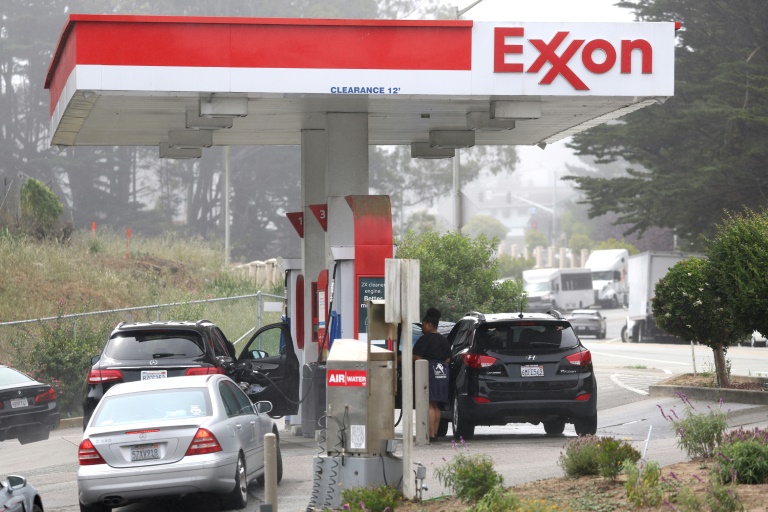
ExxonMobil reported a surge in third-quarter earnings Friday, fueled by much higher oil and natural gas prices and robust profit margins for gasoline and other refined products.

The US oil giant became the latest petroleum heavyweight to report stunning third-quarter figures, with year-on-year profits nearly tripling to $19.7 billion and revenues rising 52 percent to $112.07 billion.

The results show how the surge in crude prices in the aftermath of Russia’s invasion of Ukraine has boosted oil company profits.

Also crucial, ExxonMobil cited a 22 percent jump from natural gas sales in the period due to “European supply concerns and efforts to build inventory ahead of winter.”

In its refining business, ExxonMobil turned in its loftiest ever refinery production level in North America.

Refinery margins were significantly higher than in the year-ago period, but retreated from the second quarter due to loftier output and “flat US gasoline demand,” the company said.

Gasoline prices have retreated from their peak levels earlier this year, but remain high by historical standards and have been a focal point of US midterm elections. 

Prices at the pump stand at a national average of $3.76 per gallon, up about 11 percent from the year-ago level. Prices topped $5 in June. 

Shares of ExxonMobil, which have risen for much of 2022, climbed 2.2 percent in pre-market trading to $109.95.

Recession fears stalk Europe despite surprise German growth

Germany’s economy unexpectedly grew in the third quarter, official data showed Friday, but slowing growth in France and Spain added to fears that high inflation and an energy crisis will tip the region into recession.

Europeans are bracing for a difficult winter as Russia crimps gas supplies in the wake of the Ukraine war, sending heating bills soaring and worsening a cost-of-living squeeze for millions.

Despite the gloomy outlook, Germany surprised analysts by posting growth of 0.3 percent quarter-on-quarter, driven mainly by consumer spending.

France and Spain meanwhile reported 0.2 percent growth each from July to September, a sharp slowdown however from the 0.5 and 1.5 percent expansion they saw in the previous quarter.

“The German economy managed to hold its ground despite… the continuing Covid-19 pandemic, supply chain interruptions, rising prices and the war in Ukraine,” federal statistics agency Destatis said about the preliminary data.

Germany narrowly eked out 0.1 percent growth in the second quarter, surpassing analyst predictions that Europe’s biggest economy would shrink by 0.2 percent in the third quarter.

But economists warned that Friday’s data merely provided a brief respite and that a downturn was coming, as Russia’s war in Ukraine sends food and especially energy costs surging.

The fallout from the war has fuelled eurozone inflation, running at a record 9.9 percent in September, depressing household income and raising costs for companies.

“Today’s positive growth data is a welcome surprise. However, it does not mean that the German economy will be able to prevent a recession,” said ING economist Carsten Brzeski.

“The recession is only delayed, not cancelled.”

– ‘Last hurrah’ –

Germany, whose energy-hungry industries are key to its success as an export nation, was heavily reliant on Russian gas before the war and it has been hit harder than other EU nations by Moscow’s gas cut.

The German government expects the economy to shrink by 0.4 percent in 2023.

In France, the EU’s second-largest economy, strong business investment helped to keep momentum going but the post-lockdown boost in the services sector was fading, analysts said.

Anaemic French growth in the third quarter might be “the last hurrah before the recession,” said Maxime Darmet, an economist at Allianz Trade.

And with consumer prices in France soaring to their highest level since 1985, households “will feel severely the fall in their purchasing power,” Darmet said.

French President Emmanuel Macron recently promised to support households through the difficult times in a rare TV interview, after the country was hobbled by weeks of strikes over pay by workers at oil refineries and fuel depots.

In Spain, the slowing growth was largely down to poor performance in the real estate sector, where activity contracted by 2.5 percent, and a drop in exports and business investment.

Only a strong tourism season and robust domestic demand spared the country from a contraction, said ING economist Wouter Thierie.

But with many of the country’s indicators flashing red, “we forecast a mild recession for the Spanish economy in the next two quarters,” he said.

The European Central Bank on Thursday rolled out another bumper interest rate hike to combat inflation but acknowledged that higher borrowing costs would deepen the economic pain.

The likelihood of a eurozone recession was “looming much more on the horizon,” ECB chief Christine Lagarde said.

Recession fears stalk Europe despite surprise German growth

Germany’s economy unexpectedly grew in the third quarter, official data showed Friday, but slowing growth in France and Spain added to fears that high inflation and an energy crisis will tip the region into recession.

Europeans are bracing for a difficult winter as Russia crimps gas supplies in the wake of the Ukraine war, sending heating bills soaring and worsening a cost-of-living squeeze for millions.

Despite the gloomy outlook, Germany surprised analysts by posting growth of 0.3 percent quarter-on-quarter, driven mainly by consumer spending.

France and Spain meanwhile reported 0.2 percent growth each from July to September, a sharp slowdown however from the 0.5 and 1.5 percent expansion they saw in the previous quarter.

“The German economy managed to hold its ground despite… the continuing Covid-19 pandemic, supply chain interruptions, rising prices and the war in Ukraine,” federal statistics agency Destatis said about the preliminary data.

Germany narrowly eked out 0.1 percent growth in the second quarter, surpassing analyst predictions that Europe’s biggest economy would shrink by 0.2 percent in the third quarter.

But economists warned that Friday’s data merely provided a brief respite and that a downturn was coming, as Russia’s war in Ukraine sends food and especially energy costs surging.

The fallout from the war has fuelled eurozone inflation, running at a record 9.9 percent in September, depressing household income and raising costs for companies.

“Today’s positive growth data is a welcome surprise. However, it does not mean that the German economy will be able to prevent a recession,” said ING economist Carsten Brzeski.

“The recession is only delayed, not cancelled.”

– ‘Last hurrah’ –

Germany, whose energy-hungry industries are key to its success as an export nation, was heavily reliant on Russian gas before the war and it has been hit harder than other EU nations by Moscow’s gas cut.

The German government expects the economy to shrink by 0.4 percent in 2023.

In France, the EU’s second-largest economy, strong business investment helped to keep momentum going but the post-lockdown boost in the services sector was fading, analysts said.

Anaemic French growth in the third quarter might be “the last hurrah before the recession,” said Maxime Darmet, an economist at Allianz Trade.

And with consumer prices in France soaring to their highest level since 1985, households “will feel severely the fall in their purchasing power,” Darmet said.

French President Emmanuel Macron recently promised to support households through the difficult times in a rare TV interview, after the country was hobbled by weeks of strikes over pay by workers at oil refineries and fuel depots.

In Spain, the slowing growth was largely down to poor performance in the real estate sector, where activity contracted by 2.5 percent, and a drop in exports and business investment.

Only a strong tourism season and robust domestic demand spared the country from a contraction, said ING economist Wouter Thierie.

But with many of the country’s indicators flashing red, “we forecast a mild recession for the Spanish economy in the next two quarters,” he said.

The European Central Bank on Thursday rolled out another bumper interest rate hike to combat inflation but acknowledged that higher borrowing costs would deepen the economic pain.

The likelihood of a eurozone recession was “looming much more on the horizon,” ECB chief Christine Lagarde said.

Air France-KLM Q3 turnover above pre-Covid levels

European airline group Air France-KLM said Friday that its third quarter revenues had exceeded its pre-pandemic turnover in 2019, fuelled by strong post-Covid demand for travel.

The company recorded a net profit of 460 million euros ($459 million) between July and September in a second consecutive quarter of profitability, despite the pressures of soaring inflation and fuel costs, it said in a statement.

The Covid-19 pandemic grounded planes worldwide as the global health emergency triggered stringent travel restrictions, devastating the aerospace and tourism industries.

But pent-up demand as economies and borders reopened saw the French-Dutch group record a turnover of 8.1 billion euros in the third quarter, its key summer season. 

The result exceeded the equivalent figure for 2019, the last pre-pandemic year, by more than 500 million euros.

The airline group transported 25 million passengers in the third quarter, an increase of almost 50 percent on the same period last year.

It said the performance will allow it to reduce its debt and pay back one billion euros of state loans.

Chief executive Benjamin Smith said the group “remains confident in its ability to further increase capacity during the winter season”.

Air France-KLM made huge losses in 2020 and 2021 after the pandemic slashed passenger numbers to around a third of normal levels, but has made a profit so far this year.

The French and Dutch governments intervened to prop up the airline at the most acute moment of the crisis, but the group is emerging stronger after two recapitalisations.

All eyes on Twitter as Musk era opens

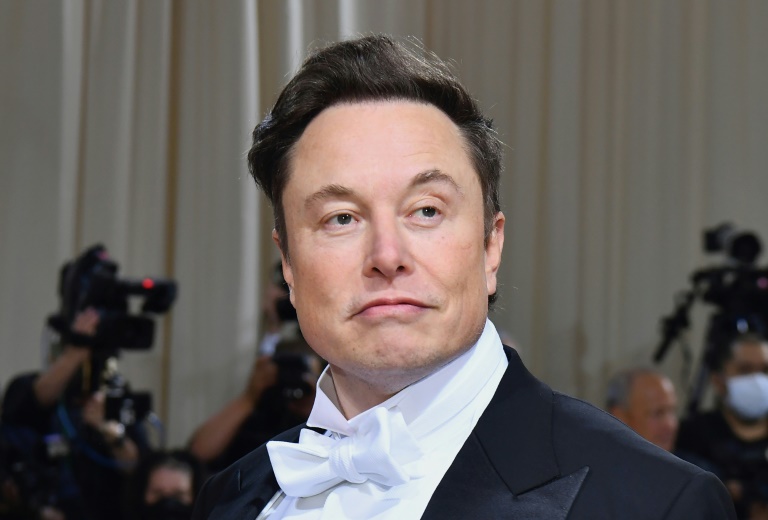
Elon Musk begins on Friday his first full day leading Twitter, with critics and fans anxious to see how the planet’s richest man will run one of the world’s leading social media platforms.

The mercurial Tesla chief’s tumultuous, $44 billion bid to buy the company concluded after months of uncertainty and speculation, and now users could start to see his plans.

Musk tweeted “the bird is freed” on Thursday, a jokey reference to the firm’s logo, shortly after he said he made the purchase “to help humanity, whom I love”.

Yet the idea of Musk running Twitter has alarmed activists who fear a surge in harassment and misinformation, with Musk himself known for trolling other Twitter users.

European politicians were quick to warn him that the continent had regulations for social media companies.

“In Europe, the bird will fly by our rules,” tweeted Thierry Breton, the EU internal market commissioner, in response on Friday to Musk’s “bird” message.

Musk said on Thursday Twitter “cannot become a free-for-all hellscape where anything can be said with no consequences”.

He had previously vowed to dial back content moderation and was expected to clear the way for former US president Donald Trump to return to the platform.

The then-president was blocked over concerns he would ignite more violence like the deadly attack on the Capitol in Washington to overturn his election loss.

Far-right users were quick to rejoice over the purchase on the network, posting comments such as “masks don’t work” and other taunts, under the belief that moderation rules will now be relaxed.

“Free speech will always prevail,” tweeted Republican Senator Marsha Blackburn of Tennessee, prompting hundreds of mostly angry replies accusing her of hypocrisy.

– Benefit of the doubt –

Among Musk’s first acts in power on Thursday were the reported firing of chief executive Parag Agrawal and other senior officials — though the company did not reply to AFP’s request for comment and Agrawal still listed himself as CEO on his Twitter profile.

Agrawal previously went to court to hold Musk to the terms of the deal, and the takeover came just before a deadline imposed by the judge.

Musk, who is using a combination of his own money, funds from wealthy investors and bank loans to finance the deal, has conceded he is overpaying for a company that has regularly posted eye-watering losses.

Twitter says it has 238 million daily users, dwarfed by the likes of Facebook’s two billion, but has not been able to monetize in the same way as its rivals.

However, Twitter holds an outsized influence on public debate because it is the favoured platform for many companies, politicians, journalists and other public figures.

Musk, though, has expressed frustration at content moderation and critics fear his ownership will be seen as a greenlight for hate speech and misinformation.

Musk is already the boss of car firm Tesla and rocket company SpaceX and it is not clear what his Twitter role might be, though unconfirmed reports suggested he might become interim CEO.

The closure of the deal marks the culmination of a long back-and-forth between the billionaire and the social network.

Musk tried several times to step back from the deal after his unsolicited offer was accepted in April, accusing Twitter of misleading him over the number of “bot” accounts.

Twitter dismissed his claims and accused him of inventing excuses, eventually filing a lawsuit to hold him to the agreement.

With a trial looming, the unpredictable billionaire capitulated and revived his takeover plan.

During the tumult, some employees have quit the firm over Musk’s takeover, said a worker who asked to remain anonymous.

“But a portion of people, including me, are willing to give him the benefit of the doubt for now,” the employee said.

All eyes on Twitter as Musk era opens

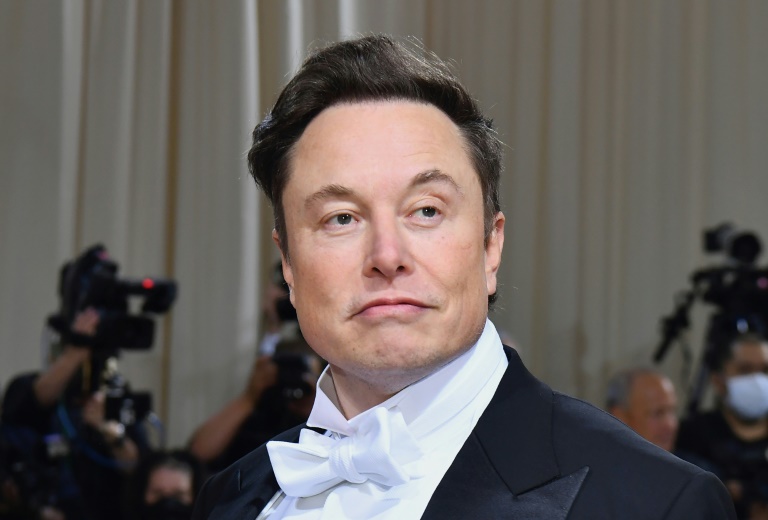
Elon Musk begins on Friday his first full day leading Twitter, with critics and fans anxious to see how the planet’s richest man will run one of the world’s leading social media platforms.

The mercurial Tesla chief’s tumultuous, $44 billion bid to buy the company concluded after months of uncertainty and speculation, and now users could start to see his plans.

Musk tweeted “the bird is freed” on Thursday, a jokey reference to the firm’s logo, shortly after he said he made the purchase “to help humanity, whom I love”.

Yet the idea of Musk running Twitter has alarmed activists who fear a surge in harassment and misinformation, with Musk himself known for trolling other Twitter users.

European politicians were quick to warn him that the continent had regulations for social media companies.

“In Europe, the bird will fly by our rules,” tweeted Thierry Breton, the EU internal market commissioner, in response on Friday to Musk’s “bird” message.

Musk said on Thursday Twitter “cannot become a free-for-all hellscape where anything can be said with no consequences”.

He had previously vowed to dial back content moderation and was expected to clear the way for former US president Donald Trump to return to the platform.

The then-president was blocked over concerns he would ignite more violence like the deadly attack on the Capitol in Washington to overturn his election loss.

Far-right users were quick to rejoice over the purchase on the network, posting comments such as “masks don’t work” and other taunts, under the belief that moderation rules will now be relaxed.

“Free speech will always prevail,” tweeted Republican Senator Marsha Blackburn of Tennessee, prompting hundreds of mostly angry replies accusing her of hypocrisy.

– Benefit of the doubt –

Among Musk’s first acts in power on Thursday were the reported firing of chief executive Parag Agrawal and other senior officials — though the company did not reply to AFP’s request for comment and Agrawal still listed himself as CEO on his Twitter profile.

Agrawal previously went to court to hold Musk to the terms of the deal, and the takeover came just before a deadline imposed by the judge.

Musk, who is using a combination of his own money, funds from wealthy investors and bank loans to finance the deal, has conceded he is overpaying for a company that has regularly posted eye-watering losses.

Twitter says it has 238 million daily users, dwarfed by the likes of Facebook’s two billion, but has not been able to monetize in the same way as its rivals.

However, Twitter holds an outsized influence on public debate because it is the favoured platform for many companies, politicians, journalists and other public figures.

Musk, though, has expressed frustration at content moderation and critics fear his ownership will be seen as a greenlight for hate speech and misinformation.

Musk is already the boss of car firm Tesla and rocket company SpaceX and it is not clear what his Twitter role might be, though unconfirmed reports suggested he might become interim CEO.

The closure of the deal marks the culmination of a long back-and-forth between the billionaire and the social network.

Musk tried several times to step back from the deal after his unsolicited offer was accepted in April, accusing Twitter of misleading him over the number of “bot” accounts.

Twitter dismissed his claims and accused him of inventing excuses, eventually filing a lawsuit to hold him to the agreement.

With a trial looming, the unpredictable billionaire capitulated and revived his takeover plan.

During the tumult, some employees have quit the firm over Musk’s takeover, said a worker who asked to remain anonymous.

“But a portion of people, including me, are willing to give him the benefit of the doubt for now,” the employee said.

NatWest shares slump as bank earnings spook market

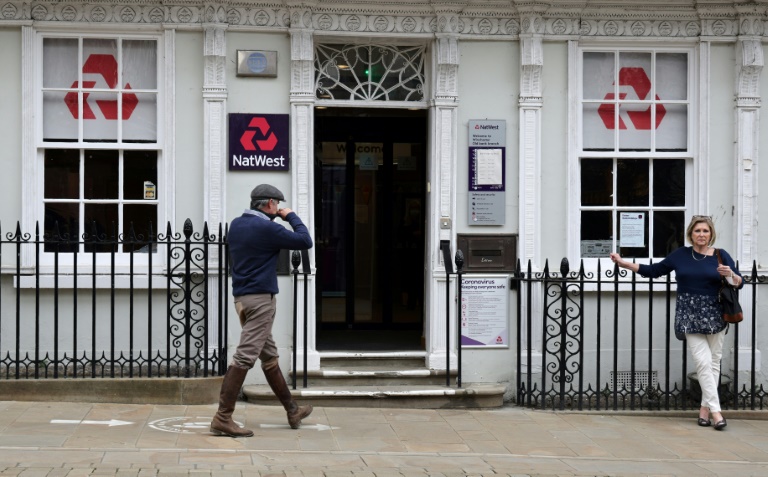
Shares in British bank NatWest tumbled nine percent Friday following an earnings update that added to concerns that borrowers would be unable to repay loans owing to soaring interest rates.

The group said it was setting aside £242 million ($279 million) in bad debt provisions, as the bank posted a 20-percent jump in revenue as rates rise on loans including mortgages.

It caps a week in which UK rivals Barclays, HSBC and Lloyds have also increased provisions for the same reason.

“At a time of increased economic uncertainty, we are acutely aware of the challenges that people, families and businesses are facing up and down the country,” said chief executive Alison Rose.

“Although we are not yet seeing signs of heightened financial distress, we are very conscious of the growing concerns of our customers and we are closely monitoring any changes to their finances or behaviours,” she added in the earnings release, which also revealed a big drop in net profits owing to other exceptional costs.

Shares in NatWest were down nine percent at 225 pence following the update, a much bigger loss than any other company trading on London’s benchmark FTSE 100 index.

“There are similar themes… to the rest of the sector,” noted Richard Hunter, head of markets at Interactive Investor. 

“The bank has felt the need to take a conservative approach to the possibility of bad debts, even though at present there is little sign of customer behaviour switching towards default.” 

Sweden conducts new Nord Stream crime scene inspection

Swedish prosecutors said Friday they would conduct a new complementary crime scene investigation of the Nord Stream leaks, after the navy and the pipeline owner also began surveys this week.

“I have decided to together with the Security Service (Sapo) conduct a number of complementary inspections of the crime scene,” public prosecutor Mats Ljungqvist said in a statement.

The Swedish armed forces have decided to assist the investigation following a request, Ljungqvist added, without giving any details as to what they were looking for.

Four leaks emerged on the two Nord Stream pipelines in the Baltic Sea off the Danish island of Bornholm at the end of September with seismic institutes reporting they had recorded two underwater explosions prior to the leaks appearing.

While the leaks were in international waters, two of them were in the Danish exclusive economic zone and two of them in Sweden’s.

In early October, the Swedish prosecution authority announced that they had collected “pieces of evidence” during an underwater inspection of the leaks in the Swedish economic zone, which had backed up suspicions of sabotage.

The new inspection comes as Sweden’s navy and the owner of the pipeline Nord Stream AG both announced earlier this week that they were conducting their own inspections of the burst pipelines.

Jimmie Adamsson, head of communications for the Swedish navy, confirmed they were at the scene with a ship specialised in diving operations and that they were supporting the prosecution’s new inspection.

But he stressed that it was not linked to the survey they had initiated on their own this week.

“The first investigation has not sparked the second, but they are two separate things,” Adamsson told AFP.

Nord Stream AG, which is majority-owned by Russia’s Gazprom, said Thursday that a “specially equipped vessel” had arrived at the location of “the pipeline damage in the exclusive economic zone of Sweden”.

The pipelines, which connect Russia to Germany, have been at the centre of geopolitical tensions as Russia cut gas supplies to Europe in suspected retaliation to Western sanctions over Moscow’s invasion of Ukraine.

Although they were not in operation when the leaks occurred, they both still contained gas which spewed up through the water and into the atmosphere.

Japan to spend $260 bn to tackle inflation, weak yen

Japan will spend $260 billion on a stimulus package to cushion the economy from the impact of inflation and the weak yen, Prime Minister Fumio Kishida announced on Friday.

But the central bank is refusing to budge from the ultra-loose policy that has hammered the Japanese currency this year, wiping out more than 20 percent of its value against the dollar.

The government hopes the 39 trillion yen in fiscal spending will rise to 72 trillion when private sector investments are taken into account, Kishida said after ministers approved an extra budget to partly fund the relief measures.

“We want to protect people’s livelihoods, employment and businesses, while strengthening our economy for the future,” he told reporters, adding that the move should help push up GDP by 4.6 percent.

Prices are rising in Japan at their fastest rate in eight years, although the three-percent inflation rate remains well below the sky-high levels seen in the United States and elsewhere.

Japan — which has one of the world’s highest debt-to-GDP ratios — has already injected hundreds of billions of dollars into its economy over the past two years to support recovery from the Covid-19 pandemic.

Friday’s package, funded by a special budget of $200 billion, will include measures to encourage wage growth and support households with energy bills, which have spiked since Russia’s invasion of Ukraine.

“We’ll aim to push down prices by more than 1.2 percent next year by lowering electricity bills by 20 percent and curbing gasoline prices,” Kishida said.

It is also designed to help people and businesses affected by the plummeting yen, currently at 147 against the dollar.

Japan spent nearly $20 billion in September in an effort to curb the yen’s slide, and further expensive government interventions have reportedly taken place in recent days.

– No change from Bank of Japan –

The yen’s steep falls have been driven by the widening gap between the monetary policies of the US and Japanese central banks — with the Bank of Japan keeping rates ultra-low to encourage sustainable growth, while the Federal Reserve ramps them up.

Following a two-day policy meeting, the BoJ said it would keep its easy-money policy, defying growing pressure to tweak its strategy as the yen drops.

Bank Governor Haruhiko Kuroda said officials would stick to their guns until prices rise “in a sustainable manner”, adding there would be no change “any time soon”.

Kuroda declined to comment on suspected currency interventions in the past week, which the finance ministry has not confirmed.

But “it is extremely important that (forex rates) reflect economic fundamentals, and move in a stable manner”, he told reporters.

“The recent depreciation of the yen is rapid and unilateral,” which is “negative for the Japanese economy”, Kuroda said.

Ahead of the BoJ meeting, UBS economists Masamichi Adachi and Go Kurihara said that a mix of continued easing by the central bank and the government’s stimulus measures would be “optimal”.

That is because Japan’s inflation is not demand-driven, but largely down to soaring energy costs, they explained in a commentary.

This view was echoed by Yoshiki Shinke, chief economist at Dai-ichi Life Research Institute.

“Japan’s economy faces weak demand due to price rises, in contrast to the United States, where demand is strong, with the Fed trying to cool down inflation,” he told AFP.

“It’s impossible that Japan would hike rates to curb inflation, for this reason.”

Close Bitnami banner
Bitnami