World

EU chief calls for closer ties to Central Asia in Kazakhstan visit

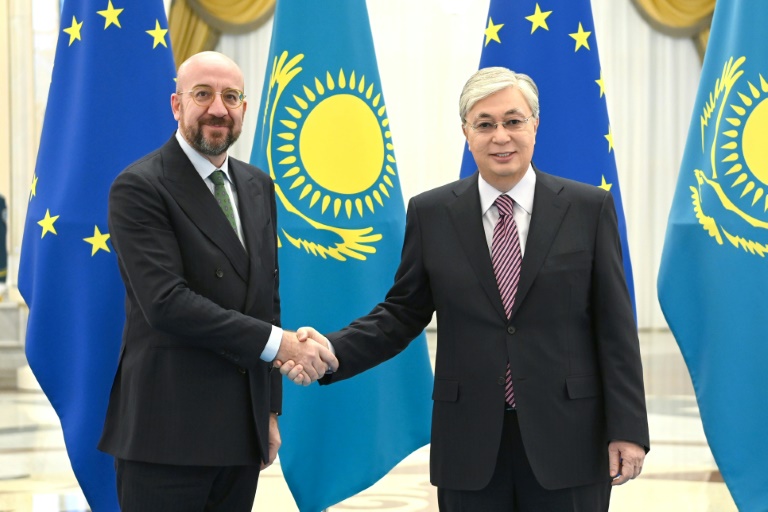
EU chief Charles Michel called on Thursday for closer ties with Central Asia on his first official visit to Kazakhstan, the main economic powerhouse in a region where Russia’s influence has come under question.

“Central Asia and Europe are coming closer together and becoming more and more connected,” Michel said at a press conference with Kazakh President Kassym-Jomart Tokayev in the capital Astana.

The head of the EU Council said Kazakhstan was a “crucial partner” and the EU hoped to “develop our cooperation”.

Michel’s visit comes eight months into Russia’s invasion of Ukraine, which has made Moscow’s former Soviet neighbours nervous and intensified the Kremlin’s clash with the West.

“My visit takes place at a difficult time for Europe and the wider region,” Michel said, condemning Moscow’s “war of aggression”. 

He is due to meet the leaders of all five Central Asian countries — Kazakhstan, Kyrgyzstan, Uzbekistan, Tajikistan and Turkmenistan — at 4:00 pm (1000 GMT). 

This is the first EU-Central Asia summit, a gathering Michel described as “much more than just a policy dialogue between two regions”.

“It’s a powerful symbol of our reinforced cooperation,” he said. 

He singled out Kazakhstan as a major trading partner for the EU and called for investment in transport infrastructure in the country, which has looked to reduce its dependence on Moscow since the latter sent troops to Ukraine. 

Michel’s visit comes two weeks after Astana hosted several summits attended by Russia — as well as by China and Turkey, who are also seeking to strengthen their influence in the region. 

Central Asian countries, traditional allies of Moscow, have trod a fine line on the Kremlin’s attack on Ukraine, neither condemning nor openly supporting it.

Tokayev even clashed with Russian President Vladimir Putin publicly in June, refusing to recognise the self-declared separatist republics controlled by pro-Moscow rebels in eastern Ukraine. 

Russia has since claimed to have annexed the regions.

Meanwhile Astana is seeking new routes for its oil exports, around three quarters of which transit Russia.

In early July, Tokayev pledged greater energy cooperation with the EU.

In a joint statement on Thursday, Tokayev and Michel said they discussed how to avoid “unintended negative impact on Kazakhstan’s economy” of EU sanctions against Russia, imposed over the Ukraine conflict.

They also discussed relocating to Kazakhstan “European manufacturing companies”, whose products are not subject to sanctions.

Rich in hydrocarbons and minerals, Kazakhstan lies at the heart of China’s massive new silk road project. 

Like Beijing, Turkey is also advancing its interest in the region, highlighting its ethno-linguistic and religious ties to Central Asia. 
ASEAN ministers 'even more determined' to solve Myanmar crisis

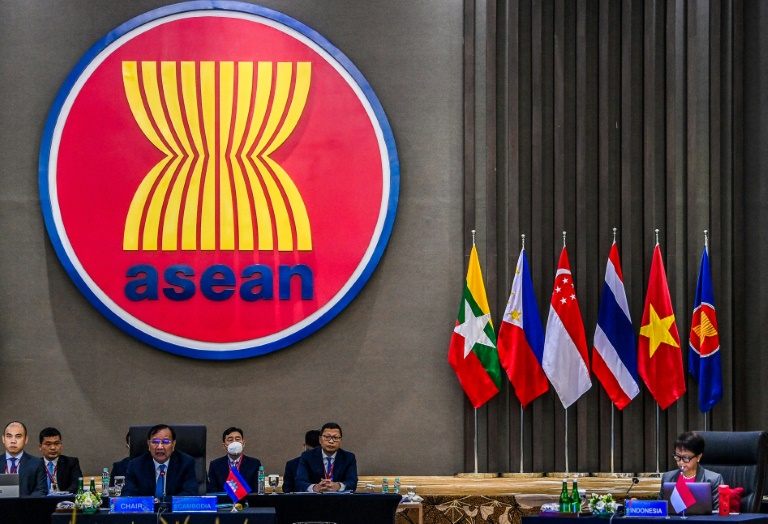
Southeast Asian foreign ministers said they were “even more determined” to solve the political crisis in Myanmar during talks in Indonesia on Thursday ahead of the ASEAN leaders’ summit in November.

Myanmar has been in turmoil since the military coup in February last year, but despite its expressions of concern, efforts by the Association of Southeast Asian Nations (ASEAN) have yet to bear any fruit.

But “ASEAN should not be discouraged, but even more determined to help Myanmar to bring about a peaceful solution”, said Cambodian Foreign Minister Prak Sokhonn after the emergency meeting at the bloc’s secretariat in Jakarta.

Myanmar’s junta had declined to send a non-political figure to the meeting.

More than 2,300 people have been killed in the Myanmar military’s brutal crackdown on dissent after the coup, according to a local monitor.

The United States had urged strong action at Thursday’s meeting.

Daniel Kritenbrink, the top US diplomat for East Asia, said at an event in Washington that the junta was leading “the complete destruction of all the progress made over the last decade” as Myanmar transitioned to democracy.

“We are not going to sit idly by while this violence continues; we’re not going to sit idly by while the junta prepares for what will be completely fake and sham elections that they talk about holding next year.”

Kritenbrink said Washington had “great respect” for ASEAN, but US officials have expressed frustration in the past at the lack of progress on the bloc’s own plan for the crisis, which called for an end to the violence, increased aid and dialogue.

“I think all the ASEAN countries need to hold the regime accountable,” US Secretary of State Antony Blinken said in July.

“To date, we have not seen positive movement in that direction.” 

– ‘Deep disappointment’ –

ASEAN ministers reaffirmed on Thursday their commitment to that five-point plan, first proposed in April 2022.

“The situation on the ground remains critical and fragile, and this is not due to the lack of commitments and efforts on the part of ASEAN… but because of the complexity and difficulty of Myanmar’s decades-long protracted conflicts,” Sokhonn said.

“The time to act is now.”

Host Indonesia’s foreign minister Retno Marsudi said the top diplomats of all ASEAN members had expressed concern about the failure to move ahead.

“The approach to sweep problems under the rug should not be an option in the ASEAN working mechanism,” she told a press briefing.

Singapore’s foreign minister Dr Vivian Balakrishnan expressed the city-state’s “deep disappointment at the lack of progress” by the junta on implementing the agreed plan, his ministry said in a statement.

Junta leader Min Aung Hlaing has not been invited to the ASEAN leaders’ summit in Cambodia next month — for the second year in a row — and Myanmar’s top diplomat Wunna Maung Lwin was excluded from ministerial talks in February and August.

But rights groups condemned the bloc’s failure to act, calling it business as usual.

“Instead of the kind of wishy-washy language contained in the Chairperson’s statement, ASEAN needs to get tough by establishing clear, time-bound human rights benchmarks on Myanmar,” said Human Rights Watch’s deputy Asia director Phil Robertson.

He said that should include releasing political prisoners, ceasing attacks on civilians, and steps towards dissolving the junta to allow for civilian democratic rule. 

“Those benchmarks should be accompanied by clear penalties should Myanmar fail to meet them,” he said, criticising ASEAN for not taking “even small actions to show displeasure” with the junta.

Germany's Scholz rejects Turkish claims against Greece

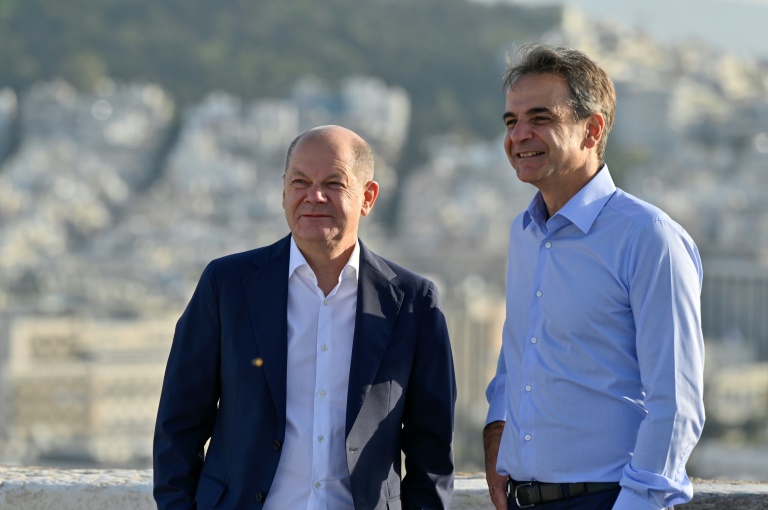
German Chancellor Olaf Scholz on Thursday rejected Turkish claims on the sovereignty of Greek islands, at the start of an official visit to Athens.

Speaking to Greek daily Ta Nea ahead of an official meeting with Greek Prime Minister Kyriakos Mitsotakis, Scholz said it was “not acceptable” for a NATO state to question the sovereignty of a fellow member.

He also criticised the “more or less veiled military threats” towards Greece made repeatedly by Turkish President Recep Tayyip Erdogan and his senior officials in recent months.

Greece and Turkey, which are both members of the US-led NATO defence alliance, have feuded for years over maritime borders and energy exploration rights in the Aegean and east Mediterranean seas.

In an interview with French weekly Le Point also published Thursday, Mitsotakis said the language used in Turkey’s “undeniably escalating rhetoric” was “unprecedented”.

Whilst acknowledging that Erdogan’s aggressiveness could be linked to a tough re-election campaign next year, Mitsotakis noted that Athens “cannot ignore that these statements confirm an aggressive and expansionist stance towards Greece”.

“President Erdogan… now says he could invade my country during the night,” the Greek premier said.

On his first visit to Greece as chancellor, Scholz on Thursday urged both states to resolve their differences “through dialogue and on the basis of international law”.

Erdogan has lately accused Greece of “occupying” Aegean islands whose status was settled in treaties adopted after World War I.

In response, Athens accuses Turkey of conducting hundreds of illegal military sorties over the islands.

Last month, the United States said that Greek sovereignty was not in doubt, after Ankara lodged a protest over the deployment of Greek armoured vehicles on the islands of Lesbos and Samos.

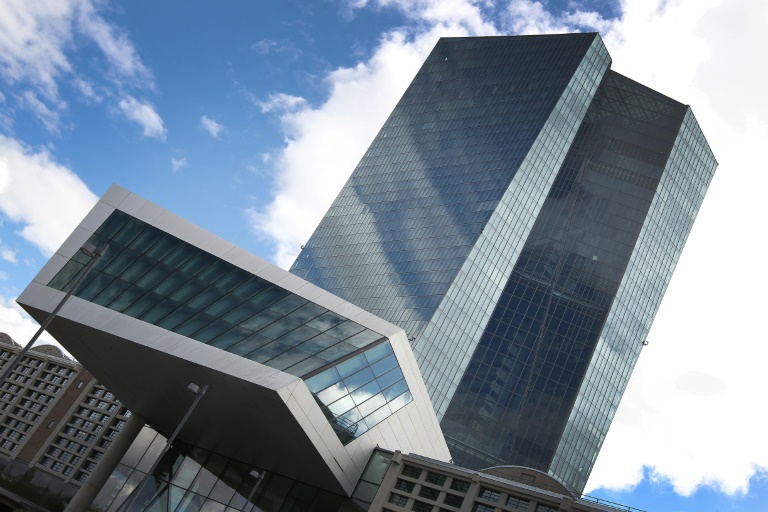
ECB poised for bumper rate hike despite recession gloom

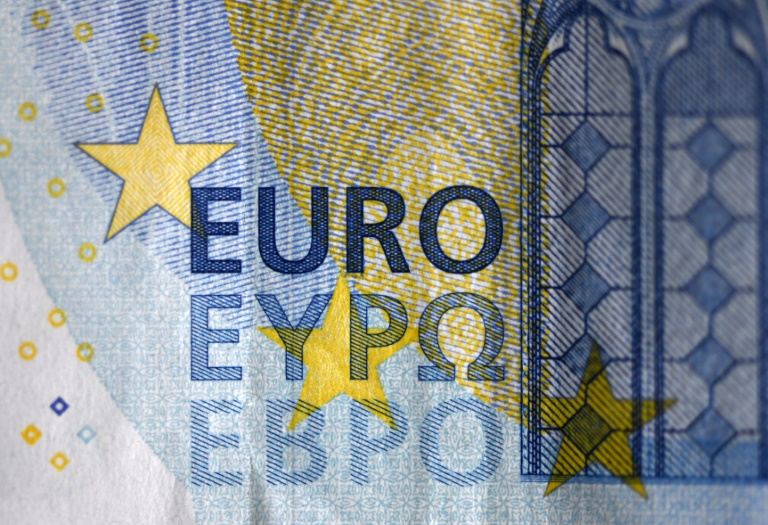
The European Central Bank is expected to roll out another super-size rate hike Thursday to combat runaway inflation, despite concerns higher borrowing costs could deepen the pain of a looming recession.

The ECB’s 25-member governing council is likely to lift key interest rates by 75 basis points for the second consecutive time, economists say.

The Frankfurt institution is under pressure to rein in record-high inflation, driven by surging food and especially energy prices in the wake of Russia’s war in Ukraine.

Eurozone inflation stood at just under 10 percent in September, nearly five times the ECB’s two-percent target.

ECB president Christine Lagarde warned recently that inflation was “far too high” and more action was required to prevent price shocks from becoming “entrenched”.

Like other central banks, the ECB is fighting back with a series of rate hikes intended to dampen demand by making credit more expensive for households and businesses — at the risk of triggering an economic downturn.

“The 75 basis point rate hike looks like a done deal,” said ING economist Carsten Brzeski, adding that the ECB “has turned a blind eye on recession risks”.

– Political pushback –

The outlook for the eurozone economy has darkened in recent weeks as the 19-nation region grapples with the fallout from the Ukraine war, soaring tensions with Moscow and pandemic-induced global supply chain woes.

If Russia completely cuts off gas flows to Europe, the eurozone economy could shrink by nearly one percent in 2023, ECB vice-president Luis de Guindos has warned.

That scenario has become more likely after Russia in late August shut down the crucial Nord Stream 1 pipeline to Europe’s economic powerhouse Germany.

The German economy is already forecast to shrink by 0.4 percent next year.

As European governments race to unveil multi-billion-euro support measures to help citizens through a cost-of-living crisis this winter, the ECB’s monetary policy tightening has come under scrutiny.

Italian Prime Minister Giorgia Meloni this week slammed the ECB’s “rash choice” to keep hiking rates, saying it created “further difficulties for member states that have elevated public debt”, Bloomberg News reported.

French President Emmanuel Macron has expressed “concern” that the ECB was “shattering demand” in Europe.

Lagarde has urged governments not to fall into the trap of spending so much that they end up boosting inflation and working against the ECB.

The ECB has already increased rates twice since July, ending over a decade of ultra-low and even negative interest rates.

The recently weak euro jumped back above parity with the US dollar ahead of Thursday’s ECB meeting, as traders grew hopeful that the Federal Reserve may tap the brakes on its aggressive rate increases amid signs of a slowing US economy.

A stronger euro helps keep the lid on consumer prices because it makes imports cheaper.

– Balance sheet in focus –

The ECB is also expected to use this week’s meeting to discuss bringing other monetary policy levers in line with its inflation-busting efforts.

Policymakers are likely to announce changes to the 2.1 trillion euros (dollars) in super cheap, long-term loans (TLTROs) offered to banks in recent years to help the eurozone through several crises.

As a consequence of the rate hikes, lenders can now make an easy profit by parking their excess TLTRO cash at the ECB and pocketing the new, higher deposit rate — prompting policymakers to look for ways to incentivise early repayment of the loans.

The ECB may also ponder how best to shrink the five-trillion-euros worth of bonds on its balance sheet, after years of hoovering up government and corporate debt to drive up stubbornly low inflation.

But given the uncertain outlook and the risk of rattling financial markets, analysts say the start of any “quantitative tightening” — letting the bonds mature or actively selling them — is some way off.

Ultra-rich UK PM to move into small Downing Street flat

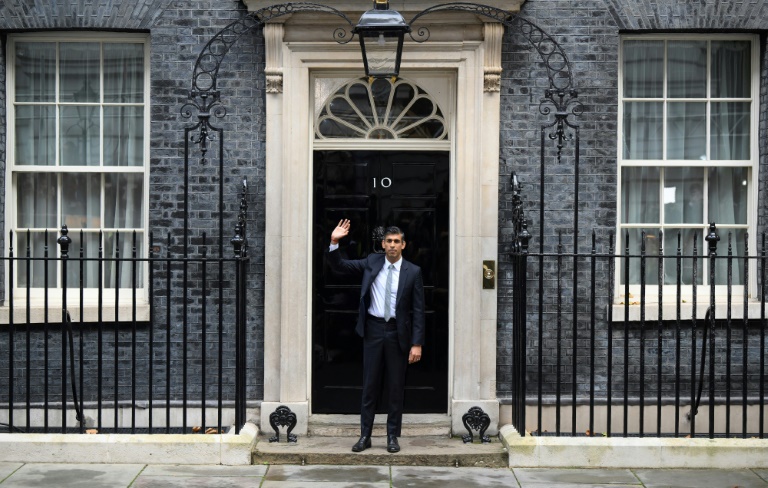
Britain’s ultra-wealthy new British prime minister Rishi Sunak and his family plan to live in the flat above number 10 Downing Street, despite owning a string of luxury properties including one in London.

Sunak’s portfolio of properties reportedly includes a penthouse in California, an apartment in London’s exclusive Kensington district and a mansion in his Yorkshire constituency in the north of England.

But the prime minister’s secretary has confirmed he will be moving into Downing Street.

“They will be moving into the No 10 flat,” the spokeswoman said, adding that she did not know if they had any plans to redecorate.

Johnson got into hot water over an expensive refit of his prime ministerial flat.

The ousted premier’s lavish refurbishment of his flat, next door at No 11 Downing Street, was overseen by his wife Carrie. Controversy over the way it was funded handed ample ammunition to Johnson’s critics.

The details of expensive rolls of wallpaper, hyper-fashionable soft furnishings and deep-pocketed donors became the stuff of endless newspaper articles that ultimately undermined his authority.

Although the No 10 flat in Downing Street is in a prime location, it is relatively small.

Sunak’s move there will mark a return the flat being the London home of the British prime minister.

– Sunak’s Labrador comes too –

Traditionally British leaders lived in the flat above number 10 Downing Street. The main building it sits above is the official residence and office of the country’s prime ministers.

Chancellors generally lived in the larger flat above No 11.

However when Tony Blair and Gordon Brown were prime minister and chancellor, they swapped flats to accommodate Blair’s growing family.

In fact, Sunak only recently moved out of No 10 flat as he lived there during his time as Johnson’s finance minister, until resigning in July.

Asked why he had chosen to live at No 10 and not the bigger No 11 flat, the spokeswoman said: “They were very happy there.”

The Sunaks, who have two daughters and a Labrador dog, however, are unlikely to need to rely on rich backers for any flat redecorations.

Before marrying the daughter of an Indian billionaire in 2009, Sunak worked at Goldman Sachs investment management company and two hedge funds,

His wife Akshata Murty owns a substantial stake in her father’s Infosys software company.

Together, the couple are on The Sunday Times rich list, with a net worth of 730 million pounds.

British prime ministers also have the use of a country residence, Chequers.  

Huawei revenue down 2.2% in first three quarters of 2022

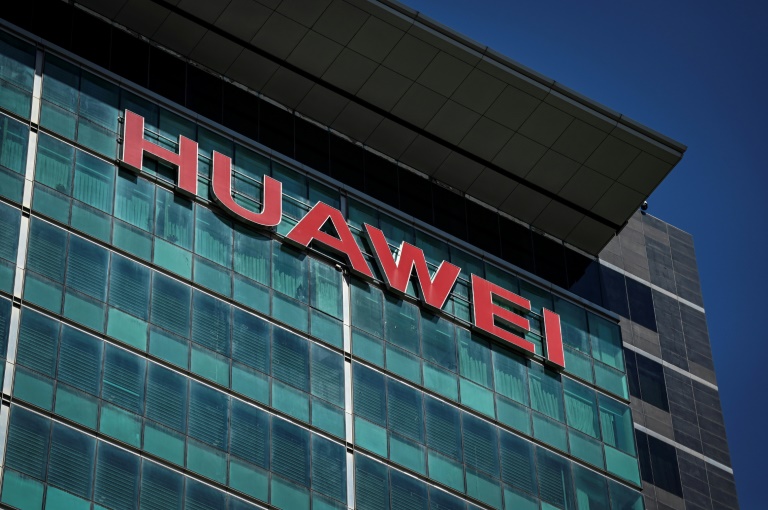
Revenue at Chinese telecom giant Huawei fell by 2.2 percent year on year in the first three quarters of 2022, company data showed Thursday, as Covid-19 and US sanctions dragged down sales.

Huawei made 445.8 billion yuan ($61.76 billion) in revenue in the first three quarters of 2022, a drop from 455.8 billion yuan in the same period a year ago, according to company data.

Huawei provided few specifics and did not include a breakdown of its data by business segment.

“Our device business was impacted by Covid-19 and global economic downturn,” a company spokesperson told AFP.

Eric Xu, Huawei’s rotating chairman, said in a statement that “overall performance was in line with forecast”. 

“The decline in our device business continued to slow down, and our ICT infrastructure business maintained steady growth,” Xu said.

A supplier of networking equipment, phones and other state-of-the-art gear, Huawei has struggled in the wake of a crackdown by the administration of former US president Donald Trump fuelled by cybersecurity and espionage concerns.

President Joe Biden’s administration has added to the pressure with the US Chip Act, which threatens Huawei’s access to global semiconductor supply chains. 

Its fifth-generation (5G) wireless network technology, meanwhile, has been blocked by major economies including the United States, Britain and Japan due to security concerns.

The company on Thursday said its profit margin for its main business from January to September was 6.1 percent, without revealing its net profit margin, which was 10.2 percent in the first three quarters of 2021.

The 2.2 percent fall in revenue in the first three quarters is significantly lower than the 32 percent revenue plunge it logged in the same period last year, showing slowing decline. 

– External ‘uncertainties’ –

The company’s smartphone sales have seen a slump in recent years after the United States cut Huawei off from key parts and barred it from using Google’s Android services.

It has rolled out its own Harmony operating system, which is now being used on 300 million Huawei devices mostly in China.

Huawei’s spokesperson on Thursday said the company was looking to focus on other devices.

It has expanded its enterprise and cloud computing business, and designed software and components for “smart” cars.

“Although there are uncertainties in the external environment, like Covid-19 and changes in the industry, we remain confident that we can meet our business targets for 2022,” the spokesperson said.

Huawei is not publicly listed and its accounts are not subject to the same audits as companies traded on the stock market.

Last year Huawei logged a record profit of 113.7 billion yuan despite a revenue slump, which the company attributed to “more efficient internal operations.”

TotalEnergies's 'superprofit' renews windfall tax debate

TotalEnergies said Thursday surging global oil and gas prices helped it post a massive jump in profits in the third quarter as France is riven over taxing windfall profits of energy companies.

Net profits at the French company soared 43 percent from the same period last year to $6.6 billion, with record performances for its natural gas and liquefied natural gas (LNG) activities.

The firm has now earned $17.3 billion over the first nine months of the year, more than the $16 billion in profits it posted last year.

Total’s bumper earnings may add fuel to the raging debate over what the French call superprofits by energy firms due to the spike in prices thanks to the Russian invasion of Ukraine.

France’s opposition wants to impose a windfall tax to help fund measures to protect consumers from energy price hikes, but President Emmanuel Macron reiterated his opposition to such a measure in a prime-time television appearance on Wednesday evening.

TotalEnergies, which has been plagued by strikes in France that have led to petrol shortages at pumps, announced it would pay its workers a bonus.

“In this favorable environment, taking into account income and production taxes of $26 billion worldwide, the company is implementing a balanced value-sharing policy with an exceptional one-month-salary bonus in 2022 to all its employees worldwide,” it said in a statement.

TotalEnergies also confirmed its announcement from last month to return to shareholders 35 to 40 percent of cash flow, and maintained its interim quarterly dividend at a higher rate from last year.

French Finance Minister Bruno Le Maire welcomed the company’s bumper profits.

“I say so much the better,” he reacted, noting that it would allow the firm to continue until mid-November its discount of 20 cents per litre at the pump, which comes in addition to the 30 cents per litre discount paid for by the state.

“When a French company succeeds, I think all of us should be satisfied with its success and we should all be proud of having a big energy company like Total,” he said on BFM Business television channel.

While TotalEnergies reached a pay hike deal with a majority of unions, one has held out and two refineries remain on strike despite the government forcing some employees back to work under threat of jail time.

Some 14 percent of French filling stations partially or completely lacked supplies as of Wednesday, down from more than a third last week.

– Russian impairment – 

While oil and gas prices have recently cooled, they are still much higher than before Russia launched its invasion of Ukraine in February.

TotalEnergies noted that the average LNG price last quarter was up 50 percent from the previous quarter as European nations scrambled to replace Russian supplies and fill up their storage facilities ahead of winter.

Its gas and renewables unit made a record net operating profit of $3.6 billion, a jump from $1.1 billion in the previous quarter.

That came despite a drop in its LNG production and sales from the previous quarter due to repair operations, with the company making spot purchases to maximise its facilities to process LNG and seize market opportunities.

The war has not been all a boon for TotalEnergies, which was involved in several gas projects in Russia.

It made a new $3.1 billion impairment charge due to its activities there, following write downs worth $7.6 billion in the first two quarters this year.

Despite slower global growth next year, TotalEnergies said it expects a cut of two million barrels per day by the OPEC oil cartel and its allies to support prices, as well as a European ban on Russian oil imports due to go into effect next month.

“Gas prices should also remain high, driven by the need to import LNG into Europe to replace Russian gas imports,” said Total.

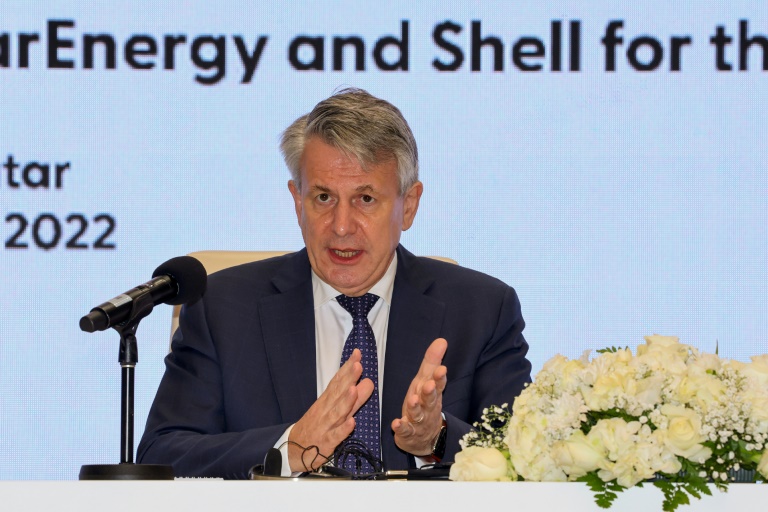
Shell posts more bumper profits on high energy prices

British energy giant Shell on Thursday announced net profit totalling $6.7 billion in the third quarter, as oil and gas prices remain strong despite recent slides on easing supply fears.

The result compared with a loss after tax of $447 million in the July-September period last year, Shell said. 

Flush with cash from revenue surging to almost $100 billion, Shell said it would buy back shares at a cost of $4 billion.

“We are delivering robust results at a time of ongoing volatility in global energy markets,” said Shell’s outgoing chief executive Ben van Beurden. 

The latest profit, however, was far lower than its second-quarter net income of $18 billion.

Shell alerted the market on the comparison earlier this month, blaming the drop on a slump in refining margins.

Although oil and gas prices have surged from a year ago following the invasion of Ukraine by major energy producer Russia, hydrocarbon values have seen some recent cooling as the northern hemisphere experiences mild temperatures and countries shore up supplies.

– Shares rally –

Shell’s share price jumped 3.5 percent following the results, which also included a raised dividend following underlying profits ahead of analyst expectations.

The group’s latest earnings reignited calls for the UK government to slap a much bigger windfall tax on energy companies as millions of Britons struggle with a cost-of-living crisis.

“A proper tax on Shell’s reported Q3… profits as well as the billions made in Q1 and Q2 by all the fossil fuel giants would already have generated enough cash to insulate thousands of homes,” Greenpeace UK’s senior climate advisor Charlie Kronick said.

“Responding to the cost-of-living crisis is well within the government’s control.”

Britain’s new prime minister, Rishi Sunak, unveiled a windfall tax on the profits of British energy companies earlier this year in his role as finance minister, but it was deemed as far too small by campaigners.

Van Beurden recently indicated that governments should “probably” tax energy firms more to help protect the poorest from rocketing energy bills amid decades-high inflation, although critics said the comments did not carry much weight ahead of his departure.

Shell last month announced that van Beurden would step down as CEO at the end of the year, as the energy major looks to reinvent itself under group renewables boss Wael Sawan.

Towards the end of his nine years at the helm, van Beurden slashed thousands of jobs after Shell slumped into a huge loss on Covid lockdowns. 

A Shell veteran with almost 40 years at the group, he departs having carried out a major corporate overhaul that saw the company ditch “Royal Dutch” from the start of its name.

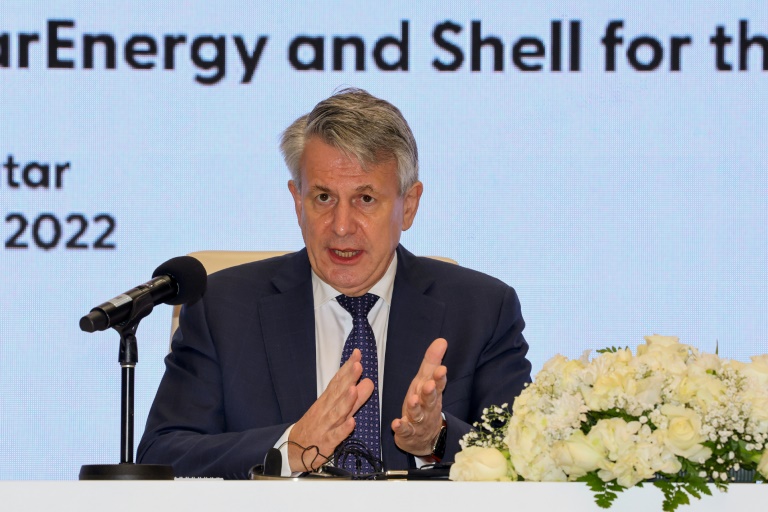
Shell posts more bumper profits on high energy prices

British energy giant Shell on Thursday announced net profit totalling $6.7 billion in the third quarter, as oil and gas prices remain strong despite recent slides on easing supply fears.

The result compared with a loss after tax of $447 million in the July-September period last year, Shell said. 

Flush with cash from revenue surging to almost $100 billion, Shell said it would buy back shares at a cost of $4 billion.

“We are delivering robust results at a time of ongoing volatility in global energy markets,” said Shell’s outgoing chief executive Ben van Beurden. 

The latest profit, however, was far lower than its second-quarter net income of $18 billion.

Shell alerted the market on the comparison earlier this month, blaming the drop on a slump in refining margins.

Although oil and gas prices have surged from a year ago following the invasion of Ukraine by major energy producer Russia, hydrocarbon values have seen some recent cooling as the northern hemisphere experiences mild temperatures and countries shore up supplies.

– Shares rally –

Shell’s share price jumped 3.5 percent following the results, which also included a raised dividend following underlying profits ahead of analyst expectations.

The group’s latest earnings reignited calls for the UK government to slap a much bigger windfall tax on energy companies as millions of Britons struggle with a cost-of-living crisis.

“A proper tax on Shell’s reported Q3… profits as well as the billions made in Q1 and Q2 by all the fossil fuel giants would already have generated enough cash to insulate thousands of homes,” Greenpeace UK’s senior climate advisor Charlie Kronick said.

“Responding to the cost-of-living crisis is well within the government’s control.”

Britain’s new prime minister, Rishi Sunak, unveiled a windfall tax on the profits of British energy companies earlier this year in his role as finance minister, but it was deemed as far too small by campaigners.

Van Beurden recently indicated that governments should “probably” tax energy firms more to help protect the poorest from rocketing energy bills amid decades-high inflation, although critics said the comments did not carry much weight ahead of his departure.

Shell last month announced that van Beurden would step down as CEO at the end of the year, as the energy major looks to reinvent itself under group renewables boss Wael Sawan.

Towards the end of his nine years at the helm, van Beurden slashed thousands of jobs after Shell slumped into a huge loss on Covid lockdowns. 

A Shell veteran with almost 40 years at the group, he departs having carried out a major corporate overhaul that saw the company ditch “Royal Dutch” from the start of its name.

Euro and pound hold gains, stocks mostly rise as rate fears ease

The euro, pound and yen all held their gains against the dollar Thursday and most equities rose as traders grow increasingly hopeful the Federal Reserve will slow its pace of interest rate hikes.

Hong Kong led the gains thanks to a surge in tech firms, extending a recovery from Monday’s rout that was fuelled by worries of Xi Jinping’s tightened grip on power in China.

After a painful year for markets hit by central bank rate hikes to fight soaring inflation, investors have taken heart from several weak US indicators — the latest on the services and real estate sectors — suggesting the economy is slowing.

That has led to speculation officials could be ready to tap the brakes on the increases, while some Fed policymakers have also raised the possibility of a slowdown.

The optimism was boosted Wednesday by news that the Bank of Canada had raised rates less than expected and signalled it is ready to wind down.

“The downshift at the Bank of Canada has further fanned the winds of a similar move by the Fed come December and comes after the (Australian central bank) slowed the pace of hikes to 25 basis points at its October meeting,” said National Australia Bank’s Taylor Nugent.

The news weighed on the dollar, which has surged against other currencies all year owing to the Fed’s rate drive, as US Treasury yields drop.

And on Thursday the euro held above parity with the greenback, a day after breaking the marker for the first time since last month and ahead of an expected European Central Bank rate hike.

The ECB meeting “really depends on not what (it) delivers, but what sort of guidance… President Christine Lagarde offers over future moves going forward for December, at a time when EU inflation is still showing little sign of slowing,” said Micahel Hewson of CMC Markets.

The yen held around 146 per dollar, having hit a 32-year low near 152 on Friday, and sterling was also holding above $1.16 after last month hitting a record low $1.0350 in reaction to then-prime minister Liz Truss’s debt-fuelled mini-budget.

The pound was also enjoying support after former finance minister Rishi Sunak became prime minister, giving hope for some stability after months of upheaval.

The positive performance was mirrored in equity markets, with Hong Kong rising one percent at one point thanks to a rally in beaten-down tech shares.

The Hang Seng Index’s advance follows a rout on Monday in response to Xi’s tighter grip on power and his decision to put in top posts loyalists who backed his zero-Covid strategy of lockdowns.

Among the standout performers, ecommerce giant Alibaba jumped more than eight percent and rival JD.com piled on more than 10 percent. The Hang Seng Tech Index was four percent higher.

The advances came after outsized gains for the firms’ New York-listed shares.

Sydney, Seoul, Singapore, Taipei, Manila, Bangkok, Mumbai, Jakarta and Wellington also rose. However, Tokyo and Shanghai slipped.

London edged up in the morning but Paris and Frankfurt eased back.

Analysts remain cautious owing to the fact inflation is stuck at multi-decade highs in various countries, while the Fed’s November meeting is now in focus.

“The Fed won’t blink next week and the risk of a 75 basis point hike in December should still remain on the table,” said OANDA’s Edward Moya.

“Cracks in the economy are here. Tighter financial conditions are not going away. Meanwhile, inflation and labour stats are not declining fast enough to support a Fed downshift just yet,” he said, adding that there was a risk of overtightening.

“The soft landing playbook just got thrown out the window and now Wall Street needs to gauge how bad of a recession will hit the economy next year.”

Oil prices dipped after Wednesday’s rally that came after US Secretary of State Antony Blinken warned that there was little scope for a new Iran nuclear deal, pointing to the clerical leadership’s conditions.

– Key figures around 0810 GMT –

Euro/dollar: DOWN at $1.0066 from $1.0087 on Wednesday

Pound/dollar: DOWN at $1.1600 from $1.1621 

Dollar/yen: DOWN at 145.72 yen from 146.39 yen

Euro/pound: UP at 86.84 pence from 86.77 pence

Tokyo – Nikkei 225: DOWN 0.3 percent at 27,345.24 (close)

Hong Kong – Hang Seng Index: UP 0.7 percent at 15,427.94 (close)

Shanghai – Composite: DOWN 0.6 percent at 2,982.90 (close)

London – FTSE 100: UP 0.2 percent at 7,071.42 

West Texas Intermediate: DOWN 0.4 percent at $87.55 per barrel

Brent North Sea crude: DOWN 0.4 percent at $95.27 per barrel

New York – Dow: FLAT at 31,839.11 (close)

Close Bitnami banner
Bitnami