World

Senegal not giving up on oil and gas

The new offshore gas terminal appears through the morning mist cloaking the Atlantic Ocean near Saint Louis, where Senegal meets Mauritania.

It has been hailed as a new economic beginning in developing Africa, and condemned as a new source of pollution in a world suffocating from global warming.

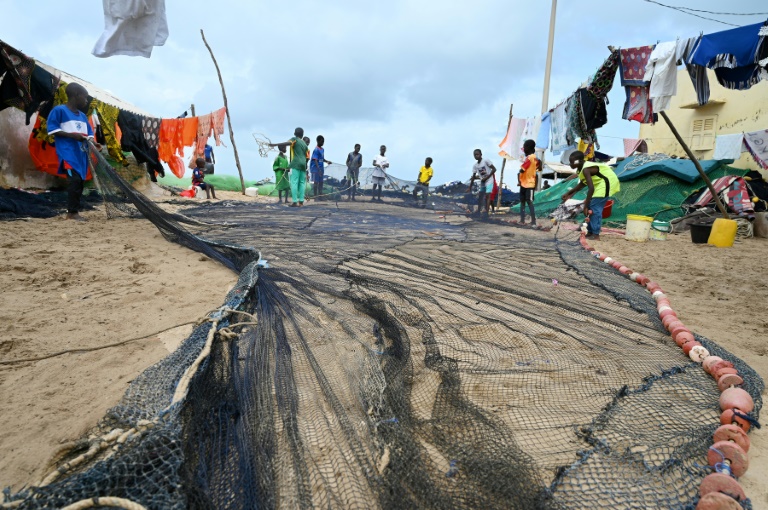
On the beach, a dugout canoe is hauled up the wet sand after a night’s fishing.

“Not a lot of fish,” scowls El Hadji Gaye, his eye catching the giant structure nearly 10 kilometres (six miles) out at sea.

Senegal, like the Democratic Republic of Congo, has discovered oil and gas reserves, raising hopes of future riches and industrialisation.

They have no intention of yielding to appeals to leave lucrative oil and gas in the ground in the name of fighting climate change.

Senegalese President Macky Sall says it would be “an injustice” and he has launched a diplomatic counter-offensive to justify extracting the resources, starting next year.

“Not being the greatest polluters since we are not industrialised, it would be unfair in the search for a solution (to global warming) to ban Africa from using the natural resources which are underground,” Sall told visiting German Chancellor Olaf Scholz in May.

And the message seems even more likely to be heard now that Europeans, facing a major energy crisis following Russia’s invasion of Ukraine, are looking to diversify their oil and gas supplies.

– ‘Exacerbate’ global warming –

Niger, the world’s poorest country according to the UN’s Human Development Index, is also building Africa’s longest oil pipeline — a nearly 2,000-kilometre (1,250-mile) link to Benin that will enable it to export crude from as early as next year.

Greenpeace Africa’s ocean campaign manager Aliou Ba stressed that exploiting fossil fuel deposits will further “exacerbate” the climate crisis, with efforts to limit the temperature rise to 1.5 degrees Celsius looking increasingly forlorn.

Francois Gemenne, an expert with the Intergovernmental Panel on Climate Change, said: “When you are poor it is very difficult to give up on treasure, so something more interesting has to be on offer.

“What’s at stake is that these countries can and do choose a decarbonised economy.

“And that requires the transfer of technology and investment in renewables, which is still generally lacking.”

The pre-COP27 talks held in Kinshasa at the start of October heard calls for alternative technologies and major financing to sustain a green transition.

But the government of the vast, rainforest-covered DRC is standing by its right to exploit petrol and gas, despite criticism from environmental groups warning against the release of huge quantities of carbon.

At the pre-COP gathering, Congolese Prime Minister Jean-Michel Sama Lukonde pointed out that some European nations have returned to burning highly polluting coal due to gas shortages triggered by the Russian invasion.

He warned against “discrimination”, “with certain states free to carry on or even increase their emissions, and others prevented from exploiting their natural resources”.

DRC senior climate negotiator Tosi Mpanu Mpanu sees a positive outcome. “Paradoxically, it’s the oil money that is seen as dirty which will allow us to have sufficient means to take back our environmental sovereignty and reduce emissions caused by deforestation,” he said.

– ‘Radical change’ –

Senegal’s oil and gas discoveries account for only 0.07 percent and 0.5 respectively of world reserves.

But Energy and Oil Minister Sophie Gladima said “they are important enough to radically change the economy and industrial fabric of our country and thereby its future prospects.”

“Just exploiting our hydrocarbons will enable us to accelerate public access to electricity and above all to lower the cost of production and encourage industrialisation.”

She underlined the legal framework needed to bring thousands of Senegalese jobs into the sector, and the setting up of the National Institute of Oil and Gas to turn out a highly qualified workforce.

But fishermen say they are being excluded from the future planned out by the state.

As the launch of gas production draws closer, the authorities are stepping up their control over the offshore platform.

A security perimeter has been set up and a boat patrols the coastline to block any seafarer tempted to cross an invisible barrier.

“This place was where we found most fish,” says El Hadji.

“Now we are caught in a trap because we can no longer go there or further north into Mauritanian waters,” the 39-year-old fisherman adds.

Behind him more than a dozen of his comrades chant rhythmically as they push their multicoloured canoe over the sand, following centuries-old traditions on a narrow strip of land separating the Senegal river from the Atlantic Ocean.

“I only know how to fish. My parents fished, my grandparents also. What will I become? What will my children do?” El Hadji asks.

He turns and looks at his friends, the waves crashing. In the distance, the gas platform looms above the ocean.
Senegal not giving up on oil and gas

The new offshore gas terminal appears through the morning mist cloaking the Atlantic Ocean near Saint Louis, where Senegal meets Mauritania.

It has been hailed as a new economic beginning in developing Africa, and condemned as a new source of pollution in a world suffocating from global warming.

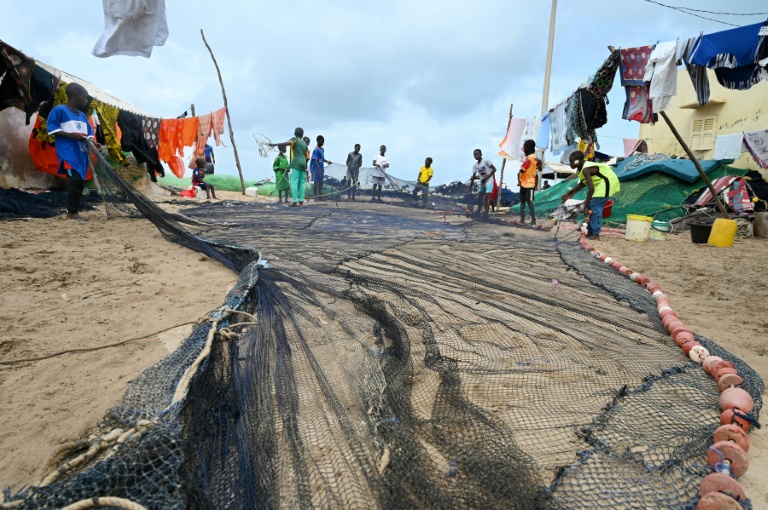
On the beach, a dugout canoe is hauled up the wet sand after a night’s fishing.

“Not a lot of fish,” scowls El Hadji Gaye, his eye catching the giant structure nearly 10 kilometres (six miles) out at sea.

Senegal, like the Democratic Republic of Congo, has discovered oil and gas reserves, raising hopes of future riches and industrialisation.

They have no intention of yielding to appeals to leave lucrative oil and gas in the ground in the name of fighting climate change.

Senegalese President Macky Sall says it would be “an injustice” and he has launched a diplomatic counter-offensive to justify extracting the resources, starting next year.

“Not being the greatest polluters since we are not industrialised, it would be unfair in the search for a solution (to global warming) to ban Africa from using the natural resources which are underground,” Sall told visiting German Chancellor Olaf Scholz in May.

And the message seems even more likely to be heard now that Europeans, facing a major energy crisis following Russia’s invasion of Ukraine, are looking to diversify their oil and gas supplies.

– ‘Exacerbate’ global warming –

Niger, the world’s poorest country according to the UN’s Human Development Index, is also building Africa’s longest oil pipeline — a nearly 2,000-kilometre (1,250-mile) link to Benin that will enable it to export crude from as early as next year.

Greenpeace Africa’s ocean campaign manager Aliou Ba stressed that exploiting fossil fuel deposits will further “exacerbate” the climate crisis, with efforts to limit the temperature rise to 1.5 degrees Celsius looking increasingly forlorn.

Francois Gemenne, an expert with the Intergovernmental Panel on Climate Change, said: “When you are poor it is very difficult to give up on treasure, so something more interesting has to be on offer.

“What’s at stake is that these countries can and do choose a decarbonised economy.

“And that requires the transfer of technology and investment in renewables, which is still generally lacking.”

The pre-COP27 talks held in Kinshasa at the start of October heard calls for alternative technologies and major financing to sustain a green transition.

But the government of the vast, rainforest-covered DRC is standing by its right to exploit petrol and gas, despite criticism from environmental groups warning against the release of huge quantities of carbon.

At the pre-COP gathering, Congolese Prime Minister Jean-Michel Sama Lukonde pointed out that some European nations have returned to burning highly polluting coal due to gas shortages triggered by the Russian invasion.

He warned against “discrimination”, “with certain states free to carry on or even increase their emissions, and others prevented from exploiting their natural resources”.

DRC senior climate negotiator Tosi Mpanu Mpanu sees a positive outcome. “Paradoxically, it’s the oil money that is seen as dirty which will allow us to have sufficient means to take back our environmental sovereignty and reduce emissions caused by deforestation,” he said.

– ‘Radical change’ –

Senegal’s oil and gas discoveries account for only 0.07 percent and 0.5 respectively of world reserves.

But Energy and Oil Minister Sophie Gladima said “they are important enough to radically change the economy and industrial fabric of our country and thereby its future prospects.”

“Just exploiting our hydrocarbons will enable us to accelerate public access to electricity and above all to lower the cost of production and encourage industrialisation.”

She underlined the legal framework needed to bring thousands of Senegalese jobs into the sector, and the setting up of the National Institute of Oil and Gas to turn out a highly qualified workforce.

But fishermen say they are being excluded from the future planned out by the state.

As the launch of gas production draws closer, the authorities are stepping up their control over the offshore platform.

A security perimeter has been set up and a boat patrols the coastline to block any seafarer tempted to cross an invisible barrier.

“This place was where we found most fish,” says El Hadji.

“Now we are caught in a trap because we can no longer go there or further north into Mauritanian waters,” the 39-year-old fisherman adds.

Behind him more than a dozen of his comrades chant rhythmically as they push their multicoloured canoe over the sand, following centuries-old traditions on a narrow strip of land separating the Senegal river from the Atlantic Ocean.

“I only know how to fish. My parents fished, my grandparents also. What will I become? What will my children do?” El Hadji asks.

He turns and looks at his friends, the waves crashing. In the distance, the gas platform looms above the ocean.
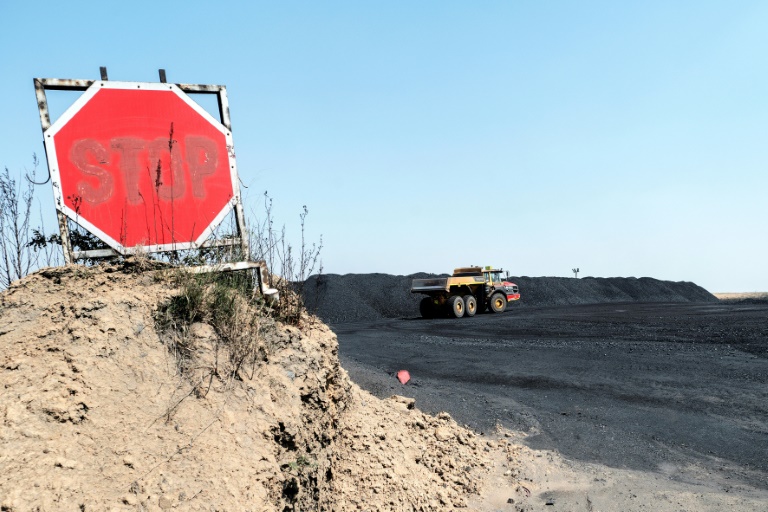
Green future is cause for worry in S.Africa's coal belt

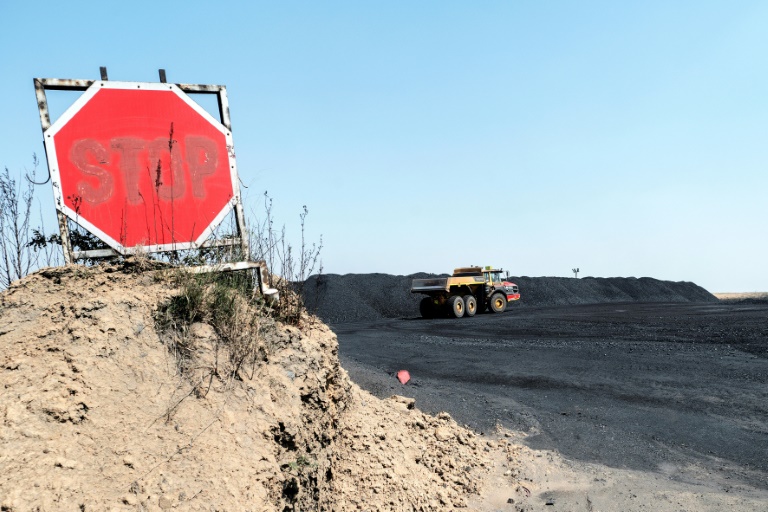
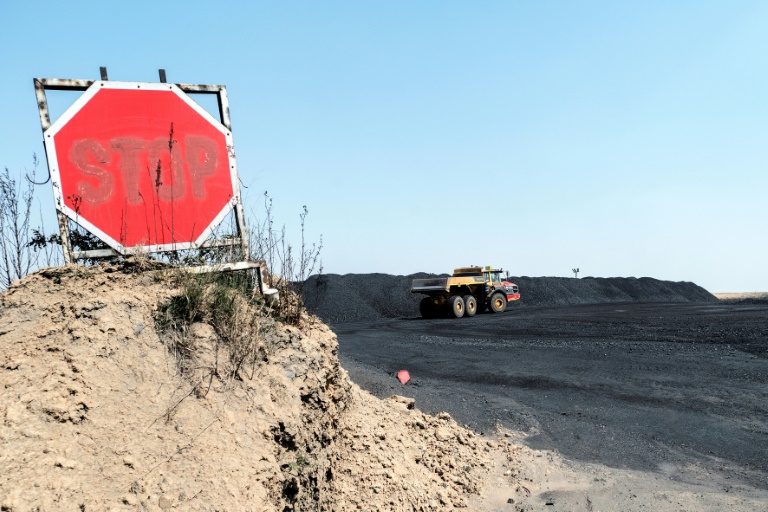
Miner Thokozani Mtshweni, 37, looks spent as he readies for a 12-hour shift huddled under a carport shelter to avoid the scorching sun. He fixes his belt weighed down by an oxygen tank and gas detecting tools. 

An hour’s drive from Johannesburg, Khutala Colliery is among more than 100 coal mines and a dozen coal-fired plants that dot the industrial landscape of the northeastern province of Mpumalanga, an area known as South Africa’s coal belt.

Workers kitted in soiled yellow overalls breathe in the hazy air as they wait to board trucks that will drive them to an underground shaft. 

“Closing these mines would affect our lives a lot,” Mtshweni tells AFP. “It would be chaos”.

Coal is a bedrock of South Africa’s economy, employing almost 100,000 people and accounting for 80 percent of electricity production. 

But the sector’s future is uncertain, as Africa’s most industrialised economy looks to wean itself off the carbon-emitting fuel in line with global efforts to tackle climate change. 

Last year, the government secured $8.5 billion in loans and grants from a group of rich nations to finance the transition to greener alternatives.

Fraught negotiations around how the money should be spent are expected to end before the COP27 climate summit in Egypt in November.

Supporters hope the money could act as a catalyst to transform the energy landscape in what is one of the world’s top 12 largest polluters. 

But questions remain over the country’s ability to make swift inroads towards its goal of reaching net-zero carbon emissions by 2050.

– Money and jobs –

“Significantly more funding” will be needed, said Daniel Mminele, who heads the finance task team of a climate commission set up by President Cyril Ramaphosa. 

A study by South Africa’s Stellenbosch University put the figure at $250 billion over the next 30 years. 

Recent studies suggest more jobs will be created than lost by going green, but analysts say the swap will not be painless. 

The coal industry is concentrated in Mpumalanga, which accounts for about 80 percent of all coal production.

“We need coal,” says Isaac Mahumapelo, a Khutala Colliery section manager, as piles of the black stuff are crushed behind him. 

“The cities, the towns in and around Mpumalanga have been established through the coal mines.”

Trade unions worry job losses will not be reabsorbed by the renewable sector. Unemployment is above 30 percent nationwide. 

“Wind and solar is not engineered in South Africa, it is fabricated elsewhere,” says energy analyst Tshepo Kgadima.

After a decade spent in the pits, Mtshweni, the miner, is among those fearing for their future.

“Everyone is dependent on this coal to provide for their loved ones,” he says. 

International pressure on South Africa to clean up its act is seen with antipathy by some. 

Europe’s renewed appetite for coal in the wake of the gas crisis sparked by Russia’s invasion of Ukraine is often cited as evidence of double standards.

“Coal will still be around for some time and whilst we wish to collaborate … Let’s have our own agenda that realistically recognises the socio-economic imperatives of South Africa,” says Mike Teke, CEO of Khutala Colliery’s operator, Seriti.

– No turning back –

Yet, things are starting to move.

Khutala Colliery lies near Kendal, an industrial town surrounded by coal silos and plumes of thick smoke.

The mine feeds a nearby power station — one of the world’s largest — operated by state energy firm Eskom. 

The plant and neighbouring mines are surrounded by maize and livestock farms.

Cattle graze under the grey polluted skies. Lumps of coal sit on the side of the road as trucks come and go. 

Still, Seriti recently set up a green energy branch to invest in wind and solar. 

“We need to diversify in line with what might be coming,” says Teke.  

Climate activists have tried to force the government to push the throttle forward by taking it to court. 

In a first victory this year, judges ordered authorities to reduce pollution in Mpumalanga — which Greenpeace says has some of the dirtiest air in the world. 

As Eskom’s ageing plants struggle to produce enough energy to keep the lights on, the government has laid out plans to ramp up renewables. 

Acting is a must, says Gaylor Montmasson-Clair, an economist at the Trade & Industrial Policy Strategies, a think tank, warning the cost of sticking to coal will be much higher in the long term.

The European Union is set to introduce a carbon tax on imports — a move that could be followed by other countries, and hit economies like South Africa hard, he warns. 

“If we do not decarbonise, job losses will be significant. We’ll lose our access to markets and finance,” he says. 

“Not transitioning is not an option. The consequences will be dire”.

Green future is cause for worry in S.Africa's coal belt

Miner Thokozani Mtshweni, 37, looks spent as he readies for a 12-hour shift huddled under a carport shelter to avoid the scorching sun. He fixes his belt weighed down by an oxygen tank and gas detecting tools. 

An hour’s drive from Johannesburg, Khutala Colliery is among more than 100 coal mines and a dozen coal-fired plants that dot the industrial landscape of the northeastern province of Mpumalanga, an area known as South Africa’s coal belt.

Workers kitted in soiled yellow overalls breathe in the hazy air as they wait to board trucks that will drive them to an underground shaft. 

“Closing these mines would affect our lives a lot,” Mtshweni tells AFP. “It would be chaos”.

Coal is a bedrock of South Africa’s economy, employing almost 100,000 people and accounting for 80 percent of electricity production. 

But the sector’s future is uncertain, as Africa’s most industrialised economy looks to wean itself off the carbon-emitting fuel in line with global efforts to tackle climate change. 

Last year, the government secured $8.5 billion in loans and grants from a group of rich nations to finance the transition to greener alternatives.

Fraught negotiations around how the money should be spent are expected to end before the COP27 climate summit in Egypt in November.

Supporters hope the money could act as a catalyst to transform the energy landscape in what is one of the world’s top 12 largest polluters. 

But questions remain over the country’s ability to make swift inroads towards its goal of reaching net-zero carbon emissions by 2050.

– Money and jobs –

“Significantly more funding” will be needed, said Daniel Mminele, who heads the finance task team of a climate commission set up by President Cyril Ramaphosa. 

A study by South Africa’s Stellenbosch University put the figure at $250 billion over the next 30 years. 

Recent studies suggest more jobs will be created than lost by going green, but analysts say the swap will not be painless. 

The coal industry is concentrated in Mpumalanga, which accounts for about 80 percent of all coal production.

“We need coal,” says Isaac Mahumapelo, a Khutala Colliery section manager, as piles of the black stuff are crushed behind him. 

“The cities, the towns in and around Mpumalanga have been established through the coal mines.”

Trade unions worry job losses will not be reabsorbed by the renewable sector. Unemployment is above 30 percent nationwide. 

“Wind and solar is not engineered in South Africa, it is fabricated elsewhere,” says energy analyst Tshepo Kgadima.

After a decade spent in the pits, Mtshweni, the miner, is among those fearing for their future.

“Everyone is dependent on this coal to provide for their loved ones,” he says. 

International pressure on South Africa to clean up its act is seen with antipathy by some. 

Europe’s renewed appetite for coal in the wake of the gas crisis sparked by Russia’s invasion of Ukraine is often cited as evidence of double standards.

“Coal will still be around for some time and whilst we wish to collaborate … Let’s have our own agenda that realistically recognises the socio-economic imperatives of South Africa,” says Mike Teke, CEO of Khutala Colliery’s operator, Seriti.

– No turning back –

Yet, things are starting to move.

Khutala Colliery lies near Kendal, an industrial town surrounded by coal silos and plumes of thick smoke.

The mine feeds a nearby power station — one of the world’s largest — operated by state energy firm Eskom. 

The plant and neighbouring mines are surrounded by maize and livestock farms.

Cattle graze under the grey polluted skies. Lumps of coal sit on the side of the road as trucks come and go. 

Still, Seriti recently set up a green energy branch to invest in wind and solar. 

“We need to diversify in line with what might be coming,” says Teke.  

Climate activists have tried to force the government to push the throttle forward by taking it to court. 

In a first victory this year, judges ordered authorities to reduce pollution in Mpumalanga — which Greenpeace says has some of the dirtiest air in the world. 

As Eskom’s ageing plants struggle to produce enough energy to keep the lights on, the government has laid out plans to ramp up renewables. 

Acting is a must, says Gaylor Montmasson-Clair, an economist at the Trade & Industrial Policy Strategies, a think tank, warning the cost of sticking to coal will be much higher in the long term.

The European Union is set to introduce a carbon tax on imports — a move that could be followed by other countries, and hit economies like South Africa hard, he warns. 

“If we do not decarbonise, job losses will be significant. We’ll lose our access to markets and finance,” he says. 

“Not transitioning is not an option. The consequences will be dire”.

Green future is cause for worry in S.Africa's coal belt

Miner Thokozani Mtshweni, 37, looks spent as he readies for a 12-hour shift huddled under a carport shelter to avoid the scorching sun. He fixes his belt weighed down by an oxygen tank and gas detecting tools. 

An hour’s drive from Johannesburg, Khutala Colliery is among more than 100 coal mines and a dozen coal-fired plants that dot the industrial landscape of the northeastern province of Mpumalanga, an area known as South Africa’s coal belt.

Workers kitted in soiled yellow overalls breathe in the hazy air as they wait to board trucks that will drive them to an underground shaft. 

“Closing these mines would affect our lives a lot,” Mtshweni tells AFP. “It would be chaos”.

Coal is a bedrock of South Africa’s economy, employing almost 100,000 people and accounting for 80 percent of electricity production. 

But the sector’s future is uncertain, as Africa’s most industrialised economy looks to wean itself off the carbon-emitting fuel in line with global efforts to tackle climate change. 

Last year, the government secured $8.5 billion in loans and grants from a group of rich nations to finance the transition to greener alternatives.

Fraught negotiations around how the money should be spent are expected to end before the COP27 climate summit in Egypt in November.

Supporters hope the money could act as a catalyst to transform the energy landscape in what is one of the world’s top 12 largest polluters. 

But questions remain over the country’s ability to make swift inroads towards its goal of reaching net-zero carbon emissions by 2050.

– Money and jobs –

“Significantly more funding” will be needed, said Daniel Mminele, who heads the finance task team of a climate commission set up by President Cyril Ramaphosa. 

A study by South Africa’s Stellenbosch University put the figure at $250 billion over the next 30 years. 

Recent studies suggest more jobs will be created than lost by going green, but analysts say the swap will not be painless. 

The coal industry is concentrated in Mpumalanga, which accounts for about 80 percent of all coal production.

“We need coal,” says Isaac Mahumapelo, a Khutala Colliery section manager, as piles of the black stuff are crushed behind him. 

“The cities, the towns in and around Mpumalanga have been established through the coal mines.”

Trade unions worry job losses will not be reabsorbed by the renewable sector. Unemployment is above 30 percent nationwide. 

“Wind and solar is not engineered in South Africa, it is fabricated elsewhere,” says energy analyst Tshepo Kgadima.

After a decade spent in the pits, Mtshweni, the miner, is among those fearing for their future.

“Everyone is dependent on this coal to provide for their loved ones,” he says. 

International pressure on South Africa to clean up its act is seen with antipathy by some. 

Europe’s renewed appetite for coal in the wake of the gas crisis sparked by Russia’s invasion of Ukraine is often cited as evidence of double standards.

“Coal will still be around for some time and whilst we wish to collaborate … Let’s have our own agenda that realistically recognises the socio-economic imperatives of South Africa,” says Mike Teke, CEO of Khutala Colliery’s operator, Seriti.

– No turning back –

Yet, things are starting to move.

Khutala Colliery lies near Kendal, an industrial town surrounded by coal silos and plumes of thick smoke.

The mine feeds a nearby power station — one of the world’s largest — operated by state energy firm Eskom. 

The plant and neighbouring mines are surrounded by maize and livestock farms.

Cattle graze under the grey polluted skies. Lumps of coal sit on the side of the road as trucks come and go. 

Still, Seriti recently set up a green energy branch to invest in wind and solar. 

“We need to diversify in line with what might be coming,” says Teke.  

Climate activists have tried to force the government to push the throttle forward by taking it to court. 

In a first victory this year, judges ordered authorities to reduce pollution in Mpumalanga — which Greenpeace says has some of the dirtiest air in the world. 

As Eskom’s ageing plants struggle to produce enough energy to keep the lights on, the government has laid out plans to ramp up renewables. 

Acting is a must, says Gaylor Montmasson-Clair, an economist at the Trade & Industrial Policy Strategies, a think tank, warning the cost of sticking to coal will be much higher in the long term.

The European Union is set to introduce a carbon tax on imports — a move that could be followed by other countries, and hit economies like South Africa hard, he warns. 

“If we do not decarbonise, job losses will be significant. We’ll lose our access to markets and finance,” he says. 

“Not transitioning is not an option. The consequences will be dire”.

'Black gold' for Guyana and Suriname, a blessing or curse?

Emerging as potential oil powers while the world seeks to wean itself off planet-warming fossil fuels, poverty-stricken South American neighbors Guyana and Suriname say they have to cash in while they can.

The former Dutch colonies are among the world’s most tree-covered countries, hosts to the so-called forest “lungs” that sequester massive amounts of planet-warming carbon dioxide.

Their economies and populations small, the countries have traditionally emitted little CO2 or other greenhouse gasses from fossil fuel use — in fact Suriname is one of only three carbon-negative countries in the world and Guyana claims carbon neutrality.

But some fear this could change with the recent discovery of rich offshore oil deposits in an area known as the Guyana-Suriname Basin.

Guyana, a country of 800,000 people, was recently found to have proven reserves of at least 10 billion barrels of oil, likely much more according to experts.

This makes it the country with the highest reserves per capita in the world — which consumes 99.4 million barrels of oil per day.

Early assessments suggest the reserves of Suriname, a country of 600,000 people, may not be far behind.

“It will be hard to remain carbon neutral as a country (involved in the) petroleum sector,” economist Steven Debipersad of the Anton de Kom University in Suriname’s capital Paramaribo, told AFP.

The projected $10 billion Suriname stands to make in the next 10 to 20 years, will likely bring economic growth at the cost of the environment, he said.

The country’s GDP today is about $3 billion.

– Hungry ‘every day’ –

Their presidents insist Guyana and Suriname cannot be expected to turn their backs on a chance to fill their countries’ coffers and raise the quality of life for their people.

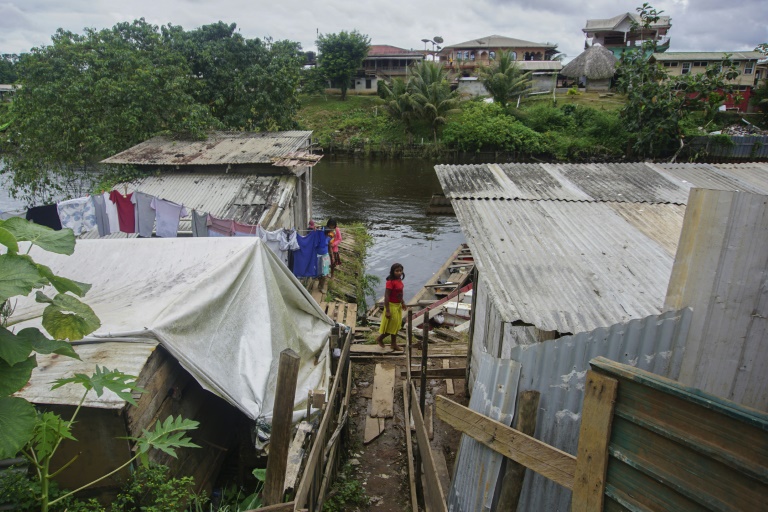
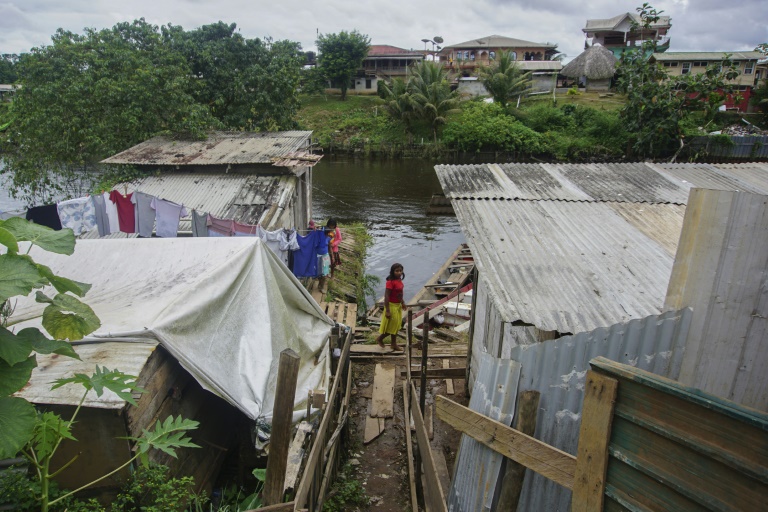
The countries are among the poorest in South America, with vast swathes of their populations living without electricity, clean water or access to adequate health services.

In a Paramaribo ghetto named Texas, dirty sewer water flows among dilapidated wooden homes.

Resident Edison Poekitie, a 23-year-old musician, scrapes by on no more than $50 a week. Does he go hungry?

“Every day!” he told AFP. “It’s hard out here, really hard.”

The community, he added, needs “water pipes, cables, new roads without potholes, schools, better houses, playgrounds…”

Poekitie said he hoped the government would spend the oil money “wisely,” a sentiment echoed by 45-year-old food truck owner Brian Braithwaite in a poor neighborhood of the Guyanese capital Georgetown.

“Hopefully they do something so that… people (who) live on the street can do better,” Braithwaite said.

– ‘Oil curse’ –

Both presidents have vowed to make judicious use of their windfall petroleum profits, though some are worried that will undercut the sovereign wealth funds set up to guard some money for future generations.

“We are quite aware of the oil curse,” Suriname President Chan Santokhi told AFP, alluding to neighbor Venezuela and other resource-rich countries such as Angola and Algeria that were unable to turn oil wealth into social and economic progress.

“We… should also get the opportunity to benefit from the production of oil and gas and its income” to address a biting economic crisis “and help our people to have better lives,” he insisted.

For his part, Guyanese President Mohamed Irfaan Ali wants to use the oil income to “create wealth for now, and future generations.”

Both speak of using the money to diversify their economies with investments in agriculture, tourism, housing, education and health care.

Eventually, “the oil and gas will be gone, but the food security should be guaranteed,” said Santokhi.

– Oil money for green energy –

Oil extraction and refining are major contributors to greenhouse gas emissions.

Though they have historically emitted little, Suriname and Guyana are both deeply affected by global warming — in the crosshairs of worsening tropical storms and of flooding from rising sea levels.

Presidents Santokhi and Irfaan Ali believe they can maintain their countries’ carbon balances by using oil money to protect their forests and invest in green energy.

Defending the forests that cover about 87 percent of Guyana and 93 percent of Suriname is also economically sage: both countries can sell so-called carbon credits to polluters who need to offset emissions.

For Guyana, carbon credits are worth about $190 million per year, said Irfaan Ali.

Monique Pool, director of the Green Heritage Fund of Suriname, is not convinced by the two-pronged approach.

“Carbon credit will give us more money faster than oil and gas and for longer because it will be sustainable,” she told AFP.

In Georgetown, activist Christopher Ram agreed the oil should be left in the ground, expressing fear of exploitation by ruthless companies in the absence of “good governance.”

Instead, “I would go to the international community and say: ‘We are a small country, we’ve always been good to the environment, we want to stay that way… help us get the benefits we would have got with oil’.”

But 53-year-old Cynthia Neel, who sent her daughter from Suriname to the Netherlands at the age of six for education and a chance at a better life, is hopeful of positive change.

“I hope that with the oil the children will no longer have to leave,” she told AFP.

'Black gold' for Guyana and Suriname, a blessing or curse?

Emerging as potential oil powers while the world seeks to wean itself off planet-warming fossil fuels, poverty-stricken South American neighbors Guyana and Suriname say they have to cash in while they can.

The former Dutch colonies are among the world’s most tree-covered countries, hosts to the so-called forest “lungs” that sequester massive amounts of planet-warming carbon dioxide.

Their economies and populations small, the countries have traditionally emitted little CO2 or other greenhouse gasses from fossil fuel use — in fact Suriname is one of only three carbon-negative countries in the world and Guyana claims carbon neutrality.

But some fear this could change with the recent discovery of rich offshore oil deposits in an area known as the Guyana-Suriname Basin.

Guyana, a country of 800,000 people, was recently found to have proven reserves of at least 10 billion barrels of oil, likely much more according to experts.

This makes it the country with the highest reserves per capita in the world — which consumes 99.4 million barrels of oil per day.

Early assessments suggest the reserves of Suriname, a country of 600,000 people, may not be far behind.

“It will be hard to remain carbon neutral as a country (involved in the) petroleum sector,” economist Steven Debipersad of the Anton de Kom University in Suriname’s capital Paramaribo, told AFP.

The projected $10 billion Suriname stands to make in the next 10 to 20 years, will likely bring economic growth at the cost of the environment, he said.

The country’s GDP today is about $3 billion.

– Hungry ‘every day’ –

Their presidents insist Guyana and Suriname cannot be expected to turn their backs on a chance to fill their countries’ coffers and raise the quality of life for their people.

The countries are among the poorest in South America, with vast swathes of their populations living without electricity, clean water or access to adequate health services.

In a Paramaribo ghetto named Texas, dirty sewer water flows among dilapidated wooden homes.

Resident Edison Poekitie, a 23-year-old musician, scrapes by on no more than $50 a week. Does he go hungry?

“Every day!” he told AFP. “It’s hard out here, really hard.”

The community, he added, needs “water pipes, cables, new roads without potholes, schools, better houses, playgrounds…”

Poekitie said he hoped the government would spend the oil money “wisely,” a sentiment echoed by 45-year-old food truck owner Brian Braithwaite in a poor neighborhood of the Guyanese capital Georgetown.

“Hopefully they do something so that… people (who) live on the street can do better,” Braithwaite said.

– ‘Oil curse’ –

Both presidents have vowed to make judicious use of their windfall petroleum profits, though some are worried that will undercut the sovereign wealth funds set up to guard some money for future generations.

“We are quite aware of the oil curse,” Suriname President Chan Santokhi told AFP, alluding to neighbor Venezuela and other resource-rich countries such as Angola and Algeria that were unable to turn oil wealth into social and economic progress.

“We… should also get the opportunity to benefit from the production of oil and gas and its income” to address a biting economic crisis “and help our people to have better lives,” he insisted.

For his part, Guyanese President Mohamed Irfaan Ali wants to use the oil income to “create wealth for now, and future generations.”

Both speak of using the money to diversify their economies with investments in agriculture, tourism, housing, education and health care.

Eventually, “the oil and gas will be gone, but the food security should be guaranteed,” said Santokhi.

– Oil money for green energy –

Oil extraction and refining are major contributors to greenhouse gas emissions.

Though they have historically emitted little, Suriname and Guyana are both deeply affected by global warming — in the crosshairs of worsening tropical storms and of flooding from rising sea levels.

Presidents Santokhi and Irfaan Ali believe they can maintain their countries’ carbon balances by using oil money to protect their forests and invest in green energy.

Defending the forests that cover about 87 percent of Guyana and 93 percent of Suriname is also economically sage: both countries can sell so-called carbon credits to polluters who need to offset emissions.

For Guyana, carbon credits are worth about $190 million per year, said Irfaan Ali.

Monique Pool, director of the Green Heritage Fund of Suriname, is not convinced by the two-pronged approach.

“Carbon credit will give us more money faster than oil and gas and for longer because it will be sustainable,” she told AFP.

In Georgetown, activist Christopher Ram agreed the oil should be left in the ground, expressing fear of exploitation by ruthless companies in the absence of “good governance.”

Instead, “I would go to the international community and say: ‘We are a small country, we’ve always been good to the environment, we want to stay that way… help us get the benefits we would have got with oil’.”

But 53-year-old Cynthia Neel, who sent her daughter from Suriname to the Netherlands at the age of six for education and a chance at a better life, is hopeful of positive change.

“I hope that with the oil the children will no longer have to leave,” she told AFP.

World Cup boom pushes some Qatar residents out of homes

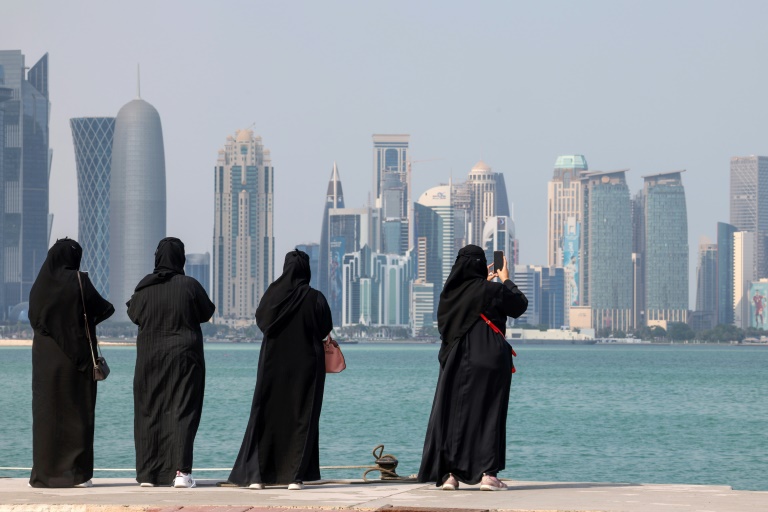
Qatari landlords eyeing profit from the looming World Cup have been kicking out a growing number of mostly foreign tenants, sometimes with just a few days’ notice.

More than one million football fans are expected to descend on the capital Doha during the November-December tournament, putting a strain on the tiny Gulf nation.

Landlords who have spotted an opening to increase rents “show no pity” and the market is dominated by “greed”, said a representative of a real estate company, speaking on condition of anonymity.

Reem, a foreigner working for a major Qatari company, was told she had a week to leave her apartment.

The woman, using a pseudonym to avoid blowback from her employer, told AFP the owner of the block wanted the dozens of apartments he has rented to her employers emptied so they could earn more during the World Cup.

“We felt humiliated,” Reem said.

The company has moved Reem and other employees into a hotel, but they can only stay there until November 15, five days before the tournament kicks off.

They were told they will then move into “temporary” apartments, she said.

“Leaving home with all our belongings in bags and boxes to go into a hotel room was a disaster.”

Other tenants in Doha told AFP they were similarly forced to choose between paying more on rent or leaving.

– Sky-high prices –

Properties in the tower where Reem used to live are advertised on booking.com for $1,700 a night during the World Cup with a minimum stay of 14 nights.

In the two years she had been in the apartment, Reem said rent was $2,500 a month.

Most fans will be staying in hotels, apartments, cruise ships and desert camps booked through the official World Cup portal.

Despite some concerns, organisers have insisted there will be enough accommodation for all fans in the emirate of just 2.8 million people.

To ease the crunch, FIFA recently released thousands of hotel rooms it had reserved, which experts have said could push prices down in the coming weeks.

Some World Cup visitors are turning to the open market for luxury apartments or better locations near specific stadiums, and the prices advertised for some Doha properties highlight owners’ sky-high hopes.

On Airbnb, apartments for two people go for $2,500 a night. 

A villa for the full 29 days of the World Cup will cost fans booking through the online platform at least $13,000 — but prices can go into the hundreds of thousands of dollars.

– ‘Very high’ demand –

Some Doha residents are putting their flats and houses up for rent and fleeing Qatar for the month.

Adel, who listed his small apartment on Airbnb for $900 a night, said that “demand was very high” when he first advertised it.

But he had to cancel the reservations after Airbnb asked him to provide a statement from his landlord approving the sublet.

Rents have also risen sharply for tenants coming to the end of their leases in recent months.

While Qatari law allows for an increase of up to 10 percent for a lease renewal, rents in some districts of Doha have risen by as much as 40 percent over the past year, according to Anum Hassan, head of research in Qatar at international consultancy firm Valustrat.

A Western diplomat in Doha said embassy staff have demanded increased salaries to meet their rent payments.

“Rents… will stay high for a while,” said Nabil Ghorra, a 59-year-old Lebanese-American who lives in Doha’s upscale Pearl district.

“I feel that there are people taking advantage of the situation, but this happens all over the world when there’s an event” like the World Cup.

Key moments from Xi's address to China's Communist Party Congress

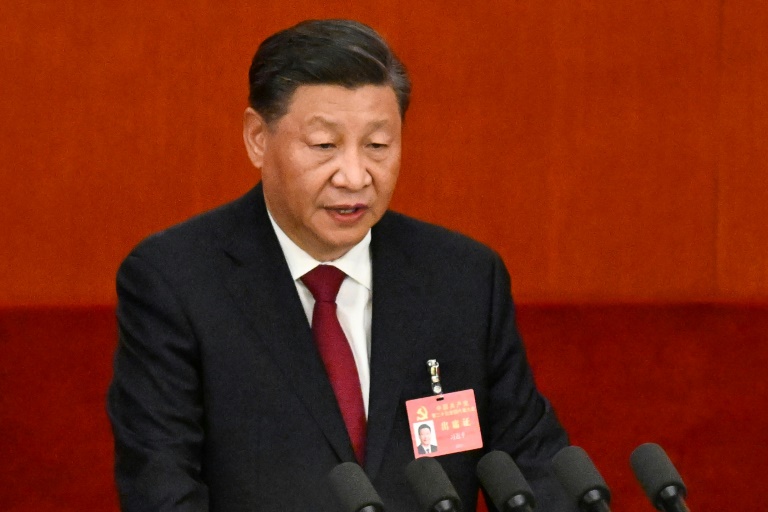
President Xi Jinping kicked off China’s five-yearly Communist Party Congress on Sunday with a wide-ranging speech defending Beijing’s zero-Covid approach, hailing its anti-graft efforts and reasserting its ambition to absorb Taiwan by force if necessary.

The speech gave Xi an opportunity to tout his government’s achievements to the conclave’s roughly 2,300 delegates, ahead of being handed an expected third term in power at the end of the week.

AFP gives a rundown of key takeaways from Xi’s opening address:

– ‘Critical moment’ –

Xi took the stage at Beijing’s Great Hall of the People to thunderous applause, beginning his speech by hailing the Communist Party’s rule and noting that the gathering came at a crucial time.

“The 20th National Congress of the Communist Party of China is a very important congress convened at a critical moment,” Xi said.

– Putting ‘lives first’ –

After weathering months of criticism over the effects of his country’s strict zero-Covid policy, Xi said China had put “the people and their lives first” when dealing with the pandemic.

He said China had “protected people’s safety and health to the highest degree and achieved significant positive results in coordinating epidemic prevention and control with social and economic development”.

Xi gave no sign that the rigid policy — which has forced millions into lockdowns over just handfuls of cases as the rest of the world learns to live with the virus — would relent anytime soon. 

– Hong Kong and Taiwan –

China’s increasing assertiveness in the Taiwan Strait, as well as its moves to snuff out dissent in Hong Kong following pro-democracy protests in 2019, have drawn pointed critiques from Western governments.

But Xi on Sunday hailed the end of what he described as the “chaos” in Hong Kong, while condemning “external forces” interfering in self-ruled Taiwan, which China claims as its own.

“The situation in Hong Kong has achieved a major transition from chaos to governance,” he said, going on to pledge a “major struggle against separatism and interference” in Taiwan.

He later added that “the Taiwan issue… must be resolved by Chinese people alone”. 

“We… will never commit to abandoning the use of force, and reserve the option to take all necessary measures,” Xi said in remarks greeted by thunderous applause.

– Anti-graft drive –

Xi told delegates that his long-running crackdown on corruption had put an end to “serious latent dangers” within the Communist Party, military and the state.

“The fight against corruption has won an overwhelming victory and has been comprehensively consolidated, eliminating serious latent dangers within the party, the state and the military,” he said, referencing a campaign critics say has been used to curb internal dissent.

– Climate fight –

The Chinese president also vowed that Beijing was committed to the global fight against climate change.

China will “actively participate in global governance on climate change”, Xi told delegates, committing to carbon emissions reduction while promising to “strengthen the clean and efficient use of coal”.

Despite vowing to reduce coal use from 2026 as part of a broad set of climate promises, Beijing has stepped up spending on the fossil fuel in the face of extreme weather, a domestic energy crunch and rising global fuel prices — raising concerns its policies may hinder the fight against climate change.

– ‘Cold War mentality’ –

Xi said Beijing opposed a “Cold War mentality” in international diplomacy, but made no mention of frayed relations with the United States.

“China… resolutely opposes all forms of hegemony and power politics, opposes the Cold War mentality, opposes interfering in other countries’ domestic politics, opposes double standards,” he said, claiming Beijing “will never seek hegemony and will never engage in expansion”.

– Things left unsaid –

While the Chinese leader’s speech referenced the fraught international climate, he notably made no mention of Russia’s invasion of Ukraine or the major ripple effects the conflict has had on the global economy.

He also made no reference to the situation in China’s western region of Xinjiang, where Beijing stands accused of widespread human rights abuses and detaining over a million Uyghur and other Muslim minorities in re-education camps.

Nor did his speech touch on the unprecedented crisis in China’s real estate sector, where cash-strapped, debt-laden developers have seen sales plummet and confidence dashed in the housing market.

Neymar trial opens in Barcelona ahead of World Cup

With the World Cup barely a month away, Brazilian superstar Neymar goes on trial in Spain Monday over alleged irregularities in his transfer to Barcelona nearly a decade ago.

The trial, which is set to open at 10:00 am (0800 GMT) at the Provincial Court of Barcelona, is the culmination of a years-long legal saga over his 2013 transfer from the Brazilian club Santos.

Neymar is one of nine defendants on trial on corruption-related charges, among them his parents and their N&N company, which manages his affairs.

All three are facing charges of business corruption.

Investigators began probing the transfer after a 2015 complaint filed by DIS, a Brazilian company that owned 40 percent of the player’s sporting rights when he was at Santos.

Barcelona said the transfer cost 57.1 million euros, but prosecutors believe it was at least 83 million euros.

The club said it paid 40 million euros to N&N and 17.1 million to Santos, of which 6.8 million was given to DIS. 

But DIS alleges that Neymar, Barcelona and the Brazilian club colluded to mask the true cost of the deal.

Among the other defendants are two former Barca presidents, Sandro Rosell and Josep Maria Bartomeu, and ex-Santos boss Odilio Rodrigues Filho.

– ‘Complicity to defraud’ –

Neymar, now with Paris Saint-Germain, is expected in court on the first day, although that has not been officially confirmed.

He will testify on either October 21 or October 28, but it is not known if he will have to be physically present. The trial is due to end on October 31.

If convicted, he could face two years in jail and a 10-million-euro ($9.7 million) fine. 

Real Madrid president Florentino Perez will take the stand on Tuesday by videoconference to explain how a 2011 secret pre-contract deal between Barca and Neymar influenced the market. 

“Neymar Junior, with the complicity of his parents and FC Barcelona and its directors at the time, and Santos FC at a later stage, defrauded DIS of its legitimate financial interests,” said DIS lawyer Paulo Nasser on Thursday. 

DIS is seeking to recover 35 million euros.

– Set for World Cup –

Neymar’s lawyers insist their client is innocent, saying the 40 million euros was a “legal signing bonus which is normal in the football transfer market”.

The footballer is having one of his best seasons since he joined PSG following a world record 222-million-euro transfer in 2017.

He scored the only goal in Sunday’s 1-0 victory over bitter rivals Marseille at the Parc des Princes in Paris. Neymar has nine goals and seven assists in 11 matches in Ligue 1.

But his relations with France international superstar Kylian Mbappe appear to be strained, with the 23-year-old reportedly demanding PSG sell the Brazilian.

Neymar is also expected to play a key role for Brazil at the World Cup in Qatar, as the South American giants seek to win the trophy for the first time since 2002, and the sixth in total. 

He will lead the Selecao into their Group G opener against Serbia on November 24. 

Close Bitnami banner
Bitnami