World

'It's not upbeat': UK's Tory conference reels from U-turn

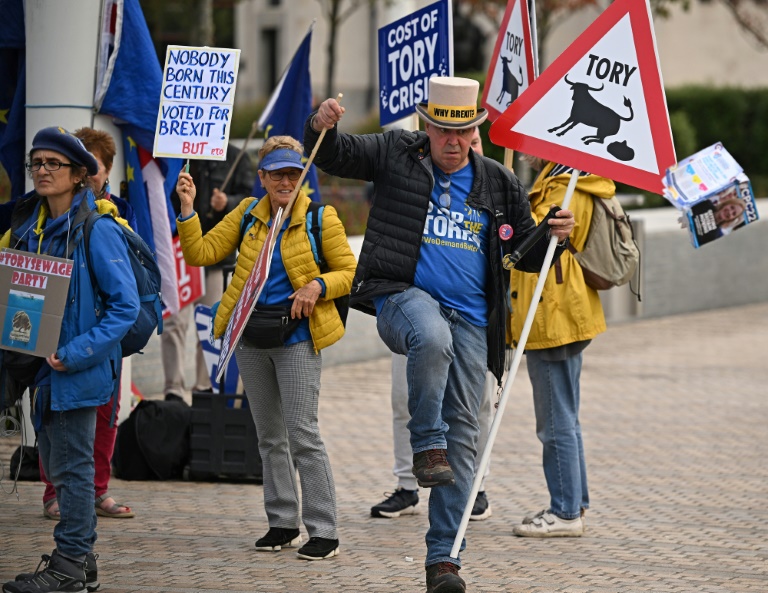
Protesters outside the British Conservative party’s annual conference added an air of musical farce after the new government’s signature economic policy was left in tatters Monday.

Once they had got past the amplifier-fed rendition of the comedy theme tune from “The Benny Hill Show”, a global TV hit from the 1970s, many delegates inside were aghast at the turn of events.

Sarah Smith, 47, a Tory councillor from southern England, said she had been coming to the conference for “many, many years”.

“It’s definitely not upbeat this time. It feels more nervous than any other conference I’ve been at,” Smith told AFP. 

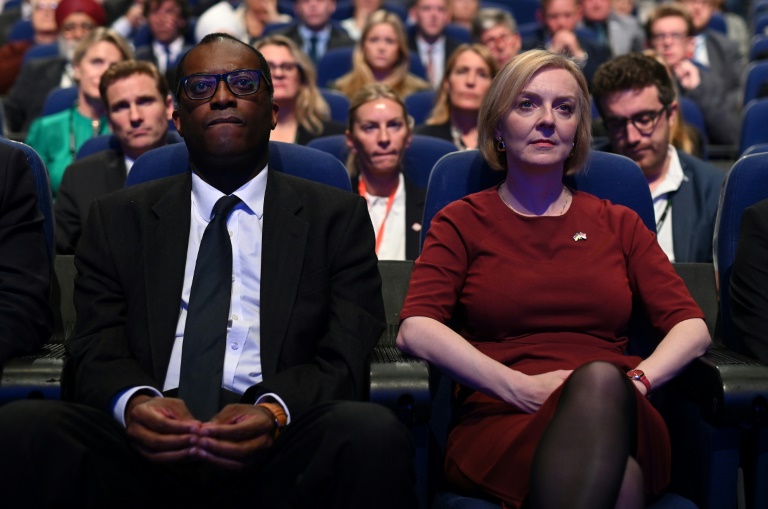
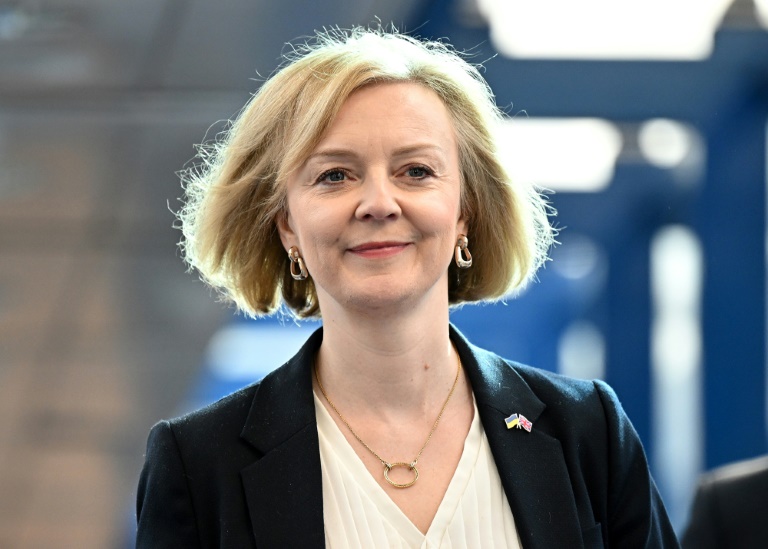
Activist nerves were on edge after Prime Minister Liz Truss and her finance minister, Kwasi Kwarteng, abruptly reversed course on their plan to slash taxes for Britain’s highest earners.

Rishi Sunak, Truss’s defeated rival for the party leadership, and her scandal-tainted predecessor Boris Johnson are among many senior MPs staying away from the conference in Birmingham.

That had left the stage clear for Truss to stamp her authority on the party — or to squirm in the spotlight of a public-relations mess less than a month into her premiership.

“I wasn’t impressed at all at the U-turn. We do have leadership issues,” London Tory activist Sapna Chadha, 49, said.

“Who announces something like this and then reverses course overnight? You’d never get away with that in business,” she said.

The Truss-Kwarteng plan, which was heavy on right-wing policy prescriptions to fix the UK economy, had encountered stiff resistance on financial markets and deep dislike among voters.

– The lady is for turning –

After sticking by the plan for days, even up to Sunday morning, Truss sent Kwarteng out for a painful round of media interviews early Monday to justify dropping the top-rate tax cut.

Some delegates said they had panicked.

Helen Mayer, 50, described herself as a free-market libertarian and said her WhatsApp group of likeminded activists “feel it could have been defended”. 

“They feel this has been forced by disgruntled MPs who supported Rishi Sunak,” she said. 

“I want to hear Liz plough on with ideas for growth. I want to see an end to things like net zero, which will just bankrupt us.”

Truss is due to close the conference on Wednesday, 22 years after her Tory predecessor Margaret Thatcher declared “the lady’s not for turning” on her own economic platform.

By her own admission, today’s prime minister is not the slickest speaker. In 2014, Truss gave a bizarre turn to the conference as environment minister, talking up the merits of UK pork and cheese.

Graham Burgess, another Tory councillor, backed Sunak in the leadership race after grassroots favourite Penny Mordaunt was rejected by Tory MPs in initial rounds of voting.

“It’s very bumpy, I must admit,” he said of the conference, amid mutterings that Truss could face her own leadership challenge before long.

“We want someone who is good at the (parliamentary) despatch box, who commands authority, who can speak with authority and get the message over to the general public,” Burgess added.

“I believe Penny Mordaunt could do that. I believe Rishi could do that. Boris could do it in spades.

“So the next few months are going to be very, very interesting.”
Calls for more funding as pre-COP27 climate talks open in DR Congo

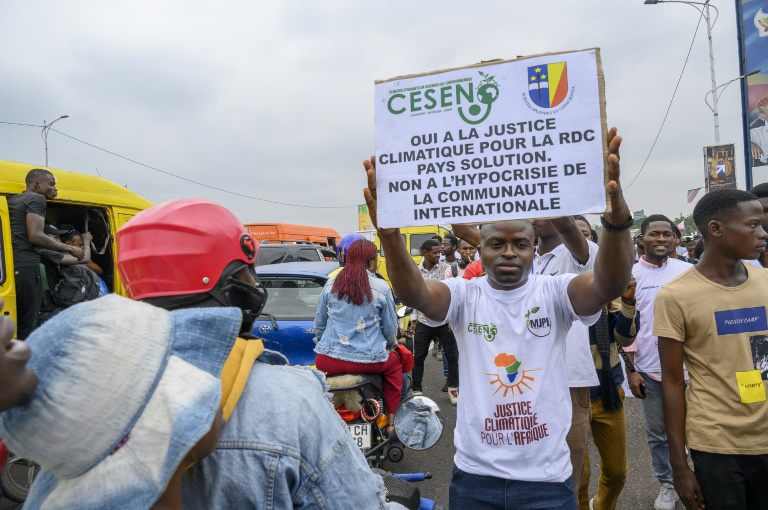
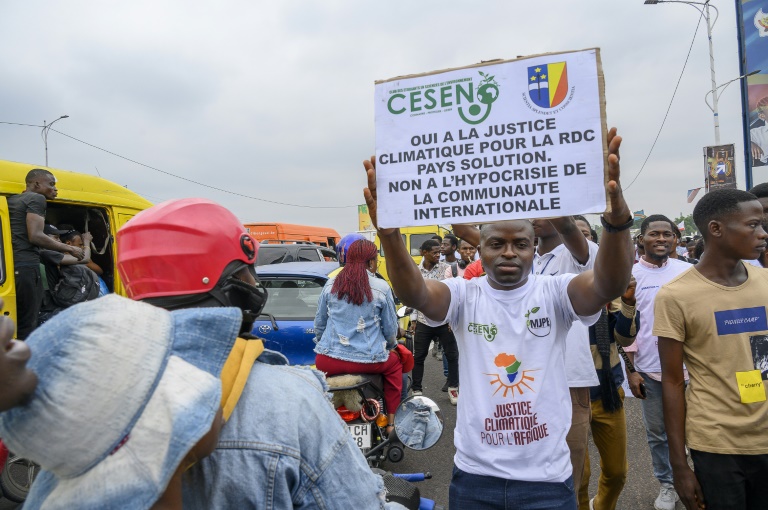
Warning “no-one will escape” a worsening crisis, DR Congo led calls on Monday for a surge in funding to brake global heating and fight its impacts at the start of pre-COP27 climate talks in Kinshasa. 

The haggle comes ahead of COP27 — the UN’s 27th summit-level gathering on climate change, which is due to take place in Egypt next month. 

At opening ceremonies in the DRC’s parliament building, Congolese Environment Minister Eve Bazaiba called on countries to respect financial pledges and endorse plans to help compensate climate-inflicted damage.

She added that money to protect carbon-absorbing rain forests — of which the DRC has vast tracts — should be viewed not as aid but as an investment in humanity’s future.

“Unless a global effort is made … no-one will escape,” Bazaiba warned. “We all breathe the same air”. 

Egyptian Foreign Minister Sameh Shoukry also stressed the need for more money, noting an unfulfilled promise — dating back to COP15 in Copenhagen in 2009 — to provide developing countries with $100 billion dollars a year to fight climate change. 

“The picture is not reassuring,” he said.  

Deputy UN Secretary-General Amina Mohammed offered a gloomy update on the battle today.

“All indicators on climate are heading in the wrong direction,” she said.

Current funding for climate adaptation is a “pittance” compared to the likely scale of future needs, she said. 

– Damages –

Delegates from over 50 countries are attending the two-day informal talks in Kinshasa, including US climate envoy John Kerry. The event winds up on Wednesday with side discussions.

No formal announcements are expected in what is billed as a ground-clearing exercise ahead of the next month’s conference, taking place in Sharm el-Sheikh from November 6-18. 

Greater support from wealthier countries, historically the world’s biggest carbon polluters, to their poorer counterparts is expected to dominate the talks. 

But post-pandemic economic strains and Russia’s invasion of Ukraine have cast a pall over the money question.

The last UN climate summit, COP26 in Glasgow in November 2021, reaffirmed the goal — agreed in Paris in 2015 — of limiting the rise in the Earth’s average temperature to well below 2.0 degrees Celsius (3.6 degrees Fahrenheit) above pre-industrial levels and pursuing efforts to limit it to 1.5C.

However, the latter goal may already be beyond reach as the Earth’s temperature is already 1.2C higher than before the Industrial Revolution. 

Poorer countries had also pushed at Glasgow for a financial mechanism to address losses and damage caused by climate change. 

But richer states rejected the call and the participants agreed instead to start a “dialogue” on financial compensation for damages.  

– ‘We also need bread’ –

Egypt, as host of COP27, has made implementing the pledge to curb global heating the priority of the November summit. 

The Democratic Republic of Congo, for its part, is pushing the message that it can act as a “solution country” for climate change due to its vast rainforests, which act as a carbon sink. 

Around 30 billion tonnes of carbon are stored across the Congo Basin, researchers estimated in a study for Nature in 2016. The figure is roughly equivalent to three years of global emissions.

However, the central African nation in July launched an auction for 30 oil and gas blocs — ignoring warnings from environmentalists that drilling could harm ecosystems and release vast amounts of heat-trapping gases. 

Bazaiba, the environment minister, told pre-COP27 delegates that Africa was facing a dilemma since the continent has contributed so little to climate change and yet has fossil-fuel resources that could alleviate poverty. 

“What should we do in this circumstance, let our children and small children die of hunger?” she asked, as applause rung out in the hall of the parliament building.

“As much as we need oxygen, we also need bread,” she said, 

Calls for more funding as pre-COP27 climate talks open in DR Congo

Warning “no-one will escape” a worsening crisis, DR Congo led calls on Monday for a surge in funding to brake global heating and fight its impacts at the start of pre-COP27 climate talks in Kinshasa. 

The haggle comes ahead of COP27 — the UN’s 27th summit-level gathering on climate change, which is due to take place in Egypt next month. 

At opening ceremonies in the DRC’s parliament building, Congolese Environment Minister Eve Bazaiba called on countries to respect financial pledges and endorse plans to help compensate climate-inflicted damage.

She added that money to protect carbon-absorbing rain forests — of which the DRC has vast tracts — should be viewed not as aid but as an investment in humanity’s future.

“Unless a global effort is made … no-one will escape,” Bazaiba warned. “We all breathe the same air”. 

Egyptian Foreign Minister Sameh Shoukry also stressed the need for more money, noting an unfulfilled promise — dating back to COP15 in Copenhagen in 2009 — to provide developing countries with $100 billion dollars a year to fight climate change. 

“The picture is not reassuring,” he said.  

Deputy UN Secretary-General Amina Mohammed offered a gloomy update on the battle today.

“All indicators on climate are heading in the wrong direction,” she said.

Current funding for climate adaptation is a “pittance” compared to the likely scale of future needs, she said. 

– Damages –

Delegates from over 50 countries are attending the two-day informal talks in Kinshasa, including US climate envoy John Kerry. The event winds up on Wednesday with side discussions.

No formal announcements are expected in what is billed as a ground-clearing exercise ahead of the next month’s conference, taking place in Sharm el-Sheikh from November 6-18. 

Greater support from wealthier countries, historically the world’s biggest carbon polluters, to their poorer counterparts is expected to dominate the talks. 

But post-pandemic economic strains and Russia’s invasion of Ukraine have cast a pall over the money question.

The last UN climate summit, COP26 in Glasgow in November 2021, reaffirmed the goal — agreed in Paris in 2015 — of limiting the rise in the Earth’s average temperature to well below 2.0 degrees Celsius (3.6 degrees Fahrenheit) above pre-industrial levels and pursuing efforts to limit it to 1.5C.

However, the latter goal may already be beyond reach as the Earth’s temperature is already 1.2C higher than before the Industrial Revolution. 

Poorer countries had also pushed at Glasgow for a financial mechanism to address losses and damage caused by climate change. 

But richer states rejected the call and the participants agreed instead to start a “dialogue” on financial compensation for damages.  

– ‘We also need bread’ –

Egypt, as host of COP27, has made implementing the pledge to curb global heating the priority of the November summit. 

The Democratic Republic of Congo, for its part, is pushing the message that it can act as a “solution country” for climate change due to its vast rainforests, which act as a carbon sink. 

Around 30 billion tonnes of carbon are stored across the Congo Basin, researchers estimated in a study for Nature in 2016. The figure is roughly equivalent to three years of global emissions.

However, the central African nation in July launched an auction for 30 oil and gas blocs — ignoring warnings from environmentalists that drilling could harm ecosystems and release vast amounts of heat-trapping gases. 

Bazaiba, the environment minister, told pre-COP27 delegates that Africa was facing a dilemma since the continent has contributed so little to climate change and yet has fossil-fuel resources that could alleviate poverty. 

“What should we do in this circumstance, let our children and small children die of hunger?” she asked, as applause rung out in the hall of the parliament building.

“As much as we need oxygen, we also need bread,” she said, 

UK's new Tory govt in major U-turn over tax cut for wealthy after uproar

Britain’s under-fire Conservative government on Monday announced a dramatic U-turn on a controversial tax cut for high-earners, part of a debt-driven economic package that has bombed with the markets, electorate and much of the ruling party.

The abrupt reversal by Prime Minister Liz Truss and finance minister Kwasi Kwarteng raised questions about their right-wing policy agenda less than a month after taking power and a day after both vowed to stay the course.

“We get it, and we have listened,” the pair tweeted almost simultaneously, as they revealed the 45 percent top rate of income tax would remain.

But their contentious plans still comprise axing a cap on bankers’ bonuses and reversing a planned rise in corporation tax, as well as a recent hike in national insurance contributions.

At the same time, they have refused to rule out cuts to spending and benefits amid Britain’s worst cost-of-living crisis in generations.

The perceived unfairness of the package has ignited a political storm as the Tories gather for their annual conference in Birmingham.

On the markets, the intention to pay for the tax cuts with billions more in extra borrowing had sent the pound tumbling to a record low against the dollar and UK government bond yields soaring.

The pound rebounded Monday as they partially reversed course, with Kwarteng arguing in a series of broadcast interviews that the top rate tax cut had become a “massive distraction”. 

“We’ve decided not to proceed with that because it was drowning out the elements of an excellent plan,” he insisted, pointing to a popular if costly scheme to cap energy bills.

Asked if he had considered resigning, Kwarteng told the BBC: “Not at all.”

– ‘Insensitive’ –

The finance chief was hastily rewriting his speech later Monday at the Tory conference, when he had been due to say: “We must stay the course”.

On Sunday, Truss had admitted communication errors in how the September 23 economic package had been presented, but agreed she was “absolutely committed” to abolishing the top tax rate. 

Within 24 hours, the 47-year-old prime minister — only in the role since September 6 — had performed one of most striking government U-turns in recent memory.

Truss told the BBC she had not discussed axing the high-earners’ tax band with her cabinet, who only seemed to learn of the reversal along with the public on Monday.

She also appeared to distance herself from the move by claiming “it was a decision that the chancellor made”, but her spokesman downplayed the comments.

“The prime minister was clear that… fiscal events are the responsibility of the chancellor — that’s all she was setting clear,” he told reporters Monday.

Out of a total tax package worth £45 billion ($50 billion), the top rate cut would have cost some £2 billion — relatively small, but outsized for its political impact.

Tory MPs who backed former finance minister Rishi Sunak — Truss’s rival in the recent Tory leadership race — had threatened to vote it down, raising the prospect of a major battle in the House of Commons.

Grant Shapps, who was refused a cabinet job by Truss, welcomed her scrapping the tax cut, which he told BBC radio had been planned with “grossly insensitive timing”.

– ‘Pragmatism’ –

With the U-turn, the stakes have soared for Truss as she prepares to close the party conference with a speech Wednesday.

A raft of polls have found Truss and her economic package deeply unpopular, alongside plummeting ratings for the Tories.

Some surveys showed Labour with mammoth leads of up to 33 points — its biggest since the heyday of its former prime minister Tony Blair in the late 1990s.

Labour’s finance spokeswoman Rachel Reeves said the climbdown “comes too late for the families who will pay higher mortgages and higher prices for years to come” following the recent market turmoil.

“The Tories have destroyed their economic credibility and damaged trust in the British economy,” she said.

Party members in Birmingham appeared more divided.

“We did see some pragmatism this morning,” Sarah Smith, 47, a councillor in southern England, told AFP, adding it would have been “more damaging” to persevere.

She said Truss needed to refocus on the electorate that handed her predecessor Boris Johnson an 80-seat majority in 2019, and “deliver a certain agenda. It wasn’t this one,” she noted.

Sweden's Paabo wins medicine Nobel for sequencing Neanderthal DNA

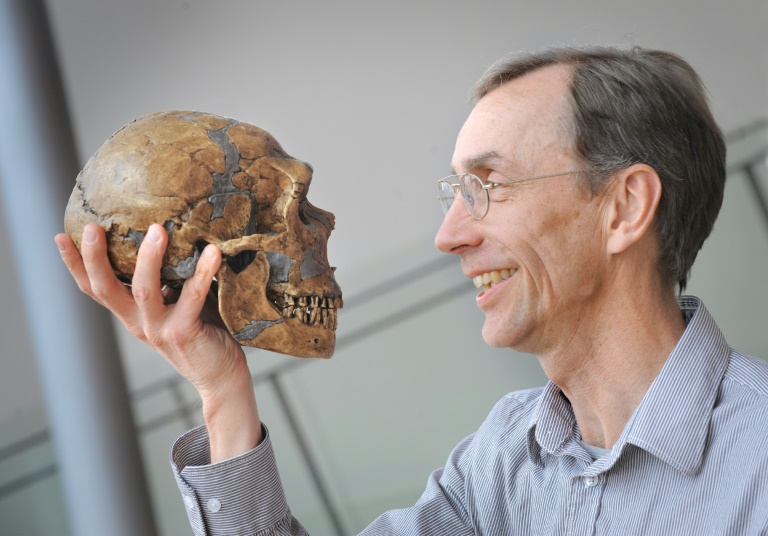
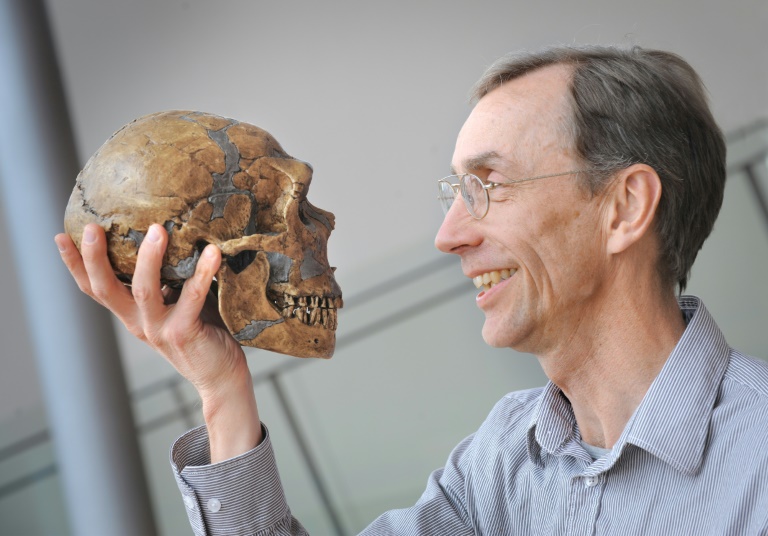
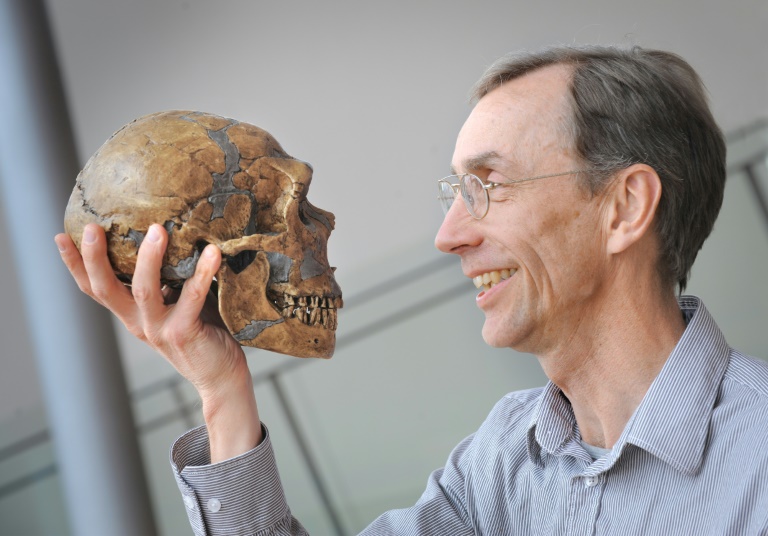
Swedish paleogeneticist Svante Paabo, who sequenced the genome of the Neanderthal and discovered the previously unknown hominin Denisova, on Monday won the Nobel Medicine Prize.

Paabo’s research gave rise to an entirely new scientific discipline called paleogenomics, and has “generated new understanding of our evolutionary history”, the Nobel committee said.

“By revealing genetic differences that distinguish all living humans from extinct hominins, his discoveries provide the basis for exploring what makes us uniquely human,” it said in a statement.

Paabo — the founder and director of the department of genetics at the Max Planck Institute for Evolutionary Anthropology in Leipzig — found that gene transfer had occurred from these now extinct hominins to Homo sapiens following the migration out of Africa around 70,000 years ago.

“This ancient flow of genes to present-day humans has physiological relevance today, for example affecting how our immune system reacts to infections,” the jury said.

One such example is that Covid-19 patients with a snippet of Neanderthal DNA run a higher risk of severe complications from the disease, Paabo found in a 2020 study.

The secretary of the Nobel Medicine Prize committee, Thomas Perlmann, told reporters Paabo was “overwhelmed” and “speechless” on Monday when he called him in Leipzig, Germany, to share the good news.

Paabo, 67, takes home the award sum of 10 million Swedish kronor ($901,500).

He is one of the rare Nobel science laureates to win the prize alone. Major scientific discoveries are usually awarded to two or three people to reflect large team collaborations.

The last single medicine laureate was Yoshinori Ohsumi of Japan in 2016.

Paabo is the son of Sune Bergstrom, a Swede who won the 1982 Nobel Medicine Prize for discovering prostaglandins — biochemical compounds that influence blood pressure, body temperature, allergic reactions and other physiological phenomena.

In his 2014 memoir “Neanderthal Man: In Search of Lost Genomes”, Paabo wrote that he was the result of a secret extra-marital affair.

He later told The Guardian that Bergstrom’s “official” family knew nothing of his or his mother’s existence, the Estonian chemist Karin Paabo, until after Bergstrom’s death in 2005.

Paabo also wrote in his memoir that he “had always thought of myself as gay” until he met the woman who would become his wife, primatologist Linda Vigilant, who also works at the Max Planck Institute.

– Achieved ‘the seemingly impossible’ –

Homo sapiens are known to have first appeared in Africa around 300,000 years ago. 

Our closest known relatives, Neanderthals, developed outside Africa and populated Europe and Western Asia from around 400,000 to 30,000 years ago, when they became extinct.

That means that about 70,000 years ago, groups of Homo sapiens and Neanderthals coexisted in large parts of Eurasia for tens of thousands of years.

In order to study the relationship between present-day humans and extinct Neanderthals, DNA needed to be sequenced from archaic specimens with only trace amounts of DNA left after thousands of years.

In 1990, Paabo managed to sequence a bit of mitochondrial DNA from a 40,000-year-old piece of bone.

“For the first time, we had access to a sequence from an extinct relative”, the Nobel jury said.

Comparisons with contemporary humans and chimpanzees showed that Neanderthals were genetically distinct.

Paabo then “accomplished the seemingly impossible”, the Nobel committee said, when he published the first Neanderthal genome sequence in 2010.

It showed that the most recent common ancestor of Neanderthals and Homo sapiens lived around 800,000 years ago. 

Paabo and his team were able to show that DNA sequences from Neanderthals were more similar to those from contemporary humans originating from Europe or Asia than those from Africa.

“This means that Neanderthals and Homo sapiens interbred during their millennia of coexistence,” the Nobel jury said.

In modern day humans with European or Asian descent, around one to four percent of the genome originates from Neanderthals.

– New addition to family tree –

In 2008, Paabo and his team went on to sequence a 40,000-year-old bone fragment found in the Denisova cave in southern Siberia. 

It contained exceptionally well-preserved DNA.

“The results caused a sensation — the DNA sequence was unique when compared to all known sequences from Neanderthals and present-day humans.”

Paabo had discovered a previously unknown hominin, which was given the name Denisova.

Comparisons showed the gene flow had also occurred between Denisova and Homo sapiens.

As a result of Paabo’s research, we now know that when Homo sapiens migrated out of Africa, at least two extinct hominin populations inhabited Eurasia — Neanderthals lived in western Eurasia, whereas Denisovans populated the eastern parts of the continent.

Sweden's Paabo wins medicine Nobel for sequencing Neanderthal DNA

Swedish paleogeneticist Svante Paabo, who sequenced the genome of the Neanderthal and discovered the previously unknown hominin Denisova, on Monday won the Nobel Medicine Prize.

Paabo’s research gave rise to an entirely new scientific discipline called paleogenomics, and has “generated new understanding of our evolutionary history”, the Nobel committee said.

“By revealing genetic differences that distinguish all living humans from extinct hominins, his discoveries provide the basis for exploring what makes us uniquely human,” it said in a statement.

Paabo — the founder and director of the department of genetics at the Max Planck Institute for Evolutionary Anthropology in Leipzig — found that gene transfer had occurred from these now extinct hominins to Homo sapiens following the migration out of Africa around 70,000 years ago.

“This ancient flow of genes to present-day humans has physiological relevance today, for example affecting how our immune system reacts to infections,” the jury said.

One such example is that Covid-19 patients with a snippet of Neanderthal DNA run a higher risk of severe complications from the disease, Paabo found in a 2020 study.

The secretary of the Nobel Medicine Prize committee, Thomas Perlmann, told reporters Paabo was “overwhelmed” and “speechless” on Monday when he called him in Leipzig, Germany, to share the good news.

Paabo, 67, takes home the award sum of 10 million Swedish kronor ($901,500).

He is one of the rare Nobel science laureates to win the prize alone. Major scientific discoveries are usually awarded to two or three people to reflect large team collaborations.

The last single medicine laureate was Yoshinori Ohsumi of Japan in 2016.

Paabo is the son of Sune Bergstrom, a Swede who won the 1982 Nobel Medicine Prize for discovering prostaglandins — biochemical compounds that influence blood pressure, body temperature, allergic reactions and other physiological phenomena.

In his 2014 memoir “Neanderthal Man: In Search of Lost Genomes”, Paabo wrote that he was the result of a secret extra-marital affair.

He later told The Guardian that Bergstrom’s “official” family knew nothing of his or his mother’s existence, the Estonian chemist Karin Paabo, until after Bergstrom’s death in 2005.

Paabo also wrote in his memoir that he “had always thought of myself as gay” until he met the woman who would become his wife, primatologist Linda Vigilant, who also works at the Max Planck Institute.

– Achieved ‘the seemingly impossible’ –

Homo sapiens are known to have first appeared in Africa around 300,000 years ago. 

Our closest known relatives, Neanderthals, developed outside Africa and populated Europe and Western Asia from around 400,000 to 30,000 years ago, when they became extinct.

That means that about 70,000 years ago, groups of Homo sapiens and Neanderthals coexisted in large parts of Eurasia for tens of thousands of years.

In order to study the relationship between present-day humans and extinct Neanderthals, DNA needed to be sequenced from archaic specimens with only trace amounts of DNA left after thousands of years.

In 1990, Paabo managed to sequence a bit of mitochondrial DNA from a 40,000-year-old piece of bone.

“For the first time, we had access to a sequence from an extinct relative”, the Nobel jury said.

Comparisons with contemporary humans and chimpanzees showed that Neanderthals were genetically distinct.

Paabo then “accomplished the seemingly impossible”, the Nobel committee said, when he published the first Neanderthal genome sequence in 2010.

It showed that the most recent common ancestor of Neanderthals and Homo sapiens lived around 800,000 years ago. 

Paabo and his team were able to show that DNA sequences from Neanderthals were more similar to those from contemporary humans originating from Europe or Asia than those from Africa.

“This means that Neanderthals and Homo sapiens interbred during their millennia of coexistence,” the Nobel jury said.

In modern day humans with European or Asian descent, around one to four percent of the genome originates from Neanderthals.

– New addition to family tree –

In 2008, Paabo and his team went on to sequence a 40,000-year-old bone fragment found in the Denisova cave in southern Siberia. 

It contained exceptionally well-preserved DNA.

“The results caused a sensation — the DNA sequence was unique when compared to all known sequences from Neanderthals and present-day humans.”

Paabo had discovered a previously unknown hominin, which was given the name Denisova.

Comparisons showed the gene flow had also occurred between Denisova and Homo sapiens.

As a result of Paabo’s research, we now know that when Homo sapiens migrated out of Africa, at least two extinct hominin populations inhabited Eurasia — Neanderthals lived in western Eurasia, whereas Denisovans populated the eastern parts of the continent.

Sweden's Paabo wins medicine Nobel for sequencing Neanderthal DNA

Swedish paleogeneticist Svante Paabo, who sequenced the genome of the Neanderthal and discovered the previously unknown hominin Denisova, on Monday won the Nobel Medicine Prize.

Paabo’s research gave rise to an entirely new scientific discipline called paleogenomics, and has “generated new understanding of our evolutionary history”, the Nobel committee said.

“By revealing genetic differences that distinguish all living humans from extinct hominins, his discoveries provide the basis for exploring what makes us uniquely human,” it said in a statement.

Paabo — the founder and director of the department of genetics at the Max Planck Institute for Evolutionary Anthropology in Leipzig — found that gene transfer had occurred from these now extinct hominins to Homo sapiens following the migration out of Africa around 70,000 years ago.

“This ancient flow of genes to present-day humans has physiological relevance today, for example affecting how our immune system reacts to infections,” the jury said.

One such example is that Covid-19 patients with a snippet of Neanderthal DNA run a higher risk of severe complications from the disease, Paabo found in a 2020 study.

The secretary of the Nobel Medicine Prize committee, Thomas Perlmann, told reporters Paabo was “overwhelmed” and “speechless” on Monday when he called him in Leipzig, Germany, to share the good news.

Paabo, 67, takes home the award sum of 10 million Swedish kronor ($901,500).

He is one of the rare Nobel science laureates to win the prize alone. Major scientific discoveries are usually awarded to two or three people to reflect large team collaborations.

The last single medicine laureate was Yoshinori Ohsumi of Japan in 2016.

Paabo is the son of Sune Bergstrom, a Swede who won the 1982 Nobel Medicine Prize for discovering prostaglandins — biochemical compounds that influence blood pressure, body temperature, allergic reactions and other physiological phenomena.

In his 2014 memoir “Neanderthal Man: In Search of Lost Genomes”, Paabo wrote that he was the result of a secret extra-marital affair.

He later told The Guardian that Bergstrom’s “official” family knew nothing of his or his mother’s existence, the Estonian chemist Karin Paabo, until after Bergstrom’s death in 2005.

Paabo also wrote in his memoir that he “had always thought of myself as gay” until he met the woman who would become his wife, primatologist Linda Vigilant, who also works at the Max Planck Institute.

– Achieved ‘the seemingly impossible’ –

Homo sapiens are known to have first appeared in Africa around 300,000 years ago. 

Our closest known relatives, Neanderthals, developed outside Africa and populated Europe and Western Asia from around 400,000 to 30,000 years ago, when they became extinct.

That means that about 70,000 years ago, groups of Homo sapiens and Neanderthals coexisted in large parts of Eurasia for tens of thousands of years.

In order to study the relationship between present-day humans and extinct Neanderthals, DNA needed to be sequenced from archaic specimens with only trace amounts of DNA left after thousands of years.

In 1990, Paabo managed to sequence a bit of mitochondrial DNA from a 40,000-year-old piece of bone.

“For the first time, we had access to a sequence from an extinct relative”, the Nobel jury said.

Comparisons with contemporary humans and chimpanzees showed that Neanderthals were genetically distinct.

Paabo then “accomplished the seemingly impossible”, the Nobel committee said, when he published the first Neanderthal genome sequence in 2010.

It showed that the most recent common ancestor of Neanderthals and Homo sapiens lived around 800,000 years ago. 

Paabo and his team were able to show that DNA sequences from Neanderthals were more similar to those from contemporary humans originating from Europe or Asia than those from Africa.

“This means that Neanderthals and Homo sapiens interbred during their millennia of coexistence,” the Nobel jury said.

In modern day humans with European or Asian descent, around one to four percent of the genome originates from Neanderthals.

– New addition to family tree –

In 2008, Paabo and his team went on to sequence a 40,000-year-old bone fragment found in the Denisova cave in southern Siberia. 

It contained exceptionally well-preserved DNA.

“The results caused a sensation — the DNA sequence was unique when compared to all known sequences from Neanderthals and present-day humans.”

Paabo had discovered a previously unknown hominin, which was given the name Denisova.

Comparisons showed the gene flow had also occurred between Denisova and Homo sapiens.

As a result of Paabo’s research, we now know that when Homo sapiens migrated out of Africa, at least two extinct hominin populations inhabited Eurasia — Neanderthals lived in western Eurasia, whereas Denisovans populated the eastern parts of the continent.

UK economy not out of woods despite tax U-turn

Britain’s debt-fuelled economy remains threatened by recession and the pound mired by trouble despite the government of new Prime Minister Liz Truss performing a swift tax U-turn.

Sterling was up slightly Monday, having recovered in recent days from a record dollar-low that followed the budget seen as benefitting the richest in Britain during a cost-of-living crisis.

London’s benchmark FTSE 100 index was down about half a percent, mirroring losses on global equity markets.

UK gilts, or government bonds, remain supported by an emergency Bank of England intervention after yields rocketed following the debt-fuelled budget late last month.

– ‘Outlook tweaked’ –

“The tax cut reversal gives the pound a bit more room to recover, but since it only really tweaks the fiscal outlook I don’t expect the recovery to go on for too long,” IG Index analyst Chris Beauchamp told AFP.

“Gilts continue to reflect this nervousness, and until we get a bigger reversal and/or more clarity on the fiscal outlook, they should remain under pressure.”

In a dramatic change of plan, Britain’s beleaguered finance minister Kwasi Kwarteng said Monday on Twitter that he would no longer be scrapping the 45 percent top rate of income tax levied on the highest earners.

“We get it, and we have listened,” said the chancellor of the exchequer.

No other changes were made to the budget, which includes axing a cap on bankers’ bonuses, reversing a planned rise on company profits and cutting taxes for all workers.

The intention to pay for the cuts with billions more pounds (dollars) in extra borrowing had a week ago sent sterling to an all-time nadir close to parity with the greenback and put pension funds at risk from soaring bond yields.

“The tax cut reversal… does not do much to boost the government’s credibility in the eyes of the market, though it does at least show they are paying attention,” noted Neil Wilson at Markets.com.

“Whilst the U-turn did produce a short burst of buying, sterling had pretty well recovered its losses last week — a tougher line from the Bank of England in terms of rate hikes and its intervention to shore up the gilt market were the key factors.” 

Wilson said “sentiment remains pretty weak and there could be another lurch lower for the pound”, while the BoE’s intervention to buy gilts worth up to £65 billion ends next week.

– UK credit warnings –

Analysts have argued that the budget could fuel already sky-high UK inflation, forcing the Bank of England to raise its main interest rate even more aggressively than planned. 

Mortgage deals, which are based on the BoE interest rate, have rocketed in the past week, offsetting financial benefit for households from a UK government’s cap on energy bills.

Ratings agencies have also voiced concern, with S&P on Friday revising its outlook for the UK from “stable” to “negative” following the markets fallout. 

Moody’s had already warned that Kwarteng’s fiscal strategy was “credit negative” and could “permanently weaken the UK’s debt affordability”. 

On a positive note, Britain is not yet in recession, revised official data showed Friday — but that could all change in the coming months.

“Confidence is still lacking in this government and there is a cliff edge in a couple of weeks when the Bank of England’s emergency bond-buying programme comes to an end,” said Philip Dragoumis at Thera Wealth Management.

UK economy not out of woods despite tax U-turn

Britain’s debt-fuelled economy remains threatened by recession and the pound mired by trouble despite the government of new Prime Minister Liz Truss performing a swift tax U-turn.

Sterling was up slightly Monday, having recovered in recent days from a record dollar-low that followed the budget seen as benefitting the richest in Britain during a cost-of-living crisis.

London’s benchmark FTSE 100 index was down about half a percent, mirroring losses on global equity markets.

UK gilts, or government bonds, remain supported by an emergency Bank of England intervention after yields rocketed following the debt-fuelled budget late last month.

– ‘Outlook tweaked’ –

“The tax cut reversal gives the pound a bit more room to recover, but since it only really tweaks the fiscal outlook I don’t expect the recovery to go on for too long,” IG Index analyst Chris Beauchamp told AFP.

“Gilts continue to reflect this nervousness, and until we get a bigger reversal and/or more clarity on the fiscal outlook, they should remain under pressure.”

In a dramatic change of plan, Britain’s beleaguered finance minister Kwasi Kwarteng said Monday on Twitter that he would no longer be scrapping the 45 percent top rate of income tax levied on the highest earners.

“We get it, and we have listened,” said the chancellor of the exchequer.

No other changes were made to the budget, which includes axing a cap on bankers’ bonuses, reversing a planned rise on company profits and cutting taxes for all workers.

The intention to pay for the cuts with billions more pounds (dollars) in extra borrowing had a week ago sent sterling to an all-time nadir close to parity with the greenback and put pension funds at risk from soaring bond yields.

“The tax cut reversal… does not do much to boost the government’s credibility in the eyes of the market, though it does at least show they are paying attention,” noted Neil Wilson at Markets.com.

“Whilst the U-turn did produce a short burst of buying, sterling had pretty well recovered its losses last week — a tougher line from the Bank of England in terms of rate hikes and its intervention to shore up the gilt market were the key factors.” 

Wilson said “sentiment remains pretty weak and there could be another lurch lower for the pound”, while the BoE’s intervention to buy gilts worth up to £65 billion ends next week.

– UK credit warnings –

Analysts have argued that the budget could fuel already sky-high UK inflation, forcing the Bank of England to raise its main interest rate even more aggressively than planned. 

Mortgage deals, which are based on the BoE interest rate, have rocketed in the past week, offsetting financial benefit for households from a UK government’s cap on energy bills.

Ratings agencies have also voiced concern, with S&P on Friday revising its outlook for the UK from “stable” to “negative” following the markets fallout. 

Moody’s had already warned that Kwarteng’s fiscal strategy was “credit negative” and could “permanently weaken the UK’s debt affordability”. 

On a positive note, Britain is not yet in recession, revised official data showed Friday — but that could all change in the coming months.

“Confidence is still lacking in this government and there is a cliff edge in a couple of weeks when the Bank of England’s emergency bond-buying programme comes to an end,” said Philip Dragoumis at Thera Wealth Management.

OPEC+ tipped to make big cut in oil output

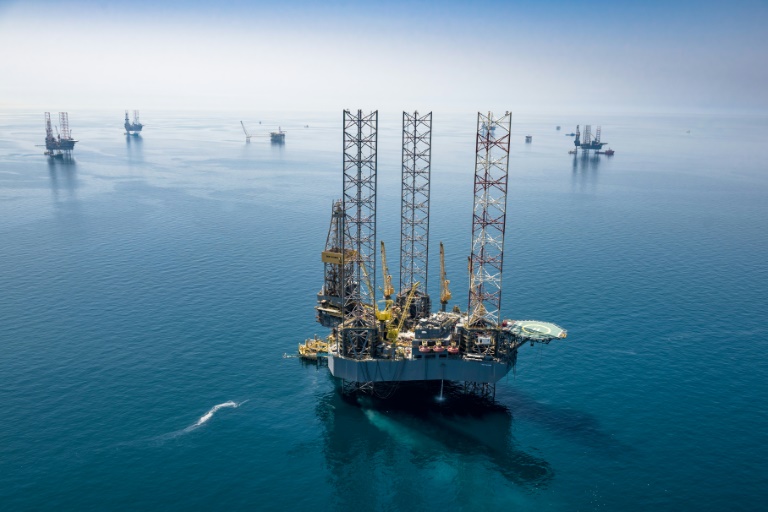
Major oil-producing nations led by Saudi Arabia and Russia are expected to make this week their biggest output cut since the start of the Covid pandemic in efforts to buttress prices.

Energy prices soared after Russia invaded Ukraine earlier this year, pushing inflation to decades-high levels that have put pressure on economies across the world.

But crude prices have fallen in recent months on concerns over demand amid a slowdown in the global economy.

The 13 members of the Organization of the Petroleum Exporting Countries (OPEC), led by Riyadh, and their 10 allies headed by Moscow will hold on Wednesday their first in-person meeting at the group’s headquarters in Vienna since March 2020.

Collectively known as OPEC+, the alliance drastically slashed output by almost 10 million barrels per day in April 2020 to reverse a massive drop in crude prices caused by Covid lockdowns.

OPEC+ began to raise production last year after the market improved — output returned to pre-pandemic levels this year, but only on paper as some members struggled to meet their quotas.

The group agreed last month on a slight cut of 100,000 bpd from October, the first in more than a year.

– One million cut –

Analysts now expect OPEC+ to decide to take one million bpd out of the market from November at Wednesday’s meeting.

“There’s been plenty of rumours about how the alliance will respond to the deteriorating economic outlook and lower prices,” said Craig Erlam, analyst at trading platform OANDA.

“A sizeable cut now looks on the cards, the question is whether it will be large enough to offset the demand destruction caused by the impending economic downturn,” he added.

After soaring close to $140 per barrel in the aftermath of Russia’s invasion of Ukraine, oil prices have dropped below the $90 mark.

According to the UBS bank, a cut of at least 500,000 bpd would be necessary to stop the price plunge.

In anticipation of Wednesday’s meeting, oil prices jumped more than four percent on Monday, with Brent North Sea crude, the international benchmark, reaching $88.55 — still far from its March peak.

– Ignoring the West –

Stephen Brennock, an analyst with PVM Energy, said OPEC+ would “want to reassert its influence” when the group meets this week.

“After all, the producer group has lost control over the oil market in recent weeks,” he said.

It remains to be seen how the United States and other major oil consumers will react to any OPEC+ decision to slash output.

Consumer countries have pushed for OPEC+ to open taps more widely to bring down prices — calls which the group has largely ignored.

US President Joe Biden made a controversial trip to Saudi Arabia in July in part to convince the kingdom to loosen the production taps, meeting Crown Prince Mohammed bin Salman despite his promise to make Riyadh a “pariah” following the 2018 killing of journalist Jamal Khashoggi.

“OPEC will not be making any friends among Western leaders, especially petroleum importers whose economies and currencies are ravaged by higher oil prices due to a deterioration in the trade balance,” said Stephen Innes, an analyst with SPI Asset Management, ahead of Wednesday’s meeting.

Observers have cast doubt how much more OPEC+ could possibly be pumping with some of its members struggling to meet quotas.

Bjarne Schieldrop, chief commodities analyst at SEB research group, predicted it would be “very easy for the group to implement cuts given that most members are stretched to the limit of what they can produce”.

He said Saudi Arabia was currently producing 11 million barrels per day.

“It hasn’t maintained such a high production more than twice in history and then only for 1-2 months,” he said.

Close Bitnami banner
Bitnami