World

Medicine Prize opens Nobel week clouded by war

Breast cancer discoveries and mRNA vaccines are seen as possible winners when the Nobel Medicine Prize kicks off a week of winner announcements on Monday, with this year’s awards held under the shadow of war in Europe.

Established more than 120 years ago before Europe was ravaged by two world wars, the Nobel prizes will celebrate those who have “conferred the greatest benefit on mankind” after a year marked by bloodshed and devastation in Ukraine.

The Medicine Prize will be announced around 11:30 am (0930 GMT) in Stockholm on Monday, followed by the awards for physics on Tuesday, chemistry on Wednesday and literature on Thursday.

The Peace Prize, the most highly anticipated of the awards and the only one announced in Oslo, will follow on Friday, with the Economics Prize wrapping things up on October 10.

For medicine, one woman’s name keeps popping up among prize watchers: US geneticist Mary-Claire King, who in 1990 discovered the BRCA1 gene responsible for a hereditary form of breast cancer.

She could be honoured together with oncologists Dennis Slamon of the United States and Germany’s Axel Ullrich for their research, which led to the development of the breast cancer drug Herceptin.

However, if the jury were to break with its tradition of honouring decades-old research, another woman could be well placed for her role in fighting the Covid-19 pandemic.

– Male domination –

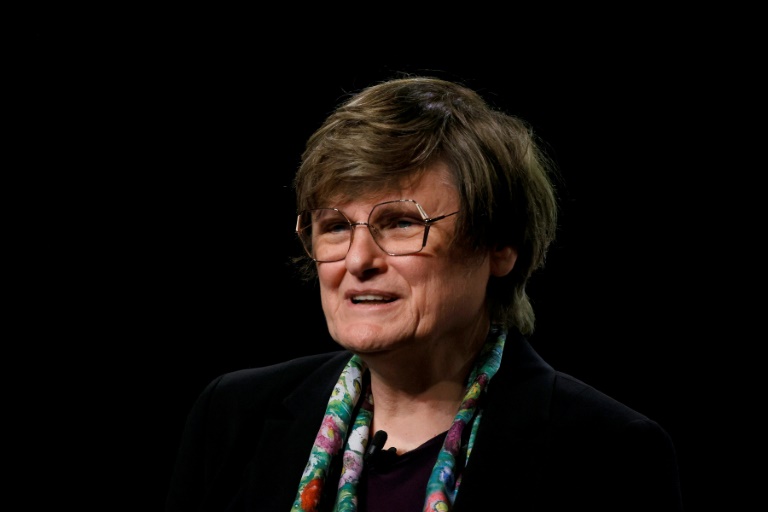
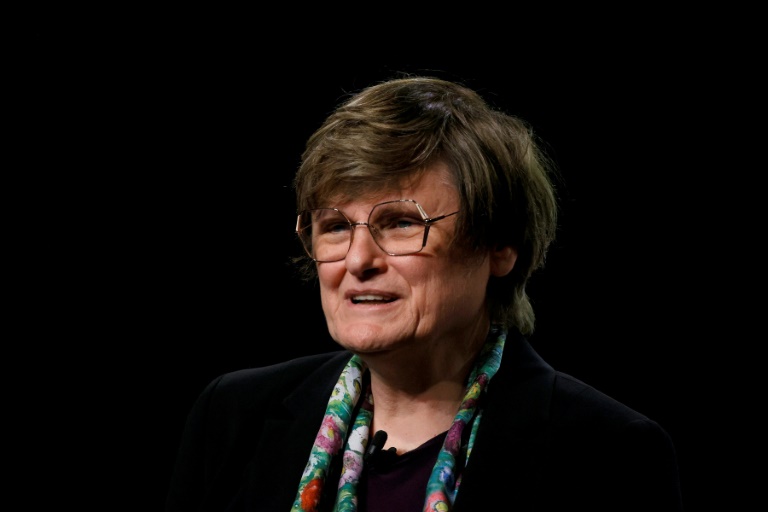
Already honoured by almost all other major medicine prizes, Hungarian-born Katalin Kariko could win for her pioneering research which led directly to the first mRNA vaccines to fight Covid-19, made by Pfizer and Moderna.

“There’s not only the direct benefit that it gave us to fight the pandemic, it’s also the first in a series of very promising applications using this technology,” Nobel watcher Ulrika Bjorksten, the head of Swedish public radio’s science service, told AFP.

Kariko could be honoured together with her collaborator Drew Weissman of the United States and Pieter Cullis of Canada.

Last year, the prize went to US researchers David Julius and Ardem Patapoutian for their discoveries on human receptors for temperature and touch.

David Pendlebury, who heads the closely watched Clarivate analytics group which lists dozens of possible winners for the Nobel science prizes, said his money was on King and Slamon this year.

But he also mentioned Hong Kong molecular biologist Yuk Ming Dennis Lo, who pioneered the development of non-invasive prenatal testing. 

He also developed a new method of detecting cancer early using just a few drops of blood, dubbed liquid biopsies.

With a simple blood draw “you can determine all kinds of possible problems and diseases”, Pendlebury said.

Male researchers based in the United States have overwhelmingly dominated the Nobel science prizes through the years.

The various prize committees have insisted they are trying to recognise women’s achievements, but say many of the top discoveries were made decades ago when fewer women were involved in high-level research.

Last year, 12 men and one woman won Nobel Prizes, with all of the science nods going to men.

– Anti-Putin prizes? –

For the Literature Prize on Thursday, literary critics told AFP they thought the Swedish Academy may go for a more mainstream author this year, after selecting lesser-known writers the past two years.

Last year, Tanzanian author Abdulrazak Gurnah won, while US poet Louise Gluck was crowned in 2020.

US novelist Joyce Carol Oates, France’s Annie Ernaux and Maryse Conde, Russia’s Lyudmila Ulitskaya and Canada’s Margaret Atwood have all been cited as potential laureates if the committee has its eyes on a woman.

Online betting sites however have France’s Michel Houellebecq as the favourite, ahead of British author Salman Rushdie, who was the victim of an attempted murder attack in August. 

But it is the Peace Prize that is expected to hold special significance this year. 

After Russian journalist Dmitry Muratov won the prize last year together with his Philippine colleague Maria Ressa in the name of freedom of expression, will the Norwegian Nobel Committee award another anti-Putin prize after Moscow’s invasion of Ukraine?

Not since World War II has a conflict raged between two countries so close to Oslo.

The International Criminal Court, tasked with investigating war crimes in Ukraine, and the International Court of Justice — both based in The Hague — have been mentioned as possible laureates this year.

So have jailed Russian dissident Alexei Navalny and Belarusian opposition leader Svetlana Tikhanovskaya.

If the committee were to focus on the climate crisis, experts tipped Swedish activist Greta Thunberg, possibly together with British environmentalist David Attenborough or other activists such as Sudan’s Nisreen Elsaim and Ghana’s Chibeze Ezekiel.

bur-map-aco-phy/po/imm
Medicine Prize opens Nobel week clouded by war

Breast cancer discoveries and mRNA vaccines are seen as possible winners when the Nobel Medicine Prize kicks off a week of winner announcements on Monday, with this year’s awards held under the shadow of war in Europe.

Established more than 120 years ago before Europe was ravaged by two world wars, the Nobel prizes will celebrate those who have “conferred the greatest benefit on mankind” after a year marked by bloodshed and devastation in Ukraine.

The Medicine Prize will be announced around 11:30 am (0930 GMT) in Stockholm on Monday, followed by the awards for physics on Tuesday, chemistry on Wednesday and literature on Thursday.

The Peace Prize, the most highly anticipated of the awards and the only one announced in Oslo, will follow on Friday, with the Economics Prize wrapping things up on October 10.

For medicine, one woman’s name keeps popping up among prize watchers: US geneticist Mary-Claire King, who in 1990 discovered the BRCA1 gene responsible for a hereditary form of breast cancer.

She could be honoured together with oncologists Dennis Slamon of the United States and Germany’s Axel Ullrich for their research, which led to the development of the breast cancer drug Herceptin.

However, if the jury were to break with its tradition of honouring decades-old research, another woman could be well placed for her role in fighting the Covid-19 pandemic.

– Male domination –

Already honoured by almost all other major medicine prizes, Hungarian-born Katalin Kariko could win for her pioneering research which led directly to the first mRNA vaccines to fight Covid-19, made by Pfizer and Moderna.

“There’s not only the direct benefit that it gave us to fight the pandemic, it’s also the first in a series of very promising applications using this technology,” Nobel watcher Ulrika Bjorksten, the head of Swedish public radio’s science service, told AFP.

Kariko could be honoured together with her collaborator Drew Weissman of the United States and Pieter Cullis of Canada.

Last year, the prize went to US researchers David Julius and Ardem Patapoutian for their discoveries on human receptors for temperature and touch.

David Pendlebury, who heads the closely watched Clarivate analytics group which lists dozens of possible winners for the Nobel science prizes, said his money was on King and Slamon this year.

But he also mentioned Hong Kong molecular biologist Yuk Ming Dennis Lo, who pioneered the development of non-invasive prenatal testing. 

He also developed a new method of detecting cancer early using just a few drops of blood, dubbed liquid biopsies.

With a simple blood draw “you can determine all kinds of possible problems and diseases”, Pendlebury said.

Male researchers based in the United States have overwhelmingly dominated the Nobel science prizes through the years.

The various prize committees have insisted they are trying to recognise women’s achievements, but say many of the top discoveries were made decades ago when fewer women were involved in high-level research.

Last year, 12 men and one woman won Nobel Prizes, with all of the science nods going to men.

– Anti-Putin prizes? –

For the Literature Prize on Thursday, literary critics told AFP they thought the Swedish Academy may go for a more mainstream author this year, after selecting lesser-known writers the past two years.

Last year, Tanzanian author Abdulrazak Gurnah won, while US poet Louise Gluck was crowned in 2020.

US novelist Joyce Carol Oates, France’s Annie Ernaux and Maryse Conde, Russia’s Lyudmila Ulitskaya and Canada’s Margaret Atwood have all been cited as potential laureates if the committee has its eyes on a woman.

Online betting sites however have France’s Michel Houellebecq as the favourite, ahead of British author Salman Rushdie, who was the victim of an attempted murder attack in August. 

But it is the Peace Prize that is expected to hold special significance this year. 

After Russian journalist Dmitry Muratov won the prize last year together with his Philippine colleague Maria Ressa in the name of freedom of expression, will the Norwegian Nobel Committee award another anti-Putin prize after Moscow’s invasion of Ukraine?

Not since World War II has a conflict raged between two countries so close to Oslo.

The International Criminal Court, tasked with investigating war crimes in Ukraine, and the International Court of Justice — both based in The Hague — have been mentioned as possible laureates this year.

So have jailed Russian dissident Alexei Navalny and Belarusian opposition leader Svetlana Tikhanovskaya.

If the committee were to focus on the climate crisis, experts tipped Swedish activist Greta Thunberg, possibly together with British environmentalist David Attenborough or other activists such as Sudan’s Nisreen Elsaim and Ghana’s Chibeze Ezekiel.

bur-map-aco-phy/po/imm
UAE's latest bet on tech: a ministry in the metaverse

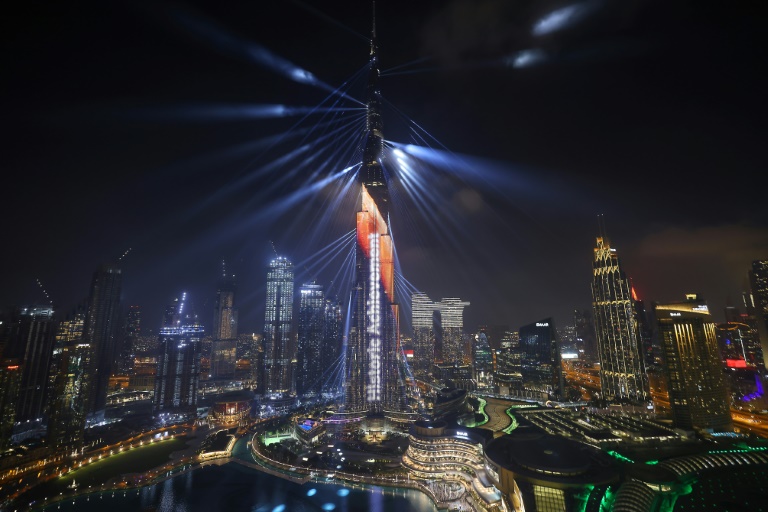
The United Arab Emirates, which already boasts the world’s tallest skyscraper and has launched a bold Mars mission, now hopes to become a pioneer in the depths of the metaverse.

In a project launched at Dubai’s gleaming Museum of the Future, it announced that the UAE’s economy ministry was setting up shop inside the immersive virtual world that is now taking shape. 

Those who don their virtual reality goggles or use other means to venture within will find a ministry open for business with companies and even ready to sign bilateral agreements with foreign governments, officials said.

The metaverse is an online world where users will eventually be able to game, work and study, its proponents say — although it is still in a “test” phase, the UAE’s economy minister conceded.

Abdulla bin Touq Al Marri was speaking at the inaugural Dubai Metaverse Assembly, held at the museum whose innovative ring shape decorated with Arabic calligraphy flanks the city’s main thoroughfare.

Representatives of tech giants mingled with entrepreneurs and developers exploring the potential of the metaverse, a network of digital spaces intended as an extension of the physical world.

“In the last couple of years we’ve seen investments, we’ve seen companies move in, and with the changes of the (visa) regime… we see talent coming in,” Al Marri told AFP in an interview.

“We trained our employees to really immerse themselves in the metaverse, use the metaverse and engage with the Generation Z that is going to come,” he added. 

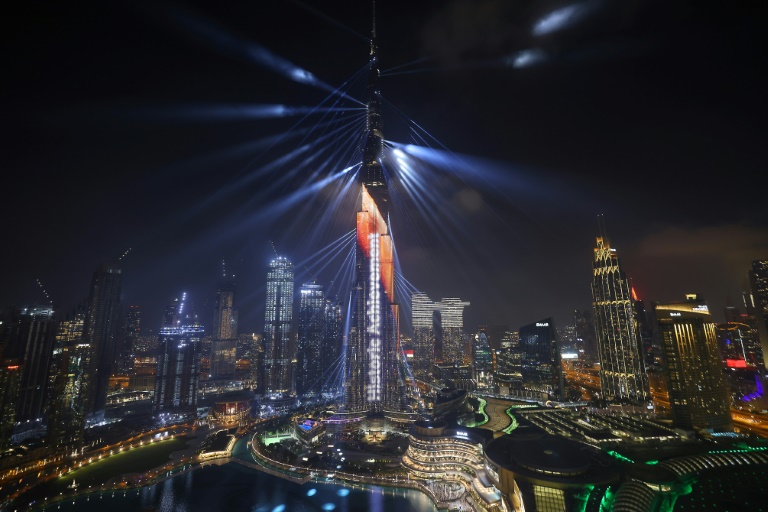
The UAE, which has a history of bold projects including the 830-metre (2,723-foot) Burj Khalifa, hopes the metaverse can add $4 billion to annual GDP and 40,000 jobs to its workforce by 2030.

In its bid to become one of the world’s top-10 metaverse economies, Dubai wants to attract 1,000 companies specialising in blockchain and related technologies, helped by eased visa rules for freelancers, entrepreneurs and creatives.

As the coronavirus pandemic pushed more people into the online world, “Covid really accelerated” the trend, Al Marri added. 

“We thought the metaverse is a phase technology” that might take 10 to 20 years to emerge,” he said. “Covid-19 really immersed us so fast and expedited the use of the metaverse.”

– Virtual Mars trips –

Unlike the UAE’s oil-rich capital, Abu Dhabi, crude represents just five percent of Dubai’s economy which has pivoted towards business, tourism, real estate and new technologies.

The UAE has already introduced a law governing virtual assets and a regulatory body for cryptocurrencies, while welcoming major crypto exchange platforms.

One of the UAE’s early private-sector metaverse projects is called 2117, named after the dream of Dubai’s ruler Sheikh Mohammed bin Rashid to colonise Mars a century from now.

Metaverse users can now buy tickets to join a virtual shuttle carrying settlers to the red planet.

“A lot of us won’t live long enough to see this mission with our own eyes,” said Amin Al Zarouni, founder of the Bedu start-up behind the virtual Mars trip.

“We’ll try to replicate this experience in the metaverse.”

Until now, use of the metaverse is niche and even its architects say widespread adoption is years away. How it will develop is unknown.

According to Meta, which owns Facebook and other social media titans, Analysis Group research has shown that the metaverse could add $360 billion to GDP in the Middle East, North Africa and Turkey in 10 years, if it follows the growth pattern of mobile technology.

“We also know that when policy supports innovation, it accelerates the adoption of new technologies,” the company said, when asked about Dubai’s prospects of becoming a metaverse hub.

“If we look at the context of Dubai, there’s already a clear strategy and goals to accelerate metaverse adoption and investments in the building blocks of the metaverse.”

UAE's latest bet on tech: a ministry in the metaverse

The United Arab Emirates, which already boasts the world’s tallest skyscraper and has launched a bold Mars mission, now hopes to become a pioneer in the depths of the metaverse.

In a project launched at Dubai’s gleaming Museum of the Future, it announced that the UAE’s economy ministry was setting up shop inside the immersive virtual world that is now taking shape. 

Those who don their virtual reality goggles or use other means to venture within will find a ministry open for business with companies and even ready to sign bilateral agreements with foreign governments, officials said.

The metaverse is an online world where users will eventually be able to game, work and study, its proponents say — although it is still in a “test” phase, the UAE’s economy minister conceded.

Abdulla bin Touq Al Marri was speaking at the inaugural Dubai Metaverse Assembly, held at the museum whose innovative ring shape decorated with Arabic calligraphy flanks the city’s main thoroughfare.

Representatives of tech giants mingled with entrepreneurs and developers exploring the potential of the metaverse, a network of digital spaces intended as an extension of the physical world.

“In the last couple of years we’ve seen investments, we’ve seen companies move in, and with the changes of the (visa) regime… we see talent coming in,” Al Marri told AFP in an interview.

“We trained our employees to really immerse themselves in the metaverse, use the metaverse and engage with the Generation Z that is going to come,” he added. 

The UAE, which has a history of bold projects including the 830-metre (2,723-foot) Burj Khalifa, hopes the metaverse can add $4 billion to annual GDP and 40,000 jobs to its workforce by 2030.

In its bid to become one of the world’s top-10 metaverse economies, Dubai wants to attract 1,000 companies specialising in blockchain and related technologies, helped by eased visa rules for freelancers, entrepreneurs and creatives.

As the coronavirus pandemic pushed more people into the online world, “Covid really accelerated” the trend, Al Marri added. 

“We thought the metaverse is a phase technology” that might take 10 to 20 years to emerge,” he said. “Covid-19 really immersed us so fast and expedited the use of the metaverse.”

– Virtual Mars trips –

Unlike the UAE’s oil-rich capital, Abu Dhabi, crude represents just five percent of Dubai’s economy which has pivoted towards business, tourism, real estate and new technologies.

The UAE has already introduced a law governing virtual assets and a regulatory body for cryptocurrencies, while welcoming major crypto exchange platforms.

One of the UAE’s early private-sector metaverse projects is called 2117, named after the dream of Dubai’s ruler Sheikh Mohammed bin Rashid to colonise Mars a century from now.

Metaverse users can now buy tickets to join a virtual shuttle carrying settlers to the red planet.

“A lot of us won’t live long enough to see this mission with our own eyes,” said Amin Al Zarouni, founder of the Bedu start-up behind the virtual Mars trip.

“We’ll try to replicate this experience in the metaverse.”

Until now, use of the metaverse is niche and even its architects say widespread adoption is years away. How it will develop is unknown.

According to Meta, which owns Facebook and other social media titans, Analysis Group research has shown that the metaverse could add $360 billion to GDP in the Middle East, North Africa and Turkey in 10 years, if it follows the growth pattern of mobile technology.

“We also know that when policy supports innovation, it accelerates the adoption of new technologies,” the company said, when asked about Dubai’s prospects of becoming a metaverse hub.

“If we look at the context of Dubai, there’s already a clear strategy and goals to accelerate metaverse adoption and investments in the building blocks of the metaverse.”

Asian markets swing as traders eye US jobs, earnings

Stocks drifted in Asia on Monday as investors await key US jobs data, while girding themselves for a corporate earnings season many fear will highlight the impact of surging inflation and interest rates.

A report showing prices rose in the eurozone at a record pace last month added concerns that central bank tightening has a long way to go, while Federal Reserve vice chair Lael Brainard said US officials would not pull back too early.

Banks’ battle against inflation could also be made harder as OPEC and other oil producers consider a major output cut owing to a plunge in prices caused by demand worries. Crude prices jumped more than three percent in Asian trade ahead of the possible cut.

Traders are also keeping an eye on developments in Britain as the ruling Conservatives hold their annual conference a week after new finance minister Kwasi Kwarteng shocked markets with a massive borrowing-dependent, tax-cutting mini budget.

All three main indexes on Wall Street ended down again Friday, registering a third straight quarter of losses for the first time since the global financial crisis in 2009.

The release of US jobs data on Friday will be closely watched, with a strong reading likely to give the Fed more ammunition to unveil a fourth successive bumper rate hike at its November meeting.

Asian markets fluctuated at the start of the week.

Hong Kong dipped along with Sydney, Singapore, Taipei, Jakarta and Wellington.

Tokyo rose, however, even as the Bank of Japan’s Tankan survey showed confidence fell among the country’s largest manufacturers for the third straight quarter. Manila also rose.

With inflation remaining elevated, there is little prospect that the pain will ease any time soon.

On Friday, Brainard said: “Monetary policy will need to be restrictive for some time to have confidence that inflation is moving back to target.

“For these reasons, we are committed to avoiding pulling back prematurely.”

The comments were in line with other Fed officials, who have indicated borrowing costs were unlikely to be lowered until late 2023 or 2024.

“Last week’s developments reinforced our expectation that we will see further tightening in financial conditions, but also illustrated the short-term two-way volatility, which will likely accompany it,” Citigroup’s Ebrahim Rahbari said.

At a time of rising real rates, volatility and the strong dollar “we therefore remain very bearish regarding the outlook for global risk assets”, he added.

Markets are now bracing for company earnings reports, with traders keeping a close eye on their forecasts in light of the uncertain rate environment.

Saxo Capital Markets analysts said in a note that there was a risk-off mood “as corporate earnings misses continue to raise the threat of an ugly earnings season ahead”.

Both the US benchmark West Texas Intermediate crude and Brent climbed 3.3 percent, as major producers discussed a one million barrel per day cut in output to support prices in the face of falling demand.

The reduction would be the biggest since the pandemic began, when crude prices collapsed, and would help staunch a plunge in the oil markets over recent months. 

But OANDA’s Edward Moya said: “The slide in oil prices is likely over.

“Energy traders turned pessimistic over the summer given global slowdown fears, but now it seems the risks for oil are to the upside.”

And Suvro Sarkar, an energy analyst at DBS Bank, added: “It’s only going to be a matter of time before oil returns to $100 a barrel, especially with supplies set to tighten toward the end of the year,” he said.

– Key figures around 0320 GMT –

Tokyo – Nikkei 225: UP 0.7 percent at 26,111.54 (break)

Hong Kong – Hang Seng Index: DOWN 0.9 percent at 17,060.92 

Shanghai – Composite: Closed for a holiday

Pound/dollar: DOWN at $1.1128 from $1.1156 on Friday

Euro/dollar: UP at $0.9813 from $0.9802

Euro/pound: UP at 88.18 pence from 87.82 pence

Dollar/yen: UP at 144.81 yen from 144.80 yen

West Texas Intermediate: UP 3.3 percent to $82.12 per barrel

Brent North Sea crude: UP 3.3 percent to $87.94 per barrel

New York – Dow: DOWN 1.7 percent at 28,725.51 (close)

London – FTSE 100: UP 0.2 percent at 6,893.81 (close)  

— Bloomberg News contributed to this story —

Asian markets swing as traders eye US jobs, earnings

Stocks drifted in Asia on Monday as investors await key US jobs data, while girding themselves for a corporate earnings season many fear will highlight the impact of surging inflation and interest rates.

A report showing prices rose in the eurozone at a record pace last month added concerns that central bank tightening has a long way to go, while Federal Reserve vice chair Lael Brainard said US officials would not pull back too early.

Banks’ battle against inflation could also be made harder as OPEC and other oil producers consider a major output cut owing to a plunge in prices caused by demand worries. Crude prices jumped more than three percent in Asian trade ahead of the possible cut.

Traders are also keeping an eye on developments in Britain as the ruling Conservatives hold their annual conference a week after new finance minister Kwasi Kwarteng shocked markets with a massive borrowing-dependent, tax-cutting mini budget.

All three main indexes on Wall Street ended down again Friday, registering a third straight quarter of losses for the first time since the global financial crisis in 2009.

The release of US jobs data on Friday will be closely watched, with a strong reading likely to give the Fed more ammunition to unveil a fourth successive bumper rate hike at its November meeting.

Asian markets fluctuated at the start of the week.

Hong Kong dipped along with Sydney, Singapore, Taipei, Jakarta and Wellington.

Tokyo rose, however, even as the Bank of Japan’s Tankan survey showed confidence fell among the country’s largest manufacturers for the third straight quarter. Manila also rose.

With inflation remaining elevated, there is little prospect that the pain will ease any time soon.

On Friday, Brainard said: “Monetary policy will need to be restrictive for some time to have confidence that inflation is moving back to target.

“For these reasons, we are committed to avoiding pulling back prematurely.”

The comments were in line with other Fed officials, who have indicated borrowing costs were unlikely to be lowered until late 2023 or 2024.

“Last week’s developments reinforced our expectation that we will see further tightening in financial conditions, but also illustrated the short-term two-way volatility, which will likely accompany it,” Citigroup’s Ebrahim Rahbari said.

At a time of rising real rates, volatility and the strong dollar “we therefore remain very bearish regarding the outlook for global risk assets”, he added.

Markets are now bracing for company earnings reports, with traders keeping a close eye on their forecasts in light of the uncertain rate environment.

Saxo Capital Markets analysts said in a note that there was a risk-off mood “as corporate earnings misses continue to raise the threat of an ugly earnings season ahead”.

Both the US benchmark West Texas Intermediate crude and Brent climbed 3.3 percent, as major producers discussed a one million barrel per day cut in output to support prices in the face of falling demand.

The reduction would be the biggest since the pandemic began, when crude prices collapsed, and would help staunch a plunge in the oil markets over recent months. 

But OANDA’s Edward Moya said: “The slide in oil prices is likely over.

“Energy traders turned pessimistic over the summer given global slowdown fears, but now it seems the risks for oil are to the upside.”

And Suvro Sarkar, an energy analyst at DBS Bank, added: “It’s only going to be a matter of time before oil returns to $100 a barrel, especially with supplies set to tighten toward the end of the year,” he said.

– Key figures around 0320 GMT –

Tokyo – Nikkei 225: UP 0.7 percent at 26,111.54 (break)

Hong Kong – Hang Seng Index: DOWN 0.9 percent at 17,060.92 

Shanghai – Composite: Closed for a holiday

Pound/dollar: DOWN at $1.1128 from $1.1156 on Friday

Euro/dollar: UP at $0.9813 from $0.9802

Euro/pound: UP at 88.18 pence from 87.82 pence

Dollar/yen: UP at 144.81 yen from 144.80 yen

West Texas Intermediate: UP 3.3 percent to $82.12 per barrel

Brent North Sea crude: UP 3.3 percent to $87.94 per barrel

New York – Dow: DOWN 1.7 percent at 28,725.51 (close)

London – FTSE 100: UP 0.2 percent at 6,893.81 (close)  

— Bloomberg News contributed to this story —

Tired of power cuts, blockaded Gaza turns to solar

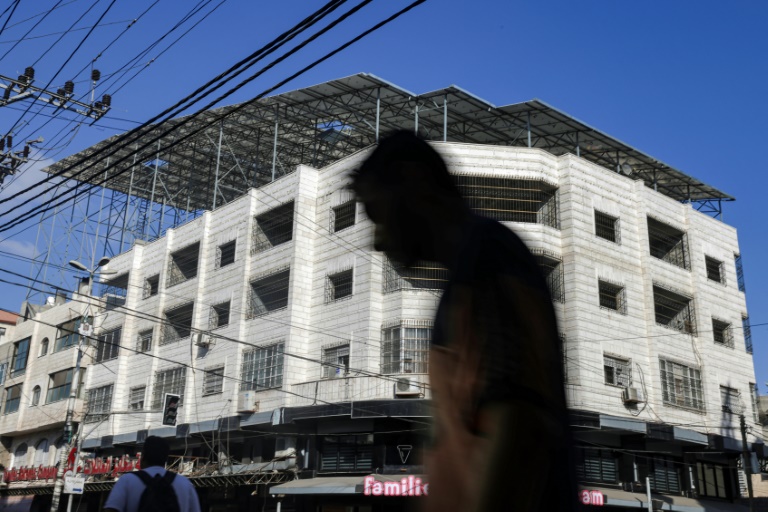
Palestinians living in the Israeli-blockaded enclave of Gaza have long endured an unstable and costly electricity supply, so Yasser al-Hajj found a different way: solar power.

Looking at the rows of photo-voltaic panels at his beachfront fish farm and seafood restaurant, The Sailor, he said the investment he made six years ago had more than paid off.

“Electricity is the backbone of the project,” Hajj said, standing under a blazing Mediterranean sun. “We rely on it to provide oxygen for the fish, as well as to draw and pump water from the sea.”

The dozens of solar panels that shade the fish ponds below have brought savings that are now paying to refurbish the business, he said, as labourers loaded sand onto a horse-drawn cart.

Hajj said he used to pay 150,000 shekels ($42,000) per month for electricity, “a huge burden,” before solar power slashed his monthly bill to 50,000 shekels.

For most of Gaza’s 2.3 million residents, living under Hamas Islamist rule and a 15-year-old Israeli blockade, power cuts are a daily fact of life that impact everything from homes to hospital wards.

While some Gazans pay for a generator to kick in when the mains are cut — for around half of each day, according to United Nations data — ever more people are turning to renewables.

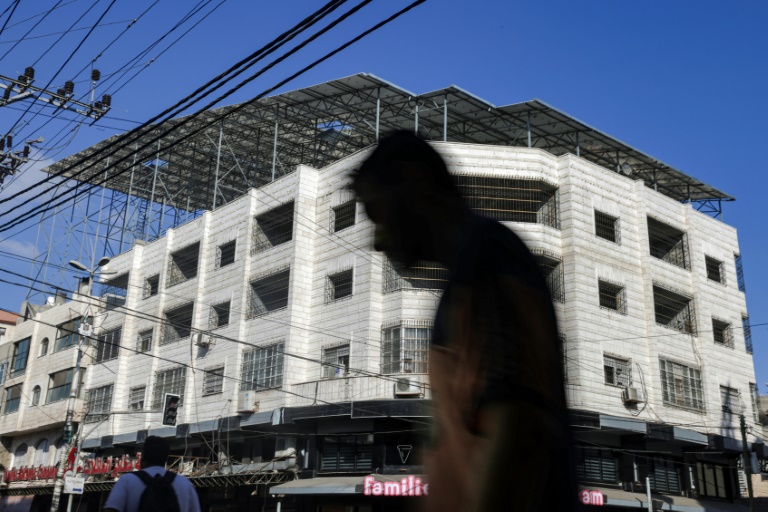
From the rooftops of Gaza City, solar panels now stretch out into the horizon.

Green energy advocates say it is a vision for a global future as the world faces the perils of climate change and rising energy costs.

– Swap to green power –

Gaza bakery owner Bishara Shehadeh began the switch to solar this summer, by placing hundreds of gleaming panels on his rooftop.

“We have surplus electricity in the day,” he said. “We sell it to the electricity company in exchange for providing us with current during the night.”

Solar energy lights up the bright bulbs illuminating the bustling bakery, but the ovens still run on diesel.

“We are working on importing ovens, depending on electrical power, from Israel, to save the cost of diesel,” said Shehadeh.

Both the bakery and the fish farm have relied partially on foreign donors to kick-start their switch to solar, although their owners are also investing their own cash.

But in a poverty-stricken territory where nearly 80 percent of residents rely on humanitarian assistance, according to the UN, not everyone can afford to install renewable energy.

Around a fifth of Gazans have installed solar power in their homes, according to an estimate published in April by the “Energy, Sustainability and Society” journal.

Financing options are available for Gazans with some capital, like Shehadeh, who got a four-year loan to fund his bakery project.

– Import restrictions –

At a store selling solar power kits, MegaPower, engineer Shehab Hussein said prices start at around $1,000 and can be paid in instalments.

Clients included a sewing factory and a drinks producer, which see the mostly Chinese-made technology as “a worthwhile investment”, he said.

Raya al-Dadah, who heads the University of Birmingham’s Sustainable Energy Technology Laboratory, said her family in Gaza has been using simple solar panels that heat water for more than 15 years.

“The pipe is super rusty, the glass is broken… and I just had a shower and the water is super hot,” she said during a visit to the territory.

But Dadah encountered obstacles when she tried to import a more sophisticated solar system for a community project in Gaza, where imports are tightly restricted by Israel and Egypt.  

“Bringing them to the Gaza Strip has proved to be impossible,” she said.

The advanced set-up includes more efficient panels and equipment that tracks the sun’s path.

Such technology is being used by Israeli firms such as SolarGik, whose smart control systems factor in weather conditions and can harness up to 20 percent more energy than standard panels, chief executive Gil Kroyzer told AFP.

Across the frontier in Gaza, in the absence of such high-tech equipment, Dadah relies on the standard panels to power a women’s centre and surrounding homes in the strip’s northern Jabalia area.

Despite the challenges, Dadah said solar energy remains a “brilliant” option for Gaza, with its copious sunlight: “It is really a very promising energy source, and it’s available everywhere”.

Tired of power cuts, blockaded Gaza turns to solar

Palestinians living in the Israeli-blockaded enclave of Gaza have long endured an unstable and costly electricity supply, so Yasser al-Hajj found a different way: solar power.

Looking at the rows of photo-voltaic panels at his beachfront fish farm and seafood restaurant, The Sailor, he said the investment he made six years ago had more than paid off.

“Electricity is the backbone of the project,” Hajj said, standing under a blazing Mediterranean sun. “We rely on it to provide oxygen for the fish, as well as to draw and pump water from the sea.”

The dozens of solar panels that shade the fish ponds below have brought savings that are now paying to refurbish the business, he said, as labourers loaded sand onto a horse-drawn cart.

Hajj said he used to pay 150,000 shekels ($42,000) per month for electricity, “a huge burden,” before solar power slashed his monthly bill to 50,000 shekels.

For most of Gaza’s 2.3 million residents, living under Hamas Islamist rule and a 15-year-old Israeli blockade, power cuts are a daily fact of life that impact everything from homes to hospital wards.

While some Gazans pay for a generator to kick in when the mains are cut — for around half of each day, according to United Nations data — ever more people are turning to renewables.

From the rooftops of Gaza City, solar panels now stretch out into the horizon.

Green energy advocates say it is a vision for a global future as the world faces the perils of climate change and rising energy costs.

– Swap to green power –

Gaza bakery owner Bishara Shehadeh began the switch to solar this summer, by placing hundreds of gleaming panels on his rooftop.

“We have surplus electricity in the day,” he said. “We sell it to the electricity company in exchange for providing us with current during the night.”

Solar energy lights up the bright bulbs illuminating the bustling bakery, but the ovens still run on diesel.

“We are working on importing ovens, depending on electrical power, from Israel, to save the cost of diesel,” said Shehadeh.

Both the bakery and the fish farm have relied partially on foreign donors to kick-start their switch to solar, although their owners are also investing their own cash.

But in a poverty-stricken territory where nearly 80 percent of residents rely on humanitarian assistance, according to the UN, not everyone can afford to install renewable energy.

Around a fifth of Gazans have installed solar power in their homes, according to an estimate published in April by the “Energy, Sustainability and Society” journal.

Financing options are available for Gazans with some capital, like Shehadeh, who got a four-year loan to fund his bakery project.

– Import restrictions –

At a store selling solar power kits, MegaPower, engineer Shehab Hussein said prices start at around $1,000 and can be paid in instalments.

Clients included a sewing factory and a drinks producer, which see the mostly Chinese-made technology as “a worthwhile investment”, he said.

Raya al-Dadah, who heads the University of Birmingham’s Sustainable Energy Technology Laboratory, said her family in Gaza has been using simple solar panels that heat water for more than 15 years.

“The pipe is super rusty, the glass is broken… and I just had a shower and the water is super hot,” she said during a visit to the territory.

But Dadah encountered obstacles when she tried to import a more sophisticated solar system for a community project in Gaza, where imports are tightly restricted by Israel and Egypt.  

“Bringing them to the Gaza Strip has proved to be impossible,” she said.

The advanced set-up includes more efficient panels and equipment that tracks the sun’s path.

Such technology is being used by Israeli firms such as SolarGik, whose smart control systems factor in weather conditions and can harness up to 20 percent more energy than standard panels, chief executive Gil Kroyzer told AFP.

Across the frontier in Gaza, in the absence of such high-tech equipment, Dadah relies on the standard panels to power a women’s centre and surrounding homes in the strip’s northern Jabalia area.

Despite the challenges, Dadah said solar energy remains a “brilliant” option for Gaza, with its copious sunlight: “It is really a very promising energy source, and it’s available everywhere”.

Anger grows against Indonesia police over football stadium tragedy

Anger against police mounted in Indonesia on Monday after at least 125 people were killed in one of the deadliest disasters in the history of football, when officers fired tear gas in a packed stadium, triggering a stampede.

The tragedy on Saturday night in the city of Malang also saw 323 people injured.

The incident unfolded when fans of home team Arema FC stormed the pitch at the Kanjuruhan stadium after their loss 3-2 to bitter rivals Persebaya Surabaya.

Police responded by launching volleys of tear gas into packed terraces, prompting spectators to rush en masse to small gates where many were trampled or suffocated, according to witnesses.

Police described the incident as a riot in which two officers were killed but survivors accuse them of overreacting and causing the deaths of scores of spectators, including a five-year-old boy.

“One of our messages is for the authorities to investigate this (incident) thoroughly. And we want accountability, who is to blame?” said 25-year-old Andika, who declined to give his last name. 

“We want justice for our fallen supporters,” he said.

– ‘Murderer!’ –

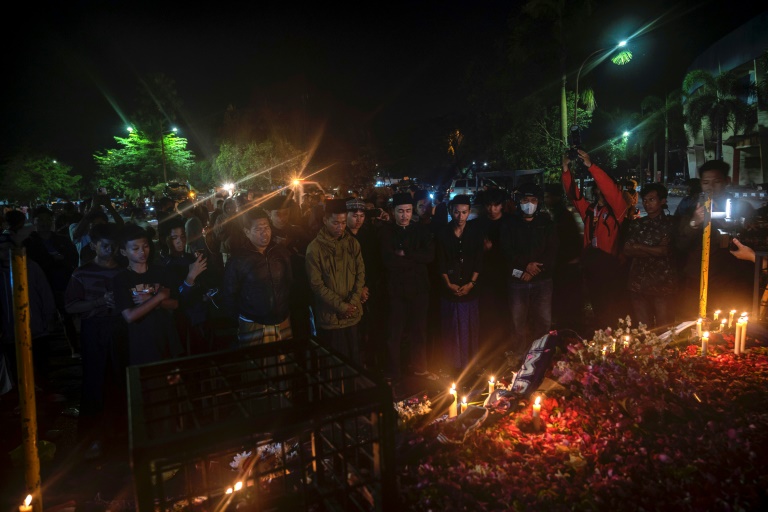
Outside the Kanjuruhan stadium on Sunday evening, people held a vigil beneath the roaring lion statue — the club’s symbol — to honour the victims. 

But fresh graffiti daubed on the walls of the stadium revealed bubbling anger towards the authorities. 

“My siblings were killed. Investigate thoroughly,” read one message scrawled on the stadium’s shutters, accompanied by a black ribbon and the date of the tragedy.

“ACAB”, an acronym for “all cops are bastards”, was sprayed on another wall.

In Jakarta, hundreds of football fans gathered outside the country’s biggest stadium in Jakarta late Sunday chanting “murderer! murderer!”, singing songs in support of Arema FC and placing police tape on the complex’s fence.

Indonesian President Joko Widodo announced a probe into the incident, but rights groups said it should be independent and officers should be held accountable for using tear gas in a confined area.

“We call on authorities to conduct a swift, thorough, and independent investigation into the use of tear gas at the stadium and ensure that those who are found to have committed violations are tried in open court,” Amnesty International said in a statement.

“This loss of life cannot go unanswered.”

– ‘Fans died in players’ arms’ –

Indonesia’s chief security minister Mahfud MD said Sunday the government “will immediately take some measures to investigate if there is a legal violation or crime in the incident.”

But the anger gathered pace online, with many posts critical of the police going viral in Indonesia.

“Investigate thoroughly. Firing tear gas in a closed space full of humans is a serious violation,” read one tweet that was liked 11,000 times.

An online petition titled “The police must stop using tear gas” gathered nearly 6,000 signatures by Monday morning.

The fallout came as more information emerged about the stampede, with Arema FC’s Chilean football coach saying “fans died in the arms of players”.

“The boys passed by with victims in their arms,” Javier Roca told Spanish broadcaster Cadena Ser.

“I think the police overstepped their mark.”

Fan violence between rival groups is an enduring problem in Indonesia. 

Witnesses of Saturday’s violence say fans of the home team Arema invaded the pitch after their loss to Persebaya Surabaya.

Persebaya Surabaya supporters were not allowed to buy tickets to the game, due to the fear of violence.

After the deadly stampede, Arema fans threw rocks at officers and torched vehicles including a police truck on the streets of Malang, according to the police.

FIFA’s president Gianni Infantino called the tragedy a “dark day” for football but stopped short of calling for any action by authorities.

The world football governing body’s safety guidelines prohibit the carrying of crowd control gas by police or stewards at pitchside.

World football united to mourn the tragedy, with Spanish clubs holding a minute’s silence and top teams across Europe sending their condolences online.

Moroccan nomads' way of life threatened by climate change

In the blistering desert of Morocco, the country’s last Berber nomads, the Amazigh, say their ancient lifestyle is under threat as climate change brings ever-more intense droughts.  

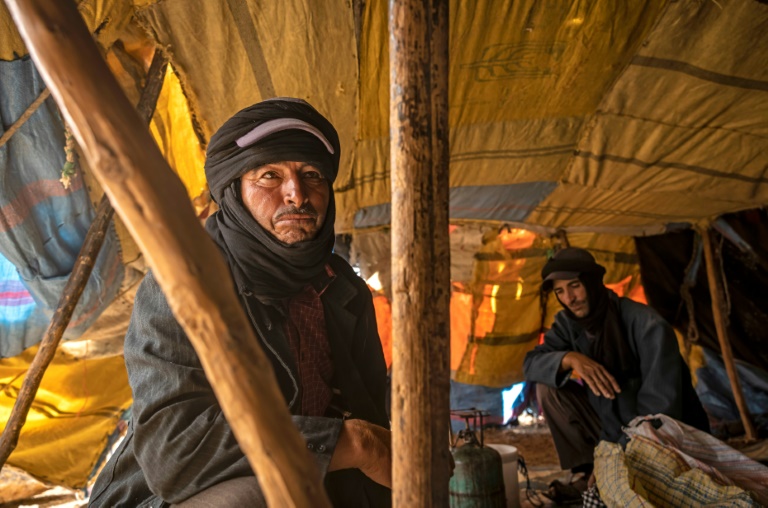
“Everything has changed,” said Moha Ouchaali, his wrinkled features framed by a black turban. “I don’t recognise myself anymore in the world of today. Even nature is turning against us.” 

Ouchaali, an Amazigh man in his 50s, has set up an encampment near a dry riverbed in barren hills about 280 kilometres (174 miles) east of Marrakesh. 

Amid the rocky, arid landscape near the village of Amellagou, he and his family have pitched two black woollen tents, lined with old animal fodder bags and fabric scraps.

One is for sleeping and hosting guests, the other serves as a kitchen.

“Water has become hard to find. Temperatures are going up and the drought is so harsh, but we can’t do much,” said Ouchaali.

His tribe, the Ait Aissa Izem, has spent centuries roaming the country to find food for their animals, but their way of life is steadily disappearing.

According to the last census, just 25,000 people in Morocco were nomadic in 2014, down by two-thirds in just a decade.

“We’re exhausted,” Ouchaali’s 45-year-old wife Ida said emotionally.

“Before, we managed to live decently, but all these droughts, more and more intense, make our lives complicated. Without water we can’t do anything.”

– ‘Last nail in coffin’ –

This year has seen Morocco’s worst drought in four decades.

Rainfall is set to decline by 11 percent and average temperatures set to rise by 1.3 percent by 2050, according to forecasts from the Ministry of Agriculture.

“Nomads have always been seen as a barometer of climate change,” said anthropologist Ahmed Skounti.

“If these people, used to living in extreme conditions, can’t resist the intensity of global warming, that means things are bad.”

The drying up of water resources was “the last nail in the coffin for nomads”, he added.

In easier times, the Ait Aissa Izem would pass the summer in the relatively cool mountain valley of Imilchil, before heading to the area around regional capital Errachidia for the winter.

“That’s ancient history,” Ouchaali said, sitting in his tent and taking a sip of sweet Moroccan tea. “Today we go wherever there’s a bit of water left, to try to save the animals.”

Severe water shortages have even pushed some nomads to take the rare step of taking out loans to feed their livestock, their most vital asset.

“I’ve gone into debt to buy food for my animals so they don’t starve to death,” said Ahmed Assni, 37, sitting by a tiny, almost dried-out stream near Amellagou.

Saeed Ouhada said the difficulties had pushed him to find accommodation for his wife and children in Amellagou, while he stays with his parents in a camp on the edge of the town.

“Being a nomad isn’t what it used to be,” he said. “I’ll keep at it because I have to. My parents are old but they refuse to live in a town.” 

Driss Skounti, elected to represent nomads in the region, said the area used to have around 460 tents. Today, they don’t even add up to a tenth of that number.

– ‘Tired of fighting’ –

Some Moroccan nomads have given up their ancient lifestyle altogether — and not just because of the ever-worsening climate.

“I was tired of fighting,” said Haddou Oudach, 67, who settled permanently in Er-Rich in 2010.

“We’ve become outcasts from society. I can’t even imagine what nomads are going through today.”

Moha Haddachi, the head of an association for the Ait Aissa Izem nomads, said social and economic changes were making a nomadic lifestyle ever-more difficult. 

The scarcity of pastures due to land privatisation and agricultural investment also contributes to the difficulties, he said.

“Agricultural investors now dominate the spaces where nomads used to graze their herds.”

Nomads also face hostility from some villagers, angered by those camping in their region despite officially belonging to other provinces.

A law was passed in 2019 to delineate where nomads and sedentary farmers could graze their animals, but “nobody applies it”, Haddachi said.

Former nomad Oudach is despondent about “this era of selfishness where everyone thinks only of themselves”. 

“It wasn’t always like this, we used to be welcomed everywhere we went,” he said.

Embarking on a life of nomadism offers little to young people.

Houda Ouchaali, 19, says she can’t stand watching her parents “suffering and battling just to survive”.

“The new generation wants to turn the page on nomadism,” she said.

She now lives with an uncle in Er-Rich and is looking for professional training to allow her to “build a future” and escape the “stigmatising gaze that city people often have for nomads”.

Driss Skounti said he had little hope for the future of nomadism.

“Nomadic life has an identity and a tradition steeped in history,” he said, “but is doomed to disappear within 10 years.”

Close Bitnami banner
Bitnami