World

Asian markets rally, dollar dips as traders price in policy tightening

Asian markets rallied Friday following a healthy performance on Wall Street, with investors largely pricing in more interest rate hikes aimed at taming runaway inflation.

The more confident mood was reflected in a dip in the dollar, which has surged in recent weeks to multi-decade highs against its major peers owing to the Federal Reserve’s hawkish tilt to tighter monetary policy.

The greenback’s softness came even after Fed chief Jerome Powell reasserted the bank’s determination to keep hiking rates to fight prices, even at the cost of economic growth.

His warning that “we need to act now forthrightly, strongly” followed comments from his deputy Lael Brainard, who said policymakers would lift borrowing costs for as long as it takes to bring inflation down from 40-year highs.

Still, Wall Street ended in positive territory, putting markets on course for a weekly gain and easing some pressure after hefty losses in August caused by worries that rising rates will spark a recession.

“The markets have finally digested the fact that rates are almost certain to go up by 75 basis points when the Fed moves next (on September 21),” JoAnne Feeney, at Advisors Capital Management, told Bloomberg TV.

“What we are seeing though is some recognition that perhaps the sell-off that we saw in the second half of August was a bit overdone,” she said.

New York’s rise filtered through to Asia, where Hong Kong added more than two percent heading into a long weekend, while Tokyo, Sydney, Shanghai, Singapore, Wellington, Manila and Bangkok were all up.

OANDA’s Edward Moya said traders cheered as “Powell stuck to his hawkish script and affirmed the commitment to tighten policy until inflation is back towards their target.

“Wall Street is expecting to see some pricing pressure relief with next week’s inflation report, but that shouldn’t derail the current 75 basis-point pace of tightening.”

There was also some cheer from news that inflation in China had eased slightly in August, giving the government more room to introduce more economy-supporting measures, though the recovery remains hostage to leaders’ strict zero-Covid strategy of growth-sapping lockdowns.

On currency markets, the euro was holding well above parity with the dollar after the European Central Bank announced its own 75 basis-point rise as it warned inflation was “far too high” and likely to stay above target for “an extended period”.

ECB chief Christine Lagarde suggested policy would continue to be tightened for some time.

The yen was also slightly stronger, having been in danger of hitting a 32-year low versus the greenback, with senior Japanese officials hinting at possible action to curb its losses if the unit fell further.

However, there is an expectation that it will see more losses as the Bank of Japan sticks rigidly to its ultra-loose policies despite the Fed’s increasingly hawkish moves.

Oil prices extended Thursday’s gains though they remain pressured by ongoing worries about the impact on demand from possible recessions caused by the rate hikes and inflation. 

Weakness in China’s economy and lockdowns in major cities were also cause for concern among commodities traders. 

Reports that President Joe Biden was considering releasing more crude from the US strategic reserves were also weighing on the market.

Washington is concerned that prices could spike in December when European Union sanctions on Russian supplies kick in.

– Key figures at around 0320 GMT –

Tokyo – Nikkei 225: UP 0.6 percent at 28,219.70 (break)

Hong Kong – Hang Seng Index: UP 2.2 percent at 19,269.43

Shanghai – Composite: UP 0.7 percent at 3,258.94

Euro/dollar: DOWN at $1.0070 from $1.0001 on Thursday

Pound/dollar: DOWN at $1.1568 from $1.1500

Euro/pound: UP at 87.07 pence from 86.93 pence

Dollar/yen: DOWN at 143.70 yen from 144.07 yen 

West Texas Intermediate: UP 0.4 percent at $83.91 per barrel

Brent North Sea crude: UP 0.7 percent at $89.73 per barrel

New York – Dow: UP 0.6 percent at 31,774.52 (close)

London – FTSE 100: UP 0.3 percent at 7,262.06 (close) 
Asian markets rally, dollar dips as traders price in policy tightening

Asian markets rallied Friday following a healthy performance on Wall Street, with investors largely pricing in more interest rate hikes aimed at taming runaway inflation.

The more confident mood was reflected in a dip in the dollar, which has surged in recent weeks to multi-decade highs against its major peers owing to the Federal Reserve’s hawkish tilt to tighter monetary policy.

The greenback’s softness came even after Fed chief Jerome Powell reasserted the bank’s determination to keep hiking rates to fight prices, even at the cost of economic growth.

His warning that “we need to act now forthrightly, strongly” followed comments from his deputy Lael Brainard, who said policymakers would lift borrowing costs for as long as it takes to bring inflation down from 40-year highs.

Still, Wall Street ended in positive territory, putting markets on course for a weekly gain and easing some pressure after hefty losses in August caused by worries that rising rates will spark a recession.

“The markets have finally digested the fact that rates are almost certain to go up by 75 basis points when the Fed moves next (on September 21),” JoAnne Feeney, at Advisors Capital Management, told Bloomberg TV.

“What we are seeing though is some recognition that perhaps the sell-off that we saw in the second half of August was a bit overdone,” she said.

New York’s rise filtered through to Asia, where Hong Kong added more than two percent heading into a long weekend, while Tokyo, Sydney, Shanghai, Singapore, Wellington, Manila and Bangkok were all up.

OANDA’s Edward Moya said traders cheered as “Powell stuck to his hawkish script and affirmed the commitment to tighten policy until inflation is back towards their target.

“Wall Street is expecting to see some pricing pressure relief with next week’s inflation report, but that shouldn’t derail the current 75 basis-point pace of tightening.”

There was also some cheer from news that inflation in China had eased slightly in August, giving the government more room to introduce more economy-supporting measures, though the recovery remains hostage to leaders’ strict zero-Covid strategy of growth-sapping lockdowns.

On currency markets, the euro was holding well above parity with the dollar after the European Central Bank announced its own 75 basis-point rise as it warned inflation was “far too high” and likely to stay above target for “an extended period”.

ECB chief Christine Lagarde suggested policy would continue to be tightened for some time.

The yen was also slightly stronger, having been in danger of hitting a 32-year low versus the greenback, with senior Japanese officials hinting at possible action to curb its losses if the unit fell further.

However, there is an expectation that it will see more losses as the Bank of Japan sticks rigidly to its ultra-loose policies despite the Fed’s increasingly hawkish moves.

Oil prices extended Thursday’s gains though they remain pressured by ongoing worries about the impact on demand from possible recessions caused by the rate hikes and inflation. 

Weakness in China’s economy and lockdowns in major cities were also cause for concern among commodities traders. 

Reports that President Joe Biden was considering releasing more crude from the US strategic reserves were also weighing on the market.

Washington is concerned that prices could spike in December when European Union sanctions on Russian supplies kick in.

– Key figures at around 0320 GMT –

Tokyo – Nikkei 225: UP 0.6 percent at 28,219.70 (break)

Hong Kong – Hang Seng Index: UP 2.2 percent at 19,269.43

Shanghai – Composite: UP 0.7 percent at 3,258.94

Euro/dollar: DOWN at $1.0070 from $1.0001 on Thursday

Pound/dollar: DOWN at $1.1568 from $1.1500

Euro/pound: UP at 87.07 pence from 86.93 pence

Dollar/yen: DOWN at 143.70 yen from 144.07 yen 

West Texas Intermediate: UP 0.4 percent at $83.91 per barrel

Brent North Sea crude: UP 0.7 percent at $89.73 per barrel

New York – Dow: UP 0.6 percent at 31,774.52 (close)

London – FTSE 100: UP 0.3 percent at 7,262.06 (close) 
'Black spider' letters, Diana divorce: Charles's biggest scandals

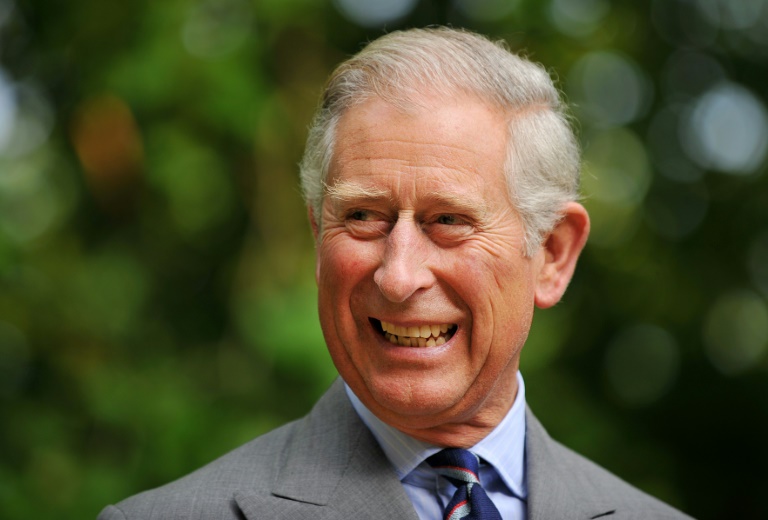
Charles has been a controversial royal over the years, from his affair while married to Princess Diana, and alleged persistent political interference, to occasional gaffes and scandals involving aides.

Queen Elizabeth II’s eldest son has never enjoyed the same public affection as his mother, which may add to the challenges he now faces as king.

He has battled a string of public relations headaches dating back decades, including accusations of being cold towards his enduringly popular first wife Diana.

Despite some better press more recently, the tabloids had become well versed in taking shots at him for seeming distant and aloof.

Meanwhile, the depiction of his marital woes in the hit Netflix series “The Crown” is unlikely to have garnered Charles much sympathy several decades on from that troubled time. 

He has also faced accusations of interfering in politics on various topics spanning architecture, homeopathy and climate change.

And in 2021 his most trusted aide resigned for a second time in his royal courtier career amid controversy.

“I think all of this stuff is damaging, from ‘The Crown’ to reality to everything that’s going on,” royal author Penny Junor said in late 2021, as a cash-for-honours scandal involving Charles’s charity empire erupted.

“None of it is good news. The queen is much loved, Charles is less loved. I think it will be difficult for him whatever happens, but all these revelations are not helpful.”

– ‘Three people’ –

Charles’s image took a devastating hit during his acrimonious separation from Diana.

In her extraordinary 1995 interview in which she revealed her feelings over his affair with Camilla Parker Bowles, Diana famously said “there were three people” in her marriage.

The royal couple had made the bombshell announcement they were separating in 1992, but following the fallout from the controversial sit-down with the BBC’s “Panorama” programme they finally agreed to divorce. 

Giving her version of events — and admitting her own infidelity — Diana laid bare her struggles within Britain’s most famous family, criticising the royals and questioning Charles’s fitness to be king. 

It drew horror in parts of the British establishment but won her public sympathy, which was only amplified after her death in a Paris car accident in 1997.

Charles was long vilified both for the extra-marital affair, which was blamed for the breakup, and in part for the royals’ poor initial handling of Diana’s death, when they were widely criticised for appearing heartless and out of step with the public. 

However, he has gradually won back some public support and begrudging acceptance that he has found happiness with Camilla, whom he married in 2005.

– ‘Black spider’ –

Charles has courted controversy for speaking out and appearing to pressure politicians privately, on various contentious public issues from health to the environment.

In a now-infamous series of letters between him and government ministers known as the “black spider” memos because of his scrawled handwriting, Charles quizzed them on an array of topics.

Made public in 2015 after a decade-long legal battle waged by The Guardian newspaper, they included the plight of the Patagonian Toothfish and his famous bugbear, modernist building schemes.

Charles’s opposition to bold new design first grabbed public attention in 1984 when he likened plans for altering the National Gallery in London to adding a “monstrous carbuncle on the face of a much-loved and elegant friend”.

The disclosure of the “black spider” letters sparked a backlash against the then-future king and concerns he was overstepping his role.

However, in a 2018 interview marking his 70th birthday, Charles insisted he never directly meddled in party politics and understood the difference between being Prince of Wales and monarch.

– Cash for honours? –

More recently, Charles has become embroiled in an alleged cash-for-honours scandal.

A series of newspaper revelations claimed his close aides coordinated work to grant a royal honour and even UK citizenship to a Saudi businessman who donated large sums to restoration projects of particular interest to Charles.

Michael Fawcett, his former valet who rose through the ranks to become chief executive of his charitable foundation, resigned in 2021 following the launch of an internal investigation into the accusations. 

It was the latest claim to tarnish Fawcett — and, by association, Charles. 

In 2003, Fawcett resigned after being accused of bending palace rules and accepting valuable royal perks. 

He was later cleared of allegations of financial misconduct over the sale of unwanted royal gifts, but an internal report found various members of Charles’s household guilty of “serious failings”.

William and Kate modernise royal family life

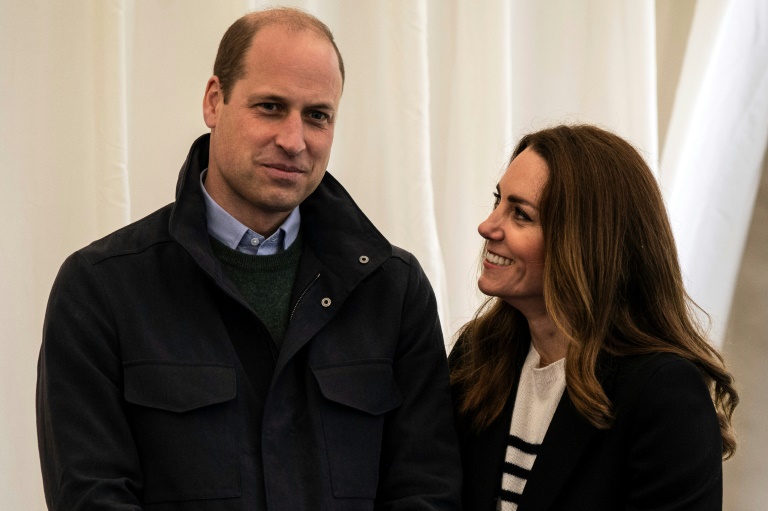
William and Kate have brought a more relaxed and personal approach to royal duties and are raising their children in relatively hands-on fashion, presenting a more modern vision of the monarchy for a new age.

The well-liked couple, formally known as the Duke and Duchess of Cambridge, married in 2011 and have presented themselves and their three children — George, Charlotte and Louis — as a model family.

Royal expert Richard Fitzwilliams said they had “mastered both the formal and the informal” with carefully curated glimpses into their life on social media, in a clear break with the past and to satisfy constant press interest.

“They’ve been tremendously successful in protecting this mix of normality and royal status,” he told AFP.

William and Kate, both now 40, met while studying at the University of St Andrews in Scotland.

At the time, the prince was considered a heartthrob, with his attendance massively boosting applications to the ancient Scottish university.

Like his uncle, Prince Andrew, brother Harry, and father Prince Charles, William opted for a military career, becoming an army officer in 2006.

He qualified as a Royal Air Force search and rescue helicopter pilot in 2009. After marrying Kate, he lived with her and young George, who was born in 2013, for several years in a rented farmhouse on Anglesey off the coast of northwest Wales. 

William then switched to work as a civilian air ambulance pilot from 2015, living at Anmer Hall, on his grandmother’s Sandringham estate in Norfolk, eastern England.

He became a full-time royal in 2017 and shifted the family’s base to an apartment in Kensington Palace, London.

The family moved to Adelaide Cottage at Windsor and this week all three children began at a nearby private school called Lambrook.

Charlotte and George previously attended a private day school in London where fees exceed £6,000 ($8,000, 7,000 euros) per term, while Louis went to a nursery. 

Kate and William’s children are reportedly being raised to enjoy outdoor pursuits with limited screen time.

William vented about the difficulties of sharing home schooling duties with Kate during the coronavirus lockdown — albeit living in a 10-bedroom country house given to him by his grandmother, Queen Elizabeth II.

– Causes –

William has gradually taken on more royal responsibilities, including bestowing knighthoods, while also promoting a diverse range of causes.

In contrast to previous generations’ emphasis on a stiff upper lip, William has promoted initiatives to improve mental health

He has spoken of his “pain like no other pain” at the death of his mother, Princess Diana, as well as traumatic experiences as an air ambulance pilot.

He has also embraced environmental causes, founding the Earthshot Prize, rewarding people who come up with solutions to the problems threatening the planet. 

Like his father, William contracted Covid-19 in 2020 and has spoken out against anti-vaccine disinformation. Both he and Kate were photographed getting jabbed.

The couple have embraced social media and their official Twitter, Instagram and YouTube accounts have millions of followers.

In August 2022, a YouGov poll put William and Kate as the British public’s second and third-favourite royals, trailing only the queen.

“I think William and Kate mirror, in many ways, a young queen and Philip,” said veteran royal correspondent Robert Jobson.

“They’re not so young now, but in that respect they will certainly give the monarchy, after such old monarchs, a sense of modernity that is probably needed to help with its continuity,” he told AFP.

His father’s reign “will be seen as a transition to his son — much younger, more glamourous. And of course, William will be on the throne a lot longer”, he added.

– Supportive –

Despite a more modern style, William is fiercely supportive of the royal family and its values, and was reportedly furious when Harry said he and their father were “trapped” in a hidebound institution.

He also reacted sharply after Harry and Meghan claimed an unnamed royal had asked about their unborn baby’s skin colour, telling a journalist the Windsors are “very much not a racist family”.

In 2021, though, he denied fuelling a rift with his brother following Harry and Meghan’s 2018 wedding after a BBC documentary said there was a behind-the-scenes briefing war between the couples.

William makes no secret of his distrust of British media, fired by his mother’s death while being chased by paparazzi photographers in Paris.

Both he and Harry were furious when a judicial inquiry confirmed that BBC journalist Martin Bashir used false pretences to obtain a bombshell interview with their mother in 1995.

William urged the BBC never to air the interview with his mother again, saying it had “contributed significantly to her fear, paranoia and isolation” in her final years.

Unveiling a statue of Diana in the summer of 2021, he and Harry said they remembered “her love, strength and character” and “every day, we wish she were still with us”.

Showing his strong sense of family connection, William named his daughter Charlotte Elizabeth Diana after “Granny Diana”.

North Korea law allows for nuclear first strike, makes programme 'irreversible'

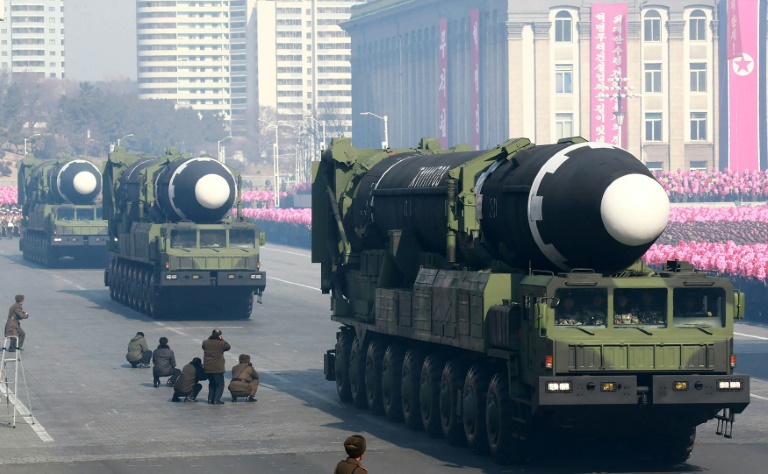
North Korea has passed a law allowing it to carry out a preventive nuclear strike and declaring its status as a nuclear-armed state “irreversible”, Pyongyang’s official media said Friday.

The announcement comes at a time of crumbling ties between the North and South, with Pyongyang blaming Seoul for the outbreak of Covid-19 in its territory and conducting a record number of weapons tests this year. 

The law will allow North Korea to carry out a preventive nuclear strike “automatically” and “immediately to destroy the hostile forces” when a foreign country poses an imminent threat to Pyongyang, the official Korean Central News Agency (KCNA) said. 

With the newly enacted law, “the status of our country as a nuclear weapons state has become irreversible”, leader Kim Jong Un said, according to KCNA. 

Kim in July said his country was “ready to mobilise” its nuclear capability in any war with the United States and the South.

He reiterated that Pyongyang would never give up the nuclear weapons it needed to counter hostilities from Washington, claiming the United States sought to “collapse” his regime at any time.

Nuclear talks and diplomacy between Washington and Pyongyang have been derailed since 2019 over sanctions relief and what Pyongyang would be willing to give up in return.

“There is absolutely no such thing as giving up nuclear weapons first, and there is no denuclearisation and no negotiation,” leader Kim said during a speech at North Korea’s rubber-stamp parliament on Thursday, KCNA reported.

The new law shows Kim’s confidence in his country’s nuclear and military competence, including its intercontinental ballistic missiles capable of hitting the United States, said Cheong Seong-chang of the Center for North Korea Studies at the Sejong Institute. 

The law “publicly justifies Pyongyang’s use of its nuclear power” in the event of any military clash, including in response to non-nuclear attacks, Cheong told AFP. 

– ‘Height of absurdity’ –

A blitz of North Korean weapons tests since January included the firing of an intercontinental ballistic missile at full range for the first time since 2017.

Washington and South Korean officials have repeatedly warned that the North is preparing to carry out what would be its seventh nuclear test.

Yang Moo-jin, a professor at the University of North Korean Studies, said the North’s latest announcement clearly reaffirmed Pyongyang’s stance — that nuclear negotiations are no longer on the table.

“Pyongyang is likely to form closer ties with China and Russia against Washington, and … launch its seventh nuclear test in the near future,” he told AFP.

Seoul, Washington’s key security ally, last month offered Pyongyang an “audacious” aid plan that would include food, energy and infrastructure help in return for the North abandoning its nuclear weapons programme. 

But Pyongyang ridiculed the offer, calling it the “height of absurdity” and a deal the North would never accept.

South Korea’s hawkish President Yoon Suk-yeol said last month that his administration had no plans to pursue its own nuclear deterrent.

Elizabeth II: trouble, strife and family life

As queen, Elizabeth II’s family life was far from traditional — she was often away for long stretches, was frequently occupied by work and had at times complicated relationships with her four children.

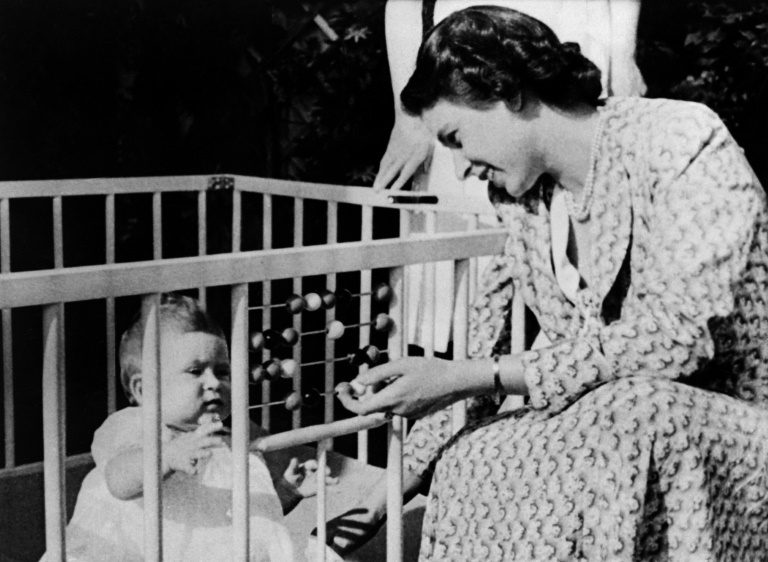
She was 22 and still a princess when her eldest son and heir apparent, Charles, was born, and 24 when Princess Anne came along.

But she sometimes left them for months at a time to join her husband Prince Philip, a naval officer stationed in Malta, or to tour with him abroad.

The young children stayed at home with their nannies and governesses, just as she had done as a child in the late 1920s and 1930s.

Charles’s nanny was “very authoritarian”, said the new king’s biographer, royal author Penny Junor.

“Elizabeth was a young, new mother and this very experienced nanny took over… she waited for the nanny to bring Charles to her for half an hour at tea time or whatever it was,” she told AFP.

“I’m sure she loved her family. But I don’t think she was demonstrative in her affection.” 

Old family photos and videos show Elizabeth smiling, posing with Charles in his pram, or as a family, waving a rattle at Prince Andrew, who was born when Charles was 11.

But there is little to hide what appears to be stiff formality.

– ‘Detached’ not ‘indifferent’ –

When five-year-old Charles saw his parents for the first time in months after they returned from a months-long tour of the Commonwealth, she offered him her hand.

In a later authorised biography, Charles would say his mother was “not indifferent so much as detached”.

“If he’d been a horse or a dog they would have been a lot closer,” added Junor about Charles, who was described as a sensitive and awkward child.

In contrast, Elizabeth, known for her love of horses and corgis, was closer to her daughter, Anne, who developed into a skilled horsewoman, allowing the pair to share their passion.

Strict royal protocol did not help foster closer bonds either: the queen’s children and grandchildren had to bow or curtsy before her even behind closed doors.

Complicating matters further was Charles’s lifelong role as heir which made his future entirely dependent on the death of his mother.

“Charles has always adored his mother and put her on a bit of a pedestal. It’s not a mother-son relationship. It’s more monarch-subject,” said Junor.

With Andrew and Edward, who were born when she was 33 and 37, the queen had a more relaxed relationship.

All four children were sent to boarding school at an early age.

– Splits and remarriage –

Family life provided the biggest shocks during her record-breaking reign.

In 1992, Anne divorced her husband Mark Phillips, Charles split from Diana, and Andrew separated from Sarah Ferguson.

Compounded by a major fire at her favoured Windsor Castle home west of London, the queen called the 12 months her “annus horribilis”.

After Diana’s death in 1997, the queen initially rejected the idea that Charles would marry his long-term mistress Camilla Parker Bowles.

She did not attend their civil wedding in Windsor in 2005 but did organise a reception at the castle.

Asked about Charles’ criticism of their mother, Anne said: “I don’t believe any of us for a second thought that she didn’t care for us in exactly the same way as any other mother did.

“I just think it extraordinary that anybody could construe that that might not be true,” she told the BBC.

– Grandmother, great-grandmother –

Separations and divorces were not the end of family strife.

In 2019, Andrew — reportedly her favourite — was forced to step back from frontline royal duties because of his friendship with the convicted sex offender Jeffrey Epstein.

The following year, grandson Harry and his wife Meghan quit royal life and moved to the United States, from where they criticised the family, including accusing some members of racism.

Elizabeth met the couple’s daughter, Lilibet, only once. She was born in June 2021 and was named after her childhood nickname.

Eight times a grandmother, and with 12 great-grandchildren, the queen loved family dinners, and held annual Christmas get-togethers at her Sandringham estate.

Even as she slowed down after a health scare in October 2021, she attended the christening of two of her great-grandchildren at Windsor.

Grandson William, whom she had grown close to after Diana’s death, paid a glowing tribute to her in a recent biography.

“The queen’s kindness and sense of humour, her innate sense of calm and perspective, and her love of family and home are all attributes I experience first-hand,” he wrote.

“I am privileged to have the queen as a model for a life of service to the public.”

Recycling firm battles Jakarta's plastic waste emergency

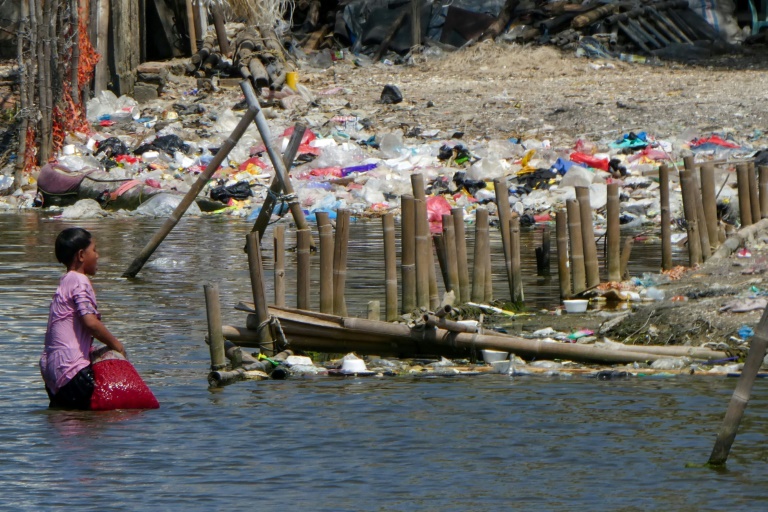
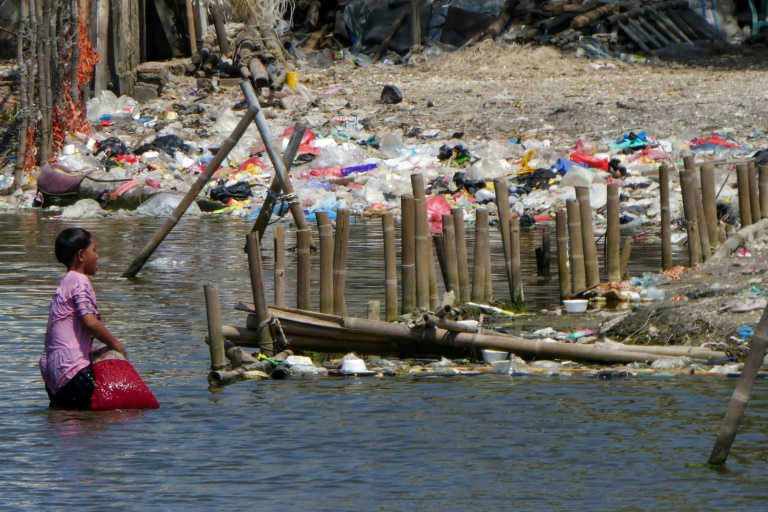
As Indonesia’s capital Jakarta grapples with overflowing plastic waste and pollution pours into the sea, one burgeoning business is trying to turn rubbish into revenue.

Tridi Oasis Group, which employs 120 people, has recycled more than 250 million bottles since it was founded six years ago.

“I don’t see discarded plastic as trash. For me, it is a valuable material in the wrong place,” 35-year-old founder Dian Kurniawati told AFP.

Indonesia has pledged to reduce plastic waste by 30 percent over the next three years — a mammoth task in the Southeast Asian nation of nearly 270 million people where plastic recycling is rare.

The country generates approximately 7.8 million tonnes of plastic waste every year, with more than half mismanaged or disposed of improperly, according to the World Bank.

Kurniawati’s company receives plastic from recycling centres across the greater Jakarta area — which has 30 million people — at its factory in Banten province outside the city.

Then the company exports recycled plastic to European countries and also distributes it locally to be processed and used as packaging or textiles. 

Kurniawati resigned from her consultant job to start the firm, tackling head-on the massive challenges faced by the world’s fourth most populous country in dealing with the plastic crisis.

As one of the initiators of the “Beach Clean Up Jakarta” movement, she saw how Jakarta is littered with plastic waste and was frustrated that little was being done to change the situation.

– ‘Our problem’ – 

Hundreds of piles of crushed clear plastic bottles sit piled neatly in the Banten factory, ready to be sorted to make sure no labels or caps are left behind. 

The bottles are then cleaned thoroughly to eliminate contamination before being cut into small flakes, ready to be transported to clients for processing and reuse as packaging or textiles. 

Fajar Sarbini, a 24-year-old employee, hopes more Indonesians will start recycling.

“People throw away their waste mindlessly, they should at least sort out sharp materials so they won’t hurt garbage collectors,” he said.

Jakarta does not have a municipal collection system for household waste and has no incineration facilities.

With green trends rising and the will of younger generations to live more sustainably growing, the country is not without hope. 

“Indonesia is catching up and the acceleration is quite fast because we got help from social media and youth campaigns,” Kurniawati said. 

But she said the waste problem facing the country is enormous and the regulation to encourage plastic to be recycled is lacking.

“Plastic waste is our problem and solving it takes a concerted effort from everybody,” she said.

“It can’t be solved by just the government or recycling companies.” 

Recycling firm battles Jakarta's plastic waste emergency

As Indonesia’s capital Jakarta grapples with overflowing plastic waste and pollution pours into the sea, one burgeoning business is trying to turn rubbish into revenue.

Tridi Oasis Group, which employs 120 people, has recycled more than 250 million bottles since it was founded six years ago.

“I don’t see discarded plastic as trash. For me, it is a valuable material in the wrong place,” 35-year-old founder Dian Kurniawati told AFP.

Indonesia has pledged to reduce plastic waste by 30 percent over the next three years — a mammoth task in the Southeast Asian nation of nearly 270 million people where plastic recycling is rare.

The country generates approximately 7.8 million tonnes of plastic waste every year, with more than half mismanaged or disposed of improperly, according to the World Bank.

Kurniawati’s company receives plastic from recycling centres across the greater Jakarta area — which has 30 million people — at its factory in Banten province outside the city.

Then the company exports recycled plastic to European countries and also distributes it locally to be processed and used as packaging or textiles. 

Kurniawati resigned from her consultant job to start the firm, tackling head-on the massive challenges faced by the world’s fourth most populous country in dealing with the plastic crisis.

As one of the initiators of the “Beach Clean Up Jakarta” movement, she saw how Jakarta is littered with plastic waste and was frustrated that little was being done to change the situation.

– ‘Our problem’ – 

Hundreds of piles of crushed clear plastic bottles sit piled neatly in the Banten factory, ready to be sorted to make sure no labels or caps are left behind. 

The bottles are then cleaned thoroughly to eliminate contamination before being cut into small flakes, ready to be transported to clients for processing and reuse as packaging or textiles. 

Fajar Sarbini, a 24-year-old employee, hopes more Indonesians will start recycling.

“People throw away their waste mindlessly, they should at least sort out sharp materials so they won’t hurt garbage collectors,” he said.

Jakarta does not have a municipal collection system for household waste and has no incineration facilities.

With green trends rising and the will of younger generations to live more sustainably growing, the country is not without hope. 

“Indonesia is catching up and the acceleration is quite fast because we got help from social media and youth campaigns,” Kurniawati said. 

But she said the waste problem facing the country is enormous and the regulation to encourage plastic to be recycled is lacking.

“Plastic waste is our problem and solving it takes a concerted effort from everybody,” she said.

“It can’t be solved by just the government or recycling companies.” 

Commonwealth marks loss of figurehead, link to the past

As Britain mourned the death of Queen Elizabeth II on Friday, a string of dominions, realms and former colonies marked the loss of a shared figurehead and an irreplacable link to a quickly fading era.

Although she was 96 years old, the queen’s death came as an emotional jolt felt from Africa to the Pacific.

“Papua New Guineans from the mountains, valleys and coasts rose up this morning to the news that our Queen has been taken to rest by God,” Prime Minister James Marape told his country.

“She was the anchor of our Commonwealth and for PNG we fondly call her ‘Mama Queen'”, he said, just one of dozens of emotive tributes that poured in from countries once coloured pink on maps. 

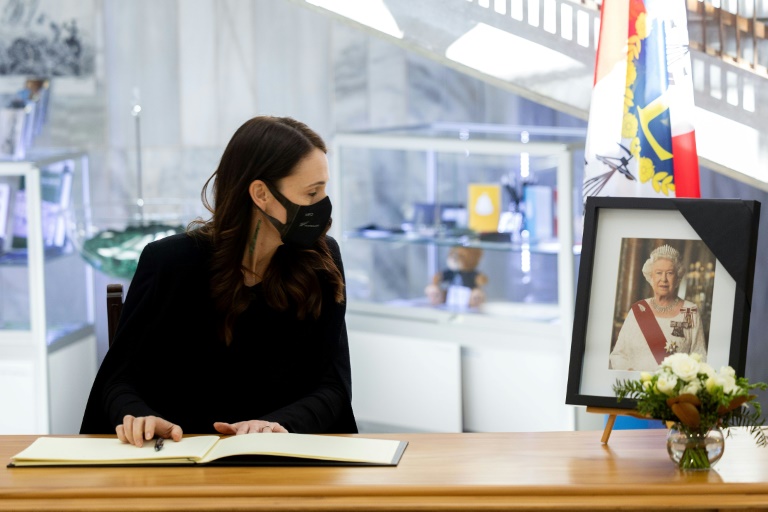
In New Zealand, Prime Minister Jacinda Ardern had been reading about her monarch’s ill health before going to bed.

A “police officer shone a torch into my room at around 10 to five this morning… I knew immediately what it meant”.

“I am profoundly sad,” she added, fondly recalling conversations about bringing up children in the public spotlight.

Across the Pacific in Canada, Prime Minister Justin Trudeau said the queen would “forever remain an important part” of his country’s history, but also offered personal stories that moved beyond stuffy-sounding declarations.

“She was one of my favourite people in the world,” he said. “I will so miss those chats.”

Most of Britain’s former colonies have transformed utterly since a fresh-faced Elizabeth Windsor ascended to the throne in 1953.

At that time, India’s population was about 380 million — versus 1.4 billion today — British forces were brutally suppressing Kenya’s Mau Mau revolt, and New Zealand subject Edmund Hillary was making the first successful ascent of Mount Everest with long-unrecognised Nepalese partner Tenzing Norgay.

For many, Elizabeth II represented one of the few remaining links to that fading era of empire, to “the old country”, to an intertwined history or the shared sacrifice of a savage world war.

India’s Hindu nationalist Prime Minister Narendra Modi recalled Elizabeth II showing him a handkerchief gifted to her by independence hero Mahatma Gandhi at her wedding. 

“I will always cherish that gesture,” he wrote on Twitter. “She personified dignity and decency in public life. Pained by her demise.”

– ‘Can’t be replaced’ –

Elizabeth II’s death inevitably raised questions about whether links forged in colonialism and sustained through a diminutive monarch’s personal charisma can endure.

The queen had been a “driving force” in the Commonwealth, said Harsh V Pant, professor of international relations at King’s India Institute in London.

The bloc of 56 countries — most former British colonies — spans Africa, Asia, the Americas, Europe and the Pacific, and includes 15 realms where Elizabeth II was still head of state.

“So what happens to that Commonwealth now? Will it survive going forward?” asked Pant.

In Sydney, 20-year-old Maya Munro, said the queen was both an “incredible figurehead” and an example, particularly for women. 

But, like many young Australians, she imagines “a very different role” for the monarchy going forward.

“I think the queen was the monarchy for such a long time. And she brought it so much respect and history and honour,” she said.

“I think it’s just it plays a different role in our lives these days. Maybe we’re moving away from the monarchy now.”

In New Zealand capital Wellington, 50-year-old Warwick Murray said “politicians come and go, but someone like Queen Elizabeth can’t be replaced.” 

“The fact she was above politics and could really rally positivity means that I have a deep admiration for her.”

Australian Prime Minster Anthony Albanese — an avowed republican — sought to deflect questions about the future head of state as he declared 10 days of mourning.

Instead, he paid tribute to Queen Elizabeth’s “timeless decency”, saying her death marked the “end of an era.”

“An historic reign and a long life devoted to duty, family, faith and service has come to an end,” he said.

“Today is a day for one issue, and one issue only, which is to pay tribute.”

Even in places where the legacy of colonialism is still raw, leaders focused on the attributes of the woman, rather than the baggage of her role.

“The story of modern Nigeria will never be complete without a chapter on Queen Elizabeth II, a towering global personality and an outstanding leader,” said President Muhammadu Buhari.

“She dedicated her life to making her nation, the Commonwealth and the entire world a better place.”

The president of Zimbabwe, which withdrew from the Commonwealth in 2003 after its suspension over human rights concerns and endured decades of frosty relations with its former colonial ruler, offered his own sympathies to the British public.

“May she rest in peace,” wrote President Emmerson Mnangagwa.

Elderly King Charles III faces 'testing times'

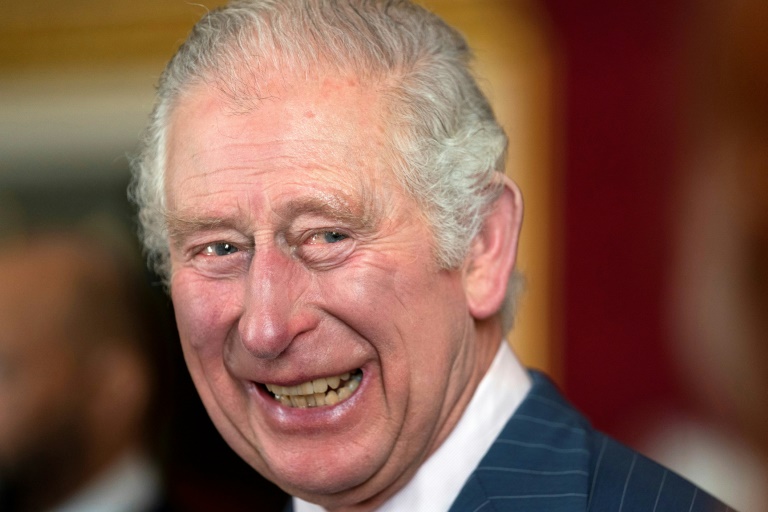
Trained from childhood to be king, Charles III has endured the longest wait for the throne in British history. 

But while his mother, Queen Elizabeth II, was crowned in 1953 with huge fanfare and national excitement aged just 25, her ageing, eldest son will attract less enthusiasm, royal commentators said.

“It will be very difficult for him in terms of following the queen,” Robert Hazell, who founded the Constitution Unit at University College London, told AFP.

“The monarchy is likely to go through, I think, some testing times.”

Born in 1948, Charles married Diana Spencer in 1981 and they had two sons, William and Harry, before their marriage fell apart, amid very public revelations of infidelities. 

Diana died in a high-speed car crash in Paris in 1997, aged 36. In 2005, Charles married his divorced long-term lover Camilla Parker Bowles.

The new king has long been known for his outspoken comments on topics from farming to modernist architecture, and often faced mockery and accusations of meddling, even if his environmental concerns have now become mainstream.

As king, he will have to change to be “scrupulously neutral”, said Hazell.

In a 2018 BBC interview, Charles made it clear he understood he would have to stop his public campaigning.

“I’m not that stupid,” he said.

– Independence debate –

But neutrality could prove difficult as Scottish nationalists push for another referendum on independence, while saying it will keep the monarchy, said Hazell. 

It would be “very difficult… for the monarch to remain scrupulously neutral throughout the referendum campaign”.

At the same time, Hazell praised Charles’s “very strong sense of public service and public duty”. 

“I think that will carry him in very good stead when he becomes king.”

Opinion polling by YouGov shows the prospect of Charles as monarch divides British public opinion almost equally.

In 2022, just under a third of respondents said he would not make a good king, while almost exactly the same proportion said he would.

“I don’t expect that to change much when he becomes king,” said Hazell.

By contrast, over 80 percent say the queen has done a fairly good or very good job.

Britain is a constitutional monarchy, with the king or queen as head of state. Support for a republic has stood at around 15 percent in the last two years.

Sensing a changing mood, the pressure group Republic began a billboard campaign in mid-2021 calling for the abolition of the monarchy.

Republic’s chief executive Graham Smith said Charles’s accession would be “a major turning point”, with Barbados having ditched the monarch as head of state in November 2021, raising the prospect that others may follow suit.

“It’s not going to be 1952 all over again,” he added, referring to the queen’s accession on the death of her father, king George VI.

“He’s not protected by the almost impenetrable shield of deference that surrounds the queen.”

By contrast, “Charles has had a lifetime of being criticised, being lampooned”, he added.

Hazell suggested there may be pressure on Charles to abdicate in favour of his son William, born in 1982, and he could “conceivably” do so, unlike his mother.

Belgium’s king Albert stood down in 2013, at 79, in favour of his son, as did Juan Carlos I of Spain, the following year.

For Smith, however, Charles “is not going to give up”.

– Slimming down –

With public scrutiny of royal finances increasing, Charles reportedly wants to reduce the number of royals on official duties — now around a dozen. 

Several other European royal families have done this already.

However, numbers have fallen lately, with Prince Harry moving to California and Charles’s brother Prince Andrew stepping down because of a furore over his friendship with the convicted sex offender Jeffrey Epstein.

Limiting royal roles is not primarily about saving money, but reducing the risk that “one of them will go off the rails”, Hazell said.

Yet, this would reduce the numbers available to attend public events, he conceded.

Harry’s wife Meghan complained in a sensational Oprah Winfrey interview that the couple’s son Archie had not received the title “prince”.

She linked this to slimming down, but also said that one or more royal had made racist remarks before Archie’s birth.

– ‘No discrimination’ –

“There’s been no change that I know of to the rules, there’s been no discrimination against Harry,” Hazell said. 

At the same time, Charles will be able to choose on titles, for example, including whether to make William the prince of Wales — the title he held since 1958, Hazell said.

“Ultimately it’s the choice of the monarch, whether to confer a title.”

The Sun tabloid reported that Charles does not plan to make his youngest brother Edward the duke of Edinburgh, even though it was his late father’s wish.

But in one of her last decisive acts over the succession, the queen settled the issue about what Charles’s wife Camilla will be called, giving her blessing for “queen consort”.

Close Bitnami banner
Bitnami