World

Egypt vows to champion climate finance for Africa at COP27

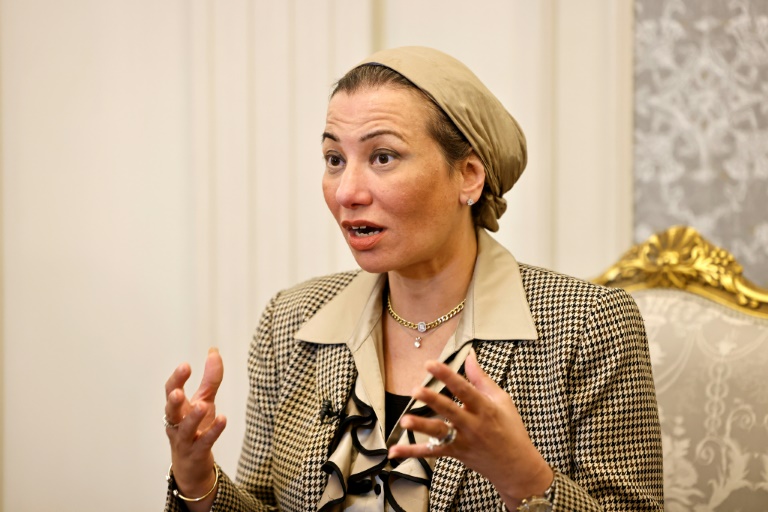
When Egypt hosts a global climate summit in November, it will seek to represent Africa which shares little of the blame for global warming but suffers many of its worst impacts, its environment minister says.

Yasmine Fouad told AFP in an interview Wednesday that Egypt will also remind rich countries of the industrialised world of their unfulfilled aid pledges, at the COP27 summit in the Red Sea resort of Sharm el-Sheikh.

Part of Egypt’s role as host is to “represent the African continent and its needs clearly and explicitly: We were not the cause of these emissions, but it is us –- our people and our natural resources –- that are affected,” Fouad said.

She was speaking on the sidelines of an international conference in Cairo aimed at highlighting “Africa’s needs and ambitions” in fighting and adjusting to climate change.

African countries are among the most exposed to the impacts of climate change, especially worsening droughts and floods, but responsible for only around three percent of global CO2 emissions, former UN chief Ban Ki-moon said this week.

He was speaking at an Africa-focused summit in the Dutch city of Rotterdam, where African leaders lashed out at industrialised nations for failing to show up.

– Targets in danger –

Egypt’s environment minister said that “at this point, a stance must be taken on the international community level to say that everyone must fulfil their obligations, as set out in the Paris Agreement”. 

In 2015, 196 UN members meeting in Paris set the goal of keeping warming below two degrees Celsius (3.6 degrees Fahrenheit) over pre-industrial levels, and preferably 1.5 Celsius, but surging carbon emissions have since endangered the targets.

The Paris Agreement also stipulated that developed countries “shall provide financial resources to assist developing country parties” in curbing their emissions and strengthening resilience.

Already in 2015, a promise made at the Copenhagen climate summit in 2009 — to spend $100 billion a year by 2020 on helping vulnerable nations adapt to climate change — was receding in the rear-view mirror.

The 2020 goal came and went with pledges unmet, and regional meetings in preparation for COP27, such as this week’s in Egypt and the Netherlands as well as another last week in Gabon, signal that funding could become a key flashpoint in Sharm el-Sheikh.

– Water, food and energy –

Fouad said environmental concerns had until recent years been regarded “as an obstacle to investment” and a “luxury” that Egypt could not afford.

Drumming up support for environmental efforts was an uphill battle, until the tide turned and the world became increasingly aware that climate change is a matter of “human survival on planet earth”, she said.

The key to securing financing for efforts to combat climate change, she said, was to zero in on “basic human needs on earth: food, water, energy”.

In focusing on “bankable” projects that can turn a profit, Fouad said Egypt hopes to “use new and renewable energy to provide food and water, such as through desalination”.

Such projects could support developing countries with their basic development needs and with addressing climate change, she said, arguing that the two goals are in fact “one and the same”.
'We thought we would die': Vietnam fire survivors recount terror

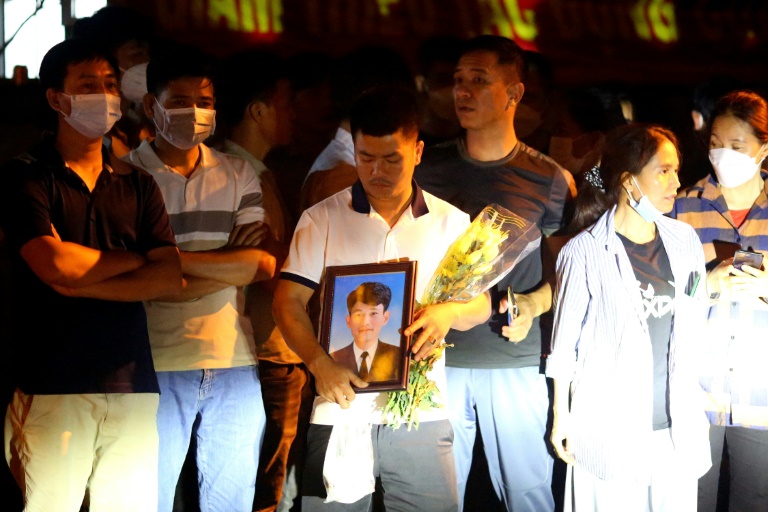
Survivors of a karaoke bar blaze in Vietnam spoke Thursday of their terror as they tried to escape an inferno which killed over 30 people and has raised questions about fire safety standards in the Southeast Asian nation.

The fire in a dense residential neighbourhood of Thuan An city, north of commercial hub Ho Chi Minh City, spread rapidly through the three-storey building, engulfing the second floor and trapping customers and staff as dense smoke filled the staircase.

Thirty two people were killed and 17 were injured, police said, with many suffering broken bones after the flames forced them to jump from the roof.

Firefighters struggled to enter the building because of the fire’s intensity — and had to knock down part of a wall to get inside. Eight people were found dead in the bar’s toilet.

Do Thanh Tu, who worked at the An Phu karaoke parlour, told state media that he was convinced he would die in the inferno.

“When the fire broke out, I tried to run down to the first floor, but I saw too much fire there, so I ran to the rooftop to find shelter,” he told the VNexpress news site from his hospital bed in Thuan An.

“I saw people up there, many of them were screaming. We thought we would die. Many people jumped. 

“Around half an hour later, rescuers came for us. There was so much smoke I could not breathe.”

Sixty people were inside the 30-room bar when the fire erupted on Tuesday evening. Many employees were sleeping on the highest floor at the time, waiting for their next shift, and saw smoke creeping up the stairs.

Ngan, 20, told VNexpress it stung her nose and eyes, trapping her and her colleagues inside the room. Forced onto the roof, they tried to poke their heads through metal bars and wave their hands, hoping someone would see them.

– Safety worries –

Charred shoes, motorcycle helmets and beer cans littered the ground on Thursday as police led Vietnam’s deputy prime minister around the blackened interior of the bar.

The initial cause was said to be an electrical short circuit, according to authorities in Binh Duong province.

The bar’s fire safety standards had been checked three times — in 2019, 2021 and this year — and had met all the regulations, authorities added.

But it comes after several deadly fires in recent years, including two at karaoke bars in Hanoi, prompting Vietnam’s prime minister to order an investigation as well as an inspection of all high-risk venues.

Police partly blamed drunken singers for the tragedy during a press conference. 

“They were drunk. So when the staff at the karaoke bar informed them about the fire… people in some karaoke rooms didn’t listen,” provincial police chief Trinh Ngoc Quyen said.

“There was one room in which a customer pulled an employee into the room and closed the door.”

Outside the hospital morgue, family members of the victims — some clutching flowers and pictures of their loved ones — queued up to identify their relatives.

Tran Thi Bich Van, 32, lost her husband, brother and brother-in-law in the blaze.

She said her brother had been visiting them from his home on the southern island of Phu Quoc and all three men had left for the karaoke bar after dinner.

“At around 10:40 pm the police called me, and at that moment I knew they had been in the fire,” she told AFP.

“His body is badly disfigured,” she said, describing her husband, through tears. “But his face remains bright.”

UK's Truss freezes energy bills in first big policy shift

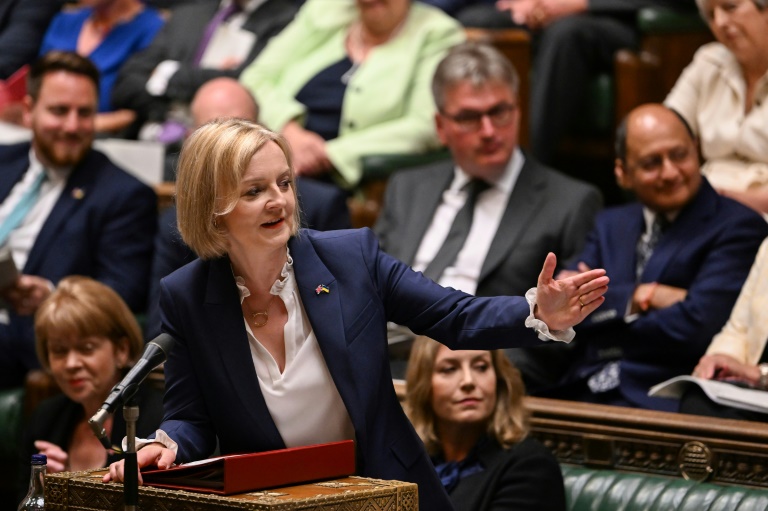
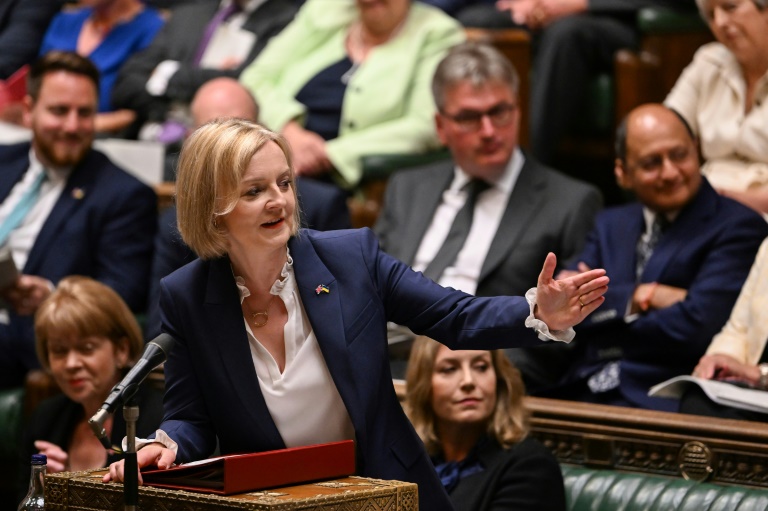
New British Prime Minister Liz Truss on Thursday said domestic fuel bills would be frozen for two years, marking her first week in office with a costly plan to tackle a politically perilous cost-of-living crisis.

The government said it would also review progress towards its legally enshrined target to achieve net-zero carbon emissions by 2050, to ensure the needs of consumers and businesses are taken into account, while stressing it remained committed to the goal.

Households are facing an 80-percent hike in gas and electricity bills next month due to the rise in the cost of wholesale energy made worse by a squeeze on supplies after Russia’s invasion of Ukraine.

Businesses whose bills are not capped have warned they could go to the wall because of even bigger rises, at the same time as inflation is at 40-year highs of 10.1 percent and predicted to go higher.

The government expects the state-backed scheme to cost tens of billions of pounds (dollars), but Truss and new finance minister Kwasi Kwarteng insisted it would have “substantial benefits” to the economy.

It would curb inflation by four to five percentage points, they said in a statement.

They also announced an end to a ban on fracking — a controversial method to drill for fossil fuels — and more drilling licences for North Sea oil and gas.

Truss said “decades of short-term thinking on energy” and failing to secure supplies had left Britain, which is heavily reliant on gas for its energy needs, vulnerable to price shocks.

“Extraordinary challenges call for extraordinary measures, ensuring that the United Kingdom is never in this situation again,” she said.

Kwarteng said the freeze means worried households and businesses “can now breathe a massive sigh of relief”.

– No windfall tax –

Tackling the cost-of-living crisis, which has led to widespread strike action over pay, threatens to define Truss’s premiership, just two days after she formally took over from Boris Johnson.

Truss said energy bills for an average British household would be capped at £2,500 ($2,872) a year — £1,000 less than October’s planned level.

Non-domestic energy users, including businesses, charities, and public sector organisations such as schools and hospitals, will see a six-month freeze.

Analysts predict the plan, which will likely be in place at the next general election expected in 2024, could top well over £100 billion, surpassing Britain’s Covid-era furlough jobs scheme.

Truss confirmed that the government will pay energy suppliers the difference in price but did not put an exact figure on how much it could cost the public purse, pending a mini-budget this month by Kwarteng.

Truss, a former Shell employee, has rejected opposition calls to impose windfall taxes on energy giants whose profits have surged on the back of higher wholesale prices. 

In her campaign to succeed Johnson, she had also ruled out direct handouts to consumers, but the new scheme reverses course on that.

She said the new price cap was calculated by temporarily removing green levies worth some £150 a year from household bills.

Paying for the freeze by increased borrowing has stoked concern on the financial markets about the prospect of worsening public finances already damaged by emergency Covid spending.

On bond markets, the UK’s 10-year borrowing rate topped three percent on Tuesday for the first time since 2014, and the pound has slumped to its lowest dollar level since 1985.

– Fracking –

The end to the fracking moratorium comes despite Truss’s Conservative party having pledged in 2019 to keep it in place, after onshore drilling for shale gas had caused seismic tremors in northern England.

She said that lifting the ban “could get gas flowing in as soon as six months”.

But experts have cast doubt about the effect on bills, given the time taken to start production and the amount of gas it could yield.

Kwarteng himself wrote in March that it could take up to a decade to get enough gas from fracking. At the same time, there is concern about the environmental damage of restarting the process.

Like Johnson, Truss committed to diversifying Britain’s energy sources to renewables and nuclear.

But she said the net-zero review, scheduled to conclude by the end of the year, would “ensure delivering the target is not placing undue burdens on businesses or consumers”.

The new support package offered nothing about insulating UK buildings better, to reduce high rates of energy leakage, and the government also ruled out any campaign to encourage the public to save energy.

ved-rfj-jit-phz/lth

UK's Truss freezes energy bills in first big policy shift

New British Prime Minister Liz Truss on Thursday said domestic fuel bills would be frozen for two years, marking her first week in office with a costly plan to tackle a politically perilous cost-of-living crisis.

The government said it would also review progress towards its legally enshrined target to achieve net-zero carbon emissions by 2050, to ensure the needs of consumers and businesses are taken into account, while stressing it remained committed to the goal.

Households are facing an 80-percent hike in gas and electricity bills next month due to the rise in the cost of wholesale energy made worse by a squeeze on supplies after Russia’s invasion of Ukraine.

Businesses whose bills are not capped have warned they could go to the wall because of even bigger rises, at the same time as inflation is at 40-year highs of 10.1 percent and predicted to go higher.

The government expects the state-backed scheme to cost tens of billions of pounds (dollars), but Truss and new finance minister Kwasi Kwarteng insisted it would have “substantial benefits” to the economy.

It would curb inflation by four to five percentage points, they said in a statement.

They also announced an end to a ban on fracking — a controversial method to drill for fossil fuels — and more drilling licences for North Sea oil and gas.

Truss said “decades of short-term thinking on energy” and failing to secure supplies had left Britain, which is heavily reliant on gas for its energy needs, vulnerable to price shocks.

“Extraordinary challenges call for extraordinary measures, ensuring that the United Kingdom is never in this situation again,” she said.

Kwarteng said the freeze means worried households and businesses “can now breathe a massive sigh of relief”.

– No windfall tax –

Tackling the cost-of-living crisis, which has led to widespread strike action over pay, threatens to define Truss’s premiership, just two days after she formally took over from Boris Johnson.

Truss said energy bills for an average British household would be capped at £2,500 ($2,872) a year — £1,000 less than October’s planned level.

Non-domestic energy users, including businesses, charities, and public sector organisations such as schools and hospitals, will see a six-month freeze.

Analysts predict the plan, which will likely be in place at the next general election expected in 2024, could top well over £100 billion, surpassing Britain’s Covid-era furlough jobs scheme.

Truss confirmed that the government will pay energy suppliers the difference in price but did not put an exact figure on how much it could cost the public purse, pending a mini-budget this month by Kwarteng.

Truss, a former Shell employee, has rejected opposition calls to impose windfall taxes on energy giants whose profits have surged on the back of higher wholesale prices. 

In her campaign to succeed Johnson, she had also ruled out direct handouts to consumers, but the new scheme reverses course on that.

She said the new price cap was calculated by temporarily removing green levies worth some £150 a year from household bills.

Paying for the freeze by increased borrowing has stoked concern on the financial markets about the prospect of worsening public finances already damaged by emergency Covid spending.

On bond markets, the UK’s 10-year borrowing rate topped three percent on Tuesday for the first time since 2014, and the pound has slumped to its lowest dollar level since 1985.

– Fracking –

The end to the fracking moratorium comes despite Truss’s Conservative party having pledged in 2019 to keep it in place, after onshore drilling for shale gas had caused seismic tremors in northern England.

She said that lifting the ban “could get gas flowing in as soon as six months”.

But experts have cast doubt about the effect on bills, given the time taken to start production and the amount of gas it could yield.

Kwarteng himself wrote in March that it could take up to a decade to get enough gas from fracking. At the same time, there is concern about the environmental damage of restarting the process.

Like Johnson, Truss committed to diversifying Britain’s energy sources to renewables and nuclear.

But she said the net-zero review, scheduled to conclude by the end of the year, would “ensure delivering the target is not placing undue burdens on businesses or consumers”.

The new support package offered nothing about insulating UK buildings better, to reduce high rates of energy leakage, and the government also ruled out any campaign to encourage the public to save energy.

ved-rfj-jit-phz/lth

Anger over bloated new Sri Lanka government

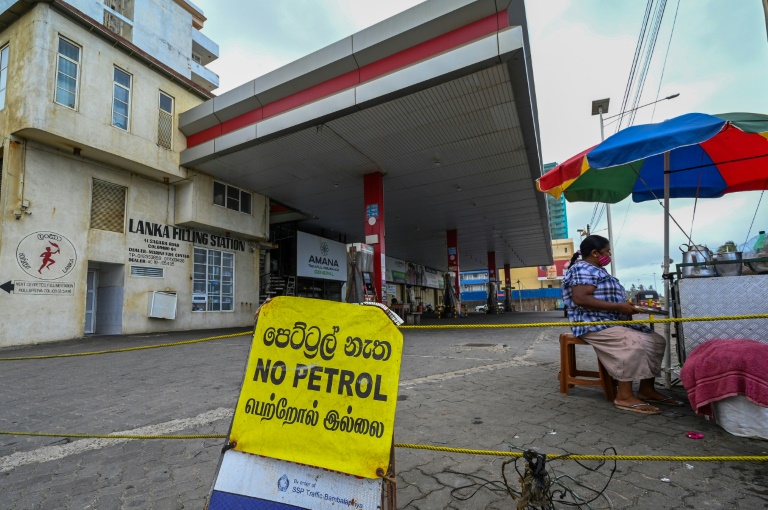
Sri Lanka added 37 new senior posts to its government on Thursday, sparking a social media backlash over “useless” public spending in the middle of its worst economic crisis on record.

The country of 22 million has suffered months of rampant inflation, severe shortages of essential goods and widespread protests, pushing it to default on its foreign debt in April.

The 37 new state ministers will not accept their modest salaries, but they are entitled to three cars each with fuel, state housing, bodyguards, salaries for personal staff and free stamps, the government said.

On social media, some Sri Lankans vented frustration over the use of public funds.

“No pot to pee… but 37 state ministers!” tweeted user Soraya Deen.

Mirhani Rahees added on the platform: “Spending on these useless state ministers… we have to tighten our belts. There goes my tax money in flames.”

Another user, Krishna Perera, accused the government of having “no commitment to human rights, economic reform, or accountability”. 

The new members all come from the coalition of former president Gotabaya Rajapaksa, who fled Sri Lanka in July after protesters overran his official residence, but he returned to the country last week.

Among the new ministers is Rajapaksa’s nephew, Sashindra, who takes the irrigation portfolio.

The 37 new posts are in addition to the 20-member cabinet of President Ranil Wickremesinghe, who took over in late July following Rajapaksa’s exit.

Wickremesinghe, a six-time prime minister, has only one seat in the 225-member parliament and depends on Rajapaksa’s Sri Lanka Podujana Peramuna (SLPP) party, the largest bloc.

Officials close to Wickremesinghe said his attempts to form a broad unity government were yet to materialise as the main opposition Samagi Jana Balawegaya (SJB) had refused to join.

Sri Lanka is in talks with the International Monetary Fund to finalise a $2.9-billion bailout that requires Colombo to raise taxes and privatise loss-making state enterprises — both politically unpopular moves.

In a new report released Tuesday, the UN Human Rights Council urged Wickremesinghe to prosecute those responsible for economic crimes that bankrupted the country.

The report said a culture of impunity for war-time atrocities during the decades-long civil war that ended in 2009 had led to the economic crisis which has undermined the rights of all communities.

2022 Europe's hottest summer on record: EU monitor

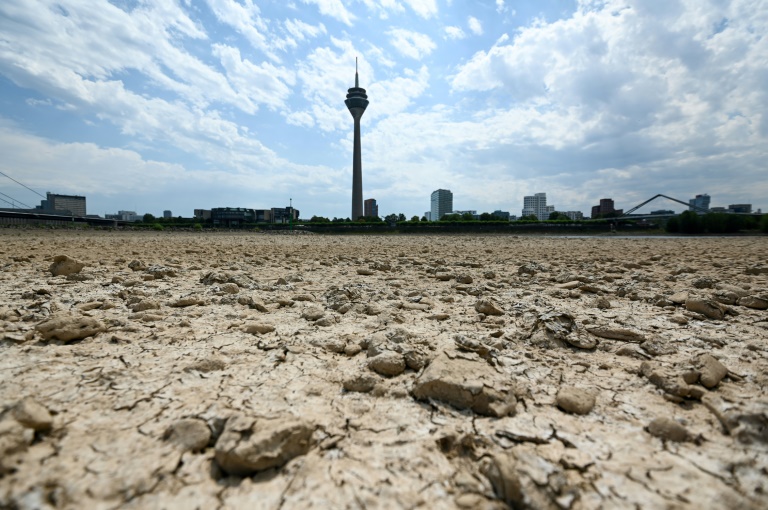
The summer of 2022 was the hottest in Europe’s recorded history, with the continent suffering blistering heatwaves and the worst drought in centuries, the European Commission’s satellite monitor said on Thursday.

The five hottest years on record have all come since 2016 as climate change drives ever longer and stronger hot spells and drier soil conditions.

And that created tinderbox forests, increasing the risk of devastating and sometimes deadly wildfires.

The Copernicus Climate Change Service (C3S) said temperatures in Europe had been the “highest on record for both the month of August and the summer (June-August) as a whole”.

Data showed August was the hottest on the continent since records began in 1979 by a “substantial margin”, beating the previous record set in August 2021 by 0.4 degrees Celsius (0.72 Fahrenheit). 

Temperatures from June through to August 2022 were 1.34C hotter than the historical 1991-2020 average, while August itself was 1.72C higher than average.

That puts summer in Europe well within the temperature range at which the Paris Agreement on climate change seeks to limit global heating.

The 2015 accord commits nations to cap average global temperatures at “well below” 2C above pre-industrial levels and to strive for a safer guardrail of 1.5C.

Europe has been battered by a string of heatwaves this year, with temperature records tumbling in many countries and the mercury topping 40C for the first time in Britain. 

The Copernicus Atmosphere Monitoring Service (CAMS) said last month that 2022 was already a record year for wildfires, with nearly 660,000 hectares torched in Europe since January.

– ‘Summer of extremes’ –

CAMS said fires in France had seen the highest levels of carbon pollution from wildfires since records began in 2003.

The EU said last month that the current drought parching the continent was the worst in at least 500 years. 

The European Commission’s Global Drought Observatory latest bulletin said 47 percent of the continent is currently covered by drought warnings — meaning the soil is drying out. 

An additional 17 percent is under drought alert, meaning that vegetation is showing signs of stress, fuelling concerns about the continent’s autumn harvest. 

“An intense series of heatwaves across Europe, paired with unusually dry conditions, have led to a summer of extremes with records in terms of temperature, drought and fire activity in many parts of Europe, affecting society and nature in various ways,” said senior C3S scientist Freja Vamborg. 

“Data shows that we’ve not only had record August temperatures for Europe but also for summer, with the previous summer record only being one year old.”

On a global level, August 2022 was the joint warmest August on record. The average temperature was 0.3C higher than the 1991-2020 average for the month, the monitor said. 

European stocks diverge before major UK, ECB announcements

European stock markets traded mixed Thursday, ahead of major policy decisions from Britain and the European Central Bank aimed at tackling sky-high inflation.

The pound remained close to a 37-year low against the dollar that was struck Wednesday, as new British Prime Minister Liz Truss prepared to announce that she will freeze domestic fuel bills to help ease the burden of a UK cost-of-living crisis.

The euro steadied versus the greenback, with the ECB forecast to hike eurozone interest rates by a record-high 75 basis points.

Oil prices dropped further on fears of a global recession but losses were far less sharp than on Wednesday.

“There may be fresh storms brewing for the global economy but inflation is the tornado to tame and the drop in crude prices has lifted hopes in the US at least that the price spiral may be easier to control,” noted Susannah Streeter, senior investment and markets analyst at Hargreaves Lansdown.

Fears abound that global central bank moves to rein in runaway inflation by ratcheting up borrowing costs will spark recessions in leading economies.

The dollar has moved ever higher against its major peers in recent weeks as investors flood into the currency hoping for better returns and as they seek a haven in the face of economic turmoil.

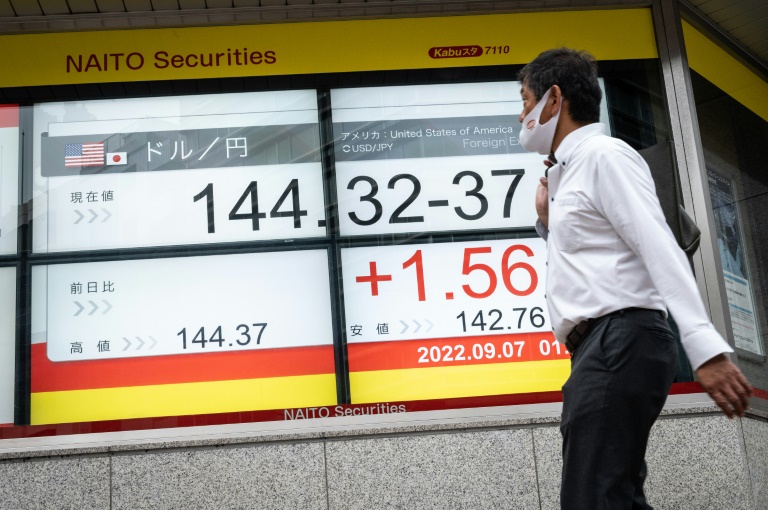
The US unit is closing in on a 32-year peak against the yen owing to the Bank of Japan’s refusal to raise interest rates.

Observers expect the dollar to keep attracting strong interest as long as the Federal Reserve keeps ramping up US interest rates by sizeable amounts.

The Fed holds its next policy meeting on September 21, with a third successive 75-basis-point lift forecast.

“For years, central bank interest rate decisions used to be background noise, with investors confident that rates would stay low,” Russ Mould, investment director at AJ Bell, said Thursday.

“This year they’ve become must-watch events, with every word studied by the market. The current theme is not whether central banks will raise rates, but by how much.”

On the corporate front, shares in cyber security company Darktrace crashed around 30 percent after US private equity firm Thoma Bravo ended its takeover interest in the British group.

– Key figures at around 1000 GMT –

London – FTSE 100: UP 0.3 percent at 7,256.23 points

Frankfurt – DAX: DOWN 0.1 percent at 12,901.90

Paris – CAC 40: UP 0.4 percent at 6,130.18

EURO STOXX 50: DOWN 0.2 percent at 3,507.91

Tokyo – Nikkei 225: UP 2.3 percent at 28,065.28 (close)

Hong Kong – Hang Seng Index: DOWN 1.0 percent at 18,854.62 (close)

Shanghai – Composite: DOWN 0.3 percent at 3,235.59 (close)

New York – Dow: UP 1.4 percent at 31,581.28 (close)

Euro/dollar: DOWN at $0.9996 from $1.0012 on Wednesday

Pound/dollar: DOWN at $1.1486 from $1.1535

Euro/pound: UP at 87.01 pence from 86.74 pence

Dollar/yen: UP at 143.87 yen from 143.79 yen 

West Texas Intermediate: DOWN 0.6 percent at $81.43 per barrel

Brent North Sea crude: DOWN 0.3 percent at $87.71 per barrel

burs-bcp/rfj/cdw

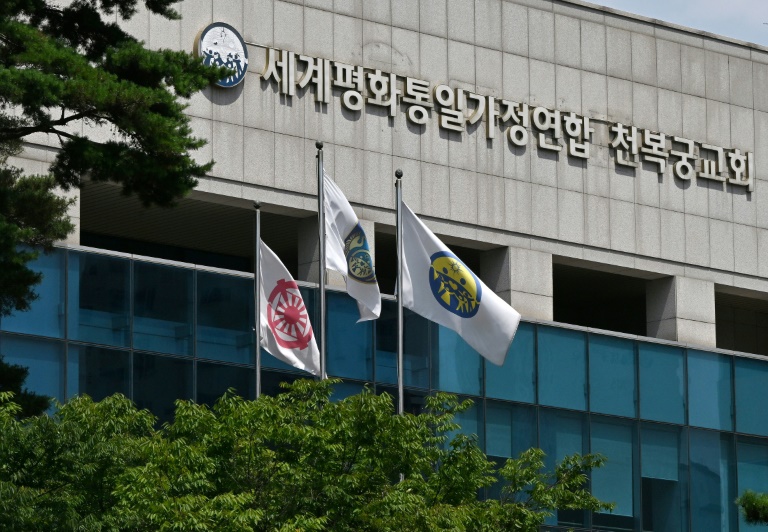
Japan's ruling party says half its MPs had Unification Church ties

Around half of Japan’s ruling party lawmakers have had dealings with the Unification Church, an official said Thursday, after the assassination of ex-premier Shinzo Abe heightened scrutiny of the religious organisation also sometimes known as the Moonies.

The man suspected of shooting Abe dead in July allegedly targeted the former prime minister believing he was linked to the sect.

Liberal Democratic Party Secretary-General Toshimitsu Motegi said a probe found some lawmakers had accepted support for election campaigns from the church and its spin-off groups.

Other LDP lawmakers had attended meetings or paid fees to the organisation, whose members are sometimes colloquially referred to as “Moonies” after Korean founder Sun Myung Moon.

Of 379 elected LDP lawmakers, 179 “had some sort of links” with the Unification Church, Motegi told reporters.

“We take the results seriously. We honestly feel sorry, and we’ll make sure the party no longer has any relationship at all” with the church, he said.

Last week, Japan’s Prime Minister Fumio Kishida said LDP members must cut ties with the group, following controversial revelations of its links with a raft of Japanese politicians.

The Unification Church has condemned Abe’s murder and denied accusations of coercive fundraising tactics among its members, but Kishida’s government has seen its approval ratings drop in recent weeks as more details have emerged.

“Nearly 90 percent” of LDP lawmakers that attended gatherings hosted by organisations linked to the church told the probe they were not aware of the hosts’ affiliation, Motegi said.

“Our awareness was lacking, and that’s all the more reason that more efforts need to be made to raise awareness” of the issue, he added.

Kishida’s approval ratings have also fallen due to anger over a state funeral to be held for Abe on September 27, which the government expects to cost up to 1.7 billion yen ($12 million).

The assassination has reignited years of controversy over the Unification Church, including accusations that some of its believers went broke after making ruinous donations to the group.

Last month, the organisation’s Japanese branch said it had “made concerted efforts to ensure that donations are not made which would be large in proportion to a person’s assets”.

The church says Abe was never a registered member or advisor, although he spoke at events organised by affiliated groups.

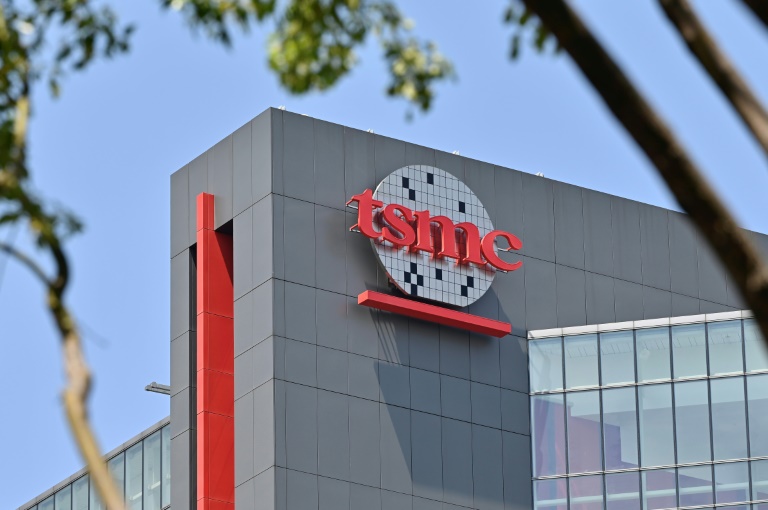
Taiwan chip giant TSMC sees all-time high revenue in August

Taiwanese semiconductor giant TSMC said Thursday its August revenue rose nearly 60 percent to a record high of Tw$218.13 billion ($7.06 billion) on soaring global demand. 

Taiwan Semiconductor Manufacturing Company operates the world’s largest silicon wafer factories and produces some of the most advanced microchips used in everything from smartphones and cars to missiles. 

The vast majority of the world’s top-notch microchips are made by just two companies — TSMC and Samsung — both of which are running at full capacity to alleviate a global shortage. 

The Taiwanese firm controls more than half of global foundry output, with clients including Apple and Qualcomm.

Its August revenue rose 58.7 percent on-year and 16.8 percent from July to an all-time high of Tw$218.13 billion — the first time it has reached the Tw$200 billion mark, according to a company statement. 

Revenue for the first eight months of the year totalled Tw$1.4 trillion, a 43.5 percent increase on the same period in 2021. 

TSMC chief executive C.C. Wei told an investor conference in July that customer demand continued to exceed the company’s ability to supply and he expected capacity to remain tight throughout 2022. 

But he also expected “a few quarters of inventory adjustment” through the first half of 2023 due to softening demand for some products including smartphones and personal computers.

While Taiwan’s semiconductor and high-tech industry has shown impressive growth, other parts of the economy are showing signs of an impact from the general global slowdown. 

Taiwan’s exports in August grew at their slowest pace in more than two years by just two percent to $40.34 billion, the finance ministry said.

That compared to 14.2 percent growth in July and was the slowest pace of increase since July 2020’s 0.3 percent when exports were hammered by the emergence of the coronavirus pandemic.

Exports would have dropped 4.2 percent from a year earlier without the electronic components industry, which accounted for over 40 percent of overseas shipments in August, according to the ministry. 

Semiconductor exports rose 14.3 percent from a year earlier to $15.69 billion last month but a slowdown in demand for consumer electronic products saw shipments for information/communication, audio and video products drop 1.6 percent on-year. 

Exports in the “old economy sector” largely declined last month, with plastics/rubber falling by 21.8 percent while chemicals were down 17.1 percent on-year.

Last residents of Siversk caught in the crossfire

From the hills in the west, the Ukrainian army shells Russian positions. From the east, Russian forces return fire.

Caught in the middle are the last residents of the town of Siversk.

Located in a part of the Donbas region still under Ukrainian control, the town had around 11,000 inhabitants before Russia invaded in February.

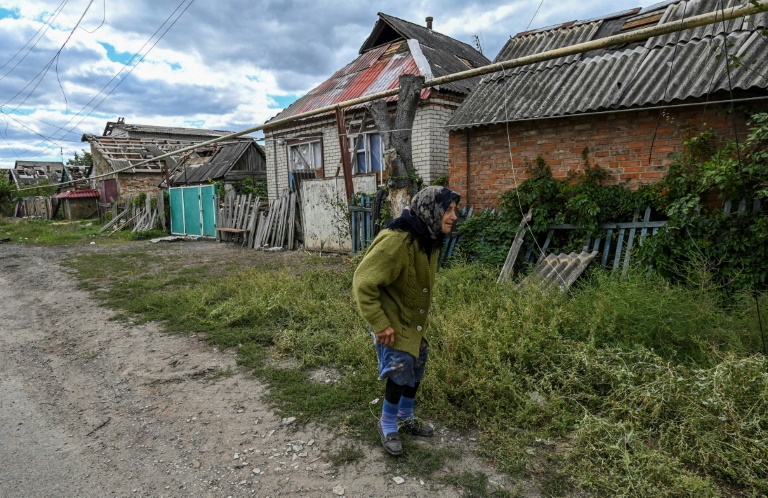
There are now just 2,000 — most of them elderly people who have nowhere to go.

They have been living under constant shelling since the Russian army approached after taking over the nearby city of Lysychansk.

“I live in this madness. We are constantly walking the line between life and death,” said Alla, 55, who declined to give her surname.

On the road in front of her home, Alla spoke for her neighbours — a dozen or so people nodding in agreement around her.

“We live in the cellar. We do not get any humanitarian aid. We’re afraid to go into the garden. We have no crop to harvest, no electricity, no water,” she said.

“Psychologically, it is very difficult to live with constant explosions day and night… We don’t know where they will hit,” she said.

– ‘I will die in Ukraine’ –

As she spoke, several explosions could be heard in the background — outgoing fire from Ukrainian positions, which quickly got a response from the Russian side.

One neighbour, Viktor Markov, 55, showed AFP a rocket that had fallen recently on an empty house in the neighbourhood.

The rocket, at least three metres (10 feet) long, pierced through the roof and implanted itself in the basement but failed to detonate.

“I was in the Soviet army. I was in some hotspots but I never saw anything like this,” said Markov, adding that he could never work out if the shelling was Russian or Ukrainian.

“It puts me on edge,” he said on the verge of tears.

“I was born in Ukraine and I will die in Ukraine. We are not against anybody, we are not against the government,” he said.

– ‘Don’t see a great future’ –

In another part of the town, where Ukrainian and Russian lines are closer, one in two homes have been completely destroyed.

Tetiana Deinega, 90, who lives in one of the remaining houses, was picking herbs in front of her home — oblivious to the shelling.

Most of the windows in the house have been blown out.

Deinega said she was waiting for her children, who live in Russia, to come and find her.

“When they will be allowed to come, I will leave. Without them, I’m not going anywhere,” she said.

Deinega said she was not lonely and was being looked after by other people in the neighbourhood.

If her children do not come, she said she would stay.

“We believe this is Ukraine, our native land. Whether good or bad, it’s ours,” she said.

Asked about the dangers of staying, she replied: “Maybe I will go to bed tonight and not wake up tomorrow.”

About 15 kilometres away, in the small village of Kalenyky, things were calmer even though the front line is still nearby.

Valentyna, 72, said she was living with no electricity but had a well for water.

The village is intact but there is anxiety.

“I don’t see a great future. We will not be able to think about the future until this is all over,” she said.

Close Bitnami banner
Bitnami