
Bloomberg

The Trouble With Lithium

(Bloomberg) — Elon Musk wants to mine it, China is scouring Tibet for it, battery makers are crying out for it. Lithium, the wonder metal at the heart of the global shift to electric cars, is in a full-blown crisis. Demand has outstripped supply, pushing prices up almost 500% in a year and hindering the world’s most successful effort yet to halt global warming.

The shortage of lithium is so acute that in China, which makes about 80% of the world’s lithium-ion batteries, the government corralled suppliers and manufacturers to demand “a rational return” to lower prices. Analysts at Macquarie Group Ltd. warned of a “a perpetual deficit,” while Citigroup Inc. nearly doubled its price forecast for 2022, saying an “extreme” rally could be coming.

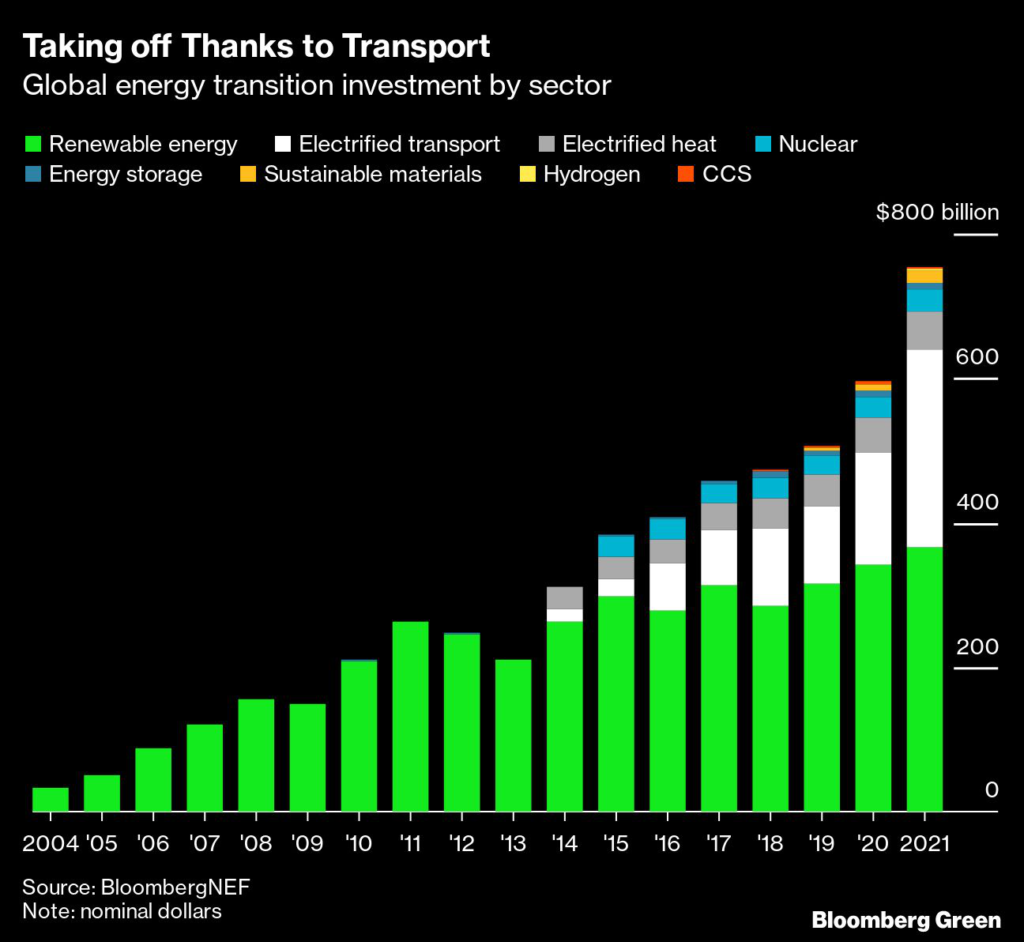
The consequences of failure to produce enough lithium are potentially devastating. Global investment in EVs has grown faster than any other new-energy sector over the past few years, outstripping even wind and solar power. Current lithium spot prices could add up to $1,000 to the cost of a new vehicle, Benchmark Mineral Intelligence said. Along with higher prices of other raw materials, that is reversing years of falling prices as EVs race to become cost-competitive with gasoline-powered cars. If battery makers can’t get enough lithium, it would curb the expansion of clean-energy vehicles, making it harder to meet global emissions targets.

“It looks like the expansion ramp up is not going to be fast enough to hit demand” over the next three years, said Cameron Perks, an analyst at Benchmark. EV makers “have been asleep at the wheel.”

The crunch prompted a characteristically blunt tweet from Musk in April. “Price of lithium has gone to insane levels!” he posted on Twitter. “Tesla might actually have to get into the mining & refining directly at scale, unless costs improve.”

Musk’s Tesla Inc. and Chinese automakers BYD Co., Xpeng Inc. and Li Auto Inc. have all already raised sticker prices, as has Contemporary Amperex Technology Co. Ltd., the world’s biggest EV battery maker. “The industry is facing very strong headwinds in terms of cost escalation,” XPeng President Brian Gu told Bloomberg TV in late March.

The silvery-white metal, the third-lightest element after hydrogen and helium, is in the throes of an unprecedented boom because a slump in 2018-2020 that halved its value caused chronic underinvestment in new sources of supply just as EV demand was taking off. For battery makers, those woes have been compounded by the pandemic and Russia’s war in Ukraine, which have snarled supplies of other ingredients they need, including nickel, graphite and cobalt.


Tightening supply and higher prices have prompted a flurry of acquisitions and joint ventures as battery makers and automakers try to secure supplies, and unleashed a wave of resource nationalism among governments. As early as last June, Fitch Solutions said lithium had become a “strategic mineral,” and warned of “rising government intervention.” 

EVs and batteries drew $271 billion and $7.9 billion of investment respectively in 2021, according to Kwasi Ampofo, head of metals and mining at BloombergNEF. “The upstream part of the value chain has, on the other hand, attracted relatively low investment over the last five years,” he said. 

Read: How Hot Is Lithium? A Chinese Mine Auction Draws 3,448 BidsLithium has taken a long time to hit the mainstream. Discovered in 1817 by Swedish chemist Johan August Arfwedson, it wasn’t produced in quantity until the US government began stockpiling it to make hydrogen bombs in the late 1950s. After the Cold War, production declined until the metal began to be adopted for use in light alloys, coin cells and then mobile phone batteries in the 1990s.

More than half of the global resources are located in the so-called lithium triangle between Argentina, Bolivia and Chile, where producers pump lithium-rich brine from underground lakes and allow the liquid to evaporate for 12-28 months to yield a slurry that can be profitably processed. Current technology recovers only about 50% of the lithium in the brine.

Much of the remaining supply comes from deposits of an igneous rock called spodumene, with Australia the biggest miner. The ore is roasted and leached with sulfuric acid and the silvery-gray residue typically shipped to China to be made into lithium hydroxide and lithium carbonate – compounds that can be combined with nickel or cobalt to make battery electrodes, or with solvents to make electrolytes.

The quickest way to increase supply is to ramp up output from these existing sources. Ganfeng Lithium Co., one of the world’s largest producers, said it’ll use record profits to boost output. Australia’s Pilbara Minerals Ltd. aims to raise production capacity more than 50% by the September quarter by expanding its Pilgangoora mine in Western Australia, a project that includes Chinese partners Great Wall Motor Co. and CATL. 

For many brine-lithium producers, increasing output quickly is constrained by their permits and the time taken to let the liquid evaporate.

One longer-term solution is to find new deposits.  

Mining superpowers Australia and Canada has both promised to help develop critical mineral resources, including lithium. China recently announced that its geologists had discovered a spodumene deposit on the Qinghai-Tibet plateau in the region of Mount Everest that could hold more than 1 million tons of lithium oxide. But it takes years to develop a new mine and, in some countries, the process is becoming more difficult due to resistance from local communities.

“There is plenty of lithium in the ground, but timely investment is the issue,” said Joe Lowry, founder of advisory firm Global Lithium. “Tesla can build a gigafactory in about two years, cathode plants can be built in less time, but it can take up to 10 years to build a greenfield lithium brine project.”

Read: Hunt for Lithium Sparks Rush Into Argentine Mountains

Rio Tinto Group’s proposed $2.4 billion Jadar mine on farmland in western Serbia, which would be Europe’s biggest, stalled as thousands of protesters marched in the streets. Rio says the mine, originally scheduled to open in 2026, would create more than 2,000 jobs and meet the highest environmental standards, including using recycled water and electric trucks. Savannah Resources’ Barroso project in Portugal and Lithium Americas Corp.’s proposed mine in Nevada are others that have to negotiate local opposition.

Chile’s Constitutional Convention this month approved an expansion of environmental governance that includes reshaping water rules and other environmental protections that could affect lithium producers if the charter is ratified in a September referendum. “If you’re a multinational company going in to Chile right now, you have to think twice, because you don’t know what the rules are,” Lowry said. 

But lithium producers face an even bigger problem. Part of the reason consumers are prepared to pay a premium for an electric vehicle is that it’s better for the environment. But the lithium supply chain is far from green. 

“Lithium mineral producers have the greatest need to reduce their emissions profiles,” said Dominic Wells, senior sustainability and cost analyst at Wood Mackenzie Ltd.

Environmental Cost

The Atacama desert of northern Chile is one of the driest places on Earth, but extracting the mineral from salt flats 10 times the size of New York’s Central Park and processing it requires a lot of water. According to BloombergNEF, it can take about 70,000 liters of water to make one ton of lithium. Mining spodumene is energy intensive and together with shipping the concentrate to China for refining can emit 3.5 times more carbon dioxide than lithium extracted from brine, according to Wood Mackenzie.

“There’s a lot of dirty things happening in producing these materials,” said Steven Vassiloudis, chief executive officer of Novalith, which is working on a system that would streamline processing of spodumene and absorb carbon. “Hard-rock lithium has such a high carbon footprint because of the energy requirement” and the many steps needed in conventional processing.

Automakers are wading in to protect the “green” image of their electric cars. BMW and a group backed by German automobile giants including Daimler AG and Volkswagen AG and have begun separate investigations into water use and production methods in the South American salt flats.

Companies are pursuing new technologies to lower expenses, cut water use and green their operations. Charlotte, North Carolina-based Albemarle Corp., the world’s biggest lithium producer, is seeking responsible mining certification for its operations in Chile and said it will reduce the intensity of freshwater use by 25% by 2030 in areas of high water risk.

“Producing lithium to use as little electricity and water is a critical goal,” said Ken Hoffman, senior expert at McKinsey & Co. “Coming up with one or several of these novel ways to produce ‘green lithium’ will be vital to the long term success of this industry. Whomever is able to deliver this technology, they should see very strong returns.”

That prize has spawned a raft of startups. Many are pursuing direct lithium extraction, a term used to describe ways to chemically capture lithium compounds that would speed up production.

“DLE can massively increase supply,” said Hoffman at McKinsey who estimates the technology could come online as soon as late next year. “You don’t need two years of drying lithium out from brine. And instead of getting about 40% of lithium out of the brine, you can get more than double the amount.”

If they succeed, it will still take time to catch up with demand. 

“Even if DLE happens, we are still far behind the car companies’ EV plans for at least a decade,” Lowry said. “DLE has to be customized. It’s not a one-size-fits-all technology.” 

Albemarle, which carries out its own research, said DLE so far has shown to be “typically less economic and less sustainable than conventional brine resources.” The company said it continues to investigate DLE and other processes to meet sustainability goals.

Alternative Batteries

The environmental and supply issues have prompted companies to look for alternatives to the lithium-ion battery, including hydrogen. But none have come close to supplanting lithium in the all-important passenger car market, and most are years away from commercial viability.

“Lithium-ion will remain the dominant battery technology, at least up to 2035,” said BloombergNEF’s Ampofo. “Automakers will potentially have to become miners to help develop and scale up some of these next generation lithium extraction technologies.”

Lithium-ion batteries fall into a sweet spot that balances high energy density and safety. The mineral is the least-dense solid element with the greatest electro-chemical potential and a very low melting point, producing an excellent energy-to-weight performance.

Ulderico Ulissi, battery research lead at London-based Rho Motion Ltd., an energy transition researcher, predicts that solid-state and sodium-ion batteries could eventually challenge lithium-ion packs in some applications in the second half of the decade. “EV qualification, however, is a lengthy process and scaling up manufacturing of new technologies can bring several challenges.”

Recycled Cells

Another potential source of lithium is from recycling old batteries, a practice that could meet 16% of annual demand by 2035, according to BloombergNEF. But battery retirements are only set to surge after 2030. “Basically, there’s just not enough batteries to be recycled right now,” said McKinsey’s Hoffman, adding that recycling presents its own environmental problems. “There is no great way to recycle a battery today.”

One roadblock to investing in output is that not everyone is convinced that the market will remain undersupplied and miners don’t want to be burned again by the kind of glut that caused prices to slump in 2018. 

The upshot is that the lithium crunch isn’t likely to go away soon, leaving an industry that exists because of the need to protect the environment with little option but to ramp up output as fast as possible, even with a supply chain that spews emissions and guzzles scarce resources. 

“Yes, it helps to be green,” said Perks at Benchmark. “But right now, we need all the lithium we can get.”


More stories like this are available on bloomberg.com

©2022 Bloomberg L.P.
Wall Street Traditionalists Spar With FTX Over Crypto Derivatives

(Bloomberg) — Wall Street exchanges and other firms zeroed in on their objection to a proposal US regulators are considering that would allow retail investors to trade crypto derivatives directly on a popular digital asset platform.

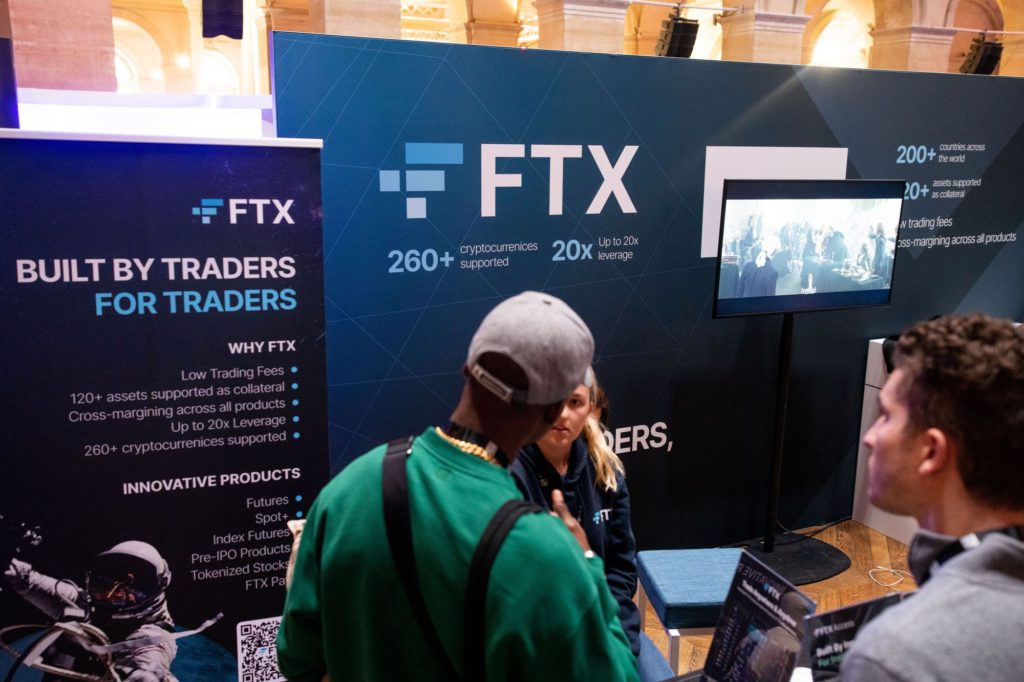
The plan — from crypto firm FTX — would take banks and other financial intermediaries out of Bitcoin and Ether futures trades that use margin. At a roundtable on Wednesday hosted by the Commodity Futures Trading Commission, which is reviewing the proposal, executives from firms including CME Group Inc. and Intercontinental Exchange Inc. said the change could add risks to the market.

“We view the original model that exists today — with all of the resources that are available — as quite adaptive and it has performed in many different circumstances,” said Sean Downey, managing director, clearing chief compliance officer and head of policy at CME. For instance, the market performed well following volatility stemming from the 2016 US presidential election, he said. 

FTX’s CEO Sam Bankman-Fried, who swapped his infamous t-shirt and shorts for a suit, defended his proposal, saying it reduces risk because the firm’s model would use algorithms to monitor trades seven days a week. The crypto billionaire has said his approach would increase competition and opportunities for mom-and-pop investors. 

The fight over FTX’s plan is a contentious one, pitting Wall Street’s old guard against its new. If it’s approved, the changes could lead to a significant shift in the way exchanges currently do business. Many in traditional finance fear the model could be applied to other assets, threatening Wall Street’s stranglehold over lucrative aspects of market structure. The CFTC will likely take months to reach a final decision. 

“We are talking about new plumbing,” said Thomas Wipf, vice chairman of institutional securities at Morgan Stanley. “How does that work out? How do the storm drains work?”

The discussion on Wednesday was heated at times, with FTX at odds with progressive analysts as well as financial firms.

Todd Phillips, director of financial regulation at the Center for American Progress, a progressive think tank, said retail investors need an intermediary when they enter into derivative contracts, because “it’s difficult for folks who are trading really volatile assets like crypto to compete directly against professionals.” 

“I just don’t think that margined crypto is something that we really want our retail investors to be getting into,” Phillips said.

‘Some Irony’

In response, Bankman-Fried pushed back against the idea that retail traders have less experience or knowledge. 

“There is some irony in some of the statements made by people attempting to protect those who know massively more than they do about the topic,” the crypto executive said. “I had to get that off my chest.”

One particularly contentious part of the plan is a tweak that would allow FTX to begin automatically liquidating investors’ positions in some instances. FTX’s algorithms would monitor customers’ trades and assets — essentially in real time — to determine whether an investment has lost value. If there aren’t enough funds in an account to cover an investor’s position, the auto-liquidation feature kicks in. 

Some raised the prospect of a compromise. The proposal is “not a zero sum decision,” said Andrew Smith of Virtu Financial Inc. 

It’s possible that both models could co-exist, according to Jennifer Han, chief counsel and head of regulatory affairs at the Managed Funds Association, whose members include hedge funds. There’s “a lot of support for continued innovation and competition in this area.”

(Updates with FTX, Center for American Progress comments starting in seventh paragraph.)

More stories like this are available on bloomberg.com

©2022 Bloomberg L.P.
Ukraine Latest: Russia Says That It Will Open Sea Corridors

(Bloomberg) — Russia’s defense ministry said it’s opening sea corridors for shipping from seven Ukrainian ports amid growing international criticism of an unfolding global food crisis.

Russian President Vladimir Putin approved a fast-tracked citizenship process for people in areas of southern Ukraine occupied by his forces, drawing condemnation from Kyiv.

The Bank of Russia moved up its next interest-rate meeting by more than two weeks to Thursday. Moscow may make foreign debt payments in local currency after the US Treasury Department let a waiver expire, pushing Russia closer to a default.  

(See RSAN on the Bloomberg Terminal for the Russian Sanctions Dashboard.)

Key Developments

  • Mined Ports, Polish Red Tape Among Issues Stopping Ukraine Grain
  • Russian Billionaire Investigated by UK for Sanctions Violations
  • Russia Edges Closer to Default as US Says Key Waiver Will Expire
  • Russia Set to Step Up Actions to Tame Rampant Ruble Rally
  • Klitschko Boxing Heroes Warn That Returning to Kyiv Is Dangerous
  • Oil’s Most-Prized Barrels Soar as Europe Switches Out Russia

All times CET:

Russia Says It’s Opening Sea Corridors From Ukraine Ports (9:01 p.m.)

Russia’s Defense Ministry said it’s opening two sea corridors for international shipping from seven Ukrainian ports, after growing international criticism of an unfolding global food crisis triggered by a Russian blockade.

Humanitarian maritime corridors from Black Sea and Sea of Azov ports including Odesa will operate from 8 a.m. to 7 p.m. daily, Mikhail Mizintsev, a Defense Ministry official said according to an emailed statement.

The head of the UN’s World Food Program, David Beasley, said Monday that Russia’s blockade of Ukrainian ports, preventing shipments of grain from the country, is a “declaration of war” on global food security. He noted that 49 million people in 43 countries were “knocking on famine’s door.”

Ukraine’s Kuleba Warns Davos  Russia Poses Broader Risks (8:45 p.m.)

Ukraine’s Foreign Minister Dmytro Kuleba told the World Economic Forum in Davos that if the issue of security guarantees for Ukraine isn’t resolved in one way or another, “there will always be a risk of war in Europe as long as Russia remains Russia.”

He said Ukraine needs security guarantees and that while its continued aspiration to join NATO “did not fly,” it needs “something now.” Kuleba said his country is upset that a sixth round of European Union sanctions against Russia is “hanging in the air” because of Hungary’s resistance to an embargo on Russian oil purchases.

War Crimes Advisory Group Created to Aid Ukraine (6:55 p.m.)

The EU, UK and US announced the creation of the Atrocity Crimes Advisory group will will aim to ensure “efficient coordination of their respective support to accountability efforts on the ground,” according to a joint statement. 

“The overarching mission of the ACA is to support the War Crimes Units of the Office of the Prosecutor General of Ukraine in its investigation and prosecution of conflict-related crimes,” according to the statement. 

Dutch May Join Naval Escorts But Want Russia to Commit (6:41 p.m.)

The Netherlands would consider joining an alliance to send warships to escort grain supplies stuck in Ukrainian ports but would need assurances from Russia and, ideally, involvement by Turkey, according to the Dutch defense minister. 

“If there is any way to make it happen, and if the Netherlands were asked to play a part, of course I would be very happy to be part of such an alliance,” Dutch Defense Minister Kajsa Ollongren told Bloomberg on the sidelines of the World Economic Forum in Davos, Switzerland. “But we’re not there yet unfortunately.”

Putin Says Economy Doing Better Than Some Expected (5:15 p.m.)

Russia’s economy is doing better than some forecasters expected, Putin told officials, although he added this year remains “not easy.”

“Our economy’s trend is significantly better than some experts forecast,” he told a televised Kremlin meeting, saying inflation this year won’t exceed 15%. He didn’t mention the government’s prediction that output will contract by 8% this year under pressure from Western sanctions imposed over his attack on Ukraine.

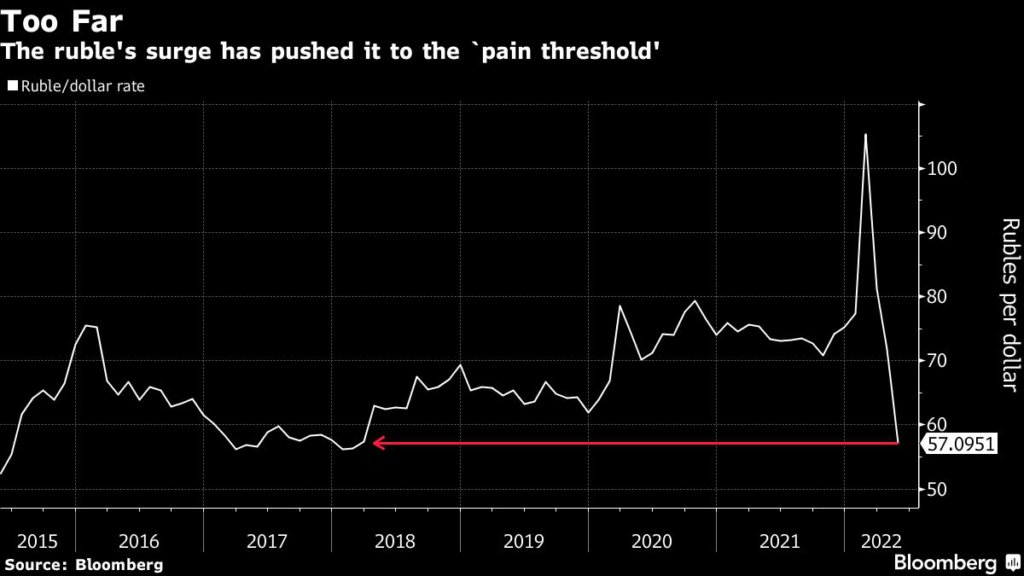
Putin also touted the strength of the ruble, which this week hit the highest levels against the dollar since 2018, prompting the government to ease capital controls imposed after the invasion.

Putin Visits Military Hospital for First Time During War (5:11 p.m.)

Putin met doctors and wounded soldiers at a Moscow military hospital in his first such visit since he ordered the invasion of Ukraine three months ago. The wounded soldiers he met were dressed in matching pajamas and had no visible injuries in photographs on the Kremlin website and broadcast on state TV.

Russia hasn’t announced casualty figures since March 25, when it said 1,351 soldiers died and 3,825 were wounded in fighting in Ukraine. The UK Defence Ministry estimated this week that about as many Russians have been killed as in the Soviet Union’s 9-year war in Afghanistan, when about 15,000 soldiers died.

Russia Offers Fast-Track Citizenship in Occupied Ukraine (4:51 p.m.)

Putin signed a decree on Wednesday offering fast-track citizenship to residents of two occupied southern Ukrainian regions — Kherson and Zaporizhzhia.

Russia offered a similar path to citizenship in the breakaway eastern Donetsk and Luhansk regions, which about 860,000 people received before the Feb. 24 invasion of Ukraine. Russia is moving to annex Ukrainian territory it controls, according to occupation authorities and people in Moscow familiar with the matter.

Ukraine condemned the move, with the Foreign Ministry saying that “illegal” distribution of Russian passports violates its sovereignty, territorial integrity and international laws. “Forced passportization of Ukrainians in Kherson and Zaporizhia is another evidence of the criminal goal of Russia’s war against Ukraine,” it said.

Mined Ports, Red Tape Stopping Ukraine Grain (3:22 p.m.)

Resuming Ukrainian gain shipments will be time consuming given challenges that include mine-clearing in Black Sea ports and the need for cooperation from the very country that kicked off the war, Lithuanian President Gitanas Nauseda said.

“It could take weeks, not months, but if there will be no will of the Russians to open this window, it will be impossible,” Nauseda said in an interview Wednesday. “The Russians could use this instrument as yet another leverage to destabilize the situation in the world. They are highly interested to do as much harm as possible.”

Another option, Nauseda said, is to reroute Ukrainian grain through other ports in the region by rail, though that channel would be daunting. An “experimental train” sent from Ukraine via Poland to the Lithuanian port of Klaipeda took three weeks, he said.

Ukraine Seeks More Rocket Launchers as Donbas Front Deteriorates (2:41 p.m.)

Ukraine needs multiple rocket launch systems as soon as possible, Ukraine Foreign Minister Dmytro Kuleba said on the sidelines of World Economic Forum in Davos. Delay will worsen an “extremely bad” situation in Donbas and prevent Ukraine from liberating the region around Kherson in the south, he said.

“We cannot allow Russia to stay in Kherson because if they do, they will have a strategic position to pose a threat to central Ukraine but also to southwestern Ukraine in the direction of Odesa, and they will keep stealing our grain.”

Military spokesman Oleksandr Motuzyanyk said that, while Russia has achieved some “tactical successes” in different areas, they are result of Ukrainian maneuvering and shouldn’t be mistaken for retreat by Kyiv’s forces.

Moldova Frets of Being Left Behind as Ukraine Vies for EU Entry (1:25 p.m.)

With all eyes on Ukraine as it strives to mount the first rung of the process to join the European Union, neighbor Moldova worries that its own push to join the bloc may be forgotten.

Pressing the message that Moldovans were ready to anchor themselves to a European future, Prime Minister Natalia Gavrilita said her country was pushing ahead with strengthening its institutions and bolstering the rule of law, key requirements to be considered an EU candidate. 

“The time is now,” she said in an interview at the World Economic Forum in Davos, Switzerland. “The people of Moldova have voted massively for European integration a while before the war even started.”

Russia Welcomes Tribunal for Azovstal Defenders (1:20 p.m.)

Russia said it backs the establishment of a tribunal by its separatist allies to try Ukrainian defenders for war crimes after they surrendered at the Azovstal steel plant.

“We welcome the start of this process,” Russian Foreign Ministry spokeswoman Maria Zakharova said at her weekly briefing on Wednesday.

Russia said that 2,439 Ukrainian fighters surrendered last week at the final bastion of resistance in the port city of Mariupol. Moscow has said it is willing to consider swapping the detainees for captured Russians only after they are tried and convicted, a stance that may complicate Kyiv’s hopes of freeing its soldiers.

Citigroup Improves Russian 2022 Economic Forecast (1:18 p.m.)

Citigroup Inc.’s chief Russia economist revised the outlook for the country’s economic decline to 5.5% in 2022 from 9.6% previously due to recent data suggesting improved consumer strength and net-export performance.

“The original financial shock had weighed on sentiment, but the robust policy response by authorities supported a faster-than-anticipated return to normalcy,” Ivan Tchakarov wrote in a note.

Big Tech Lobbies EU to Send Ukraine Telecom Gear (12:21 p.m.)

A Tech lobby group that includes companies such as Amazon.com Inc. and Microsoft Corp. are urging the European Commission to do more to boost donations of telecom and data center equipment to Ukraine to replace infrastructure destroyed by the war.

Russia has targeted key communications infrastructure in Ukraine since the opening days of the invasion, when missiles struck TV towers and data centers around the country.

Belarus Exports Could Drop 30% This Year From War (11:22 a.m.)

Belarusian export revenue is poised to decline 30% this year, or by $14 billion, after the war led to foreign sanctions and a loss of access to Ukraine’s market, state-owned news agency Belta reported, citing First Deputy Prime Minister Nikolai Snopkov.

The country’s GDP declined 2.1% over the first four months of the year due to sanctions, Snopkov said. Belarus, which was already heavily sanctioned before the war, came under increased pressure as its authorities allowed the country to be used as a staging area for the invasion.

Lebedev Steps Down From UK News Board (11:01 a.m.)

Former KGB agent Alexander Lebedev stepped down from the board of a UK newspaper business that his son owns days after he was sanctioned by Canada, filings show. 

The move underscores a tightening focus on his family amid the war in Ukraine that has become politically awkward for Prime Minister Boris Johnson. Johnson appointed Lebedev’s son Evgeny to the UK’s upper chamber of parliament as a Lord in 2020. 

Russia, Iran Tighten Trade Ties (10:41 a.m.)

Russia said it is strengthening trade with Iran, boosting the economies of both nations as they contend with heavy US sanctions.

“We’re on track to raise trade, economic, logistics, investment, financial, banking cooperation, despite the unprecedented pressure that Russia is experiencing,” Deputy Prime Minister Alexander Novak said at a meeting with businesses in Tehran, Interfax reported. Trade between Russia and Iran rose by more than 10% in the first quarter, he said. 

Russia May Make Foreign Debt Payments in Rubles (10:32 a.m.) 

Russia plans to make foreign debt payments in rubles after the US Treasury Department let a key sanctions waiver that could force the country into default expire, State Duma Speaker Vyacheslav Volodin said, citing Russia’s experience requiring ruble payments for gas shipments. 

“First of all, we have all the necessary monetary resources for payments,” Volodin wrote on his Telegram channel. “Secondly, we will pay in rubles.”

Russian Cruise Missile Strike as Zaporizhzhia Offensive Ramps Up (10:03 a.m.) 

Cruise missiles hit industrial cities in Ukraine’s east as Russia intensified an offensive near Zaporizhzhia. The strikes killed one person and destroyed more than 60 houses in the city of more than 700,000 on the Dnipro river, the region’s administration said on Facebook. 

Three missiles damaged a factory in the steel-making hub Kryvyi Rih, Dnipro region governor Valentyn Reznichenko said on Telegram. Russian missiles also fell on residential areas in Kramatorsk north of Russia-controlled Donetsk, a local official said.

Russia May Allow Corridor For Grain Shipments (9:41 a.m.)

Russia is ready for a dialog to resolve the situation with blocked grain freighters in Ukraine, Deputy Foreign Minister Andrey Rudenko said, Interfax reported. He reiterated Russia’s claim that Kyiv is to blame for the problem because it mined its ports.

Moscow has effectively blockaded Ukrainian ports, leaving the government in Kyiv struggling to get grain shipments out and sending prices to near-record highs.  

Bank of Russia Reschedules Rate Meeting Amid Ruble Rally (9:04 a.m.)

Russia’s central bank moved its next interest-rate decision to 9:30 a.m. Thursday, after government officials suggested further monetary easing may be needed to help stem the ruble’s surge to highest since 2018.

The Bank of Russia has lowered the key rate twice since an emergency rate hike to 17% in the days after Russia’s invasion of Ukraine. The benchmark rate now stands at 14% and the next scheduled meeting wasn’t until June 10. The Economy Ministry said earlier this week that the ruble’s strengthening was nearing a peak. 

Ukraine Seeks Return of All of Its Territories, Zelenskiy Says (8:55 a.m.)

Ukraine will fight until it returns all of its territory, Zelenskiy said via video link at a breakfast organized by the Victor Pinchuk Foundation in Davos.

Talks with Russia have stalled and Kyiv doesn’t see prospects for diplomacy until the Kremlin pulls its troops back to positions held before the invasion, according to Zelenskiy. Putin doesn’t “realize to the very end what is happening, he lives in his informational world,” the Ukrainian leader said.

West Should Back Full Victory for Ukraine, Kuleba Says (8:44 a.m)

Kuleba said his nation’s efforts to withstand the Russian invasion were to credit for a “reinvigorated” West on the world stage, and it should in turn fully back Ukraine’s desire to achieve a complete victory. 

“We need the west primarily to finally accept the idea that the ultimate goal of this war should be the victory of Ukraine,” Kuleba said at the Victor Pinchuk Foundation breakfast. The government in Kyiv has previously expressed concern that some allies would prefer it agree to cede some territory.

Ukraine Sees No Will of NATO to Help With Naval Escorts (8:12 a.m.)

Kuleba said he saw no desire from NATO now to help secure safe passage of grains through the Black Sea, a crucial move as the world worries about food shortages and rising prices.

“I would wholeheartedly welcome the decision but I just don’t see the stamina and the bravery to take all the risks associated with this operation,” he said.

The interruption of Ukraine’s agricultural cycle risks a multi-year global food crisis, Kuleba said, “but in the end the problem is that you cannot trust Russia even if they sign papers guaranteeing safe passage.” 

Russia and China Air Drill Rankles Neighbors (7:19 a.m.)

Japan’s top government spokesman Hirokazu Matsuno condemned a joint exercise held by Chinese and Russian war planes as a “heightened provocation.” The countries conducted a military drill Tuesday as US President Joe Biden finished an Asia trip, sending bombers and other aircraft south of the Korean Peninsula and over waters between Japan and South Korea, Seoul said, as it criticized the move.

China said its joint strategic air patrol with Russia didn’t target any third party and had nothing to do with the current international and regional situations, according to a statement from the defense ministry. 

More stories like this are available on bloomberg.com

©2022 Bloomberg L.P.

Embattled Payments Startup Bolt Is Cutting Staff

(Bloomberg) — Payments startup Bolt Financial Inc. is cutting staff, its chief executive officer, Maju Kuruvilla, said in a message to employees on Wednesday. 

“It’s no secret that the market conditions across our industry and the tech sector are changing,” Kuruvilla said in the message reviewed by Bloomberg. “In an effort to ensure Bolt owns its own destiny, the leadership team and I have made the decision to secure our financial position.” The company began holding meetings with employees Wednesday morning, and posted the CEO’s message on its blog.

A spokeswoman for the company declined to specify how many jobs would be cut. 

Bolt was most recently valued by investors at $11 billion, a pricetag that made it one of the most valuable startups in the US. The company’s software aims to provide retailers with one-click online checkout options. But Bolt has run into trouble recently: The startup was sued by its most prominent customer, which claimed that its technology did not work as promised.

Bolt, founded in 2014, has garnered national attention for giving employees Fridays off and for the tweetstorms of its colorful co-founder, Ryan Breslow. Earlier this year Breslow claimed in a series of tweets that Silicon Valley’s elite is a “boys club” full of “mob bosses.” Breslow stepped down as CEO soon after the tweets, becoming the company’s executive chairman. 

After Bolt closed its latest funding round, the startup started trying to raise more money at an even higher $14 billion valuation. However, that fundraising effort didn’t come to fruition. In his note to staff, Kuruvilla said that the startup would aim to “reach profitability with the money we have already raised.” 

Bolt is not the only company that has laid off staff in recent weeks, as public markets hammer tech stocks. Venture backed startups have cut thousands of jobs this spring, according to employment tracker Layoffs.fyi. 

(Updates with context starting in the third paragraph.)

More stories like this are available on bloomberg.com

©2022 Bloomberg L.P.

Texas Gunman Warned About His Plans in Minutes Before School Attack, Abbott Says

(Bloomberg) — The 18-year-old gunman who killed 19 children and two teachers at a school in Uvalde, Texas, warned about his plans in social media posts in the minutes before the attack, according to Governor Greg Abbott.

The gunman, Salvador Ramos, posted on Facebook that he was going to shoot his grandmother, then posted that he had done it, Abbott told journalists Wednesday in Uvalde. Ramos then posted that he was going to shoot an elementary school, Abbott said.

After the gunman shot his grandmother, she called police who pursued the gunman to the school, where he crashed his truck, then got out and went inside. After shooting children and school staff members, he barricaded himself in a classroom and was shot dead by a Border Patrol agent.

Andy Stone, a spokesperson for Facebook parent Meta Platforms Inc., sought to clarify Abbott’s assertion that the gunman’s comments online were public posts.

“The messages Gov. Abbott described were private one-to-one text messages that were discovered after the terrible tragedy occurred,” Stone wrote on Twitter. “We are closely cooperating with law enforcement in their ongoing investigation.”

Meta is still reeling from fallout related to the trove of internal documents that whistle-blower Frances Haugen shared with journalists and authorities that suggested Facebook prioritizes profit over content moderation. The US Congress and federal enforcement agencies have spent the last several years formulating their own plans to hold Facebook to account, with little action so far.


(Updates with Meta comment starting in fourth paragraph.)

More stories like this are available on bloomberg.com

©2022 Bloomberg L.P.

Countries Are Redeveloping Farms That Could Be Cutting Carbon

(Bloomberg) — Countries are redeveloping abandoned croplands at a rate that is jeopardizing the land’s contributions to reducing CO₂, according to a report published today in the journal Science Advances. The new study, drawn from analysis of satellite imagery dating back to the 1980s, should help policymakers better evaluate how their land-use practices help or inhibit efforts to reduce atmospheric carbon dioxide concentrations and restore ecosystems. 

The researchers found that across 11 diverse sites around the world, 8.8 million hectares (33,823 square miles) of cropland were abandoned for five years or more between 1987 and 2017. When these areas are left alone, forests can regrow and ecosystems reconstitute themselves. But they need to be left alone, and by the end of that period, an average of 38% of the land re-entered cultivation at each of the 11 sites. The authors concluded that more than half of abandoned cropland is put back into use within 30 years. The average amount of time lands were abandoned was 14.2 years. 

That’s a problem because lands need decades or centuries of idleness to reach their potential for absorbing atmospheric CO₂ and allowing endangered animals and plants to repopulate previously developed areas. “To produce substantial environmental benefits, abandoned lands must stay abandoned long enough” to grow, the authors write.

“This is a very important paper,” said J. Leighton Reid, an assistant professor of ecological restoration at Virginia Tech who was familiar with the study but not involved in it. “Political leaders leaders should take note here because many of them are narrowly focused on how many trees they can plant in the next few years. That number matters way less than the length of the time that those trees will persist as a forest.”

The sites under study stored an estimated 403 million tons of CO₂ — or 35% less than they might have taken up without recultivation.

Farmers leave cropland behind for many reasons, such as to pursue better economic opportunities in cities or because subsidies disappear, as they did when the Soviet Union collapsed in 1991. In other cases, new farming technology makes some areas less productive than they used to be.

The study identifies several sources of competition among potential uses for land. The need to leave land alone, to restore biodiversity and absorb carbon into new forest, may be more at odds with growing crops for energy production than is conventionally realized. Crops cultivated for bioenergy tend to be poor for biodiversity. Bioenergy advocates see abandoned lands as ideal for crop growth but, the paper points out, lands apparently doing “nothing” are doing something quite important by rebuilding ecosystems. The work follows a study in the same journal earlier this month that found that a large US investment in growing crops for use in energy production would run up against water stress that could strike a quarter of the country by 2100. 

“A lot of ecosystems can recover, but it takes a long time,” said Christopher Crawford, the new study’s lead author and a PhD candidate at Princeton. “Obviously the first best solution is to not cut down a forest in the first place.”

More stories like this are available on bloomberg.com

©2022 Bloomberg L.P.
UK to Probe Newport Wafer Deal Under National Security Act

(Bloomberg) — The UK government will probe a Chinese-led takeover of a British semiconductor plant, the business secretary said Wednesday.

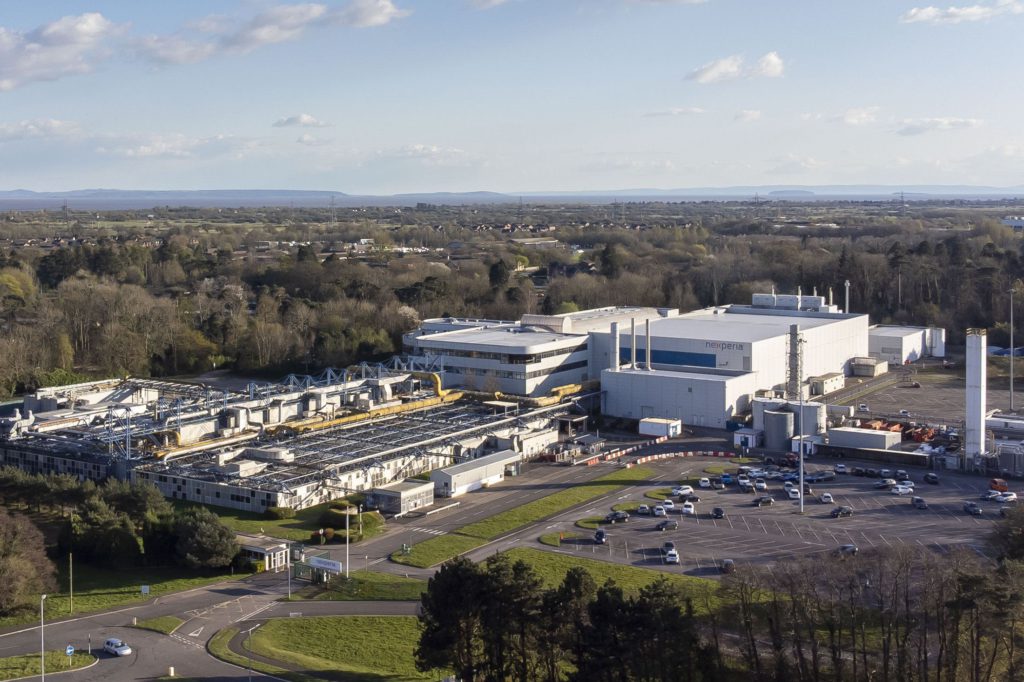
The Department for Business, Energy, and Industrial Strategy has called in the acquisition of Newport Wafer Fab by Nexperia NV, a Dutch company owned by China’s Wingtech Technology Co, Kwasi Kwarteng announced in a tweet. 

While probes to assess national security concerns are not very unusual, the new act raises the unusual prospect of a completed deal being canceled retroactively by the UK.

“There will now be a full assessment under the new National Security and Investment Act,” he said. “We welcome overseas investment, but it must not threaten Britain’s national security.”

The deal, valued at around £63 million ($79 million) according to a person familiar with the matter, was completed ten months ago – but under the UK’s National Security Act, which came into effect on January 4, ministers can retrospectively look into deals and even unpick them if they find national security concerns. 

The UK previously ordered a national security review of Nvidia Corp.’s $40 billion bid for UK chipmaker Arm Ltd., a deal that subsequently collapsed following intense regulatory scrutiny. 

The UK government now has 30 working days to carry out an assessment, under the law – though it can extend that timeline by another 45 days if it deems it necessary. 

“We welcome this opportunity to engage and contribute to an informed debate about our UK activities and investment plans,” a spokesman for Nexperia said. 

Nexperia hit back at suspicions it was under the sway of the Chinese state in an interview with Bloomberg last year.  

China has been aggressively trying to acquire foreign semiconductor technologies to aid the development of a chip industry at home and reduce its reliance on imports.

While Newport is not a major player in the global chipmaking space, it has received funding to make silicon carbide-based chips, also called “third-generation” chips which China covet.

Chinese President Xi Jinping has tapped his top deputy and economic czar Liu He to spearhead the development of the third-generation chip development and capabilities and is leading the formulation of a series of financial and policy supports for the technology, Bloomberg has reported.  

A committee of UK lawmakers responsible for scrutinizing the business department also launched an inquiry earlier on Wednesday into the UK’s semiconductor industry and its supply chain.

(Updates with quote from Nexperia in eighth paragraph)

More stories like this are available on bloomberg.com

©2022 Bloomberg L.P.

Luna Token Relaunch Kicks Crypto Hype Machine Back Into Gear

(Bloomberg) — If you need a reminder that memories are short in the world of crypto, look no further than the relaunch of the Luna token that played a key role in the collapse of the Terra blockchain ecosystem that cost investors billions little more than two weeks ago. 

Hype is already building around the cryptocurrency, which is being reissued as part of a proposal approved Wednesday. The plan seeks to salvage the network after Luna’s affiliated stablecoin, TerraUSD (UST), lost its 1-to-1 peg the dollar and helped trigger a collapse in digital-asset prices. 

Under the approved measure, the original blockchain will split off and be known as Terra Classic, while Luna, which plunged close to zero this month, will be renamed Luna Classic with the ticker LUNC. The new Terra blockchain will start running a coin under the existing Luna name and ticker, and won’t include the UST stablecoin. The new Luna will be distributed to previous holders of Luna and UST in a so-called air drop on Thursday.   

Crypto exchanges are already announcing plans to list the token, while advocates are predicting it will surge, using the industry parlance of “to the moon.” This probably isn’t too surprising, as the crypto trading world, much like gambling, often follows the classic “loss-chasing” patterns, where investors may be amplifying their efforts to push the success of the new blockchain in a bet to eventually recoup their prior losses. 

Thousands of, if not millions of, investors have lost money from the Terra collapse, with prices of Luna and UST having both gone down to virtually zero at some point. The price of Luna jumped about 18% on Wednesday, though it remained at less than a fraction of a cent, data compiled by Bloomberg show. It traded at more than $100 in April.

Whether the price of the new Luna token will “pump” remains unclear. Other than keeping existing projects on the Terra blockchain, the new blockchain will also need support from major exchanges. Having the new Luna token listed on a major exchange would provide more liquidity for the token, which can lead to appreciation of its value. Crypto exchange Huobi said they would support the launch of Luna 2.0, while OKX said it would support the airdrop of the new Luna tokens. Binance, meanwhile, said it is “working closely with the Terra team” to provide impacted Binance users with the “best possible treatment.”

Despite the exuberance, blockchain data firm Nansen points out that flows of wrapped Luna tokens, a version of Luna on the Ethereum blockchain, have shown “no evidence” of actual widespread support yet.

Trading volume of wrapped Luna tokens on Ethereum and Luna token’s flow going from Ethereum to Cosmos, the network where Terra’s built on, have been “scant” since the pass of the new proposal, according to Andrew Thurman, who’s in charge of content at Nansen. 

“That might change as word spreads, but right now it looks like the market is tepid on Terra [2.0],” Thurman said.  


More stories like this are available on bloomberg.com

©2022 Bloomberg L.P.

Getir, Zapp Join Delivery Startups Cutting Staff, Consolidating

(Bloomberg) — Getir, one of the largest rapid delivery startups valued at $11.7 billion just two months ago, has become the latest high-profile startup to cut staff in a bid to rein in costs. 

The Istanbul-based startup, backed by Mubadala Investment Company and Sequoia Capital, raised $800 million in March. It is now planning cuts of about 14% of its headquarter staff, blaming “rising inflation and the deteriorating macroeconomic outlook,” according to a memo seen by Bloomberg. 

U.K. rapid grocery startup Zapp is also planning cuts of up to 10% of staff, according to a person familiar with the matter. 

The potential lay-offs come after a wave of high-valued startups began retrenching, targeting cost-cutting and profitability instead of rapid growth. On Tuesday rapid grocery delivery app Gorillas Technologies GmbH announced it was cutting 50% of its global office staff, or around 300 workers, according to a Gorillas spokesperson.

Fintech startup Klarna also said on Monday it was preparing to let go staff as the war in Ukraine, inflation and likely recession forced the startup to cut costs.

The rapid delivery industry is also consolidating at speed. In November, Getir bought UK rival Weezy, while London-based service Jiffy is currently winding down its business delivering groceries and shifting to focus on building software for delivery firms. 

Zapp has signed an exclusive agreement with Jiffy to market its service to their customers, according to a person familiar with the matter, who asked not to be identified because the news isn’t public. Under the agreement, Jiffy will run campaigns directing its more than 50,000 customers to Zapp, the person said. Zapp will not take over any of Jiffy’s warehouses or employees under the deal.

Zapp, which raised $200 million in January, also recently proposed some store closures to increase efficiency at fulfillment hubs in London, a separate person said, adding that the company planned to close its only hub in Manchester and shuttered sites in Bristol and Cambridge earlier this year.

Spokespeople from Geitr and Zapp declined to comment. Techcrunch first reported the cuts to Getir’s staff. 

More stories like this are available on bloomberg.com

©2022 Bloomberg L.P.

Orban, Empowered, Orders Companies to Hand Over ‘Extra Profit’

(Bloomberg) — Hungarian Prime Minister Viktor Orban, who seized additional power this week with a state of emergency, said that large companies ranging from energy to airlines will have to turn over their “extra profit” to shore up the nation’s ailing budget. 

Banking, insurance, energy, large retail, telecom and airline industries — sectors dominated by multinational firms — will be ordered to turn over the “bulk of their extra profit” to two funds this year and next to finance utility-price subsidies and the cost of modernizing the armed forces, Orban said in a video message on Wednesday. 

The fresh financing will help consolidate the Hungarian budget as the European Union imposes an effective funding freeze against Orban’s government, which it accuses of flaunting European norms. The Hungarian forint extended losses against the euro after the announcement, closing in on a record low. 

“We ask and we expect that those who made extra profit in this time of war to help the people and contribute to the national defense budget,” Orban said. 

The funding move was Orban’s first decision under a wartime state of emergency, which took effect Wednesday, two days after the premier was sworn in to a fifth term in office, allowing his government to rule by decree. Details of the move and its cost will be announced at a government briefing on Thursday, Orban said.

Hungary’s budget has been pushed to the brink by record pre-election spending earlier this year, ahead of the April 3 election win that gave Orban two-thirds control of the Hungarian parliament. 

Days after Orban’s landslide victory, the European Commission triggered a freshly introduced mechanism that allows it to ultimately cut funding to members where graft and rule-of-law concerns are prevalent. While some had believed that the tool, which was first used against Hungary, may provide leverage against Orban after more than a decade of power consolidation, there’s been no sign of a change of direction in Budapest. 

The Hungarian leader is currently blocking an EU attempt to impose an oil embargo against Russia over its invasion of Ukraine. Last week, he shared a 12-point blueprint with U.S. Republicans on how to consolidate control, including by building a media empire and new institutions. His ultimate message to them: “Play by your own rules.” 

The forint dropped 3.1%, the most in more than two months, to near a record low, trading at 394.83 to the euro as of 7:06 p.m. in Budapest. Stocks plunged earlier as OTP Bank Nyrt., Hungary’s largest lender, dived 4.7% while energy company Mol Nyrt. fell 4%. 

More stories like this are available on bloomberg.com

©2022 Bloomberg L.P.

Close Bitnami banner
Bitnami
