
Bloomberg

Crypto Implosion Juices Senate Odd Couple’s Push to Clamp Down

(Bloomberg) — As a popular digital currency crumbled this month, two unlikely allies in the US Senate stepped up their campaign to bring regulation to the $1.3 trillion crypto market. 

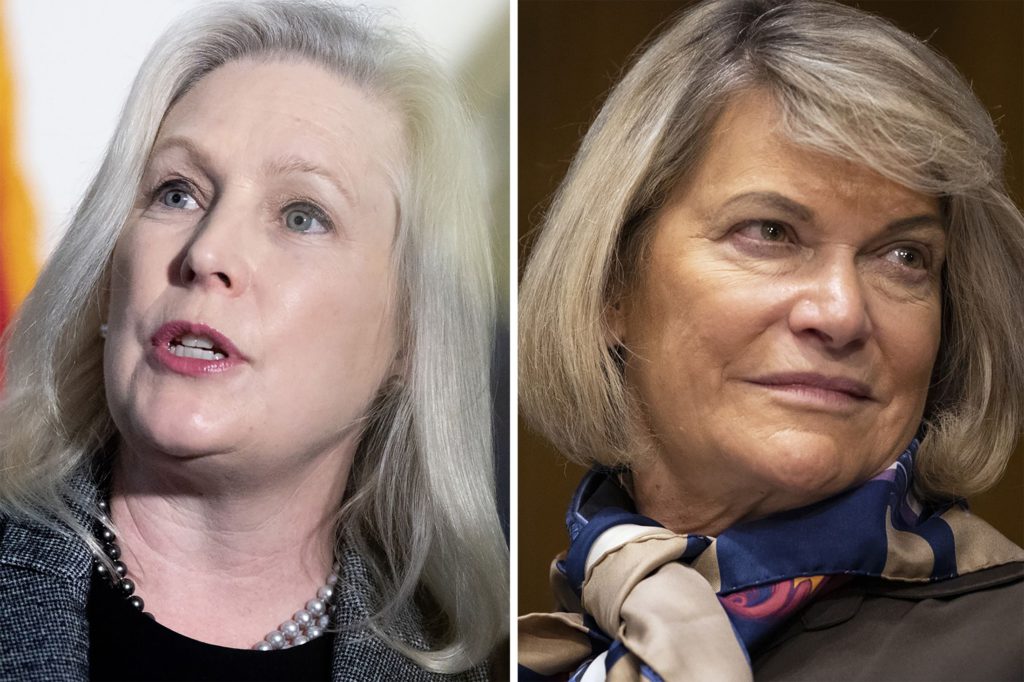
Cynthia Lummis, a conservative Republican from a Wyoming ranching family, and Kirsten Gillibrand, a moderate Democrat from Albany, New York, aren’t supposed to get along — let alone work together. But with Washington riven by deep partisan division, they have bonded over one thing: crypto needing new rules.

The duo is planning to release a draft of their proposal as soon as next week that aims to prevent crises like the recent blowup of the TerraUSD stablecoin and settle some of the bureaucratic turf battles that have hobbled oversight. It’s a congressional election year in America, so it’s hard to say that a bill will become law, but their plan is already garnering a lot of attention.

Lummis, an enthusiast who first bought Bitcoin in 2013 at the urging of her son-in-law, isn’t the obvious choice to lead a clampdown. But, in a recent interview from her office in the US Capitol complex, she laid out a case for bringing clarity to an industry that’s grown to levels of once unimaginable complexity and risk. She described her partnership with Gillibrand, a securities lawyer by trade, as crucial to that effort. 

“Her enthusiasm and passion for it — plus the fact that, being a New Yorker, she’s from such a significant and important financial center — made her, like, the perfect partner,” said Lummis, 67. 

Washington’s efforts to oversee digital assets date back to the Obama administration but remain scatter-shot, rife with holes and overlapping jurisdictions. 

Calls for a legislative fix grew louder this month in the wake of the spectacular crash of TerraUSD, also called UST. The collapse of the algorithmic stablecoin triggered a week-long selloff that slashed the value of the overall cryptocurrency market by hundreds of billions of dollars.

‘Ups and downs’

“All the ups and downs of the market have confirmed why our regulatory framework is best,” Gillibrand, 55, said of the bill, seated in her private Capitol Hill “hideaway” office, a few steps away from the Senate floor. “Actually, it emphasized the importance of getting this done now.”

Some details remain in flux, but at a high level the senators’ plan would give the Commodity Futures Trading Commission significantly more power than it currently has. The regulator would directly oversee trading in tokens that meet the definition of a commodity, such as Bitcoin, the world’s largest cryptocurrency. Currently its jurisdiction is mainly tied to derivatives.

Meanwhile, the Securities and Exchange Commission would police coins that are used to raise money from the public like a stock offering would. It’s unclear whether those turf lines will satisfy some crypto diehards who want to free the asset class from the reach of the SEC’s onerous investor protections.  

Their plan would also significantly increase oversight of tokens like UST, which currently exist in a regulatory gray area. The bill would require stablecoins, regardless of their setup, to keep 100% reserves on hand and maintain a 1-1 peg with those assets, according to Gillibrand’s office. Stablecoins would be primarily overseen by banking regulators.

100% reserves

An advisory body would also be arranged to study and make recommendations for regulating future developments in the crypto market. The legislation would also exempt people from having to report and pay taxes when they make purchases using cryptocurrency if their resulting capital gains are $600 or less. Some argue that would make it more attractive to actually use digital currencies to pay at a checkout counter. 

Gillibrand and Lummis say they’ve sought ideas over the past several months from hundreds of people including crypto investors, bankers, coders and miners. The senators and their staff have fielded rounds of comments and concerns from the nascent, yet powerful, crypto influence machine in Washington. 

Kristin Smith, the executive director of the Blockchain Association, said that conversations with the senators’ offices have been “very productive,” but that there are still some details her group would like to see reworked. “We’re not going to put our full weight behind something until it’s at a place that we can live with,” she said. 

Regardless, Gillibrand and Lummis, who had barely done more than exchange pleasantries before the beginning of the year, say they’re in it for the long haul. Their relationship has blossomed into a friendship, they say, particularly, since announcing their partnership at a Politico event in March. 

“There are days when it almost seems like one staff — it’s almost like we’ve done a mind meld,” said Lummis.

The pair envisions putting out the draft of the legislation followed by a more formal bill a month or so later. From there at least three different Senate committees would have to review different parts of the bill, and if it makes it past that gauntlet, it could be several more months before the full chamber even takes it up.

With congressional elections looming in November that could flip control of the House to Republicans, and maybe the Senate too, lawmakers may be reluctant to take up such a major piece of legislation this year. 

Laser eyes

Gillibrand first got turned on to crypto five years ago, when her then 13-year-old-son urged her to buy. But she grew more interested in the asset class after joining the Senate Intelligence Committee a little over a year ago and sitting in on hearings about virtual currencies and blockchain.  

Meanwhile, Lummis has been investing in digital assets for almost a decade. She recalls being invited in 2017 to the Satoshi Roundtable in Cancun, Mexico, one of the premier meetings of Bitcoin industry leaders. 

“I sat for two days in a windowless room, listening to Bitcoin miners, validators, and investors argue about policy, and it was so interesting,” Lummis said. “That’s kind of what launched me.” Now, her knowledge about crypto led some Senate colleagues to call her “Bitcoin Lady.” 

She’s even earned cool points with her grandson, who one night during bedtime prayers said he was thankful for his grandma’s “laser eyes”– a reference to a meme used by Bitcoin enthusiasts to signify they’re bullish for crypto.       

While the paths to focusing on crypto are different, both are already seeing benefits in terms of attention and fundraising. 

Political contributions

A fifth of contributions to Lummis’s campaign committee in 2021 came from crypto executives or investors. Gillibrand has also started tapping into the money machine, with Smith — the Blockchain Association leader — holding a New York fundraiser on her behalf later this month. 

Lummis says she confirmed that crypto enthusiasts are a becoming a significant swath of the voting population by randomly asking Capitol Police officers if they owned Bitcoin after taking her senate seat early last year. Many said yes.

She’s pleased that Congress is starting to take notice.

“When I came to Washington, I found out that very few, if any, members of the Senate had an awareness of how big Bitcoin and other digital assets were becoming,” she said. “They’re now a significant constituency for many members of Congress.”

More stories like this are available on bloomberg.com

©2022 Bloomberg L.P.

Airlines’ Three In-Flight Engine Shutdowns Spark India Probe

(Bloomberg) — India is investigating three separate incidents in the past two months where airline pilots had to shut down plane engines mid-flight made by a joint venture of General Electric Co. and France’s Safran SA, according to people familiar with the matter. 

The so-called commanded in-flight shutdowns — when pilots intentionally turn off one of the two engines after encountering problems — may have stemmed from different issues. Modern commercial jetliners are equipped to fly and land safely with a single engine.

All three incidents, the people said, involved engines made by CFM International Inc., the GE-Safran joint venture. All the planes landed safely. The incidents involved two Airbus SE A320neo jets, operated by Air India Ltd., and a Boeing Co. 737 Max aircraft, operated by Indian carrier SpiceJet Ltd., according to the people. 

India has seen a number of mid-flight shutdowns, and regulators have responded strongly in the past, once ordering IndiGo, the nation’s biggest airline, to ground some of its A320neo planes after engines manufactured by Pratt & Whitney experienced repeated glitches. 

The issues come as CFM — which is the sole supplier of engines for Boeing’s 737 family of jets, and one of two suppliers for the A320neo — prepares to supply engines for the next batch of planes at IndiGo, the world’s biggest customer for the best-selling Airbus plane. Safran, which is working with GE on a new technology in which the engine’s blades operate without a traditional casing, is also considering setting up a repair facility in India after CFM won its biggest-ever order from IndiGo. The recent issues may also raise warranty costs for CFM.  

The engine-maker said in a statement it’s engaging with authorities in India and clients to minimize operational disruptions. “Safety is our first priority, and we are working closely with our customers and the Directorate General of Civil Aviation,” it said.

Representatives for Airbus and Boeing had no immediate comment. A spokesman for India’s civil aviation ministry, which oversees the DGCA, didn’t respond to a request for comment. 

In one of the latest incidents, an Air India A320neo flying from Mumbai to Bengaluru on Thursday was forced to return to its origin before reaching cruising altitude, data from flight-tracking website Flightradar24.com showed. On May 3, a SpiceJet 737 Max returned to Chennai just minutes into a scheduled flight.  

A representative for Air India said in an email that the carrier was looking into the issue, saying it “accords top priority to safety and our crew are well adept and trained at handling such a situation.” A SpiceJet representative said its aircraft returned to Chennai after take-off “due to a technical issue” and that the aircraft landed safely.

(Updates with comment from CFM in sixth paragraph.)

More stories like this are available on bloomberg.com

©2022 Bloomberg L.P.

Uber and Dig Lure New Yorkers by Making Fun of Grubhub Debacle

(Bloomberg) — New Yorkers are getting lunch delivered with a side of snark after Grubhub’s delivery snafu.

Uber Eats sent an email to users this week with the subject line: “There’s no such thing as free lunch” with a winking emoji and a $25 coupon. Fast-casual restaurant chain Dig sent users a message asking “Still hangry from Tuesday?” encouraging them to download the chain’s mobile app with a referral discount. 

“Your friends waited 6 hours for a sloppy burrito; not cool,” the email reads beneath a photo of an overwhelmed employee in a kitchen holding a jumble of online-order receipts. 

Grubhub tried to win New Yorkers’ hearts and wallets with a “free lunch” promo on May 17 that went awry. A surge in orders resulted in delayed — or absent — deliveries that left eateries overwhelmed, workers in short supply and tens of thousands of orders canceled. At the lunchtime peak, Grubhub was averaging 6,000 orders a minute, spokesman David Tovar said.

Read More:  Grubhub’s Free Lunch Promo in New York Fails to Deliver

‘It Sucked’

The promotion gave Grubhub users $15 off between 11 a.m. and 2 p.m. on Tuesday — a promotion intended to be a boon for the city’s restaurants, customers and couriers. Instead, many restaurant owners said the Grubhub offer upended their businesses entirely.

“It was just really frustrating, and we were all a little upset as we were watching the delivery orders pile up,” said Donald D’Alessio, who had to close his sandwich shop and bakery, Comfortland, six hours early after it was overrun with orders from Grubhub’s free lunch giveaway.

Comfortland had 150 orders in 3 hours and due to the lack of drivers, the restaurant had bags of orders that were never picked up. The restaurant took to social media to tell diners to come to Astoria, dangling free ice cream for those who came to pick up their meals. D’Alessio said a small percentage of customers came to the restaurant to get their food.

View this post on Instagram

A post shared by COMFORTLAND (@comfortland)

“It was disappointing for everybody just because everyone was excited about free lunch, and then it just didn’t really happen. It sucked,” he said.

Now D’Alessio, 41, said he hoped Grubhub would reimburse those impacted by the promotion that caused all the chaos. 

On Thursday, Grubhub sent out apology emails to restaurant owners, saying that no eatery would be charged for an order that was cancelled because its drivers weren’t available. The company said that customers who had problems with the lunch promo would get a $15 credit to order again through Grubhub.

“We know that the significant surge in orders may have impacted your service, and we’re committed to making it right,” Grubhub said in the letter, which D’Alessio received.

(Updates to include an apology email sent by Grubhub)

More stories like this are available on bloomberg.com

©2022 Bloomberg L.P.
S&P 500 Sinks Into Bear Market Amid Brutal Equities Selloff

(Bloomberg) — A two-year run in stocks that began at the depths of the coronavirus panic and became one of most powerful bull markets on record is on the brink of extinction.

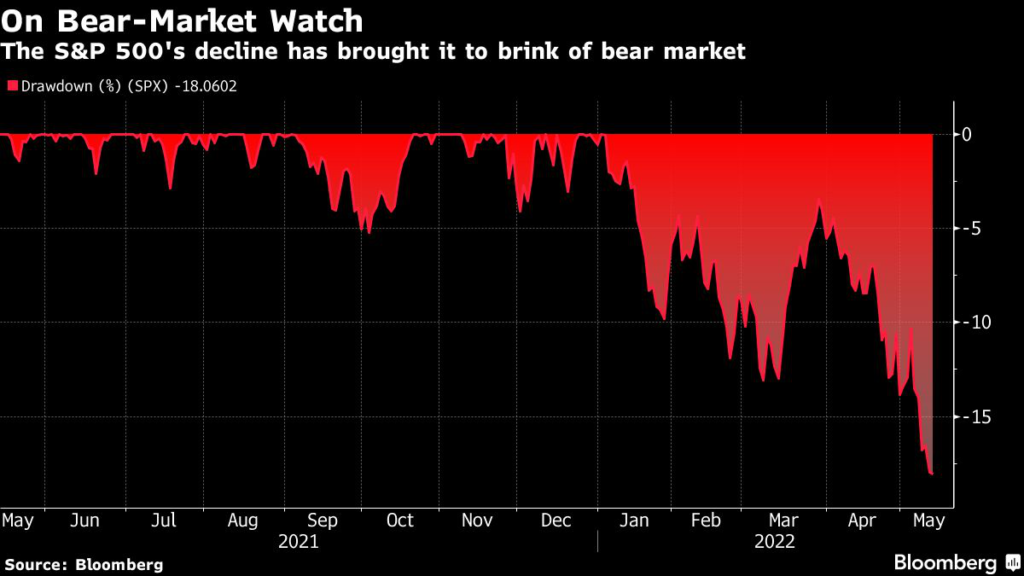
The S&P 500 slipped 1.8% on Friday, pushing 20% below its record closing high on Jan. 3. The drop is part of a seven-week slide in the broad measure that qualifies as the longest since the dot-com bubble was bursting in 2001.

At both ends of the advance sits the Federal Reserve, whose unprecedented efforts to boost the economy in early 2020 helped the stock benchmark more than double through the end of last year. Now, with central bankers reining in stimulus as inflation surges, shares are selling off at the hands of investors convinced a recession is all but unavoidable.

The S&P 500 is currently trading at 3,824. If the losses hold through the close of trading, the S&P 500 will enter its first bear market since the pandemic hit in February 2020. 

The downturn is being led by consumer discretionary stocks, with the sector plunging 35% since the S&P 500’s January high. Communications services and information technology are also among the biggest decliners. The only S&P 500 sector to gain this year is energy, which is up 41% since the index hit its peak. 

Since 1929, the S&P 500 has entered a bear market 17 times, including Friday, according to data from CFRA Research. The longest period lasted 998 days from September 1929 to June 1932, and the longest recent bear market was 929 days from March 2000 to October 2002, according to CFRA. The shortest was just 33 days from Feb. 19, 2020, to March 23, 2020, CFRA’s data show. 

On average, bear markets result in a decline of roughly 38%, although since 1946 the average loss is less than 33%, according to CFRA. And they’ve become less frequent, with only five occurring since 1990, including this most recent one.

(Updates with more details, adds comments)

More stories like this are available on bloomberg.com

©2022 Bloomberg L.P.
S&P 500 Falls 20% From Closing High as Bonds Gain: Markets Wrap

(Bloomberg) — U.S. stocks continued their slide toward a bear market, with the S&P 500 dipping 20% below its Jan. 3 closing record. Treasuries and the dollar gained as havens caught bids.

The benchmark lost 1.6% in afternoon trading. A close at that level would meet the common definition for a bear market. At the end of another volatile week, price swings are likely to be exacerbated by the monthly expiration of options tied to equities and exchange-traded funds. 

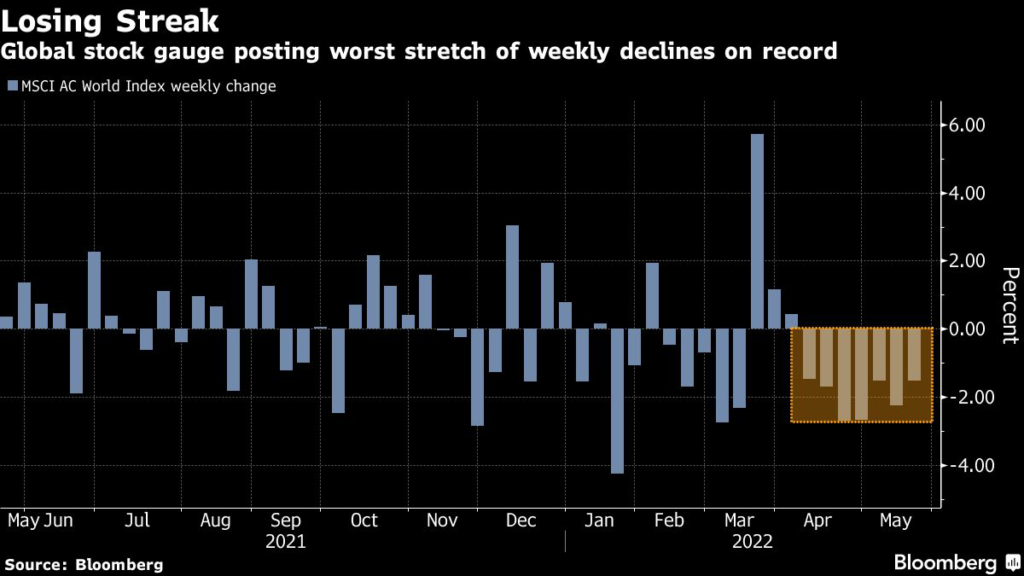
The S&P 500 is headed for its seventh weekly decline that would make the longest losing streak since the dotcom bubble burst more than two decades ago. It will be just its fourth streak of seven or more weekly losses in the post-World War II period, according to Bespoke Investment Group.

“It’s a small sample size, but these types of streaks haven’t occurred during particularly positive periods for the equity market,” wrote the firm’s strategists in a note. “The root causes of the weakness have been the hawkish FOMC and increasing concerns over the potential for a recession.”

In a week marked by buy-the-dip, sell-the-rally price action, investors grappled with concerns about an economic slowdown and retailers signaled the mounting impact of high inflation on margins and consumer spending. Sentiment got a boost early Friday after Chinese lenders lowered the five-year loan prime rate by a record amount in an effort to boost mortgages and loans amid a property slump and Covid lockdowns. 

Read more: Retailer Rout Erased $503 Billion, Stirs Worry of More to Come

Read more: Tesla Drags Down S&P 500 as Twitter Waffling, China Hit Stock

Read more: Bank of America Cuts US Growth Outlook, Raises Inflation View

More Commentary

  • “A lot of the excesses have been wrung out, especially out of the more speculative segments of the market,” Keith Lerner, co-chief investment officer and chief market strategist at Truist Advisory Services, said in a note. “In times like this, volatility and pullbacks are always uncomfortable and come with bad news, but they are also the admission price to being in the market with the potential for higher long-term returns relative to most other asset classes.”
  • “No sign yet of the Fed being unhappy about tighter financial conditions so far, and markets are continuing to fully price in two further 50bp moves from the Fed in June and July,” wrote Deutsche Bank’s Jim Reid. “Nobody said getting inflation back to target from such lofty levels would be easy. So if you’re looking for a Fed put, it may take a while.”

In the latest developments over Russia’s war in Ukraine, the Senate passed a more than $40 billion Ukraine aid package, sending the bill to President Joe Biden for his signature. Meanwhile, the Group of Seven industrialized nations will agree on more than 18 billion euros ($19 billion) in aid for Ukraine, according to German Finance Minister Christian Lindner.

What damage will be done to the US economy and global markets before the Fed changes tack and eases policy again? The “Fed Put” is the theme of this week’s MLIV Pulse survey. Click here to participate anonymously.

Some of the main moves in markets:

Stocks

  • The S&P 500 fell 1.6% as of 12:38 p.m. New York time
  • The Nasdaq 100 fell 2.4%
  • The Dow Jones Industrial Average fell 1.4%
  • The MSCI World index fell 0.7%

Currencies

  • The Bloomberg Dollar Spot Index rose 0.2%
  • The euro fell 0.3% to $1.0551
  • The British pound rose 0.1% to $1.2480
  • The Japanese yen was little changed at 127.73 per dollar

Bonds

  • The yield on 10-year Treasuries declined five basis points to 2.79%
  • Germany’s 10-year yield was little changed at 0.94%
  • Britain’s 10-year yield advanced three basis points to 1.89%

Commodities

  • West Texas Intermediate crude rose 0.2% to $112.46 a barrel
  • Gold futures fell 0.1% to $1,845.60 an ounce

More stories like this are available on bloomberg.com

©2022 Bloomberg L.P.
Tesla Drags Down S&P 500 as Twitter Waffling, China Hit Stock

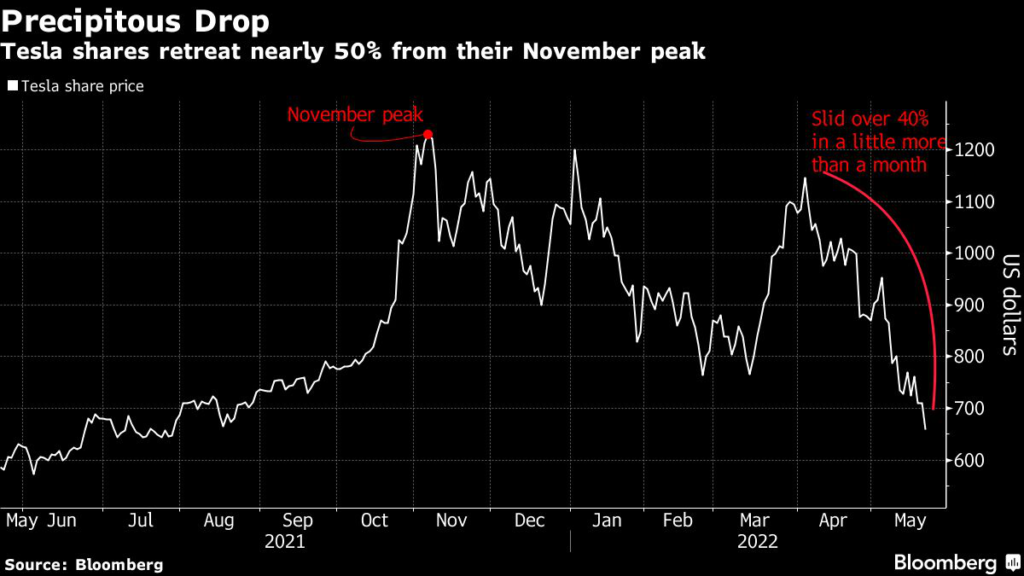
(Bloomberg) — Tesla Inc. is limping to the finish line this week with a 14% decline that leaves it behind only Apple Inc. as a drag on the S&P 500 Index.

“Tesla is mainly down on two things — macroeconomic concerns as people are worried about inflation and recession, and China,” Gary Black, founder and managing partner at the actively-managed ETF Future Fund LLC, said in an interview.

The electric-vehicle maker’s difficulties in China have become impossible to ignore, with multiple Wall Street analysts this week warning about the country’s disruptions weighing on Tesla’s results. The shares have also been caught up in the growth-stock selloff as investors shun risky assets amid soaring global inflation.

Like most automakers, Tesla is facing crippling supply shortages and soaring raw material costs. Though it has been able to navigate the troubles better than most, the latest coronavirus outbreak in China that led to multiple production disruptions at its factory in Shanghai has been damaging to the shares.

Morgan Stanley analyst Adam Jonas warned that the China supply wobble could potentially drive a “substantial” miss on deliveries in the second quarter. Analysts’ average estimate for Tesla’s second-quarter deliveries now stand at around 303,000 units, down 12% from the end of March, according to Bloomberg data. On Thursday, Wedbush analyst Daniel Ives lowered his price target on the stock by 29% to $1000.

Also not helping is the uncertainty surrounding Chief Executive Elon Musk’s high profile bid to takeover Twitter. 

“As long as the Twitter deal is out there, and as long as Tesla’s stock is falling, people worry that Musk will have to sell more stock and would get distracted and not pay as much attention to Tesla as he should,” Black said. 

Beyond the Twitter headlines, Tesla also was removed from the S&P 500 ESG Index, prompting questions about its position as a key sustainable energy investment. In response, Musk called ESG investing “an outrageous scam.” 

Even with the 38% rout in Tesla shares this year, the stock is still among one of the priciest in the NYSE FANG+ Index of megacap technology stocks. It trades at a forward price-to-earnings multiple of 56, compared with the index’s average of 21.

There also are a few things coming that could make Tesla investors optimistic. The company is expected to announce a stock split before its August shareholder meeting, a move that would make its lofty shares more affordable for retail traders and potentially boost its stock price. And earlier this week, Musk said the company’s AI Day event on Aug. 19 will feature a preview of its Optimus robot. A strong response to the technology development could help reverse the negative sentiment.

More stories like this are available on bloomberg.com

©2022 Bloomberg L.P.
Richemont’s Rupert Forecasts ‘Volatile Times’ Amid Global Crises

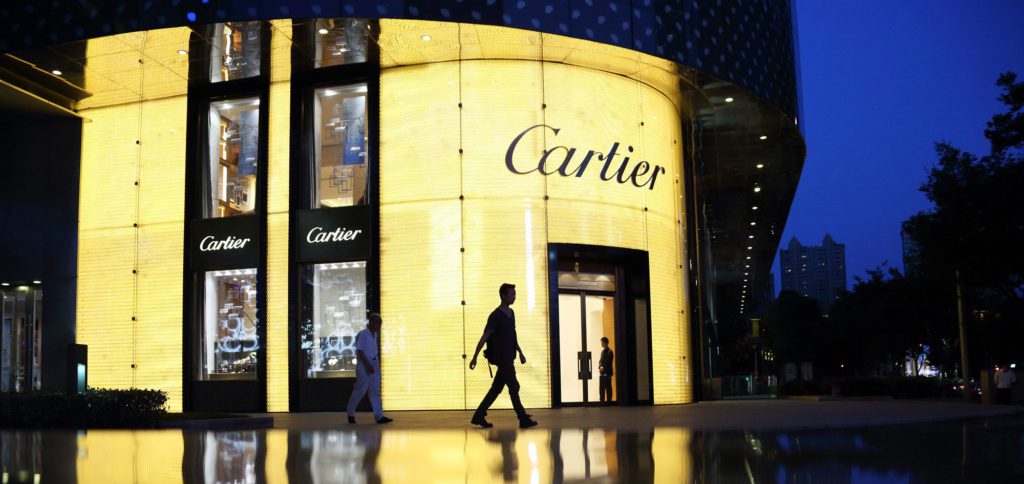
(Bloomberg) — Richemont shares plunged the most in more than two years after the Cartier owner said Chinese demand will be slower to recover than expected, clouding prospects for a market that’s fueled the luxury industry’s recent growth. The Swiss watch and jewelry maker suffered a financial hit in Russia, failed to strike a deal …

Richemont’s Rupert Forecasts ‘Volatile Times’ Amid Global Crises Read More »

Amazon Is Using Gig Economy Drivers to Deliver From Malls

(Bloomberg) — Amazon.com Inc. is testing a service that uses the company’s sprawling network of gig drivers to fetch packages from mall-based retailers and deliver them to customers. 

The program, should it become a permanent part of the e-commerce giant’s delivery options, could help Amazon expand the variety of goods it has available for fast shipment. Shoppers who want same-day or quicker shipping could be shown products stocked by a local mall store. They order the item from the retailer on Amazon.com, and one of the Seattle-based company’s contract drivers delivers it.

The service was up and running by last year and relies on Amazon Flex drivers, who use their own vehicles to deliver packages. The geographic range of the pilot is unclear, but communications with drivers reviewed by Bloomberg reference malls with participating retailers in Chandler, Arizona, Las Vegas, Nevada, and Tysons Corner, Virginia. 

Amazon spokesperson Lauren Samaha said a “handful” of the company’s existing partner retailers are participating in the program but declined to name them or reveal how much the service would cost customers or stores. She noted that retailers have offered their products for delivery on Amazon for years. 

“This is just another way we are able to connect Amazon sellers with customers via convenient delivery options,” she said in an emailed statement. 

The initiative could escalate the already fierce competition between established retailers and startups working to rapidly deliver goods ordered online, often using the services of contract drivers. Instacart Inc. is broadening its offerings beyond groceries, DoorDash Inc. handles some deliveries for retailers like Macy’s Inc. Other Amazon rivals like Walmart Inc. and Target Corp. use gig-economy drivers to deliver some items from their shelves. 

Under the new initiative, drivers stop at shopping centers instead of Amazon delivery stations. It’s the latest twist in the Amazon’s complicated relationship with American malls, which are struggling to remain relevant as shoppers stampede online. 

Amazon already stocks its own urban warehouses with goods from select third-party retailers designated for speedy delivery. The company has also experimented with delivering items stored in partners’ warehouses. 

Amazon last year began recruiting mom-and-pop shops, including florists and IT shops, in rural parts of the U.S. to deliver packages, Vox reported this month. The company also recently began offering to fulfill orders offered for sale on select retailers’ own websites, an initiative Amazon calls“Buy With Prime.”

Amazon had historically relied on third parties like the US Postal Service and United Parcel Service Inc. for “last mile” trips from its warehouses to shoppers’ homes. The company started building its own delivery capacity with Flex, which launched in 2015. Four years later Amazon started the Delivery Service Partner program, which relies on contractors to deliver packages in blue Prime-branded vans. Today, Amazon handles most of its own deliveries in the US.

Building its own logistics operation helped supercharge Amazon’s growth but came at a cost. The company last month reported its first quarterly loss in seven years as shoppers return to their pre-pandemic habits and acknowledged it now has too many people and an excess of warehouse space. Delivering from other retailers’ stores, if it catches on, could mean Amazon has to build fewer expensive, urban depots. 

More stories like this are available on bloomberg.com

©2022 Bloomberg L.P.

U.S. Stocks Rebound as China Lifts Risk Sentiment: Markets Wrap

(Bloomberg) — US stocks rose in early trading as China’s latest measure to bolster its economy injected a note of optimism at the end of another volatile week for global markets.

Both the S&P 500 and Nasdaq 100 climbed more than 1%, rebounding from modest losses on Wall Street on Thursday. Traders in the US will be bracing for more volatility later Friday due to the monthly expiration of options tied to equities and exchange-traded funds, which often stir market swings. 

In a week marked by buy-the-dip, sell-the-rally price action, sentiment got a boost on Friday after Chinese lenders lowered the five-year loan prime rate by a record amount in an effort to boost mortgages and loans amid a property slump and Covid lockdowns. Despite Friday’s gains, the S&P 500 is still headed for its seventh weekly decline that would make the longest losing streak in more than two decades.

Treasuries were steady, and the dollar was little changed. Oil hovered around $112 a barrel. 

Rebounds in risk sentiment have tended to fizzle this year as investors grapple with concerns about an economic downturn, in part as the Federal Reserve hikes interest rates to quell price pressures. Global shares are on course for an historic seventh week of declines. 

The Stoxx Europe 600 erased the week’s losses. Travel stocks and carmakers led the advance, rebounding after two days of declines. The UK’s stock benchmark outperformed and gilts edged lower after a surprise increase in April retail sales overshadowed a decline in consumer confidence to the lowest level in at least 48 years.

In the latest developments over Russia’s war in Ukraine, the Senate passed a more than $40 billion Ukraine aid package, sending the bill to President Joe Biden for his signature. Meanwhile, the Group of Seven industrialized nations will agree on more than 18 billion euros ($19 billion) in aid for Ukraine, according to German Finance Minister Christian Lindner.

What damage will be done to the US economy and global markets before the Fed changes tack and eases policy again? The “Fed Put” is the theme of this week’s MLIV Pulse survey. Click here to participate anonymously.

Some of the main moves in markets:

Stocks

  • The S&P 500 rose 1.1% as of 9:43 a.m. New York time
  • The Nasdaq 100 rose 1.4%
  • The Dow Jones Industrial Average rose 0.8%
  • The Stoxx Europe 600 rose 1.5%
  • The MSCI World index rose 1.2%

Currencies

  • The Bloomberg Dollar Spot Index was little changed
  • The euro fell 0.2% to $1.0564
  • The British pound rose 0.2% to $1.2495
  • The Japanese yen fell 0.1% to 127.98 per dollar

Bonds

  • The yield on 10-year Treasuries was little changed at 2.84%
  • Germany’s 10-year yield advanced one basis point to 0.96%
  • Britain’s 10-year yield advanced five basis points to 1.91%

Commodities

  • West Texas Intermediate crude rose 1.1% to $113.40 a barrel
  • Gold futures fell 0.1% to $1,845.50 an ounce

More stories like this are available on bloomberg.com

©2022 Bloomberg L.P.
Winklevoss Twins Have Fortunes Riding on Crypto Startup Comeback

(Bloomberg) — The family office of billionaires Cameron and Tyler Winklevoss will serve as a test case for the staying power of crypto startups after TerraUSD’s collapse and as interest rates and recession fears rise.

Through Winklevoss Capital Management, the 40-year-old twins have investments in crypto startups from trading platform Slingshot to tax facilitator Taxbit to Praxis, which vows to build “the city-cryptostate to realize a more vital future.” Between their family office and the venture arm of their digital asset exchange Gemini, they have stakes in about 50 crypto or blockchain startups, according to portfolios they’ve posted online. 

The latest tumble in digital assets could test the durability of those bets. Global fundraising for tech startups declined in the first quarter for the first time in nearly two years, with venture capitalists warning the firms they’ve backed to begin slashing costs. It’s a message that many young entrepreneurs have never heard before.

Crypto startups in particular could face a cooling effect from the recent collapse in the TerraUSD algorithmic stablecoin and its affiliated digital token, Luna. They were still getting funding from venture capitalists as recently as April and pulled in $5 billion during the first quarter.

Digital currencies Bitcoin and Ether remain depressed, down 50% from last year’s peak. Venture capital fundraising activity among US crypto or blockchain firms is on pace to fall short of last year’s deal count for the first time since at least 2017, according to PitchBook data.

“We believe in investing in the next generation of builders and visionaries who are pushing the boundaries of what’s possible,” Cameron Winklevoss said in a statement provided to Bloomberg earlier this year. “They are risk takers who want to build a better human experience and aren’t afraid to think big and fail greatly.”

The brothers declined to comment further on their family office. 

Bitcoin HODLers

The Winklevoss twins have a combined fortune of $6.4 billion, according to the Bloomberg Billionaires Index. They co-founded Gemini and are thought to be among the largest holders of Bitcoin, reportedly buying about 1% of all in existence around 2012. 

The brothers first became famous for claiming Mark Zuckerberg stole their idea for a Facebook-type social media platform while at Harvard University. They settled a lawsuit and used the money — $20 million plus Facebook stock — to create Winklevoss Capital in 2012.

Many investment firms for ultra-wealthy families are shrouded in secrecy, taking pains to avoid the limelight and raising the specter of theft and kidnapping if their fortunes were made public.

The Winklevoss twins, by contrast, use Instagram and Twitter to promote their family office’s 75-plus investments. The companies that have been acquired are emblazoned with bright magenta badges on their website, which doesn’t include the size, duration and type of their stakes. 

Their investments include Tezos, a platform for smart contracts and decentralized applications, and Xapo Bank, which protects users’ crypto holdings with the “security of a deep cold storage vault,” according to the family office. The twins joined Tiger Global Management and other investors last month in a funding round for GamerGains Lab, which lets players earn crypto rewards.

The twins in January joined Soros Fund Management and other investors in a funding round for Animoca Brands Corp., a non-fungible token and metaverse company. 

‘Interesting Blend’

“It’s an interesting blend between what we think of as a traditional office and a venture capital firm,” said John Workman, managing director at family office advisory firm Pathstone. “You don’t find too many family offices with a web page that publishes what they’re investing in.”

The firm’s top exits have mostly come from non-crypto companies: Block Inc. bought food-delivery firm Caviar in 2014, Ford Motor Co. snapped up commuter ride-sharing firm Chariot in 2016, and ASSA Abloy purchased smart-lock maker August Home in 2017.

As for Winklevoss Capital’s newer crypto investments, some questioned how long such startups could continue to attract funding — even before this month’s turmoil.

“Compared to just a year ago, there’s been financing events that we’re just shocked at by the amount they were able to raise,” Spencer Bogart, a general partner at Blockchain Capital LLC, told Bloomberg News last month.

The New York-based firm, which has completed about 130 deals, passed on one it originally liked after the startup’s asking price reached levels too lofty to stomach.

“Many blockchain-based projects require additional funding to achieve their growth goals,” said Matthew Sigel, head of digital-assets research at VanEck. “This downdraft could tighten investors’ focus on who should get funding and who shouldn’t.”

If the Winklevoss twins approach their startup investments like they do Bitcoin, they’re likely in it for the long haul. When their digital coin of choice tumbled as low as $25,425 on May 12, Tyler tweeted that he was “completely unfazed,” while Cameron said he’s “HODLing.” (HODL is an acronym for “hold on for dear life.”) 

“Bitcoin isn’t just an asset. And it’s not just a technology,” Cameron Winklevoss tweeted on May 14. “It’s a movement that offers the blueprint to dismantle traditional power structures. It promises greater independence, choice and opportunity. It was a tough week, but the underlying fundamentals haven’t changed.”

He signed off with another acronym. WAGMI: We’re all going to make it.

More stories like this are available on bloomberg.com

©2022 Bloomberg L.P.

Close Bitnami banner
Bitnami

