Bloomberg

Goldman Sachs Says Crypto Drawdown Has Little Impact on Economy

(Bloomberg) — US households might own about one-third of the global cryptocurrencies market, but that doesn’t mean the recent downturn will have a huge effect on the economy.

That’s according to economists at Goldman Sachs Group Inc., who note that the recent selloff in digital assets is “very small” relative to overall household net worth, which last year stood at $150 trillion. Crypto markets have slumped in value to about $1.3 trillion, down from $2.3 trillion late last year. 

“We therefore expect any drag on aggregate spending from the recent declines in cryptocurrency prices to be very small as well,” the economists led by Jan Hatzius wrote in a note on Thursday. 

Amid a selloff in cryptocurrencies and the stock market, economists and market watchers are attempting to tally just how much the US consumer could be hit. One study has found that every dollar lost in stocks leads to a 3-cent reduction in spending. After the five-month selloff, that equates to about $300 billion zapped this year. The impact on wealth is receiving renewed attention because consumer spending makes up 70% of GDP, and many on Wall Street are predicting the economy could fall into a recession soon. 

Read more: Cratering Markets Blowing a Bigger Hole in Consumer Psychology

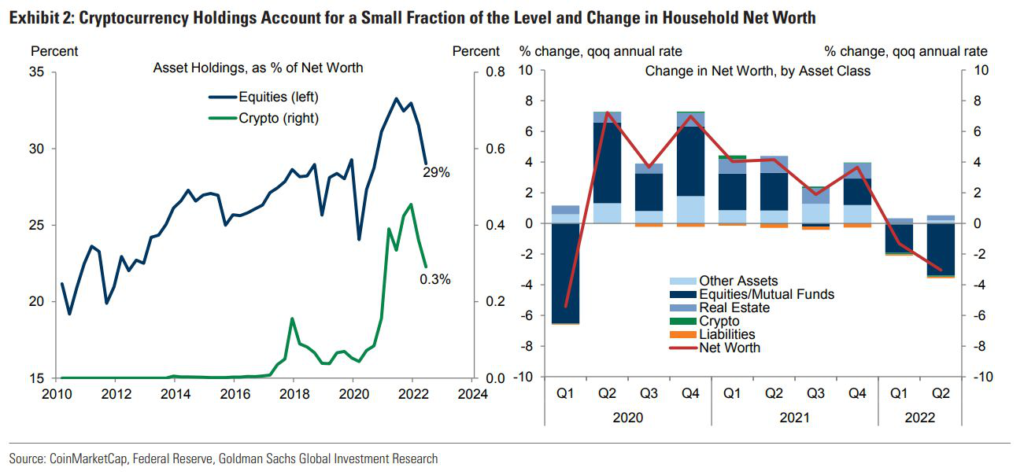
Crypto holdings account for just 0.3% of household net worth, according to Goldman Sachs, compared with equities, which accounted for around 33% at the end of 2021. Their recent price declines have likely reduced household net worth by about $8 trillion.

“These patterns imply that equity price fluctuations are the main driver of changes in household net worth, while cryptocurrencies are only a marginal contributor,” Goldman Sachs economists wrote.

Meanwhile, the bank sees “limited scope” for an increase in labor-force participation due to crypto prices declining. Studies have, in the past, found that changes in net worth can sometimes significantly affect people’s participation in the labor force.

Yet “cryptocurrency investors skew younger and male, a demographic group whose labor force participation has generally been less affected by wealth fluctuations,” they wrote. 

More stories like this are available on bloomberg.com

©2022 Bloomberg L.P.

Elon Musk’s Twitter Deal Is Proceeding, Not ‘On Hold,’ Executives Tell Staff

(Bloomberg) — Twitter Inc. executives told employees on Thursday that the $44 billion deal to sell the company to billionaire Elon Musk is moving forward as planned, and that they won’t renegotiate the agreed-upon price of $54.20 per share. 

Vijaya Gadde, Twitter’s top lawyer and head of policy, also told workers at an all-hands meeting that there is “no such thing as a deal being on hold,” according to people who attended the meeting. She was pushing back on claims from Musk over the past week that he is pausing the deal while he learns more about the number of bots and spam accounts on the social-media service.

Twitter stock jumped about 2% on the news of the meeting, which was first reported by Bloomberg. Earlier the shares had declined by as much as 1.7%.

Other top Twitter executives, including Chief Executive Officer Parag Agrawal and finance chief Ned Segal, also addressed employees, said the people, who asked not to be identified discussing internal business. The companywide video call was intended for leadership to discuss the deal and provide more details following Twitter’s filing of its proxy statement with the Securities and Exchange Commission this week, which outlined the transaction’s history and terms.

Executives addressed a number of questions about the transaction, including whether Twitter would try and legally force Musk to buy the company based on his agreement. Gadde assured employees that Musk must “do everything he can” to make sure he gets his financing in order, and that it’s possible Twitter could try and “enforce” the terms of the deal “if we ever needed to do that in a court.” She added that getting to that step would be “pretty rare.” 

Musk earlier this week suggested he would be interested in renegotiating his deal for Twitter. The company’s stock is currently trading at $37.45 per share, well below the offer price. 

Thursday’s all-hands assembly was the latest in a string of internal meetings intended to help employees better understand the sales process. Segal discussed the gap in Twitter’s stock price and Musk’s offer, explaining to staff how this reflected some doubt that the deal would go through. He also said executives are still engaging with Musk and his team, and working with them “regularly” throughout the process to prepare for the possibilty of Musk taking over. Segal also discussed how Twitter’s board came to the decision to sell to Musk, which included an analysis of Twitter’s business projections if a deal didn’t happen. 

Gadde added that she believes Musk will be able to vote his shares at Twitter’s annual shareholder meeting, which is scheduled for May 25. The shareholder vote on whether to approve the deal will take place at a later date. 

Twitter has been in a state of limbo since the company’s board accepted an offer from Musk in late April. Musk has continued to criticize Twitter and its policies despite agreeing to the deal, and recently suggested the company was lying about the number of daily users that would be categorized as spam. He said the deal was “on hold” until he got more information. After Agrawal posted a long thread earlier this week explaining Twitter’s methodology for counting spam accounts, Musk replied to the CEO with a poop emoji. 


(Updates with more meeting details throughout)

More stories like this are available on bloomberg.com

©2022 Bloomberg L.P.

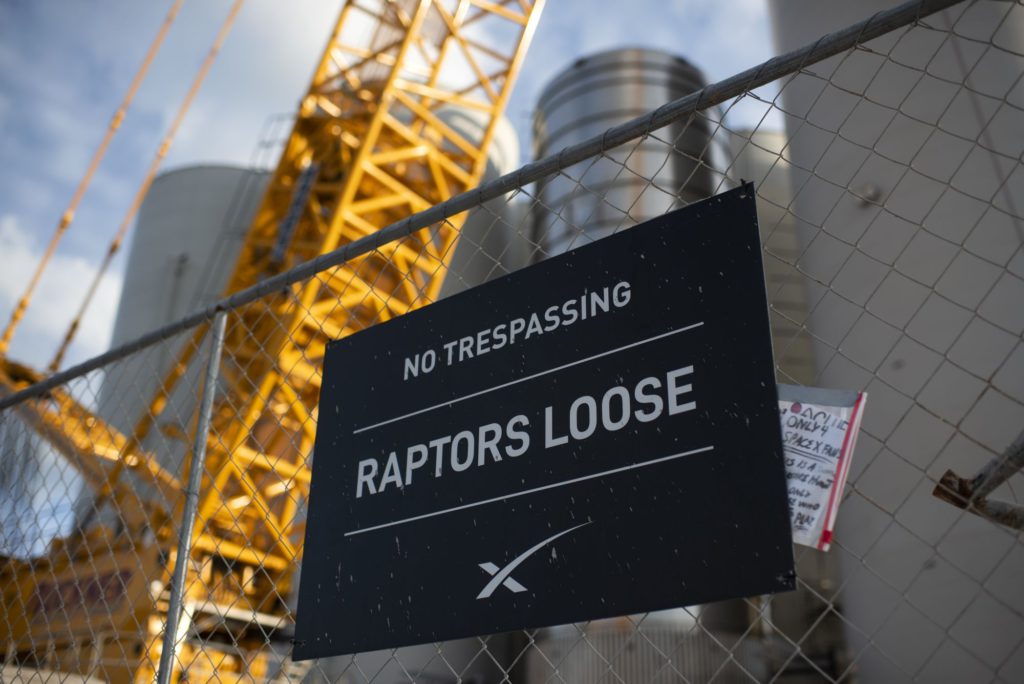
SpaceX Scrubs Plan to Build Mini LNG Plant at Texas Launch Site

(Bloomberg) — Elon Musk-owned SpaceX has scrapped plans to build a small-scale liquefied natural gas plant at the rocket company’s Boca Chica launch site in Texas, federal documents show.

SpaceX no longer proposes to build a desalination plant, power plant, natural gas pre-treatment system and liquefier at the site’s vertical launch area, the US Fish & Wildlife Service said in a May 12 document obtained by Bloomberg through an open records request.  The SpaceX plans were described in previous assessment documents in September and October. SpaceX didn’t immediately respond to an emailed request for comment.

Musk, a fan of vertical integration, at one point planned to drill wells at the launch site to produce his own natural gas to be treated, superchilled into liquid and used as rocket fuel. Despite the change in plans, SpaceX isn’t done using natural gas. The company will still use liquid methane for rocket fuel and appears to have built a natural gas power plant at site’s manufacturing and production area, images from RGV Aerial Photography show. The site, known as Starbase, also continues to receive LNG tanker truck deliveries from Stabilis Solutions. 

A coalition of environmentalists and community groups oppose SpaceX’s expansion at the Texas beach where the Rio Grande empties into the Gulf of Mexico. A review of the company plans by the Federal Aviation Administration has been delayed twice, though the US Fish & Wildlife Service recommended several mitigation measures in its biological assessment. Those included hiring a qualified biologist to monitor vegetation and birds, operating an employee shuttle between the launch facility and the nearby town of Brownsville and adjusting lights to minimize the impact on sea turtles. The latest report said SpaceX provided an update of its biological monitoring plan to the regulators.

More stories like this are available on bloomberg.com

©2022 Bloomberg L.P.

Globalive Signs Telus Contract to Boost Odds of Rogers Deal

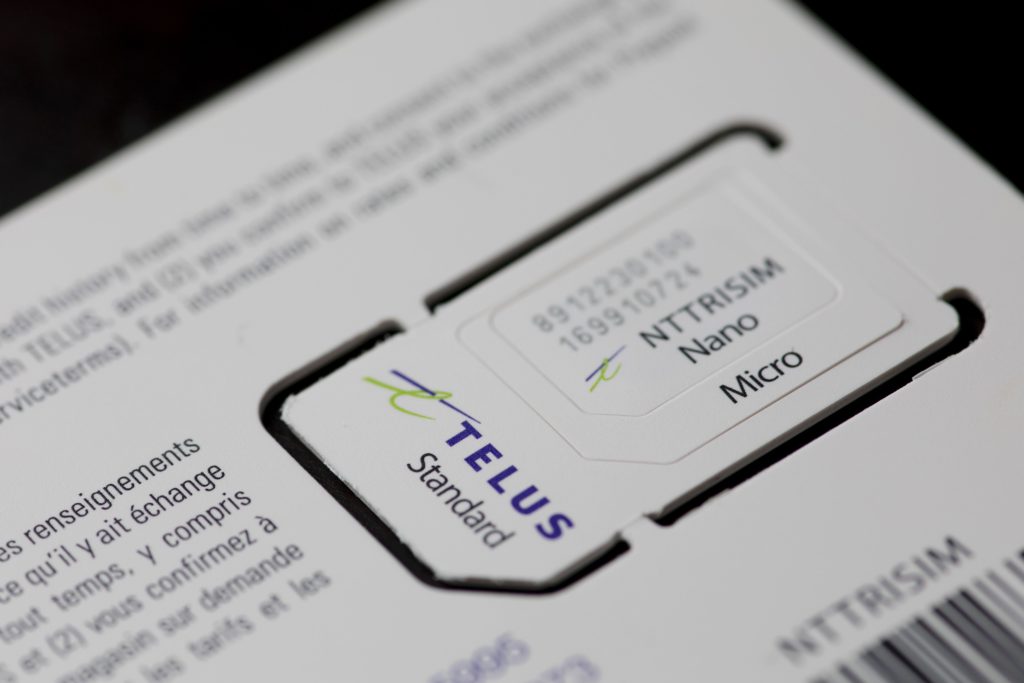
(Bloomberg) — Canadian investment firm Globalive Capital Inc. says it has an agreement with Telus Corp. to share mobile networks and spectrum — a move intended to boost Globalive’s effort to buy wireless assets from Rogers Communications Inc.  

The arrangement comes as Rogers tries to acquire rival Shaw Communications Inc. for about C$20 billion ($15.6 billion) in one of Canada’s biggest mergers ever. The deal has antitrust problems, and Rogers has been negotiating with potential buyers of Shaw’s Freedom Mobile division in a bid to resolve them.  

Globalive wants to buy Freedom Mobile. The contract with Telus is designed to assure regulators and government officials that it will be able to offer a quality network that could compete with Canada’s larger wireless firms. 

Telus was down 1.9% to C$30.81 as of 1:33 p.m. in Toronto, while Rogers fell 0.9%. 

Shaw rose 0.8% to C$35.70 — still well below the takeover price of C$40.50. 

Under the deal, Telus and Freedom would share networks and spectrum in the three Canadian provinces where Freedom currently operates — Ontario, Alberta and British Columbia — if Globalive is successful in acquiring the business. It could be expanded to other regions of Canada over time, Globalive Chairman Anthony Lacavera said in an interview. 

“It makes us a very compelling solution” for Freedom Mobile, he said. 

Globalive has publicly offered C$3.75 billion for Freedom, but its discussions with Rogers have gone nowhere and it isn’t yet clear that Canada’s Competition Bureau or the government would approve it as a buyer of country’s fourth-largest wireless player. 

The bureau has sued to block the Rogers-Shaw merger, saying it’s worried that Freedom won’t be a strong competitor under new ownership. More than 85% of Canada’s wireless market is controlled by Rogers, Telus and BCE Inc. Smaller regional firms like Freedom have the rest. 

Freedom Mobile is a business Lacavera knows well because he started the company, launching service in Canada in 2009 under the brand Wind Mobile. It was recapitalized in 2014 and Shaw agreed to buy it the next year. “I never wanted to sell it,” Lacavera said. 

Rogers’ auction for Freedom has produced other potential buyers — including Xplornet Communications Inc., which is backed by New York-based investment firm Stonepeak Partners LP, and the Aquilini family of British Columbia, which owns the National Hockey League’s Vancouver Canucks, among other business interests. 

Rogers has also opened a path to negotiations with Quebecor Inc., a Montreal-based cable company that has 1.6 million wireless subscribers in the province of Quebec. In an auction last year, Quebecor spent C$830 million to acquire wireless spectrum licenses. Some of that spectrum is in Western Canada and could potentially be used to upgrade Freedom’s service, which isn’t a 5G network. 

Quebecor’s CEO and controlling shareholder, Pierre Karl Peladeau, has expressed interest in buying Freedom Mobile, under the right conditions. 

Scotiabank analyst Jeff Fan said the Globalive-Telus alliance will encourage Rogers to do a deal with Quebecor in the hope of clearing up antitrust problems and closing the Shaw transaction by July 31. 

It’s “unlikely” that Rogers would sell Freedom Mobile to Lacavera’s company unless it’s forced to by regulators, Fan said in a note to clients. A Rogers spokesperson declined to comment. 

(Updates with Rogers comment, Scotiabank analyst note)

More stories like this are available on bloomberg.com

©2022 Bloomberg L.P.

Apple Shows AR/VR Headset to Board in Sign of Progress on Key Project 

(Bloomberg) — Apple Inc. executives previewed its upcoming mixed-reality headset to the company’s board last week, indicating that development of the device has reached an advanced stage, according to people with knowledge of the matter.

The company’s board, made up of eight independent directors and Apple Chief Executive Officer Tim Cook, convenes at least four times a year. A version of the device was demonstrated to the directors during the latest gathering, said the people, who asked not to be identified because the meeting was private. 

In recent weeks, Apple has also ramped up development of rOS — short for reality operating system — the software that will run on the headset, according to other people familiar with the work. That progress, coupled with the board presentation, suggests that the product’s debut could potentially come within the next several months.

The headset, which combines elements of virtual and augmented reality, is Apple’s next big bet. It represents the company’s first major new product category since the Apple Watch in 2015 and would vault the tech giant into a still-nascent industry — one currently dominated by Facebook owner Meta Platforms Inc. Apple is seeking new ways to expand its devices business, which makes up about 80% of annual sales.

Apple has aimed to unveil the headset as early as the end of this year or sometime next year, with a consumer release planned for 2023. It targeted an introduction at the Worldwide Developers Conference in June, but challenges related to content and overheating have led to potential delays, Bloomberg has reported. The company declined to comment on plans for the headset.

Apple’s sales have been soaring, hitting record levels in recent quarters. But supply-chain snags and concerns about slowing consumer spending have weighed on its stock. The shares are down about 23% this year — part of a broader tech slump — including a 2.6% dip on Thursday. 

The iPhone maker’s board has typically been the first group outside of Apple’s regular employees to see future products. Executives demonstrated the Siri voice assistant to the Apple board several weeks before its public introduction in 2011, around the time that Steve Jobs resigned as CEO.

The headset features advanced processors — on par with those in Apple’s latest Macs — as well as ultra-high-resolution screens. Though the first model will offer both VR and AR, the company is also working on stand-alone AR glasses, codenamed N421, for release later this decade. Unlike VR, augmented reality overlays digital information and images on top of the real world. 

The current device, codenamed N301, has been in development since around 2015. Mike Rockwell, a company vice president, has spearheaded the project, which is also overseen by Dan Riccio, Apple’s former head of hardware engineering. The company has about 2,000 employees working on the device as part of a team known as the Technology Development Group, or TDG. 

The group is staffed with former hardware and software engineering leaders for the iPhone, iPad and Mac, in addition to key hires from NASA and industries spanning gaming, graphics and audio. But the division has suffered departures of some key engineers to Meta and other companies in recent months. 

The team developing the device works from offices in Sunnyvale, California, a few miles from the company’s Cupertino headquarters, Bloomberg has reported. The device has faced several challenges during development, such as finding compelling applications and content. Technical hurdles also included overheating and refining the device’s on-board cameras. 

The company has been working on AR versions of its core iPhone apps for the headset, as well as new apps that will handle tasks such as streaming immersive content and holding virtual meetings. 

Apple’s headset was originally planned for an unveiling in 2019, with a release coming in 2020, Bloomberg reported at the time. Apple later aimed to announce it in 2021 before a release in 2022, only to delay those plans again into later in 2022 or 2023.

During its development, the device faced pushback from former chief designer Jony Ive, who didn’t believe Apple should release a headset that would take people out of the real world. Ive, who left Apple in 2019, preferred the concept of augmented reality-only glasses, but that product wasn’t going to be ready until much later. 

Ive also spurned a plan for the headset to have both a stand-alone mode and an option that would make the device more powerful when wirelessly paired to a processing hub in the wearer’s home. That plan was nixed, and current versions of the device are stand-alone only. They include a more powerful variation of the M1 chip that appears in the company’s latest laptops. 

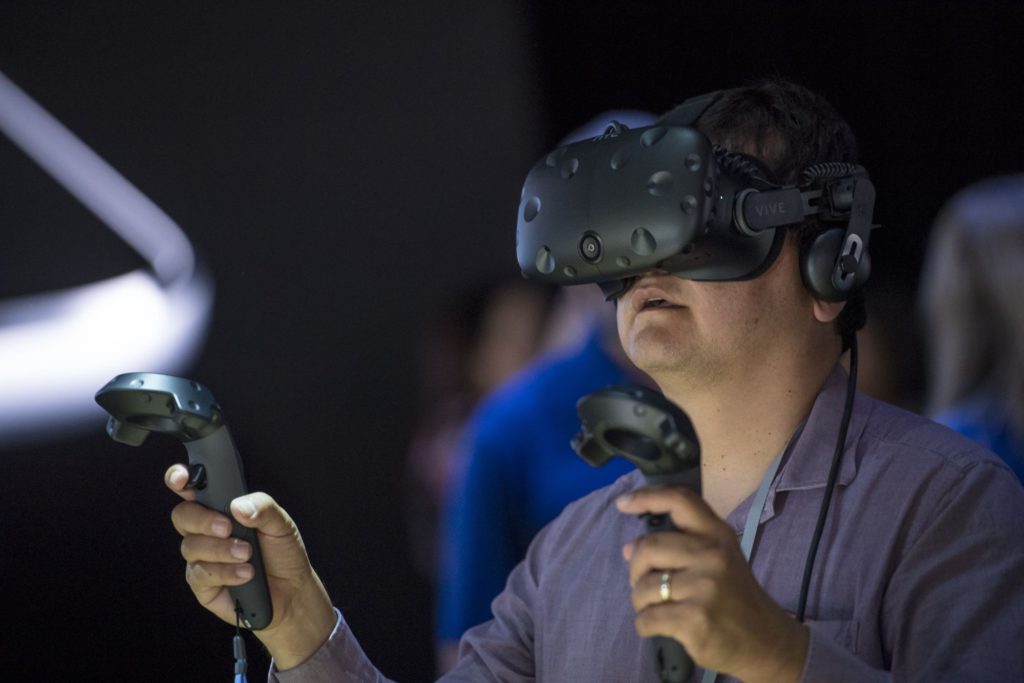
In the early stages of the mixed-reality headset’s development, Apple engineers tested their AR software on HTC Vive VR headsets. The development group also designed a scaled-down headset that used an iPhone’s display, cameras and chip sets, but that device was only created for testing and the company never intended to sell it, Bloomberg reported in 2017. 

When the actual headset ultimately launches, the product will step up competition with other tech giants, including Meta, Sony Group Corp. and Microsoft Corp. Meta and Alphabet Inc.’s Google are also working on stand-alone AR glasses for the future. 

Meta is launching a mixed-reality headset in the coming months that will be similar to Apple’s device. That product, codenamed Project Cambria, will be priced higher than $800, the company said. Apple’s device could cost upwards of $2,000, according to people with knowledge of the device’s development. Last year, the company believed it would sell about one unit per day per Apple retail store. 

The market for AR and VR headsets grew 92% last year to over 11 million units, according to data from IDC. Meta’s Quest 2 headset currently dominates the market, with about 78% of sales in 2021. Apple’s entrance into the category, because of its marketing prowess and product ecosystem, will likely expand the industry’s sales considerably over time.

(Updates with more on Meta in fourth paragraph.)

More stories like this are available on bloomberg.com

©2022 Bloomberg L.P.

Stocks Take Another Leg Lower as Bonds Hold Gains: Markets Wrap

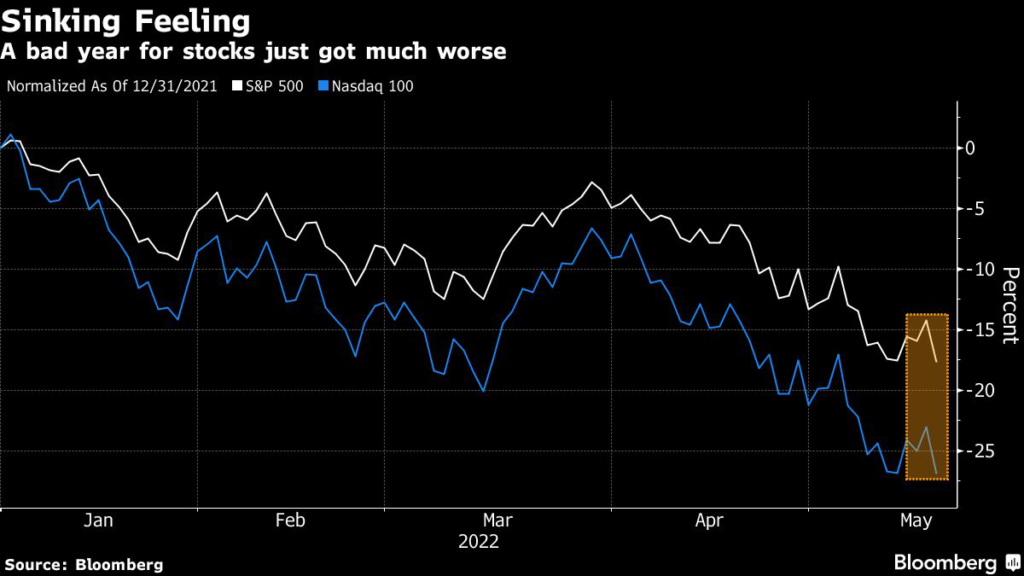
(Bloomberg) — US stocks lurched lower as traders weighed prospects for growth against a backdrop of rising prices eroding earnings and tightening monetary policy. Treasuries held gains as haven bids steady.

The S&P 500 fell as markets whipsawed a day after the biggest single-day drop since June 2020 on Wednesday that erased $1.5 trillion from its market value. The tech-heavy Nasdaq 100 pared gains after rising more than 1%. Cisco Systems Inc. slid more than 10% after warning that Chinese lockdowns and other supply disruptions would wipe out sales growth in the current quarter.  

Treasury yields were lower across the board amid a growing sense of angst over the health of the global economy and selloff in equity markets. Weaker than forecast US jobless claims and a sharp decline in a regional Philadelphia Fed survey also spurred a burst of buying. 

Bets that robust earnings can help investors weather this year’s turbulence were thrown in doubt after US consumer titans signaled growing impact of high inflation on margins and consumer spending. Meanwhile, Federal Reserve officials have reaffirmed that tighter monetary policy lies ahead, and investors fretted over stagflation risks.

Commentary

  • “In this bear market, the sour mood has been persistent and hasn’t helped at all in trying to time a market rebound,” said Peter Boockvar, chief investment officer at Bleakley Advisory Group. “But that’s what happens in bear markets, oversold gets more oversold. That said, this level of bearishness can always lead to good bear market rallies.”
  • “The focus has shifted obviously from ‘OK, we will see the Fed aggressively raise rates,’ to ‘Uh oh, what’s going to go on with growth — are we entering a sustained period of stagflation?’” said Chris Gaffney, president of world markets at TIAA Bank. “In some instances, we’re already in a period of stagflation, but the question now is how long will that last. That’s just cast a negative tone on the markets when you’re considering central banks aggressively raising rates and at the same time we’re going into a period of maybe slower growth. That’s what’s causing the selloff.”
  • “The stock market is square in the crosshairs of the Federal Reserve, which no longer has its back and is solely focused on slowing inflation back down to their long-range target of 2%,” Chris Zaccarelli, chief investment officer at Independent Advisor Alliance, said in a note. “As the stock market goes down, the Fed can’t ease policy as long as inflation remains their main concern, and if the stock market rises significantly then then Fed will see that as an impediment to their inflation goals and will be emboldened to raise rates even higher.”
  • Everybody’s afraid that policy makers are “going to get it wrong,” Lori Heinel at State Street Global Advisors said on Bloomberg TV. “We actually are a little bit more dovish in terms of what we think the Fed’s gonna do, and if they move in the summer and then actually do take a bit of a pause, then there’s a chance that we get out of this without a recession.”

Read more: Goldman, JPMorgan Strategists See Recession Fears as Overblown

Read more: Stock Selloff May Be Entering a New Phase: Mohamed A. El-Erian

Elsewhere, the Swiss franc extended its advance versus the dollar after Swiss National Bank President Thomas Jordan said policy makers are ready to act against inflation.

What damage will be done to the US economy and global markets before the Fed changes tack and eases policy again? The “Fed Put” is the theme of this week’s MLIV Pulse survey. Click here to participate anonymously.

Some of the main moves in markets:

Stocks

  • The S&P 500 fell 0.6% as of 12:45 p.m. New York time
  • The Nasdaq 100 was little changed
  • The Dow Jones Industrial Average fell 1%
  • The MSCI World index fell 0.6%

Currencies

  • The Bloomberg Dollar Spot Index fell 0.9%
  • The euro rose 1.2% to $1.0588
  • The British pound rose 1.2% to $1.2493
  • The Japanese yen rose 0.5% to 127.53 per dollar

Bonds

  • The yield on 10-year Treasuries declined six basis points to 2.82%
  • Germany’s 10-year yield declined eight basis points to 0.95%
  • Britain’s 10-year yield was little changed at 1.86%

Commodities

  • West Texas Intermediate crude rose 0.2% to $109.78 a barrel
  • Gold futures rose 1.4% to $1,848.30 an ounce

More stories like this are available on bloomberg.com

©2022 Bloomberg L.P.

ESG to Decide Winners-Losers in Mining: New Economy Update

(Bloomberg) — Can Latin America seize the opportunities in front of it stemming from supply chain disruptions, cheap labor and a growing technology industry in order to revert a decade of tepid growth? 

That’s one of the key issues being discussed at Bloomberg’s inaugural New Economy Gateway Latin America event being held in Panama City. After a day that saw hesitation on the speed of adaptation for cryptocurrencies, warnings of growing populism and the potential to leverage relationships with both the US and China, speakers Thursday will address health, food scarcity, clean energy, cities and biodiversity.

You can follow the agenda here and the event will be streamed on the terminal at LIVE GO and on the web.

Copper is the new oil, key to building new economy (11:20 p.m.) 

Metal producers have to reinvent their relationship with communities in order to gain social licenses to grow output and feed the clean-energy transition, according to billionaire mining entrepreneur Robert Friedland.

Speaking on a panel, Friedland said mining is crucial for building a new economy, given “copper is the new oil.” But the industry has to be better at engaging communities and reducing environmental footprints to gain acceptance. That means adopting a more holistic approach to communities by rolling out projects in everything from farming to education, he said.

Referring to ongoing community protests that have stalled output at MMG Ltd.’s Las Bambas copper mine in Peru, he said: “Miners need to reexamine the enterprise from day one to try to prevent that kind of problem from occurring.” With regards to ESG, he said: “Companies that get it right will inherit the industry. Companies that don’t, will die.”

The founder and executive co-chairman of Ivanhoe Mines Ltd. also urged governments to be “very, very careful” not to make operating environments too onerous and scare away investments to friendly jurisdictions. A lithium cartel is a “terrible idea,” he said. 

Fernanda Avila, mining secretary of Argentina, said the South American country’s later embracing of mining has a silver lining. “Argentina can introduce the ESG framework from the beginning of the life of the projects.”

Food crisis requires more public-private cooperation, capital (10:35 a.m.) 

Members of a food panel called for more action from governments and the private sector to accompany all the talk about how to mitigate a looming global good crisis.

There’s been a lot of talk about the need for public and private entities to work together more, but not enough action in terms of coordinating production and distribution of food, according to Ertharin Cousin, head of Food Systems for the Future. “There’s not enough financial action from either side,” she said, calling for more flows of “blended” capital.

A key tool to resolving the situation without compromising sustainability objections is technology such as digital farming, which can help ensure stable yields and optimize crops, said Mauricio Rodrigues, President for the Crop Science Division in Latin America, Bayer AG. It’s the role of government to make sure that technology spreads, said Marcela Escobari, assistant administrator at USAID’s Bureau for Latin America and the Caribbean.

The supply chains put together by the private sector for the global grain trade were built on globalization, said Bioceres Crop Solutions Corp. Chief Financial Officer Enrique Lopez. It would be hard to build something else now, he said.

Next pandemic has to be different (10 a.m.)

Covid-19 hit Latin America hard, and the region has to change its approach to deal with a next health crisis, according to Panama’s Minister of Foreign Affairs Erika Mouynes. The country is actively preparing and advocating to act as a bloc to buy vaccines, much like the EU is doing, she said.

“It has to be different the next time around — it doesn’t matter if you are able to vaccinate your country if your neighbors are still struggling,” she said. “The way vaccines were distributed the first time around clearly did not work.”

Rolf Hoenger, the area head of Roche Pharmaceuticals Latin America, said it’s key to know not only to invest more, but better.

Daniel Nathrath, the founder and chief executive officer of health fintech Ada Health, added that people need to look not just at virus cases — Covid accounted for about 25% of all assessments done by Ada — but also at the indirect effects of a health crisis. Data showed depression in kids and teenagers more than doubled in Germany amid prolonged school closures.

“I would advise governments to take a holistic view,” he said.

US awaits democratic opening in Venezuela for relief (9:35 a.m.)

Juan Gonzalez, Special Assistant to US President Joe Biden and Senior Director for Western Hemisphere Affairs at the National Security Council, spoke in a virtual interview about policy toward Latin America.

The US needs to see negotiated solutions between the Venezuelan government and opposition that leads to free and fair elections before reviewing the possibility of lifting economic sanctions, Gonzalez said. The issue of easing sanctions is not about boosting supply in the global oil market, he said.

Biden’s policy toward Cuba is about being “hard on the regime and soft on the people,” Gonzalez said. Biden wants to see a “secure, middle class and democratic” Western Hemisphere.

It’s too early to say whether the leaders from Mexico and Brazil will attend the Summit of the Americas in Los Angeles, Gonzalez said, as some countries demand the inclusion of Cuba, Venezuela and Nicaragua at the event.

Cortizo on crypto law, China trade and growth (7:40 p.m.)

In an interview with Bloomberg’s Stephanie Flanders, Panamanian President Laurentino Cortizo said his country is boosting cooperation with the private sector to lure investments and has the pandemic under control which is driving the fastest economic growth in the region.

While both China and the US are key trade partners, the US is most strategic relationship, Cortizo said. After a pause, trade talks with China will resume soon and Panama will push for more of its agricultural products to be included.

A new crypto law approved in Congress will be reviewed by lawyers and they’ll make a recommendation on whether to approve, partially sanction or reject the legislation, Cortizo said. In its current form, it wouldn’t be signed, he said, and any new rules will have to guarantee that the country’s fight against money laundering isn’t weakened.

“It is an innovative law from what I have heard, it’s a good law,” he said. “However, we do have a solid financial system here in Panama and one of the things I’m waiting on is when you have a global regulation of crypto-assets.” 

More stories like this are available on bloomberg.com

©2022 Bloomberg L.P.

Apple Shows Headset to Board in Sign It’s Reached Advanced Stage

(Bloomberg) — Apple Inc. executives previewed its upcoming mixed-reality headset to the company’s board last week, indicating that development of the device has reached an advanced stage, according to people with knowledge of the matter.

The company’s board, made up of eight independent directors and Apple Chief Executive Officer Tim Cook, convenes at least four times a year. A version of the device was demonstrated to the directors during the latest gathering, said the people, who asked not to be identified because the meeting was private. 

In recent weeks, Apple has also ramped up development of rOS — short for reality operating system — the software that will run on the headset, according to other people familiar with the work. That progress, coupled with the board presentation, suggests that the product’s debut could potentially come within the next several months.

The headset, which combines elements of virtual and augmented reality, is Apple’s next big bet. It represents the company’s first major new product category since the Apple Watch in 2015 and would vault the tech giant into a still-nascent industry. The company is seeking new ways to expand its devices business, which makes up about 80% of annual sales.

Apple has aimed to unveil the headset as early as the end of this year or sometime next year, with a consumer release planned for 2023. It targeted an introduction at the Worldwide Developers Conference in June, but challenges related to content and overheating have led to potential delays, Bloomberg has reported. The company declined to comment on plans for the headset. 

The iPhone maker’s board has typically been the first group outside of Apple’s regular employees to see future products. Executives demonstrated the Siri voice assistant to the Apple board several weeks before its public introduction in 2011, around the time that Steve Jobs resigned as CEO.

The headset features advanced processors — on par with those in Apple’s latest Macs — as well as ultra-high-resolution screens. Though the first model will offer both VR and AR, the company is also working on stand-alone AR glasses, codenamed N421, for release later this decade. Unlike VR, augmented reality overlays digital information and images on top of the real world. 

The current device, codenamed N301, has been in development since around 2015. Mike Rockwell, a company vice president, has spearheaded the project, which is also overseen by Dan Riccio, Apple’s former head of hardware engineering. The company has about 2,000 employees working on the device as part of a team known as the Technology Development Group, or TDG. 

The group is staffed with former hardware and software engineering leaders for the iPhone, iPad and Mac, in addition to key hires from NASA and industries spanning gaming, graphics and audio. But the division has suffered departures of some key engineers to Meta Platforms Inc. and other companies in recent months. 

The team developing the device works from offices in Sunnyvale, California, a few miles from the company’s Cupertino headquarters, Bloomberg has reported. The device has faced several challenges during development, such as finding compelling applications and content. Technical hurdles also included overheating and refining the device’s on-board cameras. 

The company has been working on AR versions of its core iPhone apps for the headset, as well as new apps that will handle tasks such as streaming immersive content and holding virtual meetings. 

Apple’s headset was originally planned for an unveiling in 2019, with a release coming in 2020, Bloomberg reported at the time. Apple later aimed to announce it in 2021 before a release in 2022, only to delay those plans again into later in 2022 or 2023.

During its development, the device faced pushback from former chief designer Jony Ive, who didn’t believe Apple should release a headset that would take people out of the real world. Ive, who left Apple in 2019, preferred the concept of augmented reality-only glasses, but that product wasn’t going to be ready until much later. 

Ive also spurned a plan for the headset to have both a stand-alone mode and an option that would make the device more powerful when wirelessly paired to a processing hub in the wearer’s home. That plan was nixed, and current versions of the device are stand-alone only. They include a more powerful variation of the M1 chip that appears in the company’s latest laptops. 

In the early stages of the mixed-reality headset’s development, Apple engineers tested their AR software on HTC Vive VR headsets. The development group also designed a scaled-down headset that used an iPhone’s display, cameras and chip sets, but that device was only created for testing and the company never intended to sell it, Bloomberg reported in 2017. 

When the actual headset ultimately launches, the product will step up competition with other tech giants, including Meta, Sony Group Corp. and Microsoft Corp. Meta and Alphabet Inc.’s Google are also working on stand-alone AR glasses for the future. 

Meta is launching a mixed-reality headset in the coming months that will be similar to Apple’s device. That product, codenamed Project Cambria, will be priced higher than $800, the company said. Apple’s device could cost upwards of $2,000, according to people with knowledge of the device’s development. Last year, the company believed it would sell about one unit per day per Apple retail store. 

The market for AR and VR headsets grew 92% last year to over 11 million units, according to data from IDC. Meta’s Quest 2 headset currently dominates the market, with about 78% of sales in 2021. Apple’s entrance into the category, because of its marketing prowess and product ecosystem, will likely expand the industry’s sales considerably over time.

More stories like this are available on bloomberg.com

©2022 Bloomberg L.P.
Tether Cuts Commercial Paper, Boosts Treasuries Behind USDT

(Bloomberg) — Tether, the operator of the world’s most used cryptocurrency, said it had reduced the amount of commercial paper in the reserve backing its $74 billion stablecoin, revealing information about its holdings while dollar-pegged assets face tougher scrutiny from regulators.

Tether Holdings Ltd. had assets totaling at least $82.4 billion as of March 31, along with $82.2 billion in liabilities relating to the digital tokens it issues, according to an assurance from Cayman Islands-based MHA Cayman.

Tether is the issuer of USDT, a stablecoin which relies on a reserve of US dollar and dollar-equivalent assets to maintain a one-to-one peg with the currency. The quality of those reserves have previously been called into question for an over-reliance on assets with limited liquidity, with criticism levied at Tether over its lack of transparency on the matter. 

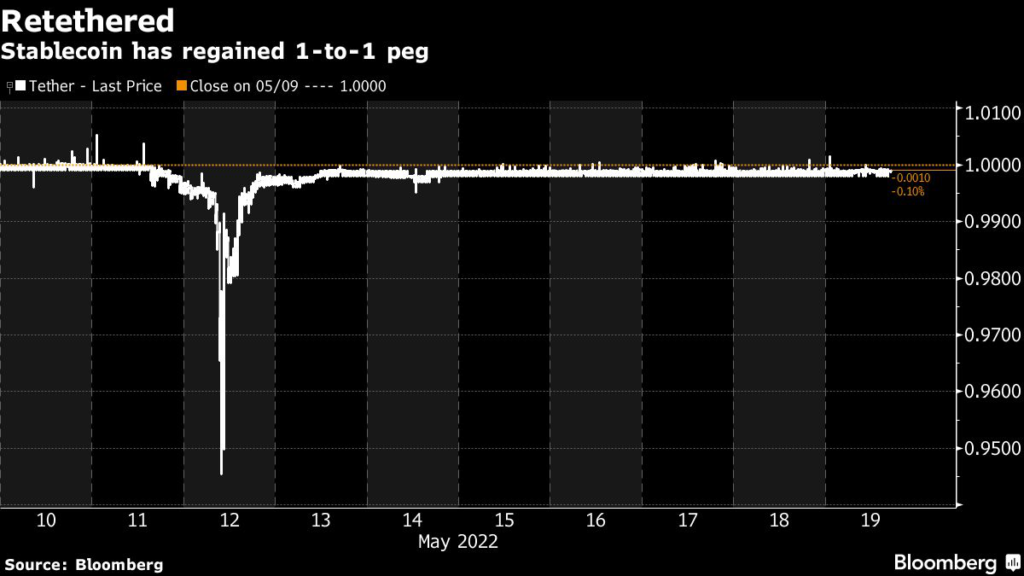
The crypto company was brought under an intense spotlight over the last week following the collapse of algorithmic stablecoin Terra, which briefly knocked USDT off its peg with the dollar during a period of mass market instability.

Tether Loses Dollar Peg as Crypto Anxiety Hits No. 1 Stablecoin

In a statement on Thursday, Tether noted a 17% decrease in its commercial paper holdings to $20.1 billion compared to the previous quarter, and added that it had completed a further 20% reduction on that amount since April 1, which will be included in its upcoming report for the second quarter.

Conversely, Tether said it had increased its investments in money market funds and US Treasury bills, rising more than 13% to a total of $39.2 billion. The average rating of its commercial paper and certificates of deposit has increased from A-2 to A-1, it added, while secured loans have decreased by $1 billion.

In February 2021, Tether and affiliated companies agreed to provide quarterly reports to New York as part of a settlement over allegations that it hid the loss of funds and lied about reserves in prior years.

Paolo Ardoino, chief technology officer at Tether, said the firm had “never once failed to honor a redemption request” from any customer seeking to offload USDT via its own website for verified clients. The value of USDT had slipped as low as 95 cents on crypto exchanges during the May 12 de-peg, but Tether said it continued to offer redemptions at $1 throughout that time.

“This latest attestation further highlights that Tether is fully backed and that the composition of its reserves is strong, conservative, and liquid,” Ardoino said in a blog post.

Tether’s total market circulation has taken a hit of more than $8.9 billion since the collapse of Terra first began on May 7, according to data from CoinGecko. Collateralized rivals such as Circle’s USD Coin have risen in comparison. 

JPMorgan analyst Nikolaos Panigirtzoglou said in a report Thursday that continued heavy redemptions of USDT would induce forced sales of commercial paper, which could potentially cause a spillover in contagion to traditional financial markets.

“This is not all exiting crypto markets as around $5 billion appears to have shifted to USDC and Binance USD,” Panigirtzoglou said of the outflows from Tether. 

He added that given USDC and Binance USD reserves are mostly invested in US Treasury bills, and factoring in that withdrawals from Tether may have been offset by sales of similar assets, the overall market implications would be modest as this would create a circular flow from Treasury bills to stablecoins.

(Updates with comment in final three paragraphs, figures on commercial paper holdings.)

More stories like this are available on bloomberg.com

©2022 Bloomberg L.P.
PayPal Pledges to Cover Employees’ Abortion Travel Costs

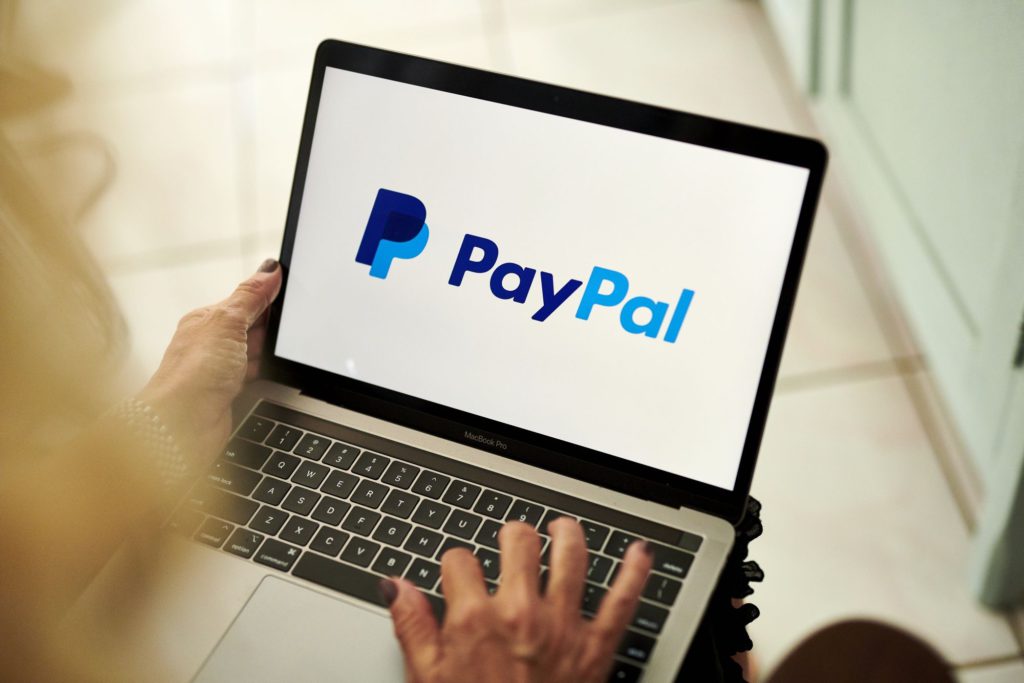
(Bloomberg) — PayPal Holdings Inc. said it will cover employees’ costs to access abortions if they need to travel to receive such care.  

The decision followed an abortion ruling earlier this year by the Texas Supreme Court, according to a person familiar with the matter. The court upheld legislation that banned abortion after a fetal heartbeat is detected, which can occur as early as six weeks into a pregnancy.

This month, after a leaked US Supreme Court ruling that suggested abortion rights might be restricted nationwide, the payments giant told employees that the policy applies in any state that enacts legislation limiting staffers’ access to reproductive care, according to a memo seen by Bloomberg News. 

“The recently leaked draft of the US Supreme Court’s decision that would overturn Roe v. Wade has raised a number of employee questions and concerns,” Kausik Rajgopal, PayPal’s chief human resources officer, said in the memo. “As a PayPal community, we’ll continue to work to provide equitable access to health care benefits for our employees.”

More than two dozen states are either “certain or likely” to ban abortion if Roe v. Wade is overturned, which will force many people across the country to travel for treatment, according to the Guttmacher Institute. With the move, PayPal joins companies including Citigroup Inc. and Mastercard Inc. in promising to cover employees’ travel costs incurred to access abortion.  

More stories like this are available on bloomberg.com

©2022 Bloomberg L.P.
Close Bitnami banner
Bitnami