
Bloomberg

Prosecutors Struggle to Link Trump-Russia FBI Tip to Clinton

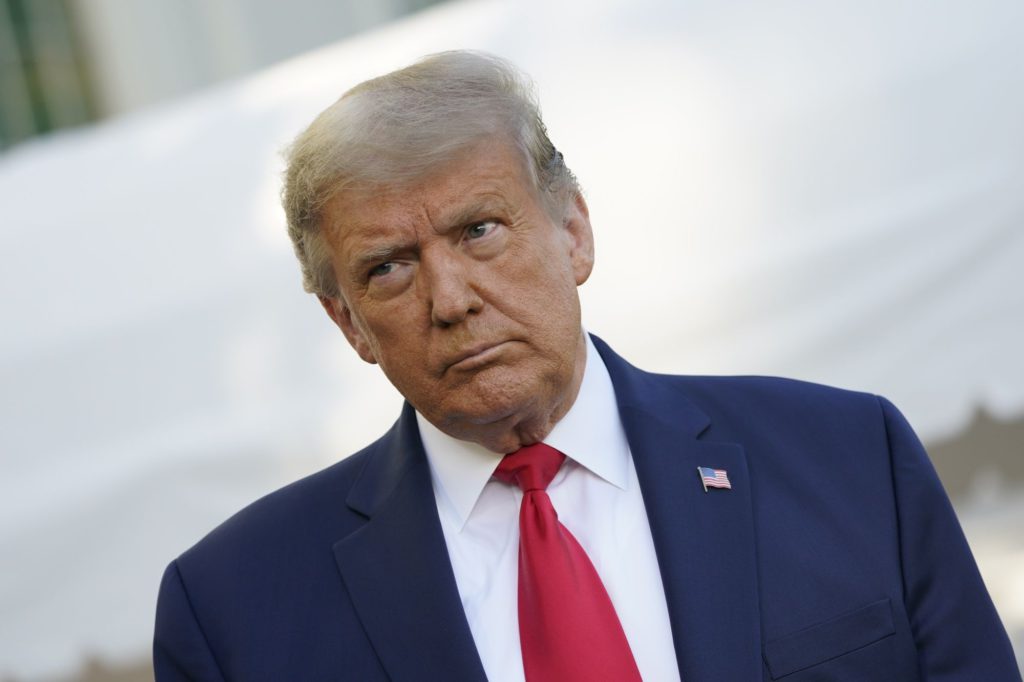
(Bloomberg) — Prosecutors hoping to prove a top lawyer for Hillary Clinton’s 2016 campaign lied while trying to get the FBI to investigate a suspected secret link between Donald Trump’s company and a Russian bank are having a hard time getting their own witnesses to confirm the claim.

Michael Sussmann, a prominent cybersecurity lawyer with close ties to the Democratic Party, is on trial for allegedly concealing the identity of his client when he met with the FBI’s general counsel two months before the election to provide evidence of communications between computer servers at the Trump Organization and Alfa Bank.

But, after two days of testimony in Washington, some of the government’s main witnesses have so far thrown cold water on the claim that Sussmann met with the FBI on Clinton’s behalf, even though evidence presented to the jury shows Sussmann billed the campaign for his time at the meeting.

On Wednesday, prosecutors spent hours asking Marc Elias, the campaign’s former general counsel and a top Democratic election lawyer, about the billing practices of the law firm that both he and Sussmann worked for at the time, Perkins Coie. But on cross-examination by the defense, Elias said Sussmann’s billing of the campaign was a mystery.

“Did you tell him to go to the FBI?” Sussman’s lawyer, Sean Berkowitz, asked Elias.

“No,” Elias said.

“Did he seek your permission to go to the FBI?” Berkowitz said.

“No,” Elias responded.

Not Helpful

Elias also testified that taking the purported evidence to the FBI would not have been helpful to the campaign. He pointed to the failure of the FBI and then-Director James Comey to stop Democratic Party emails from being published after they were hacked by Russia.

“The FBI in my view had not been particularly helpful in investigating or doing anything to prevent the leaks of the emails,” Elias said. Comey “had taken public stances around that time period that in my view were unfair and putting the thumb on the scale against Hillary Clinton.”

Prosecutors argue the alleged lie was part of a broader effort by Sussmann and the campaign to sway members of the media to report on the suspected link and damage Trump before the election. It’s the first trial stemming from Special Counsel John Durham’s probe into the origins and conduct of the FBI’s Trump-Russia probe, which Trump has long argued was a “witch hunt.”

The FBI ultimately determined the disputed computer server was used for sending spam marketing emails and the communications weren’t a national security threat. The discredited theory was the brainchild of another Sussmann client, Rodney Joffe, a prominent expert in computer-communication data who was an executive at Neustar Inc. and was once a source for the FBI.

Read More: Clinton-Linked Lawyer Lied to FBI About Trump Tip, Jury Told

Other government witnesses included Deborah Fine, a former Clinton campaign deputy general counsel, and Laura Allison Seago, a former analyst at Fusion GPS, the research firm hired by Perkins Coie to dig up dirt on Trump. Both women confirmed they played roles in looking into the purported Trump-Alfa Bank link, but didn’t back the key government claim that Sussmann went to the FBI on the campaign’s behalf. 

“At any time prior to Mr. Sussmann’s charge in this case, did you have any knowledge that he went to the FBI?” Berkowitz asked Fine.

“No, I did not,” she said.

Seago also testified she wasn’t aware of any effort to get the server evidence to the FBI.

Even so, the testimony is a rare look into the Clinton campaign’s sprawling effort to find negative information about Trump and leak it to the press — even information that was later discredited. Trump has filed a federal lawsuit against Clinton and others in Florida alleging the effort amounted to an illegal conspiracy against him.

“The evidence and testimony I’ve heard has given a crystal clear picture of the collective efforts of the Clinton Campaign, the DNC, their attorneys at Perkins Coie, Fusion GPS and Neustar to take down Trump by disseminating fabricated and unverified data to law enforcement and spreading false narratives through the media,” Trump’s lawyer, Alina Habba, said in a statement.

The witnesses reminded the jury about the environment they were working in at the time, when unusual connections between Trump and Russia were frequently in the news. Elias called Trump a “bully” and noted that the Republican had pushed the GOP to make its platform pro-Russia and had personally called on Russia to find Clinton’s missing emails after the DNC hack. All that made the Alfa Bank claim “plausible,” Elias said.

(Updates with comment from Trump’s lawyer)

More stories like this are available on bloomberg.com

©2022 Bloomberg L.P.

Lionheart SPAC Discussed a Deal With Security Matters

(Bloomberg) — Lionheart III Corp., a special purpose acquisition company, has held talks with Australian technology company Security Matters Ltd., according to people with knowledge of the matter.

Lionheart has begun discussions with backers of a potential private investment in public equity, or PIPE, for a deal that would provide growth capital to Melbourne-based Security Matters, said one of the people, who requested anonymity discussing confidential negotiations. A transaction hasn’t been finalized and it’s possible talks collapse.

Representatives for Miami-based Lionheart and Security Matters declined to comment. 

Lionheart, a blank-check firm led by Chairman and Chief Executive Officer Ophir Sternberg, raised $125 million in an initial public offering last year. Earlier Lionheart SPACs have agreed to deals with MSP Recovery and BurgerFi International Inc.

Security Matters, originally based in Israel and led by Chairman Ed Hofland and CEO Haggai Alon, counts BASF SE among its partners. The company says its products can help “uphold supply-chain integrity and provide quality assurance and brand accountability to producers of goods.”

Earlier this month, Security Matters said it was negotiating a Nasdaq listing, though it had not reached a material or binding agreement with a SPAC.

More stories like this are available on bloomberg.com

©2022 Bloomberg L.P.
Globalive Strikes Telus Contract to Boost Odds of Rogers Deal

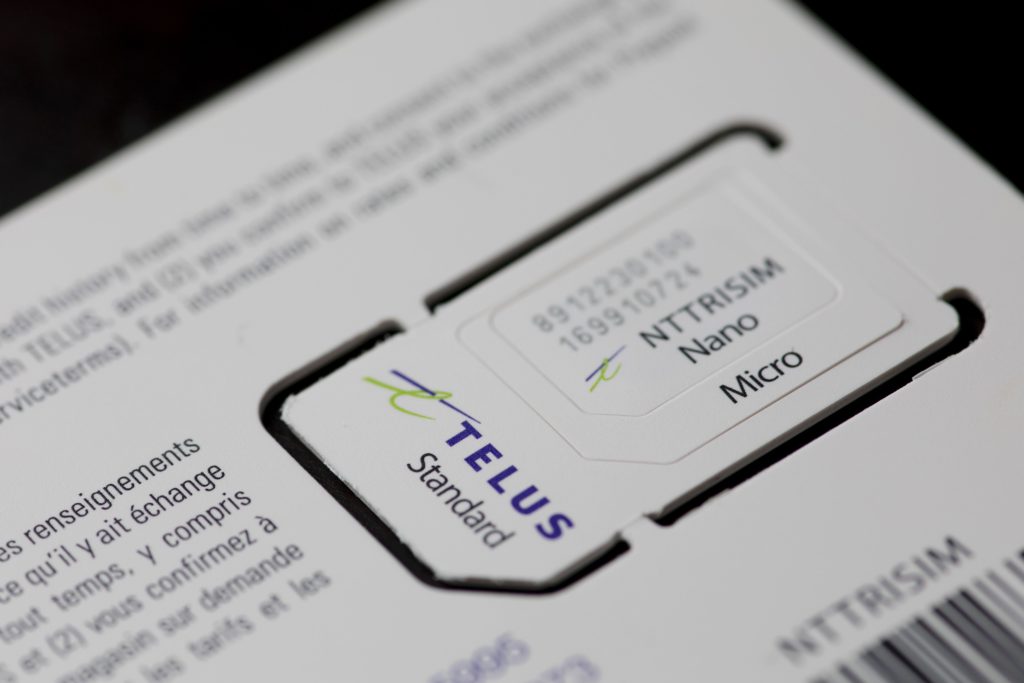
(Bloomberg) — Canadian investment firm Globalive Capital Inc. says it has struck an agreement with Telus Corp. to share mobile networks and spectrum — a move intended to boost Globalive’s effort to buy wireless assets from Rogers Communications Inc.  

The arrangement comes as Rogers tries to acquire rival Shaw Communications Inc. for about C$20 billion ($15.6 billion) in one of Canada’s biggest mergers ever. The deal has antitrust problems, and Rogers has been negotiating with potential buyers of Shaw’s Freedom Mobile division in a bid to resolve them.  

Globalive wants to buy Freedom Mobile, and the contract with Telus is designed to assure regulators and government officials that it will be able to offer a quality network that could compete with Canada’s larger wireless firms. 

Under the deal, Telus and Freedom would share networks and spectrum in the three Canadian provinces — Ontario, Alberta and British Columbia — where Freedom currently operates, if Globalive is successful in acquiring it. It could be expanded to other regions of Canada over time, Globalive Chairman Anthony Lacavera said in an interview. 

“It makes us a very compelling solution” for Freedom Mobile, he said. 

Globalive has publicly offered C$3.75 billion for Freedom, but its discussions with Rogers have gone nowhere and it isn’t yet clear that Canada’s Competition Bureau or the government would approve its purchase of the country’s fourth-largest wireless player. 

The bureau has sued to block the Rogers-Shaw merger, saying it’s worried that Freedom won’t be a strong competitor under new ownership. More than 85% of Canada’s wireless market is controlled by Rogers, Telus and BCE Inc., while smaller regional firms like Freedom have the rest. 

Freedom Mobile is a business Lacavera knows well because he started the company, launching service in Canada in 2009 under the brand Wind Mobile. It was recapitalized in 2014 and Shaw agreed to buy it the next year. 

Rogers’ auction for Freedom has produced other potential buyers — including Xplornet Communications Inc., which is backed by New York-based investment firm Stonepeak Partners LP, and the Aquilini family of British Columbia, which owns the National Hockey League’s Vancouver Canucks, among other business interests. 

More stories like this are available on bloomberg.com

©2022 Bloomberg L.P.
VW’s Answer to Rivian Raises Questions About Speed, Cost and Complexity

(Bloomberg) —

A few months ago, the head of Volkswagen’s American business, Scott Keogh, approached CEO Herbert Diess with an idea to gain market share in the US.

Keogh proposed that VW revive Scout, a dormant off-road vehicle brand the automaker acquired rights to when it bought truck manufacturer Navistar last year. The plan is to better compete in the lucrative US pickup and SUV segments with an American badge instead of a German one, and have an answer for electric up-and-comers like Rivian.

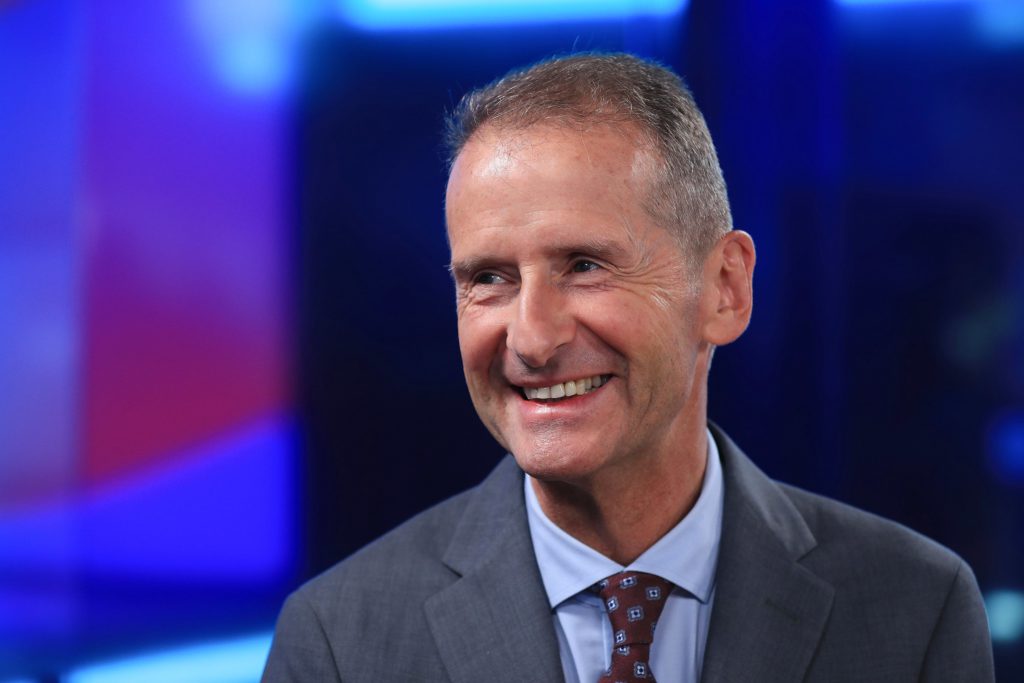
“From the beginning, I found that very very promising and exciting,” Diess said in an interview with Bloomberg Television’s Matt Miller last week. “We need to become more American.”

Matt referred to Scout as “American like baseball and apple pie,” but to be honest, the first thing I did after VW announced it was bringing back the brand was go to Google. I had never heard of it.

I learned Scout vehicles competed with the Ford Bronco as well as models from Land Rover and Jeep in the two decades before the business ceased production in 1980, the year I was born. While the chunky off-roaders may have been popular with baby boomers, VW will have some work to do schooling more consumers my age and younger to build recognition of this brand after such an extended absence.

Don’t get me wrong — I’m partial to retro revivals and can understand the motivation behind this move. Scout has somewhat of a cult following because it made rugged SUVs before rugged SUVs were a thing. VW’s main brand took a reputational beating from the automaker’s diesel-emissions scandal, so Scout will enable the Germans to start over with a clean slate. Diess no doubt followed what the the late Sergio Marchionne accomplished with Jeep and Ram, the two linchpins of his turnarounds of Chrysler, and sees a path to replicating that success.

But bringing back Scout also goes against some of Diess’s own preaching. The CEO has vowed to make the German behemoth with 10 different brands leaner to better compete with the likes of Rivian and Tesla. So why set up another independent company, managed by yet another new team, adding even more models and organizational bloat?

VW is also running a bit late: it plans to unveil Scout pickup and SUV prototypes next year and begin production in 2026. That will be years behind similar models from Ford and General Motors, not to mention the all-electric brands.

Diess wants to more than double VW’s market share in the US to 10%, but this won’t be easy. Japanese automakers’ efforts to ding Detroit’s dominance of pickups have largely failed, with Toyota’s Tundra and Nissan’s Titan never coming close to the volumes mustered by Ford, Chevrolet and Ram.

The Wall Street Journal reported that VW intends to invest more than $1 billion to ready this project, and that the company is open to external investors and may eventually even take it public. I can’t help but feel VW is building another Rivian at a time when Rivian itself is suffering a crisis of confidence.

Diess acknowledged all this, but said reviving Scout was simply too promising an opportunity to pass up. “This is just so attractive and such a precious brand and such an attractive segment that I said wow, we should do that.”

Like getting this newsletter? Subscribe to Bloomberg.com for unlimited access to trusted, data-driven journalism and subscriber-only insights.

More stories like this are available on bloomberg.com

©2022 Bloomberg L.P.
UK Set to Lift Channel 4 Public TV Rules After 10 Years

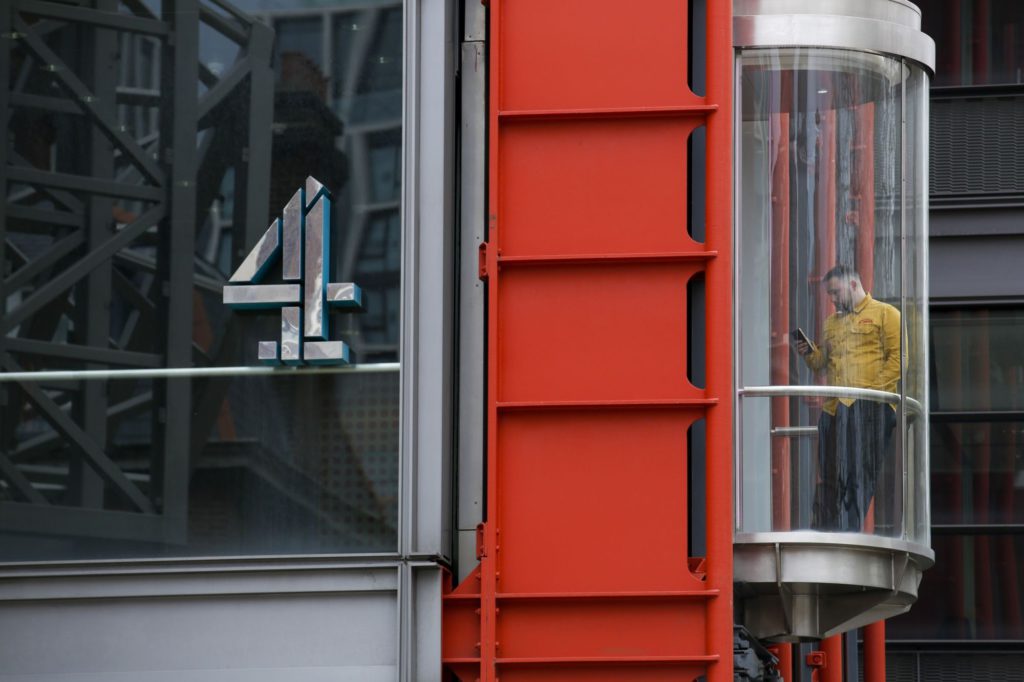
(Bloomberg) — UK state-owned network Channel Four Television Corp. could be freed from its “public service broadcasting” rights and obligations a decade after a planned privatization is completed, the Culture Secretary said. 

“We are putting a time frame in for ownership as a public service broadcaster — I just wanted to confirm the number of years — it’s ten years,” Nadine Dorries told lawmakers on the Department for Digital, Culture, Media and Sport committee Thursday.  

“The sale of Channel 4 is happening, it’s in the media bill which will be coming forward to Parliament very shortly,” she said. “There will be many options that many prospective buyers would like to put forward. But it will be a public service broadcaster, therefore it means it will be free to air.” 

The UK’s PSBs includes the British Broadcasting Corporation, ITV Plc, Channel 4, Paramount Global-owned Channel 5, S4C and STV Group Plc. They’re given extra prominence in places like electronic programming guides in return for taking on responsibilities such as local news. The UK set out plans to overhaul its broadcasting laws last month. 

The Culture Secretary was pressed on how a privatized Channel 4 could compete against the likes of streaming giant Netflix Inc., which has recently said it will introduce advertising and crack down on password-sharing after a loss in subscribers led to a large sell-off in its shares. She said she is one of the estimated 100 million who also shares her password with family members. 

“I have Netflix but there are four other people who can use my Netflix account in different parts of the country,” she said. “Am I not supposed to do that?”

(Updates with additional quote from Culture Secretary in sixth paragraph)

More stories like this are available on bloomberg.com

©2022 Bloomberg L.P.

Klarna Faces Valuation Drop to $30 Billion as Seeks Funding

(Bloomberg) — Klarna Bank AB is looking to tap investors for more cash in a move that would reduce its valuation by about a third, according to people familiar with the matter. 

The Swedish fintech company, which was valued at $46 billion last June, would be worth about $30 billion under its latest plans, said the people, who asked not to be named because the process isn’t public. 

Klarna is seeking about $1 billion in its new funding round, according to the Wall Street Journal, which reported the plan earlier. In February, Bloomberg News reported that Klarna was exploring a valuation of about $50 billion to $60 billion with funding from new and existing investors. 

The company, which offers buy-now-pay-later credit to shoppers, now operates in 20 markets globally, though its yearly operating losses have almost doubled in 2021 to $487 million. Investors include SoftBank Group Corp., Sequoia Capital and Permira and its 2021 fundraising made it Europe’s most valuable startup. 

Still, offering online shoppers the option to pay in installments has come under increasing scrutiny from regulators. The UK said last year it will start regulating the interest-free buy-now, pay-later sector as its popularity soars. This month, the Swedish Authority for Privacy Protection said it had launched an investigation into the payments firm’s checkout service.

The stock market drop in early May has combined with the continued crises of the Ukraine war, surging inflation, and a pandemic now well into its third year to cause significant pain at startups around the world. Globally, fundraising has slowed, with the number of megarounds ($100 million or more) and the total amount raised declining in the first quarter, the first time that’s happened in almost two years. 

This quarter, the number of tech companies going public is set to be the lowest since 2016, according to researcher CB Insights. Shareholders in high-flying private tech companies such as Stripe Inc. and Instacart Inc. have marked down the value of their holdings, in some cases multiple times.

(Updates with context in last three paragraphs.)

More stories like this are available on bloomberg.com

©2022 Bloomberg L.P.
Xiaomi Logs First Revenue Fall After Covid, War Hurt Demand

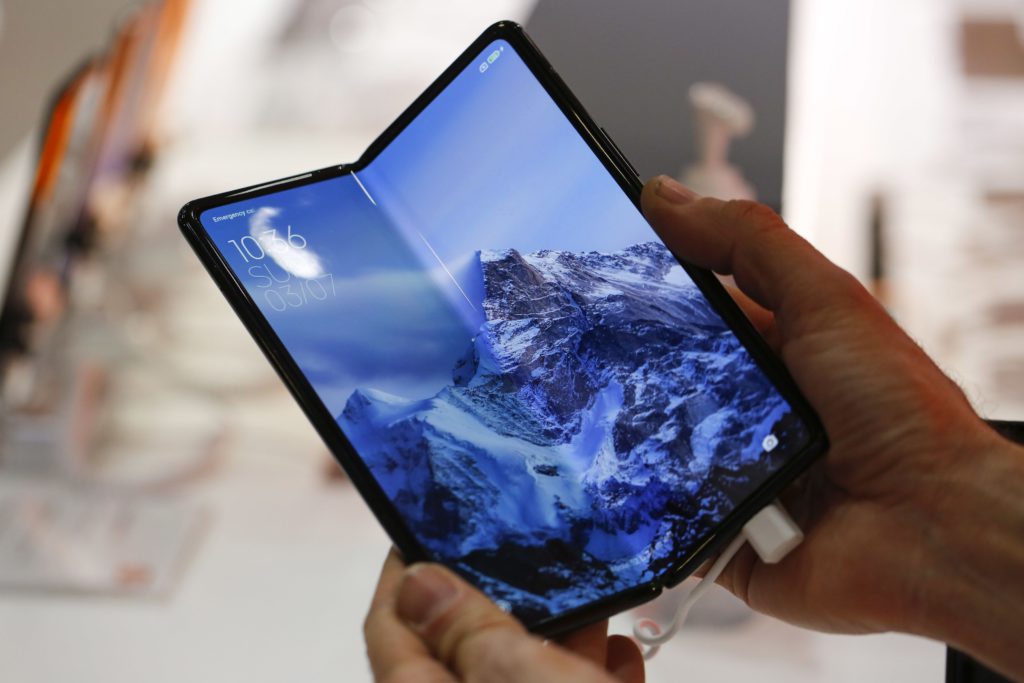
(Bloomberg) — Xiaomi Corp. posted its first quarterly revenue decline on record after Beijing’s strict Covid containment policies and global component shortages crippled smartphone sales.

China’s largest smartphone maker is losing global market share to frontrunners Samsung Electronics Co. and Apple Inc. as consumer confidence wanes in a home market stricken by quarantines from Shanghai to Beijing. It logged sales of 73.4 billion yuan ($10.9 billion) in January-March, down 4.6% from the previous year, beating the average analysts’ estimate of 72.5 billion yuan. 

Chinese smartphone vendors are under pressure at home as the country’s Covid lockdown measures hurt both retail demand and supply chains. The biggest chip factories in Shanghai have had to operate under strict restrictions on workers’ movements since late March following a lockdown of the financial hub. 

Globally, dwindling consumer confidence due to inflation, geopolitical conflict and component shortages are depressing a once-vibrant mobile industry. But Xiaomi’s woes at home helped widen the gap with Samsung and Apple in the first quarter, when global shipments slumped 17.8%, according to research firm International Data Corp. Xiaomi’s local rivals Oppo and Vivo sustained steeper falls in the same period, data from IDC showed.

Xiaomi swung to a net loss of 587.6 million yuan in the quarter from a 7.8 billion yuan profit a year earlier, after accounting for fair value losses in investments.

“The Covid pandemic in China heavily impacted our operation and logistics. It also hurt consumers’ willingness to buy phones,” President Wang Xiang said in a call on Thursday. “The logistics issues also hurt our global shipments.”

Read more: Apple Suppliers, Top Chipmaker Succumb to China Lockdowns

The lockdown and war in Ukraine could shave about 200 million units off global smartphone shipments this year, with Chinese brands shouldering most of the lost volume, Semiconductor Manufacturing International Corp.’s Co-Chief Executive Officer Zhao Haijun warned last week.

“Pressures such as the supply shortage may start to ease in second quarter of 2022,” China International Capital Corp. analysts Hu Peng and Hanjing Wen wrote in a note to investors ahead of the earnings announcement. “The second half of 2022 is likely to be a peak season for the consumption of electronics products, boosting the firm’s results growth.”

To lower its dependence on smartphones, Xiaomi is trying to boost its sales of connected devices, such as $1,000 air conditioners and $40 door bells. The upcoming June 18 annual shopping festival, when online retailers compete to offer bargains, could revitalize mobile sales. Xiaomi has “strong momentum” in selling smart TVs, tablets, laptops, and connected home appliances, wrote China Construction Bank International Securities analysts Ronnie Ho and Clint Su. “The coming ‘6.18’ promotion event has the potential to support better smartphone sales.”

Still, Xiaomi faces strong headwinds in its efforts to keep its gross margin at the same level as a year ago, due to rising production and freight costs, Bloomberg Intelligence analysts Steven Tseng and Nathan Naidu wrote ahead of the earnings release. “Internet services, an important driver of long-term margin expansion, could also slow down as flagging handset demand may dampen the growth in monthly average users,” they said.

The downturn in the smartphone business, which makes up roughly 60% of Xiaomi’s sales, came after billionaire co-founder Lei Jun bet $10 billion to build an electric vehicle business from scratch — a costly venture that requires talent recruitment, factory construction and investments in startups.

Growing challenges overseas are also a drag on Xiaomi’s business. Russia’s invasion in Ukraine muted retail sales in both countries. In India, the country’s anti-money laundering agency seized $726 million from a local unit of Xiaomi on a possible breach of foreign-exchange laws last month, exposing the Chinese brand to a legal risk in one of its biggest markets. Xiaomi has said its Indian operations are fully compliant with local laws.

(Updates with executives comments from the second paragraph)

More stories like this are available on bloomberg.com

©2022 Bloomberg L.P.
Ford’s CEO Takes a Spin as Podcast Host in Show for Spotify

(Bloomberg) — Jimmy Car Car is taking his show on the road. Or rather, the man who still answers to that childhood nickname — Ford CEO Jim Farley — is now doing a show about the road.

Farley, 59, has taken on podcast hosting in addition to his role leading America’s second-biggest auto manufacturer. His weekly show Drive debuts May 25 on Spotify.

Ford’s CEO has interviewed celebs (podcaster Dax Shepard and late-night host Jimmy Kimmel), a fellow chief executive (Harley-Davidson’s Jochen Zeitz), race-car drivers (actress Emelia Hartford) and royals (the Duke of Richmond) for the show, as well as one GOAT (quarterback Tom Brady). In seven snappy 20- to 25-minute episodes, Farley will delve deep into what drives his guests.

This all might sound like a marketing ploy by Ford, but the automaker says it isn’t contributing a penny to production. Farley did interviews in his spare time on Saturdays from a conference room just outside his office atop the company’s world headquarters in Dearborn, Michigan. Spotify is footing the bill for putting the show together, and it’s sponsored by customer-relationship software giant Salesforce.

Farley’s podcasting premiere is part of a larger trend spurred by the ultimate celebrity CEO of the day, Elon Musk. Auto executives are stepping further into the spotlight to build and burnish their personal brand, and ideally boost their company’s share price.

Plenty of transformative figures have transcended the grease and gears of the car business to become folk heroes outside Detroit (think Lee Iacocca or John DeLorean), but Musk has managed to translate his star power into stock valuation like never before. Volkswagen boss Herbert Diess has emulated the Tesla CEO to a degree, becoming more active on social media to get the message out about the German manufacturer’s electric vehicles.

In an interview, Farley said his new side hustle took some convincing. He initially turned down Spotify when they approached him a year ago in search of a business podcast.

“I told them I love cars, and I’d love to talk to people about cars. And I don’t want this to be work,” Farley said Wednesday. “So we kind of co-created this idea with Spotify.”

Farley’s other weekend hobby is tearing down race tracks at 200 miles per hour in his vintage Ford GT40, Cobra and Lola 298. He’s raced at Le Mans in France and Laguna Seca in Monterey, California. Swapping stories about first cars and overcoming setbacks with an eclectic group of guests has been a different kind of thrill.

“It totally recharged my batteries and rejuvenated my love of what our industry is about,” Farley said.

And though he’s already oversubscribed trying to transform a 118-year-old automaker into an EV powerhouse, Farley’s monthly recording sessions gave him a new perspective. “There’s a lot I learned personally as a leader,” he said. “I never did it for that reason, but you know, I need to get out of Detroit.”

Farley first connected with the seven-time Super Bowl champion Brady through a serendipitous celebrity golf tournament pairing. The two bonded over Brady’s love for the hot-rod Ford F-150 Raptor pickup, and the CEO helped the football legend get his hands on what has become his daily driver at home in Montana.

While Brady arguably boasts the most star power among Farley’s guests, his interview with a British aristocrat bestows a regal touch. Charles Gordon-Lennox, the 11th Duke of Richmond, is the founder of the Goodwood Festival of Speed, an annual auto extravaganza in West Sussex, England.

“Would you like me to call you the Duke of Richmond, or Charles? I don’t know how to do this,” Farley asks before nervously laughing during Drive’s two-minute trailer. The royal responds: “Charles is probably a bit easier.”

 As Farley’s late cousin, the comedian Chris Farley, famously said: well, la-di-frickin’-da!

More stories like this are available on bloomberg.com

©2022 Bloomberg L.P.

Klarna Faces Valuation Plunge to $30 Billion as It Seeks Funding

(Bloomberg) — Klarna Bank AB is looking to tap investors for more cash in a move that would reduce its valuation by about a third, according to people familiar with the matter. 

The Swedish fintech company, which was valued at $46 billion last June, would be valued at about $30 billion under its latest plans, said the people, who asked not to be named because the process isn’t public. 

Klarna is seeking about $1 billion in its new funding round, according to the Wall Street Journal, which reported the plan earlier. In February, Bloomberg News reported that Klarna was exploring a valuation of about $50 billion to $60 billion with funding from new and existing investors. 

The company, which offers buy-now-pay-later credit to shoppers, has had a breakneck pace of growth as it expanded into 17 markets globally, though its yearly operating losses have almost doubled to $487 million. Its investors include SoftBank Group Corp., Sequoia Capital and Permira. 

More stories like this are available on bloomberg.com

©2022 Bloomberg L.P.

Stock Rout Deepens on Earnings Doubts; Bonds Rally: Markets Wrap

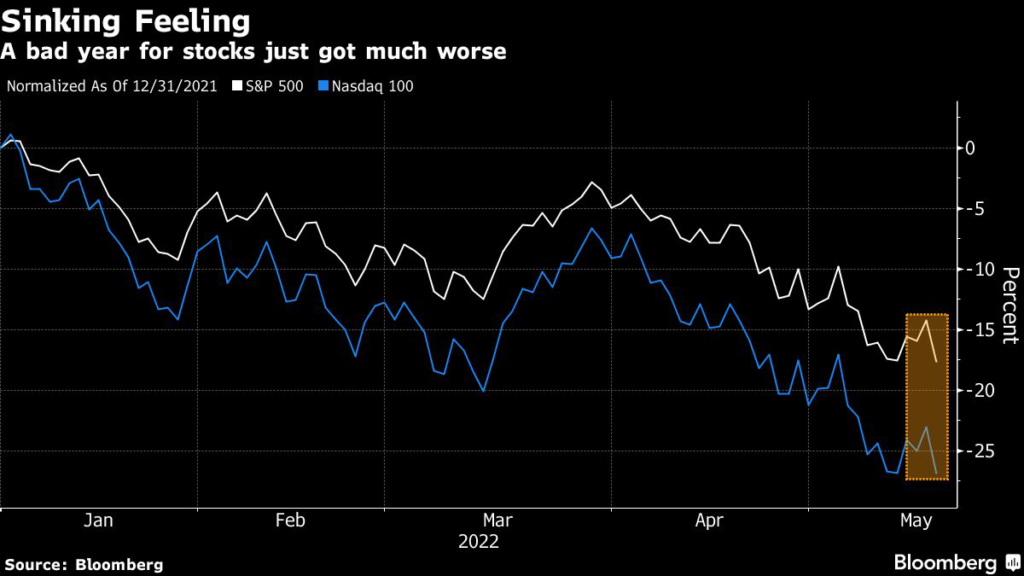
(Bloomberg) — A global stocks rout deepened on Thursday, with European shares tumbling and American index futures signaling more losses ahead after yesterday’s selloff that erased of $1.5 trillion of market value from US equities.

Futures on the S&P 500 Index slid 1.4% after the equity benchmark posted the biggest single-day drop since June 2020 on Wednesday amid growing concern that high inflation is cutting into corporate performance. Nasdaq 100 contracts were down more than 1.5% as a global selloff of technology stocks gathered momentum. The Stoxx 600 retreated more than 2%, with all industry sectors in the red and personal care and financial services leading the decline.

Treasury yields dropped about seven basis points as investors sought insurance against further declines in risk assets, with the Federal Reserve set on taming inflation via rate hikes and a shrinking balance sheet beginning in June. Most European bonds also gained, with the yield on German 10-year securities falling more than basis points. The dollar weakened against a basket of peers while the yen strengthened.

Bets that robust earnings can help investors weather this year’s turbulence were thrown in doubt after US consumer titans signaled growing impact of high inflation on margins and consumer spending. Meanwhile, Federal Reserve officials reaffirmed that tighter monetary policy lies ahead, and investors fretted over stagflation risks. 

“We are pricing in a growth scare,” Lori Calvasina, the head of US equity strategy at RBC Capital Markets, told Bloomberg TV. “There is a lot of uncertainty in this market right now about whether or not that recession is going to come through or if it’s going to be another near-death experience.”

Stocks of retailers and consumer-discretionary companies posted some of the biggest losses in Asia and Europe after US investors questioned the lofty valuations of companies like Target Corp. against the backdrop of rising interest rates.

Tencent Slides

In China, Tencent Holdings Ltd. plunged 6.6% after warning it will take time for Beijing to act on promises to prop up the Chinese tech sector. Cisco Systems Inc. slid in extended US trading on a disappointing revenue outlook.

On the commodities front, crude oil extended declines, while most industrial metals were in the red as global growth fears damped the demand outlook. Copper held near a seven-month low and zinc extended losses.

Elsewhere, the Swiss franc extended its advance versus the dollar after Swiss National Bank President Thomas Jordan said policy makers are ready to act against inflation.

And in emerging markets, Sri Lanka fell into default for the first time in its history as the government struggles to halt an economic meltdown that prompted mass protests and a political crisis. An index of developing-nation stocks slumped more than 2%.

What damage will be done to the US economy and global markets before the Fed changes tack and eases policy again? The “Fed Put” is the theme of this week’s MLIV Pulse survey. Click here to participate anonymously.

Some of the main moves in markets:

Stocks

  • Futures on the S&P 500 fell 1.4% as of 6:31 a.m. New York time
  • Futures on the Nasdaq 100 fell 1.5%
  • Futures on the Dow Jones Industrial Average fell 1.3%
  • The Stoxx Europe 600 fell 2.1%
  • The MSCI World index fell 0.7%

Currencies

  • The Bloomberg Dollar Spot Index fell 0.4%
  • The euro rose 0.4% to $1.0503
  • The British pound rose 0.5% to $1.2404
  • The Japanese yen rose 0.4% to 127.68 per dollar

Bonds

  • The yield on 10-year Treasuries declined six basis points to 2.83%
  • Germany’s 10-year yield declined nine basis points to 0.94%
  • Britain’s 10-year yield declined five basis points to 1.81%

Commodities

  • West Texas Intermediate crude fell 1.7% to $107.69 a barrel
  • Gold futures rose 0.6% to $1,833.10 an ounce

More stories like this are available on bloomberg.com

©2022 Bloomberg L.P.

Close Bitnami banner
Bitnami