Bloomberg

Tencent Leads China Tech Selloff as Earnings Worries Mount

(Bloomberg) — Chinese tech stocks slumped as weak corporate earnings coupled with a dimming global growth outlook intensified selling. 

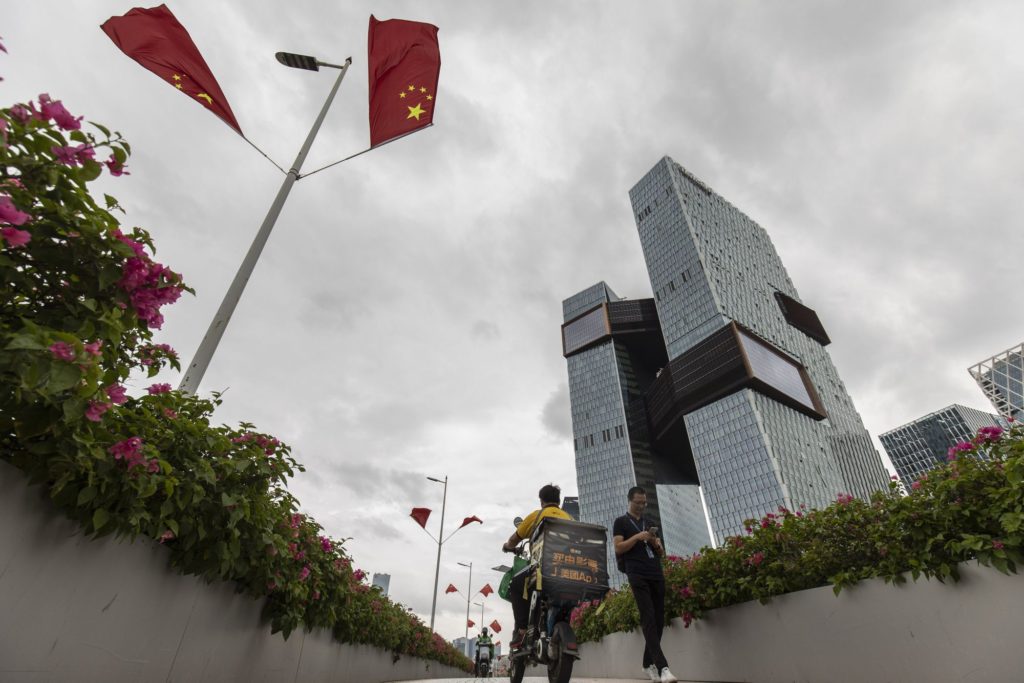
The Hang Seng Tech Index closed 4% lower on Thursday, with Alibaba Group Holding Ltd. and Tencent Holdings Ltd. and weighing the most. The latter tumbled 6.5% after the tech behemoth reported its slowest revenue gain since going public in 2004. Xiaomi Corp. also fell ahead of its earnings release later in the day. 

READ: Tencent Plunges After Warning Tech Crackdown Won’t End Quickly

Thursday’s rout tracks a global selloff, sparked by disappointing earnings from US consumer stalwarts that suggested an economic downturn may be on its way. For China tech, top officials’ repeated commitments to support the battered sector — the latest from Premier Li Keqiang late Wednesday — have lacked the firepower to lift shares. Tencent executives said it will take time for Beijing’s promises to translate into action. 

“Tencent’s results suggest growth will be slower for longer, so the read through to the rest of China’s consumer facing technology companies is negative from a fundamental perspective,” said Vey-Sern Ling, a senior analyst with Union Bancaire Privée. “However, there are reasons to be more optimistic in the second half given the increasing supportive signals from senior levels of the government.”

A gauge of Chinese stocks trading in the US fell 2.5% on Wednesday. 

Weighing broadly on Chinese stocks are new lockdowns following fresh Covid-19 outbreaks in key cities. Policy makers have shown little signs of letting up on a Covid Zero policy even as the damage to economic growth and businesses becomes more evident. 

On the mainland, the CSI 300 Index reversed earlier losses to edge 0.2% higher. Hong Kong’s benchmark Hang Seng Index slid 2.5%. 

More stories like this are available on bloomberg.com

©2022 Bloomberg L.P.

US Futures, Europe Stocks Slide on Economy Concern: Markets Wrap

(Bloomberg) — US equity futures fell, and European stocks opened lower, as concern that high inflation is cutting into corporate performance overshadowed bargain hunting of beaten-down stocks.

Futures on the S&P 500 Index slid 0.4% after the equity benchmark posted the biggest single-day drop since June 2020 on Wednesday. Nasdaq 100 contracts were down 0.5%. The Stoxx 600 retreated more than 1% as Europe’s technology shares joined a global selloff. Oil rebounded after a two-day drop. The dollar was steady, while Treasuries posted modest gains.

Bets that robust earnings can help investors weather this year’s turbulence were thrown in doubt after US consumer titans signaled growing impact of high inflation on margins and consumer spending. Meanwhile, Federal Reserve officials reaffirmed that tighter monetary policy lies ahead, and investors fretted over stagflation risks. 

“We are pricing in a growth scare,” Lori Calvasina, the head of US equity strategy at RBC Capital Markets, told Bloomberg TV. “There is a lot of uncertainty in this market right now about whether or not that recession is going to come through or if it’s going to be another near-death experience.”


Stocks of retailers and consumer-discretionary companies posted some of the biggest losses in Asia and Europe after US investors questioned the lofty valuations of companies like Target Corp. in the backdrop of rising interest rates.

In China, Tencent Holdings Ltd. plunged 6.6 after warning it will take time for Beijing to act on promises to prop up the Chinese tech sector. Cisco Systems Inc. slid in extended US trading on a disappointing revenue outlook.


What damage will be done to the US economy and global markets before the Fed changes tack and eases policy again? The “Fed Put” is the theme of this week’s MLIV Pulse survey. Click here to participate anonymously.

Some of the main moves in markets:

Stocks

  • The Stoxx Europe 600 fell 1.2% as of 8:14 a.m. London time
  • Futures on the S&P 500 fell 0.4%
  • Futures on the Nasdaq 100 fell 0.5%
  • Futures on the Dow Jones Industrial Average fell 0.4%
  • The MSCI Asia Pacific Index fell 1.9%
  • The MSCI Emerging Markets Index fell 2.1%

Currencies

  • The Bloomberg Dollar Spot Index was little changed
  • The euro was little changed at $1.0468
  • The Japanese yen fell 0.1% to 128.37 per dollar
  • The offshore yuan was little changed at 6.7830 per dollar
  • The British pound was little changed at $1.2344

Bonds

  • The yield on 10-year Treasuries declined two basis points to 2.87%
  • Germany’s 10-year yield declined four basis points to 0.99%
  • Britain’s 10-year yield declined four basis points to 1.83%

Commodities

  • Brent crude rose 1.3% to $110.49 a barrel
  • Spot gold fell 0.1% to $1,813.89 an ounce

More stories like this are available on bloomberg.com

©2022 Bloomberg L.P.

Brookfield to Buy UK Repair Site HomeServe for £4.1 Billion

(Bloomberg) —

Brookfield Asset Management Inc. agreed to buy emergency household repairs provider HomeServe Plc in a deal valuing the company at £4.1 billion ($5 billion), one of the UK’s largest take-private transactions this year.

Investors will get 1,200 pence for each HomeServe share, the companies said Thursday. That’s 71% higher than HomeServe’s close on March 23, the day before Brookfield announced its interest. Founder Richard Harpin, his wife and directors of the company have irrevocably agreed to tender their shares in the bid. They own a combined 12.8% stake.

The stock rose as much as 12% to 1,175 pence Thursday. Bloomberg reported last week that the Canadian company was close to an agreement to buy HomeServe.

Founded in 1993, HomeServe provides repair, maintenance and installation services for plumbing, heating and electrical systems to households across the UK, as well as the US and parts of Europe. It also offers a range of insurance products to homeowners.

Brookfield said in March that it was exploring a takeover of London-listed HomeServe. The investment firm, which has tabled a number of proposals to HomeServe, received an extension under UK takeover rules to make a firm offer for the company by May 19. 

The company, which has grown through a series of acquisitions, saw revenue rise 15% to 1.3 billion pounds last year — a period in which pandemic lockdowns around the world continued to confine people to their homes.

HomeServe worked with JPMorgan Chase & Co., UBS Group AG and Goldman Sachs Group Inc. on the deal. Deutsche Bank AG was lead adviser to Brookfield, which also worked with Bank of America Corp. Debt financing is being provided by Bank of America, Deutsche Bank, Mitsubishi UFJ Financial Group Inc. and Royal Bank of Canada.

(Updates with shares in third paragraph)

More stories like this are available on bloomberg.com

©2022 Bloomberg L.P.

China’s Premier Urges ‘Decisive’ Action on Growth Policies

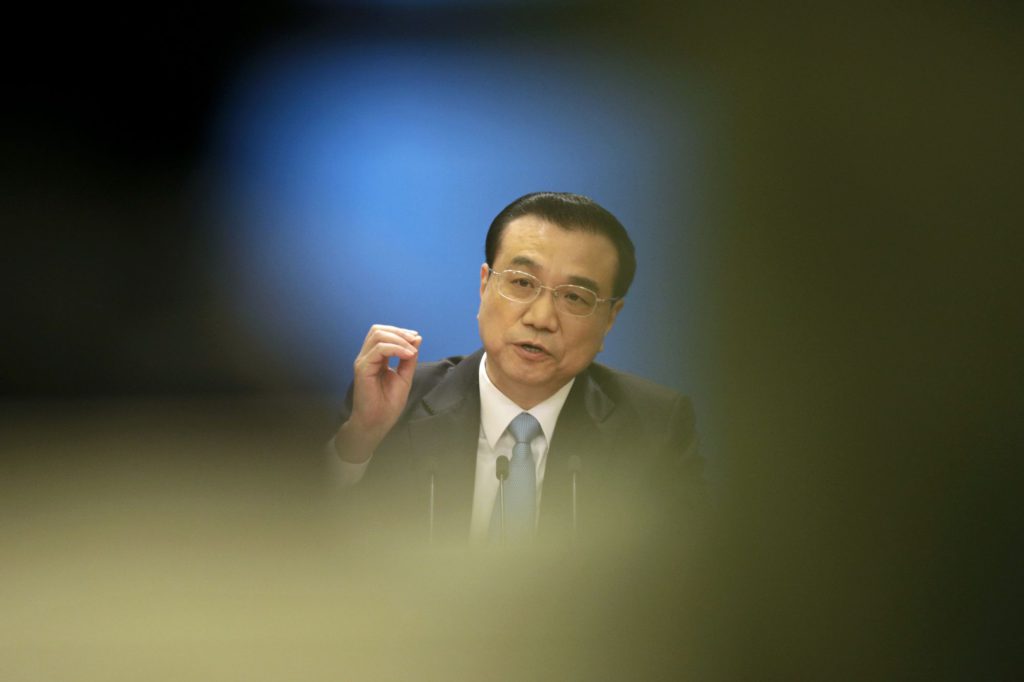
(Bloomberg) — Chinese Premier Li Keqiang told local governments to “act decisively” on measures to support growth in the coming weeks in an effort to bring the economy back on track as soon as possible. 

Everyone should “add a sense of urgency” to their actions to counter “further intensified new downward pressure” on the economy, Li said Wednesday during a trip to Yunnan province in southwestern China, according to a report in the official Xinhua News Agency. 

He encouraged local authorities to roll out new measures this month if possible, adding that policies outlined in this year’s government work report or in prior economic meetings should be enacted by the end of June. 

Li’s focus on moving quickly in the next couple of months implies that policy makers “might want to leave room for additional fiscal policy support in the second half of the year,” according to Goldman Sachs Group Inc. economists including Maggie Wei. They wrote in a report that the government could consider the issuance of central government special bonds, a form of extra stimulus that Beijing has rarely resorted to unless for specific purposes, such as the fight against the pandemic in 2020.

The Chinese premier also reiterated support for digital platform companies and their public listings, echoing comments made by Vice Premier Liu He earlier this week that provided another sign Beijing may be ready to let up on a yearlong clampdown on technology firms.

Li’s comments are the latest from senior government officials urging more action to shore up economic growth this year after Covid outbreaks and lockdowns walloped economic activity in March and April. Data this week showed China’s industrial output and consumer spending last month slid to the worst levels since the pandemic began, while the jobless rate climbed to 6.1%. Youth unemployment hit a record. 

Read More: China’s Economic Activity Collapses Under Xi’s Covid Zero Policy

Those challenges are making Beijing’s full-year economic growth target of about 5.5% seem further out of reach, and analysts have been skeptical that the government can achieve that goal while also sticking to Covid Zero. Goldman economists just cut their growth forecast for the year to 4% from 4.5%, citing the zero-tolerance policy. 

With export growth slowing and the downturn in the property market continuing to be a strain, the government has hoped to drive growth through infrastructure investment, which in part is being paid for through bond sales. Nearly 104 billion yuan ($15.4 billion) worth of special government bonds was sold last month, according to a Wednesday statement from the Ministry of Finance. 

Some 1.4 trillion yuan worth of bonds have been issued through the first four months of the year, the statement said, or about 38% of this year’s 3.65 trillion yuan quota. The government said in March that all of such notes should be sold before October. Chinese media reported more recently that authorities have asked local governments to use up the allowance by the end of next month.

Achieving growth and stabilizing employment might still be challenging to policy makers in the third quarter, especially ahead of the 20th Party Congress later this year, the Goldman economists wrote late Wednesday. That’s when President Xi Jinping is widely expected to seek a historic third term in office. 

Even so, Li said China still has enough policy room to deal with the growing headwinds facing the economy, citing stable consumer prices and a measured approach from China toward easing. The People’s Bank of China hasn’t been aggressive with its approach to monetary policy this year, having only cut its policy interest rates once in January and reducing the reserve requirement ratio, the amount of money banks have to hold in reserve, a single time. 

Li also said at the Yunnan meeting that steps would be taken to stabilize land and property prices to ensure the healthy development of the property market. Reasonable housing demand would be supported, he said, according to Xinhua. The central bank cut mortgage rates for first-time homebuyers on Sunday. 

(Updates with official announcement on special bond issuance in the eighth and ninth paragraphs.)

More stories like this are available on bloomberg.com

©2022 Bloomberg L.P.

Thailand to Promote Medical Tourism in Post-Covid Era, PM Says

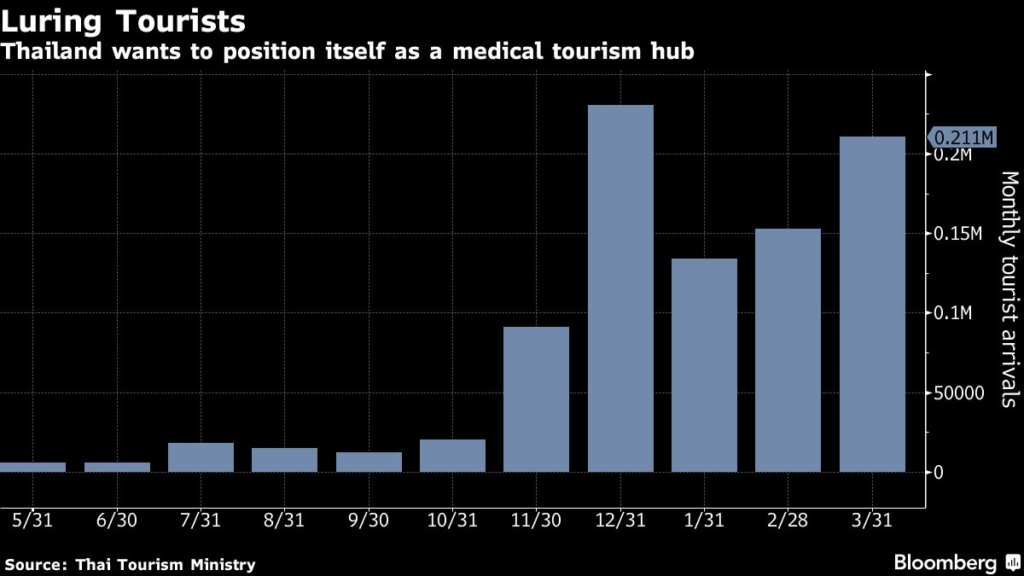
(Bloomberg) — Thailand aims to lure more foreign visitors in the post-Covid period by promoting itself as a medical tourism hub, building on its good track record of handling the pandemic, Prime Minister Prayuth Chan-Ocha said.

A virus task force headed by Prayuth on Friday will also consider demands to reopen bars, pubs and other nightlife entertainment venues that have been shut for more than a year amid a rebound in tourist arrivals. The lifting of the curbs are seen as key to lure more visitors in the June-September period, considered a low season for Thai tourism.

“Thailand has a proven track record in dealing with the Covid-19 outbreak,” Prayuth told a conference. “We will use this to promote the country’s medical tourism and health treatment to attract foreign visitors after the Covid.” 

Thailand expects tourist arrivals to more than triple to about a 1 million a month from October as the nation rolls back most of the pandemic-era travel curbs. While the country has scrapped mandatory Covid testing and quarantine for tourists, pre-arrival registration and insurance requirement are seen as deterrents with other tourism-reliant nations doing away such restrictions.

But with new Covid cases and deaths steadily declining, Prayuth has vowed to relax the remaining restrictions to boost business and economic activities, government spokesman Thanakorn Wangboonkongchana said in a statement Thursday. 

Thailand has seen its omicron-fueled Covid-19 wave ease in recent days with new cases averaging about 5,000 a day from a peak of almost 30,000 in early April. The country, which drew praise from the World Health Organization for its handling of the early phase of the pandemic, has contained total Covid fatalities to below 30,000, fewer than neighbors Malaysia and the Philippines.

The reopening of pubs, bars and other nightlife entertainment venues in some provinces can promote tourism and help millions of people dependent on such business for livelihood, Supot Malaniyom, secretary-general of the National Security Council, said.

While Thailand’s household debt level has risen to almost 90% of the gross domestic product, seen as a major barrier to its economic recovery, lower interest rates and fee charges will help ease the burden, Prayuth said. The government is also betting on large investments by some of the world’s top companies in technology and digital platforms, he said.

More stories like this are available on bloomberg.com

©2022 Bloomberg L.P.

Asia’s Two Richest Men Reap Windfall From Surging Oil, Coal

(Bloomberg) — Gautam Adani and Mukesh Ambani are profiting from a surge in global commodity prices triggered by Russia’s invasion of Ukraine, burnishing their fossil-fuel credentials even as Asia’s richest men publicly push their pivots toward greener energy.

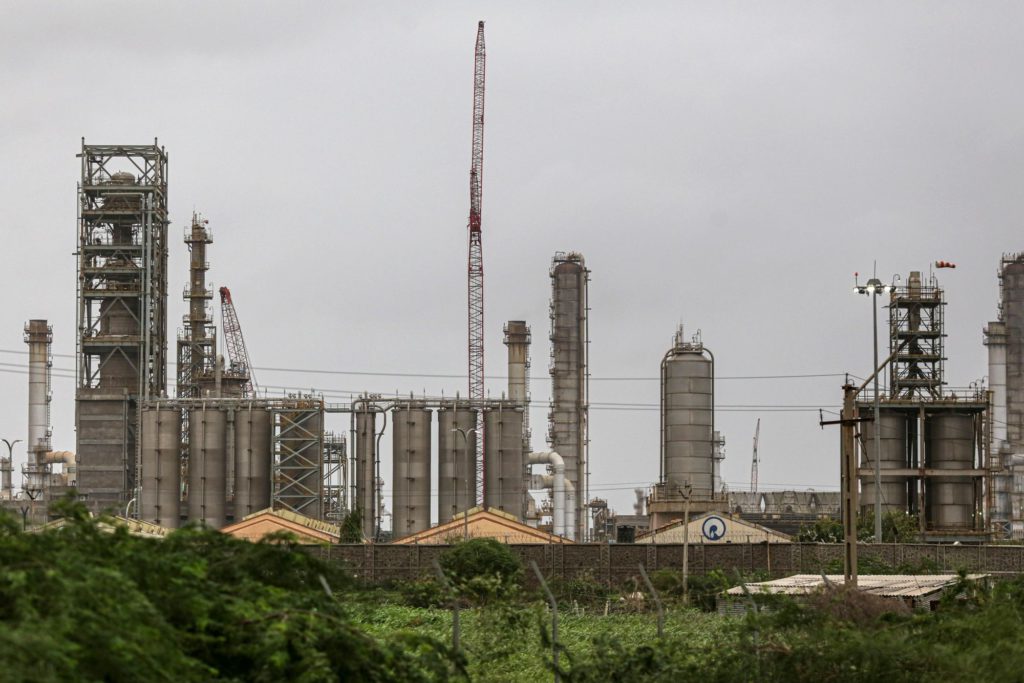
With coal prices skyrocketing to a record, Adani’s conglomerate is expanding a controversial mine in Australia to meet demand. Ambani’s Reliance Industries Ltd. is snapping up distressed crude-oil cargoes at discounts to feed its refining complex, the biggest in the world. Reliance even deferred a scheduled maintenance of the facility to help churn out more diesel and gasoline, whose margins have shot up to touch a three-year high. 

The two Indian tycoons are stepping in at a time when many developed countries are scrambling for alternative sources of fuels as they try to back away from Russian supplies. This month, the Group of Seven most-industrialized nations pledged to ban imports of Russian oil. The disruption has also brought the focus back on the need for more coal, the dirtiest fossil the world has vowed to phase out to cut emissions.

Though Adani, 59, and Ambani, 65, have unveiled a combined $142 billion in green investments over the next few decades in a pivot away from coal and oil — the bedrock of their empires — they are also finding it hard to kick the fossil-fuel habit as the conflict stokes demand. Global coal demand is expected to rise to a record level in 2022 and stay there through 2024, according to the International Energy Agency.

The war has created a tailwind for fossil fuel-based firms in India, said Chakri Lokapriya, managing director and chief investment officer at TCG Advisory Services Pvt. in Mumbai. 

“The collateral damage is that fossil fuels will continue to play a vital role the next 20 years or more,” he said, adding that it was sufficient time to reap benefits from carbon-based investments. 

Representatives for Adani Group and Reliance Industries didn’t respond to an email requesting comments.

Bullishness in coal prices helped flagship firm Adani Enterprises Ltd. clock a 30% jump in profit for the three months ended March — the highest in six quarters — while surging prices of petroleum products aided Reliance, which posted one of its biggest quarterly profits ever.

Shares of Reliance and Adani Enterprises soared 19% and 42% respectively between Feb. 24, when the invasion began, and end of April, before a global stock rout wiped out some of those gains. Adani has added about $26 billion to his wealth since the war started, taking his net worth to almost $107 billion, according to the Bloomberg Billionaires Index. Ambani’s fortune swelled by almost $8 billion to $92.4 billion. 

It isn’t just these two Indian billionaires benefiting from the commodities surge. Others include US oil and gas tycoons Harold Hamm, Richard Kinder and Michael S. Smith, and Indonesia’s Low Tuck Kwong, the boss of coal mining company PT Bayan Resources, who have all seen their wealth increase this year.

Almost 60% of Reliance’s revenue comes from oil-refining and petrochemicals, the mainstay business founded by Ambani’s late father. Since inheriting it in 2002, Ambani has been reducing the conglomerate’s dependence on oil-refining by diversifying into retail, telecommunications and technology. 

India has bought millions of barrels of Urals crude in the spot market since the end of February, according to data compiled by Bloomberg. While flows of Russian oil into India aren’t sanctioned, the South Asian country has repeatedly said that those shipments are minuscule compared to Europe’s purchases and represent a tiny fraction of the country’s total consumption. They also provide some relief at a time when inflationary pressures are increasing. India’s consumer prices rose the most in eight years in April. 

“We have minimized feedstock cost by sourcing arbitrage barrels,” Reliance’s Joint Chief Financial Officer V. Srikanth told reporters on May 6, without providing details. “Overall demand drivers are very promising,” he said referring to the strong comeback in demand for fossil fuels. 

Refiners in India exported 3.37 million tons of diesel in March, the highest since April 2020, when overseas sales were a record 3.4 million tons as local demand plummeted during the Covid-19 lockdown, according to data on Petroleum Planning and Analysis Cell’s website. Gasoline exports reached a five-year high of 1.6 million tons.

Coal has seen an equally strong comeback in recent months. “People had begun to write coal’s obituary two-three years back, but today, it seems, coal’s days are not over yet,” Pramod Agrawal, chairman of state-miner Coal India Ltd. told investors this month.  

For first-generation entrepreneur Adani, coal is central to his empire. He has invested more than $3 billion in coal mines in India, Australia and Indonesia. His Carmichael mine in Queensland, which has been a target of environmental activists including Greta Thunberg for years, started shipping the fuel only this year.

In a May 4 earnings call, Adani Enterprises said it plans to raise the annual capacity of the Carmichael mine to 15 million tons in the year through March 2023, about 50% more than what its board approved for the first phase of the project. It plans to export as many as seven capesize cargoes a month, director Vinay Prakash said on the call. 

The “geopolitical situation” is expected to keep coal prices strong for now, but how long this lasts is “anyone’s guess,” Prakash told investors. 

(Updates with Coal India comments in the 15-th paragraph.)

More stories like this are available on bloomberg.com

©2022 Bloomberg L.P.

China Warns US a ‘Dangerous Situation’ Forming Over Taiwan

(Bloomberg) — China’s top diplomat again warned the US over its increased support for Taiwan, showing the island democracy remains a major sticking point between the world’s biggest economies as Beijing sent more military aircraft toward the island.

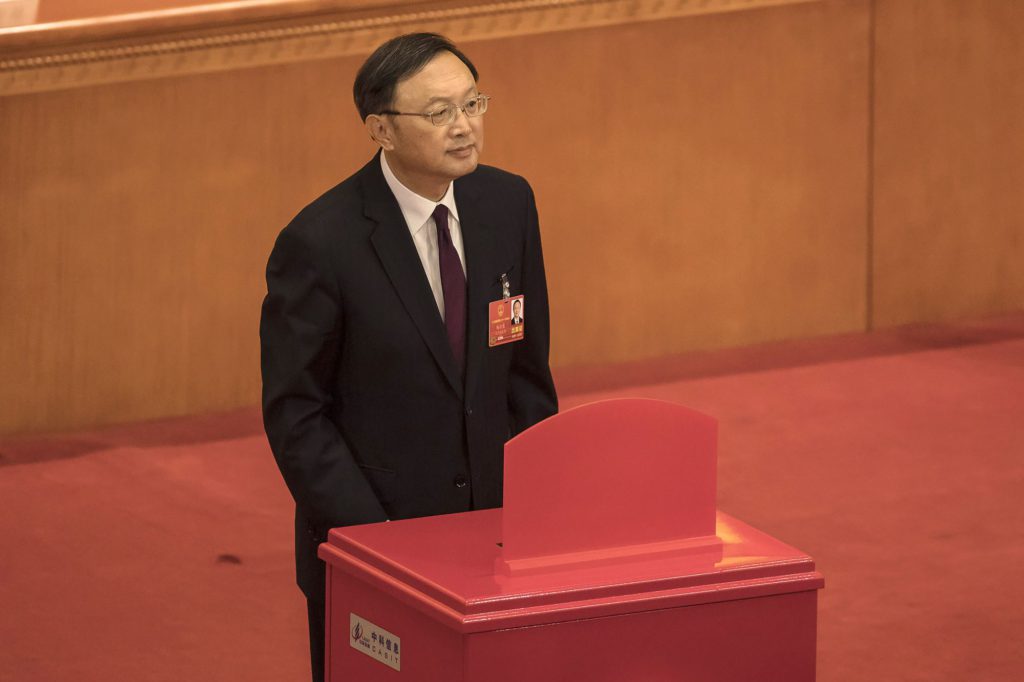
“If the US side insists on playing the Taiwan card and goes further and further down the wrong road, it will certainly lead to a dangerous situation,” Yang Jiechi, Beijing’s top diplomat, said in a phone call with National Security Advisor Jake Sullivan. 

Yang said Washington should “have a clear understanding of the situation,” according to a statement posted online by his nation’s Foreign Ministry. “China will certainly take firm action to safeguard its sovereignty and security interests,” he added.

The White House issued a short statement on the Wednesday call, saying the pair “focused on regional security issues and nonproliferation.” They also discussed Russia’s war against Ukraine and specific issues in US-China relations, it added.

The Yang-Sullivan call was the most high-level contact between the US and China since Joe Biden and Xi Jinping spoke in March, their first conversation following Russia’s invasion of Ukraine. Ties have remained frosty since then, with the nations sparring over Vladimir Putin, democracy in Hong Kong, forced labor allegations in Xinjiang and a range of other issues. 

Meanwhile, Taiwan’s Defense Ministry said on its website that four People’s Liberation Army aircraft, including a pair of J-16 fighter jets, entered its air defense identification zone on Wednesday, skirting close to the median line of the Taiwan Strait. 

China frequently lashes out at the US over its backing for Taiwan, saying it amounts to interference in its internal affairs. Xi told Biden in the March call that the issue could “have a disruptive impact on the relationship between the two countries” if it was not properly handled, and has referred to China’s quest to gain control of the democratically ruled island as a “historic mission.” 

Earlier this week, Admiral Michael Gilday, the top American naval officer, said Taiwan must prepare itself against potential Chinese aggression through military deterrence that includes getting the right weapons and training. Gilday said this was the “big lesson learned and a wakeup call” following the Russian invasion of Ukraine.

Why Taiwan Is the Biggest Risk for a US-China Clash: QuickTake

The US has stepped up its backing for Taiwan since the war in Ukraine started, with a group of senior senators including Republican Lindsey Graham visiting last month. China responded to that trip by conducting air and naval training near the island. 

Last week, the State Department updated a Taiwan factsheet posted on its website, dropping a reference to not supporting the island’s independence, and describing it as “a leading democracy and a technological powerhouse.” It also said Taiwan was a key partner in the semiconductor industry and “other critical supply chains.”

On Wednesday, more than 50 senators signed a letter urging Biden to include Taiwan as a partner in the proposed Indo-Pacific Economic Framework, part of Washington’s efforts to counter China’s clout in Asia. Biden will hold a summit in Tokyo with the leaders of Japan, India and Australia as part of a trip to Asia that begins later this week.

Those four nations form a grouping known as the Quad that is largely aimed at countering China’s influence.

While the government of President Tsai Ing-wen asserts Taiwan is already a de facto independent nation in need of wider international recognition, Beijing claims it as part of its territory that must be brought under control by force if necessary. 

Tsai has played down worries Russia’s invasion could trigger a similar crisis for Taiwan in the near term. One of the reasons for that is the leadership in Beijing wants domestic stability before a twice-a-decade congress this year that is likely to hand Xi a precedent-defying third term in power.

(Updates with more context.)

More stories like this are available on bloomberg.com

©2022 Bloomberg L.P.
Stocks Drop in Asia as Traders Mull Growth Worries: Markets Wrap

(Bloomberg) — Stocks slid Thursday on fears of an economic downturn, though cooling demand for havens like bonds hinted at slightly steadier sentiment. 

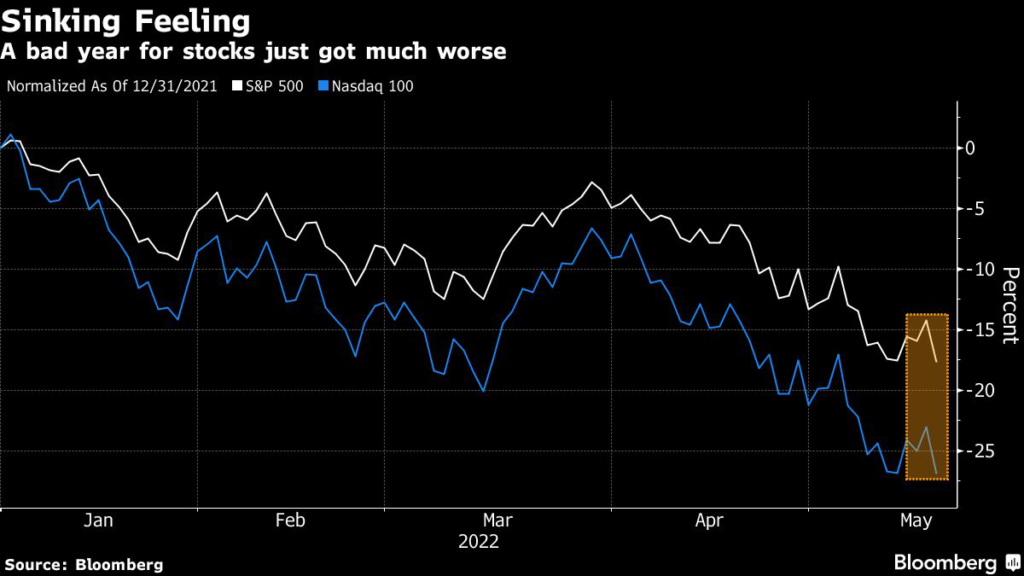
An Asia-Pacific equity index shed about 1.5%, led by losses in Japan and in Chinese technology firms. US and European futures wavered but came off session lows as traders evaluated whether a 4% plunge in the S&P 500 index — the biggest daily drop in almost two years — might give way to dip-buying.

Earnings reports Tuesday from US consumer titans stoked worries that high inflation is weighing on margins and consumer spending. Target Corp. sank the most since Black Monday in 1987, a day after Walmart Inc. also spiraled lower.

Federal Reserve officials reaffirmed that sharply tighter monetary policy lies ahead to cool economic activity and get price pressures under control. Chicago Fed President Charles Evans said raising interest rates somewhat above the neutral level and stopping there should help bring inflation down.

Treasuries pared a rally, the dollar dipped and commodity-linked currencies like Australia’s dollar revived. Demand risks from China’s Covid lockdowns are also impacting markets, keeping oil near $110 a barrel after a fall this week.

The challenge from inflation for bellwether retailers weakens the argument that corporate earnings can help stem this year’s rout in stocks. Instead, global equities are sliding toward a bear market as recession fears mount. 

“We are pricing in a growth scare,” Lori Calvasina at RBC Capital Markets told Bloomberg TV. “The market is trying to find a bottom here. There is a lot of uncertainty in this market right now about whether or not that recession is going to come through or if it’s going to be another near-death experience.”

Signs of stress are building in credit markets. Yield premiums on US investment-grade corporate dollar bonds jumped five basis points Wednesday, in one of their biggest moves this year, a Bloomberg index shows. They are now at their highest since mid-2020.

‘New Phase’

“We’ve had investors for the most part who’ve lived through three or four decades of declining interest rates, rising multiples for equities and strong earnings for the most part,” Christopher Smart, chief global strategist at Barings LLC, said on Bloomberg Television. “Now you’re entering a very new phase where we’re not really quite sure where inflation is going to level off.”

In other company news, Tencent Holdings Ltd. dived after warning it will take time for Beijing to act on promises to prop up the Chinese tech sector. Cisco Systems Inc. slid in extended US trading on a disappointing revenue outlook.

Meanwhile, Treasury Secretary Janet Yellen confirmed it’s unlikely the US will allow Russia to continue making bond payments on its foreign-currency debt, as investors have had time to adjust to Moscow’s exclusion from the global financial system for the war in Ukraine.

What damage will be done to the US economy and global markets before the Fed changes tack and eases policy again? The “Fed Put” is the theme of this week’s MLIV Pulse survey. Click here to participate anonymously.

Some of the main moves in markets:

Stocks

  • S&P 500 futures rose 0.1% as of 12:30 p.m. in Tokyo. The S&P 500 fell 4%
  • Nasdaq 100 futures shed 0.1%. The Nasdaq 100 fell 5.1%
  • Japan’s Topix index lost 1.7%
  • Australia’s S&P/ASX 200 index fell 1.5%
  • South Korea’s Kospi index shed 1.2%
  • China’s Shanghai Composite index declined 0.1%
  • Hong Kong’s Hang Seng index fell 2.1%
  • Euro Stoxx 50 futures retreated 0.7%

Currencies

  • The Bloomberg Dollar Spot Index fell 0.2%
  • The euro was at $1.0500, up 0.3%
  • The Japanese yen was at 128.79 per dollar, down 0.4%
  • The offshore yuan was at 6.7724 per dollar, up 0.1%

Bonds

  • The yield on 10-year Treasuries rose three basis points to 2.91%
  • Australia’s 10-year yield fell four basis points to 3.42%

Commodities

  • West Texas Intermediate crude rose 1% to $110.69 a barrel
  • Gold was at $1,816.46 an ounce

More stories like this are available on bloomberg.com

©2022 Bloomberg L.P.
Hong Kong Telco HKBN Is Said to Draw Interest From KKR, PAG

(Bloomberg) — KKR & Co. and PAG are among suitors considering bids for Hong Kong telecommunications provider HKBN Ltd., according to people familiar with the matter.

The private equity firms have been speaking to advisers as they conduct due diligence on HKBN, the people said, asking not to be identified because the matter is private. 

Shares of HKBN rose as much as 6.4% and hit their highest level since Feb. 24 in Hong Kong on Thursday, giving it a market value of about $1.7 billion. The company’s enterprise value stands at around $3 billion, according to data compiled by Bloomberg. 

HKBN offers broadband internet services to residential and corporate customers in the city. It also provides other enterprise telecom solutions, runs data centers and offers Wifi connectivity. Its major shareholders include buyout firms TPG Inc. and MBK Partners. 

The company has also attracted initial interest from Stonepeak, the people said. The potential deal for HKBN comes amid booming demand for infrastructure assets globally. 

Deliberations are at an early stage, and there’s no certainty the funds will proceed with formal bids, the people said. Challenging financing markets and stock market volatility could still weigh on a potential deal, the people said.

Representatives for HKBN, PAG and Stonepeak declined to comment, while a spokesperson for KKR didn’t immediately respond to requests for comment. 

In 2018, HKBN announced an all-stock merger with WTT, the enterprise-focused fixed telecom provider then owned by TPG and MBK. It was completed the following year.

(Updates with share price move in third paragraph.)

More stories like this are available on bloomberg.com

©2022 Bloomberg L.P.

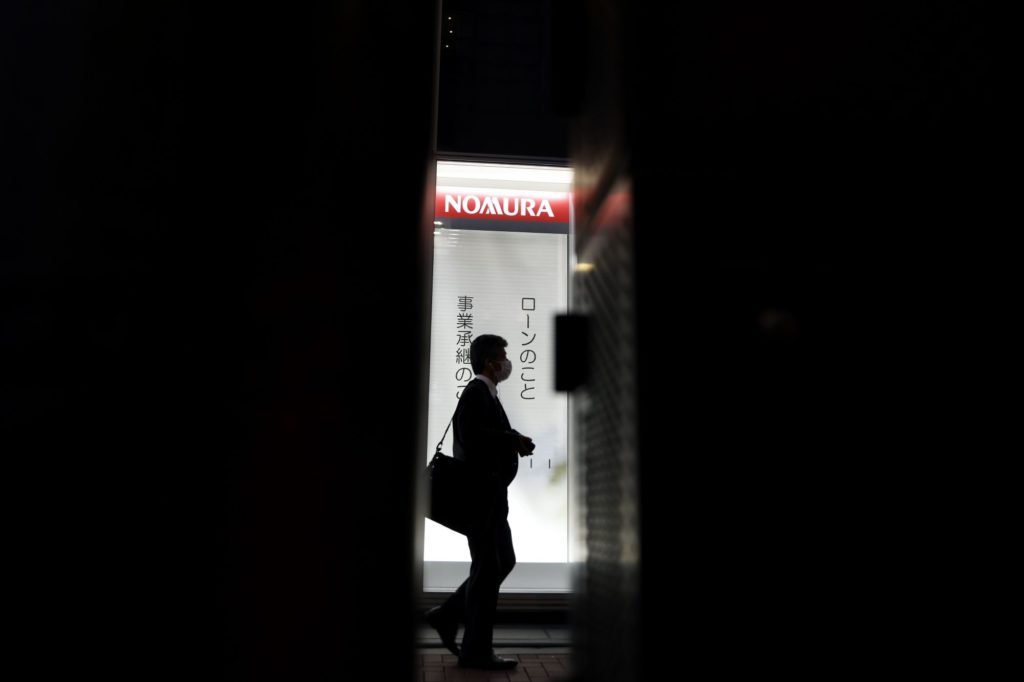
Nomura Explores the Metaverse in Digital Push to Lift Profit

(Bloomberg) — Nomura Holdings Inc. is building a team to help firms tap opportunities in the metaverse, as Japan’s biggest brokerage pushes deeper into digital services and private markets to boost profit. 

The Tokyo-based firm is considering using its investment banking knowledge to help companies in the virtual space raise money and advise on how to navigate regulations as they emerge, according to senior managing director Kaoru Numata, who oversees digital projects and retail marketing. Details of Nomura’s plans for the virtual reality market are still being worked out, he said. 

Nomura may be able to make money through creating securities out of digital assets, such as shoes, and other non-fungible tokens, according to Numata. “You will need financial services where economic activity in the real world merges itself with anything of value created in the metaverse,” he said, acknowledging that it’s difficult to identify a “sure way” to generate revenue from the metaverse. 

Nomura’s plans for the metaverse are part of a wider digital push, which Chief Executive Officer Kentaro Okuda has called a “critical part” of the brokerage’s expansion into private markets to bolster profit. The firm has been gradually diversifying away from stock broking for retail clients and other market-dependent business toward services that generate more stable fees.

The brokerage’s so-called Digital Company that was set up in April may recruit “a few dozen” partly to boost its research and development of metaverse and other blockchain-driven services, Numata said, declining to say how big the team is currently. 

Separately, the firm will later this year launch a subsidiary within the Digital Company to help institutional clients access products and services related to cryptocurrencies, stable coins and non-fungible tokens. It also recently started offering Bitcoin derivatives to clients in Asia after institutional demand for cryptocurrency products “significantly” increased in the past two years. 

Nomura joins rival Wall Street giants in exploring opportunities in the virtual reality market that could reach $600 billion by the end of the decade, according to Bloomberg Intelligence. 

HSBC Holdings Plc in March said it would buy a site in The Sandbox metaverse to engage with sporting and gaming enthusiasts. JPMorgan Chase & Co. has a lounge in Decentraland where users are greeted by a digital portrait of CEO Jamie Dimon, the same world where Fidelity Investments launched a tutorial place for retail investors. 

Financial firms are pushing ahead with digital plans despite a recent meltdown in cryptocurrencies after the collapse of the TerraUSD stablecoin triggered a flight from many popular tokens. Such assets are also under pressure after the Federal Reserve and other central banks raised interest rates to fight inflation, creating an unfavorable environment for riskier investments. 

“We are certain that there will be business opportunities” in the metaverse, Numata said. “The market for digital finance is growing quite strongly.” 

Nomura in October agreed to a third party allocation of shares from Crypto Garage Inc., which offers blockchain related settlement services in Japan and overseas.

(Adds detail in eleventh paragraph. An earlier version of this story corrected senior managing director’s name in deck headline)

More stories like this are available on bloomberg.com

©2022 Bloomberg L.P.
Close Bitnami banner
Bitnami