Bloomberg

Stocks Suffer Steepest Rout in Almost Two Years: Markets Wrap

(Bloomberg) — US stocks posted the biggest daily drop in almost two years as investors assess the impact of higher prices on earnings and prospects for monetary policy tightening on economic growth. The dollar and Treasuries gained amid a pickup in haven bids.

The selloff sent the S&P 500 down 4%, the most since June 2020, with the plunge in consumer shares surpassing 6%. Target Corp. tumbled more than 20% in its worst rout since 1987, after trimming its profit forecast due to a surge in costs. Shares of retailers from Walmart Inc. to Macy’s Inc. were caught in the downdraft. The Nasdaq 100 fell the most among major benchmarks, dropping more than 5% as growth-related tech stocks sank. Megacaps Apple Inc. and Amazon.com Inc. also slid over 5%. 

Cisco Systems Inc., the biggest maker of computer-networking equipment, said it expects revenue to decline in the current quarter, hurt by disruptions stemming from Chinese lockdowns and the Ukraine war. The stock dropped as much as 19% in postmarket trading, the steepest in its history, according to data compiled by Bloomberg.

Treasuries rose across the board, sending the 10- and 30-year Treasury yields down more than 10 basis points. The dollar rose against all of its Group-of-10 counterparts, except the yen and Swiss franc.

The benchmark S&P 500 is emerging from the longest weekly slump since 2011, but any rebounds in risk sentiment are proving fragile amid tightening monetary settings, Russia’s war in Ukraine and China’s Covid lockdowns. 

In some of his most hawkish remarks to date, Federal Reserve Chair Jerome Powell said Tuesday that the US central bank will raise interest rates until there is “clear and convincing” evidence that inflation is in retreat. If the Fed raises its key rate somewhat above what it thinks is a “neutral” level for the economy and stops there, that should help bring inflation down from current elevated levels, Chicago Fed President Charles Evan said.

Commentary

  • “Stocks are getting hammered as inflation fears and weak earnings hit market sentiment hard,” Fiona Cincotta at City Index said in an email. “While strong retail sales helped boost stocks yesterday, disappointing quarterly numbers from retail giants Target and Lowe’s are striking fear into the market today. The data yesterday suggests that consumers are weathering the inflation hit for now. Retailers, however, are not doing so well at navigating through soaring input costs.”
  • “Worries over inflation and a hawkish Fed are nothing new, but now add in worries over profit margins and the impact of inflation on the consumer and you have the recipe for a big down day,” Ryan Detrick, chief market strategist at LPL Financial, said in a note.
  • “We are pricing in a growth scare,” Lori Calvasina at RBC Capital Markets told Bloomberg TV. “The market is trying to find a bottom here. There is a lot of uncertainty in this market right now about whether or not that recession is going to come through or if it’s going to be another near-death experience.”
  • “What we’re seeing this week from big box retailers could be a clue as to what a recession might feel like for markets overall,” said Mike Bailey, director of research at FBB Capital Partners. “We’re seeing consumers vote with their wallets on what they value most, and we are seeing winners and losers emerge.”
  • “The threat to asset prices is broad-based inflation pushing central banks to tighten monetary policy even more rapidly,” Carl Ludwigson at Bel Air Investment Advisors said in a note. “If the Federal Reserve’s policy response proves too aggressive, then Treasuries and high-quality municipal bonds will again be the place to hide as tighter financial conditions lead to demand destruction.”

In Europe, new-vehicle sales shrank for a 10th month in a row as the industry remains mired in supply-chain crises, while euro-area inflation plateaued at a record high. Meanwhile, UK inflation rose to its highest level since Margaret Thatcher was prime minister 40 years ago, adding to pressure for action from the government and central bank. 

Elsewhere, the Biden administration is poised to fully block Russia’s ability to pay US bondholders after a deadline expires next week, a move that could bring Moscow closer to a default. Sri Lanka, meantime, is on the brink of reneging on $12.6 billion of overseas bonds, a warning sign to investors in other developing nations that surging inflation is set to take a painful toll.

What damage will be done to the US economy and global markets before the Fed changes tack and eases policy again? The “Fed Put” is the theme of this week’s MLIV Pulse survey. Click here to participate anonymously.

Some of the main moves in markets:

Stocks

  • The S&P 500 fell 4% as of 4 p.m. New York time
  • The Nasdaq 100 fell 5.1%
  • The Dow Jones Industrial Average fell 3.6%
  • The MSCI World index fell 2.7%

Currencies

  • The Bloomberg Dollar Spot Index rose 0.4%
  • The euro fell 0.8% to $1.0465
  • The British pound fell 1.2% to $1.2341
  • The Japanese yen rose 0.9% to 128.27 per dollar

Bonds

  • The yield on 10-year Treasuries declined nine basis points to 2.89%
  • Germany’s 10-year yield declined two basis points to 1.03%
  • Britain’s 10-year yield declined two basis points to 1.86%

Commodities

  • West Texas Intermediate crude fell 2.7% to $109.31 a barrel
  • Gold futures fell 0.2% to $1,815 an ounce

(An earlier version of this story corrected the spelling of Walmart.)

More stories like this are available on bloomberg.com

©2022 Bloomberg L.P.
SpaceX Urged by US to Ease Blow to Wildlife in Texas Launch Plan

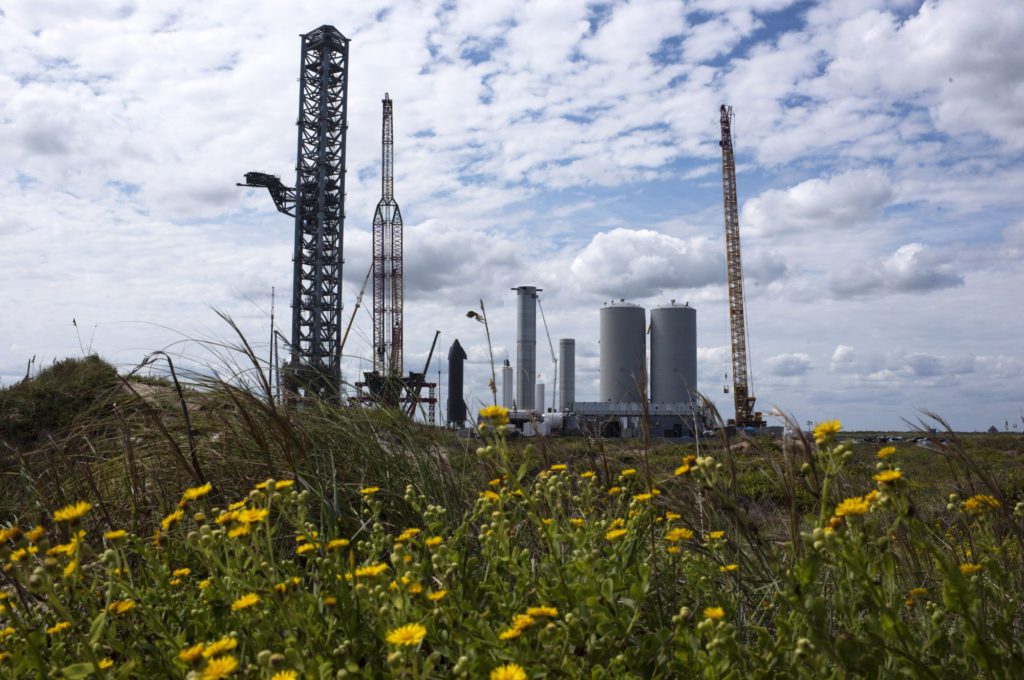
(Bloomberg) — Government wildlife officials have released a final opinion about SpaceX’s planned expansion in Boca Chica, Texas, proposing mitigation steps as part of a prolonged environmental review by federal regulators.

The US Fish and Wildlife Service’s “final biological and conference opinion,” dated May 12, suggests several conservation measures to minimize the impact on local species from SpaceX’s newest rocket, according to a copy of the report viewed by Bloomberg. 

The opinion is part of an environmental assessment of the Starship rocket launch site overseen by the Federal Aviation Administration, which has delayed its ruling on SpaceX’s request for approval multiple times since December. The agency has said it’s working to complete that review by the end of this month. 

Federal wildlife experts recommended Elon Musk’s company undertake several mitigation measures including contracting with a qualified biologist to conduct monitoring of vegetation and birds, operating an employee shuttle between the launch facility site and nearby town of Brownsville, reducing vehicle traffic, and adjusting lights to minimize the impact on sea turtles. The report said SpaceX has provided an update of its biological monitoring plan to the regulators.

The company did not respond to a request for comment. President Gwynne Shotwell earlier this month said SpaceX will conduct a test flight of Starship from Texas in June or July. 

Boca Chica is where the fully reusable Starship system is assembled, and the rapidly growing facility is key to the company’s plans to use the rocket to take humans to the moon and Mars. The 47-acre launch site on the Gulf of Mexico is adjacent to tidal flats, marshes and wetlands that provide critical habitats for several species, from sea turtles to plovers, ocelots and falcons.

More stories like this are available on bloomberg.com

©2022 Bloomberg L.P.

Bitcoin Flexes Dominance Again as Altcoins Suffer Bigger Losses

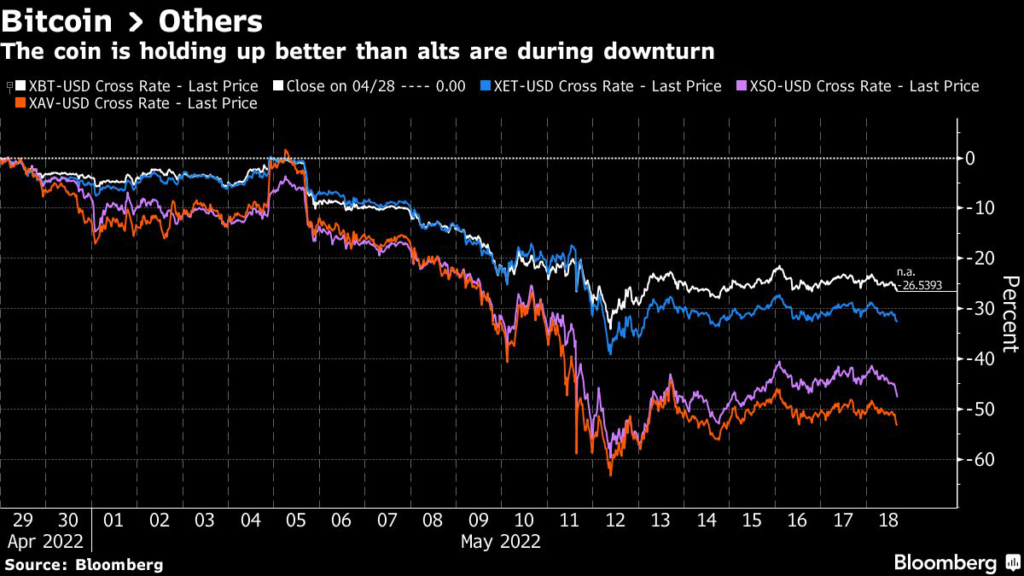
(Bloomberg) — Bitcoin might be having a tough time of late, but it’s holding up much better than other cryptocurrencies, showcasing its ability to stay dominant during rough spells.

The coin’s market-cap dominance has risen “sharply” during the latest selloff, reaching 45%, the highest level this year, according to data compiled by Babel Finance. It suggests “altcoins are at their worst,” the firm’s strategists wrote in a note.

Even last week, as prices plunged amid the TerraUSD implosion, crypto fans added $299 million to products focused on Bitcoin, with market-watchers suggesting that investors have been flocking to it as a better bet. 

“Bitcoin is the best-known and most-liquid cryptocurrency, so it is seen as the safest one,” said Matt Maley, chief market strategist at Miller Tabak + Co. “With massive drops of some members of this asset class in the past week, it’s no surprise that those who think it’s a good buying opportunity are focusing on the safest one.”

It’s an idea that emerges whenever cryptocurrencies suffer through challenging times. Bitcoin is the oldest digital asset and has name recognition. It also has a devoted group of fans, who often refer to themselves as Bitcoin maximalists, betting the coin is the currency of the future. 

That’s not to say it’s seeing stellar returns. Like the rest of the market, it’s mired in a bear market, but is just holding up much better than altcoins are. Bitcoin has lost 27% over the past two weeks, while Ether has shed more than 33%. Other coins have fared even worse, with Solana falling 44% and Avalanche dropping more than 50%. As of 3:17 p.m. in New York on Wednesday, Bitcoin was down 3%, compared with Ether’s 4% decline.

“Altcoin investors also became fearful of the developments in the market,” said Oleksandr Lutskevych, founder and CEO of CEX.IO, citing aggressive moves by the Federal Reserve. 

Cryptocurrencies are in the gutter this year. Most central banks have done away with loose monetary policy and are hiking interest rates to cool down inflation. It’s created an unpleasant environment for all manner of risk assets, including US equities.

“Markets have become convinced that rate hikes will continue for the foreseeable future,” said Lutskevych. “This has expedited exits from riskier assets such as stocks and cryptocurrencies.”

When the selloff will abate is anyone’s guess. Lori Calvasina at RBC Capital Markets says she’s been monitoring the crypto-stocks correlation. Bitcoin has, in the past, been a leading indicator for when the market might bottom, though it’s less so such a predictor now. 

“It was really giving us a sign at the peak. It’s not really telling us too much now, but there, of course, has been severe declines there,” she told Bloomberg Television. “I will tell you, equities don’t tend to go down as much as crypto, so it does end up being sort of a safer asset.”

Babel strategists, meanwhile, are looking at a bullish development: Bitcoin is getting closer to its realized on-chain price of around $24,000. That gauge attempts to measure if an asset is over or undervalued relative to its fair value. “A green area generally signals a buying opportunity and the market continues to move in that direction,” they wrote.

More stories like this are available on bloomberg.com

©2022 Bloomberg L.P.

Panama Eyes Fastest Regional Growth in 2022: New Economy Update

(Bloomberg) — After being battered by the pandemic like few regions in the world, Latin America finally has some tailwinds at its back.

Soaring commodity prices are bolstering exports for many countries while the push by multinationals to shorten and fortify their supply chains is prompting many of them to consider building new factories in the region. There are plenty of risks still: unemployment remains high, poverty has surged, populations are demanding political change across the region and the Federal Reserve is draining cash from the global economy.

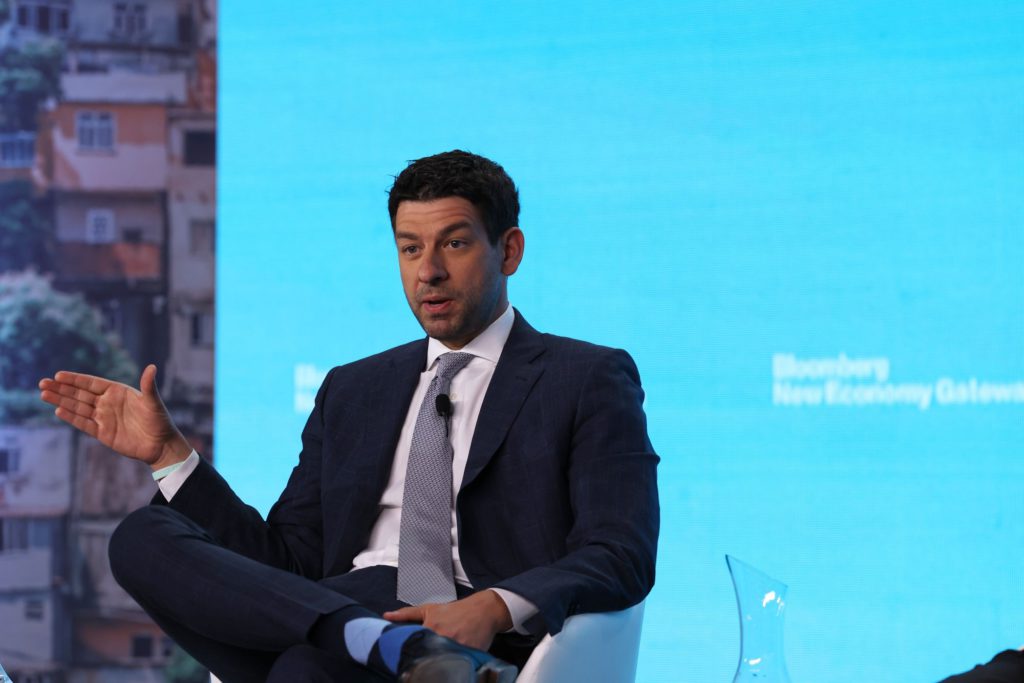
At Bloomberg’s inaugural New Economy Gateway Latin America event in Panama City, just a short ride from the century-old canal that transformed global trade, speakers are debating the post-pandemic growth outlook as well as the preparation work needed to confront the next public health crisis, the transition to green energy and the case for cryptocurrencies in the region, among other topics.

You can follow the agenda here and the event will be streamed on the terminal at LIVE GO and on the web.

Panama expects to grow 8% in 2022, fastest in the region (1:40 p.m.)

Panama is forecasting it will continue posting the fastest growth in the region, with 8% expected for 2022 after 15% growth in 2021, said Foreign Affairs Minister Erika Mouynes in an interview with Bloomberg TV’s Caroline Hyde. That’s even as the war in Ukraine leads to higher food and fertilizer prices, two key issues for countries in Central America, which are net importers of both of these.

“We need to talk more about the local consequences about what’s happening in the conflict,” said Mouynes. Panama recently convened a regional summit to discuss the issue. “We’re concerned about how we deal with this on a regional basis.”

Read More: Migration Through Panama Plunges 94% From Peak, Minister Says

Mouynes also noted that while Panama continues to be singled out as a tax haven, that’s a “misplaced” view given that a recent report had several G-7 countries at the top of a ranking, with Panama falling below the top 15 globally.  

Marriott bullish on LatAm travel, plans for more hotels (12:10 p.m.)

The president for Marriott International, Craig Smith, said the company aims to double the number of its hotels in Latin America within three to four years. With 300 hotels already in the region, Smith said plans are underway for at least another 100.

“We’re really bullish on the region,” Smith said.

He added that demand for travel in Latin America hasn’t been impacted by the surge in inflation rocking the global economy.

It’s “affecting us more on building costs,” Smith said. “It hasn’t affected people traveling.”

Marcelo Claure on opportunities in Latin America (11:50 a.m.)

Marcelo Claure, the influential venture capital investor best known for turning around Sprint and preparing WeWork for its public listing during his time as chief operating officer for SoftBank International Corp, said he’s a “huge believer” in Latin America.

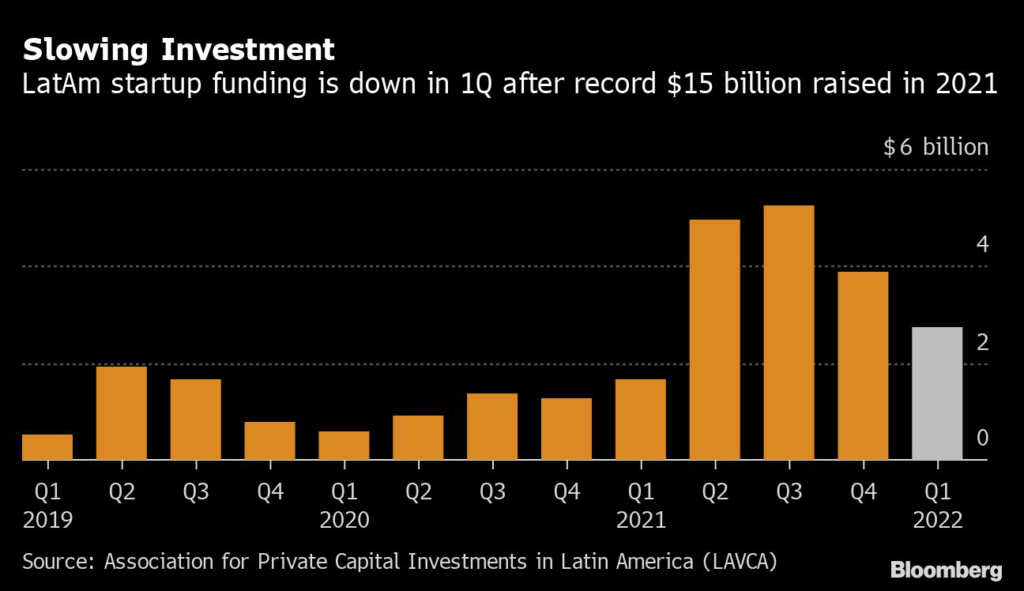
Claure said he looks beyond “temporary” company valuations as the current risk environment leads to a tighter funding environment for startups, and that startups will have to focus on faster, more profitable growth. He expects investor attention to remain in the region, even as funding slows in the next two years.

“The next 5 to 10 years will be some of the most exciting,” he said in an interview. “We won’t go back to the “dark ages” before 2018 where investment in LatAm was $1 billion, compared to $10 billion for India. We’ll be at least the same as India or as Southeast Asia.”

Claure, who took the helm at his family office Grupo Claure since leaving SoftBank in late January, said he’s closely following companies involved in the “three revolutions” of our time: artificial intelligence, electric vehicles and blockchain.

Panama canal traffic, new container port (11:30 a.m.)

The global shipping bottlenecks rattling industries and consumers in the pandemic era were plain to see for the politicians, economists and investors gathering for the event in Panama.

Separately, Notarc Management Group, a Latin America-focused investment firm, announced on the sidelines of the event that it’s partnering with a unit of Mediterranean Shipping Company to take over construction of the $1.4 billion Panama Canal Container Port.

Opportunities still abound in technology (11:25 a.m.)

Current down cycle and tighter liquidity in startup space in Latin America is temporary, Sumita Pandit, chief operating officer of dLocal said. 

“Cycles are good, it helps you go through these ups and downs to actually strengthen your business model,” Pandit said. “There will be some companies that will not survive the capital constraint that will probably come in the next few quarters but I’m absolutely certain that the cycle will turn and we will again see the abundant availability of capital.”

Latin America technology industry is still missing more female-led companies and founders, according to Mate Pencz, founder and co-CEO of Loft. 

Bachelet discusses Chile, human rights (10:50 a.m.)

UN High Commissioner for Human Rights Michelle Bachelet, speaking in an interview with Bloomberg’s Stephanie Flanders, threw her support behind Chile’s draft constitution, saying she would like to see it approved in September’s national referendum even as polls show growing rejection of the document among her fellow nationals.

“It’s offering a new social contract,” the former Chilean president said.

More broadly, she voiced concern about the short-term outlook for Latin America as policymakers battle the global wave of inflation sparked by the post-pandemic recovery and Russia’s invasion of Ukraine.

On defining Latin America’s alliances (10:25 a.m.)

A panel discussed where Latin America’s geopolitical allegiances should lie and whether nearshoring is really happening amid supply chain disruptions.

“Latin America should be as promiscuous as it can be to play every side for whatever it can,” Marko Papic, partner at Clocktower Group said. “Multipolarity is a great opportunity.”

Inter-American Development Bank head Mauricio Claver-Carone said the US remains the most reliable partner as the biggest foreign direct investor and the realignment of supply chains at the moment represents the biggest opportunity of a lifetime.

“The US has very few free trade agreements but the ones we have are in Latin America,” Shannon O’Neil, Vice President of the Council on Foreign Relations, said. “So companies here have preferred access to the largest economy in the world.”

Michael Bloomberg on role Latin America plays (9:38 a.m.)

Michael Bloomberg, founder of Bloomberg LP, said in a video message to kick off the event that Latin America has a “critical role” in helping confront some of the world’s biggest problems.

Latin America is an economic engine, fertile ground for entrepreneurship, is a global tradeway and is a critical part of our natural defense against climate change given its biodiversity.

More stories like this are available on bloomberg.com

©2022 Bloomberg L.P.

North Korea May Launch ICBM in Show of Strength as Covid Surge Challenges Kim

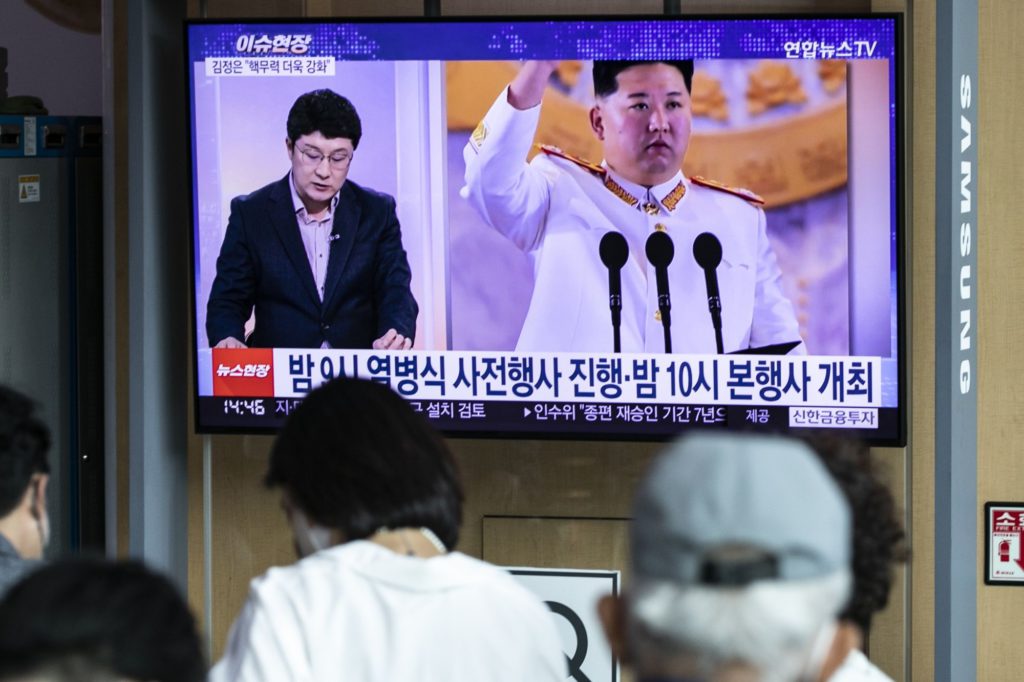
(Bloomberg) — Kim Jong Un may be preparing to launch an intercontinental ballistic missile or conduct a nuclear test to coincide with President Joe Biden’s trip to the region, as the North Korean leader battles a Covid-19 outbreak that poses one of the greatest crises faced by his regime. 

“Our intelligence does reflect the genuine possibility that there will be either a further missile test, including a long-range missile test, or a nuclear test, or frankly both, in the days leading into, on or after the president’s trip to the region,” US National Security Advisor Jake Sullivan told reporters at the White House on Wednesday. 

“We are preparing for all contingencies, including the possibility that such a provocation could occur while we are in Korea or in Japan,” he said.

Biden will embark Friday on a trip to South Korea and Japan to coordinate with the US allies on security threats including that posed by North Korea, while seeking their participation in a new economic grouping to strengthen supply chains and reduce reliance on China.

South Korea national security adviser Kim Tae-hyo told reporters Wednesday that an ICBM test could be imminent, without giving a more detailed time frame.

North Korea’s ICBMs are designed to deliver a nuclear warhead to the US mainland, and the country fired one about two months ago for the first time in more than four years — highlighting the feat in a slickly produced video shown on state TV. Preparations can be watched by spy satellites, which have been trained on an area near Pyongyang’s main international airport after the two ICBM tests in March — only one was successful.

Japan’s top government spokesman, Hirokazu Matsuno, told a briefing in Tokyo that North Korea’s ballistic missiles threaten peace and stability, without directly addressing a CNN report that a launch may be imminent.

Kim presided over a Politburo meeting on policies to halt a Covid-19 outbreak that his government said has infected about 1.7 million people and killed 62 in the past few weeks, the official Korean Central News Agency reported Wednesday. Top leaders also chastised officials who failed “to properly handle affairs in the current health crisis due to a shortage of their experience,” it said.

The coronavirus crisis is providing one of the biggest tests of Kim’s leadership since he took power a decade ago. His propaganda apparatus has tried to deflect blame for the outbreak to lower-ranking officials while his country has put on shows of its military might to remind its people of its strength in the face of a flareup that could crush its antiquated medical system.


North Korea has ignored offers of Covid-19 aid from South Korea and others, and the isolated country — along with east Africa’s Eritrea — is one of only two in the world that hasn’t started a vaccination program against the virus, according to the United Nations.

Pyongyang appears to have sent airplanes to China, its biggest benefactor, in the past few days to pick up medical supplies, NK News and Yonhap News Agency reported.

The country’s population is already vulnerable. The UN’s food aid agency estimates about 40% of its population is undernourished, which could magnify the impact of the virus.

Kim’s regime has not called the hundreds of thousands of infections “Covid,” likely because the country doesn’t have enough testing kits to confirm the cases were caused by the coronavirus.

More stories like this are available on bloomberg.com

©2022 Bloomberg L.P.

California to Join $8 Billion Hydrogen Hub Race Among US States

(Bloomberg) — California will seek some of the $8 billion President Joe Biden set aside for building hydrogen production hubs, joining a crowded race among US states angling for the money.

Governor Gavin Newsom’s economic development office said Wednesday that California will file a state-backed application for the hydrogen funding. The announcement didn’t name any specific projects that could receive the money, although it mentioned working with Los Angeles officials on the proposal. Several large-scale projects for making hydrogen and using it as a fuel are planned for the Los Angeles area, and LA City Council voted Tuesday to seek federal funding as a regional hub.

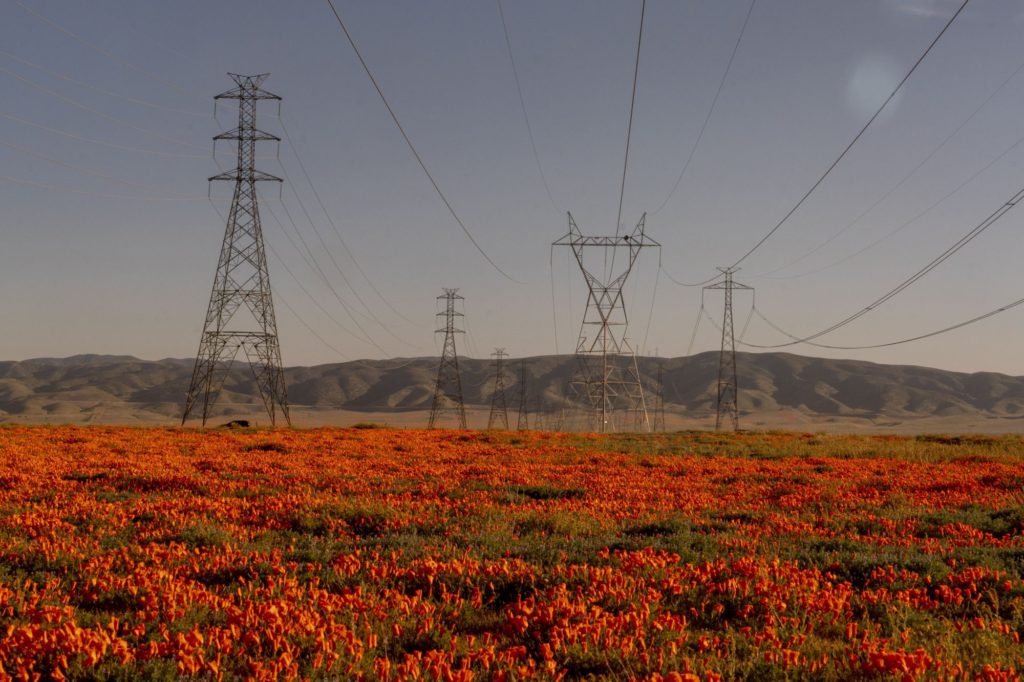
Hydrogen can fuel power plants, factories, trains and ships without producing carbon dioxide, and governments worldwide increasingly see the gas as an essential tool to fight climate change. The US infrastructure law passed last year calls for creating at least four hubs across the country where hydrogen would be both produced and used, setting the stage for wider adoption. 

“California has the market experience, workforce talent, public and private investment base, and renewable resources to partner with the federal government to create an economically resilient, expanding hydrogen hub that helps accelerate national success,” said Dee Dee Myers, director of the Governor’s Office of Business and Economic Development.

Many states have already announced their intention to compete for the money. New York, for example, formed an alliance with Connecticut, Massachusetts and New Jersey to host a hub and seek funding. So have Arkansas, Louisiana and Oklahoma. 

More stories like this are available on bloomberg.com

©2022 Bloomberg L.P.

Claure Is Huge Believer in Latin America Amid Global Disruptions

(Bloomberg) — Venture capital investor Marcelo Claure is all-in on Latin America. 

“I’m a huge believer in Latin America,” Claure said at Bloomberg’s New Economy Gateway Latin America event in Panama City. “These last three years have been remarkable, even in these difficult times we have been able to get amazing returns.”

The influential venture capital investor, best known for turning around Sprint and preparing WeWork for its public listing during his time as chief operating officer for SoftBank International Corp, expects companies to flock to the region as geopolitical developments show a supply chain too concentrated in one country is risky. That trend should bring “a lot of capital” to the region, Mexico especially, he said. 

Claure Bullish on AI, EV and Blockchain: New Economy Update

Another huge driver of capital should be around the electric vehicle revolution – particularly in Bolivia, Chile and Argentina, which sit on massive reserves of raw materials including lithium needed to produce batteries. 

“Just for having the right commodity they have incredible potential,” he said, adding that the price of raw materials overall should remain high for some time. 

Claure, 51, left SoftBank in late January after clashing with founder Matsayoshi Son over compensation. He had also advocated for a spinoff of the Latin America investment fund he oversaw for SoftBank.

Rapidly rising interest rates and less “free money” in the global financial system will force companies to adjust, but aren’t reasons to be pessimistic, according to Claure. 

The region won’t go back to the “dark ages,” when it got fewer investments than India. Moreover, companies will likely focus on generating profit as the go-go times fade, which means they’ll likely need less capital too. But the core idea behind the investments — technology driving innovation — remains intact, he said. 

Latin America’s Unicorns Face a Reckoning as VCs Flee Risk

“The next five, ten years will be some of the most exciting,” he said. “Now is going to be the time to do great investments, companies are going to get different valuations and you’re going to be able to ride another great wave.”

More stories like this are available on bloomberg.com

©2022 Bloomberg L.P.

As Musk Tweets, Advisers Labor to Keep Twitter Deal on Track

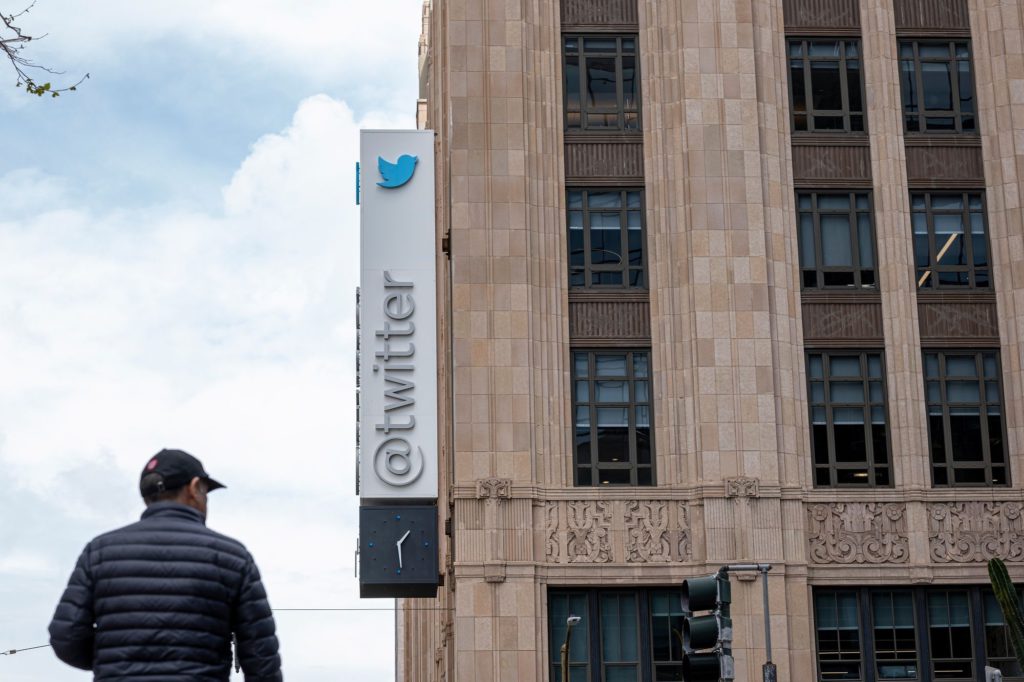
(Bloomberg) — In public, Elon Musk’s erratic tweets have sent Twitter Inc.’s shares flailing, as traders bet that the billionaire is preparing to walk away from or re-negotiate his $44 billion takeover of the social-media company. Behind the scenes, it’s more like business as usual, as advisers on both sides plug away at the day-to-day work of closing a megadeal.

One potential sign that the deal is still on track: the 139-page filing that hit early Tuesday, detailing how the offer came together and Twitter’s rationale for accepting it. That document was the result of weeks of coordinated work by both Musk and Twitter’s teams, according to people familiar with the matter. Musk himself signed off on the final version — complete with a deal price of $54.20 a share — before it was filed, the people said.

The situation is similar at the banks that promised to finance the transaction, said the people, who asked not to be identified because the details are private. While texts are flying among bankers in disbelief at Musk’s antics, their days are still filled with preparing documents needed to proceed with and close the purchase, the people said.

Some of Musk’s co-investors have also privately expressed surprise at the billionaire’s online outbursts and have been speculating about what they might mean. 

Twitter’s board has tried to inject clarity into the situation by unanimously recommending that its shareholders approve the transaction. The directors added in a statement Tuesday to Bloomberg News, “We intend to close the transaction and enforce the merger agreement.”

Public Tumult

The disconnect between the public tumult around the transaction — including Twitter’s stock price — and the smoother private negotiations is yet another example of how Musk’s unconventional approach to dealmaking is shaping the process.

Musk’s tweet last Friday that the deal was on hold came as a surprise to advisers on both sides who had no idea he might be having second thoughts, the people said. Some advisers said they were trying to dismiss his tweets as “noise,” and advising colleagues to do the same, hoping that the world’s richest man is providing a form of entertainment rather than seriously reconsidering his plans.

Twitter’s shares fell 2.9% at 12:50 p.m. in New York Wednesday, remaining well below Musk’s buyout offer. They’ve closed down in eight of the last 12 trading sessions, ending Tuesday at $38.32 — almost 30% under the bid. 

A spokesperson for Twitter declined to comment. A representative for Musk didn’t immediately respond to a request for comment.

Breakup Fee

The proposed takeover includes a $1 billion breakup fee for each party, which Musk will have to pay if the deal falls apart due to financing issues.

The merger agreement includes a specific performance provision that allows Twitter to force Musk to consummate the deal, according to the filing. That could mean, should the deal end up in court, that Twitter might secure an order obligating Musk to complete the merger rather than winning monetary compensation for any violations of it.

Twitter’s board has no reason to renegotiate the deal or reconsider the price, people familiar with the matter said, and it plans to enforce its rights under the merger contract to keep the deal intact.

Twitter Chief Executive Officer Parag Agrawal is attempting to run the company as normal despite the very unusual circumstances. His decision to cut costs and fire two top product executives last week came as a surprise to employees, leading to speculation that Musk was behind the decisions.

Agrawal dismissed those notions in a tweet thread last week. “While I expect the deal to close, we need to be prepared for all scenarios and always do what’s right for Twitter,” he wrote. “I won’t use the deal as an excuse to avoid making important decisions for the health of the company, nor will any leader at Twitter.”

Positive Meeting

In a recent meeting at Twitter’s San Francisco office between Musk and Twitter executives, including Agrawal and finance chief Ned Segal, the group discussed operational matters and the tone was generally positive, according to a person familiar with the details of the gathering.

On the platform, meanwhile, Agrawal and Musk have been sparring over how the social media giant handles so-called automated bots. In one exchange, Musk responded to a lengthy thread on the company’s methodology by posting a poop emoji.

At the very least, the bankers who got involved knew that Musk can be unpredictable. He signed the deal without doing any due diligence on his target, rushed together a financing package in days, and hasn’t abandoned his penchant for tweeting in the middle of the night.

Navigating the chaos successfully may ultimately prove lucrative for bankers.  

Twitter advisers Goldman Sachs Group Inc. and JPMorgan Chase & Co. stand to collect a combined $133 million in fees if the deal closes.

For the advisers, the kudos — in addition to the potential fees windfall — of signing onto a marquee transaction can also offset the risk, people close to the deal said. Watching an acquirer use social media to attack the company he’s agreed to buy, though, pushes the boundaries of what they expected to happen. 

(Updates with additional detail in fourth paragraph.)

More stories like this are available on bloomberg.com

©2022 Bloomberg L.P.

Venture Capital Will Return to Latin America: New Economy Update

(Bloomberg) — After being battered by the pandemic like few regions in the world, Latin America finally has some tailwinds at its back.

Soaring commodity prices are bolstering exports for many countries while the push by multinationals to shorten and fortify their supply chains is prompting many of them to consider building new factories in the region. There are plenty of risks still: unemployment remains high, poverty has surged, populations are demanding political change across the region and the Federal Reserve is draining cash from the global economy.

At Bloomberg’s inaugural New Economy Gateway Latin America event in Panama City, just a short ride from the century-old canal that transformed global trade, speakers are debating the post-pandemic growth outlook as well as the preparation work needed to confront the next public health crisis, the transition to green energy and the case for cryptocurrencies in the region, among other topics.

You can follow the agenda here and the event will be streamed on the terminal at LIVE GO and on the web.

Panama canal traffic, new container port (11:30)

The global shipping bottlenecks rattling industries and consumers in the pandemic era were plain to see for the politicians, economists and investors gathering for the event in Panama.

Separately, Notarc Management Group, a Latin America-focused investment firm, announced on the sidelines of the event that it’s partnering with a unit of Mediterranean Shipping Company to take over construction of the $1.4 billion Panama Canal Container Port.

Opportunities still abound in technology (11:25 a.m.)

Current down cycle and tighter liquidity in startup space in Latin America is temporary, Sumita Pandit, chief operating officer of dLocal said. 

“Cycles are good, it helps you go through these ups and downs to actually strengthen your business model,” Pandit said. “There will be some companies that will not survive the capital constraint that will probably come in the next few quarters but I’m absolutely certain that the cycle will turn and we will again see the abundant availability of capital.”

Latin America technology industry is still missing more female-led companies and founders, according to Mate Pencz, founder and co-CEO of Loft. 

Bachelet discusses Chile, human rights (10:50 a.m.)

UN High Commissioner for Human Rights Michelle Bachelet, speaking in an interview with Bloomberg’s Stephanie Flanders, threw her support behind Chile’s draft constitution, saying she would like to see it approved in September’s national referendum even as polls show growing rejection of the document among her fellow nationals.

“It’s offering a new social contract,” the former Chilean president said.

More broadly, she voiced concern about the short-term outlook for Latin America as policymakers battle the global wave of inflation sparked by the post-pandemic recovery and Russia’s invasion of Ukraine.

On defining Latin America’s alliances (10:25 a.m.)

A panel discussed where Latin America’s geopolitical allegiances should lie and whether nearshoring is really happening amid supply chain disruptions.

“Latin America should be as promiscuous as it can be to play every side for whatever it can,” Marko Papic, partner at Clocktower Group said. “Multipolarity is a great opportunity.”

Inter-American Development Bank head Mauricio Claver-Carone said the US remains the most reliable partner as the biggest foreign direct investor and the realignment of supply chains at the moment represents the biggest opportunity of a lifetime.

“The US has very few free trade agreements but the ones we have are in Latin America,” Shannon O’Neil, Vice President of the Council on Foreign Relations, said. “So companies here have preferred access to the largest economy in the world.”

Michael Bloomberg on role Latin America plays (9:38 a.m.)

Michael Bloomberg, founder of Bloomberg LP, said in a video message to kick off the event that Latin America has a “critical role” in helping confront some of the world’s biggest problems.

Latin America is an economic engine, fertile ground for entrepreneurship, is a global tradeway and is a critical part of our natural defense against climate change given its biodiversity.

More stories like this are available on bloomberg.com

©2022 Bloomberg L.P.

S&P 500 Drops 3% as Stock Rout Deepens; Bonds Gain: Markets Wrap

(Bloomberg) — US stocks extended declines as investors assessed the growth outlook as monetary policy tightens and the impact of higher prices on earnings. The dollar and Treasuries gained amid a pickup in haven bids.

The S&P 500 fell 3% as all 11 main industry groups declined. Target Corp. tumbled more than 20% after trimming its profit forecast due to a surge in costs. Shares of retailers from Walmart Inc. to Macy’s Inc. also slid. The Nasdaq 100 fell the most among major benchmarks as growth-related tech stocks sank. Megacaps Apple Inc., Microsoft Corp. and Amazon.com Inc. fell more than 3%. 

Treasuries rose across the board, sending the 10-year Treasury yield 6 basis points lower. The dollar rose against all of its Group-of-10 counterparts, except the yen and Swiss franc. Gold caught bids in the move into havens.

The benchmark S&P 500 is emerging from the longest weekly slump since 2011, but rebounds in risk sentiment are proving fragile amid tightening monetary settings, Russia’s war in Ukraine and China’s Covid lockdowns. 

In some of his most hawkish remarks to date, Federal Reserve Chair Jerome Powell said Tuesday that the US central bank will raise interest rates until there is “clear and convincing” evidence that inflation is in retreat. Chicago Fed President Charles Evans said Wednesday he sees a half-point rate increase at next month’s meeting and “probably thereafter.”

Commentary

  • “We are pricing in a growth scare,” Lori Calvasina at RBC Capital Markets told Bloomberg TV. “The market is trying to find a bottom here. There is a lot of uncertainty in this market right now about whether or not that recession is going to come through or if it’s going to be another near-death experience.”
  • “The threat to asset prices is broad-based inflation pushing central banks to tighten monetary policy even more rapidly,” Carl Ludwigson at Bel Air Investment Advisors said in a note. “If the Federal Reserve’s policy response proves too aggressive, then Treasuries and high-quality municipal bonds will again be the place to hide as tighter financial conditions lead to demand destruction.”

In Europe, new-vehicle sales shrank for a 10th month in a row as the industry remains mired in supply-chain crises, while euro-area inflation plateaued at a record high. Meanwhile, UK inflation rose to its highest level since Margaret Thatcher was prime minister 40 years ago, adding to pressure for action from the government and central bank. 

Elsewhere, the Biden administration is poised to fully block Russia’s ability to pay US bondholders after a deadline expires next week, a move that could bring Moscow closer to a default. Sri Lanka, meantime, is on the brink of reneging on $12.6 billion of overseas bonds, a warning sign to investors in other developing nations that surging inflation is set to take a painful toll

What damage will be done to the US economy and global markets before the Fed changes tack and eases policy again? The “Fed Put” is the theme of this week’s MLIV Pulse survey. Click here to participate anonymously.

What to watch this week:

  • G-7 finance ministers and central bankers meeting Wednesday
  • Philadelphia Fed President Patrick Harker speaks Wednesday
  • China loan prime rates Friday

Some of the main moves in markets:

Stocks

  • The S&P 500 fell 3.1% as of 12:10 p.m. New York time
  • The Nasdaq 100 fell 3.8%
  • The Dow Jones Industrial Average fell 2.6%
  • The MSCI World index fell 2%

Currencies

  • The Bloomberg Dollar Spot Index rose 0.2%
  • The euro fell 0.6% to $1.0487
  • The British pound fell 0.9% to $1.2385
  • The Japanese yen rose 0.8% to 128.30 per dollar

Bonds

  • The yield on 10-year Treasuries declined eight basis points to 2.91%
  • Germany’s 10-year yield declined two basis points to 1.03%
  • Britain’s 10-year yield declined two basis points to 1.86%

Commodities

  • West Texas Intermediate crude fell 2.3% to $109.77 a barrel
  • Gold futures rose 0.1% to $1,821.40 an ounce

(An earlier version of this story corrected the spelling of Walmart.)

More stories like this are available on bloomberg.com

©2022 Bloomberg L.P.
Close Bitnami banner
Bitnami