Bloomberg

Senators Seek FTC Probe of IRS Provider ID.me Selfie Technology

(Bloomberg) — A group of Democratic senators has asked the Federal Trade Commission to investigate whether identity verification company ID.me illegally misled consumers and government agencies over its use of controversial facial recognition software.

ID.me, which uses a mixture of selfies, document scans, and other methods to verify people’s identities online has grown rapidly during the coronavirus pandemic, largely as a result of contracts with state unemployment departments and federal agencies including the Internal Revenue Service.

The company, which says it has more than 80 million users, has also faced growing questions about that role as well as whether a private contractor should be allowed to act as a de-facto gatekeeper to government services. It is already the subject of an investigation by the House Oversight and Reform Committee. ID.me has rejected any suggestions of wrongdoing. 

Key to the concerns have been questions about ID.me’s use of facial recognition technology. After long claiming that it only used “one-to-one” technology that compared selfies taken by users to scans of a driver’s license or other government-issued ID the company earlier this year said it actually maintained a database of facial scans and used more controversial “one-to-many” technology. 

In a letter sent to FTC chairman Lina Khan requesting an investigation, Senators Ron Wyden, Cory Booker, Ed Markey and Alex Padilla on Wednesday asked the regulator to examine whether the company’s statements pointed to its use of illegal “deceptive and unfair business practices.”

ID.me’s initial statements about its facial recognition software appeared to have been employed to mislead both consumers and government officials, the senators wrote in the letter.  

“Americans have particular reason to be concerned about the difference between these two types of facial recognition,” the senators said. “While one-to-one recognition involves a one-time comparison of two images in order to confirm an applicant’s identity, the use of one-to-many recognition means that millions of innocent people will have their photographs endlessly queried as part of a digital “line up.”

The use of one-to-many technology also raised concerns about false matches that led to applicants being denied benefits or having to wait months to receive them, the senators said. The risk was “especially acute” for people of color, with tests showing many facial recognition algorithms have higher rates of false matches for Black and Asian users. 

Patrick Dorton, a spokesman for ID.me, declined to address the specific issues raised by the senators surrounding the company’s description of its facial recognition technology.

In a statement, Dorton said ID.me had been credited with helping to prevent billions of dollars of unemployment fraud in the states in which it operates as part of what one senior FBI official called “an economic attack on the United States.”  

“ID.me played a critical role in stopping that attack in more than 20 states where the service was rapidly adopted for its equally important ability to increase equity and verify individuals left behind by traditional options. We look forward to cooperating with all relevant government bodies to clear up any misunderstandings,” Dorton said.

Questions over ID.me’s use of facial recognition software surfaced in January after the publication of a Bloomberg Businessweek article on the company. That coincided with growing concerns over an $86 million contract with the IRS that would have required American taxpayers to enroll in ID.me in order to use online services. The IRS has since announced that it is looking at alternatives to ID.me.

In interviews with Bloomberg Businessweek as well as in a January blog post by Bake Hall, its chief executive officer, ID.me had defended the fairness of its facial recognition systems partly by saying the company merely used a one-to-one matching system that compares a selfie taken by the user with their photo ID. “Our 1:1 face match is comparable to taking a selfie to unlock a smartphone. ID.me does not use 1:many facial recognition, which is more complex and problematic,” Hall wrote in the post.

A week later, Hall corrected the record in a post on LinkedIn, saying the company did use a one-to-many facial recognition system, in which an image is compared against often-massive databases of photos.

Hall, in that post, said the company’s use of a one-to-many algorithm was limited to checks for government programs it says are targeted by organized crime and does not involve any external or government database. 

“This step is not tied to identity verification,” Hall wrote. “It does not block legitimate users from verifying their identity, nor is it used for any other purpose other than to prevent identity theft. Data shows that removing this control would immediately lead to significant identity theft and organized crime.”

Bias Concerns

While researchers and activists have raised concerns about privacy, accuracy and bias issues in both systems, multiple studies show the one-to-many systems perform poorly on photos of people with darker skin, especially women. Companies such as Amazon.com Inc. and Microsoft Corp. have as a result paused selling those types of software to police departments and have asked for government regulation in the field.

According to internal Slack messages obtained by CyberScoop, ID.me’s software, demonstrated to the IRS, made use of Amazon’s Rekognition product, the very same one that Amazon has stopped selling to law enforcement. 

The company had not disclosed its use of Rekognition in a white paper on its technology issued earlier that month.

Privacy and artificial intelligence safety advocates have also complained that ID.me has not opened up its facial recognition systems to outside audit.

(Updates with company comment in ninth, 10th paragraphs)

More stories like this are available on bloomberg.com

©2022 Bloomberg L.P.

IRS Selfie-Tech Provider Stirs Senate Ire Over Face Recognition

(Bloomberg) — A group of Democratic senators has asked the Federal Trade Commission to investigate whether identity verification company ID.me illegally misled consumers and government agencies over its use of controversial facial recognition software.

ID.me, which uses a mixture of selfies, document scans, and other methods to verify people’s identities online has grown rapidly during the coronavirus pandemic, largely as a result of contracts with state unemployment departments and federal agencies including the Internal Revenue Service.

The company, which says it has more than 80 million users, has also faced growing questions about that role as well as whether a private contractor should be allowed to act as a de-facto gatekeeper to government services. It is already the subject of an investigation by the House Oversight and Reform Committee. ID.me has rejected any suggestions of wrongdoing. 

Key to the concerns have been questions about ID.me’s use of facial recognition technology. After long claiming that it only used “one-to-one” technology that compared selfies taken by users to scans of a driver’s license or other government-issued ID the company earlier this year said it actually maintained a database of facial scans and used more controversial “one-to-many” technology. 

In a letter sent to FTC chairman Lina Khan requesting an investigation, Senators Ron Wyden, Cory Booker, Ed Markey and Alex Padilla on Wednesday asked the regulator to examine whether the company’s statements pointed to its use of illegal “deceptive and unfair business practices.”

ID.me’s initial statements about its facial recognition software appeared to have been employed to mislead both consumers and government officials, the senators wrote in the letter.  

“Americans have particular reason to be concerned about the difference between these two types of facial recognition,” the senators said. “While one-to-one recognition involves a one-time comparison of two images in order to confirm an applicant’s identity, the use of one-to-many recognition means that millions of innocent people will have their photographs endlessly queried as part of a digital “line up.”

The use of one-to-many technology also raised concerns about false matches that led to applicants being denied benefits or having to wait months to receive them, the senators said. The risk was “especially acute” for people of color, with tests showing many facial recognition algorithms have higher rates of false matches for Black and Asian users. 

Patrick Dorton, a spokesman for ID.me, declined to address the specific issues raised by the senators surrounding the company’s description of its facial recognition technology.

In a statement, Dorton said ID.me had been credited with helping to prevent billions of dollars of unemployment fraud in the states in which it operates as part of what one senior FBI official called “an economic attack on the United States.”  

“ID.me played a critical role in stopping that attack in more than 20 states where the service was rapidly adopted for its equally important ability to increase equity and verify individuals left behind by traditional options. We look forward to cooperating with all relevant government bodies to clear up any misunderstandings,” Dorton said.

Questions over ID.me’s use of facial recognition software surfaced in January after the publication of a Bloomberg Businessweek article on the company. That coincided with growing concerns over an $86 million contract with the IRS that would have required American taxpayers to enroll in ID.me in order to use online services. The IRS has since announced that it is looking at alternatives to ID.me.

In interviews with Bloomberg Businessweek as well as in a January blog post by Bake Hall, its chief executive officer, ID.me had defended the fairness of its facial recognition systems partly by saying the company merely used a one-to-one matching system that compares a selfie taken by the user with their photo ID. “Our 1:1 face match is comparable to taking a selfie to unlock a smartphone. ID.me does not use 1:many facial recognition, which is more complex and problematic,” Hall wrote in the post.

A week later, Hall corrected the record in a post on LinkedIn, saying the company did use a one-to-many facial recognition system, in which an image is compared against often-massive databases of photos.

Hall, in that post, said the company’s use of a one-to-many algorithm was limited to checks for government programs it says are targeted by organized crime and does not involve any external or government database. 

“This step is not tied to identity verification,” Hall wrote. “It does not block legitimate users from verifying their identity, nor is it used for any other purpose other than to prevent identity theft. Data shows that removing this control would immediately lead to significant identity theft and organized crime.”

Bias Concerns

While researchers and activists have raised concerns about privacy, accuracy and bias issues in both systems, multiple studies show the one-to-many systems perform poorly on photos of people with darker skin, especially women. Companies such as Amazon.com Inc. and Microsoft Corp. have as a result paused selling those types of software to police departments and have asked for government regulation in the field.

According to internal Slack messages obtained by CyberScoop, ID.me’s software, demonstrated to the IRS, made use of Amazon’s Rekognition product, the very same one that Amazon has stopped selling to law enforcement. 

The company had not disclosed its use of Rekognition in a white paper on its technology issued earlier that month.

Privacy and artificial intelligence safety advocates have also complained that ID.me has not opened up its facial recognition systems to outside audit.

(Updates with company comment in ninth, 10th paragraphs)

More stories like this are available on bloomberg.com

©2022 Bloomberg L.P.

A Timeline of Elon Musk’s Takeover of Twitter

(Bloomberg) — Twitter users woke up April 4 and found the words “Elon” and “Elon Musk” trending on the site — not because the world’s richest, most-followed businessman had caused a stir with his futuristic companies, but because he’d disclosed a major stake in Twitter Inc.

Suddenly, Musk was Twitter’s largest individual shareholder, with more than 9% of the company, and speculation swirled about how he would influence the network’s future. He’d been frequently tweeting ideas for revamping the social media platform. Over the next week, Musk would accept an offer to join Twitter’s board of directors and, in a sudden reversal, reject that offer five days later, leaving the company’s management, employees, investors and interested observers guessing about his plans.

On April 25, Twitter and Musk said they’d reached an agreement for the billionaire to acquire the company and take it private. They expect the deal to close by the end of the year, and a lot could happen before then. As the news develops, here’s a look at what’s happened so far:

Jan. 31: Musk starts building his stake 

Musk started quietly buying Twitter shares on Jan. 31. By March 14, Musk had accumulated an over 5% stake, the point after which he was supposed to disclose the activity to the Securities and Exchange Commission, and by extension, the public. Musk missed the deadline to inform the SEC by 10 days. Because Twitter’s share price rose the second his stake was revealed, he was able to accumulate more on the cheap by not disclosing — a misstep that would later trigger a shareholder lawsuit. 

March 24: Musk starts critiquing Twitter, on Twitter

His stake still secret, Musk began tweeting criticisms of the company in late March.

“Worried about de facto bias in the Twitter algorithm having a major effect on public; Twitter algorithm should be open source,” Musk tweeted on March 24.

“Free speech is essential to a functioning democracy. Do you believe Twitter rigorously adheres to this principle?” Musk asked his Twitter followers in a poll posted on March 25.

“Is a new platform needed?” Musk asked in a tweet on March 26. “Am giving serious thought to this.”

Several users commenting on the Tesla Inc. chief executive officer’s tweet recommended he look into buying Twitter instead. Soon they would find out he was already acquiring shares.

April 4: Musk’s stake becomes public, and he’s invited to join Twitter’s board

Musk’s filing listed him as a passive investor, and yet, shortly after it became public, he started tweeting out business propositions for the social media company. Musk posted another poll on Twitter asking users to vote on whether they wanted the company to add an edit button that would allow people to change tweets after they’ve been published. Twitter CEO Parag Agrawal urged users to “vote carefully” on the poll. “The consequences of this poll will be important.”

By the end of the day, Twitter invited Musk to join the board. Musk signaled that he would sign an agreement stipulating that he could not own more than 14.9% of the company’s stock. 

April 5: Musk becomes an active investor

In the morning, several of Twitter’s board members took to the platform to congratulate Musk on his decision to join their ranks. Agrawal tweeted that the company and Musk had been chatting for weeks. Agrawal’s tweet led people to question why someone engaged in discussions to become a director would file as a passive investor. 

Later that day, Musk refiled the disclosure of his stake to classify himself as an active investor, making the change only after indicating that he would accept a seat on the social media company’s board.

April 9: Musk rejects the board seat

The day that Musk was set to officially join Twitter’s board, Musk informed the company that he would be rejecting its offer. But, Twitter sat on the news for roughly 36 hours while waiting to see whether Musk would change his mind. Twitter’s investor relations website listed Musk as a board member throughout the weekend.

During that time, while the public still thought Musk was set to join Twitter’s board, Musk tweeted several veiled criticisms and suggestions for the company. Musk asked his followers, “Is Twitter dying?”

Musk suggested that everyone who signs up for Twitter Blue, a subscription version for power users, should get an authentication checkmark. He suggested Twitter should convert its San Francisco headquarters into a homeless shelter “since no one shows up anyway.” And he made some crass jokes, suggesting removal of the “w” in Twitter.

April 10: Twitter makes the news public

On Sunday, Agrawal sends out a note to employees, and later tweets it publicly. Neither Agrawal or Musk give a reason for the reversal.

April 11: Speculation abounds

Musk files an amended disclosure with the SEC. He can now purchase as many shares as he wants. Without a board seat, he no longer has to act in the best interest of Twitter shareholders. At Twitter, which doesn’t have a founder with majority control like other tech giants, employees are “ super stressed,” concerned that this is only the beginning of the whiplash.

April 14: Musk offers to buy the whole company

In an SEC filing and accompanying tweet, Musk said he would buy out stockholders in a cash deal valued at $43 billion and  take Twitter private. The offer is $54.20 a share, a 54% premium over the price when he started building his stake in January. The number is also an apparent (and not-very-subtle) reference to Musk’s failed bid to take Tesla private in 2018 for $420 a share — and, of course, to a special number in pot culture. Morgan Stanley is brought in to advise on the bid, which Musk describes as his “best and final” one.

April 15: Twitter adopts ‘poison pill’ to ward off Musk takeoverTo thwart Musk, Twitter launched a so-called poison pill, which is a rights plan that allows shareholders to purchase shares at a discount if any shareholder exceeds 15% ownership. This would effectively dilute the billionaire’s stake. The company said in a statement that the intention of the plan is to ensure that anyone taking control through open-market accumulation pay all shareholders an appropriate premium. Twitter has been fielding interest from other parties, including private equity firm Thoma Bravo, according to a person familiar. The company is being advised by Goldman Sachs Group Inc. and JPMorgan Chase & Co. Twitter founder Jack Dorsey, a friend of Musk, acknowledged in a tweet that as a public company Twitter has always been for sale.

April 16: ‘Twitter’s board owns almost no shares’

In a flurry of tweets about the potential deal, Musk said, “With Jack departing, the Twitter board collectively owns almost no shares,” so its economic interests are not aligned with shareholders. Dorsey replied, “It’s consistently been the dysfunction of the company.” Dorsey is scheduled to leave the board once his term expires at the next shareholder meeting on May 25.

Vanguard’s April 8 disclosure that it owns 82.4 million shares or 10.3% of the company fuels tweets that Musk is no longer the top Twitter shareholder. 

April 19:  Musk retains Morgan Stanley to consider leveraged buyout

The New York Post reports that Musk is willing to invest up to $15 billion of his own cash and borrow against his Twitter stake to push through a deal. April 21: Musk lines up $46.5 billion in funding

Musk explores a tender offer for Twitter, saying he’s secured $46.5 in funding. A filing with the SEC shows that he has $25.5 billion in debt financing from Morgan Stanley and other financial institutions, including margin loans backed by his equity stake in Tesla and $21 billion in equity financing from himself. But whether the billionaire will sell part of his stake in one of his prized companies to acquire Twitter remains to be seen.

April 24: The board holds discussions with Musk

Talks between Twitter’s board and Musk took place Sunday and continued into the next day. The board began to take Musk’s offer more seriously once he presented details of his financing.

April 25: Twitter yields to Musk, agrees to offer

Twitter agreed to sell to Musk for his original offer of $54.20 a share. The transaction, valued at about $44 billion, will take the company private. Musk said he will prioritize free speech on the site, open-source its algorithms, eliminate spam and add new features. Twitter said it expects the deal to close in 2022.

April 29: Musk sells Tesla stock

Musk disclosed an additional $4.5 billion worth of Tesla Inc. stock sales in new regulatory filings, bringing the total he’s disposed of in the process of buying Twitter to more than $8.5 billion. Tesla’s CEO offloaded more than 5 million shares on April 28, according to the new filings, and tweeted “No further TSLA sales planned after today.” That followed previous disclosures of sales totaling 4.4 million shares the two prior days. Musk has now sold about $25 billion worth of stock in the electric-car maker during the last six months.

May 4:  Billionaire backers pony up additional funds 

Musk raises an additional $7.1 billion of new financing commitments to fund the deal. Backers include Oracle Corp. founder Larry Ellison who puts up $1 billion, Sequoia Capital for $800 million, Vy Capital $700 million, Binance $500 million, and more than a dozen others, according to company filings. He also secures a pledge from Saudi Arabia’s Prince Alwaleed bin Talal, who agreed to roll over his nearly 35 million Twitter shares, worth about $1.9 Billion at $54.20 per share.

May 6: Plans for Twitter revealed

The New York Times reports that, according to a pitch deck presented to investors, Musk is planning to quintuple Twitter’s revenue $26.4 billion by 2028, from $5 billion last year, and sees a similar growth of users, to 931 million from 217 million. To accomplish this he plans to expand the company’s negligible payments business currently used for tipping creators, and grow it to $15 million in revenue by 2023, and $1.3 billion by 2028. The deck also revealed plans to cut the company’s reliance on advertising to less than 50% of revenue, further develop a subscription product and prepare for fluctuating headcount. 

May 10: Trump ban to be lifted

Musk confirms that he would reverse Twitter’s ban on former US president Donald Trump once owner. 

“I would reverse the permanent ban,” he said at a Financial Times conference. “Perma bans just fundamentally undermine trust in Twitter as a town square where everyone can voice their opinion.”

“My opinion, and Jack Dorsey I want to be clear shares this opinion, is that we should not have permanent bans,” Musk said, referring to the Twitter co-founder and former chief executive officer. Dorsey tweeted his agreement, and both men added caveats that illegal behavior or spam wouldn’t be allowed.

May 12: Hiring freeze goes into effect and key executives depart

Twitter CEO Parag Agrawal announces a hiring freeze and other cost-cutting efforts amid the state of uncertainty over the acquisition. Two of Twitter’s top leaders also depart: Kayvon Beykpour, head of consumer product, and Bruce Falck, in charge of revenue product, were both asked to leave, the two executives said in separate posts. Beykpour was laid off while on paternity leave, he said in a Twitter thread. “Interrupting my paternity leave to share some final @twitter-related news: I’m leaving the company after over 7 years,” and added, “The truth is this isn’t how and when I imagined leaving Twitter, and this wasn’t my decision. Parag asked me to leave after letting me know that he wants to take the team in a different direction.”

The social media company won’t hire new employees and may rescind offers already out, according to an internal memo obtained by Bloomberg. Some exceptions will be made for business-critical roles, as determined by Twitter leadership. The company is also pulling back on costs such as travel, consulting and marketing, according to the memo.

Agrawal said global events, including the war in Ukraine and the supply chain crunch, have hurt Twitter’s business and may continue to do so. The company isn’t planning broad job cuts, “but leaders will continue making changes to their organizations to improve efficiencies as needed,” Agrawal wrote. 

May 13: Twitter deal on hold, Musk said

“Twitter deal temporarily on hold pending details supporting calculation that spam/fake accounts do indeed represent less than 5% of users,” Musk said in a tweet, which sent Twitter stock plummeting. 

A few hours later he sent another tweet saying he is “still committed” to the acquisition. 

Musk said he was waiting for details on a recent filing from Twitter that fake accounts on the social media platform contributed less than 5% of its users. In a follow-up tweet late Friday, he added that his team would do a random sample of 100 followers as a way to find out. 

May 16: Musk and Agrawal have it out… on Twitter

In a Twitter thread, Agrawal said that measuring spam accounts was complicated because some are actually real humans even if they look like spam, and vice versa. Twitter also allows bots on the service, so simply setting up an automated account is not against the rules. 

Musk was not impressed with Agrawal’s response. He suggested calling users to verify their accounts, then he simply replied to Agrawal with a poop emoji. 

May 17: Musk threatened to pull deal 

Musk declared he won’t proceed with his takeover plan unless the social media giant can prove bots make up fewer than 5% of its users. The comment stoked speculation that Musk may try to lower the price.

But Twitter’s board said it plans to enforce the $44 billion agreement, saying the transaction is in the best interest of all shareholders. Directors had already voted to unanimously recommended that shareholders approve Musk’s $54.20-a-share offer.

The proposed takeover includes a $1 billion breakup fee, which Musk will have to pay if the deal falls apart due to financing issues. But Musk can’t walk away for just any reason. The merger agreement includes a specific performance provision that allows Twitter to force Musk to consummate the deal, according to a securities filing. That could mean that, should the deal end up in court, Twitter might secure an order obligating Musk to complete the merger rather than winning monetary compensation for any violations of it.

(Updates with deal agreement in the last paragraph.)

More stories like this are available on bloomberg.com

©2022 Bloomberg L.P.

Your Employees Want You to Post on Social Media

(Bloomberg) — CEOs who think having a Twitter account is optional may want to think again.

Employees prefer working for business leaders who are active on social media by a ratio of 4 to 1, according to a survey by Brunswick Group, an advisory firm. Executives who are vocal online are seen as more transparent and accessible, a perception crucial for retention and recruitment, the firm found.

Far from a frivolous sideshow, platforms like Twitter and LinkedIn have increasingly become a way for C-suite executives to communicate directly with staff, investors and the public. 

Tesla Inc.’s Chief Executive Officer Elon Musk has famously leveraged his Twitter following over the years, including into a bid to take over the platform itself, while Adam Aron of AMC Entertainment Holdings Inc. took to the site to ride the meme-stock frenzy that sent the company’s stock price soaring. Aviva Plc’s CEO Amanda Blanc last week addressed sexist comments she received during a shareholders meeting in a post on LinkedIn.

Brunswick surveyed 3,600 employees of companies with staff of more than 1,000 and 2,800 readers of financial publications. 

Some 82% of employees will research a CEO’s online presence when considering joining the company and nearly 80% of employees and over 90% of financial news readers expected leaders to communicate on social media when a crisis hits. 

Nearly 90% of employees and financial readers use social media every month compared to just 70% that use traditional media sources, according to Brunswick, adding to both the importance and risk of these platforms.

Executives can highlight what they want and control the narrative about their company in real-time, Arvind Malhotra, professor of strategy and entrepreneurship at the University of North Carolina Kenan–Flagler Business School, said in an interview. There’s always a chance there will be people who disagree, or who use the platform to express grievances, he said. Even when the response is negative, executives who respond directly and honestly might still win more support than they lose.

“But this requires a communication style very different from a letter to shareholders in an annual report — if you’re not authentic you can turn people off rather than get them excited about the firm,” Malhotra said. 

(Updates with commentary in last two paragraphs.)

More stories like this are available on bloomberg.com

©2022 Bloomberg L.P.
Dutch Premier’s Old Nokia Under Scrutiny Over Deleted Messages

(Bloomberg) — Dutch Prime Minister Mark Rutte has come under fire from opposition politicians after it was revealed that he has been manually deleting text messages from his old mobile phone for years.

Rutte had to delete standard text messages on his old Nokia phone because it had very little storage capacity, Dutch newspaper Volkskrant reported on Wednesday. The prime minister was handed a new phone last week.

“I am not really a fan of smart phones,” Rutte told journalists in The Hague on Wednesday. “The disadvantage is the small screen.”

Green Party leader Jesse Klaver said Rutte’s use of his old phone may be a breach of the Dutch archiving laws. “This is the behavior of a prime minister who frantically tries to prevent all openness,” Klaver said, adding that he wants to ask Rutte’s mobile operator if the texts can be recovered.

Rutte acted in accordance with the guidelines, always securing “important messages,” he said, adding “it is possible that I have made a mistake in my judgment, but mistakes will always be made.”

More stories like this are available on bloomberg.com

©2022 Bloomberg L.P.
Time to Buy Information Tech Stocks After Drop: Jefferies

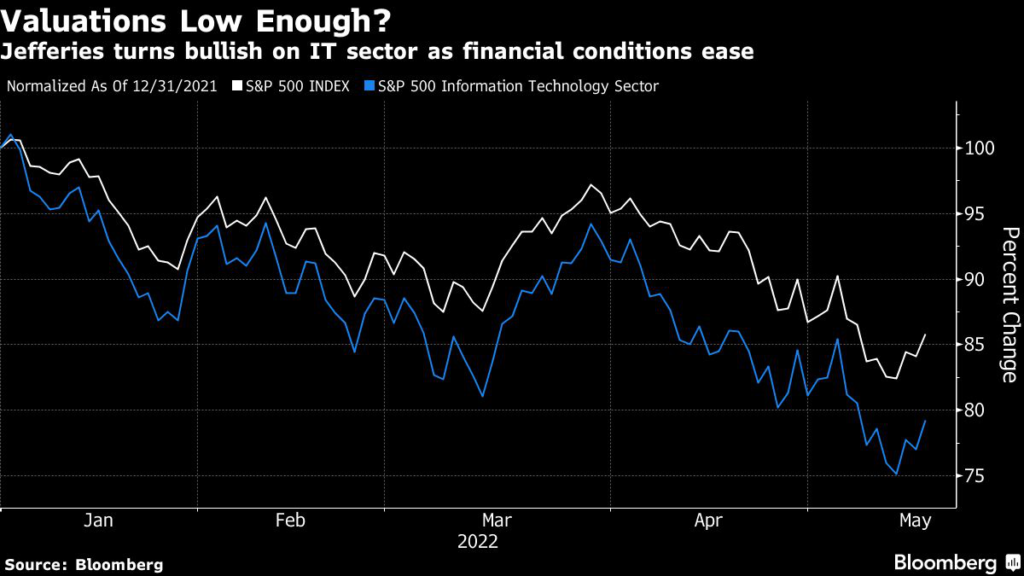
(Bloomberg) — After this year’s steep declines for US information technology stocks, Jefferies Group LLC strategists have turned bullish on the likes of IBM, Cisco Systems Inc. and Microchip Technology Inc.

The strategists raised their view on the S&P 500 IT Index to bullish in a note on Wednesday, writing that IT stocks are in “a tradeable rally.”

Their more positive view reflects an easing in the strength of the dollar and credit spreads, and, at least temporarily, in financial conditions. Adding to their conviction, they noted recent improvements in both new orders and the backlog for IT firms.


With growth stocks caught in the cross hairs of rising bond yields and fears of an economic slowdown, the S&P 500 Information Technology sector has slumped 21% this year. Price-earnings ratios have fallen to levels last seen in the early days of the pandemic.

A “dash for cash” as investors discounted some extreme interest-rate scenarios “has been more than reflected in the compression of market multiples,” wrote the Jefferies strategists led by Sean Darby.

Separately, Wells Fargo strategists upgraded their “Growth at Any Price” portfolio that includes stocks like Tesla Inc., Zoom Video Communications Inc. and DocuSign Inc. to neutral, saying that its bearish thesis has played out.

“We have debated internally how/when to step out of this bearish call,” wrote the Wells Fargo strategists led by Christopher Harvey, “think that time is now.”

“We still do not like ‘story’ stocks for the long term,” the strategists said, adding that some growth stories appear “broken.” 

(Adds Wells Fargo strategists comment.)

More stories like this are available on bloomberg.com

©2022 Bloomberg L.P.
Ransomware Attackers Get Short Shrift From Zambian Central Bank

(Bloomberg) — Zambia’s central bank said it refused to pay ransom to a group known as Hive that was behind a cybersecurity breach that caused minimal damage to its systems.

“All of our core systems are still up and running,” Greg Nsofu, information and communications technology director at the Bank of Zambia, told reporters in Lusaka, the capital. “Not much sensitive data has actually been shipped out.”

Only some test data may have been leaked, he said. “Knowing that we had protected our core systems, it wasn’t really necessary for us to even engage” in a ransom conversation, Nsofu said. “So we pretty much told them where to get off.”

The central bank said May 13 that it had suffered a suspected cyberattack, which disrupted some information technology applications on May 9, including its website and bureau de change monitoring system. Its website was down for at least part of May 14 too. 

Hive ransomware, first observed in June 2021, has already “made its mark as one of the most prolific and aggressive ransomware families today,” according to Trend Micro Inc., a Tokyo-based cybersecurity company. The software is usually used to steal data and encrypt its victim’s files, leaving a note requesting payment, according to the US Federal Bureau of Investigations. The group has targeted health-care operators in the US to Indonesia’s state-backed oil and gas company. 


More stories like this are available on bloomberg.com

©2022 Bloomberg L.P.
Hacker Finds Way to Unlock Tesla Models, Start Cars

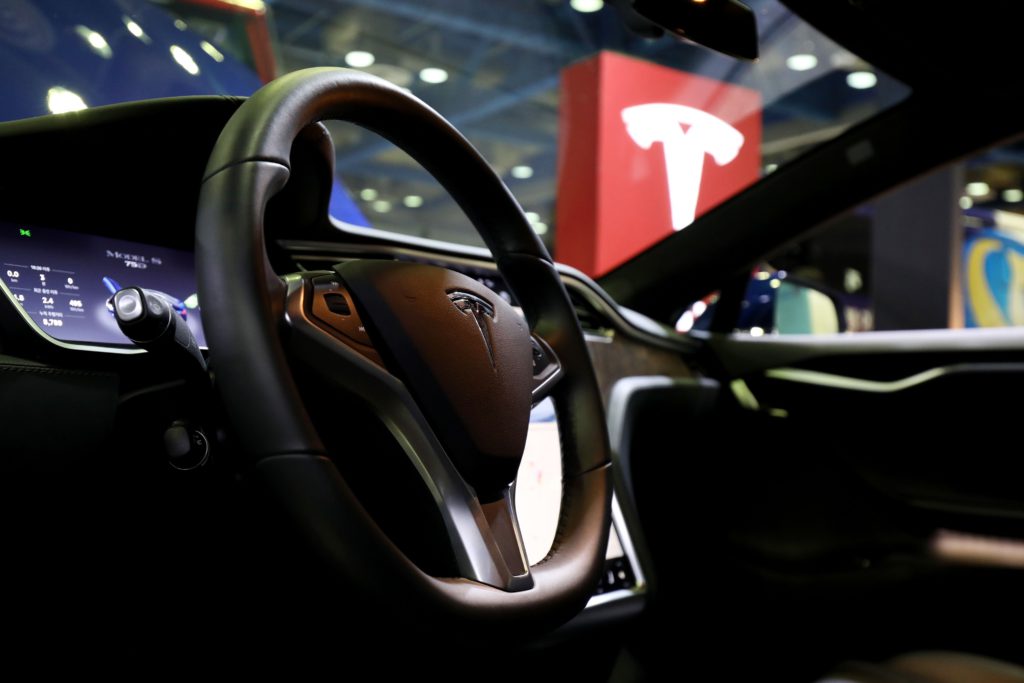
(Bloomberg) — Tesla Inc. customers might love the carmakers’ nifty keyless entry system, but one cybersecurity researcher has demonstrated how the same technology could allow thieves to drive off with certain models of the electric vehicles.

A hack effective on the Tesla Model 3 and Y cars would allow a thief to unlock a vehicle, start it and speed away, according to Sultan Qasim Khan, principal security consultant at the Manchester, UK-based security firm NCC Group. By redirecting communications between a car owner’s mobile phone, or key fob, and the car, outsiders can fool the entry system into thinking the owner is located physically near the vehicle. 

The hack, Khan said, isn’t specific to Tesla, though he demonstrated the technique to Bloomberg News on one of its car models. Rather, it’s the result of his tinkering with Tesla’s keyless entry system, which relies on what’s known as a Bluetooth Low Energy (BLE) protocol. 

There’s no evidence that thieves have used the hack to improperly access Tesla vehicles. The carmaker didn’t respond to a request for comment. NCC provided details of its findings to its clients in a note on Sunday, an official there said.

Tesla in April acknowledged that “relay attacks are known limitation of the passive entry system,” according to NCC Group. 

Khan said he had disclosed the potential for attack to Tesla and that company officials didn’t deem the issue a significant risk. To fix it, the carmaker would need to alter its hardware and change its keyless entry system, Khan said. The revelation comes after another security researcher, David Colombo, revealed a way of hijacking some functions on Tesla vehicles, such as opening and closing doors and controlling music volume. 

BLE protocol was designed to conveniently link devices together over the internet, though it’s also emerged as method that hackers exploit to unlock smart technologies including house locks, cars, phones and laptops, Khan said. NCC Group said it was able to conduct the attack on several other carmakers and technology companies’ devices.

Kwikset Corp. Kevo smart locks that use keyless systems with iPhone or Android phones are impacted by the same issue, Khan said. Kwikset said that customers who use an iPhone to access the lock can switch on two-factor authentication in lock app. A spokesperson also added that the iPhone-operated locks have a 30-second timeout, helping protect against intrusion.

Kwikset will be updating its Android app in “summer,” the company said.

“The security of Kwikset’s products is of utmost importance and we partner with well-known security companies to evaluate our products and continue to work with them to ensure we are delivering the highest security possible for our consumers,” a spokesperson said. 

A representative at Bluetooth SIG, the collective of companies that manages the technology said: “The Bluetooth Special Interest Group (SIG) prioritizes security and the specifications include a collection of features that provide product developers the tools they need to secure communications between Bluetooth devices. 

“The SIG also provides educational resources to the developer community to help them implement the appropriate level of security within their Bluetooth products, as well as a vulnerability response program that works with the security research community to address vulnerabilities identified within Bluetooth specifications in a responsible manner.”

Khan has identified numerous vulnerabilities in NCC Group client products and is also the creator of Sniffle, the first open-source Bluetooth 5 sniffer. Sniffers can be used to track Bluetooth signals, helping identify devices. They are often used by government agencies that manage roadways to anonymously monitor drivers passing through urban areas.  

A 2019 study by a British consumer group, Which, found that more than 200 car models were susceptible to keyless theft, using similar but slightly different attack methods such as spoofing wireless or radio signals. 

In a demonstration to Bloomberg News, Khan conducted a so-called relay attack, in which a hacker uses two small hardware devices that forward communications. To unlock the car, Khan placed one relay device within roughly 15 yards of the Tesla owner’s smartphone or key fob and a second, plugged into his laptop, near to the car. The technology utilized custom computer code that Khan had designed for Bluetooth development kits, which are sold online for less than $50.

The hardware needed, in addition to Khan’s custom software, costs roughly $100 altogether and can be easily bought online. Once the relays are set up, the hack takes just “ten seconds,” Khan said. 

“An attacker could walk up to any home at night – if the owner’s phone is at home – with a Bluetooth passive entry car parked outside and use this attack to unlock and start the car,” he said. 

“Once the device is in place near the fob or phone, the attacker can send commands from anywhere in the world,” Khan added. 

(Updated to include a statement from Tesla in fifth paragraph.)

More stories like this are available on bloomberg.com

©2022 Bloomberg L.P.
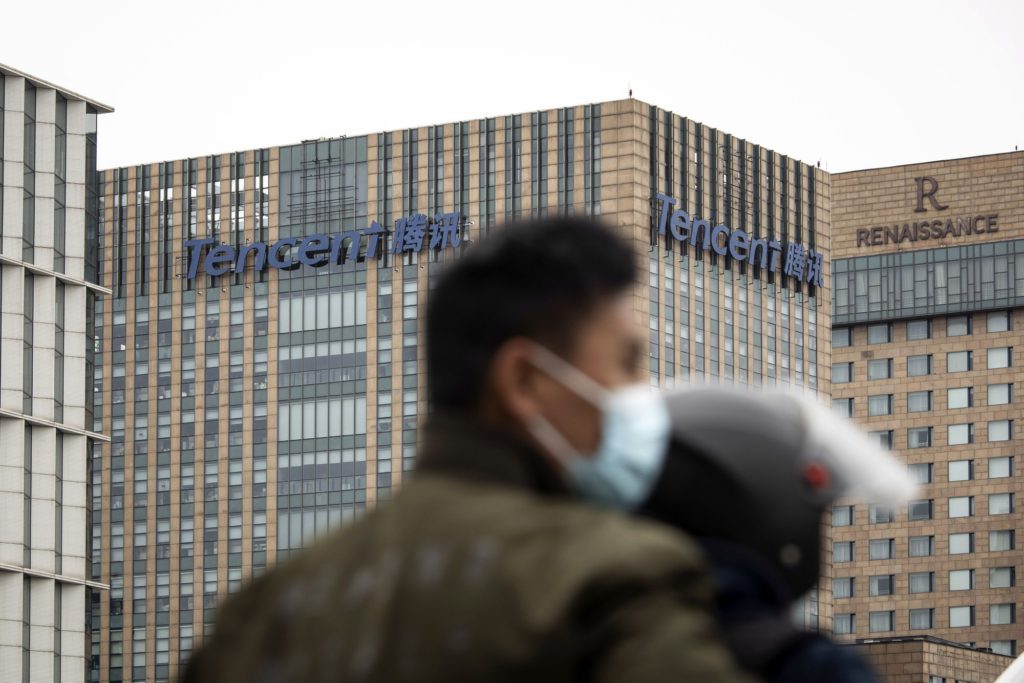
Tencent Signals Tech Crackdown Will Wind Down Only Gradually

(Bloomberg) — Tencent Holdings Ltd. warned it will take time for Beijing to act on promises to prop up the Chinese tech sector, suggesting the embattled industry may struggle to grow in the short term.

The comments from executives came after Tencent reported revenue growth all but evaporated in the first quarter, walloped by sweeping government restrictions as well as lockdowns across the country. The quarantining of much of Shanghai — the nation’s finance and media hub — obliterated commercial payments and may undercut advertising spending in the current quarter, they said, depressing big drivers of the social media giant’s business.

China’s largest tech corporations from Tencent to Alibaba Group Holding Ltd. have been pushed into a new era of cautious expansion, after a year-long clampdown campaign that engulfed every internet sphere from e-commerce to gaming and fintech. This week, investors initially seized on a pledge from economic czar Liu He to support the digital economy as a signal the crackdown is easing, or perhaps even coming to a conclusion.

But Tencent President Martin Lau said it will take time for various regulators to formulate and enact policies in response to that sweeping endorsement. Shares in Prosus NV, Tencent’s largest shareholder, slid more than 4% in Europe. 

“We can clearly see that from the most senior level, there’s a pretty clear signal of support released. But for this to translate into real impact on our business, there is going to be a time lag,” Lau told analysts on a conference call. “It would take the specific regulators and ministries to translate this direction into real action.”

Meanwhile, Tencent and its peers must continue to grapple with a range of headwinds that’s pushing growth to historic lows.

Tencent on Wednesday posted its slowest revenue gain since going public in 2004. Sales rose 0.1% to 135.5 billion yuan ($20.1 billion) for the three months ended March, missing the average forecast. Net income slid 51% to 23.4 billion yuan, lagging estimates despite a big gain from the sale of stock in Singapore’s Sea Ltd. 

Tencent has so far largely escaped direct scrutiny from Beijing, but not fallout from the broader clampdown and economic malaise. It’s shed roughly $500 billion of market value since its 2021 peak, even as the company studiously endorses Beijing’s efforts to curb excesses in its once free-wheeling internet sector.

Click here for a liveblog on the earnings.

What Bloomberg Intelligence Says

2022 could mark Tencent’s second straight year of low single-digit EPS gains, putting its status as a China growth stock into question. Yet, 2H and 2023 may yet draw flames from Tencent’s glowing growth embers, particularly if consumer demand stabilizes, regulatory tightening eases, and gaming approvals resume.

– Marvin Chen and Sufianti Sufianti, analysts

Click here for the research.

Read more: Tencent, Alibaba Look Like Utilities After $1 Trillion Drubbing

Online advertising sales slid a worse-than-expected 18% after contracting for the first time in the December quarter. The business has been battered by China’s weakening economy and competition against TikTok-owner ByteDance Ltd., while big marketers of past years including online tutors and insurers tightened budgets after falling victim to separate regulatory crackdowns.

Tencent’s bread-and-butter gaming division — the world’s largest — also barely expanded revenue. It’s still on the waitlist for new monetization licenses, after regulators last month approved the first batch of domestic releases since July. The company, expecting fewer gaming approvals in coming years, has already re-calibrated its pipeline to focus on quality over quantity, strategy chief James Mitchell said.

Given the new realities, executives said in March that international games, cloud software, and WeChat’s video accounts will be their major strategic foci. But overseas gaming sales expanded just 8% in constant currency terms, trailing the double-digit growth of previous periods, in part because of a tough comparison from a year earlier when the world was largely locked down.

“Like other companies operating outside of China, the post-Covid reopening dampener on games is real,” said Vey-Sern Ling, a senior analyst with Union Bancaire Privée. “Main takeaway is growth may be weaker for longer, at least until 2Q22, and then in the second half there is a chance for yoy comps to start looking better.”

Tencent’s fintech and cloud division has become its No. 1 revenue driver. But its 10% growth was also worse than expected after Covid lockdowns in cities like Shanghai and Shenzhen. Cloud revenue suffered a mild decline after the company cut loss-making contracts and ventured into services beyond infrastructure.

For now, the WeChat messaging app is still the payment and smartphone backbone of Tencent’s sprawling online empire, and it’s only going to shoulder a bigger role for money-making to try and offset struggling businesses like streaming and domestic games. In April, Tencent shut its game streaming platform and hiked fees for its Netflix-style service for the second time in about a year, as short-video rivals keep luring away users and marketers.

Just like Mark Zuckerberg’s Meta Platforms Inc., Tencent is taking a leap into the virtual realm of the metaverse in the longer term. The Chinese company has revamped its aging social app QQ with customizable 3D avatars and Unreal Engine graphics, and is hiring developers to make open-world titles. But such endeavors, along with a steady pace of investment in overseas game studios, could pressure margins before they come to fruition.

More stories like this are available on bloomberg.com

©2022 Bloomberg L.P.

Sri Lanka Default Hints at Trouble Ahead for Developing Nations

(Bloomberg) — Sri Lanka’s impending default on $12.6 billion of overseas bonds is flashing a warning sign to investors in other developing nations that surging inflation is set to take a painful toll.

The South Asian nation is set to blow through the grace period on $78 million of payments Wednesday, marking its first sovereign debt default since it gained independence from Britain in 1948. Its bonds already trade deep in distressed territory, with holders bracing for losses approaching 60 cents on the dollar. The government said last month it would halt payments on foreign debt.

Sri Lanka’s situation is unique in the way all debt crises are — the particulars here involve an unpopular government run by an all-powerful family, the unresolved aftermath of a 30-year civil war and violent street protests. But the island’s saga is starting to be seen as a bellwether for emerging markets where shortages exacerbated by inflation, including record-high food costs globally, have the potential to roil national economies. 

“The Sri Lanka default is an ominous sign for emerging markets,” said Guido Chamorro, the co-head of emerging-market hard-currency debt at Pictet Asset Management, which holds Sri Lankan bonds. “We expect the good times to stop. Slowing growth and more difficult funding conditions will increase default risk particularly for frontier countries.”

Read the QuickTake on how Sri Lanka landed in a crisis and what it means for investors

Sri Lanka, an $81 billion economy located off India’s southern coast, has been mired in turmoil for weeks amid annual inflation running at 30%, a plummeting currency and an economic crisis that has left the country short of the hard currency it needs to import food and fuel. Anger over the situation — brought about by years of excessive borrowing to fund bloated state companies and generous social benefits — has boiled over into violent protests. 

Widespread arson and clashes were reported from several parts of the country while homes and properties of several government lawmakers were set on fire. At least nine people, including one member of parliament, were killed in the violence. And the country has also struggled with petrol shortages in recent days, with the government asking citizens to not line up for gasoline.  

Sri Lanka is currently without a finance minister, which could complicate efforts to get through the crisis as the government struggles to restore security and get a bailout from the International Monetary Fund. At the same time, it needs to negotiate a restructuring with creditors including BlackRock Inc. and Ashmore Group.

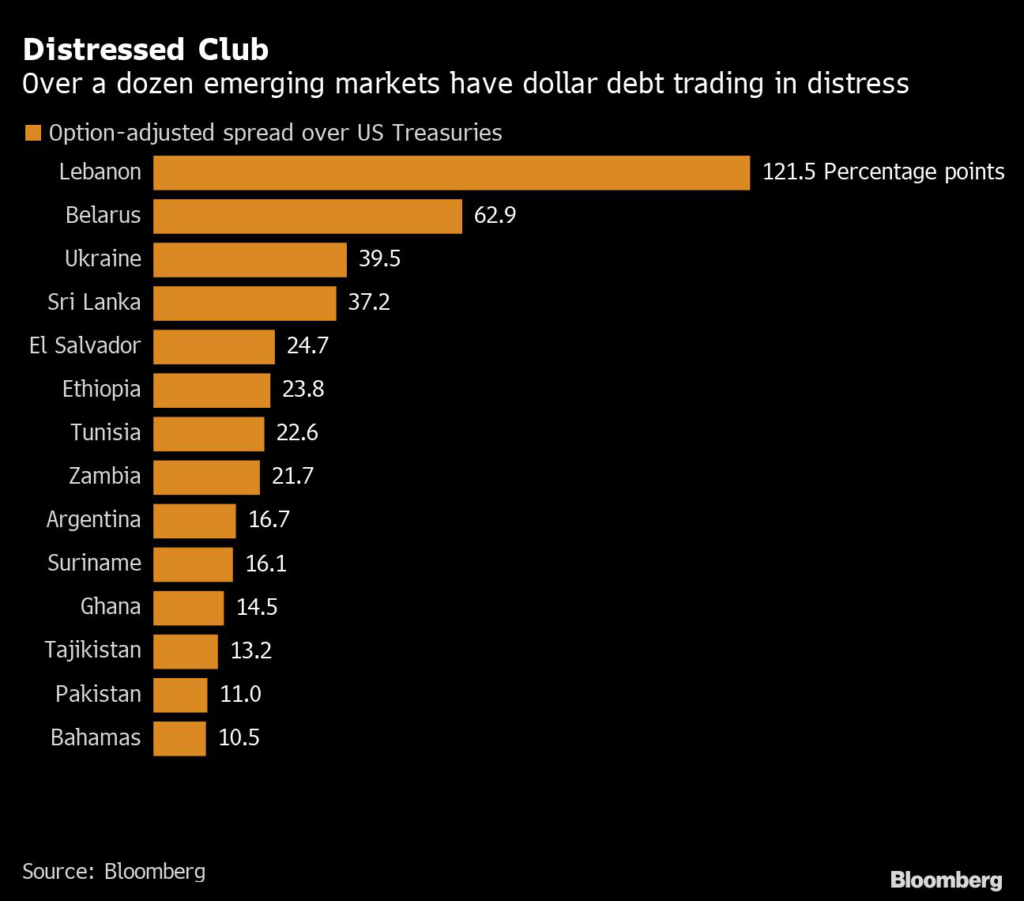
The nation’s dollar bonds are among the worst performers in the world this year, with only Ukraine, Belarus and El Salvador’s Bitcoin-busted notes faring worse. The government on April 18 failed to transfer about $78 million in coupons to holders of debt maturing in 2023 and 2028, leading S&P Global Ratings to declare a selective default. Fitch Ratings and Moody’s Investors Service have yet to declare official defaults, despite issuing their own warnings.

After the grace period on those payments ends Wednesday, negotiations with creditors can begin in earnest, a process that will be key to winning aid from the IMF. The country has previously said it needs between $3 billion and $4 billion this year to pull itself out of crisis.

The nation’s $1 billion dollar debt due this July was indicated 0.24 cents higher at 42.73 cents on Wednesday, near the record low of 42.5 cents reached last week, according to data compiled by Bloomberg.

But getting such a deal done quickly won’t be easy. While President Gotabaya Rajapaksa has already called on one of his political opponents to take over as prime minister after the resignation of his brother, Mahinda Rajapaksa, instability lingers. Divides remain deep after a 30-year civil war that ended in 2009, and the central bank governor has threatened to quit if political stability doesn’t return soon.

“We are in a fluid situation that is very perilous for Sri Lanka,” said Matthew Vogel, London-based portfolio manager and head of sovereign research at FIM Partners. 

Read more: A powerful dynasty bankrupted Sri Lanka in just 30 months

Risk of Replication

As Sri Lanka struggles with the turmoil, its problems provide a warning for other emerging markets where heavy debt loads are converging with economic issues and social unease. The challenge is made more difficult as the Federal Reserve and other major central banks raise interest rates in a bid to quell inflation, leading to higher borrowing costs.

“They are now forced to face their debt burdens amid tightening financial conditions,” said Trang Nguyen, executive director of emerging markets strategy at JPMorgan Chase & Co. 

At least 14 developing economies tracked in a Bloomberg gauge have debt yields at an excess of 1,000 basis points over US Treasuries, a threshold for bonds to be considered distressed. 

The added pressures of rising food and energy prices has already started to bubble up in other countries, including Egypt, Tunisia and Peru. It risks turning into a broader debt debacle and yet another threat to the world economy’s fragile recovery from the pandemic. Pakistan, Ethiopia and Ghana are also in danger of following suit, Bloomberg Economics said last month.

“Sri Lanka could be the start of a trend across the frontier and emerging markets where governments experience debt crises — and possibly default on their obligations,” said Brendan McKenna, a strategist at Wells Fargo in New York who says Pakistan and Egypt look particularly vulnerable. “As rates move higher, a lot of the fundamentally weaker countries with dollar-denominated debt may struggle to repay bonds.”

(Adds details on petrol shortage in sixth paragraph.)

More stories like this are available on bloomberg.com

©2022 Bloomberg L.P.
Close Bitnami banner
Bitnami