
Bloomberg

Alphabet, Netflix Tempt Canada as Source of Cash to Fund Culture

(Bloomberg) — Canada is walking a narrow path in regulating global technology giants, seeking a cut of company profits rather than trying to curb their market dominance.

Prime Minister Justin Trudeau’s government has proposed legislation that could raise more than C$1 billion ($775 million) a year by forcing streaming services to fund local media and feature Canadian content. It’s pushing search and social platforms, for example, to negotiate commercial deals with news publishers to compensate for losses in advertising revenue.

Efforts to tame tech giants in Europe and elsewhere are centered on fostering competition and imposing fines. But Canada’s focuses mainly on siphoning money from US companies like Alphabet Inc., Meta Platforms Inc. and Netflix Inc. to local broadcast and news industries. 

“This isn’t an attack on big tech,” said Vivek Krishnamurthy, a University of Ottawa law professor who heads the Canadian Internet Policy and Public Interest Clinic. “This is the government trying to finance a lot of its cultural and media policies using the exorbitant profits of big tech.”

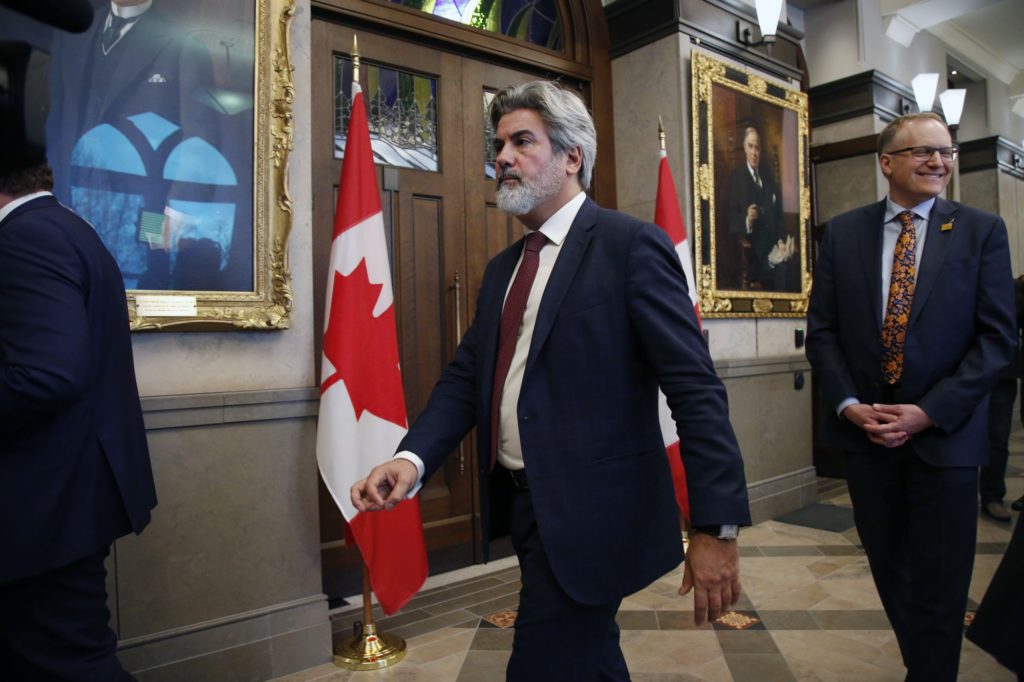
Heritage Minister Pablo Rodriguez, who introduced the Online Streaming Act and Online News Act in the legislature, said in an interview that the two bills will help “modernize” regulations needed for the internet and will be “fair” to tech companies. 

“We want more investments from them but we want to make sure they contribute a little bit more, and to make sure that they’re all able do it, the bills would be extremely flexible,” Rodriguez said. “We’re taking the lead on some of the legislation and other countries are watching, so it’s important that we get it right.” 

The bills are another step in Canada’s history of protecting its media and cultural industries. Government programming rules mean that anyone tuning into local radio stations, for example, will get a healthy dose of Canadian artists from Bryan Adams to Celine Dion. Opponents of the legislation, however, warn it risks creating a dependency on funding from the tech giants, as well as infringing on freedom of speech and privacy. 

While Alphabet’s Google isn’t outright opposed to the online news bill, spokesperson Lauren Skelly said “we have serious concerns about some unintended consequences” it will have Canadians’ ability to find and share news online. The company’s managing director for Canada warned in a blog post Monday the legislation risks imposing a “link tax” on search platforms.   

Meta didn’t respond to a request for comment on the online news legislation, nor did Netflix on the proposed streaming act.

Streaming Services

Broadcasters in Canada are required to have between 40% to 60% of their content partly written, produced or performed by Canadians. The streaming bill seeks to force services like Netflix, YouTube and Walt Disney Co.’s Disney+ to similarly highlight Canadian content and contribute to the Canada Media Fund. The government said in 2020 that it expects to bring in as much as C$830 million in annual revenue from streaming platforms by next year.

While the Canadian content rules work for linear media like television and radio, applying them to on-demand services may violate the nation’s Charter of Rights and Freedoms and will require the collection of more personal information than currently necessary, according to one privacy lawyer. 

“The way the platforms choose to show content to viewers is determined by the platforms, but informed by the viewers,” David Fraser, a partner at the McInnes Cooper law firm in Halifax, Nova Scotia, said by phone. “That should be an interaction exclusively between the viewer and the platform.”

Although television and film productions that use Canadian cities and wilderness as backgrounds contribute to local services and the economy, they don’t necessarily lead to more jobs for Canadian talent. “The big media giants aren’t paying their fair share and they should be,” said Eleanor Noble, an actress and president of the Alliance of Canadian Cinema, Television and Radio Artists, which represents more than 28,000 performers. 

Extending broadcast rules to streaming platforms could, however, lead to a decline in investment in Canada, according to a former vice chair of the Canadian Radio-television and Telecommunications Commission, a regulator that would be granted additional power over online content as part of the legislation.

“It takes what has been a period of tremendous prosperity for Canadian film and television production over the last 10 or 12 years and it creates uncertainty,” said Peter Menzies, now a senior fellow at the Macdonald-Laurier Institute, an Ottawa-based think tank. “There was a great opportunity here to create a new Canadian communications act that was centered on the internet,” he said, adding the government took “a very preservative position” and “tried to make the internet into broadcasting.”

Modeled after similar legislation in Australia, the Canadian online news bill would enable publishers to bargain in groups with tech giants for commercial deals. Columbia University journalism professor Bill Grueskin, who studied the Australian move, estimated by extrapolation of the market size that about C$300 million could be raised annually from the deals between tech giants and news outlets in Canada.

Publications that stand to benefit include Torstar Corp.’s newspapers, including the Toronto Star; the Globe and Mail, owned by the billionaire Thomson family’s Woodbridge Co. Ltd; and Postmedia Network Canada Corp.’s newspapers, including the National Post, as well as smaller publications.

But while the bill has been characterized as a win for news publishers, one analyst sees it as a win for the tech companies instead. 

“The business model of the platforms remains unchallenged,” said Robert Fay, managing director of digital economy at the Center for International Governance Innovation in Waterloo, Ontario. “What drives those business models is data, and this would allow the platforms to continue amassing the data, which further reinforces their market power.”

(Updates with Google warning in 8th paragraph. An earlier version corrected expected revenue in 10th.)

More stories like this are available on bloomberg.com

©2022 Bloomberg L.P.

Crypto Assets Poorly Understood by Retail Investors, BOE Says

(Bloomberg) — Most retail investors who have put money into digital currencies probably don’t understand exactly what they bought or the risks involved, a Bank of England official said.

Jon Cunliffe, deputy governor for the UK central bank, stepped up his call for authorities to regulate cryptoassets to ensure the market is stable and transparent.

“There’s a long tail of retail investors who have invested in cryptoassets,” Cunliffe said at a web event on Tuesday hosted by the Wall Street Journal. “Do they all understand what they’ve invested in? I think not. For that long tail of retail investors, I’m not sure they do understand. They don’t really see this as a financial investment.”

The BOE is at the forefront of calls for a global framework overseeing digital currencies, noting that the $1.7 trillion market is now bigger than the subprime mortgage market was when it rattled global markets in 2008.

So far, he said volatility in the digital currency markets hasn’t spread to the broader financial system because links between the two aren’t yet fully developed. However, those risks are growing.

“There’s no intrinsic value around crypto assets,” Cunliffe said. “They move with sentiment. They’re being moved mainly as a risky asset, and prices have been going down pretty consistently.”

Cunliffe said rules should match what the digital assets are being used for. Those sold as a way to make payments should offer the stability and reliability of cash, while ones offered as a speculative investment could be regulated like “gambling.”

Consumers, he said, should be careful about how much crypto they include in personal pension funds, treating it as a risky security.

“If you have that as a proportion of your portfolio, you have to realize it is highly speculative,” Cunliffe said. “You could lose all your money. You could make a sizable capital gain. It’s important for investors to understand the characteristics of this investment.”

Read More: 

  • BOE Pushes for Tougher Regulation of $1.7 Trillion Crypto Market
  • BOE Says Crypto Now Bigger Than Subprime Debt That Led to Crash
  • U.K. Lords See No Convincing Case for BOE to Make Digital Pounds


More stories like this are available on bloomberg.com

©2022 Bloomberg L.P.
How to Make a City Safer for E-Bikes? Think Infrastructure

(Bloomberg) — The invasion of Ukraine has put the US and Europe on a wartime mission to abandon Russian fossil fuels. This series looks at speeding up zero-carbon alternatives by lowering political and financial barriers. Sign up here to get the next story sent to your inbox.

Electric bicycle use has been booming in the US over the last two years. Demand surged during the early days of the pandemic as people looked for new ways to travel safely and again this spring as rising fuel prices sent commuters looking for cheaper alternatives. Policymakers searching for ways to reduce demand for fossil fuels in the wake of Russia’s invasion of Ukraine might also find e-bikes handy. 

With battery-powered motors that assist riders as they pedal, e-bikes enable a broader range of people to make more and longer trips than traditional bikes. And they are cheaper, more efficient, and less resource-intensive to manufacture than electric cars. (The battery pack of a GMC Hummer EV is about 350 times heavier than a typical e-bike battery.) The combination of utility and efficiency makes e-bikes a powerful tool for lowering emissions.

One recent study found that boosting e-bike use to account for 15% of miles traveled per person annually in Portland would reduce carbon dioxide emissions from passenger transportation in the city by 12%. A single e-bike, according to the study, would yield an average reduction of 225 kilograms of CO2 per year — enough to shave more than a percent from the per capita emissions of the average US citizen.

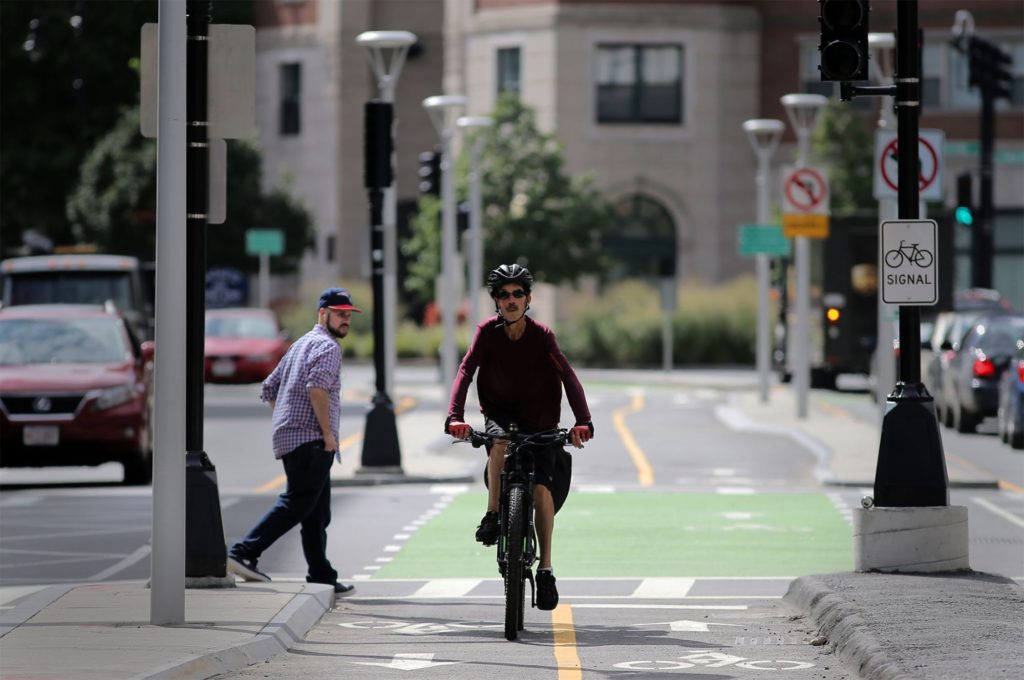
There is no great mystery in how to get more people to ride e-bikes (as well as traditional bikes). Rebates and other incentives can help, but even making e-bikes free wouldn’t be enough to get people to ride them on streets where they don’t feel safe. In polling commissioned by the advocacy group PeopleforBikes in 2018, nearly 70% of respondents across eight U.S. cities said that roads are not safe enough for families to bike and, of those, 63% said they would ride if they felt safer. The best way to make riders safer is to protect them from cars.

In city after city, when protected bike lanes are added to roadways, ridership increases. In Philadelphia, for instance, a study of new bikes lanes on a pair of main thoroughfares in 2018 found that the number of riders nearly doubled. Other places can count on similar outcomes, says Christopher Cherry, a professor in the department of civil and environmental engineering at the University of Tennessee at Knoxville, so long as they build bike lanes that connect the places where people live with where they work and shop. “It has to be part of a bigger network,” says Cherry.

Read More: How to Fuel a Fast Transition to Clean Energy

Fortunately, thanks to decades of spending on road and highway building, the infrastructure needed to create these networks already exists. Cities don’t need to pour asphalt; they just need to commandeer some of the surplus of streets from cars. “We have so much redundancy in our car-based transportation network,” says Cherry, “the ability to quickly reallocate road space is very low-hanging fruit.” All it takes is concrete barriers, hefty planters, metal bollards, rows of parked cars or some other sturdy boundary between bikes and cars. In most cases, paint is not enough. Recent studies suggest that bike lanes without barriers not only do not make riders safer but can make matters worse.

In five U.S. cities that have collectively installed more than 335 miles of bike lanes since 2019 — Austin, Texas; Denver;  New Orleans; Pittsburgh; and Providence, Rhode Island — the average cost to add lanes was about $290,000 per mile, according to Sara Studdard, co-founder of the nonprofit consultancy City Thread. In her previous job at PeopleforBikes, Studdard helped to advocate for the rapid expansion of these networks. All together the five cities spent about $100 million—a tiny fraction of the $200 billion that state and local governments spend annually on highways and roads—to make major gains in their bike infrastructure.    

Many cities already have plans in hand for hundreds of bike lane miles, says Kyle Wagenschutz, a co-founder at City Thread, but have completed less than a quarter of what’s outlined. While city budgets often allow for more — and bike lanes pay dividends in improved public safety and higher real estate values — the expansion of bike infrastructure in the US tends to be painfully slow. The average federally-funded project, according to Wagenschutz, takes nearly a decade to finish. “And those projects are disconnected from each other,” he says. “You might build a little bit of a bike lane here, a little bit of a trail there, but they don’t really come together.”

It does not have to be this way. Polling shows that a solid majority of Americans, spanning wide regions and demographics, support more funding for biking and pedestrian infrastructure. And voters in many places favor adding protected bike lanes. The problem is that these projects are a rarely a high priority. When loud minorities protest — and few things inspire more NIMBY rage than lost street parking — city leaders give in to demands for superfluous feasibility studies and to chip away at the scope plans.

“The end result is always a watered-down mishmash,” says Wagenschutz, “And then we begin the cycle all over again with the next project.” Better to go big, Wagenschutz advises, and to “build bicycle networks as the project.”

(Corrects city spending estimate in the seventh paragraph.)

More stories like this are available on bloomberg.com

©2022 Bloomberg L.P.
Walmart Buys Way into India Wealth Management to Take on Amazon

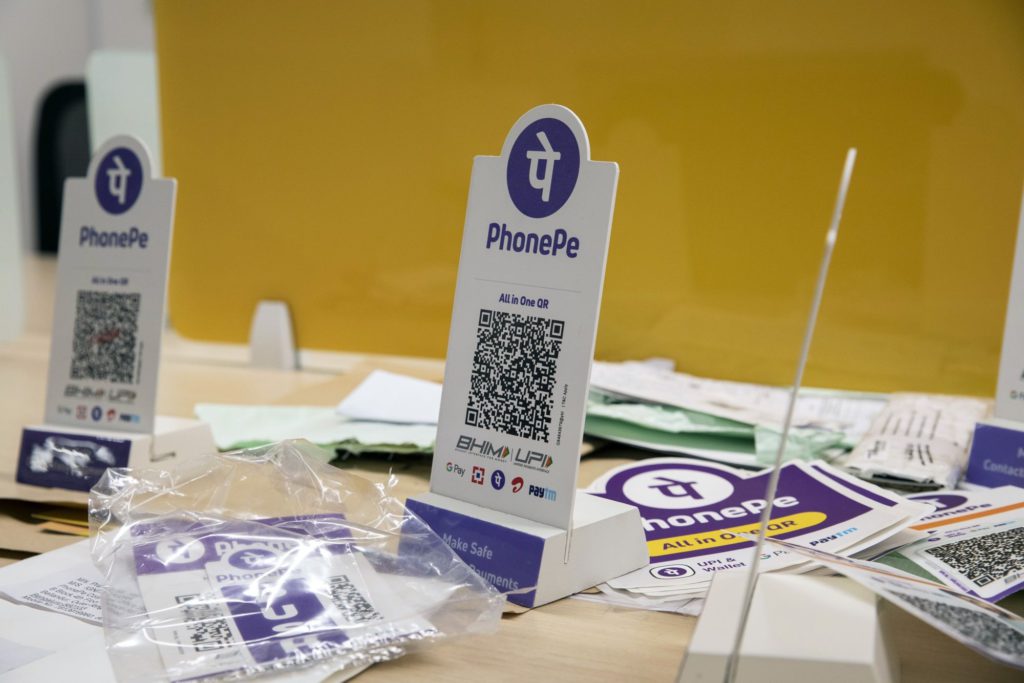
(Bloomberg) — Walmart Inc.’s Indian payments unit PhonePe will acquire two wealth management firms for a total enterprise value of $75 million bringing the retail giant head-to-head with Amazon.com Inc. in the country’s rapidly-expanding money management segment.

PhonePe will buy WealthDesk for about $50 million and OpenQ for nearly $25 million, two sources directly aware of the matter said on Tuesday, declining to be named as the specifics are private.

PhonePe confirmed it was acquiring WealthDesk and OpenQ. A spokeswoman, however, declined to discuss the financial details of the deals.

“The founder of WealthDesk and the entire team will be working as a part of the PhonePe group and both the platforms will remain independent,” PhonePe said in a statement. “Post acquisition, OpenQ will be instrumental in creating the wealth ecosystem for the PhonePe group.”

WealthDesk, founded in 2016 and headquartered in India’s financial capital of Mumbai, allows customers to invest in stocks and exchange traded funds. OpenQ also offers retail and institutional investors trading baskets and investment analytics services.

The acquisitions will help PhonePe widen its offerings in a lucrative payments market where tech giants including Google, Amazon and SoftBank Group Corp.-backed Paytm compete.

Amazon last year made its first investment in India’s booming wealth management space as it participated in a $40 million round by fintech startup Smallcase Technologies Pvt. Google has partnered with key Indian banks to grant consumer loans online.

PhonePe, founded in 2015 and led by Sameer Nigam, became part of Walmart after the retailer’s acquisition of Flipkart Group in 2018. 

Flipkart owns about 87% stake in PhonePe, while its parent Walmart owns about 10%.

More stories like this are available on bloomberg.com

©2022 Bloomberg L.P.
Fintech Firm Q2 Is Weighing Options After Takeover Interest

(Bloomberg) — Q2 Holdings Inc., a banking-software provider, is weighing options including a sale after receiving takeover interest, according to people familiar with the matter. 

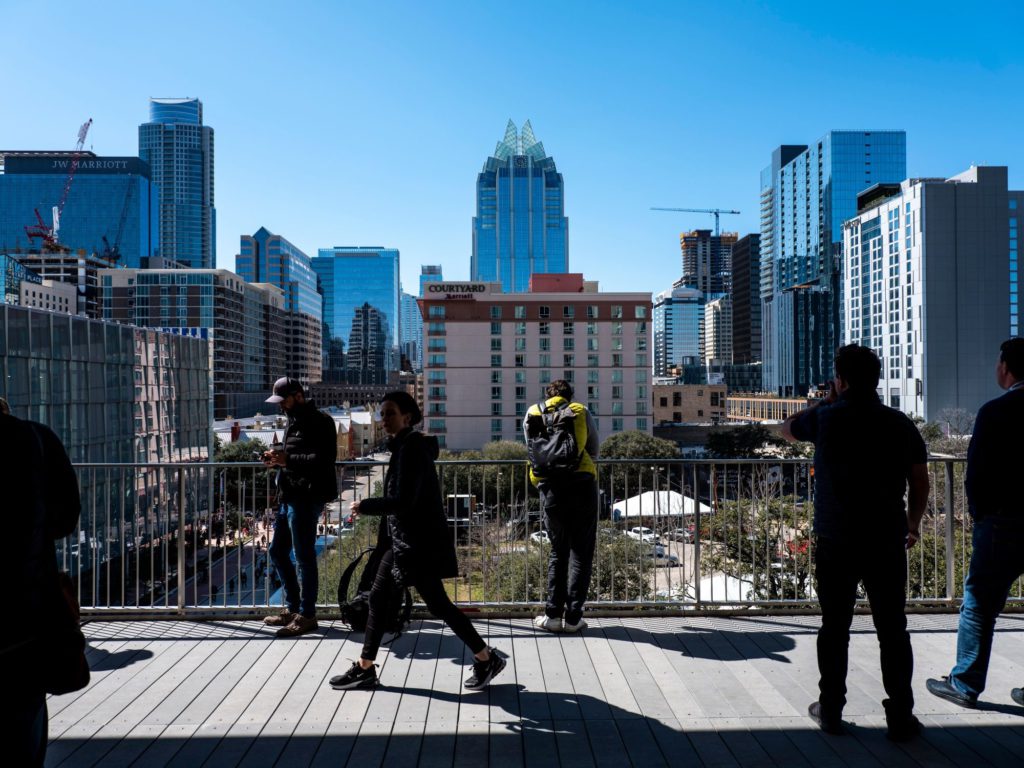
The Austin-based company, which is working with a financial adviser, is fielding interest from potential private equity buyers, said the people, who asked to not be identified because the matter isn’t public. No final decision has been made and Q2 could opt to remain independent. 

Q2 shares climbed as much as 11% after being temporarily halted in New York trading Tuesday. They traded around $46.10 apiece at 11:29 a.m., giving the company a market valuation of about $2.6 billion. Prior to the report, they dropped as much as 5.8% on the day and were down more than 55% in the past year.

A representative for Q2 didn’t immediately respond to requests for comment. 

Private equity firms, with mountains of cash to put to work, have been aggressively pursuing software providers, which tend to generate steady cash flow. A dip in financial technology stocks in particular has also created buying opportunities. Thoma Bravo has approached banking software specialist Temenos AG about a takeover, Bloomberg News reported last month. 

Q2 offers cloud-based digital banking, lending and other services to banks, financial technology firms, alternative finance providers and other clients. One of its main products, Helix, helps companies that want to be in banking, such as Betterment and Credit Karma Inc., offer finance products from checking accounts to debit cards, according to its website. 

With more than 1,300 customers, the company says that about half of the banks in North America with at least $100 billion in assets use its products, including the five largest Canadian banks.  

Q2 had a net loss of about $23.6 million in the quarter ending March 31, compared with a net loss of about $25.7 million a year earlier, according to its most recent earnings report. While revenue rose last quarter, profits and cash flow were hurt by higher costs tied to hiring and other expenses.

(Updates shares in third paragraph.)

More stories like this are available on bloomberg.com

©2022 Bloomberg L.P.
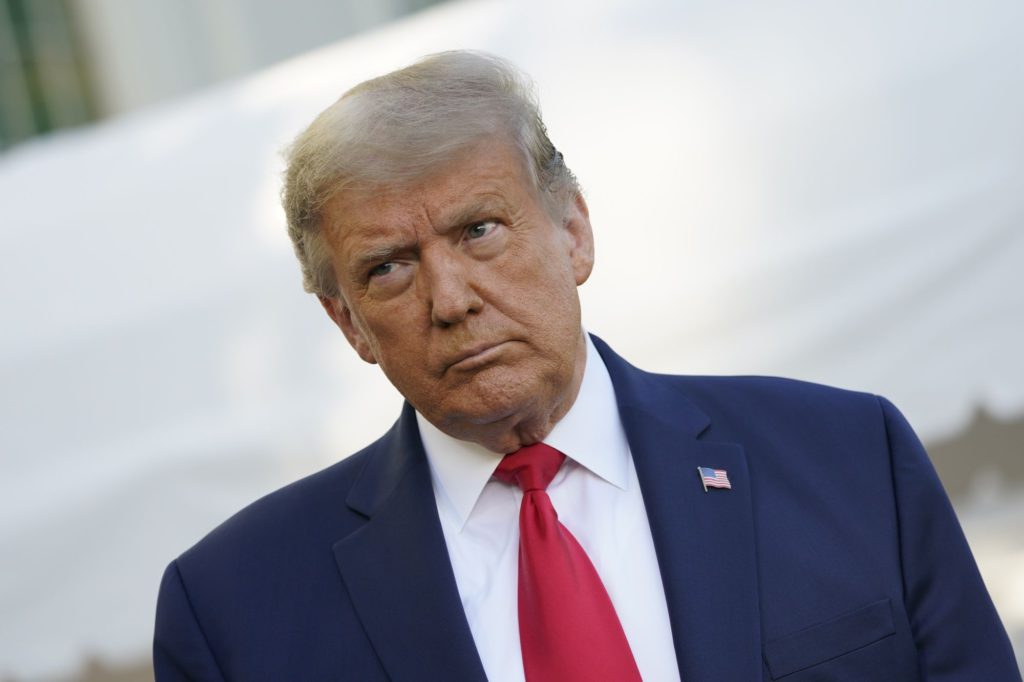
Clinton-Linked Lawyer Lied to FBI About Trump Tip, Prosecutor Tells Jury

(Bloomberg) — A cybersecurity lawyer tied to Hillary Clinton’s 2016 presidential campaign lied to the FBI about why he was providing a tip on a suspected link between then-candidate Donald Trump and a Russian bank, a federal prosecutor told jurors on the first day of a politically charged trial.

Michael Sussmann concealed the identity of his client while trying to convince the Federal Bureau of Investigation to open a probe into what he described as a suspicious communications link between Trump Tower computer servers and Alfa Bank, Assistant U.S. Attorney Deborah Shaw said Tuesday in Washington.

The alleged lie was part of a broader effort by Sussmann and the Clinton campaign to sway members of the media to report on the suspected link and damage Trump before the election in a so-called “October surprise,” Shaw said in an opening statement to the jury.

“He told a lie that was designed to achieve a political end — a lie that was designed to inject the FBI into a presidential election,” she said.

It’s the first trial stemming from Special Counsel John Durham’s probe into the origins and conduct of the FBI’s Trump-Russia investigation, which Trump has long argued was a “witch hunt” based on false information. That probe culminated in a report by Special Counsel Robert Mueller, who identified numerous contacts between Trump and Russia while not finding collusion.

No Reason to Lie

Defense attorney Michael Bosworth, in his opening statement, disputed the government’s allegations. Sussmann had no reason to lie to the FBI about his clients when he provided the tip in September 2016 because the agency was well-aware of his links to the Clinton campaign and Democrats, Bosworth said. 

Just a few months before meeting with investigators, the Democratic National Committee had hired Sussmann, a former federal prosecutor, to represent the party in the FBI’s probe of Russia’s hack of DNC servers, Bosworth said. And Sussmann received the server data from another client, Rodney Joffe, a top cybersecurity expert who worked for years with the FBI.

“At a time when questions were swirling about Donald Trump’s connections to Russia,” one of Sussmann’s “longtime clients came to him with information showing another potential connection between Trump and Russia — a connection that showed weird contact between Trump and a bank run by an associate of Vladimir Putin,” Bosworth said. “Mr. Sussmann took that seriously.”

Internal FBI notes identify Sussmann as a Clinton lawyer, Bosworth said. Sussmann went to the FBI without the Clinton campaign knowing, because an FBI probe would have undermined the campaign’s effort to get the press to report on the servers, the defense lawyer said. The agency delayed a press report on the server link while it investigated, Bosworth said.

To convict Sussmann, prosecutors must convince jurors that the lawyer’s alleged lie to the FBI was material to its investigation into Trump and Russia. If the alleged lie had no discernible impact on the probe, then the jury may clear Sussmann.

Political Impact

A conviction will likely be used by Republicans to portray Democrats as dishonest conspirators. It also may bolster Trump’s potential 2024 run for the White House by giving weight to his claims that the Russia probe was bogus, even though the Sussmann case is limited to a single charge of lying to the FBI about the identity of his client.

An acquittal will likely be used by Democrats to portray Republicans as grasping at straws to discredit Mueller’s investigation, which outlined possible ways that Trump may have obstructed justice by interfering with the probe.

The FBI ultimately determined the disputed computer server was used for sending spam marketing emails and wasn’t a national security threat.

In her opening statement, Shaw urged jurors not to let their political views sway their decision, saying the case was only about Sussman “using and manipulating the FBI.”

“Some people have very strong feelings about politics and Russia,” Shaw said. “And many people have very strong feelings about Donald Trump and Hillary Clinton.” But the criminal case is not about them, she said. “We are here because the FBI is our institution, it should not be used as a political tool for anyone, not Republicans, not Democrats, anyone,” Shaw said.

Witnesses

The jury will hear from former FBI General Counsel James Baker, who met with Sussmann and who received a text message from the lawyer saying he had information to offer that wasn’t on behalf of any client. Jurors also will hear from various FBI agents who worked on the probe; employees of the company that generated the data on the alleged communications link at Trump Tower; Marc Elias, a top election lawyer for Democrats; and Robby Mook, Clinton’s campaign manager.

The government argues Sussmann’s strategy at the time of the alleged lie was to create news stories about the Alfa Bank issue, get law enforcement to investigate it and “get the press to report on the fact that law enforcement was investigating it.” That all culminated in a late October tweet and press release by the campaign about how Clinton trusted the FBI would investigate it.

(Updates with defense lawyer’s opening statement)

More stories like this are available on bloomberg.com

©2022 Bloomberg L.P.
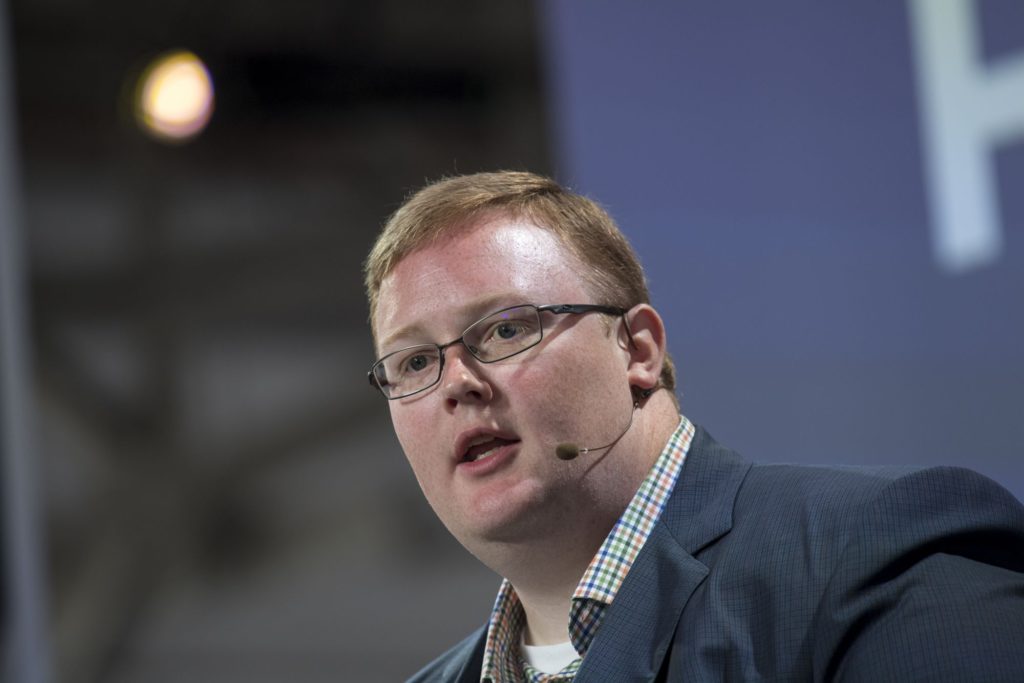
Ford-Backed Argo Goes Driverless in Two American Cities

(Bloomberg) — Argo AI, the driverless startup backed by Ford Motor Co. and Volkswagen AG, has started testing self-driving vehicles in Miami and Austin, Texas, without a human behind the wheel.

While the cars aren’t the first fully driverless vehicles on the road, the tests may be the toughest so far for the technology. Argo Chief Executive Officer Bryan Salesky said in an interview the company is the first to put cars on the road in major cities during rush hour with no safety driver inside. 

“We’re the first to go driverless in the heart of two major markets during daytime business hours, in busy neighborhoods with significant traffic, pedestrians and bicyclists,” Salesky said. “Others have pulled the driver when they’re operating at night, when there’s nobody around, or when they’re in the suburbs.”

The vehicle will still carry a person in the passenger seat who can pull the car over and stop in an emergency.

Self-driving vehicles are seen as a solution to automotive crashes that take more than 1.3 million lives a year globally. But the public remains wary of driverless cars, especially after high-profile accidents have exposed the limits of the technology. Further, the cost an innovation required to put more autonomous cars on the road means deep-pocketed companies, such as Apple Inc., have to lend their support.

Alphabet Inc.’s Waymo and General Motors Co.-backed Cruise LLC are also working to bring more driverless vehicles to city streets. Both companies have run test vehicles with an empty driver’s seat. Argo was founded in late 2016 with $1 billion in seed money from Ford.

Salesky said Argo’s new tests were enabled by a lidar sensor it developed that allows cars to “see” 400 meters down the road. Argo’s entire test fleet, in eight cities in the U.S. and Germany, will be outfitted with the sensor by year-end, he said.

“By the end of the year, we’ll have the whole fleet, basically public-road ready for driverless,” Salesky said. 

Salesky says the lidar sensor, which bounces light off objects to create an image of the road ahead, is the key to commercializing its autonomous system. 

Argo is already testing its self-driving system with the public in pilot programs with Lyft Inc. and Walmart Inc. in Miami, Austin and Washington, D.C. Salesky added that Argo plans to take on more customers and is in “active discussion” for ride-hailing and driverless delivery deals.

Argo’s fully driverless system was evaluated by TUV SUD, a German testing firm, before the vehicles hit public roads. TUV said the concept was “sufficiently effective and trustworthy for testing,” Argo said in a statement. Eventually, driverless cars may ferry people and packages without any human minder on board. Salesky says that by pulling the safety driver, Argo is now closer to that goal.

“This is a big milestone,” Salesky said. “We’re showing this can be done where the demand is and where the miles are to actually build a business around it.”

More stories like this are available on bloomberg.com

©2022 Bloomberg L.P.
Ford-Backed Argo Starts Testing Self-Driving Cars in Miami and Austin

(Bloomberg) — Argo AI, the driverless startup backed by Ford Motor Co. and Volkswagen AG, has started testing self-driving vehicles in Miami and Austin, Texas, without a human behind the wheel.

While the cars aren’t the first fully driverless vehicles on the road, the tests may be the toughest so far for the technology. Argo Chief Executive Officer Bryan Salesky said in an interview the company is the first to put cars on the road in major cities during rush hour with no safety driver inside. 

“We’re the first to go driverless in the heart of two major markets during daytime business hours, in busy neighborhoods with significant traffic, pedestrians and bicyclists,” Salesky said. “Others have pulled the driver when they’re operating at night, when there’s nobody around, or when they’re in the suburbs.”

The vehicle will still carry a person in the passenger seat who can pull the car over and stop in an emergency.

Self-driving vehicles are seen as a solution to automotive crashes that take more than 1.3 million lives a year globally. But the public remains wary of driverless cars, especially after high-profile accidents have exposed the limits of the technology. Further, the cost an innovation required to put more autonomous cars on the road means deep-pocketed companies, such as Apple Inc., have to lend their support.

Alphabet Inc.’s Waymo and General Motors Co.-backed Cruise LLC are also working to bring more driverless vehicles to city streets. Both companies have run test vehicles with an empty driver’s seat. Argo was founded in late 2016 with $1 billion in seed money from Ford.

Salesky said Argo’s new tests were enabled by a lidar sensor it developed that allows cars to “see” 400 meters down the road. Argo’s entire test fleet, in eight cities in the U.S. and Germany, will be outfitted with the sensor by year-end, he said.

“By the end of the year, we’ll have the whole fleet, basically public-road ready for driverless,” Salesky said. 

Salesky says the lidar sensor, which bounces light off objects to create an image of the road ahead, is the key to commercializing its autonomous system. 

Argo is already testing its self-driving system with the public in pilot programs with Lyft Inc. and Walmart Inc. in Miami, Austin and Washington, D.C. Salesky added that Argo plans to take on more customers and is in “active discussion” for ride-hailing and driverless delivery deals.

Argo’s fully driverless system was evaluated by TUV SUD, a German testing firm, before the vehicles hit public roads. TUV said the concept was “sufficiently effective and trustworthy for testing,” Argo said in a statement. Eventually, driverless cars may ferry people and packages without any human minder on board. Salesky says that by pulling the safety driver, Argo is now closer to that goal.

“This is a big milestone,” Salesky said. “We’re showing this can be done where the demand is and where the miles are to actually build a business around it.”

More stories like this are available on bloomberg.com

©2022 Bloomberg L.P.
Musk Seen by Market Pros as Winning Twitter Deal at Lower Price

(Bloomberg) — Elon Musk’s takeover of Twitter Inc. has become a big question after a series of mixed messages from the billionaire. But despite the stock’s wild swings, merger experts still expect the deal to go through — as long as the price comes down.

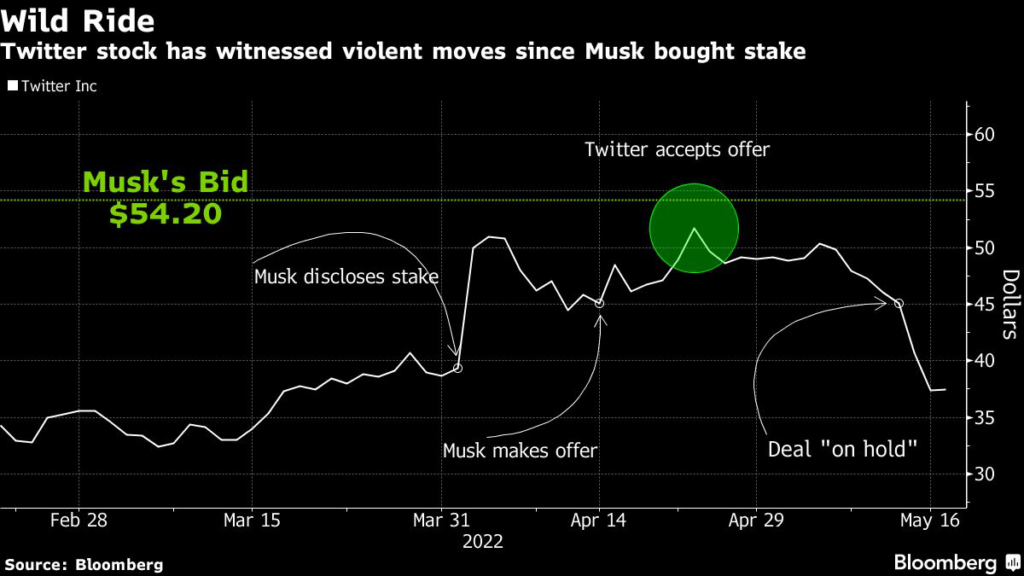
In a survey of investors and merger specialists conducted by Bloomberg News on Monday and Tuesday, 11 of 14 respondents said they expect the sale to go through at a discount to Musk’s original $54.20 offer.

Twitter shares have been on a wild ride since early April, when the Tesla Inc. chief executive disclosed his purchase of a stake in the social-media company. The stock rose as high as $52.29 in the days after Musk’s bid on April 14, only to sink as questions swirled about his ability — and commitment — to complete the deal.

The shares plunged on Friday when Musk tweeted that the acquisition was “temporarily on hold” as he seeks more information on the number of fake accounts on the platform. 

Although Musk later maintained that he is “still committed” to the purchase, Twitter fell further on Monday, marking the widest spread to the offer price since the deal was announced. The shares see-sawed on Tuesday after Musk said Twitter must prove the spam proportion on its platform for the deal to go through.

“Twitter is not trading completely like a broken deal, but awfully close to one,” said Steve Sosnick, chief strategist at Interactive Brokers. “I would say that if trading was truly implying a broken deal — as opposed to there being some hope for a renegotiation — that it would be even lower than it is now.”

If the deal falls through, Twitter is likely to trade at $30.86 a share, according to the average of estimates from survey respondents. That’s 17% below Monday’s closing price.

Based on the acquisition’s proposed valuation, the market is pricing in a roughly 28% probability of the deal being completed. However, that calculation is complicated by expectations that Musk will get it done at a lower price, arbitrage traders said.

Twitter’s Position

Musk’s complaints about lack of transparency on spam accounts is an indication that the billionaire is getting “cold feet,” though no other bidder is likely to emerge if Musk were to walk away, according to Wedbush analyst Daniel Ives. 

Fake accounts “are not a new issue and likely more of a scapegoat to push for a lower price,” he said. 

Musk raised the idea of renegotiating the deal at a conference in Miami on Monday, but he may not have much leverage under the current agreement, according to Brian Quinn, an associate professor at Boston College Law School who specializes in corporate mergers.  

“The seller has an extremely strong position to negotiate or not negotiate if they don’t want that,” he said in an interview.

More stories like this are available on bloomberg.com

©2022 Bloomberg L.P.

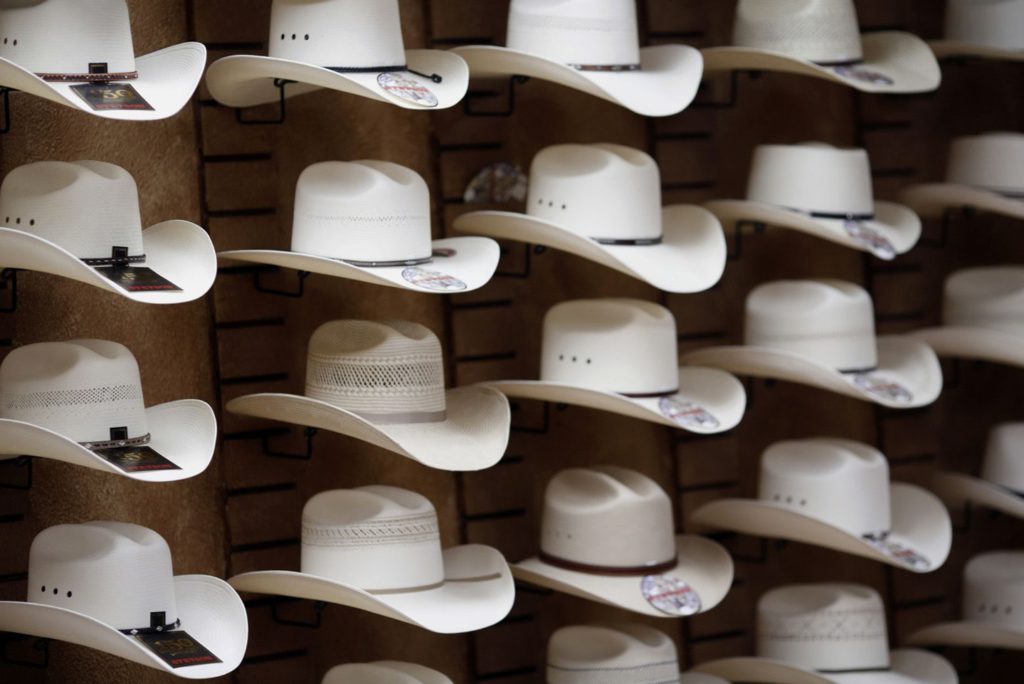
Stetson’s Iconic Cowboy Hat Triggers Dispute With Haberdasher

(Bloomberg) — Ten-gallon cowboy hat inventor John B. Stetson Co. says a distributor is trying to pilfer the rights to sell the head covering of choice for the likes of Buffalo Bill Cody and John Wayne. 

The 157-year-old company wants a Delaware judge to find RHE Hatco. Inc. — a maker and seller of western chapeaus — doesn’t have exclusive authority under a 1987 license to sell Stetsons through retail or e-commerce sites. Stetson no longer possesses a copy of the 35-year-old contract, according to a May 11 lawsuit.

“For well over 1 year, they have attempted to control these rights that belong to Stetson,” lawyers for the Hoboken, New Jersey-based company said in the lawsuit. “Such rights were not covered in the license and never would have been granted by Stetson in the first place.” 

The emblematic cowboy hats — some fetching more than $5,000– have been de rigueur among rodeo riders and ranch hands across the American west for a century and a half. They’ve graced the noggins of politicians, celebrities and country singers such as late former President Lyndon Johnson and actors like Wayne and Johnny Depp. The Stetson is also the state of Texas’s official headgear. 

Stetson’s lawyers noted the 1987 license made no mention of internet sales of the hats since “the Internet was not at that time a channel of commerce,” according to the 21-page complaint. RHE Hatco didn’t immediately respond Tuesday to a request for comment on Stetson’s lawsuit.

Stetson claims RHE Hatco had become so aggressive in asserting rights to sell the headwear that they refused to “sell Stetson-branded products to Stetson,” according to the Delaware Superior Court suit. 

John B. Stetson first created his hats in his Philadelphia factory in 1865 to keep the sun off of cowboys’ heads. Since the 1970s, the hats have been manufactured in the Dallas suburb of Garland by RHE Hatco, which is incorporated in Delaware.

The case is John B. Stetson Co. v. RHE Hatco. Inc., No. N22C-05-084-EMD-CCLD, Delaware Superior Court (Wilmington).

(Updates with detail on internet sales of hats in fifth paragraph.)

More stories like this are available on bloomberg.com

©2022 Bloomberg L.P.

Close Bitnami banner
Bitnami