Bloomberg

Car-Sharing Startup Getaround Agrees to $1.2 Billion SPAC Merger

(Bloomberg) — Getaround Inc., the car-sharing marketplace that functions as an Airbnb for vehicles, agreed to go public through a merger with InterPrivate II Acquisition Corp., a special purpose acquisition company.

The transaction gives the combined company an equity value of about $1.2 billion, if there are no redemptions, the company said in a statement Wednesday, confirming an earlier Bloomberg News report.

Getaround founder and Chief Executive Officer Sam Zaid will lead the San Francisco-based company, which is set to trade on the New York Stock Exchange with the ‘GETR’ ticker. 

“We’ve been preparing to be a public company for over a year,” Zaid said in an interview, adding that the company favored a merger with InterPrivate II above capital-raising options such as additional private funding or an initial public offering, in part due to the certainty of a cash infusion. 

InterPrivate II, led by Chairman and CEO Ahmed Fattouh and executive vice presidents Brian Pham and Alan Pinto, raised about $259 million in a March 2021 initial public offering. The first InterPrivate SPAC merged with Aeva Technologies Inc., a laser-sensor startup founded by two former Apple Inc. engineers. InterPrivate III Financial Partners Inc. agreed to merge with fintech startup Aspiration last year.

Despite challenging market conditions for SPACs, which are facing increased regulation, interesting targets remain, Fattouh said in an interview. 

“The SPAC structure can offer more certainty to a company than an IPO,” he said, pointing to the ability of blank-check firms to secure capital at predetermined terms. InterPrivate II may explore raising additional capital to support the Getaround deal, he said, declining to provide specifics.

Founded in 2009 and launched in 2011, Getaround operates in eight countries, including the US, UK, France and Germany. The company, which estimates that non-shared cars are idle 22 hours a day, has said it aims to reduce the number of vehicles on the road, which may limit carbon emissions and overall congestion.

“Coming out of the pandemic, we have a really compelling business opportunity and want to make sure we’re capitalized to go after it,” Zaid said, adding that the company is aiming to be profitable by 2024, as measured by adjusted earnings before interest, taxes, depreciation and amortization. 

Getaround is currently profitable in its top 20 cities, and the platform is operational in 950 cities, according to Zaid. It has 1.6 million paying users and 66,000 actively listed vehicles. Getaround investors including SoftBank Vision Fund, Menlo Ventures, Reinvent Capital, actor Ashton Kutcher, PeopleFund and Braemar Energy Ventures will remain owners of the combined entity.

Mudrick Capital Management LP agreed to provide a convertible note commitment of as much as $175 million earmarked to fuel Getaround’s growth. 

Getaround’s “loyal consumer following, established scale, attractive unit economics and sustainable technology advantages fit the profile we seek in our growth investment strategy — business models that have hit their inflection point and are ready for their public market debut,” Mudrick founder Jason Mudrick said in the statement.

Turo Inc., a Getaround rival backed by IAC/InterActiveCorp. among others, filed for an IPO in January.

More stories like this are available on bloomberg.com

©2022 Bloomberg L.P.

Airbnb Is Finally Offering Meaningful Customer Service for Guests

(Bloomberg) — Wednesday morning Airbnb Inc. revealed what it’s calling its “biggest change in a decade.” Beyond modifications to its user interface and nifty new bells and whistles, it’s also addressing one of the company’s greatest pain points: poor consumer protections for guests.

Airbnb will now offer a substantial set of satisfaction guarantees for guests and is staffing up an army of customer service agents to deliver on them. “There are inherent structural advantage to hotels, like product consistency and having a front desk,” explains CEO Brian Chesky over Zoom. “And it’s been an underlying assumption for many years that we really can’t meet hotels in that sense.”  

AirCover for Guests is his bid to change that. “We wanted to take some of the uncertainty of Airbnb off the table,” he says, “and make the idea of being one-of-a-kind an asset, not a liability.”

Take the misadventures of San Diego-based Kelsey Swann, who was looking forward to a quiet escape in California’s Sonoma wine country with her kids, only to find the timeshare resort she booked on Airbnb was far from that ideal. First, she was given a multiple-hour runaround between three different units which were all either unavailable, unlockable, or uncleaned. Then, once finally settled, the karaoke parties started, blaring through paper-thin walls from what seemed like every direction. They checked out the next morning.

To add insult to injury, during a days-long battle with customer support to get refunded for three unused nights, she had $3,500 fraudulently charged by the same host. Getting those charges reversed, she says, took several days and required extra support from her credit card company. 

Amid the drama, she turned to a family travel Facebook group for advice; sympathetic comments poured in by the dozens. “Airbnb is the worst,” one group member told her. “We got nothing because the host disputed everything,” rallied another, who had been in a similar situation. “We loved using Airbnb for years—but it’s back to hotels for us,” another more chimed in.

Traditionally, Airbnb will pay out the portion of a booking that a host has earned within 24 hours of check-in. If a guest’s problem hasn’t been resolved by then, the traveler has no real recourse or protection with Airbnb, and the host has little incentive beyond a poor review to make things right.

Hosts, however, have long enjoyed a wide array of insurance-like protections called AirCover for Hosts. There’s $1 million in liability insurance and another $1 million in damage protection. The plan covers messes left by pets and other deep cleaning costs, too, with generous 14-day filing windows. 

AirCover for Guests nudges toward parity. It extends the window to file complaints to 72 hours and adds guarantees that customers will be rebooked or refunded when things go wrong—be it inaccurately described listings, pests, or broken heaters.

Wednesday’s other brand-wide upgrades are also about creating a more user-friendly experience. There’s a redesigned homepage, the ability to search more open-endedly through categories (think “amazing pools,” “windmills,” or “yurts”), and a new tool called “Split Stays” that helps travelers seamlessly line up multiple bookings for trips that last longer than two weeks. 

But AirCover for Guests is unique in how it underscores the two-sided marketplace of Airbnb’s business model: satisfying both the hosts who open their homes and the guests who stay in them. And as early response indicates—hosts caught wind of the policy earlier this year—pleasing them both is difficult. While guests should be thrilled with having more time and support when things go wrong, hosts say the same policy hurts them by opening the door to scammers who want a free stay.

How It Works

The new policy will cover not just problems that arise after check-in, but incidents where a host cancels a stay within 30 days of the reservation, in which cases Airbnb will automatically rebook guests into comparable (or better) homes.

That would have helped Roberta Roy, a Seattle-based mom of three who had her Rome apartment booking canceled at the last minute “because the previous guest broke the bed.” Trying to find something new on her own with just a few days to spare, she said, cost her twice as much. And calling Airbnb for help was nearly impossible thanks to an impenetrable automated phone system: “I felt like the issue could’ve been very easily addressed by Airbnb, but they were completely unreachable.” 

For guests who encounter issues at the scene, getting support will now be as simple as pushing a red “help” button in the “Trips” tab of their app. This begins an official arbitration process, via text thread, with the newly-expanded, better-trained Community Support team.

Assuming the host has already been contacted and was unable to offer an acceptable solution, customer service agents will have access to an automatically-generated list of Airbnb properties similar to the existing booking, from which they will be able to immediately rebook the guest at no cost.

Chesky says that the directive will be to upgrade a guest when in doubt: “We’d rather you be convinced this is a better home, not a worse home.”   

Airbnb will also have “a second line of defense” prepared for big events and high-demand seasons, when inventory can be fully booked out.

“Let’s say it’s Palm Springs during Coachella and all the Airbnbs are booked,” says Chesky. “Our agents will also have queued up properties or hotel rooms that might be off platform.” The idea, he explains, is having more agents being able to respond in more languages, to offer solutions “in minutes or hours rather than days.”  

The Early Response

Hosts were tipped off to the policy change earlier in the year and have been discussing it in Facebook hosting groups. Running through the largely negative posts are fears that guests would take advantage of the policy and claim a refund for minor, or in worse cases, fabricated complaints. 

Some hosts Bloomberg spoke to in April said they were contemplating creating a website to attract their own bookings, so they wouldn’t have to deal with Airbnb’s policies and rules. Kim D., a Superhost who has properties in Western New York and Florida, said she worries that a guest could try to take advantage of the new policy and seek a refund for a minor problem. (Bloomberg is not using her last name because she worries Airbnb could remove her listings.)

A guest could stay at her property for three nights and come up with a minor issue for wanting to leave, which could risk Airbnb approving a refund, she said, adding there’s a “gray area” between what hosts, guests, and the company view as worthy of reimbursement. 

The company views the new policies as breathing room for guests. “We didn’t want to be punitive to hosts, but a lot of guests don’t check out the entire property the first day they arrive and they discover something the second day,” Chesky said of the timeframe at an event Tuesday. “And that’s kind of a ticking time bomb—by day two if you discover anything you can’t call us? So we try to be reasonable.” 

A 72-hour window would also give the host and guest more time to address the issue themselves, an Airbnb spokesperson told Bloomberg. 

Chesky thinks that for most hosts, the policy should be a net benefit. “95% of hosts—maybe 99%—will be happy because they’re doing a great job. And if a host cancels or lists of properties that are not as described, it kind of hurts the brand of every host,” he says.

For consumers like Swann in Sonoma, it may be too little too late. “Would I use them again? Maybe,” she says. Rome’s Roy, however, is encouraged. “We love Airbnb. We have always used Airbnb,” she says. “I’m really glad they’re addressing these issues.”

More stories like this are available on bloomberg.com

©2022 Bloomberg L.P.

Coinbase-Backed MARA to Help Central African Republic on Bitcoin

(Bloomberg) — MARA, a cryptocurrency company backed by Coinbase Global Inc., said it will advise the president of the Central African Republic after the nation became the second globally after El Salvador to adopt Bitcoin as legal tender. 

Newly established MARA also announced its entry into Nigeria and Kenya, and that that it had secured $23 million in funding from companies including Coinbase, Alameda Research LLC and Distributed Global LLC. 

“MARA will become the official crypto partner of the Central African Republic and an adviser to the president on crypto strategy and planning,” the company said in a statement on Wednesday.

Central African Republic, which ranks second last on a United Nations human development index of 189 countries, in April announced adoption of the cryptocurrency, drawing criticism from the International Monetary Fund and a regional central bank. Only 11% of the country’s 5 million people have internet access, a prerequisite for the use of cryptocurrency, according to DataReportal.

The company is recommending that the government increase internet penetration and get more citizens national IDs, Chi Nnadi, MARA’s chief executive officer, said in an interview. “Those are the foundational things they need to accomplish,” he said.

The country, which has been plagued by years of conflict, hopes the use of Bitcoin as an official currency will attract investors, according to Albert Mokpeme, spokesman for President Faustin-Archange Touadera.

More stories like this are available on bloomberg.com

©2022 Bloomberg L.P.

TerraUSD Backers Seek $1.5 Billion Rescue, Cashaa CEO Says

(Bloomberg) —

The backers of the TerraUSD algorithmic stablecoin are trying to raise about $1.5 billion to shore up the token after it crashed from its dollar peg, according to the founder of a firm that was approached about the deal. 

Investors in the proposed deal will be able to buy the Luna coin at a 50% discount to the spot price, Kumar Gaurav, the founder and chief executive of crypto liquidity provider Cashaa, said in an interview. Luna, the token that’s part of the peg mechanism for TerraUSD, has tumbled about 95% in the past 24 hours. 

The plunge in TerraUSD, or UST, has reignited the debate over algorithmic stablecoins, a subject of controversy within the crypto industry. It crashed to around 45 cents on Wednesday, days after breaking an intended 1-to-1 peg to the dollar, as confidence in the project evaporated. 

Cashaa is among prospective investors that received the proposal from the Luna Foundation Guard, Gaurav said, adding that his firm won’t participate. Investors will be subject to a one-year lockup and a monthly “linear vest” over 12 months, he added. The LFG didn’t immediately respond to requests for comment.


“UST’s collapse is the biggest threat to crypto right now,” said Gaurav. “It has massive ramifications across the entire industry. If UST stays below peg for enough time, it could cause even more Luna to be minted and sold to the market, increasing the risk of UST’s solvency.”

The Block reported on the fundraising plans earlier. 

Broader crypto markets showed few signs of getting caught up in the turmoil on Wednesday, with stablecoins like Tether holding their pegs and major tokens including Bitcoin and Ether trading higher. 

Do Kwon, the main backer behind TerraUSD, said in a Twitter thread on Wednesday that he had endorsed a proposal to increase minting capacity of UST and Luna on the Terra blockchain from $293 million to $1.2 billion, arguing that this would “allow the system to absorb the UST more quickly.”

“Before anything else, the only path forward will be to absorb the stablecoin supply that wants to exit before $UST can start to repeg. There is no way around it,” he said, noting that this effort would come at “a high cost” to all holders of TerraUSD and Luna. 

Kwon said options are being explored to bring in outside capital, without providing details. 

Anchor Lending Project

Unlike conventional stablecoins like Tether’s USDT or Circle’s USDC that are backed by real-world highly liquid cash equivalents or dollars, algorithmic tokens are designed to maintain their peg (and investor confidence) through a combination of mathematical equations and active trading. In the case of UST, investors can exchange one unit of the token, no matter what price it’s currently trading at, for $1 worth of Luna. The embedded arbitrage trade helps keep UST at or close to $1, or so the theory goes. 

Members of Anchor, a lending project built on the Terra blockchain, on Wednesday proposed temporarily cutting its interest rate to a minimum of 3.5%. Anchor has been the main driver of UST demand on Terra. It previously offered an interest rate of nearly 20% to those who deposit UST on its protocol.

Falling yields on Anchor may lead to “significant” outflows from UST, which in turn impacts the supply of Luna and its price, said Kunal Goel, an analyst at Messari. That creates a vicious circle by increasing pressure on UST as less funds back the stablecoin, he said. 

“There is not enough demand for Luna because Luna holders know they will get diluted to pay off UST holders’ debt,” Goel said. “UST holders want to exit because they understand that their debt is not supported without the demand for Luna and sufficient reserves. That’s the death spiral we’re in.”


(Updates with comment from Gaurav in fifth paragraph.)

More stories like this are available on bloomberg.com

©2022 Bloomberg L.P.

Study Finds Higher Density of Gas Leaks Where People of Color Live

(Bloomberg) — A new study found a greater density of dangerous leaks from gas pipelines in US urban areas where there’s a higher proportion of people of color, raising questions about the unequal distribution of risks that comes with using the highly combustible fuel for energy.

The researchers strapped devices onto Google Street View cars to detect leaks of methane — the main component of natural gas — and combined that information with census data to see if the releases correlated with factors such as race, income and English-language fluency. They found that, on average, across thirteen US urban metro areas, neighborhoods with higher percentages of minorities and lower earnings experienced a greater density of leaks.Older pipelines have a greater tendency to leak but many factors can contribute to infrastructure disparities including historical inequalities, lack of leak reporting by residents and insufficient regulation, the scientists wrote in a paper published Wednesday in Environmental Science & Technology. They relied on methane data collected between 2014 and 2018.“This data offers a way forward to address how public utilities are maintained and to ensure the services they offer are equitable,” said Joe von Fischer, one of the authors and a professor at Colorado State University. “It allows for transparency and public accountability.”The paper didn’t identify utilities that provide gas distribution services in the 13 metro areas studied; the authors provided the information separately. Four of the areas were excluded from individual analysis because there weren’t enough leaks detected, although the information gathered there was included in the overall study that covered areas home to 4.5 million people. In eight of the remaining nine metro areas, the authors estimated that leak density increased with a rise in the share of people of color, although the magnitude of the association and overall leaks per mile surveyed varied.

National Grid, which operates in four of the areas highlighted in the paper, said it uses “the same criteria for repair in all of our communities that we serve” and that it “continually upgrades the gas infrastructure based on our own commitment to safety and in coordination with federal and local state guidelines and regulations.”

Atmos Energy, which serves the Dallas region, didn’t respond to an email seeking comment about the academic report.

The study also found a strong correlation between the age of housing and leaks, and several utilities noted they have invested heavily in replacing old pipes.“We have been replacing rapidly corroding cast iron pipes that date back as far as the 1800s, literally the era of President Abraham Lincoln,” the Peoples Gas utility that serves Chicago said. The utility isn’t related to entities with the same name in Jacksonville and Pittsburgh. “We’re doing the work across all of Chicago, in every neighborhood, for the benefit of every person who lives and works here.”

Peoples Gas in Florida said it repaired 13 non-hazardous leaks in its gas system after a methane mapping survey was done in the Jacksonville area. The utility said that legacy pipes made from obsolete materials such as cast iron and bare steel are more prone to leaks, and since 2012 it’s replaced more than 600 miles of legacy pipes.

Utilities should prioritize repairs and replacement of infrastructure in marginalized communities when all other risks and costs are equal, the authors recommended. Advanced leak detection methods that use newer technologies can also reduce burden on the public, they said.Incidents in recent years have highlighted the risk of neglected pipelines. A 12-year old girl in Dallas was killed and four other people injured after a home gas leak in 2018 triggered an explosion, according to the Dallas Morning News. The same year explosions and fires rocked the cities of three cities in the Merrimack Valley in Massachusetts killing one person, burning more than 100 homes and displacing thousands, according to NBC Boston.

More stories like this are available on bloomberg.com

©2022 Bloomberg L.P.
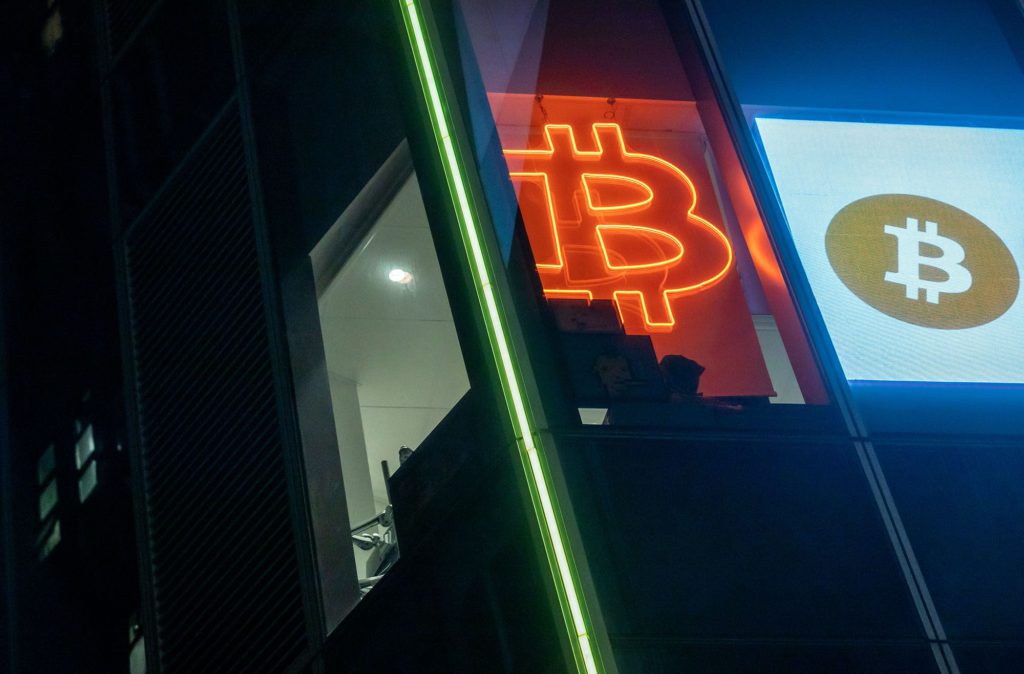
US Online Inflation Eases From Record to 2.9% in April: Chart

(Bloomberg) — The pace of online prices gains in the US softened in April from a record pace to 2.9% from a year earlier, according to data compiled by Adobe Inc. Ten of the 18 categories tracked saw price pressures ease in the month, especially electronics and computers, while those for groceries and pet products continued to rise. Data out later this morning are expected to show US consumer prices increases slowed last month, though still remain near the highest in 40 years.

More stories like this are available on bloomberg.com

©2022 Bloomberg L.P.

Credit-Card Tech Startup Deserve Inks $250 Million Goldman-Led Credit Facility

(Bloomberg) — Deserve, a credit-card technology startup, said it secured a $250 million credit facility from banks led by Goldman Sachs Group Inc. 

Cross River Bank and Waterfall Asset Management also participated in the facility, according to a statement. The new funding comes after Deserve raised $50 million in equity last year in a round that valued the company at more than $500 million, Bloomberg News reported at the time. 

Deserve has said it’s looking to provide alternative forms of rewards than just points or miles; it offers cryptocurrency rewards on a card it offers with BlockFi, for instance. With the latest funding, the company is looking to offer card programs for more commercial customers.

“We’re excited about what this new financing will enable us to do as we amplify our reach and help more fintechs, financial institutions, SMB lenders, and brands connect with and grow their customer base,” Kalpesh Kapadia, chief executive officer of Deserve, said in the statement. 

Deserve said it is also planning to introduce card programs that help users manage subscriptions or better access their home equity.

More stories like this are available on bloomberg.com

©2022 Bloomberg L.P.
Coinbase Halted India Service Due to Pressure from Central Bank

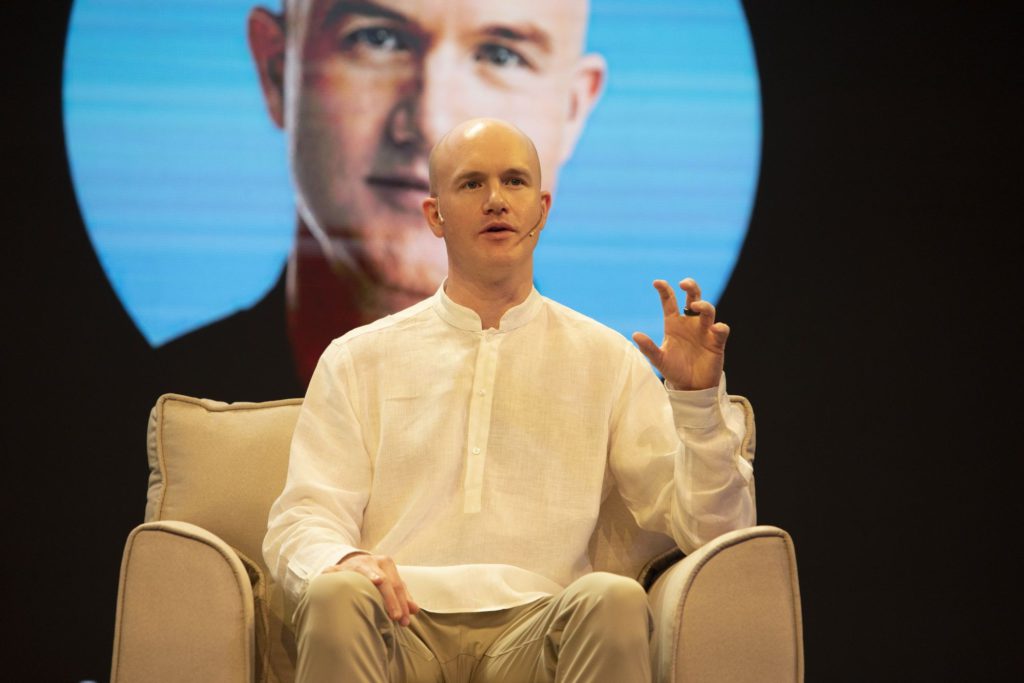
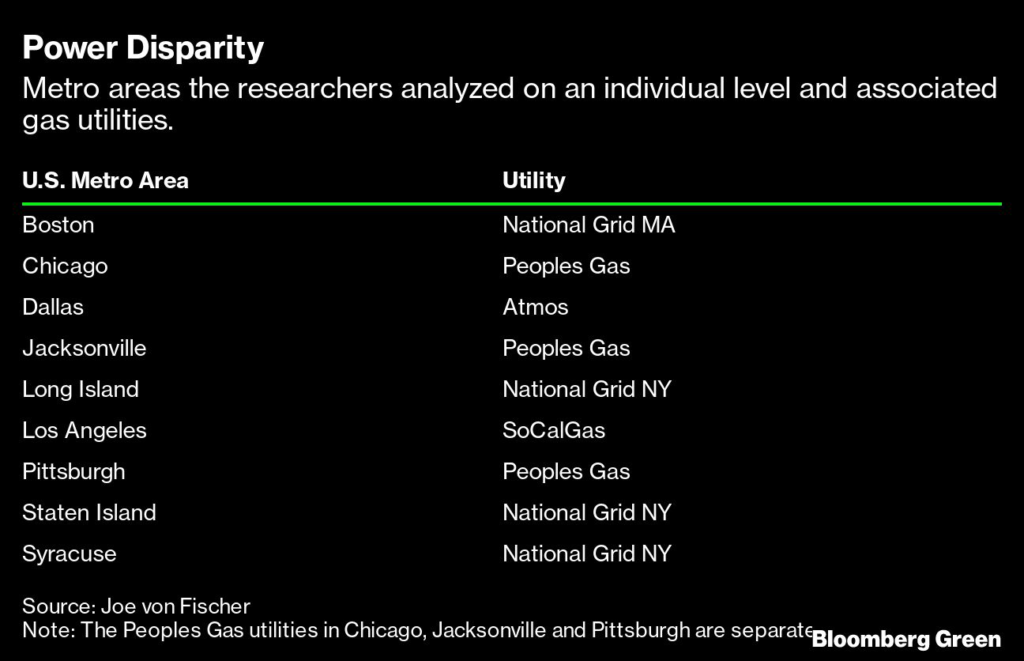
(Bloomberg) — India’s central bank applied “informal pressure” on Coinbase Global Inc, preventing the exchange from facilitating purchases of crypto assets through the country’s online retail payments system, chief executive officer Brian Armstrong said on Tuesday.

 “So few days after launching, we ended up disabling UPI because of some informal pressure from the Reserve Bank of India,” Armstrong said at an earnings call after the company’s first-quarter results. India’s United Payments Interface in a central bank-backed system that facilitates real-time transfer between bank accounts. 

The RBI did not immediately reply to an email seeking comment. A finance ministry spokesman could not be reached for a comment. 

Last month, in a step towards expanding its operations into India, the US-based crypto exchange had integrated UPI on its platform to allow purchase of cryptocurrencies in rupees. But just three days into the launch, Coinbase disabled the service after the entity that runs UPI said it was “not aware” of any crypto exchange using the network. 

Despite the setback, Coinbase is hopeful to go live in India again in ‘relatively short order’ along with other countries. It plans to make India its technology hub and triple the number of employees in the country to around a thousand in 2022.

Read more: Crypto Payments Frozen Across India, Hitting Trading

India shares a hot-and-cold relationship with private digital currencies in the past few years. In 2018, the RBI effectively removed crypto startups from the country’s banking network but the Supreme Court struck down the restriction in March 2020. Nevertheless, India’s central bank is opposed to them with Governor Shaktikanta Das terming it as a threat to financial stability and without any underlying value.

Read more: Crypto Is Like a Ponzi Scheme, India’s Central Bank Warns

“I guess we have a concern that they may be in violation of the Supreme Court ruling,” he said.

India announced a new tax regime for crypto assets earlier in February but the government is yet to finalize a regulatory framework. 

More stories like this are available on bloomberg.com

©2022 Bloomberg L.P.
Coinbase Says No Bankruptcy Risk Amid Black Swan Event

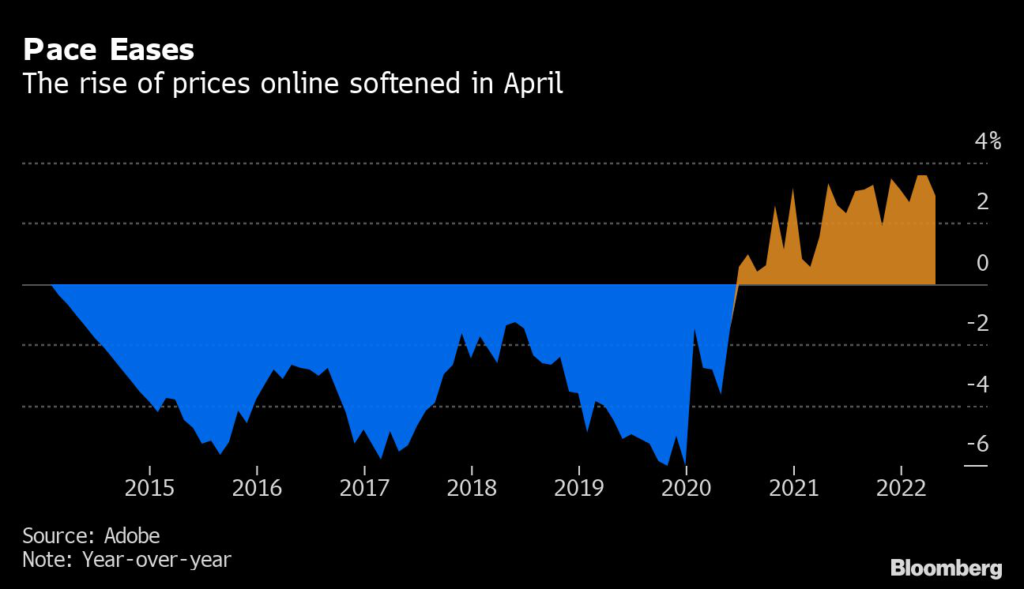
(Bloomberg) — Coinbase Global Inc. Chief Executive Officer Brian Armstrong said there is “no risk of bankruptcy” for the largest U.S. cryptocurrency exchange, even amid a “black swan” event.

A filing late Tuesday by Coinbase included a “new risk factor” based on recent Securities and Exchange Commission requirement for public companies that hold crypto assets for third parties.

“Because custodially held crypto assets may be considered to be the property of a bankruptcy estate, in the event of a bankruptcy, the crypto assets we hold in custody on behalf of our customers could be subject to bankruptcy proceedings and such customers could be treated as our general unsecured creditors,” Coinbase wrote in the filing.

Coinbase will take additional steps to ensure that it offers protection for its retail customers that match those offered to Prime and Custody consumers, Armstrong said in Twitter thread late Tuesday. 

“We should have updated our retail terms sooner, and we didn’t communicate proactively when this risk disclosure was added,” Armstrong wrote. “My deepest apologies.”

Shares in the company fell 16% after regular trading as first-quarter revenue missed analyst estimates.

(Corrects to remove the reference in the first paragraph to this week’s market decline.)

More stories like this are available on bloomberg.com

©2022 Bloomberg L.P.
Crypto Startup Moralis Raises $40 Million in Fresh Funding

(Bloomberg) — Despite slumping crypto prices, funding rounds for blockchain startups are still getting done. Moralis, a platform offering developer tools for web applications built on top of blockchains, has raised $40 million, the startup plans to announce on Wednesday.

Moralis, which launched its platform last June, is now valued at $215 million, according to people familiar with the details who asked not to be identified because the information is private. 

Investors in the startup’s Series A funding round include Coinbase Ventures, the investment arm of crypto exchange Coinbase Global Inc., along with EQT Ventures, Fabric Ventures and Dispersion Capital. The company declined to name the investor leading the round. 

Moralis co-founder and Chief Executive Officer Ivan Liljeqvist said that the startup is being used to help build out web3, a vision for a decentralized internet owned and managed by users. “[Web3] really democratizes the use of the internet, so you don’t have to go through the intermediaries that we have today, which normally is big tech,” he said.

Liljeqvist and his co-founder, Chief Operating Officer Filip Martinsson, are both Swedish, but Stockholm-based Moralis is a remote-first company. Martinsson said that the startup aims to make building on blockchain more accessible to people other than savvy engineers. A blockchain is a digital ledger that keeps a record of transactions in a decentralized way. The company’s users include individual developers as well as crypto wallet providers, nonfungible token marketplaces and gaming startups.

Users can build on blockchains that include Ethereum, Polygon, Solana, Binance Smart Chain and Avalanche, among others. While many decentralized applications are based on Ethereum, interest in other blockchains is growing, Liljeqvist said. “There is a clear trend that people want to build on more blockchains than just Ethereum,” he said. 

Falling prices for digital currency in recent days have stirred investor fears of a broader and longer-lasting crypto rout. The price of Bitcoin fell below $30,000 on Monday during a five-day slide that saw the value of the world’s most widely held cryptocurrency decline by more than 20%. On Tuesday, shares of Moralis investor Coinbase tumbled about 16% in extended trading. 

More stories like this are available on bloomberg.com

©2022 Bloomberg L.P.
Close Bitnami banner
Bitnami