Bloomberg

Aramco Closes In on Apple as World’s Most Valuable Firm 

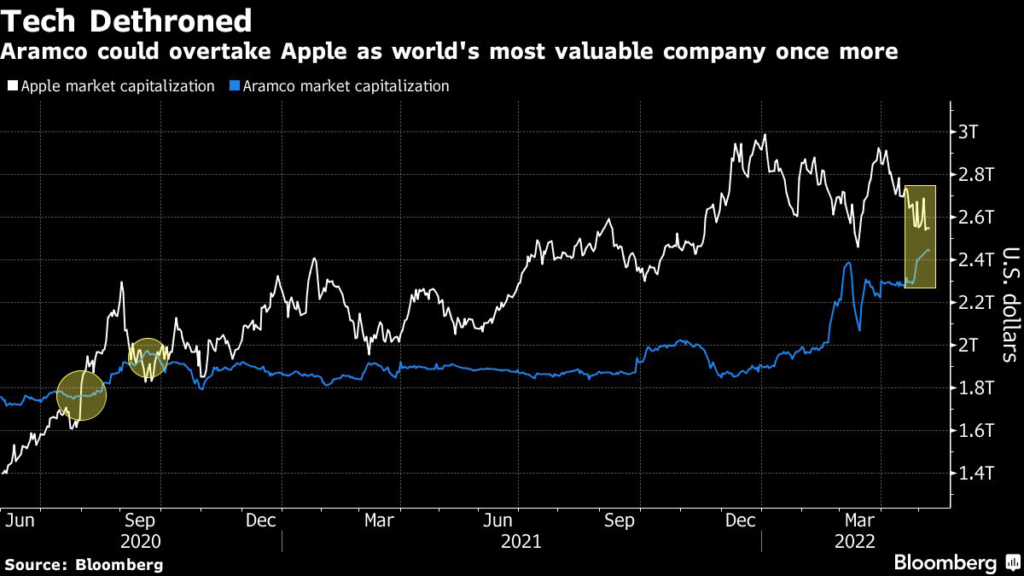
(Bloomberg) — Saudi Arabian Oil Co. briefly hit a record high Monday, taking its market capitalization close to that of Apple Inc. in the race for the world’s most valuable company. The rally in oil prices has boosted the world’s biggest oil company’s shares, while a broader selloff has put Apple under pressure. Apple, which has held the market cap title since 2020, has been hit by higher interest rates that fuel concerns about future earnings growth for technology companies. The iPhone maker declined 2.4% in premarket trading, suggesting that it could shed $60 billion in market value to $2.49 trillion versus Saudi Aramco’s $2.44 trillion.

More stories like this are available on bloomberg.com

©2022 Bloomberg L.P.

Bitcoin Tumbles Below $33,000 to Lowest Level Since July 2021

(Bloomberg) —

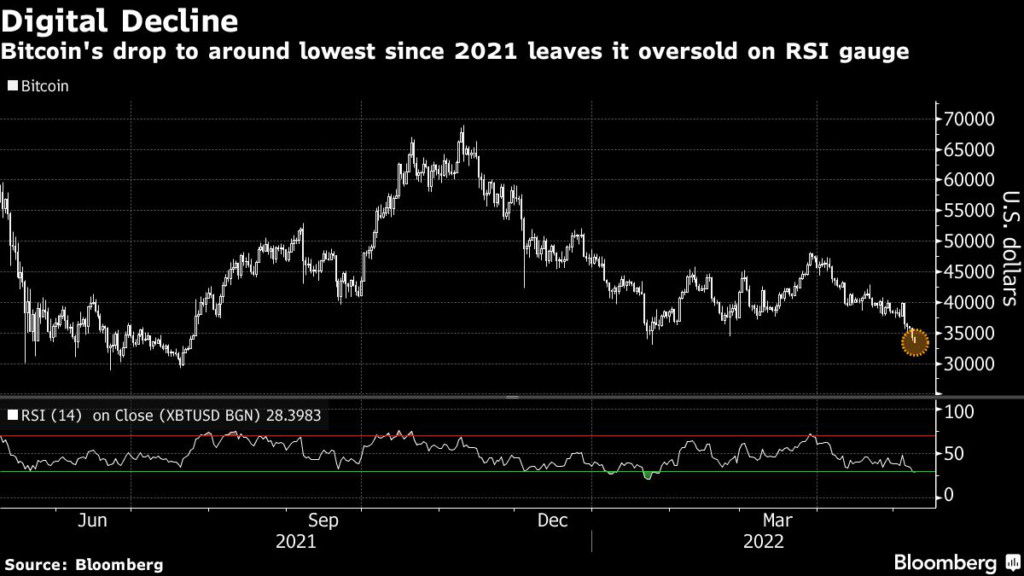
Bitcoin slumped to a level last seen in July 2021, part of a wider retreat in cryptocurrencies triggered by a global flight from riskier investments.

The world’s largest digital token fell as much as 4.6% on Monday and traded at around $32,800 at 7:07 a.m. in New York. Most major virtual coins were under pressure over the weekend and the downbeat mood carried over into Monday. Equities in Asia and Europe also dropped, with the Nikkei gauge down 2.5% and the Stoxx Europe 600 Index falling 2%. U.S. equity futures were also in the red.

Tightening monetary policy to combat runaway inflation and ebbing liquidity are turning investors away from speculative assets across global markets. Adding to the caution around digital assets, the value of TerraUSD or UST, an algorithmic stablecoin that aims to maintain a one-to-one peg to the dollar, slid below $1 over the weekend before recovering.

“In light of fears of rising inflation, most investors have taken a risk-off approach — selling stocks and cryptos alike in order to cut down risk,” said Darshan Bathija, chief executive of Singapore-based crypto exchange Vauld.

Bitcoin Breaches Key Level; Do Kwon-Backed Stablecoin Slips

Monday’s selloff was widespread across the cryptocurrency universe, with Cardano falling 8.4% and Polkadot down 6.7%, data compiled by Bloomberg show.  

Rising interest rates are giving individual and institutional investors pause for thought about the crypto market outlook, according to Edul Patel, chief executive officer of Mudrex, an algorithm-based crypto investment platform. Bitcoin’s 29% decline in 2022 compares with a retreat of more than 10% in global bonds and shares, and a 2.5% advance in gold. 

“The downward trend is likely to continue for the next few days,” he said, adding Bitcoin could test the $30,000 level.

Bitcoin’s recent decline puts it at risk of firmly dropping out of the range where it’s been trading in 2022, completely reversing the most recent bull run that drove the token to a record of almost $69,000 in November. With its 40-day correlation with the S&P 500 stock benchmark at a record 0.82, according to data compiled by Bloomberg, any further hit to equities sentiment would risk dragging Bitcoin down as well. 

A correlation of 1 means two assets move in perfect lockstep; a reading of -1 means they move in opposite directions.  

More stories like this are available on bloomberg.com

©2022 Bloomberg L.P.

Videos of People Dragged Into Quarantine Censored in China

(Bloomberg) — Videos of people being dragged from their homes by health workers in hazmat suits coursed through Chinese social media Sunday before being pulled down on some platforms, as Shanghai’s lockdown enters its seventh week and pandemic restrictions continue to be intensified in Beijing.

The videos — which purported to show Covid-19 positive patients and their close contacts tussling with the workers — come as Shanghai tightens some aspects of its intensive lockdown despite a drop-off in new infections. 

People living in the same building as confirmed virus cases now also risk being transported to government-run quarantine facilities, according to local residents and widely circulated social media posts. Previously, only people living in the same apartment or the same floor as positive cases would likely be considered close contacts and put in official quarantine.

The ramping up of curbs comes even as the city reported its fewest cases in more than six weeks, with 3,947 new infections on Sunday, down slightly from 3,975 on Saturday.   

Social media posts questioning the legality of forcibly removing people from their homes and taking them to quarantine facilities, or seizing their keys to allow health workers to disinfect apartments, also appear to have been removed in some cases. 

One video that is still available to view on some platforms appeared to show two “Big Whites” — as the healthcare workers who enforce China’s lockdowns and Covid regulations are known — dragging away a woman kicking and screaming in a residential compound. Bloomberg News reporters viewed the video but were unable to verify when and where it was taken. 

Read more: Anger Erupts at Xi’s ‘Big White’ Army of Lockdown Enforcers

Another unverified video posted on WeChat shows a “Big White” using a loudspeaker to warn residents to stay home, saying if one person living in a building tests positive, everybody living in the same building will be considered close contacts and sent to government isolation. 

Other videos showing hazmat-suited workers banging on the door of an apartment and taking the occupants to quarantine appear to have been deleted. 

Coronavirus Daily: In Shanghai, Freedom From Lockdown Is Brief

China’s Covid Zero policy requires all cases and their close contacts to be isolated in government facilities as a way of snuffing out transmission. The strategy was effective at quashing Covid early on in the pandemic, but is being challenged by more transmissible variants like omicron. 

The country’s ongoing pursuit of the strategy is leaving it increasingly isolated, with other parts of the world dismantling pandemic curbs and living alongside the virus, making the scenes in China all the more stark. 

Shanghai’s experience has put a spotlight on Covid Zero’s weak points, with food and medicine supplies disrupted early on in the lockdown and factories upended by a lack of workers and materials. China, which fiercely polices its internet, has been consistently censoring posts that protest the lockdown.

The pandemic curbs are hitting China’s economy, with export growth the weakest since June 2020 in April.

Read more about China’s trade data out Monday

Other places have slowly abandoned Covid Zero in the face of the more contagious variants, and with the U.S. and U.K. never seeking to eliminate the virus. Taiwan was a lingering holdout, but is pushing ahead with easing and reopening moves despite reporting more than 40,000 new cases on both Saturday and Sunday. 

U.S. Firms in China Cut Investment, Revenue Goals on Covid Zero

Meanwhile, China’s capital has so far avoided a city-wide lockdown, but continues to tighten restrictions to keep a lid on new cases, which fell to 49 on Sunday from 62 on Saturday. The capital city had 50 local Covid cases in the past 24 hours by 3 p.m. Monday. 

Schools Shut

Officials on Sunday told all residents in Beijing’s district of Chaoyang — home to embassies and offices of multinationals including Apple Inc. and Alibaba Group Holding Ltd. — to work from home. This followed an order to shut down some businesses providing non-essential services, such as gyms and movie theaters, in the district to minimize infections. All schools in Beijing will remain closed until further noticed.

Uncertainties persist around Beijing’s virus situation, local health official Pang Xinghuo said at a Monday briefing. All regions in Chaoyang, Shunyi, Fangshan and other neighborhoods that found cases in the past seven days will conduct three rounds of mass Covid tests starting Tuesday, according to information shared at the press conference. 

Shunyi district, where Beijing’s international airport is located, will also tighten Covid controls after detecting 21 infections in a cluster at a rural bank. It will close entertainment venues and ask people to work from home, deputy district head of Shunyi said at the briefing. 

While a number of Chinese cities besides Shanghai remain under lockdown or other kinds of restrictions, Jilin City in the country’s northeast reported its first day without infections in the community since early March, according to the state-run Xinhua news agency. The broader Jinlin province, which borders North Korea and Russia, is slowly emerging from a province-wide lockdown that started mid-March, with cases easing. 

Concern About Jobs

On the weekend, Premier Li Keqiang warned of a “complicated and grave” employment situation amid the lockdowns and intensive response to Covid.

Li instructed all government departments and regions to prioritize measures aimed at helping businesses retain jobs and weather the current difficulties, according to a statement late Saturday, which cited the premier’s comments in a nationwide teleconference on employment.  

(Updates with latest development in Beijing)

More stories like this are available on bloomberg.com

©2022 Bloomberg L.P.

Thai Army Bans Units From Using Lazada After Uproar Over Ad

(Bloomberg) — Thailand’s army banned military units from making purchases on e-commerce platform Lazada following a public uproar over an advertisement that the government is now probing for alleged royal insults.

Army Chief Narongpan Jitkaewthae also ordered troops not to allow the entry of Lazada delivery vehicles inside army premises with immediate effect. While troops are still allowed to purchase goods on Lazada’s platform, they will have to take delivery outside army facilities, he told reporters on Monday. 

Thailand’s Digital Economy and Society Ministry has ordered officials to gather evidence to determine if the Lazada commercial by a social media influencer on the TikTok platform amounted to insulting the monarchy, a charge that carry steep jail terms under the nation’s lese majeste law.  

Lazada, the Southeast Asian unit of Alibaba Group Holding Ltd., has apologized and pulled the commercial after some royalist groups also called for a social media campaign to push users to uninstall the platform’s app, The Nation reported Monday.

A representative for Lazada declined to comment on the latest development.

A debate over Thai monarchy’s role in society was triggered by unprecedented calls by youth-led protesters for changes to strict laws that bar insults to the king and other top royals. Fighting between royalists and pro-democracy politicians has fomented instability for the past two decades, which has seen two coups, extended periods of military rule and bouts of violent street protests. 

More stories like this are available on bloomberg.com

©2022 Bloomberg L.P.

Bitcoin Flirts With Lowest Level Since 2021 as Equities Drop

(Bloomberg) — Bitcoin is falling toward levels last seen in July 2021, part of a wider retreat in cryptocurrencies amid a global flight from riskier investments.

The world’s largest digital token dropped as much as 2.7% on Monday and was trading at $33,531 as of 10:28 a.m. in London. The second biggest, Ether, shed as much 4.6%. Most major virtual coins were under pressure over the weekend and the downbeat mood carried over into Monday. Equities in Asia and Europe also dropped, with the Nikkei gauge down 2.5% and the Stoxx Europe 600 Index falling 1.2%. 

Tightening monetary policy to combat runaway inflation and ebbing liquidity are turning investors away from speculative assets across global markets. Adding to the caution around digital assets, the value of TerraUSD or UST, an algorithmic stablecoin that aims to maintain a one-to-one peg to the dollar, slid below $1 over the weekend before recovering.

“In light of fears of rising inflation, most investors have taken a risk-off approach — selling stocks and cryptos alike in order to cut down risk,” said Darshan Bathija, chief executive of Singapore-based crypto exchange Vauld.

Bitcoin Breaches Key Level; Do Kwon-Backed Stablecoin Slips

Monday’s selloff was widespread across the cryptocurrency universe, with Cardano falling 8.4% and Polkadot down 6.7%, data compiled by Bloomberg show.  

Rising interest rates are giving individual and institutional investors pause for thought about the crypto market outlook, according to Edul Patel, chief executive officer of Mudrex, an algorithm-based crypto investment platform.

“The downward trend is likely to continue for the next few days,” he said, adding Bitcoin could test the $30,000 level.

The token would hit its lowest level since July 2021 if it weakens below $32,970. Bitcoin’s 27% decline in 2022 compares with a retreat of more than 10% in global bonds and shares, and a 2.5% advance in gold. 

Bitcoin’s recent decline puts it at risk of firmly dropping out of the range where it’s been trading in 2022, completely reversing the most recent bull run that drove the token to a record of almost $69,000 in November. With its 40-day correlation with the S&P 500 stock benchmark at a record 0.82, according to data compiled by Bloomberg, any further hit to equities sentiment would risk dragging Bitcoin down as well. 

A correlation of 1 means two assets move in perfect lockstep; a reading of -1 means they move in opposite directions. 

(Updates with Cardano, Shiba Inu price in fifth paragraph. An earlier version of this story was corrected to remove an erroneous reference to a Hong Kong stock drop.)

More stories like this are available on bloomberg.com

©2022 Bloomberg L.P.

China Oil Imports Rise as More Russian Supply Reaches Shore

(Bloomberg) — China imported more crude in April, likely on the back of increased tanker supply from Russia. 

The nation received 43.03 million tons of crude last month, or 10.51 million barrels a day, according to Bloomberg calculations based on data from the General Administration of Customs. That’s up 4% from March and the most since January. 

The increase is likely driven by a 20% jump in seaborne shipments from Russia in April, according to Emma Li, an analyst with Vortexa Ltd. It is unclear whether the extra volumes were bought before or after Russia invaded Ukraine at the end of February, she said. 

The official country breakdown for April crude imports will be released on May 20.  

Read More: China’s Imports From Russia Hit Record on Energy Price Rises

Chinese refiners have continued to buy Russian oil from seaborne routes and inland pipelines despite a tightening of sanctions following its invasion of Ukraine. Independent refiners, known as teapots, have been snatching up Urals and ESPO grades at discounts to ICE Brent prices. However, state-owned giant PetroChina Co. said it isn’t seeking any discounted Russian supplies and is only purchasing fuel from the country through its existing contracts.

Meanwhile, China’s net fuel exports rose to 2.34 million tons, the highest since June, as domestic demand weakened amid wider coronavirus lockdowns. Local consumption of gasoline, diesel and jet fuel slumped 20% in April, the biggest drop since the Wuhan lockdown more than two years ago. 

(Updates with details on breakdown data in fourth paragraph.)

More stories like this are available on bloomberg.com

©2022 Bloomberg L.P.

Biden to Tout Plan Offering Free Internet to Millions of Homes

(Bloomberg) — Twenty U.S. internet providers have agreed to offer high-speed connections at essentially no cost to millions of low-income households, as part of a program funded by the infrastructure law passed last year.

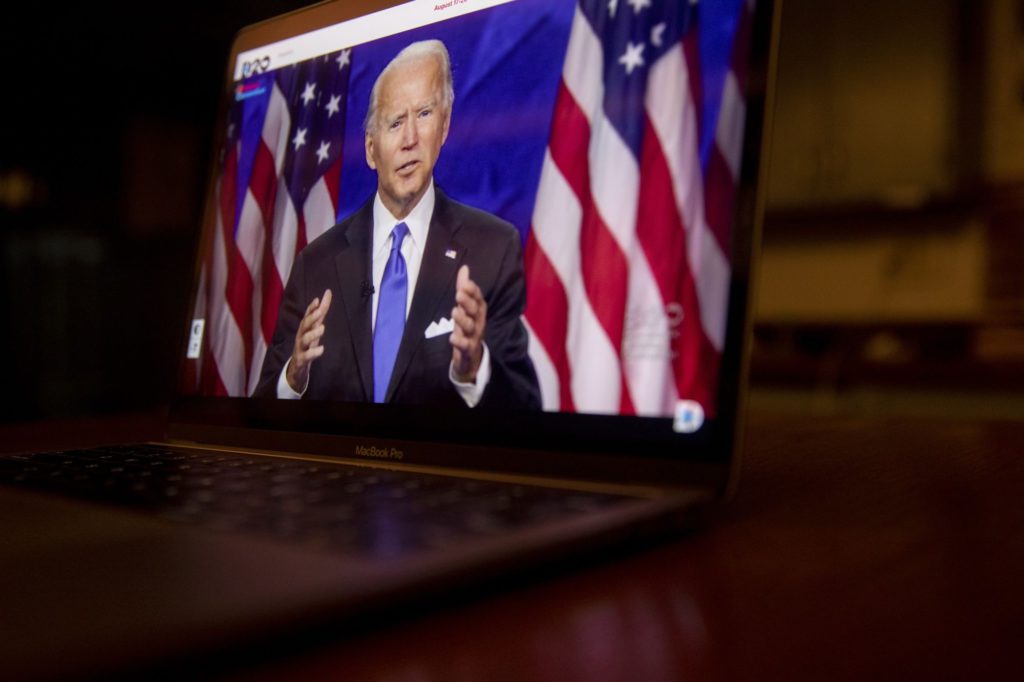
President Joe Biden and Vice President Kamala Harris will announce Monday that 20 companies, including AT&T Inc., Comcast Corp. and Verizon Communications Inc., have agreed to offer high-speed plans that are essentially free to eligible recipients, U.S. administration officials said, speaking on condition of anonymity ahead of the announcement. 

About 11.5 million households are already enrolled in the Affordable Connectivity Program, out of the 48 million that are eligible. Under the program, recipients get discounts of up to $30 a month. 

The 20 companies have agreed to provide plans for that figure — meaning households incur no cost after the rebate — at a speed of at least 100 megabits per second. Some are dropping the prices of existing plans, while others are raising the speed, the officials said. 

The companies weren’t offered anything, and won’t receive additional government funding, to offer the plans, the officials said. 

The U.S. government will launch a website, GetInternet.Gov, to allow people to find a qualifying plan, among other measures to increase the number of households that are participating. The 20 eligible providers cover about 80% of the U.S. population, the officials said. 

Households qualify for the program by meeting an income threshold, or automatically if a member of the household participates in other federal programs, like Medicaid or Pell Grants. The 20 companies that signed up are a fraction of the more than 1,300 that are participating in the Affordable Connectivity Program.

More stories like this are available on bloomberg.com

©2022 Bloomberg L.P.

Tech Critics Press U.S. Congress for Antitrust Laws Ahead of Midterms

(Bloomberg) — Congressional Democrats should press ahead and rein in tech giants as the companies seek to stall antitrust laws by arguing Americans care more about privacy than competition, advocacy groups said.

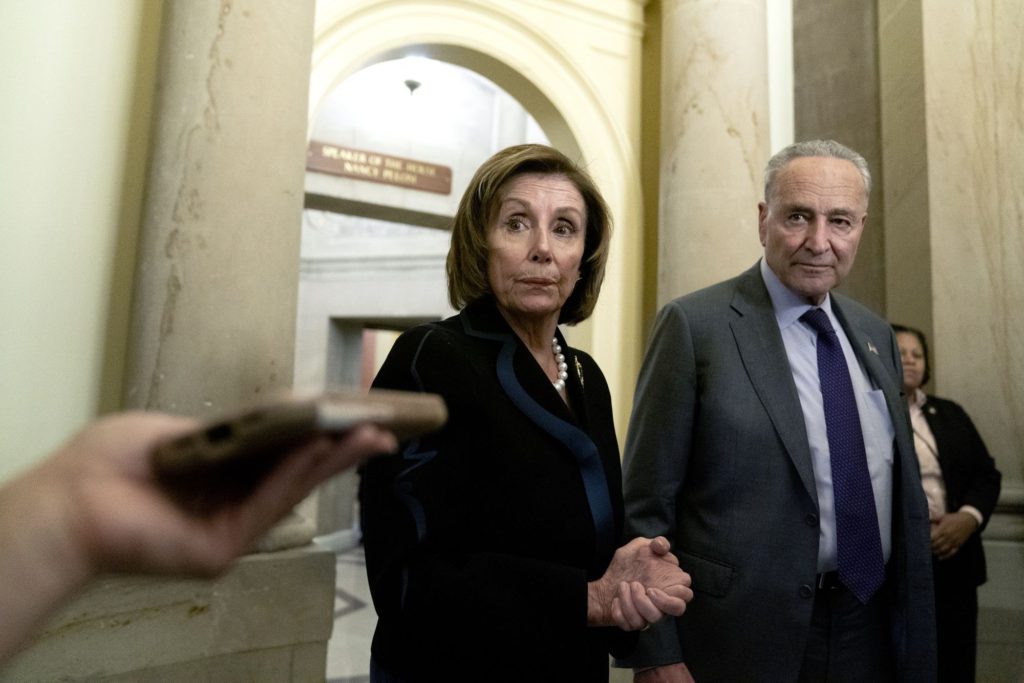
With U.S. midterm elections looming over the political schedule, almost two dozen groups pressed lawmakers to address both corporate dominance and privacy issues in a letter to Senate Majority Leader Chuck Schumer and House Speaker Nancy Pelosi. 

“The truth is that people want true accountability, which requires action across the digital economy,” according to the letter released by Public Citizen and obtained by Bloomberg News. Other backers include Open Markets Institute, Public Knowledge and Center for Digital Democracy.

A package of bills limiting the power of tech giants is gaining momentum in Congress, though leaders are running out of time to pass major legislation before the midterms. That’s prompting industry groups to boost lobbying before lawmakers leave in August for the summer recess. 

One focal measure, the American Innovation and Choice Online Act, would prevent large tech companies from putting their own products ahead of those of competitors. 

Lawmakers hope to advance the bills in June, according to a person familiar with the matter.

Rhode Island Representative David Cicilline is working with House Democratic leaders to bring the legislation forward to floor votes. But Senate Majority Leader Chuck Schumer, a New York Democrat, has told advocates he wants to be sure first that his party has the 60 votes needed to pass that chamber.

The Open App Markets Act, which would open up Apple and Google-owned app stores, has stalled in the House after an early surge of support in Congress. 

“Big Tech is attempting to deflect from the momentum behind legislation that will cut into their profitmaking foundation of surveillance and anticompetitive gatekeeping,” the groups said in the letter. 

In April, two interest groups representing companies such as Alphabet Inc. and Meta Platforms Inc. hosted separate lobbying days to urge Congress to oppose the antitrust legislation and instead promote a federal privacy law.

TechNet, one of the industry coalitions, argued during a virtual meeting with 41 lawmakers, including Schumer and Pelosi, that voters care more about privacy laws than regulating big business. NetChoice, another big tech advocacy group, criticized the competition bills during a meeting with more than a dozen conservative lawmakers. 

The Public Citizen letter said constituents do care about promoting competition. It cited polls by the Institute for Local Self-Reliance and tech-funded group Taxpayers Protection Alliance that show a majority of people support antitrust legislation.

More stories like this are available on bloomberg.com

©2022 Bloomberg L.P.

Fund That Thrived With Founder in Russian Jail Can’t Escape War

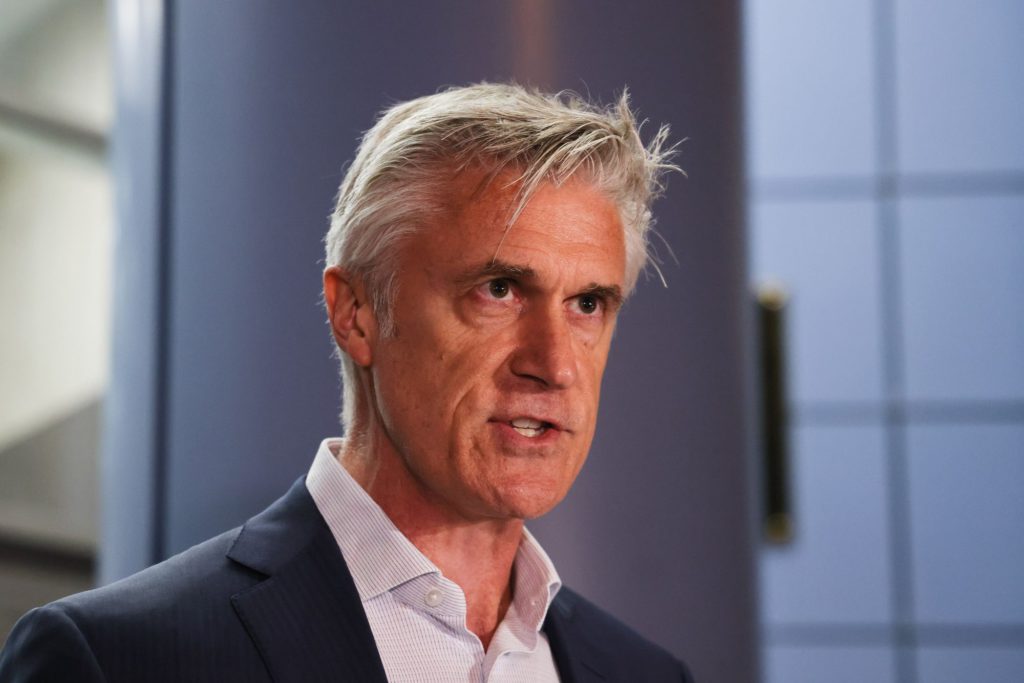
(Bloomberg) — Michael Calvey spent decades believing in Russia. He made successful bets on technology and consumer firms as the country emerged from the breakup of Soviet Union, and stayed invested after the annexation of Crimea in 2014. Even his arrest and incarceration in 2019 didn’t put him off. 

It helped that funds managed by Calvey’s Baring Vostok Capital Partners exploded in value from $2.6 billion to $9 billion during the 2 1/2 years he battled charges he said were baseless from jail and, later, house arrest, according to a person with knowledge of the firm’s operations, who asked not to be named discussing results. 

But like much of the world, Calvey was caught unaware by President Vladimir Putin’s invasion of Ukraine. Now, his investors, including the California Public Employees’ Pension Retirement System, the John D. and Catherine T. MacArthur Foundation and General Electric Co.’s pension fund, are uncertain if they’ll get their remaining money back.

Russian assets are effectively worthless to foreign holders since sanctions prevent them from selling, forcing investors in affected funds to write down their value significantly and wait. It’s a problem that’s affecting many firms that stuck with Russia, from specialist fund managers to a dozen of the world’s biggest banks, which together have $100 billion exposed to the country across industries both inside and outside sanctions, according to figures compiled by Bloomberg. 

“People like Calvey naively thought that they could trust Putin,” said Jeffrey Sonnenfeld, a Yale School of Management professor who is tracking foreign companies’ responses to the Russian invasion. “Russia is uninvestable for many years.” 

A Baring Vostok spokesman declined to comment. 

House Arrest

Calvey, 54, set up Baring Vostok in 1994. The firm was long considered the gold standard of Russian private equity, in part due to its 500-fold return from an early bet on internet giant Yandex NV. His funds have raised $3.7 billion in total capital, and successfully sold out of firms including Tinkoff Bank and online classifieds service Avito.ru. 

Calvey’s prominence meant his arrest attracted international attention. He and several colleagues were accused of overvaluing a company that his funds contributed to the capital of Vostochny Bank, a lender then controlled by Baring Vostok. Calvey denied the charges, blaming them on a dispute with the bank’s minority owner. 

U.S. President Joe Biden raised the case with Putin last June, and many top Russian business executives rallied around Calvey. Ultimately, a court handed him a 5 1/2-year suspended sentence for embezzlement last August. Calvey is appealing the ruling. 

Throughout his prosecution, during which he appeared in a courtroom cage and wore an electronic tracking bracelet, Calvey remained an enthusiastic Russia booster. In September, he told a conference he would continue to invest in the country.

Then the world changed overnight. Calvey was abroad when the invasion began in late February and does not currently plan to return to Russia, according to acquaintances who asked not to be identified in order to speak about Calvey’s personal travel. 

‘No Exit’

Russia’s economy is on course for two years of contraction for the first time since the recession that followed the collapse of the former Soviet Union in 1991, according to a Bloomberg survey, after foreign governments slapped sanctions on trade and finance, froze the reserves of its central bank and cut many of the nation’s lenders from the SWIFT global messaging system. 

In response, Russia blocked foreigners from selling assets and restricted the movement of rubles abroad to prevent further havoc on local markets. In a sign that Russia is not planning to ease restrictions on foreign-owned assets, Finance Minister Anton Siluanov said at a briefing April 27 that there aren’t any discussions currently about allowing foreigners back onto the Moscow Exchange, the country’s main stock market.

“We are seeing selling pressure on anything that touches Russia but we are not seeing a lot of buyers,” said Gerald Cooper, a partner at private markets advisory business Campbell Lutyens & Co. Several investors have called his firm looking to exit Calvey’s funds, Cooper added. “Baring Vostok has been a very successful private equity fund but I think you would be hard pressed to find secondary buyers that are willing to take on that type of exposure.”

While Baring Vostok hasn’t raised a new fund for over a decade, many investors are exposed to these latest shocks via their long-term commitments to its existing vehicles. The University of Texas Investment Management Co., which manages money for the University of Texas and Texas A&M systems, invested $50 million in 2012’s Fund V, public records show. Karen Adler, a spokeswoman, said the endowment is monitoring its legal requirements in regards to its investment.

The MacArthur Foundation, which put money into Baring Vostok funds raised in 2007 and 2012, is exploring ways to unwind its investments. However, “given the situation, there is no prudent way to exit at this time,” said Kristen Mack, a spokeswoman for the foundation. 

California’s pension fund invested $77.8 million in Baring Vostok’s 2007 Fund IV and has about $15 million remaining in it, according to spokesman Joe DeAnda. Sanctions and market restrictions are hurting Calpers’ ability to liquidate its Russian holdings and it’s monitoring evolving sanctions and federal actions, according to a statement in March. The fund declined to comment on specific investments.

A spokeswoman for General Electric’s pension fund said its investments “were made more than 10 years ago and do not currently have a market to enable an exit.” 

The European Bank for Reconstruction and Development, which in March announced it would close its Moscow office, is also in the 2012 fund. The University of Michigan has said it is seeking an exit for its various investments, but has no buyer. 

“Look at how many U.S. public sector pension funds were still invested in Russia, against the best advice of their own government,” Tim Ash, an emerging-markets strategist at Bluebay Asset Management, said. “Maybe it’s just a case of greed overpowering fear or rational analysis.”

Troubled Assets

The war has snuffed out signs that interest was again growing in Russian investments. During 2021, Elbrus Capital raised $363 million of commitments to its Fund III, including from U.S. investors, and Russian financial markets enjoyed their best year for initial public offerings by both value and deal count since before Putin annexed Crimea in 2014. 

But other private equity investors were already rethinking their exposure. Investor Charlie Ryan failed to reach a deal to sell UFG Asset Management’s funds last year to VTB Capital amid disagreements over the value of some assets, according to people familiar with the matter who asked not to be identified because the talks weren’t public. A group of UFG AM’s limited partners is demanding that it shut down and distribute its assets rather than continue to collect management fees, they said. 

A UFG AM representative declined to comment. 

A number of Baring Vostok portfolio companies face a difficult future. Its fast-growing ecommerce investment, Ozon Holdings Plc, adopted a cash-intensive business model as it sought to become Russia’s answer to Amazon.com Inc. The firm went public in New York in 2020. 

But its shares have been frozen since the invasion, pushing $750 million in convertible bonds into technical default as some bondholders seek early repayment. 

Plans for Vkusvill, a food retailer focused on healthy products, to hold an initial public offering are paused with Russian capital markets effectively closed. 

“Russia was dicey before this and now it’s completely dicey,” said Steve Kaplan, a professor of finance at the University of Chicago’s Booth School of Business.

More stories like this are available on bloomberg.com

©2022 Bloomberg L.P.

China’s Imports From Russia Hit Record on Energy Price Rises

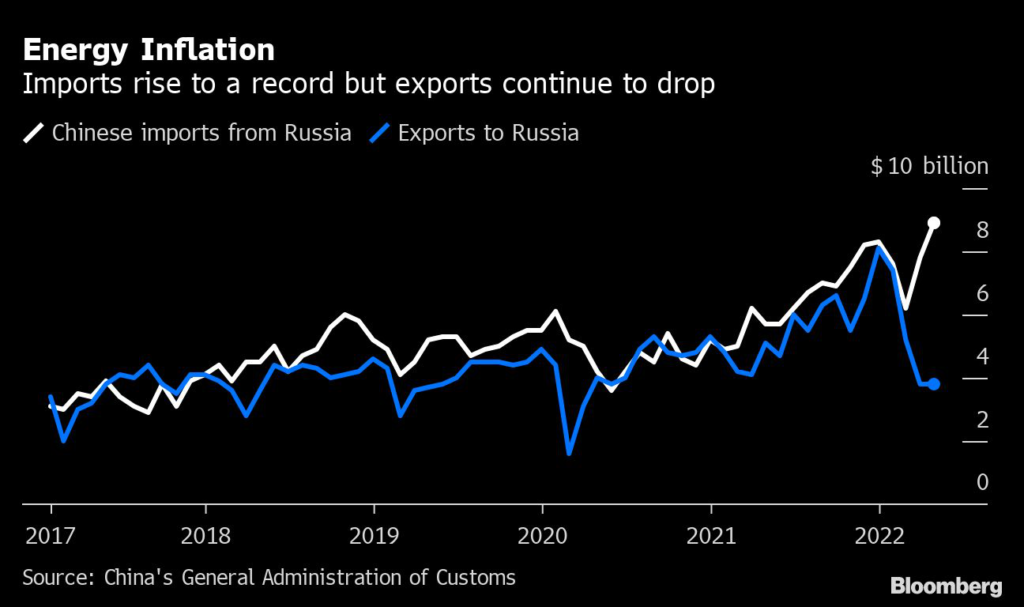
(Bloomberg) — Chinese imports from Russia surged to a record in April, likely due to soaring global energy prices, while exports fell to the lowest level since the early months of the pandemic. 

Chinese companies bought $8.9 billion worth of goods from Russia in April, an almost 57% jump from the same month a year ago. That rise came even though total imports from the whole world were unchanged and underline the closeness of ties between the two nations. 

China has refrained from sanctioning Russia even as the Group of Seven and European nations look to stop all oil purchases from Russia.  

Read More: China’s Oil Imports Rise as More Russian Supply Reaches Shore

Chinese firms sold $3.8 billion worth of goods to Russia in April, slightly less than in March, official data showed Monday. That was down 7.7% from a year earlier and was the lowest amount since March 2020, when global trade was badly affected by the initial outbreak of Covid-19. 

The top products China exported to Russia in March include smartphones, and processing units for microprocessors and other portable data-processing machines, according to data from the customs authority. The detailed breakdown for April will be released later this month. 

(Updates with additional details in the final paragraph.)

More stories like this are available on bloomberg.com

©2022 Bloomberg L.P.
Close Bitnami banner
Bitnami