
Bloomberg

Uber’s CEO Explains How the Ride-Hailing Pioneer Is Electrifying

(Bloomberg) — In September 2020, Uber pledged to eliminate all emissions from every trip booked on its platform globally by 2040. The ambitious announcement — made six months into the pandemic, at a time when travel was still severely disrupted — included a commitment to invest $800 million by 2025 in helping drivers switch to electric vehicles. The ride-hailing company said at the time it expected all trips in the U.S., Canada and Europe to take place in EVs by the end of this decade.

Uber initially made slow progress toward these goals, especially in its home market. A year ago, the share of battery-powered vehicles in U.S. ride-hailing was still lower than in the country’s overall passenger-car market. For its fleet to be entirely electric by the end of the decade, Uber will have to go from lagging behind in EV adoption to considerably outpacing it.

Here in Europe, the company has made some headway, my colleague Craig Trudell writes in Bloomberg Businessweek. By working with local officials, sealing deals with automakers and creating a fund to help make EVs more affordable, the tech firm is not only managing to get drivers to make the switch. It’s also repairing relations with cities it’s had tumultuous times operating in over the years.

Uber says more than 90% of new vehicles joining the platform in London are now fully electric, and about 5,000 drivers there are piloting EVs, a number it expects to double by year-end. Paris was one of the first cities where the company introduced Uber Green, enabling riders to book a trip only in a hybrid or EV. Although early uptake was slow, today 45% of the vehicles on the platform in the French capital are hybrid or fully electric, up from 15% two years ago.

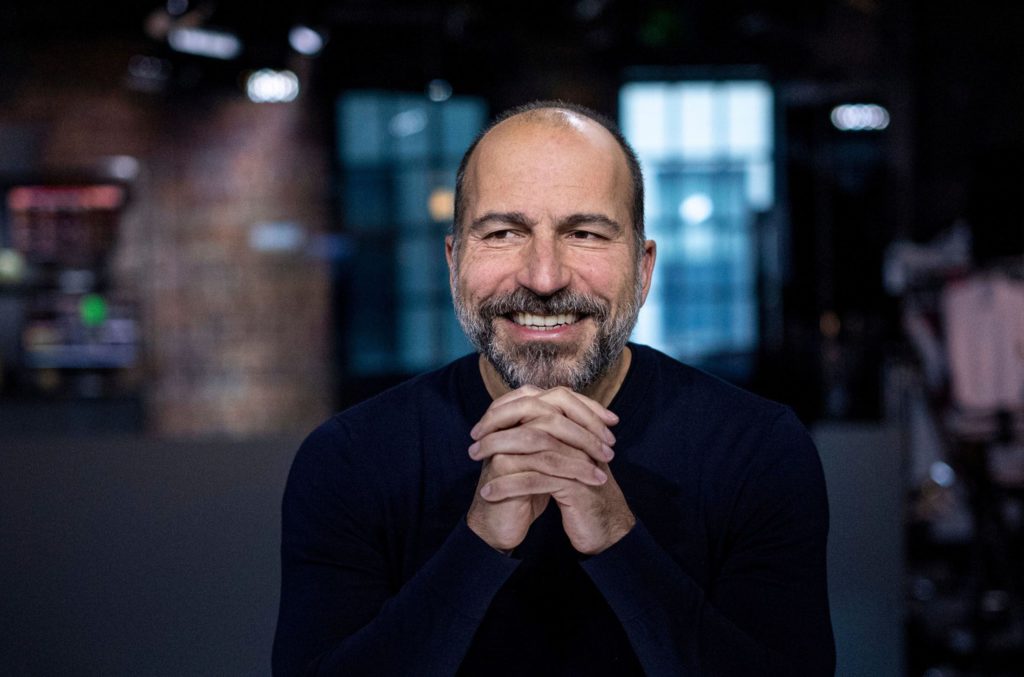
Craig and reporter Jackie Davalos spoke with Uber CEO Dara Khosrowshahi about his push to transform the company into an emissions-free mobility platform. Here’s an excerpt of the interview, edited for length and clarity.

How hands-on have you been in pushing the company to make this shift?

You have to plant flags. If you have a great team, they will run toward those flags.

What I’m seeing now is the company rallying around climate, around zero emissions being a hugely important goal for the betterment of the world, but also a core business goal for Uber. It’s a race to zero, and we want to get to zero faster than any other global mobility platform.

How difficult has the push been, especially in the early stages?

Creating momentum around these initiatives that at first are small within a large organization — it’s just tough to do.

What’s helping us is that while this is a company goal, everybody feels the effects of climate change on a daily basis, the change of weather patterns.

It’s become a mission-oriented goal, not just because it’s important for the company, not just because it’s important for the world, but because it’s something that everyone personally can feel a stake in.

Are you personally engaging with automakers about securing EVs for your drivers?

I do engage with multiple automakers at top levels to encourage the transition and let them know that there’s a very, very big market in terms of affordable EVs in the form of Uber.

The higher-end vehicles are the early winners in terms of electric commercialization, but those vehicle types tend not to work economically for our platform.

What I’m really focused on with the manufacturers is going EV, building out models at the kind of scale that we need — but also models that the average American or average Brit can afford.

Are we going to see a car manufacturer that makes a dedicated vehicle for Uber drivers?

I don’t think Uber is going to get into the car manufacturing game anytime soon. We have enough challenges in our own businesses. But we have had discussions with auto manufacturers about purpose-built electric vehicles designed for ride-share. We think it’ll be a great product and we think it would be a delightful experience for drivers and riders.

We are having discussions with some of the bigger players. Obviously, these decisions take a long time and they require huge amounts of capital, but we’d love for it to continue to happen at scale.

How is Uber’s partnership with Hertz and Tesla going?

Drivers are delighted by the Teslas. They earn more, partially because of the incentives that we have in the system, but also because they get tipped at higher rates, which I guess shouldn’t be surprising because I think the Tesla experience is delightful both for the driver, but also for the rider as well.

And that allows them to get past some of the fear factor: What are my economics going to look like? How many times am I going to have to charge during the day? The range anxiety that you associate with going electric, it’s even more so for a driver making a living with the car. To some extent, getting that kind of exposure then allows a product to sell itself.

Are you thinking about applying this effort also to the UberEats vertical?

We’re prioritizing ride-share at this point because it’s got the most miles and has the largest emissions envelope, so we’re going after the larger challenges and the larger rewards first.

But we’re absolutely going to take a lot of our learnings from ride-share and apply them to delivery. Already, significant portions of our deliveries have been on two-wheelers, scooters, e-bikes, so that transformation is naturally happening.

Has this effort altered the dynamic in some cities where Uber has had a rocky history?

It’s had a very positive impact. London is definitely one of them. When you share a common goal, a lot of other things fall into place. We very much support Mayor Sadiq Khan’s vision, and ultimately, for a vision to be realized, you’ve got to do the work on the ground. The early results are promising, but there’s a ton more work to do.

More stories like this are available on bloomberg.com

©2022 Bloomberg L.P.

Microsoft Close to Deal on Amsterdam Trade Bank Files

(Bloomberg) — Microsoft Corp. will likely reach a deal with Amsterdam Trade Bank trustees on Thursday, avoiding a potential fine for not allowing access to the bankrupt lender’s data.

“We’re almost there,” court-appointed trustee Job van Hooff said by phone, referring to the talks with the tech giant to gain access to data related to the defunct lender. “I don’t expect Microsoft will receive a fine,” he said.

A Dutch court ruled Tuesday that Microsoft must allow bankruptcy trustees appointed to the Russia-linked Amsterdam Trade Bank to see information including email boxes, excel files, internal committee reports and minutes from management board meetings. The technology giant risks daily fines of 10 million euros ($10.5 million), with a maximum penalty of 100 million euros, if it doesn’t comply with the ruling, said the court.

Microsoft Faces Dutch Fines in Bankruptcy of Russia-Linked Bank

ATB, a lender linked to Russia’s Alfa Group and sanctioned billionaire Mikhail Fridman, was declared bankrupt last month in the Netherlands after U.S. and U.K. sanctions paralyzed its payment systems. 

Van Hooff told Bloomberg on Tuesday that trustees couldn’t access important information to conduct the investigation into the causes of bankruptcy after Microsoft shut down access. Microsoft said it is “evaluating potential solutions that would enable us to comply with both the court’s decision and sanctions imposed by the U.S., EU, and U.K.”

More stories like this are available on bloomberg.com

©2022 Bloomberg L.P.
U.S. Considers Unprecedented Sanctions on China Tech Giant Hikvision

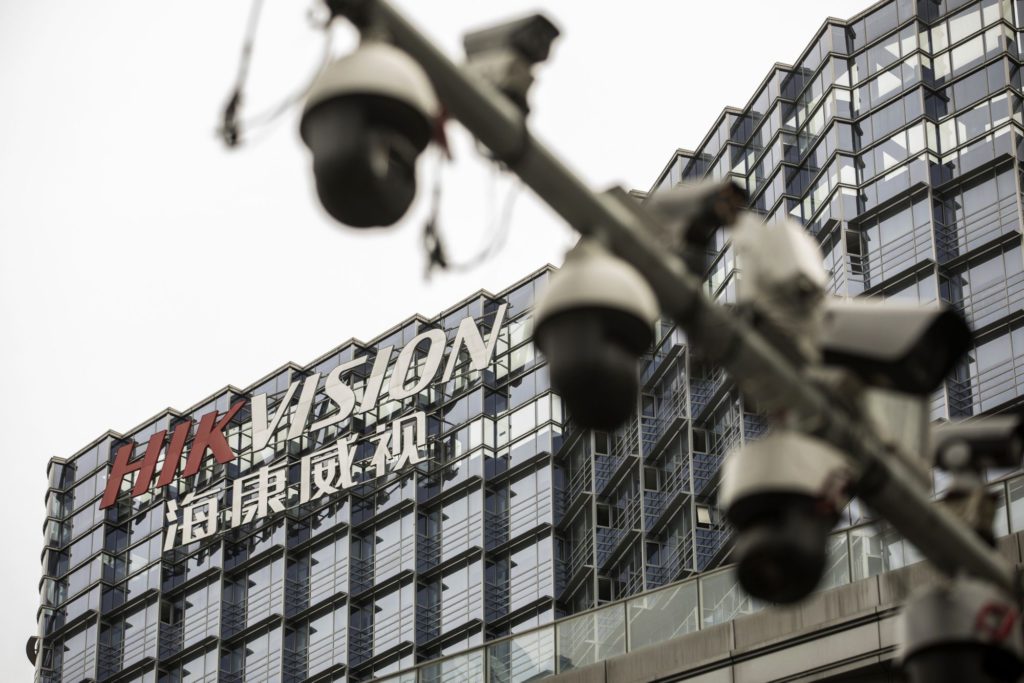
(Bloomberg) — Shares of Hangzhou Hikvision Digital Technology Co. tumbled 10% as the U.S. considers imposing new sanctions on surveillance-technology giant, potentially the harshest measures so far against a major Chinese company.  

The Biden administration is weighing whether to add the maker of cameras and surveillance systems to its Specially Designated Nationals and Blocked Persons List, according to people familiar with the situation. The sanctions would be related to alleged human-rights violations by China against Muslim minorities in its far-Western region of Xinjiang. A final decision is unlikely this month, said one of the people, who declined to be identified as a decision isn’t finalized. 

Hikvision’s stock fell as low as 38.24 yuan a share in Shenzhen after the holiday break, dropping by its daily limit.

Hikvision was already blacklisted by the U.S. in 2019 along with seven other Chinese technology giants, making it more difficult for it to do business with American companies. But the more severe sanctions under consideration would not just bar Americans from doing business with the company but also make its global customers potential targets of U.S. action.

“It looks to be limited to Hikvision for now, but it creates fresh uncertainty in that in the future, successful Chinese companies could be targeted in this way,” said Wai Ho Leong, a strategist at Modular Asset Management SP Pte. 

The Financial Times earlier reported on the U.S. deliberations. Hikvision said in a statement Wednesday it will comply with applicable laws wherever it operates.

“The potential action by the U.S. government, as reported, remains to be verified,” it said. “We think any such sanction should be based on credible evidence and due process, and look forward to being treated fairly and unbiasedly.”

A representative for the U.S. National Security Council said it does not preview future sanctions.

Hikvision found itself in the cross-hairs of the Trump administration in 2019 after it joined other Chinese companies — including Huawei Technologies Co. — on an Entity List that prevents American firms from supplying it with components and software.

The fresh, tougher sanctions would take the Biden administration’s economic war against China in a new direction: it would be the first time a Chinese technology company has been added on the SDN list. It deals a potentially heavy long-term blow against Hikvision, as companies and governments around the world would be forced to reconsider their relationship with the camera provider.

Hikvision, whose cameras are used by agencies and corporations across Europe and Asia, is among the companies Beijing is counting on to spearhead advances into artificial intelligence. The company doesn’t play a major a role in those ambitions but it’s a key partner to Beijing as well as other governments. Its cameras have been used in cities from Paris to Bangkok, and are considered pivotal to crime prevention as well as helping build “smart cities” or networked urban environments.

Thanks to cheap but capable cameras, the Chinese company has enjoyed rapid growth in recent years. Demand for its surveillance cameras, video storage and data analysis services has boomed particularly in its home market. Overseas, the company competes against Canon, Hanwha Techwin and Bosch.

“China firmly opposes the U.S. moves to use human rights as an excuse, and abuse state power and its domestic law to hobble Chinese companies,” China Foreign Ministry spokesman Zhao Lijian said Thursday at a regular press briefing in Beijing.

(Updates with China’s comment in the final paragraph)

More stories like this are available on bloomberg.com

©2022 Bloomberg L.P.
Kenya’s Economy Grew at Fastest Pace in 11 Years in 2021

(Bloomberg) — Kenya’s economy expanded at the fastest pace in 11 years in 2021, rebounding from a coronavirus-induced contraction the year before.

Gross domestic product grew 7.5%, after shrinking 0.3% in 2020, Macdonald Obudho, head of the nation’s statistics agency said Thursday in the capital Nairobi.

While East Africa’s largest economy grew at its fastest pace since 2010 last year, that’s unlikely to be sustained in 2022 because of foreign and domestic risks. A slowdown in global growth due to rising interest rates, Russia’s invasion of Ukraine and Covid-19 shutdowns in China is likely to weigh on capital inflows and demand for Kenya’s exports. The nation is the world’s top exporter of black tea and the largest supplier of cut flowers in Europe.

Rising fuel costs, supply shocks caused by the war in Ukraine, a persistent drought and weakened currency will also strain growth and fan inflation. Price growth surged to 6.5% in April and the shilling is trading at record lows. The International Monetary Fund sees growth slowing to 5.7% in 2022, while the Central Bank of Kenya projects expansion of 5.9%.

More stories like this are available on bloomberg.com

©2022 Bloomberg L.P.
BMW Profit Beats Estimates on Strong Demand for Top-End Cars 

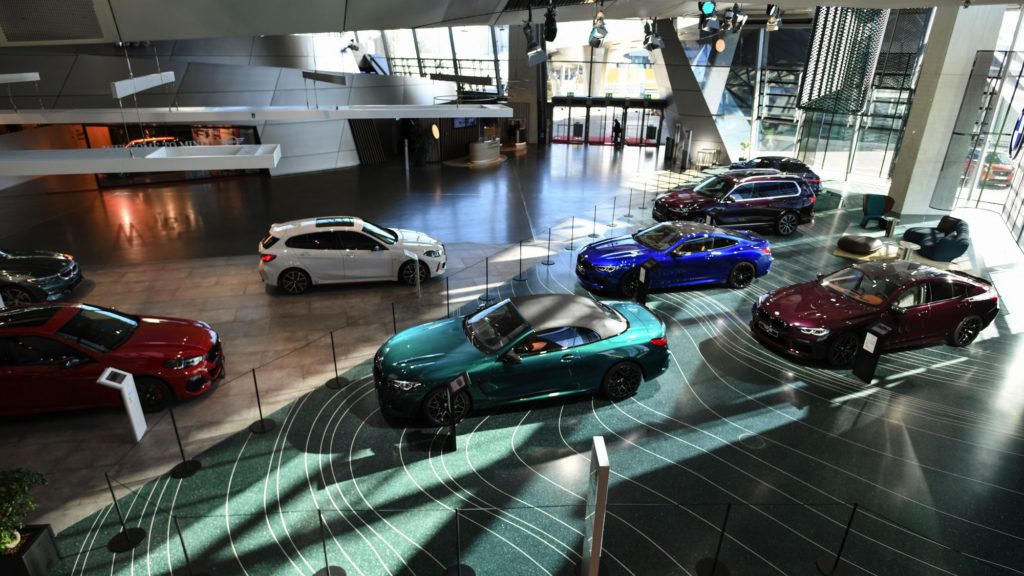
(Bloomberg) — BMW AG said earnings rose 12% in the first quarter even as the war in Ukraine and Covid-lockdowns in China disrupted the automaker’s supply chain.

Group earnings before interest and tax rose to 3.39 billion euros ($3.6 billion) in the first quarter, the company said Thursday, exceeding analyst estimates of 2.9 billion euros. 

BMW confirmed the outlook for the year that it outlined in March, when it said Russia’s invasion of Ukraine will push down automaking returns to between 7% and 9%. That’s slightly less than the 8% to 10% range it had estimated before the war broke out. 

The Bavarian carmaker and its rivals have shifted production to higher-margin models as output has been hampered by the semiconductor shortage and other supply-chain problems. Despite delivering 6% fewer cars in the first quarter, BMW’s auto revenue rose 17% compared with the same period last year.

“Never before in the history of our company have our pre-orders been higher than they are today,” Chief Executive Officer Oliver Zipse said. “The markets signal that this high demand will continue.”

BMW’s shares rose 2.2% at 10:04 a.m.

Profitability in BMW’s auto division was behind rival Mercedes-Benz AG, which posted a record margin of 16.4% for its cars division in the first quarter. BMW’s operating return on automaking was 8.9% in the first quarter, compared with analyst expectations of 7.8%.

Group revenue was buoyed by the full consolidation of BMW’s China joint venture, which contributed 3.3 billion euros since mid-February, BMW said.

BMW’s automaking returns are expected to pick up during the second half of the year. In mid-April, BMW presented the new generation of its flagship 7 Series, including the i7 all-electric variant, which will go on sale in November. An upgraded version of its high-margin X7 SUV will be sold from August onwards. 

(Updates with CEO comment in fifth paragraph, shares in sixth.)

More stories like this are available on bloomberg.com

©2022 Bloomberg L.P.
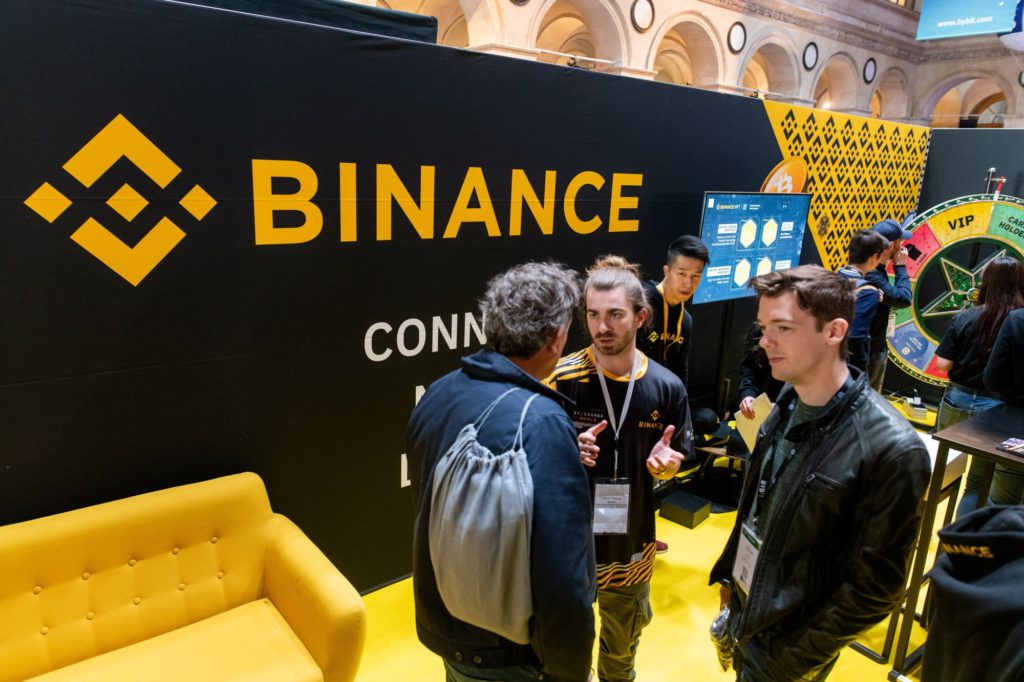
Crypto Exchange Binance Gets French Regulatory Nod in European Push

(Bloomberg) — Binance Holdings Ltd., the world’s largest cryptocurrency exchange by trading volume, has secured regulatory approval from the French government, boosting its operational plans across the European continent. 

Binance obtained a digital-asset service provider registration, the Paris-based markets authority AMF said on its website, confirming an earlier Bloomberg report. The regulatory nod will help bolster the company’s ambitions in Europe and marks the exchange’s first major approval from a G-7 member nation. 

Bank of France Governor Francois Villeroy de Galhau had previously touted Binance’s interest in setting up a base in Paris, and the firm’s co-founder and chief executive officer Changpeng “CZ” Zhao lauded the country as one of the “pro-crypto” jurisdictions. 

“This is a huge step,” Zhao said in an interview on Bloomberg TV. “This opens the door for us to get more licenses in Europe and elsewhere in the world.”

Last month, he spoke at Paris Blockchain Week and Binance confirmed a 100-million-euro ($105 million) investment into the nation’s blockchain ecosystem. The company said it would make Paris its European hub, initially recruiting up to 250 people focused on crypto and blockchain infrastructure development.

The approval in France is the latest sign that the world’s largest crypto firms are gaining momentum with regulatory bodies in certain strategic markets. In recent months, Binance has secured nods from Bahrain, Dubai and Abu Dhabi, while rivals FTX and Kraken got licenses in Dubai and Abu Dhabi, respectively.

Read more: Coinbase CEO Predicts One Billion Crypto Users Within a Decade

Even so, other jurisdictions like Singapore have clamped down with stricter crypto-licensing regimes, citing risks to retail investors as well as concerns that digital assets might be used for money laundering and terrorist financing. 

(Updates with comment from Binance CEO in fourth paragraph.)

More stories like this are available on bloomberg.com

©2022 Bloomberg L.P.
Stellantis First-Quarter Sales Rise on New Models, FX Boost

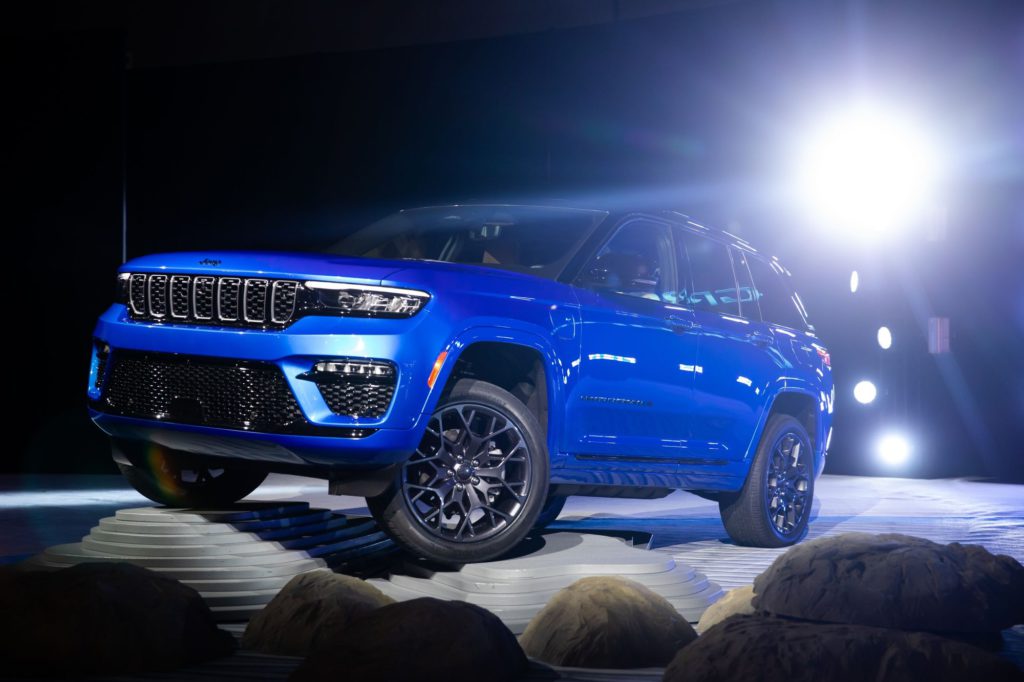
(Bloomberg) — Stellantis NV’s sales jumped in the first quarter on the back of strong vehicle prices and a range of new models like the Jeep Grand Cherokee even as shipments dropped due to supply-chain issues.  

The maker of Ram and Fiat brands said net revenue rose 12% to 41.5 billion euros ($44.1 billion), the company said Thursday. Stellantis said positive currency effects also padded out the result while the carmaker stuck to an annual goal of a double-digit margin on adjusted operating income.

“Good product momentum and strategic partnerships continue to pave the way,” Chief Financial Officer Richard Palmer said in a statement, even as supply and inflationary headwinds weigh.

The shares rose as much as 5% in Milan trading, paring losses this year of about 20%. 

Europe’s biggest carmaker’s consolidated shipments fell 12% during the quarter to 1.37 million, primarily because of unfilled semiconductor orders, it said. The issue was particularly acute in Europe, where deliveries cratered 24% and revenue declined, while North America offset this drag with a 30% jump in sales.  

Supply-chain issues continue to plague most manufacturers. Output at Volkswagen AG has also slumped since the start of the year though the Stellantis rival on Wednesday forecast a significant recovery during the second part of the year. 

Availability of semiconductors is expected to improve during the second half the year, even as the supply situation remains difficult to predict, Palmer said on a call with reporters. 

In light of the war in Ukraine upending supply lines, Stellantis cut its market projection for Europe and North America. In Europe, it now sees a drop in sales of 2%, down from a growth expectation of 3%. The North American market is now likely to be stable, down from growth of 3%, it said.

Chief Executive Officer Carlos Tavares is pursuing plans to introduce more than 75 fully-electric models by 2030 with annual sales of 5 million vehicles, while maintaining double-digit returns through the end of the decade.

(Adds share price in fourth paragraph)

More stories like this are available on bloomberg.com

©2022 Bloomberg L.P.
Telecom Italia Earnings Decline on Stiff Domestic Competition

(Bloomberg) — Telecom Italia SpA is near to signing a memorandum of understanding with state lender Cassa Depositi e Prestiti SpA — the carrier’s second-largest investor — for a national single-network project that would merge the company’s landline grid with the one owned by smaller rival Open Fiber.

“I’m confident we can reach an agreement on the single network in the next few days,” Chief Executive Officer Pietro Labriola said on a conference call with reporters Thursday. It’s a very complex project but there’s a convergence of interest on it,” he said. KKR & Co. as well as other shareholders could join the MOU, he said.

Telecom Italia shares traded up 1.8% at 9:31 a.m. in Milan on Thursday, giving the company a market value of 5.8 billion euros ($6.2 billion)

The company on late Wednesday reported lower first-quarter results amid fresh competition for ultrafast fiber services in the domestic market from France’s Iliad SA.

Organic earnings before interest, taxes, depreciation and amortization fell 13% to 1.39 billion euros in the quarter, the former telecommunications monopoly said Wednesday. That was below the 1.45 billion-euro average of analyst estimates compiled by Bloomberg. Revenue declined by 4.5% on an organic basis to 3.64 billion euros, compared with estimates of 3.67 billion euros.  

During the quarter Telecom Italia “maintained a premium positioning strategy despite the difficult competition,” the company said in a statement. The phone carrier also suffered from the absence of government incentives for consumers, “which had a very positive impact on the performance of the same period last year.”

Telecom Italia reported a loss of 204 million euros for the period, but generated free cash flow of more than 120 million euros after lease costs.

Iliad Challenge

In January, Iliad started a new commercial service in Italy offering landline fiber connections with speeds of up to 5 gigabits for about 16 euros per month, putting pressure on other domestic providers. Telecom Italia is also focusing on fast-growing businesses such as cloud services and data centers. 

Italy’s largest phone company, Telecom Italia has been struggling for two decades. Crippled by a debt pile of more that 30 billion euros — inherited from a leveraged buyout in late 1990s — the company has had five chief executive officers in about six years. 

Read more: Telecom Italia Is Said to Seek $3.3 Billion State-Backed Loan

Telecom Italia’s new CEO Pietro Labriola, a 54-year-old industry veteran appointed earlier this year, has written off about 9 billion euros in impaired assets. In addition, he has drawn up a 2022-2024 plan to shake up the company by separating the landline network into a new unit called NetCo focused on wholesale services, with the goal of gaining a solid revenue stream from regulated tariffs. The plan also envisions all commercial services spun off into a separate unit called ServCo. 

Labriola’s strategy calls for landline assets to be merged with those of smaller, state-backed rival Open Fiber SpA, aligning Telecom Italia with a government goal of building a single, national fiber network while avoiding duplicated investments. The company also recently rebuffed a 10.8 billion-euro takeover proposal by KKR & Co. after refusing the U.S. investment firm’s due diligence requests. 

As part of Labriola’s plan, Cassa Depositi, or CDP, would get a majority stake in the company’s fixed network assets, people familiar with the matter said earlier this year.  

Last month, Telecom Italia signed a nondisclosure agreement with CDP to start preliminary discussions on integrating its network with that of Open Fiber. About two years ago, KKR invested 1.8 billion euros in Telecom Italia’s fiber unit FiberCop.


(Updates financial results in fourth paragraph.)

More stories like this are available on bloomberg.com

©2022 Bloomberg L.P.
China Stocks’ Weak Return From Break Highlights Growth Concerns

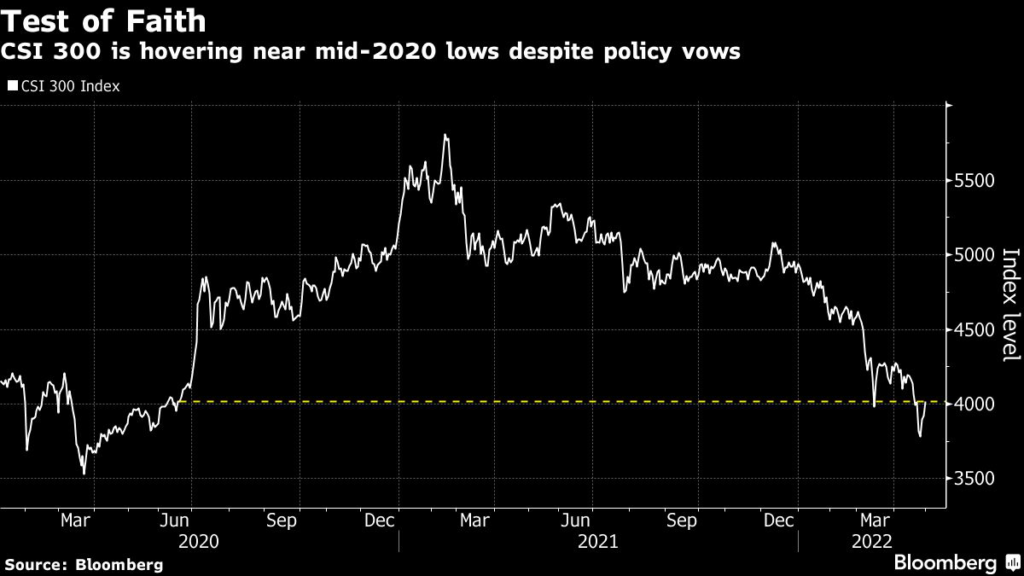
(Bloomberg) — Chinese stocks slid on its return from a three-day break, in a sign that Beijing’s vow to boost growth has failed to alleviate concerns about strict Covid lockdowns and gloomy economic data. 

The benchmark CSI 300 Index ended 0.2% down Thursday, following a mildly choppy session. Weighing on the market was an 8.2% decline in battery giant Contemporary Amperex Technology Co. on disappointing earnings, as well as Hangzhou Hikvision Digital Technology Co. that tumbled 10% on the risk of fresh U.S. sanctions.

The lackluster closing came on the back of a slew of data showing a sharp contraction in the world’s No. 2 economy, ranging from weak services and factory activity to a plunge in domestic travel spending. A delay in Shanghai’s final exit from a five-week lockdown and fresh regulatory headwinds from Washington unsettled investors further.  

The overnight rally on Wall Street did little to improve sentiment in China, suggesting that the Federal Reserve’s latest interest rate hike and signaling of more to come this year continue to raise concerns about the allure of local assets.   

“Investors remain cautious about the market. The main concern still surrounds the impact of lockdowns on the economy,” said Banny Lam, head of research at CEB International Investment Corp. “Other concerns include Chinese enterprises’ delisting issue in the U.S.” 

The market’s weak performance shows investors are waiting for policymakers to put words into action after they made sweeping pledges to spur a faltering economy last week. The authorities vowed to deploy more policy tools and ramp up infrastructure construction. 

Beijing also took pains to ease fears of an extended crackdown on private enterprise, especially on its once high-flying technology firms. In the latest of such efforts, China’s central bank said it will implement “normalized” supervision on the financial activities of online platform companies, adding that support for technology innovation companies should be strengthened. 

Elsewhere, the onshore yuan weakened 0.2% against the dollar at 6.6194, while its offshore counterpart fell 0.4% to 6.6500. Yields on China’s benchmark 10-year government bond shed one basis point to 2.83%.

In credit markets, Chinese onshore corporate bonds were broadly mixed after early gains. Junk dollar notes advanced, with higher-rated developers some of the best performers.

(Updates prices and with analyst comments)

More stories like this are available on bloomberg.com

©2022 Bloomberg L.P.
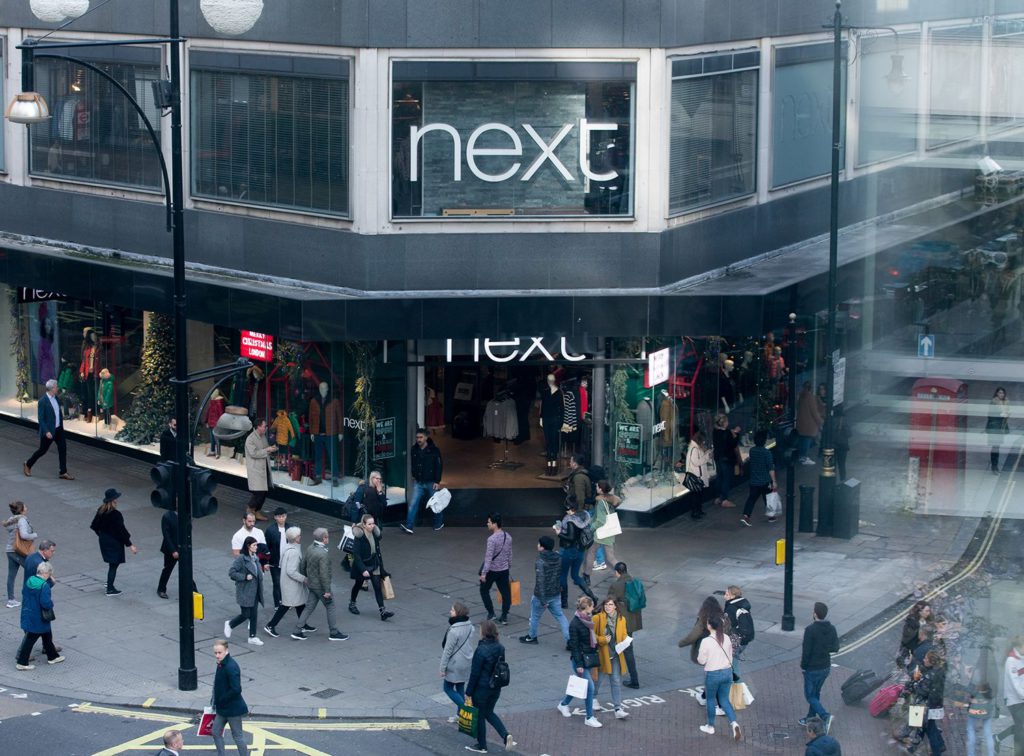
Next Sales Surge Even as Inflation Weighs on U.K. Shoppers

(Bloomberg) — Next Plc said store sales soared in the first quarter as they stayed open following the end of pandemic restrictions, even as inflation squeezes shoppers’ disposable income. 

The British clothing and housewares chain said sales jumped by 285% in a strong start as it reiterated that it expects annual pretax profit of 850 million pounds ($1.07 billion) in the year through January, in a statement Thursday.

Full-price sales also rose 21% despite the promotional environment which earlier this week saw Joules, a smaller retail rival, warn on profits. Although online sales fell in the period, compared to last year when people locked down at home splurged on the internet, they are still up on pre-pandemic levels. 

Shares in Next rose more than 3% in early trading in London Thursday. 

Next went into the pandemic warning that it presented the global retail industry with its biggest threat in nearly half a century but emerged a winner as consumers shopped online and stores bounced back from forced closures. The retailer, often considered a bellwether for the health of Britain’s main streets, tends to be cautious typically and lowered its profit and sales guidance in March as the war in Ukraine and record inflation in the U.K. dimmed its outlook. 

The chain has closed its websites in Ukraine and Russia and overseas full price sales are currently down 7% from the same time last year. In March, Next warned that sales were very hard to forecast given growing inflation and changing shopping habits with consumers less likely to spend on clothes as they grappled with surging gasoline and energy bills. 

Next operates hundreds of stores across the U.K. and a large domestic and international online division selling its own range of fashion, as well as third-party brands. It also uses its infrastructure network to help rival brands sell their goods online.

The chain has been acquisitive recently and agreed to acquire baby goods retailer JoJo Maman Bebe last month for 16 million pounds alongside U.S. hedge fund Davidson Kempner Capital Management.


(Updates with shares in fourth paragraph and details on JoJo Maman deal, Ukraine and Russia from sixth paragraph.)

More stories like this are available on bloomberg.com

©2022 Bloomberg L.P.

Close Bitnami banner
Bitnami
