Bloomberg

Crypto Lender Nexo Issues $3 Million NFT-Backed Loan

(Bloomberg) —

Crypto lender Nexo says it has issued one of the largest loans backed by NFTs in crypto’s history and that two rare CryptoPunks Zombies were used as collateral.

Nexo said the 1,200 Ether loan, worth more than $3.3 million, was issued to an unnamed borrower who put up the Zombie NFTs as collateral. The 60-day loan carries an annualized interest rate of 21%.

The transaction shows how the financialization of NFTs has gained in sophistication since nonfungible tokens surged in crypto markets last year. The complex deal was structured with Nexo, a centralized crypto lender, issuing the loan on Arcade, a peer-to-peer marketplace for NFT lending. Nexo hedged its loan risk through investment manager Meta4 Capital. 

“With this multi-lateral partnership, we are demonstrating the merge between traditional, decentralized and crypto finance,” Kiril Nikolov, who’s in charge of DeFi strategy at Nexo, said in a press release.

Given the volatile nature of the NFT market, such financing carries more risk compared with similar loans in traditional finance. But that hasn’t stopped more people from entering the NFT lending space.

The owner of 104 CryptoPunks took out a loan worth more than $8 million on another NFT lending platform NFTfi in April. The pseudonymous owner of those CryptoPunks canceled a live auction at Sotheby’s on the same digital collectibles last minute in February. Other centralized lenders such as Genesis have also executed similar loans.

“Like many collectors, people became attached to their NFTs, they become part of the persona, particularly online and in Web 3,” Brandon Buchanan, founder and managing partner at Meta4 Capital, said. “Many folks view NFTs as a store of value or a way to accrue Ether.”

More stories like this are available on bloomberg.com

©2022 Bloomberg L.P.

Crypto Crowd’s Secret Gala Convenes Outside the Gates of Milken

(Bloomberg) — No name tags and by invitation only, an exclusive cryptocurrency crowd is gathering behind closed doors at the Waldorf Astoria’s Jean-Georges restaurant in Beverly Hills.

It’s Medici LA 22, an event set up to connect crypto entrepreneurs and institutional investors amid the ballooning popularity of digital assets. The who’s who of crypto are attending, with Mike Novogratz, chief executive officer of Galaxy Digital, Anatoly Yakovenko, co-founder of Solana and Rostin Behnam, chairman of the Commodity Futures Trading Commission, among the 130 or so at the two-day meeting. The goal is to generate “actionable investment ideas” in the digital asset world, according to a copy of the conference’s program seen by Bloomberg News.

And by all accounts, tickets for the event are hard to come by. A few hundred meters away, a separate confab is in full swing but some participants at the Milken Global Institute Conference — a mainstay event for the U.S. investing world — are wondering how they can get access to the parallel cryptocurrency gig. 

That’s even as Milken hosts its own digital asset offering — perhaps its most expanded yet — with several crypto-related panels, including two on the metaverse and one on digital nationalism. Crypto executives, investors and developers such as Brian Armstrong, CEO of Coinbase Global Inc. attended at the Beverly Hilton.

Other participants at Medici, which began on Monday at a separate hotel, include Kanav Kariya, president of Jump Crypto, Mary-Catherine Lader, chief operating officer of Uniswap Labs, Adam Jackson, CEO of Braintrust and Mihailo Bjelic, co-founder of Polygon. Attendees, who don’t have to wear name tags, are discussing scaling and infrastructure, markets and DeFi, web3 and regulation and policy. Medici events are free for invited guests, according to the program. 

The Medici Network was set up about five years ago by Adam Winnick, founding partner of Finality Capital Partners and an early entrant into the crypto world. Winnick started his career on Wall Street at CIBC working on high-yield financing, according to his profile on LinkedIn. Michael Milken, the Milken Institute’s founder and billionaire “Junk Bond King” helped turn high-yield debt from a backwater of risky corporate debt into a trillion-dollar market. High-yield bonds had inspired Winnick, he said.

“At the time, high-yield bonds were a novel asset class that institutions could not buy. They were, however, an invaluable financial instrument for founders building new networks cable, mobile, fiber optics,” he said in the conference’s program. “Today, tokens are the novel instrument that are bootstrapping a whole new group of networks and we are proud to support that effort.”


More stories like this are available on bloomberg.com

©2022 Bloomberg L.P.

AMD Soars After Data-Center Chip Sales Fuel Upbeat Forecast

(Bloomberg) — Advanced Micro Devices Inc. gave a strong sales forecast for the current quarter, indicating that the chipmaker continues to make strides in its most lucrative market: data-center processors. 

AMD predicted second-quarter sales of roughly $6.5 billion, compared with an average analyst estimate of $6.03 billion. That helped send the shares up as much as 8.3% in late trading Tuesday. 

The outlook helped allay concerns that the chip market is slowing — and signaled that AMD is making further gains on Intel Corp. The company, which for years lagged far behind Intel in computer processors, is on pace to end 2022 with almost four times as much revenue as in 2019. New products and better execution have helped AMD win over customers who were once skeptical about its capabilities.

AMD’s outlook contrasts with a recent forecast from Intel, which was hurt by an accumulation of inventory at some of its PC customers. The return of Covid-related lockdowns in parts of China also has squeezed the supply of components needed to complete devices, Intel said. Other chipmakers, such as Texas Instruments Inc., have said those disruptions are hurting growth as well. 

AMD’s forecast includes a boost from its acquisition of Xilinx Inc., a deal it completed in the first quarter. 

“Each of our businesses grew by a significant double-digit percentage year-over-year,” AMD Chief Executive Officer Lisa Su said in a statement. Growth of the existing business and the Xilinx acquisition have both contributed to stronger full-year expectations, she said.

AMD has reduced its expectations for the personal computer market this year. The company had previously projected no growth in PC shipments from 2021 but now expects a decline in the high-single digit percentage range, Su said. AMD will be less hurt by this because it’s still gaining share, particularly in more expensive models, she said. 

Despite AMD’s rapid growth, investors have shunned the stock this year, part of a broader pullback for semiconductor shares. Investors have been particularly wary of chipmakers that made rapid gains over the past three years, fearing that a collapse is near. AMD closed at $91.13 in New York Tuesday, down 37% this year.

The latest forecast suggests that AMD still has momentum. Under Su, the company has developed leading-edge components and outsourced production — something her predecessors struggled to do. That’s led more chip customers to ditch Intel in favor of AMD.

Intel CEO Pat Gelsinger, who took the helm last year, is plotting his own turnaround. He now claims that his company is offering better PC processors than AMD and will take back market share. 

Unlike Intel, which manufactures its products in-house, AMD works with Taiwan Semiconductor Manufacturing Co., giving it access to better technology. Using the latest manufacturing techniques can improve the way chips process data and how much information they store. 

While TSMC has surpassed Intel in technological capabilities, it has struggled to meet demand for chips. But AMD has an edge over other TSMC customers. Its products are some of the most expensive items coming out of the Taiwanese factories, in theory making it better placed to get the supplies it needs. 

AMD is also the second-largest maker of graphics chips used in add-on cards by PC gamers. It competes in that market with Nvidia Corp. and will face fresh opposition from Intel, which has begun offering products for that segment for the first time in years.

AMD, based in Santa Clara, California, supplies graphics chips used in Microsoft Corp.’s Xbox and Sony Corp.’s PlayStation. 

AMD reported first-quarter earnings of $1.13 a share, excluding some items, well ahead of the 92-cent estimate. Sales rose 71% to $5.9 billion, topping projections of $5.3 billion. The first quarter also included contributions from Xilinx.

The chipmaker is predicting annual revenue of $26.3 billion for 2022, a gain of 60% from the prior year. That compares with an average estimate of $24.1 billion.

AMD is gaining ground at the largest buyers of computer processors, owners of the giant data centers that are the backbone of the internet. Some 48% of all new processors installed in these data centers were bought from AMD in March, according to Jefferies & Co. analyst Mark Lipacis.

(Updates with AMD’s outlook for the PC market in the seventh paragraph.)

More stories like this are available on bloomberg.com

©2022 Bloomberg L.P.

Amazon, Starbucks Union Organizers Invited to White House

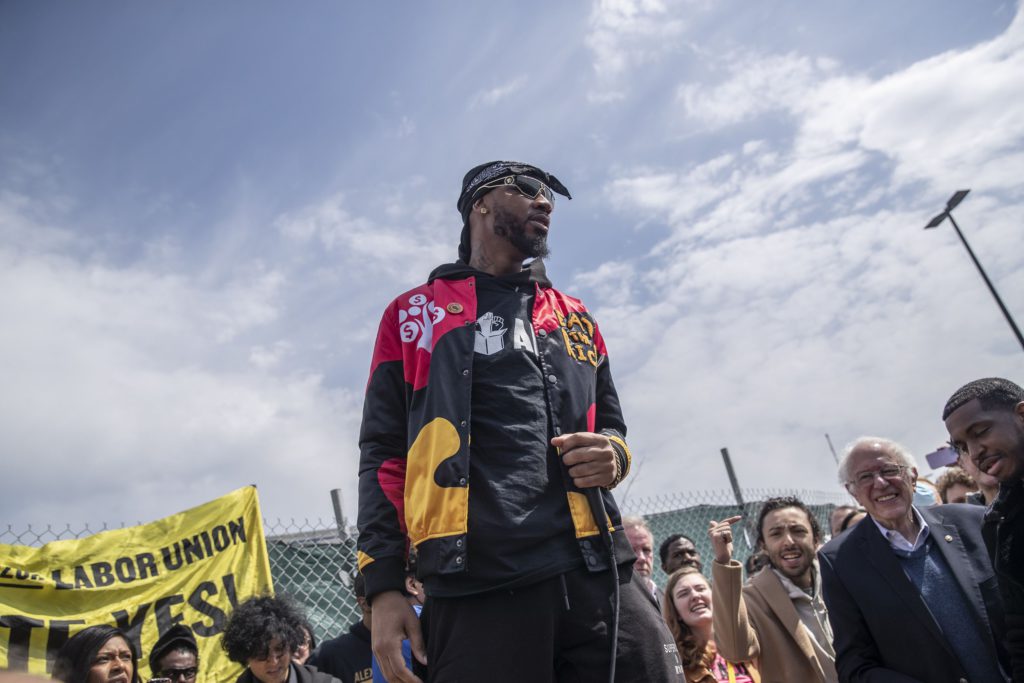
(Bloomberg) — Organizers of union drives at Amazon.com Inc. and Starbucks Corp. will visit the White House on Thursday, a show of support by the Biden administration for the movement to unionize workforces at the companies. 

Vice President Kamala Harris and Labor Secretary Marty Walsh will host Christian Smalls of the Amazon Labor Union as well as officials from unions organizing workers at Starbucks, outdoor retailer REI and the video game publishing company Paizo Inc. among others, according to a White House official. 

Harris and Walsh will talk to union officials about their efforts to organize their workplaces and how they can inspire other workers to join or form their own unions, according to the official. 

Read More: Amazon Fired and Disparaged Him. Then He Started a Labor Union

In the past couple of years, workers at several of those companies have been successfully signing up coworkers and petitioning the government to hold elections on forming or joining unions that can bargain with management for better working conditions.

Smalls’s upstart Amazon Labor Union last month won a historic victory in an election to represent Amazon workers at a warehouse in New York’s Staten Island. Amazon has contested the result. The union this week lost an election at a second, smaller Amazon facility across the street. 

Senator Bernie Sanders, a longtime critic of Amazon, has proposed banning federal contracts with companies that have allegedly violated U.S. labor laws and is holding a hearing Thursday on the matter. 

Earlier: Biden Warns Amazon ‘Here We Come’ After New York Union Vote 

Amazon workers lodged 51 unfair labor-practice complaints against the company in the first four months of this year, more than quadruple the number filed in the same period a year earlier. Most of the complaints came from Staten Island and Bessemer, Alabama, where a retail union is also seeking to organize an Amazon warehouse, alleging the company illegally retaliated against or monitored activists. There have also been complaints from workers in Florida, Nevada and Amazon’s home state of Washington.

Federal labor board prosecutors have found merit in some of the claims; Amazon has denied wrongdoing.

President Joe Biden has called himself the most pro-union president in U.S. history, but the White House has largely refrained from directly intervening in union drives. 

Nonetheless, Biden took aim at Amazon last month during a speech to the North America’s Building Trades Union. 

“By the way, Amazon, here we come,” the president said. “Watch. Watch.”

White House Press Secretary Jen Psaki later said Biden was not “sending a message that he or the U.S. government would be directly involved in any of these efforts or take any direct action.”

More stories like this are available on bloomberg.com

©2022 Bloomberg L.P.

Buyers in the $320 Million ‘Otherdeeds’ NFT Sale Are Underwater

(Bloomberg) — Many purchasers of Otherdeeds, the virtual land that sparked a buying frenzy last weekend and led to skyrocketing transaction fees on Ethereum, are underwater as prices dropped after the initial euphoria wore off. 

Yuga Labs, the creator of the popular Bored Apes Yacht Club collection of NFTs, helped raise approximately $320 million on Saturday from a sale of Ethereum-based Otherdeeds NFTs, making it the biggest sale of its kind. Each purchaser paid $5,800 per NFT, plus as much as $6,000 in transaction costs or “gas fees,” which together added up to a total of roughly 4.21 Ether at current prices. 

Buyers, earlier today, could pay as little as 3.6 Ether for these NFTs on OpenSea, the world’s biggest NFT marketplace. Many buyers selling their NFTs at that price could lose $1,700 per transaction. 

“I think the Otherdeeds sale was botched, leading to user backlash,” said Aaron Brown, a crypto investor who writes for Bloomberg Opinion. “It remains to be seen whether it can recover user trust and enthusiasm.”

The drop has also prompted backlash from Twitter fans who had snapped up the NFTs.

The NFT market is volatile. NFT transactions in Decentraland, a platform where users can buy and sell virtual plots of land, are down 37% over the last 30 days, according to tracker DappRadar. NFTs have also struggled in secondary markets, and sometimes, in primary markets as well. One in three NFT collections, on average, have little to no trading activity, according to blockchain analytics firm Nansen. Another third are trading below the amount it cost issuers to mint the tokens. 

Trading volume for Otherdeeds is down 68% on Tuesday from a day earlier, despite it being the most traded NFT collection over a 24-hour window, according to DappRadar. The number of traders — though in the thousands — has dropped by half as well.

Each Otherdeed represents a plot of land. Some parcels feature mountains and brooks while others are made of what appear to be precious stones. The land is expected to be used in the upcoming Otherside metaverse game. Holders of the ApeCoin token who verified their identities jockeyed to buy deeds for 55,000 parcels of virtual land over the weekend. ApeCoin’s price skyrocketed last week, in anticipation of the sale, before it declined.

More stories like this are available on bloomberg.com

©2022 Bloomberg L.P.

Women Scramble to Get IUDs, Load Up on Plan B as Roe Worries Hit

(Bloomberg) — As the striking reality that the U.S. could soon rollback abortion rights comes into focus, women are flooding social-media platforms to express outrage, but also to share plans on what to do in preparation. Online searches surged for over-the-counter emergency contraceptive medication, while some people started setting up appointments to get intrauterine devices, also known as IUDs, a longer-term form of birth control. 

Arlin Téllez, a 23-year-old student at Trinity Washington University in Washington D.C., on Tuesday scheduled an appointment through her college to get an IUD. With abortion rights hanging in the balance, she worries about losing access to contraceptives and birth control in the future.

“We have to prepare for contraceptives to also be targeted. At this point, the possibilities are endless, so I’d rather be prepared,” Téllez said. “As someone in their early 20s, I am not ready to be a mother.”

The hours following the leak of a draft majority U.S. Supreme Court opinion that would overturn Roe v. Wade have been frenzied with reaction as women, transgender and non-binary people contemplate a future without a constitutional right to abortion. Groups like the Women’s March organization and Rise Up 4 Abortion Rights have called for rallies and protests. Blue-state governors and politicians hailed their commitment to reproductive rights, while President Joe Biden said he’d seek to enshrine the protections of the landmark case into U.S. law. 


Women like Sara Sanchez also started loading up on over-the-counter emergency contraceptive pills. Sanchez, 43, said she had started buying a pack of the brand Plan B One-Step once a month after Donald Trump was elected president in 2016. When news broke about the Supreme Court’s majority draft opinion, she immediately panic-bought 24 packs of Plan B on Amazon to stockpile for her friends in Chicago and for herself.

“We’re already in a reality where individual states are going to limit women’s access to FDA-approved options to deal with their own body and their own life,” Sanchez said. “It seems like a thing that I could do in the face of feeling very disempowered.”

Data from Google trends showed that interest for “buy Plan B online” surged more than 160% in the past seven days, with the bulk of that jump coming after the news broke.

Read more: Abortion-rights activists plan rallies

Several pharmacy chains didn’t immediately respond to questions about whether they had seen an uptick in sales of Plan B pills. A CVS spokesperson said emergency contraception continues to be available at CVS Pharmacy locations.

Some Twitter users did, however, push back on efforts to hoard emergency contraceptives, saying that doing so could reduce access to individuals who may urgently need the pills, and suggested that people should instead turn to distribution networks and mutual aid systems to dole out the medication. 


Plan C, a nonprofit that provides information about how to obtain medically-safe abortion pills online, on Tuesday saw a 10-fold surge in visits to its website with more than 27,000 users accessing information about how to safely manage abortions at home.

“This will be a public health emergency,” said Elisa Wells, the co-founder and co-director of Plan C. “People are smart to be prepared by obtaining abortion pills in advance and keeping them in their medicine cabinets just in case.”

Read more: U.S. would stand to global wave for abortion rights

Jamila Perritt, chief executive officer of Physicians for Reproductive Health, said that overturning Roe creates more risk that people won’t seek the medical care they need.

“Because you know, stockpiling abortion pills, looking for Plan B, helping those that you love to access this care is doing exactly that,” Perritt said. “It’s seeking ways to care for yourself in a system that is not designed to do that.”

In the absence of Roe, about two dozen U.S. states have laws on the books that would outlaw the procedure in all or most cases, with others indicating they may move in a similar direction. Already, more than 40 million women between ages 13 and 44 live in states with restrictive abortion rights.

“People are concerned about the continued erosion of women’s reproductive rights. I assume that women are thinking, ‘What’s next? Losing our rights to contraception?’,” said Mary Jacobson, an obstetrician-gynecologist based in Palo Alto, California. “We are heading into a dark age of surveillance and potential autocracy if people do not fight for our rights.”

More stories like this are available on bloomberg.com

©2022 Bloomberg L.P.

MicroStrategy Quarterly Loss Widens on Bitcoin Impairment

(Bloomberg) — MicroStrategy Inc.’s first-quarter loss widened after the company took a $170.1 million impairment charge to write down the value of its Bitcoin holdings. Revenue declined. 

The enterprise software-maker run by Michael Saylor, which has made holding Bitcoin on its balance sheet as part of its business strategy, was told earlier this year by the U.S. Securities and Exchange Commission that it couldn’t strip out Bitcoin’s wild price swings from the unofficial accounting measures it had touted previously to investors. Bitcoin slipped 1.2% in the quarter, and traded about 20% lower than the price at the end of the year-earlier period. 

The net loss for the three months ended March 31 was $130.8 million, compared with $110 million in the 2021 quarter. Revenue declined 2.9% to $119.3 million. That’s the lowest quarterly revenue since MicroStrategy started its Bitcoin investment strategy in August 2020. It had posted modest revenue gains for four consecutive quarters in 2021. 

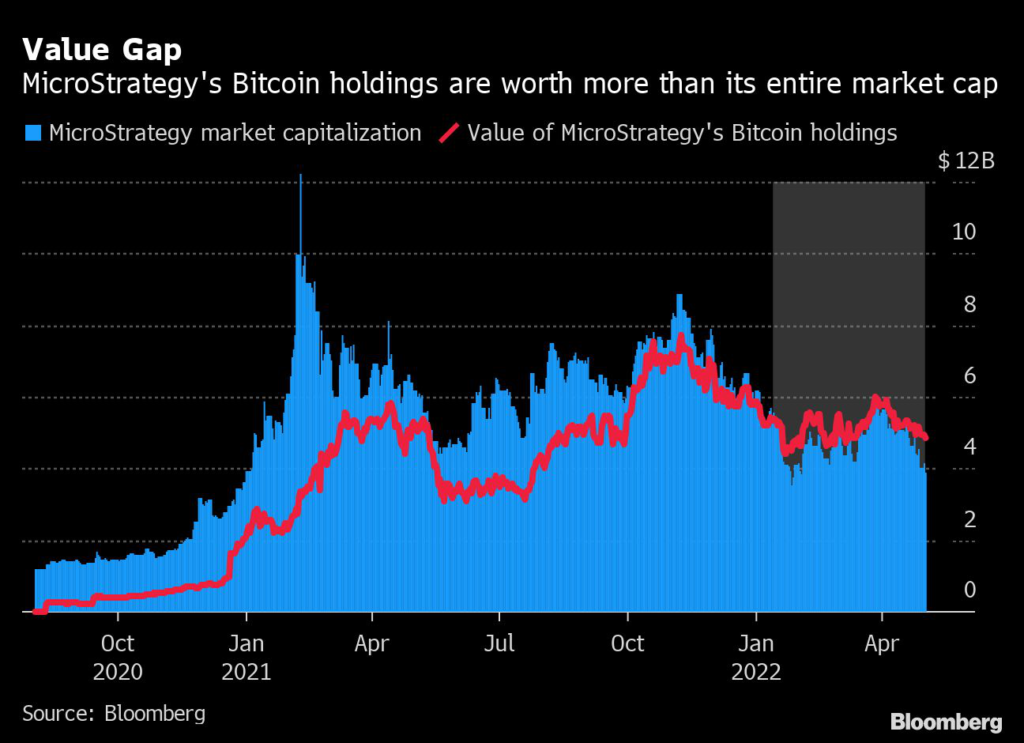
Shares of Tysons Corner, Virginia-based MicroStrategy fell 2.2% in post-market trading. The stock has dropped about 37% this year, widening the gap between the value of the company’s stock and the value of its Bitcoin stockpile.  

In the first quarter, MicroStrategy bought 660 Bitcoin, compared with 20,856 in the same period last year, according to filings. The company only added to its stockpile in April after securing a Bitcoin-backed loan. The company hasn’t sold any Bitcoin, the chief financial officer said on a conference call. 

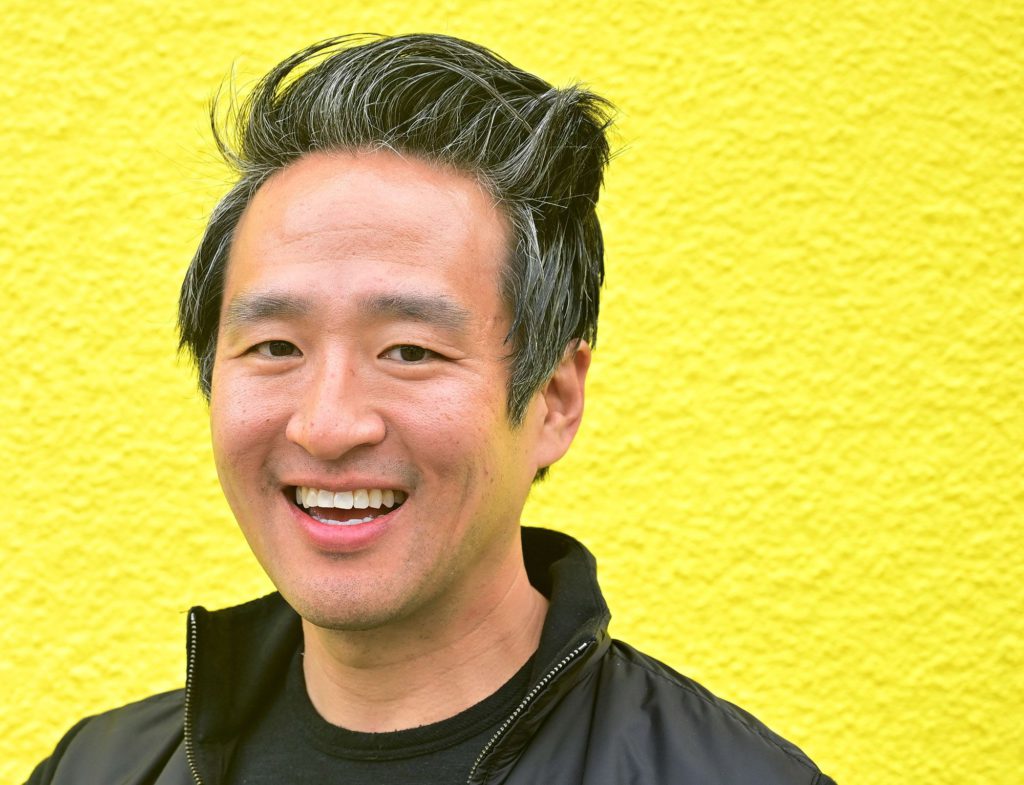
MicroStrategy also named Andrew Kang as CFO as of later in May, replacing Phong Le, who will continue to serve as president. Kang was previously executive vice president and chief financial officer of fintech lender GreenSky Inc.  

(Adds comment from conference call.)

More stories like this are available on bloomberg.com

©2022 Bloomberg L.P.

Match Names Zynga President as CEO to Replace Shar Dubey

(Bloomberg) — Match Group Inc. Chief Executive Officer Shar Dubey is stepping down at the end of the month and the dating app company is appointing Zynga Inc. President Bernard Kim to succeed her. 

The announcement comes as Match gave a forecast for revenue that missed analysts’ estimates and announced a share buyback. Dubey will continue to serve as a director on the board and as an advisor, Match said in a statement. The shares fell about 6% in extended trading.

Dubey spent 16 years in various roles at Match, though her tenure as CEO has been short. She took up the role in March 2020 when Mandy Ginsberg stepped down just months before Match was spun off from IAC/InterActive Corp. Match said Dubey’s decision was “entirely personal.”

“I feel privileged that I am able to step down from a day-to-day operating role and have the time and headspace to focus on what is hopefully the ‘give back’ chapter of my life,” Dubey said in a statement. “As a Director and an advisor, I will have the flexibility to stay close to aspects of the business I love – product and strategy. I leave the company in great hands.” 

Kim will be charged with turning around the prospects at Match, whose shares are down more than 40% this year, outpacing the 12% decline in the S&P 500. Kim is joining Match after more than five years as president at mobile gaming publisher Zynga, the maker of FarmVille, where he helped the company expand into new markets such as blockchain and hyper-casual gaming, as well as into new devices like the Nintendo Switch and Snapchat. 

As a result of some of those initiatives, Zynga’s market value quadrupled between the end of 2015 and the end of 2020, leading to its pending acquisition by Take-Two Interactive Software Inc. for $11 billion, which was announced in January. Kim earlier worked for 10 years at Electronic Arts Inc. as a senior vice president of mobile publishing, Match said in the statement.

The Dallas-based company, which owns apps such as Tinder, Hinge and OKCupid, said in a letter to shareholders that it expects revenue of $800 million to $810 million in the second quarter, well below analysts’ estimates for revenue of $835.2 million. Match said the 13% to 14% increase reflects “the impact of the challenging current macroeconomic environment.”

The company said it is expecting adjusted operating income of $285 million to $290 million, including an estimated $6 million of negative impact from Google’s data privacy changes effective June 1. 

“There is a lot of uncertainty – the macro negatives but also potential positives, particularly around post-Covid reopening around the globe – that make forward visibility challenging,” the company said.

In the first quarter, Match said the total number of payers on the site grew 13% to 16.3 million, in line with analysts’ estimates. The company reported revenue of $799 million, up 20% and beating the average analyst estimate of $791.2 million. Earnings per share were 60 cents, better than projections for 54 cents. The company also announced the board has authorized a buyback of as many as 12.5 million outstanding shares.

Match and its competitor Bumble Inc. have struggled with the ups and downs of Covid-19 infections, especially in Central Europe and Asia, where many countries still have onerous restrictions in place. Dating apps have seen activity decrease as people stay away from public interactions and also increase when people sought out connections online. The pandemic forced dating apps to experiment with new ways for users to connect, such as video dates and audio prompts that substituted for in-person meetings. Early in 2021, Match acquired South Korean video technology company Hyperconnect, which the company is integrating in to its apps.  

Match also experimented with an in-app virtual currency in a dozen countries, saying earlier in the year that it planned to roll the coins out globally by the third quarter. 


(Updates with shares in second paragraph and outlook in seventh paragraph.)

More stories like this are available on bloomberg.com

©2022 Bloomberg L.P.

Nubank Tumbles as End of Fintech’s $26 Billion Lockup Looms

(Bloomberg) — Nu Holdings Ltd., the digital bank that counts Warren Buffett’s Berkshire Hathaway Inc. as a backer, is coming under renewed pressure as the end of a massive stock lockup nears.

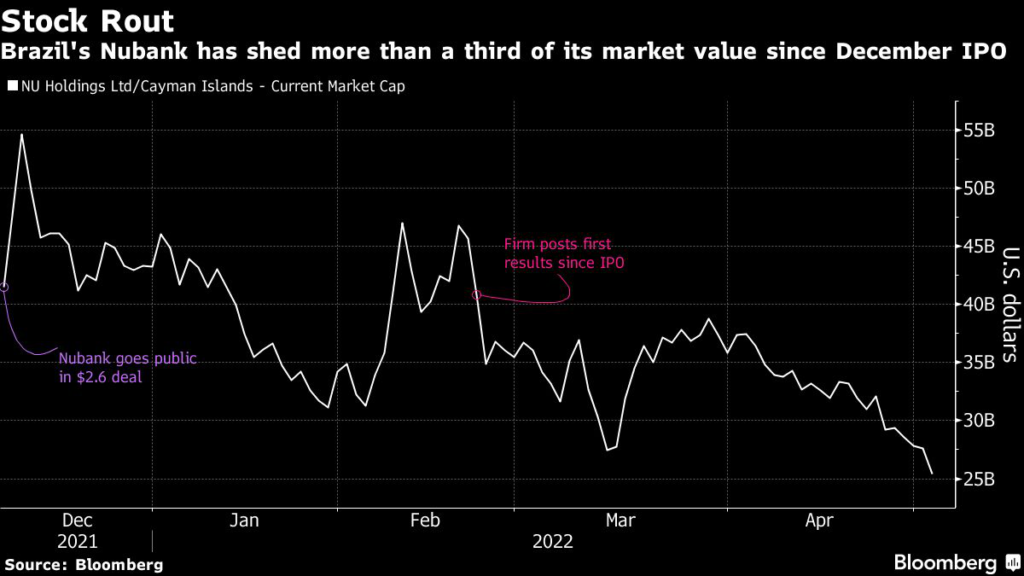
Sao Paulo-based Nubank has shed more than a third of its market value less than five months after going public amid a global rout in tech stocks and concern whether the fintech firm can deliver on promised growth as credit quality deteriorates in Brazil. 

The embattled stock now faces another key event — around $26 billion in shares of the world’s biggest standalone digital bank will be able to hit the market starting May 17, following Nubank’s first-quarter results and when a sale restriction following its December initial public offering is set to expire. In the run-up to that deadline, the threat of further downside looms as traders assess the potential impact of the overhang from founders and other stakeholders cashing in on holdings. 

The end of lock-up is among “key risks to our investment view,” Goldman Sachs Group Inc. analysts led by Tito Labarta said in a report on April 29. Goldman, which rates the stock a buy, initiated coverage last month with a price target that implies about a 119% upside from current levels.

The amount to be released represents over 90% of total shares, according to Bloomberg’s estimates based on corporate filings. That’s because share price conditions at two prior release dates weren’t met, leaving the date in two weeks, when there are no price restrictions, as the third and final window to end the lock-up.

Shares of Nubank closed 8.2% lower at $5.47 on Tuesday, the lowest on record. 

Of course, Nubank’s founders and its main investors, which also include Tencent Holdings Ltd., DST Global and Sequoia Capital, could still hold on to the stock, waiting for Nubank’s long-term promise of changing Latin America’s financial system for good. But the loss in value of the shares does little to shore-up confidence at least in the short-term.

Nubank said it’s focused on long-term growth and creating value for shareholders, according to a statement sent to Bloomberg News. The firm also reiterated its “position to seek long-term, quality investors, that are aligned with our strategic vision for the business.”

After one of the most anticipated IPOs of last year, Nubank has seen its market cap plummet to $25 billion — well below the level at a private fundraising back in June, when Berkshire agreed to purchase a $500 million stake, valuing Nubank at $30 billion. Short interest has also been on a rise, surging back above 6% of the float in the past few weeks, according to S3 Partners data.

Some of the blame lies on the global rout after the Federal Reserve’s hawkish tilt sent U.S. yields surging, weighing especially on high-growth, tech firms. But there are also questions about the firm’s outlook, notably with Brazil hurt by surging inflation and higher interest rates. Nubank’s consensus rating — a proxy for its ratio of buy, hold, and sell ratings — is 3.68 out of five, Bloomberg data show. 

Nubank ended last year with over 53 million customers in Brazil, Mexico and Colombia. It sells a range of financial products vowing cheaper fees and less red-tape, in a region where a large chunk of the population is unbanked.

(Updates to market close.)

More stories like this are available on bloomberg.com

©2022 Bloomberg L.P.

Sheryl Sandberg Slams Supreme Court Draft on Abortion Rights

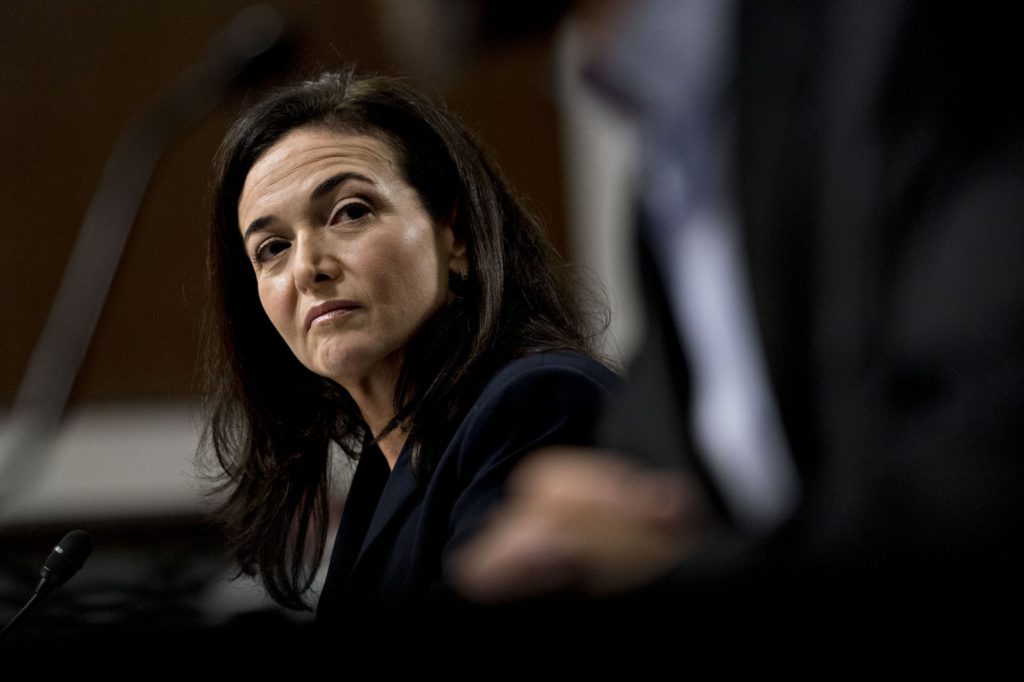
(Bloomberg) — Sheryl Sandberg, chief operating officer of Facebook parent Meta Platforms Inc., criticized the Supreme Court’s written draft decision to overturn the Roe v. Wade abortion-rights ruling, posting that doing so would mean taking away “one of our most fundamental rights.”

“This is a scary day for women all across our country,” she posted to her Facebook and Instagram pages. “Every woman, no matter where she lives, must be free to choose whether and when she becomes a mother. Few things are more important to women’s health and equality.”

A draft U.S. Supreme Court opinion, leaked and made public late Monday, outlines the court’s preliminary vote and decision on reversing a decades-old ruling that made abortion legal in the U.S.

Sandberg, the author of “Lean In,” a book about women in the workplace, is a well-known feminist who has spent years speaking up about gender inequality and women’s issues, including equal pay and parental leave. A Facebook spokesperson didn’t immediately respond to a request for comment on her post or the company’s position.

She is the most prominent voice in Silicon Valley to speak on the issue so far this week but far from the only one. Shaun Maguire, a partner at the powerful venture capital firm Sequoia Capital, wrote Tuesday on Twitter: “All women should have the right to choose.”

Read more about the leak and what it means for the Supreme Court

(Updates with Sequoia partner’s tweet in the last paragraph.)

More stories like this are available on bloomberg.com

©2022 Bloomberg L.P.
Close Bitnami banner
Bitnami