Bloomberg

PayPal Helped Spur EU Antitrust Complaint Against Apple Payments

(Bloomberg) — PayPal Holdings Inc. helped spur a formal antitrust complaint against Apple Inc. and its iPhone payments system by raising concerns with the European Commission, according to people with knowledge of the matter.

European regulators hit Apple with a so-called statement of objections on Monday, arguing that the iPhone maker abuses its control over mobile payments. The complaint centers on the company reserving the iPhone’s tap-to-pay abilities for its own Apple Pay service, rather than letting rival payment platforms use the feature.

PayPal, which has its own payment service, was one of multiple companies making informal complaints about the situation to the commission, said the people, who asked not to be identified because the discussions were private. PayPal offers a tap-to-pay option on Android phones and wants to be able to offer the same feature on Apple’s iPhone.

PayPal, based in San Jose, California, declined to comment. 

Tap-to-pay services rely on a standard called NFC, or near field communications. Apple only lets its own payment system use the iPhone’s NFC chip, hampering PayPal and other apps, including Square’s Cash App and services from Samsung Electronics Co. and Alphabet Inc.’s Google. 

This year, Apple will begin letting third parties use the iPhone’s NFC chip to accept payments — a feature geared toward small businesses — but it still won’t allow consumers with rival services to make payments that way. That situation creates an unequal playing field, the commission alleged in its complaint. 

Apple has defended its approach by saying that Apple Pay rivals, including PayPal, are still popular on the iPhone — even without a tap-to-pay option. It also said that Apple Pay already supports 2,500 banks in Europe. However, the company said it will “continue to engage with the commission to ensure European consumers have access to the payment option of their choice in a safe and secure environment.”

There’s no formal complainant in the case, but a number of companies have expressed concerns about Apple’s system over the course of the commission’s investigation.

More stories like this are available on bloomberg.com

©2022 Bloomberg L.P.

Coinbase CEO Predicts One Billion Crypto Users Within a Decade

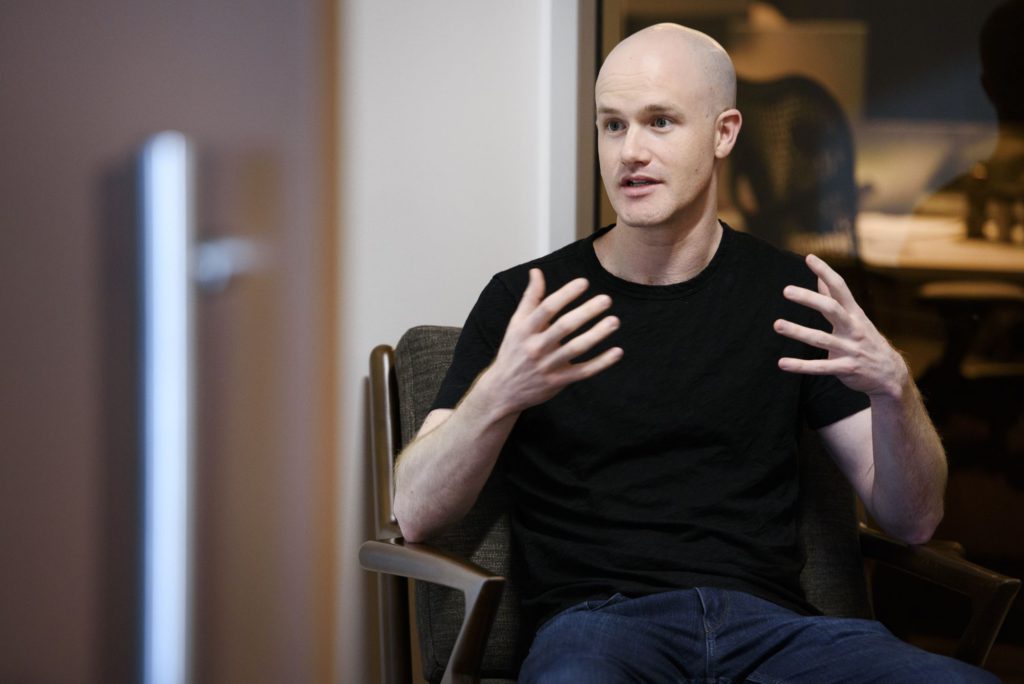
(Bloomberg) — Within a decade, 1 billion people will have used or tried crypto, up from about 200 million currently, Coinbase Global Inc. Chief Executive Officer Brian Armstrong said at the Milken Institute Global Conference on Monday.

“My guess is that in 10-20 years, we’ll see a substantial portion of GDP happening in the crypto economy,” Armstrong said, speaking at a session with ARK Investment Management LLC CEO Cathie Wood.

His comments come at a time of turbulence in crypto markets. After hitting an all-time high of almost $69,000 in November, Bitcoin has been falling in value. The world’s biggest cryptocurrency is down about 17% since the beginning of the year.

The chorus of skeptics’ voices has gotten louder, but Armstrong and Wood, whose Ark is one of the biggest Coinbase investors, have shown a united front. Wood is seeing promise in even decentralized finance, a lightly regulated corner of crypto where people can trade, lend and borrow tokens directly, without intermediaries like banks.

“In the case of DeFi and next-generation internet, we are seeing a lot of financial companies losing talent to crypto,” Wood said. “So they have to take it seriously, or else they are going to be hollowed out.”

Regulatory uncertainty in the U.S. continues to impede crypto’s advance, Wood said. Regulatory clarity in crypto has been happening at a much slower pace than with the internet, she said. 

At the same time, “it’s been harder and harder to meet a true crypto skeptic in D.C.,” Armstrong said, adding that about 50% or more people in Washington are pro-crypto now.   

More stories like this are available on bloomberg.com

©2022 Bloomberg L.P.

Two Argentine Banks Allow Customers to Buy Cryptocurrencies

(Bloomberg) — Argentines have proven to be big fans of cryptocurrencies. Two regulated banks want to be among the first to take advantage of it.

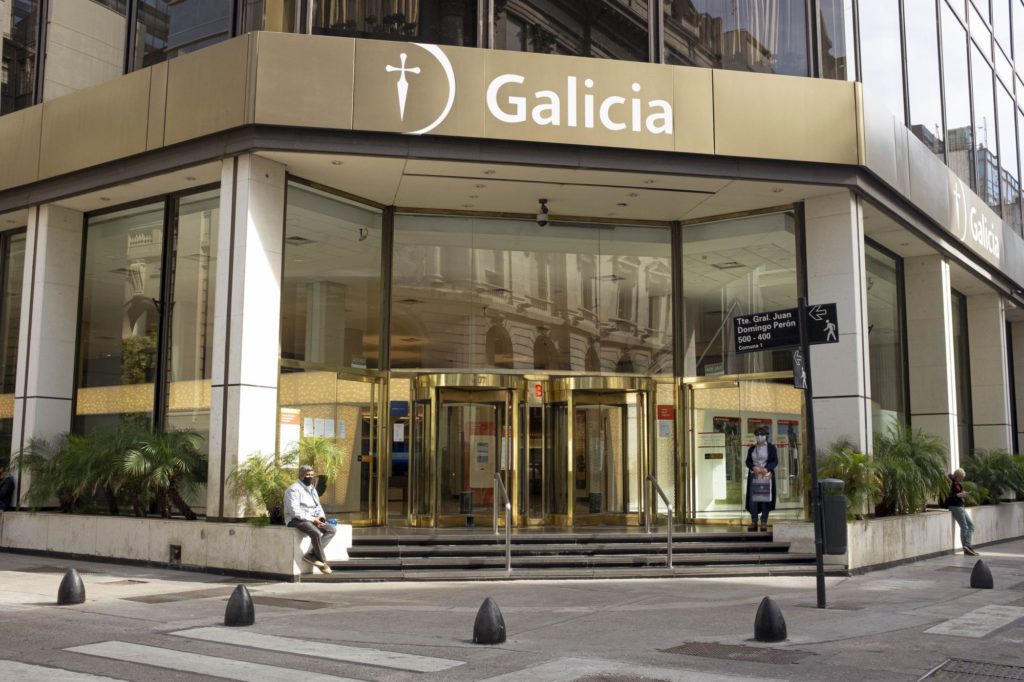
Banco Galicia, the country’s largest private bank by market value, and digital bank Brubank SAU will allow their customers to purchase crypto including Bitcoin, Ether and USDC starting Monday. For Banco Galicia, the decision follows high customer demand, with 60% of respondents in a survey asking for easy access to crypto through their banks. 

“This motivated us to push this project,” said Ariel Sanchez, manager of investment products and Nicolas de Giovanni, senior product manager at Banco Galicia, in statement. “The youth is the group that asks for this the most.” 

Previously, Argentines could only purchase crypto through wallets or directly from holders.

Read More: Cryptocurrencies Prove a Lifeline in Argentina’s Chaotic Economy

Argentina is among the world’s top 10 countries with the highest adoption of cryptocurrencies, according to specialized website Chainalysis. Buffeted by recurring currency crises and inflation running above 50% annually, two-thirds of Argentines who invest in crypto say they do so to protect their savings from diminishing purchasing power, according to a study by Buenos Aires-based Wunderman Thompson.

The adoption of crypto by regulated banks is seen spreading from Argentina to the rest of the region, according to the press office for Brubank, which also confirmed the launch. 

In the case of both banks, cryptos will be purchased through the same platform that clients use to buy bonds or stocks and thanks to a partnership with Argentine crypto wallet Lirium. Initially, Banco Galicia is only rolling out this option to users who receive their salary via direct deposit into the bank. 

More stories like this are available on bloomberg.com

©2022 Bloomberg L.P.

Bitcoin Boosters Defend Mining to EPA, Blame Power Producers

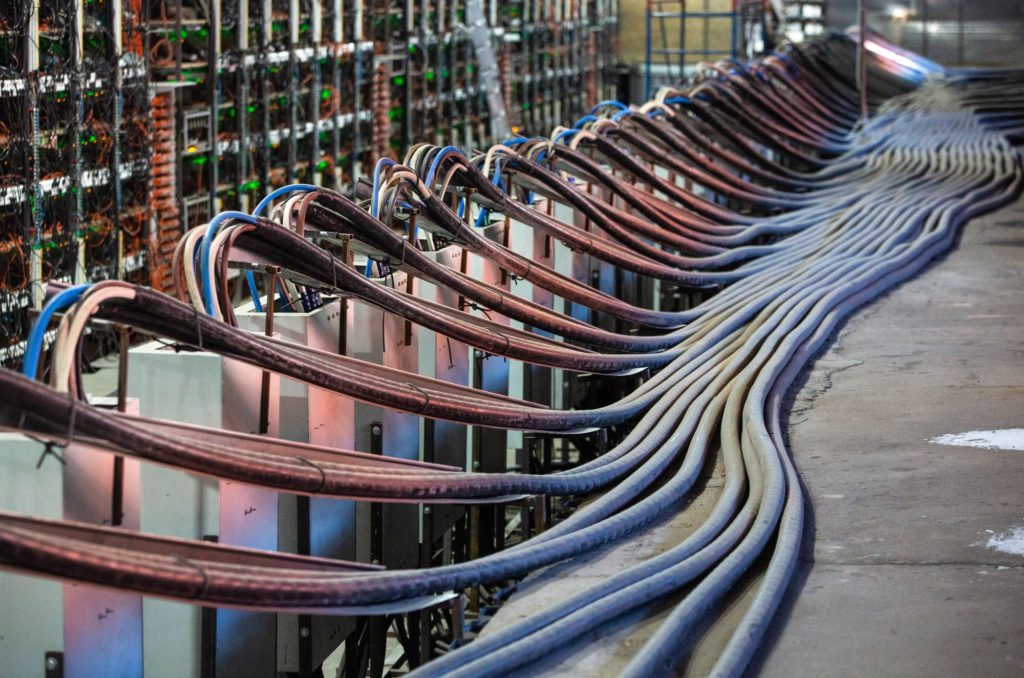
(Bloomberg) — Bitcoin boosters and businesses put up a united front in defending mining practices after lawmakers came together asking the U.S. Environmental Protection Agency to take a closer look at the potential impact of cryptocurrency mining on the environment. 

MicroStrategy Inc. chief Michael Saylor and dozens of other industry leaders including Block’s Jack Dorsey, Fundstrat’s Tom Lee and Digital Currency Group’s Mark Murphy said that the letter from Democratic Representative Jared Huffman and members of Congress asking the EPA for greater crypto mining oversight was “premised on several misperceptions” about the world’s largest digital asset as well as mining practices. Their response makes eight points in total, aimed at poking holes in Huffman’s call for action but led with the argument that it’s not the miners’ data centers that are responsible for pollution but the power generators. 

The letter signed by Saylor and 54 other business leaders state: “Emissions are created at the power generation source upstream from data centers. Digital asset miners simply purchase electricity from the grid, the same as Microsoft and other data center operators.” 

That was in response to Huffman’s letter to EPA’s Michael Regan requesting an evaluation of “proof-of-work” mining facilities and their compliance with environmental statutes including the Clean Air and Clean Water Acts. There were 22 other signatories including California’s Brad Sherman and Alexandria Ocasio-Cortez of New York. 

Meanwhile, New York State lawmakers are in the middle of reviewing a proposal that would put a years-long moratorium on permitting new mining operations that rely on carbon-based fuel and require an environmental impact report. 

The tension between lawmakers and crypto businesses appears to be intensifying after China’s ban on crypto mining drove operators to set up shop in North America.  

More stories like this are available on bloomberg.com

©2022 Bloomberg L.P.

Australia Briefing: RBA’s History of Caution

(Bloomberg) —

Hello Australia, it’s Jackie here and this is what’s happening around our region this morning:

Slow and Low?: Money markets reckon the RBA will respond to surging inflation with the most aggressive round of policy tightening since the 1990s, a trajectory that appears to conflict with Governor Philip Lowe’s history of caution. Lowe’s track record hasn’t stopped traders from pricing in 2.4 percentage points of rate increases by the end of 2022 — which would be the steepest annual pace since 1994 — including at least two jumbo hikes. Most traders and economists see a 15 basis-point move to 0.25% today.

Power Play: Mike Cannon-Brookes’s personal office bought 11% of AGL and will oppose the utility’s plan to demerge its retail and power generation assets under a proposal that would keep coal-fired plants running for decades. With the stake, the billionaire’s Grok Ventures becomes the company’s largest shareholder.

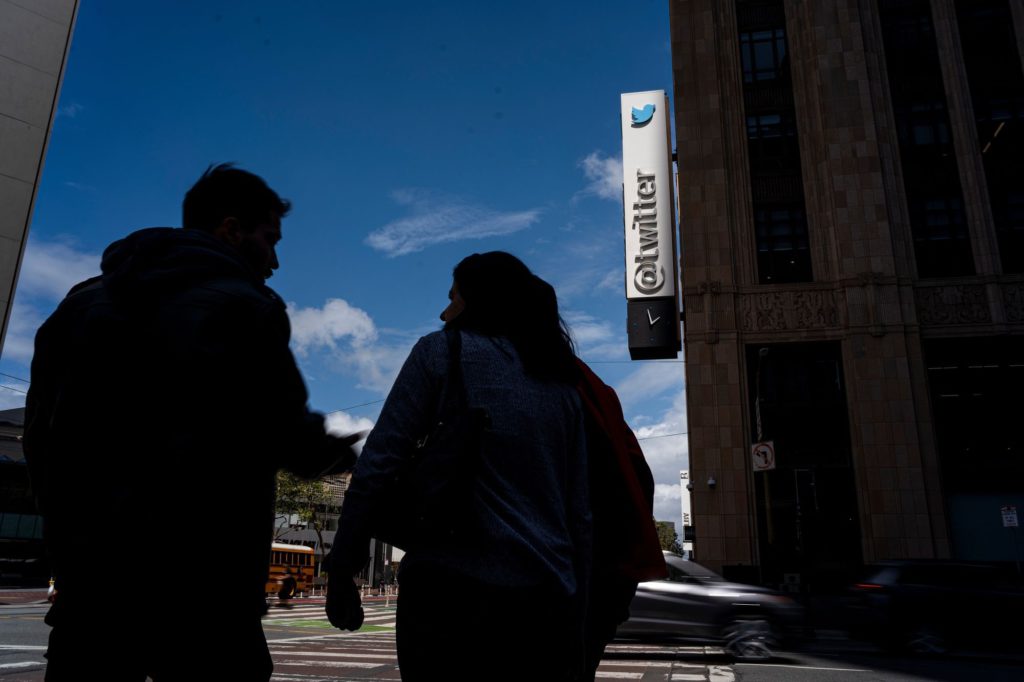
Tweet Storm: For all the furor about which way Elon Musk might tilt U.S. political discourse after getting the keys to Twitter, his biggest challenges may emerge across the Pacific.

Raising the Bar: New Zealand’s government will set a target for budget surpluses and introduce a new cap on debt that’s higher than previous limits, allowing greater investment in infrastructure. Surpluses will be kept within a band of 0-2% of gross domestic product over time, Finance Minister Grant Robertson said in a pre-budget speech Tuesday in Wellington.

What Happened Overnight

Bargain Hunters: U.S. stocks closed higher at the start of a week that’s likely to be marked by unnerving market gyrations, with the Federal Reserve expected to deliver its biggest rate hike in two decades. Dip buyers emerged after the worst month for the S&P 500 since the onset of the pandemic, sending the benchmark gauge up after a slide that reached 1.7% earlier.

More Market Angst: Citi’s London trading desk was behind a flash crash in Europe that sent shares across the continent tumbling after a sudden 8% decline in Swedish stocks. The selloff was triggered by a large erroneous transaction made by the U.S. bank’s London trading desk, according to sources.

Ukraine Latest: The EU will provide more detailed guidance in coming days on what companies can and can’t do under sanctions rules to address Vladimir Putin’s demands to pay for gas in rubles. At a meeting of energy ministers from the bloc, all member states indicated that they’ll stick to guidelines on payment.

Expected Decline: Hong Kong’s economy probably contracted in the first quarter as the city imposed tough curbs and the worsening outbreak in China disrupted trade to the financial hub. GDP may have fallen 1.3% from a year earlier, consensus shows. That would be its first quarterly contraction since the end of 2020.

What to Watch

  • A majority of economists expect the RBA will raise interest rates for the first time since 2010
  • Woolworths is set to release a sales update

One More Thing…

Bitcoin Banned: Your money’s no good here — at least if you’re paying in crypto. The Wikimedia Foundation, the non-profit organization behind Wikipedia, will stop accepting digital coin donations amid concern about their negative impact on the environment. The WMF will close its account on Bitpay, a crypto payment service provider, as well as its direct methods to accept cryptocurrencies as donations.

And with that, have a great day.

More stories like this are available on bloomberg.com

©2022 Bloomberg L.P.

Rivian Wins $1.5 Billion Incentive Package for Georgia Plant

(Bloomberg) — Electric-pickup maker Rivian Automotive Inc. will receive $1.5 billion in state and local incentives to build a massive plant near Atlanta, bolstering the company’s production efforts despite local resistance to the project. 

The package, the biggest in Georgia history, consists of tax credits, abatements and subsidies like site preparation and job training support from the state, according to a statement by the Georgia Department of Economic Development on Monday. 

Irvine, California-based Rivian is a high-profile, well-funded newcomer to the growing pack of EV manufacturers. The company’s November initial public offering was the sixth biggest in U.S. history, generating more than $13 billion to fund growth. However, Rivian has struggled to ramp production of its products at an existing plant in Normal, Illinois, due to supply-chain pressures. 

The $5 billion Georgia plant is the crown jewel in an ambitious growth strategy that Rivian hopes will include new consumer models beyond its existing offerings: a battery-electric pickup called R1T and an SUV called R1S.

Rivian called the deal a “milestone” in its progress toward building a second plant.

“The long-term economic partnership promises to deliver value to Rivian, the people of Georgia and their kids’ kids’ kids,” the automaker said in an emailed statement.

Rivian will get $476 million in statutory tax credits if it fulfills its promise to create a total of 7,500 jobs by the end of 2028. If it doesn’t, there are clawbacks to protect the taxpayer, said Pat Wilson, Georgia’s commissioner of economic development. Georgia is putting in another $288 million in discretionary spending in the form of site preparation and job training programs. Tax abatements from the four counties hosting the plant make up the rest of the package — about $700 million over 25 years.

‘Net Win’

The counties will still reap about $330 million in tax revenue from Rivian, versus the $2 million they would get if the project didn’t happen, Wilson said.

“It’s a huge net win,” he said. “The state has always placed a priority on jobs — if you’re creating jobs in the state, we incentivize those jobs.”

Some residents living near the site in Rutledge, Georgia, about 45 minutes east of Atlanta, have pushed back against the project, citing concerns about traffic, environmental damage and continued urban sprawl. A Facebook group dedicated to fighting the project amassed about 3,000 members, and drew political support from former U.S. Senator David Perdue, who is challenging incumbent Governor Brian Kemp in Georgia’s Republican gubernatorial primary in May.

Read More: Georgia Governor Kemp’s Campaign Defends Rivian Plant Deal 

Opposition was loud enough that the state took over the approval process to consolidate local zoning and compliance and head off a threat of project delays.

Rivian’s investment would be the biggest economic development project in Georgia since at least World War II. The Peach State has been passed over by multiple Asian and Europe automakers, and has only one vehicle assembly factory, a Kia Motors plant in West Point, near the Alabama border. South Korean battery maker SK Innovation has constructed a $2.6 billion factory in east Georgia to make power sources for electric vehicles, including Ford’s F-150 Lightning pickup.

Rivian has pledged to create more than 7,500 jobs, with the eventual goal of producing 450,000 vehicles annually at the site. Rivian will pay workers an average annual wage of $56,000, and the project will create nearly 8,000 indirect jobs, according to the state.

The company also has an order for 100,000 electric delivery vans from Amazon.com Inc., a major Rivian shareholder.

(Updates with details of incentives starting in fifth paragraph)

More stories like this are available on bloomberg.com

©2022 Bloomberg L.P.

Avis Soars as Profits Rise on Stronger Demand and Pricing

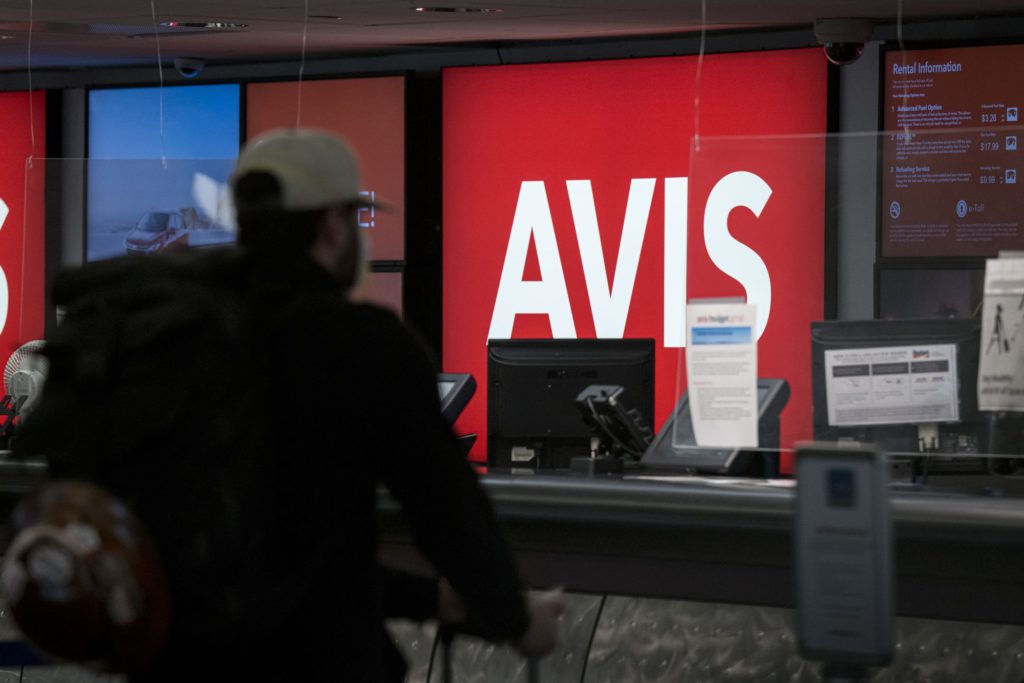
(Bloomberg) — Avis Budget Group Inc. reported a record first-quarter profit, which sent shares up by double digits in after-hours trading on strong results, helped by a recovery in U.S. travel demand and near-record used-car prices.

The rental car company reported adjusted earnings per share on Monday of $9.99, tripling analyst estimates as U.S. rentals nearly matched the first quarter in 2019, before the Covid-19 pandemic brought travel to a halt. Soaring used-car prices for vehicles Avis offloaded cut per-vehicle fleet costs by 90%, padding profit margins. 

“Despite the impact of Omicron on the first half of the quarter, our team was able to quickly pivot to manage the significantly increasing demand during the back half of the quarter,” Joe Ferraro, Avis Budget Group’s chief executive officer, said in a statement. “We focused on diligent fleet management and continued cost optimization to generate a new record first quarter adjusted Ebitda.”

Shares of the Parsippany, New Jersey-based company pared a postmarket gain of as much as 14%, trading up 5.5% to $296.06 as of 5:42 p.m. in New York. The stock is up 35% so far this year.

High used-car prices for vehicles cut deprecation costs to almost nothing. A year ago, monthly depreciation totaled $208 per car, but that fell to just $20 a car in the the most recent quarter.

Revenue also beat estimates handily, rising 77% to $2..43 billion. Demand for rental vehicles climbed above pre-pandemic levels in the U.S. Avis reported more than 27,000 rental days, compared to under 25,000 in the first quarter of 2019. But International travel lagged, with just 8,581 rental days compared to 12,500 three years ago.

Avis said its utilization rate for the quarter — a measure of how much of its fleet is being rented out — was 67.4%, compared to 69.4% two years ago.

(Updates with utilization rate in final pargraph. An earlier version corrected spelling of company’s name in headline)

More stories like this are available on bloomberg.com

©2022 Bloomberg L.P.

Twitter Says Musk Deal Uncertainty Could Cost Staff, Advertisers

(Bloomberg) — Twitter Inc.’s $44 billion deal to be acquired by Elon Musk means it risks losing advertisers and employees, who may be concerned about the company’s uncertain future.

Twitter said it may be difficult to attract and retain key people, and mentioned “the possibility that our current employees could be distracted, and their productivity decline as a result, due to uncertainty regarding the merger,” the company said in a regulatory filing Monday.

The company added that it would be difficult to make changes to its business until the deal is completed. Twitter has paused hiring and app updates while the acquisition is pending. It could still fall apart, which would also be bad for business, and likely affect the company’s stock, Twitter said.

“Any disruptions to our business resulting from the announcement and pendency of the merger, including adverse changes in our relationships with employees, advertisers and other business partners, may continue or intensify in the event the merger is not consummated or is significantly delayed,” Twitter said in the filing.

More stories like this are available on bloomberg.com

©2022 Bloomberg L.P.

Amazon Defeats Drive to Unionize Second New York Facility

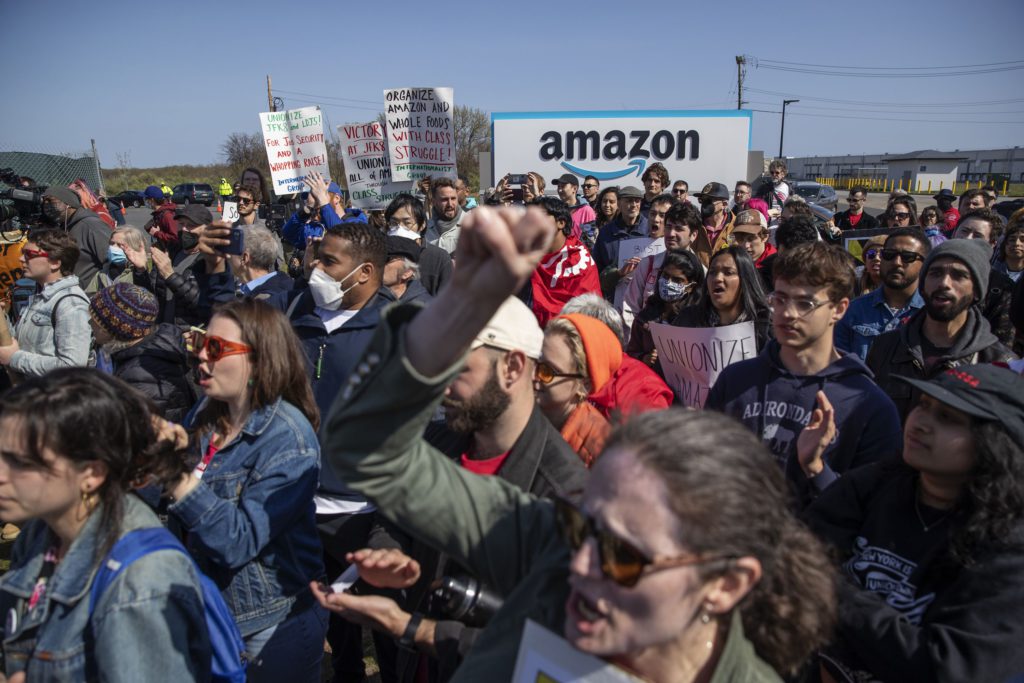
(Bloomberg) — Amazon.com Inc. workers at a facility in New York voted not to join an upstart union only weeks after the group won a resounding victory at a warehouse across the street. 

The election at the LDJ5 sorting center in Staten Island wasn’t close, with the Amazon Labor Union garnering just 380 yes votes to 618 nos. 

The defeat is a setback for the ALU, which was looking to increase its bargaining power by repeating the success of the previous vote at the JFK8 fulfillment center. But it was welcome news for Amazon, which last week reported dour financial results and acknowledged it has too many workers now that the pandemic-related surge in online sales has slowed. The results spooked Wall Street, and sent the shares reeling.

The second election involved a much smaller facility than the first vote, and ALU founder Christian Smalls had earlier predicted that Amazon would fight “three times, four times harder” to deny the ALU another victory. Still, the first win was momentous, helping Smalls raise money and win support from powerful politicians, including Senator Bernie Sanders, Representative Alexandria Ocasio-Cortez and President Joe Biden. 

Sanders last week sent a letter to Biden urging him to cancel federal contracts with companies that violate U.S. labor laws and has scheduled a hearing on the matter this week. While Biden is unlikely to cancel Amazon’s federal contracts, his administration is working to make it easier for workers to join unions.

Nelson Lichtenstein, who directs the Center for the Study of Work, Labor and Democracy at the University of California at Santa Barbara, said the loss won’t derail the ALU.

“They’ll try it again and again and again,” he said in an interview before the votes were tallied. “There’s enough ‘oomph’ going on that I don’t think it would be a huge setback.” 

Moreover, the ALU is trying to organize two more Amazon facilities in New York and says company workers across the U.S. have gotten in touch for advice on how to unionize their own facilities. 

In conceding the loss, the ALU tweeted: “The organizing will continue at this facility and beyond. The fight has just begun.” Amazon spokesperson Kelly Nantel said: “We’re glad that our team at LDJ5 were able to have their voices heard. We look forward to continuing to work directly together as we strive to make every day better for our employees.”

Read more: Amazon’s Quandary: Cutting Workers Without Fueling Labor Unrest

The company, working from its customary playbook, contested the second election with mandatory “information sessions” for workers. Smalls and his lieutenants described the efforts as union-busting and said the company shooed organizers off the facility’s property.

Amazon, meanwhile, is fighting to get the JFK8 vote overturned. In a filing to the National Labor Relations Board last month, the Seattle-based company said the agency repeatedly “failed to protect the integrity and neutrality of its procedures” by turning away voters.

The NLRB also allowed media and union representatives to stay too close to the voting area, Amazon said, among other objections. A hearing is scheduled for May 23. 

(Updated with Amazon statement, context.)

More stories like this are available on bloomberg.com

©2022 Bloomberg L.P.

Griffin Says Crypto a ‘Great Hot Spot’ at Citadel: Milken Update

(Bloomberg) — It’s the first day of speakers at the Milken Institute Global Conference in Los Angeles, which brings together everyone from dealmakers to celebrities as it returns to its pre-pandemic spring schedule.

The famed gathering, in its 25th year, has outlined its focus as the power of connection, celebrating “the forces that bring us together while confronting the issues that keep us apart.” It’s a fitting theme for a world jolted by war in Ukraine just as the highest inflation in decades raises the specter of recession and the dregs of a global pandemic refuse to disappear.

Speakers including Ark Investment’s Cathie Wood, Goldman Sachs Group Inc.’s David Solomon and General Motors Co. CEO Mary Barra will address the crowds, with academics, sports stars, entrepreneurs and politicians among the thousands set to gather this week at the Beverly Hilton.

Citadel’s Griffin Says Fed Needs 4% Inflation This Year to Avoid Recession (3:50 p.m. EST)

The Federal Reserve will be able to ease off monetary tightening if inflation drops to 4% by year-end, Citadel founder Ken Griffin said. 

That “will give the Fed much more latitude in policy,” Griffin said Monday at the Milken Conference. But if it remains near or above the current 8.5%, the central bank “will have to the hit brakes pretty hard,” tipping the economy into recession.

The billionaire also highlighted the big disconnect in the labor market, noting there are twice as many job openings than unemployed people seeking work. That will put even more upward pressure on wages, further exacerbating inflation, he said. That the economy isn’t pulling more people off the sidelines of the job market is a “real problem,” he said.

Griffin also said cryptocurrencies are the “great hot spot” of debate within his Chicago-based firm, noting that most employees who are younger than he are big believers in digital assets.  

“They believe that cryptocurrency has an important role in the global economy as a means of facilitating payment,” said Griffin, who has previously expressed skepticism about the value of digital tokens. “These are really sharp people,” he added. “I have to live with the reality that an asset is worth what people perceive it to be worth.”

Corporate Bonds Starting to Look Attractive, Silver Rock’s Meyer Says (2:20 p.m. EST)

This year’s sell-off in corporate bonds has created attractive investment opportunities, especially if the Federal Reserve changes its policy stance in coming years, said Carl Meyer, CEO of credit firm Silver Rock Financial.

“You’ve got lots of bonds trading at 85, 90 cents on the dollar,” Meyer said Monday on a panel at the Milken Conference. “There’s real upside if the Fed were to pivot to dovish later this year. You have a chance to make a lot of money, whether in investment grade or high yield.”

The traditional 60/40 allocation between equities and bonds that has fallen out of favor recently due to low yields could also perform well in the current environment, Meyer added.

“If you think we’re heading for a recession, if you think the Fed is going to have to tame inflation and then go dovish, then maybe 60/40 is the way to go,” he said. “It’s going to serve as both a hedge and a way to make money in your portfolio.”

Shenkman Capital’s Slatky Says CCC Debt ‘Tough Place to Be’ (2:20 p.m. EST)

Shenkman Capital Management expects slowing growth coupled with sticky inflation to hurt the riskiest part of the U.S. high-yield corporate bond market.

“For the bottom end of the market, the CCC part of the market, in stagflation, that’s a really tough place to be,” Justin Slatky, the firm’s chief investment officer, said Monday at the Milken Conference.

The high-quality part of the junk market should be able to withstand stagflation, at least compared with other asset classes, he said. About 40% of the junk and loan market matures from 2024 to 2026 and volatility is likely to pick up as companies struggle with their Ebitda and valuations come down, he added.

“You are going to see bond prices move around quite dramatically, but you’ll probably still going to see default rates stay at a lower level,” he said.

Citi Traders Dealing With the Highest Volatility Since 2008 (1:45 p.m. EST)

Trading desks are dealing with volatility levels that markets haven’t seen in more than a decade, Citigroup Inc. CEO Jane Fraser said.

Traders are coping with inflation that is at its highest level in a generation and investors who are increasingly worried about the likelihood of a global recession, Fraser said Monday at the Milken Conference. As an example of volatility, she mentioned trading on Friday, when bonds sold off at the same time as equities. Normally, the two have an inverse relationship. 

“I remember the ’70s and ’80s, and I don’t remember days like that, and some of this is just very odd dynamics around supply and demand,” Fraser said. “When volatility is 2008 or 2009 levels, that’s telling you that no one knows what this is going to be.”

Emerging Market Indexes Should Split Into Baskets, PGIM’s Hunt Says (1:40 p.m. EST)

Emerging market indexes are too broad given disparities between different countries coming out of the Covid-19 crisis, PGIM CEO David Hunt said Monday at the Milken Conference.

“When you think about an index that has South Korea, China, Argentina, and until recently, Russia and Ukraine in it, and you say ‘I’d like to allocate to a basket like that,’ it sounds a little crazy,” Hunt said.

Hunt said PGIM is working with clients on investing approaches that break emerging markets up into different baskets, including a more-developed group, a commodities-related basket and one focused on those on the verge of being “very attractive economies.”

“The world will quite soon pull apart emerging-market indexes and we’ll see something a lot more tailored to the way that capital should be allocated,” he said.

Guggenheim’s Minerd Says Market Not Fed Should Find Neutral Rate (1:30 p.m. EST)

With the market focused on this week’s Federal Reserve meeting, where the central bank is forecast to raise the overnight lending rate by 50 basis points, Guggenheim Partners CIO Scott Minerd questioned the goal of the ebb and flow of monetary policy.

“We don’t know where the neutral and natural interest rate is” and never did, Minerd said Monday on a panel at the Milken Conference. “I’m a great skeptic that the Fed can figure out” where the rate should be to support full unemployment while keeping inflation steady. 

“Why don’t we just unpeg rates and let the market find the rate,” he said, adding that former Fed Chairman Paul Volcker took such an approach.  

Sovereign Funds ‘Look Past the Noise’ With Private Assets, Kapoor Says (1:08 p.m. EST)

Many sovereign wealth funds have increased their allocation to private assets, which have the benefit of being able to “look past the noise” and invest for the long term, Investcorp Holdings Co-CEO Rishi Kapoor said. 

Floating-rate loans have become very attractive to institutional investors, with base rates roughly equal to spreads in recent months, said Kapoor, who oversees the firm’s private equity business in North America and India. 

“You have effectively created the ability to double your absolute return on a portfolio of floating-rate loans, even compared to six months ago,” he said Monday at the Milken Conference. 

Guggenheim’s Minerd Says Recession Likely, But Not Until 2023 (1 p.m. EST)

The Federal Reserve may be leading the U.S. into a recession as it races to raise rates and get ahead of inflation, but probably not until end of 2023, Guggenheim CIO Scott Minerd said.

“We’ve never been able to reduce inflation by more than two percentage points in the U.S. historically without inducing recession,” Minerd said Monday at the Milken Conference.

The recession will likely not be too bad, he added, because the Fed will be able to pivot quickly. The only way the Fed would be able to avoid a recession is to “let markets find a natural rate.”

PGIM’s Hunt Sees Europe on the Brink of Recession (12:15 p.m. EST)

Wide-ranging sanctions on Russian energy exports could soon tip the European economy into a recession, PGIM Chief Executive Officer David Hunt said.

“We’re only one hydrocarbon sanction away from a recession starting,” Hunt said Monday on a panel at the Milken Conference.

A recession also looks likely for the U.S. if the Federal Reserve’s tightening path stays on the current track, he added, but probably not until 2024.

Apollo’s Rowan Is Preparing for ‘Volatile’ Future (Noon, EST)

Marc Rowan, the co-founder of Apollo Global Management Inc., said that the current market is the “logical conclusion” of 14 years of “money printing,” with the biggest correction likely to occur in growth and technology stocks.

“The world is desperate for safe yield,” Rowan, who is also Apollo’s chief executive officer, said Monday at the Milken Conference, adding that he’s a big fan of senior-secured credit and also likes floating-rate notes.

During a panel, Rowan also said he’s enthusiastic about financial-technology firms, many of which want to focus on fee generation but not on building their balance sheets. That’s where Apollo can come in.

“We’re going to see a revolution in financial services” in the coming decade, he said.


More stories like this are available on bloomberg.com

©2022 Bloomberg L.P.

Close Bitnami banner
Bitnami