
Bloomberg

Small-Town Retail Investors to Prop Up Demand for Mega India IPO

(Bloomberg) — Small-town retail investors with an emotional attachment to India’s oldest insurer and its long-loyal policyholders will likely prop up demand for the country’s largest-ever initial public offering, even as jittery markets forced the deal size to be slashed by more than half. 

State-run Life Insurance Corporation of India is taking orders from retail investors between May 4 through May 9 in a listing that could, at the new reduced price range, raise up to $2.7 billion. Russia’s invasion of Ukraine and rising U.S. interest rates are putting foreign funds off emerging market stocks, but investment advisers say the mammoth insurer’s float will likely be lapped up by mom-and-pop investors. 

“There are IPOs and then there is the LIC share sale. Both are entirely different things,” said Pallav Bagaria, a director at the Pune-headquartered Sapient Wealth Advisors & Brokers Ltd. “The insurer has had an association with an entire generation of people, and they want to buy LIC because they feel it’s their company.”

Founded in the late 1950s, LIC was the country’s only insurer until the government opened up the market to private competition in 2000. It remains India’s largest insurer with a sales agent in almost every neighborhood in even the smallest towns.  

Many people who grew up in the 1960s have an “emotional engagement” with LIC, which they view as synonymous with insurance, said Vikaas Sachdeva, chief executive officer at Emkay Investment Managers Ltd. 

“There is a fair amount of buzz around the issue of shares given it is a phenomenal brand that has been around for years,” said Sachdeva, who said he has been receiving a barrage of phone calls from his father’s friends and relatives asking about the IPO.

He said the government’s decision to scale back the float by making shares cheaper and the deal size smaller has only made it “more compelling.”  

India’s government is selling 221.4 million LIC shares at between 902 rupees and 949 rupees each, which would raise as much as 210 billion rupees at the top end of the range — far below the 500 billion rupees target earlier.

Retail investors will be alloted 35% of the total shares in the offer, and given a discount of 45 rupees from the IPO price; 10% of the float, meanwhile, has been earmarked for LIC’s policyholders, who will receive a 60-rupee discount on each share. The minimum bid lot size is 15 shares, which means a retail investor would have to shell out at least 13,560 rupees ($177) for a stake. Policy holders have to spend at least 13,335 rupees. 

“This investment is like insurance. We are sure that we are not going to get trapped in a wrong company or some fly-by-night operator,” said 74-year old Ravi Gogia, a former employee of Tata Steel Ltd., who plans to bid for LIC’s shares in the IPO.  

Growth Headwinds

Still, not everyone is a fan, with some investors wary of buying into a slow-growing insurer at a time when India’s IPO market is struggling. 

“I think LIC is too huge of a company to post strong year-on-year revenue growth from here on,” said Aditya Chawan, a 34-year-old consultant with a global technology firm in India, who has been an investor in stocks for five years. 

LIC has a 60% market share of India’s 24-company-strong life insurance market, but its hold is shrinking as private players like HDFC Life Insurance Co. Ltd. and SBI Life Insurance Co. Ltd. expand. The private sector has been on an aggressive expansion spree during the pandemic, growing new individual policy premiums while LIC struggles.

“The long-term story of these private life insurers — that they are sustainably gaining market share from LIC — remains unchanged,” Emkay Global Financial Services Ltd. analyst Avinash Singh said.

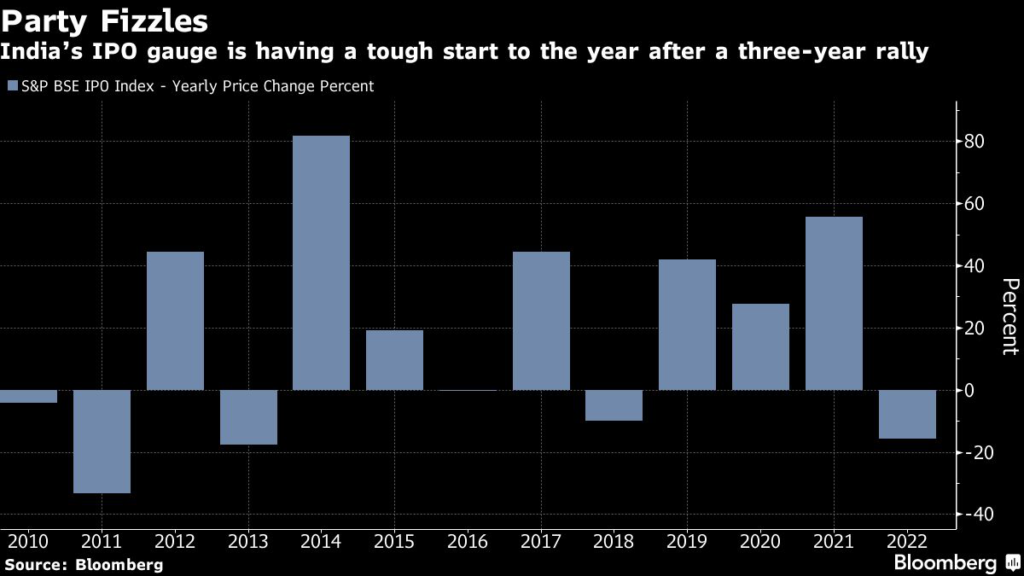
It doesn’t help, said some investors, that LIC hasn’t declared a clear dividend policy, nor that the IPO market is struggling. The S&P BSE IPO Index, a gauge of newly listed shares, has fallen 15% this year after nearly tripling in the previous three. Mobile payments company Paytm — India’s biggest IPO until LIC’s — is the index’s worst performer, down 70% since its highly anticipated float in November. 

In the meantime, LIC and the country’s large brokers continue to build up momentum for the share sale. LIC has been advertising the float in newspapers since the start of the year, and is also offering its 286 million policyholders with easy access to brokerage accounts to buy into the float. 

Axis Securities Ltd. has opened around 45,000 accounts for LIC’s prospective IPO investors in the past month, while ICICI Securities Ltd. is luring potential new investors to the float with offers like free brokerage accounts as well as access to its online training courses for trading. ICICI Securities Chief Executive Vijay Chandok said the brokerage has fine-tuned its IPO application process and made it more user-friendly, with first-time subscribers in mind. 

More stories like this are available on bloomberg.com

©2022 Bloomberg L.P.
China Contagion Threatens to Derail the World’s Emerging Markets

(Bloomberg) — A widespread selloff in China is rippling through emerging markets, threatening to snuff out growth and drag down everything from stocks to currencies and bonds.

Fresh Covid outbreaks — and the government’s stringent policy to contain them — are spooking global investors who fear shutdowns in China will echo across the world by lowering demand and disrupting supply chains. That’s pushing them to sell not just China’s currency, bonds and stocks but the assets of any developing nation that relies heavily on trade with the world’s second-biggest economy.

The result is the sharpest slide in emerging markets in two years, not unlike the meltdown in 2015 when China’s woes led to a rout in their bonds and currencies, besides wiping out $2 trillion from equity values. Since then, the country’s influence on the global economy has only grown: It’s now the largest buyer of commodities, meaning its slump may impact exporters of raw materials and their markets more than ever.

“Given China’s importance in global supply chains and importance to global growth prospects, further disappointments in the nation’s growth may lead to more contagion risk,” Johnny Chen and Clifford Lau, money managers at William Blair Investment Management in Singapore, wrote in an email. “We see countries with high trade linkages to China as being the most vulnerable.” 

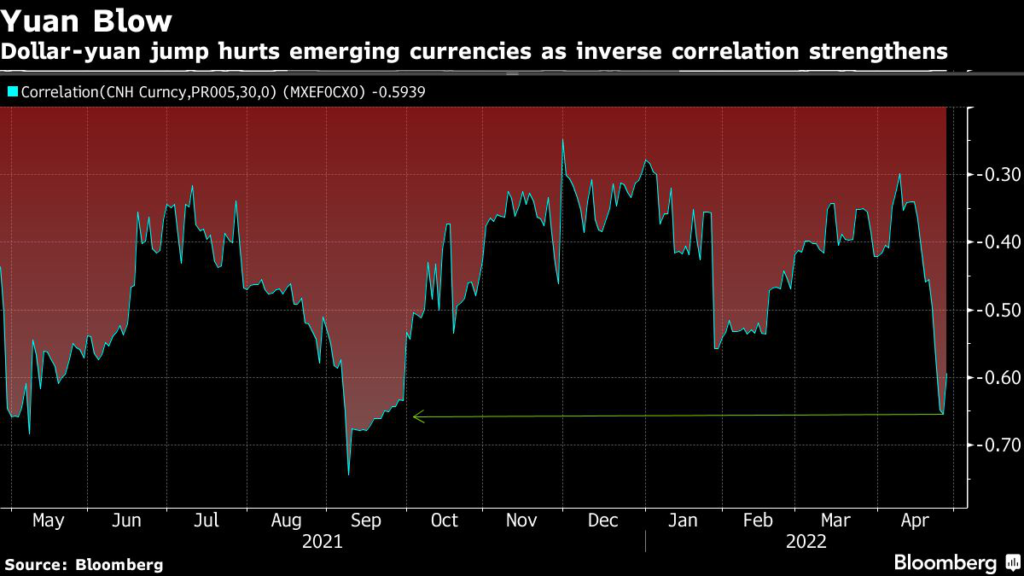
As armies of white-suited enforcers descended on Shanghai and Beijing in late April to oversee the mandatory testing of millions, the offshore yuan sank to the worst monthly loss in at least 12 years. The MSCI Emerging Markets Currency Index, with almost a 30% weight for the Chinese currency, tumbled in tandem. The yuan’s 30-day correlation to the index rose to the strongest level since September, underscoring the currency’s influence in the emerging-market selloff. After Shanghai reported its first deaths since the latest outbreak, panic selling spread to bonds and equities.

China’s Sudden Currency Plunge Raises Risk of a 2015-Style Panic

The scale of the losses prompted Chinese authorities to step in and assure markets they’ll support the economic recovery and boost infrastructure spending. They also signaled willingness to resolve regulatory issues in the technology sector. These pledges soothed investors’ nerves even though authorities didn’t abandon the stern Covid Zero policy that had sparked the panic in the first place. While the last trading day of April did see a rebound in the yuan, most analysts expect the currency to resume its slump. 

The offshore yuan dropped 0.6% to 6.6827 per dollar on Monday. China’s local markets are shut for a holiday.

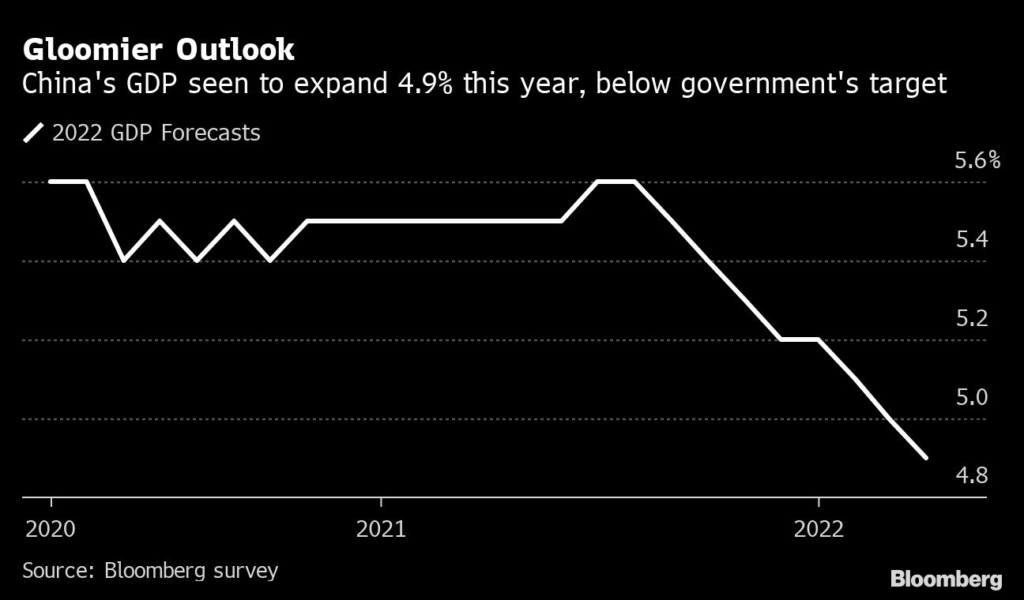
Beijing’s 2022 growth target of 5.5% is now in question, prompting analysts from Standard Chartered Plc to HSBC Holdings Plc to predict currency losses over the next three months. That, in turn, could lower growth rates in countries like South Africa and Brazil, just when they’re also buffeted by higher U.S. yields, an inflationary spiral and the war in Ukraine.

“If China’s economy slows significantly, emerging markets currencies as well as the yuan could experience a period of elevated and persistent volatility,” said Brendan McKenna, a currency strategist at Wells Fargo Securities in New York. 

Commodity Pain

The rand erased four months worth of gains in just two weeks, while the Brazilian real, Colombian peso and the Chilean peso posted some of the sharpest declines among peers. Carry-trade losses ballooned, capping the worst showing since November.

Money managers quickly moved to downgrade their currency outlook for emerging markets. HSBC cut its forecast for nine Asian currencies, citing China’s economic travails. TD Securities and Neuberger Berman said South Korea’s won and Taiwan’s dollar will come under greater pressure. 

“We continue to maintain a cautious stance on Asian currencies, and expect more volatility till the time some of these growth concerns abate,” Prashant Singh, senior portfolio manager for emerging-markets debt at Neuberger Berman in Singapore. 

Multi-Asset Rout

Currency losses are also driving a selloff in local bonds, which sank to the worst first four months of a year on record, as performance in April alone was the worst since the peak of the pandemic in March 2020. The main drag here was China again, with a 41% weight in the Bloomberg index for the asset class. The nation’s bonds posted the biggest monthly retreat since the 2008 financial crisis, while sparking double-digit losses in countries as varied as South Africa, Poland and Chile.

Equities weren’t spared either. A rout in Chinese technology shares listed in Hong Kong echoed half a world away in Johannesburg. Naspers Ltd., which owns 28.8% in Tencent Holdings, plunged to a five-year low. A three-week slump partly fueled by panic over Covid cases in China (and partly by rising U.S. yields) led emerging-market stocks to erase $2.7 trillion in market value.

China’s economic activity contracted sharply in April as the lockdown of Shanghai escalated concerns about further disruption to global supply chains. Factory activity fell to the lowest level in more than two years, with the official manufacturing PMI dropping to 47.4 from 49.5 in March, according to data released by the National Bureau of Statistics on Saturday.

“China’s slowdown will compound the challenging outlook for emerging economies facing soaring energy prices and tighter monetary policy from the major central banks,” said Mansoor Mohi-uddin, chief economist at Bank of Singapore Ltd.

Xi’s Vow to Boost Growth While Locking Down Met With Skepticism

Here are the main things to watch in emerging markets in the week ahead:

  • South Korea, Thailand and Taiwan will be releasing latest inflation data for April, with March price growth having risen to at least a near-decade high across all three economies
  • Russia’s PMI survey will be one of the first glimpses of activity in April, the second full month of President Vladimir Putin’s war against Ukraine
    • Bond investors will be on the lookout for coupon payments in dollars as the clock is ticking for the country’s 30-day grace period, which ends May 4
  • Turkey’s inflation is set to rise to 65% in April, the highest since 2002, but still unlikely to trigger a response from a politically-constrained central bank
  • In Brazil, the highlight of the coming week is the monetary policy meeting, where the yield curve shows investors believe the central bank will deliver on its pledge to raise the policy rate by 100 basis points
  • In Chile, the central bank is likely to continue its tightening cycle at a more moderate pace and increase the benchmark interest rate to 8%

(Updates with offshore yuan’s drop in seventh paragraph)

More stories like this are available on bloomberg.com

©2022 Bloomberg L.P.
China Lockdowns Wreak Havoc on Economy as Xi Pledges Support

(Bloomberg) — China’s stringent lockdowns to curb Covid-19 infections are taking a significant toll on the economy and roiling global supply chains, with President Xi Jinping under pressure to deliver on pledges to support growth.

The damage from shutdowns in April in major financial hub Shanghai, auto manufacturing center Changchun and elsewhere was laid bare by the first official data for the month released over the weekend. 

Both manufacturing and services activity plunged to their worst levels since February 2020, when the nation imposed a range of restrictions amid its initial coronavirus outbreak centered in Wuhan, according to purchasing managers surveys. The offshore yuan weakened in the wake of the data.

Read more: China Maintains Covid Fight as Virus Lockdowns Pummel Economy

The strain on global supply chains is also becoming apparent, with the PMI data showing suppliers face the longest delays in more than two years in delivering raw materials to their manufacturing customers. Inventories of finished goods climbed to the highest level in more than a decade, while indexes for exports and imports slumped.

The figures came a day after the Communist Party’s Politburo, led by Xi, promised to meet its economic targets while at the same time sticking with its Covid Zero policy to curb infections. Economists see the two goals as contradictory, with many cutting their growth projections to well below the government’s official target of around 5.5%. 

“I expect GDP growth in the second quarter to turn negative, as lockdowns will likely be on and off,” said Zhang Zhiwei, chief economist at Pinpoint Asset Management. “The key issue going forward is how the government will fine-tune its ‘zero tolerance’ policy to mitigate the economic damage.”

Nevertheless, the Politburo’s comments — which were timed during the trading day — fueled a rally in stocks and the currency, with technology shares surging on signs of a possible easing of a regulatory crackdown on internet platform companies. Investors were also encouraged by comments suggesting a loosening of property restrictions and a push to boost infrastructure investment. 

Xi appeared to soften his stance toward the private sector, telling the Politburo meeting that the healthy development of private capital should be encouraged. At the same time, he said capital must be regulated and shouldn’t undermine the objectives of common prosperity.  

The pledges by top leaders came as omicron virus outbreaks continue to spread, with growing fears of a lockdown in Beijing. The capital city tightened Covid requirements over the weekend after more infections were reported following rounds of mass testing of its 22 million population. 

Citizens are now required to provide negative nucleic acid test results within 48 hours in order to enter any public venue during the five-day Labor Day holiday. Dining-in at restaurants is banned during the period, and indoor venues including theaters, internet cafes and gyms will suspend operations. The Universal Studios theme park in Beijing also announced it would temporarily close from Sunday to comply with epidemic prevention measures.

In Shanghai, where large swaths of the population have been locked down for a month or more, the government announced on Sunday that six districts met the criteria for zero community spread of Covid-19 and can loosen restrictions. Zero community spread means reporting no local Covid infections for three consecutive days and if the new daily case counts are less than 0.001% of the area’s population for the same period.

As manufacturer to the world, the lockdowns in China mean possible shortages of goods and add another risk to global inflation. Despite repeated calls from the authorities to ensure smooth logistics, container goods were still left sitting at Shanghai’s port for weeks. 

“There was plenty of evidence of worsening supply pressures,” Mitul Kotecha, head of emerging markets strategy at TD Securities, wrote in a note. “While there has been some gradual easing in some cities and provinces, manufacturing has struggled due to logistical and supply chain pressures.”

The economy is also losing the one strong pillar that had helped drive its recovery from the 2020 lockdowns. The PMI survey released Saturday showed the new export order sub-index plunged deeper into contraction to its worst level in nearly two years, while the import sub-index was the lowest since February 2020.  

Activity is likely to remain depressed throughout the second quarter as virus restrictions are tightened in several places. The fear of widespread outbreaks has ruined the prospect of a bump in consumption during the five-day Labor Day break, which is usually one of the busiest seasons for domestic tourism.

A 7.9% contraction in gross domestic product in Jilin province in the first quarter is also a warning sign on the kind of damage other regions can expect. The northeastern province of Jilin, of which Changchun is the capital, was locked down in March, and restrictions are only now starting to be lifted.  

“We remain deeply concerned about growth,” Nomura Holdings Inc. economists wrote in a note. “Despite the raft of policy measures announced by the Politburo meeting, we still believe markets should remain focused on the development of the pandemic and the corresponding Zero Covid strategy. All other polices are of secondary importance.” 

(Adds reference to offshore yuan in third paragraph.)

More stories like this are available on bloomberg.com

©2022 Bloomberg L.P.

India Accuses Xiaomi of Forex Violations in Latest China Clash

(Bloomberg) — India accused Xiaomi Corp. of breaching the country’s foreign-exchange laws and seized 55.51 billion rupees ($726 million) from a local unit of the smartphone maker, in India’s latest clash with a Chinese company over their activities in the market.

India’s anti-money-laundering agency took control of the bank accounts of Xiaomi Technology India under the provisions of the Foreign Exchange Management Act, it said in a statement. The company’s local unit remitted money to three foreign-based entities with ties to Xiaomi, falsely claiming they were for royalty payments, said the Enforcement Directorate.

“Xiaomi India procures the completely manufactured mobile sets and other products from the manufacturers in India,” the agency said in its statement. “The company also provided misleading information to the banks while remitting the money abroad.”

India has taken a hard line against Chinese companies operating within the country ever since troops from the two countries clashed in 2020. India blacklisted more than 200 mobile applications from Chinese providers, including shopping services from Alibaba Group Holding Ltd., the TikTok short video hit from ByteDance Ltd. and apps used on Xiaomi’s phones. 

Just last month, China’s Foreign Minister, Wang Yi, visited his counterpart, Subrahmanyam Jaishankar, for the first time since the border tensions erupted in an effort to reset the relationship. “I would describe our current situation as a work in progress,”  Jaishankar said at the time.

Xiaomi disputed India’s asset seizure, arguing that its royalty payments are justified and its statements to financial institutions have been accurate. Xiaomi has been one of the most successful smartphone brands in the fast-growing market, growing to become the largest by shipment volumes in the country. 

“All our operations are firmly compliant with local laws and regulations,” Xiaomi India said in its Twitter post. “These royalty payments that Xiaomi India made were for the in-licensed technologies and IPs used in our Indian version products. It is a legitimate commercial arrangement for Xiaomi India to make such royalty payments.”

The company didn’t say what steps it would take next or whether it would turn to legal action to reclaim its assets. 

“We are committed to working closely with government authorities to clarify any misunderstandings,” it said.


More stories like this are available on bloomberg.com

©2022 Bloomberg L.P.
Australia Briefing: RBA Takes Election Center Stage

(Bloomberg) —

Good morning and welcome back, it’s Ainsley here and this is what you need to know to kick off your week.

Tough Call: Will they, won’t they? Central bank officials face a political challenge on whether to raise interest rates in the middle of a highly charged election campaign or hold off until June and take the possible criticism for ducking the call. An overwhelming majority of economists expect the Reserve Bank will hike for the first time since 2010 at tomorrow’s meeting: most see a 15 basis-point move to 0.25%, as do money markets; a few reckon it’ll be a super-sized 40 basis points. 

Year of Hikes: Speaking of the RBA, the Australian Retirement Trust expects it to hike interest rates for the rest of this year as consumer cost pressures are likely to remain elevated. The fund’s Chief Economist Brian Parker sees the central bank lifting rates by 25 basis points at each meeting.

Luring Voters: The Labor Party launched its election campaign yesterday, wooing voters ahead of the May 21 ballot with a suite of new policies on electric vehicles, housing and health care, including a plan to build a network of EV charging stations.

Qantas Challenge: Delta Air and tiny Australian regional carrier Rex are teaming up to access each other’s networks, a partnership coup for the diminutive Sydney-based carrier as it tries to establish itself as a rival to Qantas.  A tie up with Delta gives branding muscle to Rex’s new strategy of flying busy Australian routes dominated by Qantas. 

What Happened Overnight

Sage Advice: As war broke out in Europe and U.S. inflation soared, Berkshire Hathaway’s Warren Buffett went on his biggest stock buying spree for at least a decade. He and his deputies dug deeper into the U.S. stock market and expanded the conglomerate’s stakes in Chevron  and Activision Blizzard.

Ukraine latest: About 100 civilians have been evacuated from the Azovstal steel plant in Mariupol so far, President Volodymyr Zelenskiy said. U.S. House Speaker Nancy Pelosi and Democratic lawmakers met with Zelenskiy in a previously unannounced visit to Kyiv.

End of Easy: The global shift away from easy money is poised to accelerate as a pandemic bond-buying blitz by central banks swings into reverse, threatening another shock to the world’s economies and financial markets. Bloomberg Economics estimates that policy makers in the G-7 countries will shrink their balance sheets by about $410 billion in the remainder of 2022.

Evasive Omicron:  New omicron sublineages show an ability to evade antibodies from earlier infection and vaccination, a South African laboratory study has found. Meanwhile in China, Beijing will close gyms and cinemas over the Labor Day holiday and Shanghai will keep virus measures in place despite falling cases.

What to Watch

  • CoreLogic April house price data are due, with Bloomberg Economics saying property prices most likely rose, but the pace of gains will have slowed markedly
  • The S&P Global Australia manufacturing PMI is also due

One More Thing…

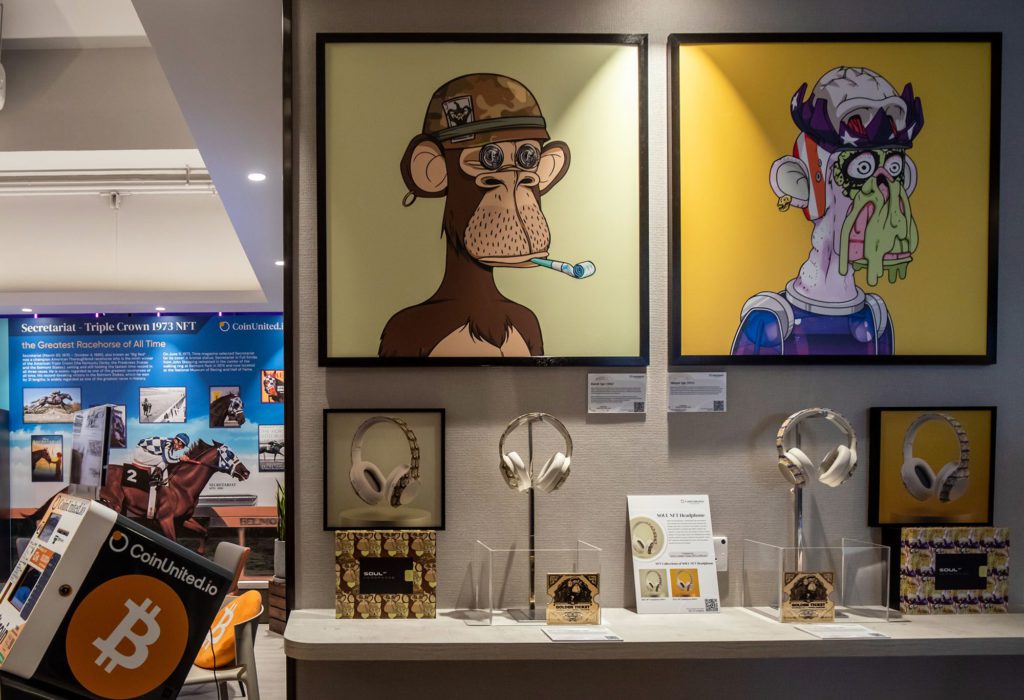
Ape Frenzy: Yuga Labs, the creator of the Bored Apes Yacht Club collection of NFTs, launched a sale Saturday of virtual land related to its metaverse project, raising about $320 million worth of cryptocurrency in the largest offering of its kind. Demand was so strong that activity related to the event caused ripple effects across the entire Ethereum blockchain, disrupting activity and sending transaction fees soaring. 

More stories like this are available on bloomberg.com

©2022 Bloomberg L.P.
End of Easy Money Brings a $410 Billion Global Financial Shock

(Bloomberg) — The global shift away from easy money is poised to accelerate as a pandemic bond-buying blitz by central banks swings into reverse, threatening another shock to the world’s economies and financial markets.

Bloomberg Economics estimates that policy makers in the Group of Seven countries will shrink their balance sheets by about $410 billion in the remainder of 2022. It’s a stark turnaround from last year, when they added $2.8 trillion — taking the total expansion to more than $8 trillion since Covid-19 arrived.

That wave of monetary support helped prop up economies and asset prices through a pandemic slump. Central banks are pulling it back — belatedly, in the view of some critics — as inflation soars to multi-decade highs. The dual impact of shrinking balance sheets and higher interest rates adds up to an unprecedented challenge for a global economy already hit by Russia’s invasion of Ukraine and China’s new Covid lockdowns.

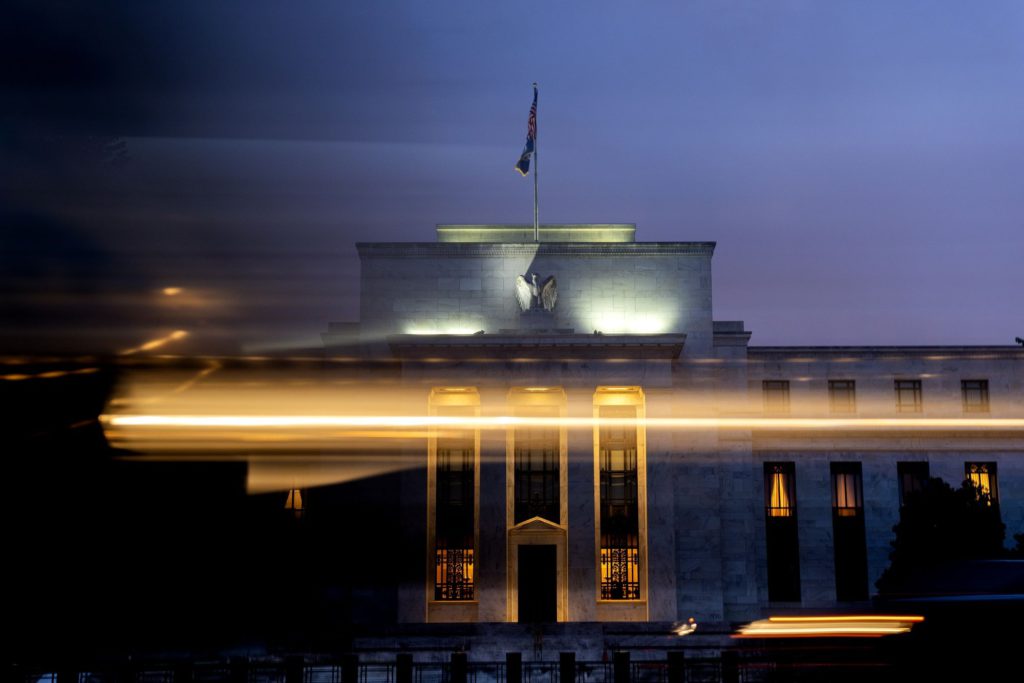
Unlike previous tightening cycles when the U.S. Federal Reserve was alone in shrinking its balance sheet, this time others are expected to do likewise.

‘Major Shock’

Their new policy, known as quantitative tightening — the opposite of the quantitative easing that central banks turned to during the pandemic and the Great Recession — will likely send borrowing costs higher and dry up liquidity. 

Already, rising bond yields, falling share prices and the stronger U.S. dollar are tightening financial conditions — even before the Fed’s push to raise interest rates gets into full swing. 

“This is a major financial shock for the world,” said Alicia Garcia Herrero, chief economist for Asia Pacific at Natixis SA, who previously worked for the European Central Bank and International Monetary Fund. “You are already seeing the consequences of tapering in reduced dollar liquidity and dollar appreciation.” 

The Fed is expected to raise rates by 50 basis points at its May 3 to 4 policy meeting and several times thereafter, with traders seeing about 250 basis points of tightening between now and year’s end. Officials are also expected to start trimming the balance sheet at a maximum pace of $95 billion a month, a quicker shift than most envisaged at the start of the year. 

The U.S. central bank will achieve this by letting its holdings of government bonds and mortgage-backed securities mature, rather than actively selling the assets it bought. Policy makers have left open the option that they might, at a later stage, sell mortgage bonds and return to an all-Treasuries portfolio.

In 2013, the Fed’s balance-sheet plans caught investors by surprise and triggered an episode of financial turmoil that became known as the “taper tantrum.” This time around, the policy has been well telegraphed, in the U.S. and elsewhere. Asset managers have had time to price in the effects, which should make a wrenching shock on the markets less likely. 

First in History

So far, the Fed’s proposed runoff has led investors to demand a cushion for risks of owning long-term U.S. Treasuries. Term premium — the extra compensation that investors require to own longer-maturity debt rather than continually rolling over shorter-dated obligations — has been on the rise. 

Fed officials have said that QE helped depress yields by lowering term premium, providing a cushion for the economy during the 2020 recession. Investors expect QT to do the reverse.

The Fed’s pace of balance sheet unwind is expected to be roughly twice as fast as in 2017, when it last ran down its holdings. 

The magnitude of that contraction and its expected trajectory are a first in the history of monetary policies, according to Gavekal Research Ltd. fund manager Didier Darcet.

Others are moving in the same direction: 

  • The European Central Bank has signaled it will end QE in the third quarter, a timeline that is complicated by the spillover from war in Ukraine.
  • The Bank of England has already started to shrink its balance sheet by ending gilt reinvestments in February. It is expected to hike rates again in May, bringing the key rate to the threshold where policy makers will weigh active sales from their asset portfolio.
  • The Bank of Canada’s passive roll-off of its balance sheet — opting not to buy new bonds when the ones it owns mature — is expected to see its holdings of government debt shrink by 40% over the next two years.

The Bank of Japan is the standout and remains wedded to asset purchases — it had to scale them up in recent weeks to defend its policy of controlling bond yields. The yen has weakened to the lowest in 20 years in the process.

China, which avoided QE through the crisis, has switched to stimulus mode with targeted measures aimed at providing funding for smaller businesses, as it fights to contain the country’s worst Covid outbreak since 2020. Chinese leaders on Friday promised to boost stimulus to spur growth.

Investors fear the unknown as liquidity is drained from bond markets that have been flooded with central-bank money over a period that stretches back to the 2008 financial crisis. Markets like housing and crypto currencies that soared in the easy-money years will face a test as liquidity tightens.   

“With all this central bank tightening coming into a slowdown already, it will really be all about if the central banks will tip us into recession,” said Kathy Jones, chief fixed-income strategist at Charles Schwab & Co., which manages over $7 trillion in total assets.

Some are paring back on risk assets in anticipation. 

Robeco Institutional Asset Management has bought short-dated bonds and cut back on its holdings of high yields, credits, and emerging market hard-currency bonds as it expects the economy to slow down or even head into a recession this year. 

Wealth manager Brewin Dolphin Ltd. is becoming more defensive as it looks to reduce equity holdings when there’s a rally. 

Citigroup strategist Matt King said liquidity flows are far more important, and have better correlation with equities, than real yields. He estimates that every $1 trillion of QT will equate to a decline of roughly 10% in stocks over the next 12 months or so.

‘Watching Paint Dry’?

To Chris Iggo, the chief investment officer at Axa Investment Managers, it’s a good time to buy bonds as a safety hedge in case stocks react badly to QT and higher interest rates.

“Equities tend to do worse when the economy really tanks, and earnings are cut. That is preceded by higher rates,” said Iggo. “On that timeline we are not there yet. But adding fixed income slowly as yields go higher will eventually give a more efficient hedge in a multi-asset portfolio when and if equity returns do turn more negative.”

Central bankers have argued that shrinking their balance sheets by allowing bonds to roll off, rather than abruptly selling them, shouldn’t be too disruptive. The process was once described by then-Fed chair and current U.S. Treasury Secretary Janet Yellen as akin to “watching paint dry.” 

Still, the combination of QT, rising short-term rates, a strong dollar, higher commodity prices and U.S. fiscal contraction presents the U.S. and world with a major headwind, said Gene Tannuzzo, global head of fixed income at Columbia Threadneedle Investments.

“That’s a lot to deal with for the economy,” Tannuzzo said. “We don’t have to have a recession to say growth is going to be pretty sluggish at the end of the year.”

More stories like this are available on bloomberg.com

©2022 Bloomberg L.P.
Buffett Lures Omaha Disciples With Stock Buys, Inflation Warning

(Bloomberg) — As war broke out in Europe and U.S. inflation soared, Berkshire Hathaway Inc.’s Warren Buffett was doubling down on a tried-and-trusted strategy to navigate the fallout.

The billionaire investor went on his biggest stock buying spree for at least a decade, undeterred by the geopolitical turmoil and fears of runaway inflation. He and his deputies dug deeper into the U.S. stock market and expanded the conglomerate’s stakes in Chevron Corp. and Activision Blizzard Inc., even as Buffett noted the “extraordinary” price increases in Berkshire’s businesses.

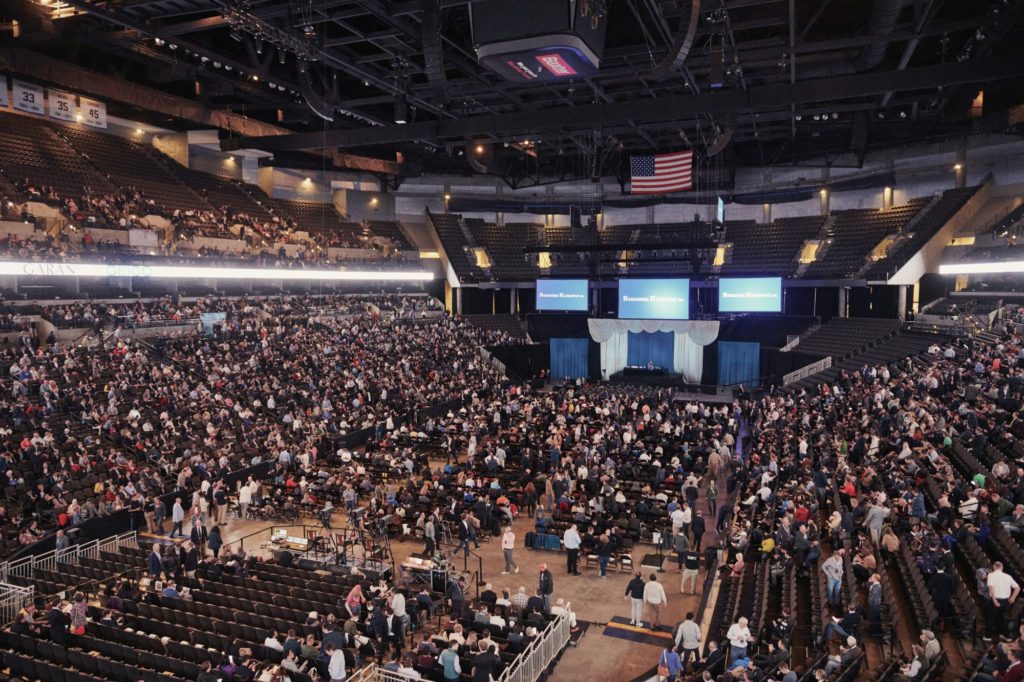
Buffett, who held court in Omaha, Nebraska, on Saturday at Berkshire’s annual shareholder meeting, had faced questions about why he didn’t take advantage of the downturn when the pandemic took hold. Now, as war and inflation fuel market volatility prompting the S&P 500 Index’s worst quarter in two years, he’s ramped up amid the uncertainty, making $41 billion in net stock purchases in the first quarter. That’s the most in data going back to 2008.

“As long as Buffett and his team are paying reasonable prices for quality companies, these investments should do well in any environment — inflationary or otherwise,” said Darren Pollock, a Berkshire investor who’s a principal at Cheviot Value Management LLC. They reflect “the sheer volume of cash coming into Berkshire’s coffers along with what we think is becoming an increasingly obvious desire to get out of cash as inflation becomes more ingrained.” 

Buffett said he couldn’t predict the trajectory of inflation over the coming months or years, though he said he’s seen price increases across his businesses. He also conceded — as he’s done before — that his firm hasn’t always been good at timing its asset purchases, though has been “reasonably good at figuring out when we were getting enough for our money.”

On the home front, Berkshire let up on one of its key capital deployment levers, signaling buybacks aren’t quite as attractive to the firm right now. Still, the $3.2 billion of repurchases it did make coupled with its other investments helped shrink the conglomerate’s cash pile to roughly $106 billion — a sum that’s still above Buffett’s preferred margin for safety.

Berkshire’s stake in Chevron, which totaled nearly $4.5 billion at the end of 2021, hit $25.9 billion at the end of March, according to its first-quarter regulatory filing. The firm’s Activision stake, which accounted for just 1.87% of the video game company’s common stock, jumped to 9.5% as Berkshire wagered its deal with Microsoft Corp. would safely close. 

The billionaire carefully navigated some of the year’s biggest topics, if he even addressed them at all. Scarce explicit comments were made on Russia’s invasion of Ukraine, though Buffett did address a question about the risk of nuclear weapons. He gave little away on Berkshire’s own succession plan. Here are some of the other key topics that came up Saturday:

Succession Plans

Buffett confirmed last year that Greg Abel, the vice chairman in charge of non-insurance operations, was the top candidate to succeed him when he steps down as chief executive officer. Abel, alongside fellow vice chairman Ajit Jain, joined Buffett, 91, and longtime business partner Charlie Munger, 98, on stage for a portion of the meeting. 

Still, Buffett gave no indication that he was planning to secede his post anytime soon, and his appearance on stage reassured some investors about his ability to keep pace with the job. 

“The level of mental acuity and the humor is still there. It’s really something,” said James Armstrong, whose Henry H. Armstrong Associates oversees investments in Berkshire shares. “I feel pretty satisfied that management of the company is in good shape.”

Buffett joked that the top managers’ ages frankly require a chance for investors to check in on the leaders.

“It’s been three years and it’s a lot better seeing actual shareholders, owners, partners,” Buffett said to kick the meeting off in the morning. “If you’re the owner of a company and you’ve got two guys — 98 and 91 — running the company, you’re entitled to actually see them in person.”

Inflation Woes

Buffett again addressed the impact of inflation, after warning shareholders last year that the economy was red hot. Inflation hurts bondholders, as well as people who stash cash under couches.

“It swindles almost everybody,” Buffett said. “If you really could have a totally stable unit of monetary use for the next hundred years, it would be better for business and investors in general.”

What Bloomberg Intelligence says:

“Berkshire Hathaway’s diverse business units contribute to long-term earnings power, and while supply-chain challenges and inflation remain risks, the company largely shrugged them off in 1Q as operating companies’ profit stayed at near-record levels.”

— Matthew Palazola, Kylie Towbin, BI analysts

Berkshire’s businesses haven’t been immune to the pressures. Dairy Queen CEO Troy Bader said in an interview on Friday that it’s a real challenge. Brooks Sports Inc. CEO Jim Weber acknowledged the effects on his business, which makes running shoes, but expressed some optimism that the supply challenges and inflation pressures that have weighed on the economy will lessen.

“There’s been such a bubble in demand post-Covid, people have been buying stuff at an incredible rate,” Weber said. “It isn’t going to crash, I believe, but it’s going to normalize. And when it normalizes, I think all of this capacity challenge in the supply chain is going to go back to normal. I think some prices may be more attractive because there’s going to be overcapacity.”

Bitcoin Criticism

Buffett and Munger have been constant skeptics of cryptocurrencies, with Munger calling it a “noxious poison.” The pair aired their deep criticism again on Saturday, with Buffett noting that he’d rather own lots of farmland or apartments — what he calls productive assets — than Bitcoin. 

“What would I do with it?” Buffett said. “It isn’t going to do anything.” 

More stories like this are available on bloomberg.com

©2022 Bloomberg L.P.
Bored Ape Metaverse Frenzy Raises Millions, Crashes Ethereum

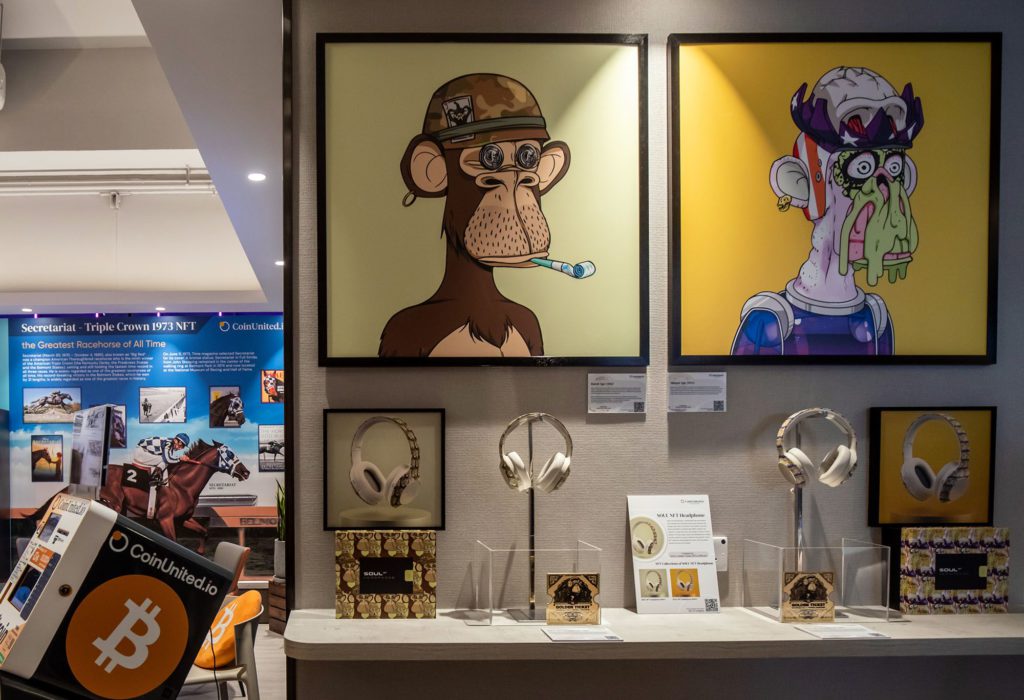
(Bloomberg) — Yuga Labs, the creator of the popular Bored Apes Yacht Club collection of NFTs, launched a sale Saturday of virtual land related to its highly anticipated metaverse project, raising about $320 million worth of cryptocurrency in the largest offering of its kind. Demand was so strong that activity related to the event caused ripple effects across the entire Ethereum blockchain, disrupting activity and sending transaction fees soaring. 

Holders of the ApeCoin token who verified their identities jockeyed to buy deeds for 55,000 parcels of virtual land in Otherside, the project’s planned metaverse game and the latest extension of the Bored Ape franchise. Anticipation that interest would be strong for the plots — Ethereum-based NFTs called Otherdeeds — had pushed up the price of ApeCoin last week ahead of the sale.

Each plot cost a buyer around $5,800 based on ApeCoin’s price of $19 as of Saturday, plus transaction costs, or “gas fees,” in Ether, which skyrocketed after the sale went live at 9 p.m. New York time as the land grab attracted heavy demand. Transaction costs just to mint Otherdeed NFTs after the launch reached $123 million, with each Otherdeed requiring about $6,000, or 2 Ether, in transaction fees to mint, according to data from Etherscan — or more than the price of the deed itself.

“Yuga Labs’ virtual land sale has triggered one of the highest spikes in transaction fees on Ethereum,” said Jason Wu, founder of decentralized lending protocol DeFiner. “I have seen other NFT launches causing high gas fees, but this is definitely one of the highest.”

Minting a token or making a transaction on Ethereum requires token creators or traders to pay a fee to those that order transactions on the network. Transaction fees go higher when the network becomes congested given more fees are needed to prioritize a transaction. That can impact the Ethereum-based business of apps like Uniswap, effectively slowing the transactions on these other platforms.

Yuga Labs initially planned for the sale to be held in a Dutch Auction format in which the price of the Otherdeed NFT would go down over time to prevent Ethereum from being congested with high transaction fees. However, it later scratched the format and went with another plan to cap the number of Otherdeeds that could be purchased per wallet in each wave of the sale. The new plan failed to ease the anticipated congestion. Yuga Labs apologized on Twitter for “turning off the light on Ethereum,” and suggested the possibility of establishing an ApeCoin blockchain.

The ApeCoins raised in the sale will be locked up — meaning that they can’t be sold, thus reducing coins in circulation — for one year, according to Otherside’s Twitter account. A Yuga Labs spokesperson declined on Friday to say whom the raised money would go to, or whether large holders of ApeCoin, including Andreessen Horowitz, Animoca Brands and others planned to participate in the land sale.

“Yes, we will be purchasing as well,” Animoca’s Yat Siu said in an email ahead of the sale, adding that there are restrictions on how many NFTs a single digital wallet can buy in different phases of the land deed sale.

Besides the 55,000 Otherdeeds sold Saturday, another 45,000 were allocated to holders of Bored Ape Yacht Club and Mutant Ape NFTs, as well as Yuga Labs and other project developers, with another 100,000 of the tokens expected to be awarded later to certain Otherdeed holders, according to the Otherside website. While the 55,000 Otherdeed NFTs were sold out around midnight New York Time, the process for BAYC and MAYC holders to claim their free Otherdeeds was initially delayed to avoid sending gas fee even higher. That one-time claim eventually reopened for those NFT holders as gas fees settled.

ApeCoin is striving to become widely used in a variety of so-called web3 apps, using digital coins and blockchains. The idea is for owners to be able to access a variety of events, services, merchandise and games. It’s also the governance token of ApeCoin DAO, whose board includes Reddit Co-founder Alexis Ohanian, FTX’s Amy Wu and Animoca’s Siu. Ahead of the Otherdeed sale Saturday evening, OpenSea said it would accept ApeCoin.


Venture capital investors that helped with ApeCoin’s March launch, including Andreessen Horowitz and Animoca, were some of the biggest recipients of ApeCoin, which was created as an “airdrop,” in which certain groups of crypto holders automatically received 1 billion tokens as a reward. They and other launch partners received 14%, or 140 million tokens. ApeCoin’s price has nearly tripled since the coin’s release, according to data from CoinMarketCap.

The frenzy around the land is in sharp contrast to much of the crypto market, which has been trading sideways in recent months, with bellwether Bitcoin down about 18% since the beginning of the year. Monthly sales volume on OpenSea, the world’s biggest NFT marketplace, were higher in April than in March, but still down from an all-time-high in January, according to data tracker Dune.

While many apps have sold virtual land for cryptocurrency before, most have seen only a small number of users and transactions. On Decentraland, for example, the number of transactions is down 35% in the last 30 days, according to data tracker DappRadar.

Otherside’s release date hasn’t been disclosed yet, according to the Yuga Labs spokesperson. A trailer from Yuga Labs shows an ape fishing out a bottle and drinking up its contents before launching on an adventure. Metaverse software company Improbable will help to build the Otherside platform. 

(Adds information on the status of deeeds allocated to Bored Ape and Mutant Ape holders in ninth paragraph.)

More stories like this are available on bloomberg.com

©2022 Bloomberg L.P.
Solana Suffers Seven-Hour Outage as NFT Demand Spills Over

(Bloomberg) — The Solana blockchain is recovering after going dark in a seven-hour outage, caused by a significant rush of bots trying to mint nonfungible tokens on the crypto network.

An NFT minting program for Solana called Candy Machine struggled under a tsunami of traffic from bots seeking to push through transactions late Saturday, which caused Solana’s mainnet to fall out of consensus and crash as nodes belonging to validators collapsed under the weight. Validators are computers that verify transactions to maintain the integrity of the blockchain. 

Developers and engineers from the Solana Foundation and Jump Crypto said the traffic reached a record-breaking high of 4 million transactions per second at around 8 p.m. in London on Saturday. On Sunday morning, validators had successfully completed a cluster restart and the Solana network was operating at degraded performance as nodes slowly came back online.

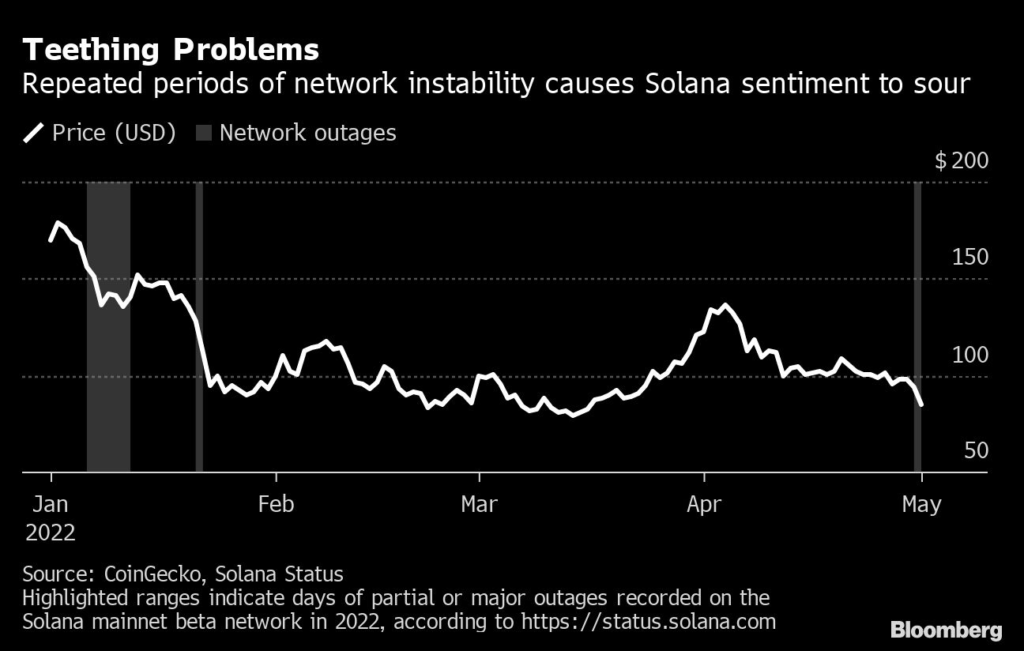
While Solana’s rise to the upper echelon of crypto’s top alternatives to Bitcoin and Ethereum has been rapid, the influx of bots and stability concerns meant this was not even its longest outage in recent months. The digital asset’s network suffered a wave of blackouts and service issues lasting as long as 18 hours in January, prompting ire from frustrated traders who watched their portfolio values decline while unable to offload tokens.

Solana Founder’s ‘Lol’ Amid Outages Irks Users of Crypto’s Next Big Thing

Overnight, the price of Solana’s SOL token fell as much as 7.4% to $83.90, data on Bloomberg show. It was down about 2% as of 6:54 a.m. in New York on Sunday, but is still trading 66% below its all-time high of $259 recorded back in November.

Solana Labs co-founder Anatoly Yakovenko applauded the network’s validators for working together so quickly in a tweet following the outage, saying he had been in transit while the chaos unfolded. “It’s amazing to see so many new folks step up and lead and take ownership of recovery,” he added.

In a tweet reposted by a Solana Twitter account monitoring the network’s status, Candy Machine operator Metaplex said it now plans to deploy a 0.01 SOL ($0.89) penalty that will incur whenever a wallet attempts to complete an invalid transaction, “which is typically done by bots that are blindly trying to mint”. The creator of that Candy Machine will be given discretion on how to use funds collected from such penalties.

Solana wasn’t the only part of the cryptosphere that struggled under the weight of demand for NFTs at the weekend. Demand for digital land in an unreleased metaverse game by Bored Ape Yacht Club creator Yuga Labs was so high on Saturday that it caused transaction fees on the underlying Ethereum network to skyrocket, meaning it temporarily cost more to mint an NFT than to buy a land parcel. 

Bored Ape Metaverse Frenzy Raises Millions, Disrupts Ethereum

Developers in Solana’s technology-focused Discord server said wallets attempting to complete SOL transactions may still experience issues for several hours until the network becomes stable again. Austin Federa, the Solana Foundation’s head of communications, reassured investors that funds remained safe during the blackout.

More stories like this are available on bloomberg.com

©2022 Bloomberg L.P.

Russia Using Internet Trolls to Target War Critics, U.K. Finds

(Bloomberg) — The Kremlin is using a new troll factory to spread disinformation on social media and in comment sections of popular websites to try to manipulate public opinion about its war in Ukraine, a U.K. government-funded report showed. 

“Cyber soldiers” are targeting politicians and audiences across countries including the U.K., South Africa and India, the report said. 

Foreign Secretary Liz Truss said the government had alerted international partners to the troll factory, and “will continue to work closely with allies and media platforms to undermine Russian information operations.” The U.K. will share its findings with major social media platforms and has created an “information cell” to counter Russian disinformation. 

The operation uses Telegram, an encrypted communications app, to recruit and manage supporters who then target social media accounts of Kremlin critics, the government said in the statement. Senior U.K. ministers and other world leaders have been targeted. 

Western social media giants have limited the reach of Russian state-run media outlets in the wake of Russia’s invasion of Ukraine. Twitter is applying labels to Russian state-affiliated media outlets, and tweets from these accounts are no longer recommended in the Home timeline or in notifications.

The European Union banned Russian outlets RT and Sputnik. Countries have also accused Moscow-backed groups of carrying out hacking attacks on Ukrainian organizations –- including defense, IT and energy networks.  

The U.K. said the trolling operation has suspected links to Yevgeny Prigozhin, a restaurateur and tycoon from Vladimir Putin’s native St. Petersburg, who has been dubbed the president’s “chef” because he provides catering services to the Kremlin. U.S. authorities have alleged he controlled a troll farm known as the Internet Research Agency. 

The U.K. has previously sanctioned both Prigozhin and the Internet Research Agency. 

More stories like this are available on bloomberg.com

©2022 Bloomberg L.P.

Close Bitnami banner
Bitnami
