Bloomberg

French Car Sales Keep Sliding as Ukraine War Hurts Supply Chains

(Bloomberg) —

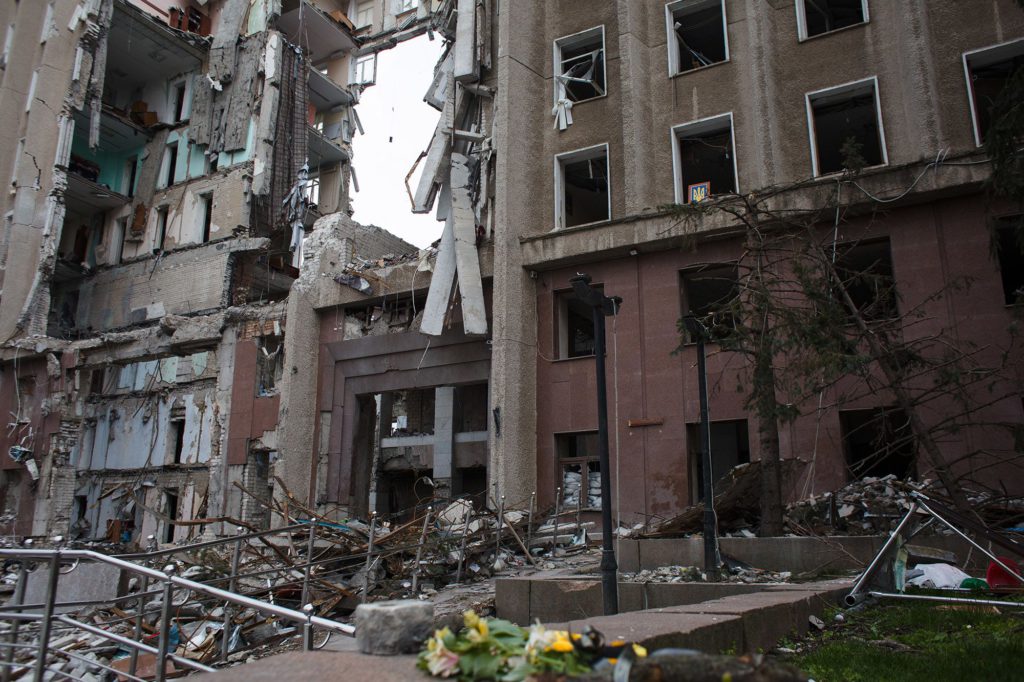
French car sales slumped again in April as European manufacturers’ supply chains are hit by the fallout from the war in Ukraine.

France’s new passenger car registrations dropped 23% from a year earlier to 108,723, the PFA auto association said in a statement on Sunday. The market for light trucks took an even bigger hit, sliding by 32%.

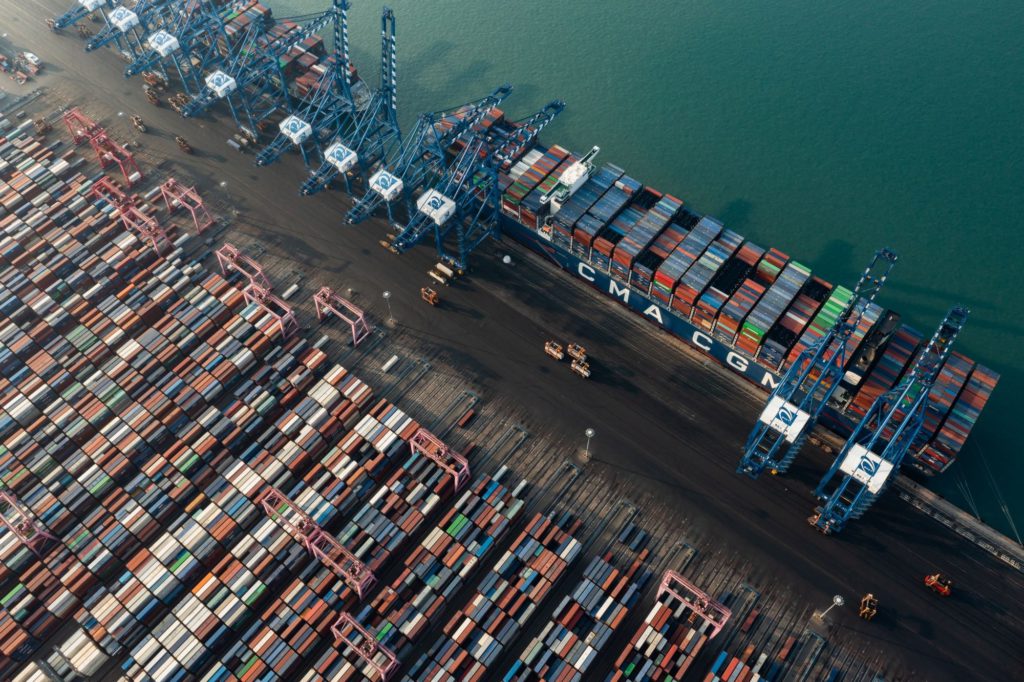
The supply-chain disruptions caused by the Ukraine war are eroding European car manufacturers’ hopes for a recovery from last year, when a shortage in semiconductors idled plants. Passenger car registrations in Europe slumped 19% in March, a ninth straight monthly decline. Volkswagen AG recently warned of more supply pain and unpredictable commodity price swings amid mounting pressure on major metals producer Russia.

For carmakers, Russia’s invasion of its neighbor has disrupted local suppliers of wire harnesses, forcing Volkswagen and BMW AG to temporarily halt production. Expectations of improvements in semiconductor availability are also waning as bottlenecks are now seen reaching well into next year.

Siemens Energy AG said supply-chain disruptions were weighing on its revenue and profitability, while BMW in March cut expected returns from automaking because of fallout from the invasion. 

More stories like this are available on bloomberg.com

©2022 Bloomberg L.P.

China Analyst Hong Hao Has Social Media Accounts Frozen

(Bloomberg) — The public social media accounts of Bocom International Holdings’ China strategist Hong Hao were suspended for unspecified violations following recent bearish reports on the country by the outspoken analyst.

His WeChat public account, called “Hong Hao’s China Market Strategy” has been frozen since at least late Saturday. All contents have been blocked, according to a notice posted on the account which cited violations against WeChat’s public account service rules. His Weibo account, with more than 3 million followers, was still valid on Saturday afternoon but also in suspension mode.

While it’s unclear which of Hong’s posts may have crossed the line, China has in recent weeks censored social media posts related to economically-disruptive lockdowns. The benchmark CSI 300 Index fell to a two-year low last week — one of the world’s worst-performing equity gauges this year with a 19% loss. That hasn’t stopped state-run media from publishing a series of articles projecting confidence in markets.

Hong did not immediately respond to a message sent via WeChat seeking comment on the suspension. 

In late March, as authorities locked down Shanghai, Hong voiced his concern about the restrictions. “Shanghai: zero movement, zero GDP,” he said in a post on Twitter.

Hong is ubiquitous on traditional and social media, appearing regularly on financial news outlets including Bloomberg TV and CNBC. He also has a track record in making accurate predictions about China’s stock market, once successfully calling the stock boom and bust cycle in 2015.

In a report dated March 21, Hong predicted the Shanghai Composite Index could trade in a range between 3,200 and 3,800, with a possibility it would slip below 3,000 in the worst case scenario. The index fell to as low as 2,863.6 on April 27, and closed at 3,047.06 on April 29.

Hong also blamed China’s crackdown on tech companies for a crash in Chinese ADRs, and warned of lower valuations in those offshore listed shares and possible capital flight because of regulatory spats between Beijing and Washington.

Tencent Holdings Ltd. last year imposed a rare ban on more than 1,000 WeChat accounts after China cracked down on commercial platforms and social media accounts posting financial information that it deemed harmful to its economy. A total of 1,463 WeChat accounts, including one run by Essence Securities Co.’s chief strategist Chen Guo, were banned due to unspecified financial media irregularities.

In his last post on Saturday, Hong spoke of his philanthropic donation of book royalties. Social media posts circulated on Friday that he was being penalized for his bearish estimates on China stocks and would be dismissed by the company. Hong marks his 10th anniversary at Bocom on Sunday.

(Updates with Twitter post in fifth paragraph)

More stories like this are available on bloomberg.com

©2022 Bloomberg L.P.

China Analyst Hong Hao’s Social Media Accounts Frozen

(Bloomberg) — The public social media accounts of Bocom International Holdings’ China strategist Hong Hao was suspended for unspecified violations following recent bearish reports on the country by the outspoken analyst.

His WeChat public account, called “Hong Hao’s China Market Strategy” has been frozen since at least late Saturday. All contents have been blocked, according to a notice posted on the account which cited violations against WeChat’s public account service rules. His Weibo account, with more than 3 million followers, was still valid on Saturday afternoon but also in suspension mode.

While it’s unclear which of Hong’s posts may have crossed the line, China has in recent weeks censored social media posts related to economically-disruptive lockdowns. The benchmark CSI 300 Index fell to a two-year low last week — one of the world’s worst-performing equity gauges this year with a 19% loss. That hasn’t stopped state-run media from publishing a series of articles projecting confidence in markets.

Hong did not immediately respond to a message sent via WeChat seeking comment on the suspension. He is ubiquitous on traditional and social media, appearing regularly on financial news outlets including Bloomberg TV and CNBC. 

In a report dated March 21, Hong predicted the Shanghai Composite Index could trade in a range between 3,200 and 3,800, with a possibility it would slip below 3,000 in the worst case scenario. The index fell to as low as 2,863.6 on April 27, and closed at 3,047.06 on April 29.

Hong also blamed China’s crackdown on tech companies for a crash in Chinese ADRs, and warned of lower valuations in those offshore listed shares and possible capital flight because of regulatory spats between Beijing and Washington.

Tencent Holdings Ltd. last year imposed a rare ban on more than 1,000 WeChat accounts after China cracked down on commercial platforms and social media accounts posting financial information that it deemed harmful to its economy. A total of 1,463 WeChat accounts, including one run by Essence Securities Co.’s chief strategist Chen Guo, were banned due to unspecified financial media irregularities.

In his last post on Saturday, Hong spoke of his philanthropic donation of book royalties. Social media posts circulated on Friday that he was being penalized for his bearish estimates on China stocks and would be dismissed by the company. Hong marks his 10th anniversary at Bocom on Sunday.

(Corrects number of Weibo followers in paragraph two)

More stories like this are available on bloomberg.com

©2022 Bloomberg L.P.

Putin’s War Brings Risks to Moldova and its Pro-Moscow Enclave

(Bloomberg) —

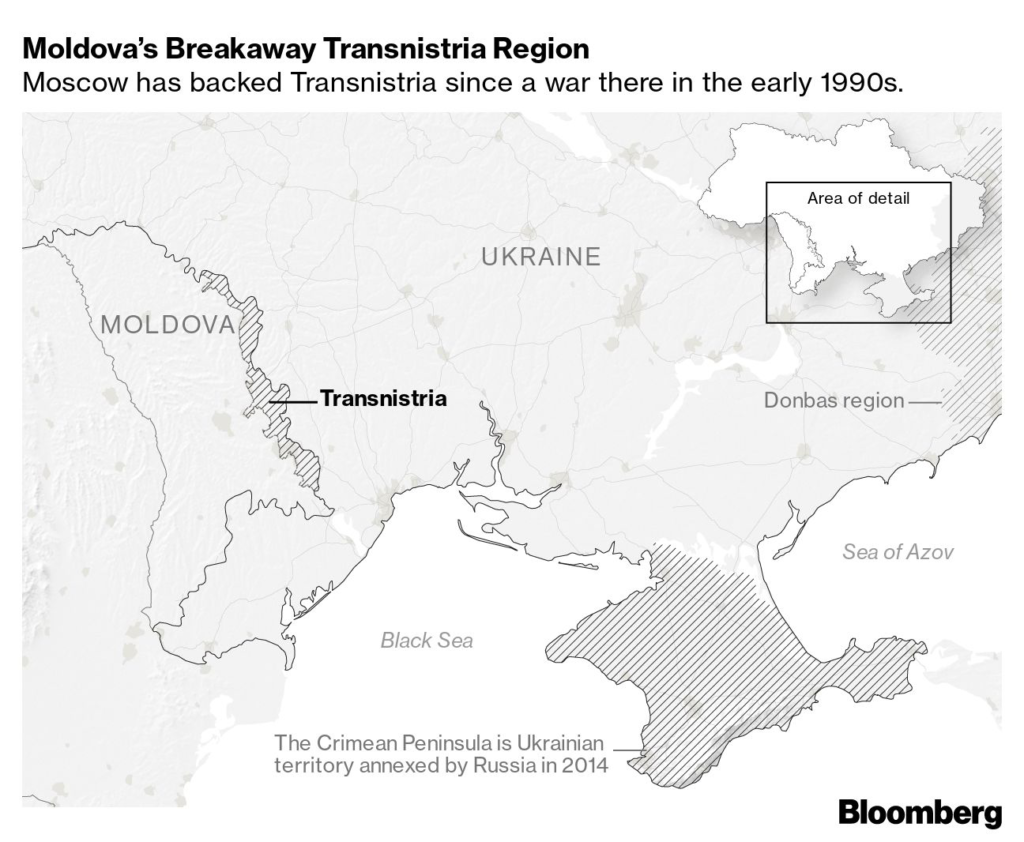
Tensions are rising in the pro-Russian separatist territory of Transnistria in Moldova, with ominous comments from Moscow raising fears that the conflict in Ukraine may extend to its neighbor. Just back from the enclave, a senior security monitor says neither side wants to get involved in Russian President Vladimir Putin’s war.

Claus Neukirch heads the Organization for Security and Co-operation’s mission to Moldova where he facilitates the search for a settlement over Transnistria, where breakaway authorities have been in conflict with various Moldovan governments for 30 years.  

The trip to Tiraspol, the capital of the self-declared republic, followed a series of unexplained explosions in Transnistria that set nerves jangling. Shortly before, a Russian general included Transnistria in Moscow’s war aims, arguing that ethnic Russians there were being abused.

What comes next in Ukraine is impossible to predict, and differences between Moldova and Transnistria run deep. With 1,500 Russian troops stationed in the territory, just 70 km (43.5 miles) north west of the Ukrainian port of Odesa, Moscow has a dominant voice.

Still, “this is also an opportunity,” said Neukirch, speaking on Saturday at the OSCE’s permanent mission in Chisinau, Moldova’s capital. “To a certain extent they are together in this crisis.”

The war has cut both sides off from a vital trade route, through the Black Sea port of Odesa, while Ukraine’s move to close its land border with Transnistria has for the first time forced all of the territory’s exports and imports to pass westward, through Moldovan customs.

For all its pro-Russia orientation, 54% of exports from Transnistria went to the European Union in 2021, compared with 14% to Russia and 9% to Ukraine, according to the European Union’s Border Assistance Mission to Moldova and Ukraine. That trade would be jeopardized should Russia take control of the territory, a move that would subject it to U.S. and EU sanctions.

On Friday, Moldovan and Transnistrian negotiators staved off a potential energy crisis, extending a contract for Moldova to buy electricity from power plants over the Dniester River, in Transnistria, ahead of Sunday’s expiration date. 

At the same time, Moldovan officials agreed to allow a metals factory important to the Transnistrian economy to keep working for a similar period, while ecological concerns are ironed out. The plant is a significant revenue earner and employer, exporting much of its product to Poland and importing scrap metal to feed its furnaces from Romania, both EU member states.

“We support all the positive processes that take place here,” said Artur Dmochowski, special envoy to the OSCE’s current Polish chair, in a statement on Saturday. He had traveled to Tiraspol with Neukirch. “We welcome the recent involvement of the sides at a high level, which allowed the resumption of the activity of the metallurgical plant in Râbnița.”

There’s more cause for concern than hope, however, so long as the war in Ukraine continues. Earlier in the week, a series of attacks and explosions were reported on Transnistrian soil, including at the headquarters of the state security building, an airfield, and a large AM radio transmitter.

Nobody was injured and no one claimed responsibility. The Transnistrian authorities blamed Ukraine for the attacks, while Ukraine accused Russia, and Moldova cited pro-war factions within Transnistria.

Russian forces at the same time destroyed the only bridge connecting a region of Ukraine south of Odesa to the rest of the country. That heightened long-held concerns in the port city that Russia’s Black Sea Fleet could attempt an amphibious landing in an area Ukrainian forces were unable to reach, and then march north to Transnistria, creating a new front in the war.

With the bridge destroyed, any Ukrainian forces heading south, or Russian ones on their way to Transnistria, would have to pass trough territory controlled by Moldova, which has minimal armed forces.

Who was responsible for the attacks and what plans Russia has for Transnistria or Moldova more widely, remains unclear. The Russian military’s ability to pull off such an amphibious attack, or to support it by breaking through Ukrainian defenses to reach Transnistria from the east appear, for now, limited.

Even so, the moves have left Moldova in a precarious situation: Still dependent on Moscow for much of its energy supplies, vulnerable to propaganda pumped across the Russian TV channels that still air across the country, and politically divided.

The Russian threat to break a corridor through to Transnistria came a day after Moldova’s President Maia Sandu signed into a law a ban on the display of two Russian pro-war symbols – the ‘Z’ painted on Russian tanks, and the St. George ribbon that commemorates the Soviet Union’s World War II victory over Nazi Germany.

Russian Foreign Ministry spokeswoman Maria Zakharova said the consequences of the ban would be “painful” for Moldova. Officials in Chisinau are awaiting with apprehension the annual Victory Day celebrations on May 9, when many traditionally wear the St. George ribbon.

That, Moldova’s Foreign Minister Nicu Popescu said in a video briefing, is “a very dangerous new moment in the history of our region.”  

More stories like this are available on bloomberg.com

©2022 Bloomberg L.P.

Bored Ape Metaverse Frenzy Raises Millions, Disrupts Ethereum

(Bloomberg) — Yuga Labs, the creator of the popular Bored Apes Yacht Club collection of NFTs, shepherded a sale of virtual land related to its highly anticipated metaverse project, raising about $320 million in the largest offering of its kind. Demand was so strong that activity related to the event caused ripple effects across the entire Ethereum blockchain, disrupting activity and raising transaction fees. 

Holders of the ApeCoin cryptocurrency who verified their identities jockeyed to buy deeds for the 55,000 parcels of virtual land in Otherside, the project’s planned metaverse game. Anticipation of strong interest had pushed up the price of ApeCoin earlier this week ahead of the sale of the plots, Ethereum-based NFTs called Otherdeeds.

Each plot cost a buyer around $5,800 based on ApeCoin’s price of $19 as of Saturday, plus transaction costs, or “gas fees,” in Ether, which skyrocketed after the sale went live at 9 p.m. New York time as the land grab attracted heavy demand. Transaction costs just to mint Otherdeed NFTs after the launch reached $123 million, with each Otherdeed requiring about $6,000, or 2 Ether, in transaction fees to mint, according to data from Etherscan — or more than the price of the deed itself.

“Yuga Labs’ virtual land sale has triggered one of the highest spikes in transaction fees on Ethereum,” said Jason Wu, founder of decentralized lending protocol DeFiner. “I have seen other NFT launches causing high gas fees, but this is definitely one of the highest,” Wu said.

Minting a token or making a transaction on Ethereum requires token creators or traders to pay a fee to those that order transactions on the network. Transaction fees go higher when the network becomes congested given more fees are needed to prioritize a transaction. That can impact the Ethereum-based business of apps like Uniswap, effectively slowing the transactions on these other platforms.

Yuga Labs initially planned for the sale to be held in a Dutch Auction format in which the price of the Otherdeed NFT would go down over time to prevent Ethereum from being congested with high transaction fees. However, it later scratched the format and went with another plan to cap the number of Otherdeeds that could be purchased per wallet in each wave of the sale. The new plan failed to ease the anticipated congestion. Yuga Labs apologized on Twitter for “turning off the light on Ethereum,” and suggested the possibility of establishing an ApeCoin blockchain.

The ApeCoins raised in the sale will be locked up — meaning that they can’t be sold, thus reducing coins in circulation — for one year, according to Otherside’s Twitter account. A Yuga Labs spokesperson declined on Friday to say whom the raised money would go to, or whether large holders of ApeCoin, including Andreessen Horowitz, Animoca Brands and others planned to participate in the land sale.

“Yes, we will be purchasing as well,” Animoca’s Yat Siu said in an email ahead of the sale, adding that there are restrictions on how many NFTs a single digital wallet can buy in different phases of the land deed sale.

Besides the 55,000 Otherdeeds sold Saturday, another 45,000 were to be made available to holders of Bored Ape Yacht Club and Mutant Ape NFTs, as well as Yuga Labs and other project developers, with another 100,000 of the tokens expected to be awarded later to certain Otherdeed holders, according to the Otherside website. 

ApeCoin is striving to become widely used in a variety of so-called web3 apps, using digital coins and blockchains. The idea is for owners to be able to access a variety of events, services, merchandise and games. It’s also the governance token of ApeCoin DAO, whose board includes Reddit Co-founder Alexis Ohanian, FTX’s Amy Wu and Animoca’s Siu. Ahead of the Otherdeed sale Saturday evening, OpenSea said it would accept ApeCoin.


Venture capital investors that helped with ApeCoin’s March launch, including Andreessen Horowitz and Animoca, were some of the biggest recipients of ApeCoin, which was created as an “airdrop,” in which certain groups of crypto holders automatically received 1 billion tokens as a reward. They and other launch partners received 14%, or 140 million tokens. ApeCoin’s price has nearly tripled since the coin’s release, according to data from CoinMarketCap.

The frenzy around the land is in sharp contrast to much of the crypto market, which has been trading sideways in recent months, with bellwether Bitcoin down about 18% since the beginning of the year. Monthly sales volume on OpenSea, the world’s biggest NFT marketplace, were higher in April than in March, but still down from an all-time-high in January, according to data tracker Dune.

While many apps have sold virtual land for cryptocurrency before, most have seen only a small number of users and transactions. On Decentraland, for example, the number of transactions is down 35% in the last 30 days, according to data tracker DappRadar.

Otherside’s release date hasn’t been disclosed yet, according to the Yuga Labs spokesperson. A trailer from Yuga Labs shows an ape fishing out a bottle and drinking up its contents before launching on an adventure. Metaverse software company Improbable will help to build the Otherside platform. 

More stories like this are available on bloomberg.com

©2022 Bloomberg L.P.

Ukraine Latest: Civilians Evacuated From Mariupol Steel Plant

(Bloomberg) —

About 20 civilians were evacuated Saturday from the giant Azovstal steel plant in Mariupol, the besieged port city that’s suffered a weeks-long Russian assault. 

President Volodymyr Zelenskiy said that Moscow is stepping up attacks in the east of the country, and called on Russian soldiers not to fight.

U.K. Prime Minister Boris Johnson told Zelenskiy he was “more committed than ever to reinforcing Ukraine and ensuring Putin fails.” Meanwhile, U.S. Secretary of State Antony Blinken briefed Foreign Minister Dmytro Kuleba on the administration’s request to Congress for an additional $33 billion in aid.

The European Union is set to propose a ban on Russian oil to come into effect by the end of the year, with restrictions introduced gradually until then, officials say. 


(See RSAN on the Bloomberg Terminal for the Russian Sanctions Dashboard.)

Key Developments

  • EU to Propose Phasing Out Russian Oil by End of Year
  • Biden Seeks to Lure Putin’s Top Scientists to U.S. 
  • Putin’s Gas-for-Rubles Gambit Hits EU Fault Lines as Stakes Rise
  • China Calls Russia Relationship a ‘New Model’ for the World
  • How a Sanctioned Russian Company Gained Access to Sudan’s Gold

All times CET: 

Zelenskiy Urges Russian Troops to Leave Ukraine (12:00 a.m.)

Switching to Russian in his nightly video address, Zelenskiy urged Russian soldiers not to fight and instead leave his country. “Every Russian soldier can still save his own life,” he said. “It’s better for you to survive in Russia than to perish on our land.” The president said Moscow was “accumulating additional forces” for fresh attacks in the east. “They built up reinforcements in the Kharkiv region, trying to increase pressure in Donbas,” he said.

20 Civilians Evacuated From Steel Plant, Military Says (7:26 p.m.)

Some 20 women and children were evacuated from the besieged Azovstal steel plant in Mariupol on Saturday, according to Ukraine’s military.

In a video address on Telegram, the deputy commander of the Azov regiment, Sviatoslav Palamar, said he hoped the civilians would be transferred to Ukraine-controlled territory in Zaporizhzhya.

Earlier, the Tass news agency reported that about 25 civilians, including six children, had left the plant in what would mark the first significant evacuation from the giant industrial facility, the last pocket of resistance in Mariupol.

The United Nations has been trying to broker civilian evacuations in the port city. An estimated 2,000 Ukrainian military and 1,000 civilians, mostly women and children, remain holed up in Azovstal, which is surrounded by Russian forces and has been under heavy bombardment. 

Russian Air Strikes Target Odesa Airport (5:45 p.m.)

Multiple explosions were heard around Ukraine’s major Black Sea city of Odesa early Saturday evening, CNN reported, citing witnesses. The Ukraine military’s southern operational command said on its Telegram account that the runway at the city’s airport had been damaged.   

Ukraine Red Cross Says Office in Donetsk Was Bombed (4:27 p.m.)

The office bombed in Dobropillya was the relief agency’s eighth damaged or destroyed since the Russian invasion started Feb. 24, the Ukrainian Red Cross said on Twitter. 

Donetsk governor Pavlo Kyrylenko said on Telegram that seven people including a child had been injured in the shelling of residential buildings.   

Ukraine Seeks China’s Help to Stop War: Xinhua  (4:20 p.m.)

In an interview with China’s official Xinhua News Agency, Kuleba asked China to pressure Russia into making a truce. Kuleba said he believed the war wasn’t in China’s interests and asked Beijing to become one of the guarantors of Ukraine’s security.

EU to Propose Banning Russian Oil by Year-End (2:03 p.m.) 

The EU is set to propose that Russian oil be banned by the end of the year, with restrictions on imports introduced gradually until then, according to people familiar with the matter. 

The EU will also push for more banks from Russia and Belarus, including Sberbank PJSC, to be cut off from SWIFT, the international payment system, said the people. 

A decision on the new sanctions, the EU’s sixth round of measures against Russia, could be made as soon as the coming week at a meeting of the bloc’s ambassadors.  

Macron, Zelenskiy Speak For an Hour (1:52 p.m)

French President Emmanuel Macron spoke by phone with his Ukrainian counterpart on Saturday, according to the French leader’s office. 

Macron renewed his commitment to Ukraine’s sovereignty and territorial integrity, according to the readout. He said that France will strengthen its support for Ukraine in military equipment and humanitarian aid.

Zelenskiy, on Twitter, said the pair discussed Ukraine’s path to EU membership and the investigation of war crimes.  

Russia Says It Will Quit Space Station (12:17 p.m.)

The head of Russia’s space program said Moscow has decided to pull out of the International Space Station, state media reported, a move it’s blamed on sanctions imposed over the invasion.

“We’ll inform our partners about the end of our work on the ISS with a year’s notice,” Roscosmos general director Dmitry Rogozin said on state television, TASS and RIA Novosti reported.

Rogozin had already threatened to end Russia’s ISS mission unless the U.S., Europe and Canada lifted restrictions against enterprises involved in the Russian space industry.

Spring Planting Moves Forward in Ukraine (10:52 a.m.)

Ukraine’s farmers continue to plant spring grains and oilseeds despite Russian airstrikes on agricultural infrastructure, including grain elevators, local authorities said. Empty grain storage facilities in the Dnepropetrovsk were shelled early Saturday. 

Planting is ongoing in all but one region despite fighting in the east and south, with sowing of early crops already completed in six out of 24 regions apart from annexed Crimea, Ukraine’s agriculture ministry said. 

Ukraine’s Farmers Fight on the Front Line of Global Food Crisis

Finnish President Sees NATO Decision Mid-May (10:13 a.m.)

Finland and Sweden will have made up their minds on whether to join NATO before an official heads of state meeting in mid-May, Finland’s President Sauli Niinisto said, according to newspaper Ilta-Sanomat. 

Niinisto is due to travel to Stockholm May 17-18 to meet Sweden’s King Carl XVI Gustaf, as well as policy makers and dignitaries.

Ukraine Slowing Russian Attacks in the East, Think Tank Says (8:30 a.m.)

Ukrainian forces are slowing Russian advances in eastern Ukraine, where the battle for control of Donbas continues, according to the Institute for the Study of War. 

Russian troops secured only minor advances west of Severodonetsk and failed to advance on their front around Izyum over the past day, the U.S.-based think tank said. Counterattacks by Ukraine around Kharkiv may force Russia to redeploy some units intended for the Izyum axis.   

Russia continued to redeploy troops northward from Mariupol on Friday to support efforts to capture the Donetsk and Luhansk regions. 

Russia to Move Away from U.S. Dollar, Lavrov Tells Xinhua (3 a.m.)

Russia is seeking to move away from the U.S. dollar and rely less on imports while strengthening its independence in key technologies in response to sanctions over the war, Foreign Minister Sergei Lavrov told Xinhua. 

Negotiations between Russia and Ukraine are taking place daily via video, as delegations of the two countries work toward a draft of possible agreements, Lavrov said, adding that Chinese diplomats have been briefed on the discussions.  


More stories like this are available on bloomberg.com

©2022 Bloomberg L.P.

S. Korea’s Exports to China Drop Amid Fallout From Lockdowns

(Bloomberg) — South Korea’s exports to China dropped in April, highlighting the impact that Covid-related lockdowns in Chinese cities are having on supply chains around the region.

Shipments to China fell 3.4% from a year earlier, compared with a 16.6% gain in March, according to a release on Sunday from the South Korean trade ministry. Overall exports advanced 12.6% last month, while semiconductor sales increased 15.8%.

South Korea serves as a barometer of worldwide demand, with its manufacturing capability ranging from chips to displays and refined oil. The diversity of destinations for its overseas shipments also means its trade performance is something of a heat map for global economic activity.

Demand has been softening in Europe and China since Russia’s invasion of Ukraine and as more Chinese cities go into lockdown under the country’s Covid Zero policy. These twin risks to the global economy have further inflamed inflationary pressures and triggered renewed disruptions in supply chains.

Still, a strong recovery in the U.S. has helped maintain momentum for South Korean exports. Demand for technology products such as displays and semiconductors also remains resilient, allowing major exporters like Samsung Electronics Co. to report a surge in earnings.

South Korea’s heavy reliance on trade means it needs exports to hold up in order to prevent the economy from slowing further, and provide scope for the Bank of Korea to stick to its path of policy normalization. The central bank meets late this month and is battling to rein in stronger-than-expected inflation. It has been among the early movers in raising interest rates.

South Korea Economy Remains Resilient as Further Rate Hikes Seen

Sunday’s data also showed average daily shipments increased 15% in April from a year earlier. 

Total automobile exports advanced 6.1% in April, while shipments of wireless communications devices rose 8.3%.

Overall exports to the U.S. gained 26.4%, while those to Japan increased 6.2% and to the European Union they were up 7.4%.

Exports to the Commonwealth of Independent States fell 46.5%.

Overall imports rose 18.6%, mainly because of rising energy prices, bringing the nation’s trade balance to a deficit of $2.66 billion.

(Adds last four paragraphs with more trade details)

More stories like this are available on bloomberg.com

©2022 Bloomberg L.P.

Assassin’s Creed Publisher Ubisoft Draws Buyout Interest

(Bloomberg) — Ubisoft Entertainment SA, the video game publisher behind the “Assassin’s Creed” franchise, is attracting preliminary takeover interest from buyout funds, people with knowledge of the matter said. 

Several private equity firms including Blackstone Inc. and KKR & Co. have been studying the French business, according to the people, who asked not to be identified because the information is private. Ubisoft hasn’t entered into any serious negotiations with potential acquirers, and it’s unclear whether its major shareholder is willing to pursue a deal, the people said.

The family of Ubisoft Chairman Yves Guillemot is the company’s biggest investor with a 15% stake, data compiled by Bloomberg show. Shares of Ubisoft have fallen 41% in Paris trading over the past year, giving it a market value of about 4.8 billion euros ($5.2 billion). 

Deliberations are at an early stage, and there’s no certainty any of the suitors will proceed with offers, the people said. 

Representatives for Blackstone and KKR declined to comment. Ubisoft said in an emailed statement it’s built a strong portfolio and is ideally positioned to capitalize on emerging opportunities amid rapid growth in the industry. The company declined to comment on any takeover interest. 

Ubisoft was founded in 1986 by five brothers from the Guillemot family. The company’s shares have been battered over the past year amid concerns over delayed launches and lower productivity levels compared to peers. 

French media giant Vivendi SE agreed in 2018 to sell its stake in Ubisoft after its typical strategy of seeking creeping control failed to pan out. The exit was a victory for Ubisoft’s leader Guillemot, who sought to ward off a takeover attempt by Vivendi’s billionaire backer Vincent Bollore.

More stories like this are available on bloomberg.com

©2022 Bloomberg L.P.
Crypto’s Use for Humanitarian Aid Limited, U.S. Official Says

(Bloomberg) — There are limits to how much digital assets can be used to provide humanitarian relief to countries in crisis, a U.S. Treasury official said Friday. 

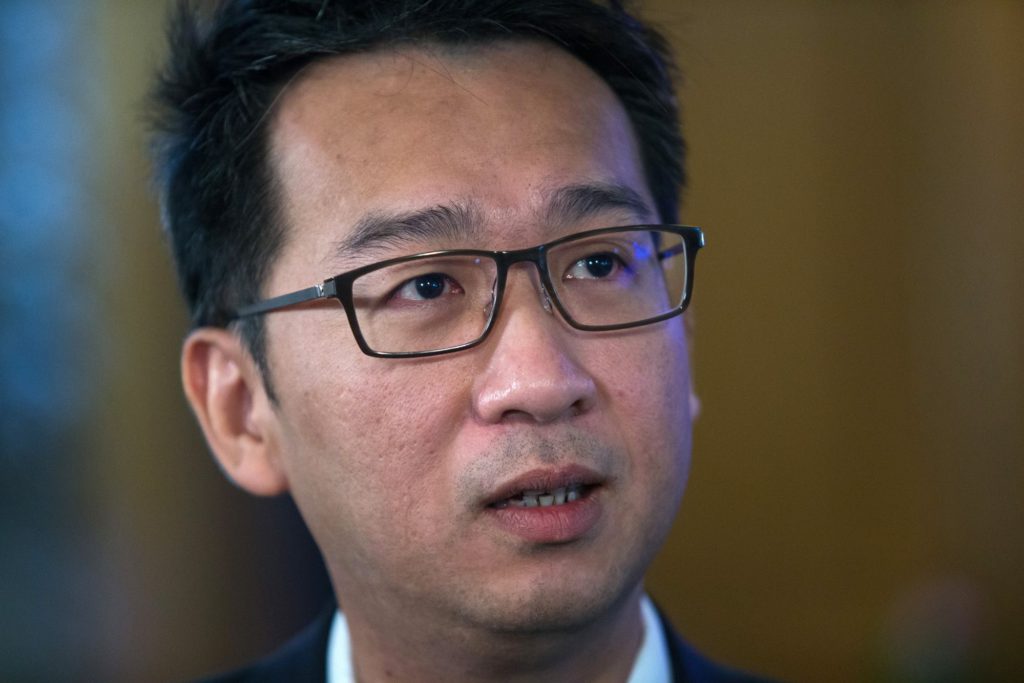
“I personally remain skeptical that digital assets will radically change the way the overall global financial system operates or transfers funds in a crisis — at least as they stand today,” said Elizabeth Rosenberg, assistant secretary for terrorist financing and financial crimes at the Treasury Department. 

“We should be realistic about the limits of digital assets and their utility for humanitarian efforts,” she said at an event in Washington held by the Institute of International Finance. 

Rosenberg’s comments came after executives from companies at the event including Circle Internet Financial Limited, Coinbase Global Inc., and Ribbit Capital touted examples where digital assets have been a source of humanitarian aid. Ukraine, for instance, has raised more than $100 million in crypto donations that it’s put toward military equipment and other supplies as it tries to fend off Russia’s invasion. 

Related: Ukraine’s Crypto Army Is Both Inspiration and Cautionary Tale

Roya Mahboob, an Afghan entrepreneur who is the co-founder and chief executive officer of the Digital Citizen Fund, said cryptocurrency “has provided a small but critical financial lifeline” for Afghan citizens as the country’s banking system nears collapse months after the Taliban took control.  

Rosenberg said there are some instances where digital assets can help, but there are limitations that prevent it from having far-reaching effects. Less developed nations like Afghanistan lack certain infrastructure, including reliable internet connectivity and access to an economic system capable of processing cryptocurrency into necessary goods and services, she said. 

“It’s hard to envision widespread use of digital assets to meet humanitarian needs,” she said. 

More stories like this are available on bloomberg.com

©2022 Bloomberg L.P.
Harry’s Moves Beyond Cheap Razors for Next Growth Spurt

(Bloomberg) — Harry’s Inc. catapulted to fame by selling sleek, low-priced razors over the internet. A decade on, it’s now generating more than half of its sales from brick-and-mortar stores, its founders said. 

The closely held company, which made a splash taking on what founders Andy Katz-Mayfield and Jeff Raider saw as big corporations’ overpriced offerings, is seeing the sales payoff from its expansion to traditional retailers such as Target Corp. It’s also growing in overseas markets, including France and Germany, and entering new categories such as women’s shaving, haircare, deodorant and even cat products. 

The moves by Harry’s could shed light on what’s next for direct-to-consumer businesses as enthusiasm for the model wanes, given many businesses have struggled to turn a profit or maintain growth. In an interview, Katz-Mayfield said there’s still a lot of “unmet consumer need.” In addition to its shaving business, the company now owns brands including Cat Person and the hair care line Headquarters.  

Raider pointed to growth potential in the company’s core lines of toiletries and razors. But the company has also made inroads into other areas — last year 43% of Harry’s revenue came from categories other than shaving. The New York-based company has high hopes for businesses such as pet care and wellness products. 

In December, Harry’s made its first-ever acquisition of a brand with the purchase of deodorant startup Lume for an undisclosed price. The brand, founded by a gynecologist looking to help clients dealing with below-the-belt odor, is the kind of solution to a real problem that Harry’s is looking to develop or acquire, according to Katz-Mayfield.

$2 Billion Valuation

Investors remain optimistic: Harry’s raised $140 million earlier this year to help fund continued growth and is currently valued at around $2 billion. It had completed a $155 million funding round in 2021 at a $1.7 billion valuation following an acquisition attempt by Edgewell Personal Care Co. that was thwarted by U.S. antitrust regulators. 

The co-founders declined to comment on the timing of a potential public offering. Harry’s is “pretty excited about being an independent company right now,” Raider said. 

They didn’t dismiss the possibility of a listing, however. “We think Harry’s over time can and should be an interesting, attractive public company,” Katz-Mayfield said. 

Harry’s belongs to a group of startups that launched in the last decade focusing on internet sales and subscription services. Now that many of these brands are well established, investors are watching to see whether they can maintain momentum. Many, such as bedding seller Brooklinen, are increasingly turning to physical retail. 

Sales last year grew 47% to $547 million, including the Lume acquisition, with 54% of that total coming from brick and mortar, Harry’s said. The company first entered the mass retail market in 2016, and its products are available at large stores including Target in the U.S., Walmart Inc. in Canada and Tesco Plc in the U.K. 

Competition in consumer goods has intensified, however, and growth will likely get harder to come by. That’s illustrated by the recent troubles of Honest Co. — another startup that’s in some of the same categories as Harry’s — which has been punished in the stock market on weaker-than-expected results and guidance. 

Harry’s posted a profit in 2020 and then dipped back into the red in 2021 after boosting investment, in part to improve its supply-chain management. Logistical difficulties also weighed on results. The company is confident it’s on the path to sustainable profits. 

Blades sold under the Harry’s brand — which also offers other personal care products such as body wash — accounted for 9.7% of the U.S. men’s razor market category in 2021, according to data compiled by Euromonitor International Plc. The Flamingo brand was 3.9% of the women’s market, making it a potential growth area for Harry’s. The company said its market shares are larger when excluding disposable razors.


More stories like this are available on bloomberg.com

©2022 Bloomberg L.P.

Close Bitnami banner
Bitnami