Bloomberg

Maker of $777,000 Flying Motorbike Prepares for IPO in Japan

(Bloomberg) — A former Merrill Lynch derivatives trader with a passion for Star Wars is preparing to take his flying motorbike startup public in Japan.

Tokyo-based ALI Technologies Inc. was founded by Shuhei Komatsu as a drone maker in 2016 before moving on to more ambitious ventures, opening sales of its Xturismo Limited bike in October. The $777,000 single-person transporter can hit a max speed of 80kmh (50mph) and travel up to 40 minutes per charge, according to the company. The bike has so far largely figured as a curio at public events such as a recent baseball game, but ALI President Daisuke Katano says there’s strong interest in it from Middle Eastern nations.

“The need for these bikes will be higher in places with desert or other difficult terrain,” Katano said in an interview. “The vehicle will enable people to travel where roads are bad and inaccessible to cars, as well as across bodies of water.”

The company has selected lead underwriters for an initial public offering on Tokyo’s Mothers market for startups in what will be the country’s first debut of its kind. It’s presently engaged in discussions with the Tokyo Stock Exchange, Katano said, declining to specify an estimated valuation or a timeline for the offering.

Flying personal vehicles have been the stuff of science fiction for decades before Star Wars, which featured a famous racing scene with pods zooming along close to ground level. Electric-air transportation is now moving closer to reality as the first wave of designs by startups like Joby Aviation Inc. reach maturity and developers tap investors for funding. Billions of dollars flowed into the sector in 2021, as well as an impressive number of orders, mostly from commercial airlines. The next 18 months will be pivotal for the fledgling industry, as manufacturers run vital test flights and finalize plans for so-called vertiports and regulators consider how best to guarantee safety.

The ALI bike is not intended to fly far up in the air, primarily helping to traverse inhospitable terrain. It’s built like an enlarged drone with a traditional motorcycle seat and steering on top.

Founder Komatsu has described his aim as realizing an “air mobility society,” where cars, bikes and other vehicles can transport people in the sky.

No, Really, Flying Taxis Are Getting Closer to Giving You Rides

ALI has attracted investment from several well-known Japanese firms, including Sega Sammy Holdings Inc., Nagoya Railroad Co., Nakanihon Air Service Co., Kyocera Corp. and Mitsubishi Electric Corp. Soccer star Keisuke Honda, who played for the national team at the 2018 World Cup, is also a backer. ALI’s drones were the first thing to attract investors, but the startup is also developing capabilities in artificial intelligence and blockchain tech, a Nagoya Railroad spokesman said. 

“There are expectations for growth, so once products like these make it to the headlines, the company’s stock could be bought up, getting a boost from retail investors,” said Tomoichiro Kubota, a senior market analyst at Matsui Securities Co. “But the company is not yet at a level where people could talk about a detailed earnings outlook, which makes it hard to pin an appropriate valuation figure.”

While a successful IPO will make ALI the only listed company in Japan that specializes in next-generation air mobility, several peers are already trading on New York exchanges. This includes Joby, Archer Aviation Inc., Lilium NV and Vertical Aerospace Ltd.

Joby, which has a market capitalization of more than $3 billion, is close to commercializing what the industry calls eVTOLs, or electric vertical takeoff and landing aircraft. These flying taxis are battery-powered and, the companies say, destined to fly without a pilot once regulations allow.

How Do the Leading Flying Taxi Companies Compare?

“Air mobility companies listed in the U.S. have pretty sizable market caps,” Katano said. “If you consider our company to be of a similar kind, I think we’ll be able to win the understanding of investors for a decent valuation.” 

ALI will aim for a unicorn valuation — $1 billion or more — over the long term, Katano added. But the company has yet to decide on the best way to categorize its vehicle, which will depend on discussions with local regulators where the product is sold.

Read this next: Amazon’s Drone Delivery Program Is Hit by Crashes and Safety Concerns

“We think our aircraft could be categorized differently to existing airplanes,” Katano said. “It doesn’t travel on the ground, but still flies closer to land and at low altitudes.”

(Updates to add a Quicktake video)

More stories like this are available on bloomberg.com

©2022 Bloomberg L.P.

Battery Giant CATL Isolates Workers to Avoid Covid Shutdown

(Bloomberg) — Contemporary Amperex Technology Co. Ltd., the world’s biggest maker of electric-vehicle batteries, has implemented a so-called closed loop for workers at its main factory in China in a bid to avoid the kind of Covid-19 shutdowns hurting Tesla Inc. and Volkswagen AG.

Workers will be shuttled between their dormitories and the factory in Ningde, where an outbreak of Covid cases has prompted the local government to tighten prevention and control measures, the company, better known as CATL, said in a statement Sunday.  

“To ensure market supply to the best of our capabilities, we have adopted strict grid management measures for the orderly operation of the Ningde production base,” the company said.

Automakers including Tesla and Volkswagen have been forced to suspend production at their factories in Shanghai, with the city of 25 million locked down to curb the spread of the highly infectious omicron variant. Chinese EV upstart Nio Inc. said Saturday it has halted production and delayed deliveries because many of its suppliers have had to suspend operations, particularly in Shanghai and Jilin, which is also under lockdown.

CATL said it has “strengthened communication with the local government” to tackle the pandemic. Workers will catch a dedicated shuttle bus between their dormitories and the factory to “prevent the spread of the coronavirus disease to the greatest extent possible.” 

The battery maker holds about a 50% market share in China, and has more than 30% of the global market, according to Bloomberg Intelligence.

CATL is a key supplier to Nio, which delivered almost 10,000 vehicles to customers in March.

More stories like this are available on bloomberg.com

©2022 Bloomberg L.P.

Amazon’s Drone Delivery Program Is Hit by Crashes and Safety Concerns

(Bloomberg) — Jeff Bezos went on 60 Minutes in 2013 and pledged to fill the skies with a fleet of delivery drones that could zip parcels to customers’ homes in 30 minutes. Asked when this future would arrive, the Amazon.com Inc. founder said he expected drone deliveries to commence in the next five years or thereabouts.

Almost a decade later, despite spending more than $2 billion and assembling a team of more than 1,000 people around the world, Amazon is a long way from launching a drone delivery service. 

A Bloomberg investigation based on internal documents, government reports and interviews with 13 current and former employees reveals a program beset by technical challenges, high turnover and safety concerns. A serious crash in June prompted federal regulators to question the drone’s airworthiness because multiple safety features failed and the machine careened out of control, causing a brush fire. While experimental aircraft are expected to crash during test flights, current and former employees say pressure to get the program back on track has prompted some managers to take unnecessary risks that have put personnel in harm’s way.

“With rigorous testing like this, we expect these types of events to occur, and we apply the learnings from each flight towards improving safety,” Amazon spokesman Av Zammit said in an emailed statement. “No one has ever been injured or harmed as a result of these flights, and each test is done in compliance with all applicable regulations.”

Amazon plans to ramp up testing in the coming months. Having missed a goal of conducting 2,500 test flights last year, according to documents reviewed by Bloomberg, the company has set an even loftier target of 12,000 for 2022—although fewer than 200 had been completed as of late February. The company plans to add new testing locations this year in College Station, Texas, about 100 miles northeast of Austin, and Lockeford, California, near Stockton. Amazon also hopes to start testing drones beyond the sight of flight observers, according to documents reviewed by Bloomberg, a key step toward proving their ability to fly autonomously.

It will be years before the Federal Aviation Administration approves commercial drone deliveries, although the agency is letting companies conduct test flights in increasingly populated areas so long as they don’t pose significant safety risks. But the prospect of replacing human drivers with flying robots appeals to online retailers because 30-minute shipping is expected to become standard for certain deliveries, such as medicine, snacks and baby products.

Amazon drones could fan out up to 7 miles (11 km) from a delivery station, breezing above traffic to deliver packages weighing as much as 5 pounds (2.3 kg) within a half-hour of a customer clicking “buy.” The speed would finally make ordering from Amazon as quick as a trip to the store and help offset one of the biggest costs of e-commerce: paying someone to drive packages to homes.

The Seattle-based company is under growing pressure to keep up with deep-pocketed rivals. Just last week, Alphabet Inc.’s Google Wing accelerated its own drone testing program by starting to ferry packages to shoppers from Walgreens in a 90-square-mile suburban area north of Dallas. Walmart Inc. and United Parcel Service have their own drone programs in varying stages of development. 

Even Amazon’s toughest internal critics don’t question the technology’s potential, but current and former employees say the company is doing what it has done so many times before: putting speed before safety in the name of beating the competition. “Someone is going to have to get killed or maimed for them to take these safety issues seriously,” said Cheddi Skeete, a former Amazon drone project manager who says he was fired last month for raising concerns to his managers. “How can we bring these tests to more communities when we know we have problems.”  Spokesperson Zammit denied Skeete was terminated for speaking up.

The FAA declined to comment on the crashes, but said its testing requirements were designed to protect the public. “Flight testing is a critical part of all aircraft certification projects,” the agency said. “FAA flight-testing approvals contain provisions to ensure it occurs safely, without posing a hazard to people, property or other aircraft.”

In 2013, Amazon tapped aviation buff and software engineer Gur Kimchi to run its nascent drone program, now known as Prime Air. Designing delivery drones promised to be a heavy lift—and Amazon made the challenge all the harder by opting to create a completely new machine itself rather than farming out pieces of the design and building of prototypes to other companies. Kimchi favored a D.I.Y approach because doing so gave the team control over the final design, but former and current employees said the decision slowed development. For example, personnel wound copper wire around electric motor magnets themselves when an outside vendor could have done it faster. Even the prototypes were built in-house by hand.

The machines Bezos revealed on 60 Minutes resembled something you might see in a local park and simply weren’t up to the task; they could barely fly a mile and got tossed around in wind gusts. Amazon wanted a drone that blended the ability of a plane to fly long distances with the maneuverability of a helicopter that can swiftly change direction to avoid trees and power lines and hover over a back yard during inclement weather. The drones also needed to fly and find their destination with no human intervention.

The team went through more than two dozen concepts. The work was tedious and slow. The drones required new software that would allow on-board cameras to recognize and react to obstacles and differentiate between things like swimming pools and driveways. The team ultimately settled on a large 85-pound drone because they wanted it to be capable of carrying a 5-pound parcel—a payload that covers about 85% of the packages Amazon delivers. Extending the range as much as possible was key because every extra mile meant the drone could serve a larger population. Bezos was patient with the team so long as it meant creating a superior machine, according to a senior executive familiar with the program.

With six propellers, Amazon’s drone can shift from flying up and down to flying forward, a difficult engineering feat that had already bedeviled the U.S. military’s notoriously over-budget V-22 Osprey aircraft. The drone’s wings encase the propellers, helping it fly more efficiently over long distances and providing an additional layer of protection around the spinning blades.

Kimchi took safety seriously and gave his team time to fix defects rather than rushing them, according to people who worked for him. Information was shared freely, and employees were allowed to watch video of crashes to assess what went wrong. “The Prime Air group had a pretty strong safety culture,” said one former employee, who requested anonymity to discuss internal matters without authorization. “I remember even just the software meetings, we always had to open our meetings with someone volunteering a safety tip. They definitely weren’t playing fast and loose.”

Yet as the team struggled to get the drone’s various components working seamlessly together, one deadline after another came and went, according to a former employee. Jeff Wilke, who then ran Amazon’s consumer division, wanted to demonstrate the drone at a 2019 tech conference and announce that deliveries would begin by the end of that year. During a meeting with the drone team, he shared the goal to make sure everyone was on the same page. Employees knew the timing was unrealistic but dared not challenge him, according to people who were there.

Wilke showed off the drone at a Las Vegas hotel, playing video of it operating and touting the potential upsides for customers. He didn’t provide a date for the start of deliveries, saying they’d begin in “months.” Several employees watching the presentation recall thinking Kimchi wouldn’t be around much longer. The following year, the drone program became part of Amazon’s operations team, another sign executives wanted to move things along, and Kimchi was out as the boss. He left Amazon later that year. 

“He overpromised and underdelivered,” said one former employee, who requested anonymity to discuss an internal matter. “That said, I think if the guy wasn’t so positive, or overambitious about the timelines, I don’t know if Prime Air would exist.” Kimchi declined to comment.

In March 2020, Amazon hired David Carbon to run the drone program. The Boeing Co. veteran arrived with baggage. A New York Times investigation had previously revealed that a Boeing 787 factory that Carbon ran in South Carolina tended to value production over safety. Several employees told the newspaper they’d been retaliated against for raising safety concerns. Though the problems pre-dated Carbon’s arrival, they continued on his watch, the Times reported. Boeing executives defended the plant’s commitment to safety, but a month later Carbon was on his way out.

When Amazon announced his hiring internally the following year, an interim director of the drone program told the team not to believe everything they read in the press, according to current and former employees. That didn’t stop them from googling Carbon on their smartphones during the meeting. Still, these people acknowledge that Carbon brought discipline and focus to the program. His long industry experience helped accelerate development and he began farming out some drone production. He closed facilities in England and France and moved some image-recognition work to lower-cost Costa Rica.

But current and former employees said it wasn’t long before Carbon began pushing speed over safety. Amazon didn’t make the drone chief available for an interview, but spokesperson Zammit said Carbon “has over 25 years of experience bringing aerospace innovations to scale safely and reliably, and we’re excited that he’s leading the next phase of our mission to bring 30-minute delivery by drones to customers.”

Last year, an Amazon team was preparing for a flight at a Crows Landing testing facility in California’s Central Valley about 20 miles south of Modesto. Some of the crew worried they would violate FAA testing guidelines because a farmer was driving a tractor in the flight path. After a debate, according to personnel who were there, a team leader said the test would be safe so long as the drone wasn’t directly above the farmer.  They conducted the test without incident, but some employees said the boss had improperly interpreted the FAA rules. 

“We always clear the test area before beginning each flight test,” Zammit said in the emailed statement. “In this instance, a farm vehicle entered the field after we launched. The crew safely and quickly landed the drone.”

David Johnson was a drone flight assistant for about a year, mostly at remote testing facilities in rural Oregon. He said Amazon often conducted tests without a full flight team and inadequate equipment, forcing employees to handle more than one role. For example, he said, someone responsible for a pre-flight drone inspection would quickly pivot to flight observer, which requires watching out for potential obstacles. Johnson said he once warned his bosses that his laptop had a broken keyboard but wasn’t given a replacement in time for a test. He went ahead with an external keyboard that made it difficult to complete a pre-flight inspection in time. Johnson said he was still completing his checklist when the drone took off, earning him a reprimand for taking his eyes off the aircraft. 

“They give people multiple things to do in a very narrow window of time to try to boost their numbers, and people cut corners,” Johnson said. “They were more concerned about pumping flights out and didn’t want to slow down.” Two former Amazon employees corroborated Johnson’s account that crew members have been assigned multiple roles to keep tests going if the full team isn’t present.

Amazon’s Zammit called those claims false. “Crew members are assigned to only one role per flight,” he said. “Before each flight test, crew members are briefed on their individual role. We do not set time limits for completion of any aspect of our flight tests, and our team can take their time to complete their roles safely.”

While information flowed freely during the Kimchi era, Carbon put a stop to that, according to current and former employees. They said he was sensitive about language in written documents due to potential liability or regulatory scrutiny and let only select people view video of crashes, a move some employees interpreted as fear that clips would be leaked to the media. During a meeting, according to several people who were there, one employee suggested safety concerns were being “swept under the rug.” Carbon bristled, these people said, and cautioned the employee to be more careful with his choice of words. They said Carbon’s reaction had a chilling effect, discouraging others from speaking out.

“The people most worried about safety were the ones conducting flights in hazardous situations and the ones least concerned about safety were the ones sitting behind a desk somewhere,” said one former employee, who requested anonymity to discuss internal matters without authorization.

Over a four-month period last year there were five crashes at a testing site in Pendleton, Oregon, a remote agricultural area in the high desert known for its annual rodeo and whiskey festival. Accidents are inevitable in an aviation testing program, where equipment is deliberately pushed to the max to determine breaking points and improve the vehicle’s design. But these were vehicles Amazon was hoping to deploy for public tests.

In May, a drone propeller dislodged, causing the vehicle to tumble and crash upside down while its other motors were still running. The machine sustained substantial damage. Amazon employees cleared the wreckage before notifying federal officials so no inspection was conducted. The FAA advised the company not to disrupt crash sites in the future, federal records show.

In June, a drone motor conked out while the vehicle was transitioning from a vertical climb to forward motion. The automatic safety feature designed to land the machine in such instances didn’t work. The aircraft flipped upside down, and a stabilizing safety function also failed. “Instead of a controlled descent to a safe landing, [the drone] dropped about 160 feet in an uncontrolled vertical fall and was consumed by fire,” the FAA wrote in a report on the incident. The ensuing blaze scorched 25 acres and was extinguished by the local fire department. Insider previously reported some of the incident’s details and last week published a report on the high costs of Amazon drone delivery.

“After all those years and all the money invested, you would expect better,” said Antoine Deux, who was a senior engineer on the drone program for four years before leaving in 2018. He said Amazon’s drone is too heavy compared with Google’s aircraft, which weighs about 11 pounds. “Every time you increase the weight of the load, the drone gets heavier, needs more batteries,” Deux said. “It’s a vicious circle.”

With crashes proliferating, morale on the team worsened and employees began departing. Some took jobs at Amazon Web Services while others left the company altogether. Some who had trouble meeting the pace their managers demanded were offered severance packages. Departures in 2021, Carbon’s first full year running the department, exceeded 200 people, more than double the previous year, according to documents reviewed by Bloomberg.

Cheddi Skeete had a front-row seat on the department’s turmoil. A former flight attendant, he started as a drone flight assistant and was put in charge of improving morale. Skeete traveled frequently to get to know workers on the front lines and identify problems. In Corvallis, Oregon, he discovered there were no portable toilets on a testing range leased from a local farmer. Female employees had to radio the entire team when they needed a bathroom break, forcing testing to be suspended while they searched for facilities off-site. Skeete said he reported the situation but was told the property owner didn’t want portable toilets on his land. The testing continued, and Skeete said he continued to question the wisdom of assigning people to a job with no restrooms. Amazon said it later installed portable toilets at the testing range.

In another instance, Skeete spoke up about plans to keep testing drones just five days after a motor failed and a drone crashed. Those eager to continue tests assured the team they had checked roughly 180 motors on some 30 other drones, Skeete said. But he doubted this because testing each engine is time consuming. Amazon disputed the number of motors requiring checks.

Shortly afterward, Skeete told his boss he no longer wanted to work for him. Skeete was advised to seek a different role at Amazon and said he applied for more than 30 positions. After his replacement was hired, Skeete spent weeks on the payroll with nothing to do. He filed an internal ethics complaint laying out his safety concerns but was told no such issues had turned up. Last month Skeete was fired and offered what he deemed a small severance package in exchange for signing a nondisclosure agreement.

“I didn’t sign it because I’m someone who speaks up for myself and others,” Skeete said. “So many people before and after me have not been willing to speak up.” —With Alan Levin and Benoit Berthelot


More stories like this are available on bloomberg.com

©2022 Bloomberg L.P.

Amazon Drone Crashes Hit Jeff Bezos’ Delivery Dreams

(Bloomberg) — Jeff Bezos went on 60 Minutes in 2013 and pledged to fill the skies with a fleet of delivery drones that could zip parcels to customers’ homes in 30 minutes. Asked when this future would arrive, the Amazon.com Inc. founder said he expected drone deliveries to commence in the next five years or thereabouts.

Almost a decade later, despite spending more than $2 billion and assembling a team of more than 1,000 people around the world, Amazon is a long way from launching a drone delivery service. 

A Bloomberg investigation based on internal documents, government reports and interviews with 13 current and former employees reveals a program beset by technical challenges, high turnover and safety concerns. A serious crash in June prompted federal regulators to question the drone’s airworthiness because multiple safety features failed and the machine careened out of control, causing a brush fire. While experimental aircraft are expected to crash during test flights, current and former employees say pressure to get the program back on track has prompted some managers to take unnecessary risks that have put personnel in harm’s way.

“With rigorous testing like this, we expect these types of events to occur, and we apply the learnings from each flight towards improving safety,” Amazon spokesman Av Zammit said in an emailed statement. “No one has ever been injured or harmed as a result of these flights, and each test is done in compliance with all applicable regulations.”

Amazon plans to ramp up testing in the coming months. Having missed a goal of conducting 2,500 test flights last year, according to documents reviewed by Bloomberg, the company has set an even loftier target of 12,000 for 2022—although fewer than 200 had been completed as of late February. The company plans to add new testing locations this year in College Station, Texas, about 100 miles northeast of Austin, and Lockeford, California, near Stockton. Amazon also hopes to start testing drones beyond the sight of flight observers, according to documents reviewed by Bloomberg, a key step toward proving their ability to fly autonomously.

It will be years before the Federal Aviation Administration approves commercial drone deliveries, although the agency is letting companies conduct test flights in increasingly populated areas so long as they don’t pose significant safety risks. But the prospect of replacing human drivers with flying robots appeals to online retailers because 30-minute shipping is expected to become standard for certain deliveries, such as medicine, snacks and baby products.

Amazon drones could fan out up to 7 miles (11 km) from a delivery station, breezing above traffic to deliver packages weighing as much as 5 pounds (2.3 kg) within a half-hour of a customer clicking “buy.” The speed would finally make ordering from Amazon as quick as a trip to the store and help offset one of the biggest costs of e-commerce: paying someone to drive packages to homes.

The Seattle-based company is under growing pressure to keep up with deep-pocketed rivals. Just last week, Alphabet Inc.’s Google Wing accelerated its own drone testing program by starting to ferry packages to shoppers from Walgreens in a 90-square-mile suburban area north of Dallas. Walmart Inc. and United Parcel Service have their own drone programs in varying stages of development. 

Even Amazon’s toughest internal critics don’t question the technology’s potential, but current and former employees say the company is doing what it has done so many times before: putting speed before safety in the name of beating the competition. “Someone is going to have to get killed or maimed for them to take these safety issues seriously,” said Cheddi Skeete, a former Amazon drone project manager who says he was fired last month for raising concerns to his managers. “How can we bring these tests to more communities when we know we have problems.”  Spokesperson Zammit denied Skeete was terminated for speaking up.

The FAA declined to comment on the crashes, but said its testing requirements were designed to protect the public. “Flight testing is a critical part of all aircraft certification projects,” the agency said. “FAA flight-testing approvals contain provisions to ensure it occurs safely, without posing a hazard to people, property or other aircraft.”

In 2013, Amazon tapped aviation buff and software engineer Gur Kimchi to run its nascent drone program, now known as Prime Air. Designing delivery drones promised to be a heavy lift—and Amazon made the challenge all the harder by opting to create a completely new machine itself rather than farming out pieces of the design and building of prototypes to other companies. Kimchi favored a D.I.Y approach because doing so gave the team control over the final design, but former and current employees said the decision slowed development. For example, personnel wound copper wire around electric motor magnets themselves when an outside vendor could have done it faster. Even the prototypes were built in-house by hand.

The machines Bezos revealed on 60 Minutes resembled something you might see in a local park and simply weren’t up to the task; they could barely fly a mile and got tossed around in wind gusts. Amazon wanted a drone that blended the ability of a plane to fly long distances with the maneuverability of a helicopter that can swiftly change direction to avoid trees and power lines and hover over a back yard during inclement weather. The drones also needed to fly and find their destination with no human intervention.

The team went through more than two dozen concepts. The work was tedious and slow. The drones required new software that would allow on-board cameras to recognize and react to obstacles and differentiate between things like swimming pools and driveways. The team ultimately settled on a large 85-pound drone because they wanted it to be capable of carrying a 5-pound parcel—a payload that covers about 85% of the packages Amazon delivers. Extending the range as much as possible was key because every extra mile meant the drone could serve a larger population. Bezos was patient with the team so long as it meant creating a superior machine, according to a senior executive familiar with the program.

With six propellers, Amazon’s drone can shift from flying up and down to flying forward, a difficult engineering feat that had already bedeviled the U.S. military’s notoriously over-budget V-22 Osprey aircraft. The drone’s wings encase the propellers, helping it fly more efficiently over long distances and providing an additional layer of protection around the spinning blades.

Kimchi took safety seriously and gave his team time to fix defects rather than rushing them, according to people who worked for him. Information was shared freely, and employees were allowed to watch video of crashes to assess what went wrong. “The Prime Air group had a pretty strong safety culture,” said one former employee, who requested anonymity to discuss internal matters without authorization. “I remember even just the software meetings, we always had to open our meetings with someone volunteering a safety tip. They definitely weren’t playing fast and loose.”


Yet as the team struggled to get the drone’s various components working seamlessly together, one deadline after another came and went, according to a former employee. Jeff Wilke, who then ran Amazon’s consumer division, wanted to demonstrate the drone at a 2019 tech conference and announce that deliveries would begin by the end of that year. During a meeting with the drone team, he shared the goal to make sure everyone was on the same page. Employees knew the timing was unrealistic but dared not challenge him, according to people who were there.

Wilke showed off the drone at a Las Vegas hotel, playing video of it operating and touting the potential upsides for customers. He didn’t provide a date for the start of deliveries, saying they’d begin in “months.” Several employees watching the presentation recall thinking Kimchi wouldn’t be around much longer. The following year, the drone program became part of Amazon’s operations team, another sign executives wanted to move things along, and Kimchi was out as the boss. He left Amazon later that year. 

“He overpromised and underdelivered,” said one former employee, who requested anonymity to discuss an internal matter. “That said, I think if the guy wasn’t so positive, or overambitious about the timelines, I don’t know if Prime Air would exist.” Kimchi declined to comment.

In March 2020, Amazon hired David Carbon to run the drone program. The Boeing Co. veteran arrived with baggage. A New York Times investigation had previously revealed that a Boeing 787 factory that Carbon ran in South Carolina tended to value production over safety. Several employees told the newspaper they’d been retaliated against for raising safety concerns. Though the problems pre-dated Carbon’s arrival, they continued on his watch, the Times reported. Boeing executives defended the plant’s commitment to safety, but a month later Carbon was on his way out.

When Amazon announced his hiring internally the following year, an interim director of the drone program told the team not to believe everything they read in the press, according to current and former employees. That didn’t stop them from googling Carbon on their smartphones during the meeting. Still, these people acknowledge that Carbon brought discipline and focus to the program. His long industry experience helped accelerate development and he began farming out some drone production. He closed facilities in England and France and moved some image-recognition work to lower-cost Costa Rica.

But current and former employees said it wasn’t long before Carbon began pushing speed over safety. Amazon didn’t make the drone chief available for an interview, but spokesperson Zammit said Carbon “has over 25 years of experience bringing aerospace innovations to scale safely and reliably, and we’re excited that he’s leading the next phase of our mission to bring 30-minute delivery by drones to customers.”

Last year, an Amazon team was preparing for a flight at a Crows Landing testing facility in California’s Central Valley about 20 miles south of Modesto. Some of the crew worried they would violate FAA testing guidelines because a farmer was driving a tractor in the flight path. After a debate, according to personnel who were there, a team leader said the test would be safe so long as the drone wasn’t directly above the farmer.  They conducted the test without incident, but some employees said the boss had improperly interpreted the FAA rules. 

“We always clear the test area before beginning each flight test,” Zammit said in the emailed statement. “In this instance, a farm vehicle entered the field after we launched. The crew safely and quickly landed the drone.”

David Johnson was a drone flight assistant for about a year, mostly at remote testing facilities in rural Oregon. He said Amazon often conducted tests without a full flight team and inadequate equipment, forcing employees to handle more than one role. For example, he said, someone responsible for a pre-flight drone inspection would quickly pivot to flight observer, which requires watching out for potential obstacles. Johnson said he once warned his bosses that his laptop had a broken keyboard but wasn’t given a replacement in time for a test. He went ahead with an external keyboard that made it difficult to complete a pre-flight inspection in time. Johnson said he was still completing his checklist when the drone took off, earning him a reprimand for taking his eyes off the aircraft. 

“They give people multiple things to do in a very narrow window of time to try to boost their numbers, and people cut corners,” Johnson said. “They were more concerned about pumping flights out and didn’t want to slow down.” Two former Amazon employees corroborated Johnson’s account that crew members have been assigned multiple roles to keep tests going if the full team isn’t present.

Amazon’s Zammit called those claims false. “Crew members are assigned to only one role per flight,” he said. “Before each flight test, crew members are briefed on their individual role. We do not set time limits for completion of any aspect of our flight tests, and our team can take their time to complete their roles safely.”

While information flowed freely during the Kimchi era, Carbon put a stop to that, according to current and former employees. They said he was sensitive about language in written documents due to potential liability or regulatory scrutiny and let only select people view video of crashes, a move some employees interpreted as fear that clips would be leaked to the media. During a meeting, according to several people who were there, one employee suggested safety concerns were being “swept under the rug.” Carbon bristled, these people said, and cautioned the employee to be more careful with his choice of words. They said Carbon’s reaction had a chilling effect, discouraging others from speaking out.

“The people most worried about safety were the ones conducting flights in hazardous situations and the ones least concerned about safety were the ones sitting behind a desk somewhere,” said one former employee, who requested anonymity to discuss internal matters without authorization.

Over a four-month period last year there were five crashes at a testing site in Pendleton, Oregon, a remote agricultural area in the high desert known for its annual rodeo and whiskey festival. Accidents are inevitable in an aviation testing program, where equipment is deliberately pushed to the max to determine breaking points and improve the vehicle’s design. But these were vehicles Amazon was hoping to deploy for public tests.

In May, a drone propeller dislodged, causing the vehicle to tumble and crash upside down while its other motors were still running. The machine sustained substantial damage. Amazon employees cleared the wreckage before notifying federal officials so no inspection was conducted. The FAA advised the company not to disrupt crash sites in the future, federal records show.

In June, a drone motor conked out while the vehicle was transitioning from a vertical climb to forward motion. The automatic safety feature designed to land the machine in such instances didn’t work. The aircraft flipped upside down, and a stabilizing safety function also failed. “Instead of a controlled descent to a safe landing, [the drone] dropped about 160 feet in an uncontrolled vertical fall and was consumed by fire,” the FAA wrote in a report on the incident. The ensuing blaze scorched 25 acres and was extinguished by the local fire department. Insider previously reported some of the incident’s details and last week published a report on the high costs of Amazon drone delivery.

Antoine Deux, who was a senior engineer on the drone program for four years before leaving in 2018, said that after all the years and money invested, he would have thought Amazon would be farther along. Deux also said the company’s drone is too heavy compared with Google’s aircraft, which weighs about 11 pounds. “Every time you increase the weight of the load, the drone gets heavier, needs more batteries,” he said. “It’s a vicious circle.”

With crashes proliferating, morale on the team worsened and employees began departing. Some took jobs at Amazon Web Services while others left the company altogether. Some who had trouble meeting the pace their managers demanded were offered severance packages. Departures in 2021, Carbon’s first full year running the department, exceeded 200 people, more than double the previous year, according to documents reviewed by Bloomberg.

Cheddi Skeete had a front-row seat on the department’s turmoil. A former flight attendant, he started as a drone flight assistant and was put in charge of improving morale. Skeete traveled frequently to get to know workers on the front lines and identify problems. In Corvallis, Oregon, he discovered there were no portable toilets on a testing range leased from a local farmer. Female employees had to radio the entire team when they needed a bathroom break, forcing testing to be suspended while they searched for facilities off-site. Skeete said he reported the situation but was told the property owner didn’t want portable toilets on his land. The testing continued, and Skeete said he continued to question the wisdom of assigning people to a job with no restrooms. Amazon said it later installed portable toilets at the testing range.

In another instance, Skeete spoke up about plans to keep testing drones just five days after a motor failed and a drone crashed. Those eager to continue tests assured the team they had checked roughly 180 motors on some 30 other drones, Skeete said. But he doubted this because testing each engine is time consuming. Amazon disputed the number of motors requiring checks.

Shortly afterward, Skeete told his boss he no longer wanted to work for him. Skeete was advised to seek a different role at Amazon and said he applied for more than 30 positions. After his replacement was hired, Skeete spent weeks on the payroll with nothing to do. He filed an internal ethics complaint laying out his safety concerns but was told no such issues had turned up. Last month Skeete was fired and offered what he deemed a small severance package in exchange for signing a nondisclosure agreement.

“I didn’t sign it because I’m someone who speaks up for myself and others,” Skeete said. “So many people before and after me have not been willing to speak up.” —With Alan Levin and Benoit Berthelot


More stories like this are available on bloomberg.com

©2022 Bloomberg L.P.

Hong Kong’s Ex-Finance Chief Tsang Joins StashAway, Gifts NFTs

(Bloomberg) — Hong Kong’s former financial secretary, John Tsang, has joined digital wealth firm StashAway as an adviser and will be giving away part of his soon-to-be issued non-fungible tokens to attract new clients.

Tsang spent more than three decades working in Hong Kong’s civil service and ran for Hong Kong’s chief executive job in 2017, but lost to Carrie Lam. He’s also a senior adviser at virtual insurance firm Bowtie.

Tsang, 70, said in an interview that after he left the government he was interested in working with young people and companies with technology platforms that have the potential to “disrupt” a particular industry. “I think StashAway fits really well into that.” 

StashAway, a Singapore-based firm founded in 2016, has more than $1 billion in assets under management and is backed by investors including Sequoia Capital. The firm started operations in Hong Kong last year and is in talks with local regulators on offering crypto-related products to professional and retail investors.  

There’s growing interest from wealthy investors in dipping into crypto. According to Campden Wealth, 35% of family offices in Asia-Pacific plan on increasing their allocation to cryptocurrency in the coming year, higher than the global average of 28%. Hong Kong Monetary Authority, the city’s de facto central bank, plans to have a new regulatory regime for crypto assets ready by July. 

“We’ve had a lot of request about it, especially because a lot of our investors are younger,” said Stephanie Leung, a former Goldman Sachs Group Inc. trader who heads the firm’s Hong Kong operations. “If you look at the older cohorts, they are also interested because of the returns.”

In Singapore, StashAway already offers crypto as an add-on product to traditional portfolios. Vivien Khoo, a former managing director responsible for compliance at Goldman Sachs, joined StashAway last year. Khoo was also the interim chief executive for BitMex, a crypto trading platform. 

Tsang will gift some of the 3,000 “Choi Yeah” NFTs he’s minting to new StashAway clients who make an investment of at least HK$50,000 in their first deposit. The name of the NFTs is the Cantonese nickname given to the city’s financial secretary and means “God of Fortune.”  

NFTs are a type of cryptocurrency, but each one is unique and can’t be replaced or replicated. NFTs have exploded in popularity as cryptocurrencies gained mainstream acceptance, but fraud tied to them has also surged. In one recent case in the U.S., two men were charged with defrauding investors of more than $1 million by creating a series of NFTs and abandoning the project after selling out of tokens.

StashAway has about 15 people in Hong Kong and the firm plans to hire more wealth advisers and for customer service. 

More stories like this are available on bloomberg.com

©2022 Bloomberg L.P.

Ukraine Update: Austrian Leader to Moscow; Putin’s New Commander

(Bloomberg) —

Austrian Chancellor Karl Nehammer said he’ll meet Russia’s Vladimir Putin in Moscow on Monday, two days after visiting Kyiv. European defense officials met to discuss the next phase of the war in Ukraine, in which Russia is expected to mount an offensive for the control of eastern areas. 

Fighting continues around the southern port of Mariupol, where air strikes targeting the city center have failed to drive out Ukrainian defenders after a month-long siege. Ukraine said Russian airstrikes destroyed the airport at Dnipro.  

A new commander for Russia’s military in Ukraine has drawn alarm among U.S. officials, and efforts are under way to get more weapons to Ukraine. The Kremlin said it’s boosting a national economic stability fund, using oil and gas revenues that continue to flow. 

(See RSAN on the Bloomberg Terminal for the Russian Sanctions Dashboard.) 

Key Developments

  • Russia’s War in Ukraine: Key Events and How It’s Unfolding
  • Celebrity-Backed Ukraine Campaign Raises $11 Billion for Aid
  • Half of Harvests in Crop Giant Ukraine Could Be Wiped Out by War
  • Rising Food Costs Push Arab World’s Vulnerable to Breaking Point
  • Russia’s Invasion Supercharges Push to Make a New Green Fuel
  • Russia’s First Default in a Century Looks All But Inevitable Now

All times CET: 

Russia Destroys Key Airport at Dnipro (7:30 p.m.)

Renewed missile attacks by Russian forces have demolished the airport at Dnipro in central Ukraine, according to the regional governor. Dnipro is the fourth-largest city in the country.

The airport came under shelling in the morning and then again several hours later, with the subsequent attack injuring rescue workers on the scene, Valentyn Reznichenko said on his Telegram channel.

Russian troops separately hit infrastructure sites in Zvonetske, also in the Dnipropetrovsk region, he said.

Austrian Leader to Meet Putin in Moscow After Kyiv Trip (6:18 p.m.)

Austria’s Chancellor Karl Nehammer said on Twitter he’ll meet Vladimir Putin in Moscow on Monday in an attempt to build dialog with the Russian president. 

Plans for the meeting were coordinated with European Commission President Ursula von der Leyen, German Chancellor Olaf Scholz, Turkish President Recep Tayyip Erdogan and Ukrainian President Volodymyr Zelenskiy, Nehammer said. 

The move is an unusual one for Nehammer, a novice in diplomatic circles who took office in December. He’ll look to build on militarily-neutral Austria’s perceived role as a bridge between Europe’s east and west. 

U.S. Officials Wary of Putin’s New Commander in Ukraine (5:37 p.m.)

Russia’s new military commander in Ukraine will probably mean “a continuation of what we have already seen on the ground,” said White House press secretary Jen Psaki.

Psaki was asked on Fox News about General Alexander Dvornikov, leader of the Russia’s Southern Military District, who’s been tapped to run the overall war effort in Ukraine. He notably oversaw Russian forces in Syria in 2015 and 2016. 

“This particular general has a resume that includes a brutality against civilians in other theaters, in Syria. And we can expect more of the same,” U.S. National Security Adviser Jake Sullivan said on CNN. “This general will just be another author of crimes and brutality against Ukrainian civilians.” 

U.S. in ‘Game Plan’ for More Weapons for Ukraine (3:00 p.m.)

Efforts to supply arms to Ukraine as Russian forces regroup in the east include “looking at systems that would require some training” for Ukrainian troops outside the country, National Security Adviser Jake Sullivan told CBS on Sunday. 

Nations Eye Modern Arms for Ukraine as Soviet-Era Stocks Dwindle

Sullivan said he and Mark Milley, chairman of the Joint Chiefs of Staff, “worked through a game plan” for delivering more weapons from the U.S. or its allies during a call last week with President Volodymyr Zelenskiy. “Some of that’s been delivered, some of it’s on the way and some of it we’re still working to source,” Sullivan said.

Putin, Belarus’s Lukashenko to Meet Tuesday (2:08 p.m.)

Vladimir Putin and Belarus leader Alexander Lukashenko will meet Tuesday at the Vostochny Cosmodrome in eastern Russia, Interfax reported. They’re expected to discuss Lukashenko’s hopes of being part of negotiations with Ukraine. 

It’s a rare foray out of the Moscow region for Putin since Russia’s invasion of Ukraine on Feb. 24. 

Zelenskiy, Germany’s Scholz Don’t Mention Energy in Readouts (1:47 p.m.)

Volodymyr Zelenskiy spoke by phone with German Chancellor Olaf Scholz on Sunday, with the talks said to focus on prosecution of Russian war crimes and financial support for Kyiv. 

A readout from the German government and a Twitter post from Zelenskiy make no reference to any discussion about Germany’s energy purchases from Russia. 

Kyiv has accused Germany of financing Moscow’s war machine with its long-standing reluctance to stop buying Russian natural gas and coal. Berlin is looking to wean itself off Russian gas over time. 

Germany Says VTB No Longer Controls European Unit (12:50 p.m.)

VTB Bank PJSC, Russia’s second-largest lender, no longer controls its Frankfurt-based subsidiary VTB Bank Europe SE after the European Union’s latest round of sanctions. 

Germany’s Federal Financial Supervisory Authority BaFin has prohibited VTB Bank Europe’s management from following instructions from its parent, the regulator said in a statement Sunday. 

Bloomberg News reported last month that VTB Bank Europe has been put up for sale, with German regulators backing the plan as they seek to avoid a messy unraveling. 

Anti-Ship Missiles Will Help Defend Odesa, Zelenskiy Aide Says (1:34 p.m.)

The missiles, part of the latest U.K. military aid, will be crucial as Russia presses its assault on southern coastal cities, including Odesa, said Ihor Zhovkva, an adviser to Ukraine’s president.  

“Russia is now trying to capture some major cities from the sea, such as Odesa,” Zhovkva said Sunday on the BBC. “They are now firing and shelling the infrastructure over there, from the sea.” Odesa, a key naval base on the Black Sea, has come under fire from missile strikes launched from the Crimean peninsula, Ukraine’s military has said. 

More foreign leaders are expected to come to Ukraine soon, Zhovkva said, without offering details.  

EU Holds Emergency Meeting of Top Military Body (11:53 a.m.)

EU foreign policy chief Josep Borrell held an extraordinary meeting of the bloc’s military committee Sunday to discuss expected Russian attacks in the east and south of Ukraine, as well as Kyiv’s request for additional weapons, according to an EU official who declined to be named. 

EU foreign ministers are expected to discuss further sanctions on Russia on Monday, including on the oil sector. 

The unusual Sunday meeting came after Russia on Friday bombed a train station in the eastern Ukrainian city of Kramatorsk, killing at least 50 people. The EU plans to approve an additional 500 million euros in arms in the coming days to support Ukraine, in addition to 1 billion euros already allocated.

Russia Boosts Fund to Counter Sanctions With Oil, Gas Proceeds (11:25 a.m.)

Russia will increase its government reserve fund by 273.4 billion rubles ($3.4 billion) to “ensure the stability of the economy in the face of external sanctions,” the Kremlin said in a decree. 

The government will mainly finance the increase via “additional oil and gas revenues received in the first quarter of 2022,” it said, citing legal amendments approved in early March by President Vladimir Putin just after he launched the invasion.

Ukraine Says It’s Pursuing 5,600 War Crimes Cases (10:42 a.m.)

Ukraine has started to pursue about 5,600 cases of war crimes linked to Russia’s invasion, Prosecutor General Iryna Venediktova told the U.K.’s Sky News. The suspects in only the main “anchor case” include more than 500 top military, political, and other officials in Russia, she said. 

“Almost every region of Ukraine was bombed, and we have a lot of concrete facts in every region and every city,” Venediktova said. The Kremlin denies targeting civilians and has blamed Ukraine for killing thousands of its own people, without providing evidence and despite satellite images, intercepted communications, eye-witness accounts and other reports indicating its troops are at fault. 

Venediktova said Vladimir Putin is “the main war criminal of the 21st century,” but while he remains Russian president he can’t be charged under international law without a decision from the International Criminal Court prosecutor. 

Russia Bringing Back Retired Troops, U.K. Says (8:10 a.m.)

In response to mounting losses, and as it prepares for what’s expected to be a major offensive in Ukraine’s east, Russia is looking to bolster troop numbers with personnel discharged from military service since 2012, the U.K. said in an intelligence update. Moscow is also trying to recruit from Transnistria, the pro-Russian enclave in neighboring Moldova, the U.K. said. 

NATO estimated in late March that as many as 15,000 Russian soldiers had been killed since the invasion of Ukraine on Feb. 24. Wounded soldiers who can’t rapidly return to duty are typically twice the number of dead, according to a Center for Strategic and International Studies estimate. 

Celebrity-Backed Campaign Raises $11 Billion for Aid (8:05 a.m.)

A global pledging campaign, “Stand Up for Ukraine” raised 10.1 billion euros ($11 billion) on Saturday to help more the than 10 million people displaced within and outside of Ukraine since Russia invaded six weeks ago.

Backed by Europe, Canada, Gulf countries and celebrities such as Katy Perry, Madonna and Elton John, the drive concluded at an event in Warsaw with Polish President Andrzej Duda, European Commission President Ursula von der Leyenand Canadian Prime Minister Justin Trudeau, who appeared by video link.

Ukraine President Volodymyr Zelenskiy also addressed the event via video, and later spoke with Trudeau, he said on Twitter. 

Japan Insurers to Halt Coverage for Firms in Russia, Kyodo Says (2:46 a.m.)

Japanese non life insurers including Tokio Marine Nichido will cease acceptance of new coverage contracts for Japanese firms operating in Russia, Kyodo News said Saturday, citing people close to the matter. 

Japanese drug-maker Takeda Pharmaceutical Co. won’t conduct new clinical trials in Russia, nor make any new investments in the country, the Nikkei newspaper reported. 


European Embassies Start Return to Kyiv (6:10 p.m.)

European embassies that moved out of Kyiv before or during Russia’s invasion are starting to return, taking their lead from the European Union’s diplomatic mission.  

Italy indicated it will reopen its embassy shortly after Easter, ANSA reported, citing Foreign Minister Luigi Di Maio. Austria’s chancellor said embassy staff will return from a location in far western Ukraine “since the situation around Kyiv has now stabilized somewhat,” the Austria Press Agency reported. 

U.K. Prime Minister Visits Kyiv (4:13 p.m.)

U.K. Prime Minister Boris Johnson made a unexpected visit to Kyiv, the latest in a string of leaders traveling to Ukraine capital to meet President Volodymyr Zelenskiy. 

Johnson pledged new military assistance of 120 armored vehicles and anti-ship missile systems. That’s on top of 100 million pounds ($130 million) in equipment announced Friday, including over 800 anti-tank missiles, Javelin anti-tank systems, Starstreak air defense systems, helmets, armor and night-vision goggles. 

The U.K. said it has also liberalized tariffs on most imports from Ukraine. 

Google Says Complying With Sanctions Laws in Duma Site (3:39 p.m.)

Alphabet Inc.’s Google said it complied with applicable sanctions in blocking the YouTube channel of the Duma, the lower house of Russia’s parliament. 

Duma TV said on its Telegram channel earlier Saturday that its account on YouTube, a unit of Alphabet Inc.’s Google, had been blocked.   

“Google is committed to compliance with all applicable sanctions and trade compliance laws. If we find that an account violates our Terms of Service, we take appropriate action,” a Google spokesperson said in an emailed statement. “Our teams are closely monitoring the situation for any updates and changes.” 

More stories like this are available on bloomberg.com

©2022 Bloomberg L.P.

‘Sonic 2’ Grabs $71 Million as Biggest Covid-Era Kids Movie

(Bloomberg) — “Sonic the Hedgehog 2” became the highest-grossing kids movie of the pandemic era, generating an estimated $71 million in its domestic debut in an encouraging sign for theater owners and film studios that families will return to cinemas.

The Paramount Pictures movie, a sequel to the February 2020 hit, was a key test for the industry. Previously, the biggest PG-rated movie released during the pandemic was Warner Bros.’s “Space Jam: A New Legacy,” which took in $31.1 million in domestic ticket sales during its opening weekend in July 2021.

The Sonic sequel exceeded the $65 million estimate of Boxoffice Pro. The original “Sonic the Hedgehog” collected $58 million in domestic ticket sales over its February 2020 opening weekend.

“It’s a win for Paramount and a win for the industry,” Chris Aronson, the studio’s president of domestic distribution, said in an interview Sunday. Paramount would have been pleased even with a figure closer to $50 million, and he’s taking the fact that the film beat the original as a sign people are ready to return to theaters in larger numbers.

Key Insights

  • “Sonic 2” is a combination live action and animated film. It tells the story of a blue spiny mammal that goes in search of an emerald before it can fall into the hands of the evil villain, Dr. Robotnik, played by Jim Carrey. “Parks and Recreation” actor Ben Schwartz is the voice of Sonic.
  • The movie has a decent 66% critical approval rating on Rottentomatoes.com, which can help draw audiences back. The film should also benefit from the fact it is based on a popular Sega Co. video game. Audiences flock to movies with familiar brands, even when they are critically panned, like Sony Group’s Marvel installment “Morbius.”
  • “Sonic 2” already made $26.1 million internationally last weekend. Before its wide release in the U.S. and Canada, the movie was available in 31 countries, mostly in Europe. This weekend it also opened in Asia and Latin America.
  • The performance of “Sonic” bodes well for other upcoming family friendly films. Warner Bros. is scheduled to release “Fantastic Beasts: The Secrets of Dumbledore” on April 15. That may make as much as $55 million during its opening weekend, according to Boxoffice Pro.
  • The domestic box office has taken in $1.56 billion so far in 2022, an almost 400% increase over the same period last year, industry researcher Comscore Inc. said Sunday.


(Updates with comment from Paramount executive)

More stories like this are available on bloomberg.com

©2022 Bloomberg L.P.

‘Sonic 2’ Grabs $71 Million as Biggest Pandemic-Era Kids Movie

(Bloomberg) — “Sonic the Hedgehog 2” became the highest-grossing kids movie of the pandemic era, generating an estimated $71 million in its domestic debut in an encouraging sign for theater owners and film studios that families will return to cinemas.

The Paramount Pictures movie, a sequel to the February 2020 hit, was a key test for the industry. Previously, the biggest PG-rated movie released during the pandemic was Warner Bros.’s “Space Jam: A New Legacy,” which took in $31.1 million in domestic ticket sales during its opening weekend in July 2021.

The Sonic sequel exceeded the $65 million estimate of Boxoffice Pro. The original “Sonic the Hedgehog” collected $58 million in domestic ticket sales over its February 2020 opening weekend.

Key Insights

  • “Sonic 2” is a combination live action and animated film. It tells the story of a blue spiny mammal that goes in search of an emerald before it can fall into the hands of the evil villain, Dr. Robotnik, played by Jim Carrey. “Parks and Recreation” actor Ben Schwartz is the voice of Sonic.
  • The movie has a decent 66% critical approval rating on Rottentomatoes.com, which can help draw audiences back. The film should also benefit from the fact it is based on a popular Sega Co. video game. Audiences flock to movies with familiar brands, even when they are critically panned, like Sony Group’s Marvel installment “Morbius.”
  • “Sonic 2” already made $26.1 million internationally last weekend. Before its wide release in the U.S. and Canada, the movie was available in 31 countries, mostly in Europe. This weekend it also opened in Asia and Latin America.
  • The performance of “Sonic” bodes well for other upcoming family friendly films. Warner Bros. is scheduled to release “Fantastic Beasts: The Secrets of Dumbledore” on April 15. That may make as much as $55 million during its opening weekend, according to Boxoffice Pro.


More stories like this are available on bloomberg.com

©2022 Bloomberg L.P.

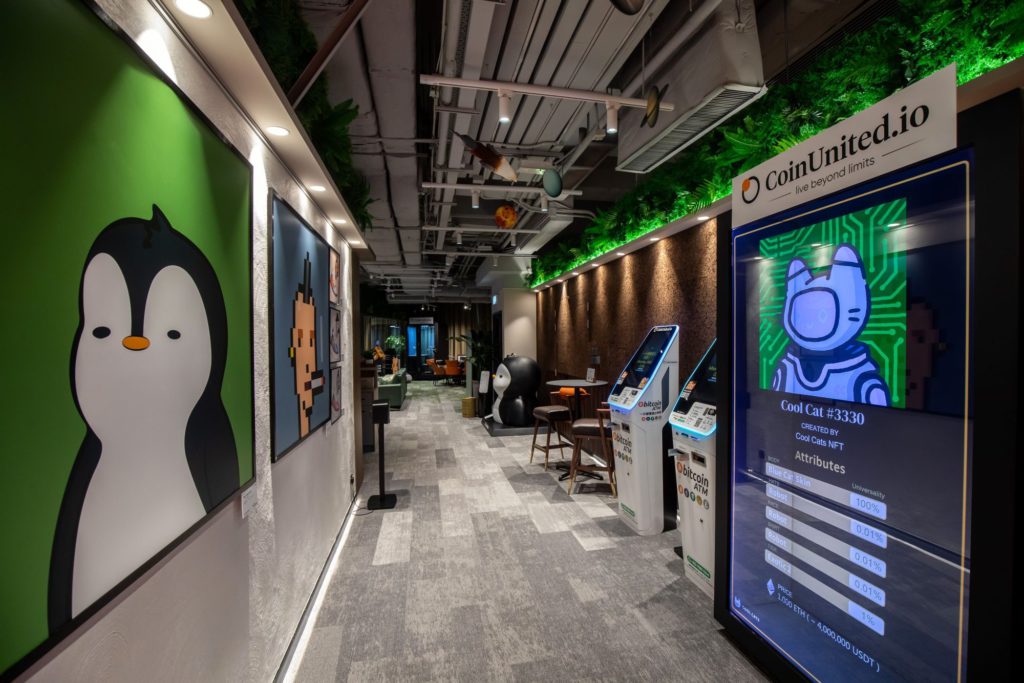
Pudgy Penguins, the Hot-and-Then-Not NFTs, Attempt a Comeback

(Bloomberg) — Pudgy Penguins, a once hugely successful NFT project that got blown off course by drama that included the ousting of its founders, is attempting a comeback. Hopes are high in the newly energized community — but in today’s crowded, up-and-down market for nonfungible tokens, it will take more than that to ensure a revival. 

The cherubic collection of NFTs sporting crowns, hats and bow ties was red-hot when released last summer, with $13.6 million worth of the cartoon creatures trading per day by mid-August as popularity soared, according to NonFungible. Then prices and demand collapsed in the fall as Pudgy Penguins holders grew dissatisfied with the way the founding team was developing the project. The virtual community eventually voted to expel the founders, leading them to put the project up for sale.

Now Pudgy Penguins have new owners. On April 1, the project was purchased for 750 Ether (about $2.4 million at current prices) by a group of mostly anonymous buyers. Leading the team is a self-proclaimed high-school dropout, ecommerce entrepreneur and social influencer who goes by the name of Luca Netz. Another owner who confirmed his involvement is Drew Koven, co-managing director of LDR Ventures. Koven was vice president of Guess? Jeans, president of ecommerce for Steve Madden and chief marketing officer of toy brand Melissa & Doug before going into venture capital and advising on startups, according to his bio page on LDR’s website. 

The group’s 58,900-strong Twitter account is leaving tantalizing hints of airdrops, or giveaways of digital goods, with the owners vowing a “new roadmap.” In an interview, Netz revealed ambitions for Pudgy Penguins-brand toys at Walmart, as well as branded clothes, games and a dance party on a Miami yacht. So far it is only talk, but there appear to be believers. In the last week, the floor price of Pudgy Penguins jumped 170%, per tracker DappRadar. On April 5, daily sales of Pudgy Penguins spiked to $2.95 million, before declining to around $709,500 on April 7, according to NonFungible.

With new NFT collections debuting daily, a revival may be easier said than done. The market has been in steep decline since January, with trading volume on the world’s biggest NFT marketplace, OpenSea, down 67% in the past 30 days, according to DappRadar. One in three NFT collections has essentially expired, with little or no trading activity, per tracker Nansen.

“This could turn into something big,” said Aaron Brown, a crypto investor who writes for Bloomberg Opinion. “You have a strong NFT with a solid fan base, now apparently controlled by some of its biggest fans. If it brings aboard the right mix of technologists and evangelists, it might expand into related ventures and become big in the metaverse. But it could as easily fail and be forgotten.”

The new team’s vision seems to be taking a page from the playbook of Yuga Labs and its successful Bored Ape Yacht Club NFT community. Yuga had struck a deal for a BAYC-related game with Animoca Brands, has held real-life parties and is hinting at more branding deals. An associated ApeCoin has a $3 billion market value, while Yuga recently raised $450 million in a funding round led by Andreessen Horowitz.

Pudgy Penguins’ floor price of less than $8,000 is a fraction of the $360,000 floor price for a Bored Ape, according to DappRadar. But that’s what the community hopes will change.

“We definitely pull inspiration from” Yuga, Netz said in an interview. Netz, who gave his age as 23, says he owns 14 penguins himself.

The project’s new and expanding team of 20 is already planning a raffle for 100 penguin owners to come to a yacht party on May 7 in Miami, Netz said.

“I want to have fun, I want to create a place for people to laugh and dance,” Netz said.

Where a few months ago curse words and despair ruled, the penguins’ 21,100-member-strong Discord channel is now buzzing with optimism about Netz’s plans. 

“He has a lot of great plans and the community is excited for this to grow into something bigger than it’s ever been,” Maddie Spring, an owner of a Pudgy Penguin, said in a message. “The community is still very hopeful for the future.”

Whether this new push will lead to a full revival of Pudgy Penguins remains to be seen. Hope — and hype — are no guarantee of success.

More stories like this are available on bloomberg.com

©2022 Bloomberg L.P.

Startups Transforming Pleasure Boating Draw Investor Interest

(Bloomberg) — “This is one of those pretty obvious ideas,” says cofounder and CEO Mitch Lee of his year-old startup’s work on electrifying pleasure boats. Arc Boat Co.’s first design, a pre-production model named the Arc One, recently hit the water for a day of testing. Lee travelled with the team building the vessel to Lake Arrowhead, about an hour-and-a-half east of Los Angeles, Arc’s home base. The lake run along with other testing last fall and this winter have informed a handful of specification changes — “in a good way,” according to Arc — from those we reported on in November. The 200 kWh battery size, for example, has increased by 10%, nearly three times the capacity of a Tesla Model Y. 

  • $300k The price for the Arc One, roughly 50% more than a comparable gas-powered vessel
  1. Most marinas are wired to provide electricity to yachts and other marine machines.
  2. Keeping Arc One’s 220kWh power pack from overheating isn’t hard, since the vehicle is perpetually surrounded by cooling fluid.
  3.  “A lot of people just naturally assume that boats are similar to cars and planes, and that they take a ton of time to bring to market,” says Lee. But the regulatory hurdles for new vessels are few, relative to the ones highway-bound vehicles have to negotiate.

$30m Arc’s latest investment round, led by Eclipse Ventures, which has also invested in electric aircraft

3 to 5 hours Time the Arc One can run on a single charge—roughly a day of pleasure boating

What’s Next

The limited edition e-boat will start shipping to customers this summer. It comes at a time when other electric boats are also hitting the market, from Swedish startup X Shore and Nautique Boat Co. The bigger challenge, says Lee, will be to figure out how to produce thousands. “We deeply understand that that is the most challenging aspect; this industry right now is supply constrained. So how quickly can we produce a lot of these electric boats?”

More stories like this are available on bloomberg.com

©2022 Bloomberg L.P.

Close Bitnami banner
Bitnami