Bloomberg

HSBC Launches Portfolio on Metaverse for Rich Asian Clients

(Bloomberg) — HSBC Holdings Plc has launched a fund for metaverse opportunities for its private banking clients in Hong Kong and Singapore, as the U.K. lender wades further into the $800 billion virtual reality market. 

The discretionary portfolio managed by HSBC Asset Management focuses on investing in companies within the metaverse ecosystem and “aims to capture the growth opportunities globally over the next decade,” the London-based bank said in a statement. 

HSBC last month made its debut in the metaverse after buying a site aimed at sports, esports and gaming enthusiasts, joining Wall Street giant JPMorgan Chase & Co. in dipping its toe in the virtual universe. The bank is pushing further into the the crypto and blockchain ecosystem even as Chief Executive Officer Noel Quinn has previously said the bank has no plans to start a cryptocurrency trading desk or sell digital currencies as an investment to customers.

The metaverse blends aspects of digital technologies including video-conferencing, games like Minecraft or Roblox, cryptocurrencies, email, virtual reality, social media and live-streaming.

“The metaverse is seen by many as the next stage in the evolution of the internet, with the effect it has on our daily lives expected to be as impactful as we saw in the early nineties,” Nicholas Dowell, portfolio manager at HSBC Asset Management in London, said in the statement.


More stories like this are available on bloomberg.com

©2022 Bloomberg L.P.

Russian Car Sales Collapse as War Leads to Supply, Price Shocks

(Bloomberg) — Russian car sales plunged last month as sanctions imposed over the invasion of Ukraine battered the ruble and many global auto companies joined a boycott of the country, leaving buyers confronting sparse showrooms.

New vehicle sales fell 60% in March from the previous month at Rolf, Russia’s largest dealership, according to Chief Executive Officer Svetlana Vinogradova. She forecasts that demand will fall by half this year to a level on par with Spain, which has one-third the population of Russia. 

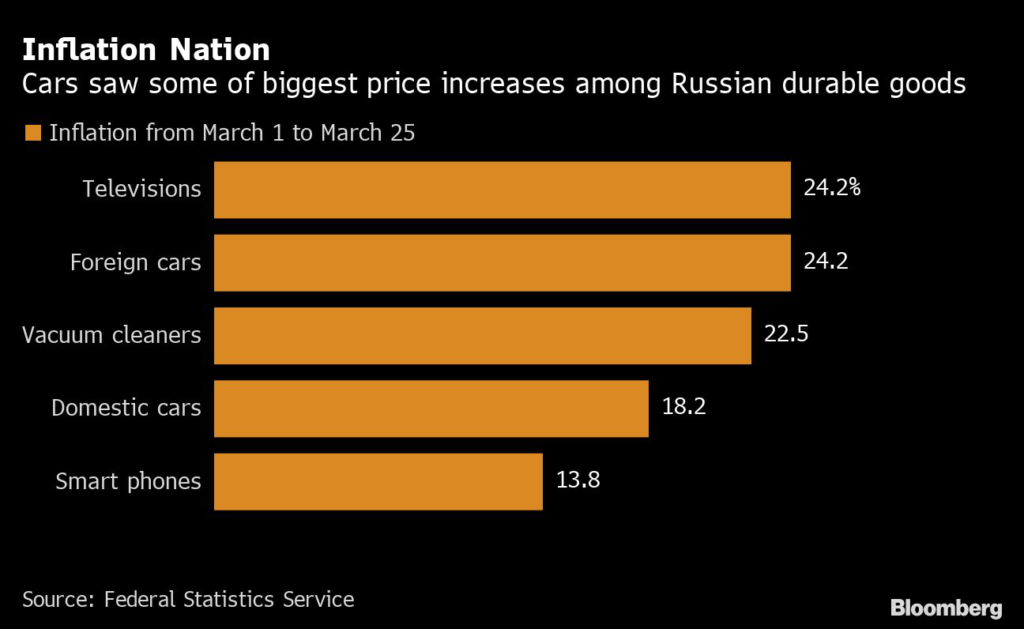
The collapse in car sales comes with consumers shifting their spending to essentials as they brace for a recession brought on by the war. Vehicle prices rose 40% in March by some estimates, while automakers from Toyota Motor Corp. to Volkswagen AG halted production in Russia as part of an unprecedented international boycott. 

With buyers facing higher prices and fewer options, the government is seeking to stimulate domestic production. Imported cars from Europe and Japan may be replaced with Chinese and Indian models, according to Anton Shaparin, a vice-president of the National Automobile Union. 

“Many people are saying that our Chinese comrades won’t leave our market,” Shaparin said, noting that prices for Great Wall Motor Co.’s Haval cars assembled in Russia have risen 50% since the invasion. “Of course they won’t, they’ll milk it until the last ruble.”

That contrasts with producers from Ford Motor Co. to Honda Motor Co. that are no longer shipping vehicles or spare parts to Russia. Renault SA suspended operations in what is its second-largest market and warned it may write down the value of its business.

Local carmakers’ heavy reliance on imported components has also led to sticker shock. The largest domestic producer, Renault-owned AvtoVaz, raised prices three times so far this year. 

Russia’s Federal Statistics Service said last week foreign car prices rose 29% from the start of the year. 

Kazakh Cars

With new cars hard to find in Russia and accelerating inflation threatening to devalue their savings, some Russians have turned to neighboring markets that have remained open to them. 

Russian customers accounted for about 10% of sales at Autodom in the Kazakh city of Kostanay, 180 kilometers (110 miles) from the border, according Yevgeniy Biber, the dealership’s sales chief. Previously, they made up about 1% of buyers, he said. 

Even before the crisis, Russia was already battling a deficit of new cars due to supply-chain disruptions and distribution delays that the automotive industry has contended with globally. 

Russian new car sales last year were down nearly 50% from their peak in 2012 as the economy stagnated since the 2014 annexation of Crimea from Ukraine.  

Amid a dearth of parts needed to keep factories open, Interfax reported that AvtoVaz plans to introduce a stripped down version of its Lada brand made with a minimum of foreign parts such as airbags and anti-lock brake systems. 

Vehicle sales in March were among the worst in the last 15 years, according to Azat Timerkhanov of Russia’s Autostat consultancy. 

“If Europe doesn’t restore deliveries, China will be the main beneficiary, at least in terms of market share,” Timerkhanov said. “But volumes are going to continue to fall.”

More stories like this are available on bloomberg.com

©2022 Bloomberg L.P.

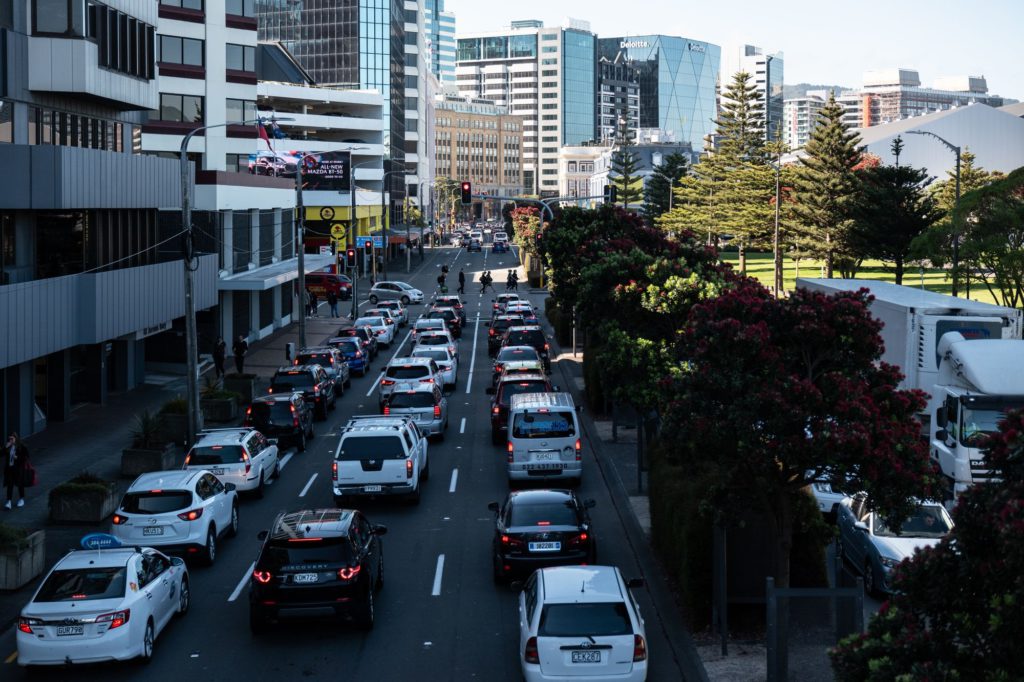
New Zealand Faces Higher Rental Car Prices Amid Vehicle Shortage

(Bloomberg) — New Zealand will experience higher prices for rental cars over the next two years amid a shortage of vehicles as operators rebuild their fleets, according to local hire firm Jucy. 

The country’s rental car inventory is about 30-40% of pre-pandemic figures as a result of some businesses closing and others selling off unwanted vehicles, Jucy said in an emailed statement Wednesday in Wellington. A global shortage of new cars will add to the challenge.

“Replenishing this fleet will take us at least two years and in the interim we can expect prices to rise,” Chief Executive Officer Dan Alpe said. In Australia, average daily car hire rates have increased 95%, he said.

New Zealand’s tourism sector was particularly hard hit when borders slammed shut over two years ago, with businesses like Jucy losing almost all their revenue overnight. The country is now preparing to welcome foreign visitors, starting with Australians next week, prompting businesses to look forward to a gradual recovery.

Alpe expects strong demand for self-drive tourism in New Zealand’s South Island coinciding with the upcoming Australian school holidays. An influx of working holiday visitors is likely among the early arrivals, with higher volumes of Northern Hemisphere travelers expected from October onwards, he said. 

One lesson from the reopening of the border in Australia was that the market responded much quicker than expected, and Jucy has taken that learning on board and begun to scale up its New Zealand call center already. Still, it could be nervous times for some businesses.

“Tourism operators around the country will be taking a leap of faith at the moment,” Alpe said. “Investing in staffing and equipment resources at a time where their cashflow has been strained to the limit — the challenge at this point is that the revenue won’t hit their accounts until the visitors arrive.”


More stories like this are available on bloomberg.com

©2022 Bloomberg L.P.

World’s Biggest Solar Firm Sees Profits Hurt by Power Hike

(Bloomberg) — Longi Green Energy Technology Co., the world’s largest solar company, said its profits will be cut by higher power costs at one of its key manufacturing hubs in China.

Yunnan province, home to 54% of the company’s wafering capacity, canceled the preferential electricity prices it had been offering Longi since 2016, the firm said in an exchange filing Tuesday. Wafers are the ultra-thin slices of polysilicon that get wired up and assembled into solar panels, and Longi is the world’s biggest producer of them, according to BloombergNEF. 

Longi shares opened 3.6% lower in Shanghai Wednesday. 

Longi didn’t say how much higher its power bill will be now that it has to pay market rates in the province. Electricity accounts for about 12% of wafer productions costs, and Longi enjoyed a 50% discount on power prices over one of its main rivals, BNEF said in a March 2020 report. 

Higher power rates will likely add 500 million yuan ($79 million) in costs to the company and have less than a 3.5% impact on after-tax profits, Morgan Stanley analysts including Simon Lee said in a research note Wednesday. Increased power costs could be offset by savings from making larger and thinner wafers.

Higher costs for Longi are coming in the midst of a rare period of inflation for the solar supply chain. Wafers are about 76 cents a piece, up from 30 cents in the middle of 2020. Still, solar power cost increases have been small compared to ballooning coal and gas prices, and new solar installations in China tripled in January and February compared to last year.

Electricity prices in China have been under pressure since last year, when a shortage of coal forced grids to curtail power to industrial users throughout most of the country. The government used the crisis to push through market reforms that allows utilities to charge more to large factories when coal prices rise. 

Longi also said that Yunnan’s decision on power rates risks changing the company’s plans for expansion in the province. 

(Updates with share moves in paragraph 3 and analyst comment in paragraph 5.)

More stories like this are available on bloomberg.com

©2022 Bloomberg L.P.

Short Video App Born After India’s TikTok Ban Gets $805 Million

(Bloomberg) — An Indian social content startup that launched its short video app exactly four days after the government banned China’s TikTok, has received $805 million in funding, the country’s largest venture capital round this year.

A little over half the capital, $425 million, in VerSe Innovation Pvt.’s latest round, came from the Canada Pension Plan Investment Board, the startup announced on Wednesday. Other investors included the Ontario Teachers’ Pension Plan Board, Luxor Capital and Sumeru Ventures. Existing backers including Sofina Group and Baillie Gifford also participated. The Goldman Sachs Group Inc. and Google-financed startup, which has raised $1.5 billion in the past year alone, is now valued at $5 billion. 

The Bangalore-based company runs the Josh app, billed as the Instagram for Bharat, referring to non-English speaking India that lives outside its half-dozen affluent top cities. VerSe also owns local language content delivery platform Dailyhunt, which preceded Josh, and also focuses on India’s “next billion” regional-language users. 

Josh has 150 million monthly active users, while Dailyhunt has 350 million, according to the company. Over nine-tenths of the content on the two apps is in Indian languages.

India’s short video startups have seen sky-rocketing growth after India banned TikTok and a rash of Chinese-origin apps in June 2020. Since then, Josh and its rivals such as Roposo and Moj have registered record user numbers, engagement and revenues. ShareChat, the parent of Moj, is in discussions to raise $200 million from investors including Temasek and Alphabet Inc.’s Google at a $5 billion valuation, Bloomberg News recently reported.

“VerSe will be profitable within the next two or three years,” said Virendra Gupta, founder of VerSe.

VerSe will use the capital to broaden its artificial intelligence and machine learning capabilities, using data science to boost user engagement and retention. It will also drive revenues through influencer-led commerce and live commerce. 


More stories like this are available on bloomberg.com

©2022 Bloomberg L.P.

Twitter to Test Edit Feature, Says Work Began Before Poll

(Bloomberg) — Twitter will kick off internal testing on an edit function in the months ahead, the company said on Tuesday, adding that work on the button — its “most requested” feature by users — started last year before any online poll on it.

The social media company also posted animation showing how the feature would work.

Tesla Chief Executive Officer Elon Musk, who is Twitter’s biggest shareholder with a 9.1% active stake, started a Twitter poll on Monday asking users if they want an edit button. The results showed that 73.6% out of about 4.4 million respondents said they supported the feature.  

Twitter Head of Consumer Product Jay Sullivan said the company would seek “input and adversarial thinking” ahead of a launch of an “edit” feature as it “could be misused to alter the record of the public conversation” without time limits and transparency about what has been edited. 


(Adds results of Elon Musk’s poll in second paragraph.)

More stories like this are available on bloomberg.com

©2022 Bloomberg L.P.

JetBlue Offers $3.6 Billion for Spirit, Disrupting Rival Bid

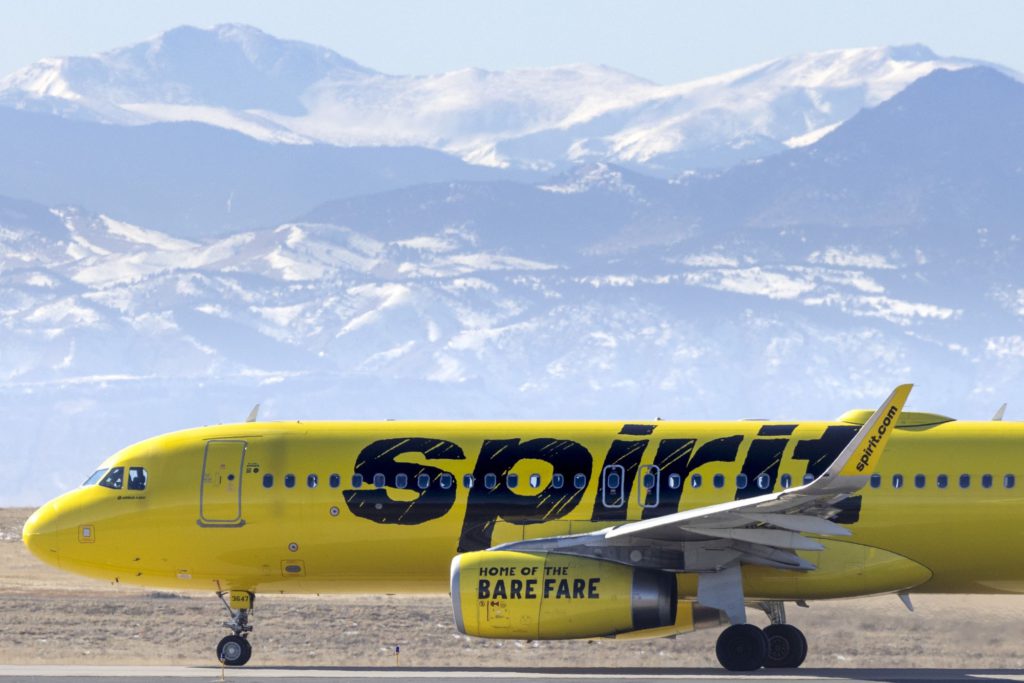
(Bloomberg) — JetBlue Airways Corp. offered to buy budget carrier Spirit Airlines Inc. for $3.6 billion, potentially spoiling a competing bid by rival Frontier Group Holdings Inc. and reshaping the landscape for ultra-low-cost air travel.

Spirit said Tuesday it received an unsolicited proposal from JetBlue to buy outstanding shares for $33 apiece in cash. Spirit will work with financial and legal advisers to evaluate the offer, according to a statement. 

The surprise development comes about two months after Frontier reached an agreement to buy Spirit for $2.9 billion. Frontier criticized the competing offer, saying such a combination would raise fares and reduce flight options. It also questioned JetBlue’s effort in light of an unrelated federal lawsuit to block an alliance with American Airlines Group Inc.

“An acquisition of Spirit by JetBlue, a high-fare carrier, would lead to more expensive travel for consumers,” Frontier said in an email, without specifying whether the company planned to increase its bid. 

Spirit’s allure stems in part from an industry-wide turn toward domestic markets and leisure travelers — the bread-and-butter of ultra-low-cost airlines — to recover from a pandemic slump. Bigger carriers are moving more heavily onto that turf as business and overseas travel demand remains tepid. 

A Spirit acquisition would give JetBlue the growth that it’s long sought, moving it closer to competing with larger carriers and assuring its spot as the fifth-largest airline in the U.S.

“Once you’ve created megacarriers with over 1,000 planes, then it’s fair game for the No. 5 to beef up,” said Samuel Engel, senior vice president of the aviation group at consultant ICF. “You look around and say, ‘If the next round of consolidation is now, I want to be in on it.’”

$700 Million Synergies

JetBlue said in a statement its offer isn’t subject to approval by its shareholders or to a financing contingency. The proposed deal would generate as much as $700 million in annual synergies, the carrier said.

Spirit shares jumped 22% in New York after the New York Times first reported on the proposal and were little changed in aftermarket trading. JetBlue fell 1.4% in the postmarket as of 6:34 p.m. in New York after a 7.1% drop at the close. Frontier was almost unchanged in the aftermarket after closing up 3.9%.

A Spirit deal would give JetBlue, hounded by Wall Street analysts for much of its 23-year history over cost creep, access to an organization and management team highly focused on keeping operating expenses in check. JetBlue lost out in its only other takeover attempt when it was outbid by Alaska Air Group Inc. for Virgin America in 2016. 

JetBlue said its offer is superior to Frontier’s bid and “represents the most attractive opportunity for Spirit’s shareholders.” The combination of JetBlue and Spirit would position the buyer “as the most compelling national low-fare challenger to the four large dominant U.S. carriers,” it said.

It would also help JetBlue — with much of its capacity in New York and Boston — grow in markets where it has little or no presence. At the same time, the combined JetBlue and Spirit would have a larger presence in popular leisure markets in Florida and the Caribbean where both already operate. That overlap of networks could make a JetBlue-Spirit combination more compelling because it creates greater opportunity to rationalize operations and increase efficiency, said Engel, the ICF consultant.

Blunting Frontier’s Ambitions

Disrupting Frontier’s bid, meanwhile, could blunt the growth ambitions of the Denver-based airline, which has expanded nationally in recent years. 

“It certainly muddies the waters,” consultant Robert Mann of R.W. Mann & Co., said of JetBlue’s offer. “I don’t know if it’s designed to be disruptive, or if they’re targeting what seems to be money left on the table by Frontier.”

The proposed deal would combine two large operators of Airbus SE A320neo-family jets, allowing JetBlue to rapidly grow its fleet at a time when the hot-selling aircraft is sold out through mid-decade. Spirit agreed to purchase 100 Airbus A320neo jets, with options for 50 more, in October 2019 and expects deliveries through 2027.

What Bloomberg Intelligence Says:

“A bigger airline could improve costs, which becomes critical as soaring fuel prices push fares higher and stress consumers’ budgets. Merging very different cultures — Spirit the scrappy upstart vs. genteel JetBlue — would be a challenge.”

— George Ferguson, BI senior aerospace industry analyst

Click here to read the research.

But the two airlines otherwise have little in common, whether it’s business models, computer systems or customers. While JetBlue has cultivated a business clientele with its roomier seating, Spirit appeals to budget-minded leisure travelers with its bare-bones service. Keeping expenses low post-merger would be a challenge should JetBlue prevail, Mann said, with past mergers showing that “costs rise to the level of the higher-cost carrier.”

A JetBlue victory in the takeover battle would bring new attention to the carrier from federal antitrust enforcers who have already weighed in against a pending alliance with American Airlines focused on their operations in the northeastern U.S. The U.S. Justice Department and a group of state attorneys general say the partnership is a de-facto merger, a claim the airlines plan to fight in court. 

(Updates with consultant comments from 14th paragraph)

More stories like this are available on bloomberg.com

©2022 Bloomberg L.P.

Washington to Smarten Its Streetlights With LEDs, Wifi

(Bloomberg) — Washington, D.C. is heading to Wall Street next week to get funding for a district-wide program to replace all its streetlights with LED technology and install wireless access points in order to expand broadband reach. 

The U.S. capital city is scheduled to sell $154.5 million of green-labeled municipal bonds April 12. It will lend the proceeds to Plenary Infrastructure DC, an affiliate of Plenary Americas, a company specializing in public infrastructure, in what will be the district’s first public-private-partnership, according to underwriter Wells Fargo & Co. 

“It’s not a transaction you see every day in the municipal-bond market,” Julie Burger, a managing director at Wells Fargo, said in an interview. 

Public-private-partnerships, or P3s, are a small but growing segment of U.S. public infrastructure financing that involves municipal governments teaming up with private companies on projects like highways, airports and parking garages. Private-activity bonds like those being sold by Washington are used to assist private ventures for the public interest by providing low-cost financing.

In Washington, the city aims to upgrade its entire street light network, replacing approximately 75,000 street and alley lights, those that shine on “Welcome to Washington, D.C.” entrance signs, and select areas of underpass, bike paths and tunnel lights with energy-efficient LEDs.

Plenary will design and install a remote monitoring and control system for the network that will allow it to operate much like a smart-home, with the ability to monitor and turn on and off lights from miles away.

Dan Wurst, a senior vice president at Plenary Americas, said that the deal, which has been in the works for years, is the first urban P3 street lighting project in North America where all the related infrastructure including the light heads and poles are being upgraded. He sees more cities following suit.

“There are a lot of cities in North America that haven’t retrofitted their networks,” he said. “This is a good template for cities to adopt going forward.” 

The project is expected to reduce energy consumption by more than 50% and eliminate 38,000 tons of greenhouse gas emissions each year by switching to LED lights from high-pressure sodium and incandescent bulbs, according to preliminary bond documents. 

The green-bond designation could help lure in environmentally and socially conscious investors. “We believe the green designation will help in the market,” Burger said. “We are hopeful that it will expand demand to a broader set of investors,” like funds specifically focused on environmental investments.

The sale is the latest in a surge of green debt in the $4 trillion municipal-bond market. The New York Power Authority, the largest state-owned electric utility in the U.S. sold $608.7 million of tax-exempt green bonds Tuesday and Arizona State University sold two-series of green-debt last week. 

State and local governments sold about $25 billion of green-bond sales last year, a 25% increase over 2020, according to data compiled by Bloomberg. 

(Adds updated New York Power sale in 11th paragraph. An earlier version corrected the company name in second, seventh paragraphs.)

More stories like this are available on bloomberg.com

©2022 Bloomberg L.P.

March Madness Finale Draws 18.1 Million Viewers, Up 4% From 2021

(Bloomberg) — Kansas University’s college basketball championship win over the University of North Carolina Monday drew an audience of 18.1 million viewers on three cable TV networks, capping a tournament that saw ratings grow from last year.

The audience for the final was up 4% over last year’s championship, helping the 2022 NCAA tournament overall increase its viewership by 13% over 2021, CBS Sports and WarnerMedia’s Turner Sports said Tuesday in a statement. 

The popularity of the men’s basketball tournament with fans was especially evident in the home stretch. The April 2 semifinal matchup between the University of North Carolina and Duke University drew an audience of 18.5 million, the broadcasters said, topping the championship.

That’s good news for broadcasters like AT&T Inc.’s WarnerMedia and CBS, owned by Paramount Global, which invest heavily in sports rights and count on large audiences to attract big-spending advertisers.

Last year’s game, which wasn’t close, was the least-watched national championship final since CBS started broadcasting the games in 1982.

This year’s final was broadcast on WarnerMedia cable channels TBS, TNT and truTV. Each year, CBS and WarnerMedia alternate showing the semifinal and final of the tournament.

More stories like this are available on bloomberg.com

©2022 Bloomberg L.P.
Musk Refiles Twitter Disclosure to Show He’s an Active Investor

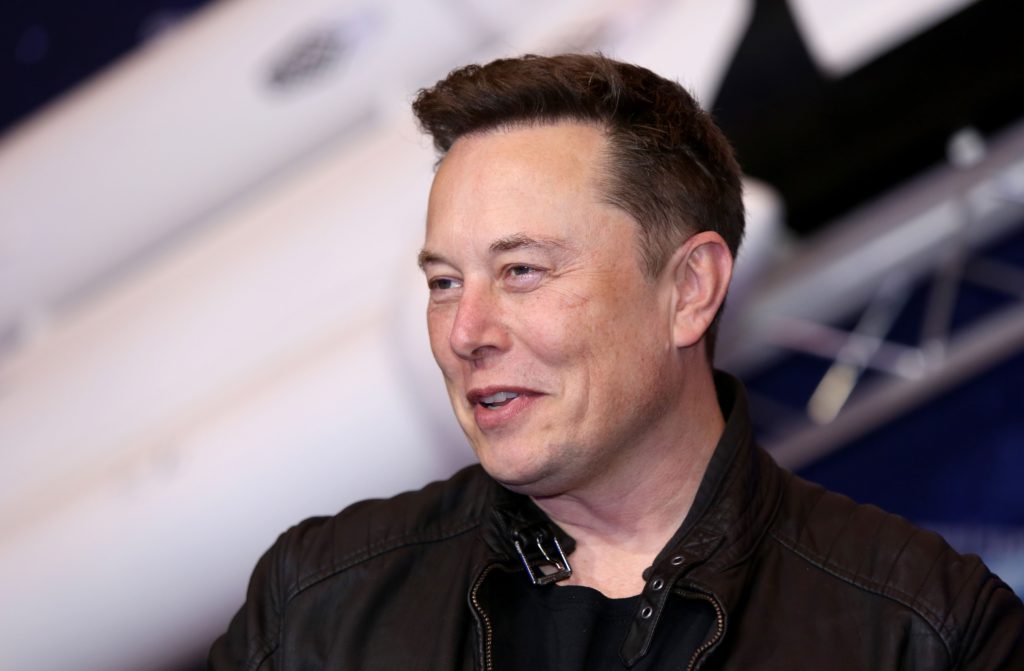
(Bloomberg) — Elon Musk refiled the disclosure of his stake in Twitter Inc. to classify himself as an active investor, making the change after taking a seat on the social media company’s board.

Musk, a billionaire who is chief executive officer of Tesla Inc., filed a form 13D with the U.S. Securities and Exchange Commission on Tuesday, disclosing a stake of 9.1%. The new filing indicates that Musk plans to take an active role in shaping Twitter’s agenda. The form he used on Monday, a 13G, is reserved for investors who plan to be passive.

The board appointment ends the possibility of Musk mounting a takeover of Twitter, capping his ownership at 14.9% during his time on the panel, according to an earlier filing with the Securities and Exchange Commission on Tuesday. His ownership stake makes him Twitter’s biggest stockholder. 

Musk, in the 13D filing, disclosed he used cash to make his stock purchases almost daily from Jan. 31 through April 1. The purchase prices ranged from $32.80 to $40.30, according to the filing. Twitter closed Tuesday at $50.98 in New York.

Musk is one of the biggest personalities on Twitter and has regularly run into trouble on the platform. He is currently seeking to exit a 2018 deal with the SEC that put controls in place related to his tweeting about Tesla. 

On Monday evening, Musk asked Twitter users in a poll if they wanted to have an edit button. Last year, he polled Twitter users on whether he should sell 10% of his stake in Tesla, which a majority supported.

As a new board member, “Musk is in a position to influence Twitter’s potential beyond news and live events, and could help draw younger users,” said Mandeep Singh, an analyst at Bloomberg Intelligence. “Though the edit button and removal of bots are some features that Musk has openly advocated for recently, we think board and management changes are likely in the next six months if the company continues to underperform peers.”

Twitter responded on Tuesday, saying it has been working on an “edit feature” since last year. The company will test the tool within its Twitter Blue subscription service “to learn what works, what doesn’t and what’s possible,” according to a tweet from its communications team.

Twitter CEO Parag Agrawal said he’s “excited” about appointing Musk to the board. “He’s both a passionate believer and intense critic of the service which is exactly what we need on @Twitter, and in the boardroom, to make us stronger in the long-term,” he wrote in a tweet. 

While it’s still unclear exactly what Musk’s intentions are with Twitter, so far the result of his affiliation has only been good for the beleaguered company, whose shares have tumbled from their 2021 record as investors balked at a combination of a high valuation and potentially disappointing user growth. But the stock rose 27% Monday and another 2% Tuesday as buyers bet Musk can jump-start Twitter by virtue of his clout as the biggest shareholder and as an influential user on the platform, where he has 80.4 million followers.

“This was a friendly move by the Twitter board to embrace Musk with open arms as clearly a passive stake is just the start of his involvement in Twitter,” Dan Ives, an analyst at Wedbush Securities, wrote in a note to investors. “Musk joining Twitter will lead to a host of strategic initiatives which could include a range of near-term and long-term possibilities out of the gates for the company still struggling in a social media arms race.”

Twitter was often mocked for appointing board members who rarely tweeted. Musk is rarely far from controversy on the platform. In 2019, he called a British cave diver a “pedo guy” on Twitter, triggering a defamation lawsuit. 

Musk made clear his feelings about crypto spam bots a few hours after posting the edit button poll, calling them “the single most annoying problem on Twitter.” It’s an issue he’s lamented on the site previously. Twitter and other social media platforms have become inundated in recent years with bots seeking to defraud holders of cryptocurrencies through various schemes.

Twitter co-founder Jack Dorsey stepped down as its chief executive last year and will leave leave the board when his term ends this year. Dorsey, who is a friend of Musk’s, said in a tweet that he is “really happy” that Musk is joining the board.

Musk’s existing board appointments include Tesla and Space Exploration Technologies Corp., the two most high-profile companies he leads. Endeavor Group Holdings Inc., the entertainment and Hollywood talent company, disclosed last month that Musk was resigning from its board.

Musk’s term on the board is set to expire at Twitter’s 2024 annual meeting. 

More stories like this are available on bloomberg.com

©2022 Bloomberg L.P.
Close Bitnami banner
Bitnami