Bloomberg

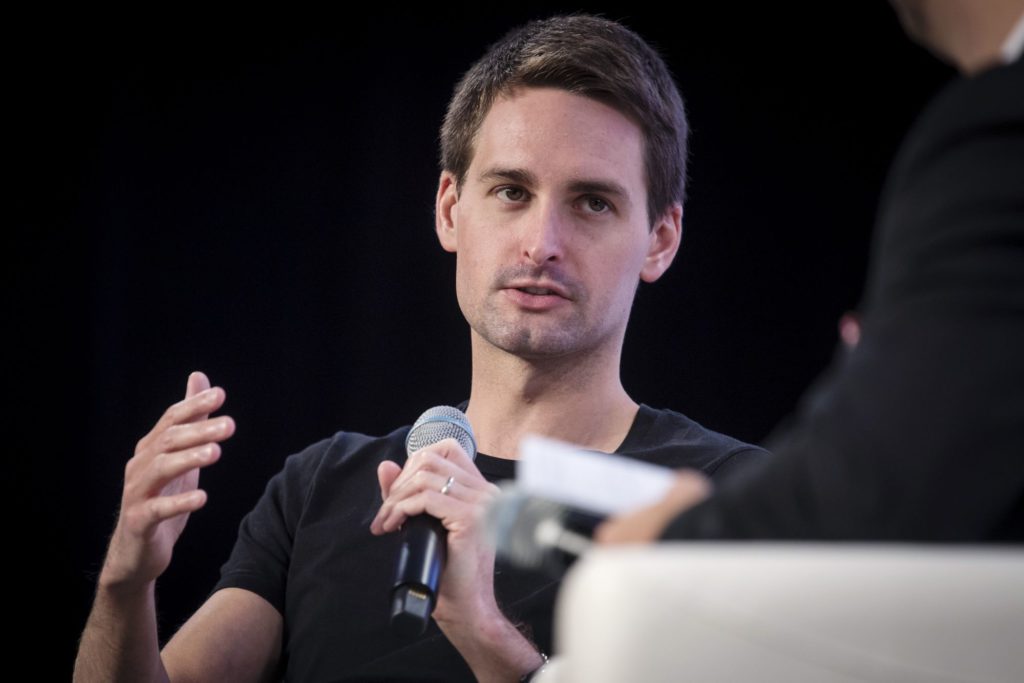
Snap Staff Told to Be in Office Four Days a Week Starting in February

(Bloomberg) — Snap Inc. Chief Executive Officer Evan Spiegel told employees that he expects them to be in the social media company’s offices in person 80% of the time starting in February.

“I believe that spending more time together in person will help us to achieve our full potential,” he wrote, according to a memo reviewed by Bloomberg. That means an average of four or more days per week in the office for full-time employees, he said — with some flexibility allowed for work-related tasks such as client meetings to count as in-office time. 

“What each of us may sacrifice in terms of our individual convenience, I believe we will reap in terms of our collective success,” Spiegel wrote.

Snap, which makes the visual communication app Snapchat, has spent much of the second half of this year shrinking and narrowing the company’s focus. In August, it fired 20% of its workforce and cut projects that won’t help revenue growth or the company’s augmented reality technology. The company hasn’t been able to increase its revenue as quickly as expected as marketers reduced their advertising budgets.

Snap is the latest company to formally bring employees back to the office as Covid-19 restrictions eased. Apple Inc. asked employees to be in three days per week beginning in September. Elon Musk, the new owner of Twitter Inc., has insisted employees work from the office, even though the company had previously told staff they could work from anywhere “forever.” Many of Wall Street’s biggest banks have eliminated work-from-home policies.

For Snap, the new “default together” policy will apply to employees in all 30 global offices. The company is developing an exceptions process for staff requesting to work remotely as their default.

“We’ve been working this way for so long that I’m afraid we’ve forgotten what we’ve lost — and what we could gain — by spending more time together,” Spiegel said. “I believe that ‘default together,’ while retaining flexibility for our team members, will help us to accelerate our growth and deliver on our strategic priorities of growing our community, reaccelerating our revenue growth, and leading in AR.”

(Updates with quote from memo in final paragraph.)

More stories like this are available on bloomberg.com

©2022 Bloomberg L.P.

Musk Threatens War With Apple, Jeopardizing Vital Relationship

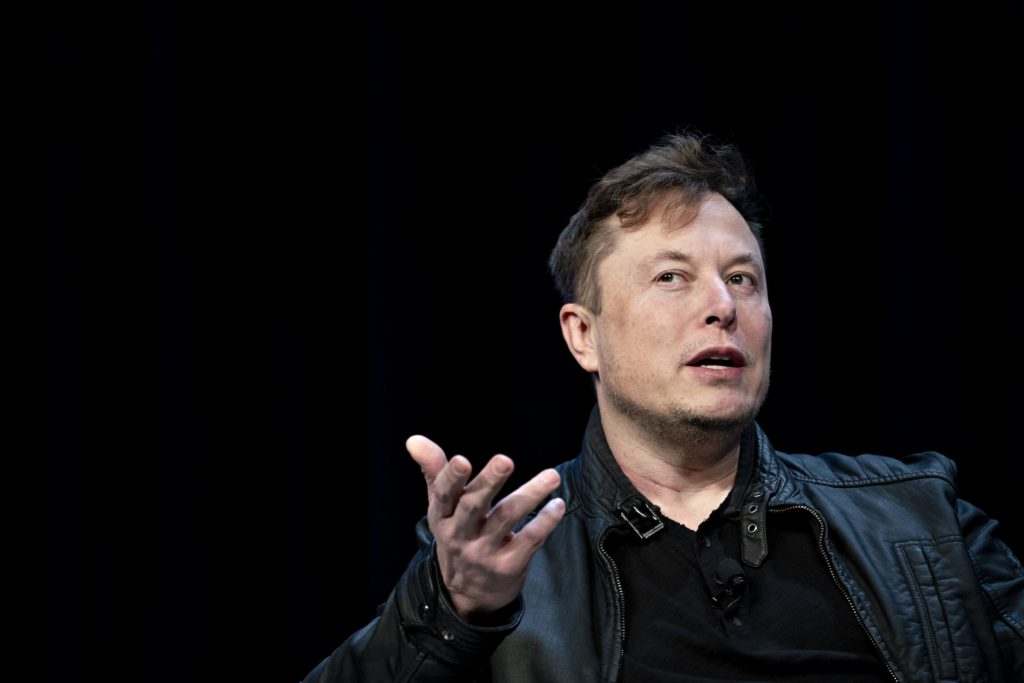
(Bloomberg) — Elon Musk’s tumultuous month atop Twitter Inc. has already included firing most of the company’s employees, tinkering with key features and restoring banned accounts. Now he’s embarking on what could be his riskiest gambit yet: a war with Apple Inc.

The billionaire attacked the iPhone maker with a flurry of tweets Monday, saying the company had cut its Twitter advertising and threatened to bump the social network from Apple’s app store. He asked whether Apple hated free speech, criticized its app fees and even pondered whether the tech giant might go after another of his companies, Tesla Inc. 

In taking aim at Apple, Musk is challenging a company that’s vital to Twitter’s livelihood. Apple was consistently one of the top advertisers on the social network, which had an entire team of employees dedicated to helping maintain the relationship, according to people familiar with the matter. The ad spending was well above $100 million annually, one of the people said.

“Elon Musk now represents risk, and Apple is not going to take that risk on,” said Lou Paskalis, a senior marketing and media executive who previously ran global advertising for Bank of America Corp.

Apple also operates an essential gateway for Twitter users: the App Store. If Musk’s company loses access to that, it will be cut off from more than 1.5 billion devices around the world.

But the billionaire has some leverage of his own. In portraying his struggles as a fight for free speech, he can rally his millions of fans. And his disdain for Apple’s app store fees are shared by software developers, lawmakers and regulators around the world, giving him a potential advantage.

Apple didn’t immediately respond to a request for comment. Some Twitter users said Monday that they continue to see Apple advertising in their feeds, but a person familiar with the matter confirmed that the company has pared back the ads.

The Cupertino, California-based company holds meetings with Twitter to discuss various issues — roughly once a week — just as it does with other major social networking apps, including Facebook and Instagram. Apple has historically relied heavily on Twitter because it doesn’t advertise on Facebook, according to one of the people with knowledge of its strategy.

Apple joins a number of large companies in scaling back their ads on Twitter since Musk acquired the company for $44 billion last month. The exodus has included General Mills Inc. and Pfizer Inc., and he previously acknowledged that the defections led to a “massive drop” in revenue.

The overall online ad market is in a slump, but marketers are particularly wary about Twitter over fears that it’s becoming more chaotic. Since the takeover, Musk has cut thousands of jobs at Twitter, fueling concerns that the platform won’t be able to combat hate speech and misinformation. A new approach to verifying accounts also opened the door to trolls impersonating major brands, as well as Musk himself.

Musk, 51, is trying to make Twitter less reliant on advertising by steering users toward its Blue subscription service. But ad services generated nearly 90% of its $5.1 billion in revenue last year, with a good chunk coming from Apple.

The barrage of tweets criticizing Apple began with one saying that the company had “mostly stopped advertising on Twitter.” Musk asked: “Do they hate free speech in America?” 

He then directed a tweet at Apple Chief Executive Officer Tim Cook: “What’s going on here?” A few minutes later, he claimed that Apple might boot Twitter from its app store “but won’t tell us why.”

Earlier this month, longtime Apple executive Phil Schiller, who oversees the app store, deleted his Twitter account. The timing raised eyebrows. It was shortly after Musk reinstated the account of former President Donald Trump, who had been booted from the platform in the wake of the attack on the US Capitol in January 2021.

Musk had earlier said he would create a content council to review whether to reinstate Trump’s account, but he then made the move based on the results of a Twitter poll instead. “He says the right things, but he does the wrong things and that’s almost worse,” Paskalis said.

Apple’s Cook has continued to use Twitter personally since Musk’s acquisition. He posted a Thanksgiving message last week “wishing everyone a joyful day.”

Musk has previously tweeted that if Twitter is removed from the Apple and Google app stores, he will make an alternative phone that can work with the platform. Fans of the idea — and its detractors — have begun calling it the “Tesla phone,” and that term was trending on Twitter Monday.

Musk, who also runs Tesla and SpaceX, has said that his mission at Twitter is maximizing free speech. He frequently uses his personal account, which has more than 119 million followers, to criticize perceived adversaries and the mainstream media.

Musk has said before that Apple charges an exorbitant fees on in-app purchases, and he renewed that line of attack Monday. He posted a meme that suggested he would rather “go to war” than pay the company’s 30% commission. 

The meme signals that Musk could be considering taking the path of Epic Games Inc. and sidestepping Apple’s fees. When Epic made such a move, Apple removed the hit game Fortnite, sparking a multiyear legal fight.

But if Musk wanted to start selling the Twitter Blue subscription service through the web — bypassing Apple’s 30% — he could already do so. The app store allows services available on multiple platforms to use that approach.

The issue would be if Twitter advertised the workaround within its app or added a button directing users to the web payment option. That move could risk getting Twitter bumped from the app store.

In another tweet, Musk suggested that Apple has made demands on Twitter’s content moderation. He also posted a yes-no survey: “Apple should publish all censorship actions it has taken that affect its customers.”

In controlling the two major mobile app stores, Apple and Google are frequently referred to as a “duopoly,” a term Musk used in his tweets. US Representative Ken Buck, a Republican from Colorado, took up that idea Monday. He quoted one of Musk’s tweets and said the US should end the app store duopoly before the end of the year. “No one should have this kind of market power,” he said.

Apple has strict rules for its app store that limit objectionable content, including discriminatory content related to religion, race and sexual orientation. It also restricts overly realistic violence and pornographic material.

Apple and Google have previously removed social networks, including Parler, from their platforms because of inadequate content moderation. In the case of Parler, the app was ultimately restored to both app stores after the social network followed a series of steps to ensure it was moderating content.

After directing several barbs at Apple, Musk promised more information on free speech suppression in “The Twitter Files,” which will be published — where else? — on Twitter.

“The public deserves to know what really happened,” he said.

More stories like this are available on bloomberg.com

©2022 Bloomberg L.P.

India’s Free-Market Oasis Aims to Take On Singapore and Dubai

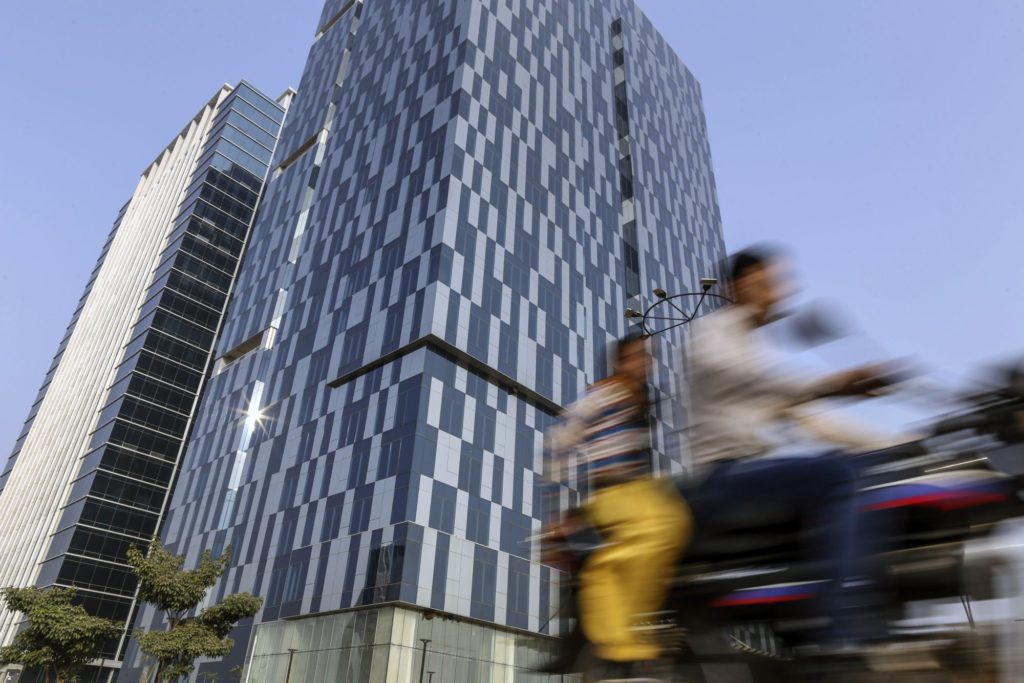
(Bloomberg Markets) — India’s newest financial hub is rising from scrubland near the banks of the Sabarmati River once dominated by marsh birds and grazing buffalo.

In the state of Gujarat, just a few glass-fronted towers greet the 20,000 employees of companies such as JPMorgan Chase & Co. and HSBC Holdings Plc who commute in each weekday. Its full name is Gujarat International Finance ­Tec-­City, but it’s more commonly known as GIFT City. It occupies 886 acres between Gujarat’s capital, Gandhinagar, and Ahmedabad, its biggest city. As of October, bankers managed a combined $33 billion here.

What’s drawing these companies? An exemption from the many rules and taxes that hamper business and trading in the rest of India. GIFT City is an experiment in free markets nestled inside a $3 trillion economy—one of the world’s fastest-growing—that’s long been reluctant to let its national currency, the rupee, become a plaything of international investors. The goal is to create a welcoming place where India-centric trading that’s moved to Dubai, Mauritius or Singapore can return home.

At first, Gujarat seems an unlikely location. On India’s west coast, it’s the ninth-most populous state—and, as a mark of respect for Mahatma Gandhi, who was born in Gujarat, it bans the sale of alcohol, that lubricant for many a financial deal. Narendra Modi started planning GIFT City in 2008, when he was still the state’s chief minister, and his ascension to prime minister in 2014 allowed him to give the project more policy help and a higher profile. In a July speech to bankers, regulators and executives from India and overseas, he proclaimed that “the vision of India’s future is associated with GIFT City.”

Modi’s government has offered an array of incentives, including a 100% tax holiday for a decade to businesses that set up within the hub’s International Financial Services Center, or IFSC. Rules are being tweaked to encourage Indian companies to lease ships and aircraft through GIFT City rather than on foreign shores. Foreign universities will eventually be allowed to bypass regulations to open local campuses, and companies can use an international arbitration center to avoid India’s notoriously poor contract enforcement mechanisms.

A key concern that the financial center seeks to address is India’s lack of full convertibility of its currency. Converting money into foreign currencies requires cumbersome documentation, and that’s pushed trading in rupees and rupee-­denominated financial assets to offshore centers that Indian regulators can’t monitor. But within GIFT City most of these rules don’t apply, enabling onshore trading in key currency derivatives contracts, which can counteract some of the effects that offshore trades have on the rupee exchange rate.

Another product has migrated to the financial center: a popular derivative based on a benchmark gauge of Indian stocks that was traded on the Singapore Stock Exchange. In 2022 the National Stock Exchange of India opened a cross-­border trading link with Singapore—similar to the Hong Kong-Shanghai connect—to allow global investors to trade stock derivatives listed on the Indian market without needing to set up shop in India.

Trading volumes have increased since a single regulator, the IFSC Authority, was created by the Indian government in 2020 to streamline approvals and oversight in the special economic zone. In October, average daily turnover on the two stock exchanges in the financial center climbed to $14.6 billion, from $3.4 billion two years before, cumulative derivative transactions by banks jumped to $466 billion, from $22 billion, and cumulative banking transactions rose to $303 billion, from $45 billion.

“Beyond the shores of India, in some of those centers where India-centric business developed, they are able to notice that something is happening, and things may not be the same in the future,” says Injeti Srinivas, the IFSC Authority’s chairman. “Business is gravitating toward IFSC.”

A new international bullion exchange will let qualified jewelers directly import gold to India through GIFT City, a change from current rules permitting only some banks and nominated agencies approved by the central bank to do so. That loosening of restrictions is set to widen the importer base in India, the world’s second-biggest consumer. An aircraft leasing and financing business is operating in GIFT City to tap into the demand of one of the world’s hottest aviation markets for new-plane orders. Ship leasing will start soon.

In July, JPMorgan and Deutsche Bank AG started operations in GIFT City. JPMorgan will initially offer clients ­foreign exchange derivatives and wants to leverage its position as one of the largest suppliers of physical bullion in the country. Deutsche Bank aims to tap the rising number of companies in India that need cross-border banking services, ranging from hedging to financing. (In 2018, Bloomberg LP, the owner of Bloomberg Markets, entered into an agreement to provide capital markets expertise to GIFT City.)

“We think the GIFT City policy is a calibrated approach toward internationalization of the rupee,” says Srinivasan Varadarajan, a managing director in global emerging markets at Deutsche Bank in Mumbai. “It is similar in some characteristics to what has been seen in Asia over the last decade.”

Jaxay Shah, founder and managing director of property developer Savvy Infrastructure Pvt., is among the people betting on this growth. His company, which built the tower that houses Bank of America Corp. offices and the IFSCA’s temporary headquarters, has purchased two nearby plots to double its holdings in GIFT City. “When else in my career would I get this kind of smart city, where there is an economic vision and no red tape?” Shah says.

GIFT City is the first in India to offer district cooling, an energy-efficient air conditioning system, as well as central waste, water and electricity management. Although it offers beautiful streets and boulevards and pristine sports centers, plus recent additions including a school and a hospital, workers tend to disappear in the evenings, taking electric buses to homes in nearby cities that have amenities such as cinemas and fast-food restaurants.

Some younger executives in Mumbai, Delhi and Gujarat, who asked not to be identified because they weren’t authorized to comment, say they’re often questioned on calls about whether alcohol will be permitted. Multiple policymakers and lawmakers told Bloomberg Markets that they expect authorities will provide yet another rule exemption—to allow licenses to buy and consume alcohol. The state government realizes it needs to amend its teetotaler requirements to attract residents and ensure the project’s success, they say.

And that, in a nutshell, is the story of GIFT City: an oasis in which companies can escape India’s rules and bureaucracy. An attempt to lure billions of dollars back to onshore markets. A “sandbox” in which fintechs can play with new products with seamless links to global systems. Perhaps even a vision for India’s future.

Rodrigues is Bloomberg News’s managing editor for South Asia, and Sircar covers FX/rates. Both are based in Mumbai.

More stories like this are available on bloomberg.com

©2022 Bloomberg L.P.
China Stocks Defy US Gloom on Optimism Over Earnings, Reopening

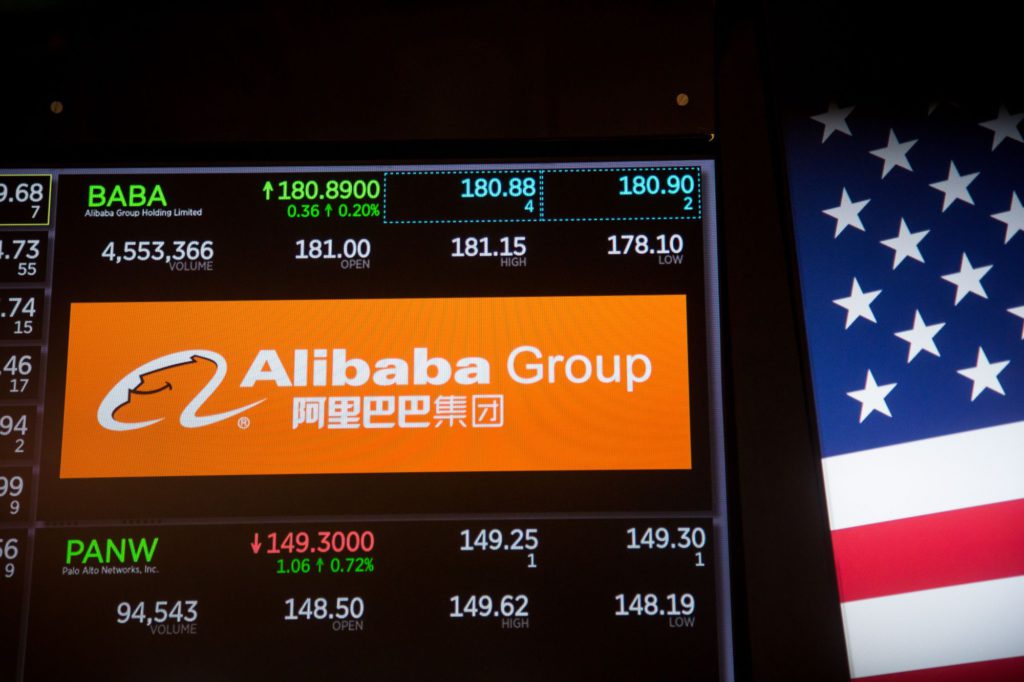
(Bloomberg) — Chinese stocks listed in the US rose Monday, bucking a broad market selloff, amid stronger-than-expected earnings, newly-announced housing support measures and speculation that nationwide protests could hasten a shift away from Covid Zero policies.

The Nasdaq Golden Dragon China Index closed up 2.8%, compared with a loss of 1.5% in the S&P 500 Index. E-commerce firm Pinduoduo Inc. was the biggest contributor to the gain, rallying 13% after it reported results that beat analysts’ estimates. 

KE Holdings Inc., a platform that facilitates housing transactions, also rose after the nation’s securities regulator said it will end its ban on local share sales by listed property developers. Both announcements came in after markets in China closed Monday.

The climb in the US stands in contrast to trading in Asia Monday, when Chinese stocks slid on concern about the fallout from protests across China over the weekend in a rare act of defiance against the government.

The civil unrest comes despite Beijing’s loosening of some Covid restrictions earlier this month, which had fueled gains in the Chinese stock market. The MSCI China Index is on pace for its best month this century after gaining nearly 19% in November, though it remains down sharply this year as investors wait for a clear signal that Beijing is softening its zero-tolerance stance toward the pandemic.

Some were also optimistic that nationwide protests could prompt Beijing to move faster in adjusting its zero-tolerance approach that is exerting a major drag on its economy.

While China’s government has deflected questions about the unrest, some localities — including the capital city of Beijing — have been paring back restrictions despite surging Covid cases. A local official in the capital said movement restrictions imposed to trace the source of Covid or identify those infected generally must not exceed 24 hours. Meanwhile, Xinjiang said it will lift lockdowns of designated high-risk areas as soon as possible.

“This will likely accelerate reopening” even though “there will be no official end to zero Covid,” Brendan Ahern, chief investment officer at Krane Funds Advisors wrote in a note to clients.

Reopening Trade Is Based More on Hope Than Reality: China Today

Stocks that stand to gain strongly from an end to virus-related lockdowns helped to drive the advance Monday, including online travel agency Trip.com Group Ltd and hotel operator H World Group Ltd.

Yet with the country’s virus caseload spiking and signs of public discontent boiling over, Goldman Sachs Group Inc. economists said China could face a “disorderly” exit from its Covid Zero policies. Mark Mobius, founding partner at Mobius Capital Partners, echoed such caution in an interview with Bloomberg Television, saying Chinese markets could retreat in the near term if Beijing cracks down on protesters.

Although the social tension may help accelerate China’s reopening, “it is undeniably adding another layer of uncertainty for the Chinese market at the moment when most of the investors are re-calibrating their positions in preparation for 2023,” said Xiadong Bao, a fund manager at Edmond de Rothschild Asset Management in Paris.

–With assistance from Yiqin Shen and Lynn Chen.

(Updates with more details throughout.)

More stories like this are available on bloomberg.com

©2022 Bloomberg L.P.
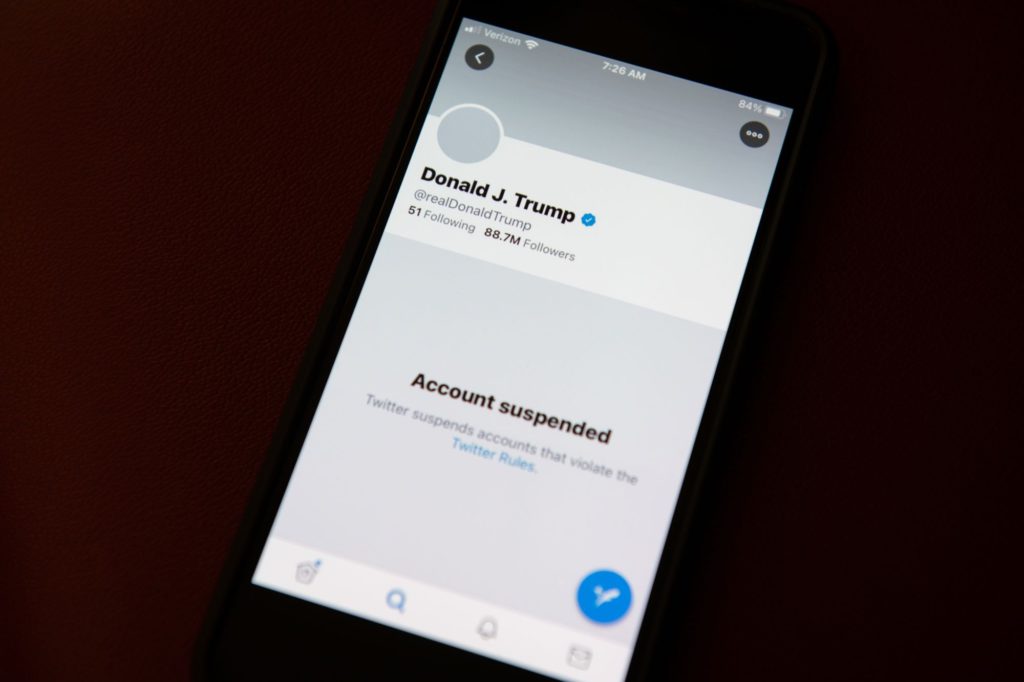
Trump’s Twitter Legal Battle Lingers After Musk Allows Him Back

(Bloomberg) — Elon Musk has tweeted that Donald Trump will be reinstated on Twitter, but the former president isn’t backing down in his legal fight against the social media platform, according to his lawyer.

Without an agreement on terms to end the court dispute, Trump has no plan to withdraw his appeal of a May ruling that dismissed his challenge to the company’s decision to ban him from the platform after the Jan. 6 attack on the Capitol, said John Coale, his attorney.

Despite public comments by Twitter’s new billionaire owner that he will allow Trump’s Twitter account to be restored, “you don’t just do things on your own, you should talk to the other side or wait,” Coale said. “There’s more to it than just letting him back in so we want to talk to see if we can figure something out,” he said.

If the case isn’t resolved with a settlement, a final ruling could set an important precedent on the power of social media companies to deactivate accounts of users found to have violated terms of service. Legal experts have said Trump faces an uphill battle with his legal argument that the Twitter ban violates his right to free speech and amounts to censorship.

“The platforms have had the right to decide who is on the platform, who’s off the platform and what kind of speech is allowed on the platform,” Alex Abdo, litigation director at the Knight First Amendment Institute at Columbia University, said Monday in an interview. “The alternative to that is to give the government the power to decide what public discourse looks like, and I think it would be disastrous for public discourse if the government had the power to decide who could speak where and what they could say.”

Lawyers for Twitter didn’t immediately respond to a request for comment.

There have been no discussions with Twitter since Musk’s Nov. 19 tweet, Coale said, adding that when Musk announced Trump’s reinstatement based on the results of a poll of Twitter users, Trump “told me he had no interest, but that could change.”

When Trump first sued Twitter over the ban — and separately sued Meta Platforms Inc.’s Facebook and Google’s YouTube over the bans they imposed following the Jan. 6 attack — he sought monetary damages to punish the companies and ensure other users can’t be banned or flagged by the tech giants.

Abdo said it may not be surprising that Trump wants to keep fighting if his goal is to win damages from Twitter. 

“His view would probably be that it doesn’t matter that he’s back on the platform when he was asking for money, not just to be allowed back on,” Abdo said.

Following Musk’s poll, Trump said there are “a lot of problems at Twitter” and said he will stick to his own social-media platform, Truth Social. 

Trump was joined in the court fight by other Twitter users who were thrown off the platform, including the American Conservative Union. A San Francisco judge rejected Trump’s argument that Twitter was acting at the behest of the government and suspended his account under pressure from Democratic lawmakers.

Read More: Civil Rights Groups Urge Twitter Ad Boycott Over Trump Return

In their bid to get that ruling reversed by the US Ninth Circuit Court of Appeals, Trump’s lawyers drew a parallel between the former president’s unproven assertion that the 2020 election was stolen and the persecution of the 17th century astronomer Galileo for saying that the earth revolves around the sun.

“Crackpot ideas sometimes turn out to be true,” Trump’s lawyers said in the Nov. 14 filing, which also referred to debates over the authenticity of a laptop tied to Hunter Biden and whether the Covid virus leaked from a laboratory. “We believe the path to truth is forged by exposing all ideas to opposition, debate, and discussion.”

The legal fight remains heated after Musk’s initial vow to reactivate Trump’s Twitter account.

On Nov. 25, the same day that Musk tweeted that reinstating Trump’s Twitter account would “correct a grave mistake,” Twitter’s lawyers slammed the ex-president’s legal tactics. 

They argued in a filing that Trump’s effort to introduce hundreds of pages of additional information for the appeals court to consider is an abuse of procedural rules. Even if it is proper for the court to consider the new material, that “would not change the soundness” of the May dismissal of Trump’s lawsuit, according the company’s filing.

The case is Trump v. Twitter, 22-15961, US Court of Appeals for the 9th Circuit (San Francisco).

–With assistance from Kurt Wagner.

More stories like this are available on bloomberg.com

©2022 Bloomberg L.P.
UK Rewrites Online Safety Bill to Address Free Speech Backlash

(Bloomberg) — The UK government scrapped plans to define and regulate “legal but harmful speech” from the Online Safety Bill as it prepares to bring the long-awaited and controversial legislation back to Parliament next week. 

Ministers axed a planned “harmful communications” offense that would have applied to social media posts sent with the intention of causing harm, resulting in “serious distress,” the Department for Digital, Culture, Media and Sport said late on Monday in a statement.

By making the changes, the government said it hopes to allay the concerns of free speech campaigners that the bill risked causing unintended consequences such as criminalizing “legal and legitimate speech.” At the same time, ministers are seeking to ease passage of the contentious bill through Parliament so that it can achieve its primary goal of protecting young people online. 

“Today’s announcement refocuses the Online Safety Bill on its original aims: the pressing need to protect children and tackle criminal activity online while preserving free speech,” the DCMS said.

The proposals have been in development for more than five years under seven Conservative Party culture secretaries, though the legislation itself was only introduced to Parliament in March.

‘Triple Shield’

Under the revised plans, instead of creating categories of legal content for companies and regulators to oversee, the bill now establishes a “triple shield” of protections:

  • Companies must remove content already ruled illegal, such as hate crime, fraud, and death threats
  • They must remove posts breaching their own terms of service
  • Adults must be given more control and filters over the content they are served

The bill creates duties for companies that host user-generated content and also for search engines to demonstrate how they will protect users. Failure to follow the rules will leave them facing fines and sanctions from media watchdog Ofcom. Although it’s a particular focus for so-called Big Tech businesses such as Meta Platforms Inc. and Twitter Inc., when passed, the law will affect more than 20,000 enterprises, according to a previous government impact assessment. 

Tech companies will be banned from removing or restricting user-generated content, or suspending or banning users, if they haven’t breached terms of service or the law. Twitter, now owned by Elon Musk, has reversed bans on prominent users including former US President Donald Trump. The UK’s regulatory engagement with Twitter was disrupted by Musk’s dramatic takeover.

Meanwhile, other criminal offenses will be created, including the posting and proliferation of online material that encourages self-harm, an issue which was brought into sharp focus after a judge ruled in September that the death of British teenager Molly Russell was related to her social media use.

More stories like this are available on bloomberg.com

©2022 Bloomberg L.P.
Apple to Lose 6 Million iPhone Pros From Tumult at China Plant

(Bloomberg) — Turmoil at Apple Inc.’s key manufacturing hub of Zhengzhou is likely to result in a production shortfall of close to 6 million iPhone Pro units this year, according to a person familiar with assembly operations.

The situation remains fluid at the plant and the estimate of lost production could change, said the person, who asked not to be named because the information is private. Much will depend on how quickly Foxconn Technology Group, the Taiwanese company that operates the facility, can get people back to assembly lines after violent protests against Covid restrictions. If lockdowns continue in the weeks ahead, production could be set further back.

Apple’s shares fell 2.6% to $144.22 in New York on Monday, marking the biggest one-day drop in more than two weeks. They have declined 19% this year.

The Zhengzhou campus has been wracked by lockdowns and worker unrest for weeks after Covid infections left Foxconn and the local government struggling to contain the outbreak. Thousands of staff fled in October after chronic food shortages, only to be replaced by new employees who rebelled against pay and quarantine practices. 

The Foxconn facility produces the vast majority of iPhone 14 Pro and Pro Max devices, Apple’s most in-demand handsets this year. Those premium phones have picked up the slack for slumping demand for the regular iPhone 14 models. Apple lowered its overall production target to about 87 million units from an earlier projection of 90 million units, Bloomberg News reported. 

Apple and Foxconn increased their estimates of the Zhengzhou shortfall over the past two weeks due to growing disruptions, said the person, adding that they expect to be able to make up the 6 million units in lost output in 2023.

“It demonstrates that everyone, even Apple, is susceptible to supply-chain constraints in China due to Covid,” said Anshel Sag of Moor Insights & Strategy. 

The deficit, a significant shortfall for an operation that cranks out tens of millions of iPhones ahead of the peak holiday season, ranks among the more bearish of analysts’ expectations. Morgan Stanley analysts earlier this month estimated the iPhone Pro model shortfall at about 6 million units this year, though that was before the outbreak of violence in Zhengzhou last week. 

Apple and Foxconn didn’t immediately respond to requests for comment. 

The tumult in iPhone City, as the Zhengzhou complex is known, is a stark reminder of the risks for Apple of its vast supply chain in China. Foxconn endeavored to quell protests — largely driven by new hires arriving at Zhengzhou and rejecting onerous Covid controls — by offering a bonus to any workers choosing to return home. Over the weekend, it added a bonus of as much as $1,800 per month for full-time employees staying at the factory through December and January.

The highly visible and unusual protests in Zhengzhou aggravated an already challenging business environment. The enormous complex hosts as many as 200,000 workers during peak iPhone production season. More than 20,000 new hires are reported to have left after the protests.

The departure of new workers is less of a factor in production than the quarantines imposed on existing employees because of their experience and skill, another person familiar with assembly operations said. Foxconn is actively recruiting additional employees, with help from government officials. The Taiwanese company, China’s largest private-sector employer, has years of experience hiring assembly personnel by the tens of thousands, particularly during peak season.

Apple and Foxconn, also known as Hon Hai Precision Industry Co., said earlier this month that shipments of its newest premium iPhones will be lower than previously expected because of China’s lockdowns without providing specifics. 

Morgan Stanley’s analysts also worked through a worst-case scenario for Apple and Foxconn, in which the Zhengzhou facility couldn’t ship any iPhones for the rest of the year. That would result in a 20% shortfall in expected sales for Hon Hai in the current quarter, analysts led by Sharon Shih wrote in the research note Nov. 7. 

Amir Anvarzadeh, an analyst with Asymmetric Advisors, said it can’t be helped that Apple and Foxconn will take a hit from China’s Covid policies. But it’s likely to encourage them to seek out alternative manufacturing locations, such as India and Vietnam.

“It will force Apple to accelerate the diversification of its production base,” he said.

(Updates shares in third paragraph.)

More stories like this are available on bloomberg.com

©2022 Bloomberg L.P.
FTX Received Some Customer Deposits Via Bank Accounts Held by Alameda

(Bloomberg) — As everything was collapsing around him, Sam Bankman-Fried talked casually about the way FTX had accessed regulated banks otherwise out of reach to the crypto exchange: Through his trading firm, Alameda Research.

The arrangement arose because banks were reluctant to do business with crypto companies including FTX, according to people familiar with the matter. To work around the problem, some FTX customers were instructed to send wire transfers via Alameda, which was allowed to have accounts at Silvergate Capital Corp., a cryptocurrency and fintech bank, the people said. 

Some FTX customers continued to send wire transfers as recently as this year, according to one of the people, who requested anonymity discussing private transactions.

The arrangement further spotlights the tangled relationship between FTX and Alameda, which emerged as a quagmire of lax record-keeping and poor centralized controls at the heart of the empire’s unraveling. Advisers overseeing the group’s ruins have more broadly pointed to a potential commingling of digital assets, raising concerns about misuse of customer funds and making ties between the two firms a likely focus for regulators and investigators probing the collapse.

Sam Bankman-Fried declined to give a comment. Representatives for FTX didn’t respond to a request for comment. 

A representative for Silvergate said it’s a federally regulated and state-chartered bank “whose solutions are built on a deep-rooted commitment and proprietary approach to regulatory compliance.” The bank doesn’t comment on customers or their activities as a matter of firm policy, the representative said.

Complicated Facts

Whether the arrangement constitutes any wrongdoing would depend on facts including if the banks in question knew about the setup, according to Alma Angotti, a former enforcer with the US Securities and Exchange Commission and US Treasury Department who now works as a partner at the consulting firm Guidehouse.

“It’s very bad practice and risk management in any book to mingle your customer funds with counterparty funds and other funds,” Angotti said. “This is a complicated set of facts and it’s hard to say at this point what was violated. It’s bad risk management and it’s sloppy at the very least.”

In a recent Twitter message exchange with news website Vox, Bankman-Fried acknowledged that people could wire money to Alameda’s bank account to get money to FTX. Over the years, it “looks like people wired $8 billion to Alameda,” he said.

Silvergate, based in La Jolla, California, is one of the few Federal Reserve member banks that help customers move dollars and euros into crypto exchanges, a process known as “on-ramp” in the industry. Its Silvergate Exchange Network has been a key offering for exchanges and other businesses that deal in digital assets.

Silvergate has said that deposits from FTX represented less than 10% of the $11.9 billion in deposits from digital-asset customers on the company’s platform as of Sept. 30. 

More stories like this are available on bloomberg.com

©2022 Bloomberg L.P.
The Video Game-Inspired Art of King Houndekpinkou

(Bloomberg) — When the now-renown French artist King Houndekpinkou visited Japan a few years ago, a stranger changed his life by introducing him to ceramics. He quit his job in marketing and pursued his new passion.

On this episode of Bloomberg’s Made, we explore how Houndekpinkou discovered his own style with the help of an established Japanese artist and a little inspiration from video games.

More stories like this are available on bloomberg.com

©2022 Bloomberg L.P.
Stocks Hit by Fedspeak as China Woes Boost Havens: Markets Wrap

(Bloomberg) — Stocks sank as Federal Reserve officials stressed that more rate hikes are coming, with risk appetite also hit by uncertainties around China’s Covid curbs and their impact on the global economy.

The S&P 500 pared its monthly gain as Fed Bank of St. Louis President James Bullard said markets may be underestimating the chances of higher rates while his New York counterpart John Williams noted policymakers have more work to do to curb inflation. Fed Vice Chair Lael Brainard said the string of supply shocks is keeping inflation risks elevated. 

Investors are now looking ahead to Jerome Powell’s speech Wednesday, with many economists expecting he’ll cement bets that the Fed will slow its pace of rate increases next month — while reminding Americans that its fight against inflation will run into 2023.

“We expect Powell will push back more narrowly on market bets on early rate cuts that have once again crept a bit too far into 23, emphasizing that a stronger-for-longer labor market suggests that rates will need to be higher for longer,” wrote Krishna Guha, vice chairman of Evercore ISI.

As traders sought safety, the dollar rose alongside the Japanese yen. Investor anxiety also hit Bitcoin, with the crypto market digesting BlockFi Inc.’s bankruptcy filling. US-listed Chinese shares rebounded from a selloff. Apple Inc. slid as Bloomberg News reported that turmoil in China is likely to result in a production shortfall of close to 6 million iPhone Pro units this year.

China’s woes complicate expectations of its path to reopening, with authorities deploying a heavy police presence in Beijing and Shanghai to deter a repeat of the weekend’s demonstrations. Chances are growing of a messy exit from the Covid Zero policy, analysts at Goldman Sachs Group Inc. warned.

“This is going to keep economic activity subdued in the country, and beyond,” said Fawad Razaqzada, market analyst at City Index and Forex.com. “The civil unrest is adding another layer of uncertainty over the economic situation there. It is certainly hurting investor sentiment across the financial markets.”

Read: Biden Team Watching China Protests, Doesn’t See Economic Risks

Just when the S&P 500 was trying to break above the highs of mid-November, sentiment turned negative, threatening the market’s recent momentum. Timing is most inconvenient here as the index approaches a crucial technical zone in the shape of both the 2022 downtrend and the 200-day moving average. Should the recent bullishness evaporate, short-term tactical bear trades might spark a bout of profit taking.

Stock markets are in for a wild ride next year as they don’t yet reflect the risk of a US recession, according to strategists at Goldman Sachs and Deutsche Bank. Their calls are a warning after equities rallied sharply in the past two months on bets that a peak in inflation will lead to a softening of hawkish central bank policies.

BlackRock Inc.’s Chief Investment Officer Rick Rieder sees a chance for rates volatility to turn lower and provide a necessary, “though perhaps not sufficient” condition for stabilization in risk assets markets.

Stagflation is the key risk for the global economy in 2023, according to investors who said hopes of a rally in markets are premature following this year’s brutal selloff. Almost half of the 388 respondents to the latest MLIV Pulse survey said a scenario where growth continues to slow while inflation remains elevated will dominate globally next year.

Elsewhere, oil climbed as OPEC+ is seen considering deeper output cuts amid a faltering market.

Read: Long-Dated Credit Does Best Since 2008 as Buyers Bet on Pivot

Key events this week:

  • Euro area economic confidence, consumer confidence, Tuesday
  • US Conference Board consumer confidence, Tuesday
  • EIA crude oil inventory report, Wednesday
  • China PMI, Wednesday
  • Fed Chair Jerome Powell speech, Wednesday
  • Fed releases its Beige Book, Wednesday
  • US wholesale inventories, GDP, Wednesday
  • S&P Global PMIs, Thursday
  • US construction spending, consumer income, initial jobless claims, ISM Manufacturing, Thursday
  • BOJ’s Haruhiko Kuroda speaks, Thursday
  • US unemployment, nonfarm payrolls, Friday
  • ECB’s Christine Lagarde speaks, Friday

Some of the main moves in markets:

Stocks

  • The S&P 500 fell 1.5% as of 4 p.m. New York time
  • The Nasdaq 100 fell 1.4%
  • The Dow Jones Industrial Average fell 1.4%
  • The MSCI World index fell 1.4%

Currencies

  • The Bloomberg Dollar Spot Index rose 0.6%
  • The euro fell 0.6% to $1.0336
  • The British pound fell 1.2% to $1.1949
  • The Japanese yen rose 0.2% to 138.93 per dollar

Cryptocurrencies

  • Bitcoin fell 1.9% to $16,252.51
  • Ether fell 3.4% to $1,174.4

Bonds

  • The yield on 10-year Treasuries advanced one basis point to 3.69%
  • Germany’s 10-year yield advanced two basis points to 1.99%
  • Britain’s 10-year yield was little changed at 3.13%

Commodities

  • West Texas Intermediate crude rose 0.8% to $76.87 a barrel
  • Gold futures fell 0.8% to $1,754.50 an ounce

This story was produced with the assistance of Bloomberg Automation.

–With assistance from Sujata Rao, John Viljoen, Vildana Hajric, Peyton Forte and Isabelle Lee.

More stories like this are available on bloomberg.com

©2022 Bloomberg L.P.
Close Bitnami banner
Bitnami